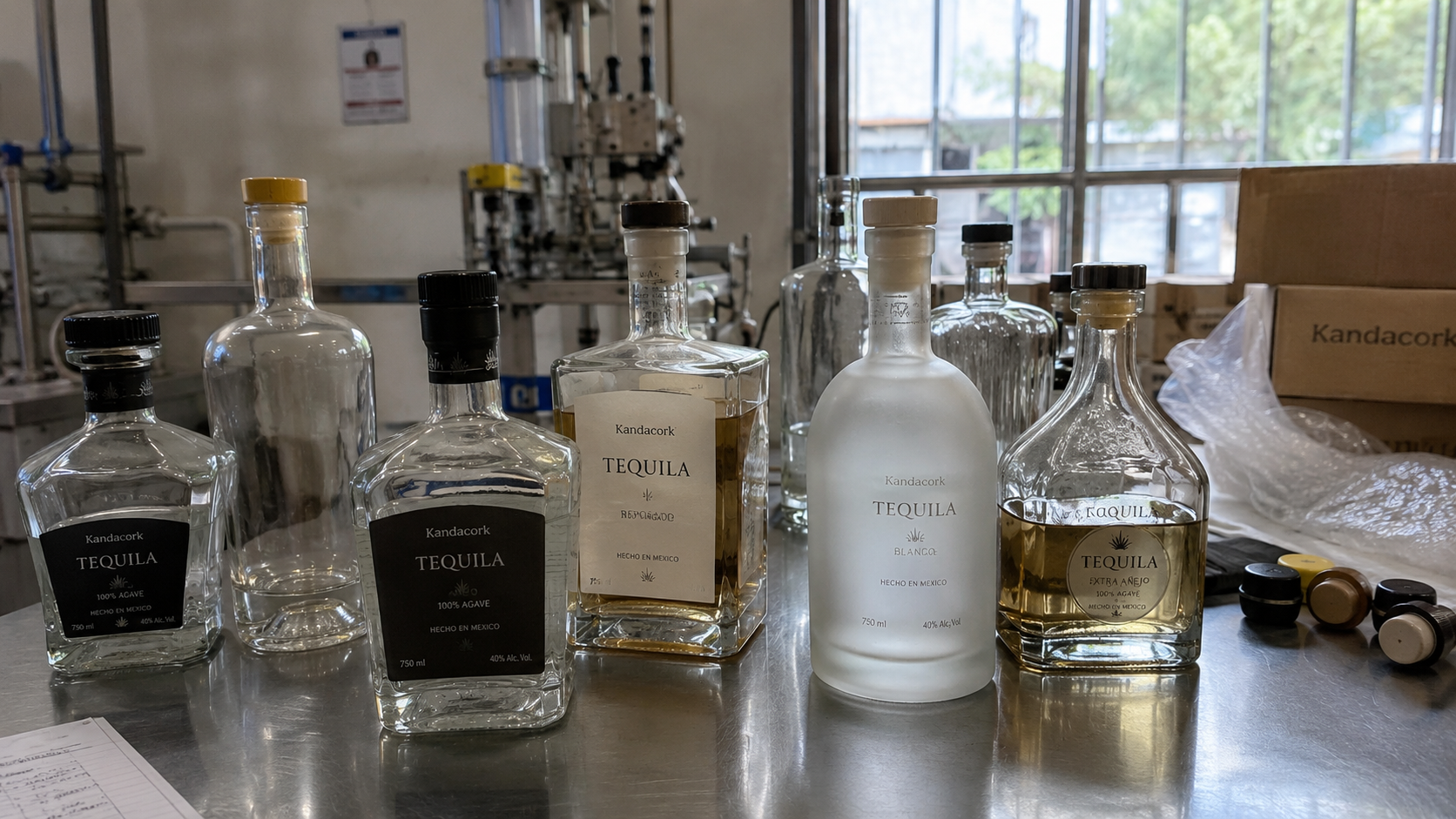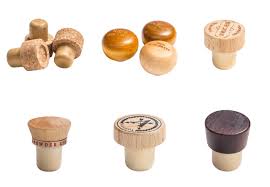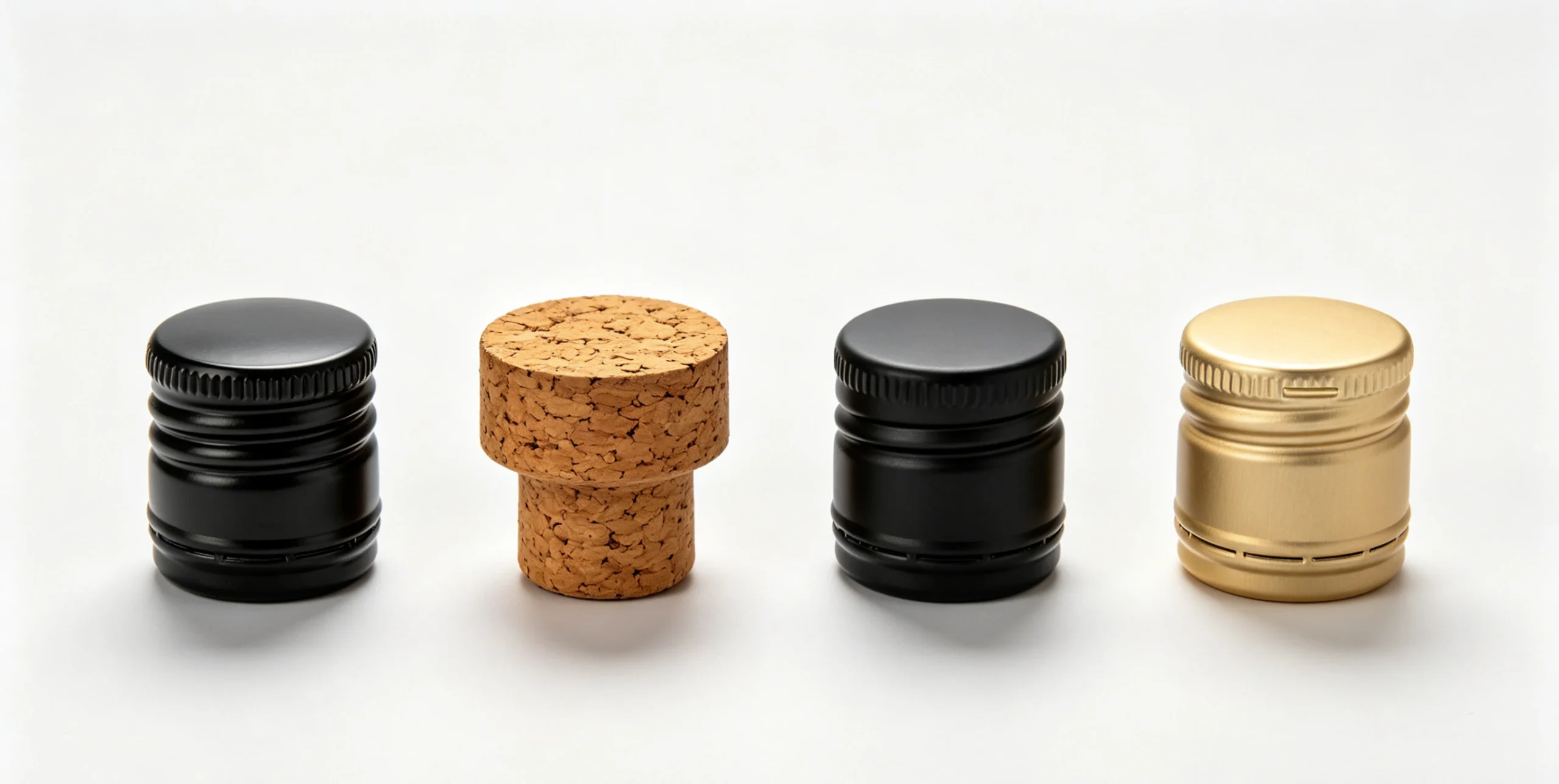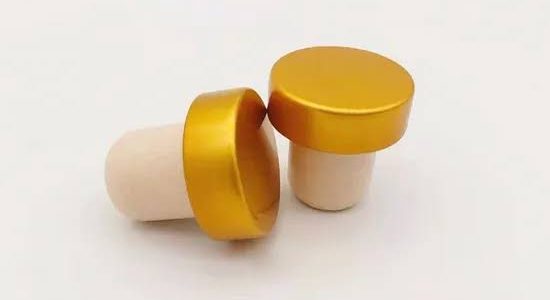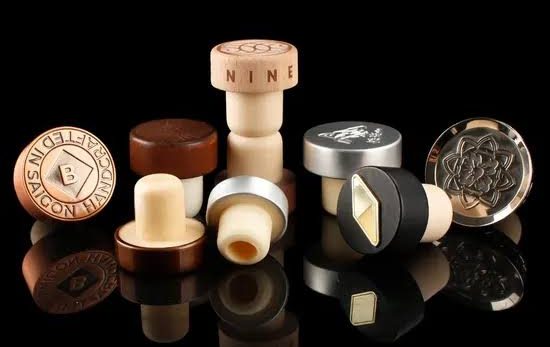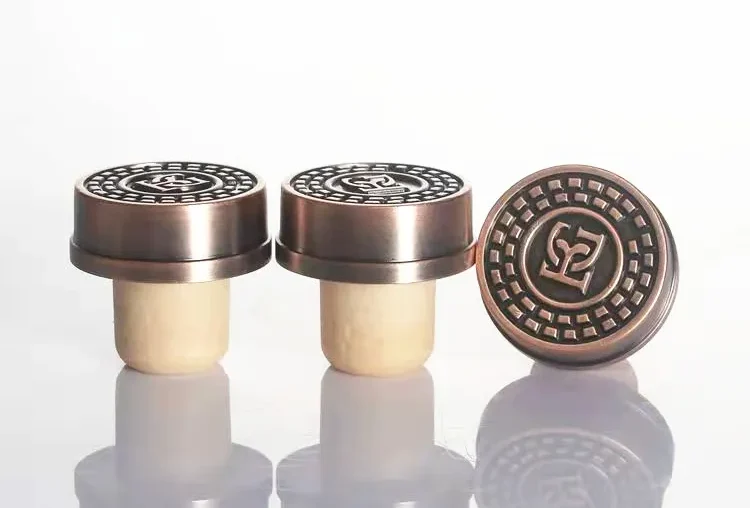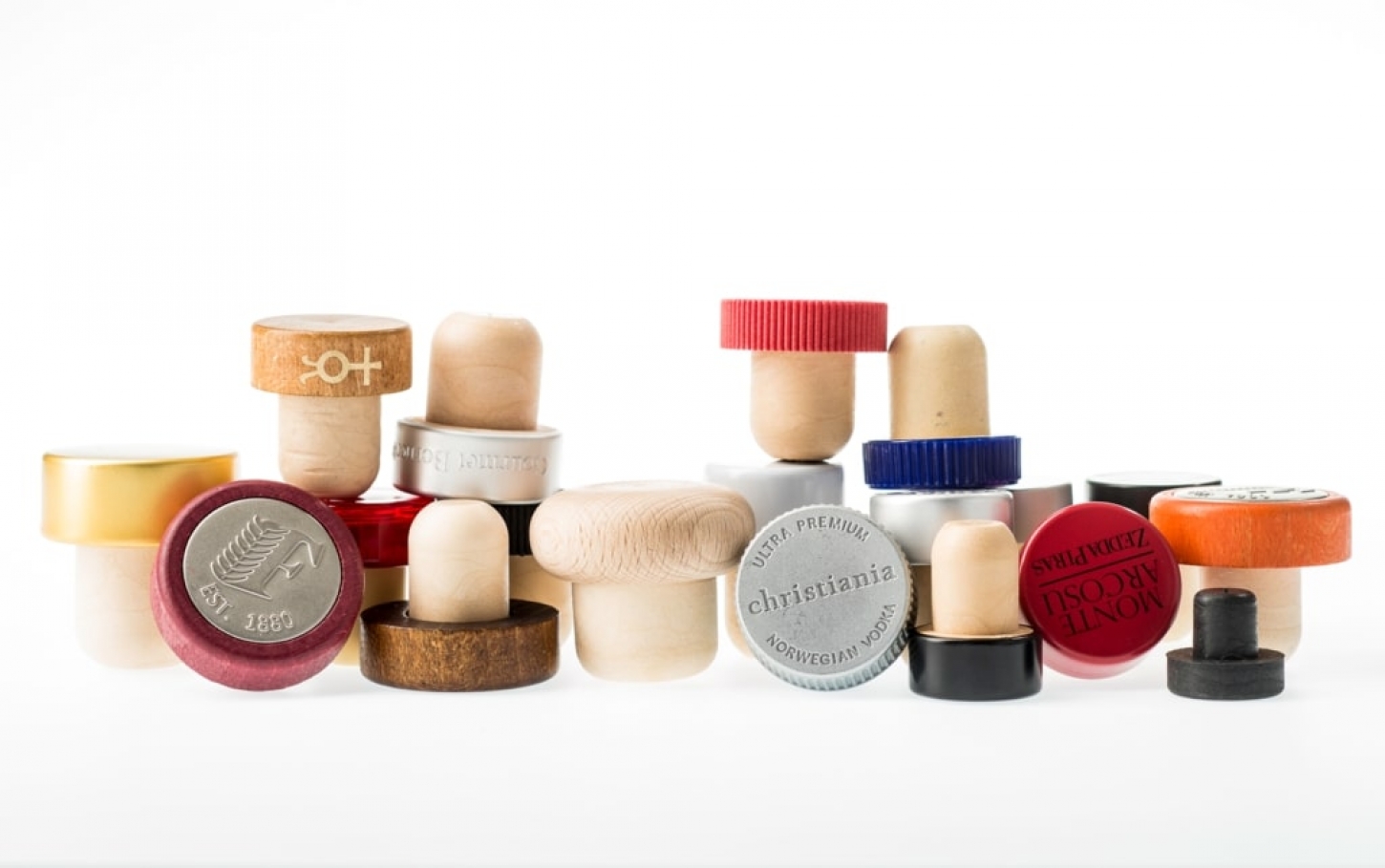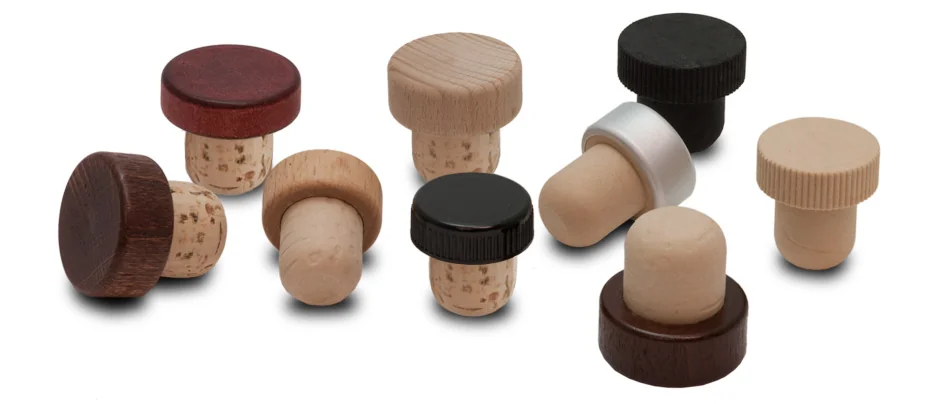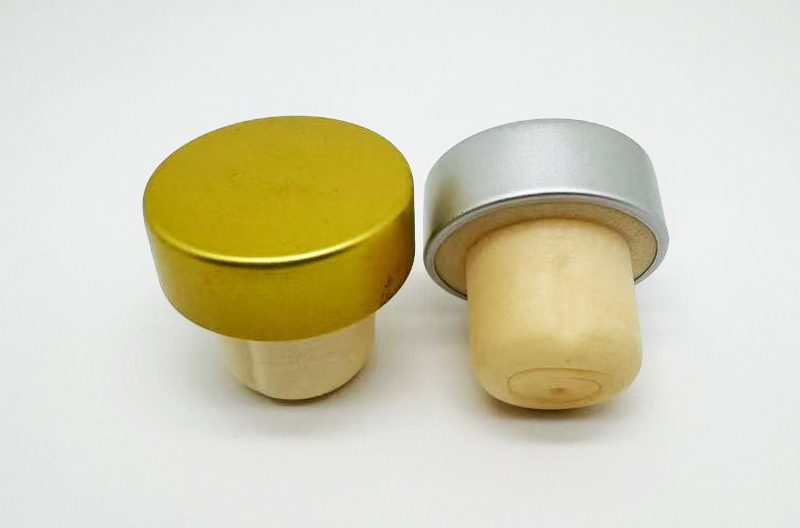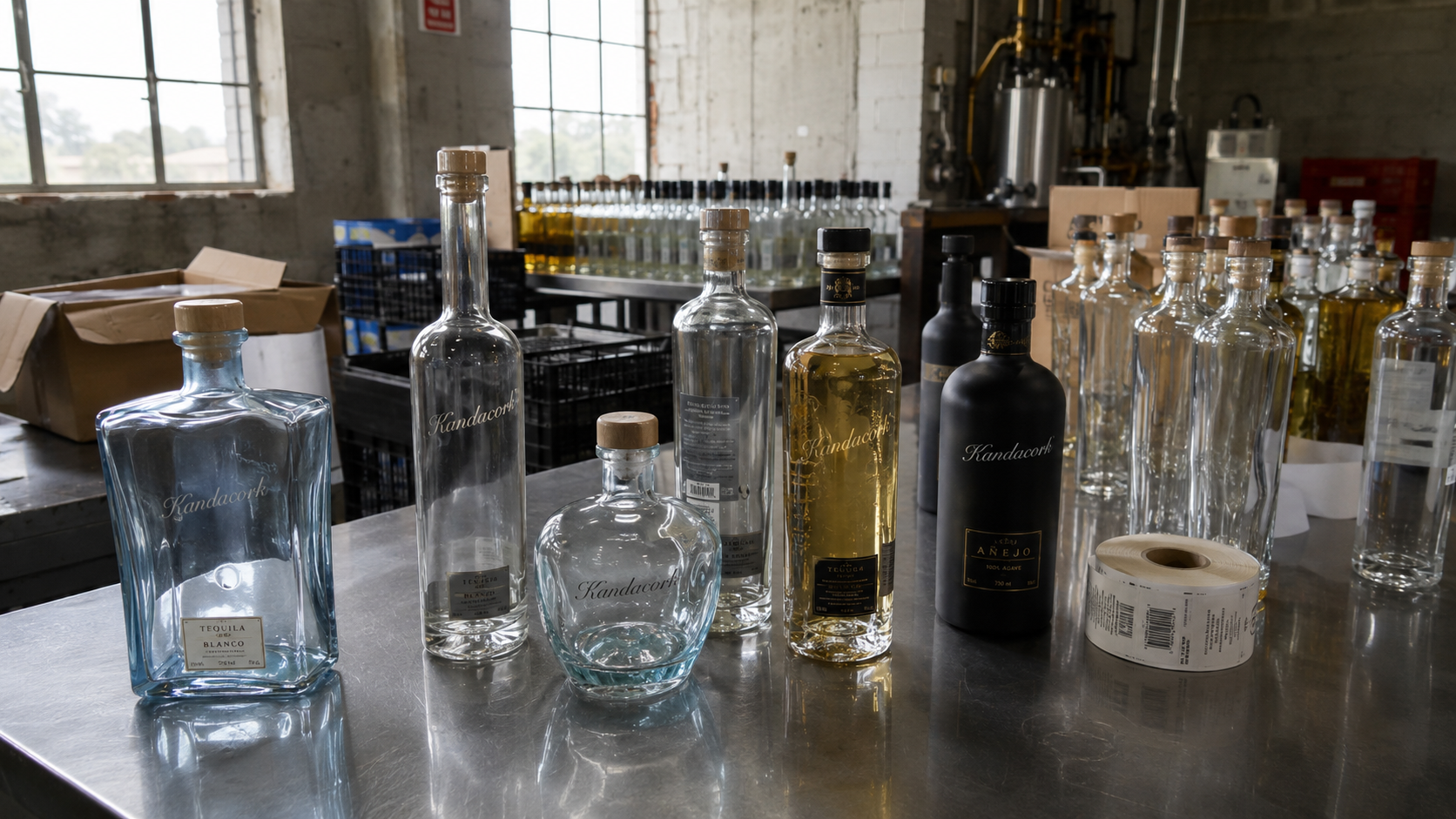
Aluminium stopper fit depends on bottle neck inner diameter, shank material, compression and tolerance control. This guide explains how buyers can check neck fit and shank size before approving samples or bulk production.
Quick Answer: What Does Aluminium Stopper Bottle Neck Fit Mean?
Aluminium stopper bottle neck fit means matching the bottle neck inner diameter with the correct stopper shank diameter, shank material, sealing depth and insertion force. In many spirits bottles, an 18.5 mm neck opening often starts with a 19.5 mm shank, while a 21.5 mm neck opening often starts with a 22.5 mm shank. These are useful starting points, not universal rules. Final fit should always be confirmed with real bottle and stopper samples before bulk production.
The aluminium head creates visual value, grip and brand character. The shank creates most of the functional seal inside the bottle neck. A good fit should insert smoothly, hold firmly, resist leakage and open with a controlled premium pull feel.
Who This Guide Is For
This guide is written for spirits brands, distilleries, glass bottle suppliers, packaging designers, purchasing teams, importers and private-label buyers that need to choose or customize aluminium stoppers for commercial bottle projects. It is especially useful when a team is upgrading from plastic or wooden tops, solving leakage issues, preparing an export order, or coordinating bottles and closures from different suppliers.
If your project also involves bottle structure, capacity, glass weight or full packaging coordination, specialist support for custom spirits bottles can help ensure the bottle and closure are planned as one system rather than separate components.
Why Bottle Neck Fit Matters
A stopper is a small component, but it strongly influences how buyers and consumers judge the whole bottle. If the stopper feels stable and opens smoothly, the product feels more controlled and premium. If the top wobbles, leaks, tilts or requires excessive force, the package feels unfinished even if the glass bottle and label are well designed.
Bottle neck fit also affects production. Poor fit can cause inconsistent insertion depth, rejected bottles, slow manual inspection, leakage complaints or line stoppages. For export spirits, the risk is higher because vibration, temperature change and long-distance handling can expose small sealing weaknesses. The safest approach is to treat fitment as an engineering decision before finalizing decorative details.
A complete closure review should consider the whole family of bottle stoppers and closures, including bar-top stoppers, screw caps, ROPP closures, capsules and non-refillable systems when the bottle range includes more than one format or market.
Key Measurements for Aluminium Stopper Bottle Neck Fit
Neck Inner Diameter
Neck inner diameter, often called neck ID or bore, is the internal opening where the stopper shank enters the bottle. It is the first measurement to confirm because the shank must compress against this inner surface to create a secure friction fit.
The neck ID should be measured on real production bottles whenever possible. Technical drawings are useful, but glass bottles can vary by mold, batch, supplier and finish design. If a brand uses more than one bottle supplier, samples from each source should be checked.
Shank Diameter
Shank diameter is the width of the stopper body that enters the bottle neck. The shank should normally be slightly larger than the bottle opening so it compresses when inserted. Too little compression can cause loose fit and leakage. Too much compression can create difficult insertion, stopper deformation or poor consumer opening experience.
Neck Finish and Finish Height
The neck finish is the upper part of the bottle that interacts with the closure. For threaded closures, finish dimensions are critical for cap engagement and liner compression. For bar-top spirits stoppers, finish height and mouth geometry affect how the aluminium top sits, how deep the shank enters and whether a capsule or tamper-evident feature can be applied neatly.
Packaging teams often use terminology from the Glass Packaging Institute to communicate container finish concepts more clearly with glass manufacturers and closure suppliers. Even when the stopper is not threaded, consistent language helps reduce confusion around inner diameter, outer diameter, finish height and seating surface.
Internal Neck Profile
Two bottles can share the same mouth opening but have different internal profiles. One may have a smooth inner bore, while another may taper, narrow or contain a pinch point below the mouth. This affects insertion force and sealing depth.
The stopper should be tested along the actual contact area, not only at the opening. A short contact area may cause wobble. A narrow lower bore may make the stopper too tight. A heavy aluminium head may require a longer or more stable shank profile to prevent top movement.
Aluminium Stopper Shank Size Chart
| Bottle Neck Inner Diameter | Common Starting Shank Diameter | Typical Application | Fitment Note |
|---|---|---|---|
| 18.5 mm | 19.5 mm | Standard spirits bottles, gin, vodka, mini spirits | Common bar-top fit; sample testing required |
| 21.5 mm | 22.5 mm | Premium whisky, rum, tequila and heavier bottles | Often used for stronger shelf presence |
| Custom neck ID | Custom shank size | Bespoke glass bottles and limited editions | Requires bottle drawing and physical sample review |
| Variable neck ID | Adjusted shank profile | Multi-supplier or multi-market bottle programs | Requires tighter tolerance control |
This chart should be used as a starting guide only. The best aluminium stopper bottle neck fit must be confirmed with the actual bottle, actual stopper, intended filling condition and real stoppering method.
Shank Materials and Fit Behavior
The shank material affects compression, recovery, insertion feel, pull force and production consistency. Buyers should choose the material based on both brand positioning and technical requirements.
| Shank Material | Main Advantage | Best Fit For | Buyer Consideration |
|---|---|---|---|
| Synthetic shank | Consistent dimensions and controlled performance | Vodka, gin, tequila, private-label spirits and large-volume production | Strong option when repeatable fit is the priority |
| Synthetic cork shank | Cork-like appearance with improved stability | Whisky, rum, brandy, liqueurs and premium spirits | Balances traditional look with better dimensional control |
| Natural cork shank | Classic premium appeal | Craft spirits, heritage brands and limited editions | Natural variation requires closer inspection |
| Agglomerated cork shank | Cost-effective cork appearance | Commercial spirits and export programs | Practical balance between cost and appearance |
For projects that require stable dimensions, clean appearance and scalable production, synthetic bar-top stoppers can be useful references when comparing shank behavior for aluminium stopper development.
Standards, Quality and Distribution Considerations
Fitment decisions should be practical, but they also benefit from recognized quality and testing frameworks. For shipping validation, ASTM D4169 provides a commonly referenced practice for evaluating shipping units under a structured distribution test system. Spirits brands do not need to turn every closure project into a laboratory exercise, but they should think about vibration, handling, compression, temperature change and carton orientation before approving export packaging.
For production consistency, ISO 9001 is a useful quality-management reference because it emphasizes repeatable processes, customer requirements and continual improvement. In closure projects, that thinking can apply to shank diameter checks, surface finish inspection, logo placement control, sampling records and batch traceability.
For the U.S. distilled spirits market, the TTB states that distilled spirits bottles require tamper-evident closures or similar devices. This is important when a stopper is paired with a capsule, shrink sleeve, non-refillable insert or other market-specific closure system.
Aluminium also has a strong material story. The Aluminum Association notes that aluminium is highly recyclable, which can support packaging teams that want a durable metallic closure while considering circular-material goals. For spirits packaging, sustainability claims should still be specific, accurate and supported by the actual materials, coatings and local recycling conditions.
How to Choose the Right Aluminium Stopper Bottle Neck Fit
Measure the Bottle Neck ID
Start by measuring the bottle neck inner diameter with calipers and reviewing the bottle drawing. Measure more than one bottle if possible, especially when the bottle is newly tooled or sourced from multiple production batches.
Select a Starting Shank Diameter
Use the neck ID to choose a starting shank size. The common 18.5 mm neck with 19.5 mm shank and 21.5 mm neck with 22.5 mm shank relationships are useful, but the final decision depends on glass tolerance, shank material, rib design, sealing depth and stoppering method.
Confirm Insertion Force
Insertion force is the pressure needed to push the stopper into the bottle. If it is too low, the stopper may feel loose. If it is too high, the stopper may deform, slow down production or create an unpleasant user experience. Manual stoppering and automatic stoppering should be tested separately because a stopper that works by hand may not perform the same way on a line.
Check Pull Force
Pull force is the effort needed to remove the stopper. Premium spirits usually need a firm but comfortable pull. If the stopper releases too easily, the package may feel unsafe or low quality. If it is too difficult to remove, the consumer experience suffers.
Test Leakage Resistance
Leakage testing should use the real bottle, real stopper and realistic filling conditions. Alcohol content, headspace, temperature, transport orientation and carton packing can all influence performance. For export programs, test filled bottles through handling scenarios that resemble the actual route to market.
Approve Samples Before Bulk Production
Sample approval confirms more than fit. It also verifies head shape, surface finish, color, logo clarity, top alignment, packing method and compatibility with the intended bottling process. Buyers should avoid moving directly from drawing review to mass production without physical samples.
Common Aluminium Stopper Fit Problems and Solutions
| Fit Problem | Likely Cause | Practical Solution |
|---|---|---|
| Stopper feels loose | Shank is undersized, neck ID is larger than expected or sealing depth is too shallow | Increase shank diameter, adjust rib profile or review bottle tolerance |
| Stopper is too tight | Shank is oversized, neck bore is narrow or material is too rigid | Reduce shank size, adjust hardness or test a different shank structure |
| Stopper wobbles | Contact area is too short or aluminium head is too heavy for the shank | Increase shank length, rebalance head-to-shank ratio or review internal neck profile |
| Bottle leaks during transport | Weak compression, inconsistent insertion depth, vibration or temperature change | Conduct leak testing, review insertion depth and validate packing method |
| Aluminium top sits unevenly | Finish height mismatch, bottle variation or assembly tolerance issue | Check bottle drawing, assembly tolerance and production bottle samples |
| Surface scuffing appears | Handling friction, insertion equipment or finish sensitivity | Review stoppering method, packing protection and coating durability |
If your current closure feels loose, tight, tilted or unstable, Kandacork Closures can review the bottle sample, current stopper and target market to recommend a better aluminium stopper specification.
Real-World Buyer Scenarios
Whisky Brand With a Heavy Glass Bottle
A whisky brand using a heavy glass bottle may choose a larger neck opening and a brushed black, bronze or dark metallic aluminium top. In this case, the fit review should focus on pull force, top stability, finish height and leakage resistance during export transport. A heavy top may need careful head-to-shank balance to prevent wobble.
For very high-value releases, custom metal bar-top stoppers may also be considered when the brand wants additional weight, sculpted detail or a more collectible closure experience.
Gin Brand Upgrading From Plastic to Aluminium
A gin brand may switch from a plastic top to anodized aluminium to create a cleaner and more premium appearance. If the bottle uses clear or colored glass, top alignment becomes highly visible. The buyer should test the visual gap between the aluminium head and bottle mouth, logo placement, shank fit and finish durability under handling.
Vodka Private-Label Buyer Using Multiple Bottle Suppliers
A private-label vodka buyer may source bottles from several glass suppliers. Even when each supplier lists the same nominal neck size, small variations can affect fit. In this case, the stopper should be tested across all bottle sources, and the buyer may prefer a synthetic or synthetic-cork shank with tight dimensional control.
Rum Exporter Testing Leakage After Temperature Change
A rum exporter may see leakage only after long-distance shipping or temperature fluctuation. The issue may not appear during a short room-temperature test. Filled-bottle testing, vibration exposure, storage orientation and packing review can help identify whether the solution requires a different shank diameter, material recovery, insertion depth or carton design.
Custom Design Options for Aluminium Stoppers
A strong aluminium stopper should combine fitment performance with brand design. Head shapes can include T-top, bar-top, round top, flat top, tall top, short top or custom profiles. Surface finishes can include anodized silver, gold, black, bronze, brushed aluminium, polished aluminium, matte coating or custom brand colors.
Branding methods may include laser engraving, embossing, debossing, top printing, side printing, metal medallions or custom inserts. Kandacork Closures supports custom closure branding when the stopper needs to coordinate with labels, capsules, gift boxes, bottle decoration and retail photography.
For brands that need a broader visual system, specialist closure decoration and branding support can help align logo style, color language, decoration methods and shelf presentation across the whole pack.
Coordinating the Stopper With the Whole Bottle
The best closure decision is rarely made in isolation. Bottle weight, shoulder shape, label position, capsule length, glass color and carton packing all influence how the stopper looks and performs. A tall aluminium top may look elegant on a broad-shouldered whisky bottle but oversized on a narrow vodka bottle. A polished silver top may fit a minimalist gin design but feel too cold for a heritage rum brand.
Brands that need one partner to coordinate glass, closures, decoration and export packaging can work with Kandacork Glass for integrated project planning. For buyers comparing wider bottle-and-jar packaging programs or multi-category packaging, Kandacork Glass Packaging can support broader structural packaging needs.
What to Send Before Requesting a Quote
A clear project brief helps the supplier recommend a suitable fit faster. Before requesting samples, prepare the following information:
| Information Needed | Why It Matters |
|---|---|
| Bottle neck inner diameter | Determines starting shank size |
| Bottle technical drawing | Confirms finish height, tolerance and mouth geometry |
| Physical sample bottle | Allows real fit testing |
| Current stopper sample | Helps diagnose fit problems or match existing performance |
| Spirits category and ABV | Supports material and sealing recommendations |
| Manual or automatic stoppering method | Affects insertion-force requirements |
| Target opening feel | Helps define pull-force expectations |
| Logo file or artwork | Supports engraving, embossing, printing or medallion design |
| Surface finish target | Confirms aluminium color, texture and coating direction |
| Sample and bulk quantity | Supports development method, tooling and production planning |
| Export destination | Helps define packing and transport expectations |
When the bottle drawing, sample bottle, logo file and quantity target are ready, buyers can request closure support to begin fitment review and sample planning.
FAQ
How do I know what size aluminium stopper fits my bottle?
Measure the bottle neck inner diameter first, then select a shank diameter that creates a firm friction fit. Many 18.5 mm spirits bottle necks start with a 19.5 mm shank, while many 21.5 mm necks start with a 22.5 mm shank. Always confirm with samples before bulk production.
Is the aluminium top responsible for sealing the bottle?
Usually, no. The aluminium top provides appearance, grip, weight and branding. The shank creates the main sealing contact inside the bottle neck.
Can one aluminium stopper fit all spirits bottles?
No. Bottle neck ID, finish height, internal neck profile, shank material, shank diameter and insertion method all affect fit. Even bottles with similar listed sizes may require different stopper specifications.
What is the best shank material for aluminium stoppers?
The best material depends on the brand and production requirement. Synthetic shanks offer strong dimensional consistency. Synthetic cork balances cork appearance with controlled performance. Natural cork offers traditional premium appeal. Agglomerated cork can provide a cost-effective cork-style option.
Should I test aluminium stopper samples before bulk ordering?
Yes. Sample testing helps confirm neck fit, insertion force, pull force, leakage resistance, top alignment, logo appearance and packaging compatibility before mass production.
What causes aluminium stoppers to leak?
Common causes include undersized shanks, inconsistent insertion depth, weak shank compression, bottle neck variation, unsuitable material, transport vibration or temperature change. Testing with real bottles and realistic filling conditions is the best way to identify the cause.
What is the difference between aluminium and aluminum stoppers?
Aluminium and aluminum refer to the same metal. “Aluminium” is common in British and international English, while “aluminum” is common in American English. Buyers may use either spelling when searching for custom bottle stoppers.
Are aluminium stoppers suitable for automatic bottling lines?
Yes, but the stopper must be tested with the actual line setup. Shank diameter, insertion force, material hardness, head shape and bottle tolerance all affect automatic stoppering performance.
Conclusion
Aluminium stopper bottle neck fit determines whether a spirits closure feels premium, seals securely, performs on the filling line and protects the product through distribution. The right fit starts with accurate bottle neck measurement, then continues through shank selection, material review, insertion testing, pull-force evaluation, leakage testing and sample approval.
For spirits brands, packaging developers, glass bottle suppliers and private-label buyers, Kandacork Closures provides custom aluminium stopper solutions that combine technical fitment with brand-focused design. Share your bottle drawing, sample bottle, target quantity, logo file, stoppering method and branding requirements to develop an aluminium stopper that fits the bottle and strengthens the product’s shelf presence.