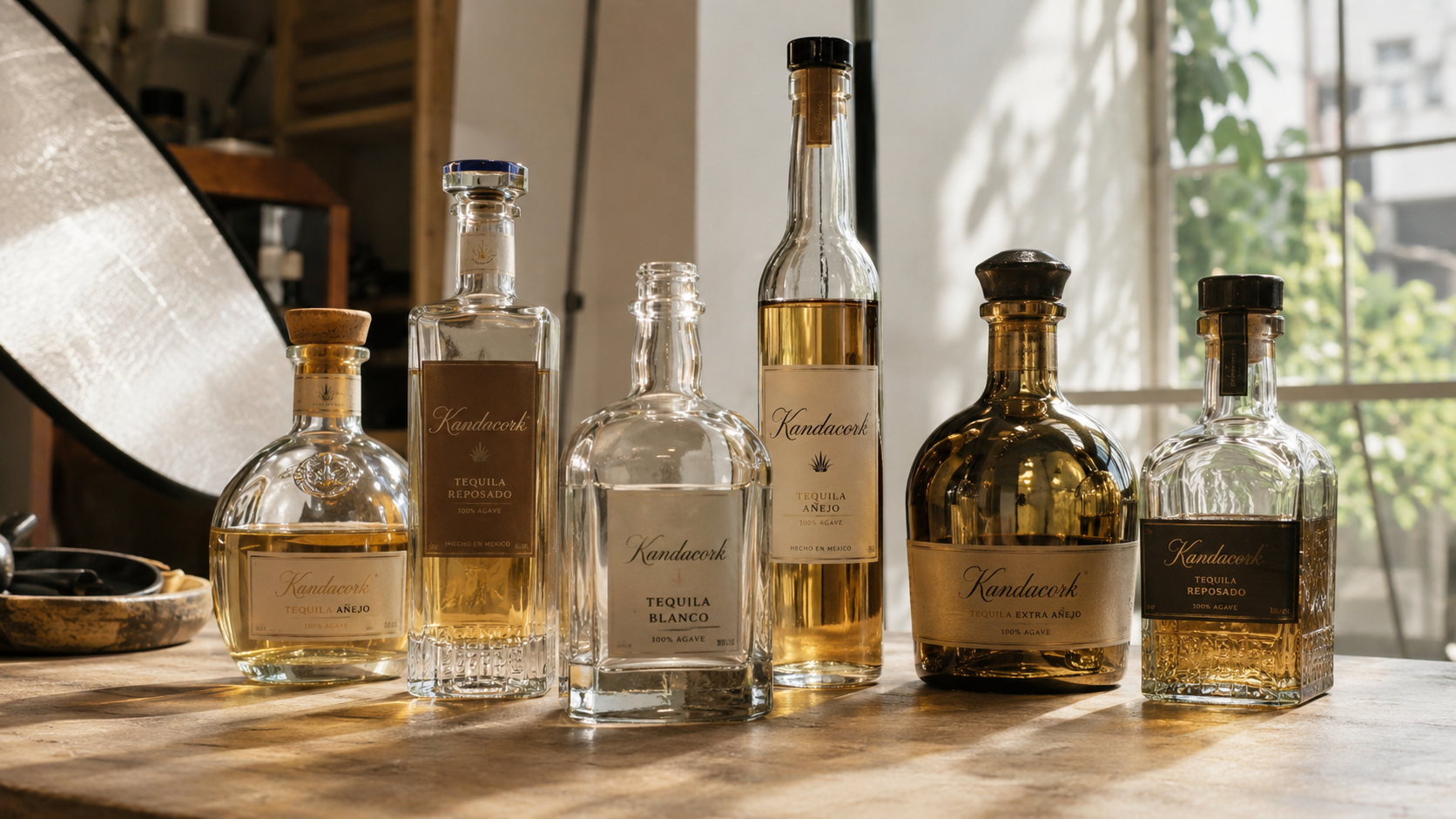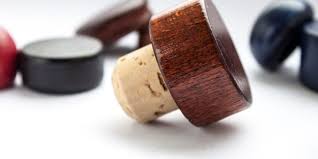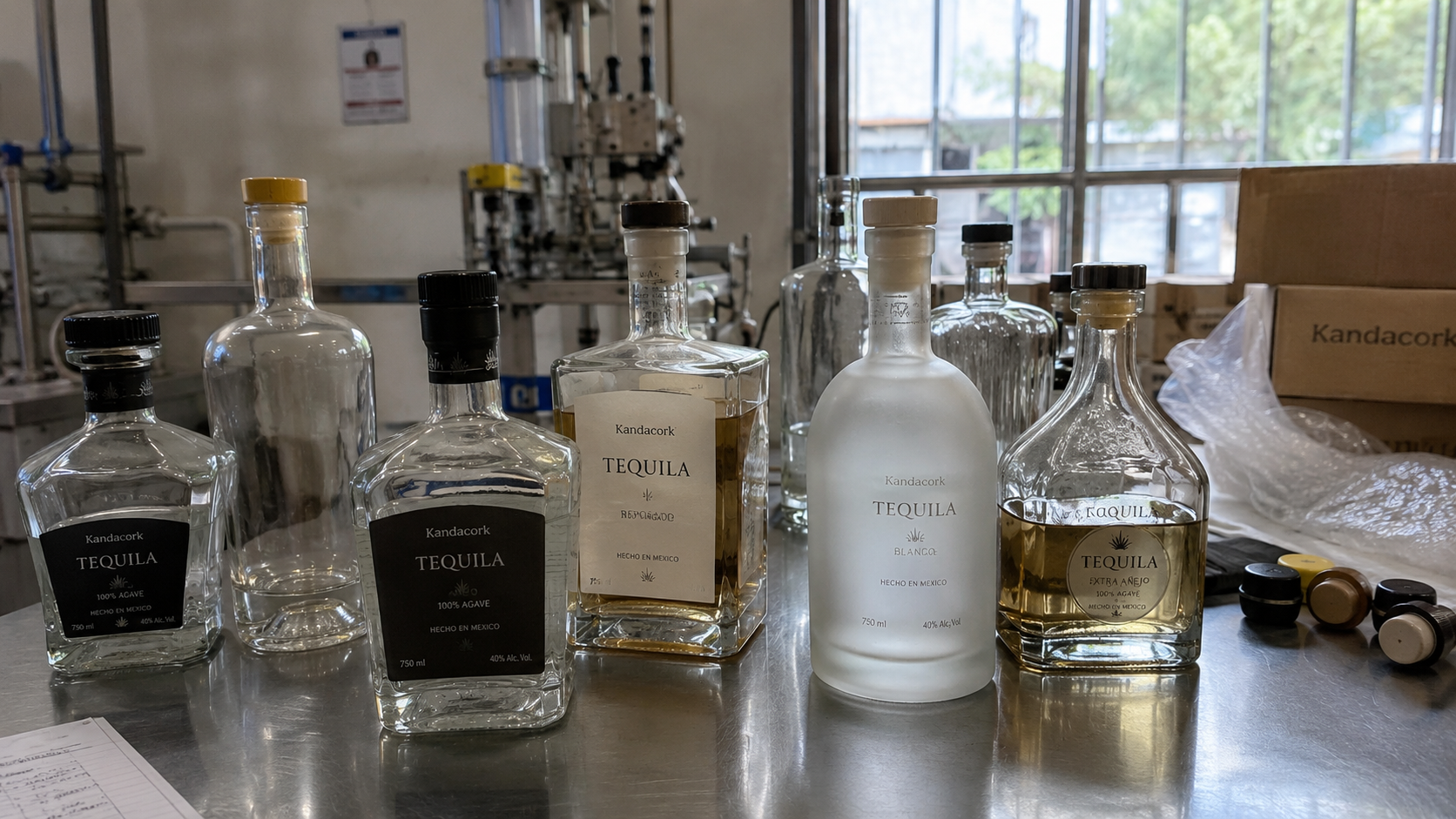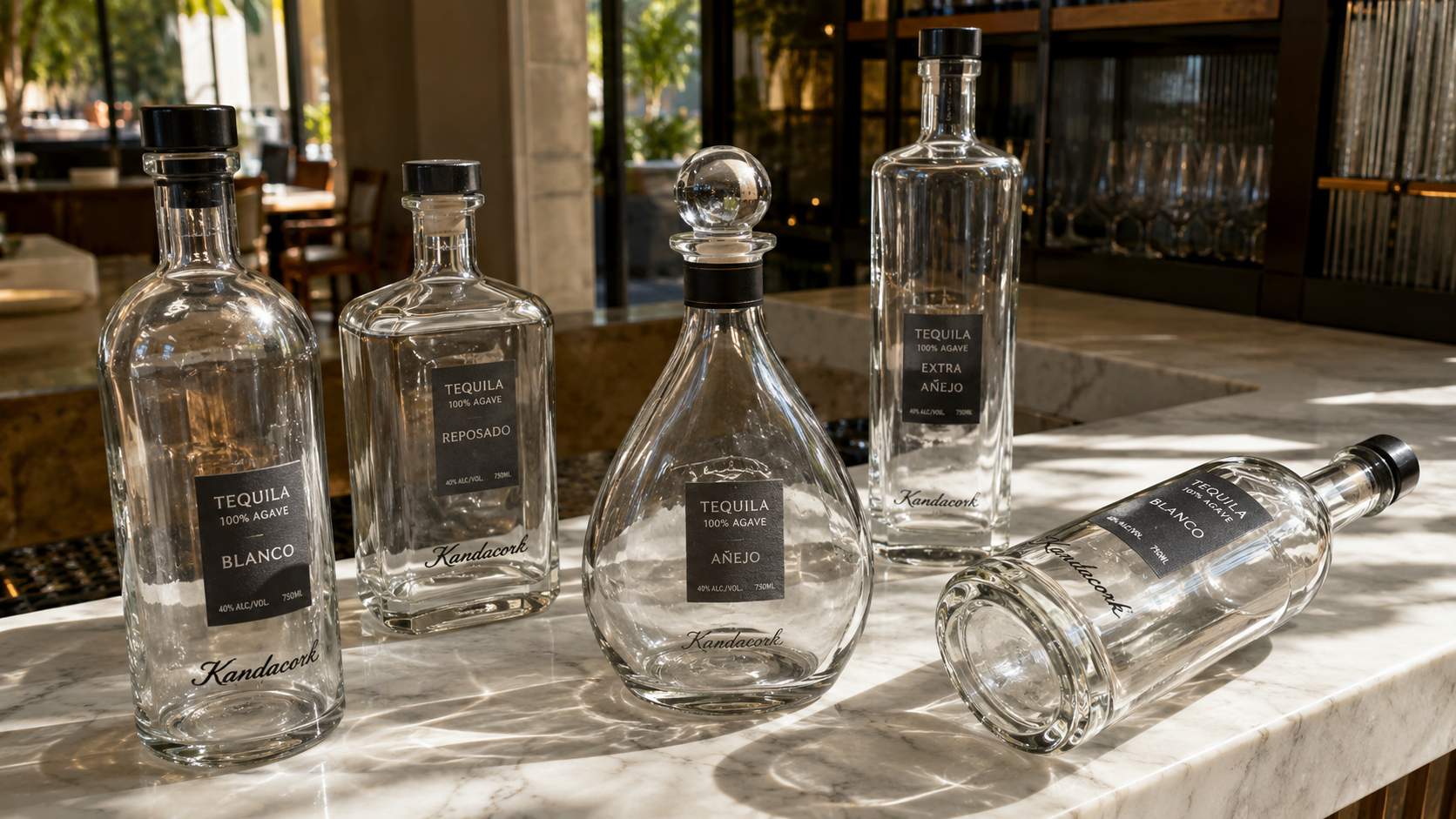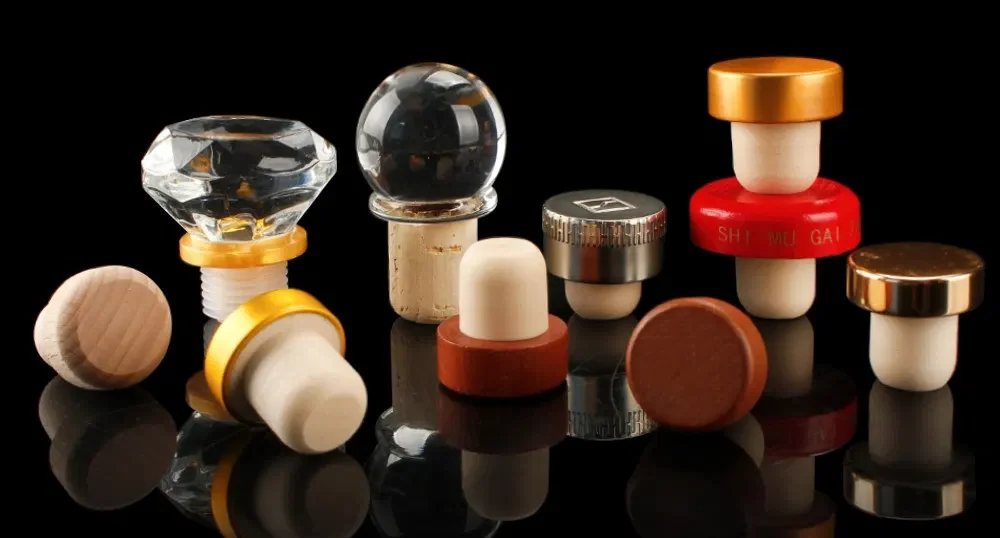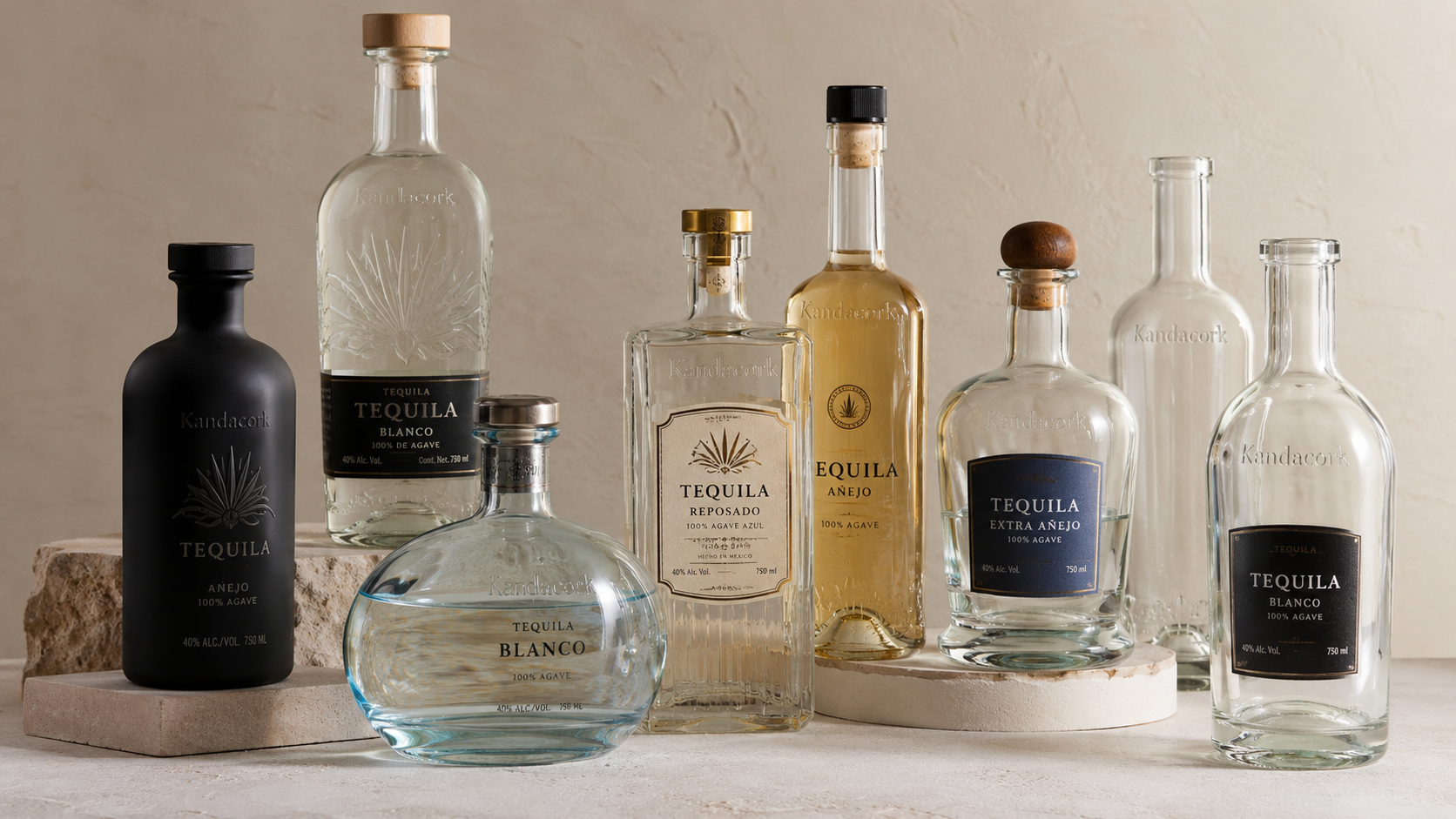
Aluminium stopper finishes shape how a spirits bottle looks, feels, and sells. For whisky, gin, rum, vodka, tequila, brandy, liqueur, and limited-edition spirits, the stopper is not only a functional closure. It is part of the first impression a buyer, bartender, distributor, or consumer forms before the bottle is opened.
A brushed bronze stopper can suggest heritage and barrel aging. A matte black aluminium stopper can make a gin or vodka bottle feel modern and precise. A polished silver finish can create a clean luxury look. A custom anodized color can connect the closure with the label, carton, glass color, and retail shelf strategy.
For distilleries, bottlers, packaging designers, importers, and private-label buyers, choosing aluminium stopper finishes requires more than selecting a color from a sample board. The finish must work with the bottle neck, shank material, logo method, filling process, export packing, MOQ, lead time, and destination market.
Kandacork Closures supports buyers developing custom aluminium bar top stoppers for premium spirits packaging, from finish selection and logo decoration to bottle-fit review and bulk production planning.
Quick Answer: What Is the Best Aluminium Stopper Finish?
The best aluminium stopper finish depends on the spirit category, bottle design, logo method, and packing requirements. Anodized and brushed aluminium finishes are versatile for premium spirits. Matte finishes suit modern gin, vodka, tequila, and mezcal. Polished metallic finishes create high shelf impact for gift packs and luxury retail. Bronze, copper, antique gold, and dark champagne tones work well for whisky, rum, brandy, and aged spirits.
For bulk spirits packaging, buyers should approve a physical sample, test the stopper with the real bottle neck, confirm the logo decoration method, and review export packing before mass production.
What Are Aluminium Stopper Finishes?
Aluminium stopper finishes are decorative and protective surface treatments applied to the aluminium head of a bottle stopper or bar-top closure. These finishes control visible color, texture, gloss level, tactile feel, and brand presentation.
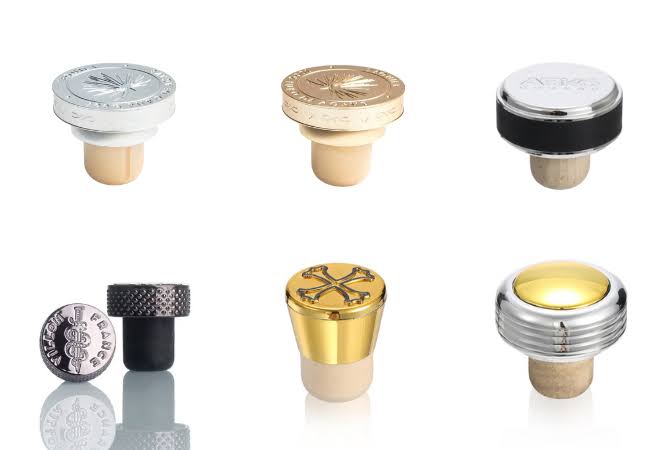
Common aluminium stopper finishes include anodized aluminium, brushed aluminium, matte aluminium, polished metallic finishes, bronze, copper, champagne gold, matte black, and custom brand colors. Decoration methods may include laser engraving, top printing, embossing, debossing, sidewall decoration, and decorative inserts.
The finish should never be selected separately from the full closure system. A premium aluminium head still needs the right head diameter, head height, shank diameter, shank length, neck fit, insertion force, extraction force, logo position, and packing method. Buyers comparing multiple closure types can also review the wider bottle stoppers and closures range to understand how aluminium stoppers fit within a complete spirits packaging program.
What Buyers Should Prepare Before Requesting Samples
A clear project brief helps avoid sampling delays and reduces the risk of finish, fitment, and decoration mistakes. Before requesting samples, buyers should prepare the bottle drawing or physical bottle sample, bottle neck inner diameter, outer diameter, neck height, mouth shape, preferred stopper head size, shank diameter, shank length, target spirit category, bottle capacity, logo artwork, finish reference, order quantity, destination market, and packing requirements.
For logo artwork, vector files such as AI, EPS, SVG, or PDF are usually preferred. For finish matching, physical samples are more reliable than screen images because metallic depth, gloss level, and surface texture can change under different lighting conditions.
Brands developing a complete bottle and closure system can coordinate closure selection with bottle structure, glass color, embossing, and capacity planning through Kandacork Spirits Bottles, especially when a new spirits bottle and a custom stopper need to be developed together.
Why Aluminium Is Popular for Premium Spirits Closures
Aluminium is widely used for premium spirits closures because it balances visual appeal, workability, light weight, corrosion resistance, and recyclability. It can look modern, technical, classic, minimal, or luxurious depending on the surface treatment.
Unlike many plastic stopper heads, aluminium gives a cooler touch and a stronger metallic feel. Compared with natural wood, aluminium can deliver more consistent color and a cleaner modern appearance. Compared with heavier metal materials, aluminium can create a premium look without excessive weight.
Aluminium is also highly adaptable. It can be anodized, brushed, polished, coated, printed, engraved, embossed, or combined with natural cork, micro-agglomerated cork, synthetic cork, and engineered shank materials.
For sustainability discussions, aluminium is relevant because the Aluminum Association highlights aluminium’s durability, light weight, and recyclability, while the International Aluminium Institute notes that aluminium can be recycled repeatedly without loss of quality. For packaging buyers, this supports conversations around material value, circularity, and long-term brand responsibility.
Common Aluminium Stopper Finish Options
Anodized Aluminium Finish
Anodized aluminium is one of the most popular premium options for spirits closures. During anodizing, the aluminium surface is converted into a controlled oxide layer. This process can improve surface hardness, decorative appearance, and corrosion resistance.
Anodized aluminium stopper finishes are often used for silver, gold, black, bronze, copper, champagne, graphite, and custom metallic tones. The color often appears integrated with the metal rather than simply applied on top of it.
This finish is suitable for whisky, gin, vodka, rum, tequila, brandy, and liqueur packaging. It is especially useful when the brand wants a premium metallic effect with good surface durability. Anodized finishes also work well with laser engraving because the engraved mark can create a sharp contrast on darker or richer metallic tones.
For technical context, ISO 7599 specifies methods for decorative and protective anodic oxidation coatings on aluminium and aluminium alloys. Packaging buyers do not need to become anodizing engineers, but standards-based language helps clarify what should be discussed during sample review and quality approval.
Brushed Aluminium Finish
A brushed aluminium finish has a fine linear texture across the surface. It reduces harsh reflections and gives the stopper a refined, engineered appearance.
Brushed silver is common for vodka, gin, and minimalist spirits brands. Brushed gold, bronze, or copper can work well for whisky, rum, aged tequila, and brandy packaging. The texture can also help reduce the visibility of fingerprints and minor handling marks.
The brushing direction should be confirmed during sampling. Horizontal, vertical, and radial brushing can create different visual effects, especially on a T-top stopper with a wide aluminium head. If a label has vertical lines or a tall bottle silhouette, a vertical brushing direction may feel more integrated. If the design is broad and low, horizontal brushing may feel more stable.
Matte Aluminium Finish
Matte aluminium stopper finishes create a soft, low-glare appearance. They are popular for spirits brands that want a modern, controlled, and premium look.
Matte black is widely used for gin, vodka, tequila, mezcal, and limited editions. Matte silver and matte white can support minimalist bottle designs. Muted custom colors can help a brand create a distinctive but understated closure system.
Matte finishes pair well with frosted glass, screen-printed labels, soft-touch paper labels, and clean bottle silhouettes. The main risk is surface marking. Some matte finishes can show oil marks, rubbing, or scuffing more clearly than brushed aluminium. Buyers should test samples after handling, tray packing, carton packing, and simulated transport.
Polished Metallic Finish
Polished aluminium creates a bright, reflective finish with strong shelf impact. It is often used for luxury spirits, gift packaging, premium vodka, liqueurs, and high-visibility retail displays.
Polished silver and polished gold can make a bottle look clean, expensive, and eye-catching under retail lighting. However, polished surfaces can reveal fingerprints, scratches, and packing marks more easily than brushed or matte finishes.
For polished aluminium stopper finishes, export packing must be planned carefully. Protective film, individual bagging, soft dividers, trays, and carton orientation can help prevent damage during long-distance shipping.
Bronze, Copper, and Antique Metal Finishes
Bronze, copper, antique gold, and dark champagne finishes are excellent for heritage spirits. They communicate warmth, maturity, barrel aging, craftsmanship, and vintage character.
These aluminium stopper finishes are often used for whisky, rum, brandy, cognac-style packaging, aged tequila, and limited-edition spirits. They pair well with amber glass, textured labels, embossed paper, heavy-base bottles, and vintage bottle shapes.
For brands that want a classic look without using heavy zamak or complex cast-metal parts, aluminium with a warm decorative finish can be a practical and attractive option.
Custom Brand Color Finish
Custom color is important when the stopper must match a label, capsule, printed bottle decoration, glass color, or brand identity system.
Custom aluminium stopper finishes can be produced through anodizing, coating, painting, or other decorative processes. Buyers may provide Pantone references, physical color samples, printed labels, or approved brand guidelines.
For custom colors, a physical pre-production sample is essential. Digital renderings are useful for design discussion, but they cannot fully show gloss level, metallic depth, texture, light reflection, or batch tolerance.
When the stopper finish must align with label effects, foil stamping, cartons, or launch visuals, packaging teams can coordinate artwork and surface decoration with Kandacork Decoration & Branding to keep the closure, bottle, and secondary packaging visually consistent.
Aluminium Stopper Finish Comparison
| Finish Type | Visual Effect | Best For | Logo Compatibility | Main Watch-Out |
|---|---|---|---|---|
| Anodized aluminium | Metallic, durable, premium | Whisky, gin, vodka, tequila | Laser engraving, printing | Color tolerance across batches |
| Brushed aluminium | Linear texture, refined | Whisky, gin, craft spirits | Engraving, top print | Brushing direction |
| Matte aluminium | Soft, modern, low-glare | Gin, vodka, mezcal | Printing, embossing | Scuffing and oil marks |
| Polished metallic | Bright, reflective, luxury | Vodka, liqueur, gift sets | Printing, inserts | Fingerprints and scratches |
| Bronze or copper | Warm, heritage, aged | Rum, whisky, brandy | Engraving, embossing | Matching with label tones |
| Custom color | Brand-specific | Private label, limited editions | Printing, debossing, inserts | MOQ and sample approval |
How to Compare Aluminium Stopper Finishes Before Bulk Production
The best aluminium stopper finishes are selected through a practical decision process. A closure may look beautiful in a single sample, but it must also perform during filling, packing, shipping, retail handling, and consumer use.
A good finish decision should consider brand positioning, spirit category, bottle design, logo method, neck fit, surface durability, MOQ, lead time, and export protection.
Buyers should not approve a finish from a photo alone. A real sample should be tested with the actual bottle, label, carton, and packing method. If the bottle is still under development, a supplier that can coordinate stoppers, glass, decoration, and logistics can reduce project risk. For buyers comparing glass structures and closure compatibility, Kandacork Glass can support bottle-side packaging considerations alongside the closure specification.
How to Choose Aluminium Stopper Finishes for Spirits Packaging
Define the Spirit Category and Price Position
Different spirits categories create different visual expectations. Whisky and rum often work well with bronze, copper, antique gold, and dark metallic tones. Gin and vodka often suit matte black, brushed silver, polished silver, or custom color finishes. Tequila and mezcal can work well with matte black, brushed aluminium, copper, and textured sidewall effects.
Price position also matters. A standard retail spirit may need a clean and cost-efficient finish, while a luxury bottle may justify embossing, laser engraving, medallions, custom closure tooling, or custom anodized colors.
Match the Finish to the Bottle and Label
The stopper should complete the bottle, not compete with it. A complex label may need a simple brushed or matte closure. A minimalist bottle may benefit from a more expressive metallic finish.
Consider glass color, bottle shape, label texture, label foil, embossing, screen printing, capsule design, and carton artwork. The stopper finish should feel like part of the full packaging system.
Choose the Logo Method Before Confirming the Finish
Logo method affects finish choice. Laser engraving works well on many anodized and brushed finishes. Color printing may be better when the logo requires multiple colors. Embossing or debossing can add tactile value but may require tooling. Inserts or medallions can create a luxury effect but add complexity.
The logo file, artwork detail, print area, surface curve, and finish texture should be reviewed before mass production. This is especially important for custom logo aluminium stoppers with small top surfaces or curved sidewalls.
Test the Stopper With the Actual Bottle Neck
Aluminium stopper finishes influence appearance, but sealing depends mainly on the shank and neck fit. Buyers should test the closure with the actual bottle or an accurate bottle drawing.
Important details include bottle neck inner diameter, mouth shape, neck height, shank diameter, shank length, insertion force, extraction force, and seating position. A stopper that is visually perfect but too tight, too loose, or unstable during insertion can create problems on the bottling line and in the consumer experience.
Approve Packing Protection Before Shipment
A premium finish can be damaged by poor packing. Polished, dark matte, and deep anodized finishes need especially careful protection.
Packing options may include individual bags, trays, dividers, soft interlayers, protective film, carton strength control, and pre-shipment inspection. For export orders, packing should be part of the closure specification.
Logo and Decoration Options for Aluminium Stoppers
Laser Engraving
Laser engraving creates a clean, permanent mark on the aluminium surface. It is suitable for logos, monograms, icons, batch marks, and limited-edition names.
Laser engraving works especially well on anodized aluminium stopper finishes because the contrast can look sharp and premium. It is also effective on brushed metal when the artwork is simple and clear.
Very fine artwork should be tested before bulk production. Small details can lose clarity on curved, textured, or small-diameter surfaces.
Top Printing
Top printing is useful when the brand logo requires color. It can be used for icons, crests, wordmarks, and simple artwork.
The printing method should be matched to the surface finish. Ink adhesion, abrasion resistance, drying process, and protective coating should be reviewed during sampling. For bottles handled often in bars, retail stores, or tasting rooms, buyers should test the printed logo for rubbing resistance.
Embossing and Debossing
Embossing raises the logo or pattern above the stopper surface. Debossing presses it into the surface. Both methods add tactile value and make the closure feel more custom.
These methods usually require tooling, so they are more suitable for larger orders, repeat orders, and long-term packaging programs. Embossing and debossing are strong choices for whisky, rum, tequila, brandy, and collectible spirits bottles.
Sidewall Decoration
Sidewall decoration can include side printing, fine grooves, knurling, texture, or small brand marks. It is useful when the bottle is displayed from multiple angles.
Sidewall texture can also improve grip. A subtle groove or patterned sidewall can make the stopper easier to open while adding premium detail. Kandacork Closures can help buyers evaluate sidewall design for custom spirits closures when grip, 360-degree branding, or bar-service handling is important.
Inserts and Medallions
Top inserts and medallions can create a high-end, jewelry-like effect. They may use contrasting metal, printed discs, resin inserts, or decorative plaques.
Inserts are suitable for limited editions, gift sets, and luxury spirits. They require careful assembly control and should be tested for adhesion, alignment, surface level, and transport durability.
Finish Durability and Quality Control
Finish durability is one of the most important factors when selecting aluminium stopper finishes. A closure must survive production handling, carton packing, export shipping, warehouse storage, retail display, and consumer use.
Important quality checks include surface scratches, coating adhesion, color consistency, logo alignment, burr control, edge smoothness, shank bonding, insertion force, extraction force, and fit with the bottle neck.
For packaging sold into food and beverage markets, buyers should consider relevant food-contact expectations. The U.S. FDA provides information on food packaging and food contact substances, and the European Commission explains that EU food-contact materials legislation includes safety and inertness principles under Regulation (EC) No 1935/2004.
The supplier should provide samples that represent real production quality. For custom finishes, a signed master sample should be kept for future comparison.
Aluminium Stopper Finish and Bottle Neck Fit
A beautiful aluminium top does not guarantee a successful closure. The aluminium head controls appearance and handling, while the shank controls sealing, insertion, and extraction feel.
Common shank options include natural cork, micro-agglomerated cork, synthetic cork, and other engineered materials. The right choice depends on the spirit type, bottle neck inner diameter, storage conditions, opening experience, and market expectations. Buyers comparing consistent engineered sealing options can review custom synthetic bar-top stoppers as part of the closure specification.
Bottle drawings or physical bottle samples should be reviewed before bulk production. Key dimensions include inner neck diameter, outer neck diameter, neck height, mouth shape, and tolerance range.
Kandacork Closures can review stopper head size, shank diameter, shank length, finish selection, and logo method before mass production. This helps reduce the risk of loose fit, over-tight insertion, crooked seating, cork dust, or inconsistent consumer experience.
Common Mistakes When Choosing Aluminium Stopper Finishes
Choosing a Polished Finish Without Scuff Protection
Polished silver and gold can look premium, but they are more likely to show scratches and fingerprints. If the brand chooses a polished finish, packing protection should be confirmed before bulk shipment.
Approving Color Only From a Digital Image
Screen colors are not reliable for finish approval. Metallic depth, gloss level, and texture cannot be fully judged from a rendering. Physical samples should be approved before production.
Ignoring Bottle Neck Tolerances
The stopper finish affects appearance, but the bottle neck controls fit. If the neck tolerance is not checked, the closure may feel too loose or too tight.
Selecting the Logo Method Too Late
Logo method should be considered before the finish is confirmed. Engraving, printing, embossing, and inserts each interact differently with aluminium surfaces.
Using One Finish Across Every Spirit Category
A finish that works for vodka may not work for rum. Whisky, gin, tequila, mezcal, vodka, and liqueur all have different category expectations.
Forgetting Export Packing Requirements
Many finish problems happen after production, not during production. Vibration, carton pressure, and rubbing during freight can damage premium surfaces if packing is not planned correctly.
MOQ, Lead Time, and Sampling Considerations
Standard aluminium stopper finishes usually have faster lead times and lower minimum order requirements than complex custom finishes. Silver, gold, black, and common brushed options may be easier to produce quickly.
Custom anodized colors, matte coatings, embossed logos, debossed logos, inserts, medallions, and multi-process decoration usually require longer approval cycles.
A complete sampling request should include bottle drawings, bottle samples if available, target spirit category, closure dimensions, logo file, finish reference, order quantity, destination market, and packing requirements.
The more complete the brief, the easier it is for Kandacork Closures to recommend suitable aluminium stopper finishes and avoid unnecessary revisions. Brands building a lower-impact packaging story can also coordinate bottle and closure choices with Kandacork Eco Glass when recycled-content glass, lightweighting, or broader packaging sustainability goals are part of the project brief.
Best Aluminium Stopper Finishes by Use Case
Best Finish for Luxury Whisky
Brushed gold, antique bronze, matte black, and copper finishes are strong choices for luxury whisky. They pair well with heavy glass, textured labels, embossed crests, and dark liquid tones.
Best Finish for Modern Gin
Matte black, brushed silver, botanical green, and custom anodized colors work well for modern gin. These finishes support clean branding, botanical themes, and strong retail shelf recognition.
Best Finish for Vodka
Polished silver, matte white, matte black, and clean anodized metallic finishes are suitable for vodka. They reinforce clarity, purity, and minimalist design.
Best Finish for Rum
Bronze, copper, antique gold, and dark champagne finishes are suitable for rum. These tones match amber liquid, vintage labels, tropical heritage, and aged-spirit positioning.
Best Finish for Tequila and Mezcal
Brushed aluminium, matte black, copper, and textured sidewall finishes can support tequila and mezcal packaging. They pair well with agave-inspired graphics, ceramic-style labels, and embossed bottle designs.
Best Finish for Limited Editions
Custom color, two-tone decoration, laser engraving, top medallions, sidewall texture, and numbered designs are strong options for limited editions. The goal is to make the closure feel collectible without compromising fit or durability.
FAQ
What is the most durable aluminium stopper finish?
Anodized and brushed aluminium finishes are often strong choices for durability. Anodized finishes can provide a protective surface layer, while brushed finishes can hide minor handling marks better than highly polished surfaces. The best option depends on the color, logo method, coating system, and shipping protection.
Can aluminium stoppers be made in custom brand colors?
Yes. Aluminium stoppers can be produced in custom colors using anodizing, coating, painting, or other decorative processes. Buyers should provide color references, label artwork, bottle samples, and expected order quantity. A physical sample should be approved before mass production.
Is laser engraving suitable for aluminium stopper finishes?
Yes. Laser engraving works well on many aluminium stopper finishes, especially anodized, brushed, and darker metallic surfaces. It is ideal for simple logos, monograms, icons, and premium brand marks. Complex artwork should be tested on a sample first.
Do aluminium stopper finishes affect sealing performance?
The finish mainly affects appearance, touch, logo presentation, and surface durability. Sealing performance depends more on the shank material, shank diameter, shank length, bottle neck dimensions, and production tolerances.
How do I choose between brushed and matte aluminium stopper finishes?
Choose brushed aluminium when you want a refined metallic texture that hides minor handling marks. Choose matte aluminium when you want a modern, soft, low-glare appearance. For high-touch retail or export projects, test both finishes for scuffing before bulk approval.
Can aluminium stopper finishes match Pantone brand colors?
Yes, many custom aluminium stopper finishes can be developed around Pantone-style references or physical brand samples. However, metallic surfaces and coatings may not match paper or digital colors exactly. A physical master sample should be approved before production.
What affects the MOQ for custom aluminium stoppers?
MOQ can be affected by finish type, color customization, logo method, tooling, insert design, shank material, order quantity, and packing requirements. Standard finishes usually have lower MOQ than custom anodized colors, embossing, debossing, or medallion designs.
Which aluminium stopper finish is best for black glass bottles?
Matte black creates a seamless luxury look with black glass. Brushed silver creates contrast and visibility. Gold, bronze, or copper can add warmth and premium shelf impact. The best choice depends on the label, spirit category, and brand positioning.
What is the difference between an aluminium stopper and a bar-top cork closure?
An aluminium stopper usually refers to a bottle stopper with an aluminium head and a sealing shank. A bar-top cork closure usually describes the same general closure style, where a top component is attached to natural cork, micro-agglomerated cork, or synthetic shank. In spirits packaging, both terms are often used for T-top bottle closures.
Are aluminium stoppers suitable for OEM and ODM spirits packaging?
Yes. Aluminium stoppers are suitable for OEM and ODM spirits packaging because they can be customized by head shape, head diameter, head height, shank size, finish, logo method, and packing method. They are commonly used for private-label spirits, craft distilleries, limited editions, and bulk packaging projects.
Conclusion: Choose Aluminium Stopper Finishes That Support the Full Closure System
The best aluminium stopper finishes combine visual impact, surface durability, logo compatibility, bottle fit, MOQ, lead time, and export protection. A finish should look right on the bottle, feel right in the hand, survive shipping, and support the customer’s perception of the spirit.
For premium spirits brands, the stopper is part of the bottle’s story. Anodized, brushed, matte, polished, bronze, copper, and custom color finishes can each work beautifully when matched to the right bottle and brand strategy.
Kandacork Closures helps distilleries, bottlers, packaging designers, and private-label brands develop custom aluminium stoppers with suitable finishes, logo methods, shank options, and packing solutions. For projects that need a different closure format, such as roll-on pilfer-proof caps for automated bottling lines, buyers can also compare custom ROPP closures before finalizing the closure system.
To start a project, prepare your bottle drawing, bottle sample, logo file, finish reference, target quantity, and destination market requirements, then request a custom closure quote from Kandacork Closures.