Quick Answer: What Are Aluminium Stoppers with Cork Shanks?
Aluminium stoppers with cork shanks need accurate bottle neck matching to achieve secure sealing and comfortable opening. This guide explains how cork shank diameter, compression, pull-out feel and leakage testing should be reviewed before production.
Why Spirits Brands Use Aluminium Stoppers with Cork Shanks
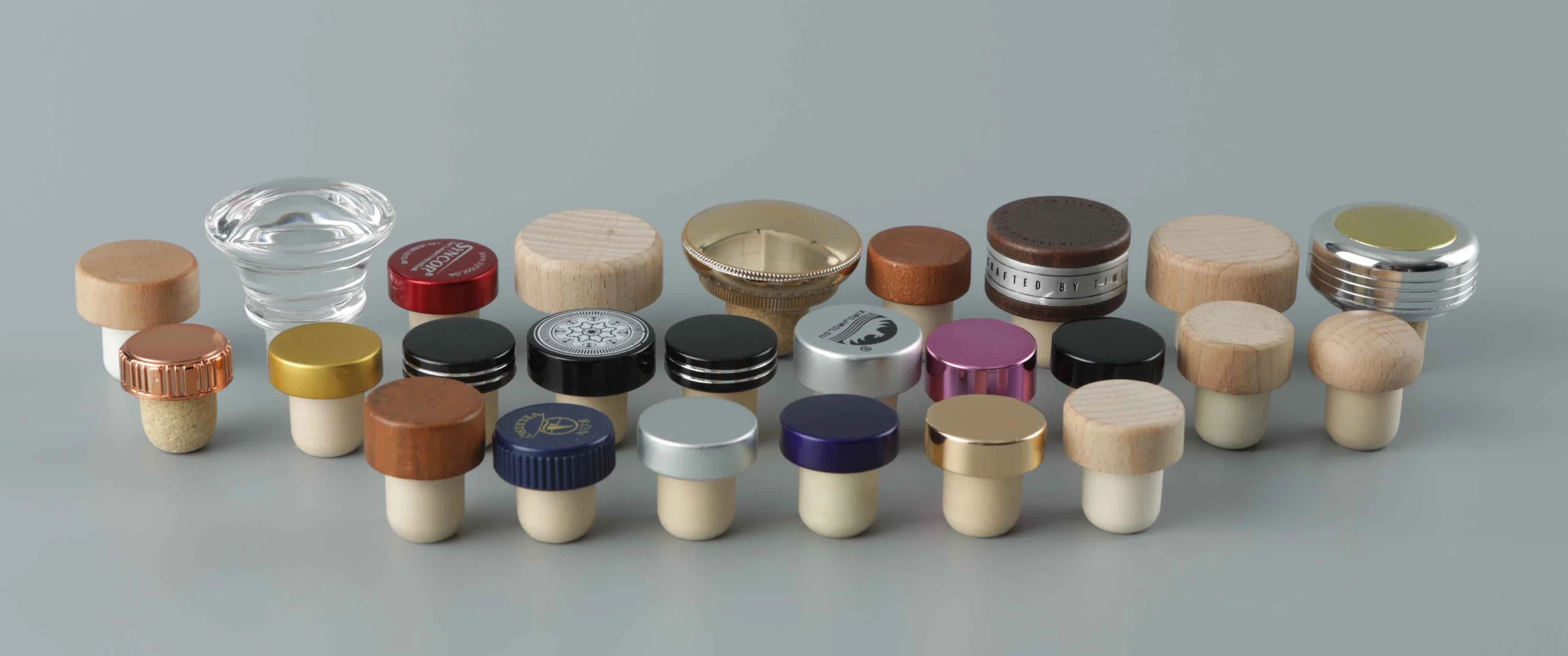
Aluminium gives a stopper a clean, refined, and high-value appearance. It can be brushed, polished, anodized, painted, plated, engraved, debossed, or combined with decorative inserts. This flexibility allows one closure platform to support many spirits categories, from minimalist vodka to heritage rum and limited-edition whisky.
The cork shank provides the familiar friction-fit experience associated with premium spirits. When the stopper is matched correctly to the glass neck, it should insert smoothly during production, sit evenly on the bottle, open with controlled resistance, and reseal securely after pouring.
This combination is useful for brands that want a closure with metallic shelf impact but still want the ritual of a pull-out stopper. It is especially effective when the closure color, bottle glass, label finish, capsule, and secondary packaging are designed as one visual system.
For brands developing a complete bottle identity, closure selection should be considered together with glass structure. Kandacork’s sibling division for spirits bottle packaging supports bottle concepts that can be coordinated with stopper dimensions, neck finish, decoration area, and carton requirements.
Key Buyer Specifications
| Specification | What to confirm | Why it matters |
|---|---|---|
| Bottle neck inner diameter | Actual neck opening and tolerance | Controls shank size and compression |
| Shank material | Natural cork, agglomerated cork, synthetic cork, TPE, or polymer | Affects seal, appearance, consistency, and cost |
| Head diameter and height | Standard or custom aluminium head size | Controls visual proportion and hand feel |
| Shank length | Based on neck depth and seating target | Affects stability and resealing performance |
| Surface finish | Brushed, polished, matte, anodized, plated, or painted | Supports brand positioning and shelf impact |
| Logo process | Engraving, embossing, debossing, printing, or insert | Determines decoration clarity and production cost |
| Stoppering method | Manual, semi-automatic, or automatic | Affects insertion-force requirements |
| Destination market | Domestic, U.S., EU, or export market | Influences closure, tamper-evident, and documentation planning |
A clear specification prevents sampling delays. Before requesting a quotation, buyers should prepare bottle drawings, bottle samples if available, target stopper size, artwork, finish preference, annual volume, and destination market.
Aluminium Head and Cork Shank Structure
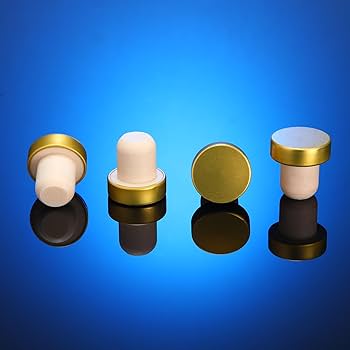
An aluminium stopper with cork shank has two main performance zones: the visible head and the sealing shank.
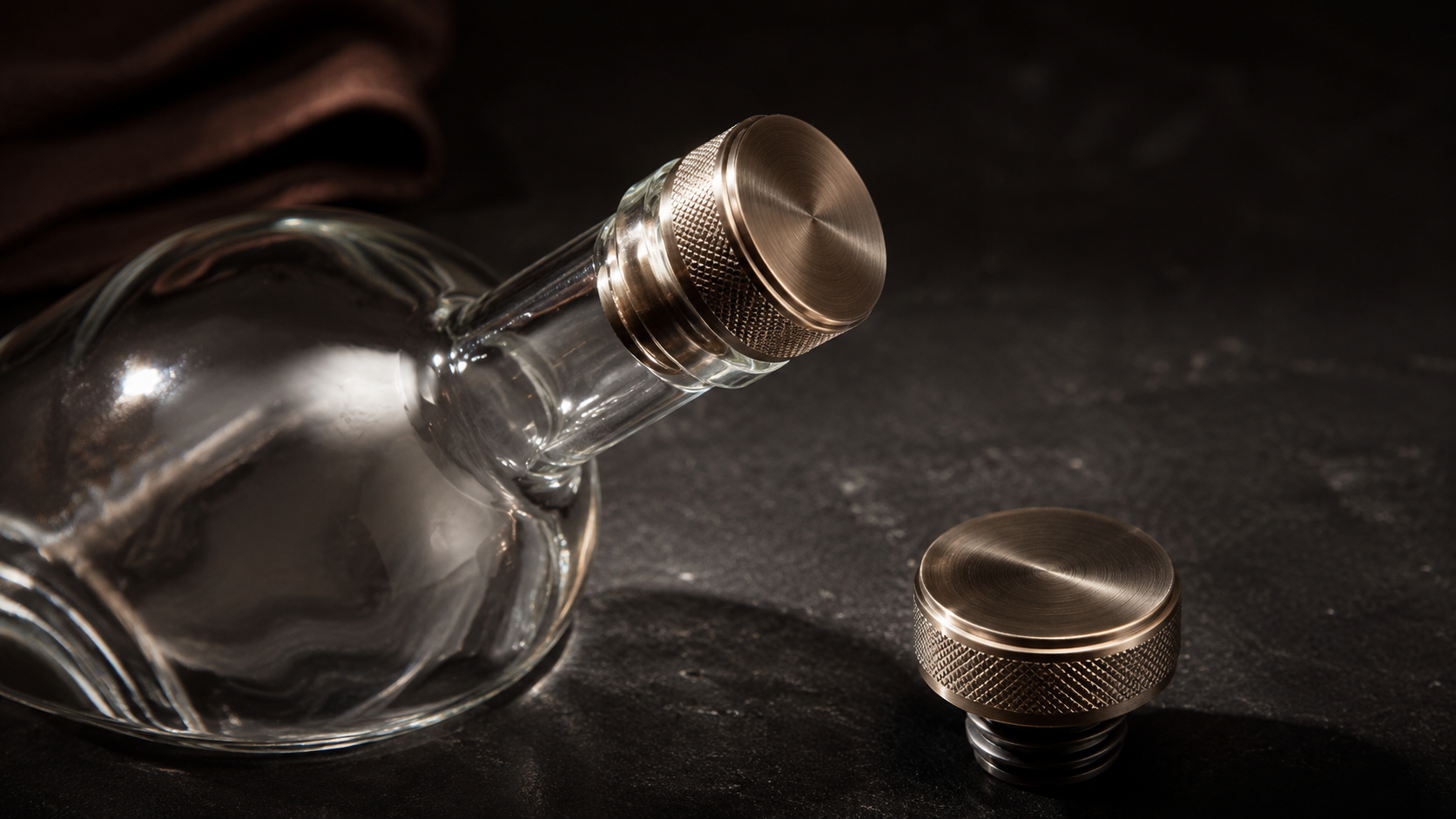
The aluminium head controls appearance, grip, logo placement, and perceived value. Popular head shapes include flat top, domed top, cylindrical, beveled, square, tall, short, ribbed, and knurled profiles. Premium spirits often use heavier visual proportions, while modern vodka and gin packaging may use cleaner, slimmer lines.
The shank is the functional sealing component. It compresses inside the bottle neck and determines insertion force, extraction force, leakage resistance, and resealing feel. Shank geometry should be matched to the actual glass neck, not just the nominal bottle size.
The connection between the aluminium head and shank must also be reliable. Weak bonding or poor assembly alignment can cause head separation, uneven seating, or inconsistent opening feel. For high-volume bottling and export shipments, buyers should evaluate the stopper as a complete closure system rather than a decorative cap plus a separate cork part.
Brands that want a heavier or more premium metallic closure can also compare custom metal stoppers when developing higher-end whisky, tequila, rum, or gift-pack packaging.
Choosing the Right Shank Material
Natural cork is often selected for whisky, rum, brandy, and heritage spirits where a traditional cork story supports the brand image. It offers natural character but may show visual and dimensional variation.
Agglomerated cork is made from cork granules bonded together. It gives a cork-based appearance with better cost control and more predictable batch behavior. It is suitable for many mid-range and premium spirits programs.
Micro-agglomerated cork uses finer particles for a cleaner appearance and improved consistency. It can be a good option when a brand wants cork identity but also expects a more refined look.
Synthetic cork shanks provide stable dimensions, controlled compression, and low visual variation. They are often used for vodka, gin, tequila, liqueur, private-label spirits, and export programs where repeatability is important. Kandacork Closures also develops synthetic bottle stoppers for projects that prioritize dimensional consistency and line-friendly performance.
TPE and polymer shanks are engineered for predictable sealing behavior. They can be useful when a project requires highly controlled compression, specific extraction feel, or compatibility with production-line equipment.
Which Aluminium Stopper Should You Choose?
| Buyer goal | Recommended direction |
|---|---|
| Premium whisky or bourbon | Brushed black, bronze, gunmetal, or gold aluminium head with cork-based shank |
| Modern vodka | Silver, white, matte, or polished aluminium head with synthetic cork shank |
| Botanical gin | Custom color, silver, copper, or anodized aluminium head with synthetic cork shank |
| Aged rum | Bronze, copper, gold, or black aluminium head with cork-based shank |
| Tequila or mezcal | Textured, engraved, bold-color, or custom-shaped aluminium head |
| High-volume private label | Standard aluminium head with synthetic cork or polymer shank |
| Limited-edition spirits | Custom head shape, top insert, engraving, or tactile sidewall texture |
| Export packaging | Fitment-tested stopper with secure bonding and transport packaging review |
The right choice depends on the brand’s design goal, the bottle neck, expected production speed, market positioning, and consumer opening experience. A stopper that works well for a dark, heavy whisky bottle may not be the best choice for a tall, clear gin bottle or a lightweight private-label vodka bottle.
Shank Size and Bottle Neck Fit
The most important fitment measurement is the bottle neck inner diameter. Bottle capacity alone is not enough. A 750 ml spirits bottle may use different neck dimensions depending on the glass supplier, mold design, closure style, and regional standard.
As a general rule, the shank must compress enough to create a stable seal without making insertion or opening uncomfortable. If the shank is too small, the stopper may feel loose or leak. If it is too large, insertion may become difficult and extraction force may be too high.
| Bottle neck opening | Possible shank direction | Common use case | Testing note |
|---|---|---|---|
| 18.5–19.5 mm | 19.5 mm shank range | Mini spirits, selected 375 ml and 750 ml bottles | Confirm compression and pull-out feel |
| 20–21 mm | 20.5–21.5 mm shank range | Vodka, gin, liqueur, specialty spirits | Test with real production bottles |
| 22–23 mm | 22.5–23 mm shank range | Premium whisky, rum, tequila, heavy glass bottles | Check seating height and leakage |
| Custom neck | Custom shank | Bespoke bottle programs | Use drawings, samples, and line trials |
This table is a starting point, not a final production specification. Glass tolerances, shank hardness, surface finish, bottle-neck depth, and filling-line conditions can all affect the final result.
Fitment and Performance Testing
A premium stopper should be attractive, but it must also work reliably. Practical testing should include insertion force, extraction force, leakage resistance, seating height, head-to-shank bonding, resealing comfort, and carton compatibility.
Insertion force measures how easily the stopper enters the neck. If it is too high, manual workers may struggle and automatic equipment may become unstable. If it is too low, the stopper may feel loose.
Extraction force measures how much effort is needed to remove the stopper. For cork-based closures, test principles such as those described in ISO 9727-5 for cork stopper extraction force help explain why controlled pull-out performance matters, even when the final stopper is a spirits bar-top closure rather than a straight wine cork.
Leak resistance should be checked during storage, handling, and transport simulation. A closure may perform well on a showroom sample but behave differently after vibration, temperature variation, pallet pressure, or long-distance shipping.
For export programs, packaging teams may also evaluate complete cartons and shipping units under distribution-test concepts such as ASTM D4169 performance testing, especially when heavy glass bottles, luxury cartons, or long logistics routes are involved.
The Kandacork 5-Point Stopper Fit Check
The Kandacork 5-Point Stopper Fit Check helps buyers review samples before bulk approval.
| Checkpoint | What it confirms | Buyer value |
|---|---|---|
| Neck Fit | Shank diameter, neck ID, compression, and depth | Helps prevent loose fit or over-tight insertion |
| Opening Feel | Extraction force and resealing comfort | Protects premium consumer experience |
| Shelf Look | Head size, finish, logo alignment, and seating height | Keeps retail presentation consistent |
| Production Fit | Manual, semi-automatic, or automatic stoppering compatibility | Reduces line disruption and rework |
| Export Stability | Leakage, vibration, carton fit, and transport durability | Supports safe shipping and storage |
This framework helps buyers compare real stopper performance instead of judging only by material or appearance. It is especially useful for private-label ranges, multi-SKU product families, and new bottle molds.
Finish and Branding Options
Aluminium stoppers with cork shanks can be designed to match the full packaging system. Brushed aluminium creates a refined, technical impression. Polished silver gives brightness and visibility. Matte black supports luxury and contrast. Gold, bronze, copper, and gunmetal finishes work well with aged spirits, amber liquid, and heritage labels. Anodized color can help gin, vodka, liqueur, and limited-edition ranges stand out.
Kandacork Closures supports colors and finishes for spirits closures that align the stopper with labels, capsules, glass color, and carton design.
Decoration options may include laser engraving, embossing, debossing, pad printing, screen printing, hot-foil effects, decorative inserts, and sidewall textures. For wet bar conditions or on-trade service, grip can be improved through sidewall design options such as knurling, ribbing, or micro-textured bands.
For projects that need more advanced surface decoration, the sibling brand Kandacork Decoration & Branding can support broader packaging decoration concepts, including coordinated finishes across glass, closure, and secondary packaging.
Aluminium Stoppers vs Other Closure Types
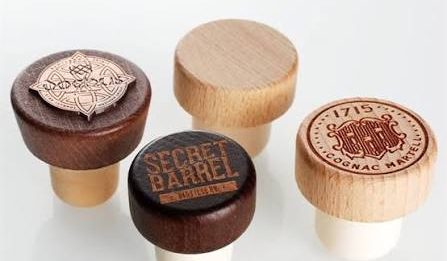
Wooden stoppers create a warm, natural, craft-oriented image. They are often used for whisky, rum, tequila, and artisanal spirits. Aluminium stoppers create a more modern, metallic, and controlled appearance. Choose aluminium when the brand needs sharp logo detail, metallic color control, and a premium closure that matches contemporary packaging.
Plastic stoppers are lightweight and cost-effective. They can work well for entry-level or promotional spirits packaging. Aluminium heads generally deliver stronger perceived value and better shelf impact.
Glass stoppers can look elegant and collectible, but they may be heavier, more fragile, and less flexible for fitment. Aluminium bar-top stoppers offer a practical balance of durability, customization, and scalable production.
ROPP closures are roll-on pilfer-proof screw closures. They suit brands that need screw-cap convenience, tamper-evident structure, and high-speed bottling compatibility. Aluminium stoppers with cork shanks are better when resealability, pull-out ritual, tactile value, and decorative head design are central to the brand experience.
Use Cases by Spirits Category
Whisky and bourbon brands often use matte black, brushed gunmetal, bronze, or gold aluminium heads to support aged liquid color, heavy glass, and premium shelf codes. Cork-based shanks can reinforce a traditional opening experience.
Vodka brands usually favor clean silver, white, black, or brushed aluminium finishes. A synthetic cork shank can help maintain repeatable dimensions for high-volume production.
Gin brands often rely on botanical colors, transparent bottles, and decorative labels. A custom anodized or color-matched aluminium head can coordinate with green, blue, copper, or clear packaging.
Rum brands often use warm metallic tones such as bronze, copper, gold, and black. These finishes work well with aged rum, spiced rum, and gift-pack designs.
Tequila and mezcal brands may prefer textured, engraved, sculptural, or bold-color stopper heads. Strong tactile details can help the closure become part of the brand’s cultural and visual identity.
Liqueur and specialty spirits often require color-coded packaging across flavor ranges. Aluminium heads can help differentiate SKUs while keeping the overall family structure consistent.
For brands building both bottle and closure together, Kandacork Glass can support integrated spirits packaging development across bottle shape, closure style, decoration, and export packing.
Compliance, Food Contact, and Tamper-Evident Planning
Aluminium bar-top stoppers do not always provide tamper evidence by themselves. Depending on the market, spirits bottles may need shrink capsules, sleeves, seals, tax strips, non-refillable systems, or other closure devices.
For the U.S. market, distilled spirits packaging teams should review TTB closure requirements for distilled spirits, which explain that bottles must use a closure or similar device that is securely affixed and broken when the container is opened.
Materials that may contact the product or affect the packaged spirit should also be considered under applicable food-contact rules. The FDA food packaging and food-contact substance guidance is a useful reference for U.S. compliance planning.
For export projects, brands should check the requirements of each destination market, including labeling, tax seals, tamper evidence, packaging safety, and importer documentation. A closure supplier can support technical development, but final market compliance should be confirmed by the brand, importer, or regulatory adviser.
Sustainability Considerations
Aluminium is valued in packaging because it can be recycled repeatedly without losing its metal properties when recovery systems are available. The International Aluminium Institute recycling information explains why aluminium remains important in circular material systems.
Cork-based shanks can support a natural and renewable brand story, especially for whisky, rum, brandy, and craft spirits. However, a finished aluminium stopper with a cork shank is a mixed-material component. Its actual recyclability depends on component separation, adhesive structure, shank material, and local recycling rules.
Responsible claim language is important. Instead of overstating recyclability, brands can say the stopper is designed with an aluminium head and cork-based shank, supports a premium reusable bottle experience, or uses material choices selected for durability and brand value.
For brands that want broader glass-packaging sustainability support, Kandacork Eco Glass can help align bottle selection, closure compatibility, and packaging efficiency goals.
Sample Approval Workflow
A structured sample approval workflow reduces the risk of loose fit, leakage, finish variation, logo misalignment, and bottling-line issues.
The process usually begins with a bottle drawing, physical bottle sample, neck dimensions, target finish, artwork, quantity, and destination market. Kandacork Closures then recommends a head size, shank material, shank diameter, surface finish, and decoration direction.
Blank samples are useful for initial fitment review. Decorated samples are then used to confirm appearance, color, logo position, sidewall texture, and shelf presentation. Pre-production samples should be checked for insertion feel, extraction force, seating height, leak resistance, bonding strength, and carton compatibility.
Once the buyer approves the sample, the project can move into bulk production with agreed quality-control criteria, packing method, and delivery schedule.
What to Prepare Before Requesting a Quote
Buyers should prepare bottle drawings, physical bottles if available, bottle capacity, neck inner diameter, neck tolerance, neck depth, preferred seating height, and whether the stopper will be applied manually or by machine.
Product information is also important. Share the spirit category, alcohol by volume, filling temperature, storage conditions, export destination, expected shelf life, and resealing requirements.
For branding, provide logo artwork, Pantone color, preferred finish, head-shape direction, engraving or printing expectations, capsule compatibility, and carton or gift-box requirements.
Commercial information should include target quantity, expected reorder volume, launch schedule, sample deadline, shipping destination, and any documentation requirements. To begin a project, buyers can request a custom closure quote with these details.
FAQ
Are aluminium stoppers with cork shanks suitable for spirits bottles?
Yes. Aluminium stoppers with cork shanks are suitable for whisky, vodka, gin, rum, tequila, brandy, liqueur, and specialty spirits when the shank size, material, and compression behavior are matched to the bottle neck.
What is the difference between natural cork and synthetic cork shanks?
Natural cork provides a traditional appearance and cork-based brand story. Synthetic cork offers more controlled dimensions, lower visual variation, and stable production performance. The best option depends on brand style, bottle neck, volume, and target opening feel.
How do I know which shank size fits my bottle?
Measure the bottle neck inner diameter and check the tolerance, depth, and seating height. Then test physical stopper samples with actual production bottles before confirming bulk production.
Can aluminium stopper heads be customized?
Yes. Aluminium stopper heads can be customized with brushed, polished, matte, anodized, plated, painted, engraved, embossed, debossed, printed, or textured finishes. Custom top inserts and sidewall textures are also possible.
Do aluminium bar-top stoppers provide tamper evidence?
Not always by themselves. Many spirits packaging systems require capsules, sleeves, seals, tax strips, or other tamper-evident devices depending on the destination market.
Can one stopper fit different bottle sizes?
Sometimes, but bottle capacity is not the deciding factor. One stopper may fit multiple SKUs only when neck inner diameter, tolerance, depth, and seating requirements are compatible.
What is the MOQ for custom aluminium stoppers with cork shanks?
MOQ depends on head design, finish, logo process, shank material, packaging method, and customization level. Standard designs usually have lower development complexity, while custom shapes, anodized colors, and decorative inserts may require higher production quantities.
What information is needed for a quotation?
Buyers should provide bottle drawings, bottle samples if available, neck inner diameter, spirit type, ABV, filling method, artwork, finish preference, target quantity, destination market, and launch schedule.
Conclusion: Build a Better Aluminium Stopper System
Aluminium stoppers with cork shanks are more than decorative bottle accessories. They are functional closure systems that influence shelf impact, bottling performance, transport stability, compliance planning, sustainability communication, and consumer experience.
The best stopper should match the bottle neck, spirit category, brand design, filling process, destination market, and expected opening feel. With the right specification, testing, finish, and sampling process, a closure can become a meaningful part of the brand’s premium packaging system.
Kandacork Closures helps spirits brands, importers, private-label buyers, and packaging distributors develop aluminium stoppers with cork shanks that are ready for real production and real markets. Share your bottle drawing, sample bottle, artwork, finish request, quantity, and destination details to start a practical closure development discussion.