Aluminium stoppers with synthetic shanks can provide a stable and modern closure option for spirits bottles. This guide explains how shank size, compression, bottle neck tolerance and sample testing affect fit and performance.
Quick Buyer Summary
| Buyer Need | Recommended Closure Feature |
|---|---|
| Premium appearance | Decorative aluminium head |
| Consistent neck fit | Engineered synthetic shank |
| Better brand recognition | Engraving, embossing, printing, coating, or anodizing |
| Bulk production stability | Controlled dimensions and golden sample approval |
| Reliable resealing | Correct shank compression and pull-out force |
| Export packaging | Compatibility with capsules, shrink bands, and tamper-evident systems |
| Procurement efficiency | Clear MOQ, lead time, drawings, samples, and quotation details |
What Are Aluminium Stoppers with Synthetic Shanks?
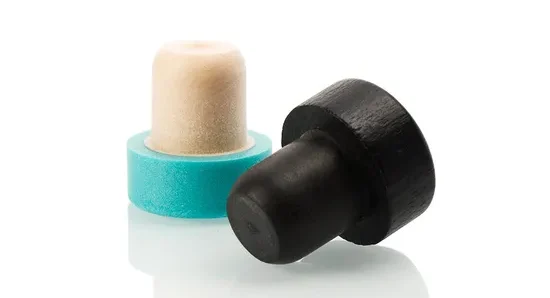
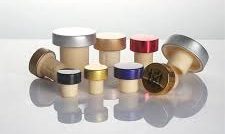
Aluminium stoppers with synthetic shanks are two-part bottle closures. The top section is an aluminium head, which creates the visible brand surface. The lower section is a synthetic shank, which inserts into the bottle mouth and creates friction, compression, and resealing performance.
They may also be called aluminium bar-top stoppers, aluminum bar top closures, aluminium T-top closures, synthetic cork shank closures, synthetic shank closures for liquor bottles, and premium spirits bottle closures.
Unlike simple caps, these stoppers are often chosen for products where opening feel matters. A consumer expects a premium spirits closure to feel secure, smooth, and reusable. If the stopper is too loose, the bottle feels low-value. If it is too tight, the opening experience becomes frustrating. A good aluminium stopper should balance security, comfort, and brand presentation.
When Should You Choose This Closure?
Choose aluminium stoppers with synthetic shanks when your spirits brand needs a premium metallic look, controlled bottle-neck fit, stable resealing, and custom decoration. They are especially useful for brands that want more dimensional consistency than natural cork and a stronger visual impression than standard plastic closures.
This closure type is well suited for new bottle launches, private-label spirits, gift packs, export projects, and packaging upgrades. It can also be part of a complete packaging system with custom bottles, labels, cartons, capsules, and secondary packaging. For teams developing full custom spirits bottle programs, coordinating the stopper early helps avoid fitment and branding conflicts later.
Best For and Not Ideal For
| Best For | Not Ideal For |
|---|---|
| Premium spirits bottles | Ultra-low-cost packaging projects |
| Custom logo closures | Buyers choosing only by catalog size |
| Vodka, gin, whisky, rum, tequila, brandy, and liqueurs | Bottles without confirmed neck dimensions |
| Bulk production consistency | Projects with no sampling timeline |
| Modern metallic brand presentation | Brands requiring a fully natural closure story |
| Export spirits packaging | Projects without compliance or tamper-evident planning |
Main Components of Aluminium Stoppers with Synthetic Shanks
Aluminium Head
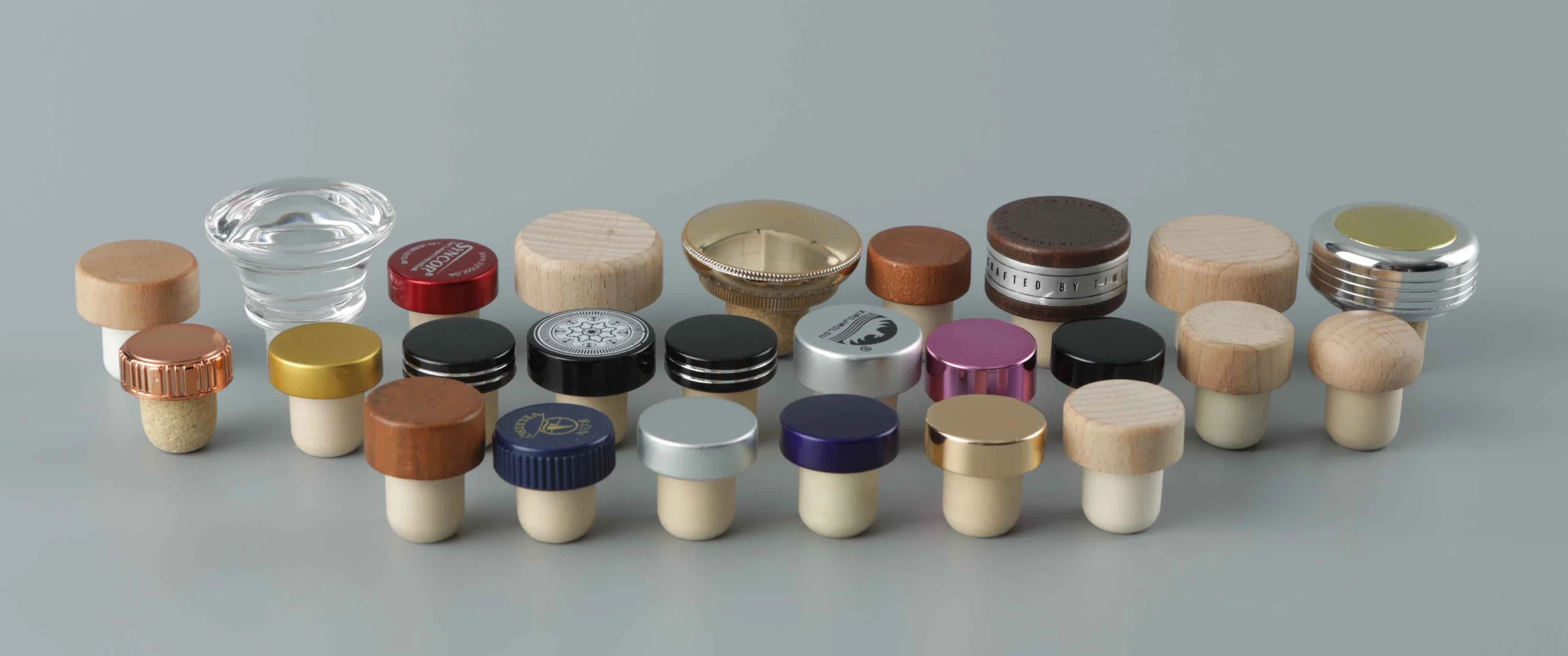
The aluminium head is the visible top of the stopper. It affects shelf appeal, hand feel, brand recognition, and perceived value. Common finishes include silver, gold, black, copper, bronze, brushed aluminium, polished aluminium, matte coating, anodized color, and custom painted finishes.
The head can be flat, rounded, stepped, slim, wide, embossed, debossed, engraved, or shaped for a proprietary brand look. A vodka brand may prefer polished silver or matte white. A gin brand may choose a color that matches botanical label artwork. A whisky or rum brand may use black, copper, bronze, or brushed gold to create a richer premium impression.
For more complex packaging identity, the stopper should align with bottle shape, label texture, capsule color, carton design, and shelf positioning. Dedicated decoration and branding planning can help ensure the closure does not look like an afterthought.
Synthetic Shank
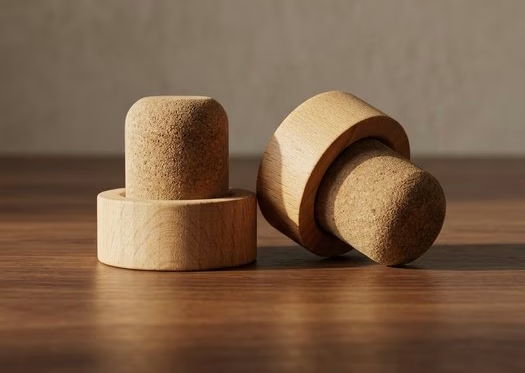
The synthetic shank is the part inserted into the bottle mouth. It determines how the stopper fits, how firmly it seals, how it feels when opened, and how well it reseals after repeated use.
Synthetic shanks are valued because they can be engineered for consistent diameter, length, density, compression, surface texture, and extraction behavior. This helps reduce variation in bulk production and gives buyers more control than highly variable natural materials.
Bonding and Assembly
The connection between the aluminium head and synthetic shank must be stable. A premium closure should not wobble, separate, twist incorrectly, or feel weak during opening and reclosing. During sampling, buyers should evaluate the entire assembled stopper, not only the head or shank separately.
Aluminium Stopper Specification Guide
| Specification Item | Common Options | Buyer Note |
|---|---|---|
| Head material | Aluminium | Lightweight, premium, and suitable for decoration |
| Head finish | Silver, gold, black, copper, bronze, brushed, polished, matte | Match label, bottle color, capsule, and carton |
| Shank material | Synthetic cork, polymer, TPE-style, engineered synthetic compound | Confirm sealing performance and alcohol compatibility |
| Shank diameter | 19.5mm, 22.5mm, custom sizes | Final size must be tested with real bottle samples |
| Shank length | Standard or custom | Affects insertion depth and resealing feel |
| Decoration | Engraving, embossing, debossing, screen printing, pad printing, coating | Choose based on logo detail, finish, MOQ, and budget |
| Application | Vodka, gin, whisky, rum, tequila, brandy, liqueurs | Match stopper style to brand positioning |
| Testing focus | Insertion force, pull-out force, leakage, resealing | Required before bulk order approval |
Why Synthetic Shanks Are Used with Aluminium Stoppers
Synthetic shanks are used because they provide controlled and repeatable performance. In commercial spirits packaging, consistency is critical. A closure must fit thousands of bottles in the same way, not just one approved sample.
Natural cork can provide a traditional appearance, but it may vary in grain, density, moisture response, and compression behavior. Synthetic shanks reduce that variation and can help deliver a more predictable closure experience across production batches.
Key benefits include consistent dimensions, controlled compression, predictable insertion and pull-out force, clean appearance, strong resealing performance, and suitability for automated or semi-automated stoppering lines.
For buyers reviewing a broader closure strategy, Kandacork Closures also provides a full bottle closures and stoppers range, including bar-top stoppers, screw caps, ROPP closures, capsules, sleeves, and matched systems for spirits and specialty bottles.
Bottle Neck Fitment: The Most Important Buying Factor
Bottle neck fitment is the most important technical factor when choosing aluminium stoppers with synthetic shanks. A premium closure can fail if the shank does not match the bottle mouth correctly.
The stopper should be tight enough to seal but not so tight that it becomes difficult to insert or remove. It should remain stable during transport, storage, retail display, and normal consumer use.
Common reference shank diameters include 19.5mm and 22.5mm, but these numbers are only starting points. Final selection depends on bottle mouth inner diameter, glass tolerance, shank material, surface texture, insertion depth, and target opening feel.
If the bottle itself is still being developed, work with the glass supplier and closure supplier at the same time. For buyers sourcing custom spirits bottles, early stopper testing can prevent expensive changes after the glass mold is finalized.
Fitment Testing Checklist
| Test Item | Why It Matters | Buyer Action |
|---|---|---|
| Bottle mouth inner diameter | Determines suitable shank size | Measure multiple bottles from real production |
| Insertion force | Affects filling-line efficiency | Confirm stopper can be inserted smoothly |
| Pull-out force | Affects consumer opening experience | Test for secure but comfortable removal |
| Leakage resistance | Protects product during storage and transport | Test upright, tilted, and horizontal positions if needed |
| Resealing feel | Important for spirits used over time | Open and close the bottle repeatedly |
| Head-to-shank bonding | Prevents separation during use | Test twisting, pulling, and repeated handling |
| Capsule compatibility | Avoids packaging conflict | Test with shrink capsules, neck bands, or seals |
| Decoration durability | Protects brand appearance | Check coating, engraving, and printing after packing |
For extraction and opening-force thinking, buyers can reference ISO 9727-5, which covers methods for determining the maximum force needed to extract cylindrical cork stoppers. Although aluminium stoppers with synthetic shanks are a different construction, the same principle matters: opening force affects consumer experience, stopper security, and production consistency.
Need help confirming stopper fit? Send Kandacork Closures your bottle drawing, inner neck diameter, bottle sample photos, and target spirit category through the custom closure quote page. The team can recommend synthetic shank options and sample testing steps before bulk production.
Common Fitment Problems and How to Avoid Them
Stopper Feels Too Loose
A loose stopper may be caused by a shank diameter that is too small, bottle-neck tolerance variation, insufficient insertion depth, or unsuitable shank material. The solution is to test larger shank options, review the bottle drawing, and measure real bottle samples from the same production batch.
Stopper Is Too Hard to Insert
A stopper that is too tight can slow production, deform the shank, damage decoration, or create a poor consumer experience. The solution may involve reducing shank diameter, changing shank material, adjusting surface texture, or reviewing the bottle-neck tolerance.
Stopper Pops Out After Filling
A stopper may pop out if compression recovery is too strong, the bottle neck is unsuitable, internal pressure changes, or the closure has not been tested under real filling and storage conditions. Sample testing should include storage and transport simulation.
Leakage During Transport
Leakage can result from poor neck fit, inconsistent glass tolerance, weak shank compression, or incorrect insertion. Buyers should conduct leakage testing before bulk approval, especially for export orders.
Shank Separates from Aluminium Head
Separation indicates an assembly or bonding problem. Buyers should test head-to-shank strength during sampling and confirm that the supplier has stable production controls.
Decoration Scratches During Packing
Printed, coated, or anodized aluminium heads should be tested after carton packing, vibration, and normal handling. Premium closure decoration must survive the supply chain, not only look good in a sample photo.
Synthetic Cork Shank vs Polymer Shank
Different synthetic shank materials create different performance and branding results. The right choice depends on bottle neck, spirit category, target price point, filling process, and opening experience.
| Shank Type | Best For | Main Advantage | Buyer Consideration |
|---|---|---|---|
| Synthetic cork shank | Whisky, rum, gin, liqueurs | Cork-like appearance with improved consistency | Confirm diameter and surface finish |
| Smooth polymer shank | Vodka, gin, tequila, modern spirits | Clean appearance and controlled production | Test resealing feel carefully |
| TPE-style shank | Projects needing flexible compression | Soft fit and adaptable sealing behavior | Confirm alcohol compatibility |
| Custom engineered shank | Unique bottles or premium projects | Optimized fit for a specific bottle neck | Requires sampling and tooling review |
| Natural cork alternative | Traditional-style spirits | Heritage look and natural texture | Greater material variation |
For buyers comparing material positioning, Kandacork Closures also offers plastic T-top stoppers for projects that need cost-efficient molded heads, color matching, and synthetic or cork shank options.
Aluminium Stoppers vs Natural Cork, Plastic, and Wooden Stoppers
Aluminium stoppers with synthetic shanks and natural cork stoppers both work for premium spirits, but they communicate different brand values. Natural cork suggests tradition, craft, and organic material character. Aluminium suggests precision, modernity, and controlled quality.
Plastic stoppers are often selected for cost-sensitive products, sample bottles, promotional packaging, or entry-level spirits. Aluminium is usually stronger when the brand needs higher perceived value, a metallic finish, and a more premium hand feel.
Wooden bar-top stoppers create a warm, natural, craft-oriented appearance. They are often used for whisky, rum, brandy, and craft gin. Aluminium stoppers create a cleaner, more modern, and more polished look. Buyers comparing natural-style closures can also review wooden bar-top stoppers for cork or synthetic shank projects.
Custom Aluminium Stoppers: Logo, Finish, Color, and Head Shape Options
Customization is one of the strongest reasons to choose aluminium stoppers with synthetic shanks. The aluminium head provides a compact but powerful branding surface.
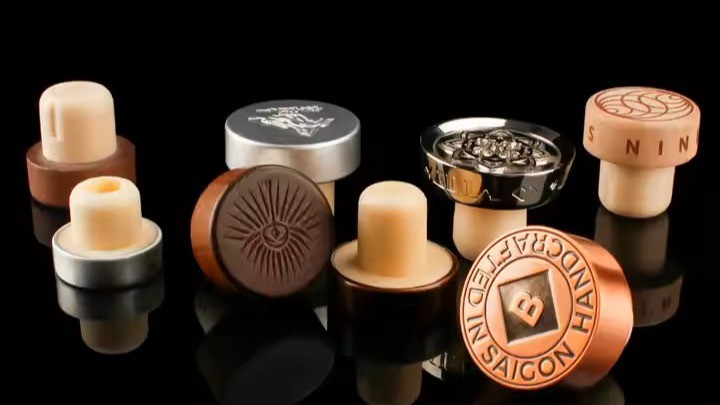
Common customization options include brushed aluminium, polished aluminium, matte coating, anodized color, silver, gold, black, copper, bronze, laser engraving, screen printing, pad printing, embossed logos, debossed logos, custom top shapes, custom head diameters, color-matched closure systems, and logo inserts.
A custom stopper should be designed together with the bottle, label, capsule, carton, and retail display plan. For broader packaging programs that include bottles, jars, decoration-ready surfaces, and matching accessories, multi-category glass packaging support can help align structure, decoration, and closure selection across product lines.
How to Test Aluminium Stoppers Before Bulk Orders
Testing should happen before mass production. A closure that looks good in a photo may not perform correctly on the actual bottle.
Important testing areas include bottle neck measurement, insertion force, pull-out force, leakage resistance, alcohol compatibility, resealing feel, head-to-shank bonding, decoration durability, and compatibility with tamper-evident packaging.
For shipping validation, many packaging teams use distribution testing concepts such as ASTM D4169, which provides a standard practice for performance testing of shipping containers and systems. For spirits closures, this helps buyers think beyond the stopper alone and consider vibration, carton packing, pallet handling, and export transport.
Sample Approval and Golden Sample Control
Before approving bulk aluminium stoppers, buyers should complete a sample approval process. This normally includes reviewing appearance, dimensions, shank fit, insertion feel, pull-out force, logo decoration, finish quality, capsule compatibility, and carton packing.
Once the sample is approved, the buyer and supplier should keep a golden sample. The golden sample acts as the quality reference for bulk production. It helps confirm that future production matches the approved closure in color, finish, logo placement, shank material, dimensions, and fitment performance.
For private-label spirits packaging and export orders, golden sample control can reduce misunderstandings between brand owners, bottlers, importers, and suppliers.
Compliance, Food Contact, and Tamper-Evident Planning
Aluminium stoppers with synthetic shanks are often used as part of a larger closure system. Depending on the destination market, spirits bottles may require tamper-evident packaging such as capsules, shrink sleeves, neck bands, strip seals, or other security devices.
For U.S. distilled spirits, the Alcohol and Tobacco Tax and Trade Bureau is an important regulatory authority for bottle closure and tamper-evident expectations. When closure components may contact the beverage, buyers should also consider FDA food-contact material principles, including intended use, migration, and safety review.
For export projects, buyers should confirm packaging, labeling, food-contact, and tamper-evident requirements in the destination market before final approval. A closure supplier can support technical development, but brand owners and importers should confirm market-specific obligations with qualified compliance professionals.
Sustainability and Material Considerations
Aluminium offers a premium look, long-lasting surface quality, and strong decoration potential. For sustainability-minded brands, the key is to evaluate material sourcing, closure weight, recyclability, packaging efficiency, and whether the stopper design can support responsible end-of-life handling.
The Aluminium Stewardship Initiative provides recognized standards and certification programs related to responsible aluminium production and stewardship. While not every closure project requires certified aluminium, buyers can use responsible-sourcing questions as part of supplier evaluation, especially for premium brands with sustainability claims.
Synthetic shanks should also be reviewed carefully. Buyers should ask about material type, alcohol compatibility, separation from the head, recycling considerations, and whether the closure design supports practical handling in the target market.
Best Applications by Spirits Category
Vodka
Vodka brands often choose aluminium stoppers because the closure matches a clean and modern identity. Silver, matte black, brushed aluminium, and white-coated heads are common choices.
Gin
Gin packaging often uses botanical storytelling, color, and visual detail. Custom aluminium stoppers can match colored glass, label artwork, or capsule design. Synthetic shanks also help maintain consistent fit across seasonal or multi-flavor gin lines.
Whisky and Bourbon
Whisky and bourbon brands may use aluminium stoppers when they want a premium closure without using wood. Black, bronze, copper, and brushed gold finishes can create a mature, high-value appearance.
Rum
Rum packaging often benefits from darker metallic tones, wider heads, and embossed detail. Aluminium stoppers with synthetic shanks can support both classic and modern rum designs.
Tequila and Mezcal
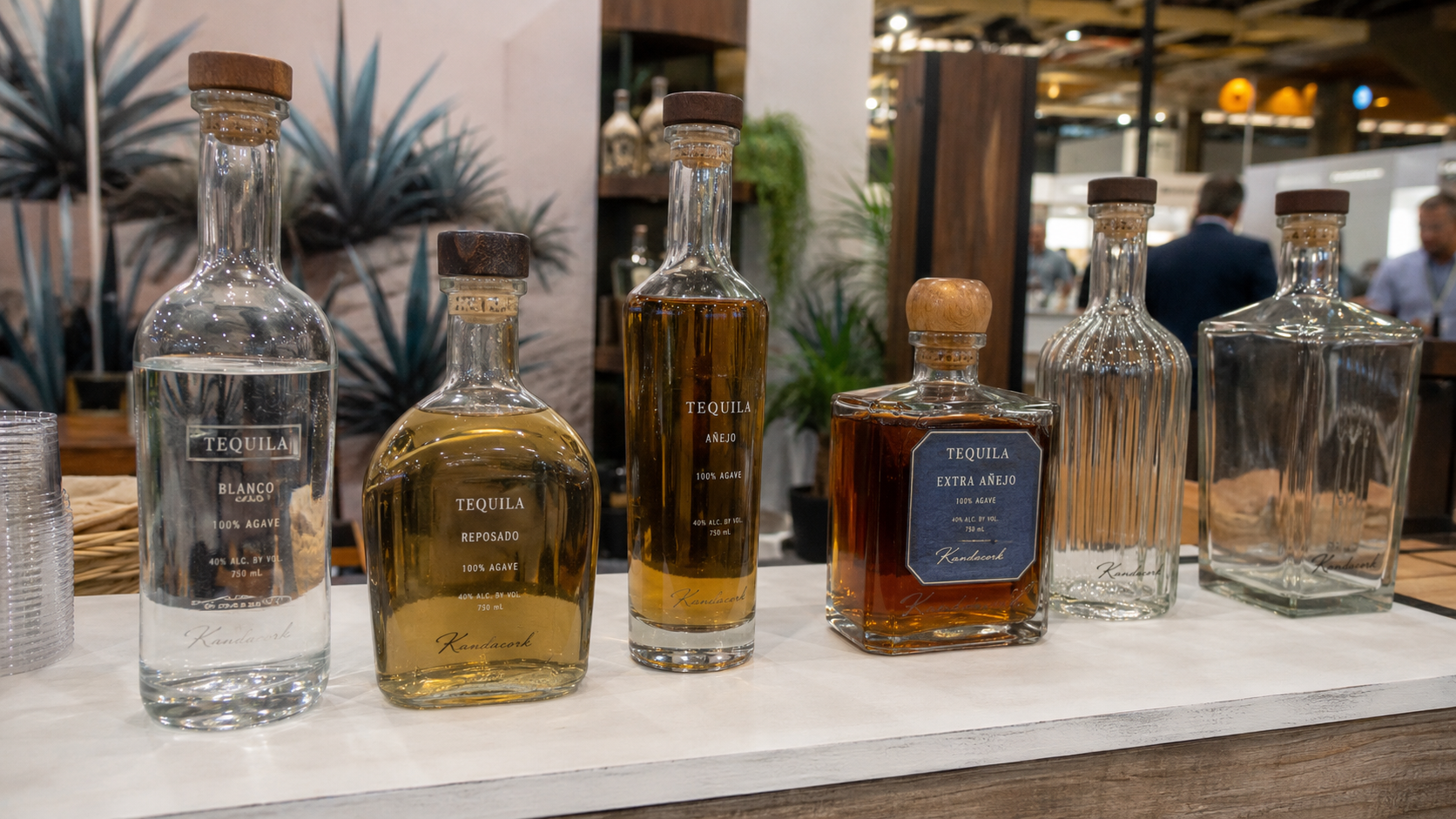
Tequila and mezcal brands often rely on distinctive packaging. Custom aluminium heads can be engraved, embossed, debossed, or shaped to reflect brand symbols and premium positioning.
Liqueurs and Private-Label Spirits
For liqueurs and private-label programs, consistency is critical. Synthetic shanks help maintain fit across multiple SKUs, while aluminium heads allow different colors, logos, or finishes for each product line.
What Buyers Should Provide Before Requesting a Quote
Clear project information helps the supplier recommend the right stopper faster and reduces sampling delays.
| Quotation Detail | Why It Matters |
|---|---|
| Bottle drawing | Confirms neck dimensions and closure compatibility |
| Bottle mouth inner diameter | Helps select shank diameter |
| Real bottle samples | Allows accurate fitment testing |
| Target spirit category | Helps match closure style and material |
| Alcohol by volume | Supports material compatibility review |
| Fill volume | Helps evaluate bottle and closure balance |
| Preferred shank diameter | Speeds up sampling when known |
| Preferred shank length | Affects insertion depth and resealing |
| Aluminium head shape | Defines visual style and tooling needs |
| Finish or color | Supports brand matching |
| Logo artwork | Determines decoration method |
| Order quantity | Affects MOQ, pricing, and production planning |
| Destination market | Helps identify compliance requirements |
| Tamper-evident plan | Ensures stopper works with capsule or seal |
| Delivery schedule | Supports production and shipping planning |
Why Choose Kandacork Closures?
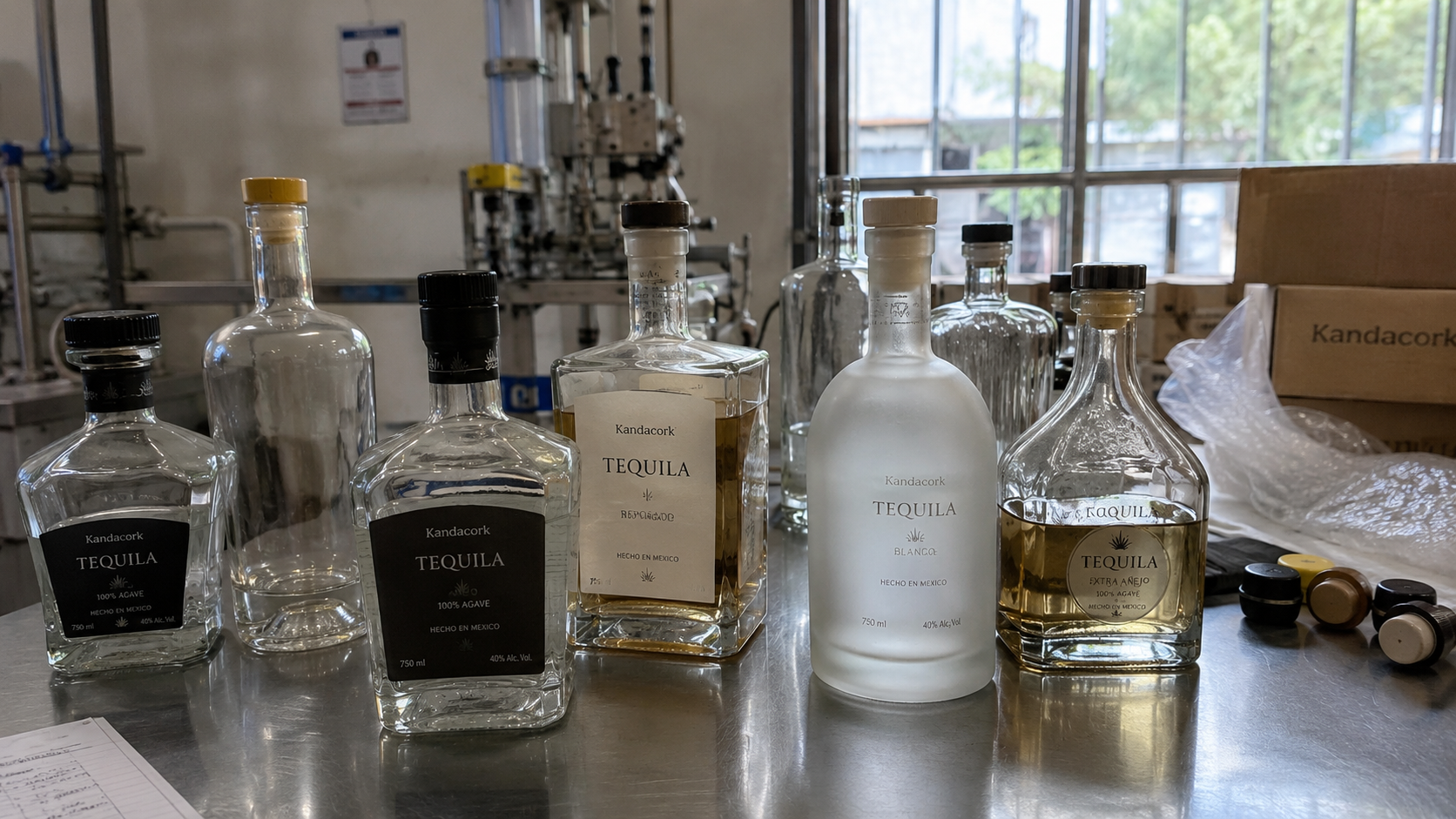
Kandacork Closures supports custom closure projects for spirits brands, bottlers, packaging buyers, importers, and private-label teams. For aluminium stoppers with synthetic shanks, the team can assist with head design, shank material selection, bottle-neck fitment, sample testing, logo decoration, finish selection, and bulk production planning.
The value of a closure partner is not only product supply. It is also technical guidance, sampling support, fitment review, golden sample control, and production consistency. Kandacork Closures also develops custom metal stoppers for premium spirits projects that require metal heads, cork or synthetic shanks, line testing, and brand-focused decoration.
For vodka, gin, whisky, rum, tequila, brandy, liqueur, and private-label spirits projects, Kandacork Closures can help develop a stopper that matches your bottle, brand, and production needs.
FAQ
Are aluminium stoppers with synthetic shanks suitable for spirits bottles?
Yes. They are suitable for many spirits bottles when the shank size and material are correctly matched to the bottle neck. They are commonly used for vodka, gin, whisky, rum, tequila, brandy, liqueurs, and private-label spirits.
What is the difference between aluminium and aluminum stoppers?
They refer to the same material. “Aluminium” is common in British and international English, while “aluminum” is common in U.S. English. A well-optimized product page can naturally include both terms.
What is a synthetic shank in a bottle stopper?
A synthetic shank is the engineered insert that fits inside the bottle neck. It creates compression and friction to help seal and reseal the bottle. It may be made from synthetic cork, polymer, TPE-style material, or another engineered compound.
What shank size should I choose?
The correct shank size depends on the bottle mouth inner diameter, glass tolerance, shank material, and desired opening feel. Common reference sizes include 19.5mm and 22.5mm, but final approval should always be based on physical sample testing.
Are aluminium bar-top stoppers reusable?
Yes. Aluminium bar-top stoppers with synthetic shanks are designed for repeated opening and reclosing when properly matched to the bottle. Resealing performance should be tested before bulk production.
Can aluminium stoppers be customized with a logo?
Yes. Aluminium heads can be customized with laser engraving, embossing, debossing, screen printing, pad printing, coating, anodized finishes, or custom shapes. The best method depends on the logo, finish, order quantity, and budget.
Do aluminium stoppers with synthetic shanks prevent leakage?
They can provide reliable sealing when correctly matched to the bottle neck. Leakage resistance depends on shank diameter, shank material, bottle tolerance, insertion depth, storage conditions, and testing before bulk production.
Are synthetic shanks better than natural cork?
Synthetic shanks are often better for dimensional consistency and controlled production. Natural cork may be better for brands that want a traditional natural material story. The best choice depends on brand positioning, bottle design, budget, and performance needs.
Can aluminium stoppers be used with shrink capsules?
Yes. Aluminium stoppers can often be used with shrink capsules, neck bands, or tamper-evident seals. Compatibility should be tested during sampling to confirm appearance, fit, and application performance.
What information is needed for a custom stopper quotation?
Buyers should provide bottle drawings, bottle mouth inner diameter, real bottle samples if available, target spirit category, logo artwork, preferred finish, shank requirements, order quantity, destination market, and delivery schedule.
What is a golden sample for aluminium stopper production?
A golden sample is the approved reference sample used to guide bulk production. It helps confirm that future production matches the approved closure in color, finish, logo placement, shank material, dimensions, and fitment performance.
Can Kandacork Closures supply custom aluminium stoppers in bulk?
Yes. Kandacork Closures can support custom aluminium stopper projects with synthetic shank matching, logo decoration, finish selection, sample development, fitment testing, and bulk production planning.
Conclusion
Aluminium stoppers with synthetic shanks are a practical premium closure solution for spirits brands that need shelf appeal, reliable resealing, consistent fitment, and custom decoration. The aluminium head supports brand presentation, while the synthetic shank helps deliver controlled sealing performance.
The best results come from early technical planning. Buyers should confirm bottle-neck dimensions, test real samples, evaluate insertion and pull-out feel, review leakage performance, complete sample approval, and plan tamper-evident packaging before approving bulk production.
For custom aluminium stoppers with synthetic shanks, Kandacork Closures can help match the right head design, shank material, finish, decoration method, MOQ, lead time, golden sample standard, and production plan for your spirits bottle project.