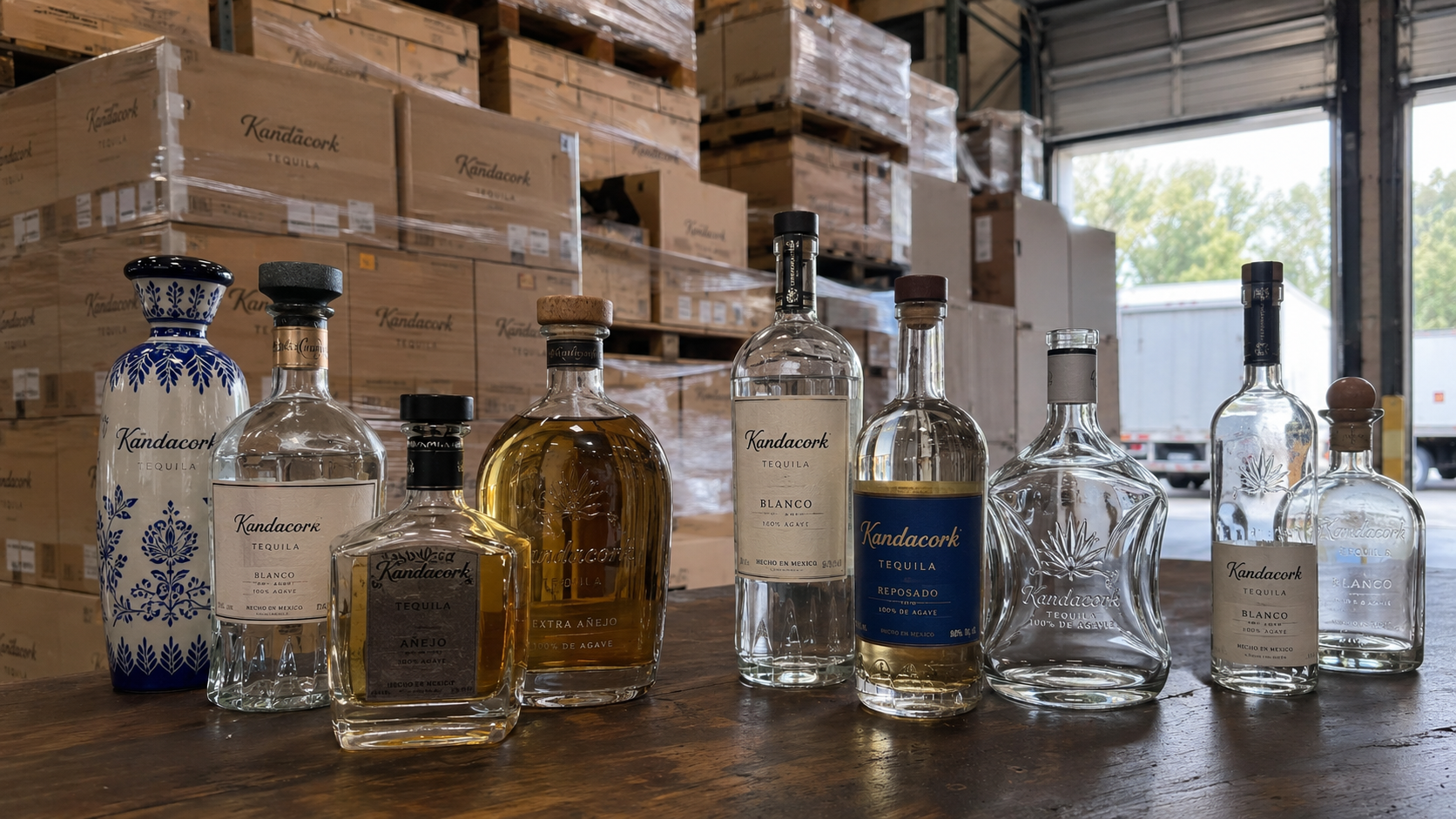
Plastic stopper projects often require tooling decisions, material selection and accurate bottle neck matching before production. This guide explains how mold design, shank structure, fit testing and sample approval affect plastic stoppers for spirits bottles.
Quick Answer: What Are Custom Plastic Bottle Stoppers?
Custom plastic bottle stoppers are spirits bottle closures made with a molded plastic head and a sealing shank. They are commonly used as plastic T-top stoppers, plastic bar-top stoppers, or plastic head closures for whiskey, vodka, gin, rum, tequila, brandy, and liqueurs.
They are selected when brands need custom color, logo decoration, consistent neck fit, scalable production, and a cost-effective premium appearance.
Plastic T-Top Stoppers, Bar-Top Stoppers, and Bottle Closures
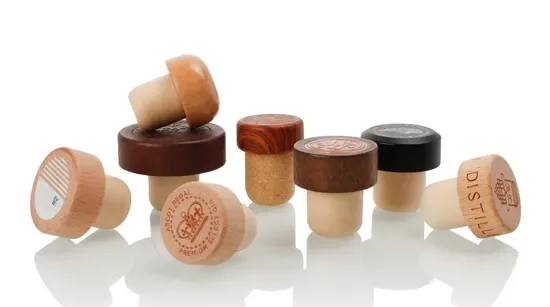
Plastic T-top stoppers and plastic bar-top stoppers are closure systems with a visible top head and an insert that seals inside the bottle neck. The head is usually made from molded plastic, while the insert may be natural cork, agglomerated cork, synthetic cork, or engineered polymer material.
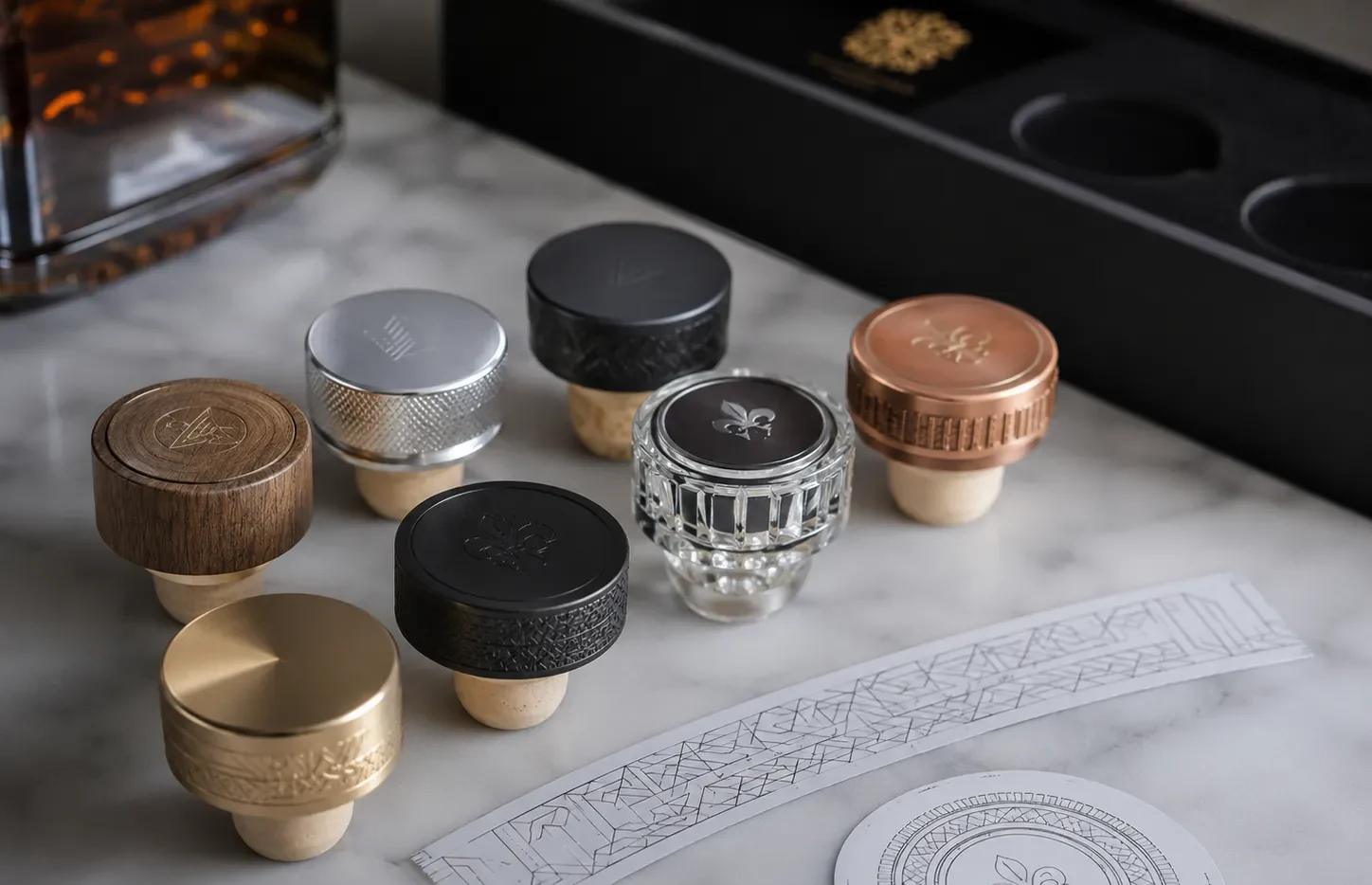
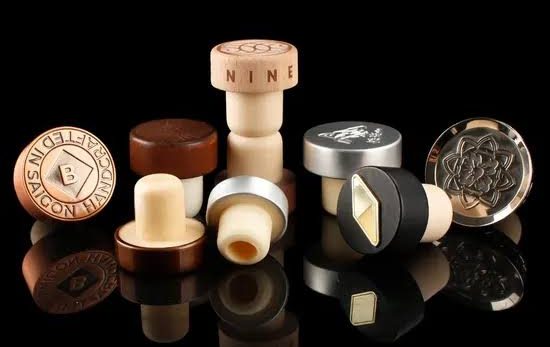
The plastic head gives the brand design flexibility. It can be round, square, domed, flat, ribbed, fluted, tapered, or custom molded. It can also carry a logo, brand color, metallic effect, matte coating, gloss surface, or textured finish.
The shank is the functional sealing component. It compresses inside the bottle neck to help prevent leakage and create the right opening force. This makes shank selection one of the most important technical decisions in any custom stopper project.
In the spirits industry, the same product may be described in different ways. Buyers may search for plastic bottle stoppers, plastic bar-top closures, plastic T-top closures, liquor bottle stoppers, bottle cork stoppers, or custom spirits closures. A focused bottle closures and stoppers range helps buyers compare stopper formats, screw caps, ROPP closures, sleeves, and other options within one packaging system.
Plastic Bottle Stoppers vs Plastic Screw Caps
Plastic bottle stoppers and plastic screw caps are both closures, but they serve different packaging goals.
Plastic bottle stoppers are inserted into the bottle neck. They are common for spirits bottles because they create a traditional premium opening experience and allow the brand to use a decorative top head.
Plastic screw caps use threads on the bottle neck. They are more common for water, juice, soft drinks, food bottles, and some ready-to-drink beverage packaging. They can be practical and efficient, but they usually create a different visual and opening experience from a bar-top stopper.
For premium spirits, custom plastic T-top stoppers often provide stronger shelf appeal, better tactile branding, and a more traditional liquor packaging style than standard screw caps. For RTD beverages or lower-cost formats, screw caps may be more appropriate.
Why Spirits Brands Choose Custom Plastic Bottle Stoppers
Spirits brands choose custom plastic bottle stoppers when they need a closure that is practical, brandable, and suitable for bulk production. Plastic offers strong design flexibility while keeping cost, weight, and repeatability under control.
These stoppers are especially useful for private-label spirits programs, high-volume liquor lines, limited-edition products, colorful brand systems, export packaging, and promotional bottle launches.
A plastic stopper can support premium design when the shape, finish, and decoration are carefully selected. Matte black, metallic silver, soft-touch finishes, embossed logos, and color-matched molded heads can all create a professional shelf presence.
For commercial packaging buyers, plastic also offers manufacturing consistency. Once the mold, color, shank, and decoration are approved, repeat production can be controlled more easily than many handmade or natural-material alternatives.
How to Choose Custom Plastic Bottle Stoppers
| Decision Factor | What to Check | Why It Matters |
|---|---|---|
| Bottle neck finish | Inner diameter, tolerance, insertion depth | Prevents leakage, loose fit, or excessive insertion force |
| Shank material | Natural cork, agglomerated cork, synthetic cork, polymer | Affects sealing, pull-out force, recovery, and consistency |
| Head design | Shape, size, grip, weight, surface finish | Influences brand image and consumer handling |
| Decoration method | Printing, embossing, debossing, hot stamping, metallic effect | Improves brand recognition and shelf differentiation |
| Filling line | Manual, semi-automatic, automatic corking | Helps prevent production delays and stopper damage |
| Compliance needs | Food-contact documentation and market requirements | Supports export, retailer review, and packaging approval |
| Quantity | MOQ, reorder forecast, annual demand | Affects tooling, unit cost, and production planning |
| Launch timeline | Sampling, testing, approval, production, delivery | Reduces packaging delays before market launch |
The best custom plastic bottle stoppers are not chosen by appearance alone. They should be selected through a balance of bottle fit, brand design, production method, material suitability, compliance requirements, and commercial supply planning.
Best Use Cases by Spirit Type
| Spirit Type | Recommended Plastic Stopper Style | Design Notes |
|---|---|---|
| Whiskey | Black, dark brown, bronze, wood-effect, heavier profile | Supports maturity, craft, and premium positioning |
| Vodka | White, silver, frosted, transparent, clean cylindrical form | Supports purity, modernity, and minimalist packaging |
| Gin | Botanical green, blue, translucent, textured finish | Supports botanical, craft, and flavor-driven branding |
| Rum | Amber, copper, black, brown, rounded profile | Supports warmth, richness, and aged-spirit cues |
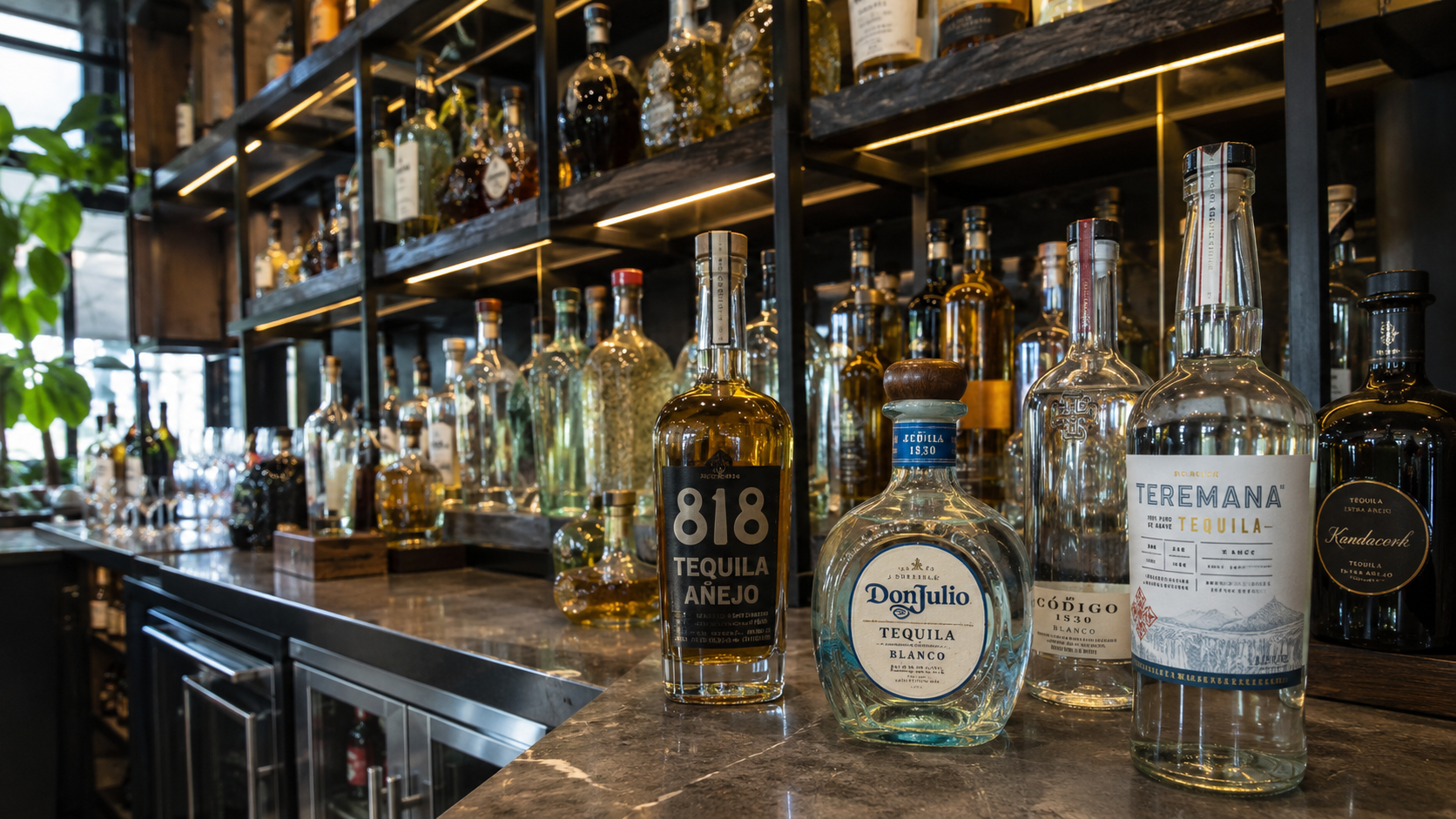
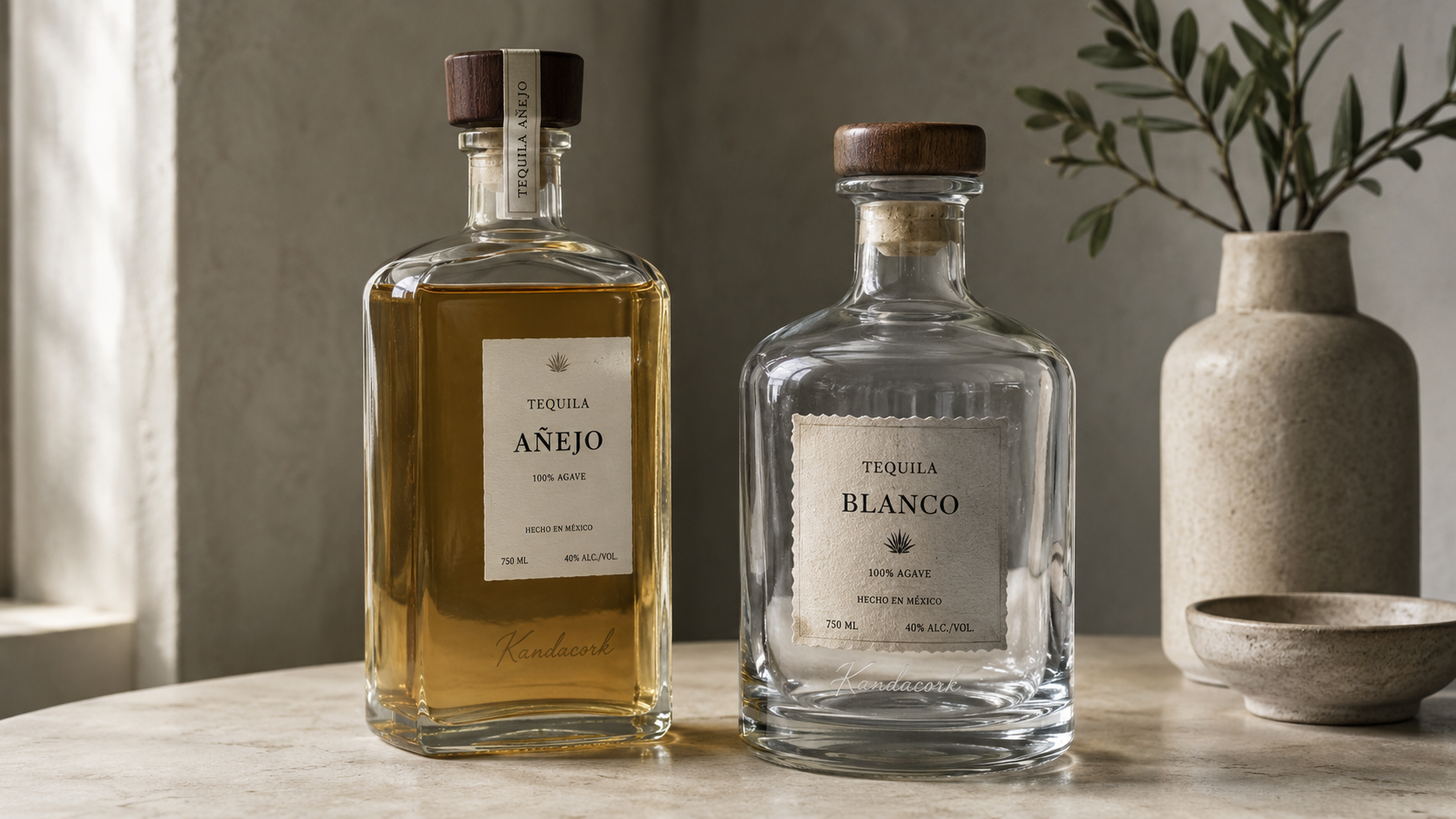
| Tequila | Earth tones, gold, bold textures, custom molded head | Supports heritage, celebration, or premium expression |
| Brandy | Deep red, black, gold, classic rounded top | Supports elegance and gift-ready packaging |
| Liqueurs | Color-coded stoppers, gloss finish, playful shapes | Supports flavor differentiation and shelf recognition |
| Private-label spirits | Existing mold with custom color or logo | Supports faster launch and controlled development cost |
This type of use-case planning helps buyers choose a closure that matches both the liquid category and the brand’s shelf position. When the bottle itself is still being developed, coordinating the closure with custom spirits bottle packaging can reduce fit issues and improve the final shelf presentation.
Plastic Stopper Anatomy: Head, Shank, and Seal
A custom stopper has three important areas: the head, the shank, and the sealing interface.
The head is the visible part of the closure. It affects visual identity, grip, perceived quality, and compatibility with secondary packaging such as gift boxes, capsules, neck labels, or tamper-evident bands.
The shank is the insert that enters the bottle neck. It controls sealing contact, compression, recovery, and extraction force. A poor shank choice can cause loose fit, leakage, excessive pull force, or production difficulty.
The sealing interface is where the shank meets the inner wall of the bottle neck. This area is affected by bottle tolerance, shank diameter, insertion depth, material elasticity, and storage conditions.
A good stopper should insert smoothly, remain stable during transport, resist leakage, and open with a controlled consumer experience. For projects that require engineered inserts instead of traditional cork, synthetic bar-top stoppers may provide controlled dimensions and stable sealing behavior.
How to Match Custom Plastic Bottle Stoppers to Bottle Neck Finishes
Bottle neck fit is the most important technical step in stopper development. A beautiful closure is not useful if it does not fit the bottle correctly.
Before production, buyers should provide bottle drawings, neck finish specifications, or physical bottle samples. The supplier should evaluate internal neck diameter, tolerance range, insertion depth, top clearance, filling-line equipment, and stopper orientation requirements.
Important fit checks include insertion force, pull-out force, compression recovery, leakage resistance, and compatibility with capsules or tamper bands. If the stopper will be used on an automated filling line, line-trial testing should also confirm feeding, insertion speed, head scuffing, and stopper stability.
For beverage packaging, finish dimensions and closure specifications should be treated as controlled technical data. Industry resources such as the ISBT beverage finish guidelines show why finish geometry, closure fit, and agreed specifications matter in beverage packaging systems.
For export spirits, testing should consider storage temperature, humidity, carton packing, pallet movement, and transport vibration. A stopper that performs well in a sample room may behave differently during long-distance shipment.
Custom Branding Options for Plastic Bottle Stoppers
Custom branding is one of the main reasons spirits companies choose plastic stoppers. The stopper is often the first part of the bottle the customer touches, so it should support the brand’s visual and tactile identity.
Plastic stopper heads can be produced in brand-specific colors. This allows the closure to match the label, bottle color, capsule, gift box, or flavor system.
A gin brand may choose botanical green, blue, or translucent effects. A vodka brand may prefer white, silver, frosted, or minimalist tones. A rum brand may select black, amber, bronze, or dark brown. A tequila brand may use earthy tones, gold effects, or bold seasonal colors.
Surface finish changes how the stopper feels and how premium it appears. Matte finishes can look modern and refined. Gloss finishes can look bright and clean. Metallic-effect coatings can imitate aluminium or zamak while reducing weight. Textured sidewalls can improve grip and add tactile value.
Plastic bottle stoppers can support logo decoration through top printing, side printing, embossing, debossing, hot stamping, foil-effect decoration, or molded logo details. For projects that need a wider decoration system, coordinated spirits bottle decoration and branding can align the stopper with labels, screen printing, coatings, capsules, and secondary packaging.
Plastic Bottle Stopper Manufacturer for Bulk Orders
For bulk orders, buyers should evaluate not only design but also production control. A reliable plastic bottle stopper manufacturer should be able to support material selection, mold development, color matching, shank assembly, sampling, quality inspection, and repeat production.
Bulk spirits packaging requires consistency. The stopper head should maintain stable dimensions, color, finish, and decoration across production batches. The shank should maintain consistent diameter, compression, and insertion behavior.
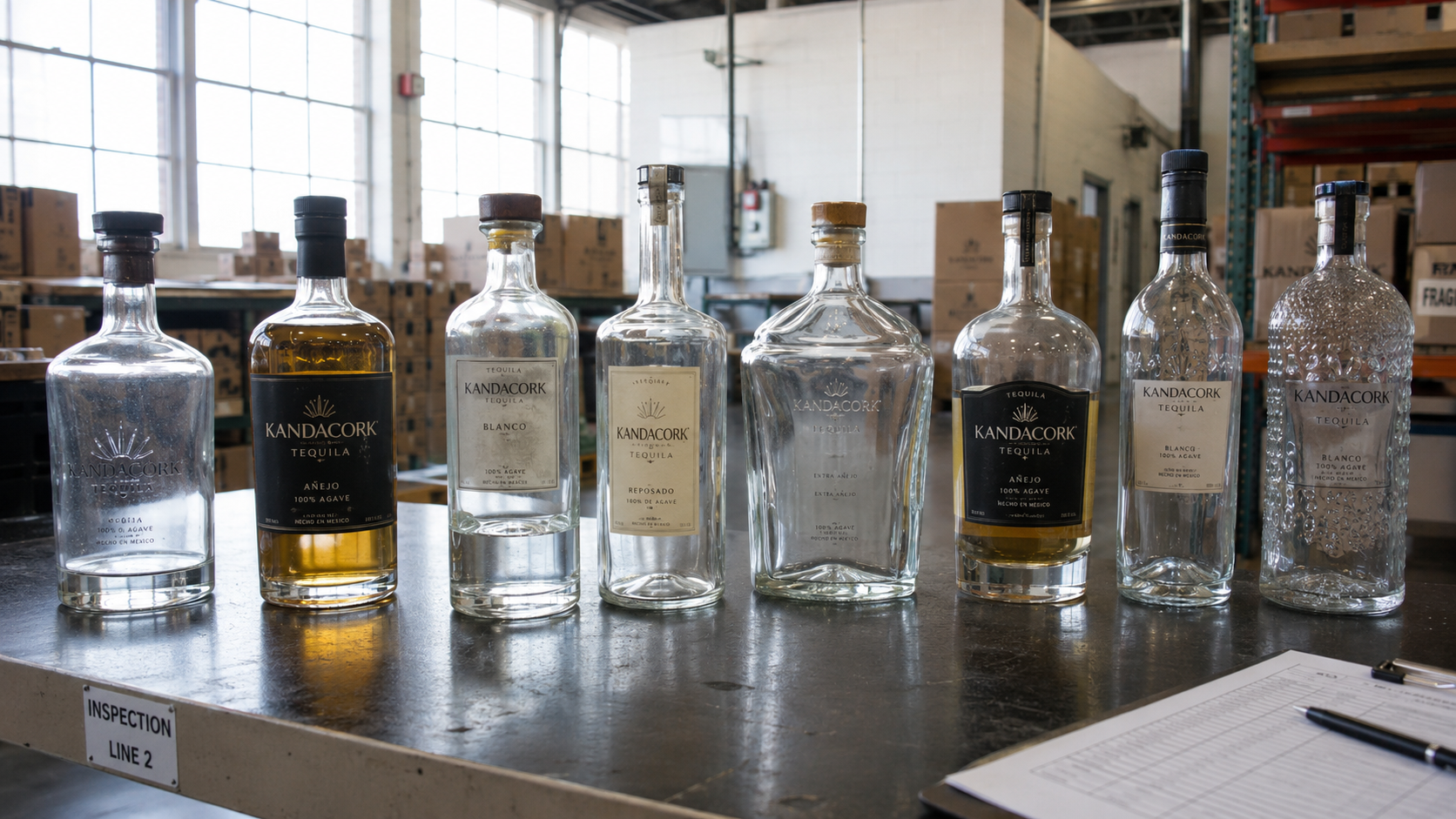
Quality checks may include visual inspection for flash, sink marks, scratches, color deviation, logo misalignment, head-to-shank concentricity, shank damage, poor adhesion, and assembly defects.
For private-label buyers and importers, repeatability is critical. A closure that works for one shipment should also work for future orders, seasonal launches, and additional bottle sizes. Quality systems based on ISO 9001 quality management principles help packaging manufacturers control processes, documentation, corrective action, and continual improvement.
Kandacork Closures Custom Stopper Development Process
Kandacork Closures supports custom plastic bottle stopper projects through a structured development process. This helps buyers reduce risk before mass production.
The process begins with bottle details, target market, spirit type, order quantity, brand concept, and launch timeline. This allows the team to understand whether the project should use an existing mold, adjusted mold, or fully custom stopper design.
The bottle neck is reviewed through drawings, specifications, or physical samples. Inner diameter, neck tolerance, insertion depth, and closure clearance are considered before recommending a shank structure.
Head shape, size, grip, surface finish, and plastic material are evaluated based on the desired brand positioning and production method. A luxury whiskey project may need a heavier-looking profile, while a private-label vodka project may need a clean, cost-efficient molded head.
Color samples and decoration samples help confirm visual consistency before bulk production. Logo placement, embossing depth, printing clarity, and surface finish should be approved with physical samples whenever possible.
Sample stoppers should be tested with the actual bottle. Fit, insertion behavior, extraction force, leakage resistance, and compatibility with capsules or tamper bands should be checked before order confirmation.
Pilot production helps confirm that the approved design can be manufactured consistently. This stage can reveal issues such as color deviation, mold marks, logo misalignment, shank assembly variation, or head scuffing.
Plastic vs Wood vs Aluminium vs Zamak vs Glass Stoppers
| Stopper Material | Main Advantage | Limitation | Best Use Case |
|---|---|---|---|
| Plastic | Lightweight, flexible, cost-controlled, easy to color match | May need premium finishing to avoid a low-cost appearance | High-volume spirits, private label, colorful brand systems |
| Wood | Natural, craft, traditional appearance | Natural variation and finishing control required | Whiskey, rum, brandy, craft spirits |
| Aluminium | Modern metallic look, durable surface | Higher cost than basic plastic | Vodka, gin, tequila, contemporary premium spirits |
| Zamak | Heavy, luxury feel, strong perceived value | Higher weight and higher unit cost | Luxury whiskey, limited editions, premium gifting |
| Glass or crystal | Decorative and elegant | Heavier and more fragile | Premium decanters and collectible bottles |
| Synthetic cork head systems | Consistent functional performance | Less decorative flexibility than molded plastic heads | Practical spirits closures and controlled sealing |
Plastic is often the best choice when the brand needs a balance of customization, cost efficiency, color control, and scalable bulk production. If a project needs a warmer craft image, wooden bar-top stoppers may be a better fit. If the brand wants a heavier premium metallic impression, aluminium bar-top stoppers may be more suitable.
Common Problems With Poorly Matched Plastic Bottle Stoppers
Poor stopper selection can create both technical and commercial problems. These issues often appear after sampling, filling, shipment, or retail handling.
A loose stopper may occur when the shank diameter is too small for the bottle neck or when compression recovery is weak. This can cause leakage, evaporation risk, or poor consumer confidence.
Excessive pull-out force may occur when the shank is too large or too rigid. This can make the bottle difficult to open and may damage the consumer experience.
Difficult machine insertion can happen when the stopper is not compatible with the filling line, corking head, or required insertion depth. This may slow production or increase rejection rates.
Shank cracking or deformation can result from unsuitable material choice, poor storage conditions, or incorrect insertion pressure.
Color mismatch can occur when the approved sample and bulk production are not controlled carefully. This is especially important for brand colors used across labels, capsules, and cartons.
Logo misalignment, poor printing, head scuffing, and visible molding defects can reduce perceived quality. These problems are especially damaging for premium spirits, where packaging is part of the product value.
The best way to avoid these failures is to test the stopper with the actual bottle, actual liquid conditions, and actual packaging process before full production.
Food-Contact Safety and Compliance Considerations
A stopper used for spirits packaging should be treated as a food-contact packaging component. Materials, colorants, coatings, inks, adhesives, and shank components should be selected based on the intended beverage, alcohol percentage, market, and contact conditions.
For the United States, FDA explains that food contact substances include food packaging and its components, as well as substances applied to packaging surfaces, such as adhesives and colorants. For the European market, the European Commission states that Regulation EC No. 1935/2004 provides the general EU framework for food-contact materials.
The phrase “food grade” should be supported by documentation. Buyers should ask what material is used for the plastic head, what material is used for the shank, whether colorants or coatings are suitable for the intended application, and whether the closure has been evaluated for the target market.
For spirits, alcohol compatibility should be considered carefully. High-ABV liquids, flavored spirits, botanical extracts, and sugar-rich liqueurs may create different packaging requirements.
Compliance Documents Buyers May Request
| Document or Information | Why It Matters |
|---|---|
| Material specification | Identifies the plastic, shank, coating, or decoration material used |
| Food-contact statement | Helps confirm intended use for beverage packaging |
| Colorant or coating information | Supports review of decorative materials and finishes |
| Declaration of Compliance where applicable | Helps with EU or importer documentation requirements |
| Migration testing report where required | Supports review of material behavior under defined conditions |
| Batch traceability information | Helps track production lots and quality records |
| Packaging material safety documents | Supports procurement, retailer, and importer review |
| Alcohol-contact suitability information | Helps evaluate performance with spirits and high-ABV products |
Compliance requirements vary by market and application, so buyers should discuss documentation early in the packaging development process.
Performance Testing for Custom Plastic Bottle Stoppers
Performance testing helps prevent costly packaging failures before mass production.
Common checks include leak resistance, insertion force, pull-out force, shank compression, recovery behavior, alcohol compatibility, storage exposure, and transport simulation.
Line-trial testing is also important. A stopper that works by hand may behave differently on automatic or semi-automatic equipment. Brands should check whether the stopper feeds correctly, inserts smoothly, avoids scuffing, and maintains stable orientation.
Testing should also consider the final packaging system. A stopper may interact with capsules, tamper bands, shrink sleeves, cartons, gift boxes, dividers, or display packaging. For shipping validation, ASTM D4169 package performance testing provides a recognized framework for evaluating shipping units under distribution conditions.
Sustainability Considerations for Plastic Bottle Stoppers
Sustainability in closure design involves more than choosing one material. It includes weight, durability, transport efficiency, waste reduction, recyclability, and the ability to avoid product loss from leakage or closure failure.
Plastic stoppers can support lightweight packaging compared with heavier closure materials. Some projects may explore recyclable plastic, recycled-content plastic, or bio-based plastic options where technically and legally suitable.
However, sustainability claims should be realistic. Recyclability depends on local recycling systems, material combinations, coatings, decoration methods, and whether the head and shank can be separated. ISO states that ISO 18604 packaging recycling requirements address how packaging may be classified as recoverable through material recycling.
A practical sustainable closure should still seal properly, run efficiently, protect the product, and reduce avoidable waste. For brands that also want to evaluate bottle weight, recycled glass content, and matched closures, eco-focused glass packaging can be considered alongside stopper design.
MOQ, Tooling, Lead Time, and Cost Factors
The cost of custom plastic bottle stoppers depends on head design, mold requirements, plastic material, shank type, color matching, surface finish, decoration method, order quantity, testing, and packaging requirements.
Using an existing mold with custom color is usually faster and more economical than developing a fully custom shape. A simple molded color is usually more cost-efficient than multi-step decoration. Embossing, debossing, metallic effects, and special coatings can increase cost but may improve brand differentiation.
Tooling cost becomes easier to manage when order volume is high or when the same design will be used across multiple production runs. For smaller launches, brands may begin with a standard shape and customize the color, finish, or logo.
Lead time should include design review, technical drawing, sampling, fit testing, decoration approval, pilot production, mass production, quality inspection, and shipping.
How to Order Custom Plastic Bottle Stoppers
| Project Stage | Buyer Provides | Supplier Supports |
|---|---|---|
| Packaging review | Bottle drawing, sample bottle, target market | Neck fit review and stopper recommendation |
| Design selection | Desired shape, color, finish, logo artwork | Mold, material, and decoration options |
| Shank selection | Spirit type, ABV, filling method | Cork, synthetic, or polymer shank matching |
| Sampling | Approval feedback and fit comments | Sample production and adjustment |
| Testing | Bottle, liquid, line-trial conditions | Technical support and performance review |
| Bulk order | Quantity, deadline, packaging needs | Production planning and quality control |
| Reorder | Forecast and batch requirements | Repeat production and consistency control |
This process helps reduce risk and improves communication before production begins.
What to Send When Requesting a Quote
To receive an accurate quotation for custom plastic bottle stoppers, buyers should prepare clear packaging information.
Send the bottle drawing or physical bottle sample.
Share the neck finish specification and internal diameter.
Confirm the spirit type and alcohol percentage.
Identify the target market or export region.
Provide first-order quantity and annual forecast.
Share the desired stopper shape, size, color, and surface finish.
Send logo artwork in vector format if available.
Explain whether the stopper will be used with a capsule, tamper band, shrink sleeve, gift box, or carton divider.
Confirm the filling method and corking equipment.
Share the launch timeline and required documentation.
Complete information helps Kandacork Closures recommend a realistic structure, quote more accurately, and reduce development delays.
Why Work With Kandacork Closures
Kandacork Closures supports spirits brands, distilleries, private-label buyers, packaging designers, importers, and beverage companies that need custom plastic bottle stoppers for commercial use.
The company helps buyers evaluate head design, color matching, surface finish, logo decoration, shank selection, bottle neck fit, sampling, testing, and bulk production. Instead of treating the stopper as a separate accessory, Kandacork Closures considers the full packaging system from bottle neck to retail shelf.
For brand owners, this means a closure that supports visual identity. For filling operations, it means a stopper designed for practical use. For importers and private-label buyers, it means clearer communication around MOQ, lead time, documentation, and repeat supply.
A good closure should not create uncertainty. It should seal properly, look consistent, open smoothly, and support the value of the product inside the bottle. To begin a project, share your bottle drawing, spirit type, target market, logo artwork, and first-order quantity through the Kandacork Closures quote request page.
For buyers developing a complete bottle-and-closure program, integrated custom glass spirits packaging can also help align bottle shape, decoration area, closure fit, carton packing, and export logistics.
FAQ
Are plastic bottle stoppers suitable for premium spirits?
Yes. Plastic bottle stoppers can be suitable for premium spirits when the shape, finish, color, and decoration are carefully designed. Matte surfaces, metallic-effect finishes, embossed logos, and well-proportioned heads can create a premium look while keeping the closure lightweight and scalable.
Can plastic stoppers use cork shanks?
Yes. Plastic bar-top stoppers can use natural cork, agglomerated cork, synthetic cork, or engineered polymer shanks. The right shank depends on the bottle neck, sealing requirements, extraction force, filling method, and target market
How do I know if a plastic stopper fits my bottle?
The best method is to test the stopper with the actual bottle. Bottle drawings, neck finish details, and physical samples help the supplier evaluate internal neck diameter, shank compression, insertion force, pull-out force, and leakage performance.
Can custom plastic bottle stoppers be color matched?
Yes. Plastic stopper heads can often be produced in custom colors to match a brand palette, label, capsule, bottle glass, or flavor system. Physical samples should be approved before bulk production because material, texture, and lighting can affect color appearance.
Can I order custom plastic bottle stoppers in bulk?
Yes. Custom plastic bottle stoppers are suitable for bulk orders, especially for spirits brands, private-label programs, importers, and high-volume beverage packaging projects. Bulk pricing depends on mold choice, decoration method, shank type, and order quantity.
What is the MOQ for custom plastic bar-top stoppers?
MOQ depends on the stopper design, production method, material, decoration, and color requirements. Existing molds with standard decoration usually have lower development complexity than fully custom molded heads.
How long does custom stopper tooling take?
Tooling time depends on the complexity of the stopper head, mold structure, logo detail, and approval process. Buyers should allow time for drawing confirmation, tooling, sampling, fit testing, decoration approval, and bulk production.
What artwork file is needed for logo printing or embossing?
Vector artwork is preferred for logo decoration. Common formats include AI, EPS, SVG, or editable PDF. Clear vector files help improve edge sharpness, logo placement, embossing accuracy, and printing quality.
Are plastic bottle stoppers recyclable?
Recyclability depends on the plastic material, decorative finishes, local recycling systems, and whether the stopper components can be separated. Brands should discuss recyclability goals early so the closure can be designed with realistic material and recovery options.
What affects the price of custom plastic bottle stoppers?
Price is affected by head shape, mold requirements, plastic material, shank type, color matching, decoration method, order quantity, testing, packaging, and documentation needs. A stock mold with custom color is usually more economical than a fully custom molded shape.
Can plastic bottle stoppers be used for whiskey, vodka, gin, rum, and tequila?
Yes. Plastic bottle stoppers can be used for whiskey, vodka, gin, rum, tequila, brandy, liqueurs, and other spirits. The best design depends on bottle neck fit, brand positioning, closure finish, spirit type, and filling-line requirements.
Are plastic bottle stoppers better than screw caps for spirits?
Plastic bottle stoppers are often better for premium spirits when the brand wants a traditional bar-top opening experience, decorative head design, and stronger shelf appeal. Plastic screw caps may be better for threaded bottles, RTD beverages, or lower-cost formats where speed and resealability are the main priorities.
Conclusion: Choose Plastic Stoppers Based on Fit, Branding, and Supply Reliability
Custom plastic bottle stoppers help spirits brands create a distinctive bottle presentation while controlling cost, weight, and production consistency. They are suitable for whiskey, vodka, gin, rum, tequila, brandy, liqueurs, and private-label spirits when they are developed around the bottle neck, filling process, and target market.
The right stopper should seal the bottle, support the brand image, run smoothly on the production line, and remain consistent across bulk orders. Shape, color, logo decoration, shank material, compliance review, and performance testing all matter.
Kandacork Closures helps brands develop custom plastic bottle stoppers that combine technical fit with commercial packaging value. With the right bottle details, target market, spirit type, branding concept, order quantity, and launch timeline, a custom stopper can be developed to match both the product and the brand.