Synthetic stoppers can support consistent closure performance across repeated production runs, but buyers still need to confirm fit, material appearance and branding details. This guide covers shank size, logo methods, batch consistency and bulk inspection points.
What Are Custom Synthetic Stoppers?
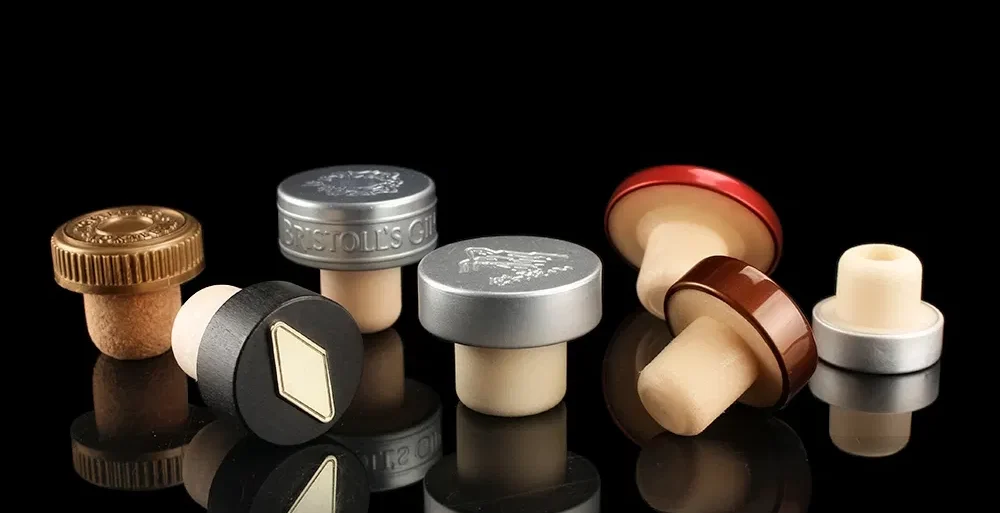
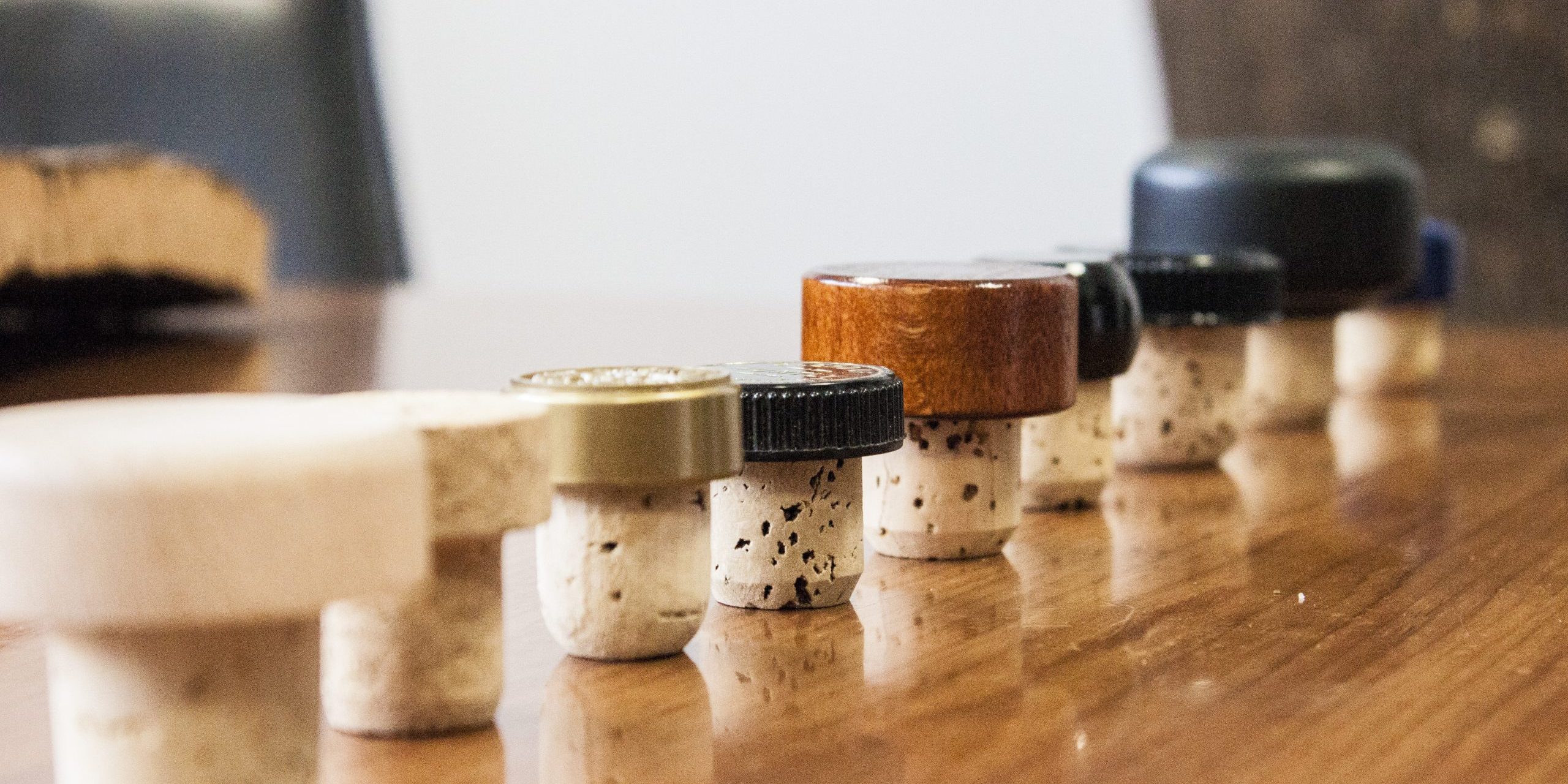
Custom synthetic stoppers are engineered bottle closures made with synthetic cork, polymer, or synthetic sealing shanks. They are commonly used as bar-top stoppers or T-top stoppers for spirits bottles and can be paired with wood, plastic, aluminum, metal-look, zamak, glass-style, ceramic-style, or custom molded tops.
A custom synthetic stopper can be adjusted by shank diameter, shank length, cap material, cap shape, color, surface finish, logo decoration, sealing feel, packaging method, and order quantity. For B2B spirits buyers, the goal is not only to create an attractive closure but also to ensure the stopper fits the bottle neck, performs during handling, and remains consistent across repeat orders.
When used correctly, custom synthetic stoppers can support a clean opening experience, controlled reclosure, strong shelf identity, and a more reliable supply program than projects that depend only on generic, off-the-shelf closures.
Why Spirits Brands Choose Custom Synthetic Stoppers
Consistent Bottle Neck Fit
Bottle neck fit is one of the most important reasons buyers choose synthetic stoppers. Natural materials can vary in density, texture, and appearance, while synthetic materials are engineered for more controlled dimensions and repeatable production.
For spirits packaging, small differences matter. A stopper that is too loose may leak, wobble, or feel low quality. A stopper that is too tight may be difficult to remove, create an uncomfortable opening experience, or cause issues during filling-line use. A well-developed stopper should match the bottle’s inner neck diameter, insertion depth, shank compression, pull-out feel, and final closure height.
Packaging teams should review the stopper together with the bottle, neck finish, capsule, label layout, and carton packing method. Kandacork Closures can also help buyers compare stopper options across a broader custom closure and stopper range when a project requires more than one closure style.
Premium Brand Presentation
A stopper is one of the most visible tactile points in spirits packaging. It helps communicate whether the product feels traditional, modern, craft, luxurious, natural, minimalist, or collectible.
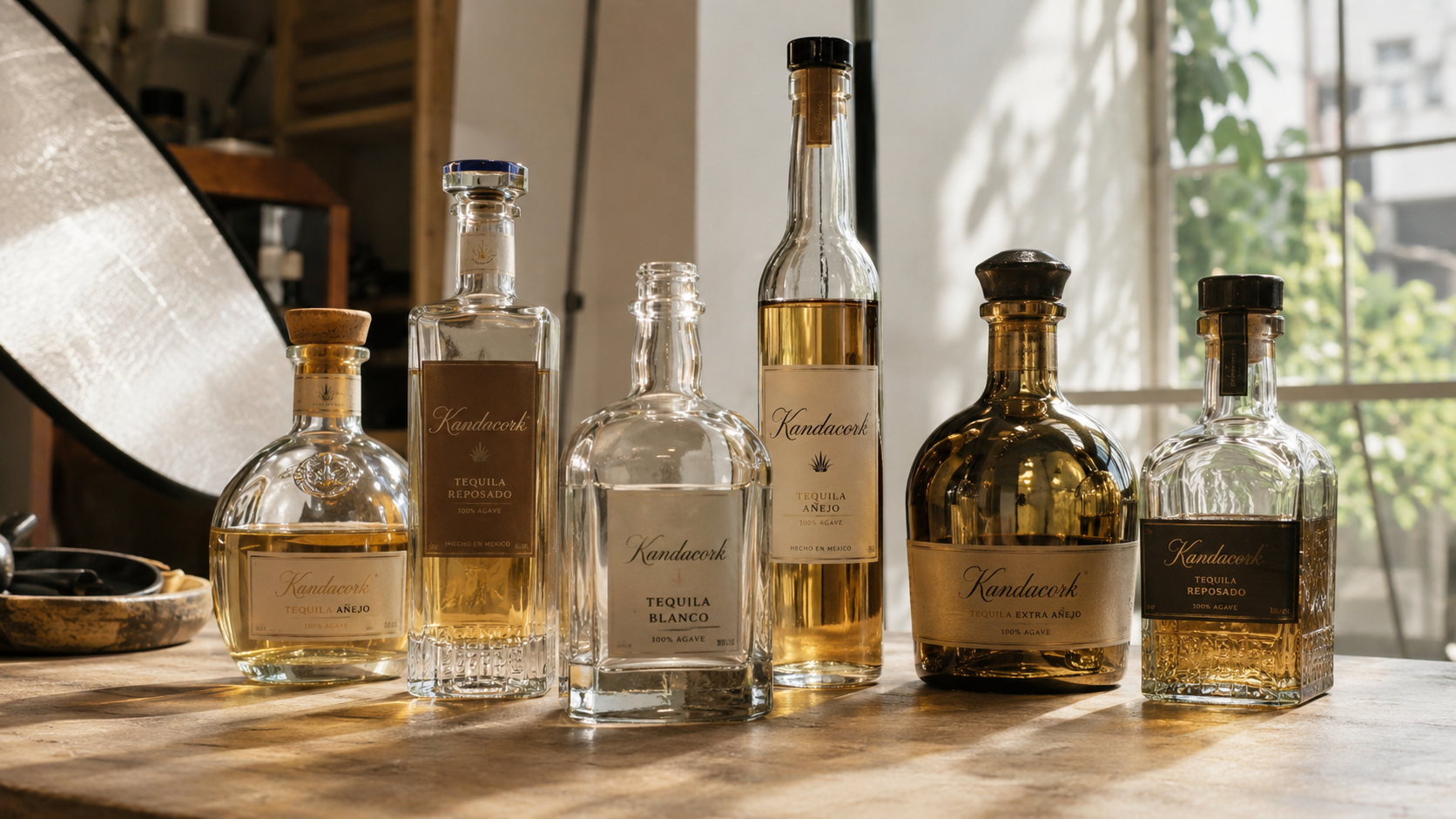
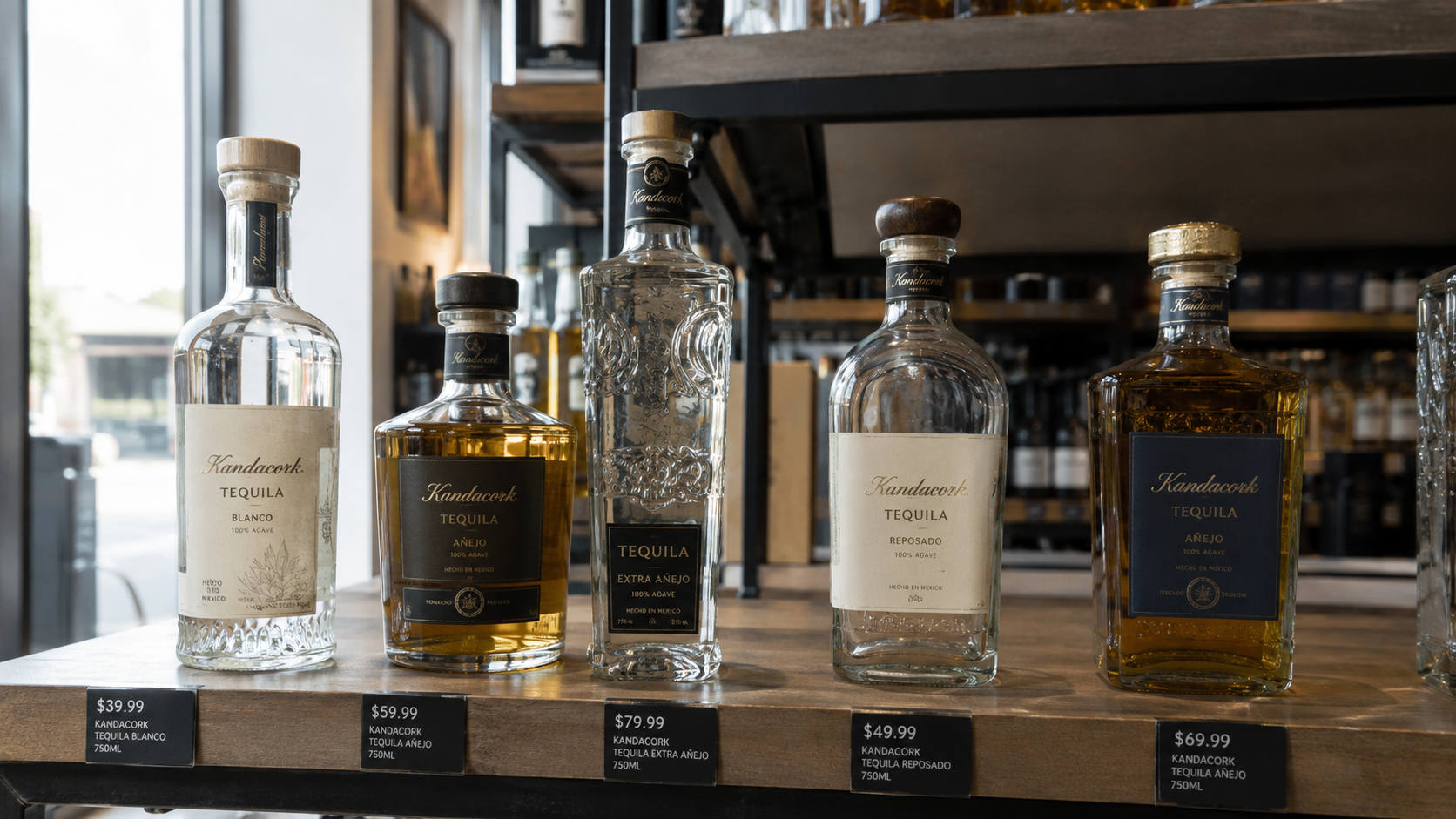
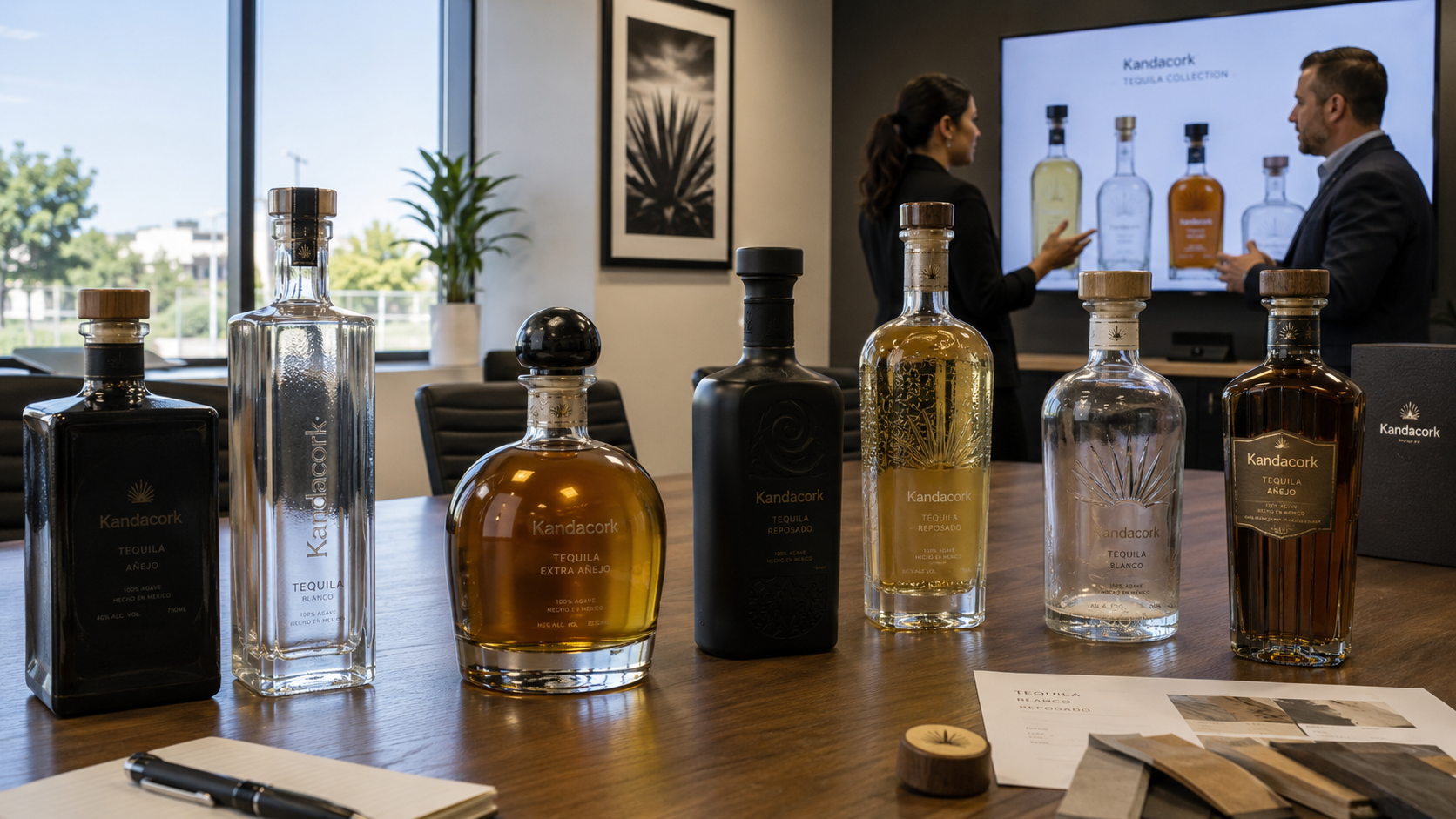
A dark wood-top stopper can support a premium whisky or aged rum. A matte black synthetic stopper can suit a clean vodka bottle. A color-matched stopper can reinforce botanical positioning for gin. A sculptural or metal-look top can make tequila and mezcal packaging more memorable.
Brands developing a full pack system often coordinate the stopper with bottle shape, glass color, decoration, label material, capsule finish, and secondary packaging. For broader bottle structure planning, teams may also align closure development with custom spirits bottle development so the neck finish, bottle proportions, and stopper profile work together from the start.
Reliable Reclosure Experience
Many spirits are opened and resealed multiple times. That makes reclosure performance important. A strong stopper should feel secure when inserted, comfortable when removed, and stable after repeated use.
For premium bottles, the opening moment becomes part of the product experience. A stopper that pulls out too easily can reduce perceived value. A stopper that is difficult to remove can frustrate consumers. The ideal result is a controlled, confident opening feel that matches the product’s price point and brand identity.
Scalable Bulk Supply
For private-label spirits, export programs, seasonal releases, and multi-SKU product families, consistency is essential. Buyers need the approved sample to match the bulk production order in size, color, finish, logo position, and packing quality.
Custom synthetic stoppers are suitable for scalable programs because they can be produced to defined specifications. Once the shank size, cap material, color, artwork, packing method, and inspection standard are approved, the project is easier to reorder and manage across future production runs.
Main Types of Custom Synthetic Stoppers for Spirits Bottles
| Stopper Type | Best For | Main Advantage | Buyer Note |
|---|---|---|---|
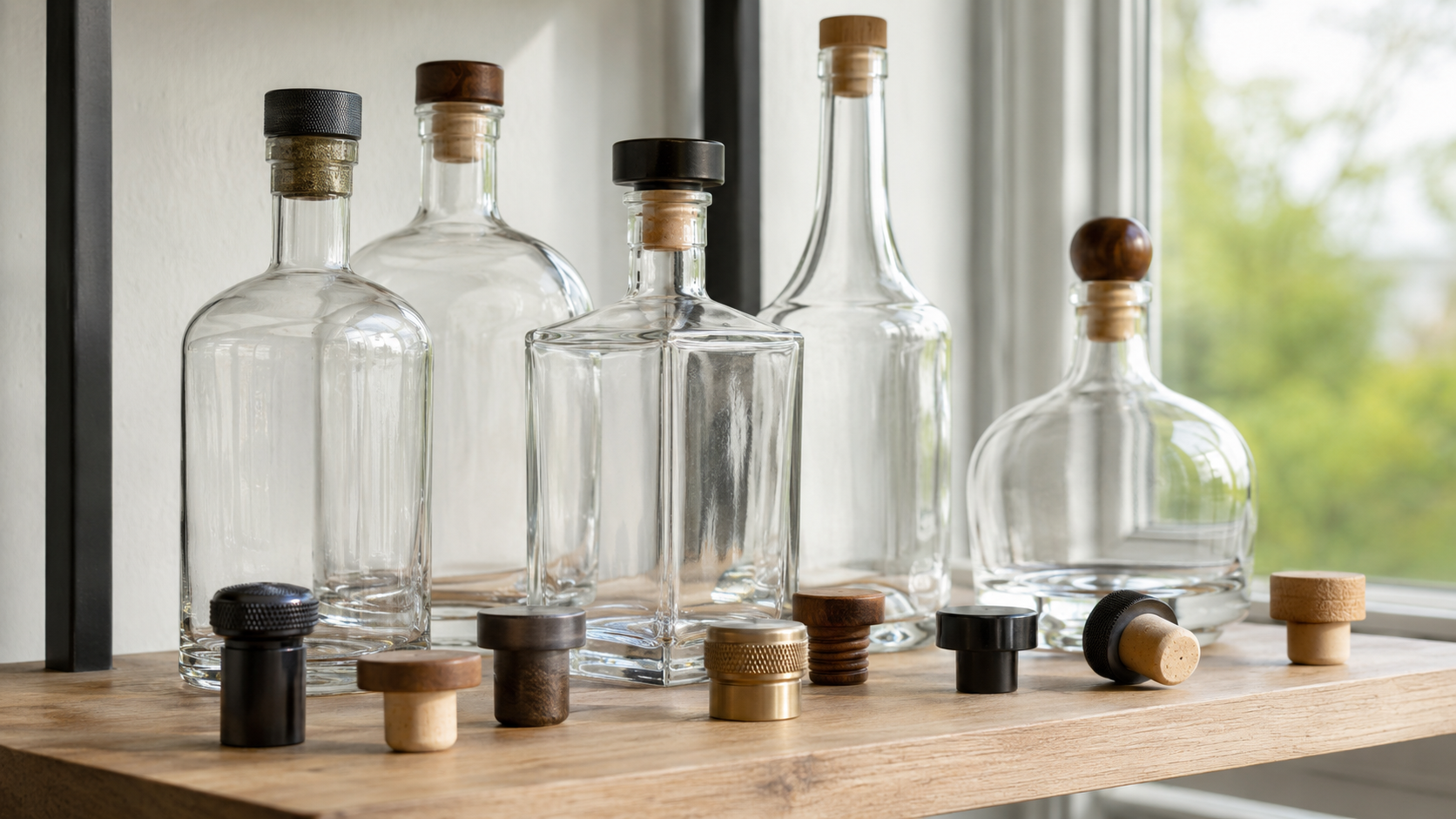
| Wood-top synthetic stopper | Whisky, rum, brandy, premium tequila | Traditional premium appearance | Confirm wood finish, cap diameter, and logo method |
| Plastic-top synthetic stopper | Vodka, gin, liqueurs, mini spirits | Color flexibility and cost control | Best for high-volume or private-label programs |
| Aluminum or metal-look synthetic stopper | Vodka, tequila, gin, modern whisky | Clean premium appearance | Check scratch resistance and finish consistency |
| Full synthetic or polymer stopper | Contemporary spirits, promotions, colorful packaging | Repeatable color and lightweight design | Confirm sealing feel and material suitability |
| Decorative custom top stopper | Limited editions, gift packs, collectible spirits | Strong shelf differentiation | Balance visual impact with fit and shipping durability |
For premium spirits, wood-top or metal-look custom synthetic stoppers are often the strongest choice. For high-volume vodka, gin, liqueur, or private-label programs, plastic-top or full synthetic stoppers may offer better color flexibility, cost control, and repeatable production.
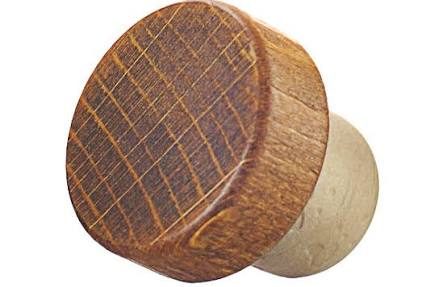
Synthetic Cork Shank with Wood Top
A synthetic cork shank with a wood top is a popular choice for premium spirits because it combines controlled fit with a familiar, warm, and traditional appearance. This option works well for whisky, rum, brandy, tequila, mezcal, and craft spirits.
The top can be natural, stained, painted, engraved, printed, hot stamped, or finished with matte or glossy coating. For a 700 ml whisky bottle with a heavy base, a natural wood-top synthetic stopper can reinforce a premium shelf image while supporting a controlled opening feel. For aged rum, a darker wood finish can communicate warmth, heritage, and maturity.
When a project needs a natural tactile impression, buyers can also compare synthetic-shank concepts with wooden bar-top stoppers to decide which structure best matches the bottle, price point, and brand story.
Synthetic Cork Shank with Plastic Top
Plastic-top synthetic stoppers are useful when buyers need color flexibility, cost control, and repeatable production. They are often selected for vodka, gin, liqueurs, mini bottles, promotional spirits, and private-label packaging.
Plastic tops can be molded in many shapes and colors. They can support top printing, side printing, embossing, debossing, molded logos, texture effects, and color-matched finishes. For high-volume programs, plastic bar-top stoppers can provide a practical balance of appearance, price, and production stability.
For example, a clear vodka bottle with minimalist branding may use a white, black, transparent, or metallic-effect plastic top to maintain a clean visual identity while controlling closure cost.
Synthetic Cork Shank with Aluminum or Metal-Look Top
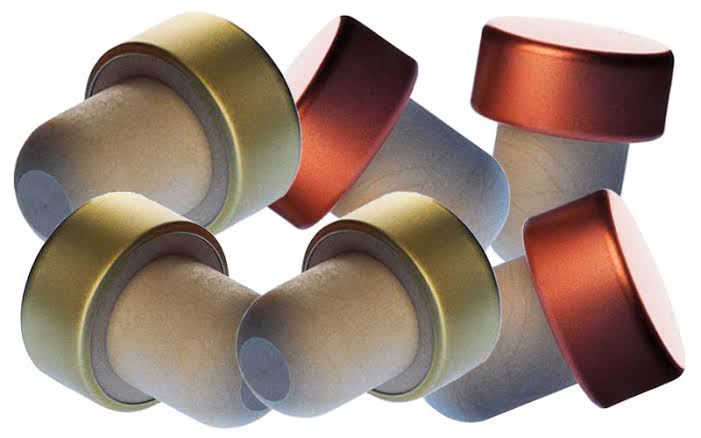
Aluminum and metal-look tops are often chosen for modern premium spirits. They create a clean, sharp, and higher-value visual effect, especially on clear glass bottles, tall necks, luxury tequilas, contemporary gin, or premium vodka.
The top can be brushed, polished, matte, metallic, color-coated, or decorated with a logo. For a minimalist vodka bottle, a silver or matte black metal-look stopper can strengthen the premium impression without adding visual clutter. For a limited-edition tequila, a heavier top may create stronger shelf impact and a more collectible opening experience.
Projects that require a heavier or more sculptural premium closure can also review metal bottle stoppers as part of the closure selection process.
Full Synthetic or Polymer Bar-Top Stoppers
Full synthetic or polymer stoppers are designed for consistency, color control, and modern styling. They are lightweight, repeatable, and flexible for brands that want a clean technical look or a non-traditional closure style.
These stoppers can work well for vodka, gin, mini spirits, RTD-style spirits packaging, promotional packs, and contemporary private-label projects. They are also useful when buyers want a consistent appearance across multiple SKUs or seasonal color variations.
Decorative Custom Top Stoppers
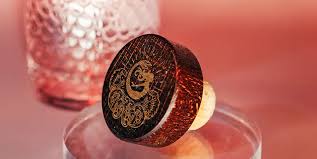
Some spirits brands need closures that act as signature design elements. Decorative tops may include sculptural shapes, molded brand symbols, transparent effects, stone-like textures, metallic badges, or luxury cap materials.
These closures are often used for limited editions, gift packs, collectible bottles, tequila, mezcal, and flagship premium spirits launches. For decorative stoppers, the key is to balance visual impact with neck fit, sealing behavior, carton protection, filling-line practicality, and shipping durability.
How to Choose the Right Stopper Size
Start with the Inner Neck Diameter
Stopper sizing should begin with the inner neck diameter, also called the bottle bore. The outside neck shape is not enough. A stopper that appears suitable visually may still fail if the inner bore, insertion depth, or glass tolerance is not reviewed correctly.
Packaging buyers should provide a technical bottle drawing when available. A physical bottle sample is even better because real glass production may include tolerance variation. The stopper supplier should review the bottle neck and recommend a shank size that fits securely without excessive insertion force.
Confirm Shank Diameter, Length, and Seating Depth
The shank is the part of the stopper inserted into the bottle neck. Its diameter, length, taper, hardness, and compression behavior determine how the closure fits.
A correct shank should seat evenly in the neck. It should not wobble, tilt, pop out, or require unreasonable force to remove. For premium spirits, seating depth also affects visual balance. The stopper should look proportionate with the bottle shoulder, neck height, cap diameter, and capsule plan.
Test Pull-Out Feel
A good stopper creates a tactile brand experience. The pull-out force should feel secure but comfortable. If the stopper is too loose, consumers may doubt product quality. If it is too tight, the opening experience may feel frustrating.
Buyers should test stopper samples with the actual bottle, target fill conditions, and expected opening behavior. For premium or gift packaging, the hand feel can be just as important as the visual design.
Test Leakage, Reclosure, and Packing Behavior
Leakage testing is essential for custom synthetic stoppers. Samples should be tested with the real bottle, closure position, capsule or shrink band if used, and expected shipping conditions.
Buyers should also test reclosure after repeated opening and closing. A stopper may fit well at first but behave differently after multiple uses. For export programs, vibration, temperature changes, carton orientation, pallet loading, and long-distance shipment should be considered.
Key Specifications to Confirm Before Production
Before production, buyers should confirm the technical details that affect fit, sealing, appearance, and reorder consistency.
Important specifications include:
- Inner neck diameter
- Bottle neck tolerance
- Shank diameter
- Shank length
- Shank taper
- Cap diameter
- Cap height
- Seating depth
- Pull-out feel
- Cap material
- Cap color
- Logo process
- Surface finish
- Minimum order quantity
- Sample approval standard
- Bulk packing method
- Destination market
- Documentation needs
These details help turn a visual stopper idea into a production-ready closure. Kandacork Closures can help buyers organize specifications before sampling, reducing the risk of wrong sizing, poor fit, color mismatch, decoration issues, or bulk order delays.
Customization Options for Synthetic Cork Stoppers
Cap Material
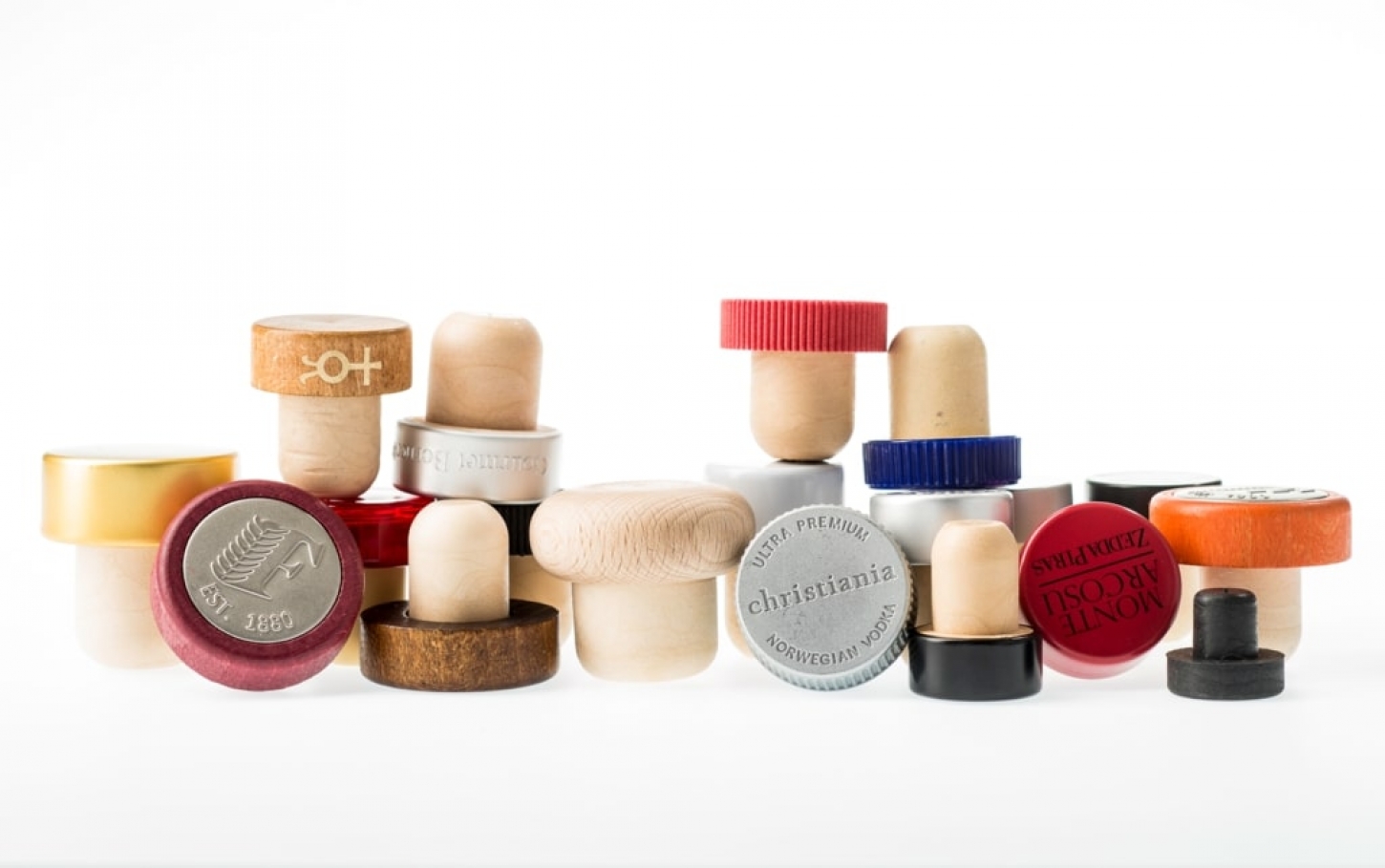
Common cap materials include natural wood, painted wood, plastic, aluminum, metal-look materials, zamak, glass-style materials, ceramic-style materials, and custom molded materials.
Each material creates a different brand impression. Wood feels classic and premium. Plastic offers color flexibility and cost control. Aluminum feels clean and modern. Zamak and decorative materials can create a luxury effect for limited editions or collectible packaging.
Cap Shape
Popular cap shapes include cylindrical, mushroom, square, rounded, flat-top, ribbed, low-profile, tall-profile, tapered, and sculptural designs.
The shape should match the bottle style. A wide-shoulder whisky bottle may suit a broad wood cap. A slim vodka bottle may look better with a clean cylindrical or metal-look top. A botanical gin bottle may benefit from a distinctive color or rounded cap. A tequila bottle may use a more sculptural top to strengthen shelf recognition.
Color and Surface Finish
Color is a powerful packaging signal. Custom synthetic stoppers can be developed in black, white, natural wood, dark wood, silver, gold, copper, transparent, matte, glossy, satin, metallic, brushed, stained, textured, or soft-touch finishes.
For premium projects, buyers should request physical color samples because digital previews may not match real production under filling-room, warehouse, or retail lighting. When bottle coating, label color, capsule foil, and stopper finish must align, early coordination with bottle decoration and branding teams can help reduce visual mismatch.
Logo Decoration
Logo decoration turns a stopper into a brand asset. Common methods include printing, hot stamping, embossing, debossing, engraving, laser marking, molded logo details, side printing, and top printing.
The right method depends on cap material, artwork complexity, order quantity, surface finish, and durability requirements. A whisky brand may choose engraved wood. A vodka brand may choose silver hot stamping on a matte black top. A craft gin brand using botanical colors may choose a color-matched cap with top printing to connect the closure to the label system.
Logo decoration should be tested for handling, rubbing, carton packing, and shelf presentation. A sample that looks good in a photo must also survive filling-line handling and export shipment.
Custom Synthetic Cork Stoppers by Spirits Category
Whisky
Whisky brands often need a closure that feels stable, traditional, and premium. Wood-top synthetic stoppers are a strong choice because they combine classic appearance with controlled synthetic shank performance.
Dark wood, natural wood, black stained wood, and metal-look tops are common options. For premium whisky, the stopper should be reviewed together with bottle weight, shoulder shape, neck height, capsule finish, and carton presentation.
Vodka
Vodka packaging often favors clean lines and modern materials. White, black, silver, transparent, and minimalist custom synthetic stoppers work well for this category.
Plastic-top or aluminum-look stoppers can support both premium and high-volume vodka programs. For clear glass vodka bottles, the closure should look clean from the front view and remain visually consistent with the label, capsule, and bottle base.
Gin
Gin brands often use botanical storytelling, distinctive bottle shapes, color, and decorative details. Custom synthetic stoppers can reinforce that identity through color-matched caps, printed tops, molded shapes, or soft-touch finishes.
For craft gin, the stopper can become a subtle but memorable brand detail. A green, blue, white, or natural-tone cap can help connect the closure to botanical ingredients, label artwork, or seasonal product positioning.
Rum
Rum packaging often draws on heritage, warmth, and authenticity. Dark wood, natural wood, black, copper, and warm brown tones work well.
A custom stopper can help communicate aged, spiced, craft, or premium rum positioning. For heavier rum bottles, buyers should pay close attention to cap diameter, bottle proportion, pull-out feel, and carton protection.
Tequila and Mezcal
Tequila and mezcal bottles often use strong visual identity. Decorative caps, sculptural tops, metal-look finishes, and custom molded details can help a bottle stand out.
For these categories, buyers should balance creativity with fit, shipping durability, and repeatable production. A closure that looks impressive must still be practical for filling, packing, and consumer use.
Liqueurs and Mini Spirits
Liqueurs and mini spirits often need cost-effective, colorful, and scalable closures. Plastic-top or full synthetic stoppers may be suitable for these projects.
For high-volume programs, repeatability and cost control are usually more important than heavy decorative materials. For gift packs or mini bottle collections, the stopper should also be reviewed for carton spacing and batch consistency.
Compliance, Safety, and Documentation Considerations
Custom synthetic stoppers used for spirits packaging may contact alcoholic liquid, bottle neck surfaces, or product vapor. Buyers should confirm that selected materials are suitable for the intended use and destination market.
In the United States, the FDA explains that food-contact substances can include packaging and packaging components that come into contact with food or beverages. Buyers sourcing stopper materials should understand the relevance of food packaging and food-contact substances when evaluating materials, colorants, coatings, or adhesives.
For European projects, packaging teams should also consider the European Commission’s rules for food contact materials, especially when closures, liners, or decorative components may interact with the product or its vapor environment.
For distilled spirits, tamper-evident planning is also important. The U.S. Alcohol and Tobacco Tax and Trade Bureau notes requirements for a tamper-evident closure or similar device on distilled spirits containers. In practice, this means the stopper may need to be coordinated with a capsule, shrink band, tear strip, label seal, or other tamper-evident packaging component.
Quality expectations should be managed through clear specifications, documented approval samples, and inspection procedures. Many packaging buyers use the principles of ISO 9001 quality management when evaluating supplier controls, process consistency, corrective actions, and repeatability. For environmental packaging discussions, the ISO 18601 standard on packaging and the environment can provide a broader framework for considering packaging systems and environmental requirements.
Depending on the target market and project structure, buyers may request food-contact information, material declarations, batch traceability records, production specifications, migration-related information when applicable, tamper-evident packaging coordination, supplier quality documentation, and export packing records.
Sample Testing Checklist for Custom Synthetic Stoppers
Before confirming bulk production, buyers should test the stopper with the real bottle and the real use case.
Use this checklist:
- Bottle drawing
- Physical bottle sample
- Inner neck diameter
- Bottle neck tolerance
- Target fill volume
- Spirit type
- Alcohol by volume
- Stopper shank size
- Cap material
- Cap color
- Logo decoration sample
- Seating depth
- Pull-out feel
- Leakage test
- Reclosure test
- Capsule or shrink band test
- Carton packing test
- Transport simulation
- Final approved sample
This step helps prevent common problems such as loose fit, excessive tightness, leakage, logo mismatch, color inconsistency, poor opening feel, weak shelf presentation, or damaged decoration after shipping.
RFQ Checklist for Custom Synthetic Stoppers for Spirits Bottles
To receive a more accurate quote, buyers should prepare as much information as possible before contacting a closure supplier.
A strong RFQ should include:
- Bottle type and capacity
- Bottle drawing
- Bottle sample availability
- Inner neck diameter
- Spirits category
- Alcohol by volume
- Preferred stopper style
- Shank material
- Cap material
- Cap shape
- Cap color
- Logo method
- Surface finish
- Target order quantity
- Sample quantity
- Destination market
- Packaging requirements
- Timeline
- Documentation needs
If you do not know the exact shank size, Kandacork Closures can review the bottle details and recommend suitable sample options. For projects that also require bottle sourcing, decoration, and closure coordination, integrated spirits packaging support can help align components earlier in the development process.
Common Mistakes to Avoid
Choosing by Appearance Only
A beautiful stopper is not enough. It must fit the bottle neck, seal correctly, feel good during opening, and remain consistent in bulk production. Appearance should always be evaluated together with function.
Ignoring Bottle Neck Tolerances
Glass bottles can have small manufacturing tolerances. These differences can affect stopper fit, especially in bulk production. Buyers should not assume that one stopper size will work for every similar-looking bottle.
Skipping Sample Testing
A drawing or product photo cannot prove pull-out feel, leakage resistance, reclosure behavior, or filling-line performance. Physical samples should be tested before mass production.
Forgetting Tamper-Evident Packaging
Many spirits products need a tamper-evident packaging plan. The stopper should be considered together with the capsule, shrink band, tear strip, label seal, or other packaging components. If the stopper is approved without considering the full packaging system, the buyer may need costly changes later.
Overlooking Decoration Durability
Logo decoration should be tested for handling, packing, rubbing, and retail presentation. A logo that looks sharp on a sample must also remain clean through carton packing, shipment, filling-line handling, and display.
Why Work With Kandacork Closures?
Kandacork Closures supports spirits brands, bottlers, importers, design agencies, distributors, and private-label buyers with custom synthetic stoppers for a wide range of bottle styles.
The value is not only in supplying a stopper. The value is in helping buyers match the closure to the bottle, brand, product, market, and production plan.
Kandacork Closures can support synthetic cork stopper development, bar-top and T-top closure options, wood, plastic, aluminum, and decorative cap materials, logo printing, embossing, engraving, hot stamping, bottle neck fit review, sample development, bulk production, export packing, and private-label spirits packaging projects.
For buyers managing a new spirits launch, packaging refresh, or large reorder program, Kandacork Closures helps reduce uncertainty by turning stopper design into a clear specification and sampling process. When glass format, closure fit, and broader pack components need to be considered together, buyers can also coordinate with custom glass packaging support for related packaging needs.
FAQ
Can custom synthetic stoppers be branded with a logo?
Yes. Custom synthetic stoppers can be decorated with printed logos, hot stamping, embossing, debossing, engraving, laser marking, or molded logo details. The best method depends on cap material, surface finish, order quantity, artwork complexity, and brand style.
Are synthetic stoppers suitable for premium spirits?
Yes. Synthetic stoppers can be suitable for premium spirits when they are correctly matched to the bottle neck, closure style, cap material, surface finish, and brand positioning. Wood-top and metal-look synthetic stoppers are especially common for premium spirits packaging.
What is the best custom synthetic stopper for premium spirits?
For premium spirits, a synthetic cork shank with a wood, aluminum, or metal-look top is often a strong choice because it combines controlled fit with higher-value visual presentation.
What information is needed for a custom synthetic stopper quote?
A quote usually requires the bottle drawing, inner neck diameter, bottle sample if available, spirits category, alcohol by volume, preferred stopper type, cap material, logo method, finish, target quantity, destination market, and delivery timeline.
How do I know which stopper size fits my bottle?
The best method is to measure the inner neck diameter, review the bottle drawing, request stopper samples, and test fit, pull-out feel, leakage, and reclosure before approving bulk production.
Can synthetic stoppers be used for whisky, gin, rum, vodka, and tequila?
Yes. Custom synthetic stoppers can be developed for whisky, gin, rum, vodka, tequila, brandy, mezcal, liqueurs, and private-label spirits when the size, material, and design are matched to the bottle and filling conditions.
Are custom synthetic stoppers better than natural cork?
They are not always better, but they are often more consistent for controlled bottle-closure programs. Natural cork offers traditional appeal, while synthetic materials can offer more predictable dimensions, color options, and repeatable production.
What is the minimum order quantity for custom synthetic stoppers?
MOQ depends on stopper material, cap shape, color, logo method, tooling requirements, surface finish, and packaging method. Standard shapes usually have lower development requirements than fully custom molded designs.
Should I test the stopper with alcohol before bulk production?
Yes. Buyers should test the stopper with the actual bottle, product type, alcohol strength, closure position, and packaging system. Testing helps confirm fit, leakage resistance, reclosure performance, and consumer experience.
Conclusion
The best custom synthetic stoppers are not chosen by appearance alone. They should combine reliable bottle neck fit, suitable materials, brand-aligned customization, sample-tested performance, documentation awareness, and scalable bulk supply.
For spirits brands, a stopper is part of the product experience. It affects how the bottle looks, how it opens, how it reseals, and how confidently the brand can repeat the same packaging standard in future orders.
Kandacork Closures helps buyers develop custom synthetic stoppers for whisky, vodka, gin, rum, tequila, brandy, liqueurs, and private-label spirits bottles. From synthetic cork shanks and branded tops to logo decoration, sample testing, and bulk production, Kandacork Closures can support the full closure-development process.
Contact Kandacork Closures to request a custom closure quote for synthetic stoppers that fit your bottle, strengthen your brand presentation, and support reliable spirits packaging production.