Wooden stoppers are widely used for premium spirits packaging, but material and fit details must be confirmed before production. This guide explains wood types, shank options, neck compatibility, logo methods, surface finish and sample testing.
What Are Custom Wooden Bottle Stoppers?
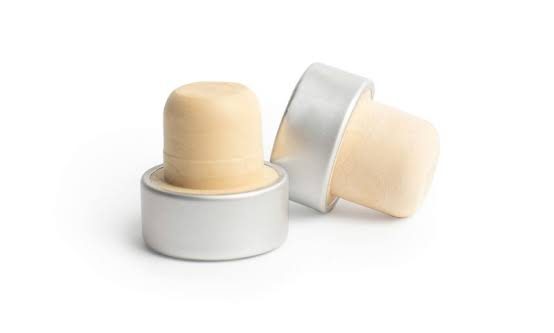
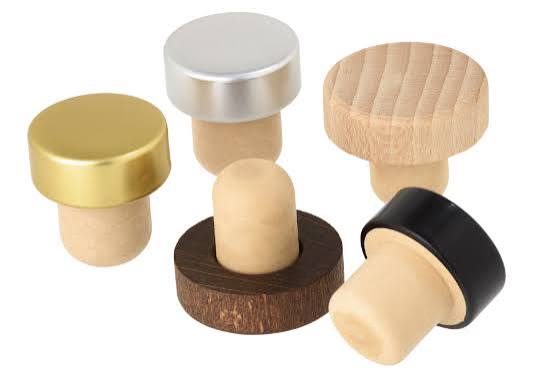
Custom wooden bottle stoppers are premium bottle closures made with a wooden head and a sealing shank. The wooden head creates the visual and tactile brand element. The shank fits into the bottle neck and helps control sealing feel, insertion force, pull-out force, and resealing performance.
They are also called wooden bar-top closures, wooden T-top stoppers, wooden cork stoppers, wood cap stoppers, custom logo wooden bottle stoppers, or wooden stoppers for spirits bottles. In professional spirits packaging, these terms usually describe a closure system rather than a decorative gift accessory.
The most important principle is simple: the wooden top builds brand value, but the shank controls closure performance. A supplier must consider stopper head shape, shank diameter, bottle-neck tolerance, material compatibility, logo position, surface finish, and batch consistency before moving into bulk production.
Bulk Custom Wooden Bottle Stoppers for Distilleries
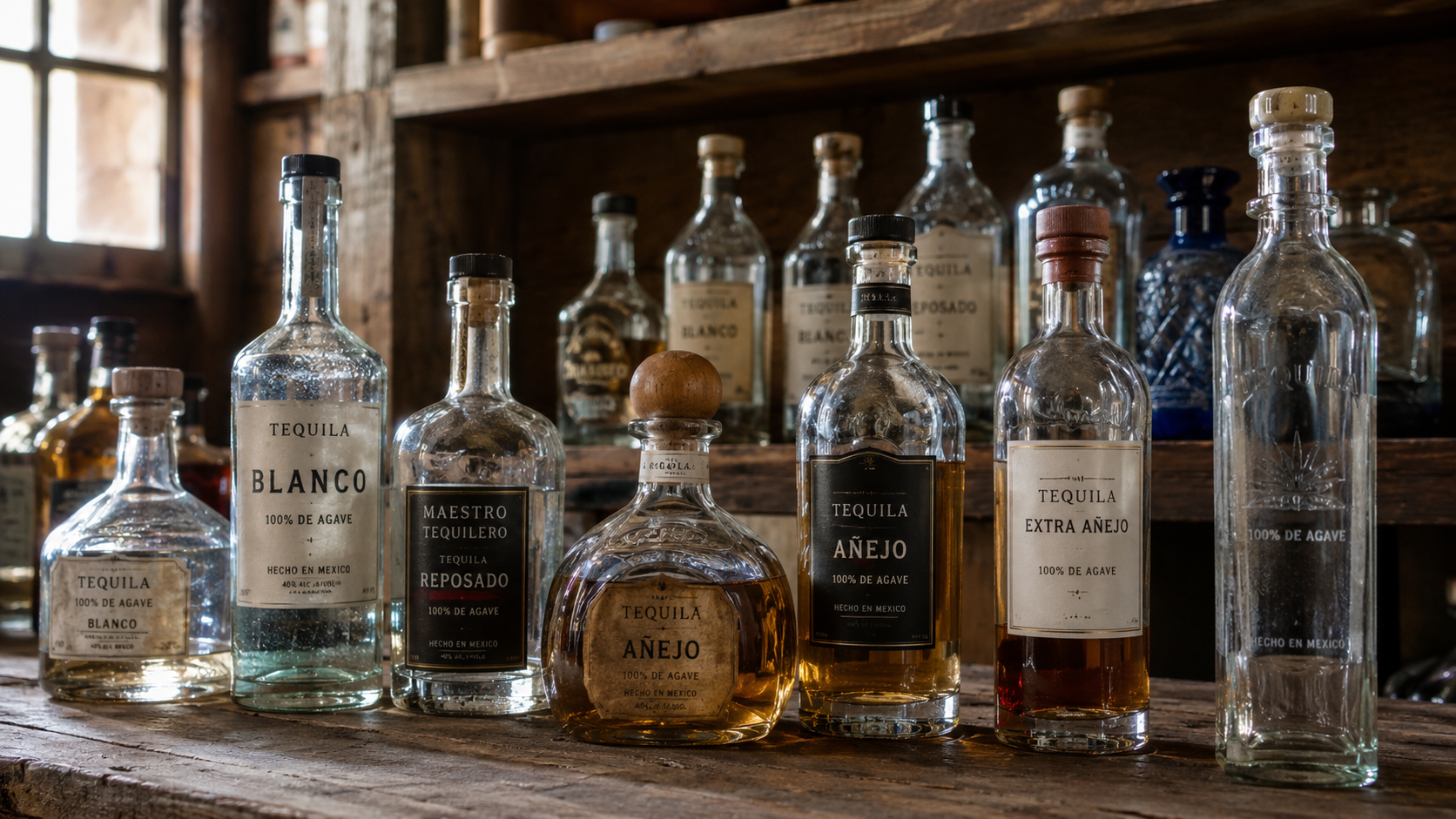
Distilleries often choose wooden stoppers when they want a bottle to communicate quality before the consumer opens it. The closure is one of the first physical touchpoints in the drinking experience, so its weight, texture, grip, and finish influence how the product is perceived.
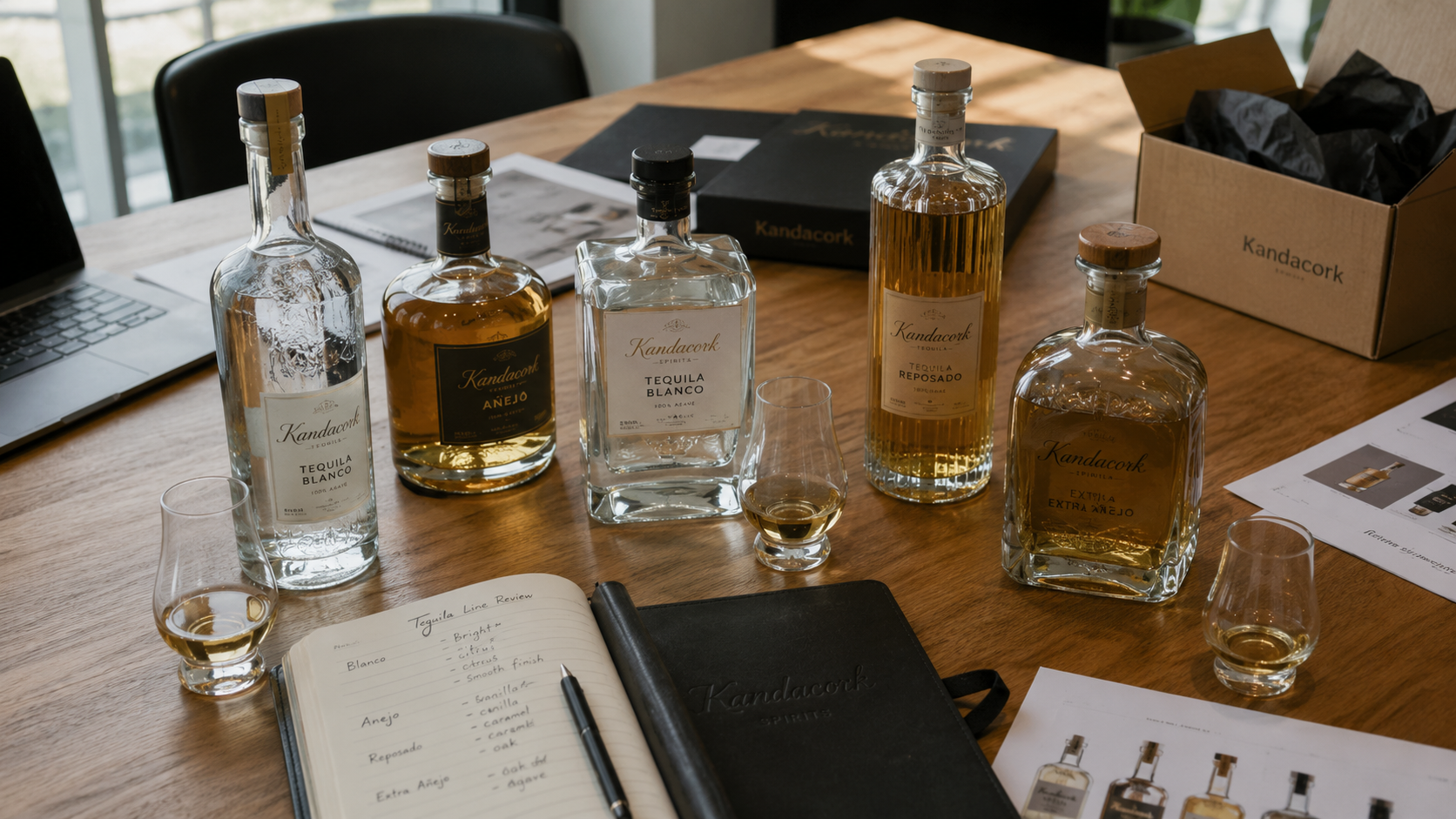
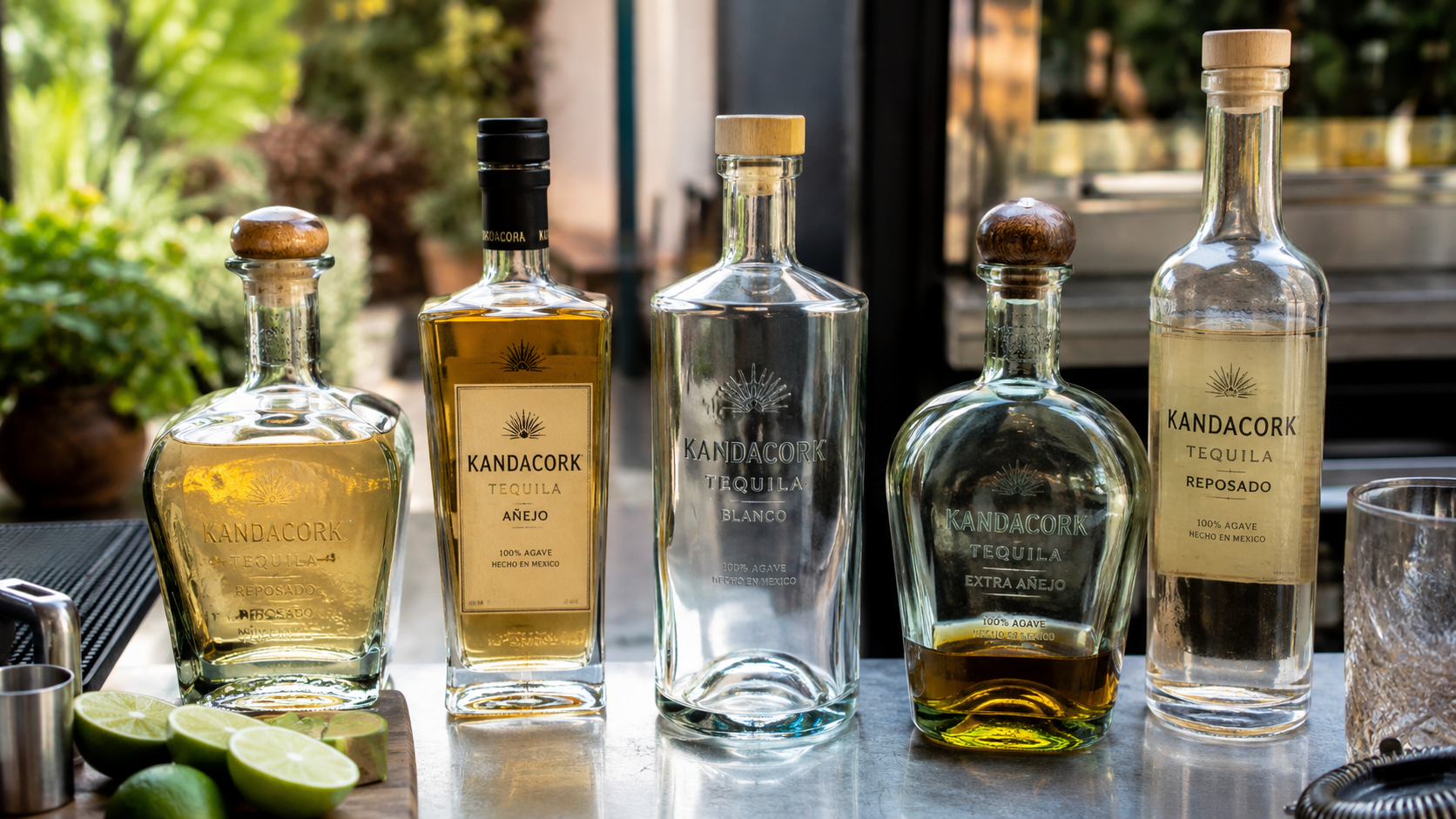
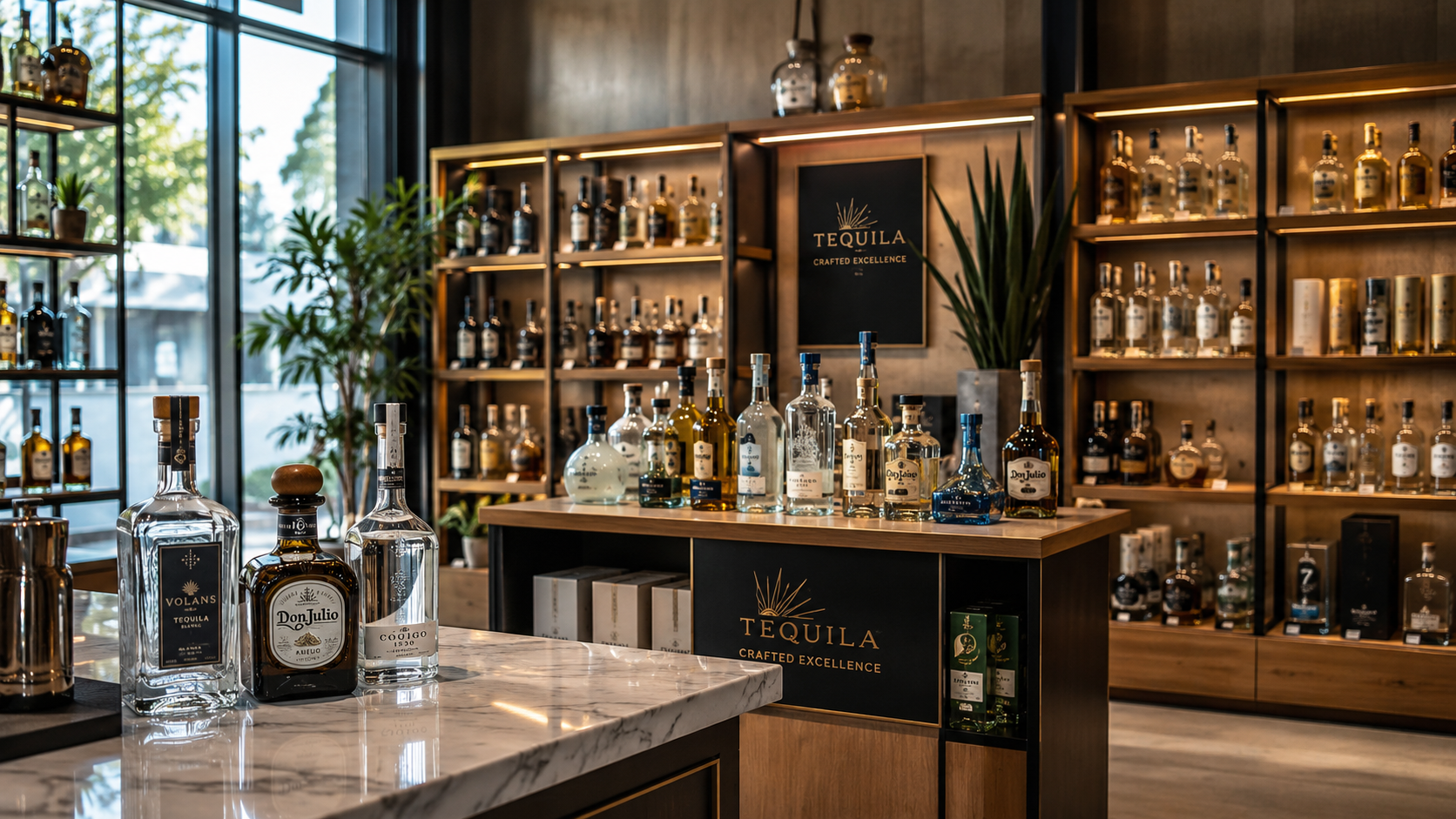
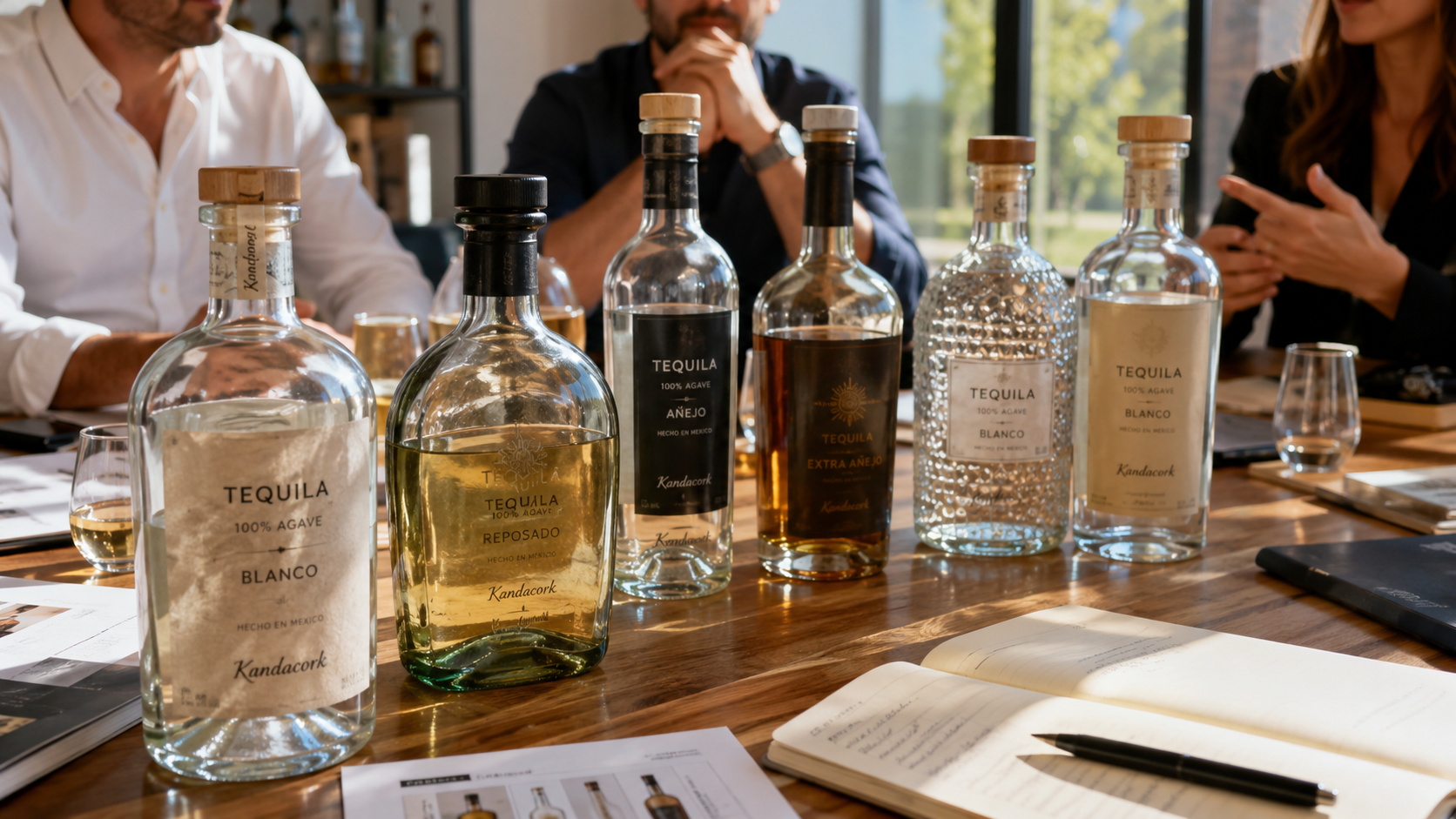
For whisky and rum, wood can reinforce barrel aging, heritage, and maturity. For gin and botanical spirits, light natural wood can suggest craft, botanicals, and clean modern design. For tequila, brandy, and liqueurs, stained or polished wood can support a more gift-ready presentation.
Wood also gives brands a flexible storytelling surface. A laser-engraved icon, stained finish, metal medallion, or distinctive stopper profile can make the closure feel intentional rather than generic. When paired with custom bottles, labels, cartons, and capsules, wooden closures become part of a complete premium packaging system.
Brands developing custom spirits bottle packaging should evaluate the stopper early, not after the bottle and label are already approved. Closure proportion, neck finish, capsule compatibility, shelf height, and carton clearance can all affect the final pack.
Common Wooden Stopper Head Styles
The stopper head should match the bottle silhouette, spirit category, brand style, and target market. A head that is too large may make the bottle look top-heavy. A head that is too small may reduce perceived value.
| Wooden stopper style | Best for | Packaging effect |
|---|---|---|
| Flat-top wooden stopper | Modern gin, vodka, liqueur, minimalist spirits | Clean, simple, easy to engrave |
| Domed wooden stopper | Premium whisky, rum, brandy, classic spirits | Softer profile and refined hand feel |
| Mushroom wooden stopper | Craft spirits and heritage-style bottles | Traditional bar-top appearance |
| Cylindrical wooden stopper | Tall bottles and bold label systems | Strong, architectural, premium look |
| Beveled wooden stopper | Mid-premium and premium spirits | More finished visual edge |
| Faceted wooden stopper | Limited editions and distinctive brands | Memorable shelf differentiation |
| Wood-and-metal stopper | Luxury whisky, tequila, rum, gift packs | Higher perceived value |
Flat-top stoppers are often preferred when the brand needs clean logo engraving. Domed and mushroom shapes are easy to grip and feel familiar to consumers. Cylindrical and faceted stoppers work well when a brand wants a more distinctive premium statement.
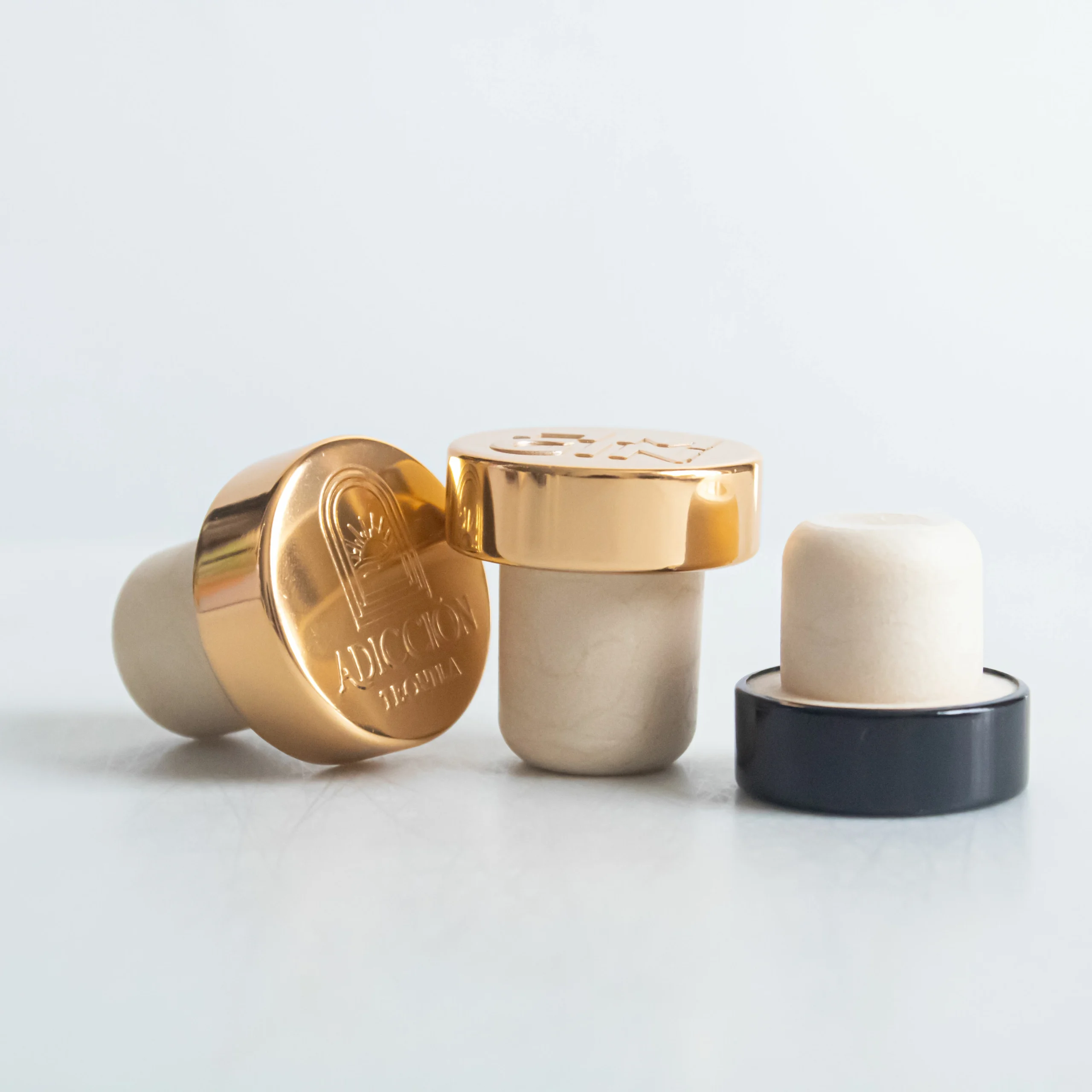
Wood-and-metal composite stoppers can add value through a metal disc, collar, badge, or top medallion. These details are suitable for high-end whisky, aged rum, tequila, brandy, and collector-focused limited editions.
Choosing the Right Wood Type and Finish
Wood choice affects grain, color, machining quality, weight, and finishing consistency. Common options include beech, oak-style wood, maple-style wood, walnut-style finishes, stained wood, painted wood, and coated wood.
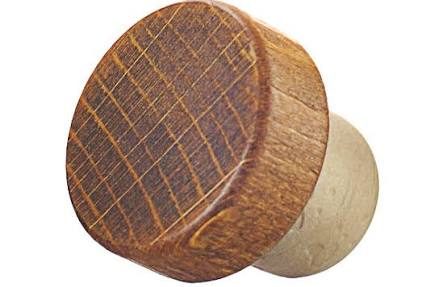
Beech is often selected for clean machining and stable finishing. Oak-style finishes can support a barrel-aged or traditional spirits story. Walnut tones feel mature and premium. Light natural finishes can work well for craft gin, botanical liqueurs, organic-positioned spirits, and minimalist labels.
The finish is just as important as the wood type. A natural matte finish can feel authentic and handcrafted. A satin varnish adds protection while keeping the surface refined. Gloss coating can create a polished appearance. Painted finishes can match brand colors, label systems, and gift-box design.
| Finish option | Visual effect | Buyer consideration |
|---|---|---|
| Natural wood | Authentic, warm, craft-oriented | Grain and color may vary |
| Stained wood | More controlled color and premium tone | Requires approved color sample |
| Matte coating | Modern and understated | Good for minimalist brands |
| Gloss coating | Polished and gift-ready | May show scratches more easily |
| Painted wood | Strong brand color control | Needs coating durability review |
| Varnished wood | Protected and refined | Must match target hand feel |
Because wood is a natural material, grain and color variation are normal. If the brand requires strict visual consistency, the supplier should prepare approved reference samples and define an acceptable color range before mass production. Responsible sourcing can also matter. The Forest Stewardship Council explains that FSC chain-of-custody certification is designed for organizations that produce and distribute forest-based products.
Shank Materials: The Functional Core of the Stopper
The shank is the lower part of the closure that enters the bottle neck. It affects fit, sealing feel, insertion behavior, removal force, and repeat-order consistency.
Natural cork shanks are valued for their traditional appearance and premium perception. They are suitable for brands that want a natural closure story and a classic cork experience. Micro-agglomerated cork shanks are made from processed cork granules and usually support more controlled dimensions than natural cork.
Synthetic shanks offer predictable dimensions and stable insertion behavior. Kandacork also supplies synthetic bar-top stoppers for projects that need consistent fit, scalable production, and cork-style performance without relying on the variation of natural cork.
Technical or elastomer shanks may be considered when the project requires specific sealing behavior, pull-out force, or bottling-line performance.
| Shank material | Main advantage | Best use case |
|---|---|---|
| Natural cork | Traditional, natural, premium perception | Craft and heritage spirits |
| Micro-agglomerated cork | Better dimensional consistency | Bulk spirits packaging |
| Synthetic cork | Predictable fit and stable supply | High-volume production |
| Technical shank | Engineered sealing performance | Projects with strict functional targets |
The best shank depends on the bottle neck, filling process, alcohol product, required sealing performance, expected shelf life, and brand positioning.
How to Choose Wooden Bottle Stoppers for Liquor Bottles
A stopper should never be selected by appearance alone. The bottle-neck fit must be confirmed before bulk production.
Packaging buyers should start with the bottle drawing. Important measurements include inner neck diameter, neck height, tolerance range, finish type, and glass variation. If technical drawings are not available, physical bottle samples should be supplied for measurement and fit testing.
A shank that is too large may be difficult to insert and may create production problems. A shank that is too small may feel loose, reduce consumer confidence, or create leakage risk. The correct fit requires both measurement and physical testing.
The stopper head must also match the bottle visually. Head diameter, head height, shoulder proportion, and gripping comfort all affect the final package. A heavy or oversized top can make the bottle feel unbalanced, while a small top may reduce premium value.
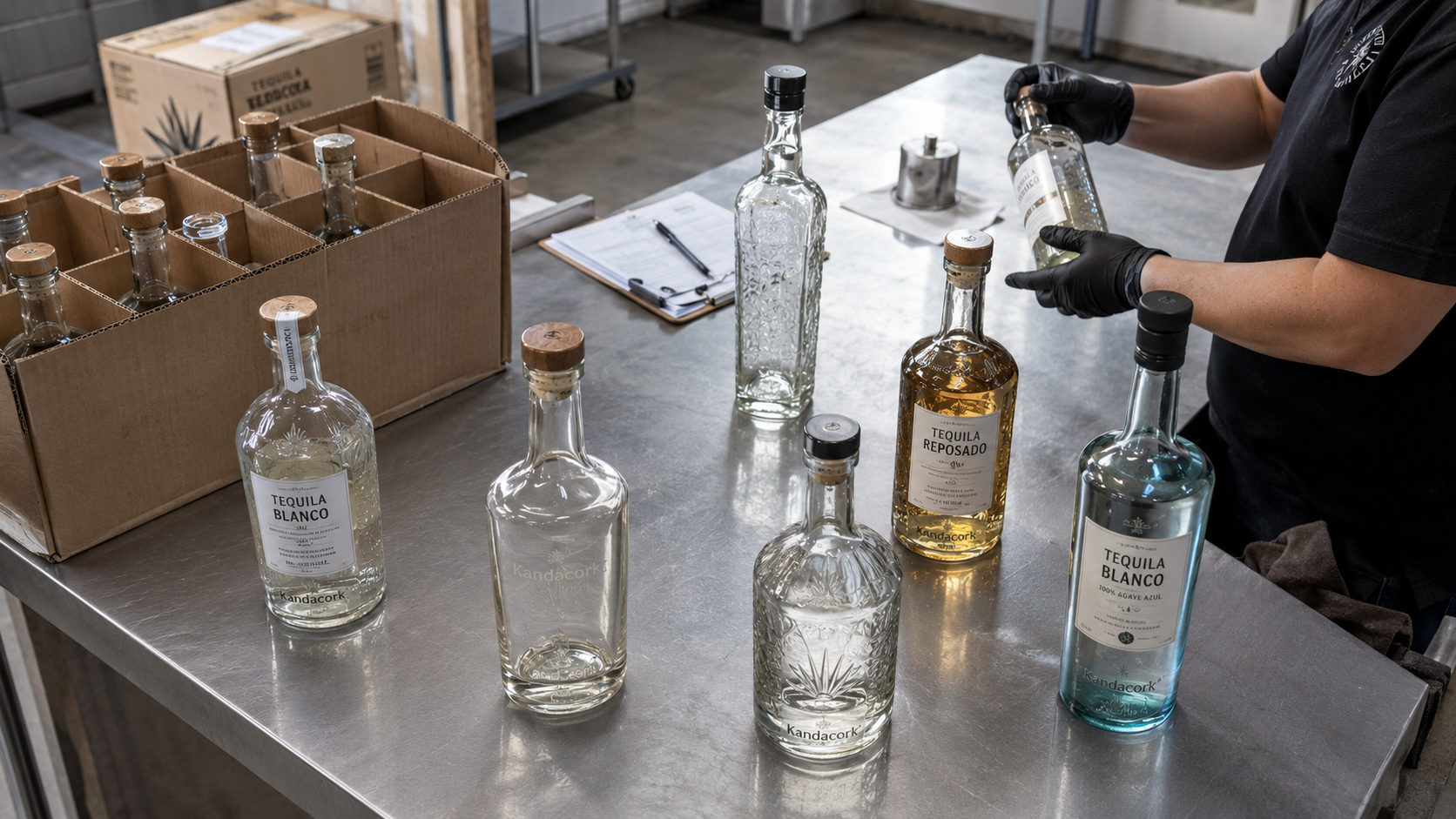
Before approving production, buyers should test insertion force, pull-out force, leakage resistance, vibration resistance, bottle orientation, and compatibility with gift boxes or cartons.
Custom Logo Wooden Bottle Stoppers for Spirits Brands
Brand decoration is one of the main reasons spirits companies choose wooden closures. The top of the stopper can become a small but powerful branding surface.
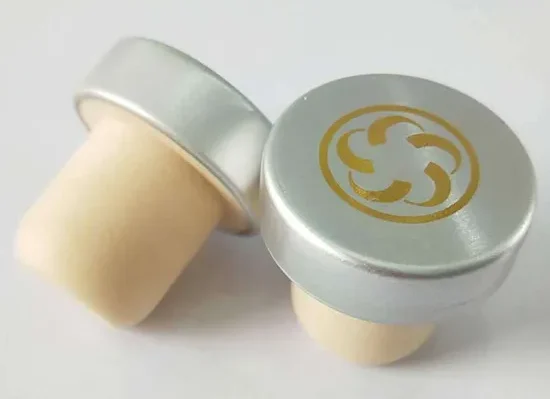
Laser engraving creates a permanent mark and works well for logos, icons, initials, batch marks, and limited-edition details. The final contrast depends on wood type, finish, grain direction, and engraving depth.
Debossing presses the design into the wood surface. It creates a tactile premium effect and works best with simple logos or symbols. Pad printing can apply color logos or text to the stopper top or side surface when exact visual contrast is required. Metal medallions, discs, or collars can increase perceived value for luxury whisky, tequila, rum, brandy, and collectible releases.
For complete packaging systems, decoration and branding programs can help align closure artwork with bottle graphics, label design, carton presentation, and retail shelf identity.
| Branding method | Best for | Design note |
|---|---|---|
| Laser engraving | Logos, icons, batch marks | Works best with simplified artwork |
| Debossing | Premium tactile branding | Avoid overly fine details |
| Pad printing | Color logos and text | Requires color and adhesion testing |
| Staining | Brand color alignment | Approve physical samples first |
| Metal medallion | Luxury presentation | Adds cost and assembly complexity |
| Side-wall marking | Secondary branding | Check curved-surface readability |
For best results, brands should avoid tiny text, thin lines, and complex logo lockups. A simplified mark often looks clearer on wood than a detailed design.
Wooden Bar-Top Closures vs Other Closure Types
Custom wooden bottle stoppers are ideal when a brand wants warmth, premium touch, natural texture, and strong shelf differentiation. They should still be compared with other closure types before final selection.
Plastic bar-top closures are cost-effective and consistent, but they may not create the same premium feeling. Kandacork supplies plastic bar-top stoppers for spirits brands that need lightweight, cost-efficient, and visually flexible closure solutions.
Aluminum closures feel modern and precise, but they can appear colder than wood. Glass stoppers can look elegant and collectible, but they require precise bottle compatibility and careful transport planning. Screw caps and ROPP closures can support high-speed lines and tamper-evident functions, but they may not deliver the same craft or luxury cue.
| Closure type | Strength | Limitation |
|---|---|---|
| Wooden bar-top stopper | Premium, natural, customizable | Requires neck-fit testing |
| Plastic bar-top stopper | Cost-effective and consistent | Lower premium perception |
| Aluminum closure | Modern and precise | Less warm or craft-focused |
| Glass stopper | Elegant and collectible | Heavier and more fragile |
| Screw cap / ROPP | Practical and tamper-evident | Less traditional premium feel |
For many premium spirits brands, wooden bar-top closures offer a strong balance of brand expression, consumer experience, and functional packaging flexibility.
Quality Control for Bulk Wooden Bottle Stoppers
Bulk production requires consistent quality control. A single approved sample is not enough if mass production lacks clear specifications.
Key inspection points include head diameter, head height, shank diameter, shank length, wood color, surface finish, logo position, engraving clarity, assembly strength, adhesive performance, and packaging protection.
Functional testing should include insertion force, pull-out force, leakage resistance, odor inspection, and bottle compatibility. ISO describes ISO 9001 quality management as a globally recognized quality management standard, which is why many packaging buyers prefer suppliers with documented procedures, controlled specifications, and repeatable inspection processes.
| QC item | Why it matters |
|---|---|
| Wood color consistency | Maintains premium brand appearance |
| Head dimension tolerance | Ensures visual balance and packing fit |
| Shank diameter tolerance | Controls sealing and insertion behavior |
| Logo position | Protects brand presentation |
| Engraving clarity | Improves perceived quality |
| Pull-out force | Affects consumer opening experience |
| Leakage testing | Reduces packaging failure risk |
| Odor inspection | Protects product perception |
| Carton protection | Prevents scratches and transport damage |
Professional buyers should request approved samples, production drawings, material specifications, inspection criteria, and batch control procedures before placing large orders.
Compliance and Food-Contact Considerations
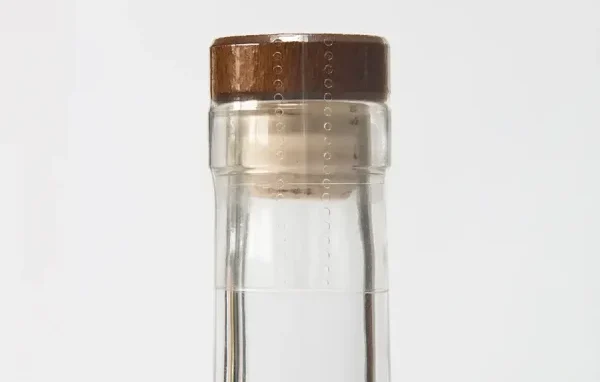
Spirits packaging must consider regulatory and market requirements early in the project. In the United States, TTB tamper-evident closure requirements state that distilled spirits plants and importers must securely affix a tamper-evident closure or similar device to distilled spirits containers. A wooden stopper may need to work with a capsule, shrink band, strip seal, overcap, or other tamper-evident system.
Food-contact requirements should also be reviewed. The U.S. Food and Drug Administration explains that food packaging and its components can be food-contact substances when they come into contact with food or beverages and are not intended to have a technical effect in the food.
For EU markets, the European Commission notes that the EU food-contact materials framework sets general principles of safety and inertness for food-contact materials. For international spirits brands, compliance planning may include material declarations, coating information, migration considerations, supplier documentation, and packaging-system testing.
This does not mean every project is complicated. It means packaging buyers should raise compliance questions before finalizing the closure design.
Procurement Details for Custom Wooden Bottle Stoppers
Procurement teams usually need more than a product image before approving a closure supplier. They need to know whether the stopper can be developed, sampled, tested, produced, inspected, and delivered according to the project schedule.
The minimum order quantity depends on head shape, wood type, shank material, branding method, tooling needs, and production plan. Standard shapes and common finishes may support more flexible ordering, while custom molds, special colors, metal inserts, or complex decorations usually require larger production quantities.
Sampling time also depends on complexity. A simple engraved wooden stopper may move faster than a custom-shaped stopper with a special finish and metal medallion. Buyers should allow time for artwork review, material preparation, sample production, bottle-fit testing, feedback, and sample revision if needed.
Vector artwork is usually preferred for logo engraving, debossing, embossing, and pad printing because it preserves clean edges and accurate proportions. Simple black-and-white artwork is often best for engraving tests, while color printing requires clear color references.
If a brand wants to match an existing stopper, the buyer should provide physical samples, bottle drawings, photos, material requirements, and target improvements. Kandacork can review the existing closure and help determine whether a similar structure, upgraded finish, or new branding method is more suitable.
Bulk Ordering Checklist
| Information needed | Why it matters |
|---|---|
| Bottle drawing | Confirms neck dimensions and tolerance |
| Physical bottle sample | Allows real fit testing |
| Inner neck diameter | Helps select shank diameter |
| Spirit category | Guides material and packaging decisions |
| Target market | Supports compliance planning |
| Logo artwork | Confirms decoration feasibility |
| Preferred wood finish | Controls visual direction |
| Shank material preference | Affects fit and sealing feel |
| Estimated order quantity | Impacts pricing and production plan |
| Required delivery date | Supports lead-time planning |
| Packaging method | Prevents transport damage |
The typical process begins with design review. Kandacork evaluates the bottle, brand style, and technical needs, then recommends stopper head options, shank materials, decoration methods, and sample directions.
After that, physical samples should be tested for fit, appearance, logo clarity, hand feel, and packaging compatibility. Once the sample is approved, production specifications can be confirmed for bulk manufacturing.
Why Work With Kandacork Closures?
Kandacork provides closure and stopper manufacturing support for overseas bottle packaging projects, including closure matching, bottle-neck compatibility, branding options, sealing checks, assembly, export packing, and repeat-order supply.
For a new spirits launch, the team can help evaluate bottle drawings and recommend suitable stopper structures. For an existing bottle upgrade, Kandacork Closures can support closure redesign, logo improvement, or material replacement. For limited editions, the team can help create special finishes, engraved tops, or more distinctive premium details.
| Kandacork Closures support | Buyer value |
|---|---|
| Bottle drawing review | Helps select the correct shank size and head proportion |
| Physical sample testing | Reduces fit, leakage, and insertion risks |
| Wood finish matching | Improves brand consistency across production |
| Logo decoration review | Helps prevent unclear engraving or printing |
| Shank material recommendation | Supports the right balance of fit, feel, and performance |
| Bulk QC planning | Improves consistency across large orders |
| Export packaging support | Helps reduce scratches, dents, and transport damage |
When stopper development is part of a wider packaging program, buyers may also need custom glass bottle manufacturing for new molds, finishes, and neck designs, or eco glass packaging when material reduction, recyclability, and sustainability positioning are important to the brand story.
The goal is not only to produce a good-looking stopper. The goal is to create a closure that fits the bottle, supports the brand, protects the product experience, and performs consistently across the full order quantity.
FAQ
Are custom wooden bottle stoppers suitable for spirits bottles?
Yes. Custom wooden bottle stoppers are suitable for whisky, rum, tequila, gin, brandy, liqueurs, and other spirits when the shank material, stopper size, and bottle-neck fit are properly tested.
Can wooden bottle stoppers be engraved with a logo?
Yes. Wooden stopper tops can be customized with laser engraving, debossing, pad printing, staining, or metal medallions. Laser engraving is one of the most popular options because it creates a permanent and premium-looking mark.
What shank material should I choose for wooden bottle stoppers?
Natural cork is suitable for traditional and premium positioning. Micro-agglomerated cork offers more controlled consistency. Synthetic cork is useful for stable dimensions and high-volume production. The best choice depends on the bottle neck, product type, filling process, and brand goal.
How do I know which stopper size fits my bottle?
Use the bottle drawing, inner neck diameter, tolerance range, and physical bottle samples. The stopper should be tested for insertion force, pull-out force, leakage resistance, and visual proportion before bulk production.
Are wooden bottle stoppers suitable for automatic bottling lines?
They can be suitable if the stopper dimensions, shank material, insertion force, and equipment requirements are tested in advance. For automated or semi-automated lines, consistency is especially important.
What logo method is best for wooden stoppers?
Laser engraving is often best for permanent, elegant branding. Pad printing is useful for color logos. Debossing can create a premium tactile effect. The best method depends on logo complexity, wood finish, budget, and desired appearance.
How can brands reduce color variation in wooden stoppers?
Brands can reduce variation by choosing stained or coated finishes, approving physical color samples, defining acceptable color ranges, and working with a supplier that controls wood selection and finishing standards.
Can custom wooden stoppers be paired with tamper-evident packaging?
Yes. Wooden stoppers can be designed to work with capsules, shrink bands, strip seals, overcaps, or other tamper-evident solutions. The complete packaging system should be reviewed during development.
What artwork format is best for custom logo wooden bottle stoppers?
Vector artwork is usually preferred because it keeps logo edges clean and scalable. Simple, high-contrast logo files are especially helpful for laser engraving, debossing, embossing, and pad printing.
Can Kandacork Closures match an existing wooden stopper?
Yes. If a brand wants to match or improve an existing stopper, it should provide physical samples, bottle drawings, photos, target finish, shank requirements, and any performance issues that need to be solved.
Conclusion: Turn a Bottle Closure Into a Brand Asset
Custom wooden bottle stoppers can make a spirits bottle feel more premium, natural, and memorable. They improve shelf appeal, create a better hand feel, and give brands more space for custom decoration.
The right stopper must also perform correctly. Packaging buyers should evaluate wood type, finish, head shape, shank material, bottle-neck compatibility, logo method, compliance needs, quality control, and bulk production requirements before final approval.
Kandacork Closures helps spirits brands develop custom wooden bottle stoppers that combine premium appearance with practical packaging performance. To start a custom project, share your bottle drawing, physical sample, logo file, target finish, shank preference, and estimated order quantity. The team can help evaluate fit, prepare samples, and develop a bulk wooden closure solution for your spirits packaging line.