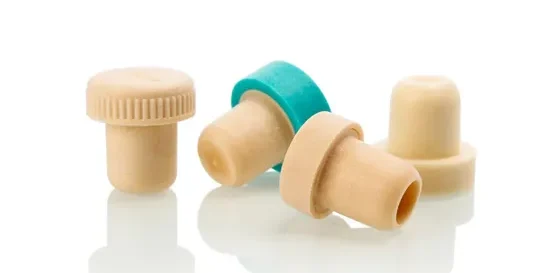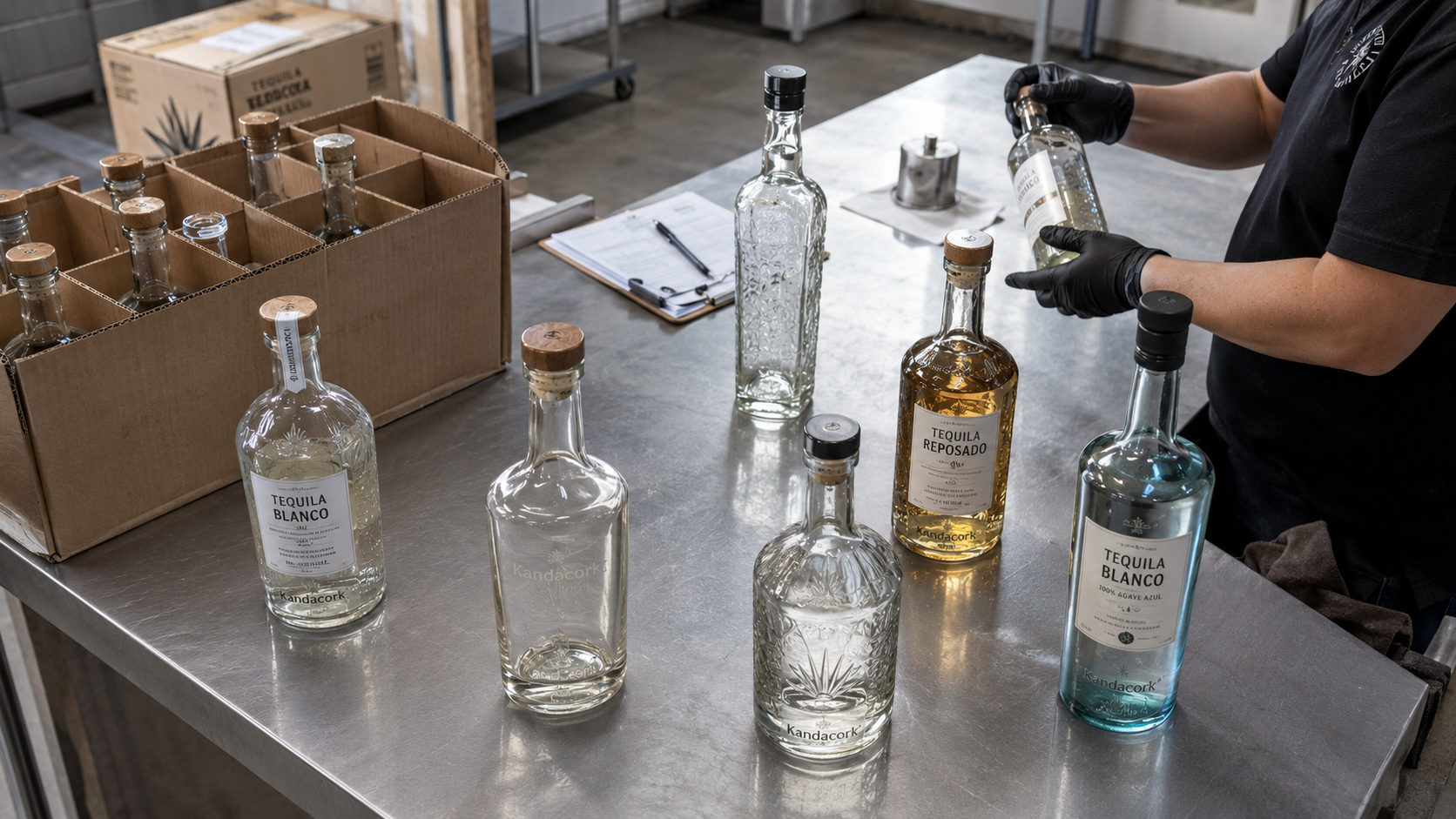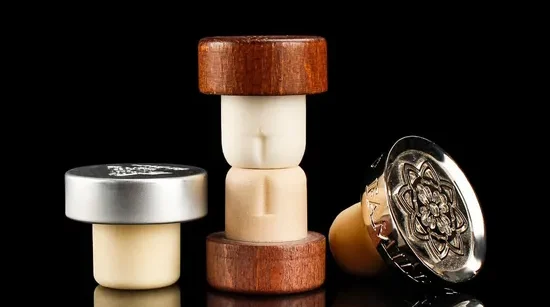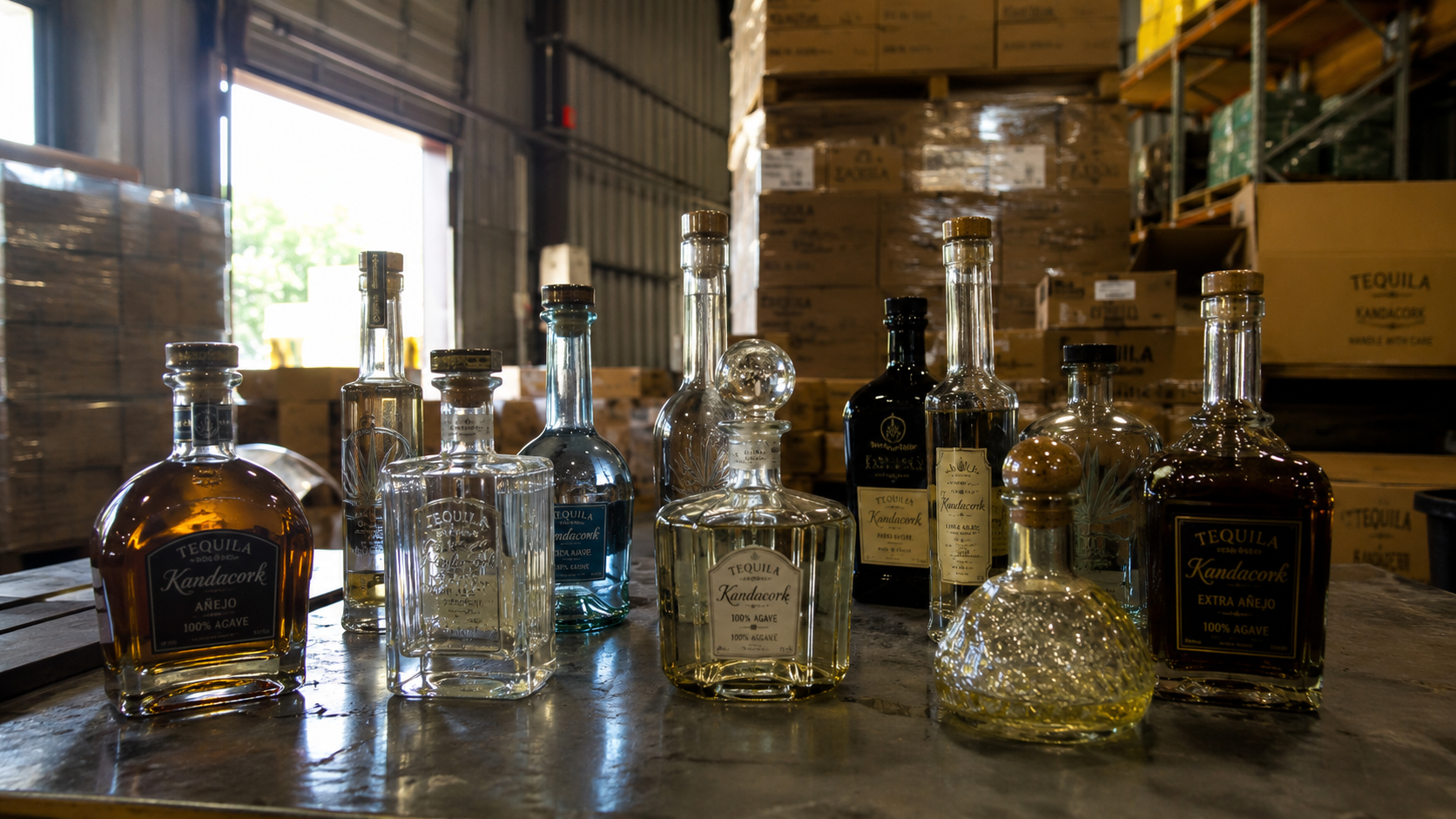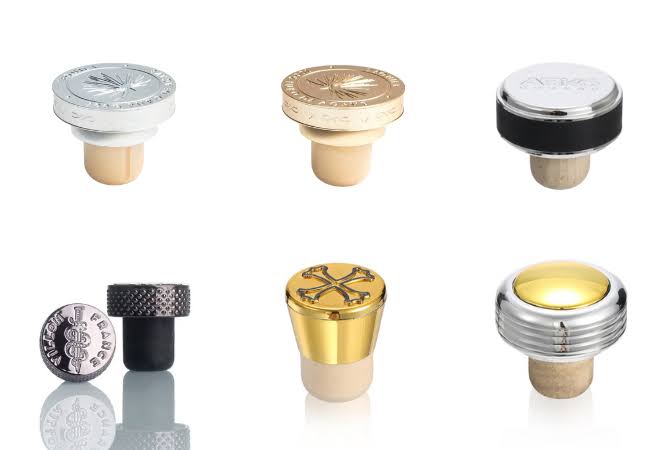
Choosing the right stopper starts with one small but critical measurement: the bottle neck inner diameter. For spirits brands, distilleries, private label buyers, importers, distributors, bottlers, and packaging procurement teams, this dimension affects sealing performance, insertion force, opening feel, leakage risk, and bulk production approval.
Most packaging guides explain cap neck finish, thread size, or general closure compatibility. This guide focuses specifically on how to measure bottle neck inner diameter for stoppers used in spirits bottles, including cork stoppers, synthetic cork stoppers, TPE shank stoppers, wood top stoppers, aluminum top stoppers, glass top stoppers, and custom bar top closures.
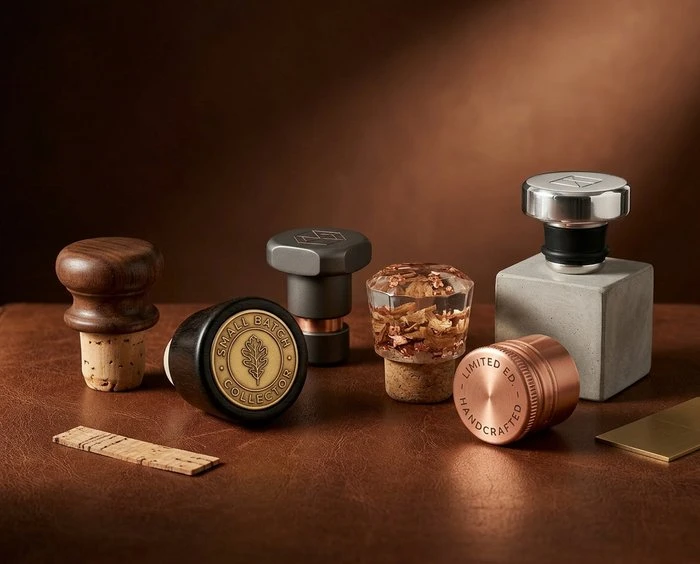
For premium spirits packaging, a stopper is not only a closure. It is part of the product experience. It should insert smoothly, sit straight, open with the right pull feel, reseal reliably, and protect the product during filling, storage, shipping, retail handling, and consumer use.
Kandacork Closures helps spirits packaging buyers evaluate bottle neck measurements, stopper shank size, material compression, decoration options, samples, and quotation details before bulk production. Buyers comparing stopper families can start from Kandacork Closures’ custom spirits bottle closures and stoppers range before narrowing the project by neck size, material, decoration, and order requirements.
Quick Answer
To measure bottle neck inner diameter for stoppers, use the inside jaws of a digital caliper to measure the internal bore of the bottle opening. Rotate the bottle or caliper and measure again at another angle. Measure several bottles, record the minimum, maximum, and average neck ID, then test stopper samples for insertion force, pull-out feel, leakage, and resealing performance.
In bottle drawings, bottle neck inner diameter is often shown as the I dimension or bore. For stoppers, this measurement is more important than cap thread size because the stopper shank seals inside the neck.
Bottle neck inner diameter for stoppers is the starting point for stopper selection. Final approval should always be confirmed with real bottle samples, stopper samples, filled-bottle leak tests, and bottling-line trials.
Why Bottle Neck Inner Diameter Matters for Spirits Stoppers
Bottle neck inner diameter is the internal opening of the bottle neck. For stopper projects, this is the area where the stopper shank enters the bottle and creates sealing contact.
If the shank is too small, the stopper may feel loose, rotate easily, leak, or come out during transport. If the shank is too large, the stopper may be difficult to insert, sit too high, slow down production, or increase the risk of damaging the bottle mouth.
For spirits brands, poor stopper fit can create more than a technical problem. It can cause leaking bottles, stained labels, damaged cartons, retailer complaints, import issues, and weak consumer confidence. A premium whisky, rum, tequila, gin, vodka, brandy, or liqueur bottle needs a closure that feels intentional and reliable.
That is why bottle neck inner diameter for stoppers should be confirmed before sample development, decoration approval, or bulk order production.
Bottle Neck Inner Diameter vs Neck Finish
Bottle neck inner diameter and neck finish are related, but they are not the same.
Bottle neck inner diameter refers to the internal bore of the bottle opening. It is especially important for stoppers because the shank must enter this area and seal correctly.
Neck finish refers to the complete closure area at the top of the bottle. For threaded caps, ROPP closures, dispensing closures, and plug seal closures, the neck finish may include outside diameter, thread profile, sealing surface, finish height, and other technical dimensions. Industry references from glass packaging organizations such as the Glass Packaging Institute help packaging teams understand glass container terminology, closure compatibility, and the role of standardized finish dimensions.
Common neck finish terms include:
| Term | Meaning | Why It Matters |
|---|---|---|
| T dimension | Outside diameter across the thread or finish | Often used for cap and threaded closure matching |
| E dimension | Outside neck diameter excluding thread | Helps define the neck structure |
| I dimension | Internal diameter or bore | Critical for stopper shank fit |
| S dimension | Distance from top sealing surface to thread start | Important for closure engagement |
| H dimension | Neck finish height | Affects closure seating and compatibility |
A common buyer mistake is providing only the bottle capacity, such as 700 ml or 750 ml. Capacity does not determine stopper size. Two bottles with the same capacity can have different bottle neck inner diameters, neck depths, tolerances, and mouth shapes.
Another mistake is using cap size as stopper size. A 24 mm cap finish does not automatically mean the bottle needs a 24 mm stopper shank. Stopper fit depends on the internal bore, shank geometry, material hardness, compression behavior, insertion depth, and testing results.
Tools Needed to Measure Bottle Neck Inner Diameter
A professional stopper matching process starts with simple but accurate tools.
Use a digital caliper with inside jaws. This is the most practical tool for initial measurement. A ruler is not accurate enough for stopper selection.
Use several real bottle samples. Do not rely on one bottle, especially for bulk orders, private label launches, or export packaging.
Use the bottle technical drawing if available. The drawing should show the neck finish, inner diameter, tolerance, finish height, and related dimensions.
Use a measurement record sheet. Record each bottle reading clearly so the supplier can review the full range, not just one number.
Use stopper samples for fit testing. Measurement helps select a starting point, but physical samples confirm performance.
For high-volume filling, a go/no-go gauge may also be useful for incoming bottle inspection. This helps the bottler quickly check whether bottle necks remain within an acceptable range before applying stoppers.
Visual Guide: Where to Measure
Place an original measurement diagram before the step-by-step instructions to help buyers avoid confusing the outer neck finish with the inner bore.
Recommended diagram elements:
- Digital caliper inside jaws measuring the internal bottle opening.
- Clear label for I dimension / inner bore / bottle neck inner diameter.
- Separate label showing T dimension / outside thread or finish diameter.
- Two measurement positions: 0 degrees and 90 degrees, used to check ovality.
- Final arrow showing the process: neck ID measurement → stopper shank sample → leak test → bulk approval.
Suggested image alt text:
Digital caliper measuring bottle neck inner diameter for stoppers and comparing I dimension with stopper shank size.
This visual helps users understand that stopper selection is based on the internal bore, not the outside thread or bottle capacity.
Step-by-Step Measurement Process
Clean and Inspect the Bottle Neck
Before measuring, make sure the bottle neck is clean and undamaged. Remove dust, glass particles, coating residue, label glue, wax, or packaging debris from the mouth area.
Check for chips, cracks, uneven glass, ovality, or visible deformation. A damaged bottle should not be used as the only reference sample. If an abnormal bottle is found, record it separately.
Review the Bottle Drawing
If a bottle drawing is available, review the neck finish section before measuring the physical bottle. Look for the internal bore, I dimension, finish height, tolerance, and supplier notes.
The drawing may show a nominal inner diameter, but real bottles can still vary. For custom spirits bottles, confirm that the drawing is the final production drawing, not an early concept file.
Use the Inside Jaws of the Digital Caliper
Open the inside jaws of the caliper and place them gently inside the bottle opening. Keep the caliper level with the top of the neck. Do not force the jaws against the glass because excessive pressure can create a false reading or damage the finish.
The reading should represent the internal opening where the stopper shank first enters the bottle.
Measure at Multiple Angles
Glass bottle necks are not always perfectly round. Slight ovality can occur during production. Measure once, then rotate the bottle or caliper about 90 degrees and measure again.
If the readings differ, record both. For stopper fit, the smaller reading is especially important because it may determine insertion force.
Measure Several Bottles
Do not measure only one bottle. For early evaluation, measure at least five to ten bottles when possible. For larger production projects, measure bottles from different cartons, pallets, or batches.
Record the minimum, maximum, and average bottle neck inner diameter for stoppers. This gives Kandacork Closures a more realistic understanding of production variation. For glass container tolerance discussions, technical teams may also refer to recognized packaging tolerance resources such as CETIE data sheets when reviewing bottle variation.
Check Neck Depth
A stopper shank needs enough usable neck depth to create stable sealing contact. If the shank is too long, the stopper may not sit flush. If it is too short, it may not seal reliably or may feel unstable.
Measure the available internal depth and share this information with the closure supplier, especially for custom stopper designs.
Compare Measurement with Stopper Samples
After measuring bottle neck inner diameter for stoppers, compare the data with actual stopper samples. The correct stopper should insert smoothly, stay secure, sit straight, provide the expected opening feel, and pass leak testing.
Measurement Record Template
Use a simple measurement table to document bottle variation before requesting stopper samples. This gives the closure supplier better data than one single measurement.
| Bottle No. | Angle 1 Neck ID | Angle 2 Neck ID | Neck Depth | Notes |
|---|---|---|---|---|
| 1 | 18.52 mm | 18.47 mm | 28.0 mm | Normal |
| 2 | 18.55 mm | 18.49 mm | 28.0 mm | Slight ovality |
| 3 | 18.50 mm | 18.46 mm | 27.8 mm | Normal |
| 4 | 18.57 mm | 18.51 mm | 28.1 mm | Check batch range |
| 5 | 18.53 mm | 18.48 mm | 28.0 mm | Normal |
After recording the data, calculate the minimum, maximum, and average reading. When in doubt, share the full table with Kandacork Closures instead of sending only one number.
Common Measurement Mistakes
| Mistake | Why It Causes Problems | Better Practice |
|---|---|---|
| Measuring only one bottle | One sample may not represent batch variation | Measure several bottles |
| Using a ruler | Not accurate enough for stopper fit | Use a digital caliper |
| Measuring outside diameter only | Stopper shank fits inside the neck, not outside | Measure internal bore |
| Confusing T dimension with I dimension | Cap size and stopper fit are different | Confirm neck ID separately |
| Ignoring ovality | Neck may be wider in one direction than another | Measure at multiple angles |
| Using only the drawing | Real bottles may vary from nominal drawing | Measure physical samples |
| Skipping leak testing | Dry fit does not prove sealing performance | Test filled bottles |
| Ignoring neck depth | Shank may not seat correctly | Measure usable internal depth |
How Neck ID Affects Stopper Shank Size
The stopper shank is usually slightly larger than the bottle neck inner diameter. This allows the shank to compress when inserted and create sealing contact inside the neck.
However, there is no universal oversize rule that works for every bottle and material. The right relationship between neck ID and shank diameter depends on the stopper material, hardness, elasticity, shank taper, sealing ribs, insertion depth, bottle tolerance, alcohol content, and expected storage conditions.
A soft shank may compress more easily. A harder shank may require a different diameter. A ribbed synthetic shank may seal differently from a smooth cork shank. A tapered shank may feel different from a straight shank even if the maximum diameter is similar.
That is why bottle neck inner diameter for stoppers should be used to select sample options, not to skip testing. Buyers who need a broader compatibility reference can also review Kandacork Closures’ glass bottle neck and closure matching guide before finalizing stopper samples.
How to Use Neck ID to Select Stopper Samples
The table below gives a practical sample-selection direction. It should not be treated as a fixed sizing rule. Final approval depends on real bottle samples, stopper material, shank design, and leak testing.
| Measured Bottle Neck ID | Sample Direction | Important Note |
|---|---|---|
| Around 18.5 mm | Test stopper shanks slightly larger than the neck ID | Final size depends on material compression and pull-out feel |
| Around 21.5 mm | Test larger premium spirits stopper shank options | Confirm insertion force, leakage, and stopper height |
| Custom or irregular neck ID | Send bottle drawing and physical samples for review | Do not approve bulk production by measurement alone |
| Inconsistent neck ID range | Test more than one shank option | Use minimum, maximum, and average readings to guide sampling |
This approach helps buyers move from measurement to sample testing without relying on a risky one-size-fits-all rule.
Stopper Material Fit Comparison
Different stopper materials behave differently inside the same bottle neck. The table below gives a practical comparison for spirits packaging buyers.
| Stopper Material | Fit Impact | Common Use Case |
|---|---|---|
| Natural cork | Traditional feel, good compression, natural variation | Heritage spirits, craft brands, premium positioning |
| Micro-agglomerated cork | More consistent compression than many natural cork options | Standard premium whisky, rum, gin, brandy, liqueur |
| Synthetic cork | Stable insertion force and resealing behavior | High-volume branded spirits and private label projects |
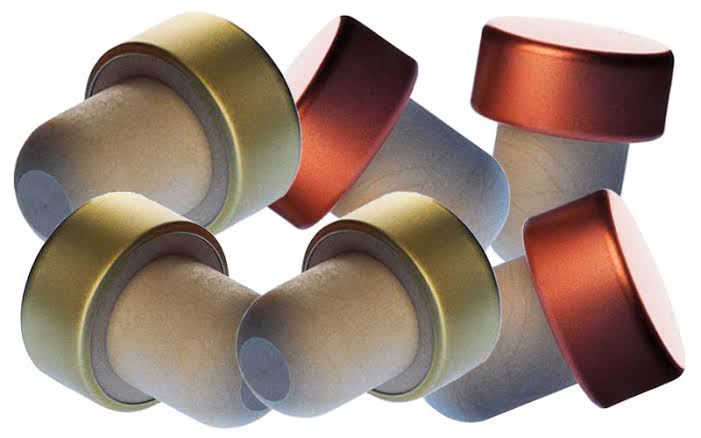
| TPE / polymer shank | Engineered ribs and controlled sealing profile | Machine application, consistent fit, modern closures |
| Wood top stopper | Head supports premium branding; shank still controls seal | Whisky, rum, tequila, craft spirits |
| Aluminum / metal top stopper | Strong shelf impact and luxury appearance | Premium spirits, limited editions, gift packaging |
| Glass top stopper | Clean, high-end visual effect | Vodka, gin, tequila, liqueur, special editions |
The head material affects appearance, weight, decoration, and brand positioning. The shank material and geometry determine sealing performance. A beautiful stopper head cannot solve an incorrect shank fit.
For projects that require a branded stopper top, buyers can also review custom top surface design options before approving logo placement, embossing, printing, color matching, or finish samples.
Fit Testing Checklist Before Bulk Production
Measuring bottle neck inner diameter for stoppers is only the first stage. Final approval should include fit and performance testing.
Dry Fit Test
Insert the stopper into an empty bottle by hand. Check whether it enters smoothly, sits straight, and reaches the expected height. The stopper should feel secure without excessive force.
Pull-Out Feel
Open the stopper and evaluate removal force. A premium spirits stopper should not be too loose or too difficult to remove. The ideal feel depends on brand positioning and consumer expectations.
Filled-Bottle Leak Test
Fill the bottle with the intended liquid or a suitable test liquid. Insert the stopper and check for leakage in upright, side, and inverted positions if relevant to the test plan.
For spirits, alcohol content matters. A closure that works with water may not behave the same with high-ABV liquid over time.
Temperature and Transport Review
Export bottles may face temperature changes, vibration, stacking pressure, and long transit times. Importers and distributors should evaluate stopper performance under realistic shipping and storage conditions.
Bottling-Line Trial
If the stopper will be applied by machine, test it on the intended bottling line. Check insertion force, speed, alignment, rejection rate, stopper height, and compatibility with capsules, shrink sleeves, cartons, and case packing.
Technical teams may align these tests with internal quality-control procedures and recognized packaging testing practices, including ASTM-based material or performance test methods when applicable.
Common Stopper Fit Problems and Solutions
| Problem | Possible Cause | Recommended Action |
|---|---|---|
| Stopper feels loose | Shank too small, neck ID larger than expected, low compression | Re-measure neck ID and test a larger or different shank |
| Stopper is too tight | Shank too large, hard material, smaller neck ID | Test a smaller shank or softer material |
| Stopper sits crooked | Neck ovality, uneven mouth, insufficient insertion depth | Measure multiple angles and inspect bottle finish |
| Bottle leaks | Poor compression, wrong material, damaged mouth, weak sealing contact | Run filled-bottle leak testing and review shank design |
| Fit changes by batch | Bottle tolerance variation or supplier change | Recheck new bottle batches before repeat orders |
| Line rejection increases | Inconsistent insertion force or stopper alignment | Conduct line trial and adjust closure specification |
This table is useful for bottlers, QA teams, and procurement managers who need to diagnose closure problems quickly before approving a repeat order.
Recommended Sample Approval Workflow
A clear approval workflow helps buyers reduce sampling delays and avoid bulk production mistakes.
| Stage | Buyer Action | Kandacork Closures Support |
|---|---|---|
| Measurement | Measure neck ID, neck depth, and bottle variation | Review dimensions, bottle drawing, and real samples |
| Sample selection | Choose preferred material and head style | Recommend stopper shank options and sample direction |
| Fit testing | Test insertion, pull-out feel, leakage, and resealing | Adjust shank size, material, or structure if needed |
| Decoration approval | Confirm logo, color, top material, and finish | Prepare branded samples for visual approval |
| Bulk approval | Confirm QC standard, packing, and delivery needs | Provide quotation and production planning support |
If your measured neck ID varies across bottles, send Kandacork Closures the minimum, maximum, and average readings together with bottle samples. The team can help identify suitable stopper shank sample directions before formal quotation.
For buyers still comparing stopper structures, materials, logo options, and MOQ planning, Kandacork Closures’ custom bar-top closure supplier guide can help clarify the decisions needed before sample approval.
RFQ Checklist for Stopper Samples and Quotations
To help Kandacork Closures recommend the right stopper faster, prepare clear technical and commercial information before requesting samples or a quotation.
| Information to Provide | Why It Matters | Example |
|---|---|---|
| Bottle neck inner diameter | Determines stopper shank starting point | 18.5 mm or 21.5 mm |
| Neck depth | Confirms usable shank insertion area | Internal depth measurement |
| Bottle drawing | Shows I, T, E, S, H dimensions and tolerance | PDF or CAD drawing |
| Physical bottle samples | Confirms real fit and finish condition | Five to ten bottles |
| Product type | Affects closure style and material choice | Whisky, rum, gin, tequila |
| Alcohol content | Helps review material compatibility | 40% ABV |
| Stopper material preference | Affects compression and cost | Cork, synthetic cork, TPE |
| Head material | Affects branding and appearance | Wood, aluminum, glass, plastic |
| Decoration | Affects tooling and unit cost | Engraving, embossing, printing |
| Order quantity | Affects MOQ and pricing | 10,000 or 50,000 pieces |
| Destination market | Affects compliance and packaging needs | U.S., EU, Asia-Pacific |
| Timeline | Affects sample and production planning | Launch date or delivery window |
For material compatibility, food-contact requirements, and destination-market rules, buyers should confirm the applicable compliance requirements early. For example, U.S. spirits packaging may involve TTB labeling context, while stopper materials for alcoholic beverages may need to meet relevant food-contact expectations in the target market.
Supplier Capability Questions
Before approving a stopper supplier, packaging buyers should ask five practical questions.
Can the supplier review both bottle drawings and physical samples?
Can the supplier recommend shank size based on bottle neck inner diameter for stoppers?
Can the supplier provide stopper samples for fit and leak testing?
Can the supplier support material, decoration, and export packaging requirements?
Can the supplier confirm dimensional tolerance and quality-control standards before bulk production?
These questions help buyers move beyond unit price and evaluate whether the supplier can reduce real packaging risk. For international shipping and distributor-heavy projects, Kandacork Closures’ export-ready closure supplier guide can also support packing, compliance, and supply-chain review.
How Kandacork Closures Supports Stopper Matching
Kandacork Closures supports spirits brands and packaging buyers from early measurement to sample development and bulk order planning.
For standard spirits bottles, Kandacork Closures can recommend existing stopper structures to reduce development time. For custom glass bottles, the team can review bottle drawings, measure physical samples, suggest suitable shank options, compare materials, and prepare branded sample closures.
The support process may include bottle neck review, shank size recommendation, cork or synthetic material comparison, wood or metal top selection, logo decoration, sample development, fit testing support, bulk quotation, and export packaging planning.
The goal is simple: help the buyer reduce stopper fit risk before placing a production order.
For buyers developing the full bottle, stopper, decoration, and export packing system together, Kandacork Spirits can support broader custom spirits bottle packaging coordination across glass bottles, matched closures, and finished packaging.
FAQ
What is bottle neck inner diameter?
Bottle neck inner diameter is the internal opening of the bottle neck. For stopper projects, it is the bore where the stopper shank enters the bottle and creates sealing contact.
Is bottle neck inner diameter the same as neck finish?
No. Bottle neck inner diameter refers to the internal opening. Neck finish refers to the full top finish of the bottle, including outside dimensions, threads, height, and sealing surfaces.
Can I choose a stopper by bottle capacity?
No. Bottle capacity is not enough. A 700 ml or 750 ml spirits bottle can have different neck inner diameters depending on bottle design, mold, supplier, and finish tolerance.
What tool should I use to measure bottle neck inner diameter for stoppers?
Use a digital caliper with inside jaws. A ruler is not accurate enough for professional stopper matching.
How many bottles should I measure?
Measure at least five to ten bottles when possible. For larger orders, measure bottles from different cartons, pallets, or production batches.
Should the stopper shank be larger than the bottle neck inner diameter?
Usually, the stopper shank is slightly larger than the internal neck opening so it can compress and seal. However, the correct size depends on material, hardness, shank design, neck depth, and testing results.
What should I send to Kandacork Closures for stopper samples or a quotation?
Send bottle samples, bottle neck inner diameter measurements, bottle drawing, product type, alcohol content, stopper material preference, head material, logo requirements, order quantity, destination market, and launch timeline.