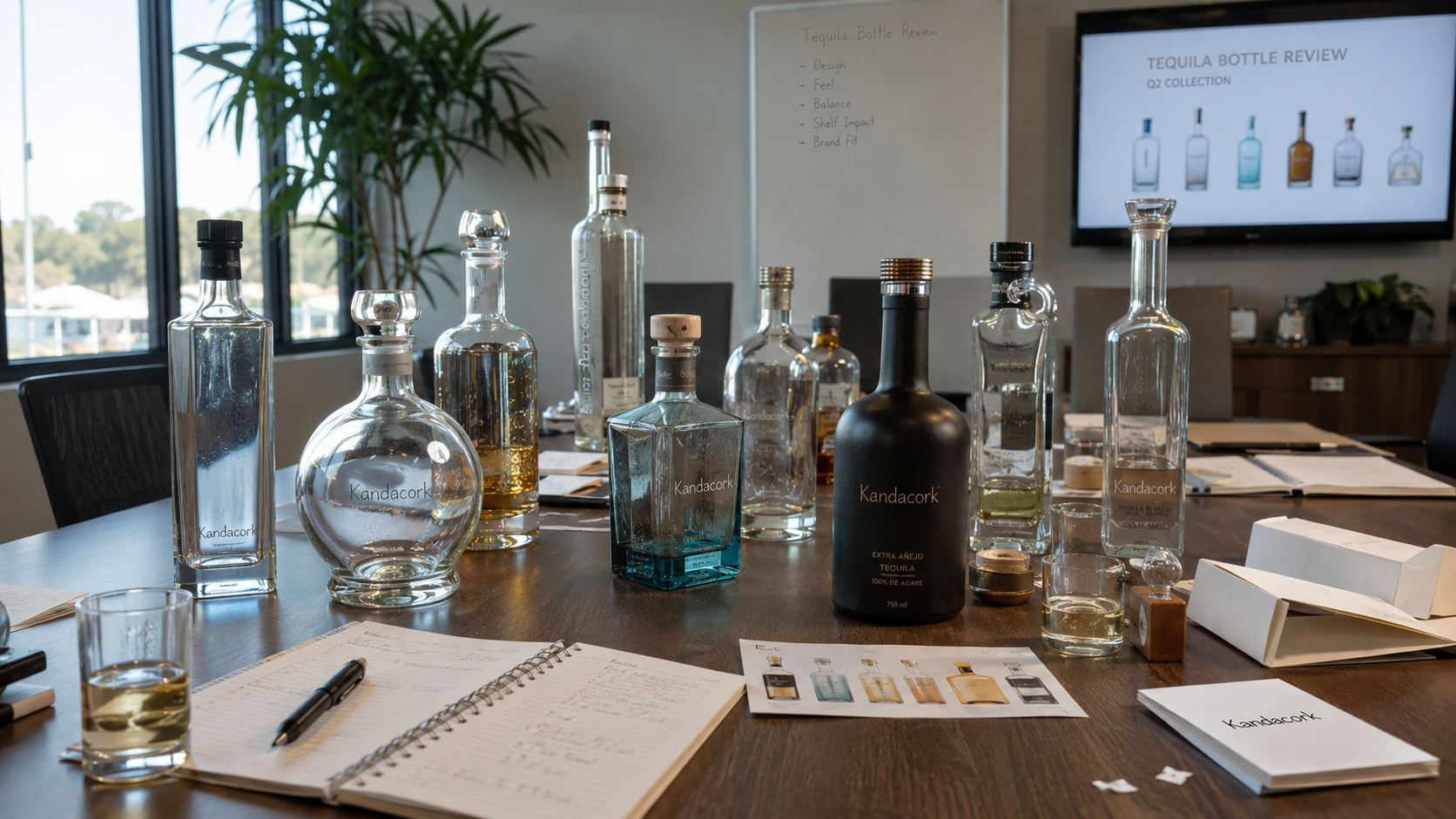
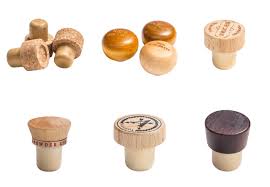
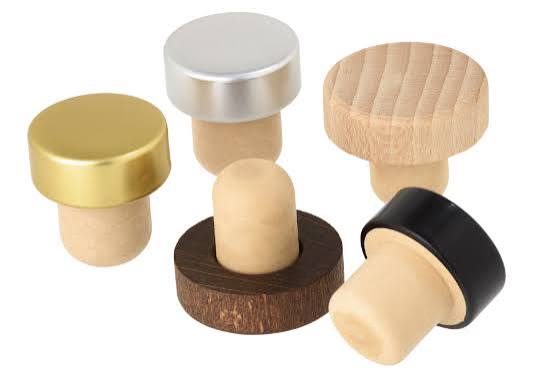
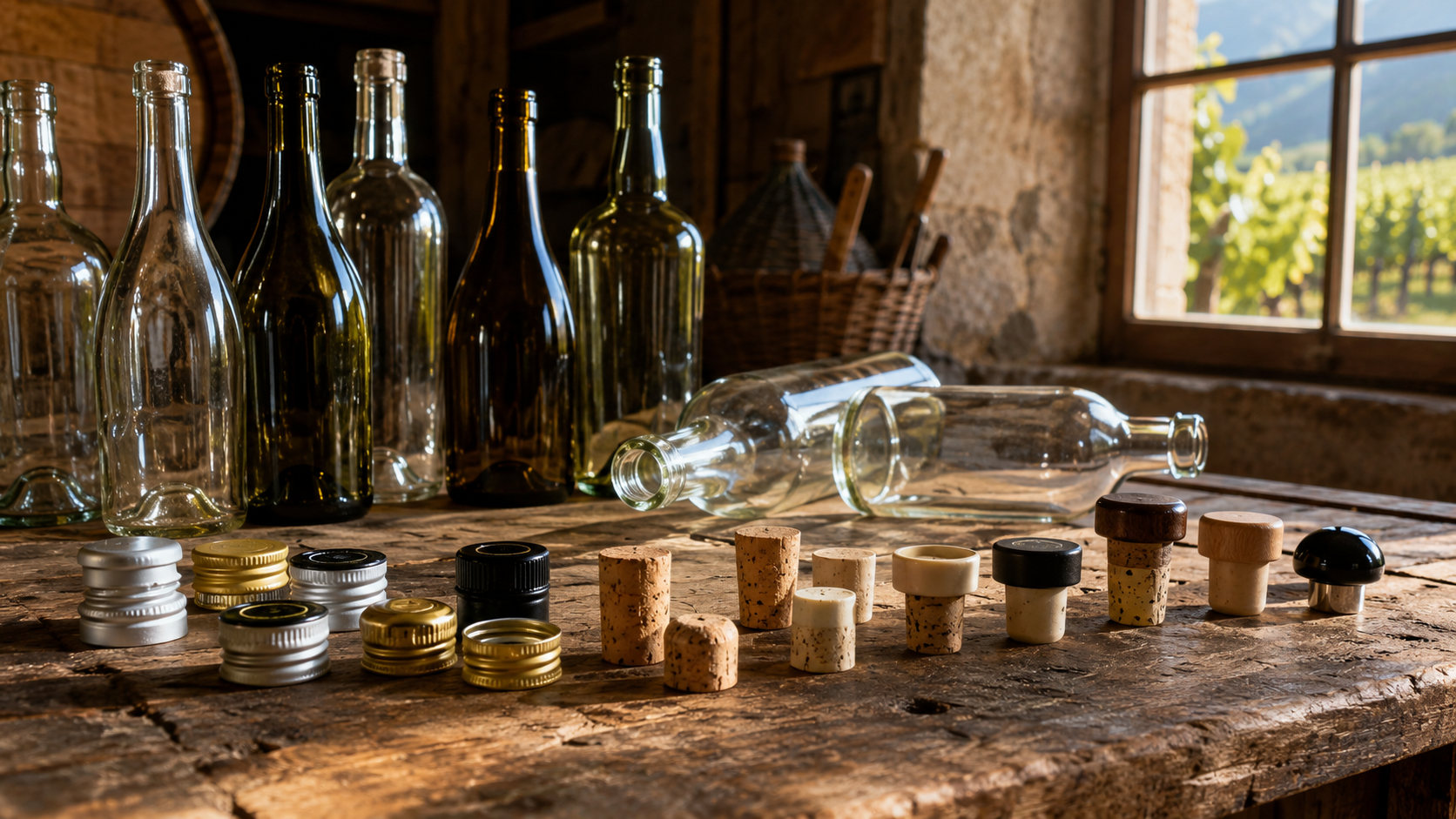
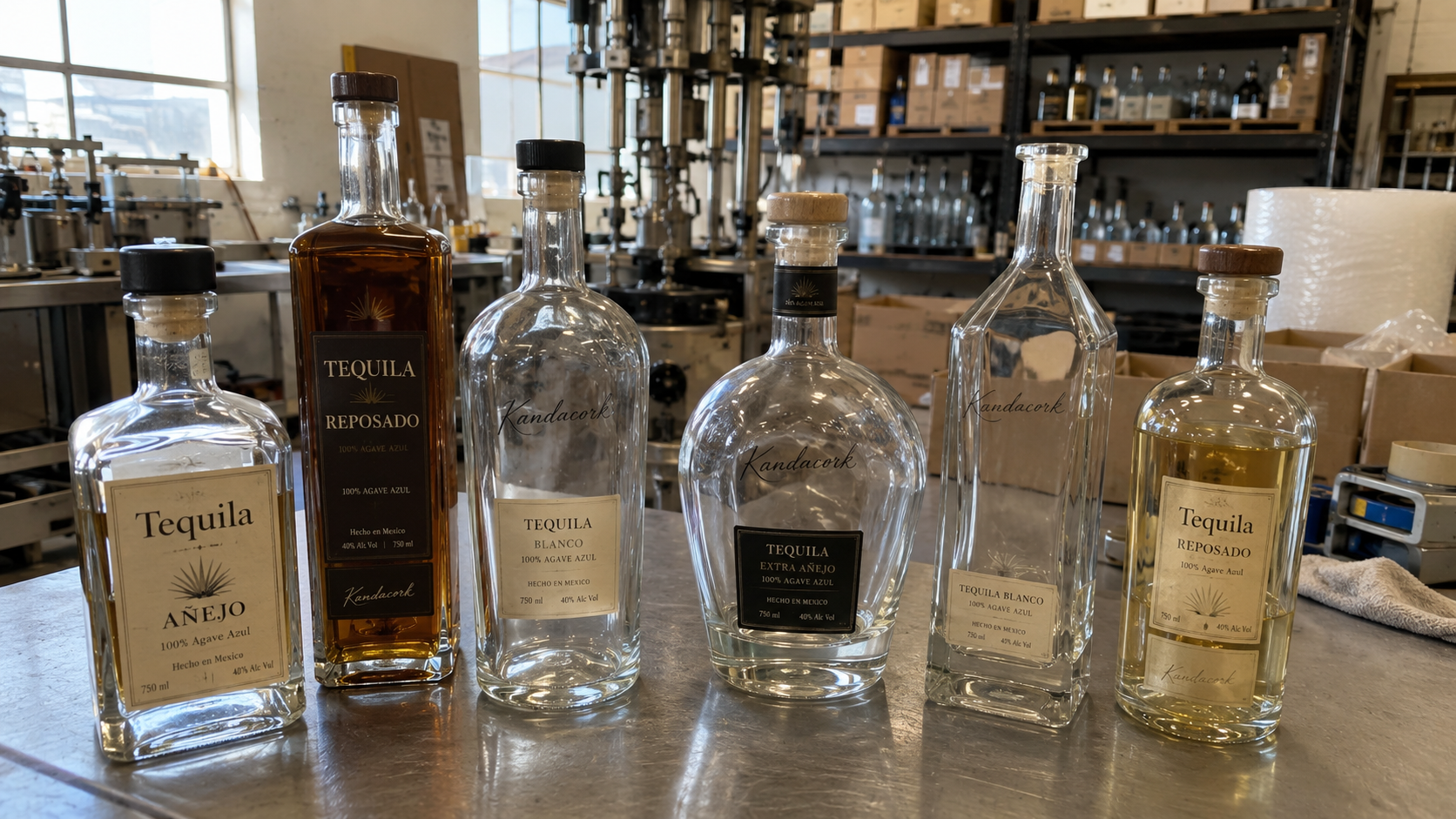
Plastic stopper materials for spirits bottles usually include molded plastic heads, acrylic-style transparent heads, TPE or synthetic sealing shanks, synthetic-cork shanks, and natural cork shanks. The best choice depends on bottle-neck fit, alcohol compatibility, odor performance, decoration quality, compliance documentation, filling-line behavior, and the brand position of the final product.
For distilleries, bottlers, private-label teams, and packaging buyers, a stopper is not just a cap. It is part of the drinking experience. It affects how securely the bottle seals, how smoothly the consumer opens it, how the bottle looks on shelf, and how reliably the product travels through warehousing and export distribution.
Kandacork Closures develops closure solutions for spirits brands that need reliable fit, scalable production, and brand-ready presentation. For buyers comparing custom plastic bar-top stoppers, this guide explains how to evaluate plastic stopper materials before requesting samples or confirming bulk production.
What Are Plastic Stoppers in Spirits Packaging?
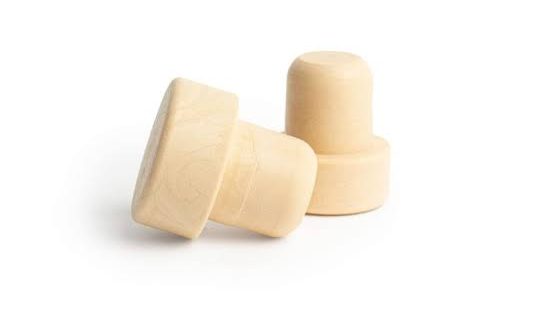
Plastic stoppers are closures that usually combine a visible decorative head with a sealing shank inserted into the bottle neck. In spirits packaging, they are often called plastic bar-top stoppers, plastic T-top stoppers, or plastic top closures.
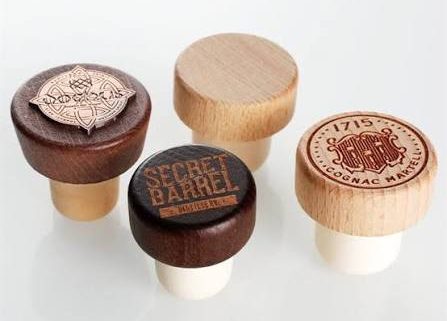
The head is the part consumers see and touch. It may be round, square, domed, flat, transparent, matte, glossy, textured, metallic-look, or color-matched to the label. This component strongly influences shelf appeal and perceived value.
The shank is the functional sealing part. It may be made from TPE, synthetic material, synthetic cork, or natural cork. It controls compression, retention, leakage resistance, insertion force, pull-out force, and consumer opening feel.
For this reason, plastic stopper materials should be selected as a complete system. A premium-looking head can still fail if the shank does not match the bottle neck. A reliable shank can also underperform commercially if the head looks too generic for the brand.
Quick Recommendation for Buyers
For most spirits projects, start by defining the stopper head appearance and then choose the shank based on fit and product behavior.
Use PP-style or rigid plastic heads for stable molding, repeatable color, and controlled cost. Use acrylic-style plastic heads when the brand needs a clear, crystal-like, modern, or gift-packaging effect. Use TPE or synthetic shanks when repeatable fit and line-friendly performance are priorities. Use synthetic-cork or natural cork shanks when the bottle needs a more traditional opening cue.
If the project also involves a new custom spirits bottle, review the bottle neck and stopper together from the beginning. Coordinating the glass finish, stopper shank, capsule, and filling method early can prevent costly sampling delays.
The Plastic Stopper Material Selection Formula
A practical formula for evaluating plastic stopper materials is:
Material choice = head appearance + shank compression + bottle-neck tolerance + ABV compatibility + decoration method + documentation needs + production volume.
This formula keeps the buying decision grounded in real packaging performance. A stopper should not be approved only because it looks good in a rendering. It must seal properly, feel right in the hand, run smoothly on the filling line, support the required market documentation, and remain consistent across repeat orders.
Common Plastic Stopper Materials
| Material / Component | Best For | Main Advantages | Buyer Watch Outs |
|---|---|---|---|
| PP-style plastic head | Standard spirits, private label, multi-SKU programs | Lightweight, moldable, cost-effective, easy to color | Needs good finish control to avoid a low-cost look |
| PE / HDPE-related components | Functional closure systems and flexible sealing parts | Toughness, flexibility, chemical resistance in many packaging uses | Suitability depends on formulation and closure design |
| Acrylic-style plastic head | Vodka, gin, liqueurs, gift packaging | Clear, modern, glass-like visual impact | Scratches, bubbles, mold marks, and clarity must be controlled |
| Rigid decorative plastic head | Premium shapes and molded brand details | Strong profiles, dimensional stability, decoration flexibility | Odor and decoration performance should be tested |
| TPE / synthetic shank | High-volume spirits and export programs | Repeatable compression, stable fit, controlled pull-out force | Must be tested with the actual bottle neck and spirit |
| Synthetic-cork shank | Traditional look with better dimensional consistency | Cork-like appearance, more controlled sizing | Quality and sensory performance vary by supplier |
| Natural cork shank | Whisky, rum, brandy, heritage spirits | Classic opening feel and premium natural cue | Natural variation, odor, and fit consistency require review |
PP-Based Plastic Heads
Polypropylene-style plastic heads are commonly used because they balance cost, weight, moldability, and repeatability. They can support matte, gloss, colored, textured, and simple metallic-look finishes.
For commercial spirits and private-label programs, PP-style heads are often practical because they can be produced consistently across high-volume orders. They are also useful for brands that need the same stopper structure across several flavors, bottle sizes, or market versions.
The final result depends on tooling, wall thickness, surface texture, color control, and decoration quality. A simple PP-style stopper can look clean and professional when the geometry and finish are well designed.
Acrylic-Style and Rigid Decorative Plastic Heads
Acrylic-style heads are chosen when brands want transparent, smoke-gray, tinted, or crystal-effect stoppers. These are popular for vodka, gin, liqueurs, and modern premium spirits where clarity and light reflection matter.
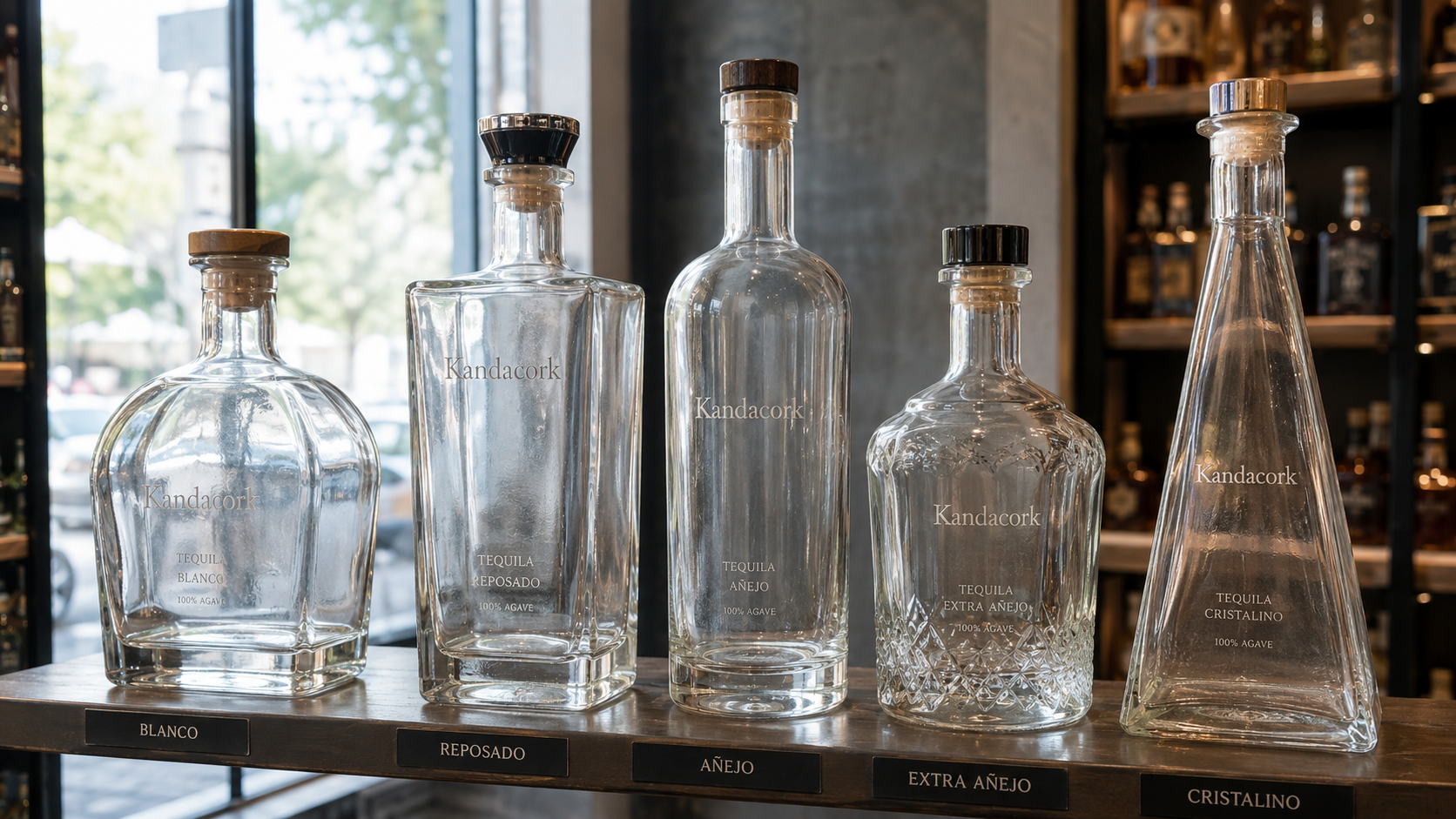
Rigid decorative plastic heads are suitable when a brand wants a more structured shape, molded detail, sharp edges, or a larger top profile. They can work well for whisky, rum, brandy, tequila, and limited-edition products where the stopper is part of the bottle’s signature silhouette.
For both options, buyers should review surface quality carefully. Transparent and rigid decorative plastic stopper materials can show scratches, mold marks, flow lines, color variation, and decoration misalignment more clearly than basic opaque closures.
TPE, Synthetic, Synthetic-Cork, and Natural Cork Shanks
The shank is where most sealing performance is determined. TPE and synthetic shanks can provide controlled compression, repeatable dimensions, and predictable insertion and pull-out behavior. They are often useful for export programs, high-volume filling, and multi-batch production.
Synthetic-cork shanks offer a cork-like appearance with improved dimensional consistency. They can be a good fit for brands that want a traditional look but need more predictable fit than some natural materials can provide.
Natural cork shanks support heritage, craft, and premium positioning. They can be especially suitable for whisky, rum, brandy, and other spirits where a classic opening experience is part of the brand story. However, natural materials require careful review for odor, dimensional variation, and batch consistency.
Food-Contact, Odor, and Alcohol Compatibility
Plastic stopper materials for spirits bottles should be reviewed as food-contact packaging components when they may contact the liquid or interact with vapor in the bottle headspace. In the United States, the U.S. FDA food-contact substances framework includes packaging and packaging components. For the European market, EU Regulation No. 10/2011 applies to plastic materials and articles intended to come into contact with food.
Compliance should not be treated as a final paperwork step. It should influence material selection, colorant review, supplier declarations, and product testing from the beginning.
Alcohol compatibility is also essential. A stopper that works with one product may not automatically work with another. ABV level, flavor compounds, acidity, sugar content, storage temperature, contact time, and headspace vapor can all affect evaluation.
Odor testing is especially important for vodka, gin, white rum, and light liqueurs. These products often reveal unwanted material odor more easily than darker or heavily flavored spirits. Buyers should test real samples with the actual liquid whenever possible.
How to Choose Plastic Stopper Materials by Project Type
| Project Type | Recommended Direction | Buyer Priority |
|---|---|---|
| Value spirits | PP-style plastic head with synthetic shank | Cost control, stable supply, basic branding |
| Premium spirits | Rigid decorative head, acrylic-style head, synthetic-cork or natural cork shank | Shelf impact, opening feel, finish quality |
| Mini bottles | Lightweight head with compact synthetic shank | Fast assembly, repeatability, controlled cost |
| Export programs | Stable plastic head with tested synthetic or TPE shank | Leak resistance, transport durability, documentation |
| Gift packaging | Wide-top head, transparent head, metallic-look finish, medallion detail | Premium appearance and carton compatibility |
| Private-label spirits | Standardized head with custom color and logo | Speed, flexibility, low tooling risk |
| High-ABV products | Tested head-and-shank system | Alcohol compatibility, odor control, sealing stability |
This type of matrix helps buyers move from a general material question to a practical specification. It also helps suppliers recommend samples that match the actual project instead of offering generic closure options.
Bottle Neck Fit Comes Before Final Approval
The bottle neck controls whether a stopper will seal correctly. Buyers should review the inner neck diameter, neck finish, tolerance range, glass thickness, filling method, and closure application method before confirming plastic stopper materials.
A bottle may be described as 700 ml or 750 ml, but capacity alone does not define stopper fit. Two bottles with similar capacity may have different inner neck profiles. Even small tolerance differences can change shank compression, insertion force, pull-out force, and leakage performance.
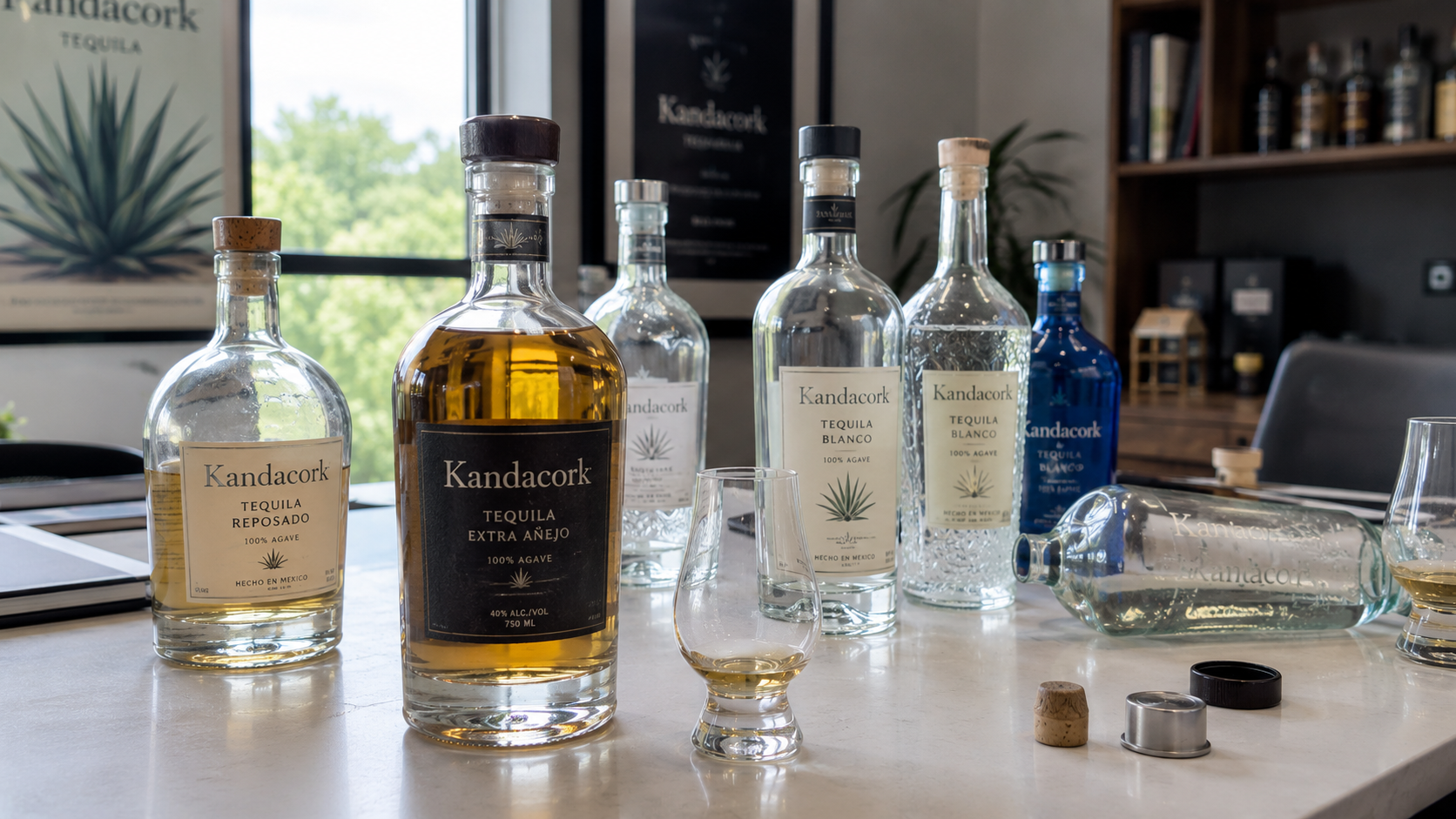
For projects requiring a wider closure family, Kandacork supports bottle closures and stoppers across different structures, including bar-top stoppers, screw closures, ROPP caps, capsules, and related closure systems.
Sealing and Fit Testing Before Bulk Production
| Test | What to Check | Why It Matters |
|---|---|---|
| Bottle-neck measurement | Inner diameter, neck finish, tolerance range | Confirms the correct shank direction |
| Shank compression review | Fit between shank diameter and bottle neck | Reduces loose fit, leakage, and hard insertion |
| Insertion force | Whether the stopper inserts smoothly | Protects filling-line efficiency |
| Pull-out force | Whether the bottle opens comfortably | Improves consumer experience |
| Leak testing | Upright, tilted, and inverted checks where appropriate | Reduces storage and transport complaints |
| Odor test | Stopper aroma before and after product exposure | Protects spirits quality |
| ABV compatibility check | Stopper behavior with actual liquid or suitable simulation | Reduces material interaction risk |
| Capsule clearance | Head diameter, height, and sleeve behavior | Prevents capsule and shrink-sleeve issues |
| Transport simulation | Vibration, temperature change, carton handling, pallet movement | Supports export and distribution reliability |
Transport performance should be considered early for export spirits. The ISTA test procedures framework shows how packaging tests can simulate different distribution hazards, while real project testing should be matched to the bottle, carton, pallet pattern, and shipping route.
Standards and Documentation Buyers Should Request
Samples are important, but documentation is also part of a professional closure approval process. Buyers should ask what documents are available for the chosen material, destination market, and closure structure.
Useful documentation may include food-contact declarations, material specifications, color and finish standards, production sample approvals, migration or compliance support where relevant, sensory or odor evaluation records, and packaging plans for shipping.
For sustainability and packaging optimization, ISO 18602 provides a recognized framework related to optimization of the packaging system. For plastic packaging recyclability considerations, the Association of Plastic Recyclers Design Guide offers design guidance and testing protocols for evaluating package components.
Buyers should avoid broad claims such as “eco-friendly plastic stopper” unless they can support the statement with material data, recycled-content documentation, food-contact review, or market-specific recycling evidence.
Branding and Decoration Options
Plastic stopper materials offer strong flexibility for brand presentation. A stopper can be simple and functional, or it can become a signature element of the bottle.
Color options may include matte black, gloss black, white, brown, green, transparent, smoke gray, gold, silver, copper, pearl-effect, or custom brand colors. Finish options may include matte, satin, gloss, metallic-look, transparent, textured, speckled, or soft-touch effects.
Logo decoration may include top printing, side printing, embossing, debossing, foil-effect decoration, molded details, laser marking, or medallion inserts. For brands that need more advanced decoration and branding, the stopper should be coordinated with the label, bottle decoration, capsule, carton, and shelf presentation.
To avoid a low-cost plastic look, focus on geometry, surface quality, mold precision, color consistency, decoration alignment, and the relationship between stopper size and bottle shape.
Matching Stopper Materials to Spirits Categories
Vodka and gin often need clean, modern packaging. Transparent heads, white heads, matte black tops, silver-effect finishes, and precise color-matched stoppers can work well. Odor control should be a priority because neutral and botanical spirits can reveal unwanted material notes quickly.
Whisky, rum, and brandy usually benefit from warmer and more traditional cues. Brown, black, bronze, copper, gold, wood-look, and matte finishes are common. A plastic head paired with a synthetic-cork or natural cork shank can create a familiar opening experience while still supporting scalable production.
Tequila and liqueurs often use expressive packaging. Bold color, custom shapes, gloss finishes, embossed logos, and strong shelf contrast can help the bottle stand out. For sweet or flavored liqueurs, compatibility should be tested with the actual product because flavor compounds, sugar, colorants, acidity, and alcohol content may affect the closure system.
Mini bottles and promotional spirits usually need efficient, repeatable, and cost-controlled closure choices. Lightweight plastic stopper materials, simple decoration, and stable shank sizing help reduce delays during fast-moving production.
Premium gift packaging requires more attention to tactile experience. Wide-disc heads, transparent acrylic-style tops, metallic-look finishes, medallion inserts, and custom shapes can increase perceived value, but they must still work with capsules, sleeves, cartons, and transport conditions.
Plastic vs Wooden vs Metal vs Glass Stoppers
Plastic stoppers are useful for color flexibility, controlled cost, lightweight handling, private-label projects, and multi-SKU spirits programs. They can support strong decoration and repeatable production.
Wooden stoppers are useful when a brand wants natural, craft, or heritage cues. They can create warmth and authenticity, especially for whisky, rum, brandy, and small-batch spirits.
Metal stoppers are often selected for premium shelf impact, weight, metallic finishes, and luxury positioning. They may be suitable when the stopper needs a more substantial hand feel or a collectible presentation.
Glass stoppers are often associated with ultra-premium, collectible, or display-focused packaging. They can look elegant, but they usually require careful fit control and a higher packaging budget.
For buyers who also need coordinated bottle development, Kandacork Glass can support integrated spirits packaging planning, while Kandacork Eco Glass is relevant for projects considering broader glass packaging and sustainability-minded packaging direction.
Supplier Insight: What Usually Causes Stopper Failures?
Most stopper failures come from system mismatch, not from the visible plastic head alone.
One common cause is poor neck fit. If the actual bottle-neck inner diameter varies from the drawing or changes between glass batches, the shank may lose the correct compression range.
Another cause is approving decoration before testing function. A stopper may look excellent in a photo but still fail insertion-force, pull-out-force, leak, or capsule-clearance checks.
Odor is also often underestimated. Neutral spirits, botanical gin, and light liqueurs can reveal material odor quickly.
Transport conditions matter as well. A stopper that performs well in a showroom sample may fail after heat exposure, carton vibration, pallet movement, or long export handling.
The safest approval process is to test the complete package: bottle, stopper, spirit, capsule, carton, and shipping route.
Plastic Stopper Materials RFQ Checklist
Before requesting samples, buyers should prepare the following information:
| RFQ Item | Why It Matters |
|---|---|
| Bottle drawing | Confirms neck finish, dimensions, and tolerance |
| Bottle sample | Allows real fit and sealing checks |
| Inner neck diameter | Helps match shank diameter and compression |
| Spirit type | Supports compatibility and odor review |
| ABV | Helps assess alcohol resistance and sealing requirements |
| Annual quantity | Guides tooling, material, and production planning |
| Target market | Determines documentation and compliance needs |
| Head shape | Defines visual style and molding direction |
| Head color and finish | Supports brand consistency |
| Shank preference | Clarifies TPE, synthetic, synthetic-cork, or natural cork direction |
| Logo artwork | Helps choose printing, embossing, debossing, or insert method |
| Capsule or sleeve requirement | Prevents clearance and application problems |
| Launch schedule | Helps plan sampling, approval, and production timing |
A complete RFQ brief helps the supplier recommend suitable plastic stopper materials faster. It also reduces the risk of repeated sampling, wrong shank sizing, decoration delays, and launch problems.
FAQ
What are the most common plastic stopper materials?
The most common plastic stopper materials include PP-style plastic heads, acrylic-style decorative heads, rigid molded plastic heads, TPE or synthetic shanks, synthetic-cork shanks, and natural cork shanks paired with plastic heads. The right option depends on bottle design, sealing needs, brand style, and production volume.
What are the best plastic stopper materials for spirits bottles?
The best plastic stopper materials depend on the bottle neck, spirit type, ABV, decoration method, compliance requirements, and market positioning. PP-style heads, acrylic-style heads, TPE shanks, synthetic cork, and natural cork shanks are all suitable in different applications.
Are plastic stopper materials suitable for premium spirits?
Yes. Plastic stopper materials can be suitable for premium spirits when the closure uses high-quality molding, precise color control, stable decoration, correct shank fit, and a balanced head-to-bottle proportion. Premium appearance depends on execution, not only the material name.
How do I choose between TPE, synthetic-cork, and natural cork shanks?
Choose TPE or synthetic shanks when repeatable fit, dimensional consistency, and clean sealing performance are priorities. Choose synthetic-cork when you want a cork-like appearance with more controlled sizing. Choose natural cork when traditional opening feel and heritage positioning are important.
Can plastic stopper materials be food-contact suitable?
Yes. Plastic stopper materials can be food-contact suitable, but suitability depends on formulation, supplier documentation, destination-market rules, alcohol level, contact conditions, and testing with the actual product. Buyers should request appropriate documentation before bulk production.
Do plastic stoppers work with shrink sleeves or capsules?
Yes. Plastic stoppers can work with shrink sleeves or capsules, but the stopper head diameter, head height, bottle neck, sleeve material, heat-shrink behavior, and opening experience should be tested together before production approval.
What tests should be done before bulk production?
Before bulk production, buyers should test bottle-neck fit, shank compression, insertion force, pull-out force, leakage, odor, alcohol compatibility, capsule clearance, filling-line performance, and transport stability. These checks reduce the risk of leaks, delays, and consumer complaints.
Conclusion
The best plastic stopper materials are not selected by appearance alone. A reliable spirits stopper must combine the right plastic head, sealing shank, bottle-neck fit, decoration method, food-contact review, documentation, and production plan.
For buyers, the safest path is to treat the stopper as a complete packaging system. Compare material options, test with real bottles, review odor and alcohol compatibility, confirm documentation, and validate performance before bulk production.
Kandacork Closures helps spirits brands develop custom plastic stoppers that match both technical requirements and brand goals. To discuss bottle drawings, samples, spirit type, target finish, logo artwork, and order volume, contact Kandacork Closures for a practical material and fit recommendation.