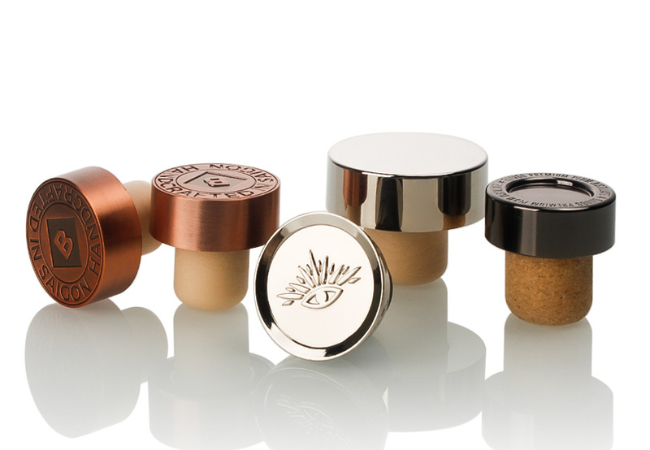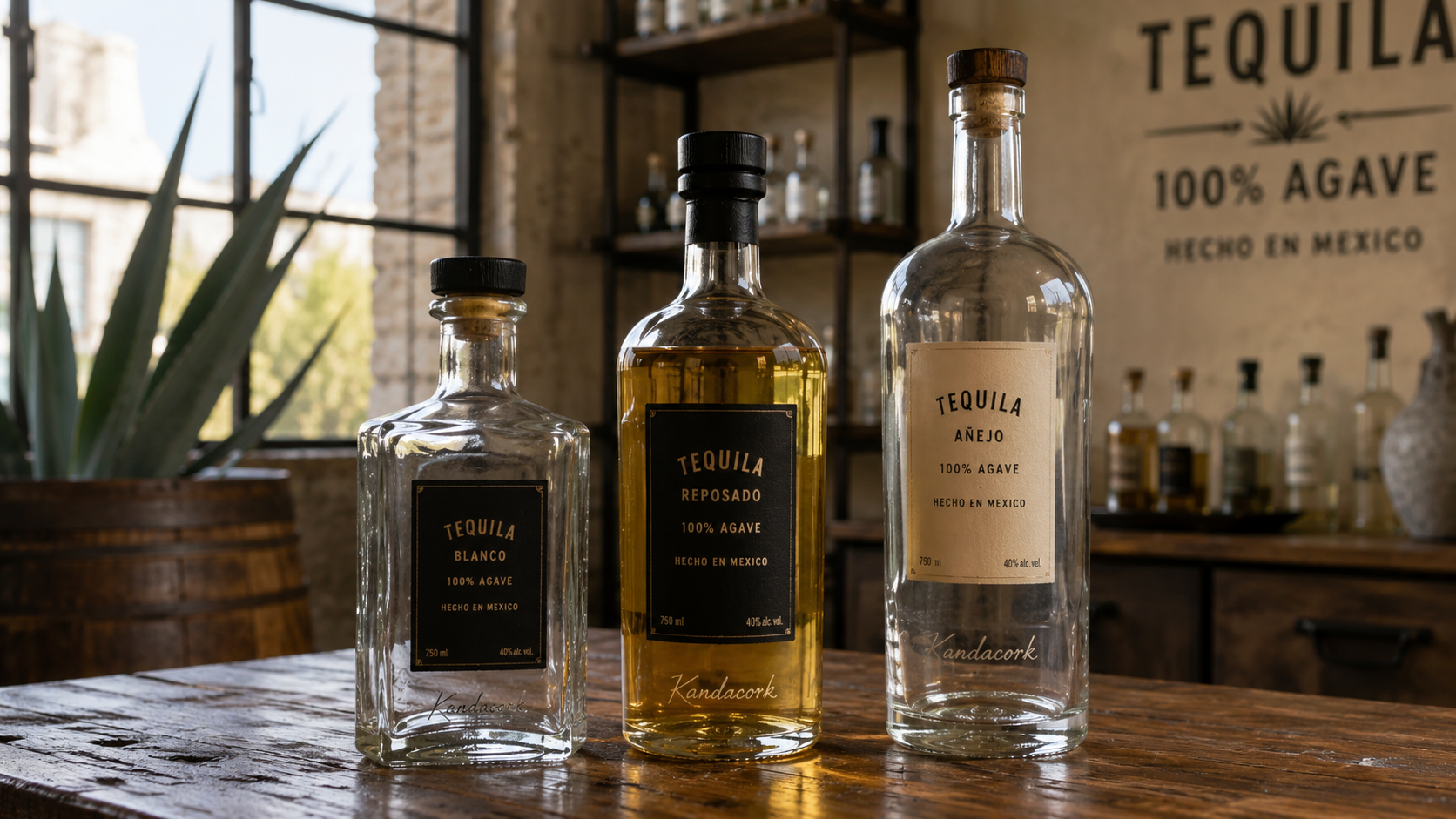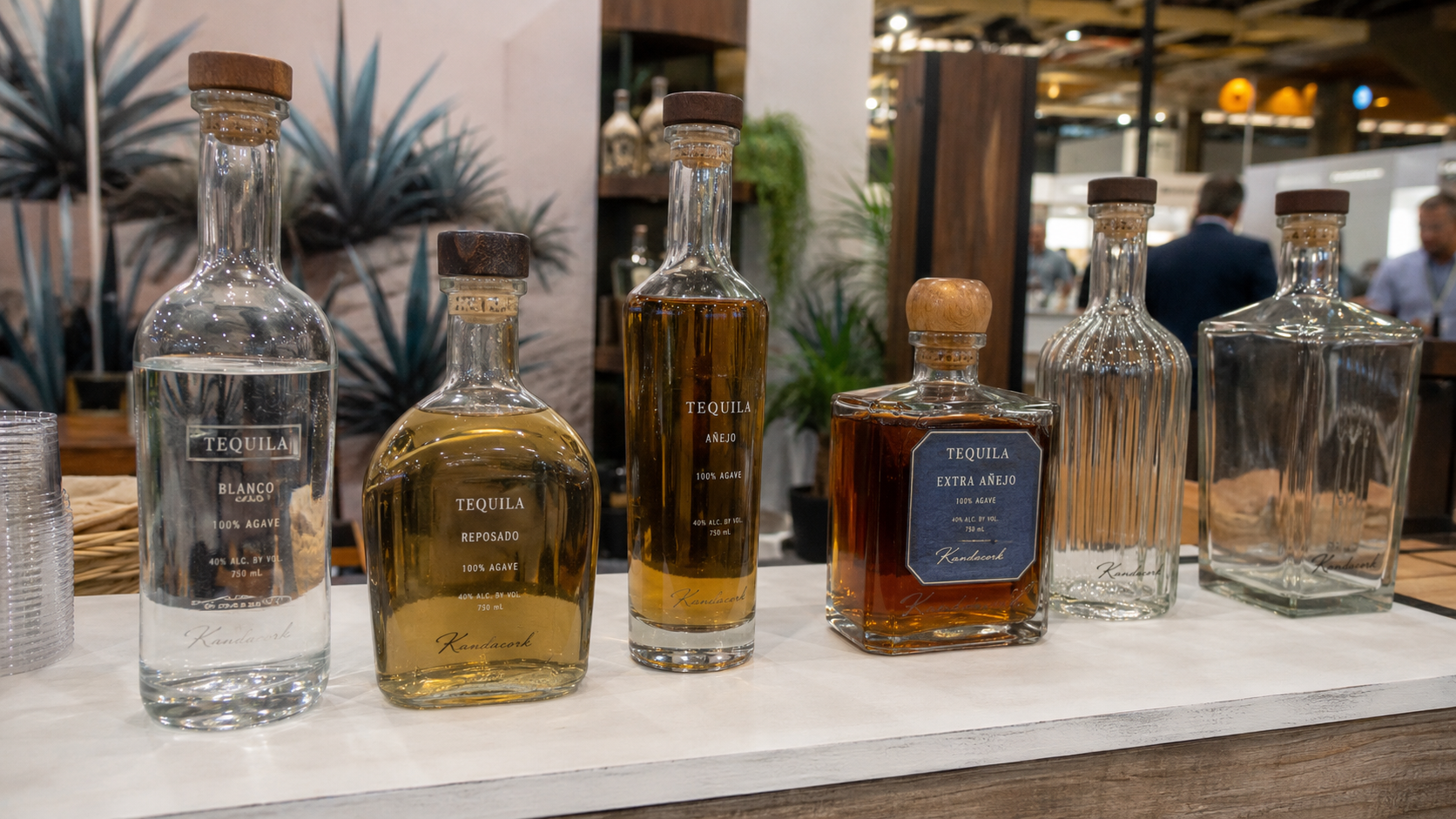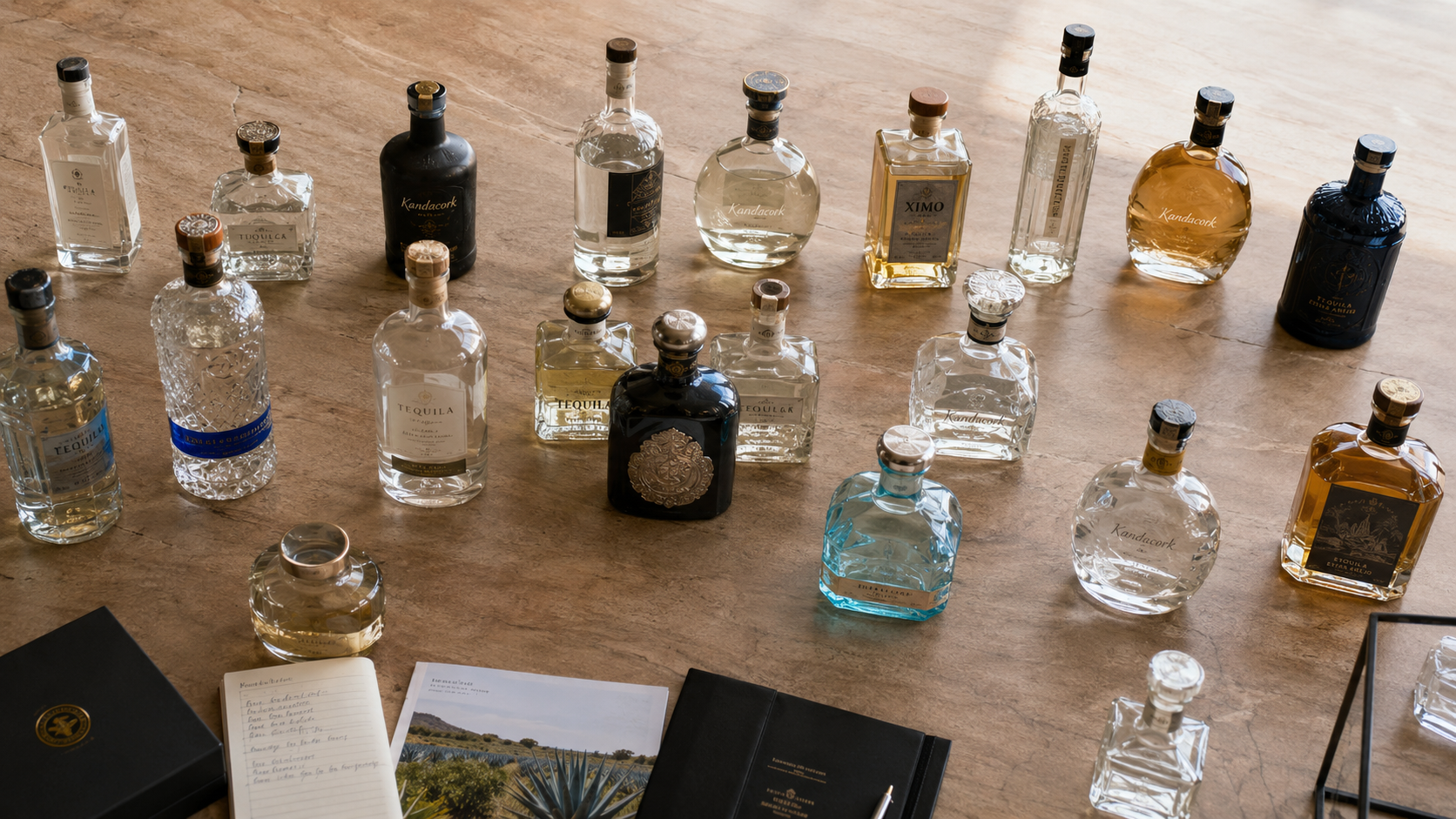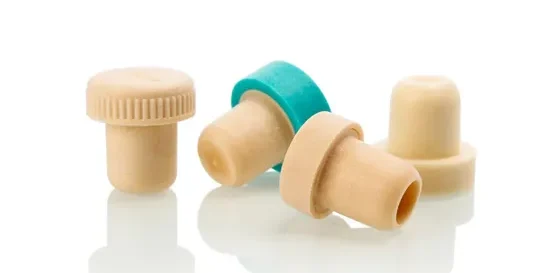
Plastic T-top stoppers can support clean branding and controlled production for vodka bottle projects. This guide explains material options, shank fit, logo methods, surface finish and quality checks for bulk vodka closure orders.
Why Plastic Stoppers Work Well for Vodka Bottles
Vodka packaging often communicates purity, clarity, smoothness, filtration, and modern design. Clear glass, frosted glass, white labels, metallic details, and clean typography are common in this category. Plastic T-top stoppers fit this visual language because they can be produced in controlled colors, consistent shapes, and smooth surface finishes.
Compared with wooden or heavy metal tops, plastic stoppers can create a sharper and more contemporary look. A matte black stopper can make a clear vodka bottle feel premium and confident. A white stopper can reinforce a clean, minimalist identity. A translucent or metallic-effect plastic top can support a more modern retail presentation.
For private-label buyers, plastic stoppers provide flexibility across multiple SKUs. One bottle family can use different stopper colors or logo treatments for classic vodka, flavored vodka, limited editions, and regional products. This reduces tooling complexity while still giving each line a distinct shelf identity.
Plastic stoppers also suit bulk purchasing because they are lightweight, practical to pack, and suitable for repeat production. When paired with the correct shank and validated through sample testing, they can provide stable closure performance across large production runs.
Main Components of a Plastic Vodka Bottle Stopper
A plastic vodka bottle stopper usually has two main parts: the visible top and the sealing shank.
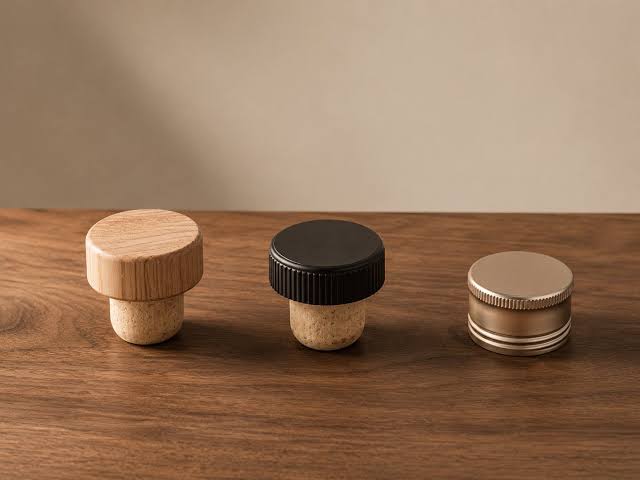
The plastic top is the part consumers see and grip. It can be round, square, low-profile, tall, ribbed, smooth, matte, glossy, embossed, debossed, printed, or hot-stamped. The top helps define the closure’s appearance and the consumer’s first tactile impression.
The shank is the part that inserts into the bottle neck. It may be made from synthetic cork, natural cork, TPE, or another technical sealing material. The shank must compress correctly inside the bottle opening to support fit, sealing, and pull force.
In spirits packaging, these products may be called plastic T-top stoppers, plastic bar-top closures, plastic top corks, synthetic shank stoppers, T-bar bottle stoppers, or liquor bottle stoppers. Although the terminology varies, the buying logic is the same: the closure must match the bottle, protect the liquid, and support the brand’s commercial goals.
For broader product comparison, buyers can also review Kandacork Closures’ full range of bottle stoppers and closures when deciding between T-top stoppers, screw caps, ROPP closures, capsules, or non-refillable systems.
Best Applications for Plastic Stoppers in Vodka Packaging
Plastic stoppers for vodka bottles are suitable for both standard and premium packaging projects. The final effect depends on top shape, material quality, surface finish, logo decoration, shank design, and bottle compatibility.
Common applications include:
- Premium vodka bottles
- Frosted vodka bottles
- Clear glass vodka bottles
- Mini vodka bottles
- Flavored vodka ranges
- Private-label vodka programs
- Export vodka packaging
- Gift-pack spirits bottles
- Distillery trial runs
- Commercial bulk bottling projects
Plastic stoppers are also useful when a brand needs faster customization than a complex decorative closure system. A buyer may start with an existing top profile, adjust the color, choose a synthetic shank, add a logo, and test samples before confirming bulk production.
For brands developing the full bottle system, coordination with Kandacork Spirits can help align bottle shape, neck finish, closure fit, and decoration plans early in the packaging process.
Vodka-Specific Closure Requirements
Vodka differs from whiskey, rum, tequila, and liqueurs because many vodka brands rely on a clean and neutral product image. The closure should not feel rustic, inconsistent, or visually heavy unless that is part of the brand strategy.
The most important vodka closure requirements include:
- Clean surface finish
- Consistent top color
- Accurate logo placement
- Neutral odor performance
- Stable shank compression
- Reliable leak resistance
- Smooth insertion on the filling line
- Comfortable consumer pull feel
- Compatibility with tamper-evident sleeves or capsules
- Consistent appearance across repeated orders
Because vodka usually has a neutral aroma and flavor profile, sensory performance matters. Buyers should test stopper samples with the actual vodka and bottle before mass production. Materials, inks, coatings, adhesives, and shank components should be reviewed based on the intended use and destination market.
Material Options for Plastic Vodka Bottle Stoppers
Different material combinations create different cost levels, appearances, and performance profiles. The plastic top and sealing shank should be selected together.
| Component | Common use | Advantages | Buyer considerations |
|---|---|---|---|
| PP plastic top | Bulk vodka closures | Lightweight, practical, cost-efficient | Better for standard designs than luxury effects |
| ABS plastic top | Premium molded tops | Stronger shape definition and finish consistency | May require higher tooling or unit cost |
| Synthetic cork shank | High-volume spirits production | Consistent sizing and stable sealing behavior | Must be tested with the exact bottle neck |
| Natural cork shank | Craft or traditional styling | Familiar tactile feel and natural appearance | More natural variation than synthetic materials |
| TPE or technical insert | Controlled sealing performance | Predictable compression and modern sealing behavior | Requires validation for bottle and contact conditions |
A plastic top with a synthetic shank is often a strong starting point for vodka bottle projects. It provides a good balance of consistent fit, scalable supply, visual flexibility, and cost control. However, the final choice should always be confirmed through drawing review, sample fitting, and performance testing.
How to Select the Right Stopper Size
Plastic stoppers for vodka bottles should never be chosen by bottle capacity alone. A 700 ml or 750 ml vodka bottle can have different neck dimensions depending on the glass mold, neck finish, tolerance, and manufacturer.
The first step is to confirm the bottle neck inner diameter. Buyers should also review the neck finish drawing, opening tolerance, recommended closure type, and intended filling process. After that, the stopper shank diameter, shank length, insertion depth, and compression behavior can be evaluated.
| Bottle condition | Stopper selection focus | What to test |
|---|---|---|
| Standard vodka bottle | Compatible T-top shank range | Fit, pull force, leakage |
| Frosted glass bottle | Visual match and top proportion | Color, height, alignment |
| Custom molded bottle | Neck drawing and tolerance | Physical samples and transport behavior |
| Export bottle project | Sealing and tamper evidence | Inverted leak test, sleeve fit, carton protection |
| Premium vodka package | Brand feel and consistency | Finish, logo quality, consumer opening experience |
The table should be treated as a planning guide, not a universal sizing rule. Final compatibility must be confirmed with the actual bottle. A closure that is too loose may leak or pull out too easily. A closure that is too tight may slow production, damage the shank, or feel uncomfortable to open.
Plastic Stoppers Compared with Other Vodka Closures
Plastic stoppers are one option among several closure types used for vodka. The right choice depends on brand positioning, cost target, production method, tamper-evident requirement, and consumer experience.
| Closure type | Brand image | Cost level | Customization potential | Best use |
|---|---|---|---|---|
| Plastic T-top stopper | Modern, clean, flexible | Low to medium | High | Vodka, gin, private-label spirits |
| Aluminum stopper | Premium and metallic | Medium to high | Medium | Premium vodka and gift packaging |
| Wooden stopper | Natural and craft-focused | Medium | Medium | Small-batch or rustic spirits |
| Glass stopper | Luxury and collectible | High | Medium | Display bottles and gift bottles |
| Screw cap or ROPP closure | Functional and secure | Low to medium | Medium | High-speed filling and tamper-evident systems |
For vodka brands that need a pull-top experience and strong visual customization, plastic T-top stoppers can be a practical alternative to heavier or more expensive closure materials. For projects requiring roll-on pilfer proof systems, buyers may compare plastic T-top stoppers with custom ROPP closures to decide which closure type better fits the bottle, filling line, and security requirement.
Branding and Decoration Options
The top of the bottle is a highly visible branding area. A well-designed stopper can make the package feel more complete, especially when the cap color, bottle shape, label, and capsule are developed together.
Custom options may include:
- Molded top shapes
- Matte or glossy finishes
- Smooth or ribbed sidewalls
- Custom color matching
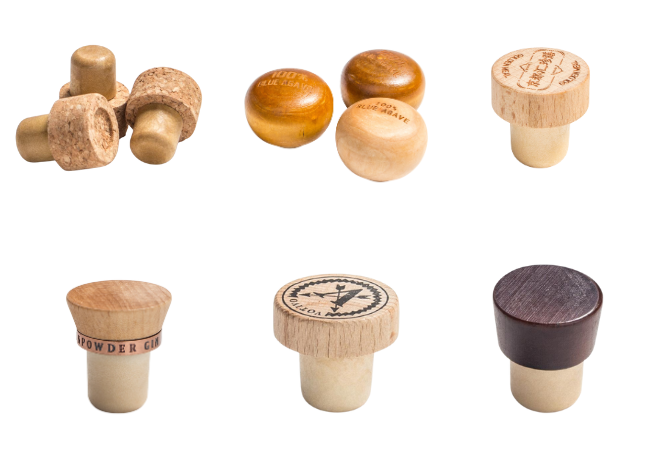
- Logo embossing
- Logo debossing
- Pad printing
- Hot stamping
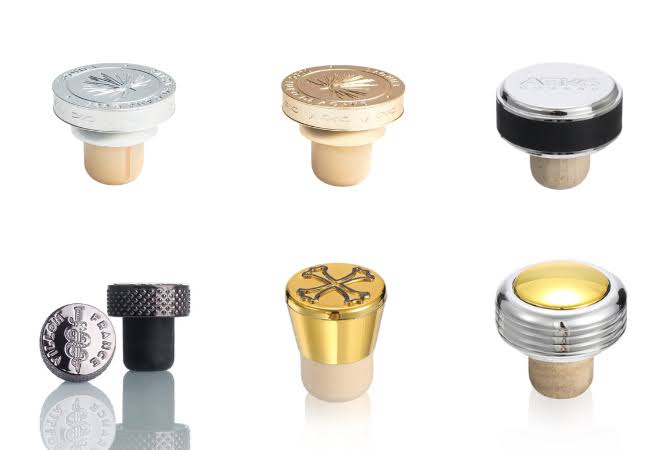
- Metallic-effect decoration
- Different colors for flavored vodka SKUs
Kandacork Closures supports custom branding for closures so buyers can align stopper design with bottle decoration, label graphics, secondary packaging, and retail positioning.
For projects that require glass coating, screen printing, frosting, decals, or advanced surface decoration, Kandacork Decor can support the broader bottle branding system. This is useful when the stopper must match a coated glass bottle, color-coded SKU range, or premium gift-pack concept.
Sealing Performance and Production Testing
A vodka stopper must look good, but performance is more important than appearance. The closure should insert smoothly, seal reliably, hold during transport, and reclose properly after opening.
Before approving bulk production, buyers should test the stopper with the exact bottle and intended packaging configuration.
| Test item | Purpose | Buyer action |
|---|---|---|
| Neck ID check | Confirms bottle opening size | Compare drawing data with physical bottle measurements |
| Insertion force test | Checks filling-line usability | Test stopper insertion on the actual bottle |
| Pull-force test | Confirms consumer opening feel | Check consistency across multiple samples |
| Inverted leak test | Reviews seal performance | Test filled bottles under handling conditions |
| Odor evaluation | Protects vodka neutrality | Store closure samples with the actual product |
| Sleeve compatibility test | Confirms tamper-evident fit | Test with capsule, shrink sleeve, or security strip |
| Transport vibration review | Checks shipping durability | Review closure performance after simulated handling |
| Visual alignment check | Protects shelf appearance | Confirm that tops sit level and consistent |
Kandacork Closures builds sampling and validation into its quality and testing process, helping buyers check closure fit, appearance, performance, and production readiness before placing a full order.
A buyer should not approve a stopper only from a photo. Physical testing is especially important for export vodka, premium vodka, and private-label projects where a packaging delay can affect launch timing.
Food-Contact and Regulatory Considerations
Plastic vodka bottle stoppers should be reviewed as part of the full packaging system. The plastic top may not always touch the liquid directly, but the shank, insert, adhesive, coating, ink, or contact-adjacent component may still require material documentation.
For the U.S. market, buyers often review the FDA food-contact substance framework when evaluating materials and intended use conditions. For the European market, plastic materials intended to contact food are commonly assessed under EU Regulation No 10/2011.
Distilled spirits packaging may also need tamper-evident support. In the United States, the Alcohol and Tobacco Tax and Trade Bureau provides TTB guidance for distilled spirits bottle closures, which is relevant when planning capsules, shrink sleeves, strips, seals, or other security features.
Final compliance depends on material formulation, component contact condition, destination market, supplier documentation, and intended use. Buyers should review these requirements early instead of treating compliance as a final packaging detail.
Sustainability and Responsible Packaging Claims
Sustainability is increasingly important in spirits packaging, but claims must be specific and supportable. Plastic stoppers can contribute to lightweight packaging strategies, but buyers should evaluate the full bottle-and-closure system rather than focusing on one component alone.
Useful considerations include closure weight, material efficiency, PCR plastic options where available, reduced production rejects, efficient carton packing, and compatibility with regional recycling systems. If a brand wants to make environmental claims, the language should be clear and evidence-based. The FTC Green Guides are a useful reference for avoiding vague or misleading environmental marketing claims.
For projects that prioritize bottle lightweighting, recycled glass, or broader sustainable packaging systems, Kandacork Eco Glass can support related glass packaging development while Kandacork Closures focuses on stopper and closure fit.
Quality Control for Bulk Vodka Stopper Orders
Bulk closure supply requires repeatability. A sample that looks good once is not enough; the closure must remain consistent across cartons, production batches, and repeat orders.
Important quality control points include:
- Top color consistency
- Logo position and clarity
- Shank diameter tolerance
- Shank bonding strength
- Surface finish consistency
- Carton packing protection
- Odor control
- Fit consistency across sample bottles
- Visual inspection standards
- Pre-shipment approval requirements
For organized production management, many buyers also use quality systems and supplier audits as part of packaging sourcing. The ISO 9001 quality management principles provide a recognized framework for thinking about process control, documentation, and continuous improvement.
When the vodka bottle, closure, decoration, and carton are developed together, the final package is easier to validate. For integrated spirits bottle programs, Kandacork Glass can support bottle and closure coordination across the wider packaging structure.
Common Mistakes When Buying Plastic Vodka Bottle Stoppers
Many closure problems happen because the stopper is selected too late in the packaging process. Buyers may focus on bottle shape, label artwork, and carton design first, then treat the stopper as a simple accessory. This can create fit, sealing, or production issues later.
Common mistakes include:
- Choosing by bottle capacity instead of neck inner diameter
- Approving photos without physical samples
- Selecting decoration before confirming shank fit
- Ignoring shank material and compression behavior
- Forgetting tamper-evident requirements
- Not testing odor neutrality with vodka
- Ordering bulk before checking filling-line compatibility
- Assuming all 700 ml or 750 ml vodka bottles use the same stopper
- Ignoring carton packing and transport vibration
- Making sustainability claims without documentation
Avoiding these mistakes can reduce delays, rejected closures, leakage complaints, redesign costs, and launch risks. The safest approach is to confirm the bottle drawing, test physical samples, review decoration, and validate performance before bulk ordering.
Quote Preparation for Custom Plastic Vodka Stoppers
A clear quote request helps the supplier recommend the right stopper faster. Before contacting Kandacork Closures, prepare the technical and branding details that affect fit, cost, sampling, and production.
| Information needed | Why it matters |
|---|---|
| Bottle drawing | Confirms neck inner diameter and tolerance |
| Bottle sample | Allows physical fit testing when drawings are unavailable |
| Bottle capacity | Helps understand bottle proportion and packaging context |
| Target quantity | Affects pricing, MOQ, and production planning |
| Top color | Determines material and color-matching requirements |
| Top finish | Affects mold texture, decoration, and visual positioning |
| Logo artwork | Supports embossing, debossing, printing, or stamping review |
| Shank preference | Helps select synthetic cork, natural cork, or technical insert |
| Destination market | Affects documentation and tamper-evident planning |
| Timeline | Helps plan sampling, approval, and bulk delivery |
If the stopper size is uncertain, send a bottle drawing or physical bottle sample before confirming mass production. Kandacork Closures can recommend compatible sample directions for testing and help buyers move from concept to approved closure specification.
Request Custom Plastic Vodka Bottle Stoppers
Kandacork Closures supports vodka brands and packaging buyers that need plastic stoppers for vodka bottles in custom and bulk quantities. The team can help review bottle fit, top design, shank options, logo decoration, testing requirements, and sample approval steps.
To begin, prepare your bottle drawing, bottle neck size, target quantity, preferred stopper style, top color, logo artwork, shank material preference, and destination market. If your bottle neck size is uncertain, send a sample bottle or technical drawing so compatible plastic T-top stopper samples can be recommended before mass production.
For custom plastic stoppers for vodka bottles, early sample testing is the safest way to confirm fit, sealing performance, appearance, and filling-line compatibility before placing a bulk order. Buyers can request a custom closure quote to start the development process.
FAQ
What size plastic stopper fits a vodka bottle?
The correct size depends on the bottle neck inner diameter and stopper shank design. Do not choose by bottle capacity alone. Confirm the bottle drawing, test physical samples, and review insertion force, pull force, and leakage before bulk ordering.
Are plastic stoppers suitable for premium vodka?
Yes. Plastic stoppers can be suitable for premium vodka when the material, finish, color, shape, and decoration are carefully specified. Matte black, matte white, translucent, metallic-effect, or custom molded plastic tops can support a premium vodka image.
Can plastic vodka bottle stoppers be customized with a logo?
Yes. Plastic vodka bottle stoppers can often be customized with embossing, debossing, pad printing, hot stamping, or molded logo effects. The best method depends on artwork complexity, material, finish, order quantity, and brand requirements.
Do plastic stoppers affect vodka flavor or aroma?
A properly selected and tested stopper should not create unwanted flavor or aroma. Buyers should request suitable material documentation and test the stopper with the actual vodka and bottle before approving mass production.
Are plastic stoppers cheaper than aluminum or glass stoppers?
Plastic stoppers are often more cost-efficient than aluminum or glass-top stoppers, especially for bulk vodka packaging. Final cost depends on top material, mold requirements, decoration method, shank type, order quantity, and packaging requirements.
Can plastic stoppers be used with tamper-evident sleeves?
Yes. Plastic T-top stoppers can often be paired with shrink sleeves, capsules, strips, or other tamper-evident systems. The correct solution depends on the bottle design, closure shape, filling process, and sales market.
How do buyers test plastic stoppers before bulk production?
Buyers should test fit, insertion force, pull force, leakage, top alignment, odor neutrality, logo quality, sleeve compatibility, and transport performance using the actual vodka bottle. Final approval should happen before mass production.
Conclusion
Plastic stoppers for vodka bottles are a practical closure choice for brands that need reliable sealing, clean appearance, custom branding, and scalable bulk supply. The best stopper is not simply the most attractive option. It is the closure that fits the bottle neck correctly, protects the vodka, supports the brand image, works on the filling line, and meets the requirements of the target market.
For vodka brands, private-label spirits companies, importers, and packaging buyers, the right process starts with bottle neck confirmation and ends with sample approval. By reviewing materials, shank fit, decoration, sensory neutrality, tamper-evident planning, and production testing early, buyers can reduce risk and build a more reliable packaging system.
Kandacork Closures helps buyers develop custom plastic T-top stoppers based on bottle fit, shank material, logo decoration, color matching, performance testing, and commercial production needs.