Plastic stoppers with cork shanks need accurate size matching to avoid loose fit, leakage or difficult opening. This guide explains how cork shank diameter, compression, neck tolerance and sample testing should be reviewed before bulk production.
What Are Plastic Stoppers with Cork Shanks?
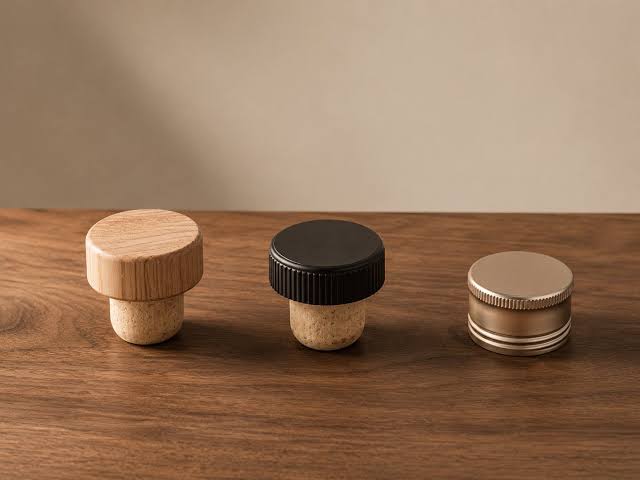
Plastic stoppers with cork shanks are bottle closures made with two main parts: a plastic top and an inserted shank. The plastic top sits above the bottle neck and gives the consumer a place to grip the closure. The shank fits inside the bottle neck and helps create the closure’s sealing performance.
These closures are also called plastic top corks, plastic T-top stoppers, plastic bar-top stoppers, plastic head cork stoppers, cork shank bottle stoppers, synthetic cork bottle stoppers, custom liquor bottle closures, and liquor bottle cork stoppers. In the spirits packaging market, these terms often refer to the same closure family, although the exact structure and materials may vary by supplier.
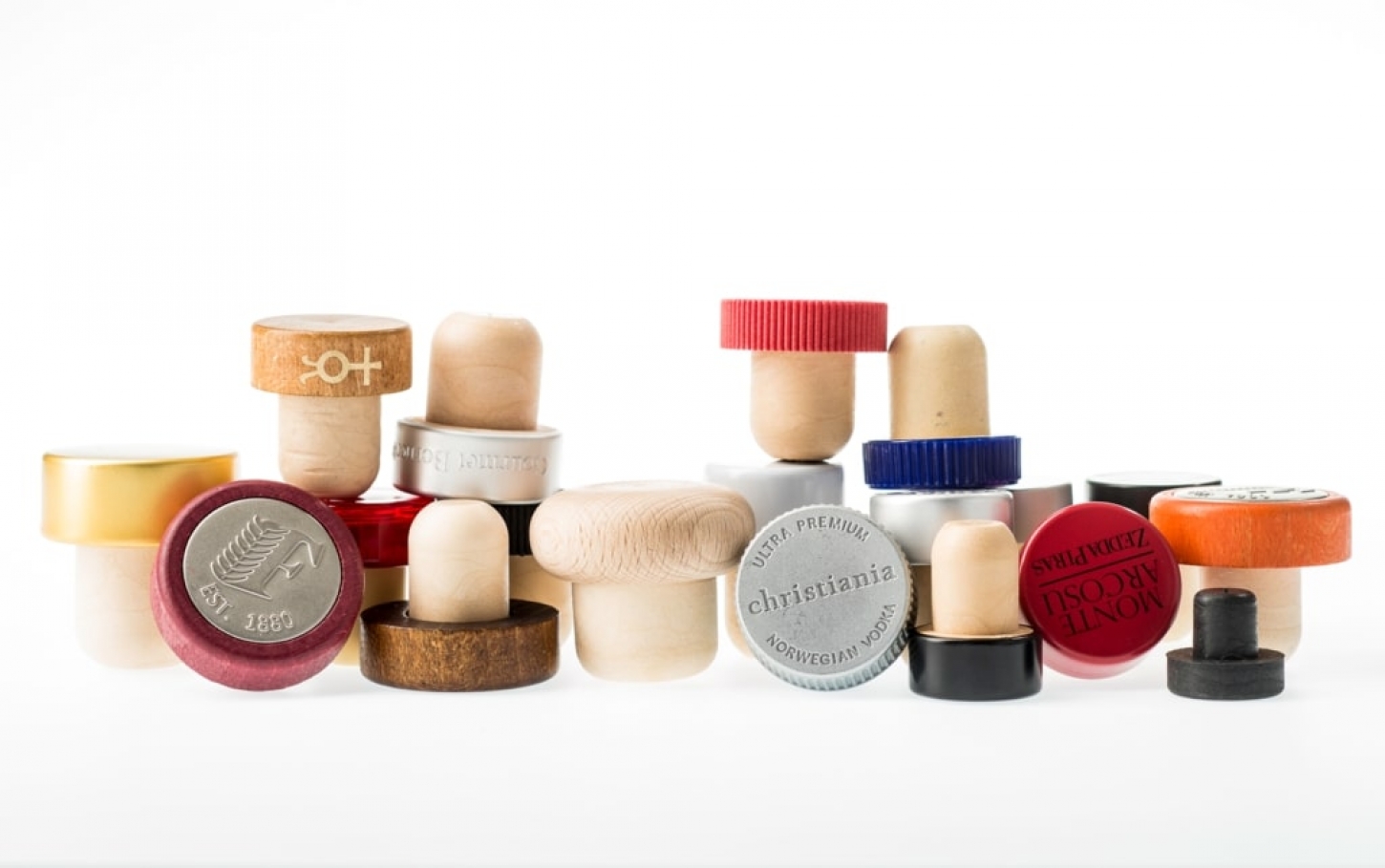
The head may be made from PP, ABS, acrylic-style plastic, or other engineered polymers. The shank may be natural cork, micro-agglomerated cork, synthetic cork, or a TPE-style synthetic material. The right material depends on the bottle neck, product category, brand positioning, filling process, and target market.
Best Applications for Plastic Stoppers with Cork Shanks
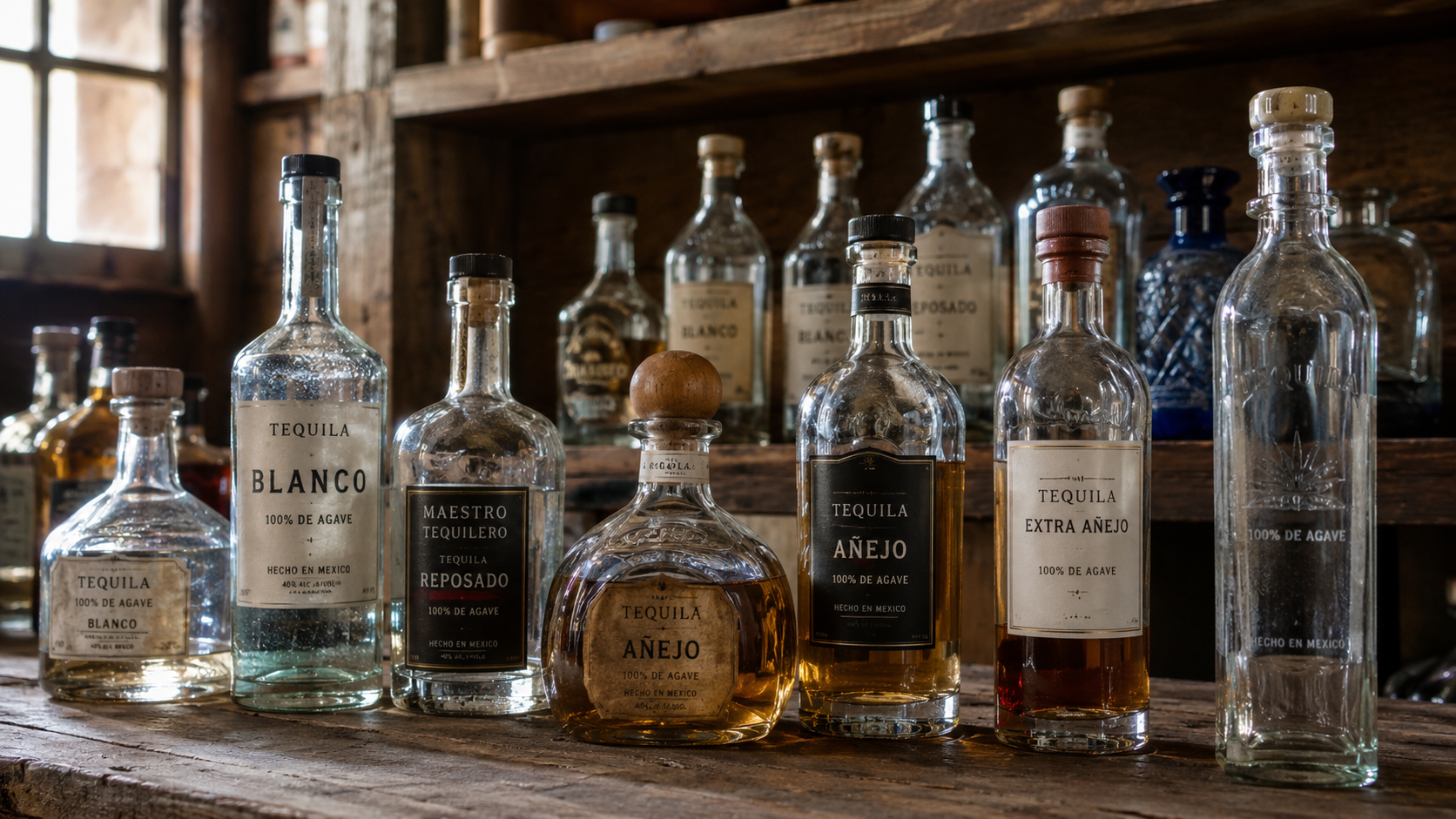
Plastic stoppers with cork shanks are best for spirits brands that need custom branding, reusable bar-top performance, reliable bottle neck fit, and scalable bulk production. They are especially suitable for whisky, vodka, gin, rum, tequila, brandy, liqueur, miniature spirits bottles, and private-label packaging programs.
They are also a strong choice for brands that want a premium-looking closure without the cost, weight, or production complexity of certain wood, metal, or composite closures. For multi-SKU spirits ranges, plastic top cork closures can be color-coded by flavor, bottle size, product tier, or export market.
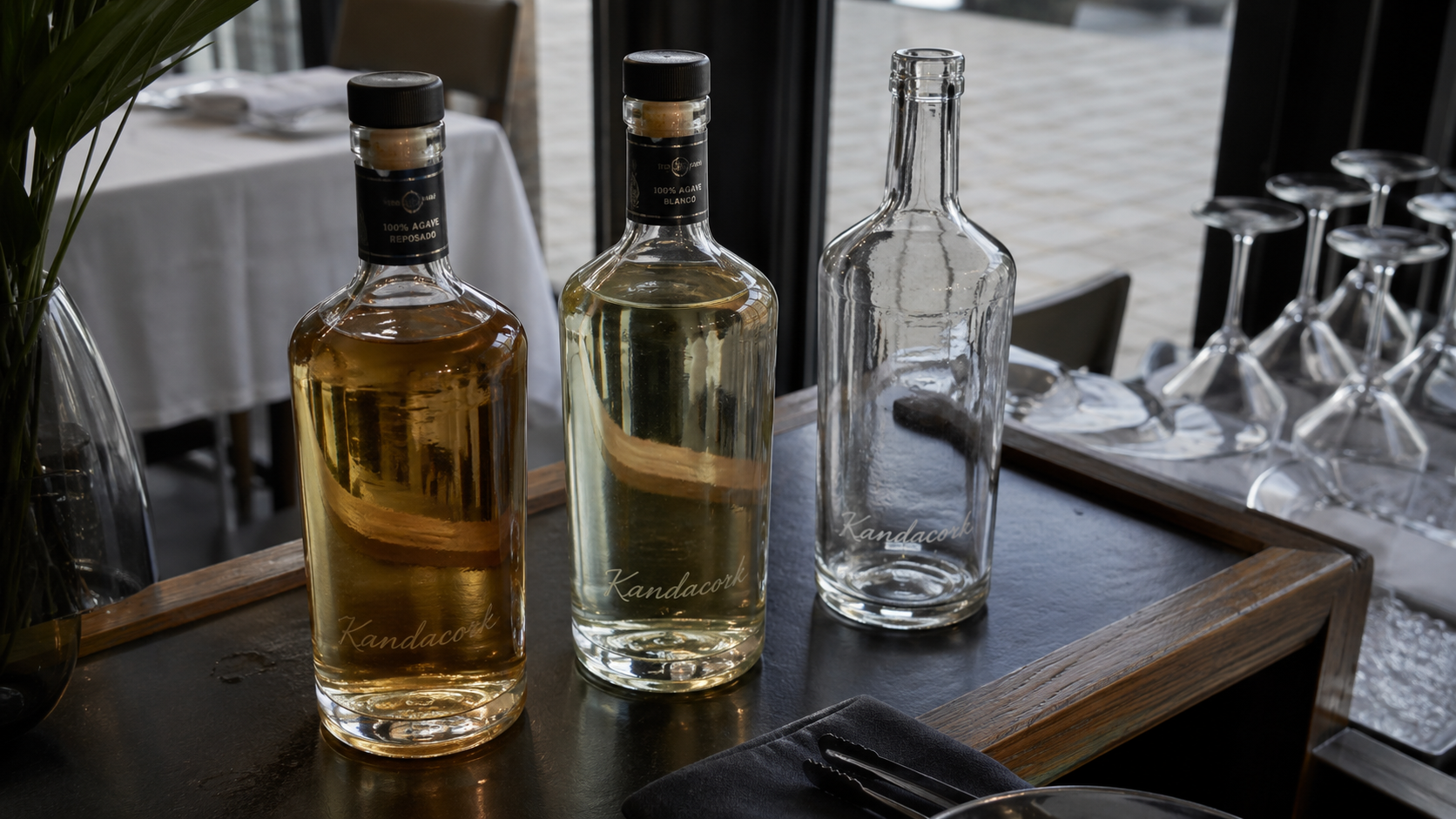
If the bottle, stopper, label, and decoration need to be developed as one system, Kandacork Spirits can support bottle-side packaging planning while Kandacork Closures focuses on the stopper specification.
Why Spirits Brands Choose Plastic Top Cork Closures
Plastic stoppers with cork shanks are widely used because they offer a strong balance of visual design, cost control, production repeatability, and consumer usability. They can look premium without the higher weight or cost of some wood, metal, or composite closures.
For brand owners, the closure is one of the first physical touchpoints after purchase. When a customer opens a bottle, the pull resistance, grip, sound, and finish all influence the perceived value of the product. A loose stopper can make the bottle feel cheap. A closure that is too tight can create frustration. A well-matched closure supports a more confident brand experience.
Plastic top cork closures are useful for spirits brands that need custom color matching, logo decoration, stable dimensions, and scalable production. They are also practical for product families with multiple SKUs because the plastic head can be color-coded by flavor, age statement, bottle size, or market segment.
Kandacork Closures supports buyers that need a wider closure and stopper range for whisky, vodka, gin, rum, tequila, brandy, liqueur, miniature bottles, and private-label spirits packaging.
Technical Specifications Buyers Should Confirm
| Specification | Common Options and Details |
|---|---|
| Closure type | Plastic T-top stopper, plastic bar-top stopper, plastic top cork, custom bottle stopper |
| Head material | PP, ABS, acrylic-style plastic, custom polymer options |
| Shank material | Natural cork, micro-agglomerated cork, synthetic cork, TPE or synthetic polymer shank |
| Common shank diameter | 18.5 mm, 19.5 mm, 21.5 mm, 22.5 mm, custom sizes |
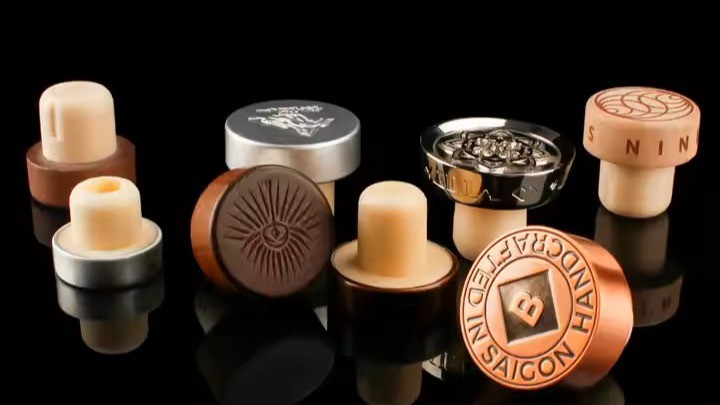
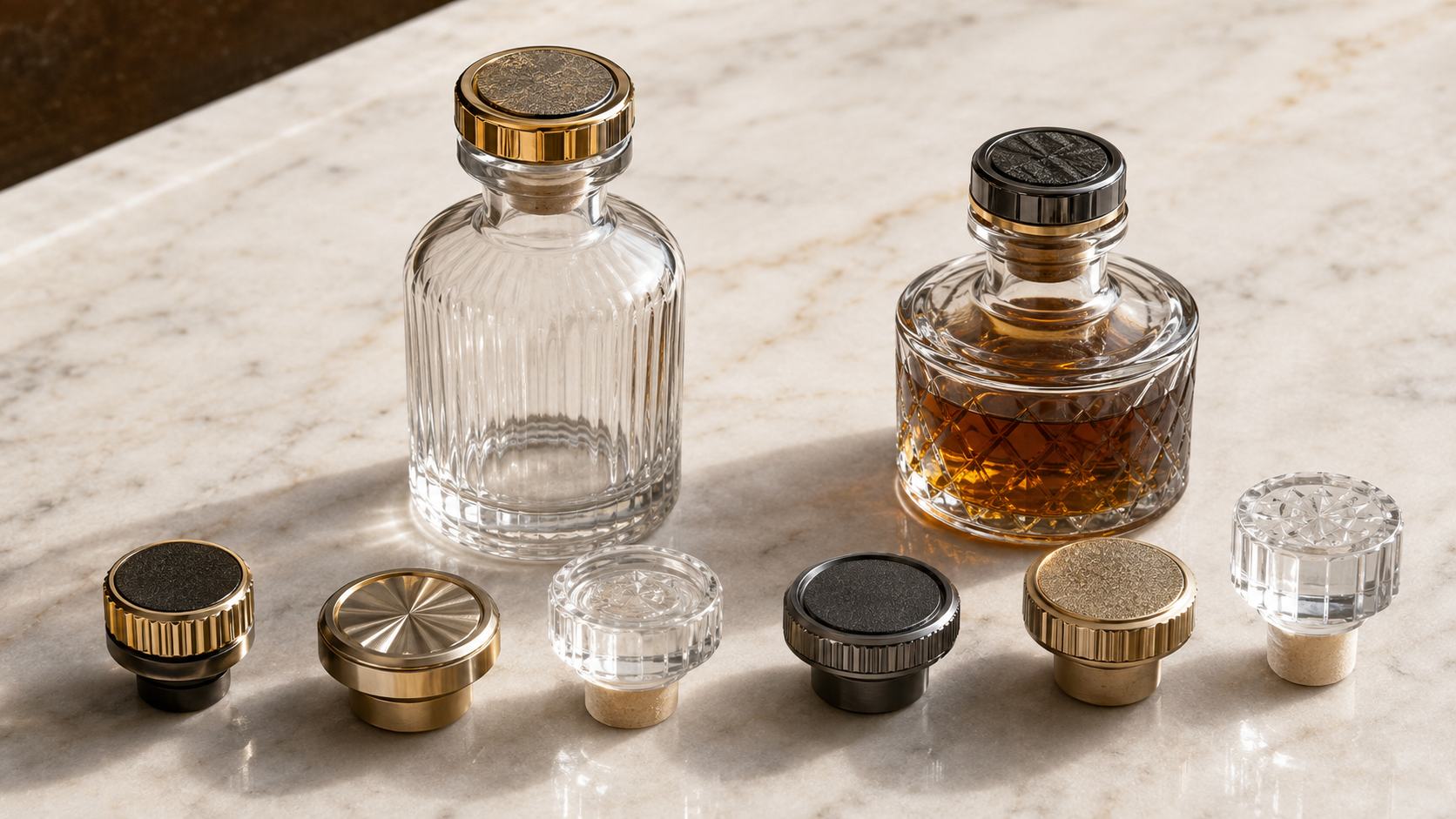
| Head shape | Flat, dome, round, square, wide disc, knurled, ribbed, transparent, custom molded |
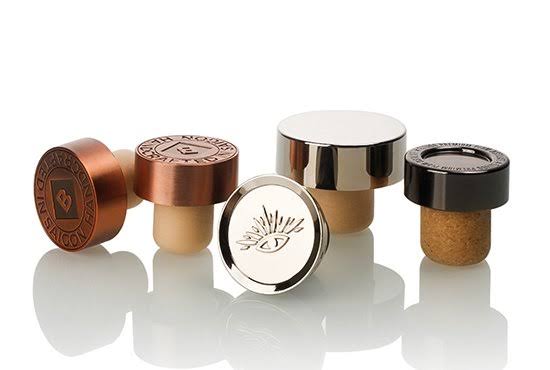
| Head finish | Matte, gloss, textured, transparent, metallic-look, color matched |
| Decoration | Top printing, side printing, embossing, debossing, foil-effect decoration, molded logo |
| Applications | Whisky, vodka, gin, rum, tequila, brandy, liqueur, mini spirits bottles |
| Key tests | Neck fit, insertion force, pull-out force, leakage, odor neutrality, bonding strength |
| Buyer documents | Bottle drawing, neck inner diameter, artwork, order quantity, market requirements |
This specification format helps procurement teams, packaging engineers, brand owners, and filling-line managers compare stopper options quickly. It also reduces the risk of approving a closure based only on appearance while missing important details such as shank compression, glass tolerance, or capsule compatibility.
Main Components of a Plastic Stopper with Cork Shank
Plastic Head
The plastic head controls the appearance, grip, and branding potential of the closure. It can be molded in different shapes and colors to match the bottle, label, capsule, and brand identity.
Flat plastic heads work well for modern spirits packaging. Dome heads can create a more classic impression. Knurled or ribbed heads improve grip and add tactile detail. Transparent or acrylic-style heads can support a clean premium look. Wide disc heads create more shelf impact and offer more space for logo decoration.
Cork Shank
The shank is inserted into the bottle neck and controls compression, retention, and sealing feel. The shank must be matched to the bottle neck inner diameter and glass tolerance. If the shank is too small, the stopper may feel loose or leak. If it is too large, insertion and removal may become difficult.
Shank diameter, length, surface texture, material density, and compression behavior all affect performance. This is why plastic stoppers with cork shanks should be tested with real bottles before bulk production.
Head-to-Shank Bonding
The bond between the plastic head and the cork shank is critical. During normal use, the consumer pulls the plastic head. If the bonding strength is poor, the head may separate from the shank.
For commercial spirits packaging, bonding should be checked during sample approval. The closure should remain stable during pulling, twisting, carton handling, shipping, and repeated opening.
Natural Cork Shank vs Synthetic Cork Shank vs TPE Shank
Choosing the shank material is one of the most important decisions when sourcing plastic top cork closures.
| Shank Type | Best For | Main Advantage | Buyer Consideration |
|---|---|---|---|
| Natural cork shank | Premium whisky, rum, brandy, heritage spirits | Traditional look and familiar opening feel | More natural variation than engineered materials |
| Micro-agglomerated cork shank | Mid-range and premium spirits | Cork appearance with improved consistency | Quality depends on cork grade and manufacturing control |
| Synthetic cork shank | Commercial spirits, private-label ranges, multi-SKU programs | Controlled dimensions and repeatable production | Material compatibility and sensory neutrality should be reviewed |
| TPE or synthetic polymer shank | High-volume production and tight tolerance projects | Predictable compression and stable fit | Less traditional cork appearance |
Natural cork shanks are often preferred for premium spirits because they communicate tradition and authenticity. Synthetic cork shanks are useful when buyers need consistency across bulk orders. TPE or polymer shanks may be suitable when repeatable insertion force and dimensional stability are major priorities.
Kandacork Closures can help buyers compare these materials through its plastic T-top stopper solutions, especially when a project must balance brand image, line performance, export packaging, and repeat-order consistency.
How to Choose the Right Stopper Size
To choose the right stopper size, measure the bottle neck inner diameter, review glass tolerance, select the shank diameter and length, then test insertion force, pull-out force, leakage, and capsule compatibility before bulk production.
Buyers should not choose plastic stoppers with cork shanks based only on appearance or nominal size. A common stopper size, such as 19.5 mm or 22.5 mm, may fit one bottle and fail on another because glass neck dimensions vary by mold, bottle supplier, capacity, and finish. Even small variations can affect leakage, insertion force, and opening feel.
| Fit Factor | Why It Matters |
|---|---|
| Bottle neck inner diameter | Determines the starting point for shank size selection |
| Glass neck tolerance | Explains possible variation between bottles |
| Shank diameter | Controls compression and retention |
| Shank length | Affects stability and sealing contact area |
| Head diameter | Influences grip, shelf appearance, and capsule compatibility |
| Closure height | Affects packaging design and secondary packaging clearance |
| Insertion force | Impacts filling-line efficiency |
| Pull-out force | Impacts consumer opening experience |
| Leakage test result | Confirms performance during storage and shipping |
| Capsule compatibility | Prevents shrink sleeve wrinkles or interference |
For accurate fit, send bottle drawings, bottle samples, or neck measurements before confirming stopper specifications. Sample testing is the safest way to prevent loose fit, difficult insertion, leakage, or inconsistent appearance.
Common Sizes for Plastic T-Top Corks
Common shank diameters for spirits bottle stoppers include approximately 18.5 mm, 19.5 mm, 21.5 mm, and 22.5 mm. These sizes are often used for bar-top closures, but they should not be treated as universal standards.
A miniature spirits bottle may require a smaller shank. A heavy glass whisky bottle may require a longer or wider shank. A custom-molded gin bottle may need more careful tolerance testing because decorative neck shapes can affect closure fit.
The best approach is to match the shank to the actual bottle. Packaging teams can review the bottle drawing, neck bore, closure height, planned capsule, carton layout, and filling method before finalizing the stopper.
Custom Plastic Head Design Options for Spirits Bottle Stoppers
The plastic head is the most visible part of the closure, so it should support both brand identity and user experience.
Common head design options include:
- Flat T-top heads for clean modern spirits packaging
- Dome heads for whisky, rum, brandy, and classic bottle designs
- Round heads for traditional bar-top presentation
- Square heads for geometric bottle shapes
- Wide disc heads for stronger shelf impact
- Knurled heads for grip and tactile detail
- Ribbed heads for better handling
- Transparent heads for minimalist premium packaging
- Metallic-look plastic heads for affordable luxury effects
- Custom molded heads for signature brand identity
The closure should be designed with the bottle, label, capsule, and carton in mind. A stopper that looks attractive by itself may not work well with the full packaging system if the proportions are wrong. For projects where the closure must coordinate with label printing, coating, screen printing, or full-package decoration, Kandacork Decor can help align the visual system around the finished bottle.
Logo Branding and Decoration Options for Plastic Top Cork Closures
Plastic stoppers with cork shanks offer strong decoration flexibility. This makes them useful for both established spirits brands and new private-label projects.
Available branding options may include molded custom color, matte surface finish, gloss surface finish, top logo printing, side logo printing, embossing, debossing, foil-effect decoration, textured grip patterns, molded brand symbols, and color-coded SKU systems.
For example, a gin brand can use different stopper colors for dry gin, pink gin, and navy-strength gin. A liqueur brand can match the stopper color to the liquid or flavor. A whisky brand can use a dark matte head with an embossed logo to create a more premium cue.
For closure artwork, the top of the head is usually the most visible branding surface, while the sidewall affects grip and tactile recognition. Kandacork Closures supports both top surface branding and sidewall design options so the closure can work visually and functionally.
Plastic Stoppers with Cork Shanks vs Wood, Metal, and Screw Caps
Different closure types create different brand and production effects. Plastic stoppers with cork shanks are often selected when buyers want a balance of custom appearance, manageable cost, and reusable bar-top functionality.
| Closure Type | Strengths | Limitations | Best Use Case |
|---|---|---|---|
| Plastic stopper with cork shank | Custom color, flexible design, stable production, good branding area | Requires neck fit testing | Spirits brands needing custom T-top closures |
| Wood top cork | Natural premium look and tactile warmth | Higher variation and often higher cost | Premium whisky, rum, brandy, craft spirits |
| Metal top cork | Heavy premium effect and strong shelf presence | Can increase cost and weight | Luxury spirits and limited editions |
| Screw cap | Efficient sealing and easy production | Less traditional for premium spirits | Vodka, RTD beverages, economy spirits, high-speed production |
| Plain cork stopper | Simple and traditional | Limited branding surface | Small-batch or rustic packaging |
Plastic stoppers with cork shanks are especially effective when a brand wants custom decoration and reliable commercial production without moving into heavier or more expensive closure materials.
Buyer Issues and Recommended Solutions
| Buyer Issue | Likely Cause | Recommended Solution |
|---|---|---|
| Stopper feels loose | Shank diameter is too small or neck tolerance is wider than expected | Test a larger shank diameter or different shank material |
| Stopper is hard to insert | Shank is too large, too rigid, or not suitable for the neck finish | Adjust shank size, material, or compression profile |
| Leakage during shipping | Poor compression, bottle variation, or insufficient fit testing | Run filled-bottle leakage and transport tests before bulk order |
| Head separates from shank | Weak bonding or unsuitable bonding method | Request head-to-shank bonding validation |
| Capsule wrinkles | Stopper head and capsule dimensions are not compatible | Test the stopper, bottle neck, and capsule together |
| Product odor issue | Material has not been reviewed for sensory neutrality | Conduct odor and compatibility review before approval |
| Inconsistent appearance | Color, molding, or decoration control is weak | Approve color standards and reference samples before production |
This table helps procurement teams identify risks early. A small closure issue can become expensive if it appears after filling, labeling, or export shipping.
Testing Plastic Stoppers with Cork Shanks Before Bulk Production
Testing should be completed before mass production because stopper performance depends on the full packaging system. A closure should be tested with the actual bottle, intended product conditions, filling method, and any planned capsule or sleeve.
A practical approval process should include a neck fit test, insertion force check, pull-out force check, leakage test, head-to-shank bonding check, odor review, and capsule compatibility test. For products shipped through long-distance distribution, e-commerce, or export channels, packaging teams may also consider transport testing principles such as ASTM D4169 performance testing when evaluating shipping units.
Quality control should not stop at the first approved sample. Buyers should also keep an approved reference sample, define acceptable color tolerance, confirm stopper dimensions, and agree on inspection points before bulk production. Quality management frameworks such as ISO 9001 are often used by manufacturers to structure consistent processes, customer requirements, and continual improvement.
Food-Contact and Compliance Considerations
Plastic stoppers with cork shanks are used near beverage products, so buyers should review food-contact suitability and material documentation. Requirements depend on the target market, product type, alcohol content, material composition, and intended use.
For U.S. market projects, buyers often review FDA food-contact substance guidance for packaging materials and related components. For European market projects, EU Regulation 10/2011 is commonly relevant for plastic materials and articles intended to come into contact with food.
For spirits packaging, alcohol strength, storage time, temperature variation, and contact conditions should be considered during material selection. Brands may request supplier declarations, migration test reports, material specifications, odor reviews, or internal packaging safety documentation before approval.
Documentation Buyers May Request
| Documentation | Purpose |
|---|---|
| Material declaration | Confirms plastic head and shank material composition |
| Food-contact statement | Supports packaging safety review for beverage applications |
| Migration test report, if required | Helps assess suitability for intended contact conditions |
| Odor review | Reduces sensory risk for spirits, liqueurs, and botanical beverages |
| Approved sample record | Controls production consistency after sample approval |
| Color standard | Maintains brand consistency across batches |
| Technical drawing | Confirms dimensions, tolerances, and closure structure |
| Quality control reference sample | Helps compare future bulk production against the approved standard |
This documentation can be especially useful for export projects, private-label spirits programs, regulated markets, and brands with internal packaging compliance requirements.
Packaging System Considerations
A stopper performs best when it is designed as part of the total packaging system. The bottle neck, closure height, label panel, capsule, carton, and pallet plan all influence final performance.
For glass bottle development and bottle-to-closure alignment, Kandacork Glass can support custom spirits bottle planning. When brands need multi-category glass packaging, matched closures, and export-ready coordination beyond spirits alone, Kandacork Glass Packaging can support broader packaging programs.
Sustainability also depends on the full packaging system, not only the stopper. Glass packaging has strong recycling potential when collected and processed correctly, and the Glass Packaging Institute notes that glass can be recycled repeatedly without loss in quality or purity. For closure buyers, sustainability discussions may include lightweight plastic head design, material separation, carton efficiency, supplier consolidation, and reduced rework from better sample approval.
Why Choose Kandacork Closures as Your Custom Stopper Supplier?
Kandacork Closures supports custom stopper projects for spirits brands, packaging buyers, glass bottle suppliers, decorators, and private-label producers. The company focuses on combining visual design with practical closure performance so buyers can move from concept to sampling and bulk production with fewer specification risks.
Kandacork Closures can help with custom plastic stopper design, natural cork and synthetic cork comparison, TPE shank options, bottle neck fit review, head shape development, custom bar-top closures, color matching, finish planning, logo decoration, closure sample approval, bulk spirits bottle stoppers, export packaging coordination, multi-SKU consistency, and quality control reference samples.
This support is useful for new product launches, brand refreshes, private-label spirits programs, and existing bottle lines that need better closure fit or stronger branding.
How to Request a Quote from Kandacork Closures
A clear quote request helps reduce sampling delays and prevents incorrect stopper specifications. Before contacting a supplier, prepare as many details as possible about the bottle, closure style, shank preference, branding requirements, and expected order quantity.
| Quote Information | Details to Provide |
|---|---|
| Bottle details | Bottle photo, drawing, sample, capacity, neck inner diameter |
| Closure style | Flat head, dome head, round head, wide disc, custom molded shape |
| Shank preference | Natural cork, synthetic cork, micro-agglomerated cork, TPE |
| Size requirement | Shank diameter, shank length, head diameter, total closure height |
| Decoration | Logo artwork, printing, embossing, debossing, finish requirement |
| Brand requirements | Color target, texture, SKU color system, premium effect |
| Production details | Order quantity, filling method, target market, timeline |
| Packaging details | Capsule, shrink sleeve, carton, export packaging requirements |
If some information is unavailable, Kandacork Closures can still help guide the specification process. However, bottle samples or accurate neck drawings are strongly recommended before mass production. Buyers ready to discuss stopper design, shank selection, bottle neck fit, sample testing, and bulk production can request a custom closure quote.
FAQ
Are plastic stoppers with cork shanks suitable for spirits bottles?
Yes. Plastic stoppers with cork shanks are suitable for spirits bottles when the shank size, bottle neck fit, material compatibility, and leakage performance are properly tested. They are commonly used for whisky, vodka, gin, rum, tequila, brandy, liqueur, and mini spirits bottles.
What are plastic stoppers with cork shanks?
Plastic stoppers with cork shanks are T-top bottle closures made with a plastic head and a cork, synthetic cork, or polymer shank. The plastic head provides grip and branding space, while the shank compresses inside the bottle neck to support sealing.
What is the difference between a plastic stopper and a plastic top cork?
A plastic stopper and a plastic top cork often refer to the same closure family. Both usually describe a bottle closure with a plastic head and an inserted cork, synthetic cork, or polymer shank. The exact name depends on supplier terminology.
Can plastic stoppers with cork shanks be customized?
Yes. Plastic stoppers with cork shanks can be customized with different head shapes, colors, finishes, top printing, side printing, embossing, debossing, textures, and shank materials. Customization should be planned together with bottle fit and production testing.
How do I choose the correct shank diameter?
Choose the shank diameter by measuring the bottle neck inner diameter, checking glass tolerance, selecting a compatible shank size, and testing physical samples. Fit testing should include insertion force, pull-out force, and leakage performance.
Is natural cork or synthetic cork better for spirits stoppers?
Natural cork is often better for premium and heritage positioning, while synthetic cork is often better for dimensional consistency and commercial repeatability. The best choice depends on the bottle neck, brand image, production process, and target market.
Can plastic stoppers with cork shanks work with shrink capsules?
Yes. These stoppers can work with shrink capsules or tamper-evident sleeves, but the stopper head, bottle neck, closure height, and capsule size should be tested together before bulk production.
Are plastic stoppers with cork shanks reusable?
Many plastic T-top stoppers are designed for repeated opening and closing during normal consumer use. Reusability depends on shank material, bottle neck fit, product conditions, and stopper quality.
What information is needed for sampling?
Useful sampling information includes bottle drawings, bottle samples, neck inner diameter, preferred head shape, head color, logo artwork, shank material preference, order quantity, filling method, target market, and capsule requirements.
Why should I test samples before bulk ordering?
Sample testing helps confirm fit, sealing performance, insertion force, pull-out force, bonding strength, decoration quality, and capsule compatibility. It reduces the risk of leakage, production delays, and packaging inconsistency.
Conclusion
Plastic stoppers with cork shanks are a versatile closure solution for spirits bottles because they combine functional sealing performance with strong branding potential. The plastic head supports color, shape, finish, and logo customization, while the cork or synthetic shank helps create the required fit inside the bottle neck.
For buyers, the most important step is choosing a stopper based on technical fit, not appearance alone. Bottle neck inner diameter, shank material, insertion force, pull-out force, leakage performance, documentation needs, and capsule compatibility should all be checked before bulk production.
Kandacork Closures helps spirits brands develop custom plastic stoppers with cork shanks for whisky, vodka, gin, rum, tequila, brandy, liqueur, and private-label packaging projects. With the right specification process, a small closure component can improve shelf presentation, consumer experience, and packaging reliability.