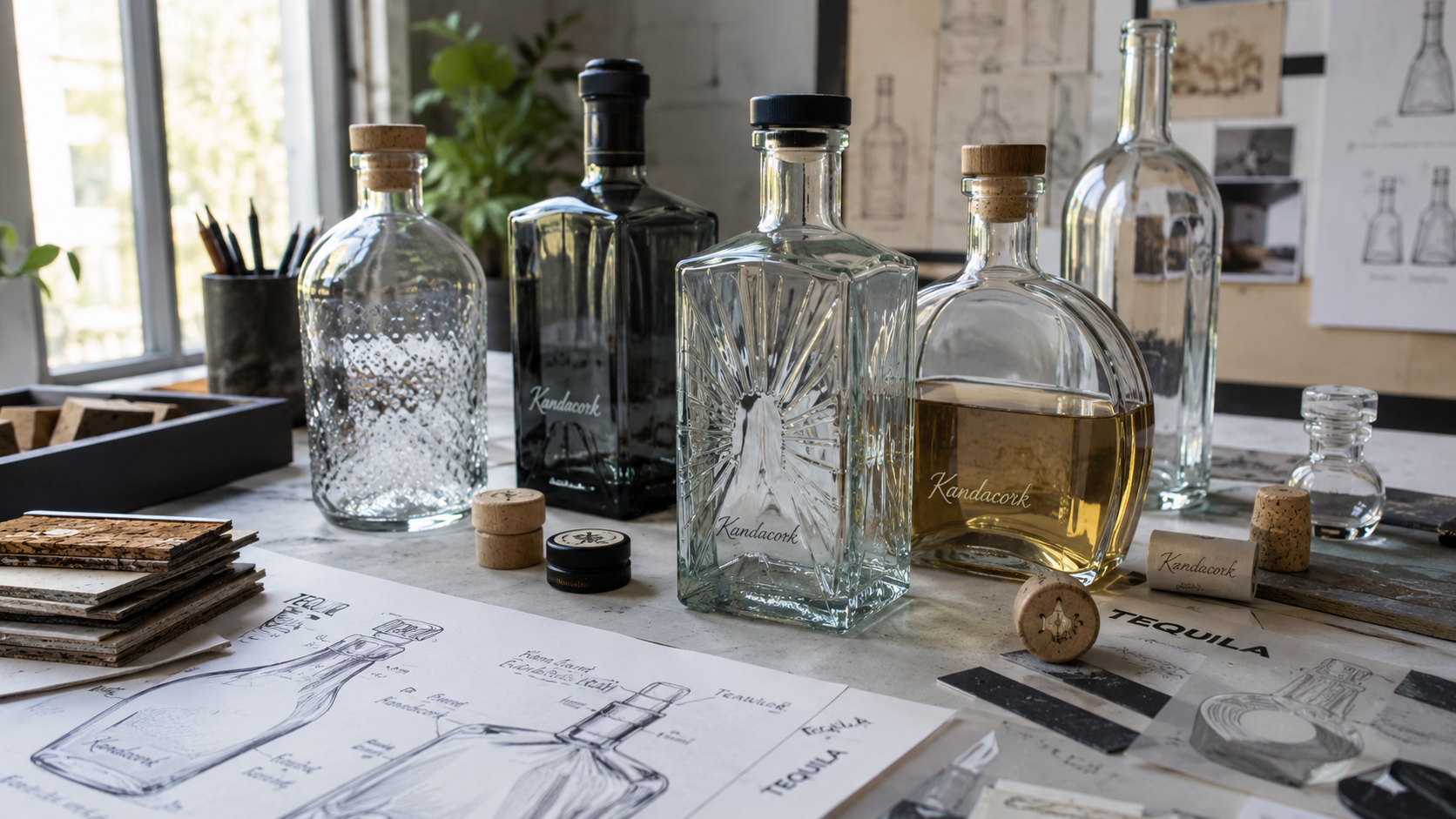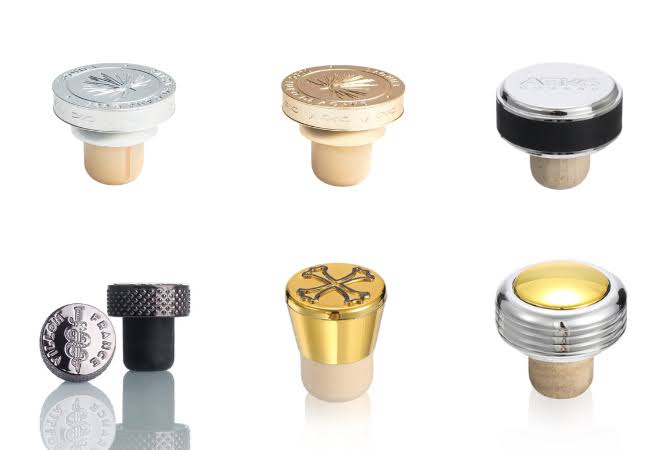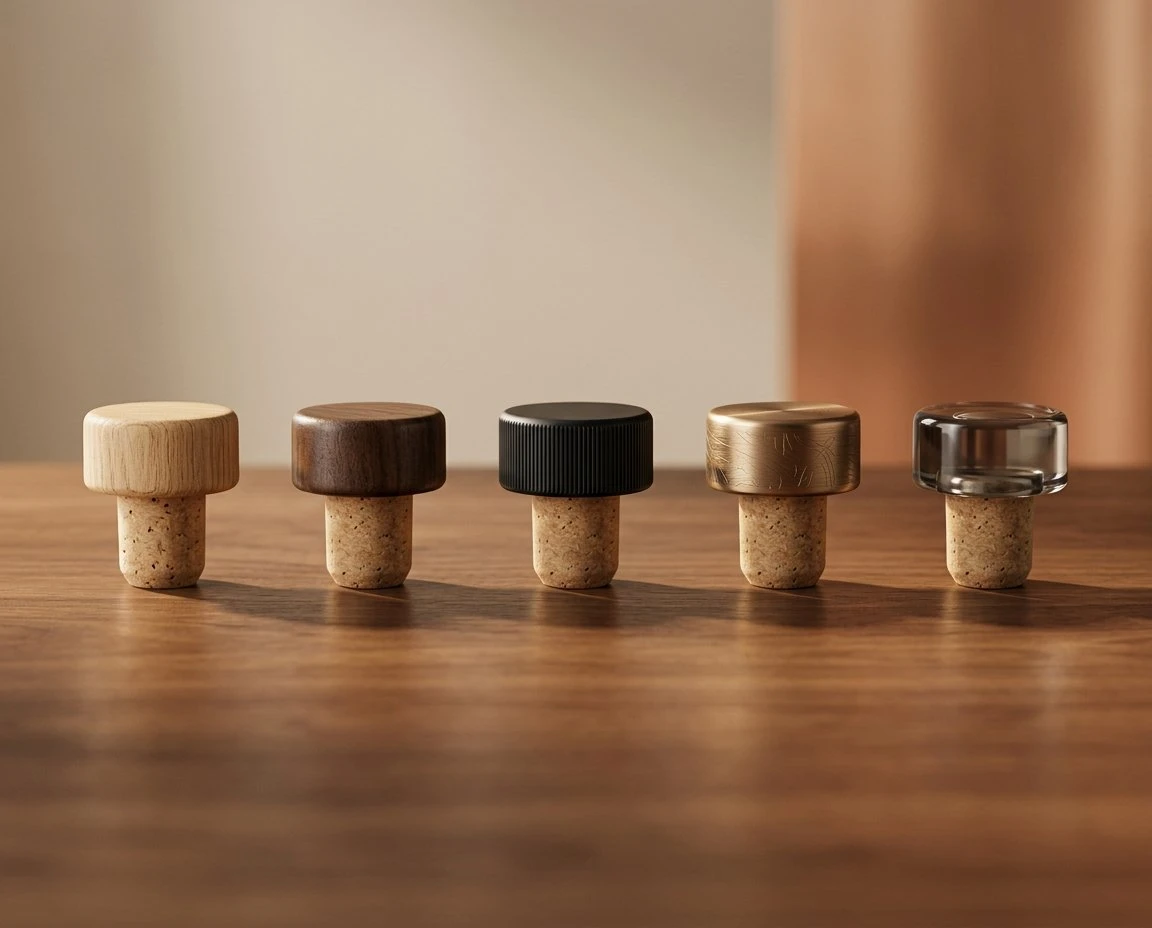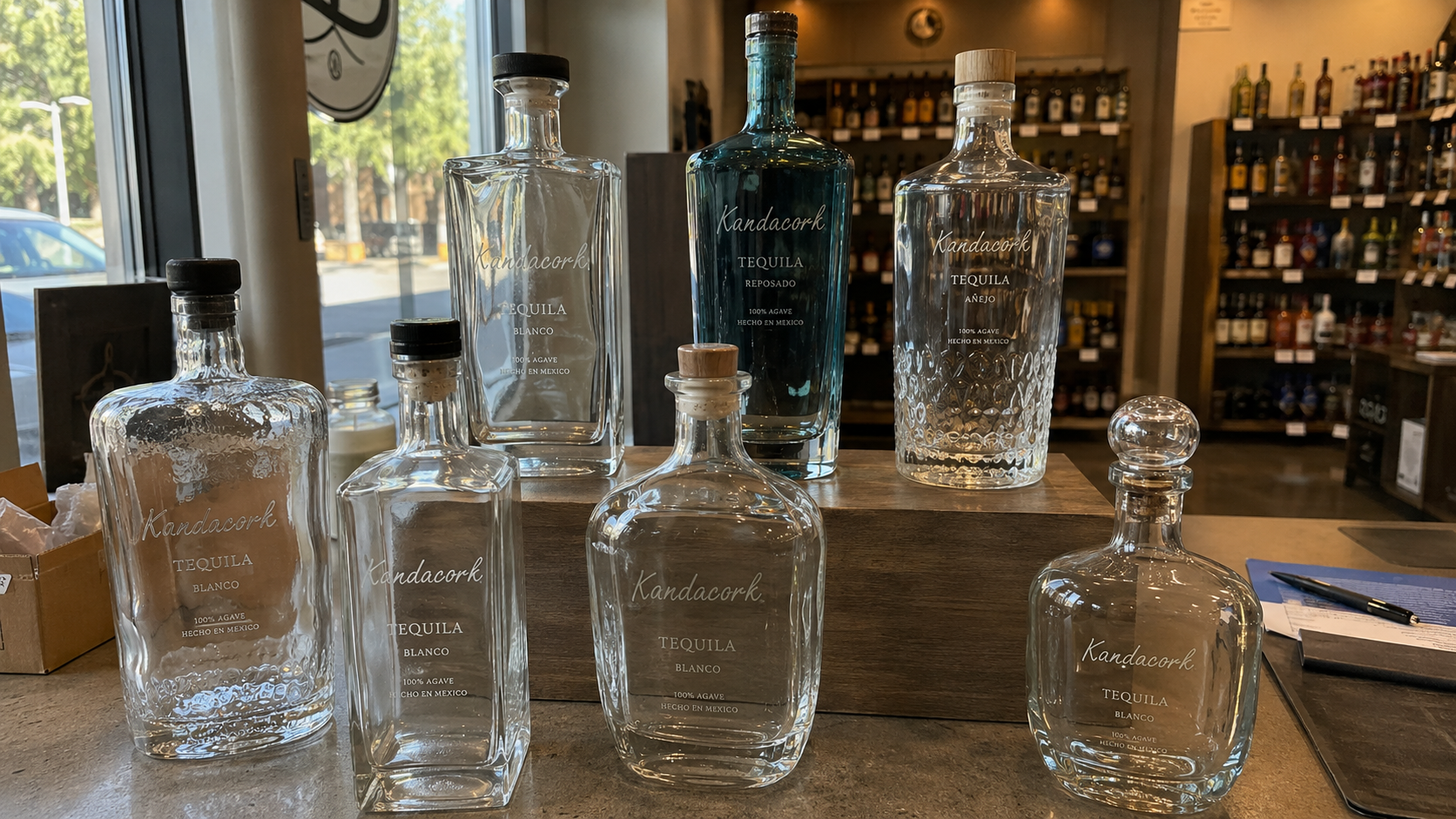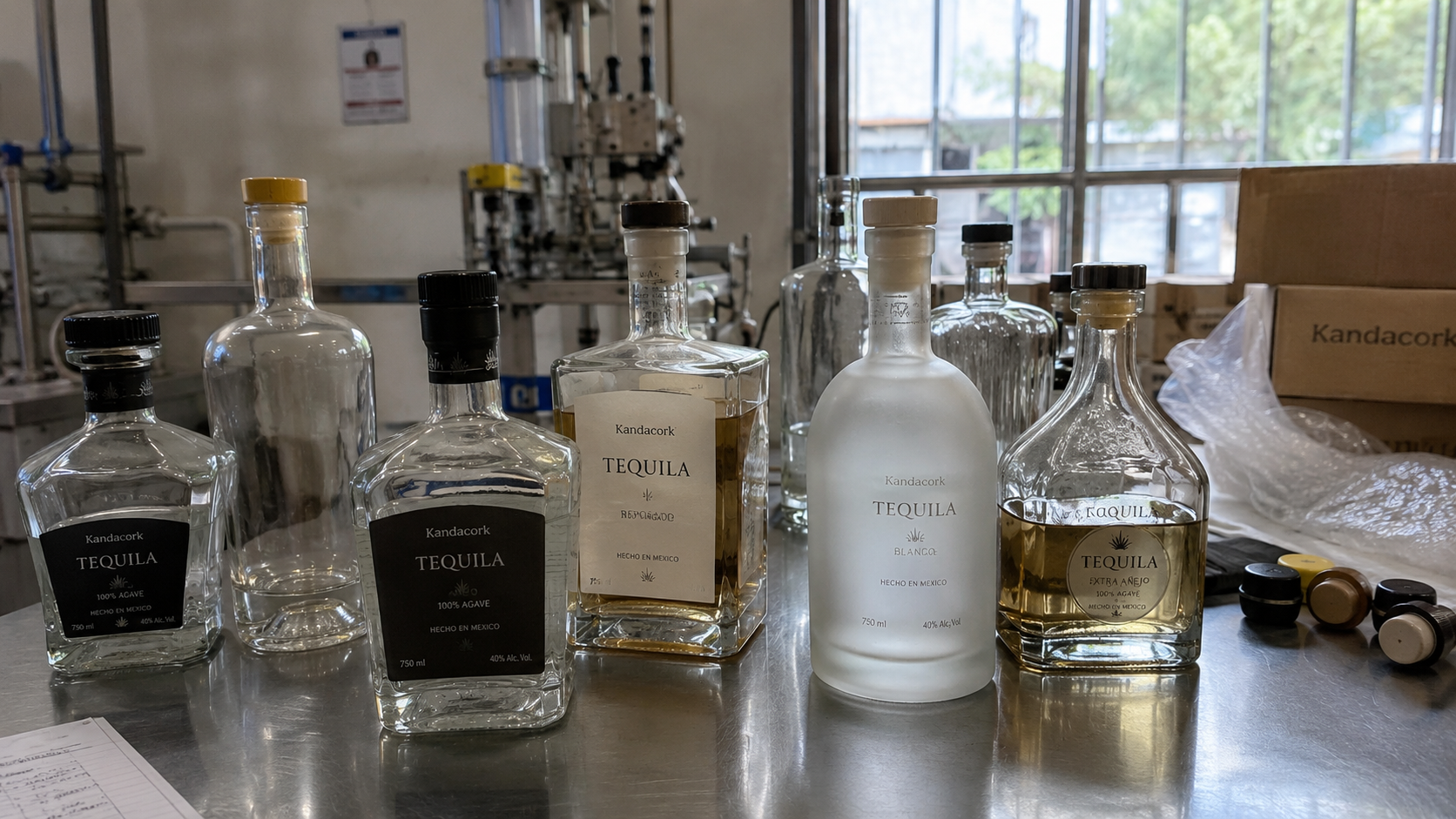
Plastic stoppers with synthetic shanks can offer stable fit and controlled production consistency. This guide explains how shank material, compression, bottle neck size and sample testing affect closure performance for spirits bottle projects.
What Are Plastic Stoppers with Synthetic Shanks?
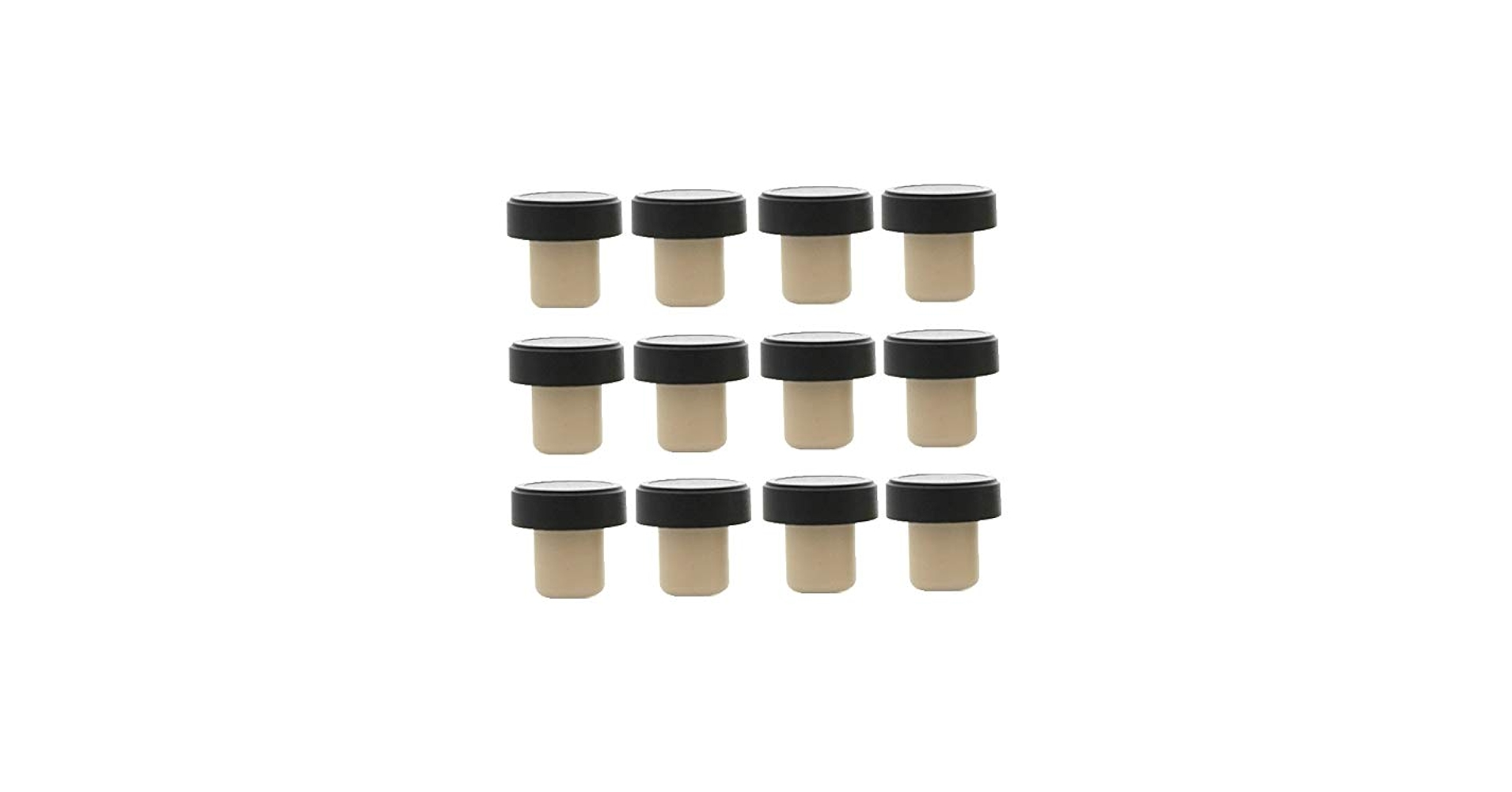
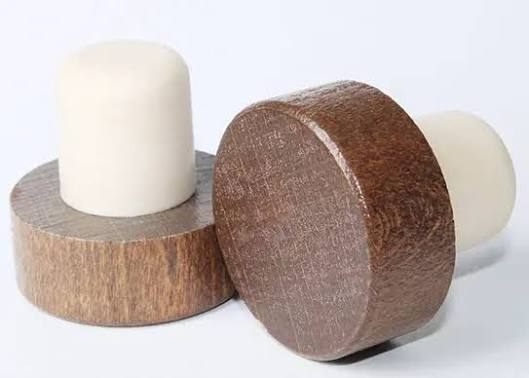
Plastic stoppers with synthetic shanks are bottle closures made from two functional parts: a plastic top and a synthetic insert. The top is the visible component that consumers hold when opening or resealing the bottle. The shank is the sealing component that compresses inside the bottle neck.
These closures are also called plastic bar-top stoppers, plastic T-top closures, plastic cap stoppers, synthetic stem stoppers, synthetic cork shank closures, or synthetic shank bottle stoppers. They are commonly used for whisky, vodka, gin, rum, tequila, brandy, liqueurs, olive oil, vinegar, syrup, extracts, sauces, and premium non-alcoholic beverages.
The core value is balance. Plastic tops offer design flexibility, consistent molding, and a wide range of colors and finishes. Synthetic shanks offer controlled dimensions and repeatable compression. Together, they help buyers create a reusable closure with stable fit, strong branding potential, and scalable production performance.
Quick Specification Overview
| Specification Area | Buyer Should Confirm |
|---|---|
| Top material | PP, ABS, acrylic-style plastic, custom molded plastic, or another approved option |
| Shank type | Solid synthetic shank, TPE shank, synthetic cork shank, or natural cork alternative |
| Shank diameter | Based on bottle internal bore, not only external neck finish |
| Common applications | Whisky, vodka, gin, rum, tequila, liqueur, olive oil, vinegar, syrup, and specialty beverages |
| Decoration options | Color matching, printing, embossing, debossing, matte finish, gloss finish, metallic-look effects |
| Performance testing | Insertion force, pull-out force, resealing, leakage checks, sensory review, transport stability |
| Sourcing details | Bottle drawing, real bottle sample, bore measurement, target quantity, destination market, and artwork |
This specification-first approach helps avoid a common sourcing mistake: choosing a stopper by cap appearance before confirming internal bottle neck fit.
How to Choose the Right Plastic Stopper with Synthetic Shank
The right closure depends on the bottle, liquid, filling process, retail positioning, and destination market. A modern vodka bottle may need a smooth matte plastic top with a solid synthetic shank. A premium rum bottle may need a synthetic cork shank with a warmer, more traditional visual feel.
| Buyer Need | Recommended Direction |
|---|---|
| Modern spirits appearance | Smooth plastic top with solid synthetic or TPE shank |
| Traditional whisky or rum look | Plastic top with synthetic cork shank |
| Better grip during opening | Ribbed plastic top or textured sidewall |
| Premium minimalist design | Matte smooth plastic top with clean geometry |
| Multi-SKU private-label program | Same shank structure with different cap colors |
| Export shipment | Fit testing, transport testing, and compliance review |
| High-proof spirits | Material compatibility and sensory testing |
| Gift or limited-edition packaging | Custom molded plastic top with embossing or metallic-look finish |
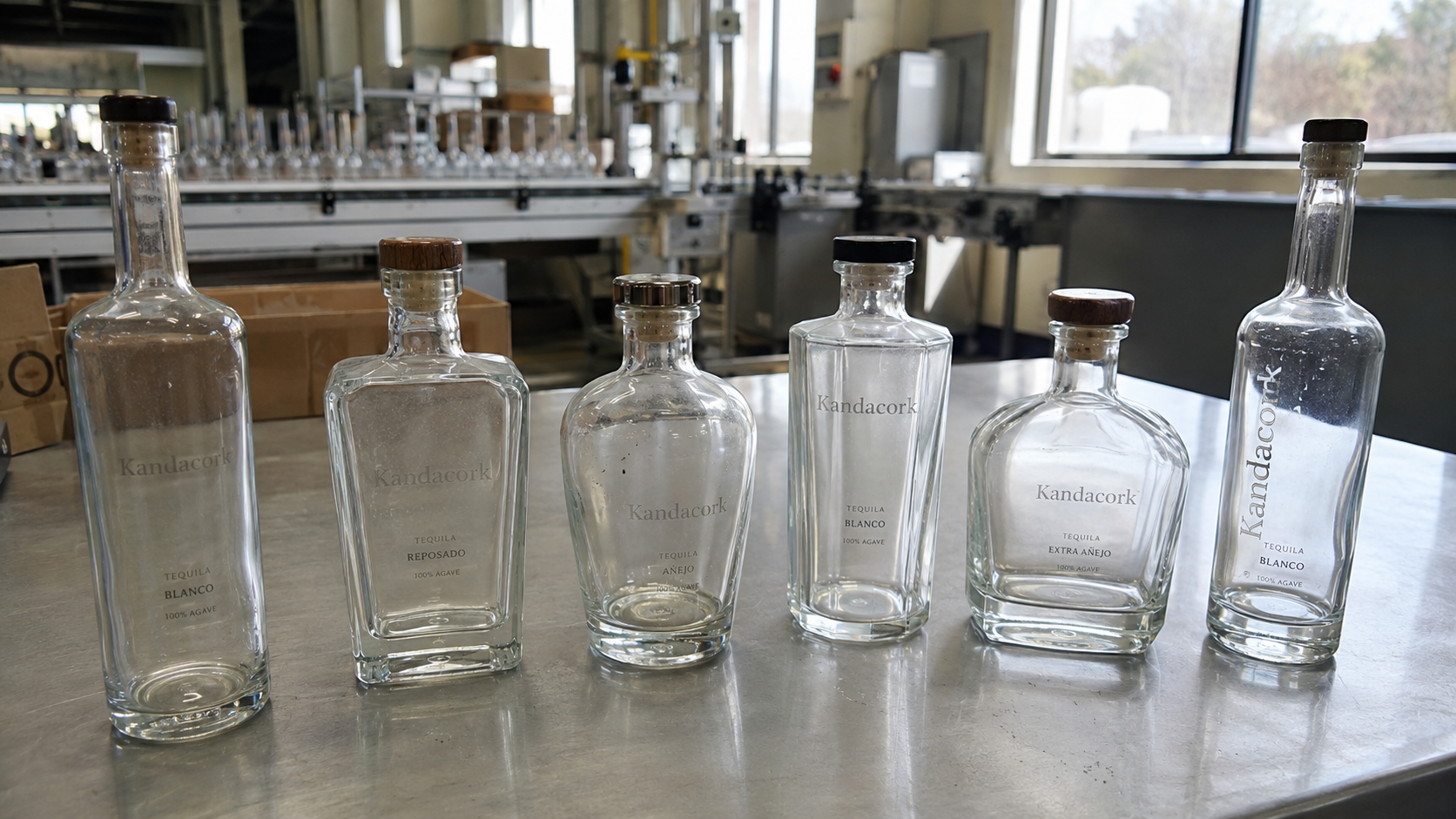
For brands developing several bottles at once, the closure should be reviewed together with the glass bottle, label, capsule, carton, and pallet configuration. This is especially important when the project includes multiple bottle sizes, seasonal SKUs, or international distribution.
Why Brands Choose Plastic Stoppers with Synthetic Shanks
Brands choose plastic stoppers with synthetic shanks because they offer repeatable fit, flexible branding, and practical production performance. Compared with natural cork, synthetic shanks can provide more consistent diameter, compression, and pull-out behavior.
For spirits packaging, consistency matters. A stopper that feels loose may create leakage concerns or reduce consumer confidence. A stopper that is too tight may slow down stoppering or make the bottle difficult to open. A well-matched synthetic shank supports secure insertion while still allowing a smooth opening and resealing experience.
Plastic tops also support strong visual differentiation. Brands can use matte black, glossy white, transparent, metallic-look, ribbed, smooth, or custom molded profiles. For private-label and multi-SKU programs, one closure structure can be adapted with different colors or decoration treatments across several product lines.
Synthetic Shank Types for Plastic Bar-Top Stoppers
Not all synthetic shanks perform the same way. Buyers should understand the difference between solid synthetic or TPE shanks, synthetic cork shanks, and natural cork shanks before approving a specification.
| Shank Type | Best For | Main Advantage | Buyer Note |
|---|---|---|---|
| Solid synthetic / TPE shank | Modern spirits, automated filling, consistent production batches | Stable compression and repeatable bottle fit | Strong option when production consistency and controlled opening feel matter |
| Synthetic cork shank | Whisky, rum, brandy, traditional spirits, premium gift packaging | Cork-like appearance with improved dimensional consistency | Good for brands that want a classic spirits look |
| Natural cork shank | Heritage spirits and natural packaging stories | Traditional material perception | May show more variation in appearance, density, and dimensions |
A solid synthetic or TPE shank is often selected when brands want predictable technical performance. It can be suitable for vodka, gin, tequila, modern whisky, flavored spirits, and semi-automated or automated stoppering lines.
A synthetic cork shank is often selected when the brand wants a familiar cork-like appearance with more dimensional control. It can work well for whisky, rum, brandy, liqueurs, olive oil, vinegar, and specialty glass bottles.
For brands comparing closure families, the broader Kandacork Closures stopper and closure range can help buyers understand how plastic, wood, metal, cork, screw-cap, and sleeve systems differ in use case, appearance, and production behavior.
Bottle Neck Fit Is the Most Important Technical Detail
The most important specification for plastic stoppers with synthetic shanks is bottle neck fit. The shank must match the internal bore of the bottle neck, not only the external finish or visual neck shape.
Two bottles may look similar from the outside but have different internal bore dimensions. Even small differences can affect insertion force, pull-out feel, sealing pressure, leakage risk, and consumer experience.
Before ordering custom plastic bar-top stoppers, buyers should confirm the bottle drawing, internal bore diameter, neck finish, neck height, shank diameter, cap head size, filling method, product type, alcohol level, required decoration, and order quantity.
A proper fit test should check how the stopper inserts, how firmly it holds, how smoothly it opens, how well it reseals, and how it performs during storage and transport. For spirits, testing should also consider alcohol contact, aroma sensitivity, temperature changes, and compatibility with capsules or shrink sleeves.
Common Sizes for Synthetic Shank Stoppers
Plastic stoppers with synthetic shanks are available in different shank diameters depending on the bottle neck. Common shank sizes may include 18mm, 19.5mm, 19.6mm, 22.5mm, 23mm, and other project-specific dimensions.
A 19.5mm shank may work for some smaller spirits bottle necks, while a 22.5mm or 23mm shank may be used for wider bar-top spirits bottles. However, these numbers should not be treated as universal rules. Bottle molds, glass tolerances, regional standards, and supplier specifications can all influence final stopper performance.
| Bottle Requirement | Recommended Buyer Action |
|---|---|
| New bottle project | Test multiple stopper samples before finalizing the neck design |
| Existing bottle supply | Measure internal bore across several bottles from actual production |
| Export spirits program | Confirm transport stability and destination-market packaging requirements |
| High-proof alcohol | Review material compatibility and sensory performance |
| Custom cap decoration | Check cap diameter, logo placement, capsule clearance, and carton fit |
For a new spirits bottle program, the safest process is to confirm the bottle first, measure the bore, request stopper samples, test the closure under real conditions, and then approve bulk production.
Plastic Top Design Options
The plastic top is the most visible part of the closure. It influences brand perception before the consumer opens the bottle. Kandacork Closures can support different top designs depending on product style, budget, and target shelf position.
Common options include flat plastic T-top heads, dome bar-top heads, ribbed plastic sides, smooth round tops, wide-disc profiles, transparent acrylic-style tops, metallic-look plastic tops, and custom molded shapes. These designs can support clean vodka packaging, bold rum bottles, craft gin bottles, premium whisky bottles, or colorful liqueur lines.
Finish choices also matter. A matte black top can feel modern and premium. A glossy colored top can support flavor coding. A ribbed side can improve grip. A metallic-look finish can create a premium impression while keeping the closure lightweight and commercially practical.
For projects that need a cost-efficient but customized closure structure, custom plastic T-top stoppers can combine molded head profiles, controlled shank sizing, color matching, and sample testing before production.
Branding and Customization Options
Plastic stoppers with synthetic shanks are especially useful for custom branding. The plastic top can be color-matched to the label, capsule, glass decoration, product flavor, or price tier. It can also be printed, embossed, debossed, textured, or molded into a custom profile.
For spirits brands, the closure should work as part of the full packaging system. It should align with the glass shape, label material, shoulder design, neck length, capsule, secondary packaging, and shelf positioning.
Customization options may include custom plastic cap color, matte finish, glossy finish, logo printing, embossed branding, debossed branding, ribbed sidewalls, textured surfaces, metallic-look plastic effects, transparent or acrylic-style tops, custom molded cap shapes, and matching capsule clearance.
When brands need deeper surface treatment, logo placement, or tactile detail, sidewall design for spirits closures can help align grip, decoration zones, relief details, and visual structure with the final bottle system.
Sealing Performance and Consumer Experience
A closure must look good, but it must also work. Sealing performance depends on the relationship between the synthetic shank and the bottle neck. The shank should compress enough to hold securely, but not so much that insertion becomes difficult or the consumer struggles to open the bottle.
A good plastic bar-top stopper should support secure fit during storage and transport, smooth manual or automated insertion, predictable pull-out force, clean opening feel, reliable resealing, low odor risk, stable appearance across production batches, and compatibility with capsules or shrink sleeves.
For spirits, the opening moment is part of the brand experience. A stopper that opens smoothly and reseals firmly can make the product feel more premium. This is why closure development should include both technical testing and sensory evaluation.
Real-World Sourcing Example
A private-label whisky buyer may start with a 700ml glass bottle and request a matte black plastic T-top with a synthetic cork shank. Before bulk production, the buyer should test several stopper samples across real bottle samples from the glass supplier.
The test should check whether the stopper inserts smoothly, holds firmly after storage, opens without excessive force, reseals after first use, and remains stable after vibration or transport simulation. If the cap diameter also works with the capsule and carton, the closure can move to pilot production.
A craft gin brand may take a different route. For a clean modern look, it may choose a solid synthetic or TPE shank with a smooth white or transparent plastic top. In this case, the sourcing priority may be visual consistency, alcohol compatibility, low odor risk, and accurate color matching with the label design.
These examples show why plastic stoppers with synthetic shanks should be tested against the actual bottle, liquid, filling method, and packaging system before mass production.
Food-Contact and Compliance Considerations
Plastic stoppers with synthetic shanks are used on products that may come into contact with food or beverage. Buyers should review food-contact suitability for the plastic top, synthetic shank, bonding method, colorants, coatings, and any decorative materials near the bottle mouth.
For the U.S. market, buyers often review the FDA inventory of substances authorized in 21 CFR for food-contact uses through the FDA food-contact substances inventory. For the European market, Regulation (EC) No 1935/2004 sets the general framework for materials and articles intended to come into contact with food.
Plastic components may also need review under Commission Regulation (EU) No 10/2011, which addresses plastic materials and articles intended to contact food. In practice, compliance depends on exact material, product type, alcohol level, storage temperature, contact time, and sales market. A stopper for high-proof spirits may require different review than a stopper for syrup, vinegar, or olive oil.
For professional packaging programs, buyers may also consider migration testing, sensory testing, quality control records, transport simulation, and supplier documentation. The purpose is not only to pass paperwork review, but also to protect flavor, aroma, appearance, and consumer trust.
Transport, Sustainability, and Packaging System Review
A closure may pass a simple hand-fit test but still fail under transport, storage, or export conditions. For this reason, plastic stoppers with synthetic shanks should be reviewed as part of the full packaging system, including bottle, stopper, capsule, carton, divider, outer case, and pallet plan.
Transport testing can help identify loosening, leakage, cap-shank separation, scuffing, carton compression, or vibration-related issues. For distribution planning, ASTM D4169 provides a recognized framework for evaluating shipping units through laboratory performance testing.
Sustainability should also be considered at the packaging-system level. A closure that reduces rejects, avoids leakage, supports lighter packaging, and works reliably with the selected bottle can reduce waste across the supply chain. For environmental packaging assessment, ISO 18601 provides a framework for using the ISO packaging-and-environment standards series.
Applications for Spirits Bottles
Plastic stoppers with synthetic shanks are widely used across spirits packaging because they combine function, decoration, and sourcing flexibility. They can be used for whisky, vodka, gin, rum, tequila, brandy, liqueurs, flavored spirits, craft spirits, and private-label alcohol programs.
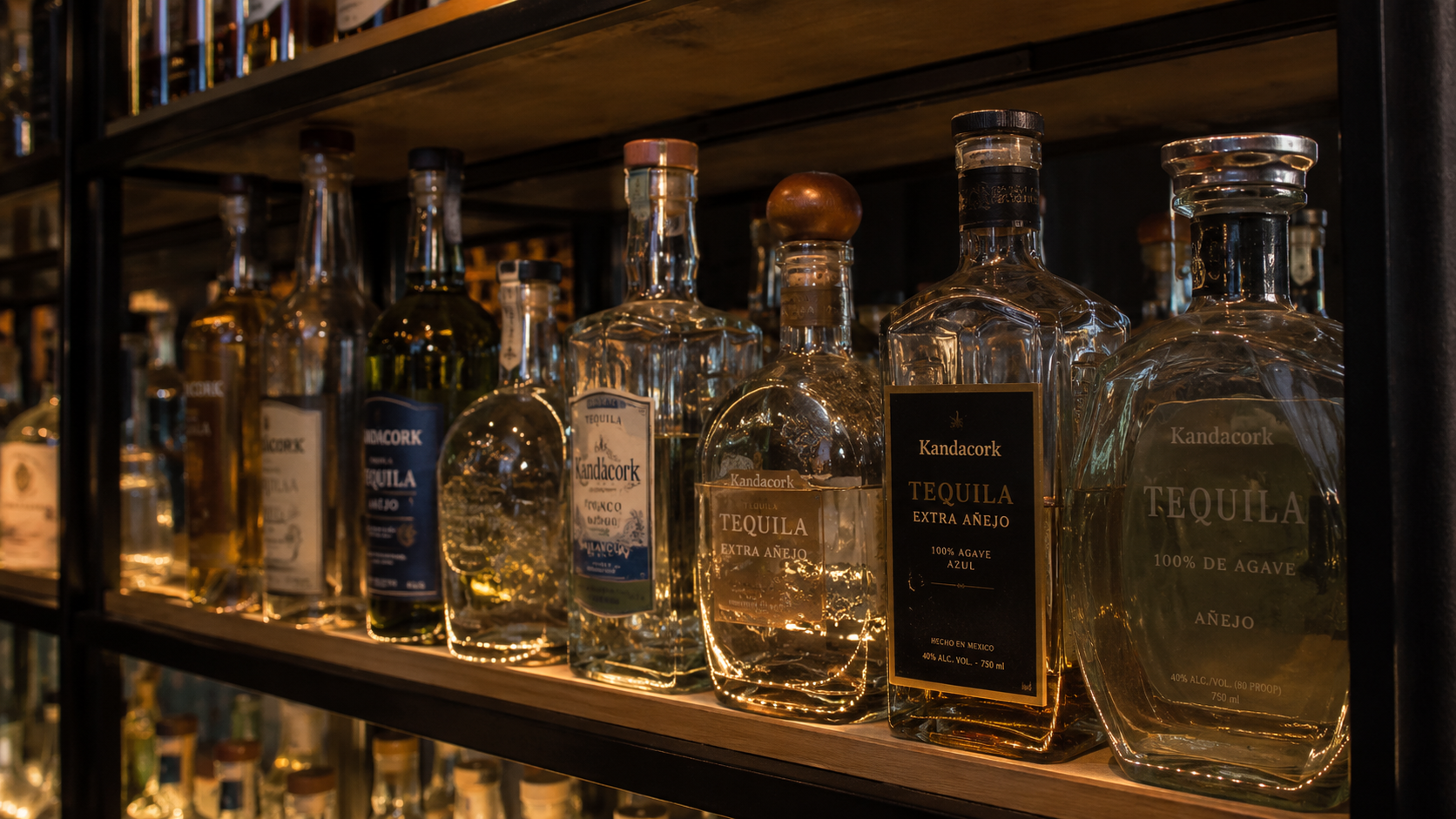
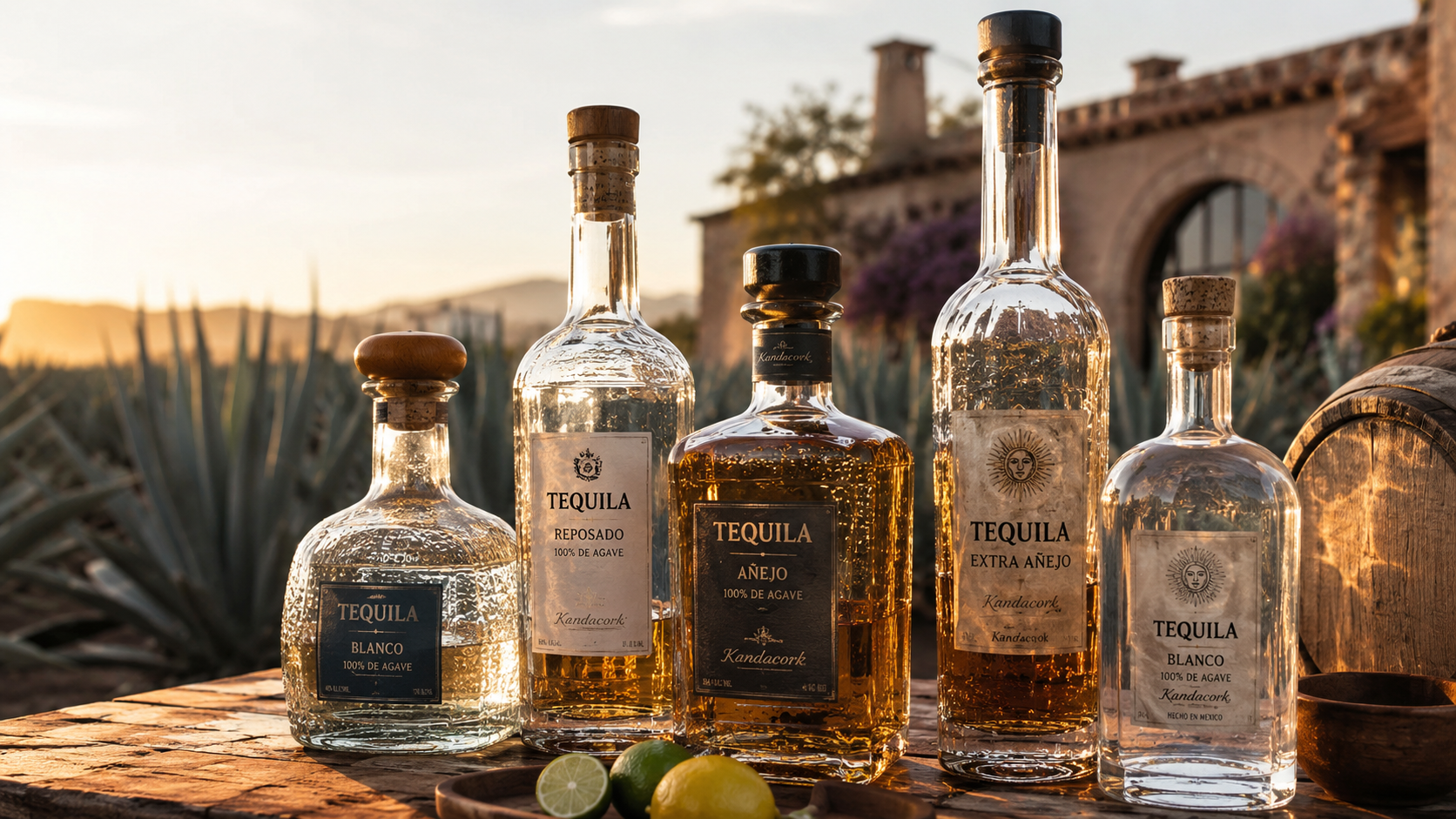
For whisky and rum, synthetic cork shanks can create a classic closure cue while plastic tops allow custom color and shape design. For vodka and gin, solid synthetic or TPE shanks can support a cleaner and more modern appearance. For tequila, mezcal, liqueurs, and flavored spirits, custom plastic tops can help the bottle stand out on shelf.
Brands developing a full spirits line may coordinate closure structure with bottle format, label architecture, and export packaging through a dedicated spirits bottle packaging supplier so the stopper and bottle system work together from the first sample round.
For teams sourcing the bottle itself, coordinated glass selection from Spirits Bottle can help align neck finish, silhouette, shoulder shape, and stopper style before the closure is finalized.
Applications for Specialty Beverage and Food Bottles
Beyond spirits, plastic stoppers with synthetic shanks can be used for specialty liquid packaging such as olive oil, vinegar, syrups, extracts, sauces, and premium non-alcoholic beverages. The key is matching the closure material and shank design to the product.
For oils and vinegars, sealing performance and material compatibility are important. For syrups and sauces, easy opening and clean handling may matter more. For gift products, the closure appearance can strongly affect perceived value.
Brands building a complete retail package may combine closure selection with bottle decoration, surface finishing, and labeling through Decoration & Branding support. This helps ensure the stopper color, logo position, bottle decoration, and shelf impression feel like one system rather than separate components.
A sourcing team should test the stopper with the actual product and bottle. This helps confirm sealing behavior, odor neutrality, staining risk, opening feel, resealing performance, and consumer usability.
Common Mistakes When Buying Plastic Stoppers with Synthetic Shanks
One common mistake is choosing the closure by cap appearance before checking bottle bore. A plastic top may look perfect with the label, but the shank may not seal correctly if the internal neck diameter is wrong.
Another mistake is assuming one shank size fits all similar bottles. Glass bottle tolerances can vary between molds, suppliers, and production batches. Buyers should measure several real bottles before approving a stopper.
Some buyers also skip transport testing before export orders. A closure that performs well in a short manual test may loosen during vibration, temperature changes, or long-distance shipping.
Cap-shank bonding strength should not be ignored. If the cap and shank connection is weak, separation can happen during opening, filling, or transport.
Decoration should also be checked with the full package. A custom cap color or embossed logo may look excellent on its own, but final approval should also consider capsule clearance, carton fit, bottle shoulder shape, and label alignment.
For high-proof spirits, material compatibility and sensory performance should be reviewed before bulk production. The closure should not negatively affect aroma, taste, appearance, or consumer experience.
Buyer Checklist Before Bulk Production
| Checklist Item | Why It Matters |
|---|---|
| Bottle sample or technical drawing | Confirms real neck dimensions and stopper fit |
| Internal bore measurement | Determines correct shank diameter |
| Product type and alcohol level | Supports material compatibility review |
| Stoppering method | Ensures manual or automated insertion works properly |
| Cap decoration requirements | Confirms printing, embossing, color, and finish feasibility |
| Export market | Helps identify relevant compliance and packaging requirements |
| Trial order or sample approval | Reduces risk before mass production |
| Transport testing | Helps evaluate leakage, loosening, and cap-shank stability |
| Sensory evaluation | Helps confirm the closure does not affect aroma or taste |
| Capsule and carton fit | Ensures the final package works as a complete system |
For larger programs, buyers may also compare glass weights, mold tolerances, decoration-ready surfaces, and production scheduling. Integrated bottle support from Kandacork Glass can help align closure development with wider spirits packaging requirements.
Request a Custom Stopper Sample
Before placing a bulk order, request samples of plastic stoppers with synthetic shanks for real-bottle testing. Sample approval helps reduce the risk of loose fit, difficult insertion, leakage, cap-shank separation, poor capsule clearance, or visual mismatch.
Send Kandacork Closures your bottle drawing, bottle sample, internal bore measurement, product type, alcohol level, cap design idea, logo artwork, target order quantity, and destination market. The team can help recommend suitable plastic top designs, shank types, decoration methods, and test samples before mass production.
For projects that need matched glass packaging beyond spirits, Kandacork Eco Glass can support broader bottle and jar formats where closure compatibility, surface decoration, and export-ready packaging need to be coordinated.
To start a custom closure project, buyers can use the Kandacork Closures quote and sample request page and provide the technical details needed for a more accurate recommendation.
Why Work with Kandacork Closures?
Kandacork Closures supports spirits brands, beverage companies, private-label buyers, and packaging distributors with custom plastic bar-top stoppers and synthetic shank options. The goal is to help buyers develop closures that look brand-right, fit the bottle correctly, and perform consistently during production and distribution.
Kandacork Closures can support molded plastic head profiles, matte or gloss finishes, color matching, logo decoration, synthetic shanks, TPE shanks, synthetic cork shanks, and natural cork shank alternatives. For brands managing multiple bottle SKUs, this flexibility can simplify closure sourcing while keeping a consistent packaging identity.
The right closure should be developed as part of the full bottle system. Bottle neck geometry, stopper compression, cap diameter, sleeve clearance, filling-line equipment, export packaging, and retail positioning should all be reviewed together.
For buyers comparing closure types across spirits programs, this custom bottle closures and stoppers sourcing guide can help frame the decision before sample testing begins.
FAQ
What are plastic stoppers with synthetic shanks?
Plastic stoppers with synthetic shanks are bar-top bottle closures made with a plastic cap and a synthetic sealing insert. They are commonly used for spirits, olive oil, vinegar, syrups, specialty beverages, and premium liquid packaging.
What are plastic stoppers with synthetic shanks used for?
They are used to seal whisky, vodka, gin, rum, tequila, brandy, liqueur, olive oil, vinegar, syrup, sauce, and other specialty bottles. They provide reusable sealing, custom branding, and a finished premium appearance.
Are synthetic shanks better than natural cork shanks?
Synthetic shanks are often more consistent in diameter, compression, and sealing behavior than natural cork. Natural cork can still support a premium traditional image, but synthetic shanks are useful when repeatable fit and production consistency are priorities.
What size synthetic shank do I need?
The correct size depends on the internal bore of your bottle neck. Buyers should measure the bottle neck, provide a drawing or sample, and test stopper samples before confirming bulk production.
Can plastic bar-top stoppers be customized?
Yes. Plastic bar-top stoppers can be customized with different colors, shapes, finishes, printed logos, embossed branding, debossed branding, ribbed sides, matte surfaces, glossy effects, and metallic-look designs.
Are plastic stoppers with synthetic shanks suitable for spirits?
Yes. They are commonly used for whisky, vodka, gin, rum, tequila, brandy, liqueurs, and flavored spirits. Material selection and fit testing are important, especially for high-proof alcohol products.
How can I prevent a synthetic shank stopper from becoming loose?
Loose stoppers can often be prevented by measuring the internal bottle bore, testing several shank diameters, checking bottle tolerance across real samples, and performing transport simulation before bulk production.
What information should I provide for a quote?
Provide your bottle drawing or sample, internal bore diameter, target shank size, plastic top design, color, logo artwork, product type, filling method, order quantity, destination market, and compliance requirements.
Conclusion
Plastic stoppers with synthetic shanks give brands a practical way to combine reliable sealing, repeatable bottle fit, and flexible visual branding. For spirits and specialty bottles, they can support strong shelf appeal while helping procurement teams control cost, consistency, and production performance.
The best results come from treating the stopper as part of the full packaging system. Bottle neck dimensions, shank compression, cap design, decoration, food-contact requirements, sensory performance, and filling-line conditions should all be reviewed before mass production.
For brands developing custom spirits closures or specialty bottle stoppers, Kandacork Closures can help evaluate plastic top designs, synthetic shank options, bottle-neck compatibility, decoration methods, sampling plans, and bulk supply requirements.