Synthetic stopper material choice affects compression, appearance, fit consistency and long-term supply stability. This guide compares common material options such as TPE and PE, with practical notes for bottle neck fit, bulk production and sample approval.
Synthetic Stopper Materials at a Glance
TPE and TPR are often selected for flexible sealing in spirits bottles. PE and LDPE are practical for synthetic cork-style closures. EVA can support cost-effective stopper programs. Silicone may suit specialty liquids that require strong inertness. Co-extruded polymers are useful for controlled wine closure performance. Plant-based polymers support sustainability-focused packaging when claims are documented.
For spirits packaging, TPE, TPR, PE, LDPE, and engineered synthetic cork materials are common choices because they can support secure neck fit, leakage resistance, resealing, alcohol compatibility, and controlled pull-out force. For wine and low-ABV beverages, oxygen transmission rate may be more important. For sustainability-focused brands, renewable or plant-based polymers can be considered, but the buyer should verify performance data, sensory neutrality, and compliance documentation before bulk ordering.
What Are Synthetic Stopper Materials?
Synthetic stopper materials are engineered closure materials used as alternatives to natural cork. They can form a complete stopper, a cork-like shank, or the inserted sealing part of a bar-top closure.
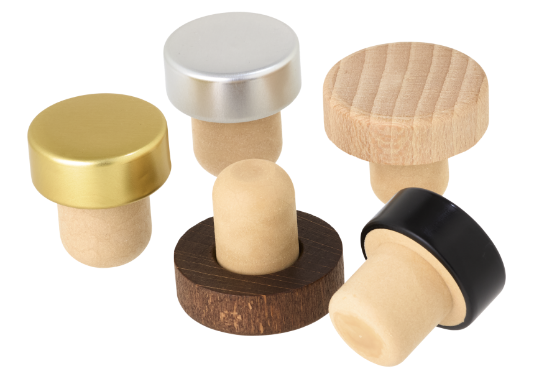
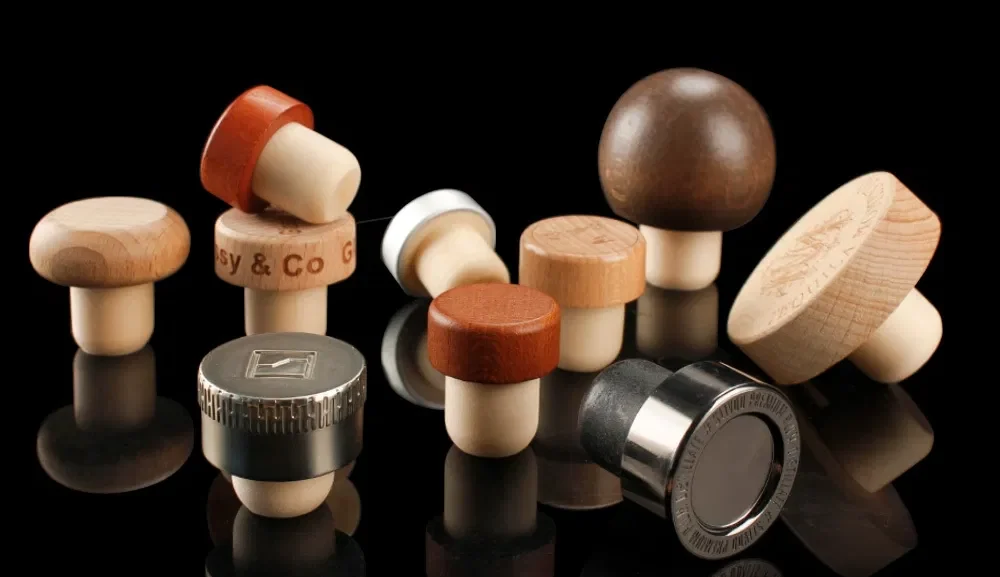
A bar-top closure usually includes a visible top and an inserted shank. The top may be made from wood, aluminum, plastic, zinc alloy, ceramic, glass, or composite material. The shank is the part that enters the bottle neck and creates the seal. This is where material selection has the greatest effect on leakage resistance, compression recovery, and opening feel.
“Synthetic cork” often describes a polymer stopper designed to imitate the look or function of cork. However, not every synthetic stopper looks like cork. Some are smooth, molded, colored, textured, or designed for modern spirits packaging. For buyers comparing broader packaging formats, Kandacork Closures also provides a complete range of bottle closures and stoppers for spirits, oils, and specialty bottle projects.
Why Synthetic Stopper Materials Matter for Bottle Brands
Synthetic stopper materials help beverage brands solve practical packaging problems. They reduce natural cork variability, support repeatable production, and allow more control over size, color, hardness, decoration, and user experience.
Natural cork has heritage appeal, but it can vary in grain, density, compression, and appearance. Synthetic materials can be engineered for more consistent dimensions and repeatable sealing behavior. This matters for private-label bottlers, contract fillers, and spirits brands that need the same closure performance across multiple production runs.
Synthetic closures also help avoid natural cork-related taint risk. Because they do not come from cork bark, they avoid cork-origin TCA concerns. However, every synthetic material should still be tested for odor neutrality, taste impact, color transfer, and alcohol compatibility. A synthetic stopper should protect the liquid without becoming part of the flavor profile.
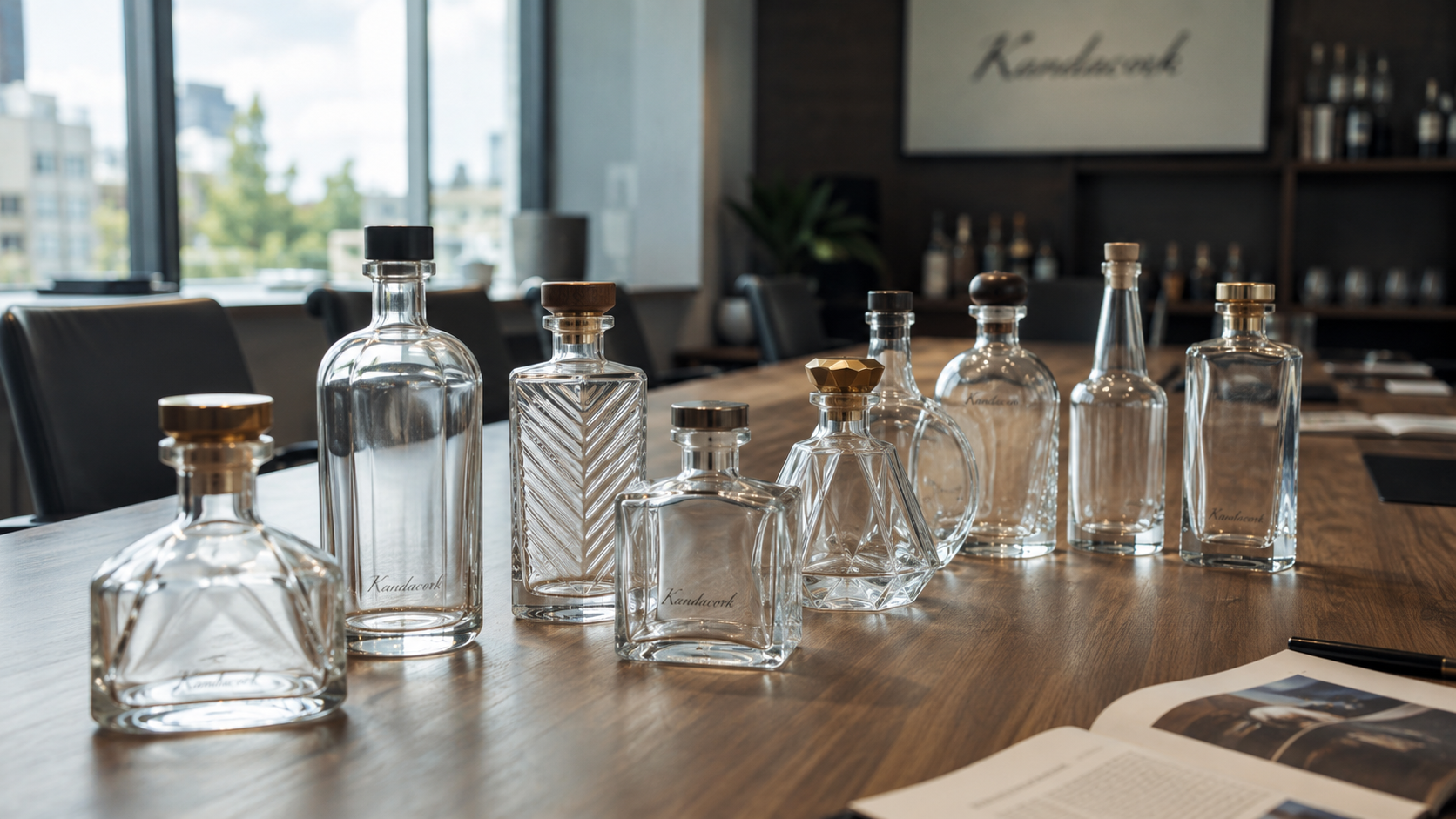
Design flexibility is another reason brands choose synthetic stopper materials. Synthetic shanks can be paired with wood, plastic, aluminum, zinc alloy, ceramic, glass, and composite tops. Logo printing, laser engraving, embossing, debossing, hot foil, matte finishes, metallic effects, and color-matched shanks can all help the closure support the bottle’s shelf identity. Brands using integrated bottle programs can also coordinate closure development with custom spirits bottle packaging to keep the bottle, stopper, label, and carton visually consistent.
Main Synthetic Stopper Materials: TPE, TPR, PE, LDPE, EVA and Silicone
TPE Stopper Materials
TPE, or thermoplastic elastomer, is widely used when a stopper needs elasticity, compression recovery, and controlled sealing feel. It can be formulated in different hardness levels and molded into precise sealing profiles.
For spirits bottles, TPE can help create a secure seal while maintaining a smooth opening experience. It is often suitable for vodka, gin, whisky, rum, tequila, liqueur, and private-label spirits closures. TPE is especially useful when the buyer needs a stopper that feels premium but still performs consistently on a filling line.
Best for flexible sealing, custom bar-top stoppers, modern spirits packaging, color-matched shanks, and projects requiring stable pull-out force.
TPR Stopper Materials
TPR, or thermoplastic rubber, has rubber-like flexibility and can be used in stopper inserts that need compression and resilience. It is often selected when the brand wants a soft sealing feel and practical molding flexibility.
TPR can be useful for custom liquor stoppers, decorative bar-top closures, and bottle programs that require repeatable performance with a comfortable user experience. It may also be considered for projects where color, texture, or surface feel needs to match the brand concept.
Best for custom liquor closures, flexible sealing inserts, cost-conscious spirits packaging, and repeatable fit across production batches.
PE and LDPE Synthetic Cork Materials
PE, or polyethylene, and LDPE, or low-density polyethylene, are common in synthetic cork-style closures. These materials can provide stable dimensions, scalable production, and a familiar cork-like closure appearance.
PE and LDPE synthetic corks are often selected when brands want a balance of appearance, cost, consistency, and high-volume manufacturability. They can be used for wine, spirits, liqueurs, and specialty bottle programs depending on formulation and structure.
Best for synthetic cork stoppers, scalable closure production, private-label bottle programs, and projects requiring a familiar cork-style look.
EVA Synthetic Cork Materials
EVA, or ethylene vinyl acetate, is a flexible polymer used in some synthetic cork and closure applications. It may be considered when a project needs lightweight structure, flexibility, and cost efficiency.
As with any stopper material, EVA should be reviewed for food-contact suitability, sensory neutrality, and compatibility with the actual product. It should not be chosen only because it is economical; the closure still needs to pass fit, leakage, odor, and storage checks.
Best for selected cost-effective stopper projects, lightweight synthetic cork applications, and packaging programs where flexibility and budget control are important.
Silicone Stopper Materials
Silicone is known for flexibility, temperature resistance, and inertness in many applications. In bottle closures, silicone may be considered when sensory neutrality and chemical resistance are priorities.
Silicone is not automatically the best option for every bottle. It can have different cost, appearance, hardness, and user feel compared with TPE, TPR, PE, or synthetic cork. It should be evaluated with the actual liquid and bottle neck.
Best for specialty liquids, technical packaging concepts, premium applications, and products requiring strong material inertness.
Co-Extruded Synthetic Cork Materials
Co-extruded synthetic cork uses multiple material layers. A closure may have an inner core and outer skin designed to influence compression, extraction force, sealing behavior, and oxygen movement.
This structure is especially important in wine closures, where oxygen transmission rate can influence freshness, aging, aroma, and oxidation. The Australian Wine Research Institute explains that closure oxygen transmission rate can affect wine after bottling, making OTR a practical consideration for wine and low-ABV beverage projects. Buyers can review AWRI’s technical discussion of oxygen transmission rate in commercial wine closures when evaluating closure performance.
Best for wine closures, controlled-performance synthetic corks, premium polymer cork alternatives, and projects requiring engineered structure.
Plant-Based Polymer Stopper Materials
Plant-based polymer stoppers use renewable feedstocks to support sustainability-focused packaging. These materials can be attractive for brands that want to reduce reliance on conventional fossil-based materials or communicate more responsible packaging choices.
However, sustainability claims should be supported by documentation. A plant-based stopper must still meet requirements for sealing, odor neutrality, dimensional stability, migration safety, alcohol compatibility, and production consistency. Buyers should ask whether the supplier can document the material origin, food-contact status, recycling claims, and performance limits.
Best for eco-conscious spirits brands, wine packaging, sustainability-led private-label products, and premium beverage lines with documented environmental claims.
TPE vs PE Synthetic Stopper Materials
TPE is usually selected when a closure needs elastic sealing, controlled compression, and a smooth pull-out feel. PE and LDPE are often selected when the buyer wants a synthetic cork-style structure, stable dimensions, and scalable production.
For premium spirits, TPE or TPR may be preferred when opening feel and resealing performance are key. For synthetic cork-style programs, PE or LDPE may be more practical when appearance, cost control, and repeat ordering are priorities. The final choice should always be tested with the actual bottle neck and liquid.
| Material | Main Strength | Common Use | Key Buyer Check |
|---|---|---|---|
| TPE | Elastic sealing and controlled pull-out feel | Spirits bar-top stoppers, custom liquor closures | Hardness, extraction force, odor, alcohol compatibility |
| TPR | Flexible rubber-like compression | Liquor closures, decorative stoppers | Recovery, fit, sensory neutrality, long-term sealing |
| PE / LDPE | Stable synthetic cork structure | Wine, spirits, bulk stopper programs | Compression, appearance, dimensional tolerance |
| EVA | Flexible and cost-effective | Selected synthetic cork applications | Food-contact suitability and product compatibility |
| Silicone | Inertness and flexibility | Specialty liquids and premium technical uses | Cost, appearance, fit, liquid compatibility |
| Co-extruded polymer | Engineered layered performance | Wine and technical closures | Oxygen transmission and mechanical design |
| Plant-based polymer | Sustainability positioning | Eco-focused beverage packaging | Documentation, claims, performance, compliance |
Best Synthetic Stopper Materials for Spirits Bottles
For many spirits bottles, the best synthetic stopper materials are TPE, TPR, PE, LDPE, and engineered synthetic cork structures. These materials can support secure sealing, repeatable dimensions, custom top pairing, and premium opening feel.
Spirits brands should focus on neck fit, stopper hardness, top weight, pull-out force, resealing, alcohol compatibility, odor neutrality, and transport stability. A beautiful stopper is not enough if it leaks, smells, becomes loose, or feels difficult to open.
Whisky and brandy bottles often use heavier decorative tops made from wood, zinc alloy, aluminum, or composite materials. The synthetic stopper shank must support the top weight while maintaining secure neck fit. TPE, TPR, PE synthetic cork, and engineered polymer shanks can all be suitable depending on the bottle shape, top weight, and desired opening feel.
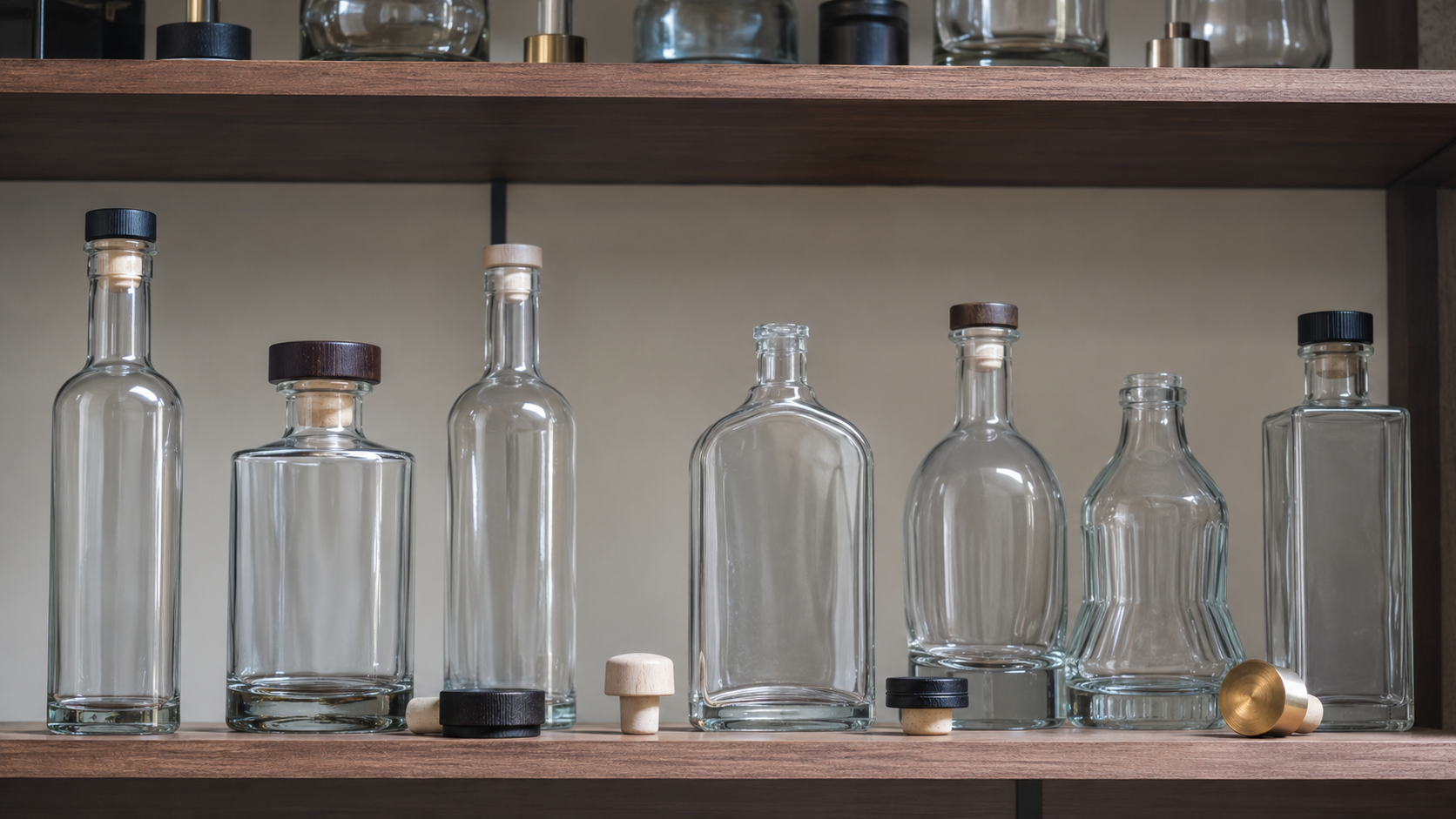
Vodka and gin brands often use clean, modern packaging with clear glass, frosted glass, minimalist labels, and metallic closures. TPE, TPR, LDPE, PE, and molded polymer stoppers can support a modern appearance while maintaining reliable performance. A white, black, translucent, or color-matched shank can help the closure align with the brand identity.
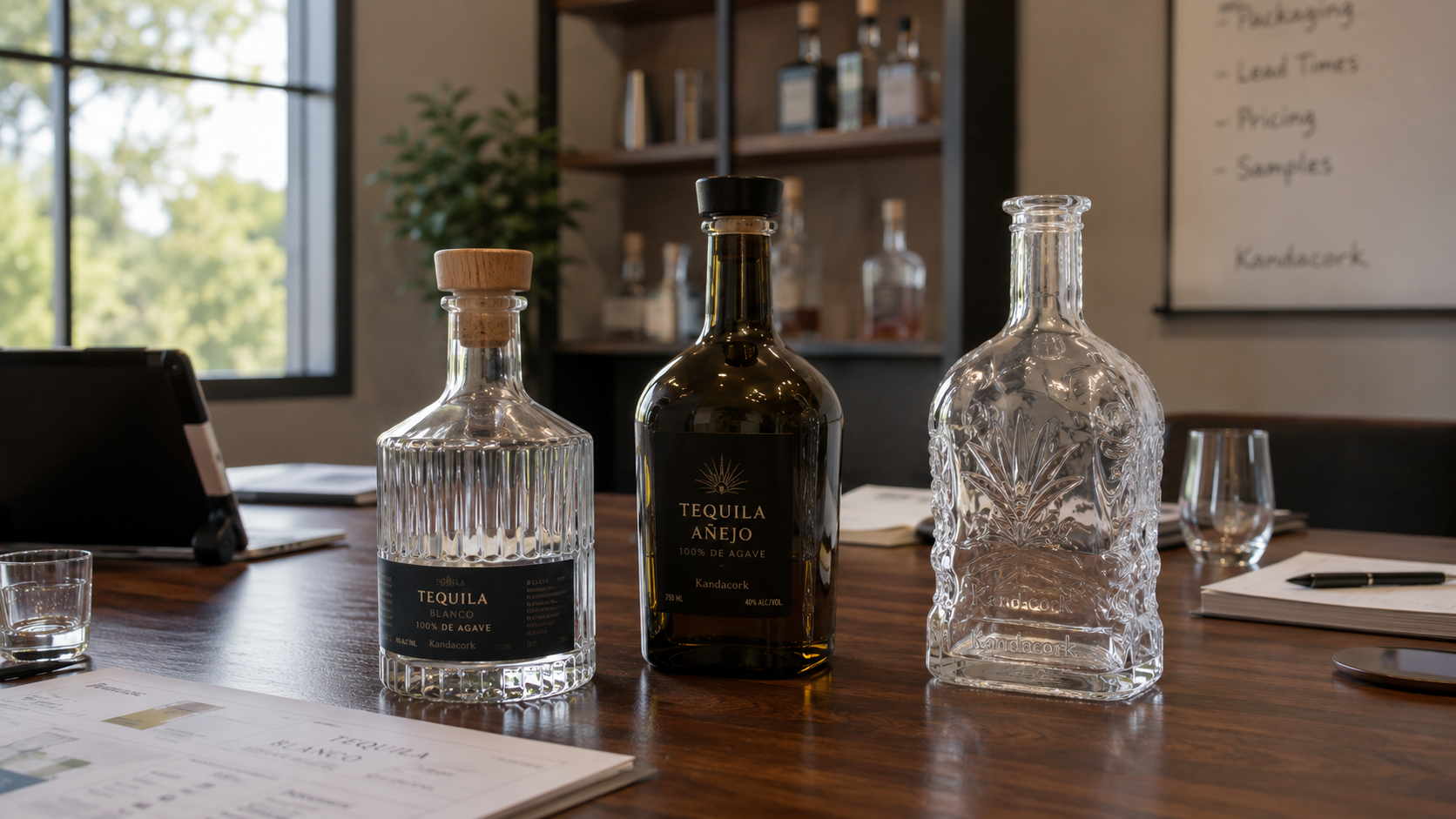
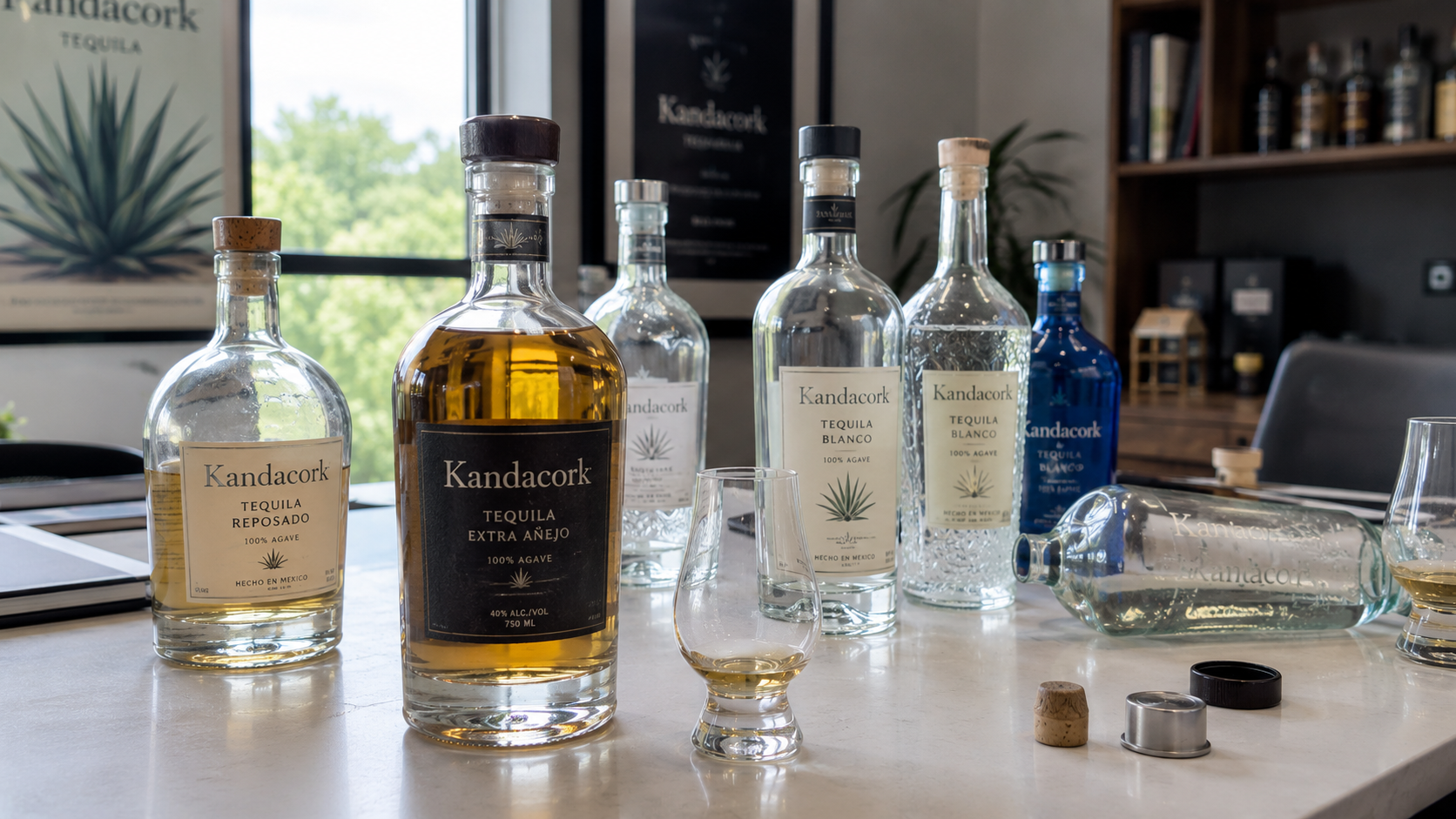
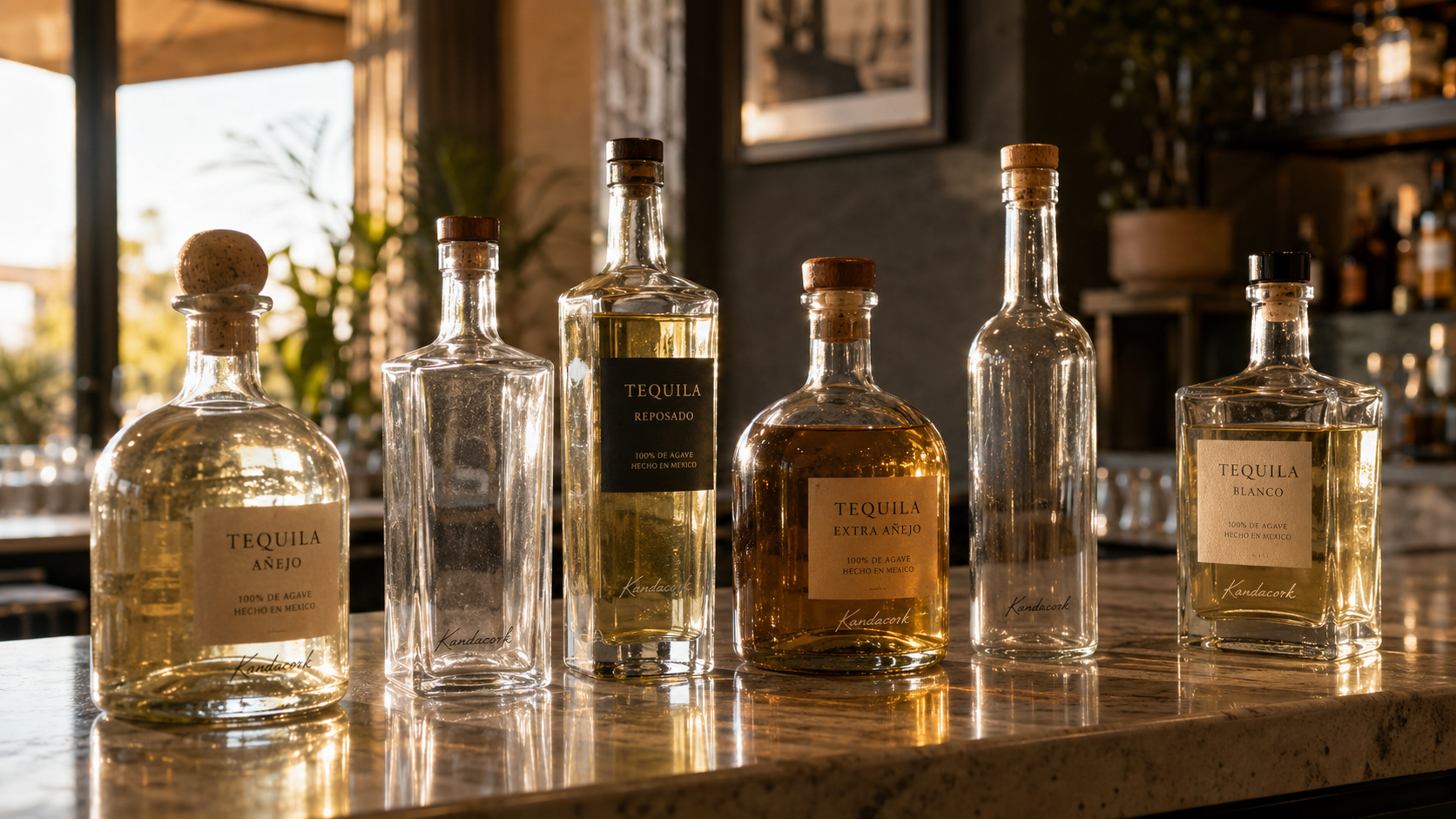
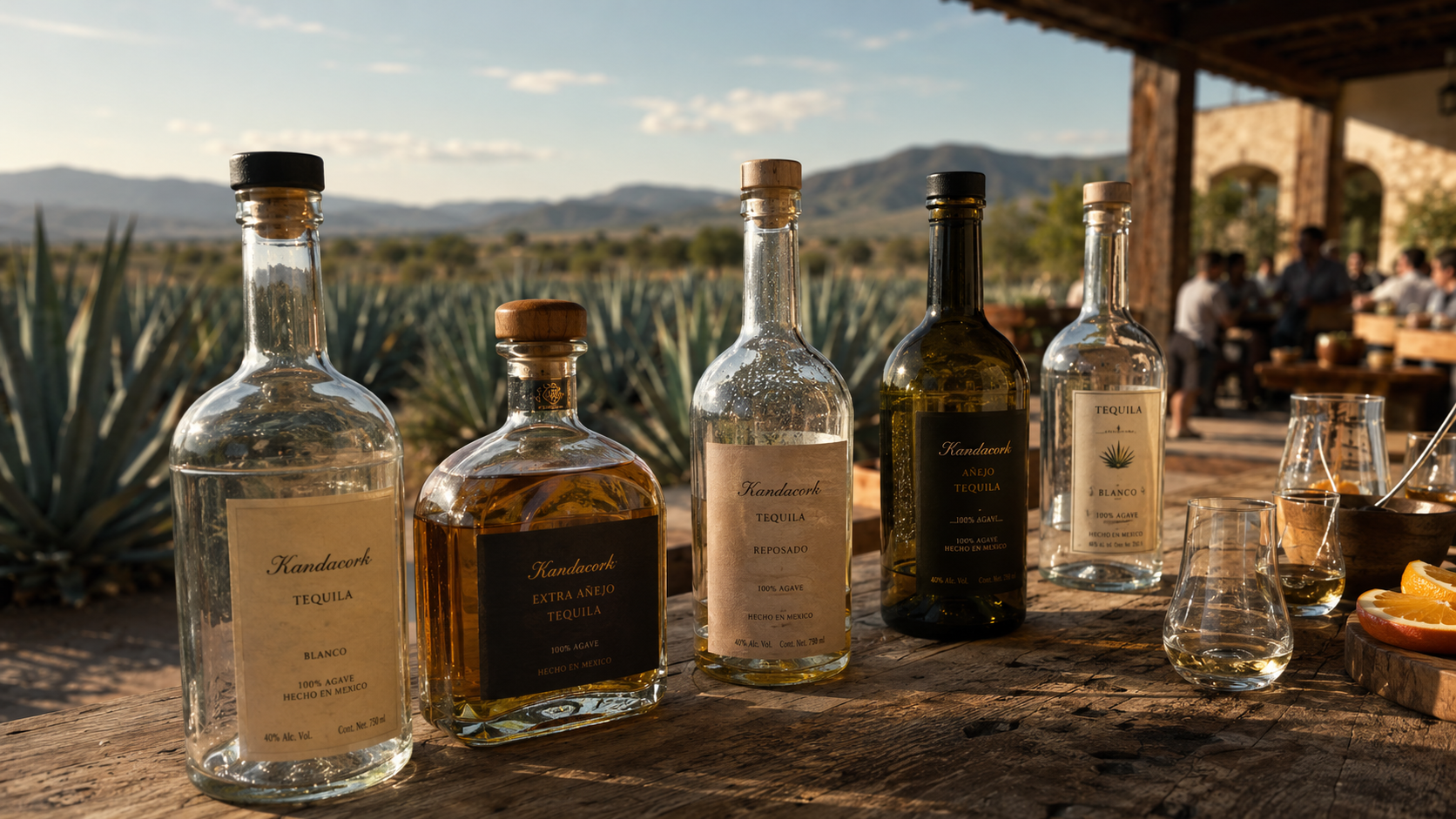
Rum, tequila, and liqueur bottles often use distinctive shapes, bold labels, and strong shelf branding. Some brands prefer rustic cork-like inserts, while others need colorful tops, ornate caps, or premium weighted closures. Synthetic stopper materials are useful because they can be customized by size, hardness, color, texture, and top design.
For projects where cost control and color matching are important, plastic bar-top stoppers can combine molded heads with cork or synthetic shanks. For premium bottles that need weight and tactile value, custom metal stoppers can pair metal tops with suitable shank materials for a stronger luxury impression.
Buyer Decision Matrix
| Buyer Need | Recommended Material Direction | Why It Works |
|---|---|---|
| Premium whisky or brandy closure | TPE, TPR, PE synthetic cork | Supports secure fit, premium pull feel, and decorative top pairing |
| Modern vodka or gin bottle | TPE, TPR, smooth polymer, LDPE | Clean appearance, color control, and consistent sealing |
| High-volume private-label spirits | PE, LDPE, EVA, TPE | Stable cost, repeatable dimensions, and easier reordering |
| Sustainability-focused wine or spirits | Plant-based polymer, documented synthetic cork | Supports environmental positioning when claims are verified |
| Wine requiring oxygen management | Co-extruded synthetic cork | Allows more controlled closure performance |
| Specialty liquid or sensitive formula | Silicone or tested TPE | Helps support inertness and compatibility when validated |
| Gift bottle or unusual neck shape | Custom TPE, TPR, or engineered shank | Can be adjusted for bottle tolerance and opening feel |
How Synthetic Stopper Materials Affect Bottle Neck Fit
A synthetic stopper works as part of a bottle-and-closure system. Even a high-quality material can fail if the shank does not match the glass neck.
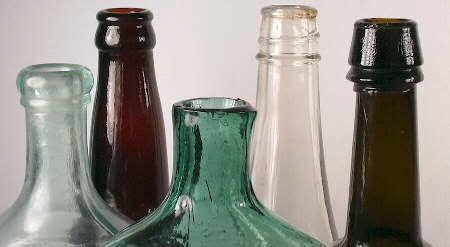
Important bottle dimensions include inner neck diameter, neck depth, mouth opening, sealing contact area, neck tolerance, stopper diameter, stopper length, and seating height. Glass bottles can vary slightly during manufacturing, so real bottle samples should be tested before bulk production.
Compression allows the stopper to enter the bottle neck. Recovery allows the material to press back against the glass after insertion. A stable compression-recovery balance helps maintain sealing pressure during storage and transport.
Pull-out force is also important. A closure that is too loose may feel low quality and create leakage risk. A closure that is too tight may frustrate consumers or damage the top. Premium spirits brands need a secure but comfortable opening experience.
Standards and Tests Related to Synthetic Stopper Materials
Synthetic stopper materials should be evaluated through practical packaging tests and market-specific compliance review. For beverage packaging, buyers often consider food-contact declarations, migration testing, organoleptic testing, compression recovery, extraction force, leakage resistance, transport vibration, temperature cycling, and oxygen transmission rate for wine closures.
For U.S. food and beverage packaging, the FDA provides information on packaging and food-contact substances, including components that may contact food. For the European market, plastic materials intended to contact food are commonly reviewed under EU Regulation No. 10/2011, which addresses plastic materials and articles intended to come into contact with food.
Quality management is also important for repeat production. The ISO overview of ISO 9001 quality management systems explains how consistent processes help organizations meet customer and regulatory expectations. For shipping validation, ASTM’s D4169 performance testing standard is widely used as a reference for evaluating shipping units under distribution conditions.
The goal is not to overcomplicate the purchase. The goal is to confirm that the selected stopper material works with the actual bottle, liquid, market, and logistics conditions.
Technical Tests Buyers Should Consider
Synthetic stopper materials should be tested with the actual bottle and actual liquid before mass production. A practical testing plan may include leakage testing, inverted storage checks, temperature cycling, pull-out force measurement, insertion force review, resealing evaluation, transport vibration simulation, odor testing, and alcohol contact testing.
For spirits, high-ABV compatibility is especially important. Alcohol can interact with materials differently from water, oil, vinegar, or syrup. A stopper that works for one liquid may not be suitable for another.
For export projects, testing should also reflect real logistics. Bottles may face temperature changes, long storage periods, vibration, carton stacking, container loading, and retail handling. A stopper should stay seated, resist leakage, avoid odor transfer, and open comfortably after transport.
Example: Choosing a Synthetic Stopper Material for a Spirits Bottle
For a 700ml whisky bottle with a heavy wood or zinc alloy top, Kandacork Closures may first review the inner neck diameter, neck depth, glass tolerance, top weight, target opening feel, and expected shipping conditions.
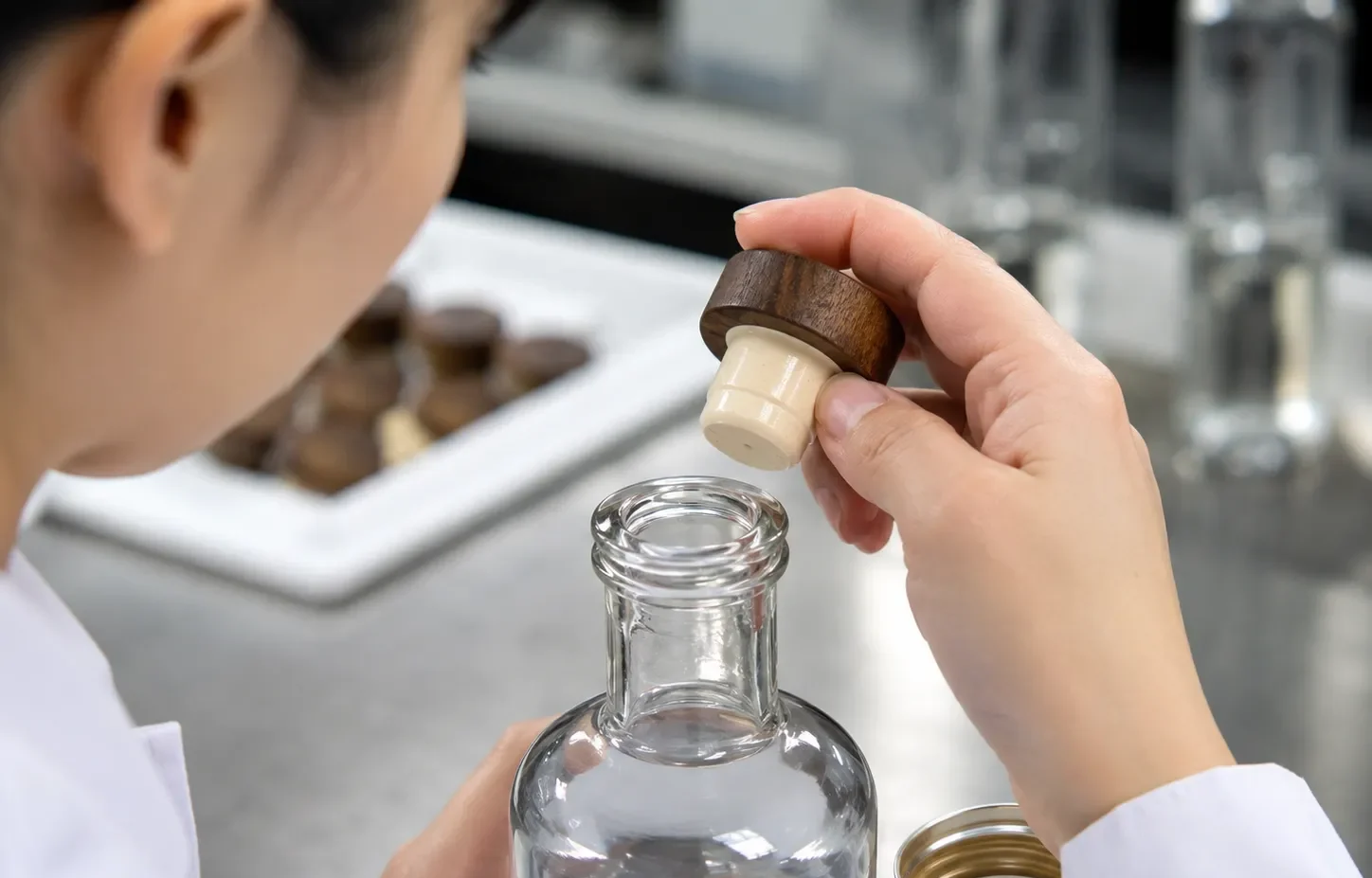
If the brand wants a firm premium pull, TPE, TPR, or PE synthetic cork may be sampled in different hardness levels and shank dimensions. The samples can then be checked for seating height, insertion feel, pull-out force, leakage resistance, resealing, and alcohol-contact performance.
If the stopper feels too tight, the shank diameter, hardness, or sealing profile may need adjustment. If it feels loose, the material recovery or dimensional fit may need improvement. This sample-based approach helps reduce production risk before bulk ordering.
Food-Contact Synthetic Stopper Materials for Beverage Packaging
Synthetic stopper materials used for beverage packaging should be suitable for the intended food or beverage contact application. Compliance should not be evaluated only by the base polymer name. Colorants, additives, inks, adhesives, decorative treatments, and top materials may also matter.
A professional closure supplier should be able to support documentation based on the intended market and application. Useful documents may include material specifications, food-contact declarations, migration test reports where applicable, odor and sensory test information, alcohol compatibility statements, additive and colorant information, batch traceability records, and quality inspection standards.
For premium spirits and export packaging, documentation helps reduce procurement risk and supports distributor, importer, and regulatory review. It also helps buyers avoid making unsupported claims about safety, sustainability, recyclability, or material origin.
Sensory Neutrality and Alcohol Compatibility
A synthetic stopper should not transfer unwanted odor, taste, color, or extractables into the product. This is especially important for spirits because aroma is central to consumer perception.
Alcohol compatibility should be tested with the actual product, not only with water or a generic liquid. Test conditions may include upright storage, inverted storage, warm-temperature exposure, and longer-term contact.
Synthetic stoppers avoid natural cork-related TCA risk, but that does not mean every synthetic material is automatically neutral. Odor testing and real-product validation are still necessary.
Custom Synthetic Stopper Materials for Liquor Closures
Synthetic stopper materials are popular because they work well with customized liquor closure designs. The inserted shank can be engineered for fit and performance, while the visible top can be designed for brand identity.
Kandacork Closures can support top materials such as wood, plastic, aluminum, zinc alloy, ceramic, glass, and composite materials. Each option creates a different brand impression. Wood tops feel classic and premium. Aluminum tops feel clean and modern. Zinc alloy tops create weight and luxury. Plastic tops offer cost-effective customization. Ceramic and glass tops can create distinctive specialty packaging.
Common decoration options include logo printing, embossing, debossing, laser engraving, hot foil stamping, color matching, matte finish, satin finish, gloss finish, and textured surfaces. Packaging teams that want coordinated bottle decoration can also work with Kandacork decoration and branding specialists to align closure finish, glass decoration, label style, and secondary packaging.
The inserted shank can be customized by diameter, length, hardness, color, texture, sealing profile, and cork-like appearance. This is where engineering and design meet. The stopper must look right, fit correctly, and perform reliably. For detailed closure surface treatment, buyers can review sidewall design options for molded textures, bands, logo panels, and grip-related design details.
How to Choose Synthetic Stopper Materials
Start with the product type, ABV, fill volume, bottle shape, retail channel, storage conditions, price level, and target market. A premium whisky, flavored liqueur, young wine, and RTD cocktail may all need different stopper solutions.
Next, confirm bottle neck dimensions. Provide bottle drawings if available. Physical bottle samples are even better. Measure inner diameter, tolerance range, neck depth, mouth finish, and seating height.
Then match the material to the project. TPE and TPR are useful for flexible spirits stoppers. PE and LDPE are practical for synthetic cork-style closures. EVA may support cost-effective programs. Silicone may fit specialty uses. Plant-based polymers may support sustainability goals.
Samples should be reviewed for appearance, insertion feel, seating height, logo quality, color match, and opening experience. Buyers should test samples with real bottles, not only review photos.
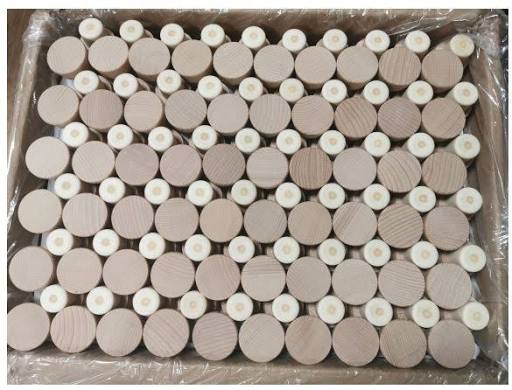
Before bulk production, confirm material, dimensions, tolerance, top design, shank color, decorative method, packaging method, MOQ, lead time, and documentation requirements. Brands developing full packaging systems can coordinate bottles, closures, and decoration through Kandacork Glass for more consistent project management.
Common Mistakes When Choosing Synthetic Stopper Materials
Choosing by appearance only is one of the most common mistakes. A stopper may look premium but still fail if the shank does not fit the bottle neck correctly.
Ignoring alcohol compatibility is another serious risk. Spirits brands should not assume every polymer stopper is suitable for high-ABV products.
Overlooking pull-out force can damage the customer experience. A closure that is too tight feels frustrating. A closure that is too loose feels cheap and may leak.
Using sustainability claims without documentation can create marketing and compliance risk. Plant-based, recyclable, or lower-carbon claims should be supported by supplier evidence. Brands exploring broader sustainable glass and packaging directions may also review Kandacork Eco Glass when planning environmentally positioned bottle ranges.
Approving samples without functional testing can lead to leakage, odor, transport, or resealing problems after production begins.
Why Work With Kandacork Closures?
Kandacork Closures helps spirits brands, wineries, bottlers, and private-label packaging buyers develop custom synthetic stoppers from concept to production.
Instead of selecting synthetic stopper materials from a catalog only, buyers can work with Kandacork Closures to review bottle neck dimensions, compare material options, create samples, customize top design, test fit, and confirm production specifications.
This is valuable for brands that need synthetic cork bottle stoppers, custom liquor stoppers, bar-top closures, premium spirits closures, wine closures, liqueur stoppers, or private-label bottle packaging.
A good closure supplier should do more than sell a stopper. It should help reduce leakage risk, improve packaging consistency, protect the liquid, support compliance, strengthen brand presentation, and make repeat production easier. For projects that include multiple bottle categories beyond spirits, Kandacork Glass Packaging can support broader glass bottle and jar packaging development.
FAQs
What are synthetic stopper materials made of?
Synthetic stopper materials may include TPE, TPR, PE, LDPE, EVA, silicone, co-extruded polymers, and plant-based polymers. The right material depends on bottle neck fit, product type, alcohol strength, compliance requirements, branding goals, and cost target.
Is synthetic cork the same as plastic cork?
Synthetic cork is usually polymer-based, but not all synthetic corks are the same. Material type, density, structure, surface design, and manufacturing method can affect sealing performance, oxygen transmission, pull-out force, and appearance.
Which synthetic stopper material is best for spirits bottles?
For many spirits bottles, TPE, TPR, PE, LDPE, and engineered synthetic cork materials are practical options. The best choice depends on the bottle neck, ABV, top weight, desired opening feel, branding style, and testing results.
Are synthetic stoppers food-safe?
Synthetic stoppers can be suitable for beverage packaging, but buyers should request relevant food-contact documentation for the intended market and application. Material safety should be confirmed before bulk production.
Do synthetic stoppers prevent cork taint?
Synthetic stoppers avoid natural cork-related TCA risk, but they should still be tested for odor neutrality, taste impact, color transfer, and alcohol compatibility.
Can synthetic stoppers be customized?
Yes. Synthetic stoppers can be customized by shank size, material, hardness, color, texture, top material, top shape, logo decoration, and surface finish.
What should buyers test before bulk production?
Buyers should test bottle neck fit, insertion feel, pull-out force, leakage resistance, resealing performance, odor neutrality, alcohol compatibility, temperature stability, and transport durability.
What information is needed to request a quote?
What information is needed to request a quote?
To request a quote, provide bottle drawings or neck dimensions, physical bottle samples if available, product type, ABV, target market, desired stopper style, top material, branding requirements, estimated quantity, and compliance expectations.
Conclusion
Synthetic stopper materials give beverage brands more control over fit, sealing, appearance, customization, and production consistency. However, there is no universal best material. The right choice depends on the bottle neck, liquid type, alcohol strength, sensory requirements, compliance market, sustainability goals, cost target, and brand positioning.
For spirits brands and private-label packaging buyers, the safest approach is to combine material selection with real bottle testing. Review the bottle neck, choose the right material family, create samples, check pull-out force, test leakage resistance, confirm sensory neutrality, and approve clear production specifications.
Send Kandacork Closures your bottle drawing, neck dimensions, target ABV, preferred top material, design requirements, and estimated order quantity through the custom closure quote page. Our team can recommend suitable synthetic stopper materials, develop custom samples, and help test fit before bulk production.