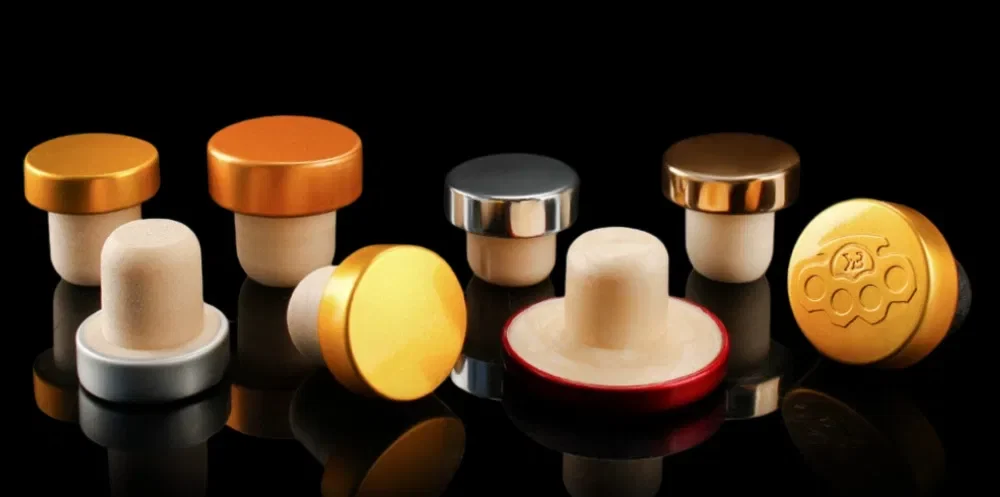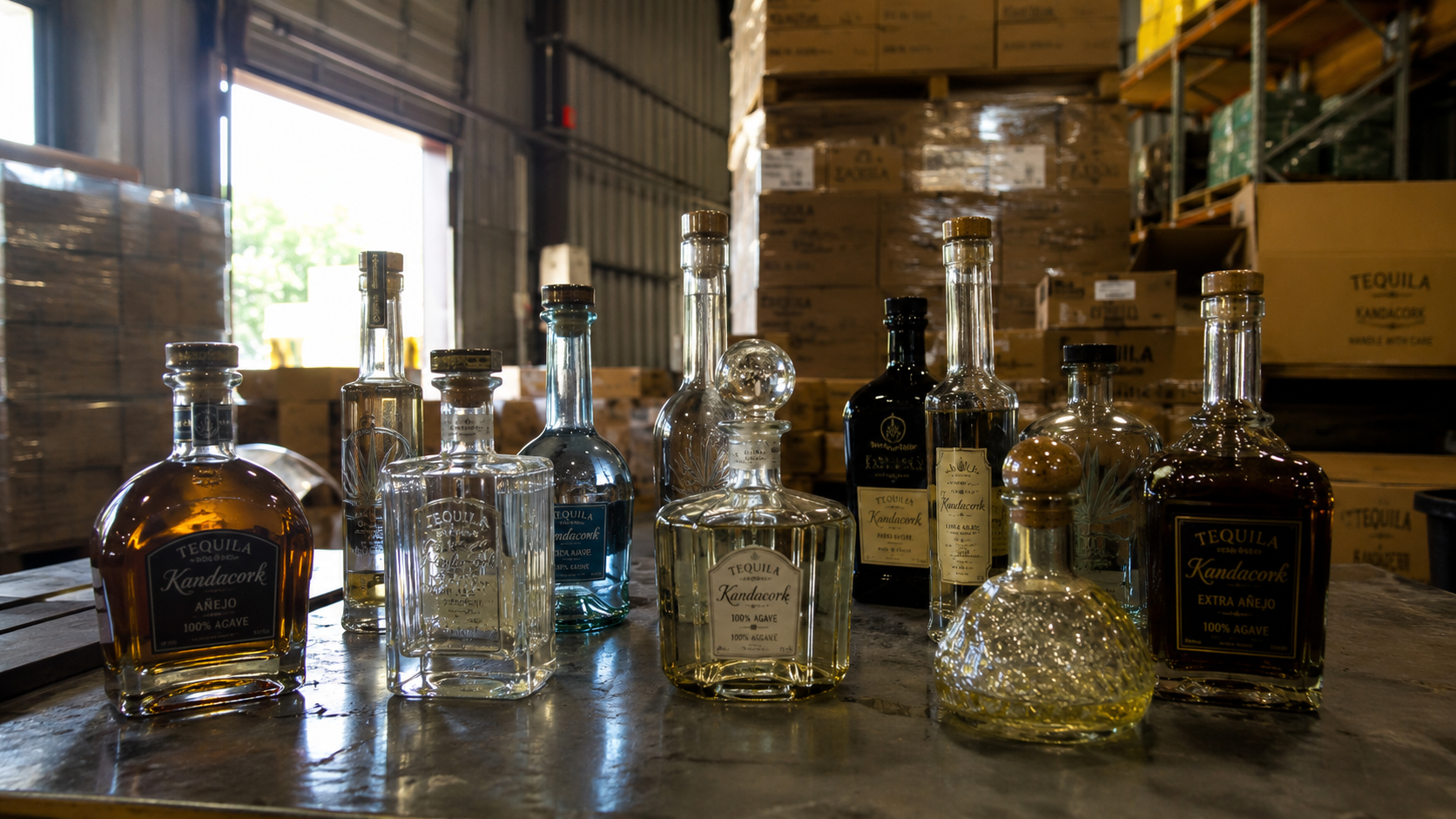
In spirits packaging, one good stopper sample is not enough. A closure must keep the same fit, appearance, sealing feel, and brand presentation across every production lot. When stopper batches vary, buyers may face loose closures, hard insertion, leaking cartons, mismatched cap colors, uneven logo placement, and repeat-order complaints.
Synthetic stoppers batch consistency means each production batch maintains stable shank dimensions, cap finish, color, insertion feel, pull-out force, resealing performance, and visual quality. For whisky, vodka, gin, rum, tequila, brandy, liqueur, and private-label spirits, consistent closures help protect bottling-line efficiency and retail shelf presentation.
For brands sourcing synthetic bar-top stoppers, the goal is simple: the stopper approved during sampling should match the stopper delivered in mass production as closely as possible. That is why Kandacork Closures treats synthetic stoppers as functional packaging components, not just decorative tops.
What Is Synthetic Stoppers Batch Consistency?
Synthetic stoppers batch consistency is the ability to produce closures with repeatable dimensions, material behavior, fit performance, and visual appearance from one production lot to the next.
A consistent synthetic stopper should maintain stable shank diameter, controlled exposed shank length, repeatable cap size, accurate logo position, predictable insertion feel, reliable pull-out force, secure sealing behavior, clean surface finish, and traceable batch records.
For buyers, this matters because the real test starts after sample approval. A single sample may look attractive, but bulk production must perform across thousands or millions of bottles. If stopper quality changes between orders, the buyer may face delayed filling, repacking costs, distributor complaints, or damaged brand perception.
Why Batch Consistency Matters in Bulk Spirits Orders
Bulk spirits packaging depends on repeatability. Filling lines need closures that insert smoothly and sit at a predictable height. Brand teams need caps that match the approved color and finish. Consumers expect a stopper that opens comfortably, reseals securely, and feels aligned with the product’s price positioning.
Small closure variations can create large quality problems. A shank that is slightly too large can cause hard insertion or line stoppages. A shank that is slightly too small can make the closure feel loose. A cap color that shifts between orders can make the same SKU look inconsistent on shelf.
Batch consistency also supports procurement planning. When a closure supplier can maintain the same approved specification over repeat orders, buyers can manage launch schedules, private-label programs, export shipments, and multi-SKU ranges with less risk.
Common Problems Caused by Inconsistent Synthetic Stoppers
| Buyer Problem | Likely Cause | What to Check |
|---|---|---|
| Stopper feels loose | Shank too small or bottle bore too wide | Neck inner diameter, shank diameter, compression recovery |
| Stopper is hard to insert | Oversized shank or high material hardness | Insertion force, material grade, bottle neck tolerance |
| Stopper is hard to remove | Excessive compression or poor size match | Pull-out force, shank diameter, neck bore |
| Bottles leak in transit | Weak neck contact or shallow seating | Leak test, insertion depth, transport simulation |
| Cap color varies | Pigment, coating, or finish process variation | Golden sample, Pantone reference, color comparison |
| Logo position shifts | Decoration fixture or alignment issue | Artwork control, print position, inspection standard |
| Shelf appearance looks uneven | Cap height or seating variation | Total height, exposed shank length, seating depth |
| Reorders do not match samples | Material, mold, or process changes | Batch records, retained samples, specification control |
This table shows why synthetic stoppers batch consistency should be discussed before production, not after defects appear. A clear specification helps both buyer and supplier control the closure as part of the complete packaging system.
Key Factors That Control Synthetic Stoppers Batch Consistency
Bottle Neck and Shank Diameter Match
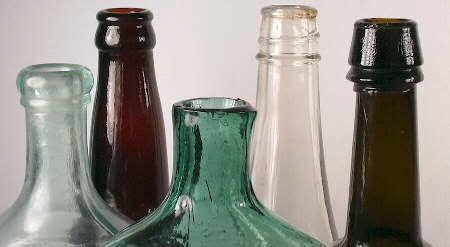
The most important fit factor is the relationship between the stopper shank and the bottle’s inner neck diameter. A spirits bottle may look standard from the outside, but the inner bore can vary by glass mold, bottle supplier, neck finish, and production batch.
A closure supplier should review the bottle drawing and test real bottle samples before recommending a shank size. The review should include inner neck diameter, neck tolerance, neck depth, mouth roundness, surface smoothness, and target seating position.
Bottle and closure development should not happen separately. If a brand is also developing custom glass bottles, the bottle neck finish and stopper specification should be checked together before final approval.
Compression and Recovery
Compression is how the stopper shank reduces slightly during insertion. Recovery is how it rebounds to maintain contact with the bottle neck after insertion. A good synthetic stopper should compress smoothly, recover predictably, and maintain secure neck contact.
If compression is too high, insertion may become difficult. If recovery is too weak, the closure may feel loose or fail during transport. Physical stopper evaluation often considers dimensions, recovery after compression, and extraction force; these measurable concepts are reflected in stopper testing discussions such as ISO 9727.
For spirits buyers, the practical lesson is clear: fit and sealing should be tested, not guessed.
Insertion Force and Pull-Out Force
Insertion force affects bottling-line efficiency. Pull-out force affects the consumer opening experience. The ideal closure should feel secure but not frustrating.
If insertion force is too high, the bottling line may slow down or damage the stopper, cap, or bottle neck. If pull-out force is too low, the bottle may feel cheap or unsafe during transport. If pull-out force is too high, the consumer may struggle to open the bottle.
Target pull-out feel should be confirmed according to bottle neck size, closure material, filling method, spirit category, and brand positioning. For premium spirits, the opening feel is part of the product experience.
Cap Material and Surface Finish
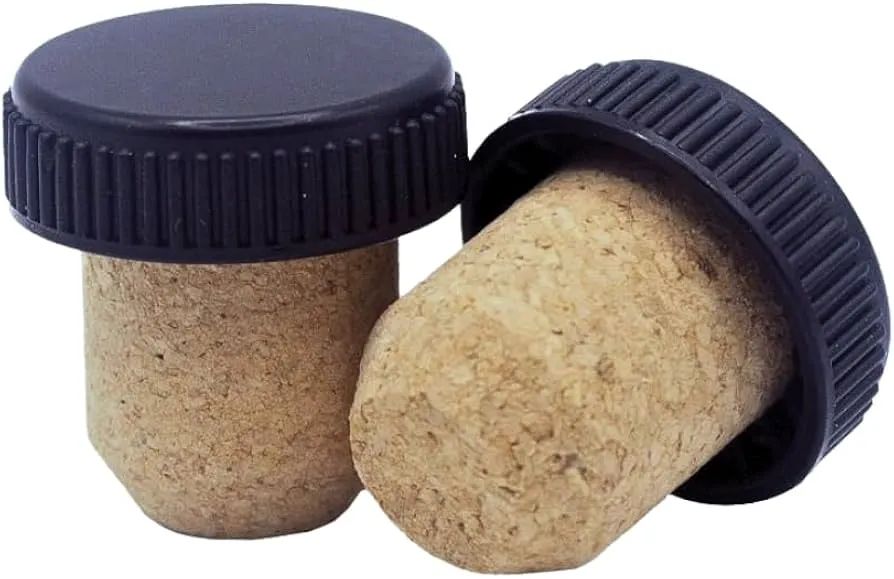
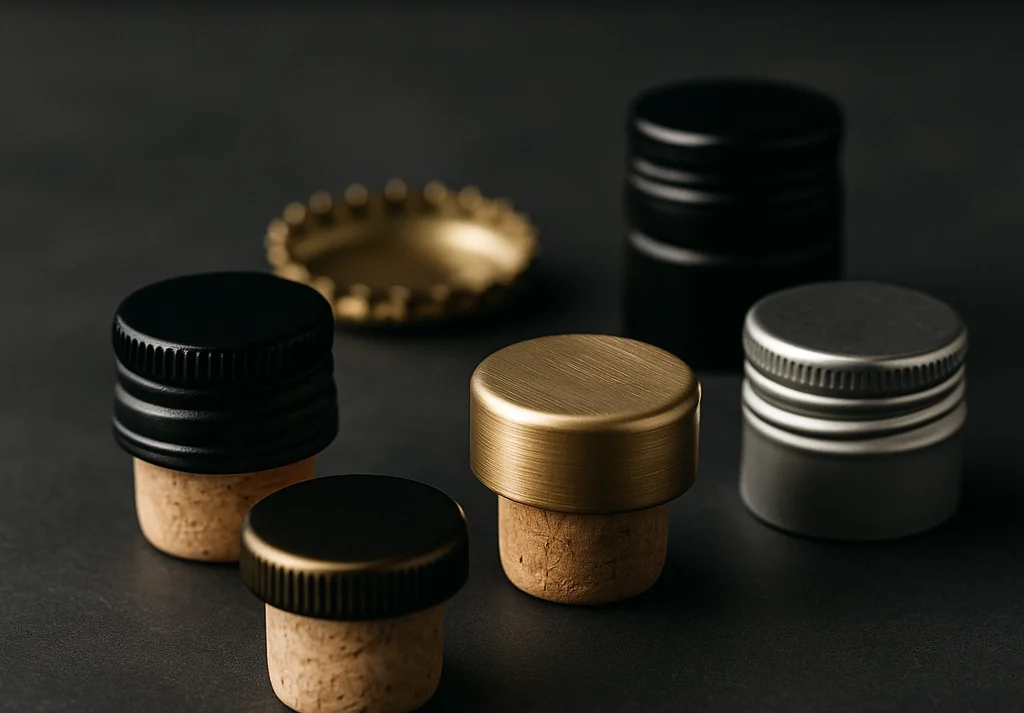
The cap is the most visible part of the bar-top stopper. It affects shelf appeal, handling, and perceived value. Plastic, wood, aluminum, metalized, glass-like, and composite tops can all work well when the material matches the brand story and bottle design.
A whisky brand may prefer a heavier, refined top. A vodka brand may choose a clean modern profile. A rum or tequila brand may want warmer textures, embossed details, or stronger color character. For value-focused programs, plastic bar-top stoppers can provide flexible color matching and efficient bulk production. For brands with a classic or craft identity, wooden bar-top stoppers can support a more traditional shelf impression.
The cap does not usually create the primary seal; the shank controls the bottle neck fit. However, cap inconsistency is immediately visible, so cap color, gloss, texture, logo placement, and height should be controlled within the same batch quality system.
Color and Logo Control
Color variation is one of the easiest batch issues to notice. A small change in black, white, metallic gold, silver, natural wood tone, or a custom brand color can stand out when bottles are displayed side by side.
Buyers should approve a physical color sample, not only a digital rendering. Pantone references, controlled color comparisons, and retained golden samples can help maintain visual consistency across repeat orders. A supplier’s custom colors and finishes process should also consider gloss level, surface texture, coating durability, and decoration compatibility.
Logo decoration also requires control. Printing, embossing, debossing, hot stamping, and metalized effects should be checked for position, clarity, depth, alignment, and durability. For projects that need advanced decoration and branding across bottles, caps, labels, and gift packaging, closure artwork should be aligned with the full packaging system.
Packaging, Storage, and Transport
Batch consistency can be affected after production if closures are packed or stored poorly. Heavy carton pressure, excessive heat, humidity, dust, cap abrasion, and rough transport can damage surface finish or affect stopper condition.
For export spirits packaging programs, packing quality matters. Cartons should protect cap surfaces, reduce abrasion, and avoid unnecessary compression of the shank. Transport testing guidance from organizations such as the International Safe Transit Association can help packaging teams think more clearly about vibration, impact, temperature, and distribution hazards.
QC Checklist for Synthetic Stoppers Batch Consistency
A strong quality control process makes batch consistency measurable. Buyers can use the following checklist when evaluating synthetic stoppers.
| QC Area | What to Inspect | Why It Matters |
|---|---|---|
| Shank diameter | Measure against approved specification | Controls bottle neck fit |
| Exposed shank length | Compare with golden sample | Affects seating depth |
| Cap diameter | Check visible top size | Supports consistent shelf appearance |
| Total height | Confirm full stopper proportion | Prevents uneven bottle presentation |
| Cap color | Compare with approved color sample | Maintains brand consistency |
| Surface finish | Check gloss, matte, texture, scratches, and mold lines | Protects premium appearance |
| Logo placement | Inspect print, embossing, or stamping position | Prevents decoration variation |
| Insertion force | Test with real production bottle | Supports filling-line performance |
| Pull-out force | Check consumer opening feel | Balances security and usability |
| Leak performance | Test under realistic handling conditions | Reduces shipment risk |
| Resealing behavior | Open and reinsert repeatedly | Supports after-opening usability |
| Odor neutrality | Check unwanted material smell | Helps protect spirit aroma perception |
| Packing condition | Inspect cartons, bags, dust, and abrasion | Prevents shipment damage |
| Batch traceability | Confirm lot records and retained samples | Supports repeat-order control |
This checklist helps procurement teams, packaging engineers, bottlers, and closure suppliers share the same quality language. It also helps prevent decisions based only on appearance or unit price.
How to Test Synthetic Stoppers Before Bulk Production
Testing should begin before bulk production. A reliable approval process normally includes bottle review, sample development, fit testing, visual approval, pre-production confirmation, and batch-level inspection.
Buyers should provide bottle drawings and physical bottle samples. The drawing shows target dimensions, while physical samples reveal real-world tolerance, neck finish, seating behavior, and opening feel.
The sample should be tested for fit, insertion feel, pull-out feel, sealing performance, cap appearance, logo quality, and final bottle presentation. If the stopper will be used on automatic insertion equipment, filling-line testing is strongly recommended.
A single attractive sample should not be treated as final proof of bulk quality. Buyers should approve a golden sample and keep it for future comparison. Production samples from the first bulk lot should then be checked against this retained reference.
Sample Approval vs Bulk Production
Many closure quality problems happen because buyers approve a design sample without defining the production standard. A sample confirms the concept, but a specification controls repeatability.
A complete synthetic stopper specification should include bottle inner neck diameter, bottle neck tolerance, stopper shank diameter, exposed shank length, total stopper height, cap diameter, cap material, cap color, surface finish, logo artwork, decoration method, insertion feel, pull-out feel, packing method, destination market, compliance requirements, order quantity, and annual forecast.
For food and beverage packaging, compliance review may also be necessary. In the United States, the FDA explains that food-contact substances include packaging and its components, including materials that come into contact with food or beverages through intended use; buyers can review FDA guidance on food packaging and food-contact substances when assessing market requirements.
For brands selling into the European Union, the European Commission’s food-contact materials framework sets out general principles for safety, inertness, documentation, and traceability; buyers can review the EU overview of food contact materials legislation when planning packaging compliance.
Kandacork Closures Batch Consistency Workflow
Kandacork Closures supports synthetic stoppers batch consistency through a practical development and production workflow.
| Stage | Kandacork Control Point | Buyer Benefit |
|---|---|---|
| Bottle review | Check bottle neck drawing and physical bottle samples | Reduces wrong-size closure risk |
| Fit recommendation | Match shank size to neck tolerance and target opening feel | Improves insertion and pull-out consistency |
| Material selection | Recommend shank behavior and cap material based on usage | Supports sealing, appearance, and repeat orders |
| Sample development | Produce samples for fit, finish, color, and logo review | Confirms design before bulk production |
| Golden sample approval | Retain approved physical reference sample | Helps control future production batches |
| Pre-production check | Compare early production samples with approved standard | Reduces sample-to-bulk mismatch |
| Batch inspection | Review dimensions, color, surface, logo, fit, and packing | Reduces shipment quality risk |
| Repeat-order control | Use previous specification, retained sample, and batch records | Improves long-term sourcing stability |
This workflow gives distilleries, bottlers, importers, and private-label spirits companies a more controlled path from concept sample to repeatable bulk supply.
How Kandacork Closures Controls Synthetic Stopper Quality
Kandacork Closures treats a synthetic stopper as part of a full packaging system. The closure must fit the bottle, support the filling process, protect the spirit, and present the brand consistently.
The process starts with bottle fit review. Buyers can provide bottle drawings, real bottle samples, and reference closures. Kandacork Closures reviews the bottle neck, target seating position, desired opening feel, cap design, decoration requirements, and packing expectations.
Next comes material and shank recommendation. A spirits bottle that will be opened and resealed frequently may need a different feel from a decorative limited-edition bottle. A mini bottle, travel-retail bottle, and full-size premium bottle may also require different closure proportions.
After samples are developed, the buyer can check fit, cap appearance, logo placement, color, finish, and total bottle presentation. Once approved, retained reference samples can guide future batches.
During production, batch quality focuses on dimensional inspection, functional testing, visual review, packing protection, and lot traceability. For repeat orders, the same approved specification should be followed unless the buyer requests a controlled change.
Synthetic Stoppers vs Natural Cork for Batch Consistency
Synthetic stoppers and natural cork stoppers can both be used in beverage packaging, but they serve different priorities.
Synthetic stoppers are often preferred when the buyer needs controlled dimensions, stable color, repeatable cap appearance, custom decoration, and scalable supply. They are practical for high-volume spirits programs, private-label projects, multi-SKU launches, and export packaging.
Natural cork may be preferred when a brand wants traditional texture, natural material storytelling, or heritage positioning. However, natural materials may show more variation in grain, density, surface appearance, and mechanical response.
For buyers focused on repeatable fit and predictable bulk supply, synthetic stoppers batch consistency can be a strong sourcing advantage.
Best Use Cases for Synthetic Stoppers in Spirits Packaging
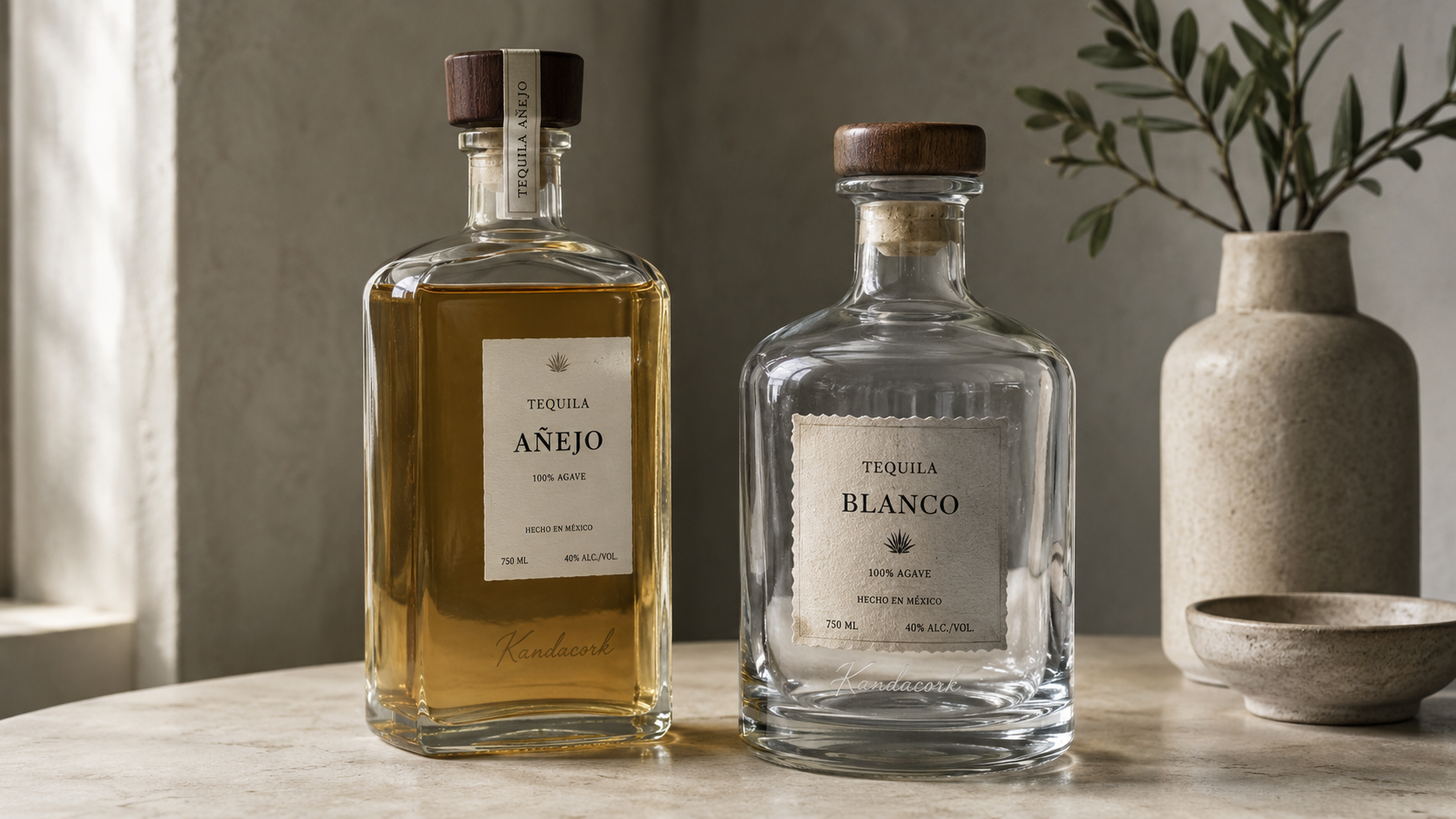
Synthetic bar-top stoppers are suitable for whisky, vodka, gin, rum, tequila, brandy, liqueur, mini bottles, gift sets, private-label spirits, RTD spirits, and limited-edition packaging.
They are especially useful when the brand needs stable closure fit across repeat orders, custom cap color or shape, logo decoration, premium shelf appearance, scalable bulk production, consistent opening and resealing feel, lower variation than natural materials, and reliable export packaging support.
For brands building complete spirits bottle packaging programs, the best result comes from matching the stopper to the bottle, label, decoration, carton, and market positioning instead of selecting the closure in isolation.
Common Batch Consistency Problems and Prevention Methods
Stopper Feels Too Loose
A loose stopper is usually caused by a shank that is too small, a bottle bore that is too wide, weak recovery, or incorrect size selection.
The best prevention method is to test actual bottle samples before approval. Buyers should confirm the inner neck diameter, neck tolerance range, shank size, seating depth, and pull-out feel before placing a bulk order.
Stopper Is Too Hard to Insert or Remove
A stopper may feel too tight if the shank is oversized, the material is too hard, or the bottle neck is narrower than expected.
This can cause line stoppages, packaging damage, or poor consumer experience. Buyers should test insertion force and pull-out feel with real bottles. If automatic insertion equipment is used, the stopper should be tested on the production line before full rollout.
Cap Color Changes Between Orders
Cap color can vary when pigment, finish process, material, or production conditions change.
To prevent this, buyers should approve a physical color standard and retain a golden sample. For premium projects, visual inspection can be supported by Pantone matching or controlled color comparison under consistent lighting.
Logo Position or Print Quality Varies
Logo variation may happen because of fixture movement, curved cap surfaces, artwork issues, or unstable decoration settings.
Buyers should approve decorated samples before production. Inspection should include logo position, clarity, depth, color, alignment, and durability.
Bottles Leak During Shipment
Leakage can result from poor shank-to-neck match, insufficient compression, weak seating depth, bottle tolerance variation, or transport vibration.
Prevention should include fit testing, leak testing, resealing checks, and packing review. For long-distance shipment, transport simulation may be useful before large-scale production.
Buyer’s Specification Guide for Kandacork Closures
| Specification Item | Why It Matters | What Buyer Should Provide |
|---|---|---|
| Bottle inner neck diameter | Controls shank fit | Bottle drawing and sample bottle |
| Neck tolerance | Affects batch fit stability | Glass supplier specification |
| Shank diameter | Controls compression and sealing | Target fit feel or reference sample |
| Exposed shank length | Affects seating and appearance | Required insertion depth |
| Cap diameter | Affects visual balance | Bottle design or cap reference |
| Cap material | Affects brand positioning | Plastic, wood, aluminum, glass-like, or custom option |
| Cap color | Affects shelf consistency | Pantone reference, physical sample, or brand standard |
| Surface finish | Affects premium appearance | Matte, gloss, metallic, wood-look, or textured finish |
| Logo process | Affects decoration consistency | AI, PDF, or vector artwork |
| Order quantity | Affects tooling and QC planning | Trial quantity and annual forecast |
| Target market | Affects compliance review | Destination country or region |
| Packing requirement | Affects shipment condition | Carton, bag, pallet, and export requirements |
A clear specification helps Kandacork Closures recommend the right synthetic stopper faster. It also helps buyers compare supplier proposals based on quality and performance, not only price.
Why Batch Consistency Supports Better Procurement
Good procurement is not only about finding a low unit cost. It is about reducing total packaging risk.
If a closure batch fails, the buyer may face production delays, repacking costs, customer complaints, rejected shipments, or brand damage. A consistent stopper program reduces these risks by creating clear expectations before production begins.
Glass bottle quality also affects closure performance. The Glass Packaging Institute represents the North American glass container industry and provides packaging professionals with resources on glass packaging and recycling, which reinforces an important point for spirits buyers: closure performance should be evaluated together with bottle structure, neck finish, and distribution conditions.
For broader multi-category or export packaging programs, coordinated glass packaging projects can help align bottles, closures, decoration, cartons, and logistics from the start.
FAQ
Are synthetic stoppers more consistent than natural cork stoppers?
Yes. Synthetic stoppers are usually more consistent when a project requires controlled dimensions, stable color, repeatable appearance, and scalable bulk production. Natural cork can provide a traditional image, but synthetic materials are often easier to control in high-volume packaging.
What causes batch variation in synthetic stoppers?
Batch variation in synthetic stoppers usually comes from changes in shank diameter, material hardness, cap color, logo decoration, trimming, packing pressure, or bottle neck tolerance. Buyers can reduce the risk by approving golden samples and requiring batch-level inspection records.
How do you measure synthetic stopper batch consistency?
Synthetic stopper batch consistency can be measured by checking shank diameter, exposed shank length, cap size, insertion force, pull-out force, leak performance, cap color, logo position, surface finish, packing condition, and batch traceability.
What is the biggest cause of inconsistent synthetic stopper fit?
The biggest cause is usually mismatch between the stopper shank and the bottle’s inner neck diameter. Even a consistent stopper can perform poorly if the bottle neck tolerance changes between glass production batches.
Should I approve a synthetic stopper from one sample only?
No. Buyers should approve design samples, pre-production samples, and retained golden samples. One sample may confirm appearance, but it does not fully prove bulk production consistency.
How do I test synthetic stopper fit before bulk production?
Test the stopper with real bottle samples. Check shank diameter, insertion depth, seating height, pull-out feel, leak performance, resealing behavior, and final shelf appearance. If the bottle supplier changes, test again before repeat production.
Can synthetic stoppers be used for premium spirits?
Yes. Synthetic stoppers can be used for premium whisky, vodka, gin, rum, tequila, brandy, and liqueur packaging when the cap material, surface finish, logo decoration, and bottle fit are properly specified.
What information should I send to get a synthetic stopper quote?
Send the bottle drawing, inner neck diameter, physical bottle sample if available, target spirit type, cap material, logo artwork, preferred finish, order quantity, target market, and any compliance requirements.
Why is batch consistency important for private-label spirits?
Private-label spirits often require repeatable appearance, fast sourcing, and reliable production across multiple purchase orders. Synthetic stoppers batch consistency helps buyers avoid unexpected changes in fit, color, branding, and opening feel between orders.
Does the bottle neck affect stopper consistency?
Yes. Stopper consistency and bottle consistency work together. Even a well-made stopper can perform poorly if the bottle neck tolerance changes. Buyers should always test the stopper with the actual production bottle.
Conclusion: Batch Consistency Is a Sourcing Advantage
Synthetic stoppers batch consistency is a practical advantage for spirits brands that need reliable fit, repeatable appearance, and scalable supply. It helps reduce quality risk, improve production planning, and protect brand presentation across multiple orders.
The best results come from matching the stopper design, synthetic material behavior, bottle neck tolerance, cap finish, decoration method, and QC standard. A good closure should not only look premium during sample approval. It should perform consistently during bulk production, transport, shelf display, and consumer use.
For whisky, vodka, gin, rum, tequila, brandy, liqueur, and private-label spirits projects, Kandacork Closures can help develop custom synthetic stoppers with stable fit, refined appearance, and repeatable batch quality.
To prepare your next closure specification, contact Kandacork Closures with your bottle drawing, neck dimensions, sample bottle, cap design direction, target market, and expected order quantity.