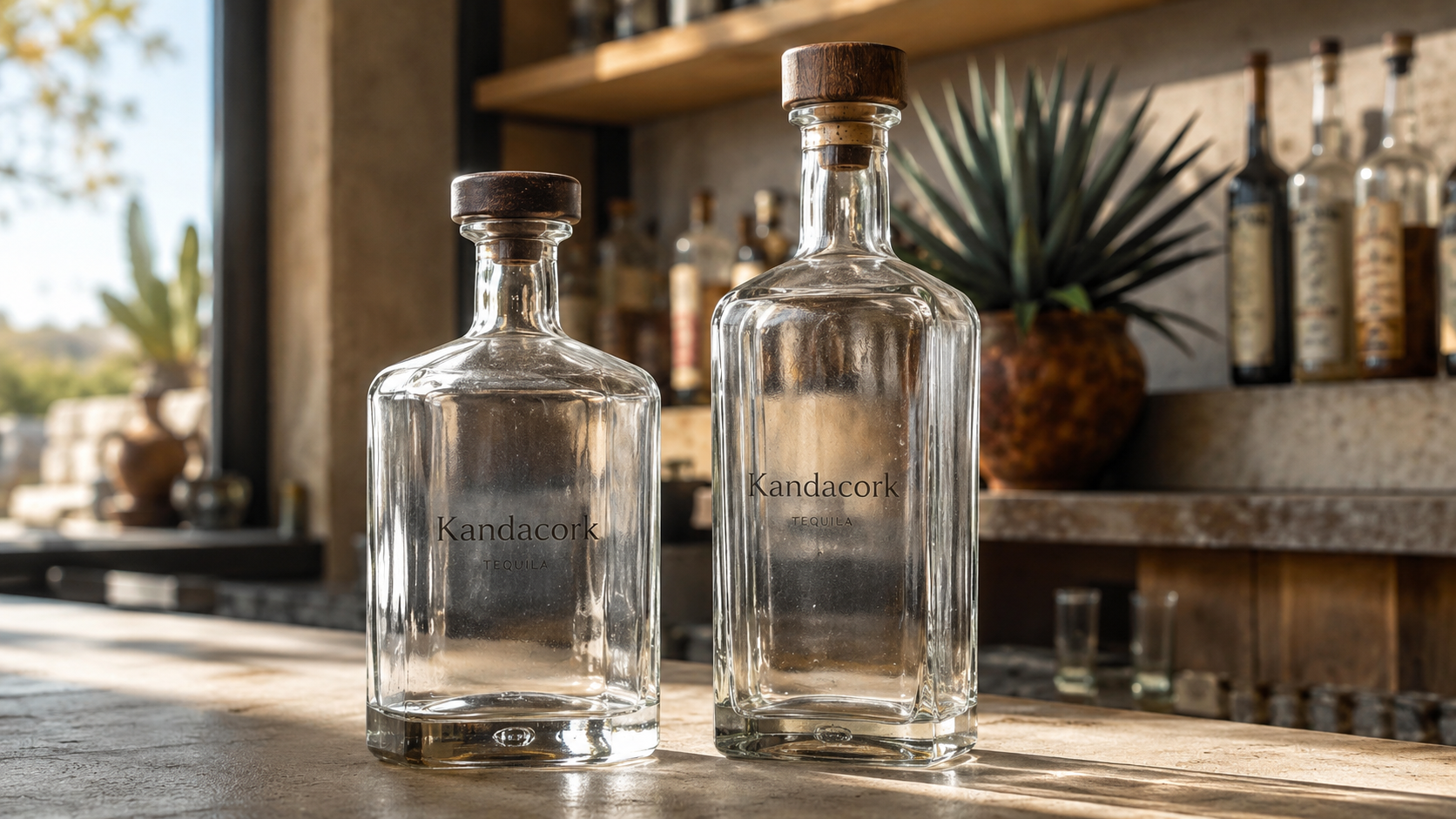
Vodka bottle projects often require closures with clean appearance, stable fit and repeatable production quality. This guide explains how synthetic stopper materials, shank size, logo methods and inspection points should be evaluated before bulk supply.
Best Choice Summary for Vodka Bottle Buyers
| Decision Point | Practical Recommendation |
|---|---|
| Best overall closure | Synthetic bar-top stopper with controlled shank compression |
| Best for premium vodka | Aluminum, zinc alloy, acrylic, glass-look, or custom molded top |
| Best for private-label vodka | Plastic-top synthetic stopper with stable fit and logo printing |
| Most important measurement | Bottle neck inner diameter and tolerance |
| Most important tests | Insertion, pull-out force, leakage, resealing, and seating height |
| Best pre-order step | Send bottle drawings and physical samples before bulk approval |
For most premium vodka projects, synthetic bar-top stoppers offer a strong balance of clean appearance, resealing convenience, custom branding, and scalable production.
What Are Synthetic Stoppers for Vodka Bottles?
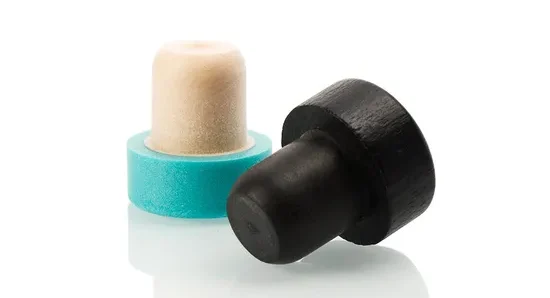
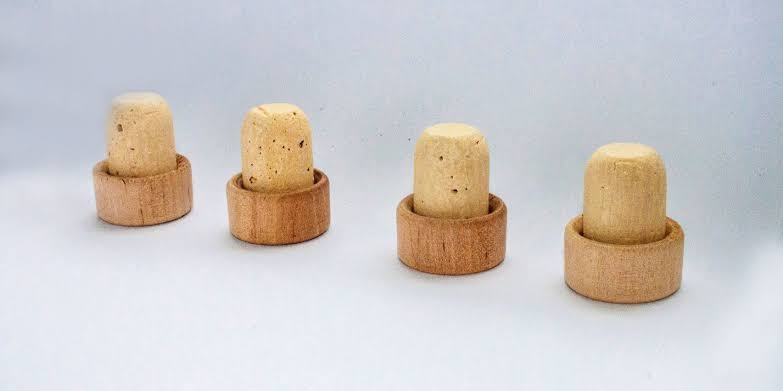
Synthetic stoppers for vodka bottles are resealable bar-top or T-top closures made with a synthetic sealing shank and a decorative top. The shank fits into the bottle neck to create compression, while the top provides grip, visual identity, and branding space.
They are used across spirits packaging when a brand wants a more premium hand feel than a simple cap. For vodka, synthetic stoppers are especially useful for clear bottles, frosted bottles, gift packaging, minimalist labels, luxury spirits lines, and private-label launches where the closure needs to look consistent from batch to batch.
A complete vodka stopper should be evaluated as a system: bottle neck, shank material, top material, decoration, filling method, shipping conditions, and consumer opening experience all matter.
Why Vodka Brands Use Synthetic Stoppers
Clean, Modern Appearance
Vodka bottle design often relies on clarity, restraint, and symmetry. Clear glass, frosted glass, white labels, black typography, silver foil, and transparent visual effects are common. Synthetic stoppers for vodka bottles support this design style because the top can be made in matte, gloss, satin, metallic, black, white, transparent, frosted, or color-matched finishes.
A synthetic stopper also avoids the rustic variation of natural cork when that look does not fit the brand. For a modern vodka bottle, the closure should look intentional, smooth, and repeatable.
Consistent Bottle Neck Fit
Bulk vodka closures must fit consistently across production. A stopper that works on one sample but varies across a run can cause leakage, difficult insertion, unstable opening feel, or packing delays. Synthetic shanks can be engineered for controlled diameter, surface texture, hardness, and compression.
This is especially important for custom glass bottles, where neck tolerance and finish details may differ from standard spirits containers. Buyers developing vodka bottles and closures together can reduce fit risk by coordinating bottle design with vodka bottle closure support early in the project.
Premium Opening and Resealing Feel
The opening moment affects perceived value. If the stopper feels too loose, the bottle can feel cheap. If it is too tight, the consumer may struggle to open it. The right synthetic stopper gives controlled resistance, a smooth release, and stable resealing.
This matters for home bars, hospitality venues, tasting rooms, duty-free gift packs, and premium retail packaging. A vodka bottle may be opened and closed many times, so the stopper should maintain its fit after repeated use.
Strong Branding Flexibility
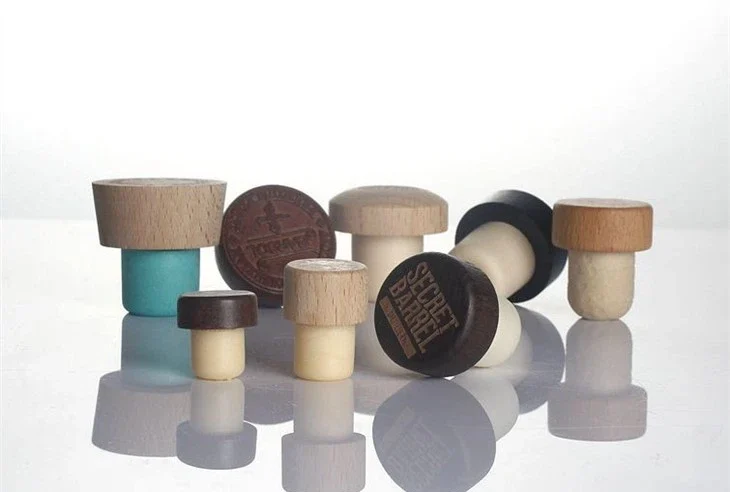
Synthetic stoppers for vodka bottles allow broad customization. The top can be printed, embossed, debossed, hot-stamped, color-matched, molded into a special shape, or paired with plastic, aluminum, zinc alloy, acrylic, wood, or glass-look components.
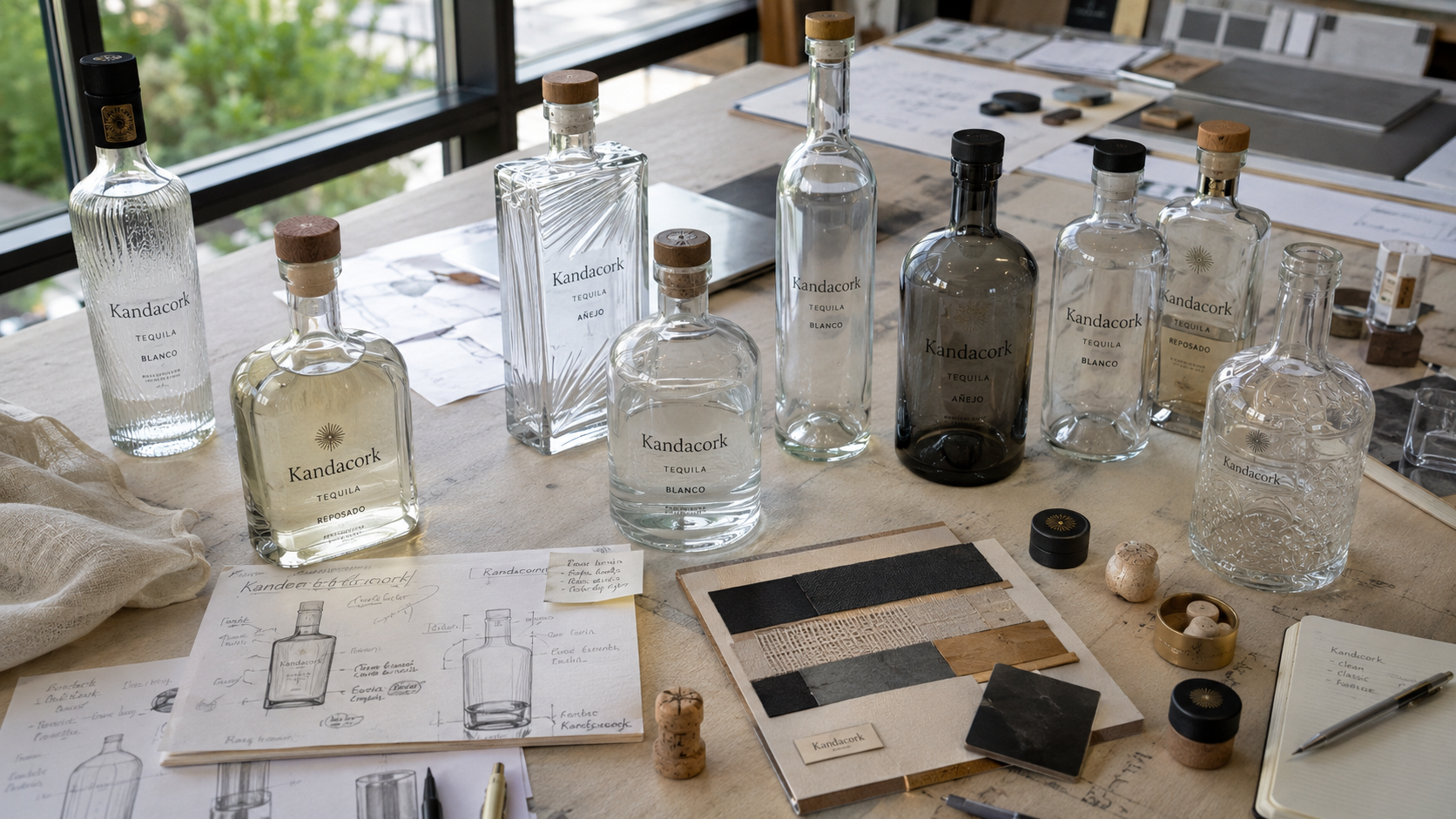
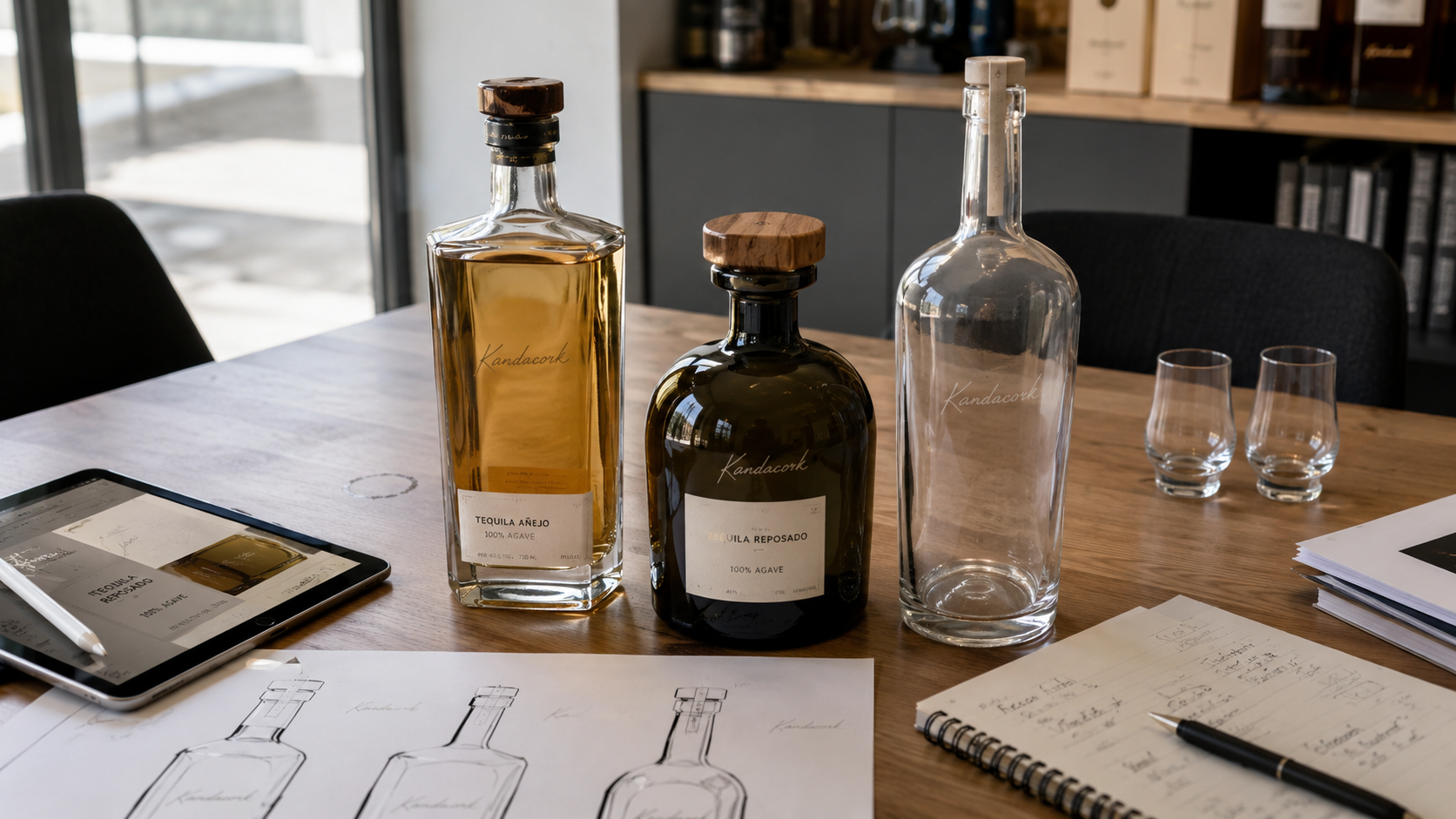
A minimalist vodka may use a matte black top with a small silver logo. A luxury vodka may choose a heavy zinc alloy or glass-effect top. A private-label vodka may use a cost-efficient plastic top with simple logo printing. For projects that require matching bottles and visual structure, buyers may also coordinate stopper planning with custom spirits bottle development so the closure, neck, label, and carton work together.
Quick Buying Guide for Synthetic Vodka Bottle Stoppers
| Buyer Need | Suitable Stopper Direction |
|---|---|
| Minimal vodka bottle | Smooth black, white, matte plastic, or aluminum-look top |
| Frosted vodka bottle | Satin, soft-touch, matte silver, or frosted-effect top |
| Luxury vodka bottle | Zinc alloy, aluminum, acrylic, glass-look, or custom molded top |
| Private-label vodka | Plastic-top synthetic stopper with clean logo printing |
| Export vodka | Leak-tested synthetic shank with secure pull-out force |
| Gift-box vodka | Premium top material aligned with carton and bottle decoration |
| Clear vodka bottle | Clean shank line with silver, black, white, or transparent top |
The correct choice depends on the bottle neck, brand style, filling method, target price, destination market, and sample test results. Appearance should never be evaluated separately from sealing performance.
Synthetic Stopper vs Synthetic Cork vs Screw Cap for Vodka
Vodka brands often compare synthetic stoppers with synthetic cork-style closures and screw caps. Each option has a different role.
| Closure Type | Best For | Advantages | Considerations |
|---|---|---|---|
| Synthetic bar-top stopper | Premium vodka, custom spirits packaging, gift bottles | Resealable, brandable, premium hand feel, many top designs | Requires fit testing with the actual bottle |
| Synthetic cork-style stopper | Brands wanting cork-like sealing with controlled consistency | Stable dimensions, clean appearance, repeatable supply | Must match neck diameter and seating height |
| ROPP or screw cap | High-speed filling lines, mass-market vodka, tamper-evident packs | Efficient application, practical for large runs | Less premium tactile experience than a bar-top stopper |
| Natural cork stopper | Heritage or craft positioning | Traditional texture and appearance | Natural variation may not suit clean vodka packaging |
Buyers comparing insert materials should distinguish between the cork-like shank and the finished closure system. A synthetic cork stopper for spirits bottles usually refers to the engineered sealing component and bar-top construction, while the final stopper also includes the visible top, surface finish, decoration, and bottle-specific fit.
Main Parts of Synthetic Stoppers for Vodka Bottles
Shank
The shank is the part inserted into the bottle neck. It may be made from synthetic cork, polymer-based material, TPE-style material, or another engineered sealing compound. The shank must match the neck inner diameter, compression requirement, alcohol exposure, storage conditions, and opening feel.
A good shank should insert smoothly, hold securely, resist cracking, and reseal after opening. For clear and frosted vodka bottles, the visible line at the neck should also look clean and uniform.
Top
The top is the visible grip and branding area. Common options include plastic, wood, aluminum, zinc alloy, acrylic, glass-look materials, and custom molded forms.
Plastic tops can be practical for private-label and mid-market vodka because they offer controlled cost, color options, and reliable bulk supply. For projects that prioritize repeatability and branded molding, plastic bar-top stoppers can provide a clean balance of appearance and production efficiency.
Metal and metal-look tops can elevate perceived value. Aluminum and zinc alloy tops often suit premium vodka, luxury gifting, and bottles with heavy bases or high-contrast decoration. For brands that need a stronger shelf signal, metal bar-top stoppers can support weight, shine, engraving, embossing, and premium visual identity.
Surface Finish
Surface finish should match the bottle, label, and outer packaging. Common options include matte, gloss, satin, soft-touch, metallic, transparent, frosted, ribbed, smooth, and color-matched finishes.
A frosted 750 ml vodka bottle may pair well with a satin silver top. A clear minimalist bottle may work better with a flat black or transparent top. A luxury gift bottle may justify a heavier decorative top with a logo coin, engraved mark, or custom molded detail.
Technical Specification Checklist
| Specification | What Buyers Should Check |
|---|---|
| Shank diameter | Match with bottle neck inner diameter and tolerance |
| Shank material | Confirm compression, resealing behavior, and alcohol compatibility |
| Top material | Choose plastic, aluminum, zinc alloy, acrylic, glass-look, wood, or custom molded top |
| Pull-out force | Balance secure sealing with easy consumer opening |
| Seating height | Confirm the stopper sits evenly and matches the bottle silhouette |
| Decoration | Review printing, embossing, debossing, hot stamping, and color matching |
| Documentation | Request material and food-contact information suitable for the target market |
| Packing method | Confirm protection against deformation, dust, abrasion, and moisture |
| Batch consistency | Review inspection criteria before mass production |
This checklist helps buyers compare synthetic stoppers for vodka bottles before approving samples or placing a bulk order.
How to Choose the Right Stopper Size
Measure the Bottle Neck Opening
The correct stopper size starts with the bottle neck inner diameter. The shank must fit the actual glass opening, not just the nominal bottle size. Glass tolerance, neck roundness, inner wall finish, and stopper compression all affect the final result.
Before ordering synthetic stoppers for vodka bottles in bulk, provide a bottle drawing or physical bottle sample. A technical supplier can review the neck opening, seating area, tolerance range, and stopper fit before recommending a shank size.
Review Common Spirits Stopper Sizes
Many spirits stoppers fall within common shank ranges such as 18.5 mm, 19.5 mm, 21.5 mm, and 22.5 mm. These figures are useful reference points, but they are not universal.
A 19.5 mm stopper made from one material may behave differently from a 19.5 mm stopper made from another compound. Material hardness, surface texture, shank length, bottle tolerance, and seating depth all affect performance.
Confirm Seating Height
Seating height affects both function and appearance. If the stopper sits too high, the bottle may look unfinished. If it sits too low, the top may touch the neck or become difficult to grip.
For premium vodka bottles, seating height should be checked together with label height, bottle shoulder, capsule plans, carton insert, and shelf-facing silhouette.
Test With Real Bottles
Physical sample testing is essential. Buyers should test synthetic stoppers with real vodka bottles before mass production, especially when using custom glass, frosted bottles, luxury bottle shapes, or export packaging.
When a project includes a custom bottle structure, matching the closure with custom glass bottles during development can help reduce neck-fit conflicts and improve the final packaging feel.
How to Test Synthetic Stoppers for Vodka Bottles Before Bulk Orders
Insertion Test
The insertion test checks whether the stopper can be applied smoothly by hand or equipment. A good stopper should enter the bottle neck without cracking, bending, scraping, or requiring excessive force.
For larger production runs, insertion must also be practical for operators or compatible with the filling process. If each stopper requires too much force, production speed and consistency may suffer.
Pull-Out Force Test
Pull-out force measures how much effort is needed to remove the stopper. If the force is too low, the closure may feel insecure or increase leakage risk. If the force is too high, the consumer may struggle to open the bottle.
For vodka, the ideal opening experience is firm but smooth. The closure should feel controlled, premium, and reliable.
Leak and Resealing Tests
Leak testing should include upright storage, inverted positioning, side-position storage, and short-term movement testing. Export projects should also consider vibration, carton movement, warehouse conditions, and temperature variation.
Vodka bottles are often opened and closed repeatedly, so resealing should be checked after multiple cycles. The shank should maintain stable compression without losing grip or creating an uneven seal.
Alcohol Compatibility Review
Vodka is commonly bottled at a higher alcohol content than many ready-to-drink beverages. Closure materials should be reviewed for compatibility with the spirit, expected storage time, and destination market.
The U.S. FDA explains that a food-contact substance can include packaging components, adhesives, colorants, and other substances that contact food or beverage products, so buyers should request relevant material information from suppliers. For certain closure designs, teams may also review 21 CFR 177.1210 for closures with sealing gaskets when applicable to the closure construction.
Recommended Stopper Choices by Vodka Brand Positioning
| Vodka Brand Positioning | Recommended Closure Direction |
|---|---|
| Economy vodka | Plastic-top synthetic stopper or screw cap, depending on filling-line needs |
| Mid-market vodka | Matte plastic, aluminum-look, or color-matched synthetic stopper |
| Craft vodka | Wood, matte, textured, or custom color stopper supporting a handmade identity |
| Premium vodka | Aluminum, acrylic, glass-look, or metal-look stopper with logo decoration |
| Luxury vodka | Zinc alloy, heavy-top, glass-effect, or custom molded stopper |
| Export vodka | Leak-tested synthetic stopper with documented packing specification |
| Private-label vodka | Standardized synthetic stopper with logo printing and predictable lead time |
This table helps avoid mismatches. A premium vodka bottle should not use a closure that feels too light or visually unfinished. A private-label vodka project may not need a luxury metal top, but it still needs reliable fit, clean branding, and consistent supply.
For brands refining the visual system around the closure, decoration and branding support can help coordinate logo treatment, surface finish, color direction, and packaging presentation.
Compliance and Documentation for Vodka Bottle Closures
Compliance planning should begin before bulk approval. Synthetic stoppers for vodka bottles may include polymers, colorants, coatings, adhesives, decorative inserts, and sealing materials. Buyers should request documentation that matches the target market and the part of the closure that may contact the bottle mouth or product.
In the United States, the FDA food-contact substance framework is relevant when packaging components may contact food or beverage products. For Europe, the European Commission describes the EU food contact materials framework as covering safety and inertness expectations for materials intended to contact food.
For distilled spirits sold in the U.S., the Alcohol and Tobacco Tax and Trade Bureau manages label and bottle approval workflows, including TTB COLA requirements for many alcohol beverage products. The stopper is only one component, but its visual presentation should work with the complete bottle, label, and market-approval plan.
Packaging buyers also use standards language to communicate quality expectations. The International Organization for Standardization maintains work around packaging and the environment, which can help teams discuss packaging systems, lifecycle considerations, and sustainability-related requirements more consistently.
Documents to request may include material specifications, food-contact declarations, migration or compliance information where applicable, technical drawings, color and coating details, sample approval records, quality inspection criteria, packing specifications, and batch traceability information.
For export projects, buyers should collect these documents before production. Waiting until after bulk manufacturing can delay shipment, customs review, distributor approval, or launch timing.
Supplier Evaluation Checklist
A reliable supplier should do more than quote a unit price. Synthetic stoppers for vodka bottles require technical fit, material review, decoration control, quality inspection, and production consistency.
Use these questions when comparing suppliers:
- Can the supplier review bottle drawings and physical bottle samples?
- Can the supplier recommend shank size based on inner neck diameter?
- Can the supplier provide physical samples before bulk production?
- Can the supplier support custom top materials, colors, and logo decoration?
- Can the supplier explain pull-out force, seating height, and leak testing?
- Can the supplier provide food-contact documentation where applicable?
- Can the supplier support bulk production and export packing?
- Can the supplier maintain batch consistency for repeat orders?
- Can the supplier coordinate closure development with bottle and decoration needs?
For projects that combine bottles, closures, and accessories across product categories, coordinated glass packaging can help buyers think beyond the stopper and review the full package as a fill-ready system.
Bulk Sourcing Process With Kandacork Closures
Share Bottle Details
Start by sending the bottle drawing, bottle sample if available, neck inner diameter, capacity, finish style, target quantity, vodka alcohol content, market destination, and filling method.
Accurate bottle information helps Kandacork Closures recommend the right synthetic stopper structure and avoid unnecessary sampling delays.
Choose Shank and Top Construction
After reviewing the bottle, select the shank material and top style. For vodka, common top choices include plastic, aluminum, zinc alloy, acrylic, glass-look, matte, gloss, metallic, transparent, and custom color finishes.
This is also the stage to confirm logo printing, embossing, debossing, hot stamping, color matching, or custom molding.
Review Physical Samples
Sample review should include fit, seating height, opening feel, resealing performance, leakage, appearance, color, logo position, and compatibility with the bottle design.
Buyers should not approve bulk production based only on images. Physical samples are the most reliable way to confirm synthetic stoppers for vodka bottles before mass production.
Confirm Pre-Production Details
Before production, confirm the technical drawing, material, color, finish, logo artwork, tolerance, inspection standard, carton packing, and delivery schedule.
For decorated tops, buyers should approve color samples and logo placement. For complete packaging launches, the stopper should be reviewed with the bottle, label, carton, and shipping case.
Produce and Inspect Bulk Orders
During production, quality control should check shank dimensions, top alignment, decoration accuracy, surface finish, appearance defects, packing condition, and batch consistency.
Export packing should protect closures from deformation, dust, abrasion, moisture, and transport damage. This is especially important for premium vodka closures with painted, metallic, transparent, or decorated tops.
RFQ Information Needed for a Custom Quote
For a faster quotation, prepare the following details:
- Bottle drawing or bottle sample
- Neck inner diameter
- Bottle capacity
- Vodka alcohol content
- Target quantity
- Stopper style
- Shank material preference
- Top material preference
- Color and finish requirements
- Logo artwork
- Decoration method
- Destination market
- Packing requirements
- Expected delivery timeline
Clear RFQ information helps the supplier recommend the right stopper and reduces back-and-forth during project development.
Common Mistakes to Avoid
Choosing by Diameter Alone
A stopper size is not enough. Neck tolerance, shank compression, seating height, material hardness, and pull-out force all affect performance. Always test the stopper with the actual bottle.
Ignoring Opening Feel
A vodka bottle may look premium but feel poor if the stopper is too loose, too tight, too light, or unstable. The opening experience should match the product’s price point and brand position.
Using a Low-Quality Top on a Premium Bottle
The closure must match the bottle. A luxury vodka bottle with a cheap-looking top creates a mismatch consumers can notice immediately. Premium packaging should use a top finish, weight, and decoration method that supports the complete bottle design.
Skipping Leak Testing
Leakage can damage cartons, labels, export shipments, and brand reputation. Leak testing is one of the most important steps before ordering synthetic stoppers for vodka bottles in bulk.
Forgetting Compliance Documents
Packaging buyers should request food-contact and material documentation early. Waiting until the end of a project can delay shipment, customs review, or launch timelines.
Approving Bulk Production Without Samples
Photos cannot fully show fit, pull-out force, sealing performance, or top feel. Physical sample testing is essential for custom vodka closures, especially when the bottle is new, decorated, frosted, heavy, or intended for export.
Image Guidance for a Stronger Product Page
Original visuals can help buyers understand fit and finish. Useful images include stopper close-ups, shank comparison photos, bottle neck fit photos, material finish samples, logo decoration examples, and leak-test or seating-height visuals.
Alt text should describe the actual image naturally, such as “synthetic stoppers for vodka bottles with matte black tops,” “custom vodka bottle stopper with synthetic shank,” or “premium vodka bottle closure with aluminum top.” Do not repeat the same keyword on every image.
FAQ
What size synthetic stopper fits a vodka bottle?
The correct size depends on the bottle neck inner diameter, glass tolerance, shank material, seating height, and required pull-out force. Common spirits stopper sizes may include 18.5 mm, 19.5 mm, 21.5 mm, and 22.5 mm, but the final size should be confirmed with drawings and physical samples.
Are synthetic stoppers suitable for high-ABV vodka?
Yes. Synthetic stoppers can be suitable for high-ABV vodka when the material is selected correctly and tested with the actual bottle and product conditions. Buyers should confirm alcohol compatibility, food-contact documentation, sealing performance, and resealing behavior before bulk production.
Are synthetic stoppers better than screw caps for vodka?
Synthetic stoppers are often better for premium appearance, resealing experience, and custom brand presentation. Screw caps or ROPP caps may be better for high-speed filling, tamper-evident requirements, and mass-market formats. The best choice depends on brand positioning, production line, and target market.
Can vodka bottle stoppers be customized with a logo?
Yes. Synthetic stoppers for vodka bottles can be customized with printing, embossing, debossing, hot stamping, color matching, molded shapes, metallic finishes, transparent effects, and custom top materials.
What information is needed for a bulk quote?
For an accurate quote, provide the bottle drawing, bottle sample if available, neck inner diameter, target quantity, stopper style, top material, shank material, logo artwork, color requirements, vodka alcohol content, delivery market, and expected timeline.
Do synthetic stoppers help a vodka bottle look more premium?
Yes, when properly matched to the bottle. A clean synthetic stopper can make a vodka bottle look more modern, consistent, and premium. The effect is strongest when the stopper color, top material, surface finish, and logo decoration match the overall brand identity.
Should vodka brands test synthetic stoppers before mass production?
Yes. Testing should include insertion, pull-out force, resealing, leakage, seating height, visual alignment, and packing performance. Sample approval helps reduce production delays, leakage risk, and packaging quality problems.
What top material is best for premium vodka bottles?
Premium vodka bottles often use aluminum, zinc alloy, acrylic, glass-look, or custom molded tops. The best material depends on bottle shape, target price, brand style, logo decoration, and desired hand feel.
Conclusion
Synthetic stoppers for vodka bottles should be selected with both design and performance in mind. The best closure is not simply the one that looks attractive in a product photo. It must fit the bottle neck correctly, seal reliably, open smoothly, reseal consistently, match the vodka brand identity, support documentation needs, and perform well in bulk production.
For vodka brands, distilleries, packaging buyers, and private-label suppliers, Kandacork Closures provides custom synthetic stopper solutions for bottle fit, material selection, branding, sample review, quality control, and bulk supply.
To begin a project, share your bottle drawing, target quantity, stopper style, logo artwork, vodka alcohol content, and destination market with Kandacork Closures. A technical review and physical sample process can help confirm the right synthetic stoppers for vodka bottles before mass production.