Quick Answer
Wooden bar-top stopper materials usually include a shaped wooden head, a natural cork, micro-agglomerated cork, synthetic, or co-injected shank, an assembly system, and a surface finish such as natural grain, stain, varnish, matte coating, gloss coating, or color coating. The best choice depends on bottle neck fit, spirits category, sealing consistency, decoration method, compliance needs, and bulk production repeatability.
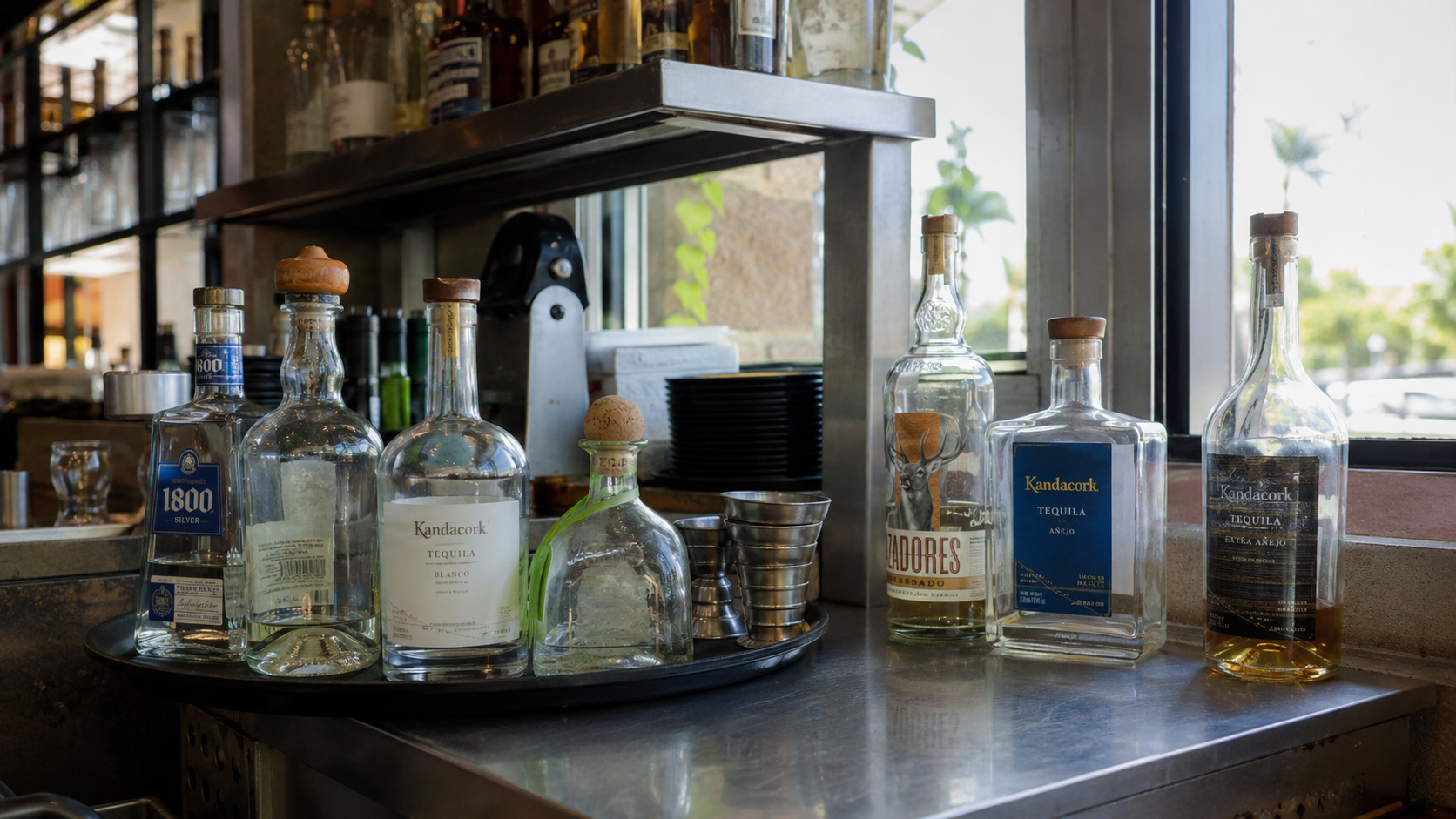
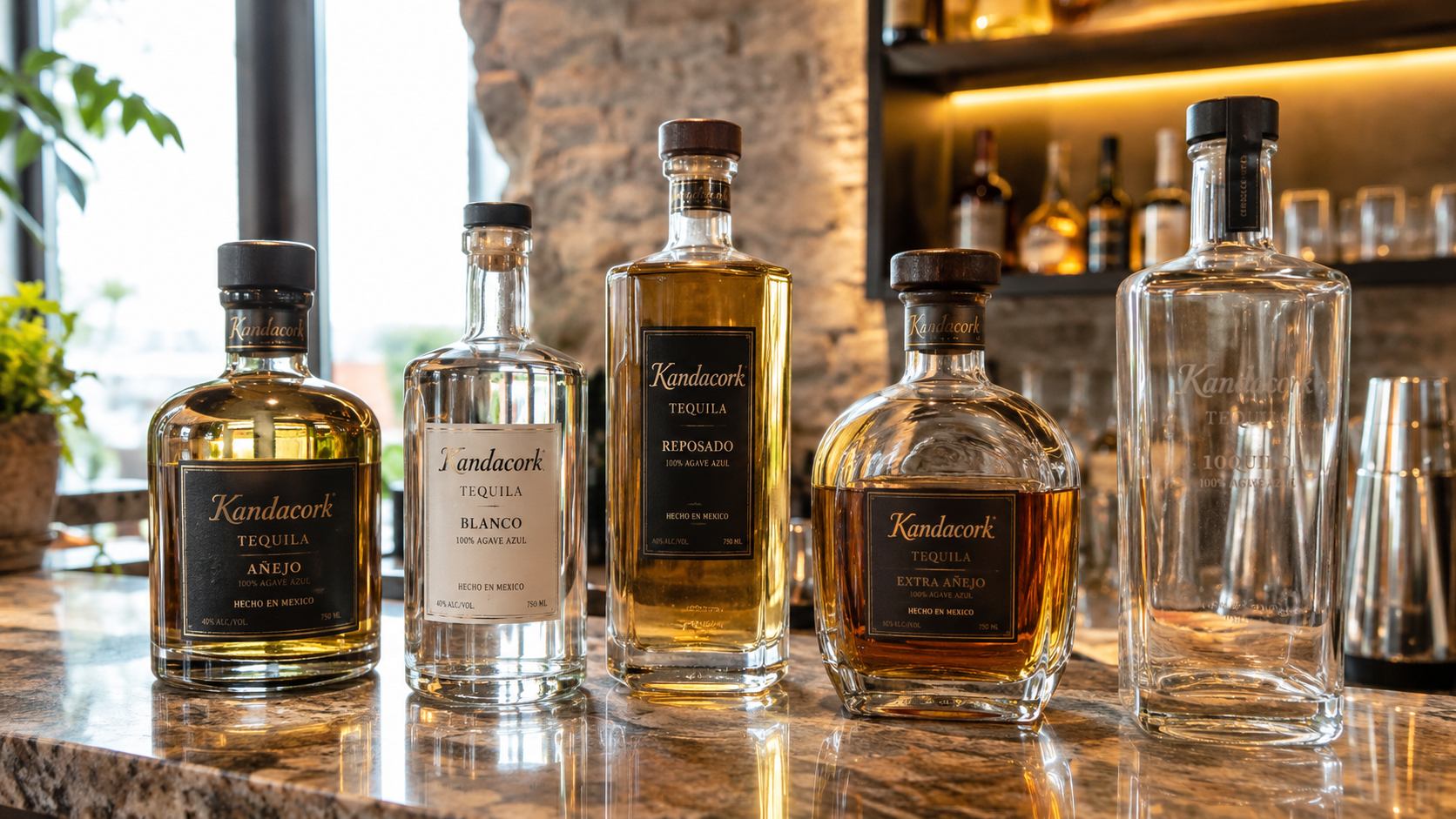
For spirits brands, the stopper is not just a closure. It is the first part of the package a buyer touches when opening the bottle. A well-developed wooden bar-top stopper can make whisky feel more mature, rum feel warmer, tequila feel more handcrafted, gin feel more refined, and vodka feel more modern.
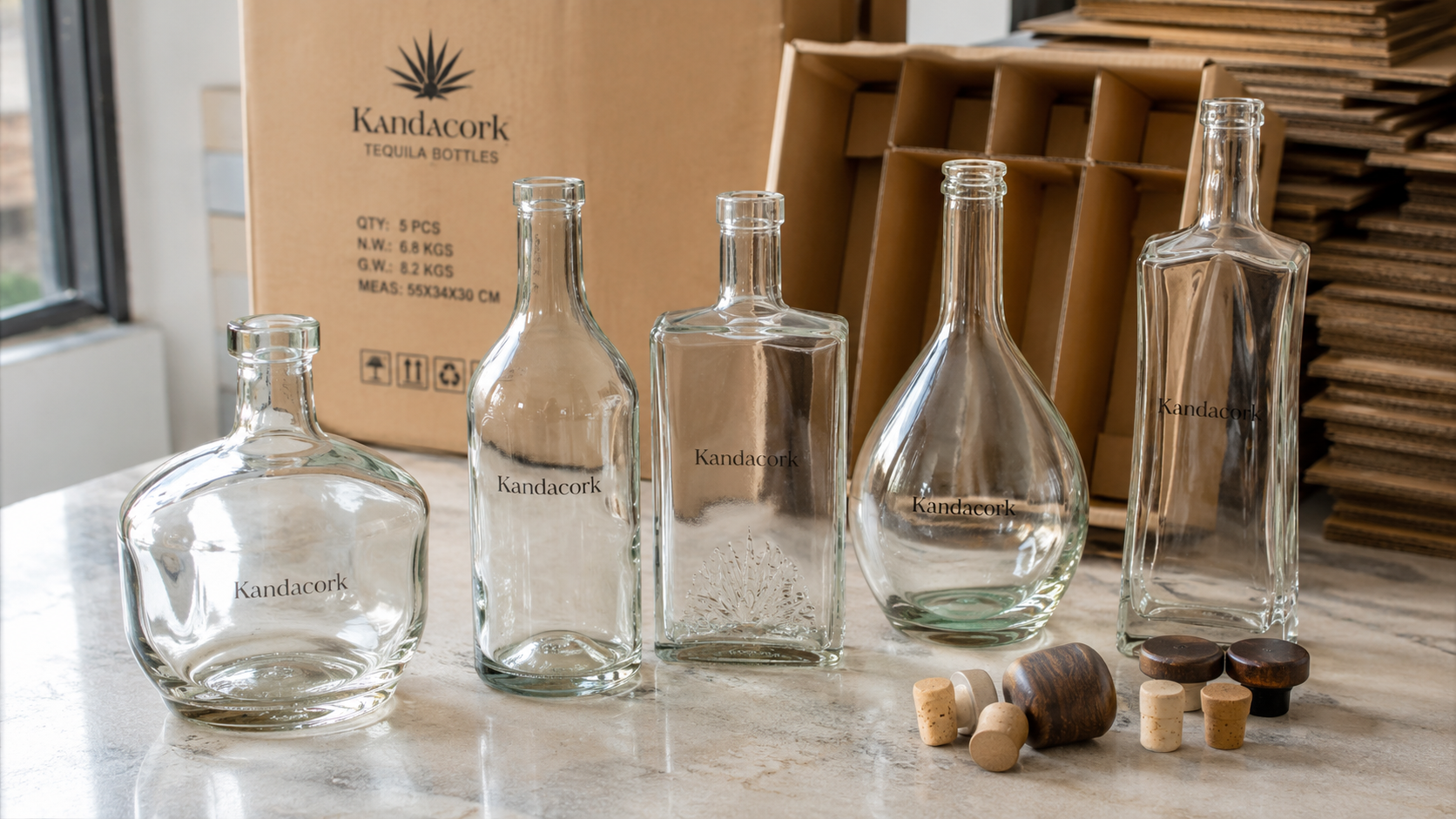
Kandacork Closures supports buyers developing custom wooden bar-top stoppers for spirits bottles with wood head selection, shank matching, logo branding, finish development, neck-fit sampling, and bulk supply support.
Why Wooden Bar-Top Stopper Materials Matter
Wooden bar-top stopper materials influence shelf appeal, opening feel, reseal performance, packaging consistency, and brand value. A stopper that looks premium but fits poorly can create leakage risk, weak hand feel, or consumer frustration. A stopper that seals well but looks generic may reduce the perceived value of a premium bottle.
In spirits packaging, every component sends a signal. Heavy glass suggests quality. A shaped bottle supports brand recognition. Decoration communicates style and price position. A wooden stopper adds warmth, texture, and tactile detail. When the bottle, closure, label, capsule, and carton work together, the finished package feels intentional rather than assembled from unrelated parts.
For B2B buyers, stopper material selection also affects cost control, sample approval, production tolerance, filling-line handling, decoration consistency, and export packing. That is why wooden bar-top stoppers should be selected early in the packaging development process, not treated as a final accessory.
What Is a Wooden Bar-Top Stopper?
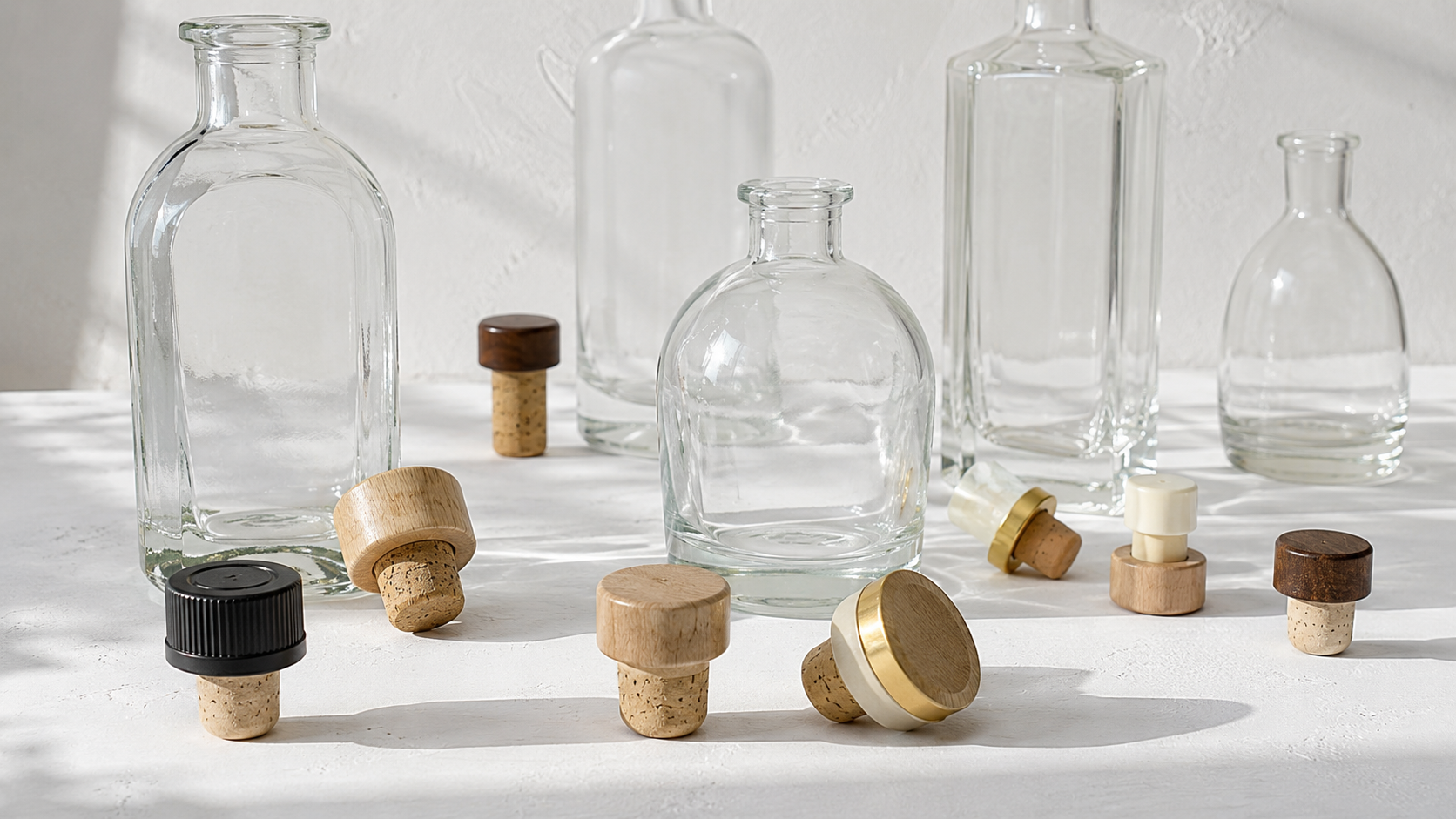
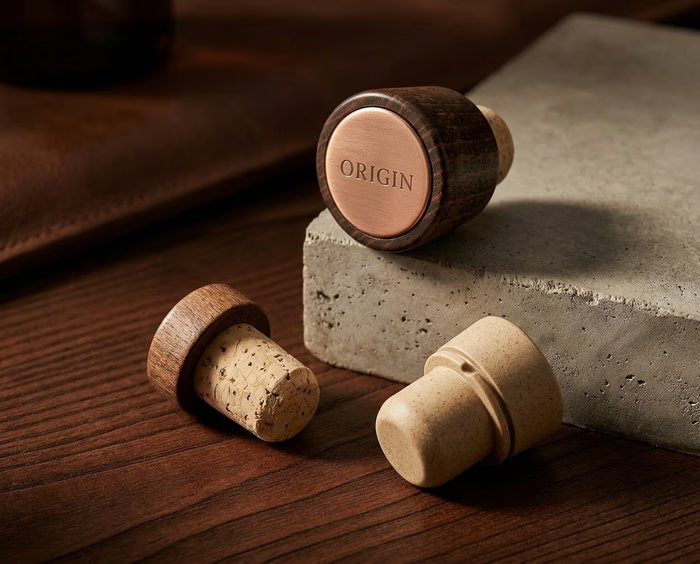
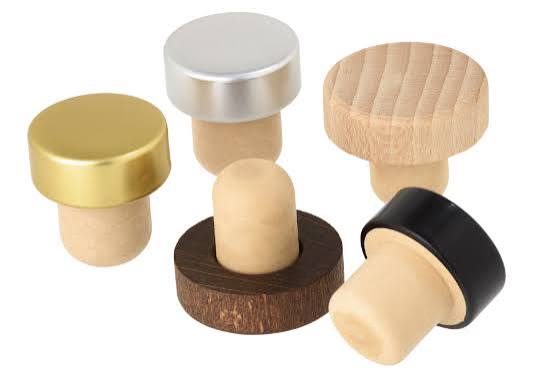
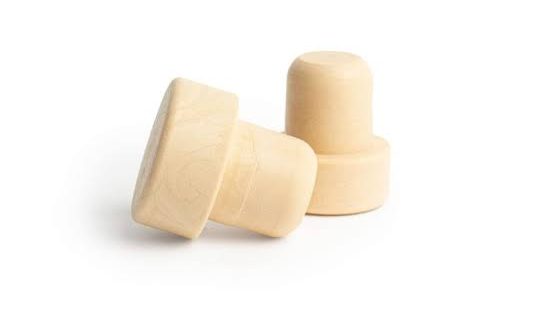
A wooden bar-top stopper is a bottle closure made with a visible wooden head and an insert shank. The wooden head is the part consumers see and hold. The shank is the part inserted into the bottle neck to support sealing and resealing.
A typical wooden bar-top stopper includes:
- A wood head or cap
- A natural cork, micro-agglomerated cork, synthetic, or co-injected shank
- Adhesive or mechanical assembly
- Surface finish such as natural grain, stain, varnish, matte coating, gloss coating, or color coating
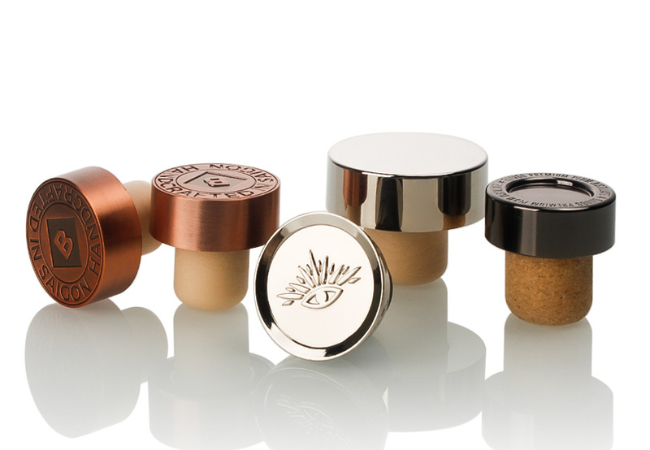
- Optional branding such as laser engraving, printing, hot stamping, embossing, side decoration, or decorative inserts
Wooden bar-top stoppers are widely used for whisky, rum, tequila, mezcal, gin, vodka, brandy, cognac-style spirits, liqueurs, mini bottles, gift sets, and private-label spirits packaging.
For buyers comparing closure systems beyond wood, Kandacork Closures provides a broader bottle closures and stoppers range covering bar-top stoppers, screw caps, ROPP closures, capsules, shrink sleeves, and other bottle closure solutions.
Main Components of a Wooden Bar-Top Closure
Wooden Head
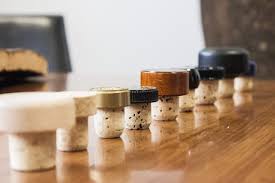
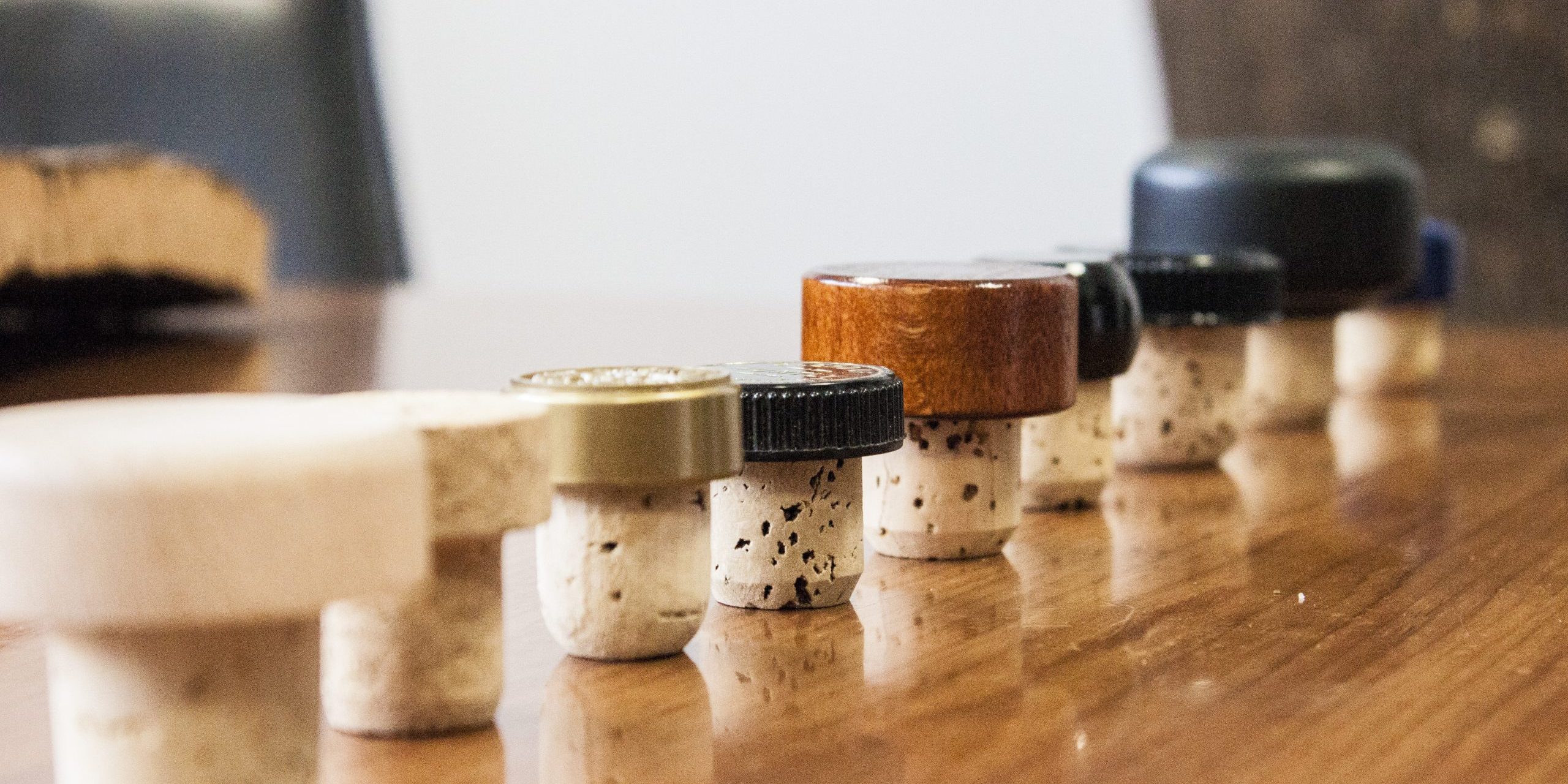
The wooden head creates the stopper’s visual identity. It can be cylindrical, domed, mushroom-shaped, tapered, flat-top, rounded, faceted, oversized, compact, or custom-shaped to match a bottle design.
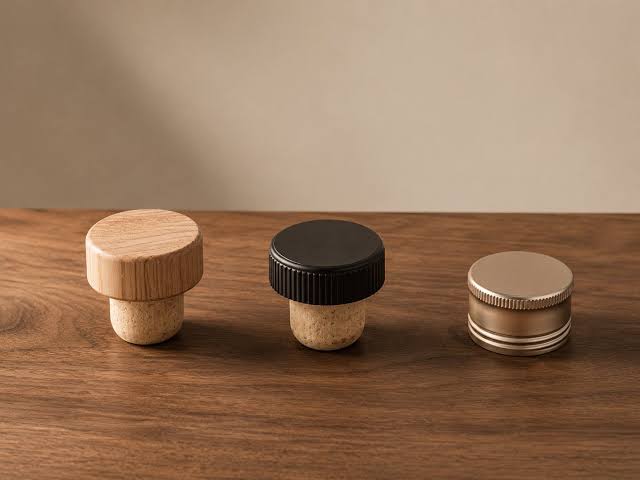
The head affects grip, hand feel, decoration space, and perceived value. A natural beech head can feel clean and versatile. A dark-stained wooden cap can feel mature and traditional. A black matte stopper can create a more modern premium look.
Shank Material
The shank is the functional sealing component. It must match the bottle neck diameter, neck finish, tolerance range, insertion force, and removal feel.
Common shank options include natural cork, micro-agglomerated cork, synthetic materials, and co-injected structures. The shank should be selected for fit and performance, not appearance alone.
Assembly Quality
The connection between the wooden head and the shank must remain stable during filling, packing, transport, storage, and repeated opening. Weak bonding can cause loose heads, tilted stoppers, inconsistent pull force, or packaging complaints.
For bulk wooden bottle stoppers, assembly consistency is especially important. Buyers should confirm shank alignment, pull strength, adhesive suitability, and inspection standards before mass production.
Surface Finish
The surface finish protects the wood and defines the final brand expression. Common options include natural wood grain, stained wood, varnished wood, matte coating, gloss coating, black coating, color paint, and soft-touch finish.
The finish should match the spirits category, bottle shape, label material, capsule color, carton design, and target retail position.
Common Wood Materials for Bar-Top Stopper Heads
Different wood materials create different visual and tactile effects. The right choice depends on brand positioning, decoration method, order volume, and acceptable natural variation.
| Wood Material | Appearance | Best For | Main Advantage |
|---|---|---|---|
| Beech wood | Smooth, light, versatile | Whisky, gin, vodka, tequila, liqueur | Stable machining and flexible finishing |
| Birch wood | Light tone, subtle grain | Modern gin, vodka, botanical spirits | Clean minimalist appearance |
| Maple-style wood | Fine grain, refined light color | Premium vodka, gin, gift sets | Smooth luxury look |
| Walnut-style wood | Rich, dark, mature | Whisky, rum, brandy, aged spirits | Strong premium and heritage cue |
| Dark-stained wood | Deep brown or black-brown | Rum, bourbon, limited editions | Premium appearance with controlled color |
| Custom wood options | Brand-specific tone or texture | Exclusive packaging projects | Distinctive brand differentiation |
Beech Wood
Beech is one of the most practical wooden bar-top stopper materials because it machines smoothly, accepts stains well, and supports consistent bulk production. Its neutral grain makes it suitable for many bottle styles.
Beech can be used for natural, stained, varnished, painted, or laser-engraved stopper heads. It is a strong option for spirits brands that want a reliable balance of appearance, cost, and customization flexibility.
Birch Wood
Birch offers a light color and clean grain, making it suitable for modern packaging. It works well when a brand wants a bright, fresh, or minimalist presentation.
Birch can support botanical gin, vodka, flavored spirits, and contemporary liqueur packaging. It is also suitable for color-coated finishes when the brand wants a controlled visual system across multiple SKUs.
Maple-Style Wood
Maple-style wooden heads create a refined, light-toned appearance. They work well with clear glass, white labels, embossed details, and understated premium packaging.
This material direction is useful when the closure must look polished but not overly traditional. It can support premium spirits brands that want elegance, simplicity, and high perceived value.
Walnut-Style and Dark-Stained Wood
Walnut-style wood and dark-stained wood create a rich, mature appearance. These options work especially well for aged spirits because they visually connect with oak barrels, maturation, depth, and heritage.
A dark-stained wooden stopper can make a bottle feel more substantial, especially when paired with heavy glass, amber liquid, black labels, metallic accents, or embossed decoration.
Natural Cork vs Synthetic Shank Materials
The wooden head creates shelf appeal, but the shank determines much of the stopper’s functional performance. Buyers should compare natural cork, micro-agglomerated cork, synthetic shanks, and co-injected shanks before placing a bulk order.
| Shank Material | Best Use | Key Strength | Watch-Out |
|---|---|---|---|
| Natural cork | Craft and heritage spirits | Traditional natural appeal | More natural variation |
| Micro-agglomerated cork | Scalable premium programs | More controlled dimensions | Requires compatibility testing |
| Synthetic shank | Bulk and private-label programs | Stable fit and consistency | Less natural material story |
| Co-injected shank | High-volume commercial packaging | Predictable shape and repeatability | May feel less traditional |
Natural Cork Shank
Natural cork offers a traditional and premium feel. It is often associated with craft spirits, heritage packaging, and natural material stories.
Because cork is a natural material, buyers should confirm size tolerance, insertion feel, sealing behavior, and storage performance before bulk production. For small-batch spirits, natural variation may support authenticity. For high-volume programs, it must be carefully tested.
Micro-Agglomerated Cork Shank
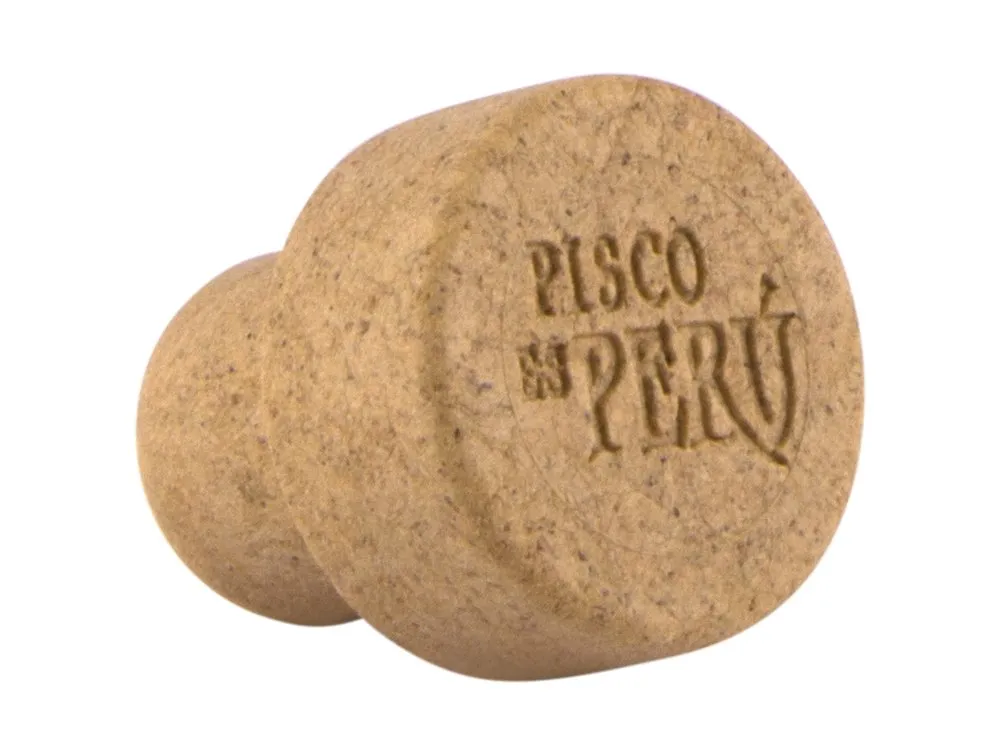
Micro-agglomerated cork is made from cork granules bonded into a more controlled structure. It keeps a cork-based appearance while offering more predictable dimensions than many natural cork options.
This material can be useful for brands that want a cork-based story but also need repeatability across larger production runs.
Synthetic Shank
Synthetic shanks are valued for dimensional stability, clean appearance, and controlled sealing behavior. They are commonly used for spirits, specialty beverages, oils, vinegars, and other resealable packaging.
A synthetic shank can be the right choice when the buyer prioritizes consistency, production efficiency, and repeat fit. For projects where stable sizing is more important than natural material storytelling, Kandacork Closures can support custom synthetic bar-top stoppers for spirits and private-label bottle programs.
Co-Injected Shank
A co-injected shank combines materials in a controlled molded structure. This can improve dimensional consistency and support predictable bottle fit.
Co-injected structures are often used when brands need repeatable performance across many units. They can be practical for commercial spirits packaging where uniformity is more important than traditional cork character.
Best Material by Buyer Goal
The best material direction depends on what the buyer needs to achieve. A luxury whisky bottle, a modern vodka bottle, and a bulk private-label spirits program may all need different closure solutions.
| Buyer Goal | Best Material Direction | Why It Works |
|---|---|---|
| Luxury whisky bottle | Dark-stained wood with cork or synthetic shank | Supports heritage, maturity, and premium shelf appeal |
| Modern vodka bottle | Black matte or maple-style wood with synthetic shank | Creates a clean, consistent, minimalist look |
| Craft tequila bottle | Natural wood with engraved logo | Reinforces artisanal and handcrafted positioning |
| Bulk private-label spirits | Beech head with synthetic shank | Balances cost, consistency, and customization |
| Gift packaging | Gloss finish with hot stamping or decorative insert | Adds premium visual impact |
| Botanical gin bottle | Birch, maple-style, or light varnished wood | Supports freshness, clarity, and botanical cues |
| Aged rum bottle | Warm brown stain with rounded wooden cap | Communicates depth, sweetness, and barrel-aged character |
This decision table can help buyers narrow the material direction before requesting custom samples.
Matching Stopper Materials to Spirits Categories
Each spirits category has its own packaging language. Wooden T-top closures should support the story of the liquid, the shelf position, and the consumer’s expected opening experience.
| Spirits Category | Recommended Stopper Style | Material Direction |
|---|---|---|
| Whisky and bourbon | Wider cap, dark stain, engraved logo | Beech or walnut-style wood with cork or synthetic shank |
| Rum | Warm brown finish, rounded profile | Dark-stained wood with premium decoration |
| Tequila and mezcal | Natural texture, craft finish | Natural wood with engraving or rustic finish |
| Gin | Light wood, black wood, color-coated cap | Birch, maple-style, beech, or black finish |
| Vodka | Clean cylindrical cap, modern finish | Maple-style, birch, black matte, or white coating |
| Brandy | Glossy dark cap, heavier premium feel | Walnut-style or dark varnished wood |
| Liqueurs | Compact cap, color coordination | Painted wood or synthetic shank for consistency |
Whisky and bourbon often benefit from dark-stained wood, walnut tones, wider caps, and traditional mushroom shapes. Rum packaging can use warm brown tones and rounded profiles to communicate richness and maturity. Tequila and mezcal often suit natural wood, engraved details, and craft-inspired finishes.
Gin and vodka usually need cleaner packaging cues. Light wood, black matte finishes, white coatings, and color-matched caps can support botanical, minimalist, or luxury positioning. Liqueurs and mini bottles often require compact heads, accurate shank sizing, and strong color coordination across product families.
How Wood Finish Affects Brand Positioning
Wood finish changes how buyers perceive the same closure shape. A natural cap, dark-stained cap, and black matte cap can use similar base materials but communicate very different brand signals.
| Finish Type | Brand Impression | Suitable Spirits |
|---|---|---|
| Natural wood grain | Craft, authentic, organic | Tequila, mezcal, gin, craft spirits |
| Light varnish | Clean, polished, premium | Vodka, gin, liqueur |
| Dark stain | Mature, warm, heritage | Whisky, rum, brandy |
| Black matte | Modern, luxury, minimalist | Vodka, gin, limited editions |
| Gloss coating | High visibility, polished | Brandy, rum, gift packaging |
| Color coating | Brand-matched, seasonal, distinctive | Liqueurs, flavored spirits, gift sets |
Natural wood grain suggests craft and authenticity. Light varnish keeps the wood visible while making the surface feel more refined. Dark stain creates depth and maturity. Black matte wood feels modern and premium. Color coating helps brands match the closure to the label, capsule, bottle decoration, or seasonal campaign.
For projects requiring bottle coating, printing, foiling, medallions, or coordinated graphics, brands can align stopper finishes with custom spirits bottle decoration so the bottle body and closure feel like one complete design system.
Sizing and Neck-Fit Considerations
The right shank size is the most important functional factor because it determines whether a wooden bar-top stopper seals securely, removes smoothly, and works with the actual bottle neck.
Buyers should distinguish between cap diameter and shank diameter. The cap is the visible top. The shank is the insert that fits into the bottle neck. Common shank sizes may include 18 mm, 19.5 mm, 22.5 mm, and custom sizes, but the correct size depends on the actual bottle neck opening and tolerance.
Before confirming a bulk order, buyers should check:
- Bottle neck inner diameter
- Neck finish details
- Shank diameter
- Shank length
- Insertion force
- Removal feel
- Leakage resistance
- Repeat opening and reclosing behavior
- Filling-line compatibility
- Capsule or shrink sleeve compatibility
A small difference in bottle-neck tolerance can affect stopper performance. Sample testing should always use the actual production bottle or a confirmed bottle drawing.
When a closure must coordinate with a new bottle shape, working with a dedicated custom spirits bottle supplier can help packaging teams align glass structure, neck finish, closure fit, decoration, and export packing earlier in the project.
How to Test a Wooden Bar-Top Stopper Sample
Sample testing helps prevent fit problems before mass production. A good sample review should evaluate appearance, function, decoration, and compatibility.
Important sample checks include:
- Visual match with bottle and label
- Wood tone and grain consistency
- Surface finish quality
- Logo position and decoration clarity
- Shank alignment
- Insertion force
- Removal force
- Seal stability
- Leakage after storage or movement
- Compatibility with capsule, shrink sleeve, or tamper-evident seal
- Packaging-line handling
For premium spirits, the opening experience matters. The stopper should feel secure, but it should not be so tight that the consumer struggles to remove it. The head should remain stable, the shank should sit straight, and the closure should look consistent after repeated handling.
Supplier-Side Production Details Buyers Should Confirm
Professional buyers should confirm more than color and price. Production details determine whether a sample can be repeated consistently in bulk.
Key supplier-side details include:
- Approved wood species or wood substitute
- Acceptable natural grain and color variation
- Cap diameter tolerance
- Shank diameter tolerance
- Shank length tolerance
- Pull-strength expectation between head and shank
- Finish sample approval
- Logo artwork format
- Engraving depth or print color standard
- Packaging method for decorated closures
- Carton quantity and protection method
- Pre-production sample approval process
- Final inspection criteria
For custom decorated stoppers, artwork should usually be supplied as vector files. The buyer should also confirm whether the logo will be placed on the top, side, or both. Curved surfaces, small cap diameters, and dark finishes may affect decoration clarity.
For stained or natural wood closures, buyers should approve a realistic production tolerance instead of expecting every piece to look identical. Wood is a natural material, and responsible planning should allow controlled variation.
For buyers comparing wooden heads with metallic options, aluminum bar-top stoppers may be suitable when a project requires a cleaner metallic finish, stable geometry, and a more contemporary premium appearance.
Common Mistakes When Choosing Wooden Bar-Top Stopper Materials
Many packaging problems happen because buyers select a stopper based only on appearance. A beautiful cap cannot solve poor shank fit or inconsistent bottle-neck dimensions.
Common mistakes include:
- Choosing the wood finish before confirming bottle compatibility
- Ignoring shank material differences
- Assuming one shank size fits all bottles
- Skipping sample testing
- Failing to check capsule or shrink sleeve compatibility
- Using vague sustainability claims without documentation
- Choosing a decoration method that does not suit the cap shape
- Approving one sample without defining acceptable production tolerance
- Treating the stopper separately from the full packaging system
To avoid these issues, buyers should develop the stopper, bottle, label, capsule, and carton as one coordinated package.
Decoration Options for Wooden Bar-Top Stoppers
Wooden heads offer several branding methods. The right method depends on the wood species, finish, logo detail, order quantity, and desired brand effect.
| Decoration Method | Best For | Brand Effect |
|---|---|---|
| Laser engraving | Natural or stained wood | Crafted, permanent, tactile |
| Pad printing | Detailed logos and color marks | Clear brand visibility |
| Hot stamping | Metallic accents | Premium and giftable |
| Decorative inserts | Luxury spirits and limited editions | Distinctive top detail |
| Side branding | Curved or small top surfaces | Visibility from multiple angles |
Laser engraving creates a permanent mark and works especially well on natural, stained, or varnished wood. Pad printing is useful when the brand requires precise color or a more visible logo. Hot stamping adds metallic effects such as gold, silver, copper, or bronze. Decorative inserts can create a stronger luxury signal for limited editions, reserve lines, or gift packaging.
For complete packaging programs, a full-service glass spirits packaging partner can help buyers coordinate bottle shape, closure style, decoration method, export packing, and repeat-order supply.
Compliance, Food-Contact, and Tamper-Evident Considerations
Wooden bar-top stopper materials should be evaluated as part of the full spirits packaging system. The stopper, shank, adhesive, coating, bottle, capsule, shrink sleeve, label, and carton may all affect market readiness.
For the U.S. market, the Alcohol and Tobacco Tax and Trade Bureau explains that distilled spirits plants and importers are required to securely affix a tamper-evident closure or similar device to bottles or other containers of distilled spirits. A wooden bar-top stopper may therefore need to work with capsules, shrink sleeves, tamper-evident bands, or other market-specific systems.
Food-contact suitability should also be considered. The U.S. Food and Drug Administration maintains an inventory of food contact substances listed in 21 CFR, which can be relevant when buyers evaluate shank materials, coatings, adhesives, and substances that may contact the product directly or indirectly.
For products entering the European Union, the European Commission describes Regulation (EC) No 1935/2004 as the legal framework setting general principles of safety and inertness for food contact materials. Brands selling into multiple markets should confirm packaging compliance with their legal, quality, and regulatory teams before launch.
When visible neck security or retail presentation is required, Kandacork Closures can also coordinate capsules and shrink sleeves with bar-top stoppers, screw caps, ROPP closures, and other closure systems.
Sustainability and Responsible Material Sourcing
Wooden bar-top closures can support a natural, craft, or responsible packaging story, but sustainability claims should be specific and verifiable.
Responsible sourcing may include traceable wood supply, documented material origin, controlled material specifications, or recognized certification systems. The Forest Stewardship Council describes chain of custody certification as a system that helps organizations use FSC labels and trademarks on finished products when applicable.
Brands should avoid vague claims such as “eco-friendly” unless they can support them with documentation. Stronger packaging claims are usually more specific, such as responsibly sourced wood, recycled-content glass, reduced packaging weight, recyclable secondary packaging, or documented supplier traceability.
Natural cork shanks may support a natural material story. Synthetic shanks may support dimensional consistency and durability. The best choice depends on performance needs, brand message, documentation, and buyer priorities.
For brands developing lower-impact bottle systems, eco and recycled glass packaging can be considered alongside closure material selection, bottle weight, recycled content goals, and transport requirements.
Quality Control and Repeat Production
A premium stopper sample is only useful if it can be repeated consistently. Buyers should ask how the supplier controls incoming material, wood head machining, shank diameter, finish application, decoration, assembly, and final packing.
Quality control may include dimensional checks, visual inspection, pull testing, leakage review, finish comparison, logo placement checks, and carton protection review. International quality management frameworks such as ISO 9001 are widely used to describe repeatable process control and customer-focused quality systems.
For wooden stoppers, quality planning should include realistic acceptance criteria. Natural grain and tone can vary, so the buyer should approve a reasonable range for production rather than one perfect sample. For decorated stoppers, color standards, logo position, engraving depth, and surface finish should be confirmed before bulk production.
What to Send Your Supplier Before Requesting a Quote
A clear request helps suppliers recommend the right wooden bar-top stopper materials and avoid delays.
Before requesting a quote, prepare:
- Bottle drawing or physical bottle sample
- Bottle neck inner diameter
- Neck finish details
- Spirits category
- Target market
- Desired wood tone
- Preferred cap shape
- Shank material preference
- Surface finish preference
- Logo artwork
- Decoration method
- Tamper-evident requirement
- Order quantity
- Sample approval needs
- Filling and packaging-line conditions
- Shipping and storage conditions
- Required documentation
This information helps Kandacork Closures recommend practical stopper options, confirm sample direction, and support a smoother bulk production process.
Why Work With Kandacork Closures?
Kandacork Closures supports spirits brands, distilleries, packaging buyers, private-label producers, and bottle design teams that need custom wooden bar-top stoppers for premium bottles.
The company can help buyers develop closures based on bottle fit, shank performance, wood appearance, spirits category, decoration needs, and bulk order requirements. Custom options may include beech, birch, maple-style, walnut-style, stained, varnished, or painted wooden heads; natural cork, micro-agglomerated cork, synthetic, or co-injected shanks; custom cap shapes; logo engraving; printing; hot stamping; decorative inserts; sample testing; and bulk production coordination.
For a premium spirits project, the stopper should be developed alongside the bottle, label, capsule, and carton. This helps the final package feel consistent, functional, and ready for retail presentation.
FAQ
What materials are used in wooden bar-top stoppers?
Wooden bar-top stoppers usually include a wooden head, a natural cork or synthetic shank, adhesive or assembly material, and a surface finish. The head creates the visual identity, while the shank provides the fit inside the bottle neck.
What are the best wooden bar-top stopper materials for premium spirits?
The best wooden bar-top stopper materials depend on the bottle design and spirits category. Beech is versatile, birch and maple-style wood are clean and modern, and walnut-style or dark-stained wood works well for whisky, rum, brandy, and aged spirits.
Is natural cork or synthetic cork better for spirits closures?
Natural cork offers a traditional and premium feel, while synthetic shanks provide stronger dimensional consistency. Micro-agglomerated cork can offer a balance between cork-based appeal and controlled performance. The best choice depends on brand positioning, bottle fit, product compatibility, and testing results.
How do I choose the right shank size?
Measure the bottle neck opening, confirm the neck finish, and test samples with the actual bottle. The shank should create a secure fit without being too loose or too difficult to remove.
Can wooden bar-top stoppers be customized with a logo?
Yes. Common decoration methods include laser engraving, pad printing, hot stamping, decorative inserts, and side branding. The best method depends on cap shape, wood finish, logo detail, order quantity, and desired premium effect.
Are wooden bar-top stoppers suitable for whisky and rum bottles?
Yes. Wooden bar-top stoppers are highly suitable for whisky and rum bottles because dark-stained wood, walnut-style finishes, engraved logos, and premium shanks can reinforce maturity, warmth, barrel-aging, and heritage cues.
Are wooden bar-top stoppers suitable for gin and vodka bottles?
Yes. Gin and vodka bottles often work well with lighter wood, birch, maple-style heads, black matte finishes, white coatings, or color-matched caps. These options support clean, modern, botanical, or luxury packaging styles.
What should I test before ordering bulk wooden bar-top stoppers?
Test the stopper with the actual bottle. Check insertion force, removal feel, leakage resistance, shank alignment, decoration quality, finish consistency, capsule compatibility, and overall appearance with the full packaging design.
What information should I send before requesting a custom stopper quote?
Send the bottle drawing or sample, neck inner diameter, spirits category, preferred cap shape, wood finish, shank material, logo artwork, decoration method, order quantity, and any tamper-evident or documentation requirements.
Conclusion
The best wooden bar-top stopper materials are selected by balancing appearance, bottle fit, sealing performance, compliance, sustainability, decoration, and production consistency.
A premium wooden head can create strong shelf appeal, but the shank, finish, assembly, and bottle-neck match determine whether the closure performs reliably. For whisky, rum, tequila, gin, vodka, brandy, liqueur, and private-label spirits, the stopper should support both brand story and practical packaging performance.
Kandacork Closures helps brands develop custom wooden bar-top stoppers that match the bottle, spirits category, decoration requirements, and bulk production needs. By confirming samples early and treating the stopper as part of the full packaging system, brands can create bottles that look premium, feel reliable, and support stronger buyer confidence.