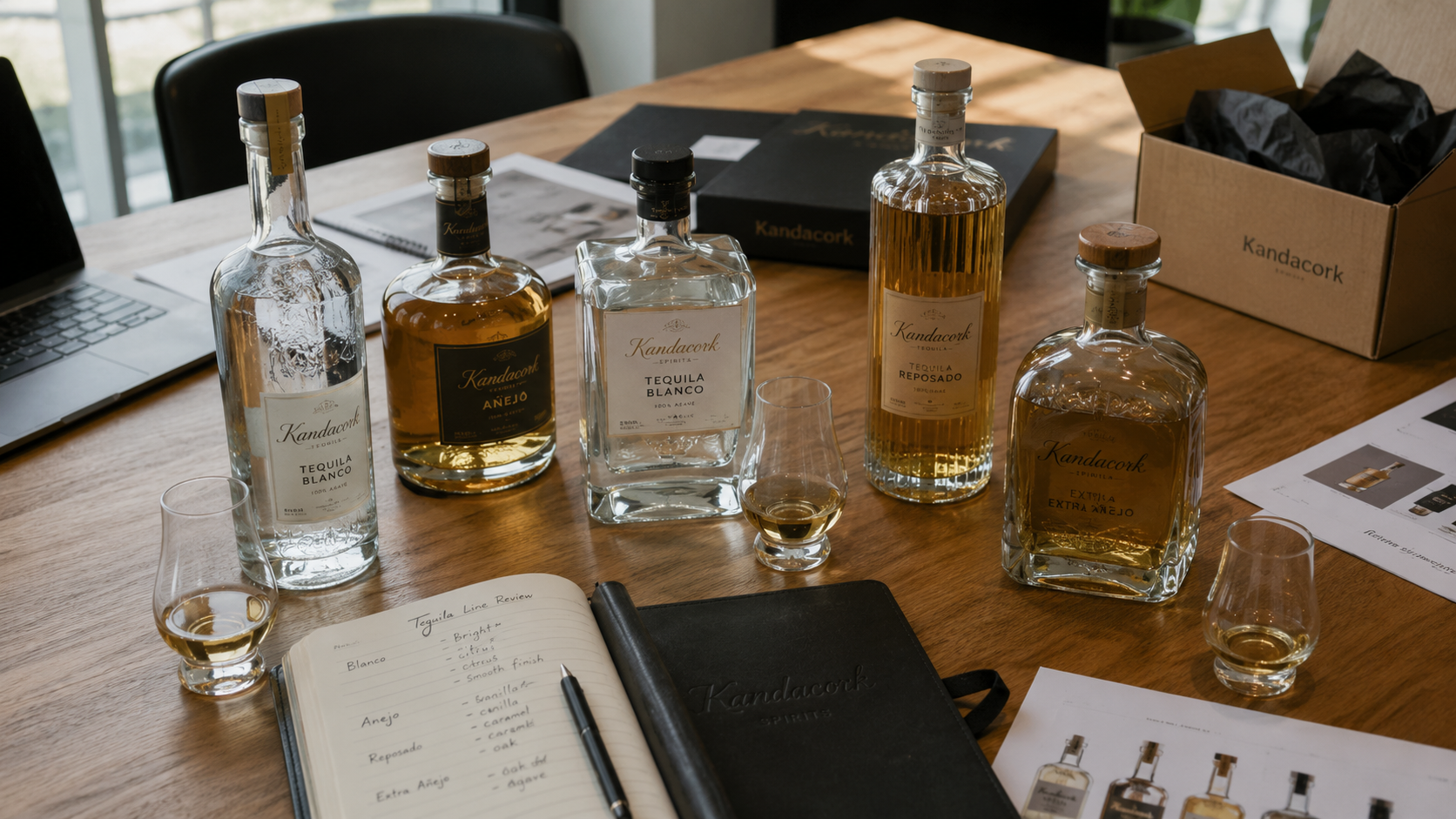
Why Spirits Closures Matter
New spirits closure projects should start with clear bottle information, material preferences and production expectations. This sourcing checklist helps buyers prepare the details needed for supplier communication, sampling, testing and bulk order approval.
Quick Answer: How to Choose Bottle Closures and Stoppers for Spirits
The best way to choose bottle closures and stoppers for spirits is to evaluate bottle neck size, shank diameter, sealing performance, material compatibility, tamper-evident needs, filling-line requirements, and brand positioning.
Premium spirits often use bar-top closures with wood, metal, glass, or custom decorative tops. High-volume or export spirits may use screw caps, ROPP caps, tamper-evident closures, or non-refillable systems. The final choice should be confirmed with bottle drawings, physical samples, fit testing, and market compliance review.
Best Closure Options at a Glance
| Buyer Goal | Best Closure Direction | Why It Works |
|---|---|---|
| Premium presentation | Wood, metal, glass, or custom bar-top closure | Creates weight, shelf appeal, and a stronger opening ritual |
| Export security | ROPP cap, tamper-evident cap, shrink capsule, or non-refillable closure | Supports product protection, distribution control, and market compliance |
| High-volume production | Screw cap, synthetic stopper, or ROPP cap | Improves speed, consistency, and production efficiency |
| Craft positioning | Natural cork, micro-agglomerated cork, or wood-top stopper | Communicates heritage, authenticity, and small-batch value |
| Luxury packaging | Heavy metal, glass, or custom-molded stopper | Adds tactile value and strong visual distinction |
| Private-label spirits | Plastic-top stopper, synthetic shank, or decorated screw cap | Balances cost control, customization, and repeatable supply |
What Are Bottle Closures and Stoppers for Spirits?
Bottle closures and stoppers for spirits are components used to seal distilled spirits bottles after filling. They may be functional, decorative, tamper-evident, resealable, anti-refill, or fully customized.
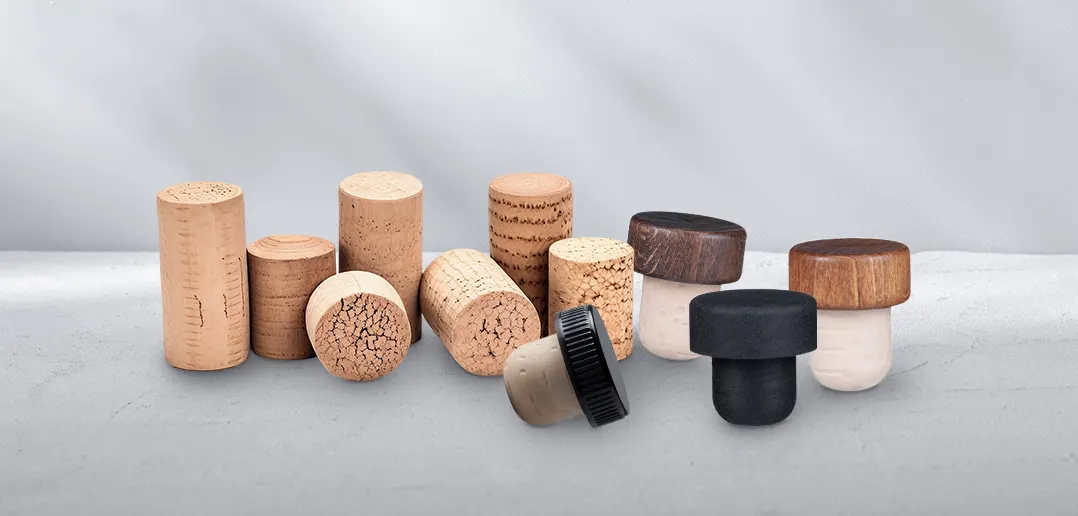
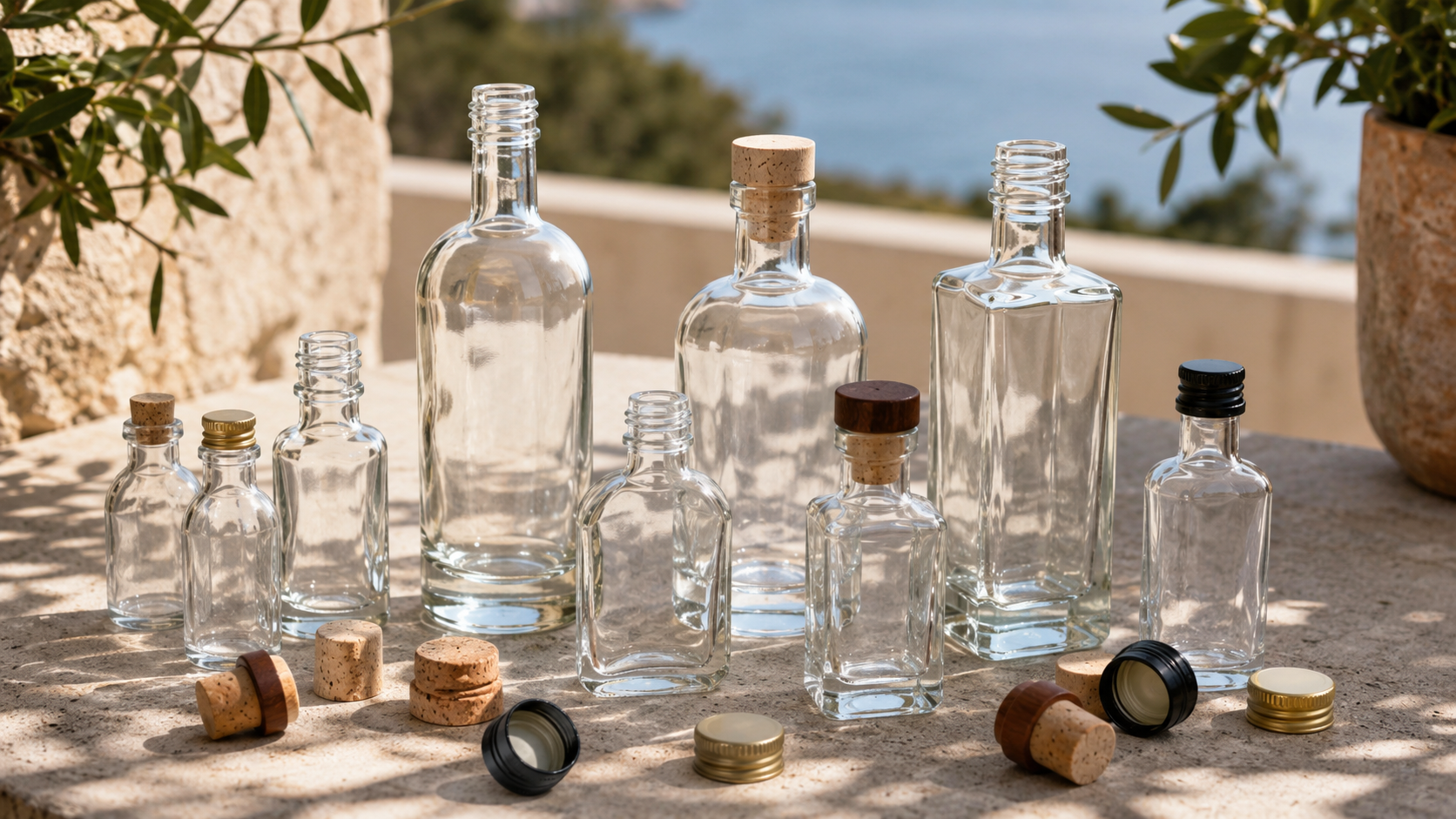
Common spirits closure types include cork stoppers, bar-top closures, synthetic stoppers, screw caps, ROPP caps, non-refillable closures, glass-top stoppers, metal-top stoppers, wood-top stoppers, and plastic-top stoppers.
A complete closure solution usually answers several buyer questions.
| Buyer Question | Why It Matters |
|---|---|
| Does the closure fit the bottle neck? | Prevents leakage, poor insertion, and unstable pull-out force |
| Does it seal the spirit securely? | Protects aroma, appearance, and product integrity |
| Is it suitable for alcoholic products? | Reduces material compatibility risks |
| Does it support tamper evidence if needed? | Helps meet market and distribution expectations |
| Does it match the brand image? | Improves shelf appeal and consumer perception |
| Does it work on the filling line? | Supports efficient production and repeatable quality |
For commercial buyers, bottle closures and stoppers for spirits should be reviewed as part of the full packaging system, not as an isolated accessory. Brands that source bottles through a specialist partner such as Spirits Bottle can improve project alignment by reviewing bottle neck finish, closure type, label position, and carton packing at the same time.
Custom Bottle Closures for Spirits Brands
A custom spirits closure should do more than match a preferred color or logo. It should solve real packaging problems: fit, sealing, handling, decoration, compliance, production speed, and consumer experience.
In closure development, tolerance control is often more important than appearance alone. A stopper can look correct in a rendering but fail during insertion, extraction, shipment, or repeated resealing. For this reason, professional sourcing should include drawing review, physical sampling, testing, and quality confirmation before mass production.
Good closure development starts with the bottle drawing, not the decoration file. Bore diameter, neck finish, stopper insertion depth, thread profile, closure height, and capping method all influence whether the final packaging runs smoothly on the filling line and feels right in the consumer’s hand.
Main Types of Spirits Bottle Closures
Bar-Top Closures
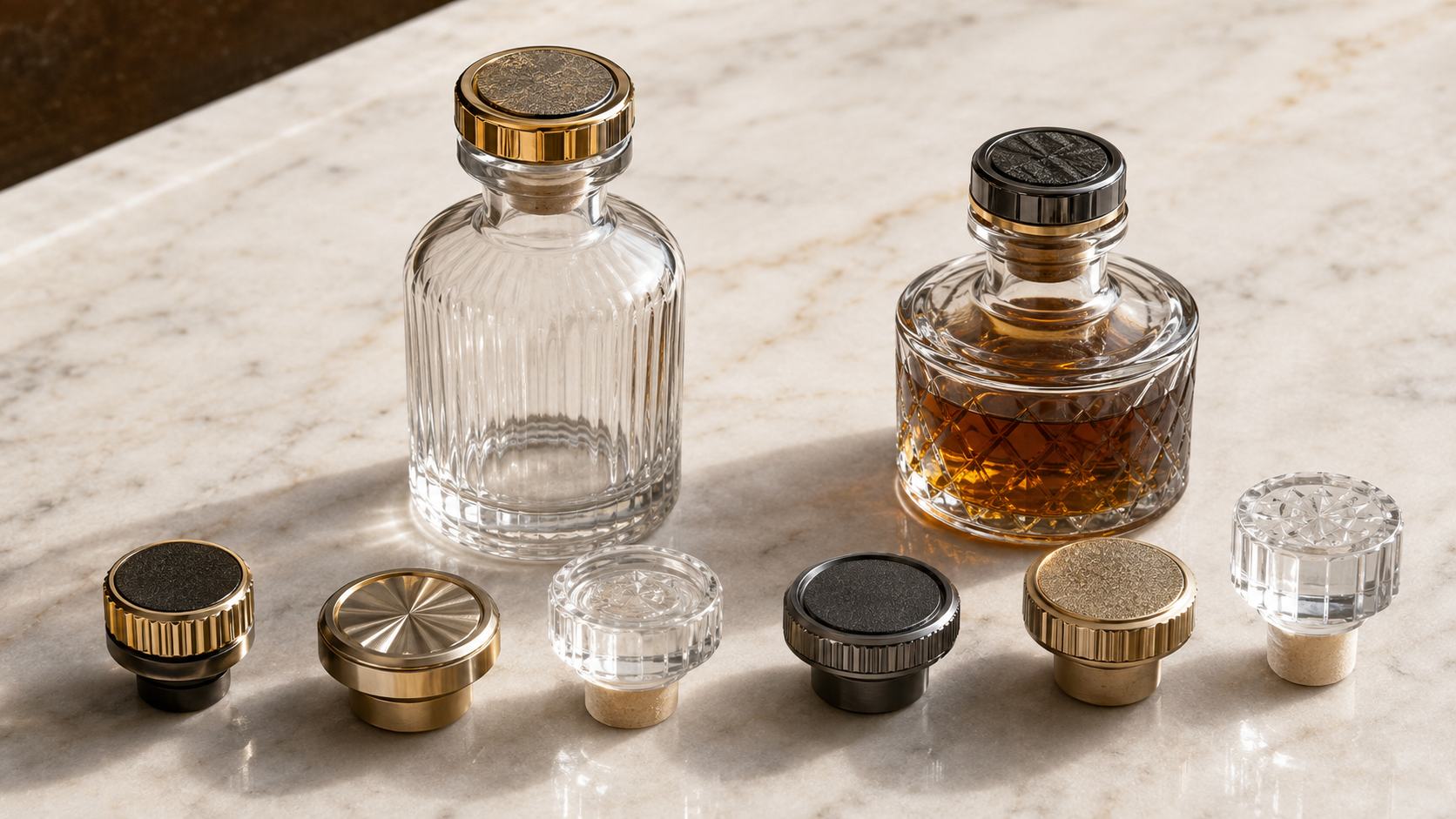
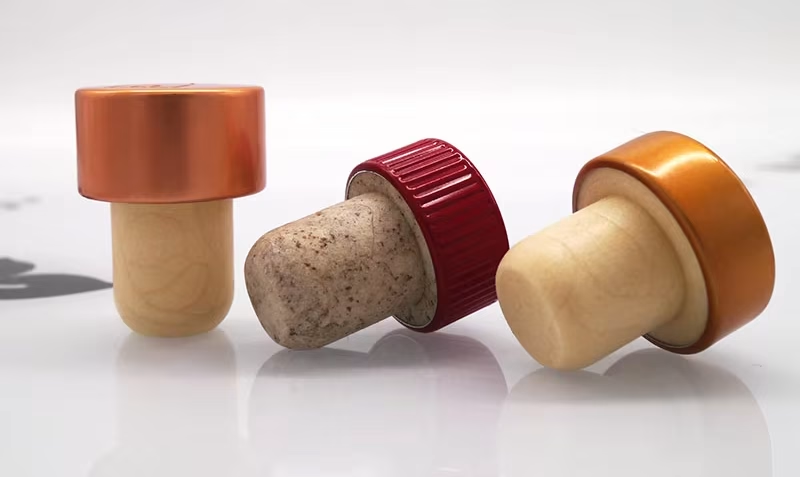
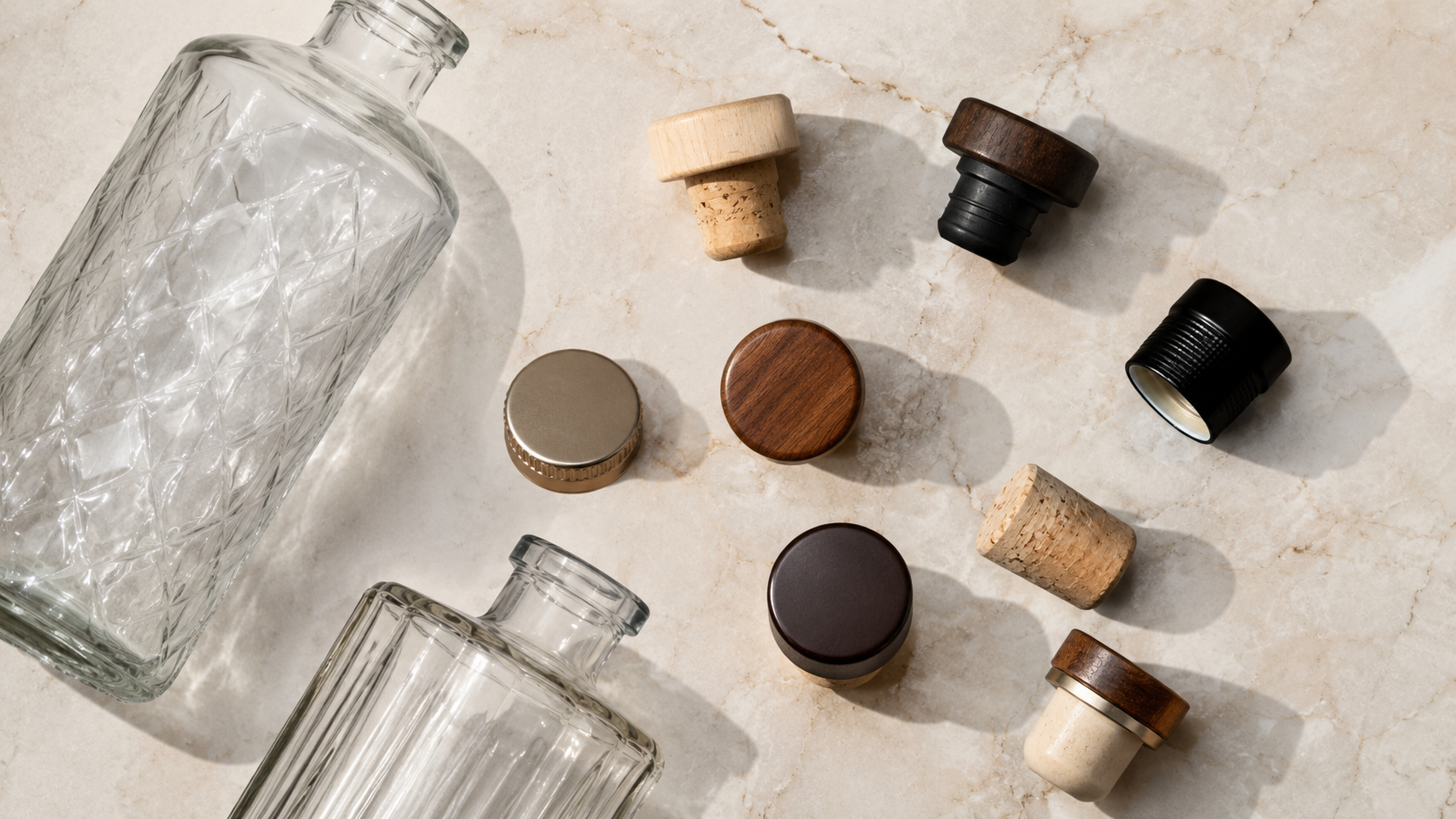
Bar-top closures are one of the most common premium options for spirits packaging. They usually combine a decorative top with a cork or synthetic shank. The top may be made from wood, metal, glass, ceramic, resin, plastic, or a custom composite material.
Bar-top closures are widely used for whisky, rum, gin, tequila, vodka, brandy, and premium liqueurs because they create a strong opening ritual. The consumer pulls the stopper by hand, feels the grip, hears the release, and reseals the bottle after use.
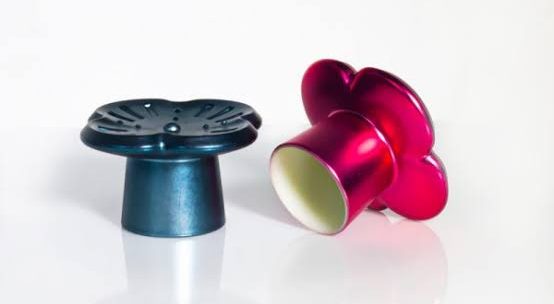
For luxury and craft spirits, this tactile experience can support brand value. A heavy metal top can suggest prestige. A stained wood top can suggest heritage. A glass top can suggest purity and collectability. A custom-molded top can become a signature visual asset for the brand.
Cork Stoppers
Cork stoppers are valued for compression, natural appearance, and beverage tradition. In spirits packaging, cork is often used as the shank material in a bar-top closure.
Natural cork offers heritage appeal, but it can have more natural variation. Micro-agglomerated cork and technical cork can provide more controlled dimensions, improved consistency, and predictable sealing behavior.
Cork stoppers are suitable for brands that want a natural, traditional, craft, or premium image. Buyers should confirm cork grade, diameter tolerance, surface treatment, extraction force, and compatibility with the spirit’s alcohol content.
Synthetic Stoppers
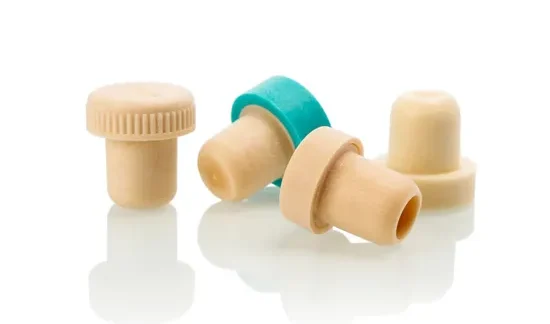
Synthetic stoppers are engineered for dimensional consistency. They can provide controlled compression, repeatable pull-out force, and stable performance in high-volume production.
Synthetic shanks are often paired with wood, metal, glass, or plastic tops. They can be a strong option for private-label spirits, automated filling lines, and brands that require consistent fit across large production runs.
The key decision is not simply cork versus synthetic. The better question is whether the closure material supports the bottle neck, liquid type, production process, and brand experience.
Screw Caps
Screw caps are practical, efficient, and familiar to consumers. They are commonly used for vodka, liqueurs, miniatures, ready-to-drink spirits formats, high-volume liquor programs, and cost-controlled packaging.
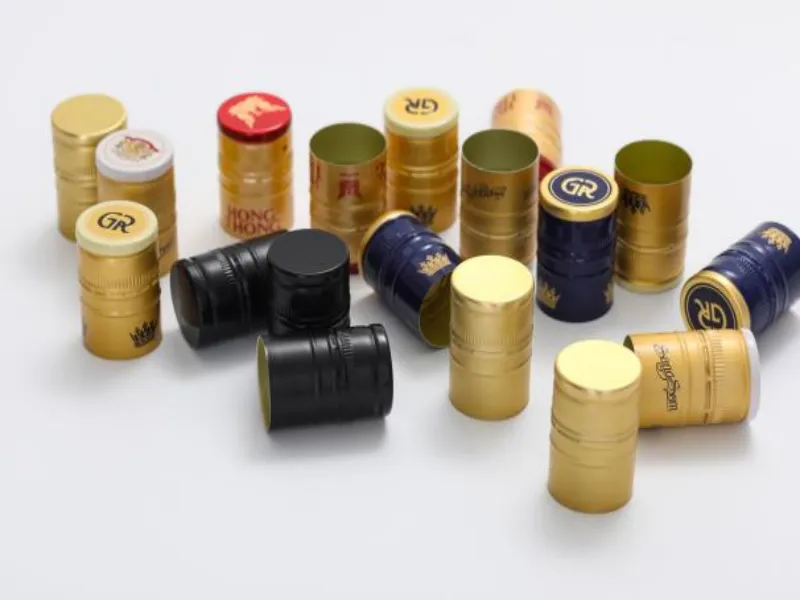
A screw cap can support controlled torque, easy resealing, fast application, and tamper-evident band designs. Aluminum screw caps can also support printing, embossing, color matching, and decorative finishes.
For premium spirits, screw caps need careful design. A thin, plain cap can look low-cost, while a taller decorated cap with precise color, finish, and embossing can support a more refined brand image.
ROPP Caps
ROPP means roll-on pilfer-proof. ROPP caps are usually aluminum closures applied to a threaded bottle neck with dedicated capping equipment. They are often used when tamper evidence, secure sealing, and production efficiency are important.
ROPP closures for spirits combine security, scalability, and decoration potential. They can be printed, embossed, colored, and matched with different liner systems.
When sourcing ROPP caps for spirits, buyers should confirm bottle thread specification, cap dimensions, liner material, torque range, capping-head compatibility, and tamper-band performance.
Non-Refillable Closures
Non-refillable closures help prevent bottle refilling and counterfeit reuse. They are especially useful for premium spirits, high-value liquor, duty-free channels, controlled distribution, and markets where counterfeit alcohol is a concern.
These closures may include internal valves, flow restrictors, tamper-evident components, and multi-part assemblies. They are more complex than standard cork or screw closures, so buyers should review neck compatibility, filling-line requirements, dispensing behavior, and total packaging cost before approval.
Plastic, Metal, Wood, and Glass Top Stoppers
The top material affects how the consumer perceives the bottle.
Wood tops feel warm, classic, and craft-oriented. They are suitable for whisky, rum, gin, brandy, and aged spirits.
Plastic bar-top stoppers are flexible, scalable, and cost-effective. They support color matching, custom molding, and private-label programs.
Metal bottle stoppers feel premium, durable, and modern. Zinc alloy, aluminum, and plated finishes can create weight and luxury appeal.
Glass tops feel elegant, clean, and collectible. They are often used for premium vodka, gin, tequila, and limited-edition spirits.
The best bottle closures and stoppers for spirits combine the right shank material with the right decorative top.
Premium Spirits Packaging Closures by Category
Different spirits create different packaging expectations. A closure should match not only the bottle neck, but also the category language that customers already understand.
Whisky often benefits from wood-top or metal-top bar closures because these materials support heritage, aging, and premium weight cues.
Rum can use dark wood, stained finishes, vintage shapes, embossed details, or heavier tops to communicate aged character and craft value.
Gin often works well with glass, wood, metal, or custom-colored tops because gin packaging frequently highlights botanicals, clarity, color, and design originality.
Vodka may use glass, metal, clear synthetic materials, or refined screw caps to express purity, clarity, and modern minimalism.
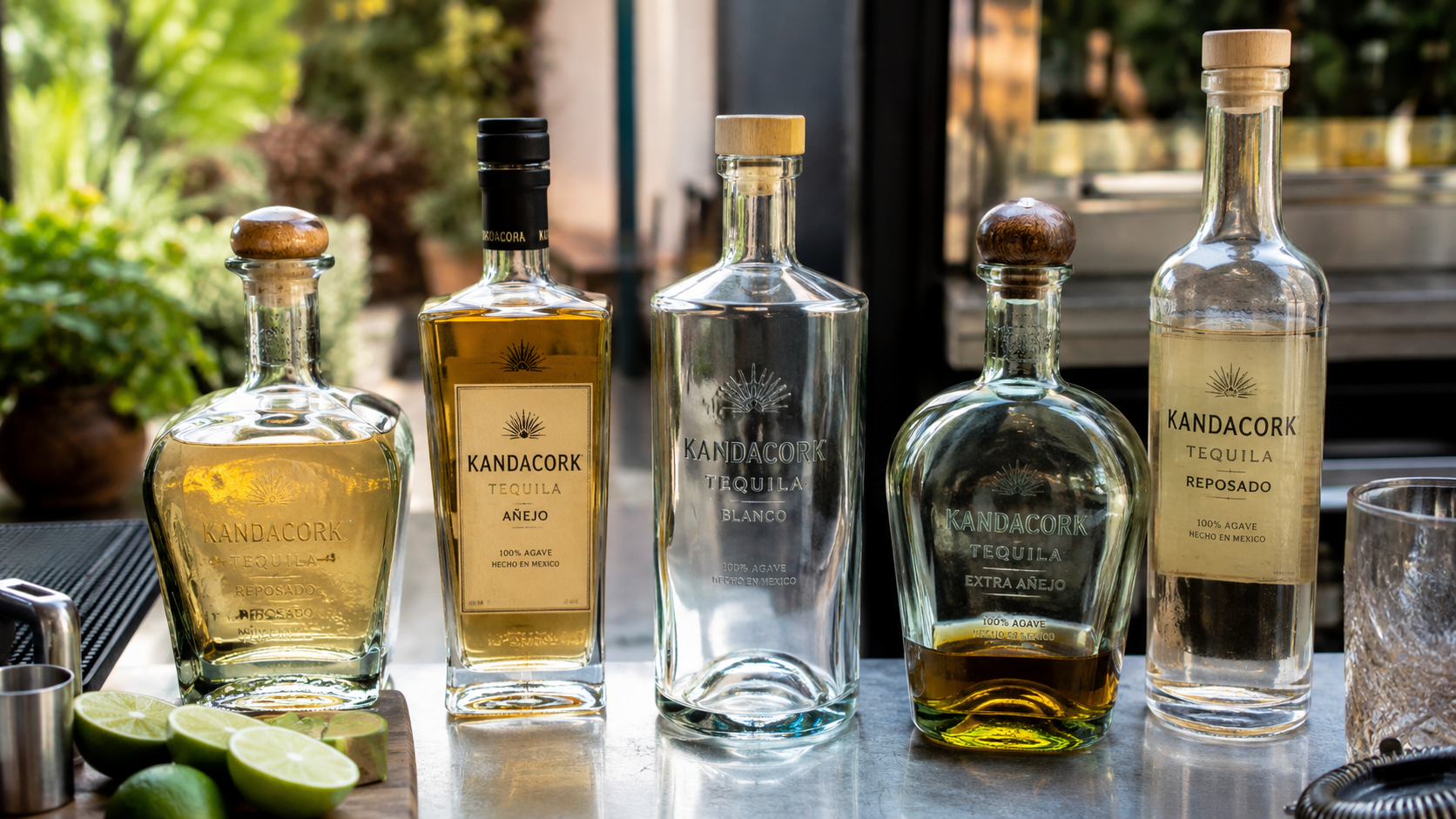
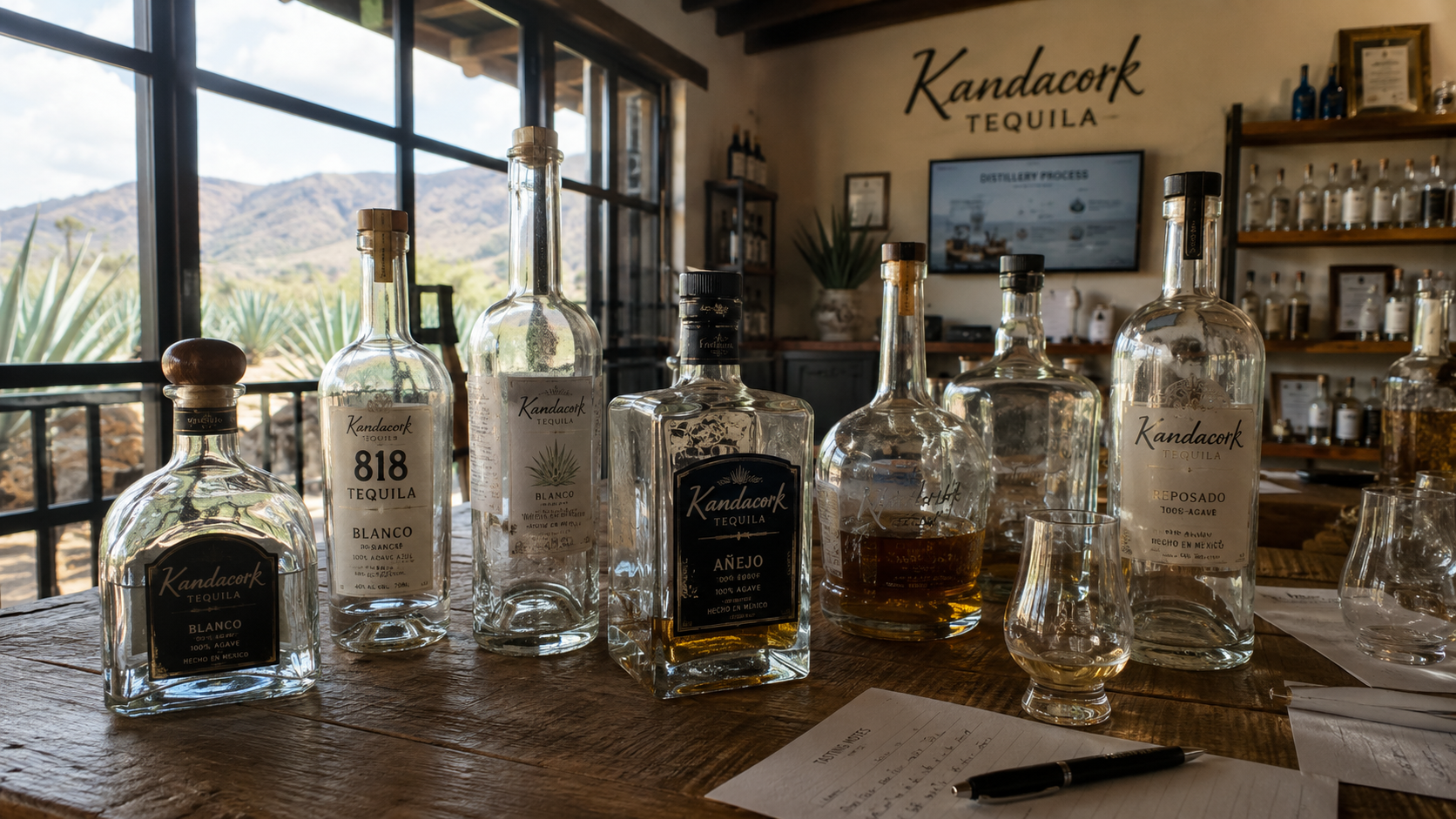
Tequila and mezcal often use cork, wood, ceramic, metal, or sculptural tops to support authenticity, tradition, and strong shelf impact.
Liqueurs may use screw caps, bar-top closures, or decorative stoppers depending on viscosity, serving occasion, price tier, and resealing needs.
| Spirit Type | Recommended Closure Options | Packaging Goal |
|---|---|---|
| Whisky | Wood-top stopper, metal-top stopper, premium bar-top closure | Heritage, weight, maturity, luxury |
| Rum | Dark wood stopper, vintage bar-top closure, metal-top closure | Aged character, craft appeal, premium shelf presence |
| Gin | Glass-top stopper, colored stopper, wood or metal bar-top closure | Botanical identity, design originality, clarity |
| Vodka | Glass stopper, metal cap, refined screw cap | Purity, minimalism, modern premium look |
| Tequila | Cork stopper, wood top, ceramic top, sculptural closure | Authenticity, tradition, strong brand identity |
| Brandy | Wood-top stopper, cork stopper, metal-top closure | Warmth, heritage, premium gifting |
| Liqueur | Screw cap, bar-top closure, plastic or metal top | Convenience, resealing, cost efficiency |
How to Choose the Right Closure for Your Spirits Bottle
Match the Closure to Brand Positioning
A value spirits brand may need cost control, reliable sealing, and fast production. A luxury spirits brand may prioritize weight, texture, decoration, and opening ritual. A craft distillery may want natural materials and small-batch character. A global export brand may need tamper evidence, consistent specifications, and scalable quality control.
A craft whisky may choose a stained wood-top closure with micro-agglomerated cork. A premium vodka may choose a clear glass-top stopper with a synthetic shank. An aged rum may choose a darker wood-top stopper to match amber liquid, vintage labels, and premium secondary packaging. An export spirits brand may choose ROPP caps or non-refillable closures to support tamper evidence and distribution control.
The right closure reinforces the brand promise before the bottle is opened.
Match the Closure to Bottle Neck Finish
Closure fit starts with the bottle neck. Buyers should confirm the bottle’s bore diameter, neck finish, thread profile, stopper insertion depth, and tolerance range.
For bar-top closures, the shank diameter must match the inside diameter of the bottle mouth. For screw caps and ROPP caps, the thread finish and cap specification must align precisely. For non-refillable closures, the full neck structure and internal components must be reviewed together.
A beautiful closure that does not match the neck finish can cause leakage, difficult insertion, loose fit, unstable extraction, or delayed production. Before mass production, buyers should confirm fit with bottle drawings, bottle samples, closure samples, and performance testing.
Match the Closure to Filling-Line Requirements
A closure must work in real production conditions. Important factors include insertion force, capping torque, pull-out force, compression recovery, bottle handling speed, fill temperature, headspace, liner compatibility, and equipment settings.
Manual filling can tolerate more variation. Automated bottling requires tighter dimensional control. Export shipments may require additional checks for leakage, vibration, temperature changes, and carton protection.
The sourcing goal is not only to make a closure that looks good in a sample photo. The goal is to make a closure that performs consistently during filling, transport, retail display, and consumer use.
Buyer Checklist Before Ordering Spirits Closures
Before requesting a quotation for bottle closures and stoppers for spirits, buyers should prepare the key technical and commercial information.
| Information Needed | Why It Helps |
|---|---|
| Bottle drawing | Confirms neck finish, dimensions, and tolerances |
| Physical bottle sample | Allows real fit and sealing tests |
| Bore diameter | Determines suitable shank size |
| Spirit type | Helps evaluate material compatibility and brand fit |
| Alcohol percentage | Supports material and liner review |
| Target market | Helps assess tamper-evident and food-contact expectations |
| Filling method | Confirms manual or automated application needs |
| Desired closure type | Narrows cork, synthetic, bar-top, screw, ROPP, or non-refillable options |
| Preferred top material | Guides wood, metal, glass, plastic, or custom selection |
| Logo method | Helps select engraving, embossing, printing, or foil decoration |
| Estimated order quantity | Supports MOQ, tooling, and production planning |
| Launch timeline | Helps manage sample approval and mass production |
A prepared brief helps the supplier recommend the right structure more quickly. It also reduces the risk of quoting a closure that looks attractive but cannot be produced, decorated, shipped, or applied reliably.
Closure Materials Compared
Natural Cork
Natural cork supports traditional and premium storytelling. It compresses well and carries strong beverage heritage. However, natural cork can vary in appearance and structure, so quality grade and tolerance control are important.
Best for heritage spirits, craft whisky, premium rum, traditional brand positioning, and natural packaging concepts.
Micro-Agglomerated Cork
Micro-agglomerated cork uses processed cork granules to create more consistent structure and performance. It can provide a natural cork image with improved dimensional stability.
Best for premium spirits that need natural appeal, controlled sealing, and repeatable production quality.
Synthetic Shank
Synthetic shanks are engineered for repeatable size, compression, and extraction behavior. They are commonly paired with custom decorative tops.
Best for high-volume production, private-label spirits, automated filling lines, and projects requiring stable specifications.
Wood Top
Wood tops offer warmth, craftsmanship, and premium shelf appeal. They can be stained, lacquered, engraved, debossed, or combined with metal inserts.
Best for whisky, rum, gin, brandy, craft spirits, and limited editions.
Metal Top
Metal tops create a strong sense of weight and luxury. They can support plating, brushing, polishing, embossing, debossing, and custom shapes.
Best for luxury spirits, premium tequila, high-end whisky, collectible packaging, and gift formats.
Glass Top
Glass tops create clarity, brilliance, and collectible value. They are often used when the bottle design needs a clean, high-end visual impression.
Best for premium gin, vodka, tequila, liqueurs, and limited-edition clear spirits.
Plastic Top
Plastic tops are flexible, scalable, and cost-effective. They can be molded in custom colors and shapes.
Best for private-label programs, promotional spirits, large-volume production, and cost-sensitive ranges.
Technical Factors Buyers Should Confirm
Neck Size and Shank Diameter
For cork and bar-top closures, the shank must compress enough to seal the bottle but not so much that insertion becomes difficult or extraction feels harsh.
The buyer should check bottle bore diameter, closure shank diameter, shank taper, insertion depth, and tolerance range. Small dimensional differences can create major changes in fit and opening feel.
Pull-Out Force
Pull-out force affects the consumer’s opening experience. If the stopper is too loose, the product may leak or feel low-quality. If it is too tight, consumers may struggle to open the bottle.
A premium spirit should open securely, smoothly, and predictably. The opening should feel intentional, not accidental or forced.
Sealing Performance
Sealing performance protects the liquid from leakage, evaporation, aroma loss, and contamination. It is especially important during transport, storage, retail display, and long-term use.
Brands should test closures under realistic conditions, including upright storage, vibration, temperature variation, carton packing, and repeated opening and resealing.
Material Compatibility
Closure materials should be suitable for contact with alcoholic products. Buyers should review liners, adhesives, coatings, inks, colorants, cork treatments, synthetic compounds, and decorative finishes based on the destination market.
High-alcohol products can interact differently with certain materials than low-alcohol beverages. Compatibility review is especially important for painted tops, coated components, decorative inserts, and multi-component closures.
In the United States, packaging teams commonly review food-contact components through the U.S. FDA food-contact substances framework. For European distribution, the European Commission explains that EU food-contact materials are governed by principles of safety and inertness.
Quality and Batch Consistency
Repeatable closure quality depends on controlled materials, dimensions, surface finish, assembly, and packing. For larger programs, buyers may evaluate supplier processes against quality-management expectations such as ISO 9001, especially when multiple SKUs, markets, or production waves are involved.
Quality review should not end with the first approved sample. Incoming inspection, dimensional checks, visual standards, batch records, and line feedback help keep reorders consistent.
Tamper-Evident Closures for Export Spirits
Many spirits markets require tamper-evident or secure closure systems for distilled spirits. For the U.S. market, the TTB states that distilled spirits plants and importers must securely affix a tamper-evident closure or similar device to bottles or containers of distilled spirits.
Options include tamper-evident screw caps, ROPP caps, shrink capsules, tear bands, security seals, and non-refillable systems.
Buyers should confirm destination-market requirements before finalizing bottle closures and stoppers for spirits intended for export, duty-free, retail chains, or controlled distribution.
Common Closure Problems and How to Prevent Them
During sample approval and line trials, common issues include loose fit, excessive pull force, leakage, decoration damage, inconsistent torque, and material compatibility concerns. These issues are easier to correct before mass production than after filling.
| Problem | Possible Cause | Prevention |
|---|---|---|
| Stopper feels loose | Shank diameter too small or poor compression recovery | Confirm bore size and test physical samples |
| Stopper is hard to remove | Shank too large or insertion depth too deep | Adjust shank size, taper, or material |
| Leakage during transport | Poor fit, liner issue, or closure mismatch | Conduct leakage and vibration testing |
| Cap torque is inconsistent | Thread mismatch or equipment setting issue | Confirm neck finish and capping-line settings |
| Decoration scratches easily | Weak coating or poor surface treatment | Test finish durability before production |
| Product aroma changes | Material incompatibility | Review liners, coatings, adhesives, and contact materials |
| Tamper band fails | Incorrect cap specification or capping setup | Test ROPP or tamper-evident system on real bottles |
This type of practical testing helps buyers avoid costly problems after filling.
Customization Options for Spirits Closures
Shape and Structure
Custom closure structures can include flat-top, dome-top, mushroom, T-top, beveled, stepped, tall, short, heavy-weight, and sculptural forms.
The top can be designed to echo the bottle shoulder, label shape, brand icon, or product story. For luxury spirits, a custom-molded closure can become a recognizable brand asset.
Surface Finishes
Popular surface finishes include matte coating, gloss varnish, natural wood stain, soft-touch coating, brushed metal, polished metal, electroplating, anodizing, metallization, transparent coating, and color lacquer.
Specialist closure colors and finishes should coordinate with the bottle glass, label design, capsule, carton, and retail display environment.
Logo and Decoration
Depending on the material, closure decoration may include laser engraving, embossing, debossing, hot foil stamping, pad printing, screen printing, side printing, color filling, molded brand marks, metal inserts, or custom color matching.
A subtle logo on the top of a stopper can strengthen recognition during bar service, retail display, unboxing, and social media photography. Brands that need broader packaging identity support can coordinate closure decoration with specialist Decoration & Branding services so the stopper, label, capsule, and carton feel like one complete brand system.
Premium Packaging Coordination
The closure should not compete with the bottle. It should complete the packaging.
A short, minimal stopper may suit a modern gin bottle. A tall wood-top closure may fit an aged rum. A heavy metal-top closure may support a luxury whisky. A clear glass stopper may enhance a premium vodka or botanical spirit.
For complex programs, teams may coordinate bottles, closures, decoration, and logistics through Kandacork Glass to keep specifications aligned across the full packaging supply chain.
Sustainability and Packaging Responsibility
Sustainability in spirits closures is not only about choosing one material. It includes material efficiency, durability, recyclability, reduced damage in transit, responsible sourcing, and packaging compatibility.
Glass bottles remain central to premium spirits packaging because they provide clarity, weight, shelf presence, and strong product protection. The Glass Packaging Institute describes glass as a major packaging material with recycling and environmental policy relevance across the container industry.
For spirits closures, sustainability decisions may include lighter closure structures, FSC-style wood sourcing where available, recyclable metal components, refill-prevention needs in high-risk markets, and packaging designs that reduce breakage during export. Brands developing broader packaging systems may also coordinate bottle and closure decisions with Kandacork Eco Glass when sustainability positioning is part of the project brief.
Closure Selection Matrix
| Closure Type | Best Use Case | Main Advantage | Key Check |
|---|---|---|---|
| Bar-top closure | Premium whisky, rum, gin, tequila | Strong opening ritual and shelf appeal | Shank diameter and pull-out force |
| Natural cork stopper | Heritage and craft spirits | Natural image and traditional feel | Cork grade and variation |
| Synthetic stopper | High-volume spirits | Dimensional consistency | Material compatibility |
| Screw cap | Efficient and scalable production | Convenience and resealability | Thread finish and torque |
| ROPP cap | Export and tamper-evident packaging | Security and production control | Cap, liner, and capping equipment |
| Non-refillable closure | Premium and anti-counterfeit spirits | Refill prevention | Neck compatibility and cost |
| Wood-top stopper | Craft and aged spirits | Warm premium appearance | Finish durability |
| Metal-top stopper | Luxury spirits | Weight and high-end feel | Plating and corrosion resistance |
| Glass-top stopper | Premium clear spirits | Elegant visual impact | Breakage and fit testing |
| Plastic-top stopper | Private label and volume programs | Cost control and color flexibility | Mold quality and tolerance |
Sample Approval Checklist
Before approving mass production, buyers should check both appearance and performance.
| Checkpoint | What to Confirm |
|---|---|
| Visual appearance | Shape, color, finish, logo position, and surface consistency |
| Bottle fit | Neck match, insertion depth, stability, and resealing |
| Opening feel | Pull-out force, grip comfort, and consumer experience |
| Sealing test | Leakage, evaporation risk, and upright storage performance |
| Material review | Cork, synthetic, liner, coating, adhesive, and decorative components |
| Decoration durability | Scratch resistance, print quality, engraving clarity, and color stability |
| Filling-line trial | Insertion, torque, speed, breakage, and equipment compatibility |
| Packing method | Carton protection, divider use, shipping stability, and label matching |
A sample should be approved only after the closure looks right, fits correctly, and performs under realistic use conditions.
Common Mistakes When Sourcing Spirits Closures
Choosing the Closure Before Confirming the Bottle Neck
This is one of the most common sourcing mistakes. A closure design may look perfect, but if it does not match the bottle neck, the project can face delays, leakage, or expensive redesign.
Always start with the bottle drawing or physical sample.
Selecting by Appearance Only
A closure must look good, but appearance is only one part of performance. Buyers should also test sealing, extraction, resealing, material compatibility, and filling-line performance.
For spirits packaging, the best closure is both beautiful and functional.
Ignoring Tamper-Evident Requirements
A spirits brand may sell in multiple markets with different expectations. If tamper evidence is considered too late, the brand may need to change caps, capsules, labels, or even bottle neck design.
Compliance planning should begin before tooling, decoration, and mass production.
Underestimating MOQ, Tooling, and Lead Time
Custom closures may require mold development, decoration setup, color matching, sample approval, and performance testing. Premium metal, glass, or wood-top closures may also require longer production planning.
Buyers should confirm MOQ, tooling cost, sample timeline, approval process, and production lead time before launch.
Forgetting the Consumer Opening Experience
Consumers judge quality through touch. Grip, sound, weight, pull, twist, and resealing all affect brand perception.
A closure that feels cheap can weaken an otherwise premium bottle. A closure that opens smoothly can strengthen trust and perceived value.
Kandacork Closures Custom Sourcing Process
Bottle Drawing and Sample Review
The process begins with technical information. Buyers provide bottle drawings, neck finish details, bore diameter, spirit type, target market, decoration requirements, and estimated order quantity.
If drawings are unavailable, physical bottle samples can help confirm fit.
Closure Structure and Material Selection
The supplier compares cork, synthetic, wood, metal, glass, plastic, screw cap, ROPP, and non-refillable options based on brand positioning, production needs, and budget.
This stage helps buyers avoid choosing a closure based only on appearance.
Prototype and Sample Development
Samples allow the buyer to review fit, color, surface finish, logo decoration, weight, hand feel, and overall appearance.
For custom bottle closures and stoppers for spirits, sample review is essential before mass production.
Fit and Performance Testing
Testing should include insertion, extraction, resealing, leakage, compatibility, and packing checks. For automated production, line trials may also be needed.
This stage helps confirm whether the closure performs consistently in real bottling and distribution conditions.
Decoration and Packaging Confirmation
Logo position, color tolerance, finish consistency, carton packing, protective inserts, and shipment method should be confirmed before production.
The closure should coordinate with the bottle, label, capsule, carton, and full brand presentation.
Mass Production and Quality Control
Once samples and testing are approved, mass production can begin with quality checks for dimensions, finish, assembly, sealing components, decoration, and packing.
The goal is repeatable quality from first order to reorder.
Before You Request a Quote
To receive accurate recommendations and pricing, prepare the main project details before contacting a closure supplier.
| Quote Detail | Recommended Information |
|---|---|
| Bottle | Drawing, sample, neck finish, bore diameter, and bottle volume |
| Spirit | Category, alcohol percentage, fill volume, and storage expectations |
| Closure | Preferred type, top material, shank material, color, and finish |
| Branding | Logo file, decoration method, color standard, and packaging style |
| Compliance | Target market, tamper-evident needs, and food-contact expectations |
| Production | Estimated order quantity, filling method, launch date, and shipping plan |
Kandacork Closures can use this information to recommend suitable bottle closures and stoppers for spirits, prepare samples, and reduce approval delays. Buyers ready to begin a project can request a custom closure quote with bottle drawings, bottle samples, or early packaging concepts.
Frequently Asked Questions
What is the best closure for premium spirits bottles?
A bar-top closure with a wood, metal, glass, or custom decorative top is often the best choice for premium spirits bottles. It creates a strong opening ritual, supports resealing, and improves shelf appeal.
Are cork stoppers or screw caps better for spirits?
Cork stoppers and bar-top closures are often better for premium presentation and opening experience. Screw caps are often better for convenience, high-speed production, tamper evidence, and cost control.
What is the difference between a closure and a stopper?
A closure is any component that seals a bottle, including screw caps, ROPP caps, corks, and non-refillable systems. A stopper usually refers to a plug-style closure inserted into the bottle mouth.
How do I know what stopper size fits my spirits bottle?
Confirm the bottle bore diameter, neck finish, stopper insertion depth, and closure shank diameter. Physical samples should be tested before production because small tolerance differences can affect sealing and pull-out force.
How do you test a spirits bottle stopper before production?
Test bottle fit, insertion force, pull-out force, leakage, resealing, material compatibility, decoration durability, and filling-line performance before mass production.
What closure is best for whisky bottles?
Whisky bottles often use wood-top, metal-top, or premium bar-top closures because these materials support heritage, weight, and luxury cues. For export or high-volume whisky, ROPP caps or tamper-evident systems may also be considered.
What closure is best for gin bottles?
Gin bottles often use glass, wood, metal, or custom-colored stoppers because gin packaging frequently emphasizes botanicals, clarity, color, and design originality.
What closure is best for export spirits?
Export spirits often use ROPP caps, tamper-evident screw caps, shrink capsules, or non-refillable closures. The right choice depends on destination-market rules, bottle neck finish, and distribution risk.
Are synthetic stoppers suitable for high-alcohol spirits?
Synthetic stoppers can be suitable for high-alcohol spirits when the material is properly selected and tested. Buyers should confirm compatibility with the liquid, alcohol percentage, closure coating, liner system, and storage conditions.
What causes spirits bottle closures to leak?
Leakage can be caused by incorrect shank diameter, poor compression, thread mismatch, liner failure, closure damage, bottle tolerance variation, or filling-line setup issues.
Can spirits closures be customized with a logo?
Yes. Depending on the material, spirits closures can support engraving, embossing, debossing, laser marking, hot foil, pad printing, side printing, molded logos, color matching, and custom surface finishes.
Do spirits bottle closures need to be tamper-evident?
Many markets require tamper-evident or secure closure systems for distilled spirits. Buyers should confirm local regulations and destination-market requirements before selecting bottle closures and stoppers for spirits.
What information should I provide before requesting a closure quote?
Provide the bottle drawing or sample, neck finish, bore diameter, spirit type, alcohol content, target market, order quantity, closure style, preferred material, logo requirements, filling method, and production timeline.
Conclusion: Choose a Closure That Protects, Performs, and Sells
Bottle closures and stoppers for spirits should do more than close a bottle. They should protect the liquid, fit the neck correctly, meet market expectations, support production efficiency, and strengthen the consumer’s first physical impression of the brand.
For a premium spirits project, closure selection should begin early. Confirm the bottle neck. Define the brand position. Review compliance needs. Compare materials. Test samples. Then move to production with clear specifications.
Kandacork Closures works with spirits brands, distilleries, private-label buyers, and packaging teams to develop custom closure solutions for whisky, rum, gin, vodka, tequila, brandy, liqueurs, and other distilled spirits.
If you are sourcing bottle closures and stoppers for spirits, start with the bottle drawing, product category, target market, and brand goal. The right closure can protect your product, elevate your packaging, and help your bottle sell with greater confidence.