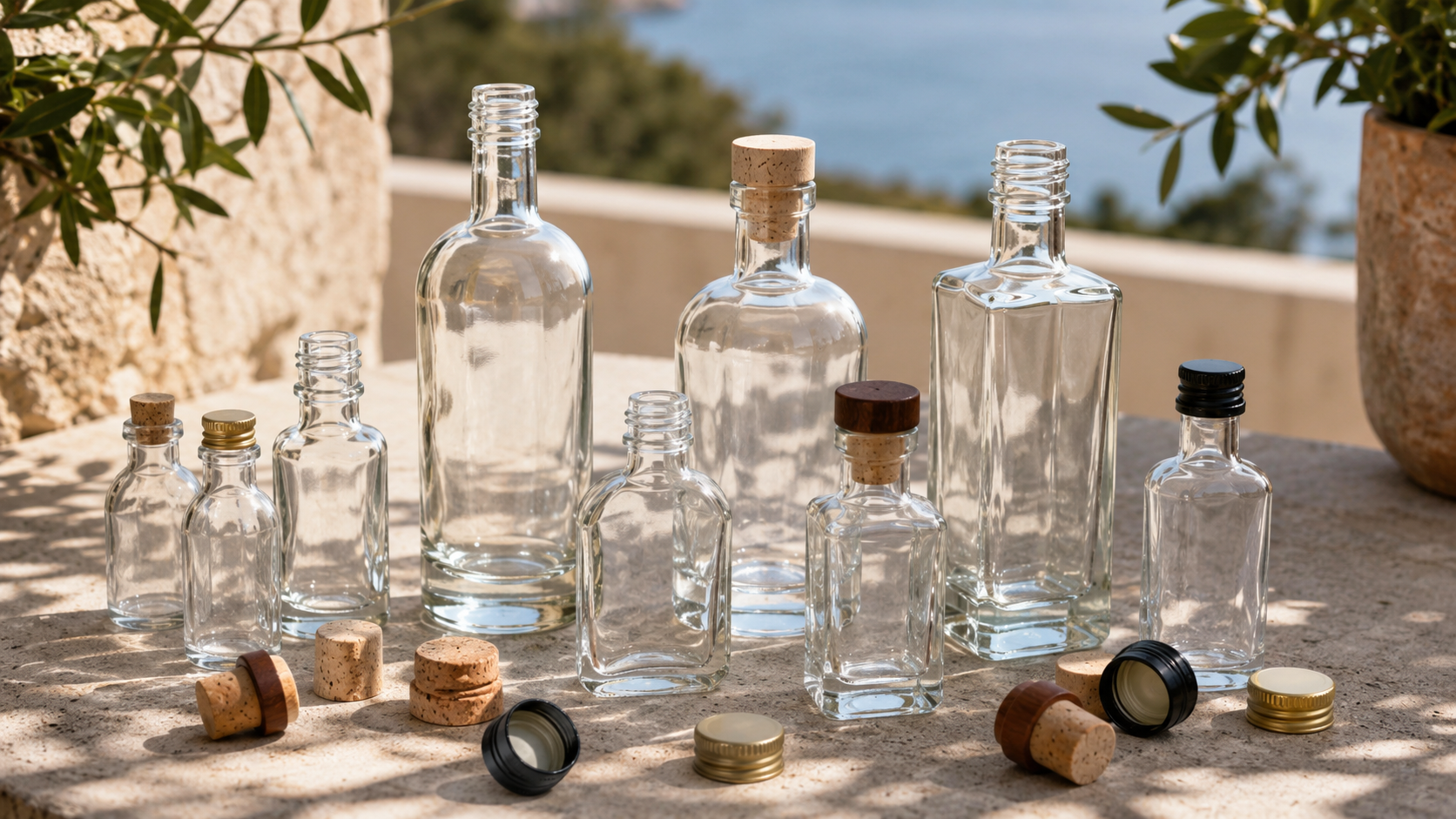
Before approving bulk closure manufacturing, buyers should confirm more than the sample appearance. This guide explains key checks for dimensions, material consistency, surface finish, liner fit, torque control, assembly quality and export packing.
Quick Closure Guide for Spirits Brands
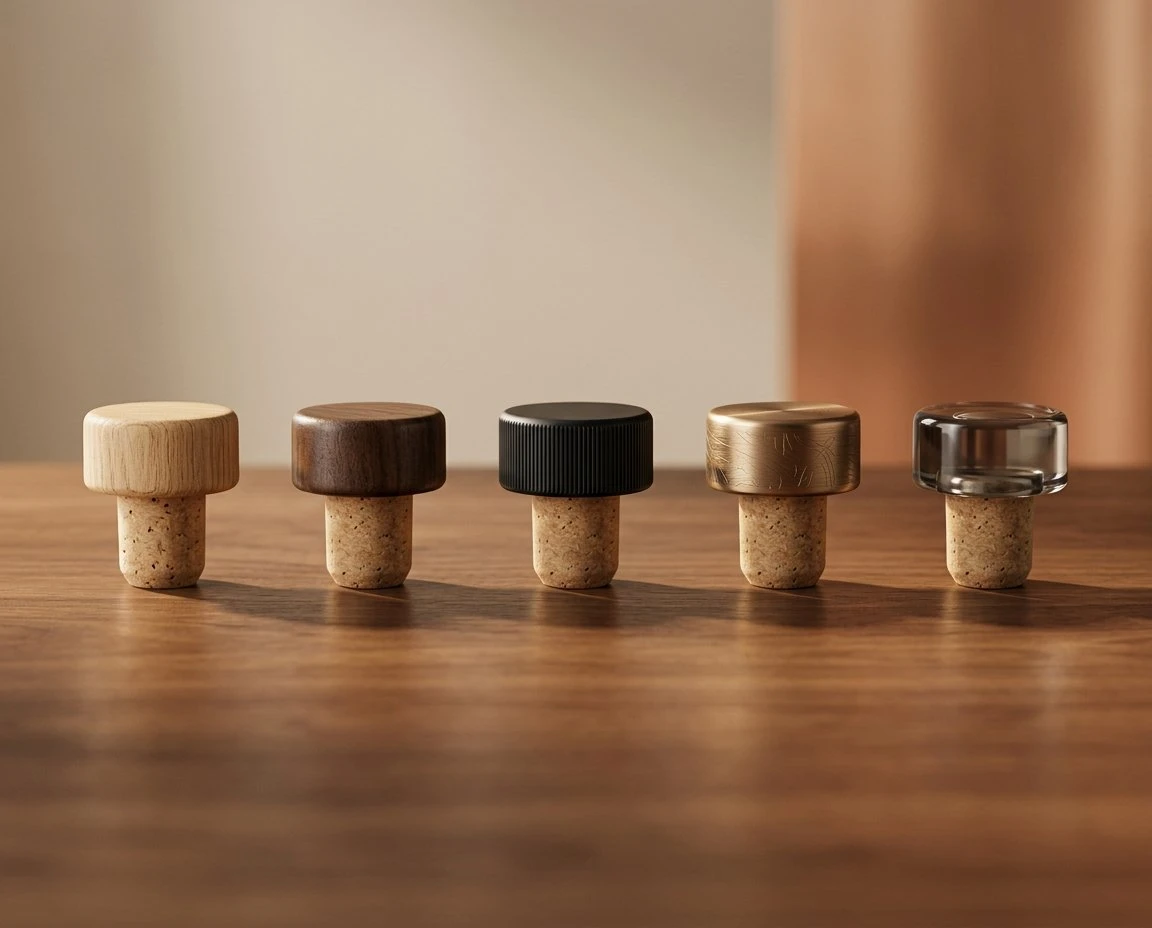
Different spirits need different closure solutions. A premium single malt whisky may need a tactile wooden bar-top stopper, while a high-volume vodka line may require an aluminum screw cap or ROPP closure that runs efficiently on automated equipment. Export tequila, duty-free spirits, and high-value products may need stronger tamper evidence or anti-refill protection.
| Buyer Need | Recommended Closure Option | Typical Application |
|---|---|---|
| Premium whisky or rum packaging | Wooden bar-top stopper | Craft whisky, aged rum, brandy-style bottles |
| Clean vodka packaging | Aluminum screw cap or ROPP closure | Vodka, gin, liqueurs, high-volume spirits |
| Export spirits security | Non-refillable closure | Tequila, premium spirits, duty-free channels |
| Custom luxury bottle design | Metal, glass-effect, or decorated stopper | Luxury whisky, cognac-style spirits, gift packaging |
| High-volume filling efficiency | Screw cap or ROPP closure | Vodka, RTD spirits, liqueurs, mass-market bottles |
| Strong shelf differentiation | Custom bar-top stopper with capsule | Craft spirits, private label spirits, limited editions |
A closure should never be selected only from a photo. Bottle neck finish, inner diameter, alcohol strength, filling method, target market, brand tier, packaging cost, and shipping conditions all affect the final decision.
What Does a Spirits Bottle Closure Manufacturer Do?
A spirits bottle closure manufacturer designs, develops, produces, and supplies closures that match both the bottle and the commercial goal of the brand. For B2B buyers, this usually includes closure selection, material recommendation, technical matching, custom decoration, sample development, bulk production, quality inspection, and export-ready packing.
A professional liquor bottle closure manufacturer helps answer practical questions before production begins. Will the stopper fit the neck properly? Is the closure suitable for high-proof alcohol? Can the logo stay sharp after handling and shipping? Does the cap provide tamper evidence? Is the closure suitable for the filling line? What samples, drawings, or specifications are needed before confirming a bulk order?
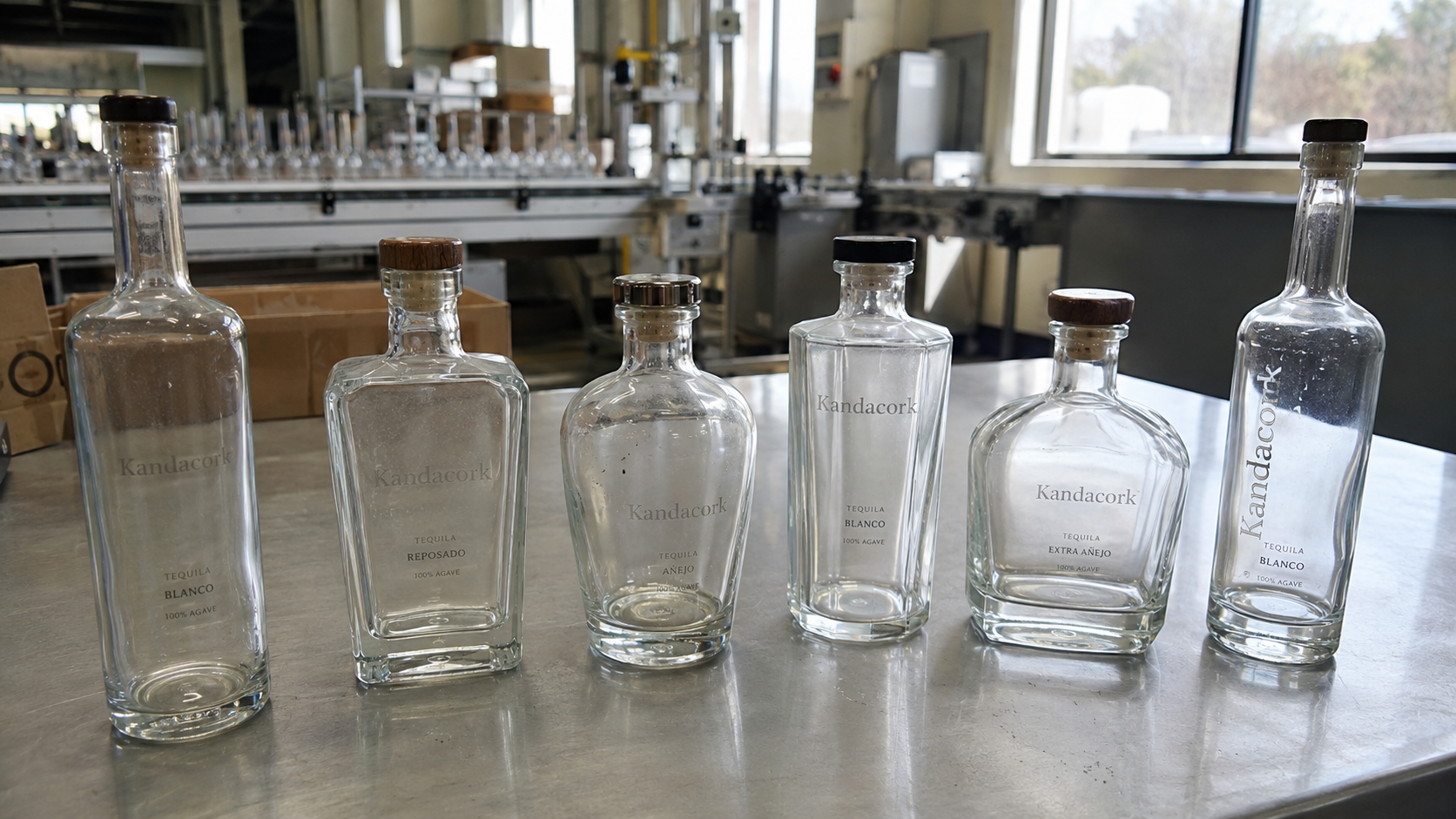
For buyers comparing closure structures, Kandacork’s full closure and stopper range provides options for different spirits categories, price levels, and packaging styles. This makes it easier to match closure design with brand positioning, from cost-efficient private label spirits to luxury gift-box releases.
Why Work Directly With a Spirits Bottle Closure Manufacturer?
Working directly with a spirits bottle closure manufacturer gives brands more control over design, material, sampling, and production. A distributor may offer standard closures, but a manufacturer can usually provide deeper support for custom colors, special finishes, logo decoration, bottle-fit testing, repeat orders, and custom mold development.
This direct relationship is especially valuable when the bottle has a non-standard neck finish, the product needs a premium tactile feel, or the brand wants a closure that becomes part of the visual identity. For example, a craft gin brand may want a colored stopper that matches its botanical label system, while a tequila brand may need a heavy decorated stopper that communicates value on shelf.
Direct manufacturer support can also reduce communication gaps. Instead of separating bottle design, closure sourcing, decoration, and sampling into disconnected steps, buyers can review practical details earlier and reduce the risk of late-stage changes.
Key advantages include:
- Better control over closure structure, material, and decoration
- More flexible customization for colors, logos, finishes, and top shapes
- Direct sampling before bulk production
- Improved communication for bottle neck matching
- Clearer MOQ, tooling, and lead-time expectations
- Stronger project continuity for repeat orders
- More practical feedback on packing, shipping, and line performance
For spirits brands building a long-term product range, a direct manufacturer relationship can turn closure sourcing from a one-time purchase into a repeatable packaging system.
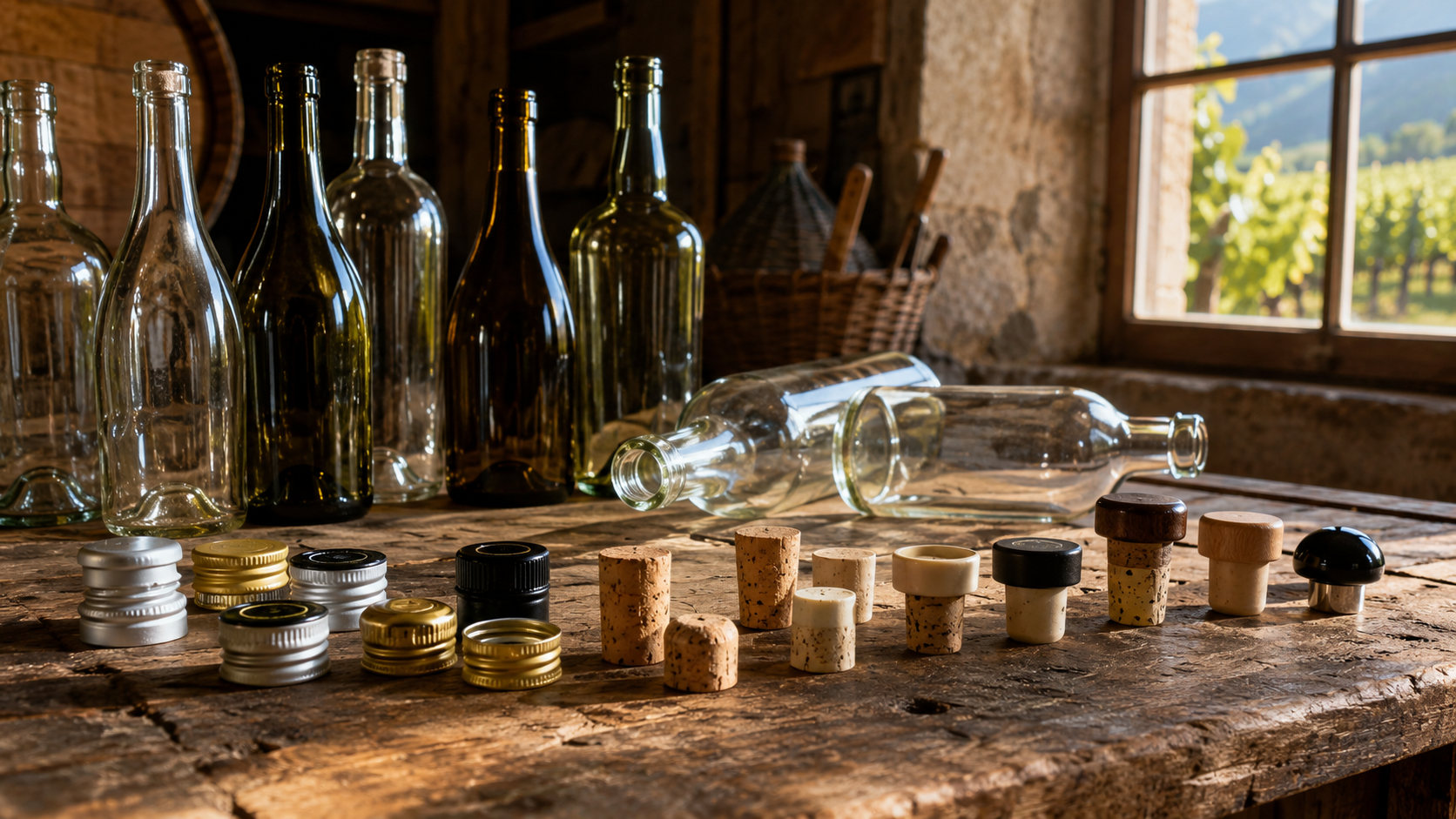
Main Types of Spirits Bottle Closures
Spirits bottle closures are available in many structures, each with different strengths. The best option depends on brand tier, bottle shape, filling process, security requirements, and consumer experience.
| Closure Type | Best For | Common Materials | Branding Options | Key Benefits |
|---|---|---|---|---|
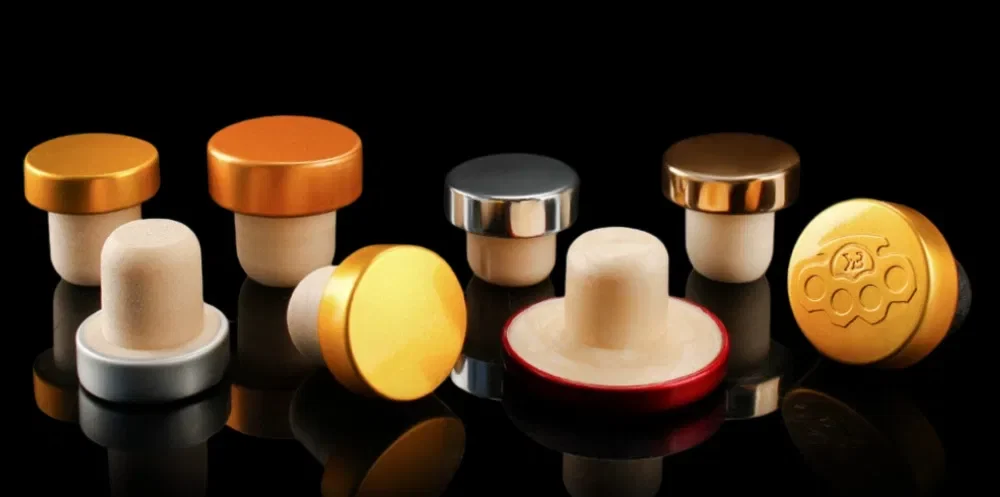
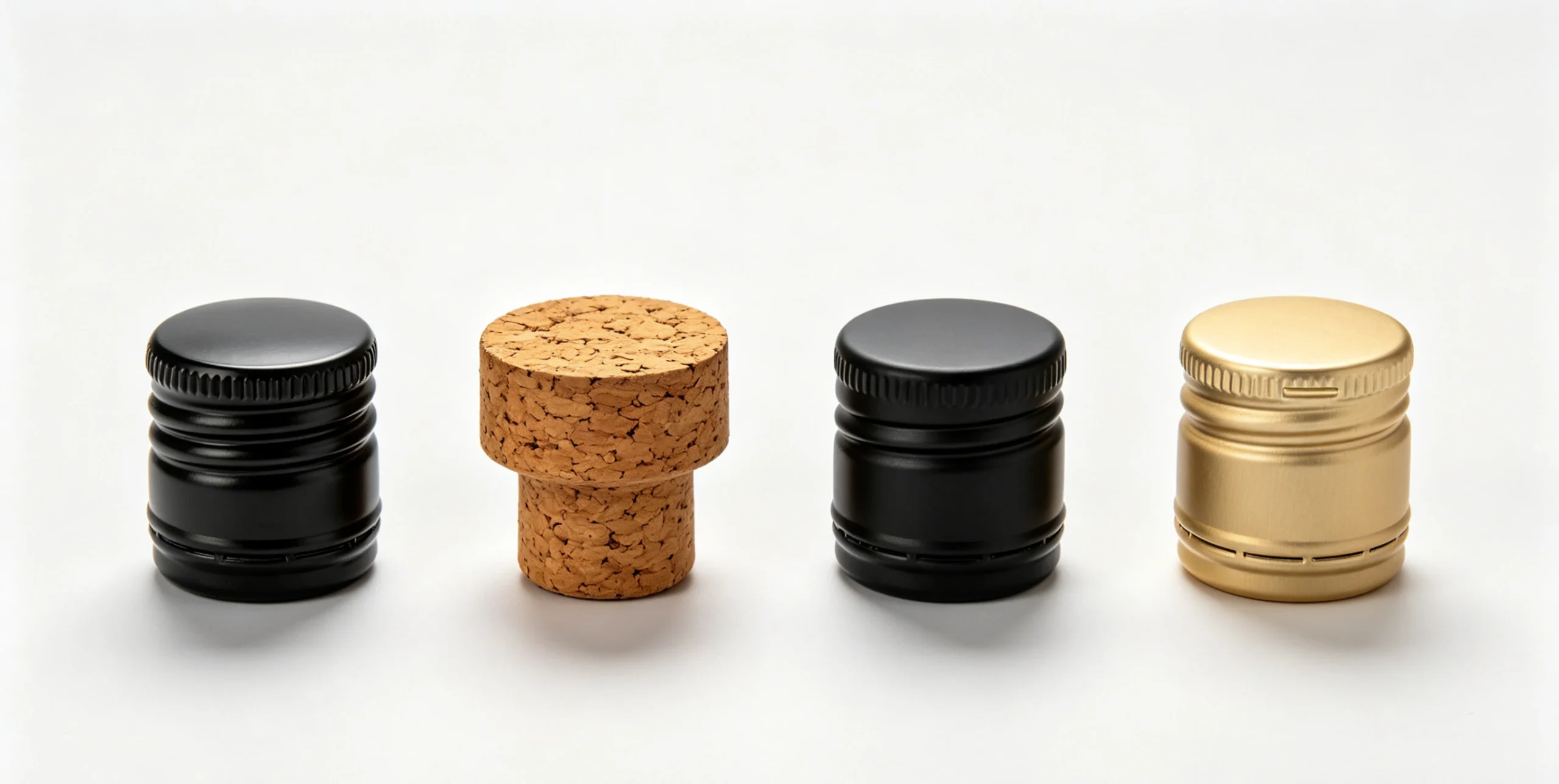
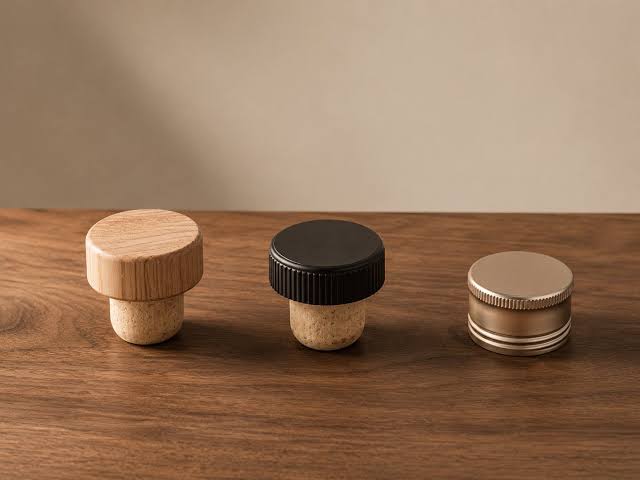
| Bar-top stoppers | Whisky, rum, brandy, tequila, premium gin | Wood, aluminum, plastic, glass, cork, synthetic cork | Printing, engraving, embossing, coating | Premium appearance and reusable opening |
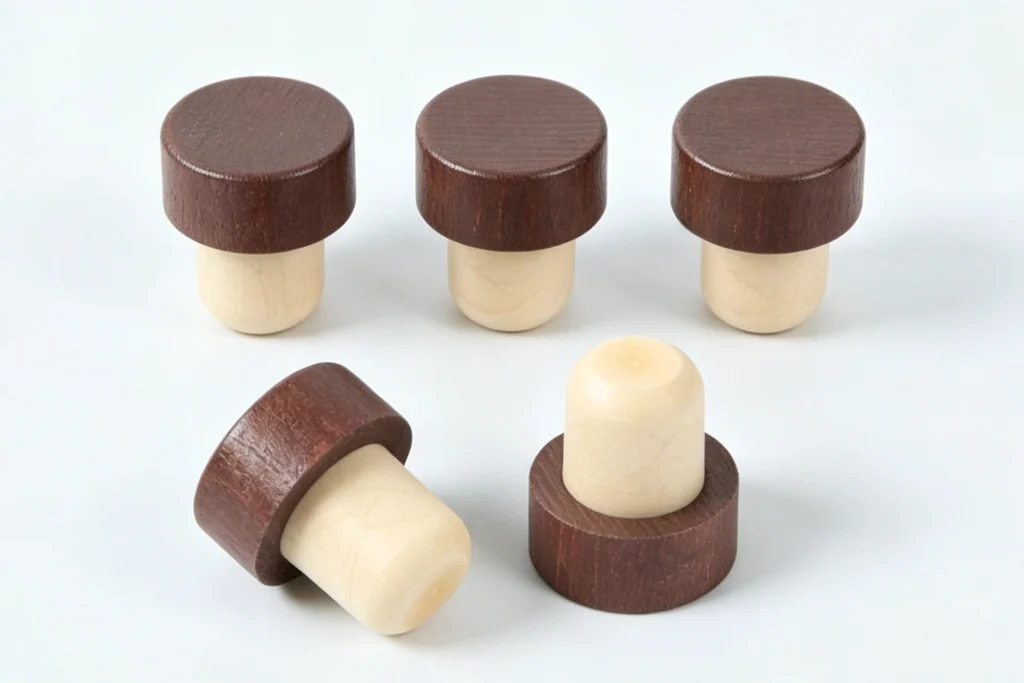
| Wooden stoppers | Craft spirits and luxury packaging | Wood top with cork or synthetic shank | Laser engraving, staining, hot stamping | Natural texture and warm premium feel |
| Aluminum stoppers | Vodka, gin, tequila, modern spirits | Aluminum top with cork or synthetic shank | Anodizing, printing, embossing | Clean appearance and durable finish |
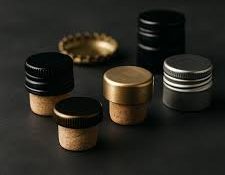
| Screw caps | Vodka, liqueurs, RTD spirits | Aluminum or plastic | Printing, embossing, color matching | Convenient resealing and production efficiency |
| ROPP closures | Spirits, liqueurs, wine-based spirits | Aluminum shell with liner | Offset printing, embossing, side decoration | Tamper-evident band and efficient capping |
| Non-refillable closures | Premium spirits and export markets | Plastic, aluminum, valve systems | Logo decoration, capsules, color matching | Anti-refill protection and brand security |
| Capsules and shrink sleeves | Whisky, brandy, gin, liqueurs | PVC, PET, polylaminate, tin-style materials | Printing, foil, color matching | Neck decoration and tamper evidence |
A premium closure should look good, but it also needs to work in real production. Closure height, shank size, cap skirt length, liner choice, torque performance, pull force, insertion force, and packing protection can all influence final results.
Bar-Top Stopper vs Screw Cap vs ROPP Closure vs Non-Refillable Closure
Many buyers begin with a simple question: which closure type is best for my spirit? The answer depends on the balance between premium image, filling speed, security, cost, and technical fit.
| Feature | Bar-Top Stopper | Screw Cap | ROPP Closure | Non-Refillable Closure |
|---|---|---|---|---|
| Best for | Premium spirits and craft brands | Vodka, liqueurs, RTD spirits | Spirits and high-speed lines | Premium, export, and duty-free products |
| Premium level | High | Medium to high | Medium | High |
| Tamper evidence | Usually paired with capsule or sleeve | Possible with band design | Strong pilfer band | Strong tamper-evident and anti-refill function |
| Custom logo potential | Excellent | Good | Good | Good |
| Filling-line suitability | Depends on equipment | Strong for volume lines | Strong for automated capping | Depends on closure structure |
| Cost level | Medium to high | Low to medium | Medium | Medium to high |
| Best commercial use | Brand elevation | Efficiency and resealing | Secure and repeatable capping | Brand protection |
Bar-top stoppers are often selected for premium whisky, rum, tequila, and brandy because they create a strong opening ritual. Screw caps and ROPP closures are practical for brands that need consistent resealing, cost control, and production efficiency. Non-refillable closures are especially relevant for products sold through export channels, duty-free markets, or regions where tampering and refilling risks are higher.
Matching Closures to Different Spirit Categories
A custom spirits closure supplier should understand how different spirits are positioned. Whisky, vodka, gin, rum, tequila, brandy, liqueurs, and RTD spirits often have different expectations for closure style, weight, color, and user experience.
For whisky and whiskey, a wooden or metal bar-top stopper can help communicate maturity, craft, and value. Many brands prefer a closure that feels substantial in the hand and supports a premium pouring ritual. Custom wooden bar-top stoppers are especially useful when the brand wants warmth, texture, and a natural appearance.
For vodka, aluminum screw caps and ROPP closures are common because they provide a clean, modern look and work well for high-volume production. A premium vodka brand may still choose an aluminum or glass-effect stopper if shelf differentiation is more important than speed alone.
For gin, both bar-top stoppers and screw caps can work. Craft gin brands often use color, botanical cues, and decorative details to create a stronger identity. A closure can match the label, bottle tint, capsule, or secondary packaging to create a more complete brand system.
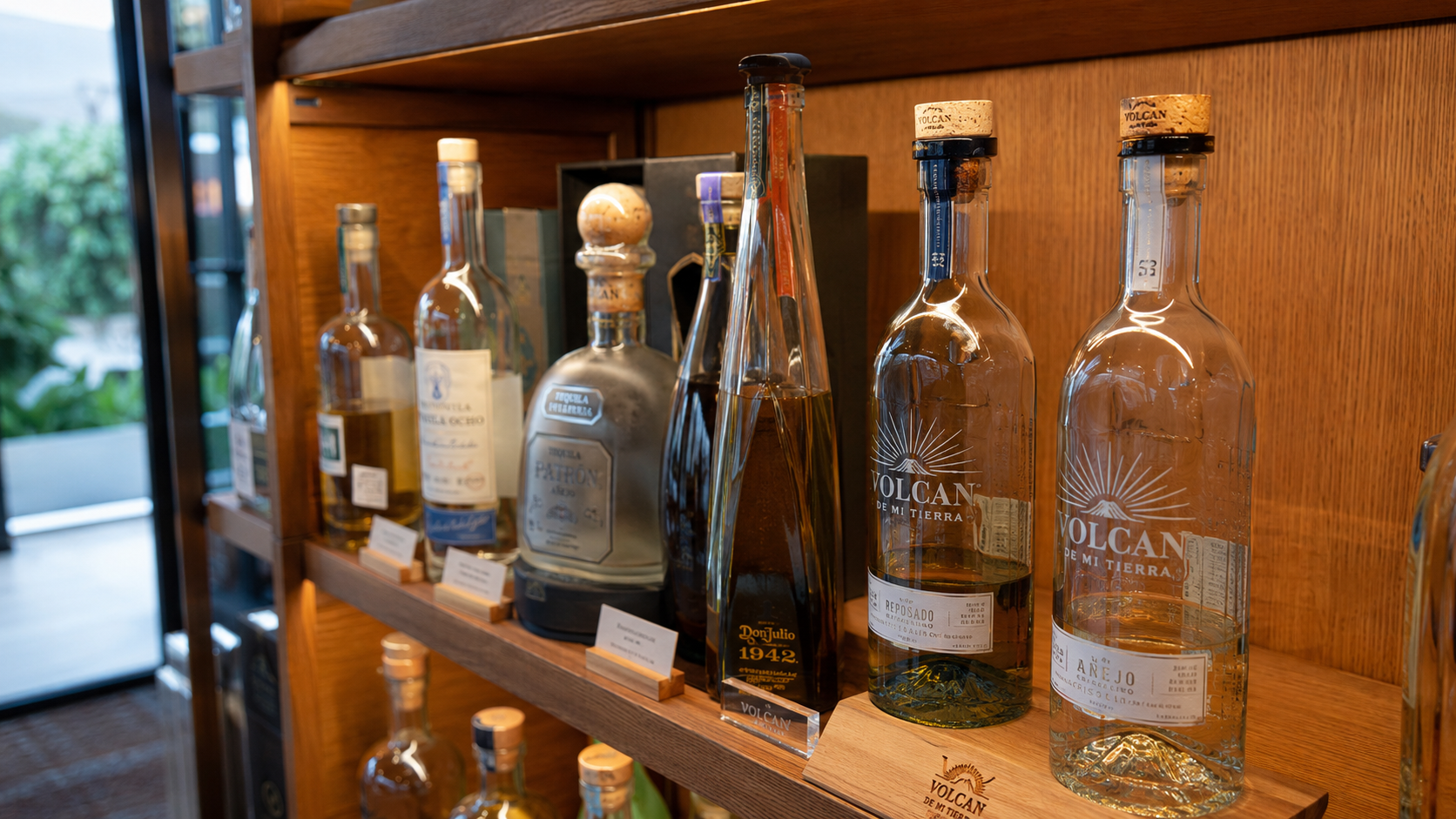
For tequila and mezcal, the closure often carries strong design value. Heavy stoppers, metal tops, wood textures, and non-refillable systems can support a more premium or protected presentation. Rum and brandy brands may choose similar approaches when they want the bottle to feel aged, warm, and giftable.
For liqueurs and RTD spirits, convenience and production efficiency often matter more. Screw caps, ROPP closures, and cost-effective plastic structures can provide reliable resealing while supporting higher output and repeat orders.
Bottle Neck Finish, Fit, and Leak-Proof Performance
Bottle neck finish is one of the most important technical details in spirits packaging. It controls how the closure fits, seals, opens, and performs during storage and transport. Even a beautiful closure can fail commercially if the shank is too loose, the cap thread does not match, or the liner is unsuitable for the product.
For bar-top stoppers, the inner neck diameter and stopper shank dimensions are critical. The shank must compress enough to seal securely, but not so tightly that consumers struggle to open the bottle. Pull force, insertion force, cork recovery, dimensional tolerance, and storage conditions should be considered during sample approval.
For screw caps and ROPP closures, thread finish, cap skirt height, liner selection, pilfer band behavior, and torque control are important. Brands using automated lines should confirm capping-head compatibility and test production samples under realistic filling conditions. Kandacork’s custom ROPP closures are designed for buyers who need a secure, recloseable, tamper-evident closure for roll-on neck finishes.
Glass bottle compatibility also relates to recognized packaging standards. The work of ISO/TC 63 for glass containers reflects the importance of standardization in molded glass packaging, including dimensions and performance-related requirements. For spirits buyers, this reinforces a practical point: bottle and closure development should be reviewed together, not treated as separate purchases.
Before mass production, buyers should request samples and test them with actual bottles. This helps confirm sealing, opening feel, appearance, packing protection, and line performance before the order moves into full production.
Tamper Evidence, Non-Refillable Closures, and Brand Protection
Tamper evidence matters in spirits packaging because consumers, distributors, and regulators need confidence that the product has not been opened or altered. In the United States, TTB guidance on tamper-evident closures explains that distilled spirits bottles and containers require securely affixed tamper-evident closure devices that show evidence when opened.
For many spirits brands, tamper evidence can be achieved through ROPP closures, pilfer bands, capsules, shrink sleeves, or other security structures. For premium or high-risk markets, non-refillable systems may provide additional protection by making it harder to refill the original bottle with counterfeit or diluted product.
Kandacork supplies non-refillable closures for spirits projects that require brand protection, controlled pouring, and stronger security. These systems are especially useful for tequila, whisky, rum, liqueurs, export spirits, and duty-free channels where product authenticity and consumer trust are part of the packaging strategy.
A non-refillable closure is not necessary for every product. The decision depends on product value, distribution region, refill risk, legal requirements, bottle design, and brand positioning. A practical sourcing process should compare security needs with cost, filling-line compatibility, and consumer experience.
Materials for Custom Spirits Closures
Material selection affects cost, weight, appearance, sealing behavior, decoration options, and sustainability perception. A spirits bottle closure manufacturer should help buyers compare materials based on real application conditions, not only visual preference.
Natural cork offers a traditional and premium association. It is widely recognized in wine and beverage packaging and can support a more natural brand story. However, for spirits, especially high-proof products, buyers should review closure structure, liquid compatibility, and storage conditions carefully. The Natural Cork Council Bottling Handbook provides technical context around cork handling, bottle knowledge, ullage, and bottling practices.
Synthetic cork is often used when buyers need more consistent dimensions, repeatable fit, and controlled performance. It can be a practical choice for bar-top stoppers used across multiple SKUs or export markets.
Wood is popular for premium spirits because it adds warmth, texture, and a tactile opening experience. It is especially suitable for whisky, rum, brandy, tequila, mezcal, and limited-edition gift packaging.
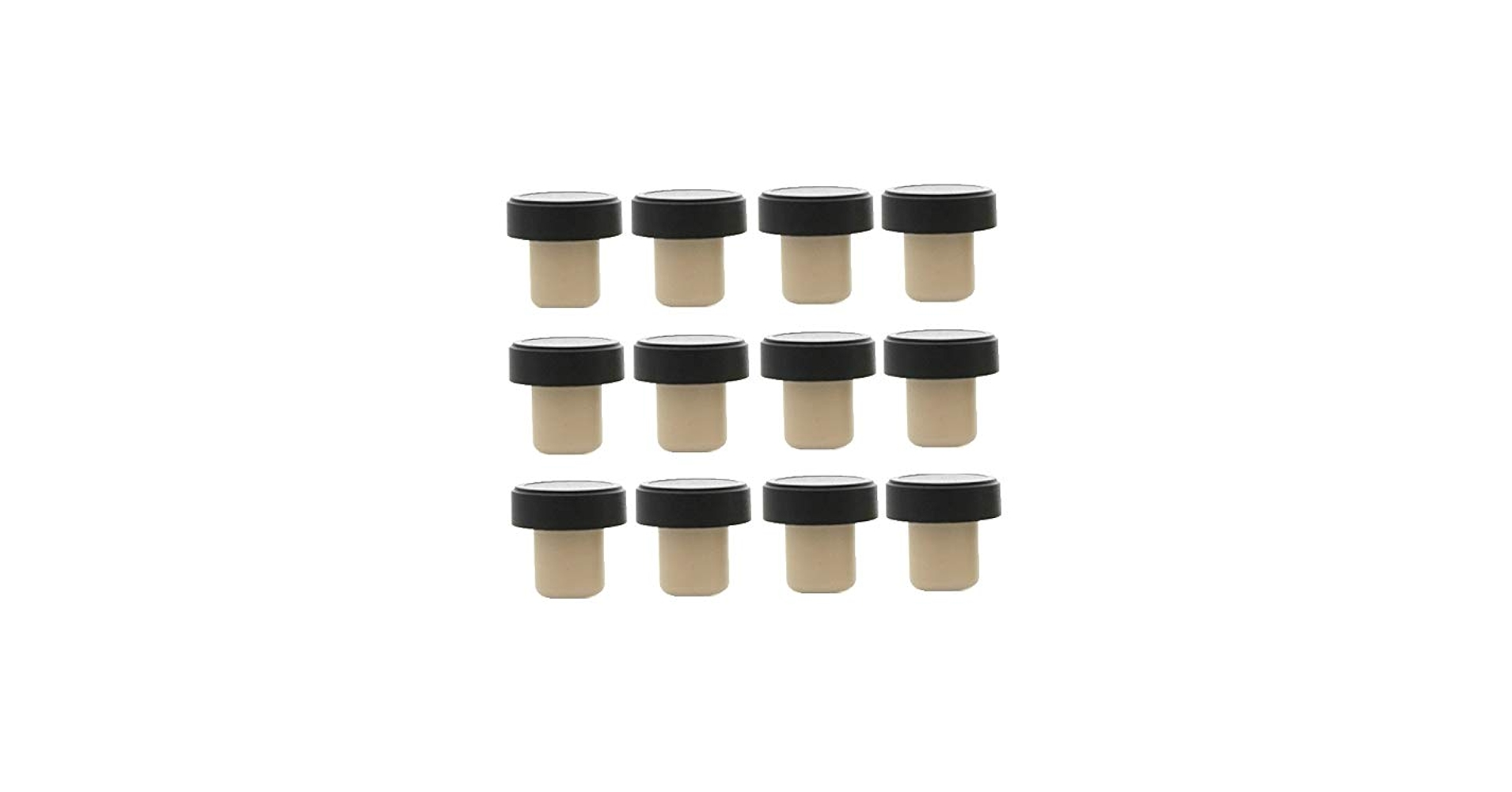
Aluminum is widely used for screw caps, ROPP closures, and modern stopper tops. It supports clean color finishes, embossing, printing, and efficient production. Plastic can be used for functional structures, pourer systems, and cost-efficient T-top stoppers. Glass-effect and metal tops can create a heavier luxury feel for flagship products.
The best choice depends on the spirit category, bottle neck finish, decoration plan, order quantity, and brand price tier.
Food-Contact Safety and Packaging Compliance
Closure components may contact the bottle mouth or, in some designs, the liquid itself. For this reason, food-contact material review is an important part of responsible spirits packaging development.
For U.S. projects, buyers often review the FDA inventory of food-contact substances listed in 21 CFR when evaluating materials used in contact with food or beverages. For Europe, the European Commission’s food-contact material framework explains that food-contact materials must meet safety requirements so they do not endanger health, change food composition, or affect taste and odor.
For spirits closure sourcing, this means buyers should ask suppliers about material declarations, intended use, migration considerations where applicable, and customer-specific documentation. This is particularly important for importers, distributors, and brands selling into multiple markets.
Common documentation may include product specifications, technical drawings, material declarations, sample approval records, packing details, inspection reports, and third-party testing reports when required by the customer or target market.
Custom Decoration and Brand Presentation
In premium spirits packaging, the closure often becomes part of the brand’s signature. It is touched during opening, seen from above on the shelf, and remembered as part of the consumer experience. A well-designed closure can make a standard bottle feel more premium, while a poorly matched closure can weaken an otherwise strong package.
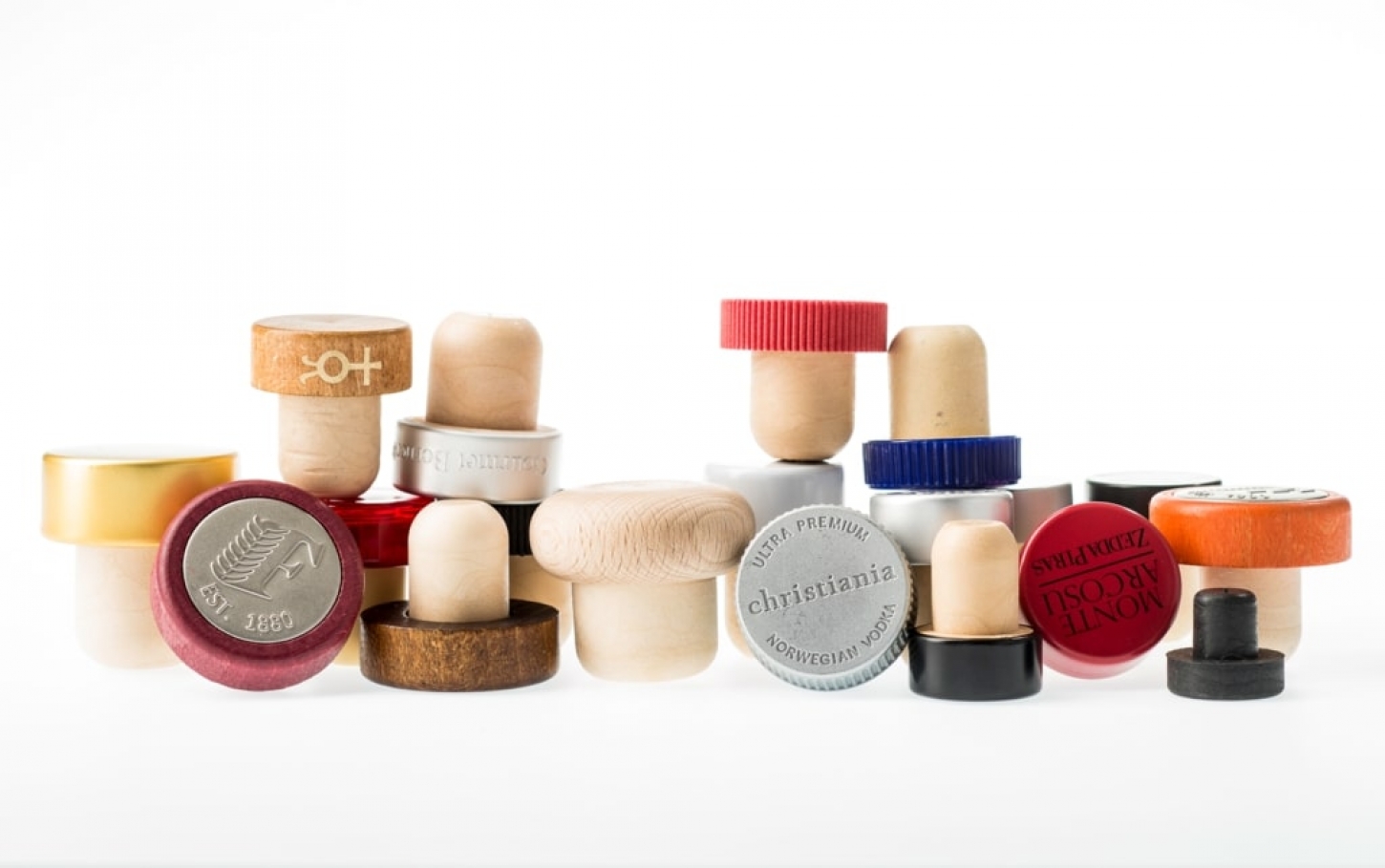
Common decoration options include logo printing, laser engraving, embossing, debossing, hot foil stamping, screen printing, pad printing, color spraying, anodizing, matte finishes, satin finishes, gloss finishes, metallic effects, wood staining, inlaid badges, and matched capsules.
A craft whisky brand may choose a natural wooden top with laser engraving. A vodka brand may prefer a matte black aluminum cap with silver embossing. A tequila brand may use a heavy decorated stopper and matching capsule to create a gift-ready presentation.
For projects where bottle decoration and closure design need to work together, Kandacork Bottle Decor supports coating, printing, frosting, foil, badges, and other branding options for premium spirits packaging. Coordinating the bottle, closure, capsule, and decoration plan early helps create a more consistent final package.
What to Prepare Before Requesting a Custom Closure Quote
A clear RFQ helps the manufacturer recommend the right closure faster and reduces the risk of wrong samples or inaccurate pricing. Buyers should prepare as much technical and commercial information as possible before requesting a quotation.
Useful RFQ information includes:
- Bottle drawing or physical bottle sample
- Bottle neck finish and inner diameter
- Closure type preference
- Spirit type and alcohol percentage
- First order quantity or annual demand
- Preferred closure material
- Logo file or brand artwork
- Decoration method preference
- Target market or export destination
- Filling method and capping equipment details
- Packing requirements
- Expected lead time
- Compliance or testing requirements
If drawings are not available, a physical bottle sample is usually the best starting point. For stoppers, the bottle mouth and shank fit should be checked carefully. For screw caps and ROPP closures, thread profile and torque expectations should be confirmed before production.
Buyers developing a complete spirits bottle system may also benefit from coordinating bottle sourcing and closure matching through Kandacork Spirits, especially when the bottle shape, neck finish, stopper, and decoration need to work together from the beginning.
From Concept to Bulk Production
A professional spirits bottle closure manufacturer should guide buyers through a structured development process. This helps reduce risk and keeps sampling, artwork, tooling, and production aligned.
A typical workflow includes:
- Reviewing bottle drawings, samples, or neck finish details
- Confirming closure type, structure, and material
- Recommending decoration methods and finish options
- Preparing samples or prototype closures
- Testing fit, sealing, opening feel, and appearance
- Confirming pre-production samples
- Finalizing packing and inspection requirements
- Starting bulk production
- Conducting quality checks
- Preparing export-ready shipment
This process is important because many closure problems appear only after physical testing. A photo cannot confirm stopper compression, cap torque, opening comfort, logo durability, or carton protection during transport.
Brands developing full bottle programs can coordinate structure and decoration with Kandacork Glass when bottle shape, glass weight, closure fit, and premium presentation need to be aligned for a complete spirits packaging system.
Quality Control for Spirits Bottle Closures
Quality control is essential because small closure issues can create large commercial problems. Leakage, loose stoppers, poor opening feel, scratched finishes, inconsistent logo placement, and weak tamper evidence can damage brand reputation and increase customer complaints.
Key quality checks may include dimensional inspection, surface inspection, color matching, logo position review, pull-force testing, torque testing, sealing checks, liner confirmation, packaging protection review, and batch traceability. For premium projects, buyers may also request pre-shipment photos, retained samples, or third-party inspection depending on order value and market requirements.
A strong spirits bottle closure manufacturer should make quality expectations clear before production begins. The approved sample, artwork file, color reference, packing method, and inspection criteria should all be confirmed in advance.
For multi-category packaging projects that combine bottles, closures, accessories, and export packing, Kandacork Glass Packaging can support coordinated packaging development across spirits, gourmet, beauty, home fragrance, and specialty glass applications.
Real-World Custom Closure Examples
A craft whisky brand may need a wooden bar-top cork with laser engraving, a natural stain finish, and a matching capsule. The main priorities are shelf appeal, opening feel, cork fit, and consistent logo presentation across repeat orders.
A vodka bottler may need an aluminum ROPP closure with a clean silver finish, tamper-evident band, and reliable compatibility with high-speed capping equipment. The main priorities are sealing performance, torque control, production efficiency, and cost consistency.
An export tequila brand may need a premium decorative stopper with a non-refillable closure option. The main priorities are brand protection, anti-refill performance, luxury appearance, and packaging consistency for international distribution.
A private label spirits project may need an existing stopper model with fast logo decoration and export-ready packing. The main priorities are manageable MOQ, short development time, stable appearance, and repeat-order consistency.
These examples show why closure selection should be based on bottle design, spirit type, market positioning, technical requirements, and operational reality.
Why Choose Kandacork Closures as Your Spirits Bottle Closure Manufacturer?
Kandacork Closures helps spirits brands, distilleries, importers, bottlers, and packaging distributors develop closure systems that combine visual impact with practical performance. The product range covers bar-top stoppers, cork stoppers, screw caps, ROPP closures, non-refillable closures, capsules, shrink sleeves, and matched accessories for different spirits packaging projects.
As a spirits bottle closure manufacturer, Kandacork focuses on B2B support from concept to production. Buyers can review bottle neck finish, closure structure, material options, decoration methods, sample requirements, MOQ, lead time, quality control, and export packing before confirming bulk orders.
Kandacork Closures is suitable for buyers who need:
- Custom closure design and logo decoration
- Closure matching based on bottle drawings or samples
- Options for premium and high-volume spirits projects
- Bar-top stoppers, screw caps, ROPP closures, and security closures
- Sample development before mass production
- Export-ready packing and project communication
- B2B supply for brands, distilleries, importers, and distributors
Whether you are launching a craft whisky, upgrading a gin bottle, sourcing vodka caps, or developing a non-refillable closure for premium spirits, Kandacork Closures can help you compare options and choose a closure system that fits your bottle and market.
To start a project, contact Kandacork Closures with your bottle drawing, closure concept, order quantity, target market, and branding requirements.
Frequently Asked Questions
What is the best closure for premium spirits bottles?
The best closure for premium spirits bottles is usually a custom bar-top stopper. It gives whisky, rum, tequila, and brandy bottles a premium opening feel, stronger shelf presence, and more logo customization options.
Common top materials include wood, aluminum, metal, glass-effect materials, and plastic. The shank can be natural cork or synthetic cork depending on fit, appearance, consistency, and project requirements.
What is the difference between a bar-top stopper and a screw cap?
A bar-top stopper is mainly used for premium appearance and reusable opening. A screw cap is usually selected for convenience, resealing, tamper-evident design, and high-volume production efficiency.
Bar-top stoppers often use wood, metal, plastic, or glass-effect tops with cork or synthetic shanks. Screw caps are commonly made from aluminum or plastic and are suitable for vodka, liqueurs, RTD spirits, and other volume-driven products.
Can I customize liquor bottle closures with my logo?
Yes. Custom liquor bottle closures can be decorated with logo printing, laser engraving, embossing, debossing, hot stamping, screen printing, color coating, and custom molded designs.
The best decoration method depends on the closure material, artwork details, desired finish, order quantity, and budget. Sampling is recommended before bulk production to confirm appearance and durability.
What information is needed for a custom closure quote?
To request a quote from a spirits bottle closure manufacturer, prepare the bottle drawing, neck finish, closure type, material preference, decoration method, order quantity, target market, filling process, and packaging requirements.
A physical bottle sample is also helpful. It allows the supplier to check bottle mouth dimensions, stopper fit, screw thread compatibility, opening feel, and potential sealing risks before bulk production.
Do spirits bottle closures need leak testing?
Yes. Leak testing and fit testing are important before bulk production, especially for export shipments, high-proof spirits, custom bottle shapes, and non-standard neck finishes.
Testing helps reduce the risk of leakage, loose fit, poor opening performance, and packaging complaints. It is especially important when developing a new bottle or custom closure structure.
Are non-refillable closures necessary for spirits?
Non-refillable closures are useful for premium spirits, export markets, duty-free channels, and regions where refilling or tampering risk is a concern. They can support brand protection, consumer confidence, and tamper evidence.
Not every spirits brand needs a non-refillable closure. The decision depends on market risk, brand value, distribution channel, bottle design, and regulatory or customer requirements.
What is the MOQ for custom spirits bottle closures?
MOQ depends on the closure material, structure, decoration method, and whether a custom mold is required. Existing closure models usually have lower MOQ, while custom molds, special finishes, and complex non-refillable systems may require higher order quantities.
For accurate MOQ guidance, buyers should share the closure style, bottle type, logo requirements, and expected order volume with the manufacturer.
How should I choose between natural cork and synthetic cork?
Natural cork offers traditional appeal, while synthetic cork can provide more consistent dimensions and appearance. For spirits, buyers should consider alcohol strength, storage conditions, fit, sealing performance, and brand image before choosing.
Synthetic cork is often selected for controlled fit and repeatability. Natural cork may be chosen when the brand wants a more traditional or natural packaging impression.
Can Kandacork Closures help match closures to my bottle?
Yes. Kandacork Closures can review your bottle drawing, neck finish, or physical sample and recommend suitable closure options. This helps buyers reduce mismatch risk before confirming samples and bulk production.
For custom projects, sample confirmation is recommended before mass production. This allows the buyer to evaluate fit, appearance, opening feel, sealing performance, and packaging compatibility.