Introduction
Choosing bar-top stoppers for tequila bottles is a technical, visual, and commercial decision. For tequila brands, distilleries, private label buyers, importers, distributors, bottlers, and packaging teams, the stopper affects bottle fit, sealing performance, shelf appeal, production handling, and the consumer opening experience.
This guide helps buyers compare tequila bottle closures by neck fit, stopper material, shank type, testing requirements, branding options, supplier capability, MOQ, and quote preparation. The goal is to help packaging buyers move from research to sample requests and bulk sourcing with fewer fit, leakage, decoration, and supply risks.
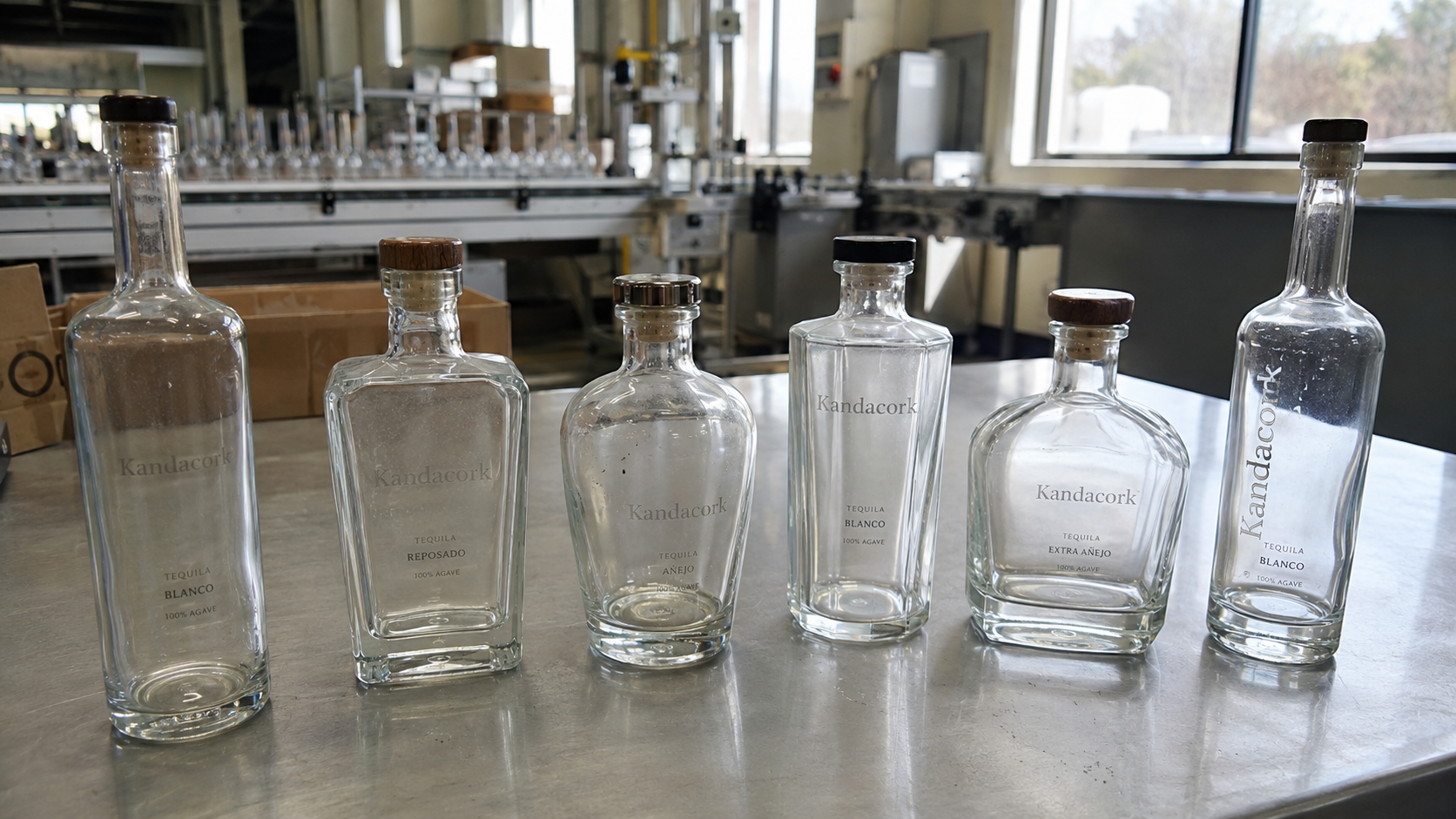
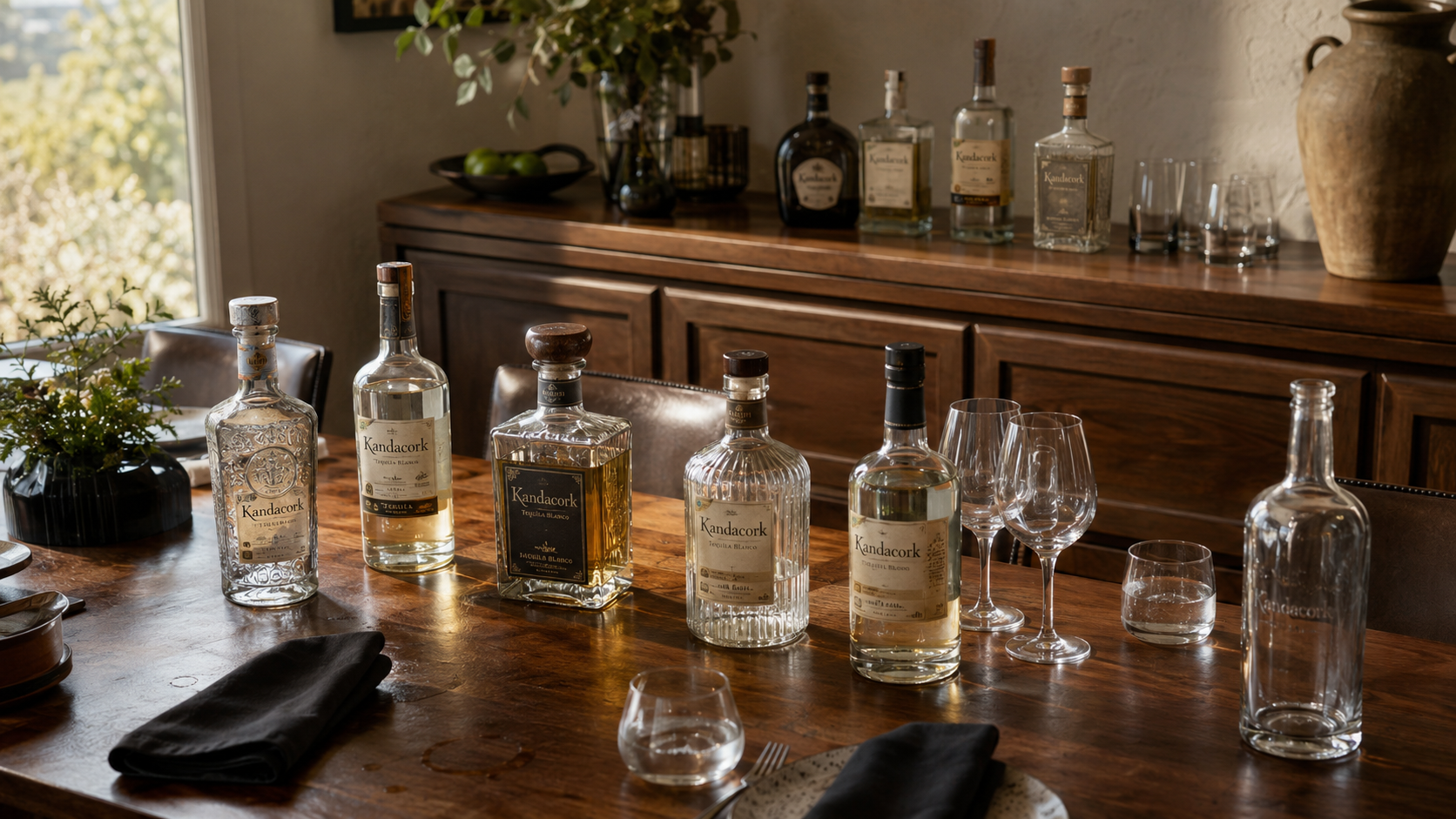
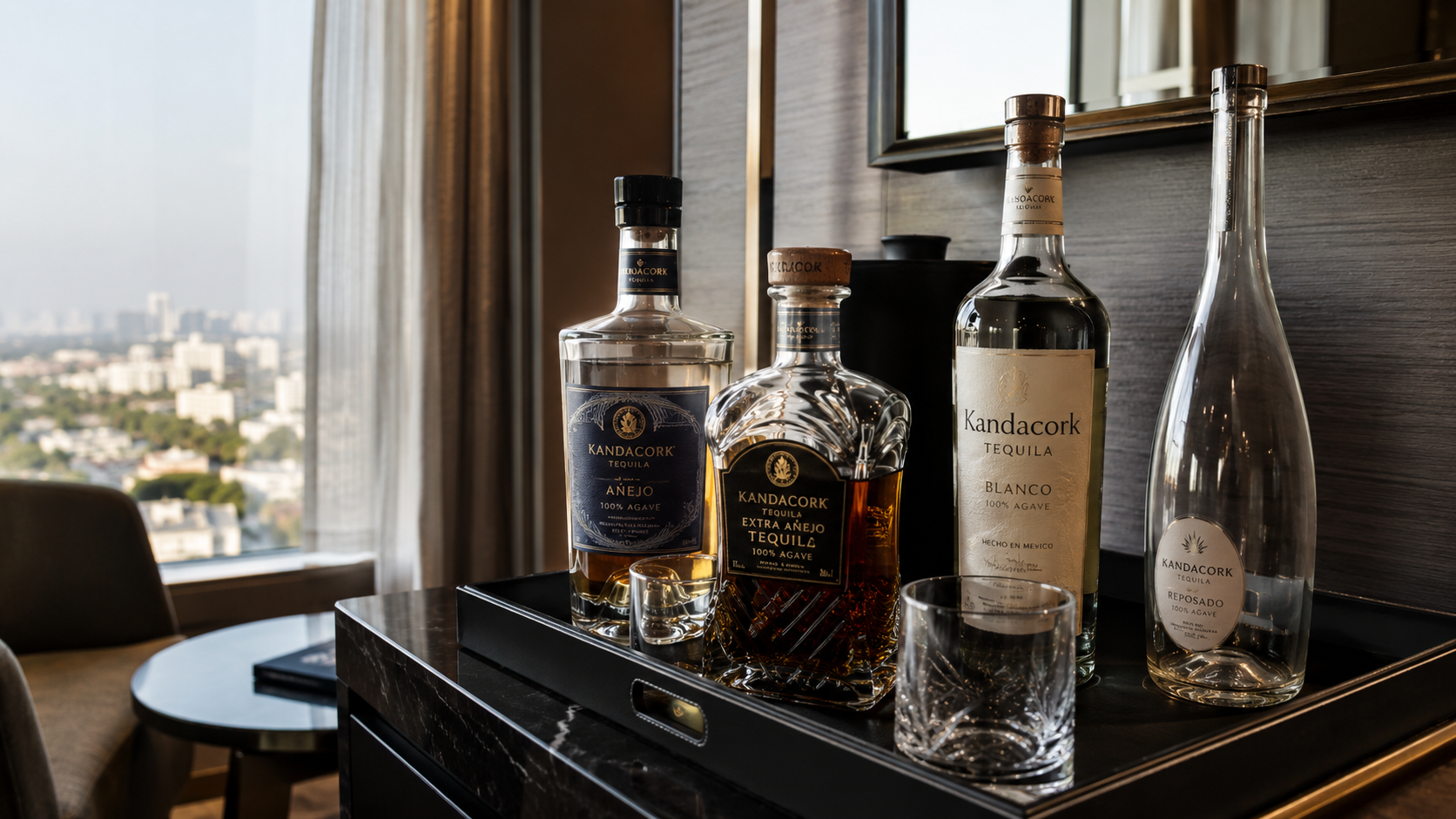
Kandacork Closures supports custom tequila bottle stoppers, including wood, aluminum, metal, zamak, synthetic cork shank, natural cork shank, and branded decorative closure options for spirits packaging.
Quick Answer: How to Choose Bar-Top Stoppers for Tequila Bottles
The best way to choose bar-top stoppers for tequila bottles is to start with the bottle neck, then compare materials, branding options, testing requirements, and supplier capability. Buyers should confirm inner neck diameter, shank compression, insertion depth, alcohol-contact performance, tamper-evident needs, and sample testing before bulk production. A good stopper should fit securely, open smoothly, protect the tequila, and match the brand’s market position.
Buyer Decision Summary
Use this decision order before requesting custom tequila bottle closure samples:
| Decision Step | What to Check | Why It Matters |
|---|---|---|
| Fit first | Inner neck diameter, neck finish, shank compression | Prevents leakage, looseness, or over-tight fit |
| Material second | Wood, aluminum, metal, zamak, plastic, glass, cork, synthetic shank | Matches brand image, budget, and production needs |
| Branding third | Logo, color, engraving, embossing, plating, printing | Turns the closure into a brand asset |
| Testing fourth | Leakage, insertion force, extraction force, alcohol contact, abrasion | Reduces quality and shipping risks |
| Supplier last | Sampling, MOQ, inspection, bulk consistency, export packing | Supports reliable production and reorder stability |
If the bottle has already been selected, Kandacork Closures can use its closure matching service to review the neck drawing or physical bottle sample and recommend suitable shank options before sampling.
What Are Bar-Top Stoppers for Tequila Bottles?
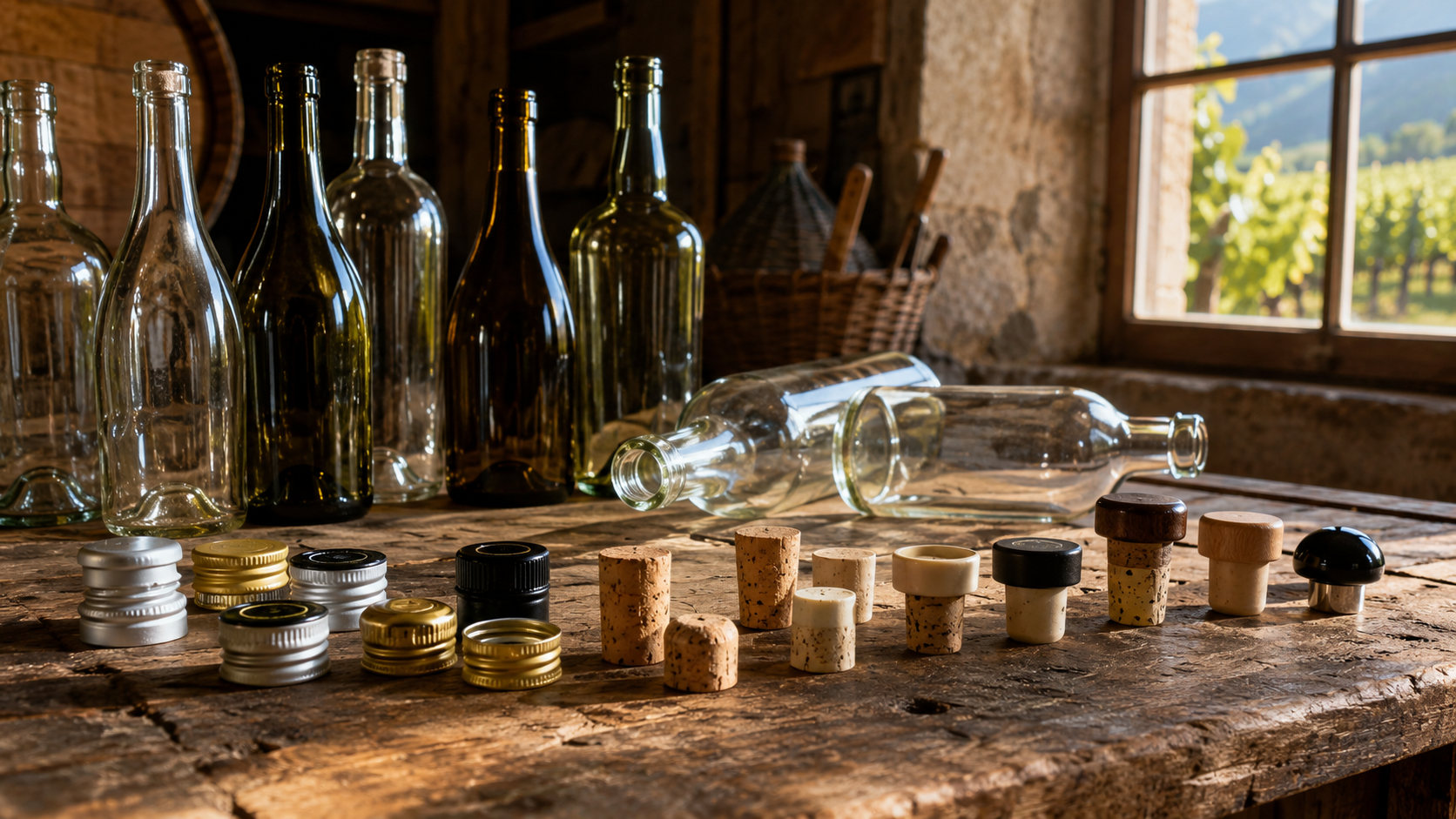
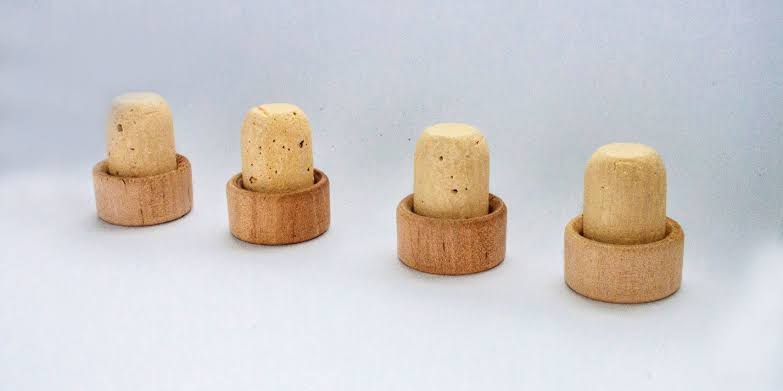
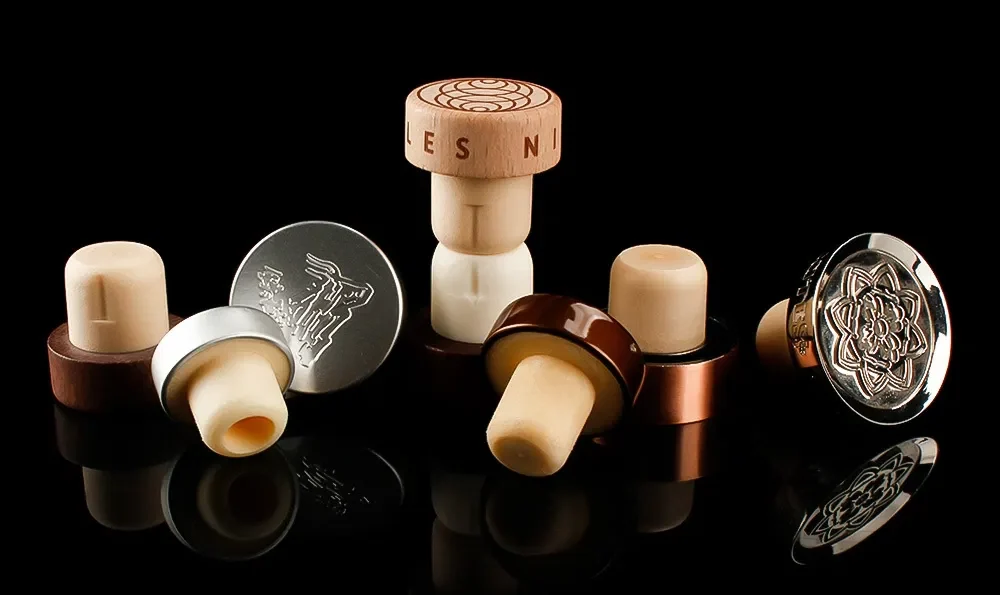
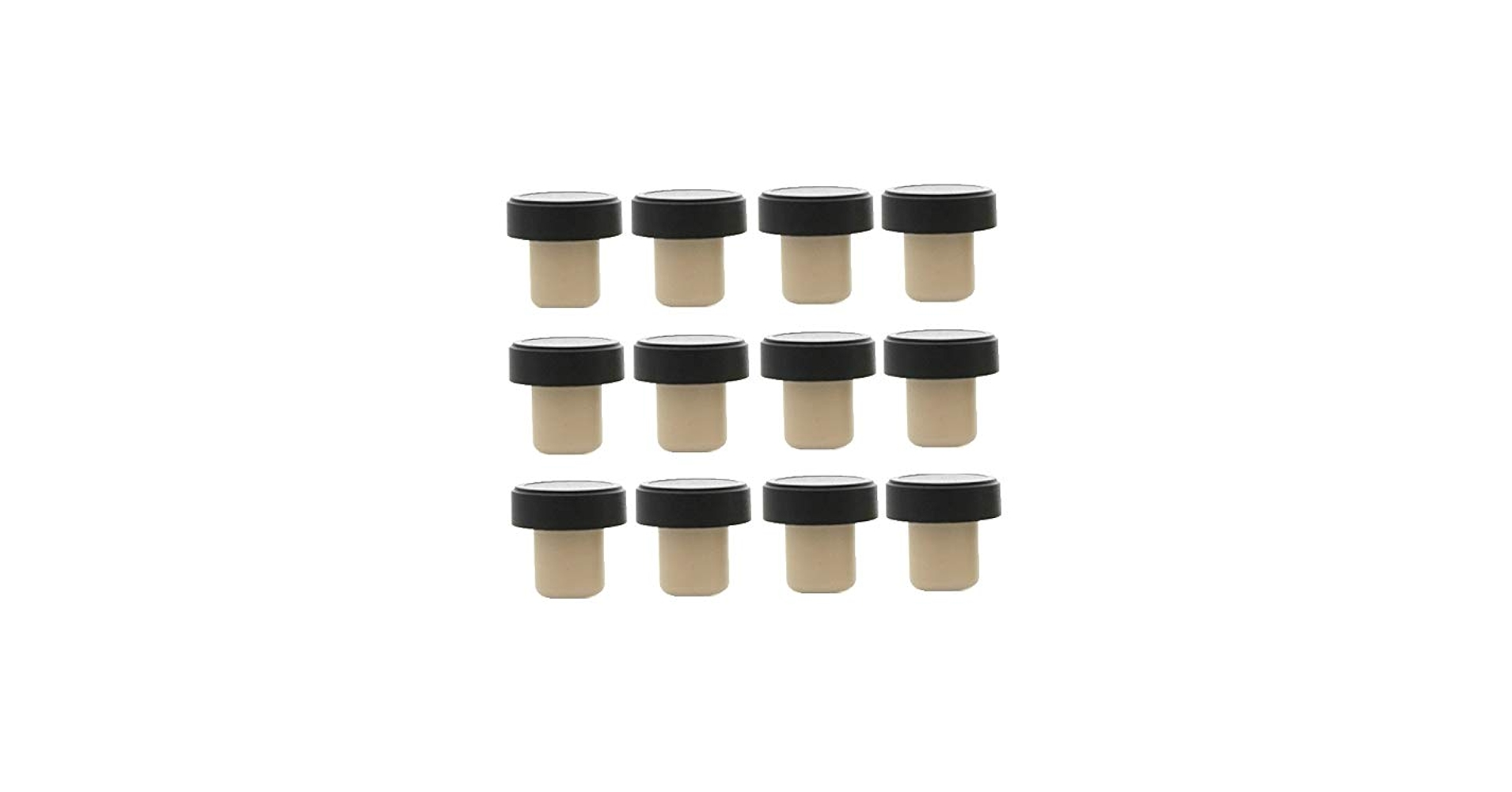
Bar-top stoppers, also called T-top stoppers or bar-top closures, are common closures for premium spirits bottles. They usually include two parts: a decorative top and a sealing shank.
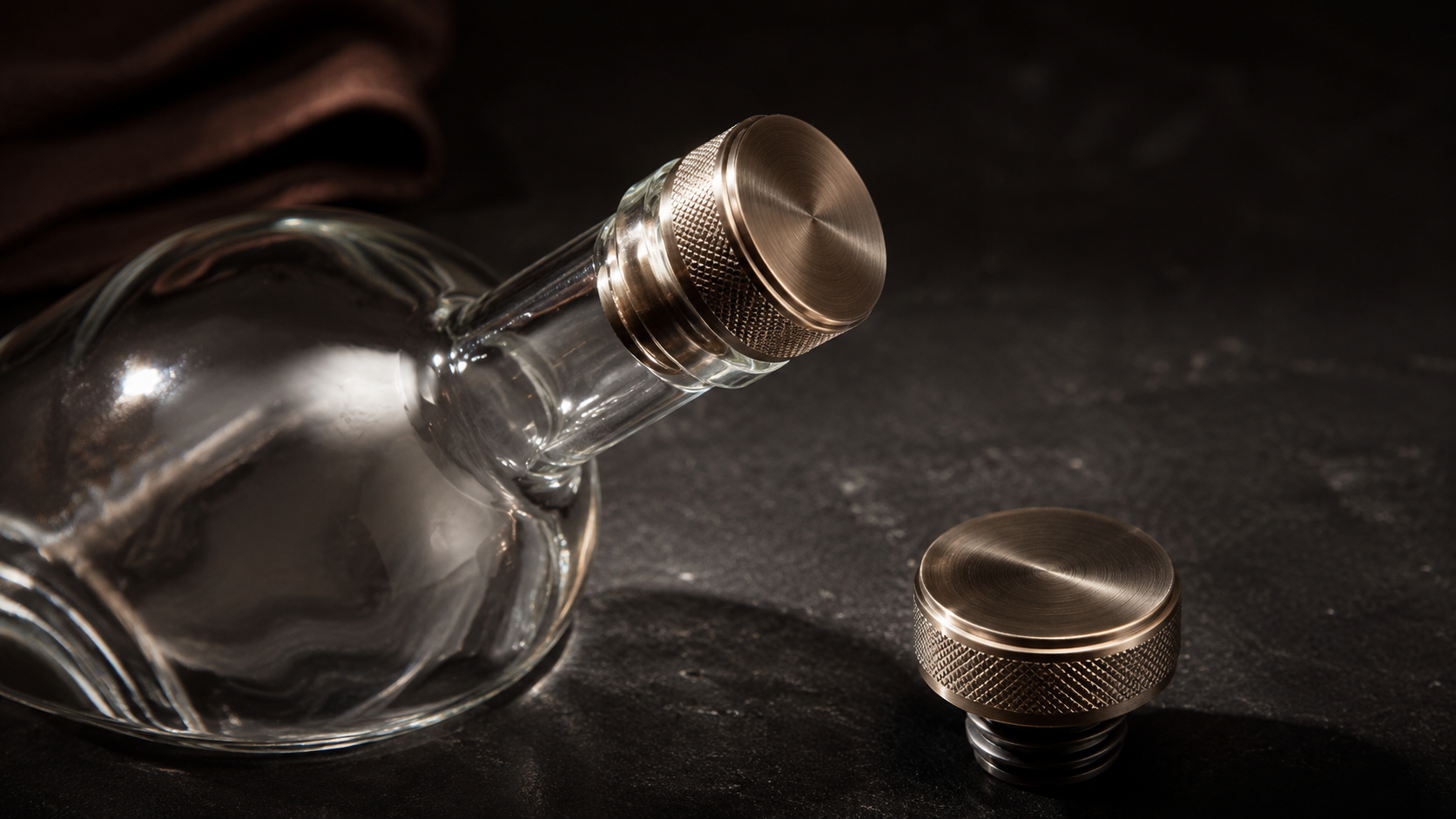
The decorative top is the visible part. It may be made from wood, aluminum, zinc alloy, zamak, plastic, glass, crystal, ceramic, or custom molded material. This part creates the first visual and tactile impression when consumers see or open the bottle.
The shank is inserted into the bottle neck. It may be natural cork, micro-agglomerated cork, synthetic cork, polymer, or a hybrid material. The shank provides compression, friction, and sealing contact inside the neck.
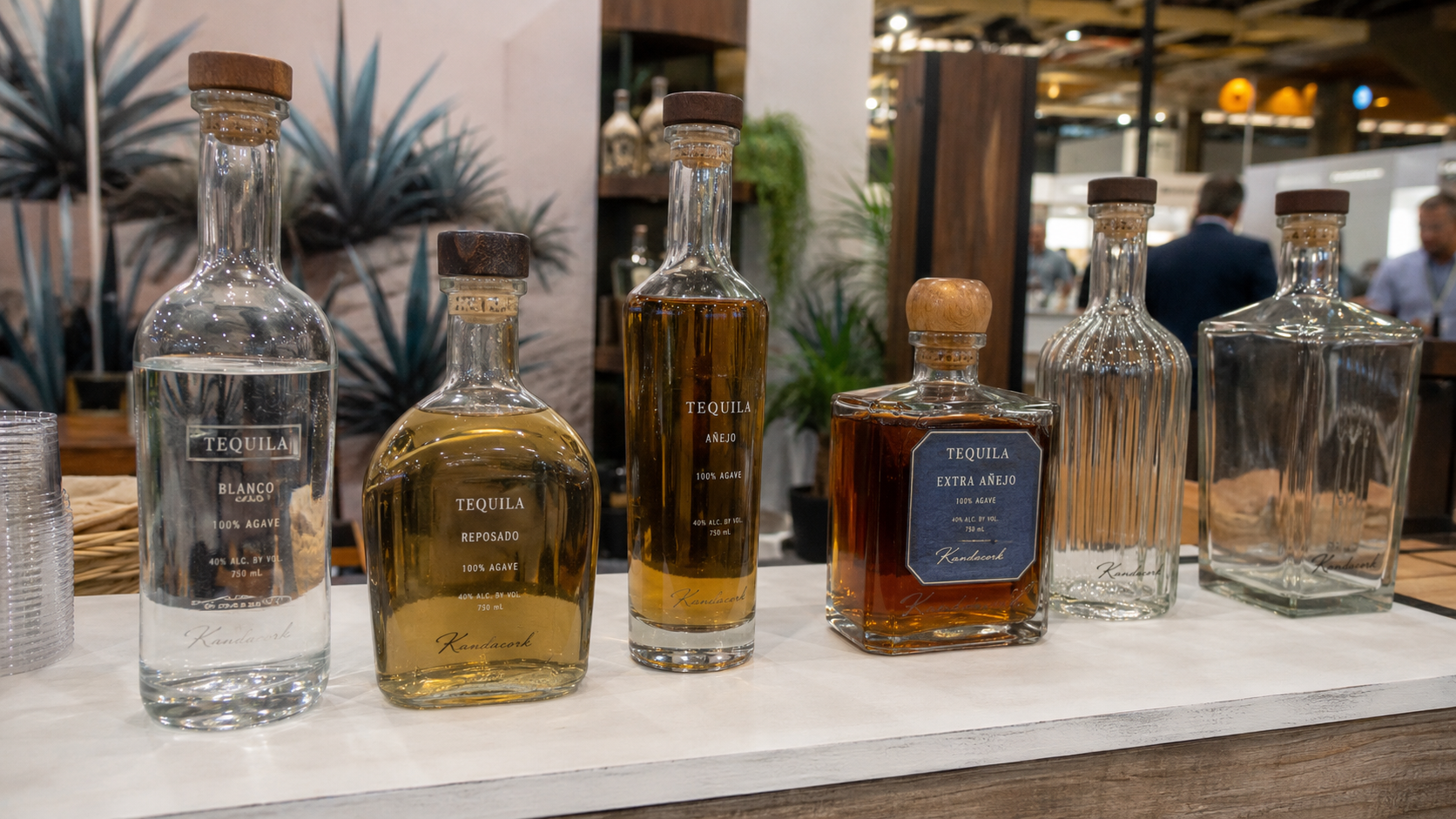
Bar-top stoppers for tequila bottles are widely used for blanco, reposado, añejo, extra añejo, cristalino, limited edition, gift packaging, and private label tequila projects.
Bottle Neck Fit Comes First
Inner Neck Diameter
The most important technical detail is the bottle’s inner neck diameter. Buyers should not choose a stopper only by the outside appearance of the neck. Two tequila bottles may look similar but have different internal bore sizes, wall thicknesses, bead shapes, and production tolerances.
The stopper shank must compress enough to seal securely, but not so much that the bottle becomes difficult to open. A technical drawing is useful, but actual bottle samples are better for fit testing because real glass tolerances can vary between molds and production lots.
Shank Compression and Insertion Depth
The shank creates the seal. If it is too small, the stopper may feel loose or leak during transport. If it is too large, it may require excessive insertion force or create a poor consumer opening experience.
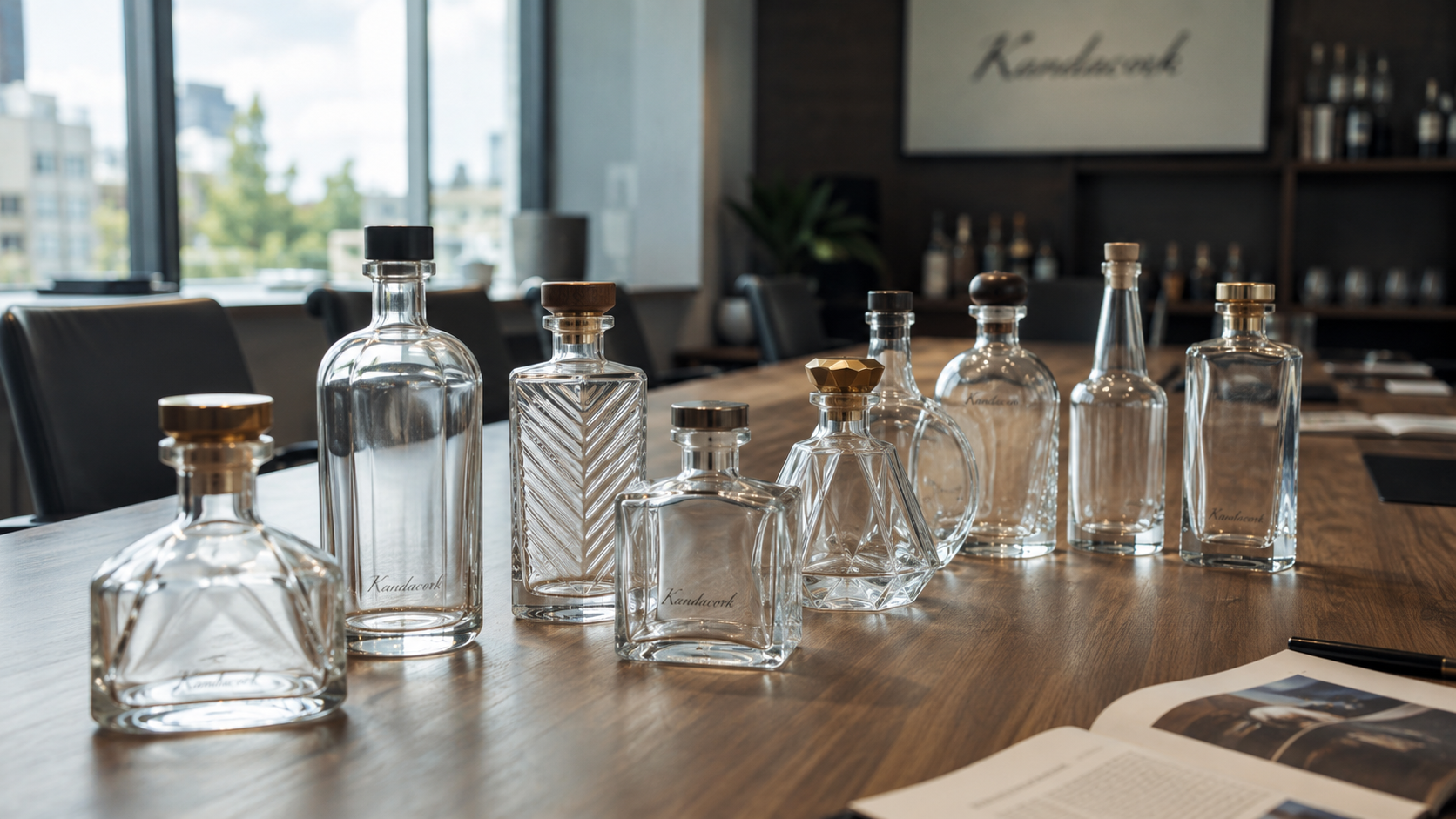
Insertion depth also matters. A stopper should sit at the right height, match the neck finish, and look proportional to the bottle shoulder, label position, and carton design. A heavy metal top may work for a broad-shouldered extra añejo bottle, while a slim aluminum top may better fit a modern blanco or cristalino bottle.
Stopper Size and Fit Mini Chart
As a practical starting point, many spirits bottle projects test a shank slightly larger than the bottle’s inner neck diameter. This is only a starting point. Final approval should always be based on actual bottle samples, leakage checks, insertion force, and extraction-force testing.
| Bottle Inner Neck Diameter | Typical Shank Direction | Buyer Action |
|---|---|---|
| Around 18.5 mm | Test around 19.5 mm shank | Confirm with bottle samples |
| Around 21.5 mm | Test around 22.5 mm shank | Check leakage and pull-out force |
| Custom or irregular neck | Do not rely only on a rule of thumb | Send bottle samples for measurement |
| Heavy decorative stopper | Test both fit and bottle balance | Check extraction feel and carton fit |
This chart helps buyers understand the sizing logic before sending bottle drawings or samples to a tequila closure supplier. For deeper sizing context, buyers can also review this bar-top stopper size guide. It should not replace technical review.
Material Comparison Matrix for Tequila Bottle Stoppers
| Stopper Material | Best For | Brand Feel | Cost Level | Key Risk to Check |
|---|---|---|---|---|
| Wood | Reposado, añejo, craft tequila | Natural, warm, artisanal | Medium | Color consistency, moisture stability |
| Aluminum | Blanco, cristalino, modern tequila | Clean, refined, lightweight | Medium | Coating durability, scratch resistance |
| Zamak / zinc alloy | Extra añejo, luxury tequila | Heavy, detailed, collectible | High | Weight, extraction force, carton protection |
| Plastic / polymer | Private label, high-volume projects | Practical, cost-efficient | Low to medium | Lower perceived value |
| Glass / crystal | Gift bottles, limited editions | Visual impact, display value | High | Breakage risk, packing protection |
| Natural cork shank | Traditional tequila packaging | Classic, natural | Medium to high | Odor, discoloration, grade variation |
| Synthetic cork shank | Bulk spirits production | Consistent, technical | Medium | Alcohol compatibility, compression feel |
This table helps buyers narrow the options before requesting samples. Wood may suit an artisanal reposado, aluminum may suit a clean blanco, and zamak may support a high-end extra añejo or collector bottle.
Compare Common Stopper Materials
Wooden Bar-Top Stoppers
Wooden bar-top stoppers communicate craft, warmth, and natural quality. They work well for reposado, añejo, small-batch blanco, and heritage-inspired private label products.
Wood can be natural, stained, painted, engraved, printed, debossed, or combined with a metal medallion. Buyers should confirm color consistency, surface treatment, moisture stability, and logo durability before production.
Aluminum Bar-Top Stoppers
Aluminum stoppers suit modern tequila brands that want a clean and scalable look. They can be brushed, anodized, printed, embossed, matte coated, or color matched.
Aluminum is often a practical choice for blanco tequila, cristalino tequila, and export programs that need a refined appearance without the weight and cost of zamak.
Zamak, Zinc Alloy, and Metal Stoppers
Zamak and zinc alloy stoppers are used for high-end tequila packaging because they provide weight, detail, and a strong hand feel. They are suitable for extra añejo, limited edition, collector, and gift bottle projects.
These materials can support custom shapes, raised logos, recessed details, antique finishes, gold plating, silver plating, gunmetal effects, and sculptural brand elements. Buyers should test weight, extraction force, carton fit, and bottle balance before approval.
Plastic and Polymer Top Stoppers
Plastic and polymer top stoppers are useful for cost-sensitive tequila projects, mini bottles, promotional packaging, and high-volume private label programs. They offer repeatability, color flexibility, lighter weight, and cost control.
The main limitation is perceived value. For entry-level products, plastic can be practical. For premium tequila, it requires careful design to avoid a low-cost appearance.
Glass, Crystal, and Ceramic Stoppers
Glass, crystal, and ceramic stoppers create a strong visual impression for gift bottles and limited editions. They can help a bottle stand out in retail, duty-free, and gifting channels.
Buyers should consider breakage risk, stopper weight, mold cost, protective packing, and filling-line handling. These materials work best when the bottle, closure, label, and secondary packaging are designed together.
Natural Cork vs Synthetic Cork Shank: Which Is Better for Tequila?
Natural cork gives tequila packaging a traditional feel and can support craft, heritage, and natural brand stories. However, natural cork requires careful grade selection, surface treatment, and inspection to reduce odor, discoloration, crumbling, or inconsistent fit.
Synthetic cork shanks are often preferred for dimensional consistency and repeatable bulk production. They can provide controlled compression and stable fit across larger quantities, which is useful for private label tequila, export programs, and high-volume bottling.
For blanco and cristalino tequila, material neutrality is especially important because clear spirits make discoloration, cork dust, and odor issues easier to notice. Buyers comparing both options can use this cork shank vs synthetic shank guide to evaluate structure, consistency, and sourcing trade-offs before bulk approval.
For all tequila closures, the shank should be suitable for high-ABV spirits. Buyers should confirm odor neutrality, color stability, swelling resistance, and extraction feel. FDA guidance on food-contact substances can help buyers evaluate whether closure components are appropriate for beverage contact.
Best Stopper Styles by Tequila Type
| Tequila Type | Recommended Stopper Style | Why It Works |
|---|---|---|
| Blanco | Aluminum, simple wood, synthetic shank | Clean, fresh, modern, cost-effective |
| Reposado | Stained wood, natural wood, warm metal | Matches oak-aged and craft positioning |
| Añejo | Heavy wood, zamak, metal medallion | Supports higher shelf value |
| Extra añejo | Zamak, zinc alloy, glass-top stopper | Creates weight and collector appeal |
| Cristalino | Polished aluminum, silver metal, clear glass | Supports clean luxury and clarity |
| Limited edition | Custom molded top, ceramic, medallion, crystal | Builds strong visual identity and gift value |
This table should be used as a starting point, not a fixed rule. The final choice depends on bottle shape, target price, filling method, export market, and brand identity. For projects where the bottle is still under development, reviewing matching tequila and mezcal glass bottle options can help buyers coordinate the neck finish, bottle silhouette, stopper weight, and overall shelf presentation earlier in the packaging process.
Technical Testing Checklist
| Test Item | Why It Matters | Buyer Should Confirm |
|---|---|---|
| Neck fit test | Prevents loose or over-tight stoppers | Stopper fits actual bottle samples |
| Insertion force test | Protects filling-line efficiency | Closure can be applied by hand or machine |
| Extraction force test | Improves consumer opening experience | Stopper opens smoothly without excessive force |
| Inverted leakage test | Reduces shipping leakage risk | No seepage after storage simulation |
| Alcohol contact test | Protects aroma and clarity | No odor, swelling, cracking, or discoloration |
| Decoration abrasion test | Protects finished appearance | Logo and finish resist handling friction |
| Carton fit test | Reduces shipping damage | Stopper fits inner carton and case design |
| Lot consistency check | Supports bulk production | Samples match approved production standard |
Buyers should test actual bottle samples before mass production. For bar-top stoppers for tequila bottles, the most important checks are leakage, insertion force, extraction force, alcohol contact, odor neutrality, decoration durability, and carton fit. If the stopper will be used in export shipments, vibration, drop, and temperature variation testing should also be considered.
Tamper-Evident and Anti-Refill Considerations
Bar-top stoppers can be part of a complete tequila bottle closure system, but buyers should also consider tamper-evident and anti-refill requirements.
For products entering the U.S. market, the Alcohol and Tobacco Tax and Trade Bureau, or TTB, is an important authority for distilled spirits packaging and market compliance context. TTB guidance on distilled spirits container requirements can help buyers understand why closure planning should consider tamper-evident needs, market rules, and product security early in the project.
High-value tequila may also benefit from anti-refill protection, especially for hospitality, duty-free, and export channels where counterfeit risk is a concern. A bar-top stopper may need to work with non-refillable fitments, capsules, or shrink sleeves.
The Consejo Regulador del Tequila, or CRT, is an important entity in tequila certification under the NOM-006-SCFI-2012 framework. The stopper itself does not make tequila compliant, but a secure and well-designed closure system supports product integrity, authenticity signals, and consumer trust.
Branding and Customization Options
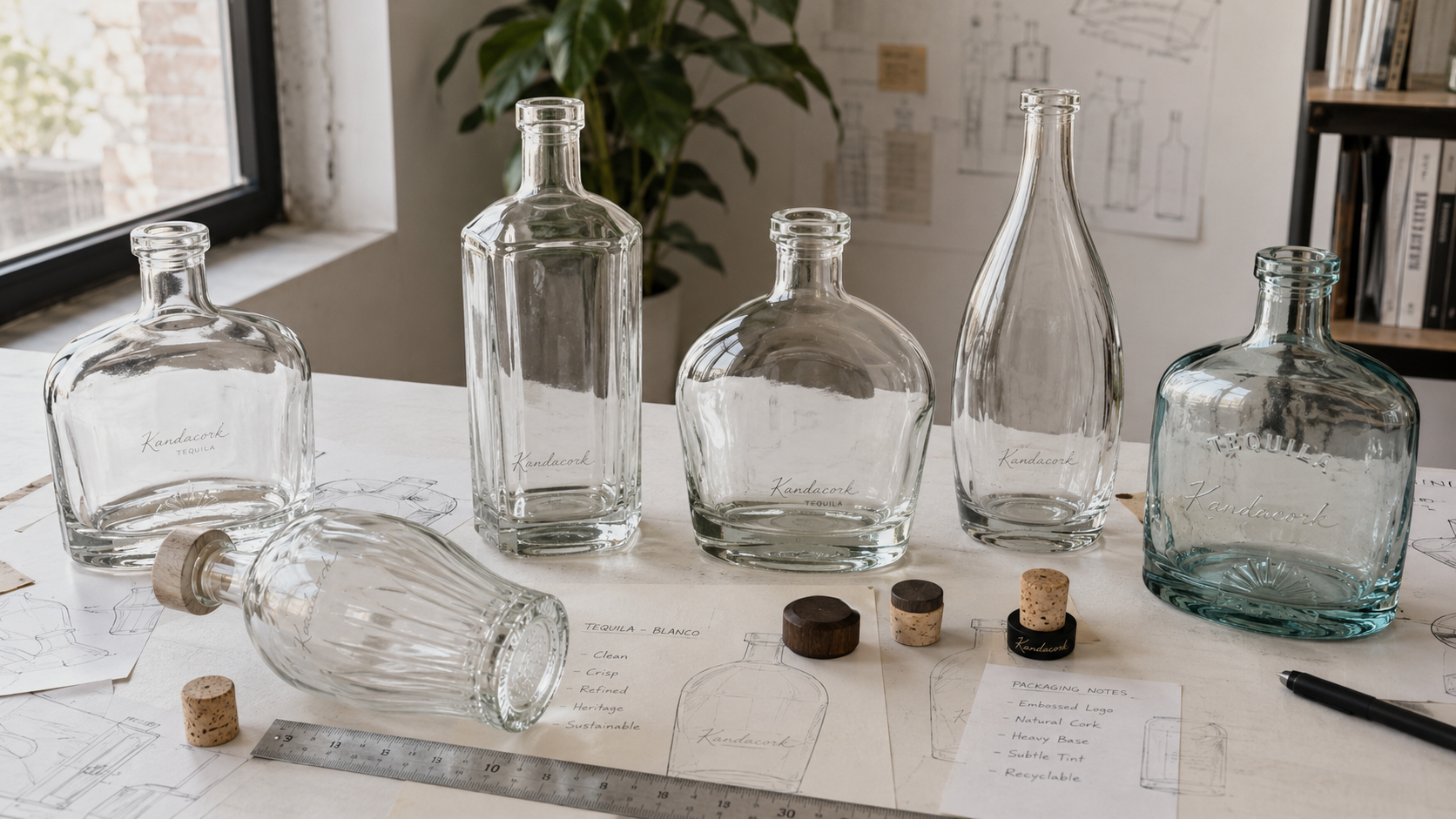
Custom decoration turns a functional closure into a brand asset. Common options include embossing, debossing, laser engraving, hot stamping, screen printing, pad printing, molded logos, color filling, and metal medallion inserts.
Buyers can request Pantone color matching, matte coating, antique plating, brushed aluminum, stained wood, natural grain selection, polished metal, or custom surface finishes. The stopper color and finish should coordinate with the bottle glass, label, capsule, carton, and retail presentation.
Custom molded stoppers are useful when a brand wants a distinctive shelf identity. They are most suitable for flagship tequila, limited editions, gift packaging, and premium export projects. For smaller or faster launches, an existing mold with custom logo decoration may be more practical.
Sample-to-Order Workflow
A practical tequila stopper sourcing process should move from bottle review to material selection, sample testing, quotation, and bulk approval. This prevents buyers from choosing a closure only by appearance and helps suppliers confirm whether the selected stopper can work with the actual bottle neck, filling method, decoration requirement, and export packing plan.
| Step | Buyer Action | Supplier Output |
|---|---|---|
| 1 | Send bottle drawing and physical sample | Neck fit review and initial shank direction |
| 2 | Choose material direction | Recommended stopper options |
| 3 | Confirm logo, color, and finish | Artwork review or sample mockup |
| 4 | Test samples | Fit, leakage, extraction, appearance checks |
| 5 | Approve production | Quotation, MOQ, lead time, packing plan |
This workflow is useful for private label tequila, export programs, limited editions, and new launches where bottle, closure, label, and carton decisions must align before production.
Supplier Capability Scorecard
A reliable supplier should support more than product selection. For commercial tequila packaging, buyers should evaluate technical fit support, material options, decoration capability, sampling, inspection, bulk consistency, and export packing.
| Evaluation Area | What to Check | Why It Matters |
|---|---|---|
| Bottle neck review | Can the supplier review drawings and samples? | Reduces fit and leakage risk |
| Material range | Wood, aluminum, zamak, plastic, glass, cork, synthetic shank | Gives buyers more suitable options |
| Sampling support | Can samples be made before bulk order? | Helps verify fit, finish, and opening feel |
| Decoration capability | Printing, engraving, embossing, plating, color matching | Supports brand differentiation |
| Quality inspection | Fit, leakage, appearance, color, packing | Reduces production inconsistency |
| Bulk consistency | Can repeat orders match approved samples? | Protects long-term brand packaging |
| MOQ and lead time | Clear quotation and production schedule | Supports launch planning |
| Export packing | Protective packing and shipping support | Reduces damage during international transport |
| Technical communication | Can the supplier explain trade-offs clearly? | Helps buyers avoid wrong closure choices |
ISO 9001 quality-management principles are useful when buyers evaluate whether a supplier has documented processes, inspection discipline, and repeatable production control.
Why Kandacork Closures Is Useful for Tequila Stopper Projects
Kandacork Closures can support tequila buyers in three practical ways.
First, the team can review bottle drawings and physical samples before sample production. This helps reduce the risk of wrong shank diameter, poor compression, leakage, or difficult extraction.
Second, buyers can compare wood, aluminum, zamak, metal, synthetic cork shank, and natural cork shank options in one project. This makes it easier to match the stopper to blanco, reposado, añejo, cristalino, private label, or limited edition positioning.
Third, Kandacork Closures can support the sample-to-bulk process by aligning approved samples, production tolerance, decoration finish, packing method, MOQ, lead time, and reorder consistency before mass production.
What to Send Before Requesting a Quote
To receive accurate recommendations and pricing, buyers should prepare clear project information. The most useful details include:
- Bottle drawing or technical specification
- Physical bottle sample, if available
- Inner neck diameter and tolerance
- Target tequila category and ABV
- Desired stopper material or reference image
- Logo artwork or brand icon
- Pantone color or finish requirement
- Estimated order quantity
- Target market or export destination
- Tamper-evident or anti-refill requirements
- Filling method and application process
- Required delivery timeline
This information helps the supplier recommend practical bar-top stoppers for tequila bottles, estimate tooling cost, prepare samples, and provide a more accurate tequila closure quote.
Common Mistakes to Avoid
- Choosing the stopper by appearance before checking bottle neck fit.
- Assuming a stopper used for whisky, rum, gin, or vodka will automatically fit a tequila bottle.
- Approving a heavy metal stopper without testing extraction force, carton fit, and bottle balance.
- Skipping alcohol-contact testing, especially for blanco and cristalino tequila.
- Approving logo decoration without abrasion and handling checks.
- Forgetting tamper-evident or anti-refill needs for export or premium channels.
- Placing a bulk order before sample approval.
The safest approach is to treat closure selection as both a technical and commercial decision.
FAQ
What size bar-top stopper fits a tequila bottle?
The correct size depends on the bottle’s inner neck diameter, neck tolerance, shank material, and insertion depth. Buyers should use bottle drawings and physical bottle samples to confirm fit before production.
Are synthetic cork shanks good for tequila?
Yes. Synthetic cork shanks can be suitable for tequila when they provide stable compression, alcohol-contact compatibility, and consistent dimensions. They are often useful for high-volume tequila packaging and private label programs.
Is natural cork suitable for tequila closures?
Natural cork can be suitable when the cork grade, surface treatment, and quality control are appropriate. It supports a traditional image but should be tested for odor, discoloration, and consistency.
What is the best stopper material for premium tequila?
Zamak, zinc alloy, premium wood, glass, crystal, and ceramic are common options for premium tequila closures. Aluminum can also create a refined look for modern blanco or cristalino packaging.
Can bar-top stoppers be used with tamper-evident seals?
Yes. Bar-top stoppers can be paired with capsules, shrink bands, security seals, neck labels, or other tamper-evident systems. The right solution depends on the target market and distribution channel.
What should I send before requesting a stopper quote?
Send the bottle drawing, bottle sample, inner neck diameter, stopper material preference, logo artwork, order quantity, target market, tamper-evident needs, filling method, and delivery timeline.
Conclusion
Choosing bar-top stoppers for tequila bottles requires a balance of neck fit, sealing performance, material compatibility, brand positioning, supplier capability, and commercial cost. The best closure is not simply the most attractive option. It is the stopper that fits the bottle correctly, protects the tequila, supports the brand story, works with the filling process, and meets market expectations.
To move forward, share your bottle drawing, bottle sample, target material, logo artwork, quantity, market requirements, and timeline with Kandacork Closures to request a sample set or quotation.