Importers sourcing spirits closures need to check more than price and appearance. This guide explains how to evaluate specifications, samples, supplier communication, quality documents, packing methods and export readiness before placing bulk closure orders.
Why Spirits Brands Need the Right Closure Partner
The closure is one of the most visible and tactile parts of a spirits bottle. A consumer may notice the weight of a stopper, the smoothness of a cap, the finish of a capsule, or the sound of a tamper-evident band before tasting the product. These small details influence whether the bottle feels premium, reliable, and well made.
For brand owners, the closure also carries technical responsibilities. It must fit the bottle neck, seal the product, tolerate logistics conditions, match the filling process, and maintain its appearance after storage and shipment. A beautiful closure that leaks, loosens, scratches, or fails on the line can create costly delays.
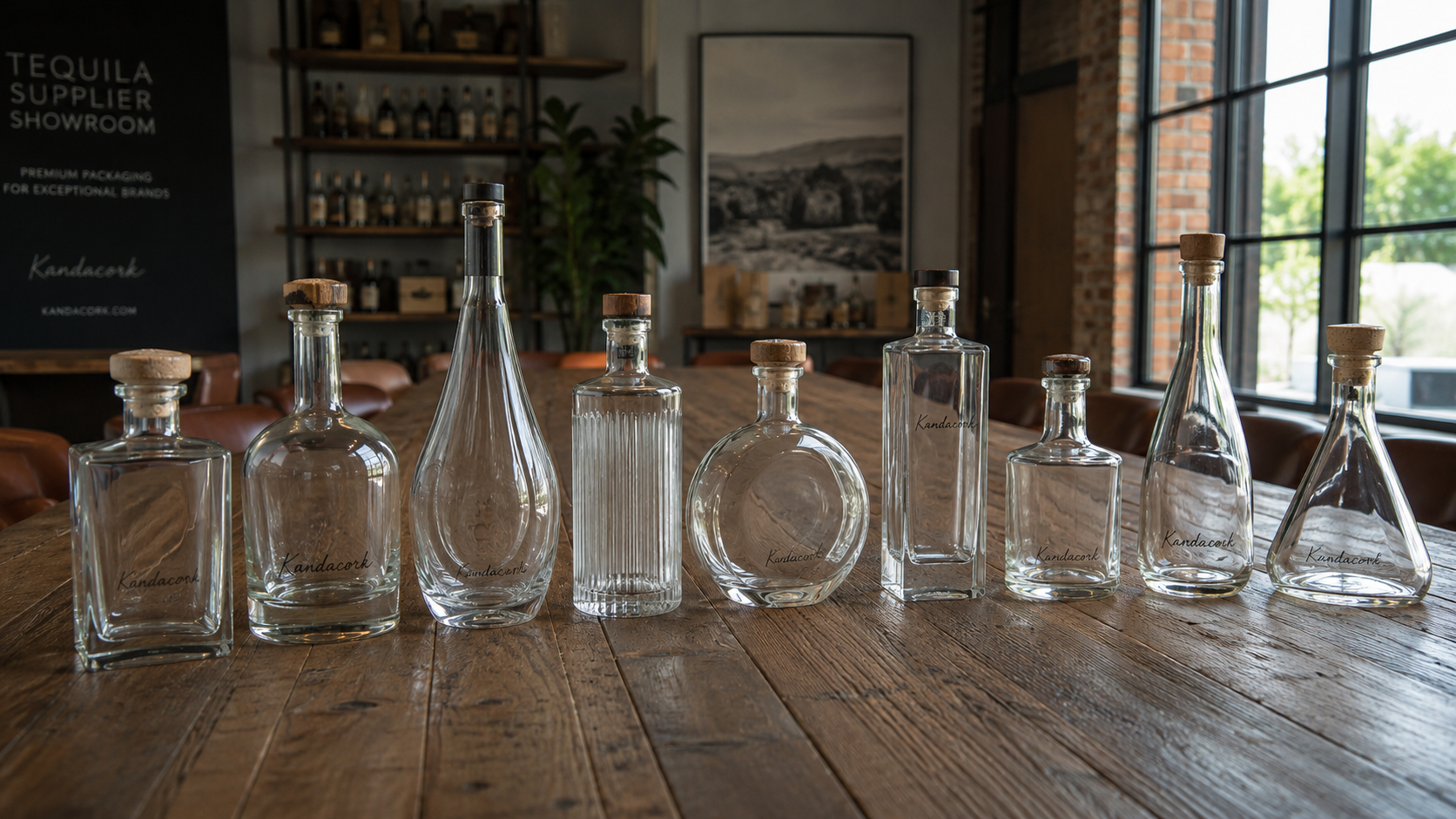
A global spirits closure supplier should help align the closure with the entire packaging system. That means reviewing the glass bottle, liquid type, alcohol strength, closure structure, surface decoration, label position, carton packing, and launch schedule. If the project also requires bottle design or decoration coordination, buyers may benefit from pairing closure development with custom spirits bottle development and custom decoration and branding options.
For premium whisky, rum, brandy, and tequila, a bar-top cork or custom T-top stopper can create a strong opening ritual. For vodka, gin, liqueurs, and RTD spirits, ROPP caps or screw caps may offer cleaner line performance and stronger tamper-evident control. For export markets where refilling or counterfeit risk matters, non-refillable closure systems can provide additional brand protection.
What a Global Spirits Closure Supplier Should Provide
A reliable supplier should combine product capability with technical review and project communication. Spirits packaging buyers usually need more than a catalog. They need closure recommendations that match the bottle, brand, market, and production process.
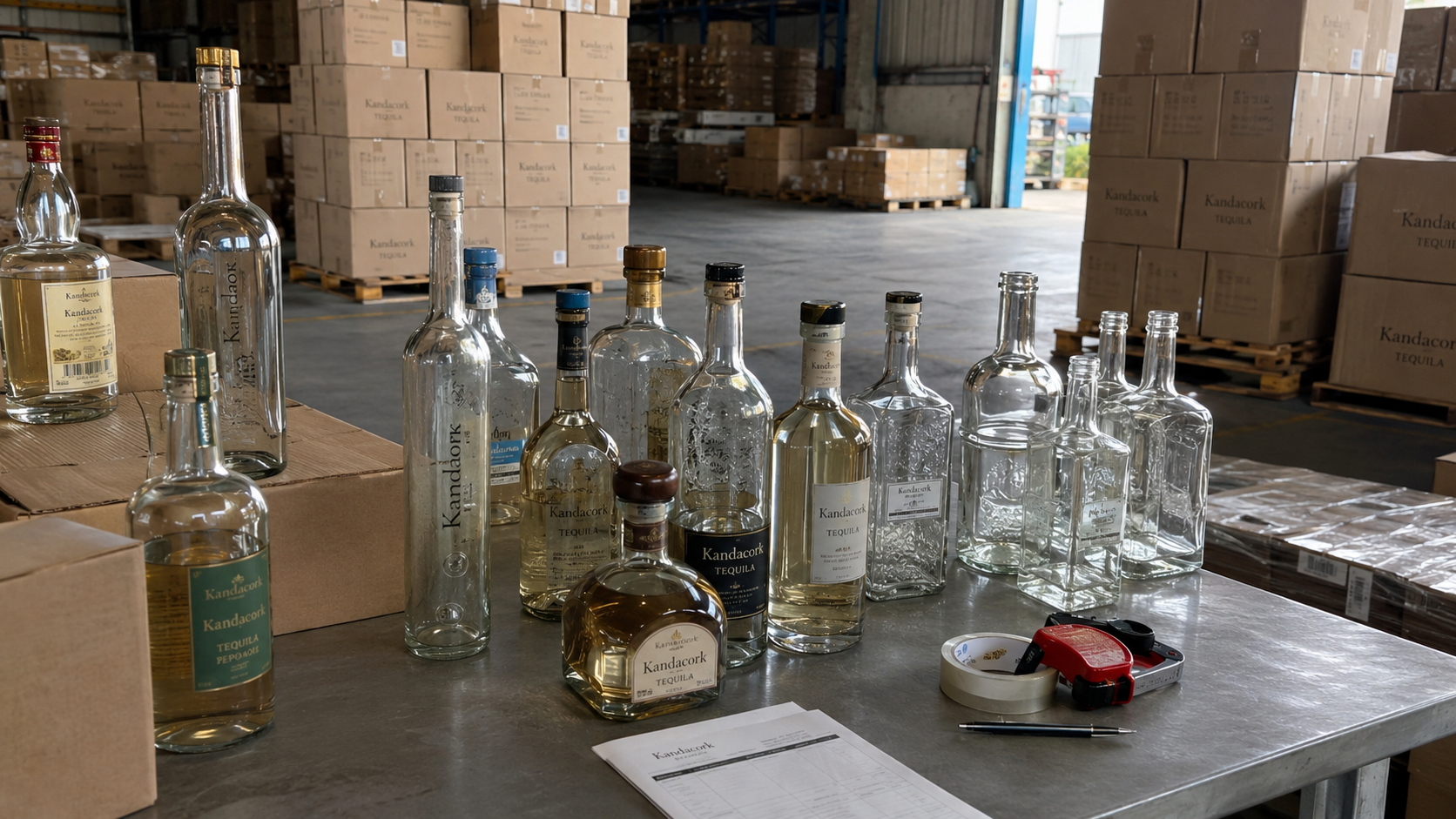
Kandacork’s bottle stoppers and closures range supports different product levels, from cost-efficient private label programs to premium limited-edition spirits packaging. The supplier role includes reviewing technical drawings, preparing samples, checking bottle fit, supporting decoration approval, and planning export-ready packing.
| Capability | What Buyers Should Look For |
|---|---|
| Closure range | Bar-top corks, T-top stoppers, ROPP caps, screw caps, capsules, pourers, and non-refillable systems |
| Material options | Natural cork, synthetic cork, wood, aluminum, zamak, plastic, glass, ceramic, PET, PVC, tin, and polylaminate |
| Decoration methods | Engraving, embossing, debossing, hot stamping, printing, UV printing, coating, and color matching |
| Technical review | Bottle neck finish, shank size, thread profile, torque, liner, sealing, and capping-line fit |
| Quality control | Dimensional checks, appearance inspection, decoration review, leakage testing, and packing inspection |
| Export support | Protective cartons, pallet planning, surface protection, and documentation coordination |
A supplier should also help buyers understand trade-offs. A heavy metal stopper may create a luxury feel but can require more careful packing. A plastic T-top stopper may reduce cost and improve dimensional consistency, but the finish must be designed well to maintain premium shelf appeal. A ROPP cap may be excellent for line efficiency, but the thread profile and torque range must match the bottle.
Compliance, Food Contact and Tamper-Evident Considerations
Spirits closures may include materials that contact the product directly or sit close to the liquid. For this reason, buyers should discuss food-contact suitability and destination-market requirements before approving bulk production.
In the United States, distilled spirits packaging may require tamper-evident closure features, and buyers should review relevant TTB guidance for distilled spirits closures when planning U.S. market distribution. For packaging materials and components that may contact food or beverages, the FDA food-contact information provides useful context for understanding food-contact substances. For the European Union, the European Commission food-contact materials framework explains the general principles of safety and inertness for food-contact materials.
Compliance needs vary by market, importer, closure structure, material, and end use. A supplier should be able to discuss material statements, technical specifications, inspection records, food-contact declarations, and customer-specific document requirements where applicable.
Main Types of Spirits Bottle Closures
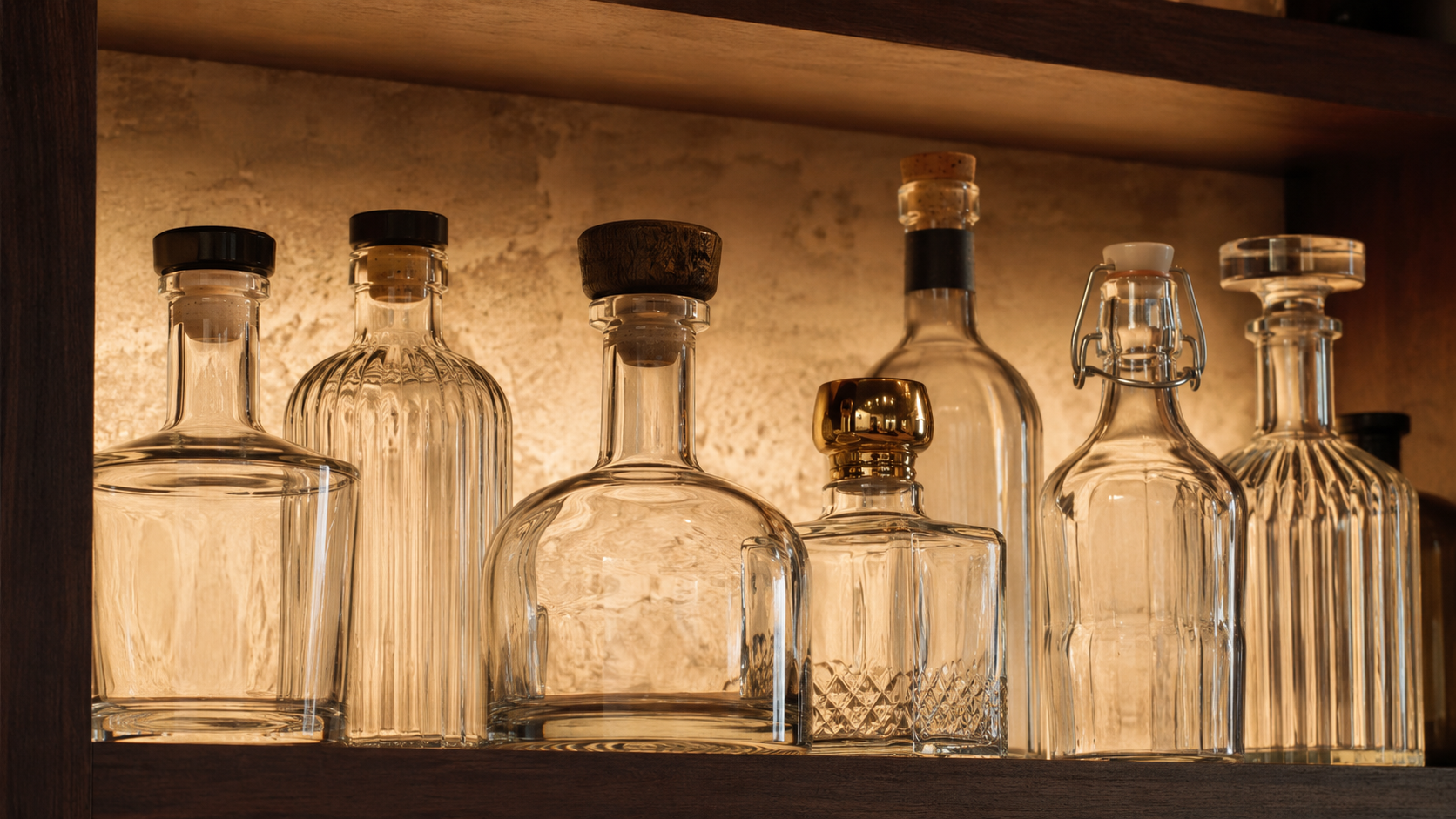
Different spirits categories use different closure systems. The best closure depends on the bottle neck, liquid type, brand position, retail channel, and filling process.
| Closure Type | Best For | Main Benefit | Buyer Checkpoint |
|---|---|---|---|
| Bar-top cork / T-top stopper | Whisky, rum, tequila, brandy, liqueurs | Premium opening experience and shelf appeal | Cork shank fit, extraction force, bottle neck inner diameter |
| ROPP cap | Vodka, gin, tequila, liqueurs, RTDs | Tamper-evident and efficient for bottling lines | Thread profile, liner type, torque range |
| Aluminum screw cap | Vodka, gin, rum, liqueurs | Clean appearance and reclosable function | Cap size, liner compatibility, decoration durability |
| Non-refillable closure | Export spirits and premium liquor | Helps deter refilling and product fraud | Valve function, pour flow, market requirements |
| Capsule or shrink sleeve | Premium spirits and gift packaging | Finished neck appearance and brand presentation | Material, shrink performance, color matching |
| Pourer closure | Hospitality, duty-free, and controlled-pour use | Cleaner pouring and portion control | Flow rate, insert fit, leakage resistance |
A global spirits closure supplier should guide buyers through these options rather than pushing a single standard closure. The same spirits brand may use a bar-top stopper for a premium SKU, a ROPP cap for a high-volume product, and a capsule or shrink sleeve for gift packaging.
Bar-Top Corks and T-Top Stoppers
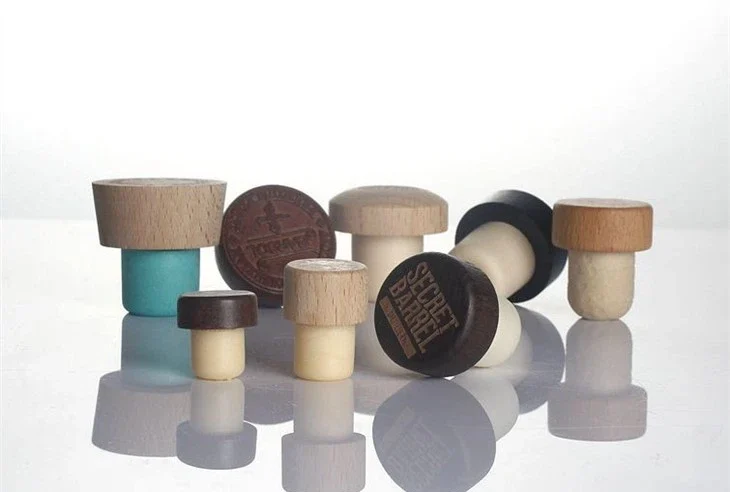
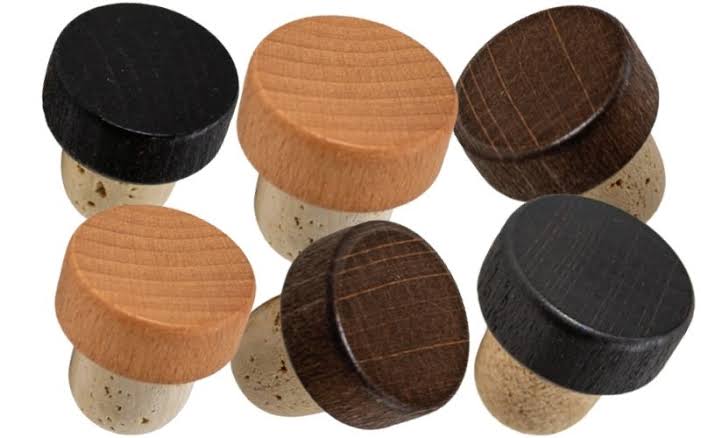
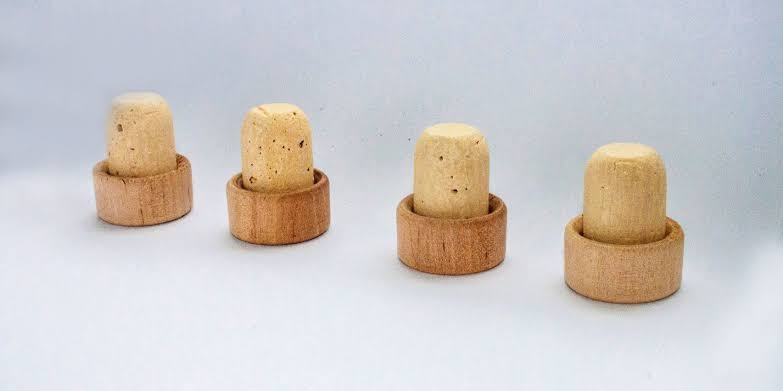
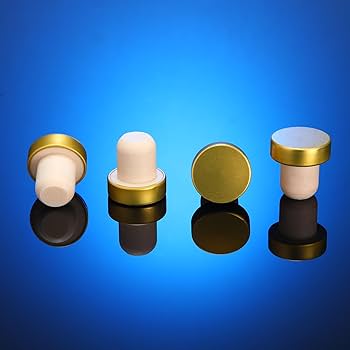
Bar-top corks and T-top stoppers are commonly used for whisky, rum, tequila, mezcal, brandy, and premium liqueurs. They combine a cork or synthetic shank with a decorative head made from wood, aluminum, zamak, plastic, glass, ceramic, or another material.
These closures are popular because they create a strong opening and reclosing experience. A warm wood top can communicate craft and heritage. A polished metal top can suggest luxury and weight. A glass or crystal-style top can support collectible packaging or limited-edition releases.
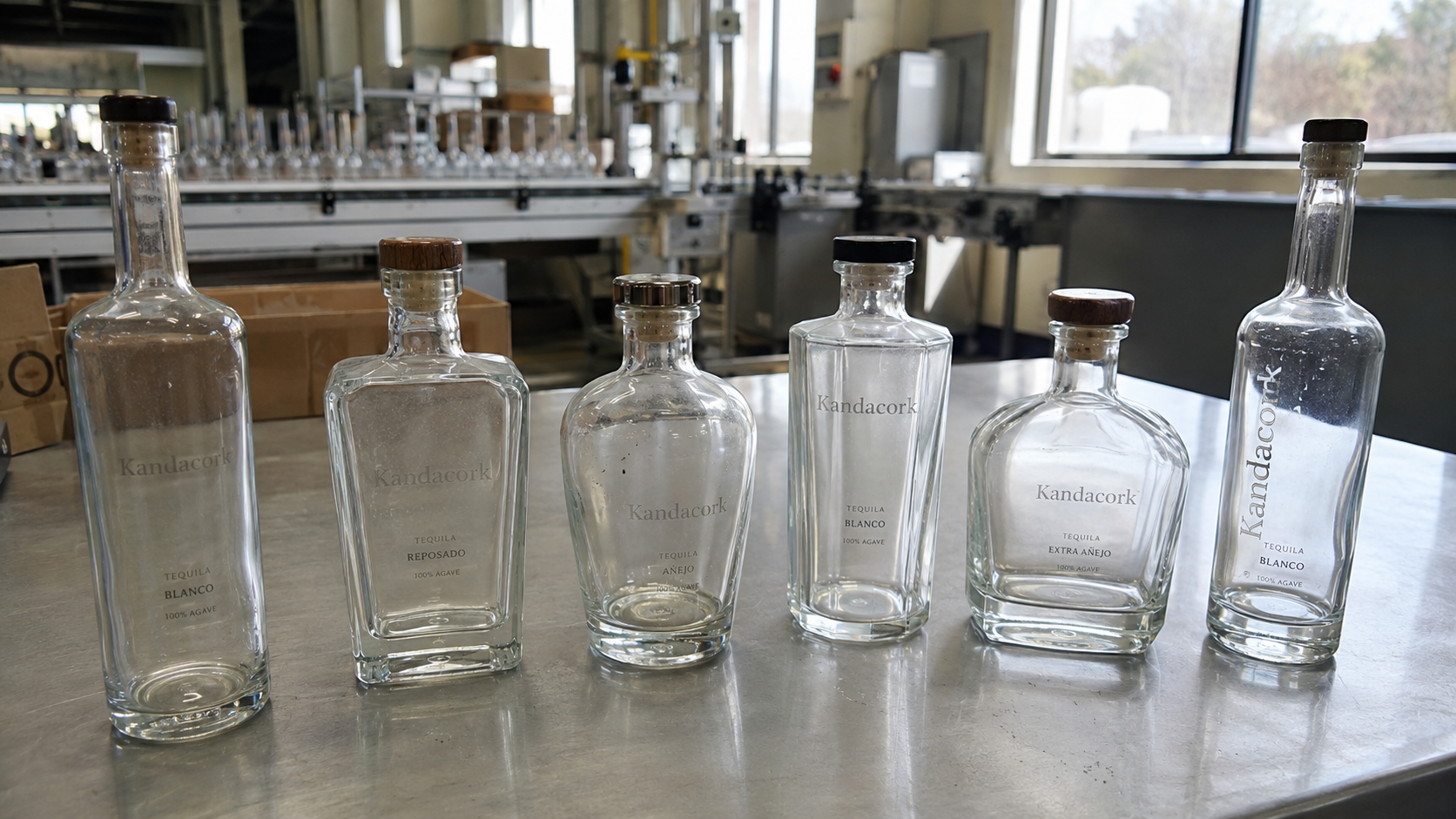
Kandacork develops wooden bar-top stoppers for spirits brands that need a tactile, premium closure finish. Buyers can review wood type, head shape, color tone, logo decoration, cork shank selection, and bottle-fit sampling before confirming production.
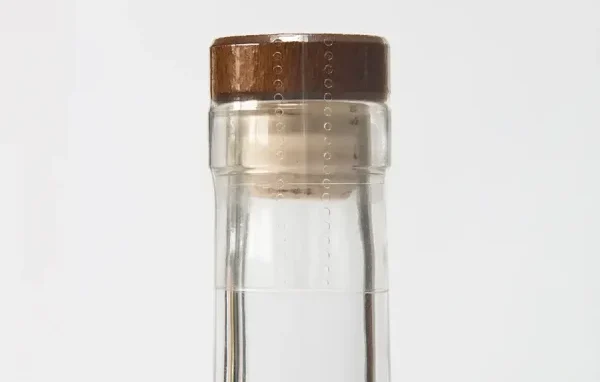
Before ordering bar-top stoppers, buyers should confirm the bottle neck inner diameter, shank size, insertion force, extraction force, sealing fit, and storage conditions. For multi-market programs, it is also important to maintain repeatable dimensions across batches so the stopper performs consistently on every bottle.
ROPP Caps and Aluminum Screw Caps
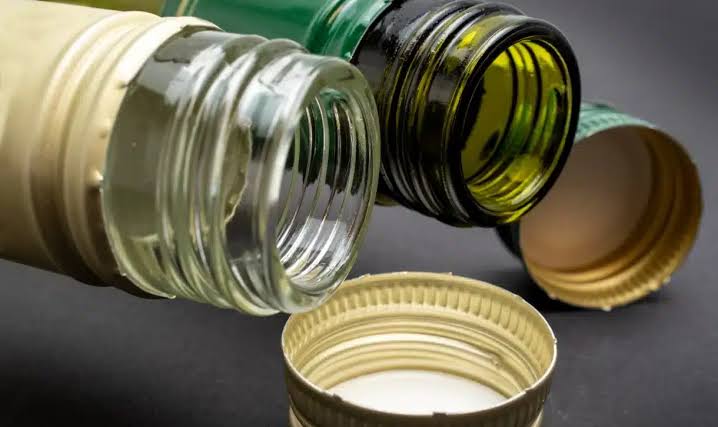
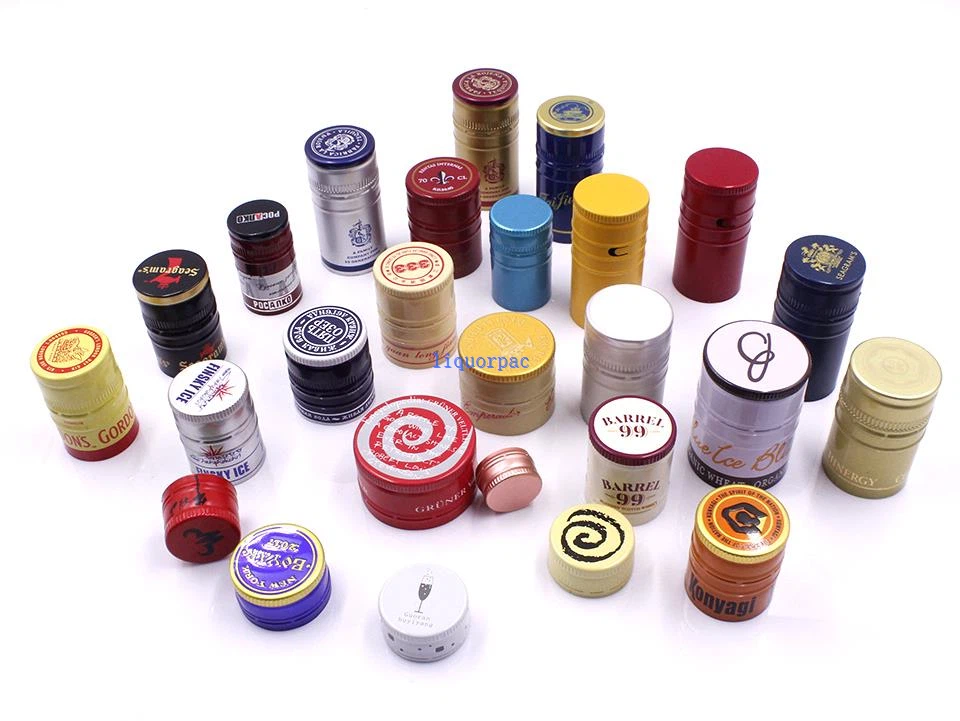
ROPP caps, or roll-on pilfer-proof caps, are widely used for vodka, gin, tequila, liqueurs, RTD spirits, and selected whisky or rum packaging. The cap is applied with capping equipment that forms the thread and tamper-evident band onto the bottle finish.
Kandacork’s ROPP closures can support branded graphics, liners, pilfer bands, and capping-line requirements. For spirits brands, this closure type is often selected when speed, tamper evidence, reclosure, and consistent appearance are important.
Aluminum screw caps also offer strong decoration flexibility. They can be printed, embossed, debossed, lacquered, brushed, matte-finished, or color-matched to the brand system. For clean modern spirits packaging, a well-designed screw cap can support both function and visual identity.
Key points to confirm include cap diameter, cap height, liner type, thread profile, application torque, removal torque, and capping-machine compatibility. Buyers should test samples on the actual bottle and, when possible, on the intended filling line.
Non-Refillable Closures for Brand Protection
Non-refillable closures are designed to reduce the risk of refilling, product substitution, and counterfeiting. They are often used for export spirits, premium liquor, duty-free channels, and markets where authenticity protection is important.
Kandacork supplies non-refillable closures with tamper-evident and pour-control features for spirits bottles. These systems may include internal valves, flow-control inserts, tamper-evident bands, anti-refill components, or special pourer structures.
A non-refillable closure should be evaluated for pour flow, valve performance, leakage resistance, tamper evidence, alcohol compatibility, consumer usability, and transport stability. The goal is to protect the product without making the bottle difficult to open or pour.
For premium spirits brands, this closure type can support trust, market control, and brand reputation. It is especially useful when the product is distributed across multiple countries, sold through duty-free channels, or positioned as a high-value bottle.
Capsules, Shrink Sleeves and Neck Finishing
Capsules and shrink sleeves complete the neck area of the bottle. They can cover the closure transition, protect the upper bottle area, reinforce tamper evidence, and create a more polished shelf presentation.
Common materials include PVC, PET, polylaminate, tin, aluminum, and decorative films. The best material depends on bottle shape, closure type, shrink equipment, surface finish, sustainability goals, and target price point.
A good capsule should shrink evenly, maintain color consistency, and align with the cap, label, and bottle shape. Poor capsule fit can create wrinkles, uneven edges, or a low-value impression even when the bottle itself is premium.
For brands building a full packaging system, closure and capsule decisions should be reviewed alongside bottle shape, label dimensions, decoration coverage, carton fit, and pallet loading.
Closure Selection by Spirits Category
Each spirits category has its own packaging language. Closure choice should support the product’s story, price point, retail environment, and consumer expectation.
| Spirits Category | Common Closure Choice | Packaging Goal |
|---|---|---|
| Whisky / Whiskey | Bar-top cork, wood-top stopper, zamak-top stopper, capsule | Heritage, maturity, premium hand-feel |
| Tequila / Mezcal | Decorative stopper, heavy top, non-refillable closure | Craft identity, authenticity, shelf recognition |
| Vodka | Aluminum cap, ROPP cap, clean screw cap | Purity, modern style, efficient bottling |
| Gin | ROPP cap, screw cap, decorative stopper | Botanical identity, color coordination, premium look |
| Rum | Cork stopper, bar-top closure, capsule | Warmth, tradition, premium presentation |
| Brandy | Bar-top cork, capsule, luxury stopper | Classic style, elegance, gifting value |
| Liqueur | Screw cap, ROPP cap, pourer, stopper | Convenience, aroma protection, controlled pouring |
| RTD cocktails | Screw cap, ROPP cap, tamper-evident closure | Fast production, convenience, retail practicality |
A premium whisky closure may need weight and a warm hand-feel. A tequila closure may need a stronger decorative identity. A vodka cap may need clean lines and reliable torque. A liqueur closure may require extra attention to liner compatibility because sweet or flavored liquids can behave differently from dry spirits.
Customization Options for Spirits Closures
Customization turns a closure from a functional part into a brand asset. A logo on the top, a specific sidewall texture, a color-matched cap, or a custom stopper shape can make the bottle easier to recognize on shelf, behind the bar, or in e-commerce photos.
Common customization options include:
- Logo engraving
- Embossing and debossing
- Hot stamping
- Silk-screen printing
- UV printing
- Top printing and side printing
- Custom colors
- Matte, glossy, satin, brushed, metallic, wood, and natural finishes
- Custom mold development
- Special top shapes
- Matching capsules and neck finishes
- Decorative wood, aluminum, zamak, glass, ceramic, and plastic components
The right decoration method depends on the closure material, order quantity, artwork complexity, production budget, and durability requirement. For example, laser engraving is effective on wood and selected metal surfaces, while aluminum caps may be better suited for printing, embossing, anodizing, or lacquered finishes.
A professional supplier should also help buyers avoid over-design. A closure must look distinctive, but it must also be manufacturable, repeatable, packable, and suitable for the filling line.
Technical Factors to Confirm Before Ordering
Many closure problems begin with incomplete technical information. Before placing a bulk order, buyers should review the bottle drawing, neck finish, cap or stopper structure, material, liner, torque, decoration, and packing requirements.
| Technical Factor | Why It Matters | What to Confirm |
|---|---|---|
| Bottle neck finish | Determines closure compatibility | Inner diameter, outer diameter, thread, bead, and neck height |
| Cork or shank fit | Affects sealing and opening experience | Insertion force, extraction force, and shank size |
| Liner compatibility | Protects against leakage and product interaction | Alcohol strength, liquid type, and storage condition |
| Torque range | Impacts opening, sealing, and line performance | Application torque and removal torque |
| Decoration durability | Protects brand appearance | Scratch resistance, color stability, and adhesion |
| Leakage performance | Reduces product loss and complaints | Inversion, tilt, vibration, and storage testing |
| Export packing | Protects closures during shipment | Carton strength, surface protection, and pallet method |
For bar-top stoppers, the shank must fit securely without being too loose or too tight. For screw caps and ROPP caps, the thread profile, cap height, liner, and capping process must match the bottle. For capsules, the shrink behavior and neck fit must be checked before mass production.
Quality Control for Custom Spirits Closures
Quality control should cover function and appearance. A closure must seal the product, but it must also look consistent across production batches. This is especially important for premium liquor bottle caps, custom tequila bottle closures, whisky bottle cork stoppers, and limited-edition packaging.
| QC Area | Inspection Focus |
|---|---|
| Dimensional check | Cap size, stopper shank size, top diameter, height, and tolerance |
| Appearance | Surface finish, scratches, dents, stains, and color consistency |
| Logo decoration | Position, clarity, embossing depth, printing adhesion, and hot stamping quality |
| Functional fit | Cork fit, cap thread, liner position, insertion force, and extraction force |
| Sealing review | Leakage, inversion, torque, and closure stability |
| Packing inspection | Carton strength, surface protection, quantity, labels, and pallet method |
| Batch consistency | Consistent material, color, size, finish, and decoration across production lots |
For food and beverage packaging suppliers, quality management can also be supported by recognized frameworks such as ISO 22000 food safety management, especially where customers require documented systems and process controls.
MOQ, Sampling and Lead Time Considerations
MOQ and lead time depend on the closure type, material, decoration method, mold requirement, and project complexity. Standard and semi-custom closures usually offer more flexible project discussions. Fully custom molds, special colors, complex decorative tops, or multi-component non-refillable systems may require higher quantities and longer development time.
For custom spirits closure projects, buyers should confirm:
- Whether the project uses stock, semi-custom, or fully custom components
- Whether custom mold development is required
- Whether logo decoration needs engraving, embossing, printing, or hot stamping
- Whether bottle samples are available for fit testing
- Whether the closure requires a special liner, insert, or non-refillable component
- Whether export packing, palletizing, or distributor-ready cartons are needed
- Whether the launch date requires faster sampling or phased production
A practical supplier should discuss MOQ, sample development, production schedule, and packing method based on the buyer’s bottle, artwork, quantity, and target market. This helps procurement teams avoid unrealistic timelines and late-stage redesigns.
Sustainability and Packaging Design Choices
Sustainability in spirits packaging is not only about choosing one material. It is about making practical decisions that reduce waste, improve recyclability where possible, and avoid unnecessary complexity. Closure materials, coatings, capsules, labels, secondary packaging, and shipping cartons should be considered together.
For plastic components, the circular economy for plastic packaging emphasizes eliminating unnecessary packaging, designing for reuse or recyclability where relevant, and keeping materials in circulation. For spirits brands, this can influence decisions around shrink sleeves, plastic tops, synthetic shanks, secondary packaging, and material separation.
Sustainable design should still protect performance. A closure must seal, survive transport, run on the line, and protect the brand image. The best solution is often a balanced one: durable enough to perform, simple enough to manufacture consistently, and designed with the full packaging system in mind.
Brands developing complete packaging families may also coordinate closures with integrated liquor packaging or broader multi-category glass packaging support when they need bottles, closures, decoration, and export packing to work together.
Procurement Checklist for Spirits Closure Buyers
Before contacting a global spirits closure supplier, prepare the following information:
- Spirit category
- Alcohol strength
- Bottle drawing or physical bottle sample
- Bottle neck finish dimensions
- Preferred closure type
- Target material and surface finish
- Logo artwork or brand design reference
- Decoration method
- Target order quantity
- Required sample quantity
- Expected launch date
- Filling-line information
- Destination market
- Required compliance documents
- Export packing requirements
- Need for matching bottles, labels, capsules, or gift boxes
This information helps the supplier quote accurately and recommend the right closure structure. It also reduces sampling delays, prevents mismatched components, and makes the development process more efficient.
Stock Closures vs Custom Spirits Closures
Some brands start with stock closures because they are faster and may have lower development cost. Others choose semi-custom or fully custom closures to create stronger brand identity and a more specific consumer experience.
| Option | Best For | Advantages | Limitations |
|---|---|---|---|
| Stock closure | Early samples, small projects, fast testing | Faster availability and lower development cost | Limited design and weaker brand differentiation |
| Semi-custom closure | Growing brands, private labels, medium-volume projects | Logo decoration, color options, practical cost | Limited shape and material flexibility |
| Fully custom closure | Premium spirits, large-volume brands, unique bottle design | Strong identity, custom structure, premium shelf impact | Longer development time and possible tooling cost |
For many spirits brands, a semi-custom solution is the most practical starting point. A logo, color, finish, or capsule adjustment can create a branded appearance without the full complexity of a custom mold. For premium launches and flagship products, fully custom stoppers may provide stronger differentiation.
Frequently Asked Questions
What does a global spirits closure supplier do?
A global spirits closure supplier provides bottle closures for spirits brands and bottlers in different markets. Products may include cork stoppers, bar-top closures, ROPP caps, screw caps, capsules, pourers, non-refillable closures, custom logo closures, sampling, production, inspection, and export service.
How do I choose the right closure for a spirits bottle?
Choose the closure based on bottle neck finish, spirit type, alcohol strength, filling line, target market, brand positioning, tamper-evident needs, and decoration requirements. Premium spirits often use bar-top stoppers, while high-speed bottling projects often use ROPP caps or screw caps.
What is the best closure for premium spirits bottles?
The best closure for premium spirits bottles is often a bar-top cork or T-top stopper with a custom decorative top. Wood, zamak, aluminum, glass, ceramic, and special custom shapes can help create a premium look and opening experience.
What closure is best for whisky bottles?
Whisky bottles commonly use bar-top corks, wood-top stoppers, zamak-top stoppers, and capsules. The best option depends on the bottle neck, whisky positioning, retail price, gift packaging needs, and brand style.
What closure is best for tequila bottles?
Tequila bottles often use decorative stoppers, heavy tops, wood tops, zamak tops, ceramic-style tops, or non-refillable closures. The closure should support the brand story, bottle shape, and market requirements.
Can spirits closures be customized with a logo?
Yes. Spirits closures can be customized with logo engraving, embossing, debossing, hot stamping, printing, UV printing, color matching, and custom mold development. The best method depends on the closure material and design requirement.
What is the difference between ROPP caps and screw caps?
ROPP caps are roll-on pilfer-proof caps applied by capping equipment to form threads and a tamper-evident band on the bottle. Screw caps are threaded closures that can be opened and closed by the user. Both can be used for spirits, but ROPP caps are especially common for high-speed bottling and tamper-evident packaging.
When should a spirits brand use non-refillable closures?
A spirits brand should consider non-refillable closures when product authenticity, anti-counterfeiting, tax control, or refilling prevention is important. They are especially useful for export markets, premium products, duty-free channels, and regions where bottle refilling is a concern.
Can closure samples be tested with our bottle?
Yes. Sample testing is strongly recommended before mass production. Buyers should test closure fit, sealing, torque, extraction force, appearance, capping performance, leakage, transport stability, and consumer usability.
Conclusion
The right spirits closure protects the liquid, supports compliance, improves shelf presentation, and strengthens the consumer’s first impression of the brand. Whether you are developing a premium whisky stopper, a modern vodka cap, a decorative tequila closure, or a secure non-refillable system, the supplier you choose can directly affect the success of the final package.
Kandacork Closures is a global spirits closure supplier for brands that need custom design, technical matching, reliable production, and export-ready service. To discuss your bottle, spirit category, target market, artwork, and closure requirements, request a custom closure quote.