Choosing the right closure for a gin bottle project depends on bottle shape, neck finish, sealing method, brand position and filling requirements. This guide helps spirits brands, packaging buyers and importers compare cork stoppers, bar-top closures, screw caps and ROPP options before confirming samples or bulk orders.
Kandacork Closures & Stoppers supports distilleries, spirits brands, private-label companies, bottle distributors, and packaging buyers with custom gin bottle closures for small-batch launches and bulk production. Whether you need a luxury bar-top cork for craft gin or a high-volume tamper-evident cap for export markets, the right closure starts with technical fit, material selection, branding requirements, and practical testing before mass production.
Quick Answer: What Makes a Good Gin Bottle Closure Supplier?
A reliable gin bottle closure supplier should provide multiple closure options, including bar-top corks, ROPP caps, screw caps, capsules, and non-refillable closures. The supplier should also support bottle-neck matching, logo customization, leak testing, torque control, sample approval, export packing, and stable bulk production for repeat orders.
For B2B buyers, the best supplier is not simply the one with the lowest unit price. A strong supplier helps reduce packaging risk, improve brand presentation, and make the sourcing process easier from initial design to finished cartons ready for shipment.
Request a Quote for Custom Gin Bottle Closures
To receive a faster recommendation and quotation, send your supplier the bottle drawing, bottle sample if available, neck finish, target quantity, preferred closure type, logo artwork, color requirement, surface finish, destination market, and documentation needs.
Useful RFQ details include:
- Bottle neck inner diameter and outer diameter
- Bottle neck finish or technical drawing
- Closure type, such as bar-top cork, ROPP cap, screw cap, capsule, or anti-refill closure
- Target order quantity and annual forecast
- Logo file, color code, and decoration method
- Filling method and capping machine information
- Destination market and compliance expectations
- Packaging, carton, pallet, and shipping requirements
Providing this information early helps the supplier recommend the correct structure, material, finish, MOQ, sample process, and production timeline. For buyers ready to discuss samples, artwork, and bottle-fit details, the custom closure quote form gives Kandacork Closures the project information needed to prepare a practical recommendation.
Why Gin Brands Need the Right Bottle Closure
Gin is often sold in clear, frosted, decorated, or uniquely shaped glass bottles, which means every packaging detail is visible. The cap, stopper, capsule, and neck finish become part of the brand’s first impression. A poorly matched closure can weaken shelf appeal, cause leakage during transport, create inconsistent opening torque, or make the product feel less premium than the liquid inside.
A professional supplier should help gin brands solve several problems at once:
- Protect the spirit during storage, shipping, and retail handling
- Match the closure to the bottle neck finish and filling process
- Support tamper-evident or anti-refill requirements when needed
- Create a recognizable brand experience through color, material, shape, and logo decoration
- Provide stable repeat-order quality for long-term packaging programs
- Help buyers prepare samples, drawings, specifications, and production approvals
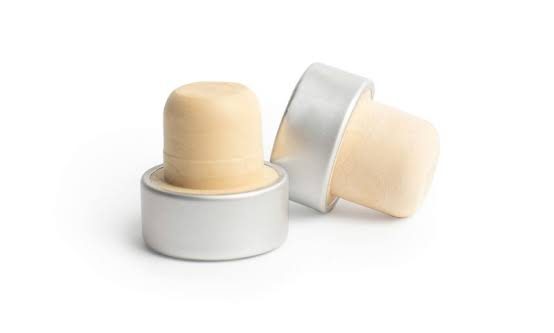
For gin brands, packaging is also part of positioning. A botanical craft gin may need a natural wood-top stopper to communicate authenticity. A modern premium gin may choose a matte aluminum closure for a clean, architectural look. A travel-retail or export product may require tamper-evident or non-refillable functionality to protect both consumers and brand owners.
Main Types of Gin Bottle Closures
Bar-Top Cork Closures for Premium Gin
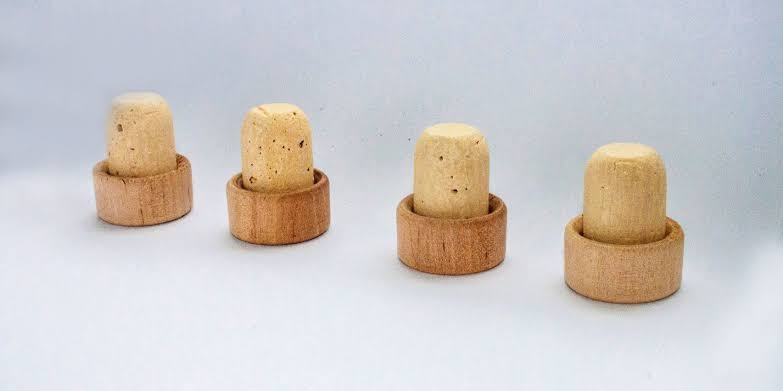
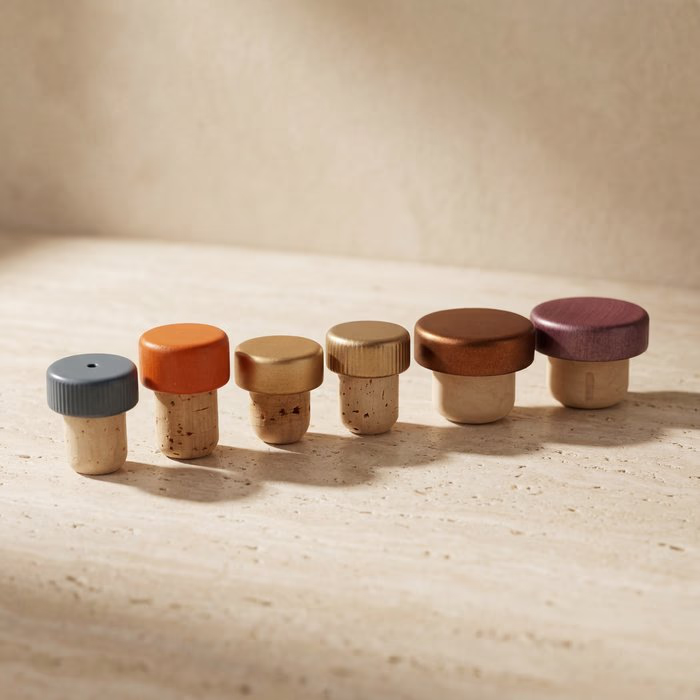
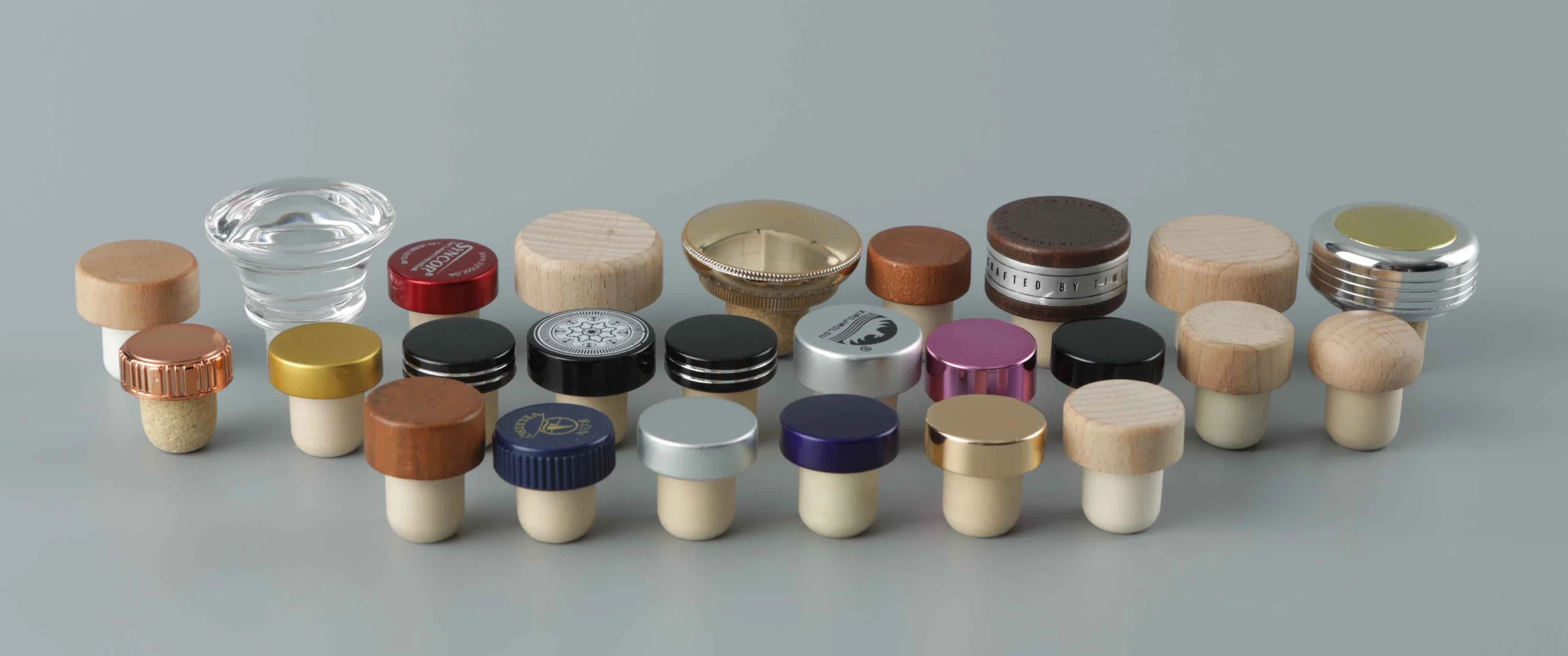
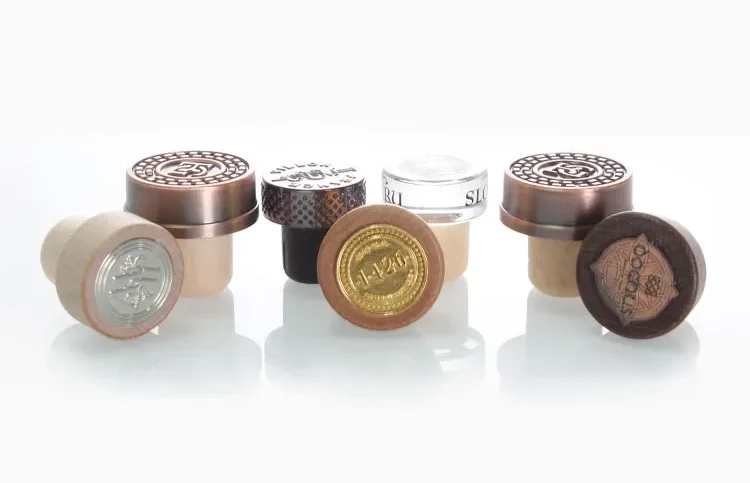
Bar-top cork closures, also called T-top closures, T-corks, or spirit stoppers, are common in premium spirits packaging. They combine a cork or synthetic shank with a decorative top made from wood, aluminum, plastic, glass, ceramic, or composite material.
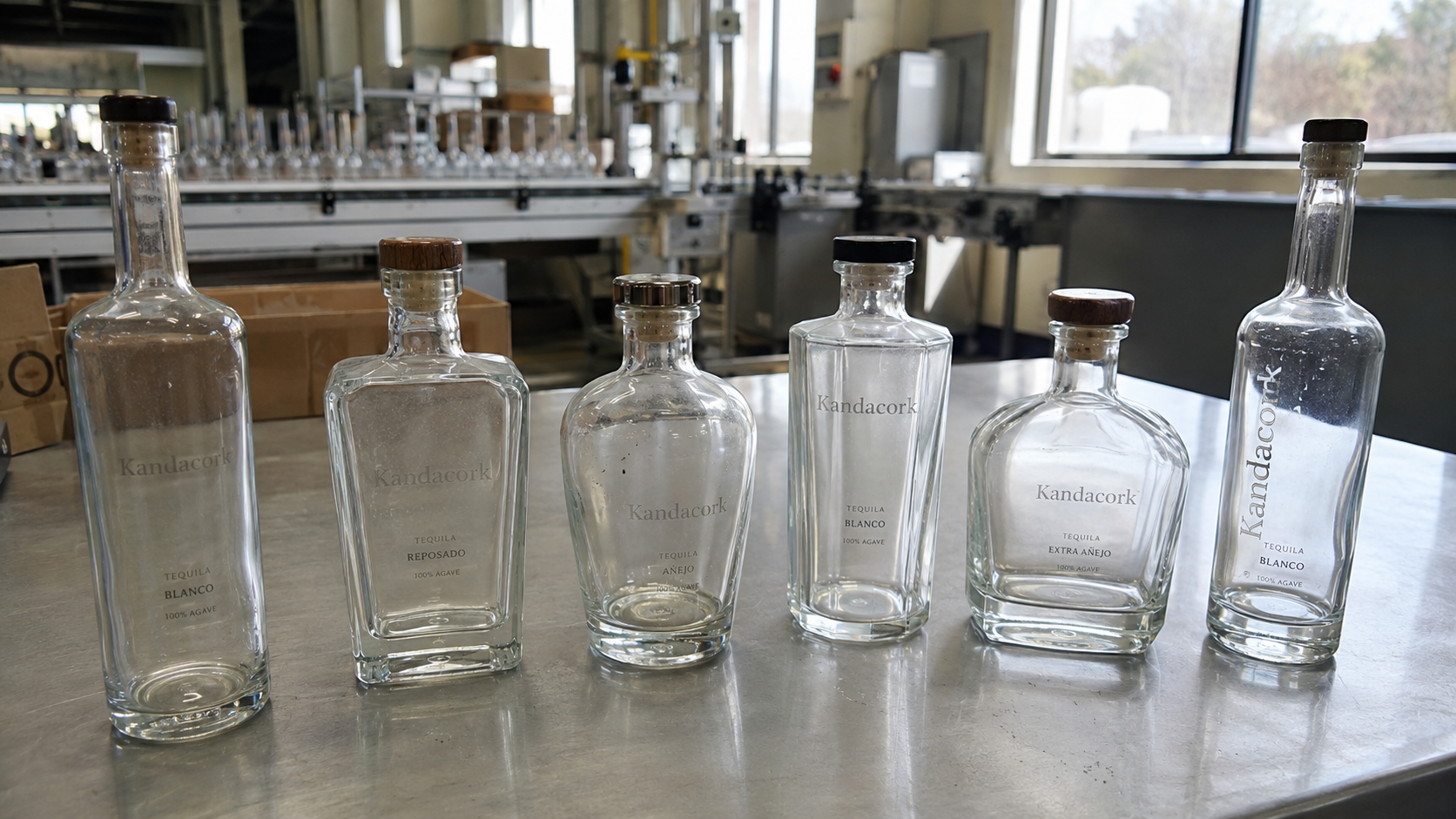
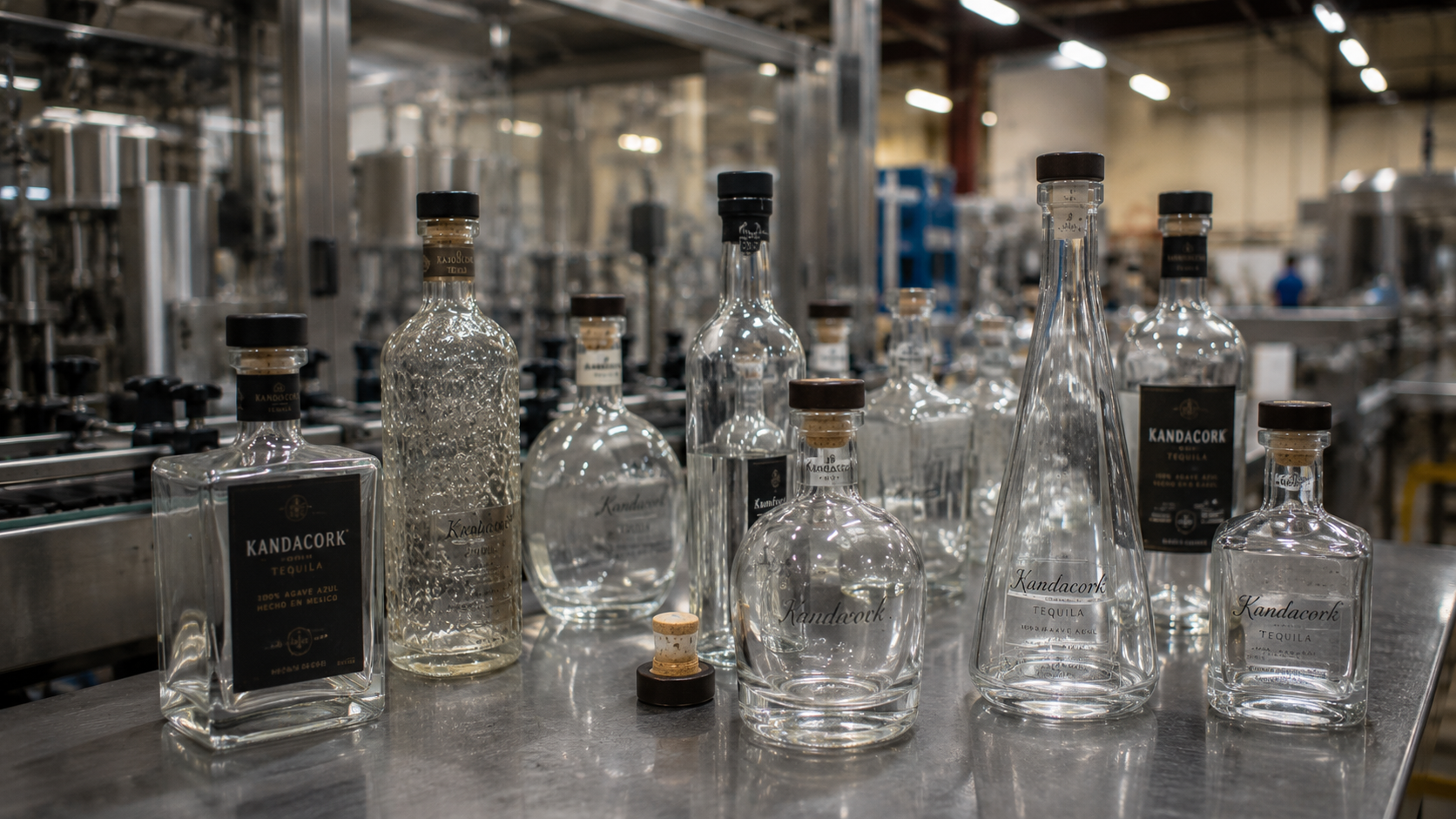
For gin, bar-top corks are especially effective when the brand wants a tactile opening experience. Consumers can pull, pour, reseal, and return the bottle to the back bar with a familiar premium feel. This type of closure is often used for craft gin, small-batch gin, botanical gin, limited editions, gift packaging, and premium spirits collections.
Buyers planning natural or warm-touch packaging can explore custom wooden bar-top stoppers when they want a closure that supports a handcrafted, botanical, or heritage brand story.
Customization options may include:
- Natural wood, stained wood, aluminum, plastic, or glass tops
- Printed, laser-engraved, embossed, or debossed logos
- Matte, glossy, metallic, or textured finishes
- Natural cork, micro-agglomerated cork, or synthetic shank options
- Custom top shapes for stronger shelf recognition
When working with a gin bottle closure supplier, buyers should provide the bottle neck inner diameter, neck height, target fill volume, closure drawing, and expected pull-out force requirement. The cork shank must compress properly inside the bottle neck. If it is too loose, leakage risk increases. If it is too tight, the consumer experience becomes difficult or inconsistent.
ROPP Closures for Gin Bottling Lines
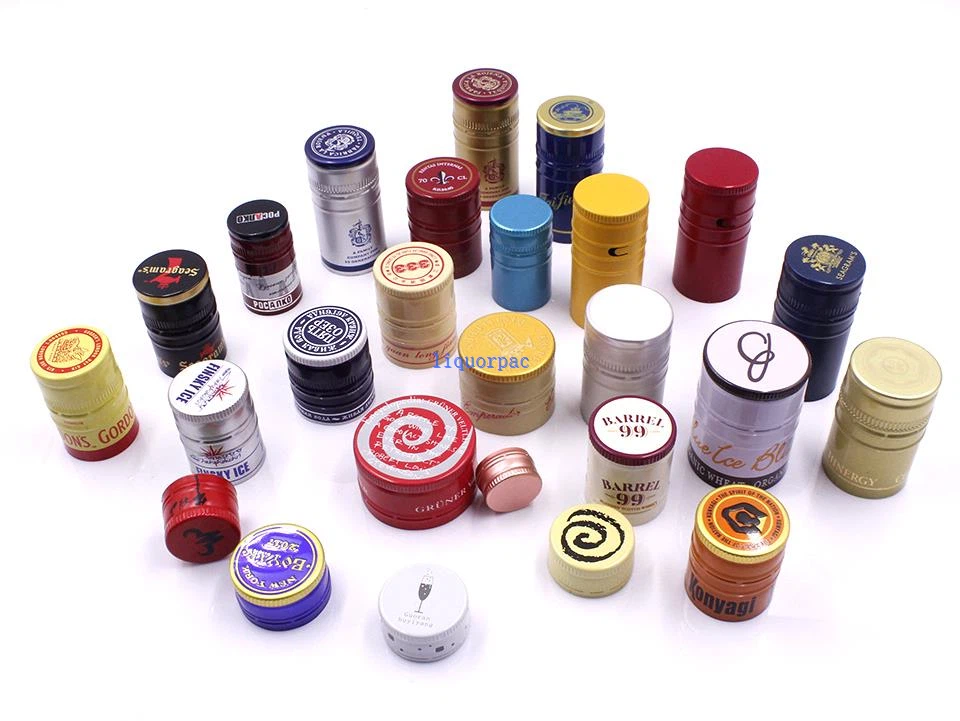
ROPP means roll-on pilfer-proof. These aluminum closures are formed onto the bottle neck by a capping head that rolls the thread and tamper-evident band around the glass finish. ROPP closures are widely used for spirits, wine, oils, beverages, and other liquid products because they support secure sealing and scalable production.
For gin, ROPP caps are a practical choice when the brand needs:
- Tamper-evident protection
- Consistent opening torque
- Compatibility with automatic bottling lines
- Clean modern design
- Efficient bulk production
- Custom top and sidewall printing
A supplier should confirm the bottle neck finish before recommending a ROPP cap. Important details include the thread profile, cap diameter, skirt height, liner type, bridge design, and capping machine parameters. For high-volume bottling, torque control and line trials are essential because even a high-quality cap may fail if the capping head setup is incorrect.
For brands using automated filling and capping equipment, custom ROPP closures can be developed around the glass finish, liner choice, skirt height, and opening-torque expectations.
Screw Caps for Gin Bottles
Screw caps are suitable for gin brands that want convenience, resealability, and efficient consumer use. They may be used for standard bottles, mini bottles, flavored gin, ready-to-drink gin products, and private-label spirits projects.
A screw cap system must be matched carefully with the bottle thread. The closure also needs the correct liner or sealing component for the alcohol content, storage conditions, and market requirements. Poor liner selection may lead to flavor interaction, seal failure, or inconsistent performance.
Screw caps are often selected when buyers need:
- Easy opening and resealing
- Simple logistics and filling-line compatibility
- Cost-effective bulk supply
- Color and logo customization
- Tamper-evident options
For B2B buyers, the key is not simply choosing “a screw cap.” The better approach is to evaluate cap diameter, thread compatibility, liner material, torque range, decoration method, and sample testing before ordering in bulk.
Synthetic Cork and Technical Stoppers
Synthetic cork and technical stoppers are alternatives to natural cork. They are designed for consistent size, predictable compression, and stable performance. For gin packaging, synthetic stoppers may be useful when the buyer wants the appearance of a cork-style closure but needs more uniform production tolerances.
Technical stoppers can support repeatable quality across large batches. They may also reduce variability compared with fully natural materials. For brands selling through multiple regions, this consistency can help maintain the same opening feel and sealing performance across shipments.
A reliable supplier can help compare natural cork, micro-agglomerated cork, synthetic cork, and composite shank options based on product positioning, price target, testing requirements, and brand style.
Non-Refillable Closures for Gin Export Markets
Non-refillable closures are used to reduce refilling risk and protect brand integrity. They may include internal pourers, valves, tamper-evident systems, and anti-refill components. These closures are especially relevant for premium spirits, duty-free products, export markets, and regions where counterfeit or refilled bottles are a concern.
For gin brands, non-refillable closures can provide:
- Anti-refill functionality
- Controlled pouring
- Tamper evidence
- Brand protection
- Higher consumer trust
The best design depends on the bottle neck, filling line, liquid viscosity, target market, and regulatory expectations. For premium export programs, non-refillable spirits closures can help brands add an extra layer of functional protection without losing visual consistency.
Capsules and Shrink Sleeves
Capsules and shrink sleeves are not always the primary seal, but they can improve the finished look of a gin bottle. They may cover the closure and neck area, provide visual tamper evidence, and create a more premium shelf presentation.
Common options include PVC capsules, PET shrink sleeves, aluminum capsules, polylaminate capsules, and printed neck sleeves. For premium gin, the capsule color and finish should coordinate with the label, glass bottle, closure top, and outer carton.
Best Closure Options for Different Gin Packaging Needs
For most premium craft gin brands, bar-top corks create the strongest opening experience. For high-volume bottling lines, ROPP caps are often more practical because they support tamper evidence, automation, and consistent torque. For export and duty-free channels, non-refillable closures may provide stronger brand protection.
The right choice depends on the brand story, bottle design, filling method, budget, target quantity, and market destination. A premium botanical gin, a private-label supermarket gin, and a duty-free export gin may all require different closure systems.
| Packaging Need | Recommended Closure | Main Benefit |
|---|---|---|
| Premium craft gin | Bar-top cork | Strong opening experience and premium feel |
| Automated bottling line | ROPP cap | Tamper evidence and consistent capping performance |
| Private-label gin | Screw cap or ROPP cap | Practical cost control and repeatable supply |
| Export or duty-free gin | Non-refillable closure | Brand protection and anti-refill functionality |
| Gift set or limited edition | Custom top closure with capsule | Better presentation and collectible value |
| Mini bottle or sample format | Small screw cap or ROPP cap | Compact, efficient, and easy to handle |
Buyer Scenarios: Which Closure Fits Your Gin Project?
Different gin brands need different closure systems. A supplier should understand the buyer’s product positioning before recommending a closure.
| Buyer Type | Recommended Closure | Why It Works |
|---|---|---|
| Craft gin distillery | Wood-top bar cork | Creates a premium handcrafted feel and supports small-batch storytelling |
| Private-label gin brand | ROPP cap or screw cap | Offers efficient sourcing, repeatable production, and practical cost control |
| Premium botanical gin brand | Custom bar-top stopper with capsule | Improves shelf appeal and creates a stronger opening experience |
| Export spirits distributor | Non-refillable closure | Supports anti-refill protection, tamper evidence, and brand security |
| Mini bottle or sample bottle buyer | Screw cap or small ROPP cap | Works well for compact bottles, sampling, gift sets, and travel retail |
| Luxury gin gift set brand | Custom top closure with matching neck sleeve | Creates a coordinated visual system for retail and gifting |
This comparison helps buyers avoid choosing a closure only by appearance. The best option should match the brand position, filling process, distribution market, and consumer experience.
Gin Bottle Closure Supplier Checklist
Before selecting a supplier, buyers should confirm whether the company can support both design and technical requirements. A supplier that only provides a product photo may not be enough for serious spirits packaging projects.
Use this checklist when evaluating a gin bottle closure supplier:
- Can the supplier provide bar-top corks, ROPP caps, screw caps, capsules, and anti-refill closures?
- Can the supplier review bottle drawings or physical bottle samples?
- Can the closure be matched to the bottle neck finish, inner diameter, and thread profile?
- Can the supplier provide logo customization, color matching, engraving, embossing, or printing?
- Can the supplier explain liner, cork shank, or stopper material compatibility with alcoholic products?
- Can samples be provided before bulk production?
- Can the supplier support leak testing, torque checking, pull-out force testing, or capping-line trials?
- Can MOQ, lead time, tooling cost, and decoration cost be confirmed clearly?
- Can export packing, cartons, pallets, and shipping requirements be supported?
- Can the supplier provide available technical documents, specifications, or food-contact statements when required?
This checklist is especially useful for distilleries, private-label spirits companies, glass bottle distributors, and packaging procurement teams that need stable long-term supply instead of one-time sourcing.
How to Choose a Gin Bottle Closure Supplier
A professional supplier should provide more than a catalog. The supplier should help you move from concept to production by checking technical details, sample performance, and branding requirements.
Before requesting a quotation, prepare the following information:
- Bottle drawing or bottle sample
- Neck finish specification
- Inner diameter and outer diameter of the bottle mouth
- Target closure type
- Order quantity and annual forecast
- Decoration requirements
- Filling method and capping machine information
- Market destination and compliance needs
- Packaging method and shipping route
This information helps the supplier avoid mismatched recommendations. For example, a bar-top cork needs different testing from a ROPP cap. A non-refillable closure needs additional functional checks. A custom aluminum top may need tooling, color approval, and pre-production samples.
A good sourcing conversation should also cover tolerance, liner choice, torque, pull-out force, leakage risk, transport stability, and repeat-order consistency. These details matter because the closure is a functional packaging component, not only a decorative accessory. Buyers who also need matching glass bottle development can coordinate the closure brief with custom spirits bottle manufacturing to reduce fit risks between the bottle finish and closure system.
Customization Options for Gin Bottle Closures
Gin is a design-driven category. Many gin brands use botanical stories, regional identity, glass texture, label illustration, or bold color systems to stand out. A customized closure can reinforce that brand language and make the bottle more recognizable on shelves, in bars, and in e-commerce product photography.
Kandacork Closures can support custom gin bottle closures with options such as:
- Logo printing on top or side
- Embossed or debossed brand marks
- Laser engraving on wood or metal
- Custom color matching
- Matte, glossy, metallic, and brushed finishes
- Wood, aluminum, plastic, glass, cork, or composite structures
- Matching capsules, sleeves, and bottle decoration support
A minimalist gin brand may choose a black matte aluminum cap with small silver logo printing. A botanical craft gin may prefer a natural wood top with a micro-agglomerated cork shank. A luxury gift-pack gin may use a heavy custom top with a metallic accent and matching neck capsule.
When the bottle requires coating, frosting, screen printing, foil, or other surface treatments, closure design should be coordinated with spirits bottle decoration and branding so the neck, label area, closure top, and carton communicate the same visual system.
Technical Checks Before Bulk Production
Before placing a bulk order, gin brands should complete basic closure validation. This is especially important when launching a new bottle, switching suppliers, or adding a custom closure design.
Recommended checks include:
- Bottle-neck compatibility: confirm that the closure matches the actual bottle neck, not only a general drawing. Small differences in glass production can affect fit.
- Leakage testing: test filled bottles in upright, tilted, and inverted positions. Include storage and transport simulation when possible.
- Opening torque or pull-out force: ROPP and screw caps require controlled torque. Bar-top corks require suitable pull-out force. Both should feel secure but not difficult for consumers.
- Alcohol compatibility: confirm that liner, cork, adhesive, coating, ink, and internal components are suitable for contact or near-contact with alcoholic products.
- Visual inspection: check logo position, color consistency, surface finish, printing quality, and cap alignment.
- Transport stability: for export shipments, packaging should be tested against vibration, compression, and handling stress. Packaging teams often use distribution test methods such as ASTM D4169 as a reference for evaluating shipping performance.
- Capping-line trial: for automatic filling, conduct a machine trial before mass production. A closure that works by hand may perform differently on a high-speed capping line.
These checks help prevent common packaging failures such as leakage, cracked caps, loose corks, poor tamper-band separation, scuffed decoration, and inconsistent consumer opening experience.
Compliance and Food-Contact Considerations
Gin bottle closures may include multiple materials, such as aluminum, plastic, cork, wood, ink, coating, adhesive, liner, and internal pourer components. For this reason, buyers should request compliance information based on the target market.
For the United States, the FDA provides resources related to food-contact substances. For the European Union, Regulation (EC) No 1935/2004 sets general safety and inertness principles for materials intended to come into contact with food. These references are important because closure components should be suitable for their intended use and should not negatively affect the product.
For B2B gin packaging projects, ask your supplier for available documents such as:
- Material declaration
- Food-contact statement
- Technical data sheet
- Safety data sheet when applicable
- Certificate of analysis or inspection report
- Migration or compliance documentation when required
- Artwork approval and production specification
Not every project needs the same document package. A domestic craft gin launch may have different requirements from an export shipment to the EU, UK, US, Middle East, or duty-free market. The right supplier should understand these differences and guide buyers through practical documentation needs.
Sustainability and Material Choices
Sustainability in spirits packaging is not limited to the bottle. Closures, capsules, labels, cartons, pallets, and transport efficiency all contribute to the overall packaging footprint. For gin brands, the most practical approach is to balance brand image, functional performance, material availability, recyclability, and logistics.
Glass remains important for premium spirits because it supports clarity, shelf appeal, inertness, and recyclability. The Glass Packaging Institute provides information on glass recycling and the role of recycled glass in packaging systems. For gin projects that need coordinated bottle development, Kandacork Glass can support bottle structure, closure fit, and decoration planning as one integrated packaging direction.
Closure material choices may include natural cork, agglomerated cork, synthetic shanks, aluminum, plastic, glass, and composite structures. Each option has trade-offs. A natural wood-top stopper may support a warm craft image, while aluminum may provide a clean modern look and strong recyclability. A lightweight plastic top may reduce shipping weight and cost for multi-SKU private-label programs.
Buyers should avoid choosing materials based only on sustainability claims. Instead, ask how the closure performs in real filling, handling, storage, and transport conditions. A closure that fails in distribution can create more waste than a slightly heavier but more reliable option.
MOQ, Lead Time and Bulk Supply
MOQ depends on closure type, material, decoration process, tooling, and production complexity. Standard closures may have lower minimum order quantities, while custom colors, custom molds, metal embossing, or unique top shapes usually require higher MOQs.
A typical sourcing process may include:
- Initial requirement review
- Bottle drawing or sample confirmation
- Closure recommendation
- Quotation and MOQ confirmation
- Artwork and color approval
- Sample production
- Testing and fit approval
- Mass production
- Final inspection
- Export packing and shipment
Lead time can vary depending on whether the closure uses existing molds or custom tooling. For urgent projects, buyers should ask which styles are available faster and which decoration methods require longer preparation.
Quality control should be documented in a repeatable way. Many packaging buyers use quality-management principles aligned with ISO 9001 when evaluating suppliers, inspection records, corrective actions, and repeat-order consistency. Even when a specific certification is not required for a project, the same disciplined approach helps reduce preventable defects.
Why Choose Kandacork Closures for Gin Bottle Closures?
Kandacork Closures supports gin brands, distilleries, private-label spirits companies, glass bottle distributors, and packaging buyers with custom cork stoppers, ROPP caps, screw caps, capsules, and anti-refill closures. The company helps buyers move from product idea to sample approval, bulk production, and export-ready packaging.
Buyers can review the broader bottle stoppers and closures range when comparing wooden, aluminum, plastic, glass, cork, screw cap, ROPP, capsule, and non-refillable options for spirits packaging.
Capabilities include:
- Custom bar-top corks for premium gin bottles
- ROPP caps for tamper-evident bottling lines
- Screw caps for standard bottles, mini bottles, and private-label packaging
- Capsules and sleeves for neck decoration and finished presentation
- Non-refillable closures for export and brand-protection markets
- Logo printing, embossing, debossing, laser engraving, and color matching
- Bottle-closure matching based on drawings or physical samples
- Sample development before mass production
- Export packing support for international buyers
- Repeat-order support for long-term packaging programs
Kandacork Closures is suitable for:
- Craft gin distilleries
- Premium botanical gin brands
- Private-label spirits projects
- Glass bottle distributors
- Packaging procurement teams
- Export spirits companies
- Luxury gift-set packaging buyers
For buyers comparing marketplace suppliers, local packaging distributors, and direct manufacturers, Kandacork Closures offers a project-based approach. Instead of choosing only from standard product listings, buyers can discuss bottle fit, brand identity, decoration options, MOQ, testing, and repeat-order supply in one sourcing process.
For multi-category projects beyond spirits, Kandacork Glass Packaging can support glass bottle and jar development for broader packaging programs, while the closures team focuses on the fit, finish, and performance of the spirit closure system.
FAQ
What is the best closure for a gin bottle?
The best closure depends on the brand position, bottle neck, filling line, and target market. Bar-top corks are popular for premium craft gin, ROPP caps are suitable for tamper-evident and high-volume bottling, screw caps are practical for convenience and private-label products, and non-refillable closures are useful for export and brand-protection markets.
Are ROPP caps suitable for gin bottles?
Yes. ROPP caps are suitable for many gin bottles when the bottle neck finish, cap diameter, liner, and capping machine are correctly matched. They are often used when brands need tamper evidence, consistent sealing, and efficient production.
Can I customize gin bottle closures with my logo?
Yes. Custom gin bottle closures can include logo printing, embossing, debossing, laser engraving, custom colors, metallic finishes, wood tops, aluminum tops, and matching neck capsules. The available options depend on the closure material, MOQ, and decoration process.
What should I send to a gin bottle closure supplier before requesting a quote?
Send the bottle drawing, bottle sample if available, neck finish details, inner and outer mouth diameter, target closure style, order quantity, logo artwork, decoration requirements, filling method, and destination market. This helps the supplier recommend a closure that fits both the bottle and the commercial project.
Do gin bottle closures need tamper-evident features?
Not all gin bottles require tamper-evident closures, but tamper evidence is valuable for retail, export, duty-free, and premium spirits markets. ROPP caps, shrink sleeves, capsules, and non-refillable closures can all support different levels of tamper-evident packaging.
Can Kandacork Closures support bulk gin closure orders?
Yes. Kandacork Closures can support bulk orders for gin bottle corks, bar-top closures, ROPP caps, screw caps, capsules, and custom spirits closures. Buyers can request samples, fit testing, decoration options, and production quotations based on their bottle and branding requirements.
Final CTA
Looking for a reliable gin bottle closure supplier for your next spirits packaging project? Send Kandacork Closures your bottle drawing, neck finish, target quantity, logo artwork, and preferred closure style. The team can help recommend the right cork stopper, ROPP cap, bar-top closure, screw cap, capsule, or anti-refill solution for your gin brand.