Introduction
Choosing the right bar-top stopper shank is a technical packaging decision. The visible top creates shelf appeal, but the shank creates the seal inside the bottle neck and affects leakage control, insertion force, pull-out feel, reclosure performance and filling-line efficiency.
For spirits brands, distilleries, private label buyers, importers, distributors, bottlers and packaging buyers, the wrong shank can cause leakage, difficult opening, poor reclosure, production delays or repeated sample changes. The right shank helps the bottle feel secure, premium and production-ready.
Kandacork Closures supports B2B buyers with bar-top stopper shank selection and bulk synthetic stopper supply, material comparison, bottle neck fit review, sample development, decoration options and bulk supply for spirits packaging projects.
Quick Answer: How to Choose the Right Bar-Top Stopper Shank
To choose the right bar-top stopper shank, measure the bottle neck inner diameter and test a shank about 1 mm larger as a starting point. Confirm the final fit with real bottle samples, insertion force, pull-out force, leakage testing, reclosure checks and capsule or gift box compatibility.
A good shank should insert smoothly, hold firmly, open comfortably, reseal consistently and remain stable during storage, transport and repeated use.
What Is a Bar-Top Stopper Shank?
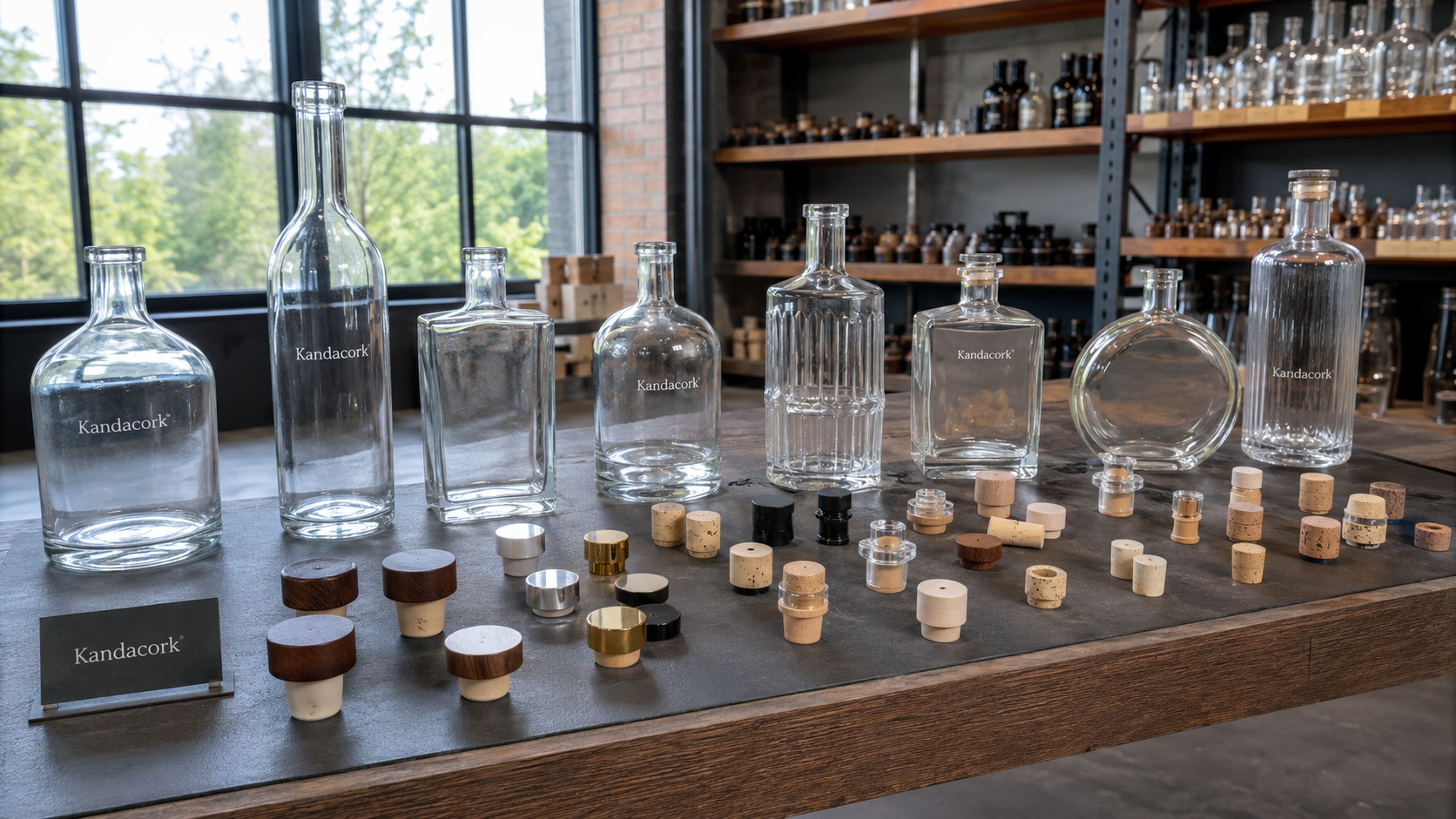
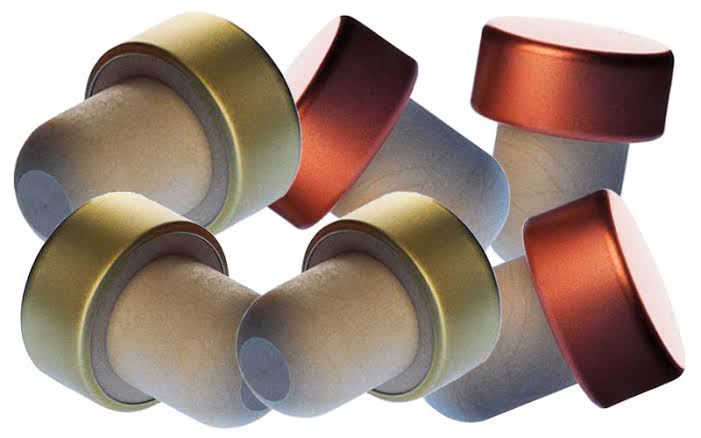
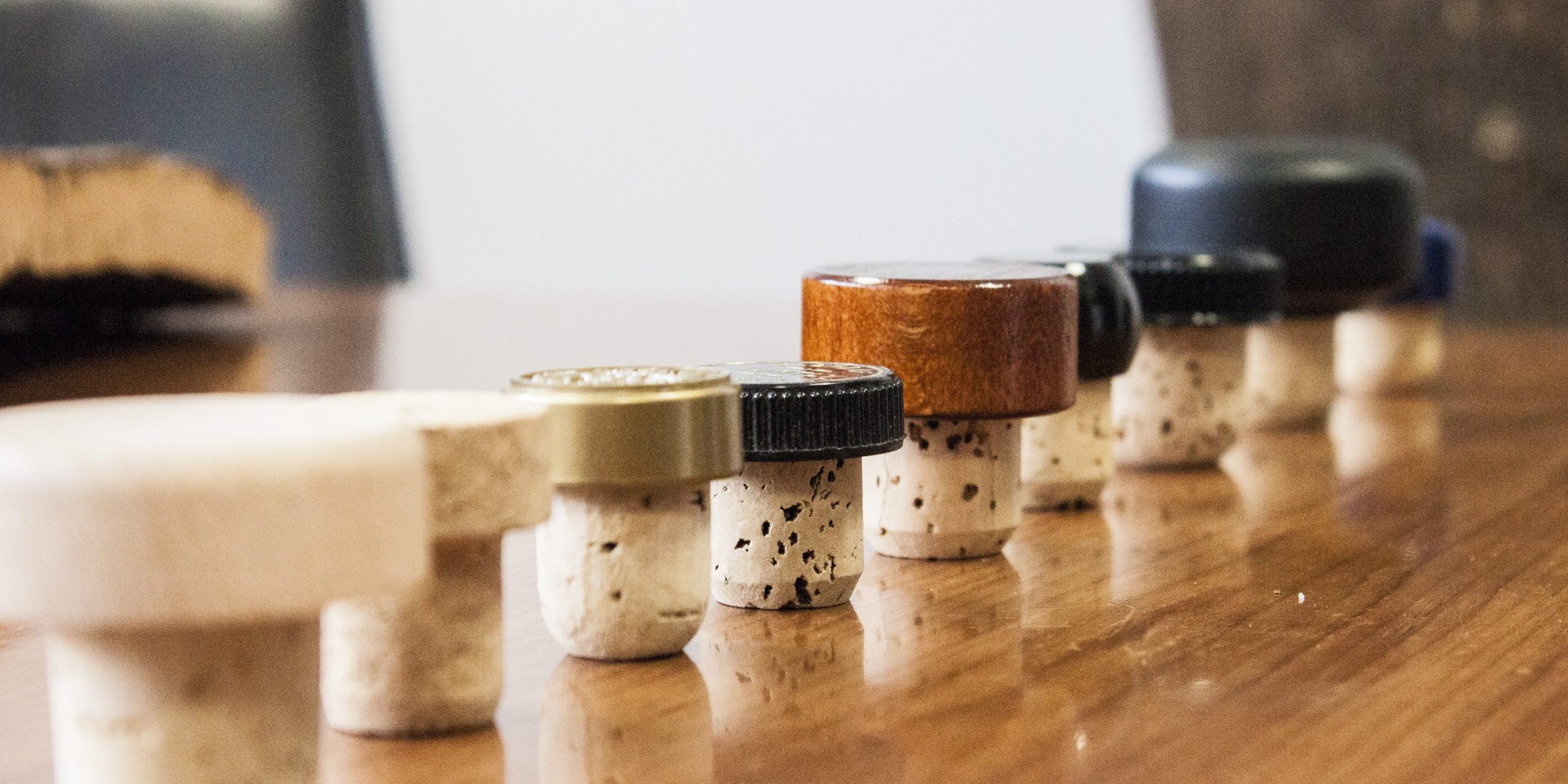
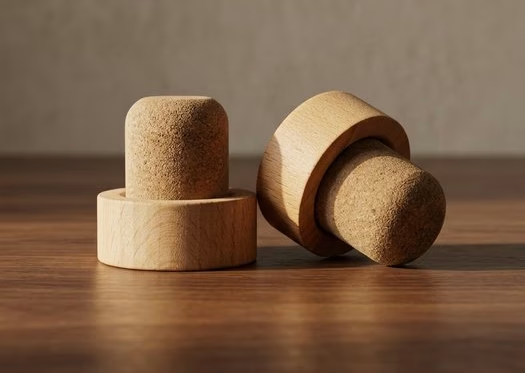
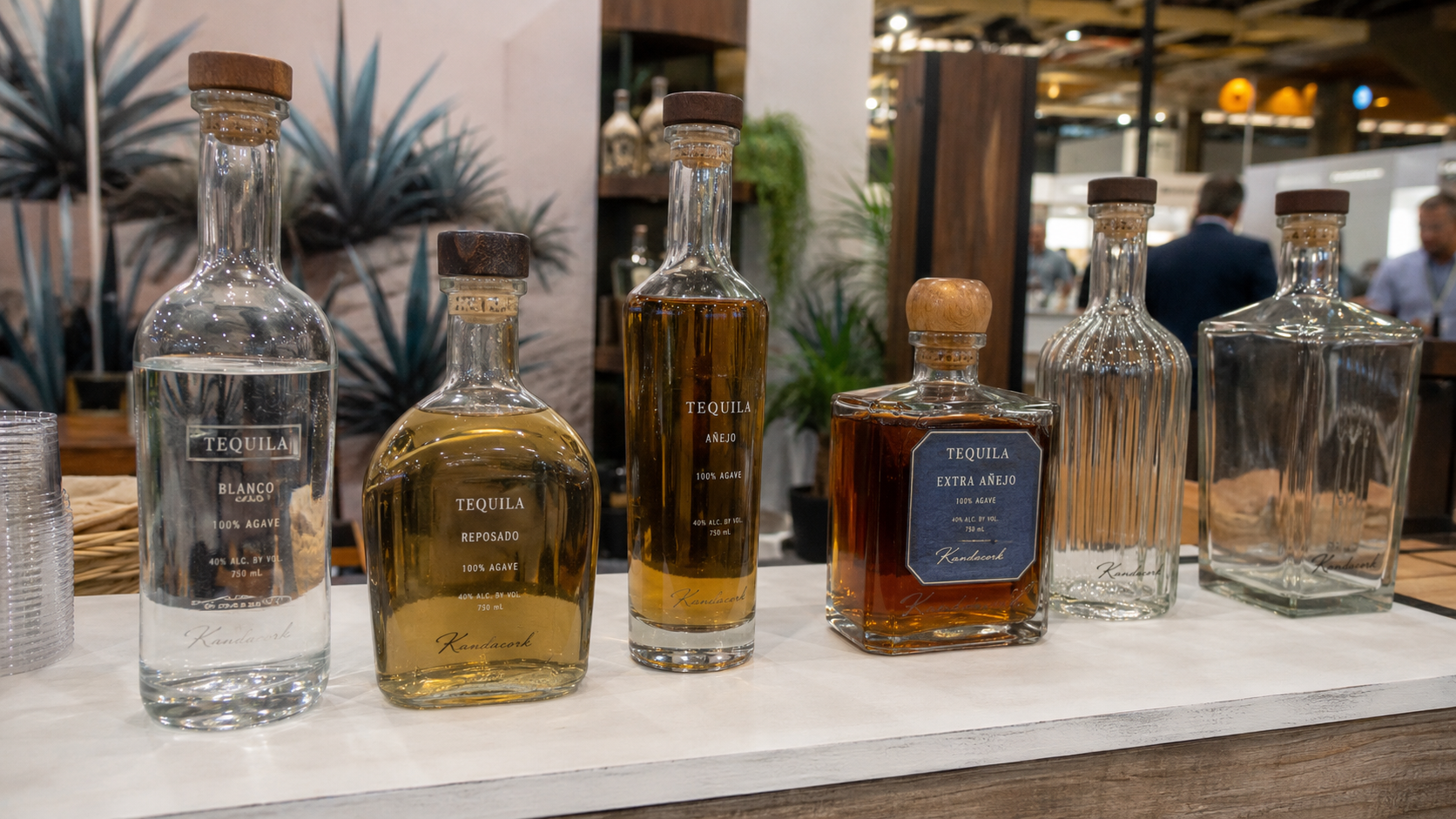
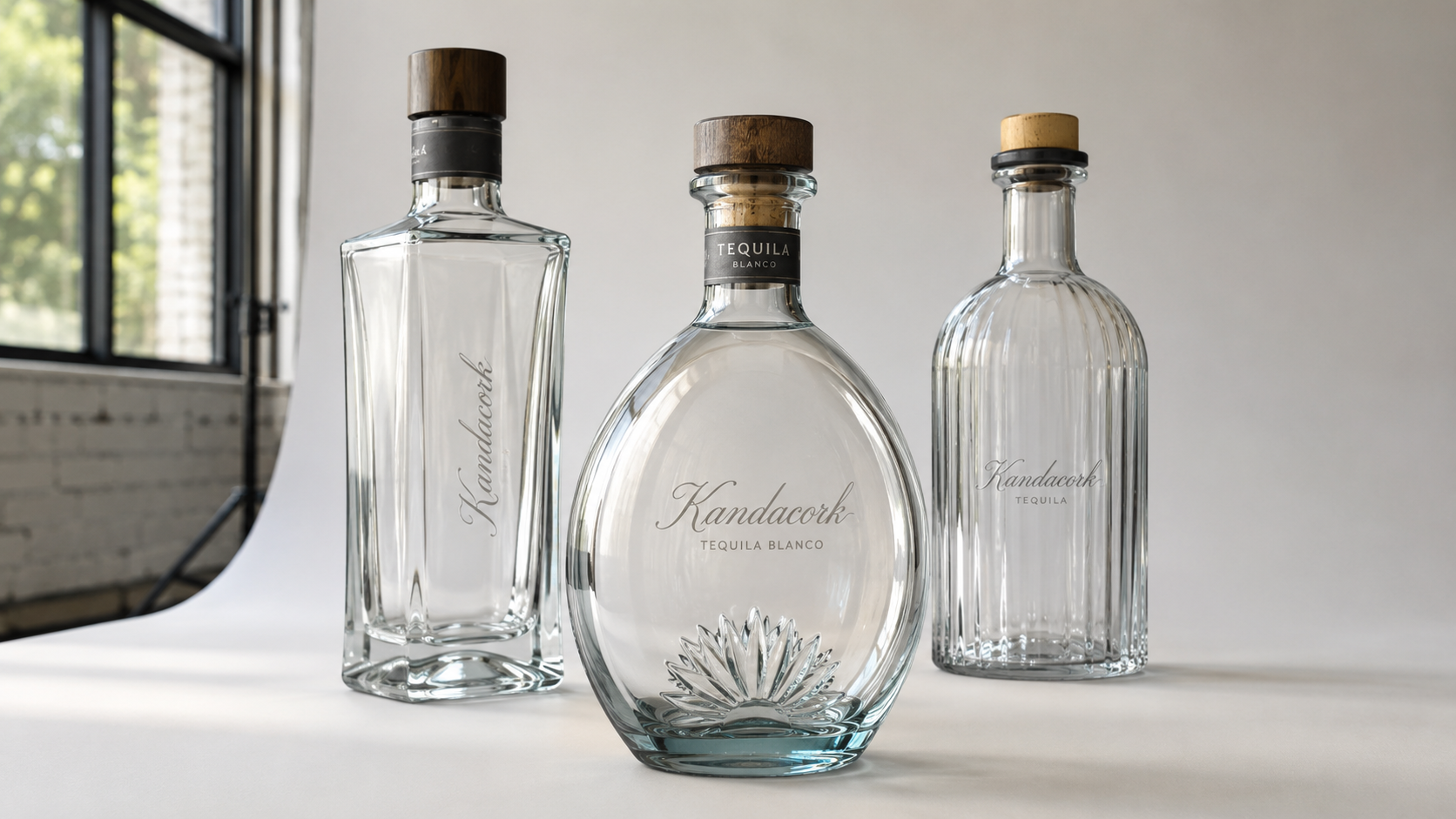
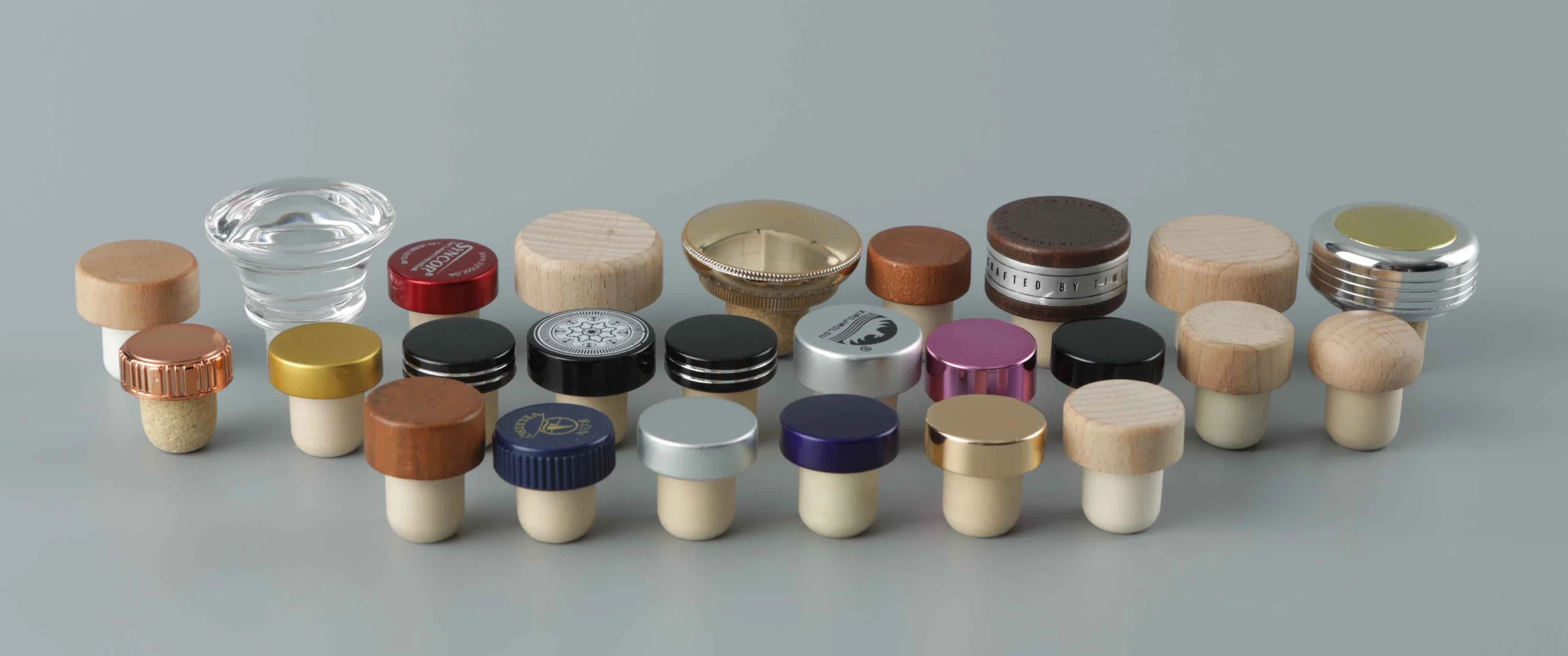
A bar-top stopper usually has two main parts: the top and the shank. The top, also called the head or cap, is the visible decorative part. It may be made from wood, plastic, aluminum, zamac, glass, ceramic or other materials. The shank is the lower part inserted into the bottle neck.
The bar-top stopper shank creates the friction seal. It contacts the inner bore of the bottle neck and compresses slightly to hold the stopper in place. If the shank is too loose, the bottle may leak or feel unreliable. If the shank is too tight, it may be difficult to insert or remove.
For commercial spirits packaging, the shank should be evaluated as a functional closure component. It must work with the bottle, the spirit, the filling process, the secondary packaging and the brand experience.
Bar-Top Stopper Terms Buyers Should Know
| Term | Meaning |
|---|---|
| Bar-top stopper | A T-shaped closure commonly used for spirits bottles |
| T-top closure | Another name for a bar-top stopper |
| Head / Top / Cap | The visible decorative part above the bottle neck |
| Shank | The inserted sealing part inside the bottle neck |
| Bottle neck ID | The inner diameter of the bottle opening |
| Bottle neck bore | The internal passage where the shank fits |
| Insertion force | The effort needed to insert the stopper |
| Pull-out force | The effort needed to remove the stopper |
| Reclosure performance | How well the stopper reseals after repeated use |
This terminology helps buyers separate visual design decisions from technical fit decisions. The cap creates the look, but the shank controls the seal.
Why Shank Fit Matters for Spirits Bottles
Shank fit directly affects product protection, production efficiency and customer perception. A premium bottle with a poorly fitted stopper can still create a negative experience.
A correctly selected bar-top stopper shank helps improve leakage resistance, smooth insertion, secure pull-out force, comfortable opening, consistent reclosure and lower rejection rates during packing. It also helps the closure remain compatible with capsules, shrink sleeves, gift boxes and export cartons.
For importers and distributors, fit consistency is especially important. Bottles may experience vibration, temperature changes, pressure changes and long transit routes. A stopper that feels acceptable in a small sample test may still fail if the shank material, diameter or compression is not suitable for real commercial conditions.
Quick Size Reference for Bar-Top Stopper Shanks
The following table can be used as a quick starting point for sample selection. It is not a final approval standard. Final size should be confirmed with physical bottle samples, insertion testing, pull-out testing and leakage testing.
| Common Bottle Neck Inner Diameter | Common Starting Shank for Testing | Typical Use Case |
|---|---|---|
| 18.5 mm | 19.5 mm | Smaller spirits bottles, mini bottles or standard bar-top necks |
| 21.5 mm | 22.5 mm | Many 750 ml spirits bottles and premium bottle formats |
| Custom neck ID | Custom sample set | Private mold bottles, export projects or custom spirits packaging |
The “+1 mm” rule is useful because many shanks need to be slightly larger than the bottle bore to create compression. However, material hardness, shank taper, shank length, surface friction and glass tolerance can change the final fit.
Extended Sample Testing Notes
| Situation | Sample Direction |
|---|---|
| Stopper feels too tight | Test a slightly smaller shank or softer material |
| Stopper feels too loose | Test a slightly larger or higher-compression shank |
| Heavy decorative top | Test stronger holding fit and longer contact area |
| Export shipping | Add leakage, vibration and reclosure checks |
| Mini bottle project | Prioritize repeatability and assembly speed |
| Premium bottle project | Balance secure pull-out force with smooth opening feel |
This approach helps packaging teams avoid approving a stopper based only on nominal diameter.
How to Measure Bottle Neck Inner Diameter
The first step is to measure the bottle neck inner diameter, also called the bottle neck bore. This is the internal opening where the shank enters the bottle. It is different from the outer neck finish or the visible cap diameter.
Packaging buyers should collect the bottle technical drawing, neck finish specification, inner neck diameter, neck tolerance range, physical bottle samples, intended stopper style and filling method.
It is better to measure multiple bottles, not just one. Glass bottles can vary within tolerance. Some bottle necks may also have slight ovality, conicity or internal pinch points. These details can affect stopper fit even when the nominal neck size looks correct.
The +1 mm Rule: Starting Point, Not Final Approval
Many packaging teams begin by testing a shank about 1 mm larger than the bottle neck inner diameter. For example, if the neck bore is about 21.5 mm, a 22.5 mm shank may be tested first.
This is helpful for initial sample selection, but it is not enough for bulk approval. A bar-top stopper shank should also be tested for insertion force, pull-out force, reclosure performance, leakage resistance, fit consistency across multiple bottles, capsule compatibility and storage stability.
A 22.5 mm synthetic shank from one supplier may not perform exactly the same as a 22.5 mm shank from another supplier. Material formula, density, taper, tolerance and surface finish all influence real fit. Buyers comparing multiple closure formats can also review this guide on bottle closures vs bottle stoppers for spirits packaging to understand how stopper structure affects final packaging decisions.
Natural Cork vs Synthetic Cork vs Polymer Shanks
Different shank materials support different brand goals and production needs.
| Shank Material | Best For | Strengths | Buyer Checks |
|---|---|---|---|
| Natural cork | Premium, heritage and craft spirits | Natural story, traditional feel, premium texture | Variation, odor control, appearance consistency |
| Agglomerated cork | Mid-range spirits and cost-controlled projects | Cork appearance, improved consistency, scalable supply | Binder quality, density, compression |
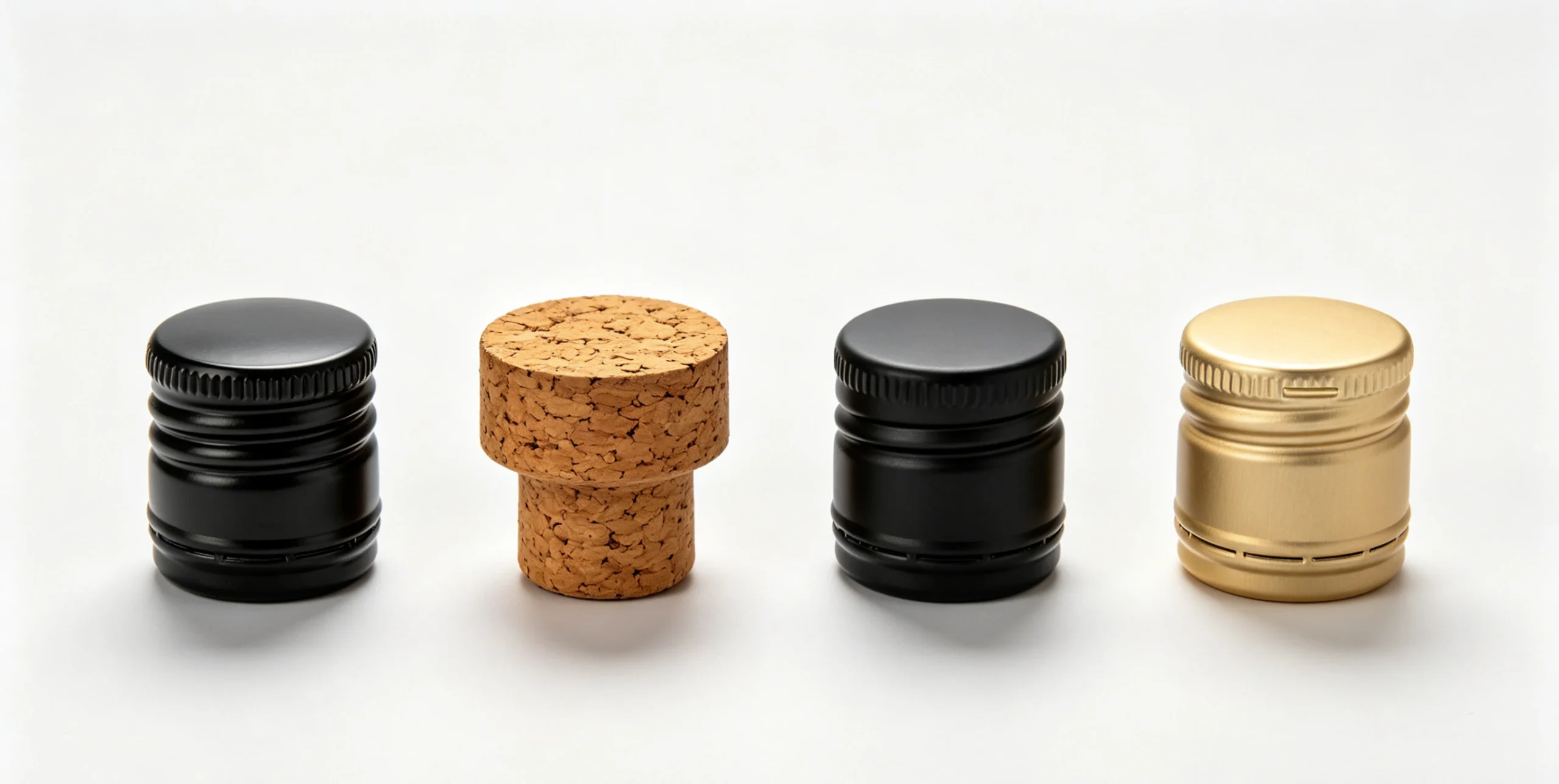
| Synthetic cork | Private label, export, bulk production and multi-SKU programs | Dimensional consistency, repeatable fit, clean appearance | Alcohol compatibility, compression, color stability |
| Polymer shank | Custom technical projects and modern packaging | Molded precision, special geometry, design flexibility | Tooling cost, MOQ, compliance, lead time |
Natural cork shanks are suitable when the brand wants a traditional packaging story and natural tactile feel. Buyers should check consistency, odor, material grade and sample performance before confirming bulk orders.
Agglomerated cork shanks can offer a cork-related appearance with more controlled cost and production consistency. They are often suitable for mid-range spirits, private label programs and scalable packaging projects.
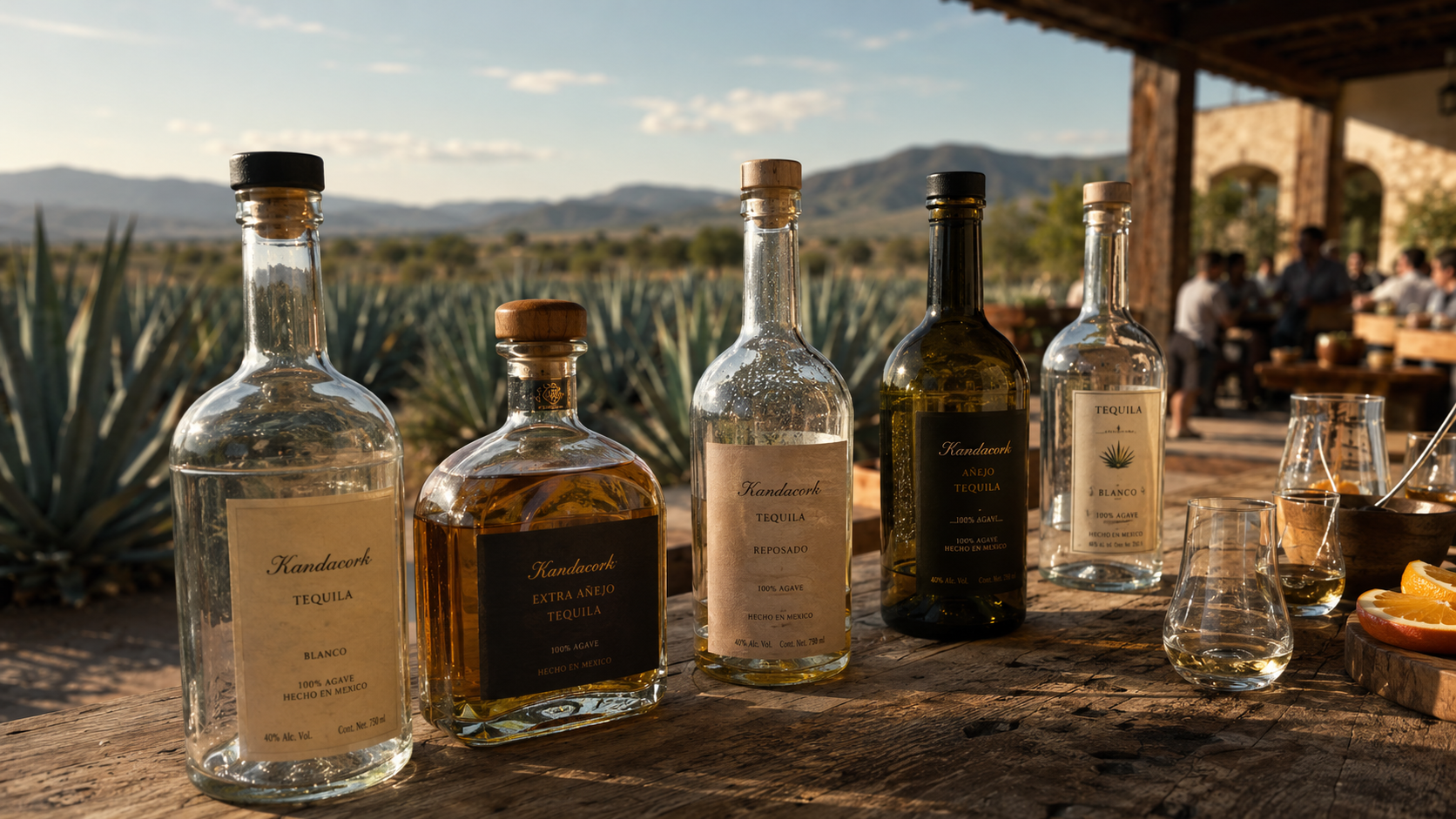
Synthetic cork shanks are often selected for commercial spirits packaging because they offer controlled dimensions, stable appearance and repeatable performance. They are practical for vodka, gin, rum, tequila, whisky, liqueurs, gift sets and export projects.
Polymer or engineered shanks may be used when a project needs molded geometry, special fit behavior or a modern technical appearance. They can support custom stopper systems but may require higher MOQ, tooling investment and longer development time.
Shank Length, Taper, Compression and Pull-Out Feel
Diameter is important, but it is not the only specification. Shank length, taper and compression also affect performance.
A longer shank may provide more contact area and better stability inside the neck. This can be useful for premium spirits bottles, heavier tops and export packaging. However, a longer shank must be checked carefully to avoid excessive insertion force.
A shorter shank may be suitable for mini bottles, lighter closures or certain fast-packing applications. If it is too short, the stopper may feel unstable or may not reseal confidently.
Taper affects how the shank enters the bottle and how it feels when removed. A tapered shank can make insertion easier, but it must still provide enough holding power.
Compression is the balance between seal strength and usability. A shank that is too soft may not seal well. A shank that is too hard may be difficult to insert or pull out. The best fit should feel secure but not forced.
Shank Selection by Spirit Type
Different spirits categories have different packaging priorities. The right bar-top stopper shank should support both product function and brand positioning.
| Spirit Type | Recommended Shank Focus | Buyer Priority |
|---|---|---|
| Whisky / Bourbon | Natural cork, agglomerated cork or premium synthetic cork-look shank | Opening ritual, premium feel, reliable reclosure |
| Gin / Vodka | Clean synthetic shank with stable appearance | Visual cleanliness, odor control, consistent fit |
| Rum / Tequila | Stable shank for heavier tops and premium bottles | Holding power, shelf impact, transport safety |
| Liqueurs | Reclosure-stable shank | Repeated use, residue handling, easy opening |
| Mini Bottles / Gift Sets | Consistent synthetic shank | Fast assembly, low rejection rate, repeatable supply |
This table should be used as a selection guide, not a fixed rule. The final decision should always be based on the actual bottle, spirit, filling method and sample test results.
How Packaging Buyers Should Test Shank Fit
A practical testing process helps reduce risk before production.
| Step | Action | Purpose |
|---|---|---|
| 1 | Confirm bottle neck inner diameter | Establish the starting size |
| 2 | Review bottle drawing and tolerance | Understand the real fit range |
| 3 | Select 2–3 shank material options | Compare function and brand positioning |
| 4 | Request physical samples | Avoid relying only on catalog data |
| 5 | Test insertion force | Check production usability |
| 6 | Test pull-out force | Confirm consumer opening experience |
| 7 | Run leakage and reclosure checks | Reduce transport and usage risk |
| 8 | Check capsule and gift box compatibility | Avoid secondary packaging conflict |
| 9 | Approve pre-production sample | Lock final specification |
| 10 | Keep inspection records | Support repeat orders |
Insertion force should be smooth enough for production. If operators struggle to insert the stopper, packing speed may slow and reject rates may increase.
Pull-out force should feel secure but comfortable. A premium bottle should not feel loose, but it should not require excessive force to open.
Leakage testing should include upright storage, inverted checks where appropriate, vibration and repeated opening and closing. Export projects may require more conservative testing because bottles may experience longer transport routes.
For bottlers and contract packers, line trials should confirm alignment, insertion pressure, speed, operator handling and rejection rate. For whisky-focused projects, this custom bar top corks guide for whisky brands gives additional context on material selection, QC checks and supplier evaluation.
Why One Bottle Sample Is Not Enough
One bottle sample is not enough because glass bottles can vary within production tolerance. Two bottles with the same nominal neck size may have different internal bore profiles, small ovality, slight conicity or hidden pinch points.
For a more reliable fit review, buyers should provide several bottle samples from the actual bottle supplier or production batch. The stopper should be checked across multiple bottles, not only the best-fitting one.
A bottle drawing is useful, but it should be combined with physical samples. Drawings show the target specification, while real bottles show manufacturing variation. For bulk spirits packaging, both are needed to reduce fitment risk.
Common Shank Selection Mistakes
Many stopper problems happen because buyers focus on visual design before technical fit.
Choosing by cap size only is a common mistake. The cap diameter affects appearance, but the shank diameter affects sealing. These two dimensions should not be confused.
Another mistake is assuming all same-size shanks perform the same. Two shanks with the same nominal diameter may perform differently because of material, density, taper and tolerance.
Buyers should also avoid approving bulk production without physical samples. A digital drawing is useful, but fit, feel and leakage resistance must be tested in real conditions.
Secondary packaging is another overlooked issue. Capsules, shrink sleeves, dividers and gift boxes may affect the final packaging system. Stopper height and cap profile should be checked before approval.
Sample and Quotation Path for Packaging Buyers
For B2B spirits packaging projects, the stopper selection process should connect technical review with sample approval and quotation preparation.
| Stage | What Buyers Provide | What Kandacork Closures Supports |
|---|---|---|
| Initial Review | Bottle drawing, neck ID and target closure style | Material and shank size recommendation |
| Sample Matching | Physical bottles, sample quantity and preferred cap design | 2–3 shank sample options for comparison |
| Fit Confirmation | Insertion, pull-out, leakage and reclosure results | Shank size or material adjustment |
| Decoration Review | Logo artwork, color standard and finish requirement | Printing, engraving, embossing or surface finish options |
| Bulk Quotation | Final design, order quantity and destination market | Bulk pricing, production plan and packing suggestion |
Before bulk production, buyers should request sample options for the same bottle neck and compare how each option performs. Kandacork Closures can recommend sample directions based on bottle drawings, physical bottles and the target closure design. Brands developing both bottles and closures together may also review complete spirits bottle closure systems to align bottle structure, closure choice and final packaging presentation.
Supplier Capability Checklist
A qualified bar-top stopper supplier should support more than basic product selection. For B2B spirits projects, buyers should evaluate both technical and commercial capability.
| Supplier Capability | Why It Matters |
|---|---|
| Bottle neck fit review | Reduces leakage and mismatch risk |
| Multiple shank sample options | Helps confirm the best compression |
| Natural and synthetic material comparison | Supports brand and production decisions |
| Custom cap development | Improves packaging differentiation |
| Logo decoration support | Builds brand recognition |
| Color matching and finish control | Supports premium shelf appearance |
| Food-contact documentation | Helps with compliance review |
| Batch inspection records | Improves repeat order consistency |
| Export packing | Reduces transport damage risk |
| Private label support | Useful for distributors and brand owners |
| Bulk production capacity | Supports commercial launch schedules |
Kandacork Closures can help buyers review shank material, stopper fit, cap design, logo decoration and sample approval before moving into bulk production. Buyers comparing closure systems, sourcing paths and bulk supply requirements can also use this custom sourcing guide for bottle closures and stoppers as a broader reference.
What to Send for a Sample Request or Quotation
A detailed RFQ helps the supplier respond faster and more accurately. Instead of asking only for “a stopper price,” buyers should send technical and commercial information.
Recommended RFQ details include:
- Bottle drawing
- Physical bottle samples if available
- Bottle neck inner diameter
- Neck finish tolerance
- Target shank material
- Preferred shank diameter if known
- Cap or head material
- Cap diameter or design reference
- Logo artwork
- Color and surface finish requirement
- Spirit type and ABV
- Filling method
- Order quantity
- Sample quantity
- Destination market
- Capsule, shrink sleeve or gift box requirement
- Expected launch date
- Delivery address or export route
This information allows Kandacork Closures to recommend suitable bar-top stopper shank options, prepare samples and provide a more accurate quotation.
Food-Contact and Quality Documentation
Spirits closures may contact beverage products directly or indirectly, so buyers should consider food-contact suitability, material documentation and destination-market requirements.
For food-contact and quality review, buyers may request material declarations, traceability records and inspection documents. U.S. buyers may review FDA food-contact expectations, EU buyers may consider EU food-contact material principles, and quality teams may use ISO 9001 quality management principles as a reference for supplier process control.
A stopper supplier should be able to support documentation, material traceability and quality control communication when required by the project.
Why Work With Kandacork Closures?
Kandacork Closures supports spirits brands, distilleries, private label buyers, importers, distributors, bottlers and packaging buyers that need practical, production-ready bar-top stopper solutions.
Kandacork Closures can support custom bar-top closure development for spirits bottles, natural cork and synthetic cork comparison, bottle neck fit review, sample matching, wood or metal top options, logo decoration, color matching, surface finish selection, bulk production, export-ready packing and repeat order support.
The goal is to help buyers choose a bar-top stopper shank that fits the bottle, protects the product, supports the brand image and performs reliably in commercial production.
FAQ
What size shank do I need for a bar-top stopper?
Start with the bottle neck inner diameter. A shank about 1 mm larger than the bore is often used for initial testing, but final approval should be based on real bottle samples, insertion force, pull-out force, leakage testing and reclosure performance.
What is the difference between a bar-top stopper head and shank?
The head is the visible decorative top above the bottle neck. The shank is the inserted sealing part inside the bottle neck. The head affects appearance and branding, while the shank affects fit, sealing, opening feel and reclosure.
Is synthetic cork better than natural cork?
Synthetic cork is often better for dimensional consistency, repeat production and export projects. Natural cork may be better for premium brands that want a traditional, natural or craft packaging story.
What causes bar-top stopper leakage?
Common causes include undersized shank diameter, poor material compression, inconsistent bottle neck tolerance, incorrect insertion depth, weak reclosure fit or insufficient testing before production.
Should I test stopper samples before bulk production?
Yes. Physical sample testing is strongly recommended before mass production. Buyers should test fit, insertion force, pull-out force, leakage resistance, reclosure performance and packaging compatibility. Similar-looking bottles may still have different neck tolerances, so each bottle should be tested.
What information is needed for a quotation?
Send the bottle drawing, neck inner diameter, physical samples if available, target shank material, cap design, logo artwork, order quantity, destination market and delivery schedule.