Choosing between bottle closures vs bottle stoppers is not just a packaging terminology issue. For distilleries, beverage startups, private-label teams, and spirits packaging buyers, the decision affects sealing performance, leakage risk, production efficiency, shelf presentation, compliance planning, and the customer’s first impression.
A bottle closure is the broader packaging category. A bottle stopper is one specific type of closure. In simple terms, all bottle stoppers are closures, but not all bottle closures are stoppers.
Screw caps, ROPP closures, crown caps, swing-top closures, dispensing caps, cork closures, capsules, and bar-top stoppers can all be considered bottle closures. A bottle stopper usually refers to a component inserted into the bottle opening, such as a natural cork stopper, synthetic stopper, T-top stopper, or decorative glass stopper.
For premium spirits, the difference matters because customers do not only judge the liquid. They also notice the opening feel, cap weight, cork pull, resealability, material finish, and how well the closure matches the bottle design. Brands comparing bottle closures vs bottle stoppers should begin with the bottle neck, product formula, filling method, target market, and desired brand experience. For buyers sourcing complete closure systems, the Kandacork Closures & Stoppers range provides a focused starting point for comparing bar-top stoppers, screw caps, ROPP closures, capsules, sleeves, and specialty closure options.
Quick Answer: Bottle Closures vs Bottle Stoppers
Bottle closures are any components used to seal, protect, dispense, or secure a bottle. Bottle stoppers are a specific type of closure that seals by fitting into the bottle opening.
For spirits packaging, screw caps and ROPP closures are often chosen for speed, convenience, torque control, and tamper-evident packaging. Bar-top stoppers, cork stoppers, synthetic stoppers, and glass stoppers are often chosen for premium branding, reusable presentation, and a more tactile opening experience.
Best choice for high-speed bottling: a ROPP closure or screw cap is usually better because it supports automated application, controlled torque, and efficient production.
Best choice for premium spirits: a bar-top stopper is often better because it improves shelf appeal, opening feel, and reusable presentation.
What Is a Bottle Closure?
A bottle closure is any component designed to seal or secure a bottle after filling.
In packaging, the word “closure” covers the complete sealing system. A closure may protect the liquid, prevent leakage, reduce evaporation, control oxygen exposure, support tamper evidence, improve dispensing, or allow the product to be opened and resealed.
Common bottle closure types include screw caps, ROPP closures, cork closures, bar-top closures, crown caps, swing-top closures, plastic caps, dispensing closures, induction-lined caps, non-refillable systems, tamper-evident capsules, and shrink bands.
A closure may include several components, such as a shell, liner, thread, tamper band, cork shank, synthetic shank, decorative top, washer, insert, or sealing surface. This is why packaging engineers, bottling suppliers, and sourcing teams often use “closure” as the technical category term.
For commercial buyers, the closure decision should begin with the product formula, bottle neck finish, filling method, storage conditions, transport route, and sales market. A closure that looks attractive but fails during shipment can damage both the product and the brand.
What Is a Bottle Stopper?
A bottle stopper is a closure that seals by entering the bottle opening or bore.
The stopper creates a seal through compression, friction, or close contact with the inner wall of the bottle neck. This makes dimensional accuracy extremely important. If the stopper is too small, it may loosen, leak, or fail during shipping. If it is too large, insertion may be difficult, extraction may feel uncomfortable, and the bottle neck may be stressed.
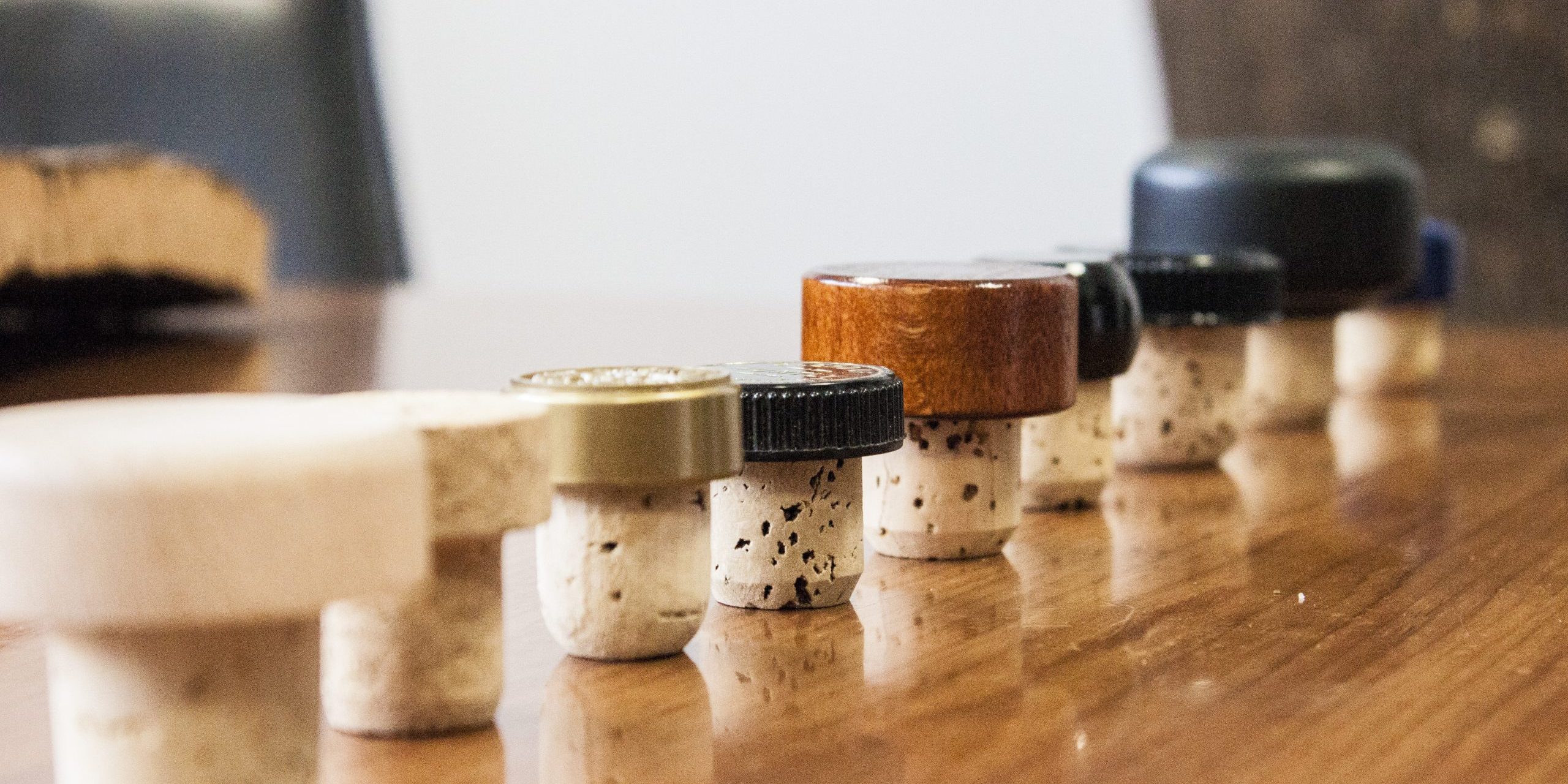
Common bottle stopper types include natural cork stoppers, synthetic cork stoppers, T-top stoppers, bar-top stoppers, glass stoppers, silicone stoppers, rubber stoppers, and decorative decanter stoppers.
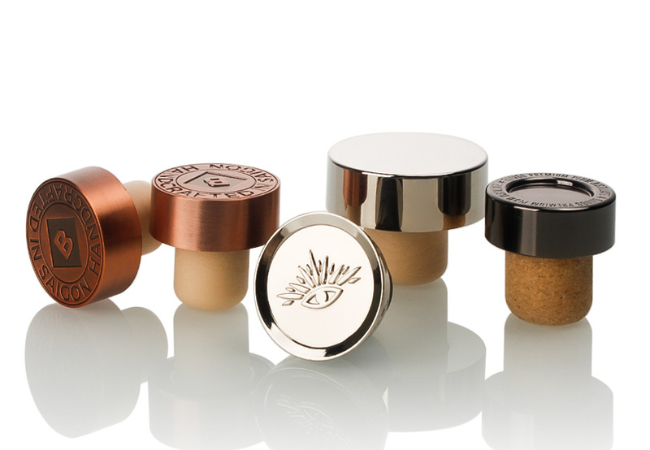
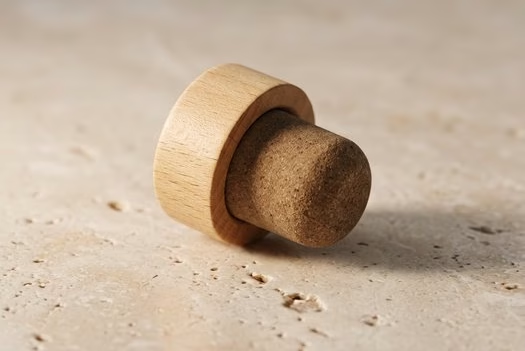
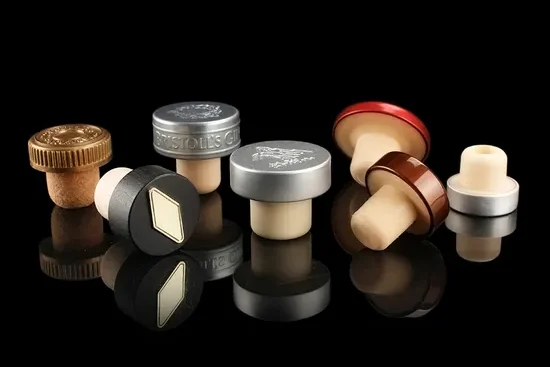
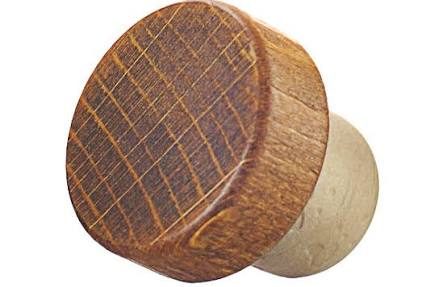
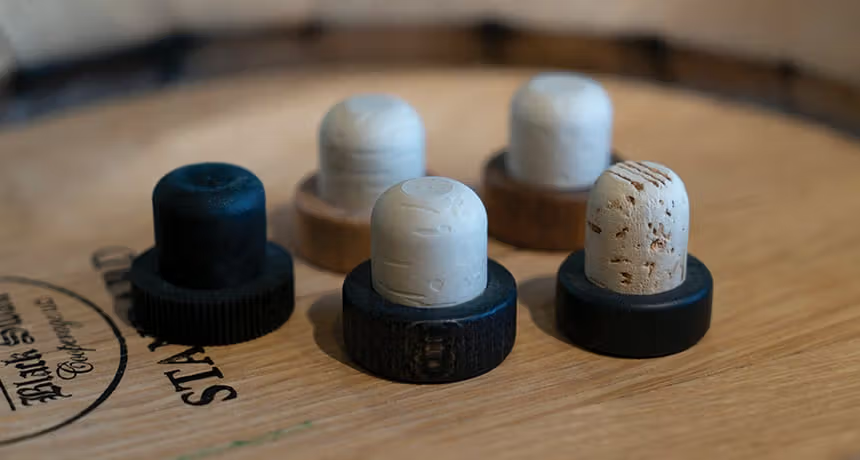
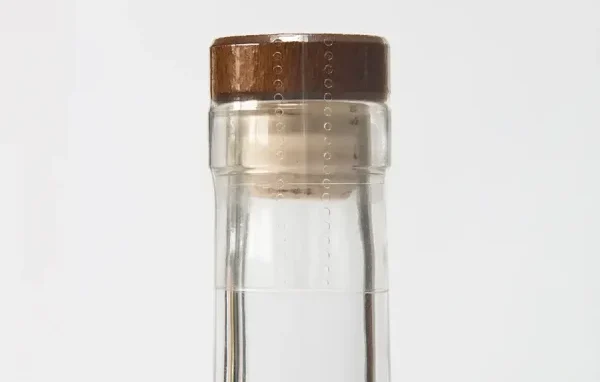
For spirits packaging, the most common premium stopper format is the bar-top stopper, also called a T-top stopper. It normally combines a cork or synthetic shank with a decorative top made from wood, plastic, aluminum, zinc alloy, glass, ceramic, or composite material.
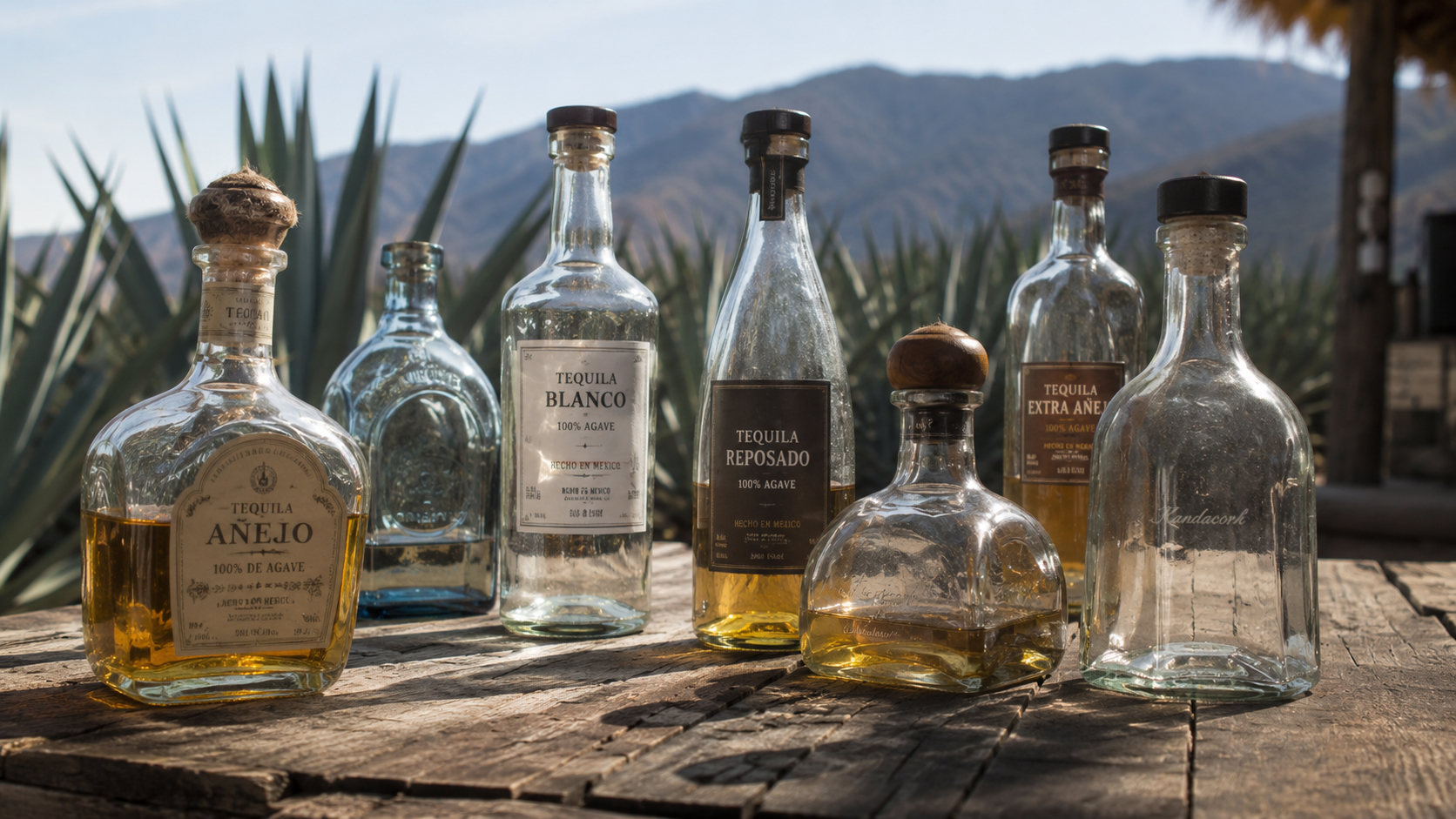
Bottle stoppers are especially popular in whiskey, bourbon, rum, tequila, brandy, cognac, gin, and liqueur packaging because they create a more premium opening experience than a basic cap.
Bottle Closures vs Bottle Stoppers: Quick Comparison
The key difference between bottle closures vs bottle stoppers is scope. A closure is the full category of sealing components. A stopper is one closure style that plugs into the bottle opening.
| Comparison Point | Bottle Closures | Bottle Stoppers |
|---|---|---|
| Basic meaning | Broad term for any bottle sealing component | Specific closure inserted into the bottle opening |
| Sealing method | Threading, crimping, snapping, pressing, lining, or plugging | Compression or friction inside the bottle neck |
| Common examples | Screw caps, ROPP caps, crown caps, dispensing caps, cork closures | Cork stoppers, synthetic stoppers, bar-top stoppers, glass stoppers |
| Best use cases | High-speed lines, threaded bottles, tamper-evident packaging, mass-market beverages | Premium spirits, decanters, craft bottles, gift packaging |
| Main buyer concern | Closure system compatibility | Stopper-to-bottle fit |
| Key technical factors | Neck finish, cap torque, liner, thread, tamper band | Bore diameter, shank diameter, insertion force, extraction force |
| Branding value | Good to excellent depending on design | Often excellent because of tactile and visual impact |
| Typical risk | Poor torque, liner mismatch, thread incompatibility, tamper-band failure | Loose fit, difficult insertion, cork breakage, leakage |
For spirits buyers, the better question is not whether one is universally better. The better question is which sealing system fits the bottle, liquid, filling line, compliance requirements, brand position, and customer experience.
Closure vs Stopper: Which Is Better for Spirits Bottles?
A closure is usually better for spirits bottles when the project requires production speed, consistent application, tamper evidence, and compatibility with threaded neck finishes.
A stopper is usually better for spirits bottles when the project requires premium shelf appeal, reusable presentation, and a memorable opening experience.
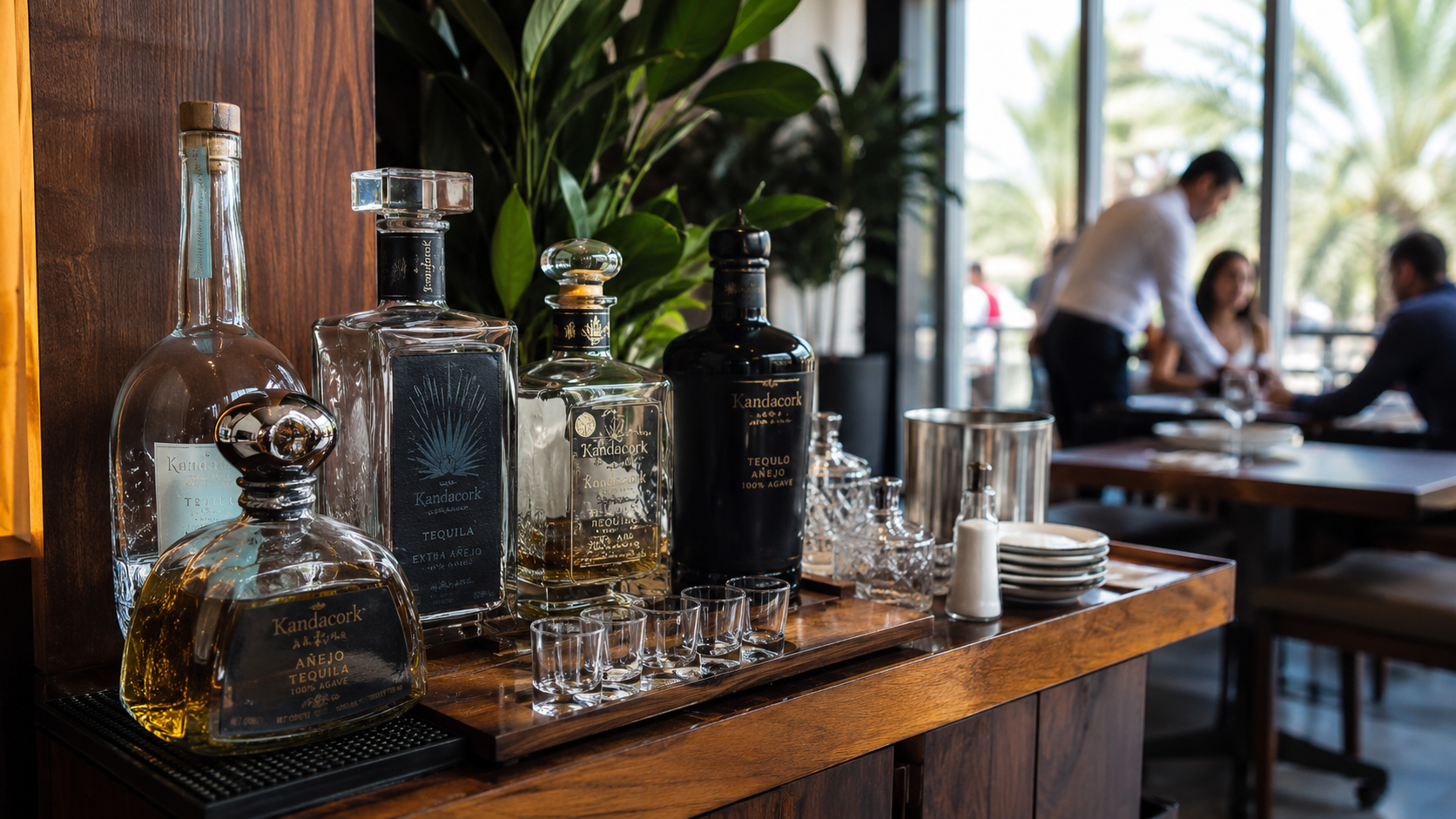
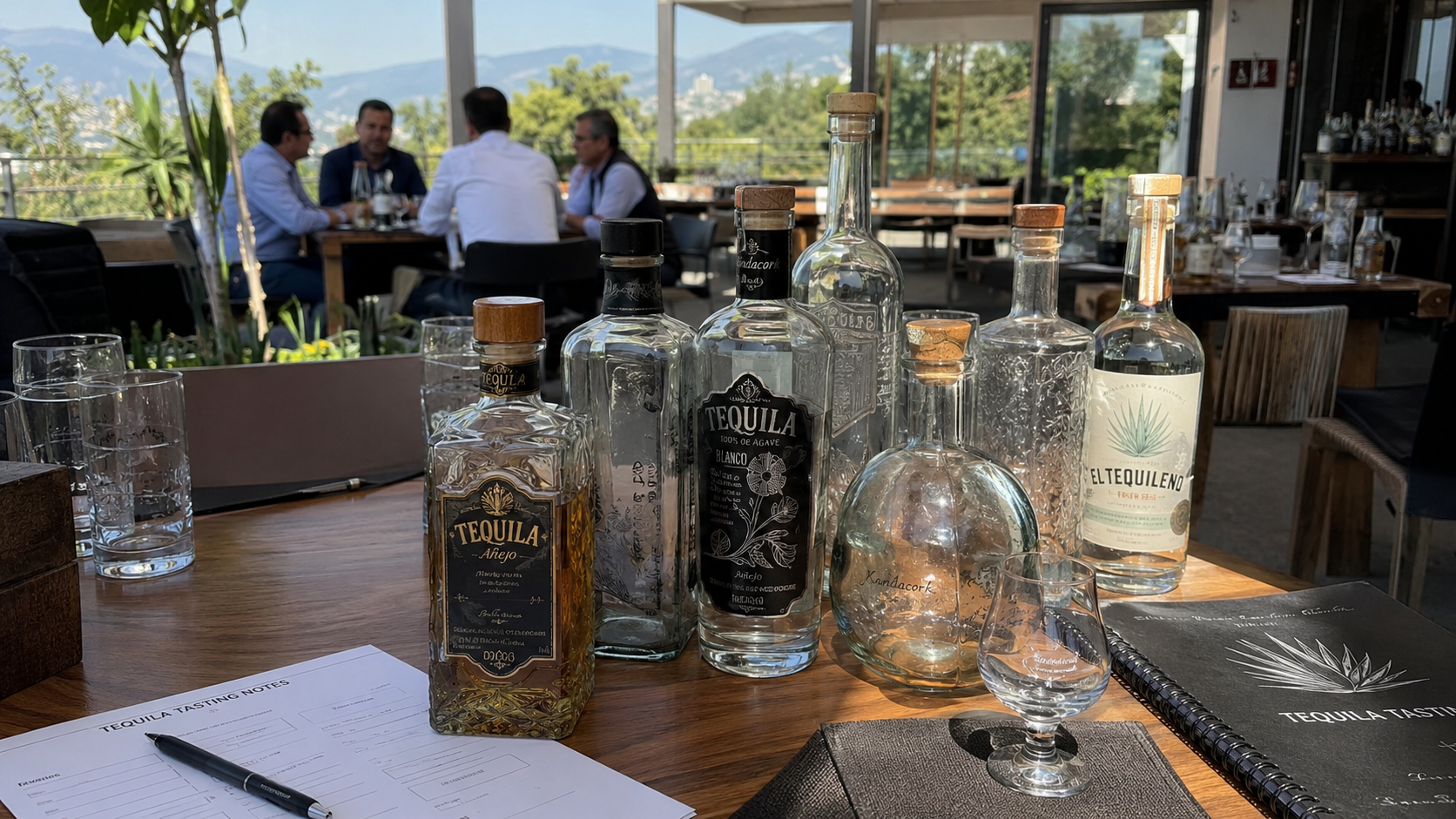
Many premium spirits brands use both concepts together. A whiskey bottle may use a custom bar-top stopper for brand experience and a tamper-evident capsule for security. A rum brand may use a cork stopper for heritage positioning, while a high-volume vodka brand may use a ROPP closure for automated capping and consistent application. For brands developing the glass bottle and closure together, working from a complete bottle structure through Kandacork Spirits can help align bottle shape, neck finish, closure selection, and premium positioning earlier in the project.
| Buyer Scenario | Recommended Option | Why It Works |
|---|---|---|
| Premium whiskey or bourbon | Bar-top stopper | Strong tactile feel and luxury shelf presentation |
| High-volume vodka | ROPP closure or screw cap | Efficient automated application and consistent resealing |
| Craft gin launch | Custom wood-top stopper | Distinctive natural look and strong brand identity |
| Aged rum | Cork or bar-top stopper | Heritage feel and premium opening experience |
| Gift decanter | Glass stopper | Reusable, decorative, and visually premium |
| Export spirits bottle | Tamper-evident closure system | Supports security and market compliance planning |
| Liqueur bottle | Tested cap or stopper | Helps manage sugar residue, aroma, and resealing needs |
| Ready-to-drink beverage | Screw cap or crown cap | Practical, efficient, and familiar to consumers |
This decision table connects bottle closures vs bottle stoppers to real packaging scenarios, helping buyers move from general comparison to practical sourcing.
When Should You Choose a Standard Bottle Closure?
Choose a standard bottle closure when your priority is technical consistency, production speed, and secure application.
Screw caps and ROPP closures are common for beverage brands that need reliable performance on filling lines. They can be suitable for vodka, gin, rum, liqueurs, low-alcohol beverages, syrups, oils, and specialty liquids.
A standard closure may be the better choice when the bottle has a threaded neck finish, the product needs tamper-evident packaging, the production line uses automated capping, the brand requires torque control, or the package must support fast opening and reclosing.
ROPP closures are widely used in spirits packaging because they can provide a clean appearance, controlled application, and tamper-evident functionality. For projects that need pilfer-proof behavior, liner control, and brandable cap graphics, custom ROPP closures can be engineered around the glass finish, skirt height, torque range, and capping-line setup.
For commercial buyers, the most important technical checks include neck finish, closure diameter, thread profile, liner type, application torque, removal torque, tamper-band behavior, and filling-line compatibility.
When Should You Choose a Bottle Stopper for Premium Spirits?
Choose a bottle stopper when the packaging must communicate quality before the customer tastes the product.
Bar-top stoppers, cork stoppers, synthetic stoppers, and glass stoppers are widely used in premium spirits because they create a more distinctive sensory experience. The customer touches the stopper, feels the resistance, hears the opening sound, and sees the closure on the bottle after every use.
A bottle stopper may be the better choice when the product is positioned as premium, craft, or luxury; the bottle is designed for display or gifting; the brand wants a reusable opening experience; or the closure should match a custom bottle shape.
Wood-top stoppers can suggest craft, warmth, and authenticity. Metal-top stoppers can suggest weight, durability, and modern premium design. Glass stoppers can create a decanter-style effect. Synthetic cork shanks can improve dimensional consistency, while natural cork can support a traditional packaging story.
In bottle closures vs bottle stoppers comparisons, stoppers usually win on emotional value and premium presentation. Standard closures usually win on line speed, cost efficiency, and tamper-evident convenience.
Best Bottle Closures and Stoppers by Spirits Type
Different spirits categories have different packaging expectations. The closure should support the liquid, price tier, bottle shape, and brand identity.
Whiskey and Bourbon
Whiskey and bourbon often use bar-top stoppers because they match premium, heritage, and craft positioning. Wood, metal, and weighted tops pair well with heavy-base bottles and textured labels. Natural cork can support a traditional look, while synthetic cork can provide more consistent dimensions.
Rum
Rum packaging ranges from classic cork stoppers to modern screw caps. Aged rum, dark rum, and gift-pack rum often benefit from wood-top or metal-top stoppers. High-volume rum products may use ROPP closures or screw caps for convenience and production efficiency.
Gin
Gin brands often use closures as part of visual identity. Botanical gin, craft gin, and limited-edition gin bottles can pair well with wood, glass, aluminum, or custom-color tops. A custom bottle stopper can reinforce a natural, experimental, or premium brand image.
Vodka
Vodka brands often prefer clean, precise packaging. ROPP closures, screw caps, and sleek bar-top stoppers can all work depending on market position. Minimalist metal, plastic, or synthetic-top closures often match vodka’s modern shelf language.
Tequila and Mezcal
Tequila and mezcal packaging often uses distinctive stoppers, especially in premium and artisanal segments. Cork, wood, ceramic, glass, and custom-molded tops can support origin, craftsmanship, and authenticity.
Brandy and Cognac
Brandy and cognac bottles often benefit from premium stopper designs, especially glass, wood, and metal-top options. The closure should complement the bottle weight, label finish, and gift-box presentation.
Liqueurs
Liqueurs may require additional testing because sugar content, colorants, flavor compounds, and viscosity can affect the neck area and closure performance. A cap or stopper should be tested for sealing, staining, aroma interaction, and ease of cleaning during filling.
Material Comparison for Custom Bottle Closures and Stoppers
Material choice affects appearance, sealing behavior, cost, sustainability positioning, and consumer perception.
Natural cork offers tradition, elasticity, and a recognized premium story. It is strongly associated with wine, spirits, and heritage packaging. However, natural variation means buyers should manage quality, dimensions, moisture, and sensory performance.
Synthetic cork provides dimensional consistency and predictable compression. It is often useful for spirits brands that need repeatable stopper performance across larger production runs.
Glass stoppers create a luxury decanter-style appearance. They are reusable and visually elegant, but they require precise bottle compatibility and careful fit testing. For limited editions, decanter-style bottles, and collectible packaging, custom glass stoppers can help create a refined closure experience that remains visible long after the bottle is opened.
Metal tops, including aluminum and zinc-alloy options, provide weight, durability, and a modern premium finish. They are often used for whiskey, vodka, tequila, and luxury spirits packaging. Buyers who want a heavier tactile impression can compare custom metal stoppers for flagship spirits, limited editions, and higher-value gift packs.
Plastic tops offer color flexibility, cost control, and lightweight performance. They can be useful for mid-market spirits, promotional bottles, and brands that need design flexibility at scale.
When comparing bottle closures vs bottle stoppers, the material should be selected according to product compatibility, brand positioning, production requirements, and customer expectations.
Bottle Stopper Fit and Closure Sizing Guide
The most common sourcing mistake is selecting a closure by appearance before confirming technical fit.
For bottle stoppers, buyers should check bottle bore diameter, neck inner diameter, stopper shank diameter, stopper shank length, stopper top diameter, insertion force, extraction force, seal compression, leakage resistance, alcohol compatibility, and transport stability.
For threaded bottle closures, buyers should check neck finish standard, thread profile, closure diameter, liner type, application torque, removal torque, tamper-band performance, capping-head compatibility, and filling-line speed.
A bottle drawing is more reliable than a photo. Physical bottle samples are even better. Before mass production, closure samples should be tested with actual bottles under realistic filling, storage, temperature-cycle, and transport conditions.
A properly fitted stopper should feel secure without being difficult to remove. A properly applied cap should seal consistently without over-torque, thread damage, or liner failure.
Need help confirming closure fit? Send your bottle drawing, bore diameter, neck finish, product type, ABV, filling method, and target market through the custom closure quote page. This allows the closure team to compare stopper sizes, closure materials, decoration options, and sample requirements before production.
Closure and Stopper Performance Factors That Affect Product Quality
A closure or stopper must do more than complete the bottle design. It must protect the liquid from filling to final use.
Important performance factors include airtight sealing, leak resistance, oxidation control, evaporation control, aroma preservation, alcohol resistance, flavor compound compatibility, moisture resistance, temperature-cycle performance, vibration resistance during transport, and consumer opening experience.
For spirits, alcohol by volume matters. A closure material that works for water or syrup may not automatically be suitable for high-ABV products. Buyers should ask suppliers about food-contact suitability, alcohol resistance, and prior use in similar beverage categories. In the United States, the FDA food-contact materials guidance is an important reference for substances used in packaging that may contact food or beverages.
Extraction force is also important. If a stopper is too loose, the customer may question product safety. If it is too tight, the bottle may feel inconvenient or risky to open. Premium spirits packaging should feel secure, controlled, and satisfying.
Common Mistakes When Choosing Bottle Closures or Stoppers
Many packaging problems begin before production because the closure is selected too late or judged only by appearance.
A common mistake is choosing a stopper because it looks premium without confirming bottle bore diameter, shank diameter, insertion force, and leakage resistance. A stopper that looks right in a product rendering may not perform correctly on the actual bottle.
Another mistake is ignoring the neck finish. Threaded caps, ROPP closures, cork-mouth bottles, and stopper-compatible necks are not interchangeable. The closure must match the bottle specification.
Some brands confirm decoration before confirming performance. Logo engraving, hot stamping, color matching, and metal finishing should come after the basic closure structure has been tested. When brands need coordinated decoration across stoppers, capsules, labels, and secondary packaging, Kandacork Decor can help align the visible packaging system before final production.
High-ABV spirits require extra care. Buyers should not assume that a material suitable for water, syrup, or cosmetics will automatically be suitable for whiskey, rum, vodka, tequila, or liqueur.
Skipping transport testing is also risky. A closure may seal well in a sample room but fail under vibration, temperature variation, warehouse handling, or export shipping.
Tamper-evident planning should not be left until the end. Some spirits projects require tamper-evident bands, capsules, shrink sleeves, tear strips, non-refillable inserts, or other security systems depending on the market.
Compliance and Safety Considerations for Spirits Closures
Packaging buyers should treat closures and stoppers as product-contact components, not only as decorative accessories.
Important compliance and safety topics may include food-contact material suitability, tamper-evident packaging requirements, supplier declarations, migration testing where applicable, batch traceability, quality inspection records, export-market documentation, and packaging safety under transport conditions.
For distilled spirits entering the U.S. market, the Alcohol and Tobacco Tax and Trade Bureau provides requirements and guidance that can affect packaging decisions, including tamper-evident closure expectations. Buyers can review relevant public information through the TTB distilled spirits packaging guidance when planning market-ready closure systems.
For brands selling into the European Union, food-contact material principles also matter. Packaging should not transfer substances to the product in a way that endangers health, changes composition, or affects taste and odor. The European Commission food contact materials framework is a useful reference when evaluating packaging materials for EU markets.
Technical organizations also help packaging teams evaluate closure systems more professionally. Bottling engineers and quality teams can consult CETIE technical guidance for packaging, bottling, and closure-related reference materials.
The safest approach is to confirm the sales market before finalizing the closure. Domestic sales, export sales, travel retail, and private-label projects may require different documentation and packaging controls.
Branding and Customization Opportunities
Bottle closures and bottle stoppers are small components with major branding power.
Customization options include laser-etched wood tops, embossed logos, debossed logos, hot stamping, pad printing, metal plating, matte finishes, gloss finishes, color matching, custom molded tops, glass or crystal-style decorative tops, and natural cork or synthetic shank selection.
The closure should match the bottle shape, label material, capsule, carton, and price tier. A heavy premium bottle with a low-quality closure can create a mismatch. A refined stopper on a simple bottle can elevate the entire package. Buyers who need coordinated logo placement, sidewall design, colors, finishes, and packaging consistency can explore custom branding for spirits closures before locking the final specification.
For premium spirits, the opening experience is part of the product experience. The customer touches the closure before tasting the liquid. That makes the closure a physical brand signal, not just a functional part.
Cost, MOQ, and Lead-Time Considerations
The cost of bottle closures vs bottle stoppers depends on structure, material, decoration, order quantity, tooling, quality requirements, and production complexity.
Stock closures are faster and more cost-effective. They are suitable for pilot runs, smaller brands, seasonal launches, and projects with shorter timelines.
Custom bottle closures and custom bottle stoppers offer stronger brand differentiation but may require tooling, artwork confirmation, sample approval, and longer production planning. A custom wood-top stopper, metal-top stopper, glass stopper, or molded decorative closure can improve shelf impact, but buyers should plan early.
Important cost factors include closure material, cork or synthetic shank type, top material, decoration method, tooling requirement, MOQ, packaging method, testing requirement, export logistics, and sample approval process.
For a new spirits brand, a practical approach is to start with a proven closure structure and customize the visible top. This balances reliability, cost control, and brand identity. For larger programs that also require bottle sourcing, structural alignment, and group-level project coordination, Kandacork Glass can support integrated packaging planning across bottle, closure, decoration, and export supply.
Sustainability: Which Option Supports Your Brand Story?
Sustainability should be specific, measurable, and connected to real packaging performance.
Natural cork can support a renewable-material story. Glass can support reuse and recycling narratives. Metal closures may support recyclability depending on local recycling systems. Synthetic materials may support consistency and waste reduction when they reduce leakage, spoilage, or rejected batches.
No closure material is automatically the best choice for every brand. The most responsible option depends on product protection, recyclability, transport weight, material separation, supplier practices, and end-market recycling infrastructure. For glass packaging, the Glass Packaging Institute offers useful industry context on glass packaging and recycling.
A sustainable-looking closure that fails during transport is not sustainable in practice. Product loss, returns, leakage, and damaged packaging can erase material-level benefits. Performance and sustainability should be evaluated together.
Brands that need complete bottle and closure planning for reusable, recyclable, or lower-impact packaging concepts can also coordinate glass structure and closure compatibility through Kandacork Glass Packaging.
Buyer Checklist: How to Choose the Right Bottle Closure or Stopper
Before requesting a quote, prepare the following information:
- Product type
- Alcohol by volume or formula
- Bottle drawing
- Bottle neck finish
- Bore diameter
- Fill volume
- Filling method
- Target market
- Tamper-evidence requirement
- Desired closure or stopper material
- Desired top style
- Brand price tier
- Decoration requirements
- Estimated order quantity
- Testing requirements
- Launch timeline
This information helps the supplier recommend a closure or stopper that fits both technical and commercial goals.
For bottle closures vs bottle stoppers, the strongest buying process begins with fit, then performance, then appearance. Design matters, but the closure must first work with the bottle and product.
Custom Bottle Closures and Stoppers from Kandacork Closures
Kandacork Closures supports brands that need more than an off-the-shelf cap. For spirits, beverage, and specialty packaging projects, the right closure must balance sealing performance, brand identity, compliance needs, and production practicality.
Kandacork Closures can help buyers compare cork stoppers, synthetic stoppers, bar-top closures, wood-top stoppers, metal-top stoppers, glass stoppers, screw caps, ROPP closures, capsules, and other custom bottle closures based on bottle type, product formula, target market, and premium positioning.
Buyers can request support for bottle closure selection, stopper sizing review, cork and synthetic shank comparison, wood, metal, plastic, glass, or decorative top options, custom logo decoration, sample development, fit testing guidance, and bulk production planning.
For the most accurate recommendation, provide bottle drawings, bottle samples, product details, ABV, target market, annual volume, reference images, and customization goals. A well-selected closure protects the product, supports the brand, and creates a better customer experience from first opening to final pour.
FAQs
Are bottle closures and bottle stoppers the same?
No. A bottle closure is the broader category. A bottle stopper is one type of closure that seals by fitting into the bottle opening.
What is the difference between a closure and a stopper?
A closure can be any bottle sealing system, including a screw cap, ROPP closure, crown cap, cork closure, or dispensing cap. A stopper specifically plugs into the bottle neck or bore.
Is a cork stopper considered a bottle closure?
Yes. A cork stopper is considered a bottle closure because it seals the bottle and helps protect the contents.
Which is better for premium spirits: screw cap or bar-top stopper?
A bar-top stopper is often better for premium spirits when the brand wants a stronger tactile and visual experience. A screw cap or ROPP closure may be better for speed, convenience, and tamper-evident functionality.
What is the best stopper for whiskey bottles?
Many whiskey brands use bar-top stoppers with natural cork or synthetic cork shanks. Wood and metal tops are popular because they match the premium look of heavy-base whiskey bottles.
What is a T-top stopper?
A T-top stopper is a stopper with a shank that enters the bottle neck and a wider decorative top that remains above the bottle opening. It is commonly used for spirits packaging.
Are bar-top stoppers suitable for rum and gin?
Yes. Bar-top stoppers are suitable for many rum and gin bottles, especially premium, craft, and gift packaging. The final choice should be confirmed through fit and leakage testing.
How do I know what stopper size I need?
Measure the bottle bore diameter and confirm the required shank diameter, shank length, insertion force, and extraction force. Physical sample testing is strongly recommended before mass production.
Do spirits bottles need tamper-evident closures?
Many markets require tamper-evident protection for distilled spirits. This may be built into the closure or added through capsules, shrink bands, tear strips, or similar devices.
Are synthetic cork stoppers better than natural cork?
Synthetic cork stoppers are often more dimensionally consistent, while natural cork offers tradition and a renewable-material story. The better choice depends on brand positioning, sealing requirements, and budget.
Can glass stoppers be used for spirits bottles?
Yes. Glass stoppers can be used for spirits bottles, especially for premium decanter-style packaging. They require precise bottle compatibility and should be tested for fit, sealing, transport, and usability.
Can Kandacork Closures customize bottle stoppers?
Yes. Kandacork Closures can support custom bottle stoppers with different top materials, cork or synthetic shanks, logo decoration, color matching, and premium finishing options.
What information should I provide when requesting a custom closure quote?
Provide bottle drawings, neck finish, bore diameter, product type, ABV, target market, order quantity, desired material, decoration requirements, reference images, and launch timeline.
Conclusion
The choice between bottle closures vs bottle stoppers affects more than packaging vocabulary. It influences sealing performance, compliance planning, production efficiency, sustainability claims, shelf appeal, and customer perception.
For high-speed, tamper-evident, or threaded-neck applications, a standard bottle closure may be the best solution. For premium spirits, craft branding, gifting, and decanter-style packaging, a bottle stopper may create a stronger customer experience.
The right decision starts with the bottle, product, target market, and brand goal. Kandacork Closures helps packaging buyers turn those requirements into a closure solution that performs reliably, looks distinctive, and supports a stronger shelf presence.
To choose the right custom bottle closure or stopper, share your bottle drawing, neck finish, product type, ABV, target market, order quantity, and preferred design direction. The right closure should protect the product, fit the bottle, support production, and strengthen the brand from first opening to final pour.