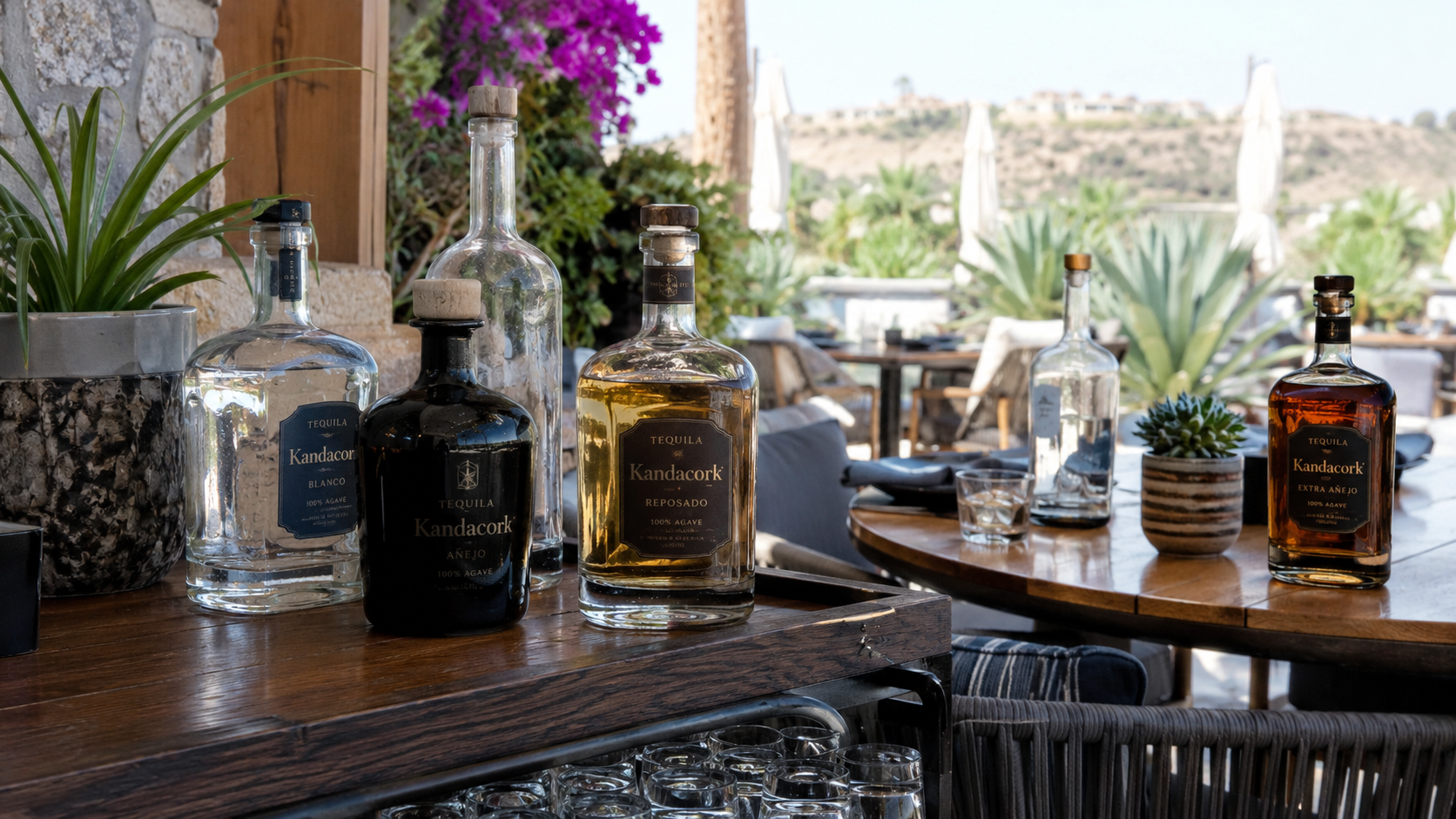
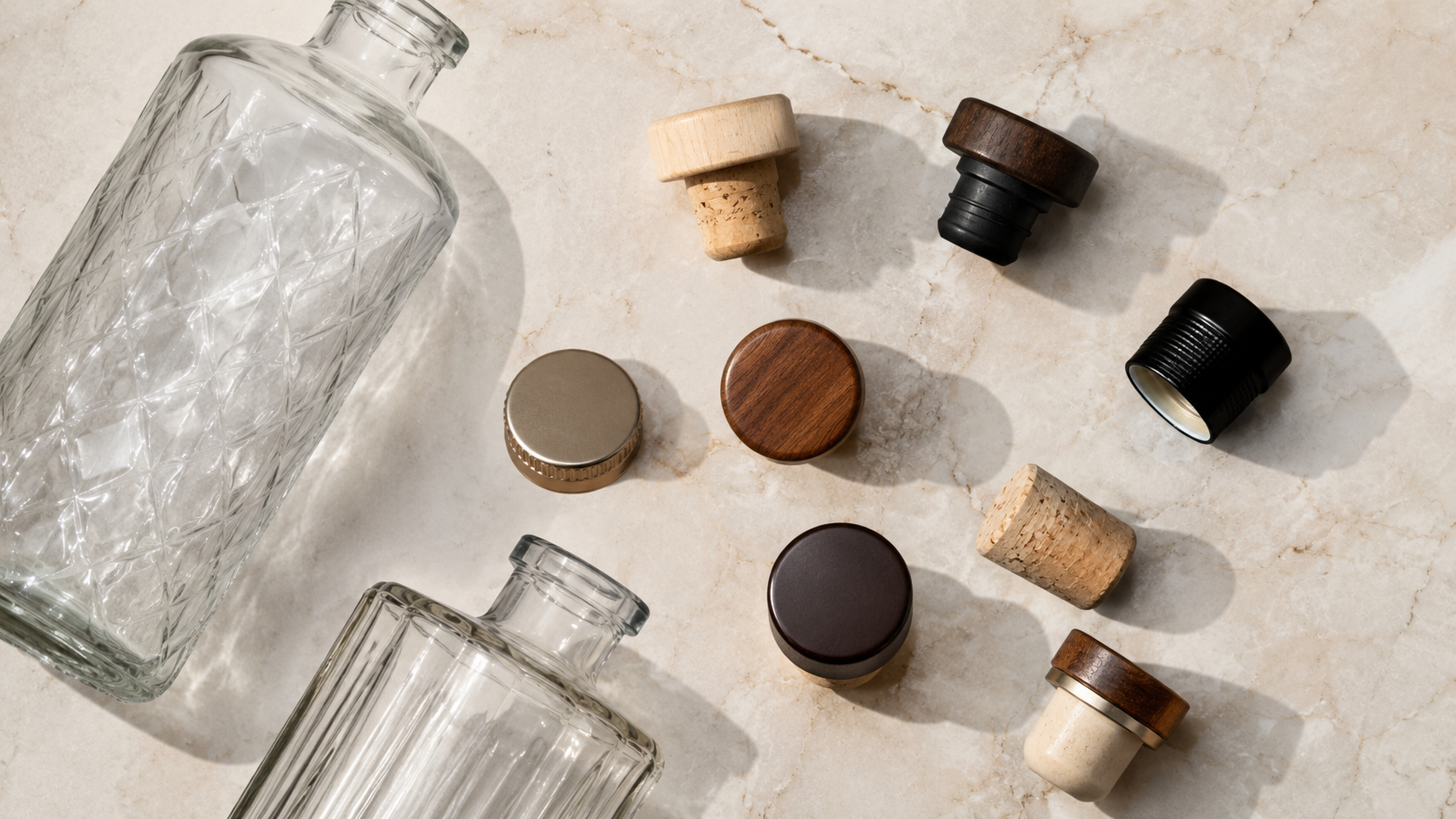
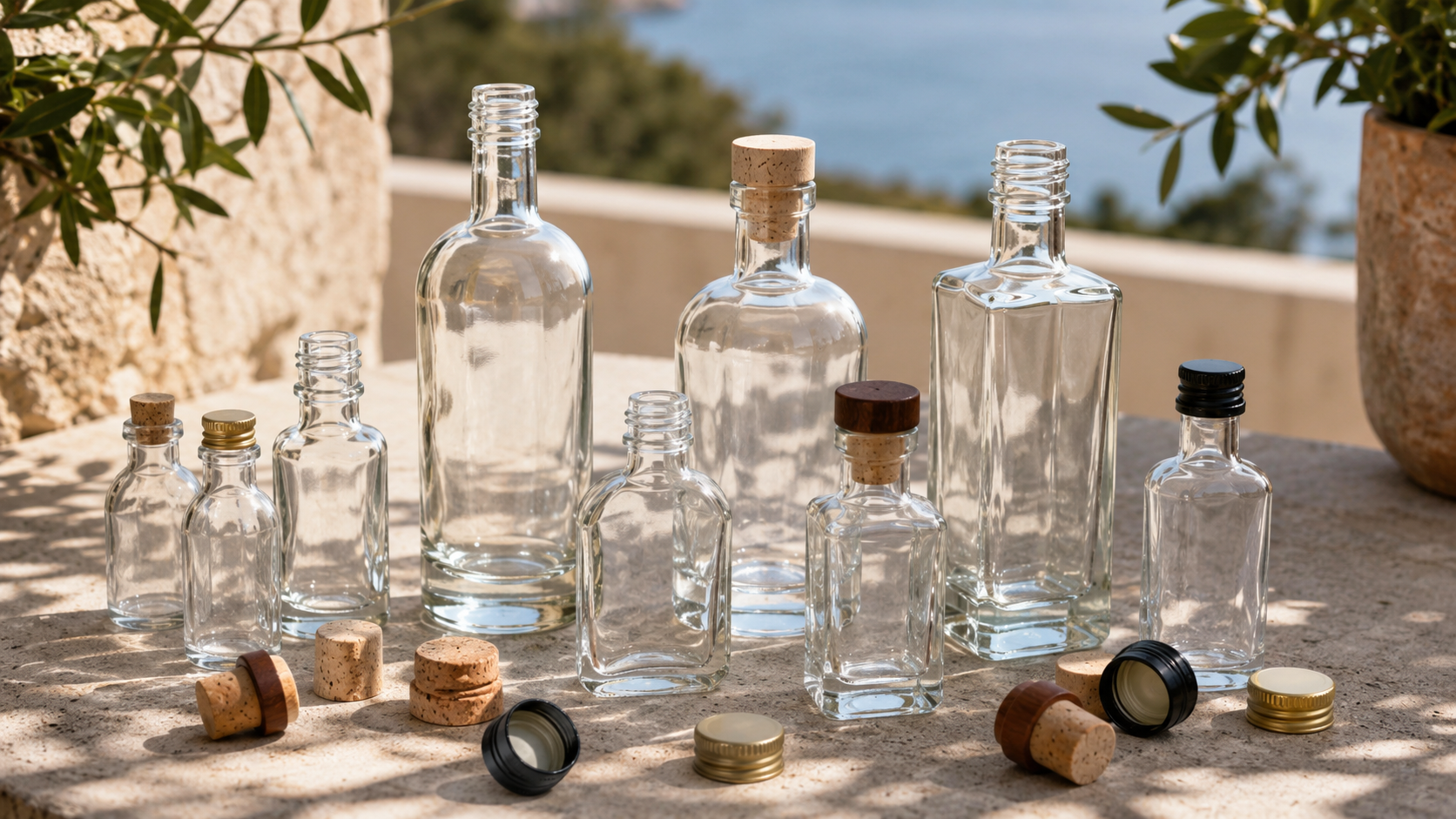
Glass stopper design should support the bottle shape, brand style and handling experience. This guide introduces practical design ideas for premium bottle projects while explaining fit, clarity, logo detail, safety and packing considerations.
What Makes a Strong Glass Stopper Design?
A strong glass stopper design balances appearance, function, and manufacturability. It should match the bottle silhouette, reinforce the product category, provide enough grip, and fit the neck consistently.
For example, a whisky bottle may need a heavy faceted stopper that feels substantial in the hand. A gin bottle may need a clear or frosted stopper that supports botanical freshness. A fragrance bottle may need a sculptural stopper with precise polish and elegant proportion. A corporate gift bottle may need a flat-top stopper that carries a logo, crest, or medallion.
Before selecting a design, buyers should answer five practical questions:
Does the stopper match the bottle shape and shoulder line?
Is the head size balanced with the bottle body?
Can the logo be applied clearly and durably?
Does the insert match the bottle neck diameter and height?
Will the stopper survive filling, packing, shipping, and repeated opening?
Good glass stopper design ideas begin with creative direction, but they must end with a closure that can be sampled, tested, approved, and produced.
Why Glass Stoppers Matter in Premium Packaging
A glass stopper is one of the first packaging details customers touch. It influences opening experience, perceived value, shelf impact, and brand memory.
In premium packaging, this matters because customers often judge quality before they experience the liquid or formula. A clear crystal-style stopper can suggest purity. A coloured stopper can identify flavour or collection. A faceted stopper can catch light in a retail display. A medallion-style stopper can make a bottle feel like a reserve edition.
Glass is also valued because it feels solid, clean, and permanent. It pairs naturally with premium bottles and can support both modern and heritage design languages. The Glass Packaging Institute also highlights glass as a recyclable packaging material, which supports brands looking for durable, premium, and more responsible packaging choices.
Glass Stopper Design Ideas by Shape
Round Glass Stoppers
Round glass stoppers are classic and versatile. They work well for wine, liqueur, rum, brandy, fragrance, cosmetics, and gift bottles.
A round stopper gives a smooth grip and soft visual balance. It is a safe choice when the bottle already has a strong silhouette or decorative label. The shape can be clear, frosted, coloured, engraved, or printed.
Round glass stopper design ideas are especially useful for brands that want elegance without excessive complexity.
Square Glass Stoppers
Square glass stoppers create a modern and architectural look. They pair well with square-shouldered bottles, straight-sided spirits bottles, minimalist vodka bottles, premium gin bottles, and contemporary tequila packaging.
The flat surfaces provide useful space for laser engraving, sandblasting, colour printing, embossing, debossing, or metal medallion placement. Square stoppers also create strong top-shelf presence because their geometry is easy to recognize from the front, side, and top.
When using a square stopper, corner comfort is important. Edges should be polished so the stopper feels premium rather than sharp.
Faceted and Diamond-Style Glass Stoppers
Faceted glass stoppers are designed to reflect light. They are ideal for luxury spirits, reserve editions, decanter-style bottles, gift packs, and collectible packaging.
A faceted stopper can make the bottle look more expensive in retail lighting and product photography. The design works well for whisky, brandy, rum, tequila, liqueur, and fragrance.
The main consideration is production complexity. More facets can increase moulding, polishing, inspection, and packing requirements. A faceted stopper should feel refined, not fragile.
Globe Glass Stoppers
Globe glass stoppers create a soft and elegant impression. They are comfortable to grip and work well for botanical spirits, fragrance bottles, liqueurs, wellness-inspired packaging, and gift products.
A globe stopper can soften a tall or angular bottle. It can also make a design feel more approachable than a heavy square or diamond shape.
This is one of the most useful glass stopper design ideas when the brand wants a premium but gentle visual language.
Flat-Top Glass Stoppers
Flat-top glass stoppers are ideal for visible branding. The top surface can carry a logo, initials, collection name, limited-edition number, crest, or medallion.
This design is useful for corporate gifts, premium spirits, duty-free packs, and private-label projects where brand recognition matters from the top of the bottle. It can also help with gift box clearance because the height is easier to control than tall sculptural forms.
Custom-Shaped Glass Stoppers
Custom-shaped glass stoppers are suitable when the closure needs to become part of the brand identity. A custom design may reference a logo, botanical ingredient, cultural symbol, region, animal, geometric motif, or heritage story.
This approach can make a bottle more memorable, especially for limited editions or flagship products. However, custom shapes should be reviewed carefully for strength, hand feel, decoration area, mould complexity, and shipping protection.
Glass Stopper Finish Ideas
Clear Crystal-Style Glass
Clear glass communicates purity, clarity, and luxury. It works with almost any bottle colour and label style.
This finish is especially useful for vodka, gin, fragrance, minimalist spirits packaging, and premium bottles that rely on transparency and light reflection.
Frosted Glass
Frosted glass creates a soft matte effect. It suits botanical gin, vodka, perfume, cosmetics, spa products, and understated luxury brands.
Frosting can also make the stopper feel more refined when the bottle uses a matte label, soft-touch coating, or natural colour palette.
Coloured Glass
Coloured glass stoppers help separate products within a range. They can communicate flavour, season, edition, or category.
Green may support botanical gin. Amber or smoke grey can match aged whisky, rum, or brandy. Blue, pink, or translucent colour effects can work well for fragrance and cosmetics.
Coloured glass stopper design ideas are especially effective when the bottle body is clear and the brand needs a strong accent.
Textured Glass
Textured glass can add grip, depth, and visual movement. Options include ribs, ridges, grooves, facets, raised patterns, and geometric cuts.
Texture should be used with purpose. It can improve shelf impact, but overly detailed surfaces may make decoration harder or increase inspection requirements.
Stopper Design Comparison
| Stopper design | Best use case | Branding option | Main advantage | Key consideration |
|---|---|---|---|---|
| Round glass stopper | Wine, rum, liqueur, fragrance, gifts | Engraving, printing, colour | Classic and versatile | May feel too simple for bold luxury launches |
| Square glass stopper | Vodka, gin, tequila, modern spirits | Engraving, medallion, embossing | Clean premium geometry | Corners need comfortable polishing |
| Faceted stopper | Whisky, brandy, reserve editions | Engraving, moulded detail | Strong light reflection | More complex polishing and inspection |
| Globe stopper | Botanical spirits, perfume, gifts | Sandblasting, colour, printing | Soft hand feel | Less flat logo space |
| Flat-top stopper | Corporate gifts, limited editions | Logo engraving or medallion | Strong top branding | Must match bottle proportion |
| Custom-shaped stopper | Flagship bottles, collector packs | Custom moulding, embossing | High memorability | Requires tooling review |
Branding Methods for Custom Glass Stoppers
Logo application should match the stopper shape, glass finish, artwork detail, and price tier.
Laser engraving is suitable for fine logos, initials, serial numbers, and limited-edition marks. It creates a permanent effect and works especially well on flat, square, or gently curved surfaces.
Sandblasting creates a frosted mark on the glass. It is useful for subtle luxury branding and works well when the brand wants a soft, understated look.
Colour printing is suitable when the brand identity depends on specific colours. It can help with flavour coding, collection marking, and bolder visual systems.
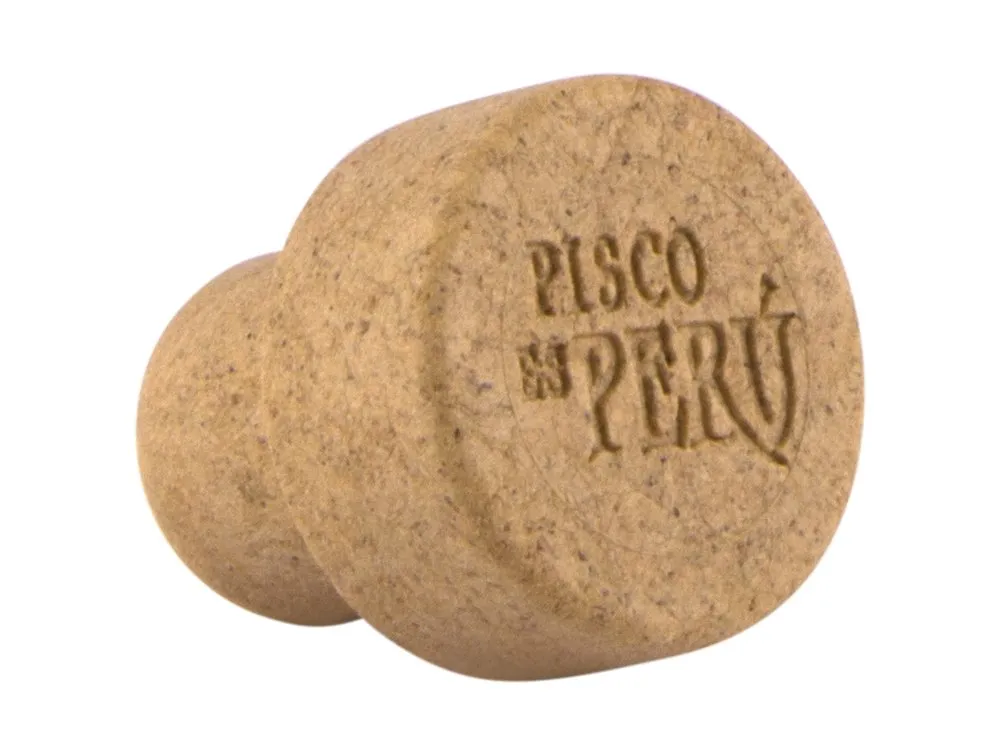
Embossing and debossing create tactile detail through the mould. These methods are useful for heritage brands and premium packs where the closure should feel custom even without extra decoration.
Metal medallions can create a high-end top seal. They are strong options for whisky, rum, brandy, tequila, corporate gifting, and reserve editions.
For projects that need coordinated bottle surfaces, caps, labels, and stopper finishes, custom bottle decoration support can help align the entire pack rather than treating the stopper as an isolated part.
Choosing the Right Glass Stopper for Each Product
Whisky and Bourbon
Whisky and bourbon usually benefit from stoppers that feel substantial. Faceted, square, round, and medallion-style glass stoppers are strong options because they add weight, reflection, and a ceremonial opening feel.
For reserve or gift editions, the stopper can reinforce maturity and value. For more modern whisky brands, a square or flat-top stopper may feel cleaner than a traditional rounded closure.
Gin
Gin packaging often uses botanical, transparent, colourful, or artistic design language. Clear, frosted, green, globe, square, and botanical-inspired stoppers work well.
The stopper should not compete with botanical labels or illustrated ingredients. Instead, it should echo the freshness, clarity, and craft character of the gin.
Vodka
Vodka packaging often communicates purity, coldness, clarity, and minimalism. Clear, frosted, tall, square, or ice-like faceted stoppers are suitable choices.
A simple clear stopper can support a clean premium look. A frosted stopper can create a cold visual effect that feels natural for vodka.
Tequila and Mezcal
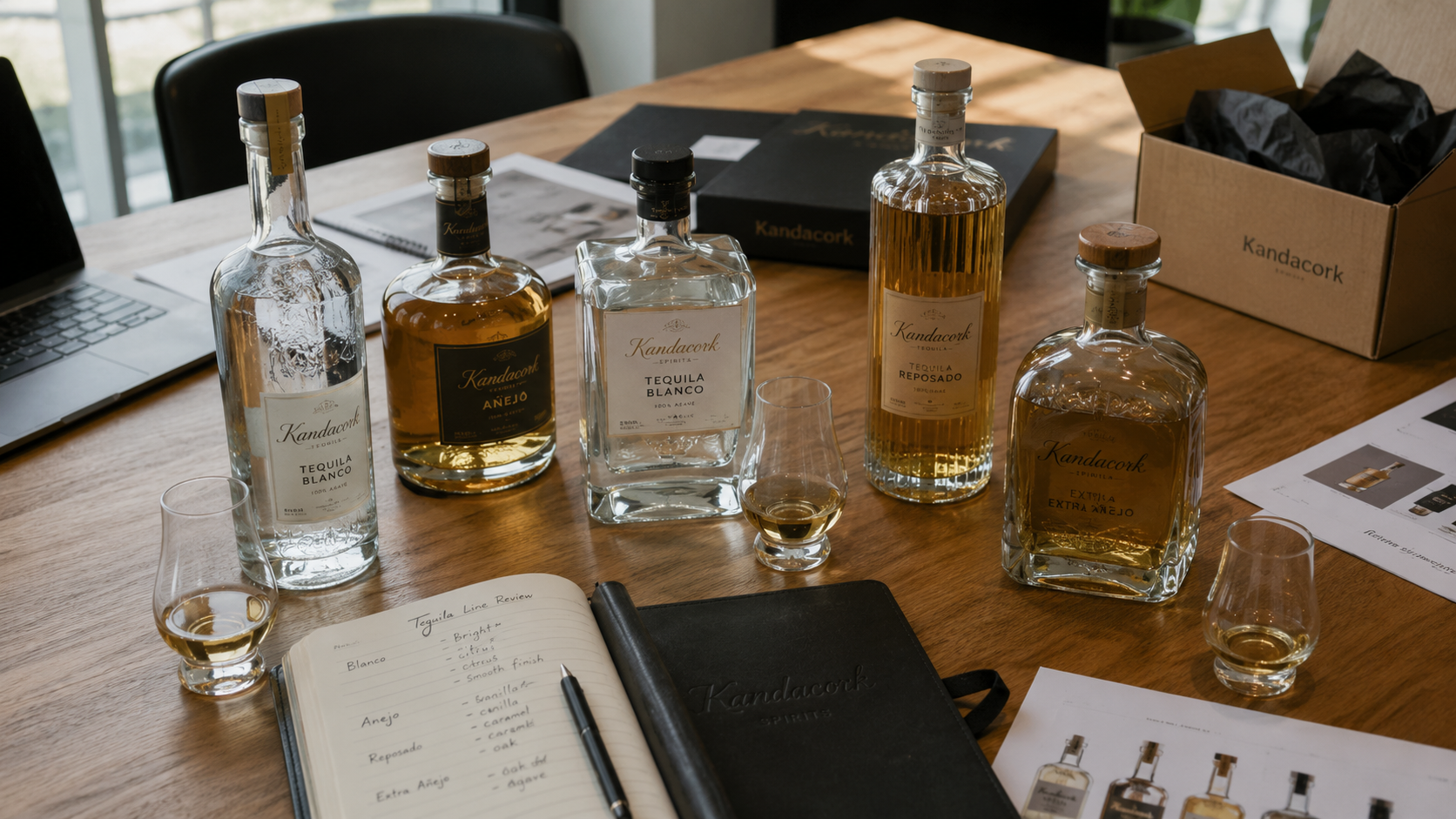
Tequila and mezcal brands often use bold shapes, cultural references, and strong shelf identities. Square, sculptural, medallion, and custom-shaped glass stoppers can work well.
The stopper may reference agave, heritage symbols, craft cues, or premium gift positioning. It should still remain easy to open, reseal, and pack safely.
Rum and Brandy
Rum and brandy packaging often benefits from warm, mature, and heritage-inspired details. Amber, smoked, round, heavy, or medallion-style glass stoppers can support these themes.
A darker stopper finish can match aged liquid colour, while clear or rounded glass can work for lighter rum, liqueurs, and gift formats.
Fragrance, Cosmetics, and Home Care
Fragrance and cosmetics packaging often uses smaller, more sculptural stoppers. Polish quality, symmetry, colour consistency, and proportion are especially important.
For these categories, eco and multi-category glass packaging coordination can help align stopper design with bottle shape, decoration surface, outer packaging, and usage expectations.
How to Choose the Right Glass Stopper Design
Start with the bottle category. A whisky closure, perfume stopper, gin stopper, and gourmet bottle stopper do not need the same visual language.
Confirm the bottle neck early. Inner diameter, neck height, finish tolerance, and bore consistency affect insert selection and closure stability.
Choose the stopper shape after the neck is reviewed. This prevents the project from becoming visually attractive but technically difficult.
Select the finish according to brand positioning. Clear glass supports purity. Frosted glass supports softness. Coloured glass supports differentiation. Textured glass supports grip and light reflection.
Choose the decoration method according to the logo. Fine logos may suit engraving. Bold marks may suit printing. Heritage crests may suit medallions or embossing.
Request samples before final approval. Digital renderings are useful, but real samples show weight, grip, polish, colour, fit, and decoration quality.
For spirits projects that require bottle and closure alignment from the start, spirits bottle projects can be developed together with closure matching so the neck finish, stopper proportion, and brand presentation are considered as one system.
Technical Specifications to Confirm Before Ordering
Professional glass stopper design ideas must include technical specifications. Buyers should confirm these details before sampling or bulk production:
| Specification | Why it matters |
|---|---|
| Inner neck diameter | Determines insert size and sealing fit |
| Neck height | Affects insert length and stopper stability |
| Bottle finish tolerance | Helps avoid loose or overly tight fit |
| Stopper head diameter | Controls proportion and grip comfort |
| Stopper head weight | Influences premium feel and shipping risk |
| Insert material | Affects compression, sealing, and opening feel |
| Decoration area | Confirms whether the logo can be applied clearly |
| Gift box clearance | Prevents packaging interference |
| Transit protection | Reduces chips, scratches, and breakage |
Kandacork Closures can also help buyers compare glass stoppers with broader custom bottle closure systems when a project requires multiple closure types across a product family.
Insert and Sealing Structure
The glass head is only one part of the closure. The insert or sealing structure determines how the stopper fits the bottle neck and how it feels when opened.
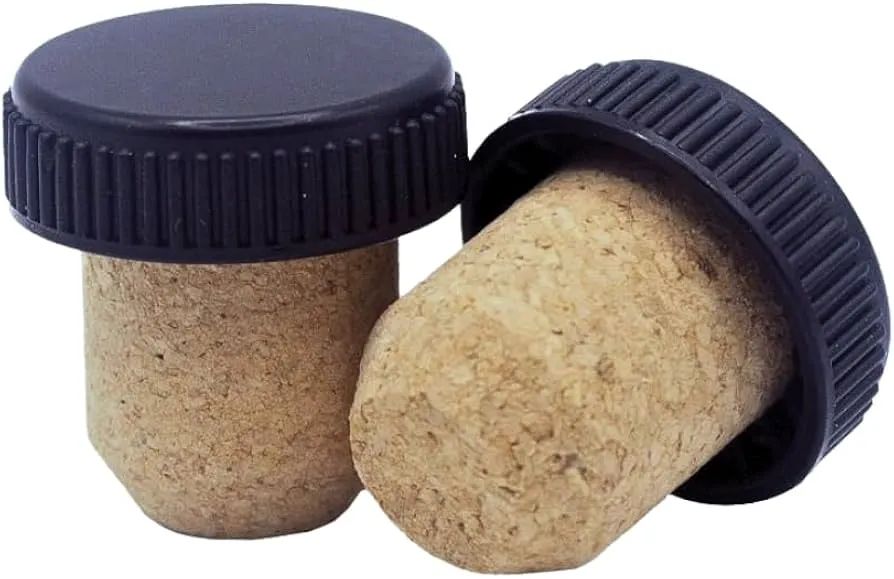
Natural cork gives a traditional premium impression. Synthetic cork offers consistency and controlled compression. Micro shanks can suit smaller necks or compact packaging. TPE or elastomer sealing rings can support precise fit in certain technical systems.
The right choice depends on product type, alcohol content, formula compatibility, neck dimensions, storage conditions, filling process, and target opening force.
If the project needs a warmer tactile style, wooden bar-top stoppers may suit classic spirits. If the bottle needs a heavier metallic accent, custom metal stoppers may support a different premium direction. Glass remains the best choice when the brand wants clarity, sparkle, transparency, or a sculptural luxury effect.
Quality, Compliance, and Testing
For commercial packaging, a stopper should be reviewed for clarity, bubbles, scratches, chips, mould lines, polishing marks, colour consistency, decoration alignment, insert adhesion, and neck fit.
Quality management matters because premium packaging must look consistent across thousands or millions of units. The ISO 9001 quality management standard provides a recognized framework for process control, documentation, corrective action, and continual improvement.
For food, beverage, spirits, and other product-contact applications, buyers should also review relevant material requirements. In the United States, the FDA provides information on Packaging & Food Contact Substances. For European Union projects, EU Regulation (EC) No 1935/2004 sets general requirements for materials and articles intended to come into contact with food.
Transit testing should not be ignored. Glass stoppers can be damaged by impact, vibration, compression, or poor carton design. The ISTA test procedures provide useful references for transport packaging evaluation, especially when bottles will move through export, e-commerce, or travel retail channels.
Sample Approval Checklist
Before approving production, review physical samples under realistic conditions.
Check the visual finish. Look for bubbles, chips, scratches, colour variation, mould marks, and polishing quality.
Check the logo. Confirm alignment, clarity, colour, engraving depth, medallion placement, and durability.
Check the fit. Test insertion force, removal force, resealing feel, and repeated use.
Check the hand feel. The stopper should be comfortable to grip, not sharp, slippery, unstable, or overly heavy.
Check the package. Confirm gift box clearance, insert fit, carton protection, pallet plan, and transit risk.
Check brand consistency. The stopper should match the bottle, label, decoration, price point, and product story.
This sample stage is where glass stopper design ideas become real packaging decisions.
Sustainability and Responsible Premium Design
Glass stoppers can support a premium sustainability story when they are designed with restraint and purpose. They can feel durable, collectible, reusable, and aligned with glass bottle packaging.
At the same time, responsible design does not simply mean adding more weight. Oversized stoppers, unnecessary material, difficult mixed-material separation, and excessive gift packaging can reduce efficiency.
A better approach is to choose a stopper that gives the desired premium effect with balanced material use, reliable protection, and long-term brand value. For groups managing bottles, stoppers, decoration, and logistics together, integrated Kandacork Glass packaging support can help align design ambition with practical production and export requirements.
Common Mistakes to Avoid
Do not choose the shape before confirming the neck finish. A stopper that looks good but fits poorly can delay the project.
Do not make the stopper too heavy for the bottle. Weight can signal luxury, but excessive weight may affect handling, shipping, and closure stability.
Do not ignore grip comfort. Customers should be able to open and reseal the bottle easily.
Do not apply the wrong decoration method. A detailed logo may need engraving, while a bold colour mark may need printing or medallion support.
Do not forget gift box clearance. Tall stoppers can interfere with inserts, lids, cartons, and shipping protection.
Do not skip sample testing. Physical samples reveal details that renderings cannot show.
Do not assume one closure type fits every SKU. Some product families may use glass stoppers for premium editions and ROPP closures for other formats that need tamper evidence, line efficiency, or a different cost structure.
Why Choose Kandacork Closures?
Kandacork Closures supports brands that need custom stopper and closure solutions for spirits, wine, fragrance, cosmetics, gourmet, and gift packaging projects.
The team reviews stopper shape, glass finish, insert material, decoration method, neck fit, sample development, packing requirements, and production feasibility. This helps buyers move from inspiration to a closure specification that can be tested and manufactured.
Whether the project needs a clear crystal stopper, frosted glass stopper, coloured stopper, flat-top logo stopper, faceted luxury stopper, or custom-shaped glass closure, the goal is the same: make the bottle look premium, feel reliable, and support the brand’s commercial launch.
FAQ
What are the best glass stopper design ideas for a luxury bottle?
The best glass stopper design ideas for a luxury bottle usually include faceted, square, round, flat-top, globe, or medallion-style stoppers. These options add visual weight, clarity, reflection, and a premium hand feel.
Can glass stoppers be customized with a logo?
Yes. Glass stoppers can be customized with laser engraving, sandblasting, colour printing, embossing, debossing, medallion inserts, and custom mould development. The best method depends on the logo detail, glass surface, and desired brand effect.
Are glass stoppers suitable for spirits bottles?
Yes. Glass stoppers are suitable for premium spirits bottles when the stopper head, insert material, neck fit, sealing structure, and packaging protection are correctly specified.
Which glass stopper is best for whisky?
Faceted, square, round, and medallion-style glass stoppers are often best for whisky because they create weight, reflection, and a more ceremonial opening experience.
Which glass stopper is best for gin?
Clear, frosted, green, globe, square, and botanical-inspired stoppers work well for gin because they support freshness, clarity, and botanical identity.
How do I avoid leakage or poor stopper fit?
Start with accurate bottle neck measurements. Confirm inner neck diameter, neck height, bore consistency, insert material, insertion force, removal force, and resealing performance before mass production.
What information should I send for a custom glass stopper project?
Send the bottle drawing, physical bottle sample if available, inner neck diameter, neck height, logo file, preferred stopper style, target quantity, product category, packaging structure, and launch timeline.
Start Your Custom Glass Stopper Project
If you are developing a premium bottle and need practical glass stopper design ideas, Kandacork Closures can help review the design direction, bottle neck, insert structure, decoration method, and production approach.
Share your bottle drawing, neck size, logo file, preferred style, and target quantity to request a custom closure quote. The team will help you choose a glass stopper that supports your brand identity, product function, and commercial launch.