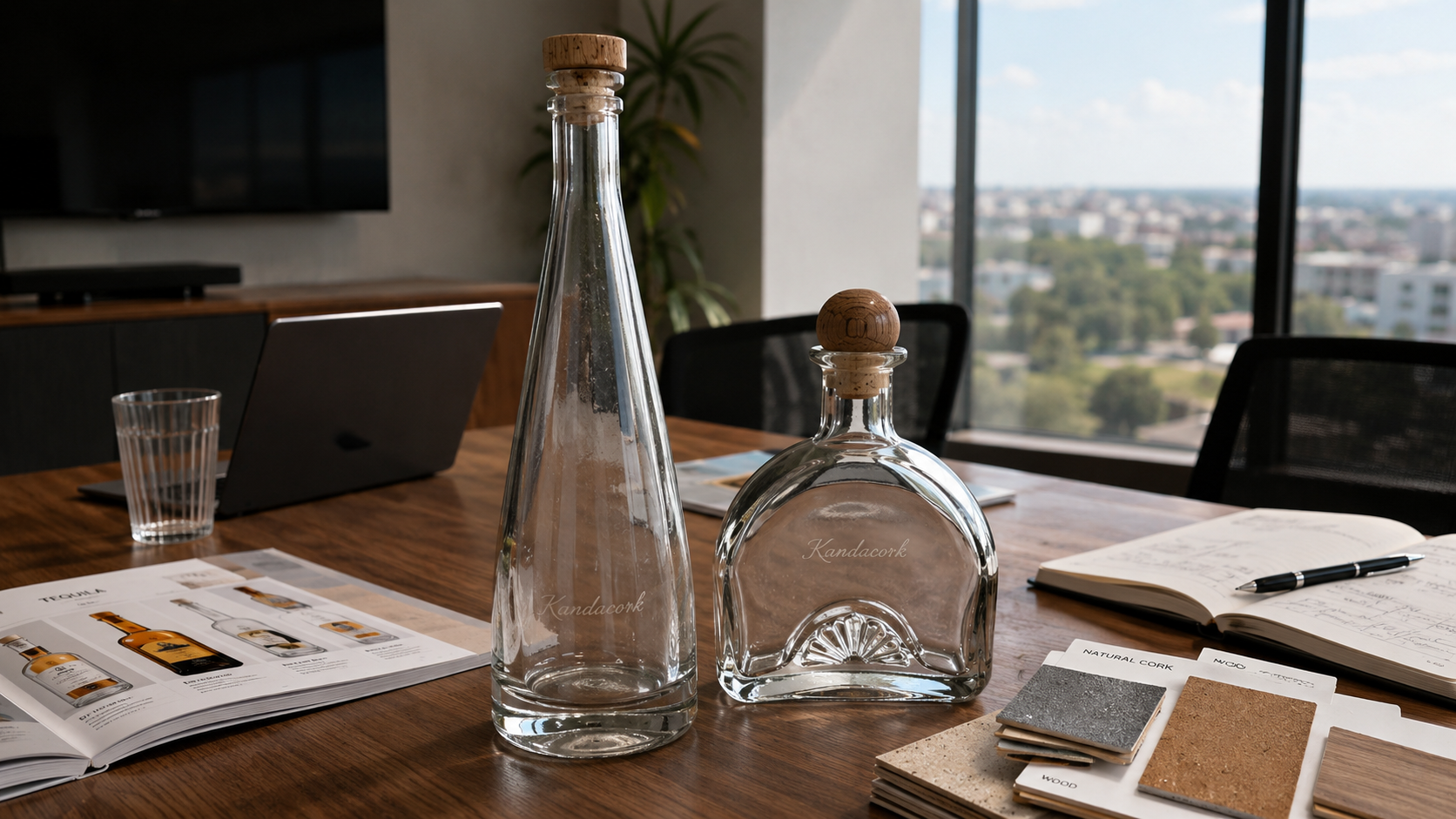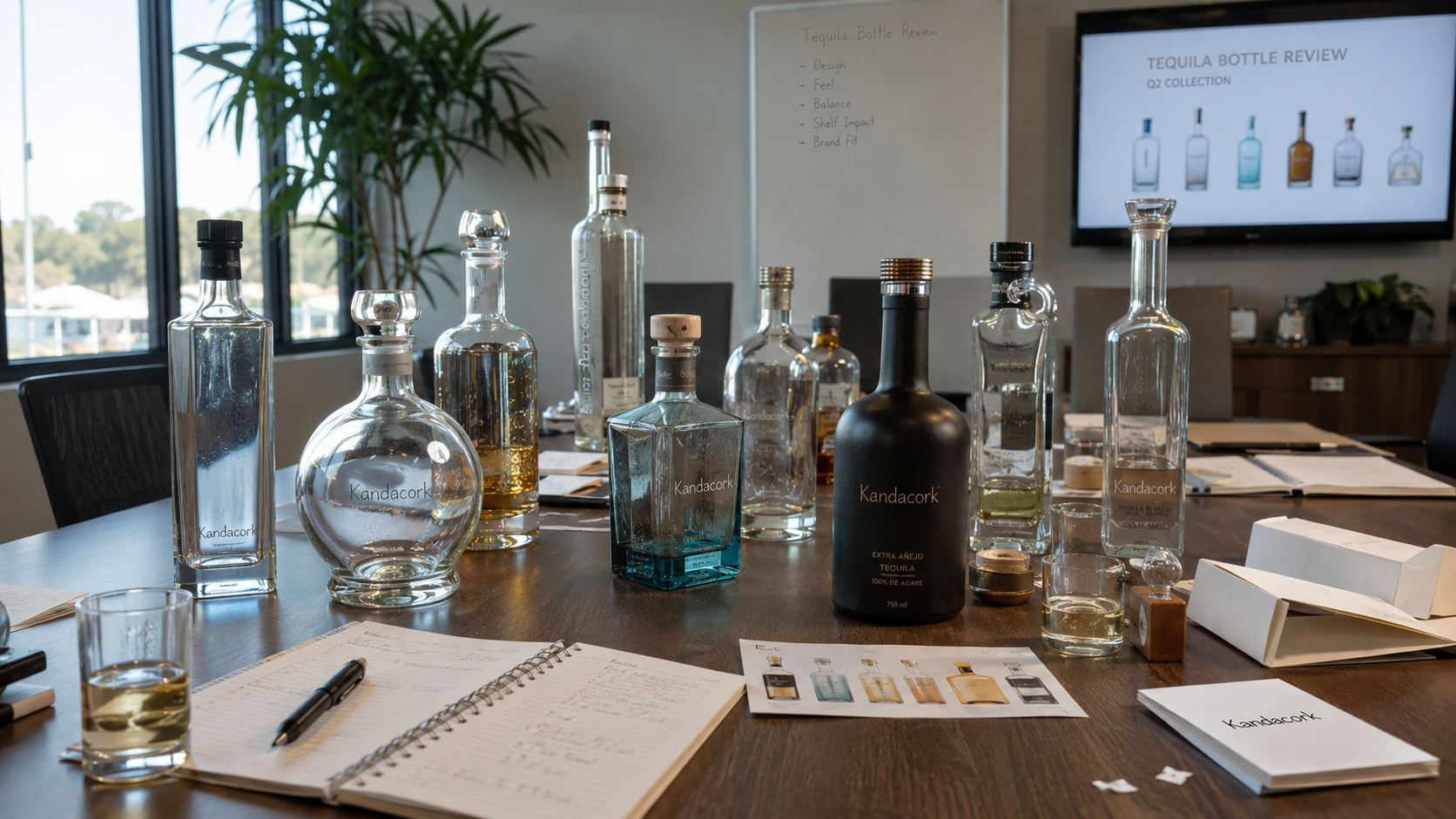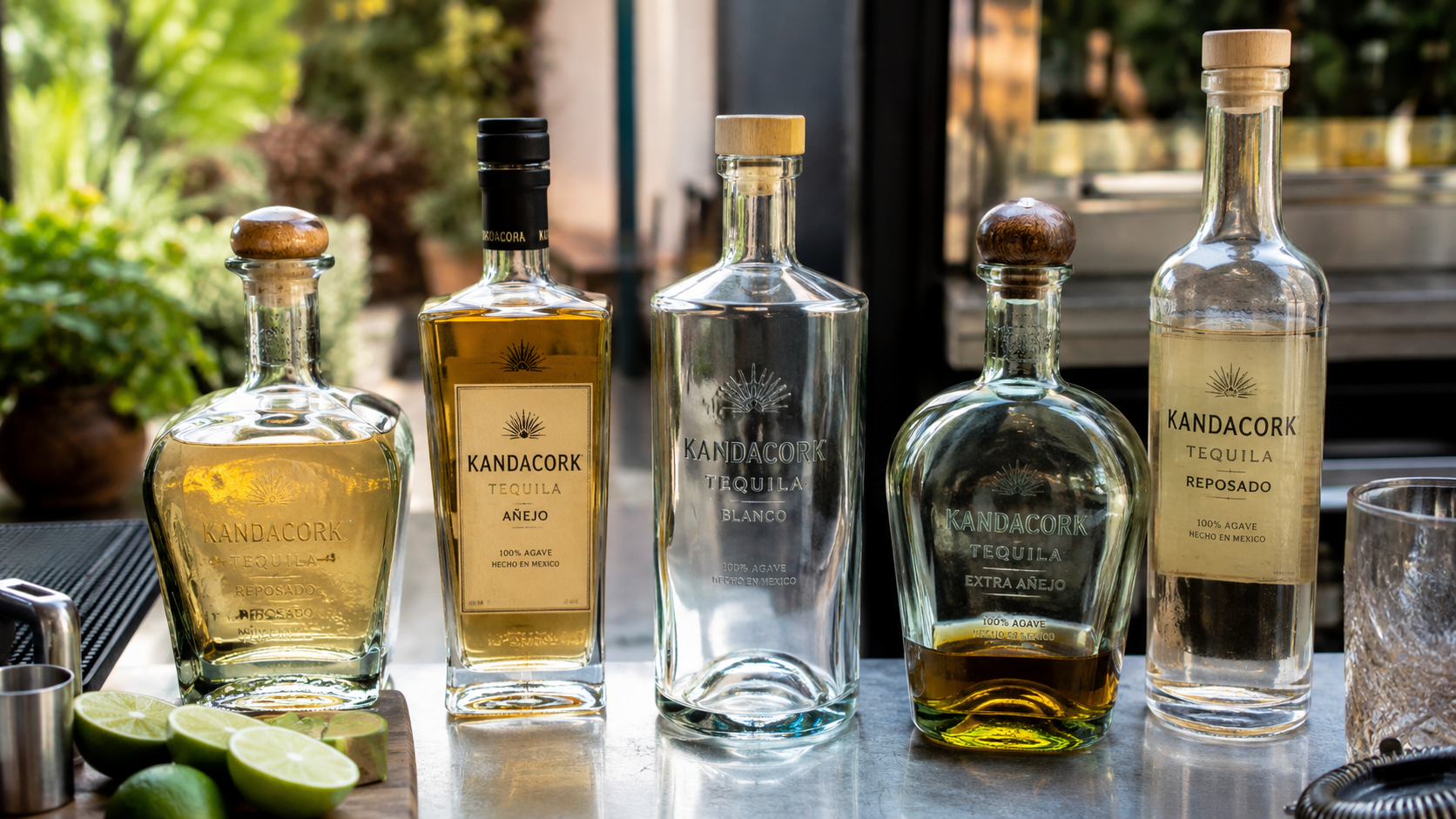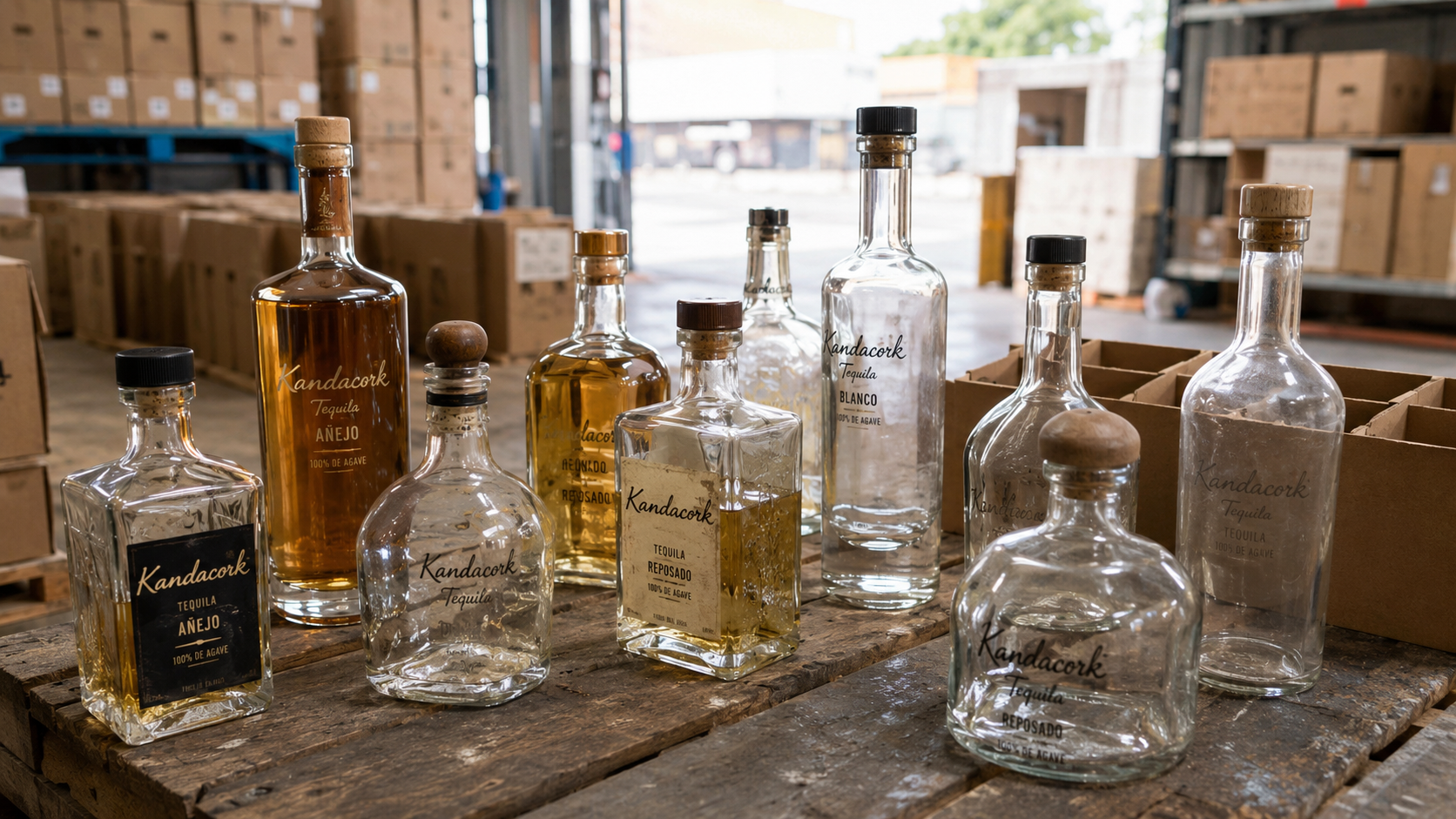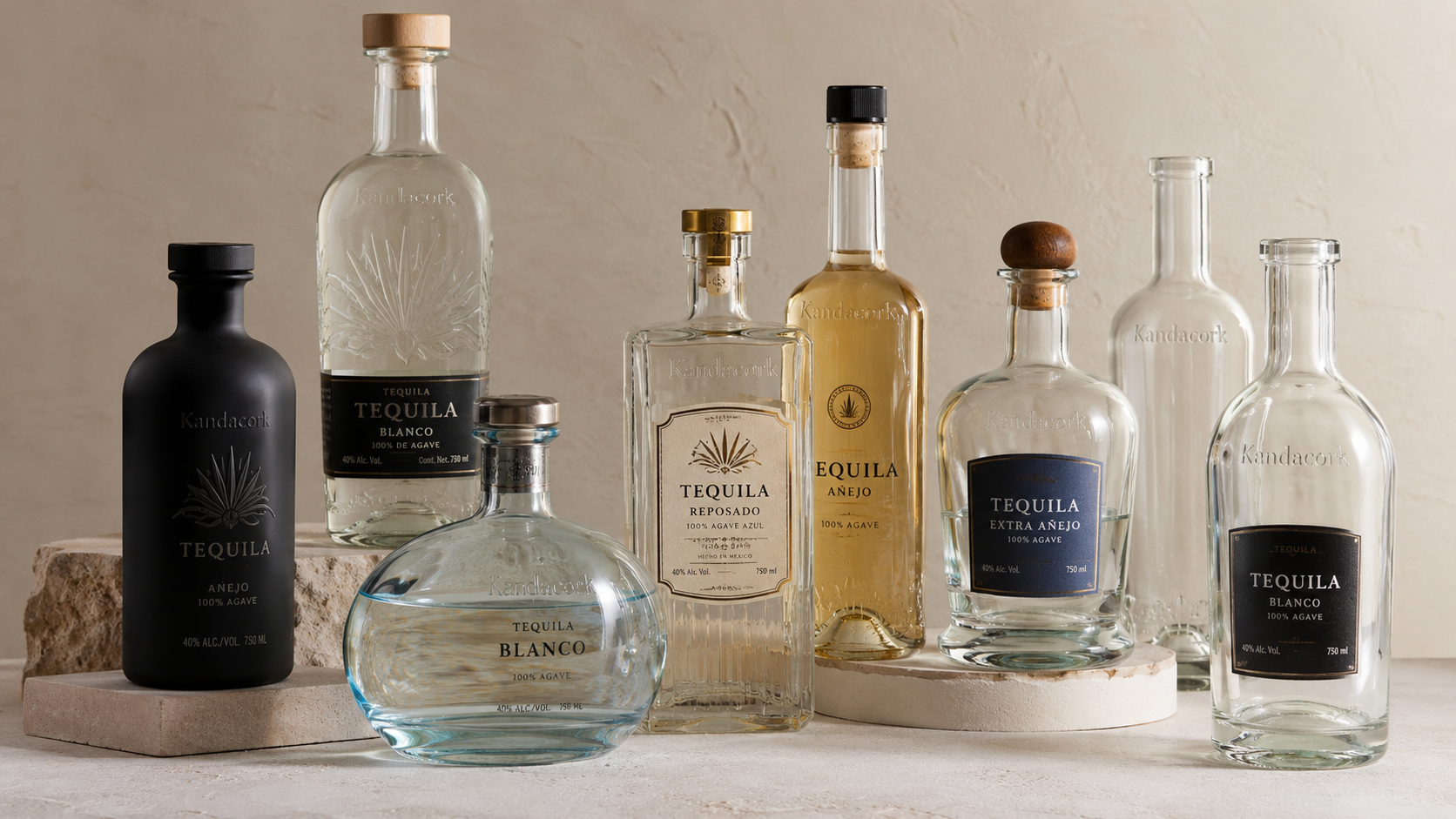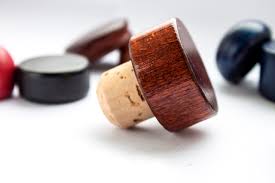
Introduction: Choosing the Right Stopper for Premium Spirits
For spirits brands, distilleries, private label buyers, importers, distributors, bottlers, and packaging teams, a bar-top stopper is more than a bottle closure. It affects shelf appeal, opening experience, sealing performance, brand value, production efficiency, and procurement cost.
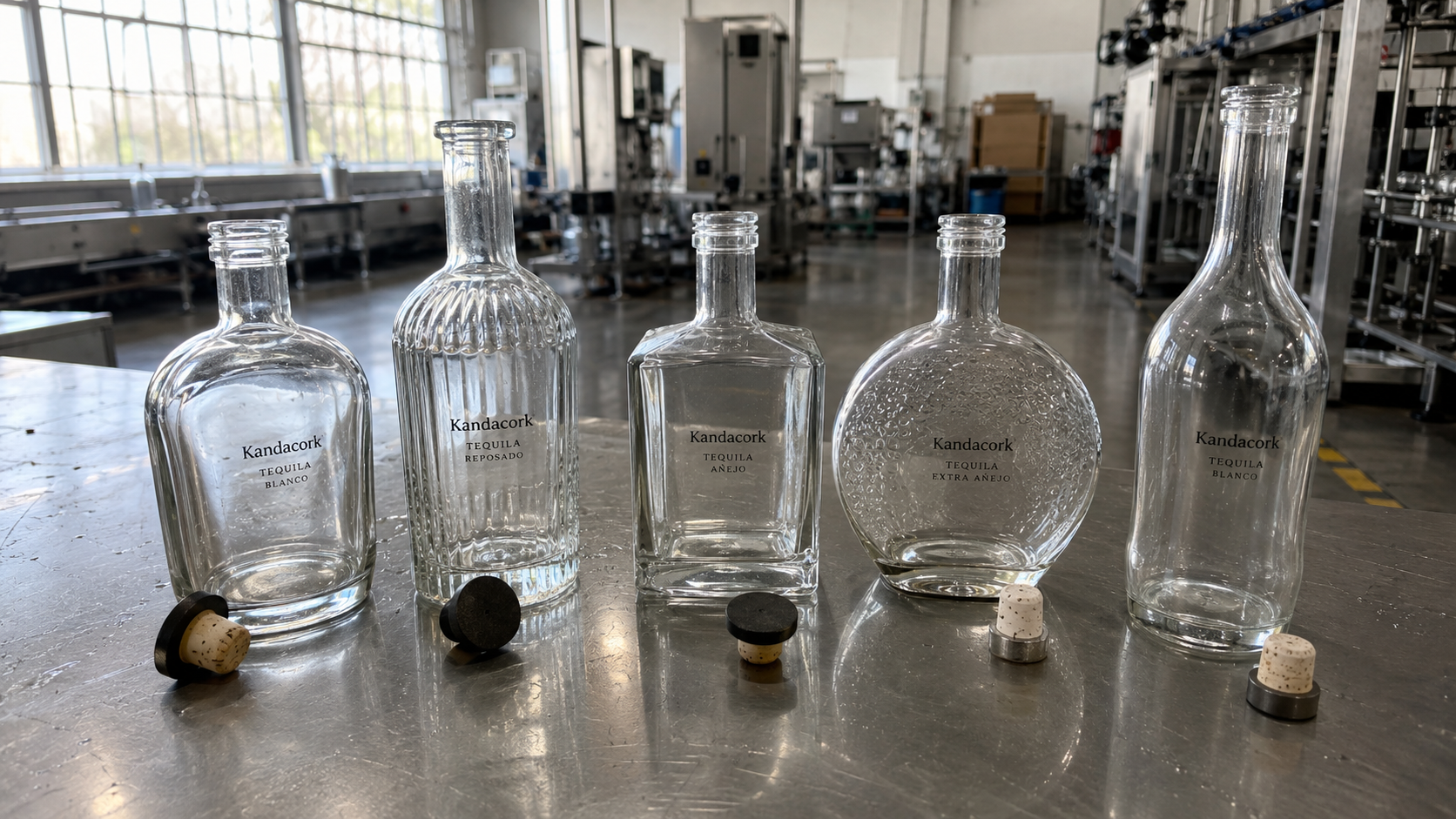
When comparing wooden bar-top stoppers vs metal bar-top stoppers, the best choice depends on brand positioning, bottle neck fit, shank material, closure weight, decoration method, MOQ, lead time, compliance requirements, and supplier capability. For buyers reviewing broader closure options, Kandacork Closures provides custom spirits bottle closures and stoppers for premium liquor packaging projects.
Wooden stoppers usually communicate craft, heritage, warmth, barrel aging, and natural quality. Metal stoppers usually communicate luxury, weight, precision, and stronger shelf impact. Both can be suitable for premium spirits packaging, but they support different product strategies.
Kandacork Closures helps spirits packaging buyers evaluate wooden, metal, cork, synthetic, aluminum, Zamak, and custom bar-top closure options before moving into samples, tooling, or quotation.
Quick Decision Guide: Wooden vs Metal Bar-Top Stoppers
Choose wooden bar-top stoppers if your brand story is natural, craft-focused, barrel-aged, heritage-led, rustic, or small-batch. They are especially suitable for whisky, bourbon, aged rum, tequila, brandy, craft gin, and artisanal liqueurs.
Choose metal bar-top stoppers if your brand needs a heavier premium feel, sculpted logo, luxury finish, collectible identity, or high shelf impact. They are especially suitable for luxury whisky, premium tequila, mezcal, vodka, cognac, limited editions, gift packs, and duty-free spirits.
The top material creates the visual and tactile impression. The shank controls the fit, seal, insertion force, extraction feel, and repeat-use performance.
Not sure whether wood or metal fits your bottle? Share your bottle neck I.D., spirits category, logo file, finish reference, and target quantity with Kandacork Closures for sample advice.
| Buyer Situation | Recommended Option |
|---|---|
| Craft whisky, bourbon, aged rum, artisan tequila | Wooden bar-top stopper |
| Luxury tequila, collectible whisky, premium vodka | Metal bar-top stopper |
| Natural, heritage, or handmade brand story | Wood |
| Heavy premium feel or sculpted logo detail | Metal |
| Lower MOQ or faster standard development | Standard wooden stopper |
| Custom emblem, crest, or 3D closure design | Zamak or aluminum metal stopper |
| Cost-sensitive private label project | Wood or standard aluminum |
| High-impact limited edition | Custom metal stopper |
This guide gives a quick sourcing direction, but final approval should always be based on bottle samples, neck dimensions, closure fit testing, finish approval, and supplier documentation.
How Spirits Buyers Choose Bar-Top Stoppers
Define the Brand Positioning
Start with the brand message. If the product needs to feel natural, aged, handmade, traditional, or craft-driven, wood is often the better first option. If the product needs to feel luxurious, modern, sculptural, collectible, or visually bold, metal may be more suitable.
This step is especially important for private label buyers and importers because the closure must match the target retail price, market channel, and consumer expectation.
Confirm the Technical Fit
After the material direction is clear, check the bottle neck and shank requirements. Key points include neck inner diameter, shank diameter, shank length, compression rate, insertion force, pull-out force, and repeated opening feel.
A premium stopper that does not fit correctly can create leakage risk, difficult opening, loose sealing, tilted appearance, or poor bottling-line performance. For projects that need material selection, shank review, fit validation, and sample preparation, Kandacork Closures can support bar-top stopper development before bulk production.
Check Commercial Feasibility
Finally, compare cost, MOQ, sample timing, tooling needs, bulk lead time, decoration method, finish control, and compliance documents. A custom Zamak stopper may be ideal for a luxury edition, but a standard wooden stopper may be more realistic for a fast private label launch.
The best closure choice should satisfy three conditions at the same time: it should support the brand image, fit the bottle correctly, and match the project’s commercial reality.
Wooden Bar-Top Stoppers: Best for Craft, Heritage, and Natural Spirits
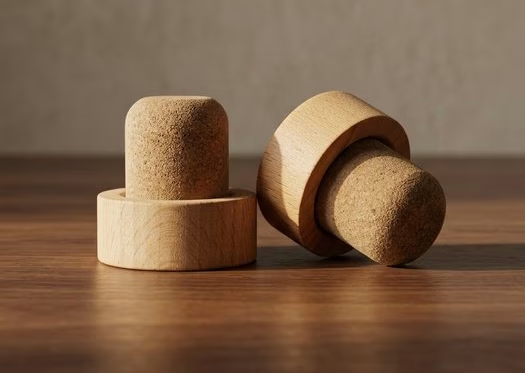
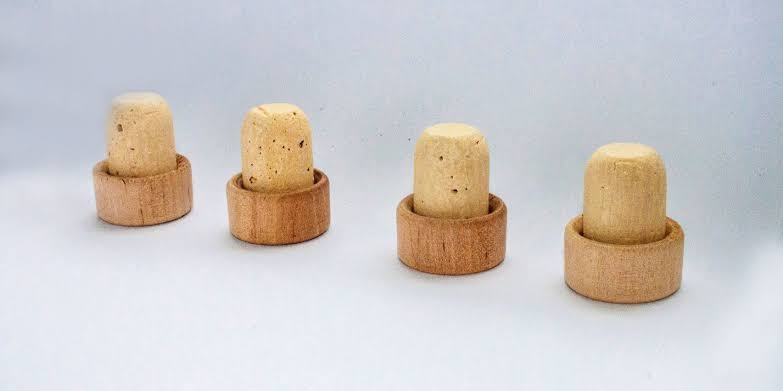
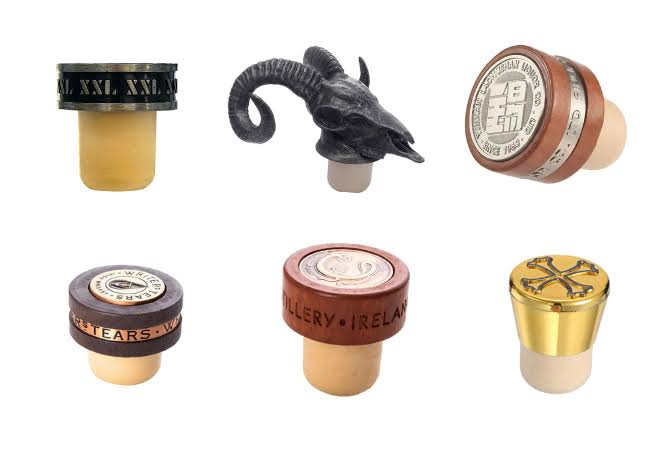
Wooden bar-top stoppers are T-top closures with a wooden head attached to a cork, synthetic, micro-agglomerated, or hybrid shank. The wooden head provides the visual identity, while the shank fits into the bottle neck and supports sealing performance.
Common wooden stopper finishes include natural wood, stained wood, varnished wood, painted wood, matte coating, gloss coating, laser engraving, pad printing, hot stamping, and logo inserts.
Wood is widely used in spirits packaging because it feels warm, tactile, and authentic. It connects naturally with oak barrels, maturation, distillery craft, and traditional bottle design.
A bourbon brand may use dark stained wood to echo barrel aging. A rum brand may choose varnished wood to create warmth and maturity. A craft gin brand may use pale natural wood to support botanical and handmade positioning.
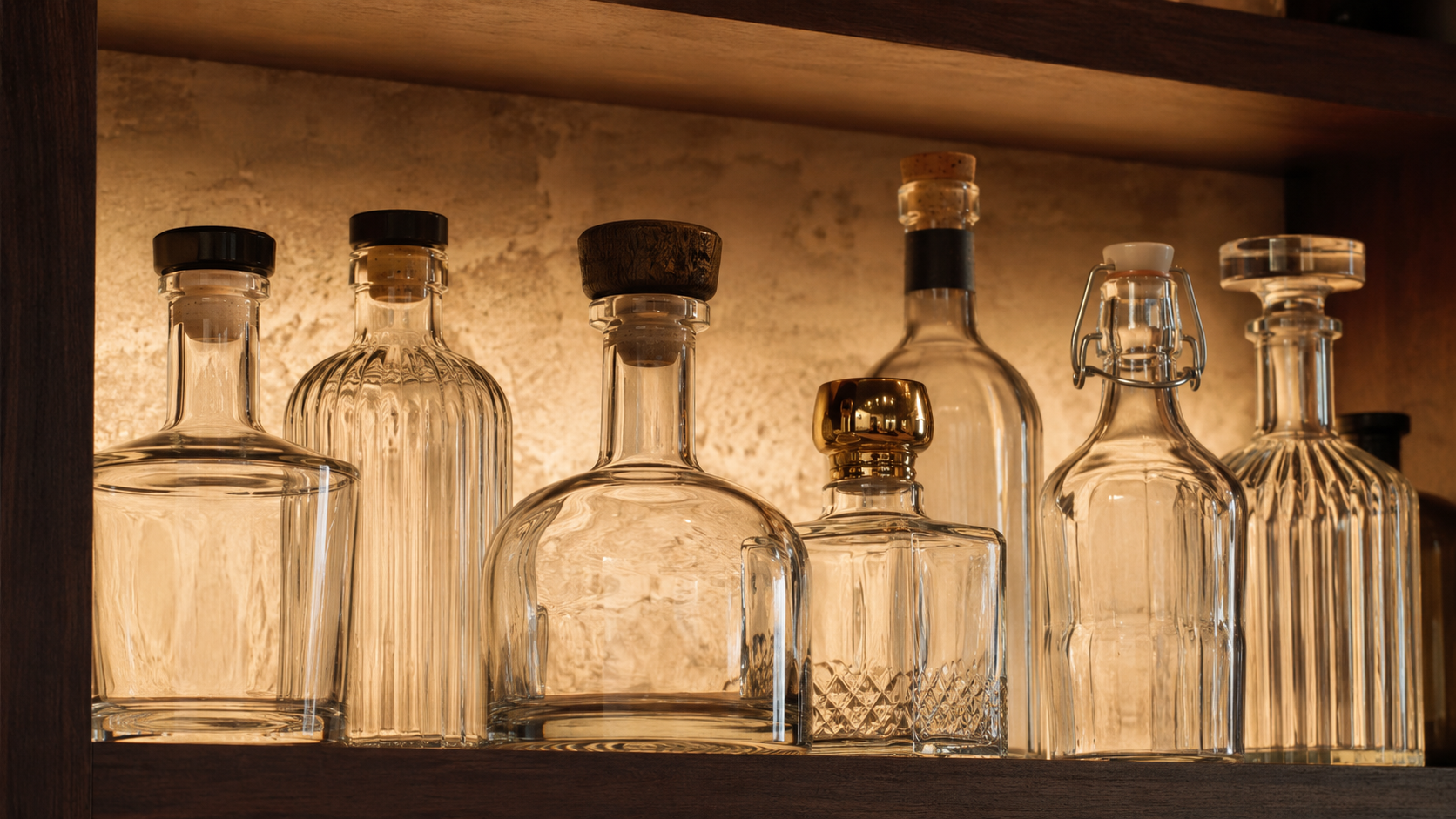
Wooden bar-top stoppers work especially well with textured labels, embossed paper, vintage bottle shapes, amber liquid, kraft cartons, natural cork shanks, and wooden gift boxes. Buyers comparing wood types, finish options, and bulk sourcing requirements can also review this wooden stopper fit, branding, and sourcing checklist.
The key limitation is natural variation. Wood grain, tone, and texture may differ from batch to batch. For craft brands, this can be part of the appeal. For premium retail programs, the supplier must control color range, coating consistency, logo clarity, and visual sorting.
Metal Bar-Top Stoppers: Best for Luxury, Weight, and Custom Shapes
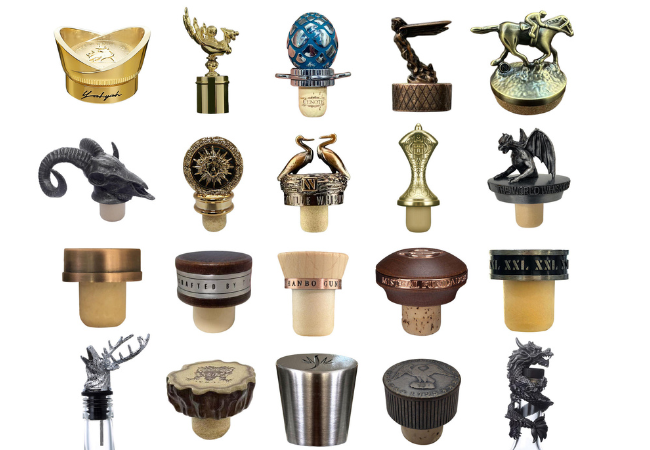
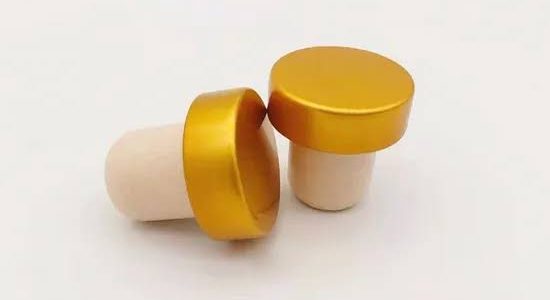
Metal bar-top stoppers use a metal head combined with a cork, synthetic, micro-agglomerated, or hybrid shank. Common materials include Zamak, zinc alloy, aluminum, aluminum alloy, and metal-plated decorative components.
Metal stoppers are selected when a brand wants a stronger sense of weight, precision, and premium value. They can support polished silver, brushed aluminum, antique gold, copper, gunmetal, matte black, chrome, rose gold, and other decorative finishes.
Metal also allows more dimensional branding. Embossed logos, debossed symbols, engraved crests, 3D molded shapes, medallion inserts, and sculpted icons can turn the stopper into a signature brand element.
For luxury tequila, premium vodka, collectible whisky, cognac, and limited-edition rum, metal bar-top stoppers can make the bottle feel more valuable before the consumer opens it. For a closer look at related material choices, buyers can compare aluminum stoppers and broader metal stoppers before confirming the final direction.
The trade-off is development complexity. Custom metal stoppers may require 3D design, mold development, casting, polishing, plating, assembly, finish approval, and stricter quality control. This can increase cost, MOQ, and lead time.
Wooden vs Metal Bar-Top Stoppers: Comparison Table
| Factor | Wooden Bar-Top Stoppers | Metal Bar-Top Stoppers |
|---|---|---|
| Brand impression | Craft, warm, natural, heritage-led | Luxury, heavy, premium, modern |
| Best spirits | Whisky, rum, tequila, craft gin, brandy | Tequila, vodka, whisky, cognac, limited editions |
| Customization | Engraving, printing, staining, varnish, inserts | Casting, plating, embossing, engraving, 3D molding |
| Cost / MOQ | More flexible for standard styles | Higher for custom molds and special finishes |
| Lead time | Faster for existing wood shapes | Longer for tooling, polishing, and plating |
| Best launch stage | Craft launch, private label, small-batch release | Premium launch, limited edition, brand upgrade |
| Main technical risk | Grain variation, color range, coating consistency | Plating defects, scratches, burrs, weight control |
| Buyer risk to manage | Natural variation and logo consistency | Tooling cost, finish control, and lead time |
| Best buyer scenario | Natural brand story or cost-sensitive launch | Gift pack, collectible bottle, high-impact shelf design |
There is no universal better option. Wood and metal simply solve different packaging problems. The best material is the one that matches the bottle design, product tier, launch timeline, target market, and sourcing budget.
Bar-Top Stopper Fit: Shank Diameter, Neck I.D., and Pull-Out Force
Many buyers compare stopper materials by looking at the head, but the shank is the part that controls technical performance. The shank enters the bottle neck and affects sealing pressure, insertion force, extraction force, alignment, and opening experience.
Common shank materials include natural cork, micro-agglomerated cork, synthetic cork, and hybrid materials. Each option has different compression behavior, surface texture, odor profile, consistency, and cost.
Important technical factors include bottle neck inner diameter, neck finish tolerance, shank diameter, shank length, compression rate, insertion force, pull-out force, and repeated opening feel.
A stopper that looks premium but fits poorly can create leakage risk, difficult opening, loose sealing, poor consumer confidence, or bottling-line problems. For this reason, buyers should test closure samples with the actual bottle before approving mass production.
Drawings are useful, but physical samples are more reliable. A real bottle test can reveal whether the stopper sits straight, opens smoothly, seals securely, and matches the overall bottle proportion.
Cost, MOQ, Tooling, and Lead Time for Custom Stoppers
Wooden bar-top stoppers are often more flexible for small and medium spirits projects, especially when buyers select existing shapes and standard sizes. A standard wooden head with laser engraving or pad printing can usually move faster than a fully custom metal stopper.
Metal bar-top stoppers usually require more planning. A custom Zamak or zinc alloy stopper may involve 3D design, mold creation, casting, polishing, plating, color matching, assembly, and pre-production approval. These steps can increase tooling cost and extend lead time.
For private label buyers and fast-launch projects, standard wooden stoppers or standard aluminum stoppers may be more practical. For luxury spirits launches, gift packaging, and limited editions, the additional investment in custom metal may be justified by stronger perceived value.
Before requesting a quote, buyers should confirm the target order quantity, bottle drawing, bottle neck inner diameter, preferred stopper material, preferred shank type, logo artwork, finish reference, sample deadline, bulk delivery deadline, target market, and compliance needs.
Clear information helps the supplier recommend a realistic solution instead of quoting a stopper that looks attractive but does not match the project timeline or budget.
Custom Logo and Surface Finish Options
Wooden stoppers can support laser engraving, pad printing, hot stamping, top printing, side printing, staining, matte coating, gloss varnish, painted color finishes, logo inserts, and metal badge inserts.
Laser engraving is popular for craft spirits because it feels natural and permanent. Printing offers more color flexibility. Hot stamping can create a premium metallic effect on natural or painted wood. However, wood grain, coating thickness, and surface smoothness can affect the final logo result, so physical sample approval is important.
Metal stoppers are suitable for more dimensional branding. Common processes include die casting, CNC shaping, embossing, debossing, laser engraving, electroplating, brushed finishing, antique finishing, gunmetal finishing, matte black coating, enamel color filling, medallion inserts, and sculpted brand icons.
Metal is especially useful when the brand has a crest, animal symbol, monogram, seal, badge, or luxury emblem. The stopper can become a permanent visual asset for the product.
The main quality risks are plating consistency, surface scratches, burrs, color variation, and edge detail. These should be checked during sample approval and pre-shipment inspection.
Sample Approval Checklist Before Bulk Production
Sample approval is one of the most important steps in a wooden or metal bar-top stopper project. Buyers should not approve bulk production based only on renderings or supplier photos.
| Sample Check | Why It Matters |
|---|---|
| Neck fit | Helps prevent loose closure, leakage risk, or difficult opening |
| Pull-out force | Controls the consumer opening experience |
| Insertion force | Affects bottling-line performance and manual assembly |
| Stopper alignment | Prevents tilted appearance after insertion |
| Logo clarity | Protects brand presentation and premium perception |
| Finish consistency | Reduces batch color variation and surface complaints |
| Odor check | Helps avoid negative product experience |
| Coating adhesion | Reduces transfer, peeling, or surface damage risk |
| Packing protection | Prevents scratches, dents, or rubbing during transport |
For premium spirits packaging, sample approval should include both visual review and functional testing with the actual bottle. The closure should look right, feel right, open smoothly, and remain stable during packing and transport.
Quality Risks to Check Before Bulk Production
Quality control should cover appearance, fit, function, material safety, and shipping protection. Buyers should not approve wooden or metal bar-top stoppers based only on photos.
For wooden bar-top stoppers, check wood color range, grain consistency, coating smoothness, cracks, chips, logo clarity, printing position, odor, shank diameter tolerance, head-to-shank bonding strength, and carton protection.
For metal bar-top stoppers, check casting detail, plating consistency, surface scratches, burrs, sharp edges, color matching, logo relief quality, weight consistency, shank alignment, assembly strength, and packing protection against rubbing.
For both materials, test insertion force, pull-out force, sealing feel, stopper alignment, repeated opening, and transport stability. A closure that performs well in a sample room must also survive filling, packing, shipping, retail handling, and consumer use.
Kandacork Closures can review bottle neck dimensions, shank options, finish targets, and sample performance before buyers move into bulk orders.
Compliance Documents Spirits Buyers Should Request
Spirits closures may include wood, metal, coatings, adhesives, inks, cork, synthetic polymers, sealants, and decorative finishes. Some components may contact the bottle neck, product vapor, or consumer handling surfaces.
Packaging buyers should request appropriate documentation based on the target market, material, and application. Useful documents may include:
- Food-contact declaration where applicable
- Coating and ink suitability information
- Adhesive information
- Migration test report if required
- Heavy metals or restricted substances statement
- Batch traceability
For export spirits projects, buyers should ask the stopper supplier which declarations are available for the head material, shank, adhesive, coating, ink, and decorative finish. The U.S. FDA’s information on food packaging and other food-contact substances and the European Commission’s guidance on food-contact materials are useful reference points when buyers evaluate packaging safety expectations for international markets.
Compliance is not only a regulatory issue. It is also a brand protection issue. A premium-looking stopper that creates odor, staining, coating transfer, or consumer complaints can damage the entire product launch.
Best Stopper Choice by Spirits Category
| Spirits Category | Better Choice | Why |
|---|---|---|
| Whisky / Bourbon | Wood or metal | Wood supports barrel-aged heritage; metal suits luxury editions |
| Rum | Wood or antique metal | Wood supports warmth and maturity; metal supports premium aged rum |
| Tequila / Mezcal | Wood or sculpted metal | Wood supports artisanal cues; metal creates bold shelf impact |
| Gin | Wood or aluminum | Wood suits botanical craft gin; aluminum suits modern premium gin |
| Vodka | Metal or aluminum | Clean metallic finishes match the cold, pure, modern category language |
| Brandy / Cognac | Wood or premium metal | Wood supports tradition; metal supports gift and luxury positioning |
| Liqueurs | Wood, aluminum, or custom metal | The best choice depends on flavor style, retail price, and brand concept |
This category view should be used as a starting point, not a fixed rule. A minimalist gin may need brushed aluminum, while a botanical small-batch gin may look better with pale wood. A premium rum may use antique metal for gift retail, while a craft rum may use dark varnished wood for warmth.
Real Buyer Scenarios: When Wood or Metal Makes More Sense
Craft Whisky Launch
A craft whisky brand with a textured label, amber liquid, and small-batch positioning may choose a stained wooden bar-top stopper with a synthetic or micro-agglomerated shank. This can balance natural appearance, cost control, and launch speed while supporting a barrel-aged brand story.
The buyer should still confirm neck I.D., shank compression, pull-out force, and logo clarity before bulk approval. A natural-looking closure still needs predictable technical performance.
Premium Tequila Gift Pack
A premium tequila brand targeting gift retail may choose a custom Zamak stopper with antique gold plating, embossed logo detail, and reinforced packing protection. The heavier hand feel and sculpted detail can support a higher retail price and stronger shelf presence.
In this case, the buyer should plan for tooling cost, finish approval, plating consistency, surface protection, and longer sampling time.
Private Label Vodka
A private label vodka buyer may choose standard aluminum bar-top stoppers for a clean metallic look, faster sampling, and predictable cost control. Aluminum can match the modern, cold, and clear visual language often used in vodka packaging.
If the project moves into a premium retail channel, the buyer may upgrade to a more customized metal head or add branded engraving after confirming MOQ and lead time.
How Kandacork Closures Supports Stopper Development
Kandacork Closures supports spirits packaging buyers from material comparison to sample approval and quotation. Instead of choosing only by appearance, buyers can evaluate the closure around bottle fit, decoration method, finish target, order quantity, and commercial feasibility.
Material Comparison
Kandacork Closures can help compare wooden stoppers, aluminum stoppers, Zamak stoppers, cork shanks, synthetic shanks, micro-agglomerated shanks, and hybrid stopper options based on brand positioning and project budget.
Bottle Fit Review
Fit review may include bottle neck I.D., shank size, stopper alignment, insertion feel, pull-out force, and repeat opening experience. This helps reduce leakage risk, loose sealing, difficult opening, and bottling-line issues.
Branding Support
Branding support can include laser engraving, printing, hot stamping, embossing, debossing, plating, brushed finishes, antique finishes, logo inserts, and sample approval for visual consistency. For full packaging projects that also need glass bottle design and coordinated decoration, the wider Kandacork network can support custom spirits bottle packaging beyond the closure itself.
Quotation Support
For quotation preparation, Kandacork Closures can review MOQ, tooling needs, finish references, lead time, export packing, and compliance documentation requirements. This helps buyers move from comparison to practical sourcing decisions.
This development approach helps reduce common risks such as poor bottle fit, unrealistic tooling expectations, inconsistent surface finish, delayed sampling, and unclear quotation requirements.
Supplier Capability Checklist
Choosing a stopper supplier should involve more than comparing unit prices. A capable supplier should understand material selection, bottle fit, decoration, compliance, production control, and export packing.
Before choosing a supplier, ask:
- Can the supplier provide both wooden and metal stopper options?
- Can they recommend materials based on spirits category and brand positioning?
- Can they review bottle neck drawings before quotation?
- Can they test with actual bottle samples?
- Can they provide cork, synthetic, micro-agglomerated, or hybrid shank options?
- Can they support custom logo development?
- Can they provide physical samples before bulk production?
- Can they control wood color and metal finish consistency?
- Can they manage mold development for Zamak or aluminum stoppers?
- Can they provide material or food-contact documentation where required?
- Can they support private label and export packaging projects?
- Can they provide realistic MOQ and lead time?
A strong supplier should not only ask which stopper you want. They should ask about your bottle neck, spirits category, target market, brand positioning, order quantity, decoration method, compliance requirements, and launch schedule.
How to Request Bar-Top Stopper Samples or a Quote
To speed up development, buyers should prepare complete project information before contacting Kandacork Closures.
Send the following details:
- Bottle drawing
- Bottle sample if available
- Neck inner diameter
- Neck finish specification
- Bottle capacity
- Spirits category
- Target market
- Target retail price
- Preferred stopper material
- Preferred shank type
- Logo artwork
- Finish reference image
- Expected order quantity
- Sample deadline
- Bulk production deadline
- Packing requirement
- Compliance documentation needs
With this information, Kandacork Closures can help compare wooden, metal, cork, synthetic, aluminum, Zamak, and custom branded stopper options more efficiently. Buyers ready to move from comparison to sampling can request bar-top stopper samples or a closure quote with their bottle details and project requirements.
FAQ
Are wooden bar-top stoppers better than metal bar-top stoppers?
Not always. Wooden bar-top stoppers are better for brands that want a warm, craft, natural, or heritage-focused image. Metal bar-top stoppers are better for brands that want a heavier, more luxurious, and more modern impression. The better choice depends on bottle design, target price, spirits category, launch timeline, and brand story.
Which stopper is best for premium spirits bottles?
Both wood and metal can be used for premium spirits bottles. Wood is often better for aged, craft, and natural-positioned spirits. Metal is often better for luxury editions, gift packs, collectible releases, and bottles that need stronger shelf impact.
Do wooden and metal bar-top stoppers seal differently?
The sealing performance depends mainly on the shank, not the top material. A wooden stopper and a metal stopper can both seal well if the shank diameter, compression, bottle neck fit, and material selection are correct.
Are metal bar-top stoppers more expensive?
In many projects, yes. Metal stoppers, especially custom Zamak or zinc alloy designs, often require mold development, casting, polishing, plating, and detailed inspection. Standard wooden stoppers are usually more cost-efficient and faster to develop.
What stopper is best for private label spirits?
For cost-sensitive private label spirits, standard wooden stoppers or standard aluminum stoppers are often practical because they support faster sampling and more flexible order planning. For premium private label spirits, custom metal stoppers or branded wooden stoppers can create stronger shelf differentiation. Buyers should confirm bottle neck fit, MOQ, decoration method, and lead time before final design approval.
What should buyers test before ordering bulk stoppers?
Buyers should test bottle neck fit, insertion force, pull-out force, sealing performance, opening feel, logo quality, surface finish, coating adhesion, odor, shank alignment, and packing durability.
Conclusion: Choose by Brand, Fit, and Supply Reality
Wooden bar-top stoppers vs metal bar-top stoppers is not a simple question of which material is better. The right answer depends on brand positioning, bottle design, closure fit, customization level, budget, MOQ, lead time, target market, and quality expectations.
Wood is ideal for spirits brands that want warmth, authenticity, natural texture, and craft storytelling. Metal is ideal for brands that want luxury, weight, sculptural detail, and stronger shelf impact.
For spirits brands, distilleries, private label buyers, importers, distributors, bottlers, and packaging buyers, the smartest next step is to test real closure samples with real bottles. Kandacork Closures can help evaluate wooden, aluminum, Zamak, cork, synthetic, and custom branded stopper options based on your bottle neck, spirits category, target finish, and order plan.
To move from research to quotation, prepare your bottle drawing, neck dimensions, logo artwork, finish reference, quantity estimate, and target timeline. A well-matched stopper can improve both packaging performance and brand value before the bottle ever reaches the shelf.