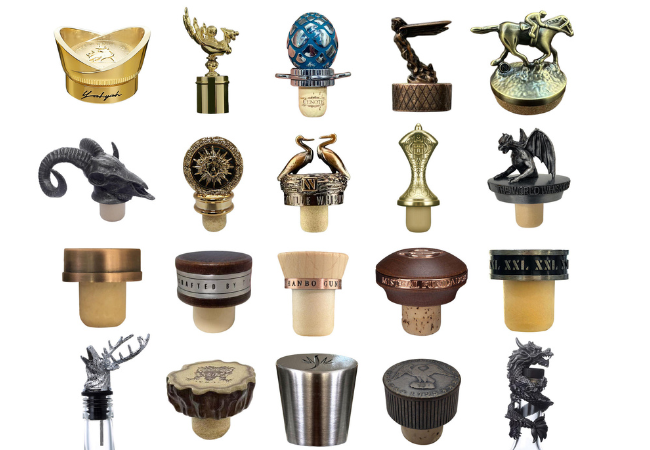
Quick Answer: What Are Debossed Bar-Top Stoppers?
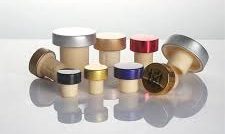
Debossed bar-top stoppers are premium T-top bottle closures with a recessed logo, crest, pattern, or brand mark on the visible stopper head. They are used for luxury whisky, gin, rum, tequila, vodka, brandy, liqueur, and private label spirits bottles. For packaging buyers, the key decision is not only how the stopper looks, but also how it fits the bottle neck, seals the product, supports bottling, and reinforces premium brand positioning.
For spirits brands, distilleries, importers, distributors, bottlers, and private label buyers, debossed bar-top stoppers offer a practical way to upgrade bottle packaging without relying only on printed labels or decorative glass. A recessed mark gives the closure a more permanent, tactile, and refined brand expression.
Need to confirm stopper fit or logo feasibility? Send your bottle drawing, neck size, and logo file to Kandacork Closures for sample review.
Why Debossed Stoppers Matter in Luxury Spirits Packaging
Luxury spirits packaging is judged before the bottle is opened. The closure is one of the first components a buyer or consumer touches, so it has a direct influence on perceived quality.
A debossed logo or pattern gives the stopper physical depth. Compared with ordinary surface printing, debossing feels more integrated into the material. This makes debossed bar-top stoppers suitable for brands that want subtle luxury rather than loud decoration.
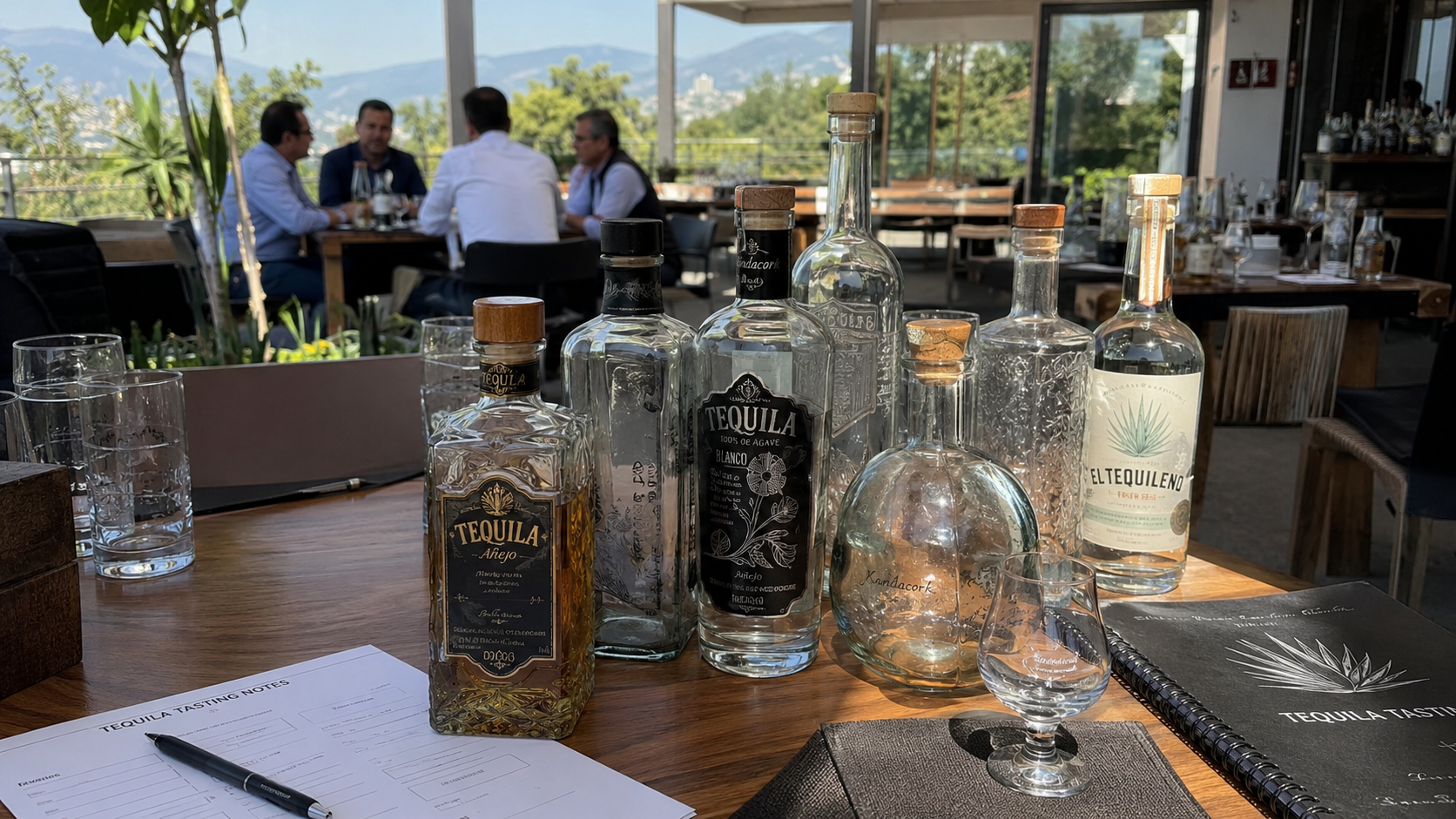
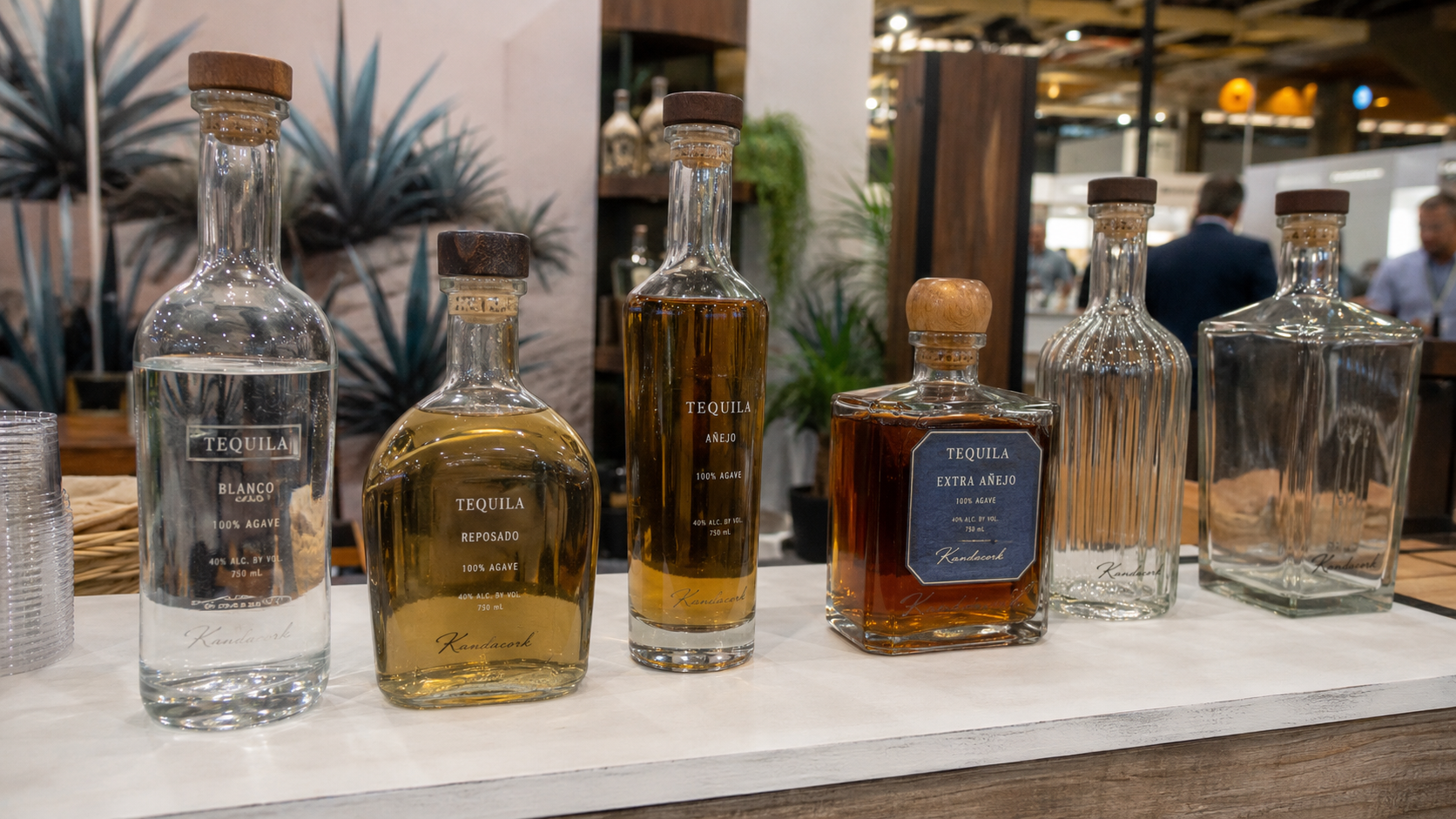
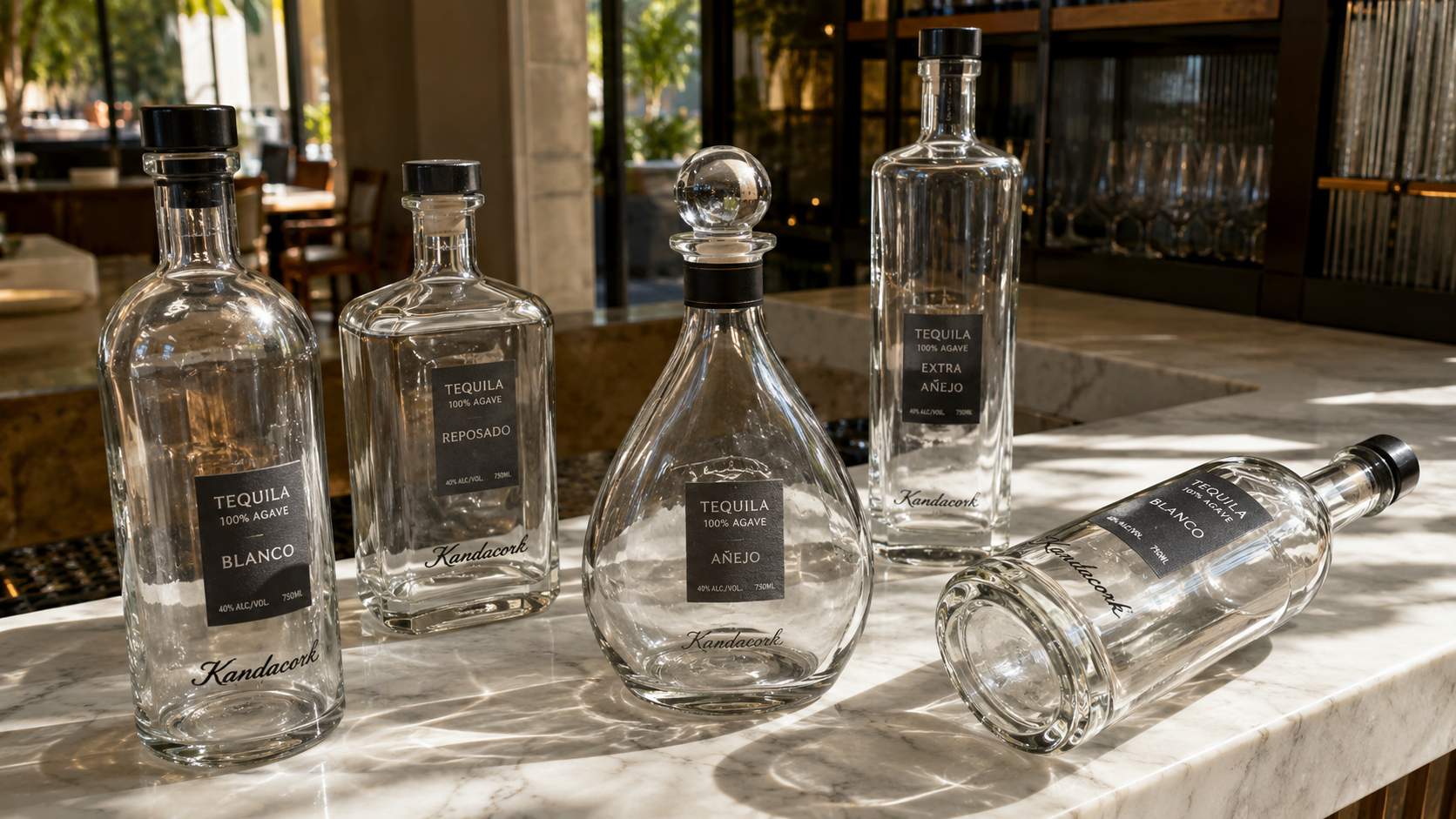
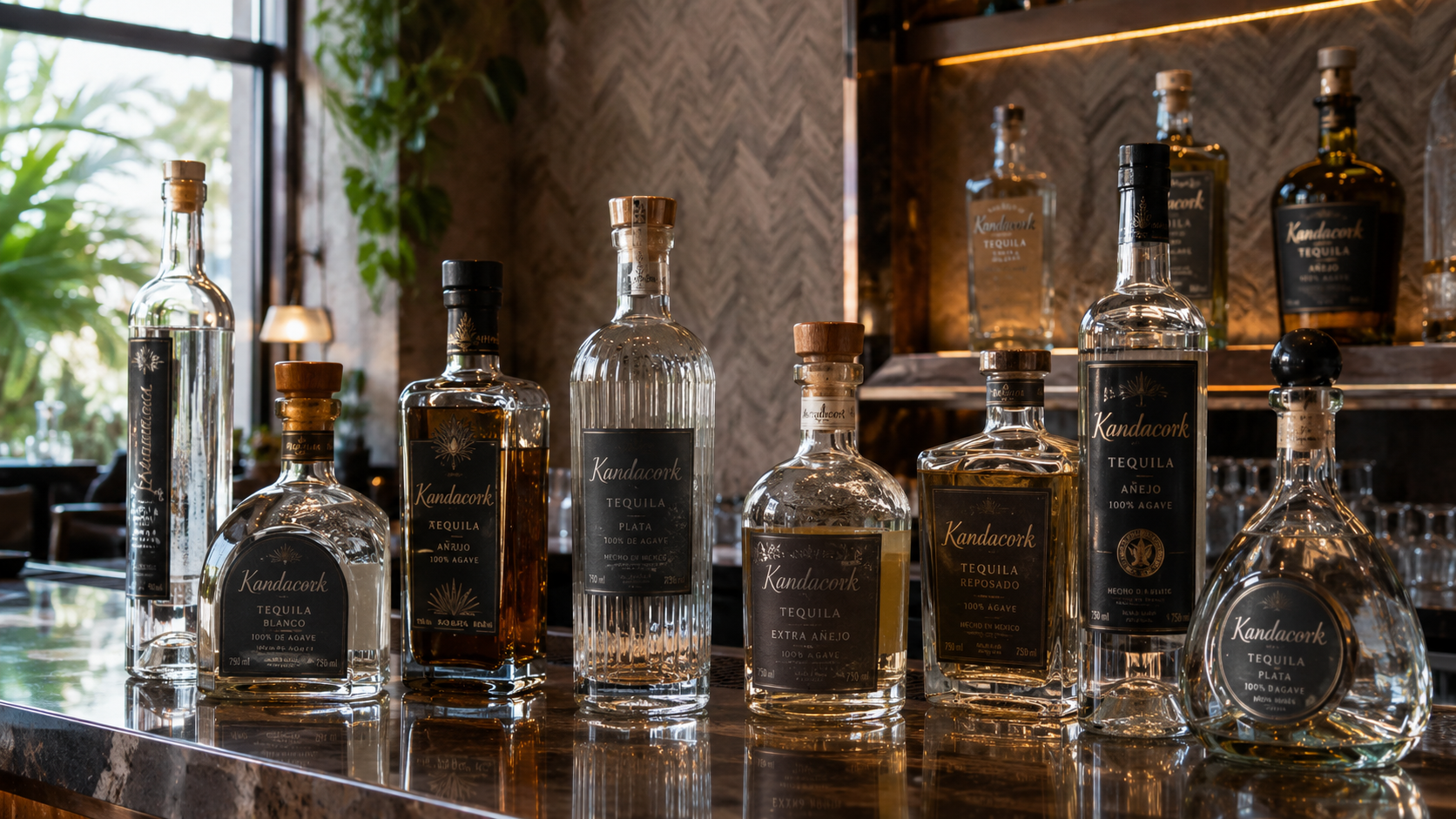
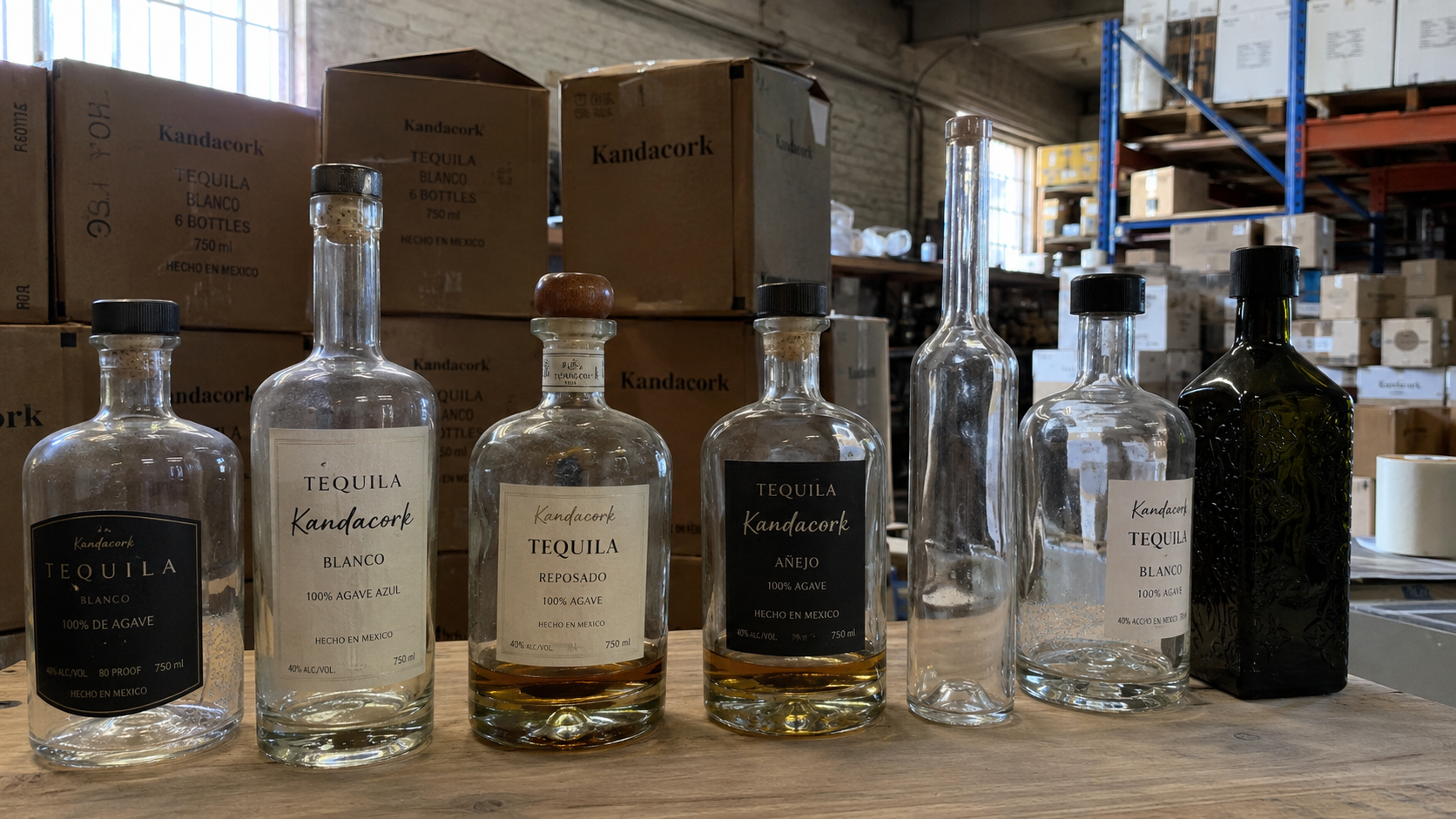
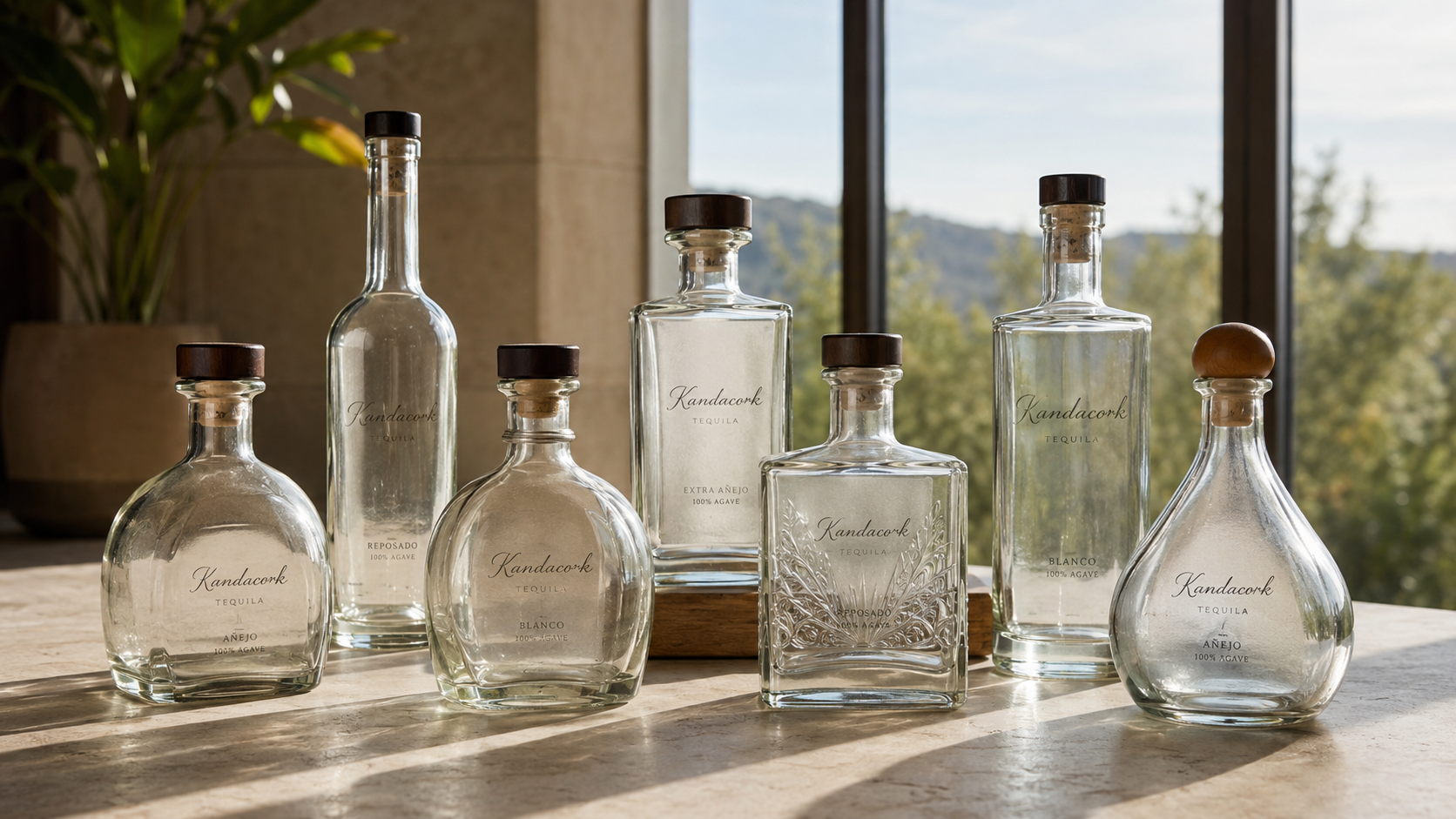
For whisky, gin, rum, tequila, vodka, and brandy packaging, the stopper should match the full bottle system: glass shape, label material, neck finish, capsule, gift box, and target retail price. A well-designed debossed stopper can make the bottle feel more complete and more intentional. For brands developing bottles, closures, decoration, and secondary packaging together, an integrated partner such as Kandacork Glass for custom spirits packaging can help buyers think beyond a single component and plan a complete packaging project.
Key Technical Requirements Before Choosing a Stopper
Before choosing material or decoration, buyers should confirm the technical requirements of the bottle. A stopper may look premium but still fail if the neck fit, shank compression, or pull-out force is not right.
Bottle Neck Inner Diameter
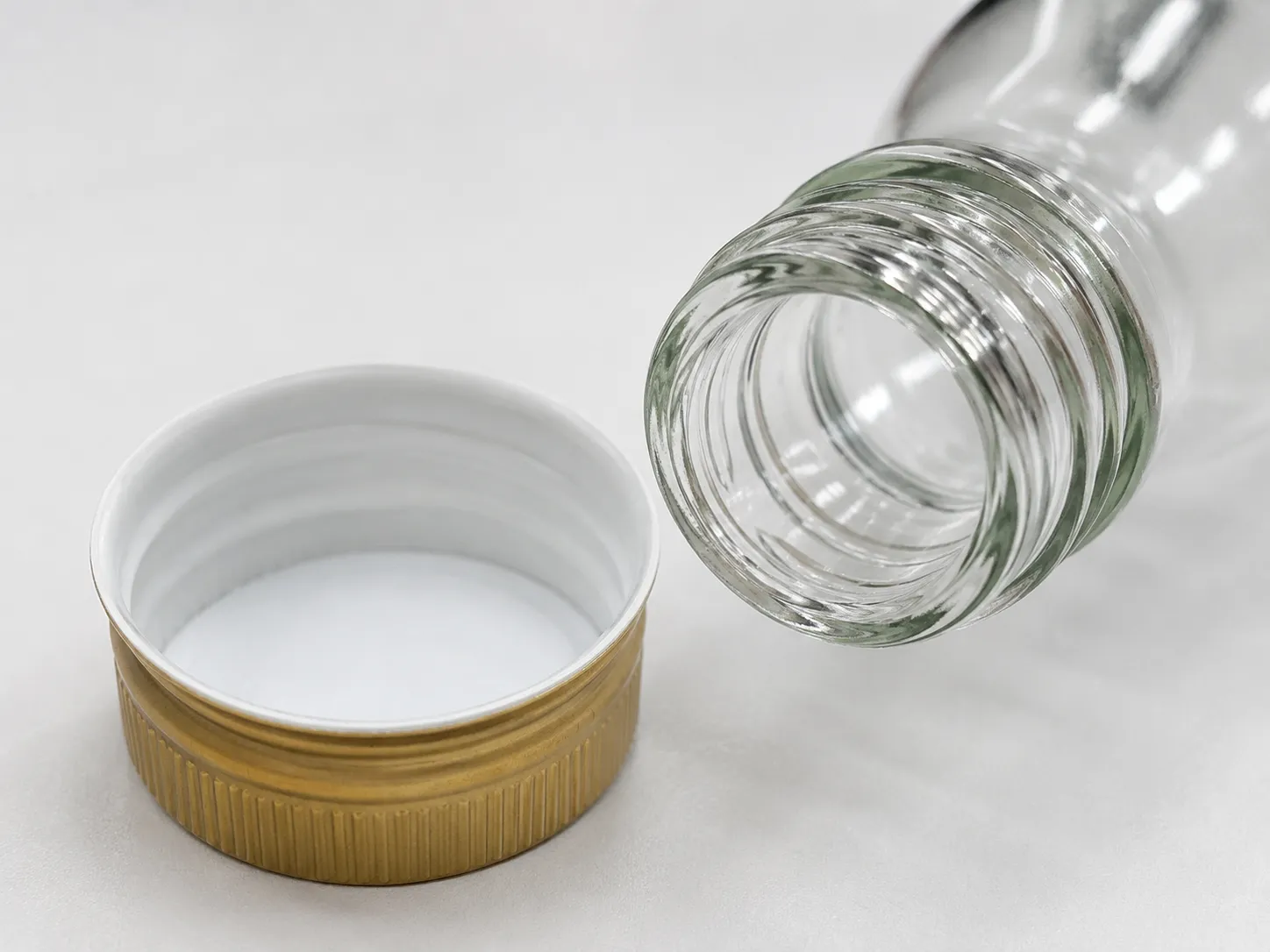
The bottle neck inner diameter determines whether the stopper shank can seal properly. If the shank is too small, the closure may feel loose or create leakage risk. If it is too large, it may be difficult to insert during bottling or difficult for consumers to remove.
Buyers should provide a bottle drawing, neck finish drawing, bottle photo, or physical bottle sample before finalizing debossed bar-top stoppers. For more detailed sizing preparation, packaging buyers can refer to this glass bottle neck closure matching guide before sending project information for review.
Shank Diameter and Compression
The shank is the lower part of the bar-top stopper that enters the bottle neck. It may be made from natural cork, micro-agglomerated cork, synthetic cork, smooth synthetic material, TPE, or another polymer-based material.
Shank diameter, shank length, insertion depth, and compression all affect sealing performance. The right choice depends on the bottle neck tolerance, spirit type, filling process, and desired opening feel.
Pull-Out Force
Pull-out force refers to the effort required to remove the stopper. For luxury spirits bottles, the stopper should feel secure but not difficult to open. A premium closure should create confidence when sealed and a smooth experience when opened.
Pull-out force can be affected by shank material, bottle neck variation, storage temperature, alcohol exposure, and filling-line conditions. This is why physical samples should be tested before bulk production.
Leak Testing and Transport Stability
Packaging buyers should test debossed bar-top stoppers under realistic conditions. Useful checks include insertion testing, reclosure testing, tilt testing, short-term inversion checks, vibration review, and temperature exposure review.
These tests are important for export projects, duty-free packaging, e-commerce spirits sales, and long-distance distribution.
Food-Contact and Material Documentation
For spirits packaging, buyers may need to review whether the shank, coating, adhesive, colorant, or other closure component is suitable for the intended market. For U.S. projects, packaging teams may refer to the FDA guidance on packaging and food contact substances when reviewing food-contact expectations.
A capable closure supplier should help provide material information and documentation support when required.
How to Measure Bottle Neck Fit Before Ordering
Bottle neck fit should be confirmed before material selection, logo tooling, or bulk quotation. Buyers should not choose debossed bar-top stoppers only by bottle capacity, because two bottles with the same capacity may have different neck openings.
Start by measuring the bottle neck inner diameter. If a technical drawing is available, compare the drawing with physical bottle samples. Then confirm the required shank diameter, shank length, and insertion depth. The stopper should be tested with the actual bottle to check insertion feel, sealing performance, pull-out force, and reclosure.
For faster technical review, send Kandacork Closures the bottle neck drawing or physical bottle sample before confirming stopper structure.
Debossed Bar-Top Stopper Material Comparison
Different materials create different visual, tactile, and commercial results. The best choice depends on bottle style, target market, launch budget, order quantity, and brand positioning.
| Stopper Material | Target Positioning | Best For | Debossing Effect | Buyer Concerns |
|---|---|---|---|---|
| Aluminum | Modern premium / mid-to-high private label | Gin, vodka, tequila, liqueur, modern whisky | Clean, precise, modern | Finish consistency, anodized color, tooling, scratch resistance |
| Zamak / Zinc Alloy | Luxury / limited edition / heavy premium | Premium whisky, tequila, mezcal, aged rum, brandy | Heavy, sculptural, luxury | Weight, plating quality, mold detail, export protection |
| Wood | Craft / heritage / natural | Craft whisky, rum, gin, brandy | Warm, natural, subtle | Grain variation, stain color, lacquer, logo visibility |
| Plastic / Synthetic | Cost-controlled private label / high-volume | Private label spirits, mini bottles, high-volume projects | Consistent, cost-controlled | Mold quality, surface texture, color stability |
| Resin / Glass / Composite | Gift pack / collector / design-led edition | Collector bottles, gift packs, limited editions | Decorative and distinctive | Breakage risk, assembly strength, MOQ, shipping protection |
Aluminum Bar-Top Stoppers
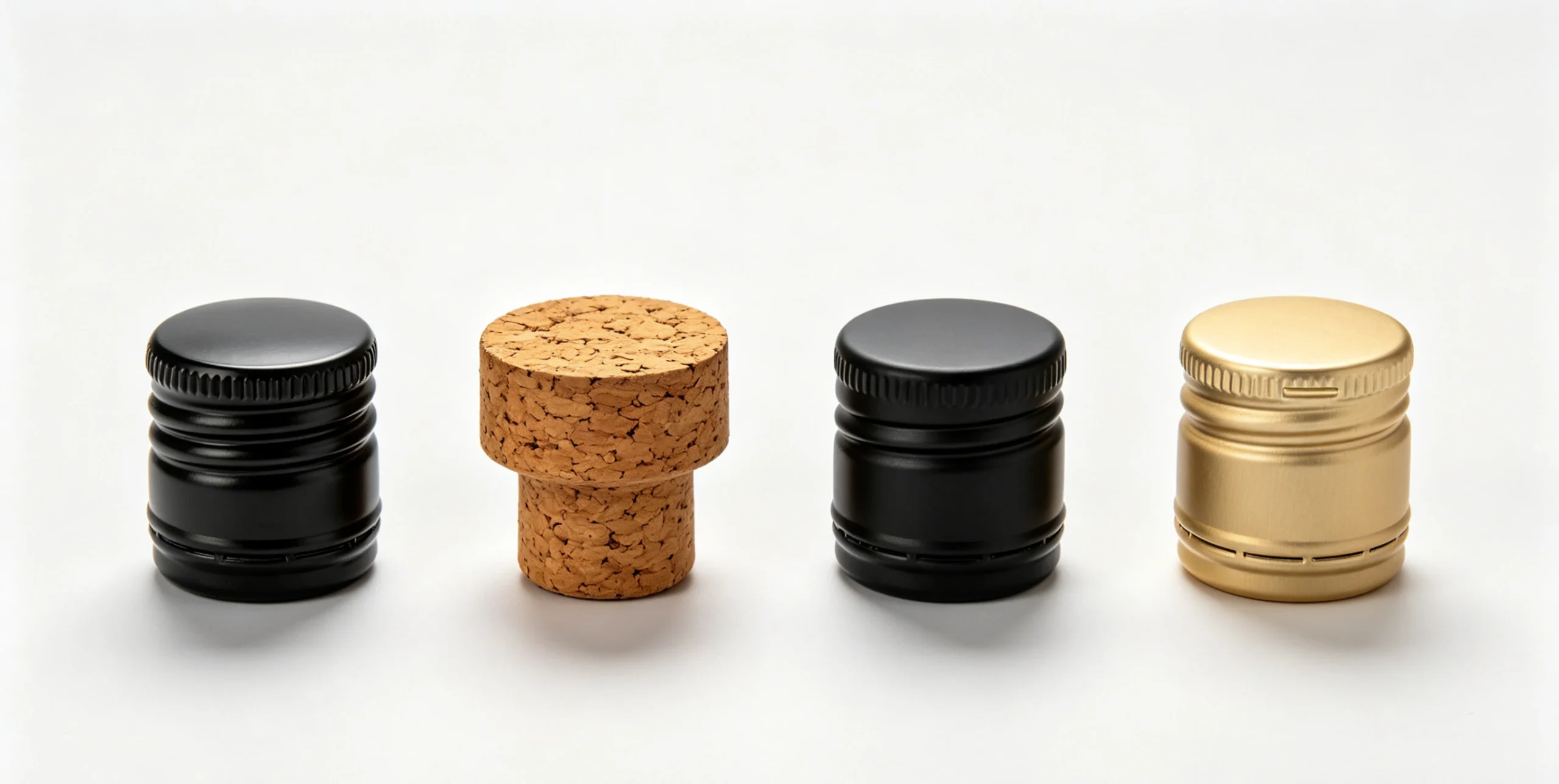
Aluminum is suitable for clean, modern premium packaging. It supports matte coating, gloss coating, brushed metal, anodized color, and metallic finishing.
Debossed bar-top stoppers made from aluminum work well for gin, vodka, tequila, liqueur, and contemporary whisky packaging. They are a good option when the brand wants a precise, lightweight, and refined closure.
Buyers should confirm whether the logo requires tooling, whether the finish is anodized or coated, and whether color samples are available before bulk production.
Zamak and Zinc Alloy Stoppers
Zamak and zinc alloy are suitable for brands that want a heavier, more sculptural stopper. These materials can support detailed shapes, antique finishes, plating, and recessed branding.
For premium whisky, aged rum, tequila, mezcal, brandy, and limited-edition spirits, a weighted metal stopper can increase perceived value. Buyers developing high-end closures can compare material options through Kandacork Closures’ custom metal bar-top stoppers page before confirming sample direction, stopper weight, plating durability, edge finishing, and export packing.
Wooden Bar-Top Stoppers
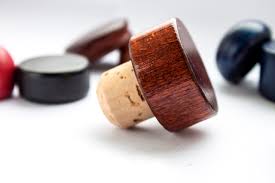
Wooden stoppers are often used for craft, heritage, and natural brand stories. They are suitable for whisky, rum, gin, brandy, and boutique spirits brands.
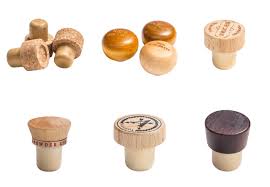
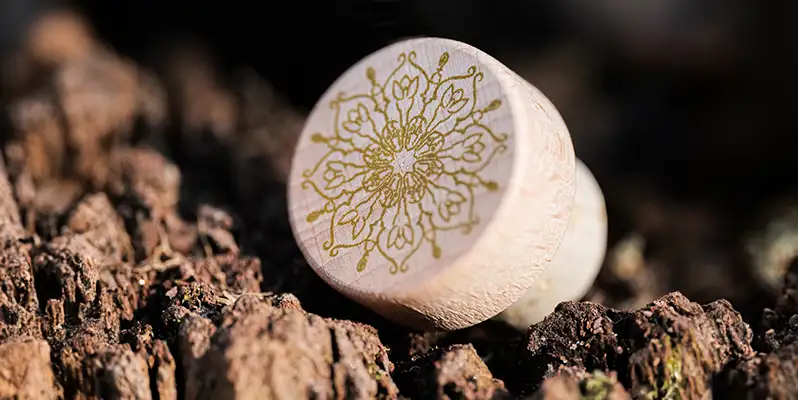
Debossing on wood creates a softer tactile effect. The final result depends on wood species, grain direction, stain color, lacquer, logo size, and deboss depth. Because wood varies naturally, physical sample approval is essential.
Plastic and Synthetic Head Stoppers
Plastic and synthetic heads are practical for private label buyers, promotional spirits, mini bottles, and larger-volume projects. They offer consistent color, repeatable molding, and controlled unit cost.
These materials can still support a premium appearance when the mold detail, surface texture, color, and finish are well managed. Buyers should confirm whether the recessed logo is molded directly into the head or created by secondary processing.
Debossing, Embossing and Artwork Requirements
Debossing is only one decoration method. Buyers should compare it with embossing, laser engraving, printing, hot foil, and metal inserts before deciding.
| Decoration Method | Best Use | Advantages | Limitations |
|---|---|---|---|
| Debossing | Subtle luxury logo, recessed top mark | Durable, tactile, refined | Very fine details may be lost |
| Embossing | Raised logo, bold crest, visible emblem | Strong visual recognition | May feel too heavy for minimalist packaging |
| Laser Engraving | Wood, aluminum, coated metal | Precise, flexible, good for samples | Contrast depends on surface material |
| Screen / Pad Printing | Colored logo or text | Good for brand color control | Less tactile than recessed marks |
| Hot Foil Stamping | Gold, silver, copper details | Strong premium shelf impact | Requires adhesion and durability testing |
| Metal Insert / Medallion | High-end emblem or decorative top | Strong luxury effect | Higher cost and assembly complexity |
Debossing is often the best choice when the brand wants a refined and understated closure. Embossing works better for bolder marks. Laser engraving is useful for detailed logos, especially on wood or coated metal. Printing and hot foil are useful when color or shine is important. For closures that require extra brand detail around the head or side surface, Kandacork Closures can also support sidewall design and closure branding options based on the stopper material and application method.
What Logo Types Work Best for Debossing?
Not every logo is suitable for debossing. A clean logo usually performs better than a highly detailed illustration.
| Logo Type | Debossing Suitability | Recommendation |
|---|---|---|
| Simple monogram | High | Best for aluminum, metal, wood, and synthetic heads |
| Distillery crest | Medium to high | Simplify fine lines before tooling |
| Tiny text | Low | Consider engraving, printing, or larger artwork |
| Botanical illustration | Medium | Reduce detail and test with samples |
| Geometric pattern | High | Good for metal, molded, or coated heads |
| Complex shaded artwork | Low | Convert into simplified line artwork |
For debossed bar-top stoppers, artwork should be prepared in vector format such as AI, EPS, PDF, or SVG. The logo should be clean and scalable. Very thin lines, tiny text, gradients, and complex illustrations may not reproduce clearly as a recessed mark.
Before sample development, buyers should prepare the logo file, desired logo size, top-view position, stopper material, surface finish, color reference, bottle drawing, and label or gift box reference.
Should Debossed Bar-Top Stoppers Be Used With Capsules?
Debossed bar-top stoppers mainly support sealing, opening feel, and premium brand expression. For retail, export, duty-free, and gift packaging, brands may also need tamper-evident support.
Common options include shrink capsules, neck bands, tamper-evident seals, sleeves, or gift box structures. When these elements are used, stopper head height, shoulder profile, neck finish, and capsule fit should be reviewed early. This helps avoid problems during filling, sealing, packing, and retail display.
Standard Stopper or Fully Custom Debossed Stopper?
Packaging buyers usually choose between a standard stopper with custom branding and a fully custom stopper.
A standard stopper uses an existing head shape and adds a debossed logo or surface detail. This option is suitable for private label spirits, faster launches, moderate budgets, and projects that do not require an exclusive closure shape.
A fully custom stopper involves a new head shape, exclusive mold, special finish, custom weight, or more complex decoration. This option is suitable for luxury spirits launches, limited editions, long-term SKU programs, and brands that want stronger packaging ownership.
The right choice depends on quantity, launch timeline, tooling budget, exclusivity needs, and target retail channel. Buyers comparing standard and custom structures can use this bar-top closure project checklist to prepare sizing, logo, sample, MOQ, and bulk supply questions before starting a new project.
How to Evaluate a Debossed Bar-Top Stopper Supplier
A supplier should not only offer logo decoration. For debossed bar-top stoppers, the supplier must understand closure structure, bottle neck fit, material behavior, surface finishing, sampling, and repeatable production.
| Buyer Question | Why It Matters |
|---|---|
| Can the supplier review bottle neck fit before sampling? | Reduces leakage and insertion problems |
| Can they recommend natural cork, synthetic cork, or polymer shank options? | Supports sealing, opening feel, and reclosure |
| Can they confirm whether the logo is suitable for debossing? | Prevents poor logo reproduction |
| Can they provide material and finish samples? | Helps confirm color, texture, and surface quality |
| Can they test pull-out force and leakage risk? | Improves consumer experience and distribution safety |
| Can they support bulk quality control? | Protects brand consistency across production |
| Can they manage export packing? | Reduces damage during international shipping |
| Can they support private label and custom spirits projects? | Helps brand owners, importers, and distributors launch efficiently |
| Can they provide documentation when required? | Supports market and compliance review |
A capable supplier should also understand how the stopper fits with the bottle, label, capsule, gift box, carton insert, and retail display.
Quote Request Checklist for Packaging Buyers
To receive an accurate quotation for debossed bar-top stoppers, buyers should provide complete project information.
Useful details include:
- Spirit type
- Bottle capacity
- Bottle neck inner diameter
- Neck finish drawing
- Bottle photo or physical sample
- Desired stopper material
- Stopper head size
- Shank material preference
- Logo artwork
- Debossing position
- Surface finish
- Color reference
- Quantity range
- Target market
- Required documentation
- Sample deadline
- Launch schedule
- Packing and shipping requirements
If bottle neck details are not available, buyers should send physical bottle samples or technical drawings before confirming final stopper dimensions.
Why Work With Kandacork Closures?
Kandacork Closures supports debossed bar-top stopper projects from bottle neck review and artwork feasibility to material sampling, finish confirmation, shank selection, sample development, bulk inspection, and export packing.
For spirits brands, distilleries, importers, distributors, bottlers, and private label buyers, Kandacork Closures can help compare aluminum, metal, wooden, plastic, and synthetic stopper options based on bottle style, target market, launch schedule, and quantity range.
Project support may include debossed logos, embossed logos, laser engraving, printing, color matching, synthetic shank solutions, bottle fit review, and custom sample development for premium spirits bottle packaging.
Request Samples or a Quotation
Need to confirm bottle neck fit? Send your bottle drawing or physical bottle sample to Kandacork Closures for stopper structure review.
Planning a premium spirits launch? Share your logo artwork, material preference, finish direction, quantity range, target market, and sample timeline to request debossed bar-top stopper samples or a quotation.
FAQ
Are debossed bar-top stoppers suitable for luxury spirits bottles?
Yes. Debossed bar-top stoppers are suitable for luxury spirits bottles because they add tactile branding, durable surface detail, and a more premium opening experience. They are commonly used for whisky, gin, rum, tequila, vodka, brandy, liqueur, limited editions, and private label spirits.
Which material is best for debossed bar-top stoppers?
The best material depends on the bottle design and brand positioning. Aluminum is suitable for clean modern packaging. Zamak and zinc alloy are suitable for heavy premium closures. Wood supports craft and heritage positioning. Plastic and synthetic heads are practical for private label and larger-volume projects.
Is debossing better than embossing?
Debossing is better when the brand wants a subtle recessed logo with a refined tactile feel. Embossing is better when the brand wants a raised and more visible logo. Both methods can look premium when the material, logo size, and surface finish are properly matched.
How should buyers measure bottle neck fit before ordering?
Buyers should confirm the bottle neck inner diameter, shank diameter, shank length, insertion depth, and pull-out force with the actual bottle. A technical drawing is useful, but physical sample testing is recommended before bulk production.
What logo types work best for debossed stoppers?
Simple monograms, geometric marks, clean crests, and bold line artwork usually work best. Very small text, gradients, complex illustrations, and fine details may need to be simplified or changed to engraving or printing.
How do buyers request a quotation from Kandacork Closures?
Buyers can send bottle neck measurements, bottle photos or drawings, logo artwork, preferred stopper material, finish direction, shank preference, quantity range, target market, and sample timeline. These details help Kandacork Closures recommend suitable debossed bar-top stoppers and prepare an accurate quotation.