Tamper-evident sleeves are heat-shrink bands applied over a bottle cap, stopper, or neck finish to show visible evidence of opening. The best sleeve fits over the closure, anchors below the neck finish, shrinks without wrinkles, tears predictably, and supports the brand’s appearance, sustainability goals, and production requirements.
For packaging buyers, the most important decision factors are neck fit, closure type, shrink material, lay-flat width, cut length, perforation design, application method, and final shelf presentation. When these details are specified together, tamper-evident sleeves can protect product integrity while improving the premium feel of a bottle.
What Are Tamper-Evident Sleeves?
Tamper-evident sleeves are shrinkable bands or labels applied over the opening area of a bottle, jar, or container. After heat is applied, the film contracts around the cap, stopper, closure skirt, or neck finish. When the consumer opens the package, the sleeve tears, breaks, separates, or shows visible damage.
The purpose is not to make a package impossible to open. The purpose is to make opening visible.
For consumer packaging, this matters because shoppers want to know whether a bottle has been opened before purchase. For brands, it supports shelf trust, product integrity, and retail confidence. For packaging teams, it creates a technical challenge: the sleeve must fit correctly, shrink consistently, and work with the closure design.
Brands developing custom spirits packaging can review Kandacork’s full capsules and shrink sleeves range when comparing decorative capsules, shrink neck bands, and closure-matching options for bottle projects.
Why Neck Fit Matters
Neck fit is the foundation of tamper-evident sleeve performance. A sleeve that looks correct before shrinking can still fail after heat is applied.
If the sleeve is too loose, it may slide. If it is too tight, it may split. If it is too tall, it may wrinkle around the shoulder. If it is too short, it may not grip the fixed bottle neck. If the perforation is poorly placed, the sleeve may tear during shipping or become difficult for consumers to open.
A good sleeve normally covers both the movable closure and part of the fixed container neck. This creates a connection between the cap or stopper and the bottle. When the closure is opened, the sleeve should show clear evidence of first opening.
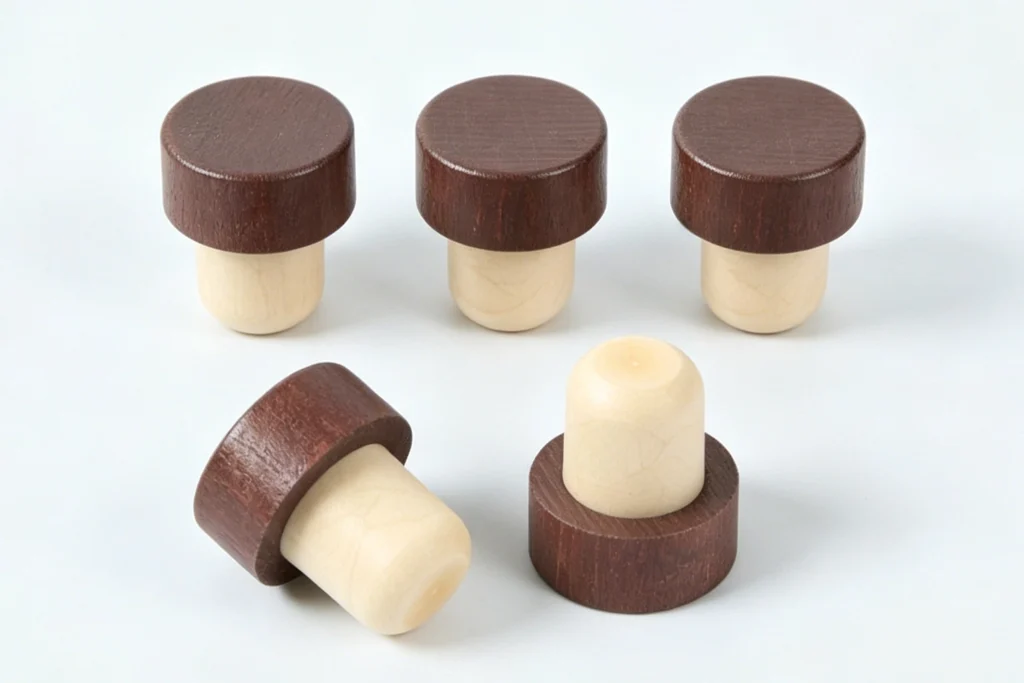
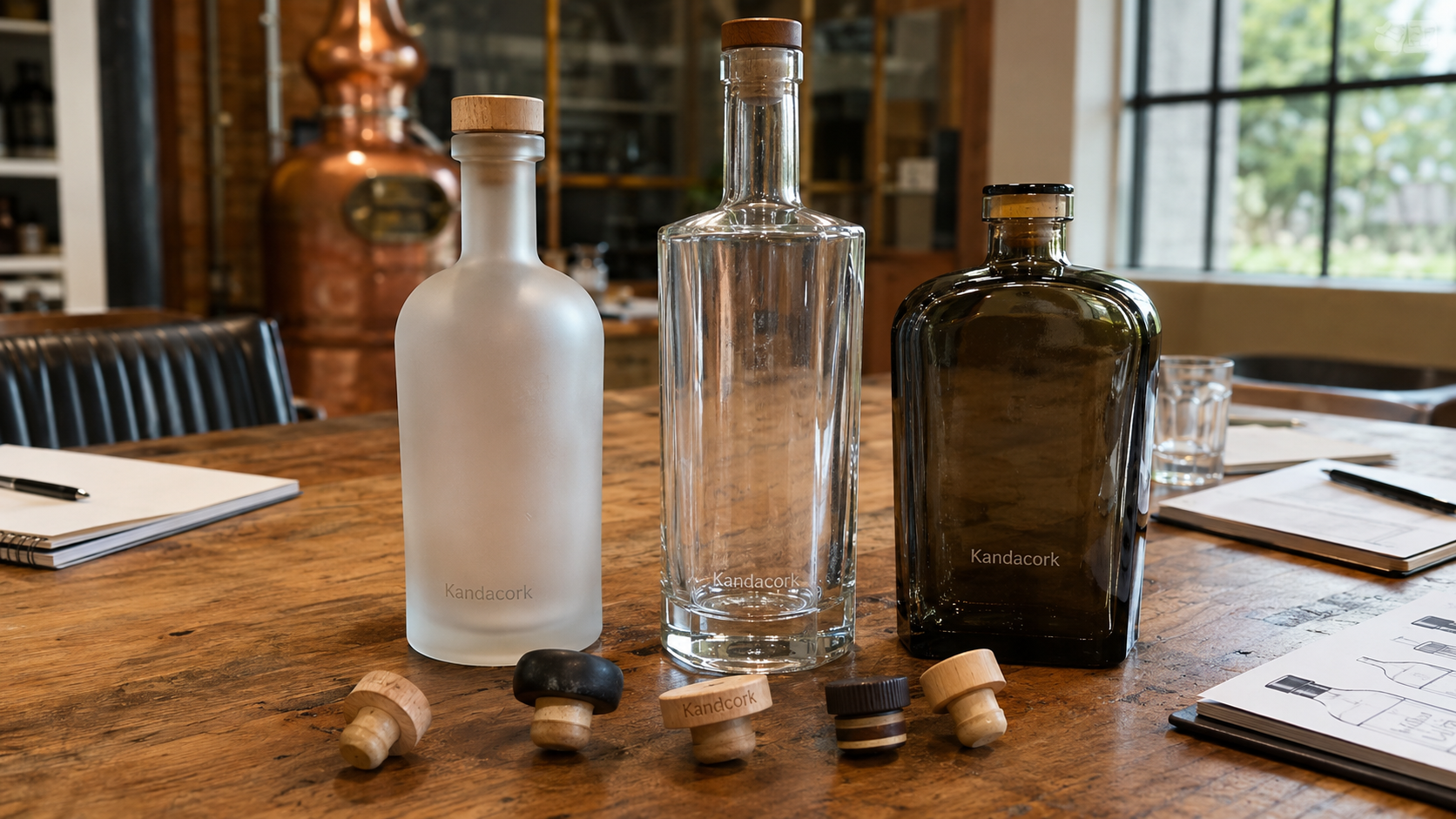
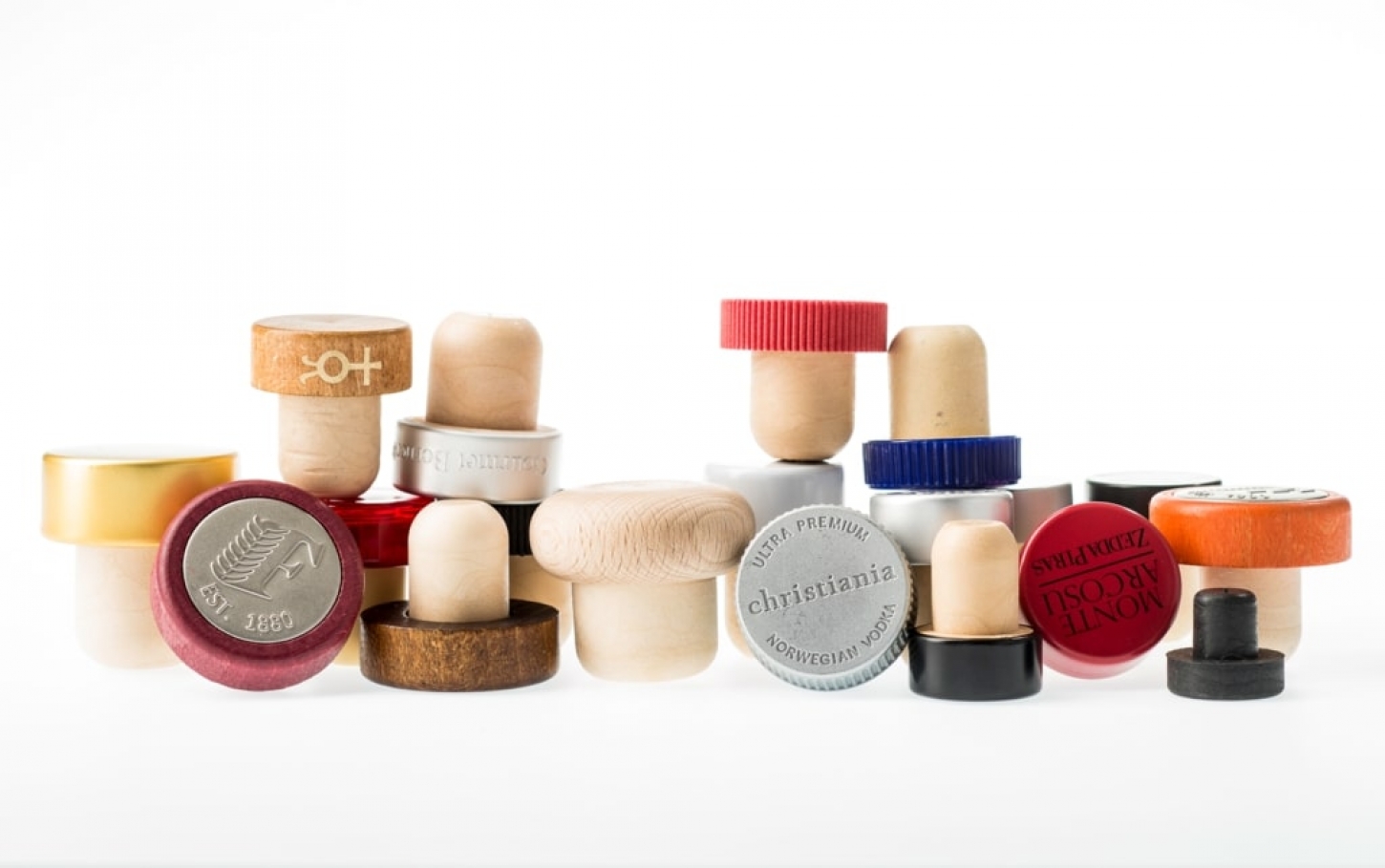
This is especially important for premium spirits bottles. Whisky, rum, gin, tequila, vodka, brandy, and liqueur bottles often use heavy glass, short necks, custom shoulders, bar-top stoppers, cork finishes, ROPP closures, screw caps, wooden tops, or decorative capsules. These details improve brand value, but they also make sleeve specification more precise.
Tamper Evidence Is Not Tamper Prevention
Tamper evidence means a package has a feature that can show visible evidence if the package has been opened or disturbed. It does not mean the package cannot be opened.
This distinction is important for buyer expectations. A neck band, capsule, or shrink sleeve should be judged by whether it creates visible opening evidence, not by whether it makes access impossible.
The U.S. electronic Code of Federal Regulations describes a tamper-evident package as one with indicators or barriers that can provide visible evidence to consumers when breached or missing in the context of regulated OTC packaging. This principle is useful for understanding the difference between a visible opening indicator and a simple decorative band, even when the product category is different from spirits packaging. Packaging teams can review the wording in 21 CFR 211.132 when they need a clear reference for the concept of visible evidence.
For beverage alcohol projects, the Alcohol and Tobacco Tax and Trade Bureau is a relevant entity for U.S. distilled spirits packaging context. TTB guidance and rulings show that tamper-evident closure devices may be part of packaging requirements in specific spirits applications, including certain containers referenced in TTB Ruling 85-7. Requirements vary by product, package type, and target market, so brands should confirm applicable rules before production.
How Tamper-Evident Sleeves Work on Bottle Necks
A tamper-evident sleeve is usually placed over the closure and upper neck. Heat is then applied with a heat gun, heat tunnel, or steam tunnel. The film shrinks around the bottle neck and closure profile.
The sleeve should anchor below the closure. This lower grip area helps prevent the band from lifting off with the cap or stopper. When the consumer opens the package, the sleeve should tear or separate in a visible way.
Common opening features include vertical perforations, horizontal perforations, partial perforations, tear strips, pull tabs, printed opening marks, safety messages, and custom branded tamper-evident text.
A simple screw-cap bottle may only need a short neck band. A full-body shrink sleeve may need a horizontal perforation near the cap. A bar-top stopper may need a clear sleeve that protects the opening while keeping the decorative top visible.
For brands comparing closures, stoppers, caps, and sleeve compatibility together, Kandacork’s broader bottle closures and stoppers category can help frame the sleeve as part of the complete bottle opening system rather than a separate accessory.
Key Measurements Before Sizing
Buyers should collect accurate bottle and closure measurements before ordering custom tamper-evident sleeves. The sleeve should not be selected only by bottle capacity, cap name, or visual estimate.
| Measurement | Why It Matters |
|---|---|
| Closure outside diameter | Determines the widest point the sleeve must pass over before shrinking |
| Closure height | Helps define how much of the cap, cork, or stopper should be covered |
| Bottle neck diameter | Determines the fixed area where the sleeve should anchor |
| Neck ring or bead diameter | Affects grip, shrink position, and opening evidence |
| Shoulder shape | Influences wrinkles, distortion, and heat distribution |
| Desired sleeve height | Controls coverage, appearance, and consumer opening behavior |
| Application method | Heat gun, heat tunnel, and steam tunnel can produce different shrink results |
| Perforation position | Determines how the sleeve tears when opened |
Accurate measurements help suppliers recommend the correct lay-flat width, cut length, film material, and shrink percentage.
Lay-Flat Width and Cut Length Explained
Lay-flat width is the width of the sleeve when the film tube is flattened. Cut length is the vertical height of the sleeve.
For a bottle neck band, lay-flat width must be large enough to slide over the closure before shrinking, but not so large that the sleeve stays loose after shrinking. Cut length must be tall enough to cover the closure and grip the neck, but not so tall that it interferes with the shoulder, label, or opening experience.
A practical sleeve sizing process includes measuring the largest outside diameter of the closure, measuring the neck area where the sleeve should grip, deciding how far the sleeve should extend below the closure, selecting film material based on shrink behavior, producing samples before bulk production, and testing the sleeve on real bottles and real closures.
For example, if a bottle uses a 32 mm closure and the sleeve must extend 18 mm below the cap onto the glass neck, the supplier should confirm the lay-flat width, cut length, and shrink percentage using the actual bottle and closure sample. A small change in stopper diameter, neck bead, or shoulder angle can affect the final fit.
This is why custom spirits bottles should always be tested before mass production.
Best Materials for Tamper-Evident Sleeves
The most common shrink sleeve materials include PVC, PETG, OPS, and PLA. Each material behaves differently during shrinking, printing, handling, and recycling.
| Material | Best For | Advantages | Limitations |
|---|---|---|---|
| PVC | Cost-effective neck bands and simple bottle shapes | Economical, familiar, controlled shrink behavior | May raise recycling and sustainability concerns in some markets |
| PETG | Premium clarity, shaped containers, high-quality printed sleeves | Strong shrink performance, clear appearance, strong decoration potential | Needs recycling compatibility review |
| OPS | Lightweight applications and controlled shrink needs | Good clarity and stable shrink behavior in selected uses | Less common for premium spirits neck bands |
| PLA | Bio-based or sustainability-led packaging trials | Renewable material positioning | Requires careful testing for heat, durability, brittleness, and end-of-life claims |
| Aluminum or polylaminate capsule | Premium spirits neck finishing | Traditional high-end appearance and strong shelf presence | May cost more and require different application equipment |
PVC is commonly used when brands need simple and economical tamper-evident neck bands. PETG is often selected when the brand wants stronger shrink performance, higher clarity, or premium decoration. OPS and PLA may be suitable for specific projects, but they should be validated through testing.
Material selection should not be based on cost alone. The film must match the bottle neck, closure shape, heat equipment, artwork, sustainability goal, and brand position.
PVC vs PETG for Bottle Neck Sleeves
PVC and PETG are two of the most common choices for shrink applications.
PVC may be suitable for standard neck bands, promotional closures, sample programs, or cost-sensitive private-label packaging. It can work well when the bottle neck shape is simple and the sleeve does not need to manage complex contours.
PETG may be preferred for premium spirits bottles, transparent neck seals, custom printed decoration, or shaped bottle profiles. It can help preserve a polished appearance when the sleeve needs to conform cleanly around a decorative cap, cork stopper, or custom bottle shoulder.
For example, a tequila brand using a decorative stopper may prefer a clear PETG sleeve so the stopper remains visible. A rum brand with a dark glass neck may choose a matte printed neck band for a vintage look. A gin brand with minimalist packaging may use a clear band to maintain a clean visual identity.
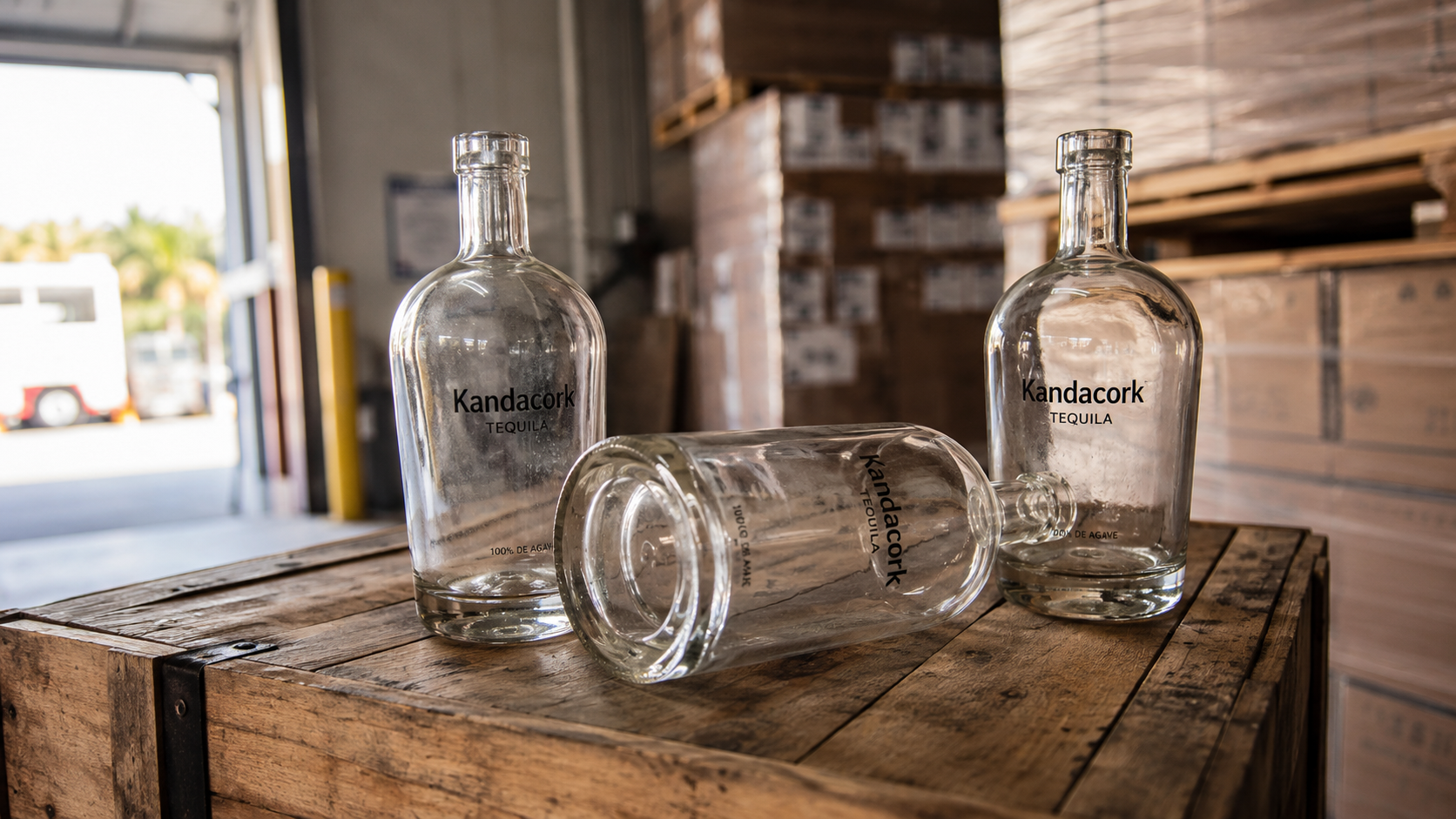
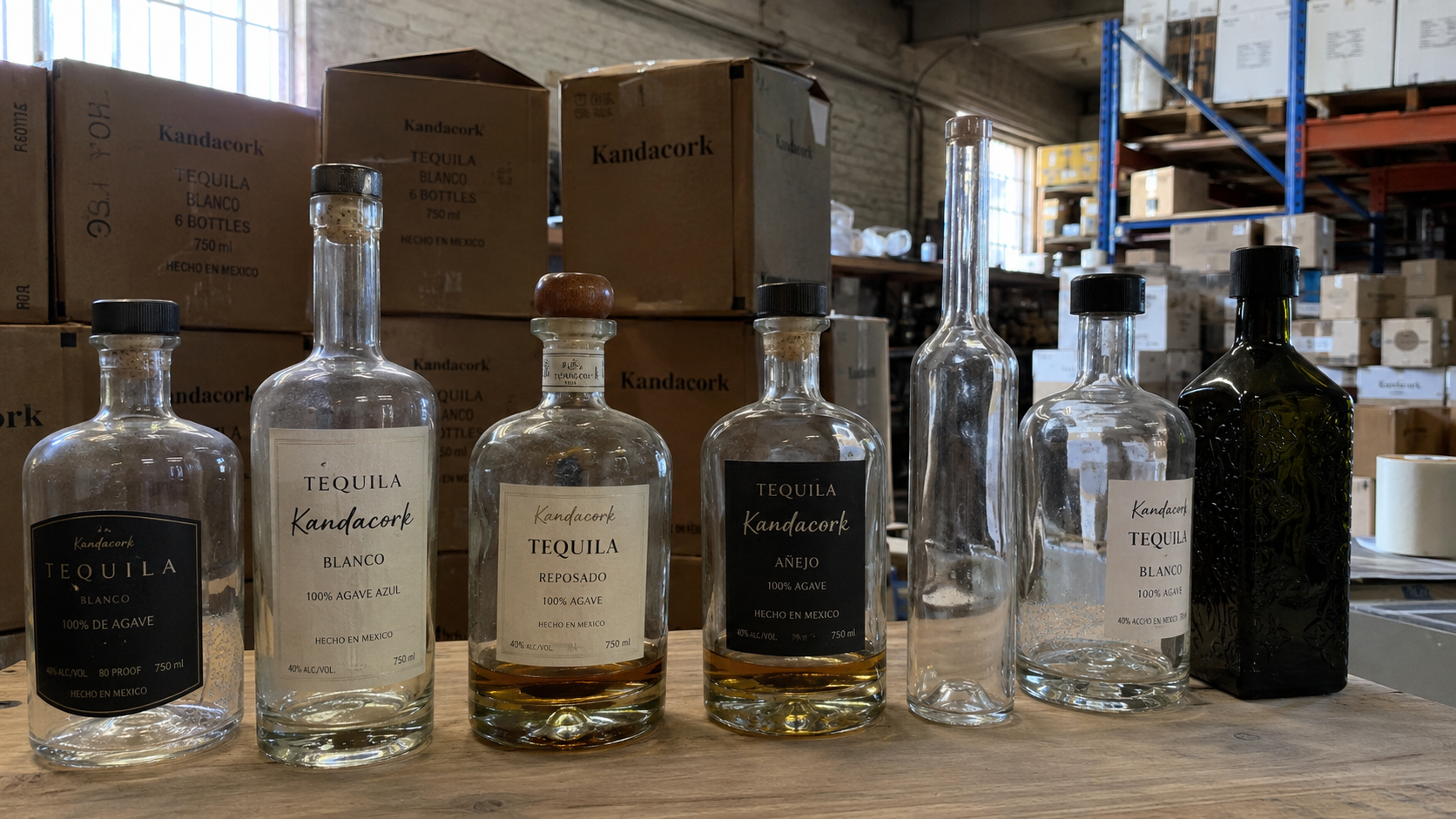
When the glass bottle shape is still being developed, coordinating the sleeve with the bottle body early can reduce fit problems later. Brands sourcing custom spirits bottles from Kandacork Spirits can align bottle form, closure diameter, neck finish, and sleeve coverage during the packaging development stage.
Perforation Design and Consumer Opening
Perforation design affects both security and user experience. A sleeve must survive application, shipping, and retail handling, but it must also be easy enough for the consumer to open.
| Perforation Type | Best Use | Key Benefit |
|---|---|---|
| Full vertical perforation | Simple neck bands | Allows the full sleeve to tear away |
| Horizontal perforation | Full-body sleeves covering the cap | Lets the top tamper section separate from the body label |
| Partial vertical perforation | Controlled opening zones | Improves tear direction without weakening the full sleeve |
| Pull tab | Premium or consumer-friendly packaging | Makes first opening easier |
| Venting perforation | Certain shrink applications | Helps reduce trapped air and shrink defects |
Perforations that are too weak may tear before the bottle reaches the shelf. Perforations that are too strong may frustrate consumers and damage the opening experience.
For premium bottles, this detail matters. A luxury spirits package should feel secure, but not difficult or messy to open.
Neck Fit Troubleshooting Guide
Many sleeve problems can be solved by adjusting size, material, placement, perforation, or heat settings.
| Problem | Likely Cause | Practical Solution |
|---|---|---|
| Sleeve slides after shrinking | Lay-flat width too large or poor neck anchoring | Reduce sleeve width or extend sleeve coverage below the closure |
| Sleeve splits during shrinking | Sleeve too narrow or film overstressed | Increase size or choose a different shrink material |
| Wrinkles around shoulder | Steep shoulder, uneven heat, or excess material | Adjust sleeve height, shrink settings, or film type |
| Print looks distorted | Shrink percentage too high or artwork not compensated | Use shrink-aware artwork and test printed samples |
| Sleeve tears before opening | Perforation too weak or handling stress too high | Adjust perforation strength or band thickness |
| Consumer cannot open sleeve | Perforation too strong or no tear feature | Add pull tab, vertical perforation, or clearer opening mark |
| Band does not show tamper evidence | Sleeve does not grip both closure and neck | Redesign coverage area and anchor point |
Kandacork Closures recommends testing the sleeve with the final bottle, closure, and application method. A sleeve that works on one cap diameter may fail on another stopper shape, neck bead, or shoulder profile.
Application Methods
Tamper-evident sleeves are usually applied with heat. The right method depends on order volume, bottle shape, material, and quality expectations.
| Method | Best For | Advantages | Considerations |
|---|---|---|---|
| Heat gun | Sampling, short runs, craft batches | Low equipment cost and flexible testing | Operator skill affects consistency |
| Heat tunnel | Commercial production | Better control and repeatable shrink results | Requires line setup and process control |
| Steam tunnel | Contoured bottles and high-quality shrink | Even heat transfer around complex shapes | Higher equipment requirements |
| Manual placement plus tunnel | Medium-volume production | Combines flexibility with consistent shrinking | Placement accuracy still matters |
For premium spirits bottles, appearance is part of quality. A sleeve that is cloudy, crooked, wrinkled, or torn can reduce shelf appeal even if the basic tamper-evident function works.
Shrink Trial Checklist
A shrink trial should evaluate both function and appearance. Buyers should not approve sleeves based only on flat artwork or pre-shrink samples.
During testing, check whether the sleeve slides over the closure before shrinking, grips the neck after shrinking, opens cleanly, tears through the intended perforation, resists removal without visible damage, preserves printed graphics, avoids excessive wrinkling, protects the main label, and maintains the intended shelf appearance.
For export spirits, private-label programs, and new bottle designs, testing should include final or near-final production conditions whenever possible. Liquid level, bottle temperature, glass thickness, closure material, sleeve placement, and line speed can all affect shrink behavior.
For structured supply-chain identification, brands can also consider how packaging data, barcodes, cartons, and item identification will be managed across the retail and logistics system. GS1 standards provide a recognized framework for barcodes and product identification across global supply chains.
Specification Table for Procurement Teams
A clear specification table helps packaging buyers, purchasing teams, and suppliers communicate faster.
| Specification Item | Buyer Input Needed |
|---|---|
| Bottle type | Glass, PET, specialty container, custom molded bottle |
| Product category | Whisky, rum, gin, vodka, tequila, liqueur, food, cosmetic, supplement |
| Closure type | Screw cap, ROPP cap, cork, bar-top stopper, specialty closure |
| Sleeve format | Clear, printed, matte, gloss, metallic, full-body, neck band |
| Material | PVC, PETG, OPS, PLA, capsule alternative |
| Opening feature | Vertical perforation, horizontal perforation, tear strip, pull tab |
| Application method | Heat gun, heat tunnel, steam tunnel, contract packing |
| Target quantity | Sample run, pilot order, bulk order, private-label program |
| Target market | Domestic retail, export, duty-free, distributor channel |
This information helps prevent unclear quotations and reduces the chance of ordering sleeves that do not fit the final package.
Tamper-Evident Sleeves for Spirits Closures
Spirits closures are often part of the brand story. The sleeve should protect the opening without hiding important design details.
| Closure Type | Sleeve Fit Requirement |
|---|---|
| Bar-top stopper | Sleeve must cover the stopper-neck transition and tear visibly |
| Cork stopper | Sleeve should grip below the cork finish without damaging the cork |
| Screw cap | Sleeve should cover the cap skirt and extend onto the neck |
| ROPP closure | Sleeve must work with the metal cap profile and pilfer-proof area |
| Wooden top closure | Transparent or premium printed sleeve may preserve appearance |
| Glass or decorative stopper | Sleeve should protect without hiding high-value design details |
ROPP caps are widely used when brands want a reclosable metal closure with clean line performance. For projects that require this format, Kandacork offers custom ROPP closures that can be evaluated together with sleeve height, cap skirt profile, and tamper-evident requirements.
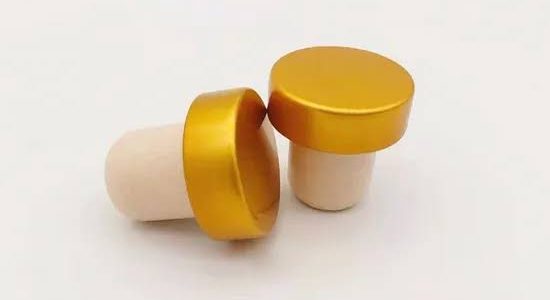
For premium cork or bar-top concepts, sleeve fit should be reviewed around the stopper head, shank compression, and bottle neck finish. Kandacork’s custom plastic T-top stoppers are one example of a closure format where color, head shape, shank choice, and optional shrink sleeve coverage can be planned together.
A premium whisky bottle may need a sleeve that coordinates with a wooden stopper and textured label. A rum bottle may use a dark capsule-style sleeve for a vintage presentation. A gin bottle may use a transparent neck band to preserve a clean, modern look.
Decoration, Branding, and Shelf Impact
Tamper-evident sleeves should not be treated only as security components. On a retail shelf, the neck area is part of the brand’s visual system. A transparent sleeve can keep the closure visible. A colored band can create a stronger shelf block. A printed sleeve can carry a safety message, brand mark, batch cue, or opening instruction.
Decoration teams should consider sleeve color, opacity, print distortion, gloss level, matte finish, metallic effects, and alignment with the main label. If the sleeve sits near a foil logo, embossed label, or glass decoration, the finishing system should be planned together rather than adjusted at the end.
Brands that need bottle decoration, printing, frosting, coating, or premium visual effects can coordinate sleeve and closure decisions with Kandacork Decoration & Branding so the neck finish, main label, and bottle decoration support the same brand story.
Sustainability and Recycling Considerations
Sustainability should be reviewed during specification, not after production. A sleeve that improves security can still create end-of-life challenges if it is difficult to remove or incompatible with the target recycling stream.
Packaging teams should consider whether consumers can remove the sleeve easily, whether the sleeve material supports recycling goals, whether inks or metallic effects are necessary, whether a shorter neck band can replace a larger sleeve, and whether the closure itself can provide tamper evidence.
The Association of Plastic Recyclers provides packaging design criteria created with input from recyclers, and its APR Design Guide is a useful reference when evaluating labels, sleeves, materials, and recyclability considerations. Even when the main bottle is glass, closures, sleeves, capsules, labels, and decorative attachments should still be reviewed as part of the complete package.
A sustainability-led brand may choose a minimal clear neck band. A premium export brand may choose a printed decorative sleeve. The best choice depends on function, compliance, brand identity, and end-of-life expectations.
For brands that want to align sleeve choices with bottle weight, glass reuse, or broader material strategy, Kandacork Eco Glass can support glass packaging discussions across spirits, cosmetics, gourmet, and specialty container projects.
Quality Control and Production Readiness
Tamper-evident sleeves should be checked before mass production because small variations can create visible packaging defects. Procurement teams should treat sleeve approval as part of the full packaging validation process.
Useful checks include sleeve height tolerance, sleeve placement consistency, shrink uniformity, perforation strength, print alignment, closure opening force, scuff resistance, carton handling, and visual inspection after simulated shipping.
Quality teams can use principles from recognized quality and packaging standards when building supplier approval processes. For regulated packaging environments, ISO 15378 is a useful example of a quality-focused standard for the design, manufacture, and supply of primary packaging materials in medicinal product contexts, while spirits packaging teams can apply similar discipline around documentation, sampling, inspection, and repeatability.
For glass bottle projects that require custom molds, export cartons, matched closures, and production-ready packaging, Kandacork Glass can help align bottle manufacturing and closure decisions before sleeve trials begin.
Common Mistakes to Avoid
One common mistake is choosing the sleeve before confirming the closure. The cap, stopper, or cork top determines the widest point the sleeve must fit over.
Another mistake is assuming any shrink band is automatically tamper-evident. To perform correctly, the sleeve must create visible opening evidence and should not be removable without damage.
A third mistake is ignoring the bottle shoulder. Short necks, heavy shoulders, and tapered glass can create wrinkles or uneven shrink.
A fourth mistake is using a material with the wrong shrink behavior. Over-shrink may distort artwork. Under-shrink may create a loose band.
A fifth mistake is skipping real samples. Drawings and measurements are useful, but physical bottles reveal fit issues that drawings may miss.
The most expensive mistake is treating the sleeve as a separate accessory rather than part of the complete packaging system. The sleeve should be coordinated with the closure, bottle neck, main label, capsule option, carton, and consumer opening experience.
Buyer Checklist Before Requesting a Quote
To receive a faster and more accurate recommendation, prepare the following details before contacting Kandacork Closures:
- Bottle drawing or physical bottle sample
- Bottle volume and glass style
- Closure type and closure material
- Closure outside diameter and height
- Neck finish details
- Neck ring or bead dimensions
- Desired sleeve height
- Desired coverage over cap and neck
- Material preference
- Clear, colored, printed, matte, gloss, or metallic finish
- Perforation or tear-strip requirement
- Application method
- Target order quantity
- Target market
- Compliance requirements
- Packaging artwork or reference images
These details help identify whether a standard neck band, custom printed shrink band, capsule alternative, or integrated tamper-evident closure solution is the best option.
If the project includes glass bottles, closures, decoration, and accessories, Kandacork Glass Packaging can support broader packaging coordination so the finished container, closure, and sleeve are developed as a complete system.
How Kandacork Closures Helps Buyers
Kandacork Closures supports brands that need coordinated closure and neck packaging solutions. Instead of treating the sleeve as a separate item, the team can review how the closure, bottle finish, sleeve material, and decoration work together.
Support may include closure and stopper matching, custom tamper-evident sleeve sizing, bottle neck shrink band specification, PVC and PETG comparison, sleeve height planning, perforation guidance, sample review, custom printed shrink band planning, private-label packaging support, and bulk production specification review.
This is valuable for distilleries, bottlers, packaging developers, importers, exporters, and private-label buyers who need a secure and premium bottle finish.
For new projects, packaging teams can contact Kandacork through the custom closure quote page and share bottle drawings, closure dimensions, target quantity, artwork direction, and market requirements.
FAQ
What are tamper-evident sleeves?
Tamper-evident sleeves are shrink bands or shrink labels applied over a bottle cap, stopper, or neck to show visible evidence when the package has been opened. They are commonly used for bottles, jars, spirits packaging, food products, cosmetics, nutraceuticals, and specialty beverages.
What is the best material for tamper-evident sleeves?
The best material depends on bottle shape, closure type, appearance goal, budget, sustainability requirement, and application method. PVC is common for cost-effective neck bands. PETG is often selected for premium clarity and stronger shrink performance. OPS and PLA may suit specific applications after testing.
How do I know if a sleeve will fit my bottle neck?
Measure the closure outside diameter, neck diameter, neck ring, shoulder shape, and desired sleeve height. The sleeve should be tested on the actual bottle and closure before mass production.
Are tamper-evident sleeves required for spirits bottles?
Requirements vary by market, product type, and distribution channel. Many spirits packages use tamper-evident closures, capsules, shrink bands, or similar devices to show visible evidence of opening. Brands should confirm applicable rules for the target market before production.
What is the difference between a neck band and a full-body shrink sleeve?
A neck band covers the cap and bottle neck. A full-body shrink sleeve covers a larger part of the container and may extend over the cap for tamper evidence. Full-body sleeves require more attention to artwork distortion, perforation placement, and recycling compatibility.
Can tamper-evident sleeves be custom printed?
Yes. Tamper-evident sleeves can be clear, colored, tinted, matte, gloss, metallic, or custom printed. Printed sleeves may include brand graphics, safety messages, opening instructions, batch marks, or decorative neck details.
Can shrink sleeves work with bar-top stoppers?
Yes. Shrink sleeves can work with bar-top stoppers if the sleeve is sized correctly and grips the transition between the stopper and bottle neck. Clear sleeves are often used when the brand wants to keep a decorative stopper visible.
Do I need a heat tunnel for tamper-evident sleeves?
Small batches and samples can often be tested with a heat gun. Commercial production usually benefits from a heat tunnel or steam tunnel because it provides more consistent shrink results and a cleaner finished appearance.
Why do tamper-evident sleeves wrinkle?
Wrinkles can be caused by incorrect sleeve size, uneven heat, steep bottle shoulders, poor placement, unsuitable film, or excessive shrink stress. Testing on real bottles is the best way to identify the cause.
Can tamper-evident sleeves improve premium bottle appearance?
Yes. A well-designed sleeve can improve both security and appearance. It can add a clean transparent seal, a printed neck detail, a premium matte finish, or a branded safety message while supporting the bottle’s shelf presentation.
What should I send to Kandacork Closures for a quote?
Send bottle drawings or samples, closure dimensions, neck finish details, desired sleeve height, material preference, artwork references, perforation requirements, application method, target quantity, and target market. This helps Kandacork Closures recommend the right tamper-evident sleeve or closure solution.
Conclusion
Tamper-evident sleeves are small packaging components, but they have a major impact on product security, shelf trust, consumer experience, and brand presentation. The best sleeve is not chosen by material alone. It depends on neck fit, closure type, shrink percentage, sleeve size, perforation design, application method, sustainability goals, and final appearance.
For spirits brands and premium bottle projects, tamper evidence should be engineered as part of the complete packaging system. The closure, bottle neck, stopper, sleeve, label, and capsule option should work together from the beginning.
Kandacork Closures helps brands develop packaging solutions that are secure, attractive, production-ready, and aligned with commercial requirements. With the right drawings, samples, closure details, sleeve expectations, and target market requirements, buyers can specify tamper-evident sleeves with confidence and move from concept to production with fewer fit problems.