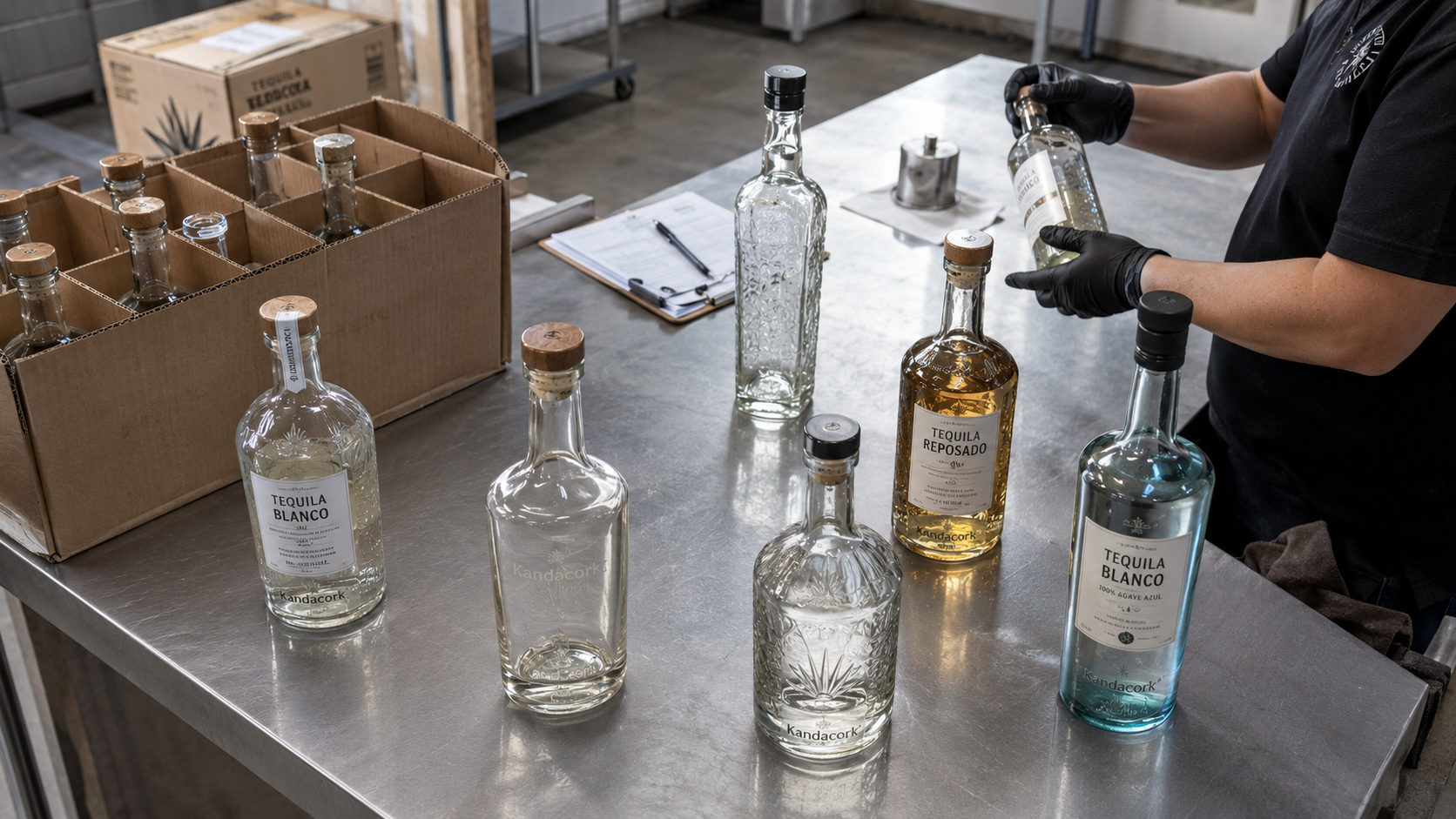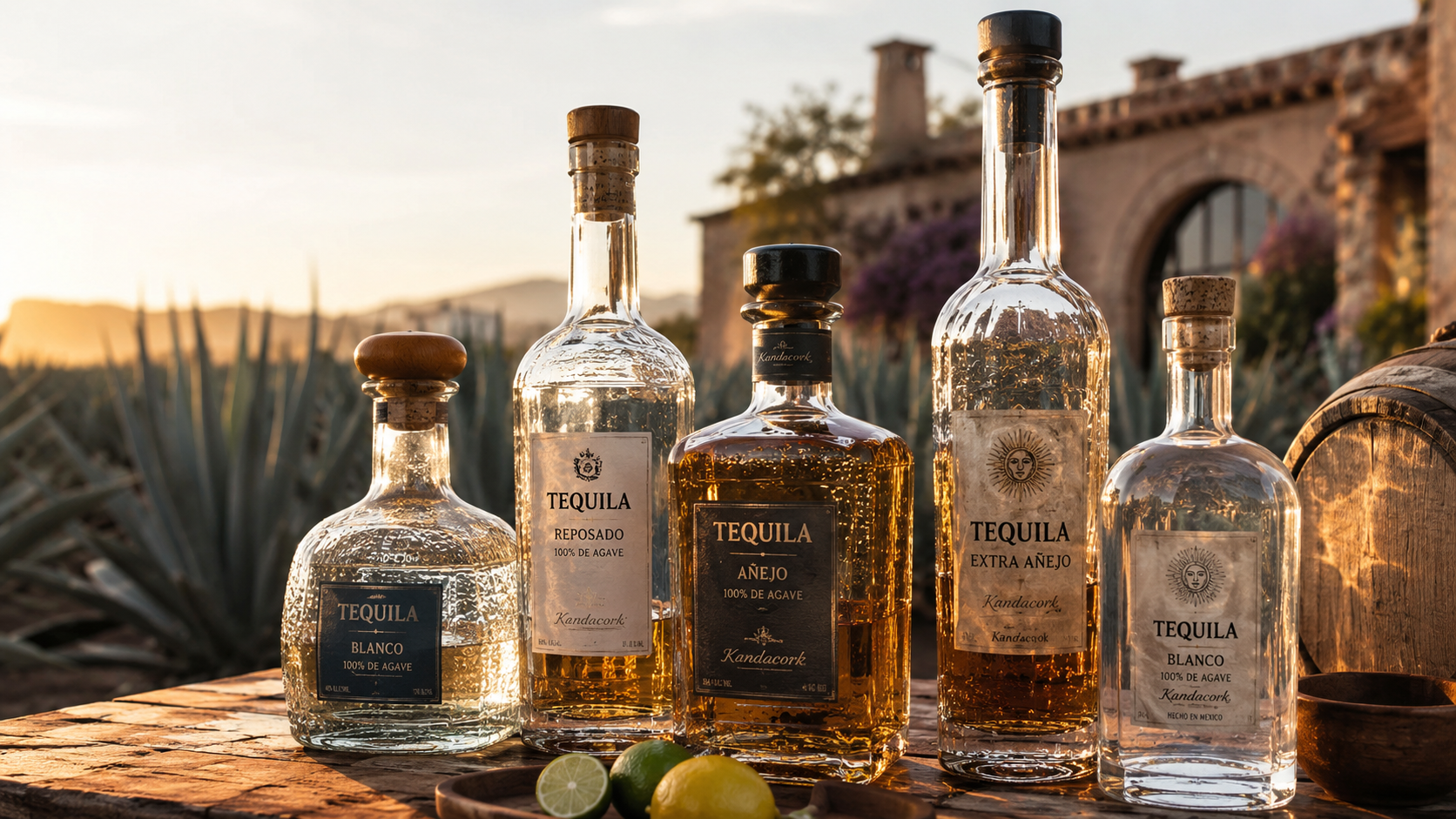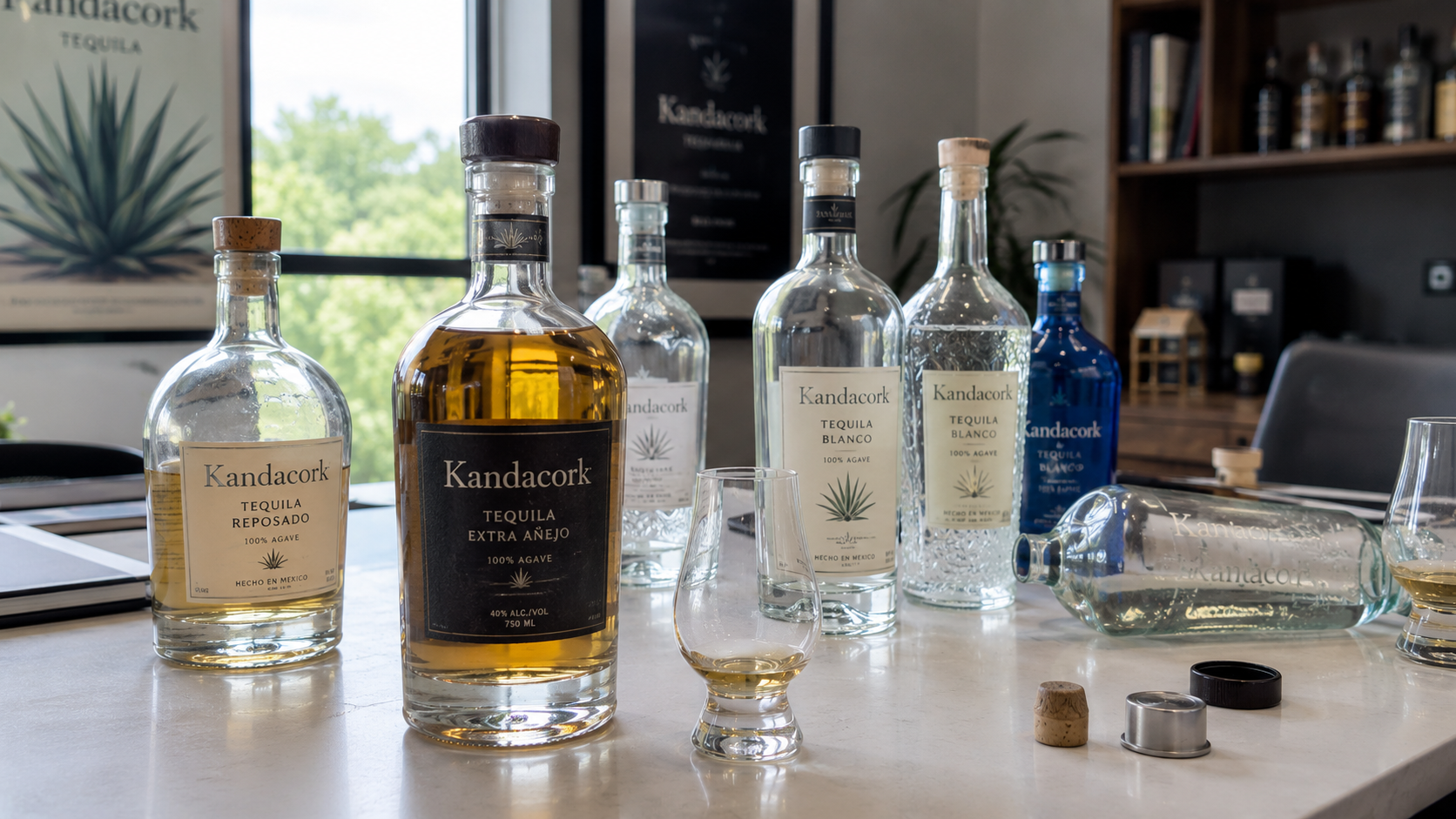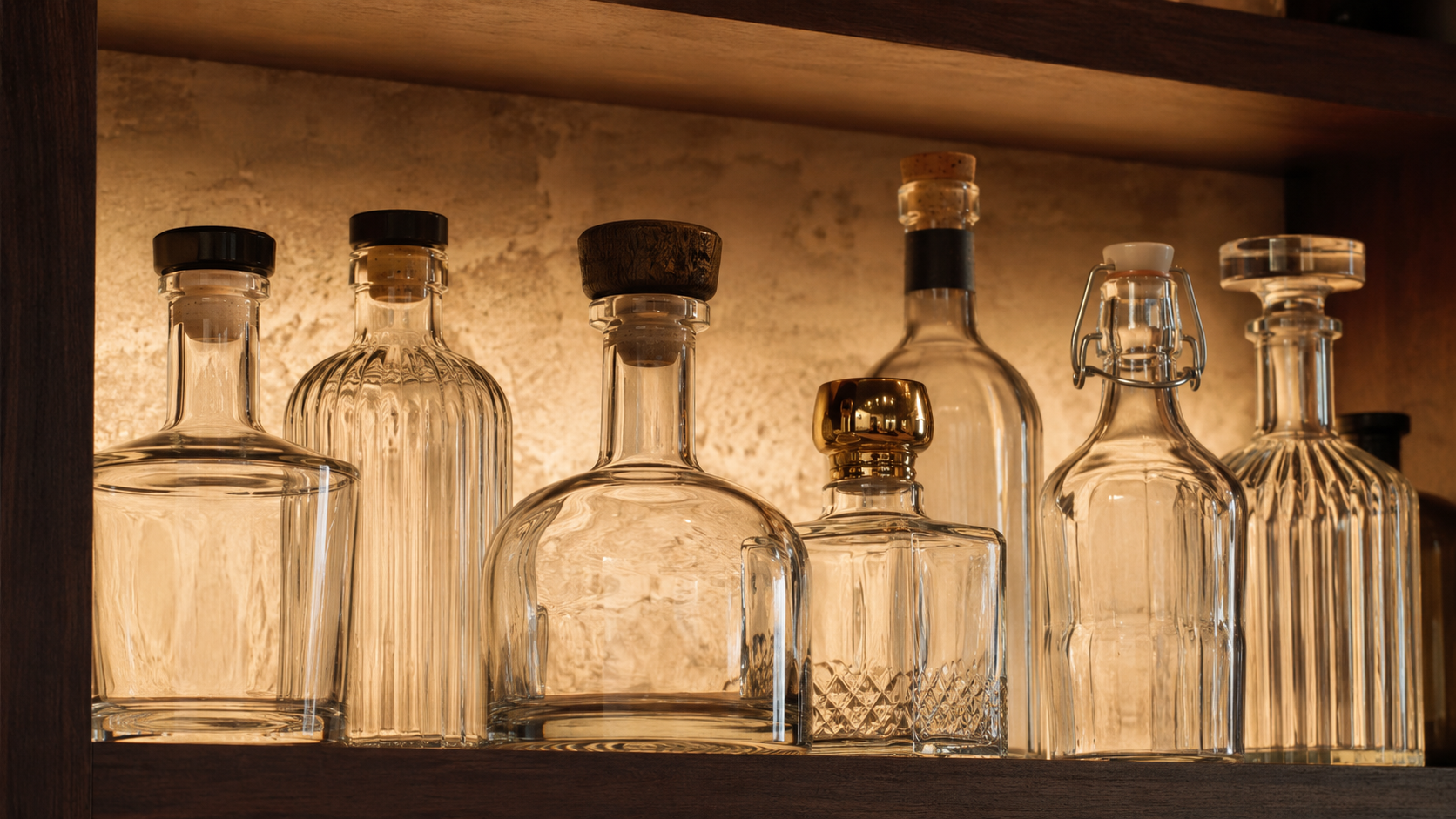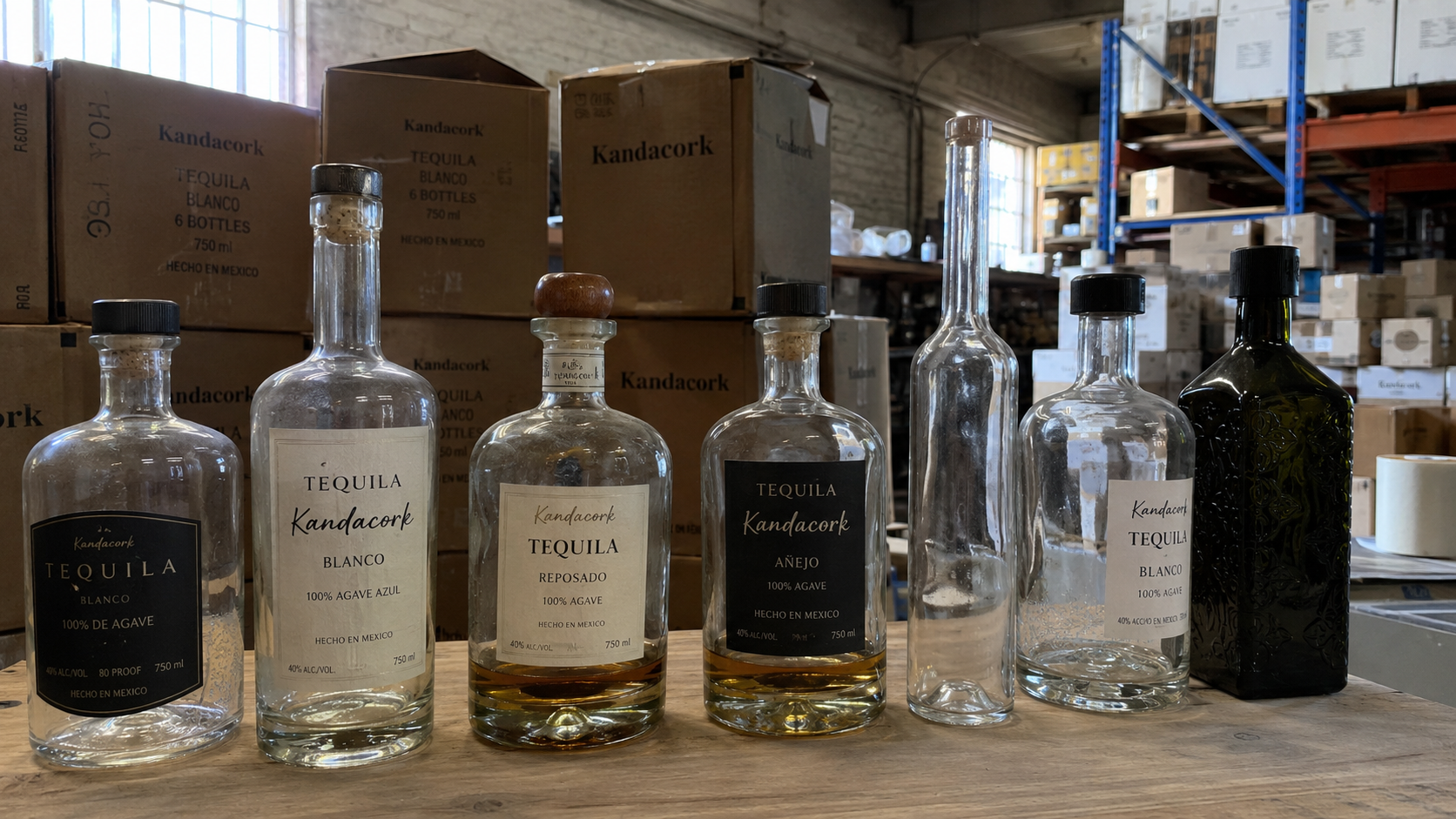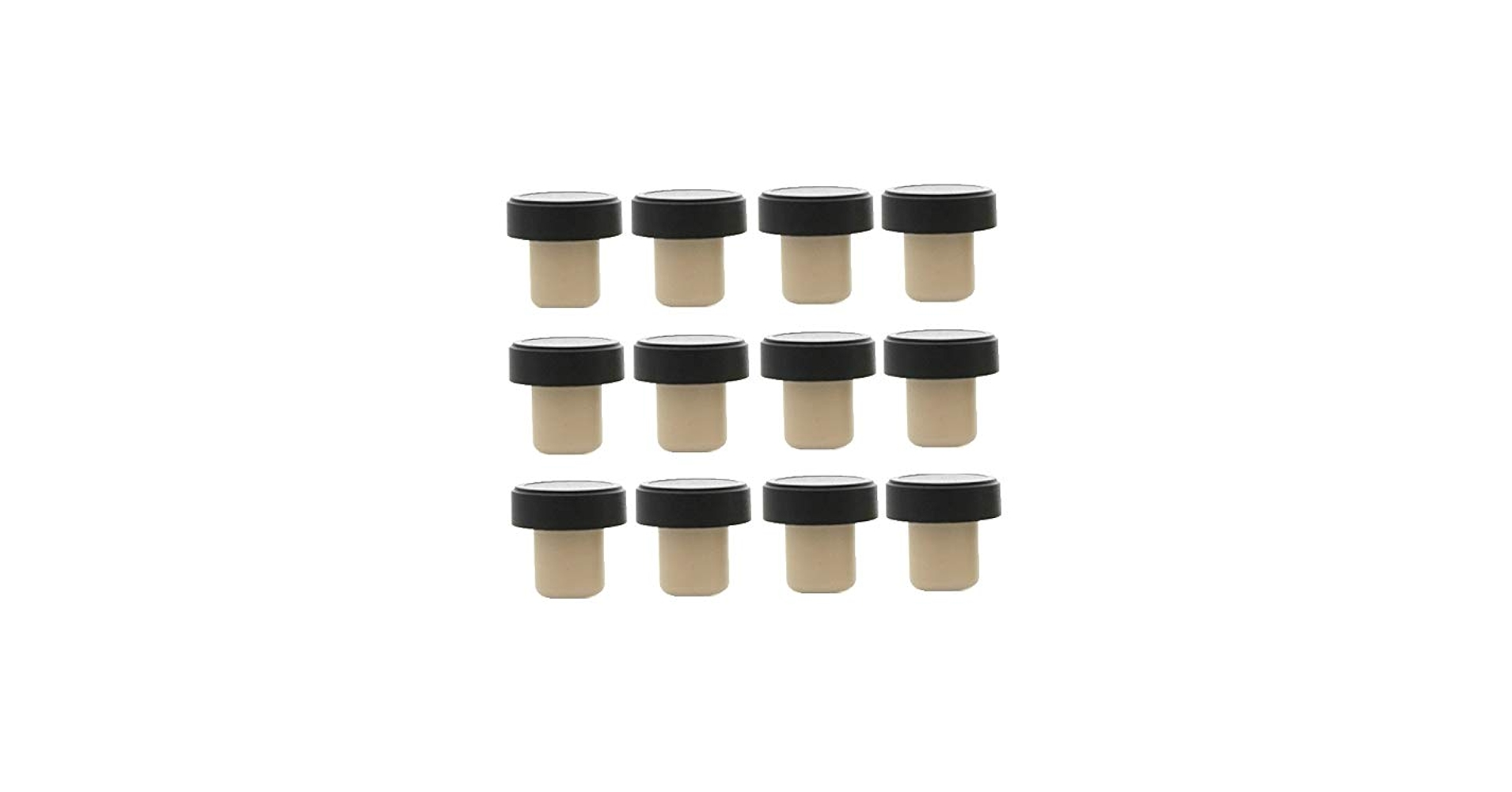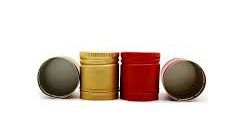
Vodka brands often use clear glass, minimal decoration and precise closure details to create a clean shelf presentation. This guide compares common vodka bottle closure options and explains how neck finish, liner choice, stopper fit, torque and decoration method affect sampling, production and export packing.
Why Vodka Bottle Closures Matter
A vodka bottle closure has three core functions: sealing the bottle, protecting the product, and completing the brand image. Vodka is usually positioned around purity, clarity, smoothness, and clean design. Because many vodka brands use transparent, frosted, or premium glass bottles, the closure becomes a highly visible packaging element.
A reliable closure should help prevent leakage, support tamper evidence, maintain a clean opening experience, and match the visual style of the bottle. For premium vodka, the cap or stopper is not just a technical part. It is part of the customer’s first physical interaction with the brand.
A professional vodka bottle closure supplier should help buyers answer practical questions before production. Does the closure fit the bottle neck finish? Does it seal correctly after filling? Can it run on the existing capping equipment? Does the liner suit the alcohol content and storage conditions? Can the cap be customized with logo printing, embossing, hot stamping, UV printing, or Pantone color matching?
These questions matter because poor closure selection can cause loose torque, leakage, broken tamper bands, inconsistent appearance, low line efficiency, shipment damage, or customer complaints. For export spirits, closure selection may also relate to anti-refill protection, food-contact material documentation, and market-specific packaging expectations.
For U.S. spirits projects, packaging teams often review container capacity, headspace, and net contents expectations under TTB guidance for distilled spirits net contents. A closure supplier does not replace legal or regulatory advice, but an experienced supplier should understand why container integrity, tamper evidence, and documentation matter for international spirits packaging.
Vodka Bottle Closure Types Compared
| Closure Type | Best For | Key Benefits | Key Considerations |
|---|---|---|---|
| ROPP Caps | High-volume vodka, flavored vodka, standard spirits bottles | Tamper evidence, cost efficiency, good production speed | Requires suitable roll-on capping equipment and correct neck finish |
| Aluminum-Plastic Closures | Premium vodka and export spirits | Stronger structure, decorative appearance, good brand presentation | MOQ and tooling may be higher than standard caps |
| Non-Refillable Closures | Premium vodka, duty-free, export markets, anti-counterfeit packaging | Brand protection, controlled pouring, visible security | Must be tested with the actual bottle and filling process |
| Screw Caps | Mainstream vodka, private-label products, simple retail packaging | Convenient opening, practical cost, easy customization | Thread profile and liner compatibility must be confirmed |
| Bar-Top Stoppers | Craft vodka, luxury vodka, limited editions, gift packaging | Premium opening experience, custom decorative tops | Pull force, insertion depth, and long-term fit must be tested |
| Synthetic Cork Stoppers | Premium spirits with stopper-style packaging | Consistent fit, clean appearance, cork-like experience | Shank diameter and bottle bore tolerance are critical |
This comparison helps buyers narrow the options before requesting a quotation. The final choice should always be confirmed through drawings, physical samples, sealing tests, and production trials.
ROPP Caps for Vodka Bottles
ROPP means roll-on pilfer-proof. It is one of the most common closure formats for vodka, gin, whisky, rum, tequila, brandy, and other spirits. A ROPP cap is usually made from aluminum and formed onto the bottle neck by roll-on capping equipment. The pilfer band provides visible tamper evidence after opening.
Custom ROPP closures are popular because they are lightweight, efficient, customizable, and suitable for high-volume production. A vodka bottle closure supplier may recommend ROPP caps for standard vodka bottles, flavored vodka, miniature bottles, private-label spirits, and mainstream retail packaging.
Typical ROPP cap customization options include top printing, side printing, embossing, debossing, metallic finishing, matte coating, gloss coating, satin coating, and Pantone color matching. The cap can be designed to match the bottle label, carton, glass decoration, capsule, or full packaging system.
Important technical details include cap diameter, cap height, aluminum thickness, thread profile, pilfer band design, liner type, opening torque, sealing surface, and capping head compatibility. Buyers should also confirm whether the cap performs properly during transportation, temperature changes, and long-term storage.
For ROPP closures, practical testing should include thread forming, tamper-band break performance, liner compression, visual alignment, torque range, and leakage resistance. These checks help reduce production-line rejection and improve final packaging reliability.
Aluminum-Plastic Vodka Closures
Aluminum-plastic closures combine a decorative outer shell with internal plastic components. This structure is often used when a vodka brand wants a more premium appearance, stronger closure body, or special functional fitment.
These closures work well for premium vodka, export spirits, private-label luxury packaging, and brands that want the cap to feel more substantial in the customer’s hand. They can support clean metallic effects, custom colors, taller profiles, special textures, and more complex internal structures.
A professional vodka bottle closure supplier should confirm the closure diameter, height, internal fitment, liner, decorative shell, and bottle compatibility before production. A buyer may request a common size, but the final specification should be based on the actual bottle neck finish and filling-line requirements.
Aluminum-plastic vodka closures can be designed for minimalist brands, luxury spirits, limited-edition releases, or export retail programs. They can also help create visual consistency across vodka, gin, rum, tequila, whisky, and brandy product lines.
For branding, aluminum-plastic closures offer more design flexibility than many basic caps. They can support premium metallic finishes, multi-color decoration, logo embossing, and taller visual profiles that make the bottle look more substantial on the shelf.
Non-Refillable Closures for Vodka
Non-refillable closures are designed to help prevent refilling and counterfeiting. They may include internal pourers, valves, snap-on structures, visible tamper-evident parts, or combined aluminum-plastic systems.
These closures are especially useful for premium vodka, duty-free channels, export spirits, and markets where brand protection is a priority. They also create a controlled pouring experience, which can improve usability in bars, restaurants, hotels, and retail environments.
Kandacork develops non-refillable closures for spirits bottles when brands need added security, tamper evidence, and anti-refill protection. When selecting this closure type, buyers should check whether the system fits the bottle, supports the target pouring experience, and meets the brand’s security expectations.
Anti-refill performance should be validated through physical samples and testing instead of relying only on drawings or photos. For export spirits, non-refillable closures may also support stronger retail confidence because they help show that the bottle has not been opened or refilled.
Bar-Top Stoppers and Synthetic Cork Stoppers
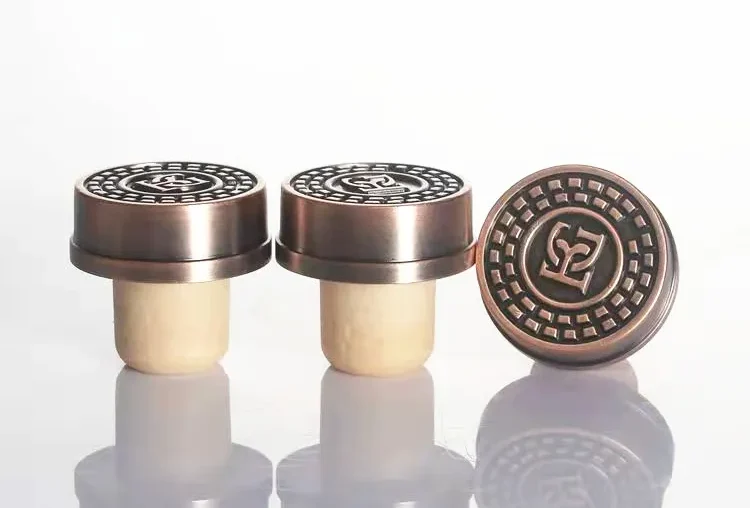
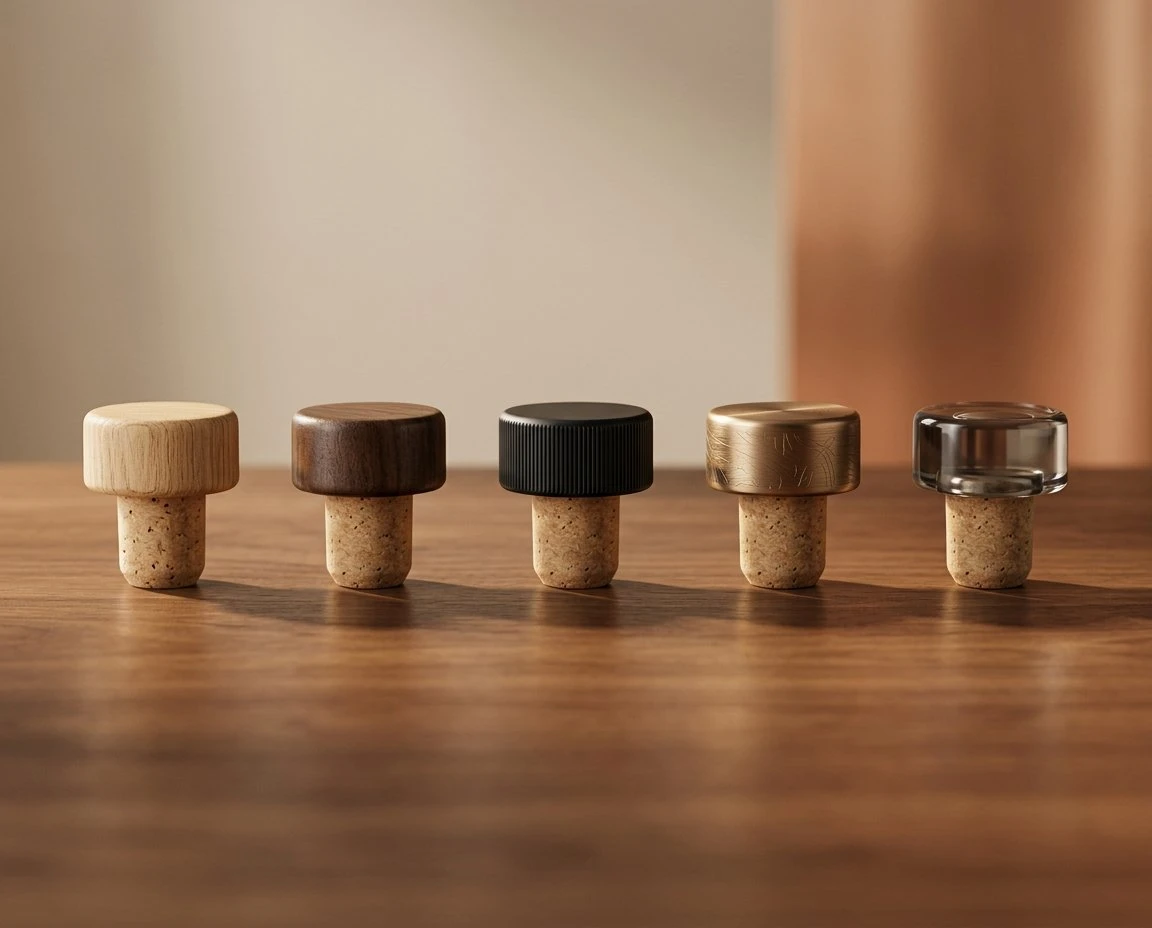
Bar-top stoppers are often used for premium spirits that need a more distinctive opening ritual. A bar-top closure usually includes a decorative top and a shank made from synthetic cork, micro-agglomerated cork, natural cork, or another suitable material.
For vodka, bar-top stoppers are common in craft vodka, luxury vodka, gift packaging, collector editions, and bottles with heavier glass designs. The top can be made from wood, aluminum, plastic, zamak, glass, crystal, ceramic, or custom molded materials.
This closure type gives brands more creative freedom. A minimalist vodka brand may choose a brushed aluminum top. A luxury vodka brand may choose crystal, zamak, or a custom sculpted form. A natural-positioned brand may choose wood or cork-inspired materials.
Kandacork’s bottle stoppers and closures range includes bar-top stoppers, screw caps, ROPP closures, capsules, shrink sleeves, and security systems for spirits and specialty bottle projects.
Important quality checks include shank diameter, insertion depth, pull force, long-term fit, appearance consistency, top alignment, glue strength, carton protection, and compatibility with the bottle bore. For premium vodka packaging, the opening feel matters. A stopper that is too loose can damage customer confidence, while a stopper that is too tight can create poor usability.
How to Choose the Right Vodka Bottle Closure
The right closure is the one that fits the bottle, works with the filling line, supports the brand image, and meets the target market’s expectations. A low-cost cap that causes leakage, poor opening feel, or inconsistent shelf appearance is not truly cost-effective.
A good sourcing process starts with technical information. The buyer should provide the bottle drawing, neck finish, target closure type, decoration requirement, destination market, and expected order quantity. If physical bottle samples are available, they are extremely helpful for fit testing.
Match the Closure to the Bottle Neck Finish
The bottle neck finish is the starting point. Closure diameter alone is not enough. A supplier should review the thread design, bead, bore, sealing surface, neck height, tolerance range, and finish standard.
If the bottle comes from a glass manufacturer, ask for a technical drawing before ordering closures. If the bottle is still under development, closure review should happen before final mold approval. This can prevent delays caused by mismatched threads, incorrect cap height, poor liner compression, or weak tamper-band performance.
For brands developing a new spirits container, coordination with a bottle specialist such as Kandacork Spirits can help align capacity, silhouette, neck finish, closure fit, filling-line performance, and premium shelf presentation from the beginning of the project.
Two bottles may look similar but require different closure structures. Fit testing, torque testing, leak testing, and appearance checks are essential before bulk production. In packaging discussions, buyers may see terms such as GPI neck finish, bore diameter, sealing surface, thread profile, finish height, and tolerance.
Match the Closure to the Filling Line
The closure must also match the customer’s bottling equipment. ROPP caps require suitable roll-on capping equipment. Snap-on closures and non-refillable closures may require different heads, pressure settings, or assembly methods. Bar-top stoppers may require separate insertion testing.
Before mass production, buyers should confirm filling speed, capping method, torque range, liner compression, rejection rate tolerance, and inspection process. For new product launches, pre-production samples should be tested on the real bottle and, whenever possible, on the actual filling line.
A capable vodka bottle closure supplier can reduce trial-and-error by recommending closure types that suit the production method. This is especially important for contract bottlers, private-label spirits companies, and brands launching multiple bottle sizes.
Match the Closure to Brand Positioning
Vodka packaging often uses visual simplicity to communicate quality. The closure should support that brand story.
For value or mainstream vodka, a standard aluminum ROPP cap may be the most practical choice. It is efficient, recognizable, and cost-effective. For premium vodka, an aluminum-plastic closure, decorated screw cap, or custom bar-top stopper can create stronger shelf presence. For export vodka, a non-refillable closure may provide better brand protection and customer confidence.
Some brands also coordinate closures with bottle decoration, coating, printing, carton design, and retail display. For full bottle surface effects, spirits bottle decoration and branding support can help align closures with frosting, screen printing, hot foil, decals, badges, and other premium finishes.
Custom Branding Options for Vodka Bottle Closures
Custom closure design can make a vodka bottle more memorable without changing the entire bottle mold. For many spirits brands, the closure is one of the most efficient ways to upgrade packaging.
Kandacork Closures supports custom branding for spirits closures across caps, stoppers, capsules, sleeves, colors, finishes, logos, and sidewall details. The goal is not only to make the closure look attractive, but to make it work as part of a complete packaging system.
Common branding options include:
- Top logo printing
- Side logo printing
- Embossing and debossing
- Hot stamping
- UV printing
- Silk screen printing
- Matte, satin, gloss, or metallic coating
- Pantone color matching
- Custom top shapes
- Brushed, textured, or premium surface effects
- Coordinated packaging design across caps, labels, bottles, and cartons
For vodka, popular design directions include matte black, brushed silver, bright aluminum, white, frosted effects, metallic blue, copper, gold, and minimalist single-color printing. These finishes work well with clear glass, frosted glass, tall cylindrical bottles, and premium square bottle designs.
Custom branding should be reviewed together with production reality. Some designs require higher MOQ, longer lead time, special molds, additional artwork adjustment, or pre-production proofing. Clear communication at the RFQ stage helps avoid delays.
Materials, Liners & Sealing Performance
A closure is a small component, but it includes multiple performance factors. The outer material affects decoration and durability. The inner structure affects fit and handling. The liner or contact component affects sealing and compatibility with the product.
Common materials used in vodka bottle closures include aluminum, aluminum-plastic combinations, food-contact plastics, synthetic cork, micro-agglomerated cork, wood, zamak, glass, and crystal. Each material has different strengths. Aluminum is lightweight and highly customizable. Plastic components can support functional fitments. Decorative tops create premium shelf appeal.
Liner selection is especially important for spirits. The liner must support sealing performance and be suitable for the intended contact conditions. In the United States, FDA maintains information on substances authorized in 21 CFR for food-contact uses through its food contact substances inventory. In the European Union, the European Commission explains that Regulation (EC) No. 1935/2004 sets the general safety and inertness framework for food-contact materials.
For buyers, the practical takeaway is simple: ask the vodka bottle closure supplier for relevant material information, compliance support, and sample testing. Final approval should be based on real bottle samples, actual liquid conditions, storage expectations, and destination-market requirements.
Supplier Testing and Quality Control
Technical testing helps confirm that the closure is suitable before bulk production. For vodka bottles, testing should not focus only on appearance. It should also evaluate performance during filling, sealing, shipment, storage, and opening.
Many packaging buyers use quality language influenced by recognized systems such as ISO 9001 quality management, which emphasizes consistent processes, customer expectations, and continual improvement. For closure sourcing, that mindset translates into clear specifications, approved samples, inspection records, and corrective action when needed.
Useful checks may include:
- Bottle fit inspection
- Cap diameter and height measurement
- Liner compression check
- Opening torque test
- Leakage test
- Tamper-band performance check
- Pull force test for stoppers
- Insertion depth check
- Print adhesion test
- Color consistency check
- Logo position and registration check
- Surface finish inspection
- Carton drop and transport protection review
For ROPP caps, buyers should pay special attention to thread forming, pilfer band breakage, opening torque, and liner compression. For bar-top stoppers, buyers should check pull force, shank diameter, insertion depth, top alignment, and long-term fit.
These checks help reduce the risk of production delays, customer complaints, and packaging waste. They also help buyers compare samples more objectively instead of choosing only by appearance or price.
Specification Checklist for Buyers
| Item | What Buyers Should Confirm | Why It Matters |
|---|---|---|
| Bottle Neck Finish | Thread, bore, sealing surface, height, bead, tolerance | Determines whether the closure can fit and seal correctly |
| Closure Size | Diameter, height, internal structure, top profile | Prevents mismatch between cap, stopper, and bottle |
| Liner or Fitment | Material, thickness, alcohol compatibility, compression | Affects leakage resistance and product contact suitability |
| Decoration | Logo, color, finish, artwork position, Pantone reference | Ensures brand consistency and visual quality |
| Testing | Fit, torque, leakage, pull force, transport protection | Reduces risk before bulk production |
| Production | MOQ, sample time, lead time, packing method | Helps buyers plan launch schedules and purchasing budgets |
| Documentation | Material information, specification sheet, inspection support | Supports procurement and compliance review |
| Shipment | Carton packing, palletizing, export protection | Reduces damage risk during international delivery |
This checklist is useful for procurement teams, packaging engineers, product managers, and spirits brand owners. Sending these details at the beginning helps the supplier provide a more accurate recommendation and quotation.
MOQ, Samples, Lead Time & Bulk Supply Process
MOQ depends on closure type, material, size, decoration method, mold requirement, and whether the closure is a stock item or custom item. Standard caps may support lower quantities, while custom molded stoppers, special colors, printed shells, and non-refillable systems may require higher MOQ.
For custom projects, sample lead time and production lead time may vary depending on artwork approval, material availability, mold requirements, and decoration complexity. Simple stock-style caps are usually faster, while custom stoppers, special finishes, and new tooling require more development time.
A typical sourcing process with Kandacork Closures includes:
- The buyer sends the bottle drawing, physical bottle, or neck finish specification.
- Kandacork reviews the closure requirement and recommends suitable options.
- The buyer confirms closure type, size, material, liner, color, logo, and quantity.
- Samples are prepared for fit testing, sealing checks, and appearance review.
- The buyer tests the closure on the bottle and filling line.
- Artwork, color, and technical details are finalized.
- Mass production begins after sample approval.
- Closures are inspected and packed for export shipment.
For brands that also need bottles, caps, decoration, and shipment planning, Kandacork Glass can coordinate a broader packaging program so the bottle, closure, and decoration are developed as one system.
Packaging, Logistics & Retail Readiness
Vodka closures should be packed to protect both function and appearance. Scratches, dents, mixed colors, crushed cartons, or poor pallet handling can turn a technically correct closure into a production problem. Export packaging should consider carton strength, inner bags or trays, moisture protection, pallet stability, container loading, and warehouse handling.
For retail-ready products, barcodes and case labeling may also matter. GS1 explains that barcodes managed by GS1 standards play a key role in supply chains, helping products and logistics units be identified through scanning systems.
If your project includes multiple packaging components beyond closures, Kandacork Glass Packaging can support custom glass bottles, jars, matched closures, decoration-ready surfaces, and export-ready packaging coordination for spirits and other premium product categories.
Example: Choosing a Closure for a Premium Vodka Launch
A premium vodka brand planning a frosted 750 ml glass bottle may want a closure that looks clean, modern, and heavier than a basic cap. In this case, Kandacork Closures may recommend an aluminum-plastic closure or a custom bar-top stopper, depending on the brand’s preferred opening experience.
If the brand wants high-speed production, visible tamper evidence, and a clean metallic look, a decorated ROPP or aluminum-plastic closure may be the better choice. If the brand wants a luxury gift-pack feeling and a more memorable opening ritual, a bar-top stopper with a custom top may be more suitable.
Before final approval, the buyer should test bottle fit, torque or pull force, liner compatibility, logo position, color matching, and carton protection. This process helps the brand reduce launch risk while improving shelf presentation.
This type of case review is where a knowledgeable vodka bottle closure supplier adds real value. The supplier is not only selling a closure. It is helping the brand match packaging design, production needs, and buyer expectations.
Why Vodka Brands Choose Kandacork Closures
Kandacork Closures supports custom closure solutions for spirits brands that need both technical fit and brand presentation. As a vodka bottle closure supplier, Kandacork can help with ROPP caps, screw caps, aluminum-plastic closures, non-refillable closures, synthetic cork stoppers, decorative bar-top stoppers, capsules, shrink sleeves, and premium custom tops.
Vodka brands choose Kandacork Closures for:
- Custom closure development for vodka and spirits packaging
- Support for caps, stoppers, pourers, sleeves, and decorative closure systems
- Bottle finish compatibility guidance
- Sample testing before bulk production
- Logo, color, finish, and material customization
- Export packaging support
- Bulk supply for distilleries, bottlers, distributors, and private-label brands
- Practical communication for MOQ, samples, lead time, and production planning
For B2B customers, communication efficiency is a major advantage. Instead of guessing which closure fits the bottle, buyers can send the bottle drawing, artwork, and target market information. Kandacork can then recommend practical options based on bottle compatibility, branding needs, MOQ, and lead time.
Vodka brands often need packaging that looks clean and premium while still performing reliably in production and shipment. Kandacork Closures helps buyers balance cost, sealing performance, anti-counterfeiting needs, and visual design.
What to Send for a Fast Quote
To receive an accurate quotation, send as much technical information as possible. A clear RFQ helps the supplier respond faster and reduces the chance of wrong samples.
For the fastest quotation, provide:
- Bottle capacity, such as 50 ml, 200 ml, 500 ml, 700 ml, 750 ml, 1 L, or 1.75 L
- Bottle drawing or neck finish specification
- Physical bottle sample, if available
- Target closure type
- Closure size, if already known
- Material preference
- Liner or fitment requirement
- Logo file or artwork
- Color reference, such as Pantone code
- Order quantity
- Destination market
- Filling and capping line details
- Sample deadline
- Expected mass production date
- Packaging and shipping requirements
If you are unsure which closure type to choose, send the bottle information first. A professional vodka bottle closure supplier can recommend options based on your bottle and brand positioning.
FAQ: Vodka Bottle Closure Supplier
What is the best closure for vodka bottles?
The best closure for vodka bottles depends on the bottle neck finish, filling line, brand position, and target market. ROPP caps are common for high-volume vodka, while aluminum-plastic closures, non-refillable systems, and bar-top stoppers are often better for premium or export packaging.
For the safest choice, test samples on the actual bottle before mass production. Fit, torque, sealing performance, appearance, and line compatibility should all be checked.
How do I choose between ROPP caps and bar-top stoppers for vodka?
Choose ROPP caps for high-volume vodka production, tamper evidence, and cost efficiency. Choose bar-top stoppers when the brand needs a premium opening experience, gift-pack appeal, or luxury shelf image.
The final choice should be tested with the actual bottle, filling process, and packaging design. ROPP caps are usually better for speed and consistency, while bar-top stoppers are better for distinctive brand presentation.
Can Kandacork customize vodka bottle closures with my logo?
Yes. Kandacork Closures can support custom logo printing, embossing, debossing, hot stamping, UV printing, color matching, and decorative top design.
The available options depend on closure material, artwork complexity, order quantity, and surface finish. Buyers should send logo files, color references, and bottle details for accurate recommendations.
Do vodka bottle closures need to be tamper-evident?
Tamper evidence is strongly recommended for retail vodka packaging. Many vodka brands use ROPP caps, pilfer bands, shrink sleeves, non-refillable closures, or other visible security features to give customers confidence that the bottle has not been opened before purchase.
The best tamper-evident option depends on the bottle design, target market, closure type, and brand protection requirements.
Can I use the same closure for vodka, gin, rum, and tequila?
In some cases, yes. If the bottles share the same neck finish and production requirements, one closure system may work across multiple spirits categories.
However, the liner, decoration, torque, tamper evidence, and brand appearance should still be tested for each product line. A shared closure system can improve packaging consistency, but technical fit must come first.
What information does a supplier need before quoting custom vodka closures?
A supplier usually needs the bottle drawing, neck finish, closure type, target material, logo artwork, quantity, destination market, and filling line details.
Physical bottle samples are also helpful because they allow the supplier to confirm fit, sealing performance, visual alignment, and production feasibility.
How do I know whether my closure will fit the bottle?
The best method is to test real samples on the actual bottle. A drawing review is useful, but physical testing confirms fit, torque, seal, appearance, and production behavior.
For ROPP caps, buyers should test thread forming, pilfer band performance, liner compression, and opening torque. For stoppers, buyers should test pull force, insertion depth, and long-term fit.
What is the difference between a cap and a stopper?
A cap usually screws, rolls, or snaps onto the bottle neck. A stopper is inserted into the bottle opening and often includes a decorative top.
Caps are common for high-volume production, while stoppers are often used for premium vodka, craft spirits, luxury packaging, and gift sets.
What is a non-refillable vodka closure?
A non-refillable vodka closure is designed to help prevent the bottle from being refilled after opening. It may include an internal pourer, valve, snap-on system, or tamper-evident structure.
This type of closure is useful for premium vodka, export markets, duty-free channels, and brands that need stronger anti-counterfeiting protection.
Final Call to Action
Looking for a vodka bottle closure supplier for custom caps, ROPP closures, aluminum-plastic caps, non-refillable systems, screw caps, or premium stoppers? Share your bottle details, artwork, and target order quantity through the custom closure quote form.
Our team will help you choose a closure system that fits your bottle, protects your vodka, supports your filling process, and strengthens your brand presentation.