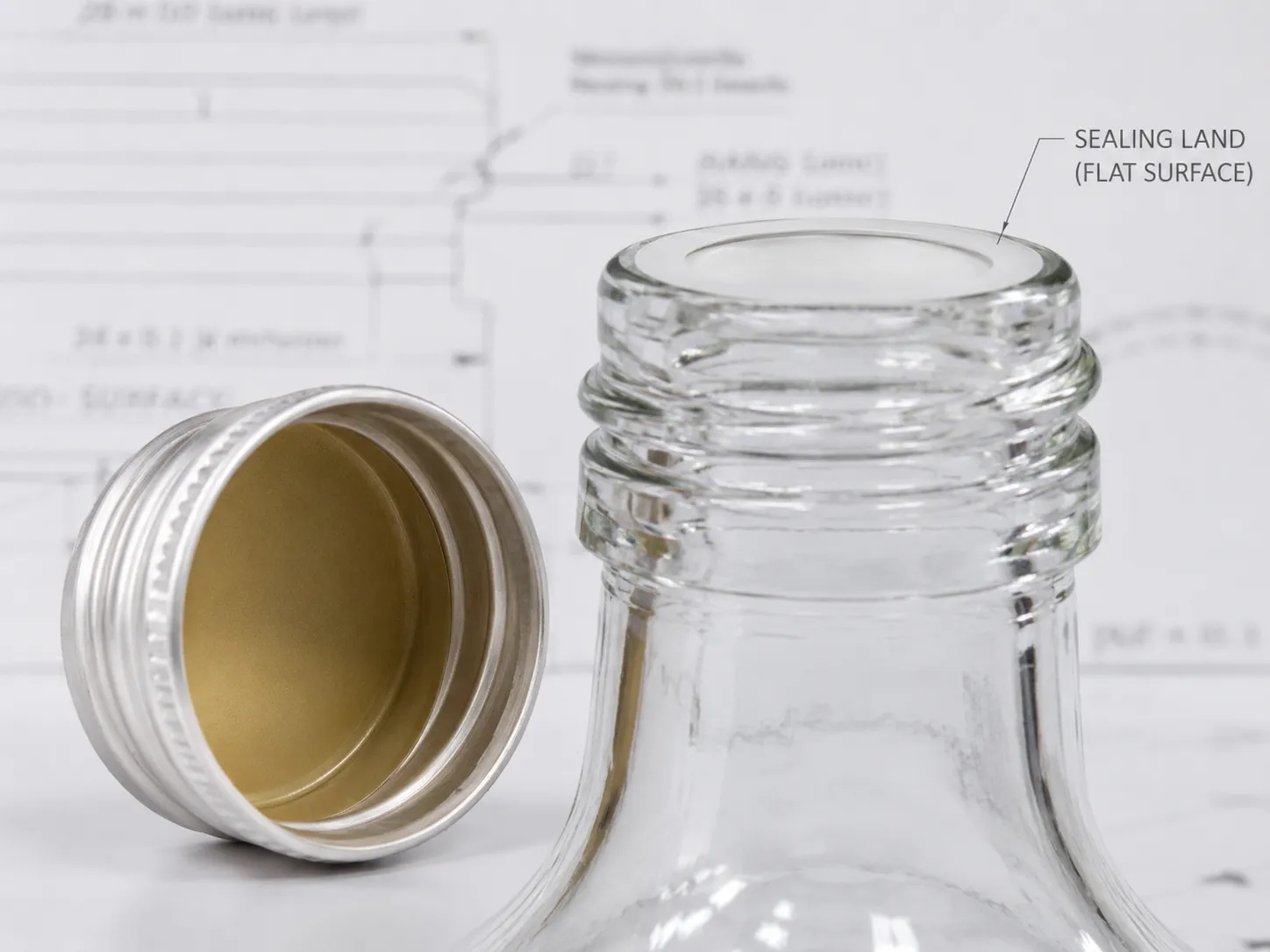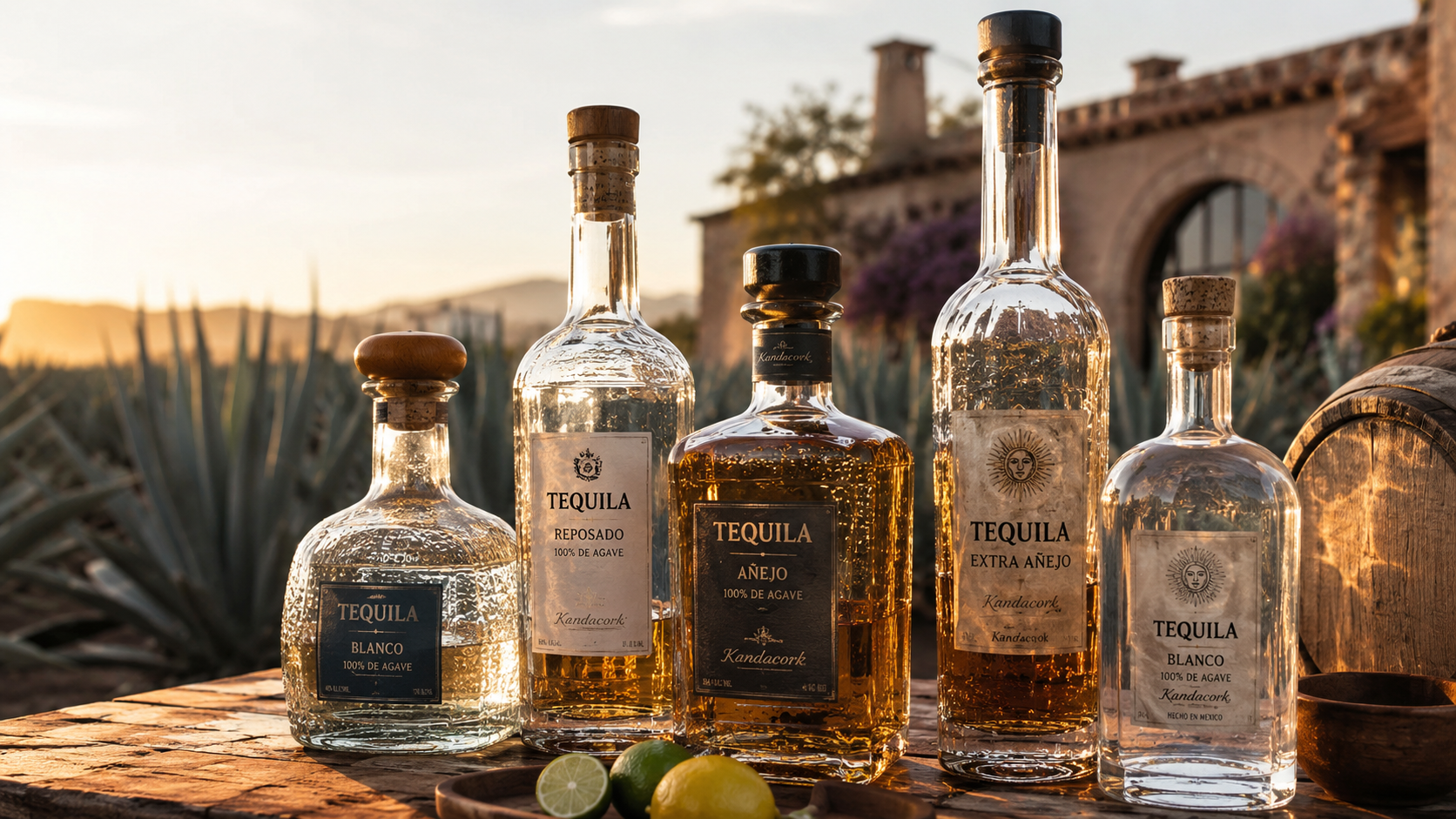
Bottle neck capsule decoration can improve spirits packaging presentation while supporting tamper-evident requirements. This guide explains common capsule decoration options, material finishes, print methods, sizing checks and application considerations.
Quick Answer
Premium bottle neck decoration includes capsules, shrink sleeves, neck tags, bottle neckers, charms, branded stoppers, screw caps, ROPP closures, and closure finishes used to improve shelf appeal, tamper evidence, brand storytelling, and premium packaging value.
The best option depends on the bottle shape, closure type, production method, retail positioning, and target market. A luxury whisky may need a heavy metal stopper and embossed capsule, while a modern gin may benefit from a clean closure, botanical neck tag, and QR code. A high-volume vodka or RTD spirits project may need a printed screw cap or ROPP closure with a machine-applied shrink sleeve.
What Is Premium Bottle Neck Decoration?
Premium bottle neck decoration refers to decorative and functional elements added around the neck, shoulder, or closure area of a bottle to improve visual value, brand communication, and packaging performance.
It may include capsules, shrink sleeves, printed neck tags, bottle neckers, metal charms, wooden tags, ribbons, branded screw caps, ROPP closures, bar-top stoppers, embossed caps, decorative security bands, and closure surface finishes.
The goal is not decoration alone. A good neck decoration should make the bottle look more valuable while still fitting correctly, supporting the opening experience, protecting the closure area, and surviving filling, packing, shipping, and retail display.
Why Spirits Brands Use Bottle Neck Decoration
Spirits packaging competes in crowded retail environments. A customer may not read every label detail at first glance, but they can quickly notice a metallic capsule, embossed stopper, hanging charm, premium tasting note tag, or color-matched closure.
The bottle neck gives brands a high-visibility space to communicate quality. A clean capsule suggests a finished and controlled package. A custom stopper adds tactile value. A neck tag can explain barrel aging, botanical ingredients, origin, cocktail use, batch information, or a limited-edition story.
For private label spirits and emerging beverage brands, neck decoration is especially valuable because it can upgrade a standard bottle at a lower cost than developing a custom glass mold. A standard spirits bottle can look more exclusive when matched with the right closure, capsule, sleeve, charm, or neck tag.
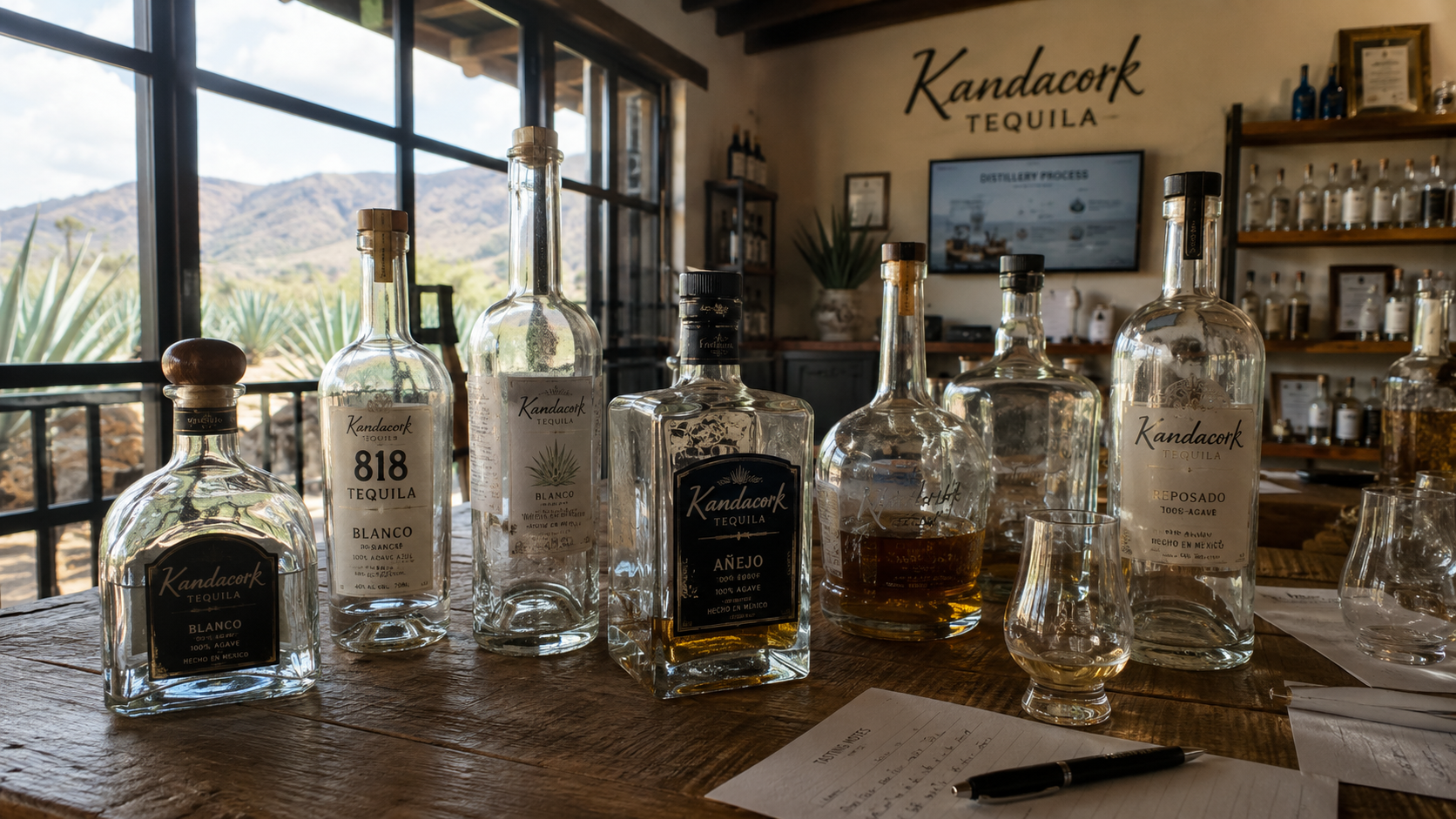
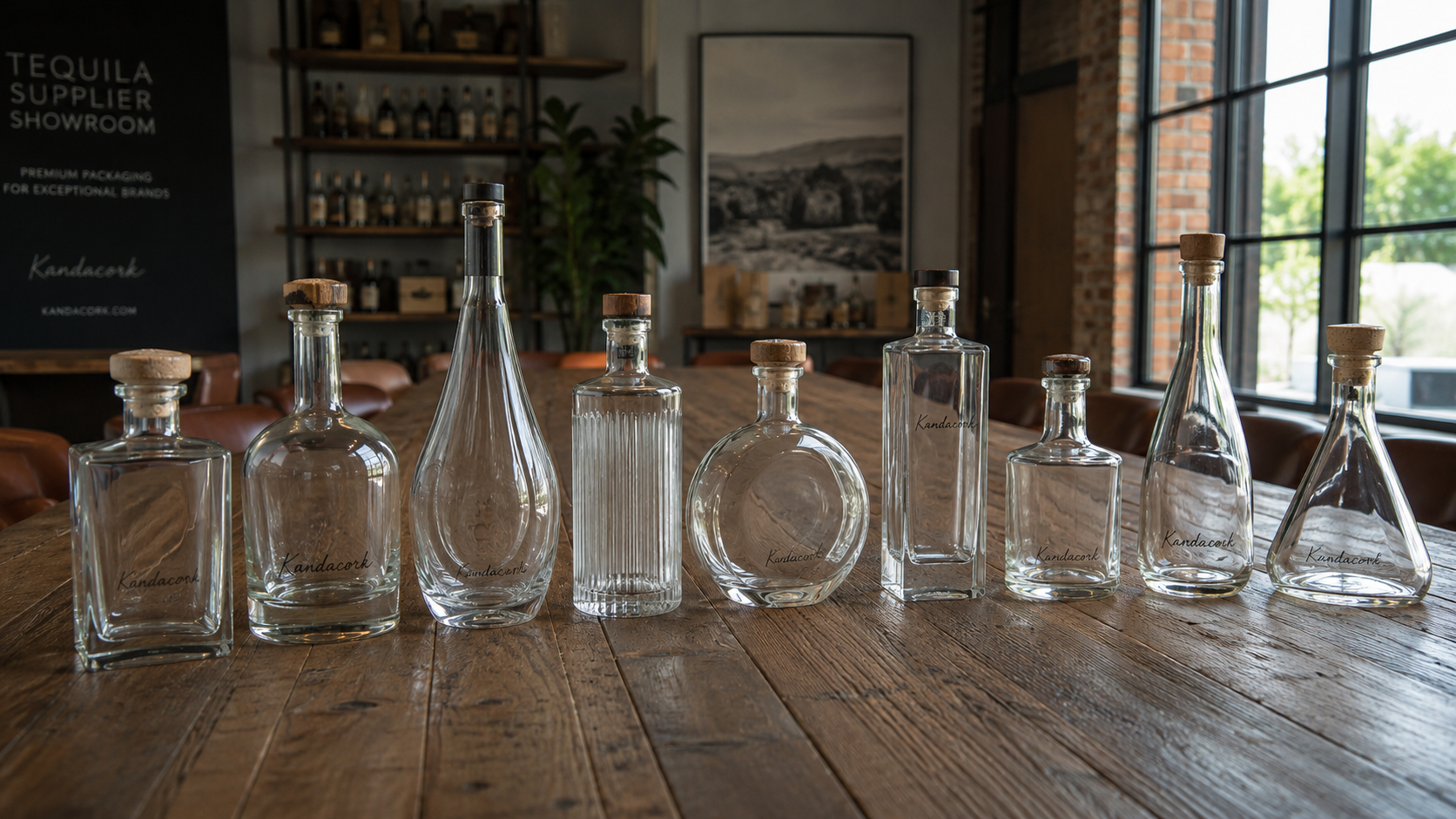
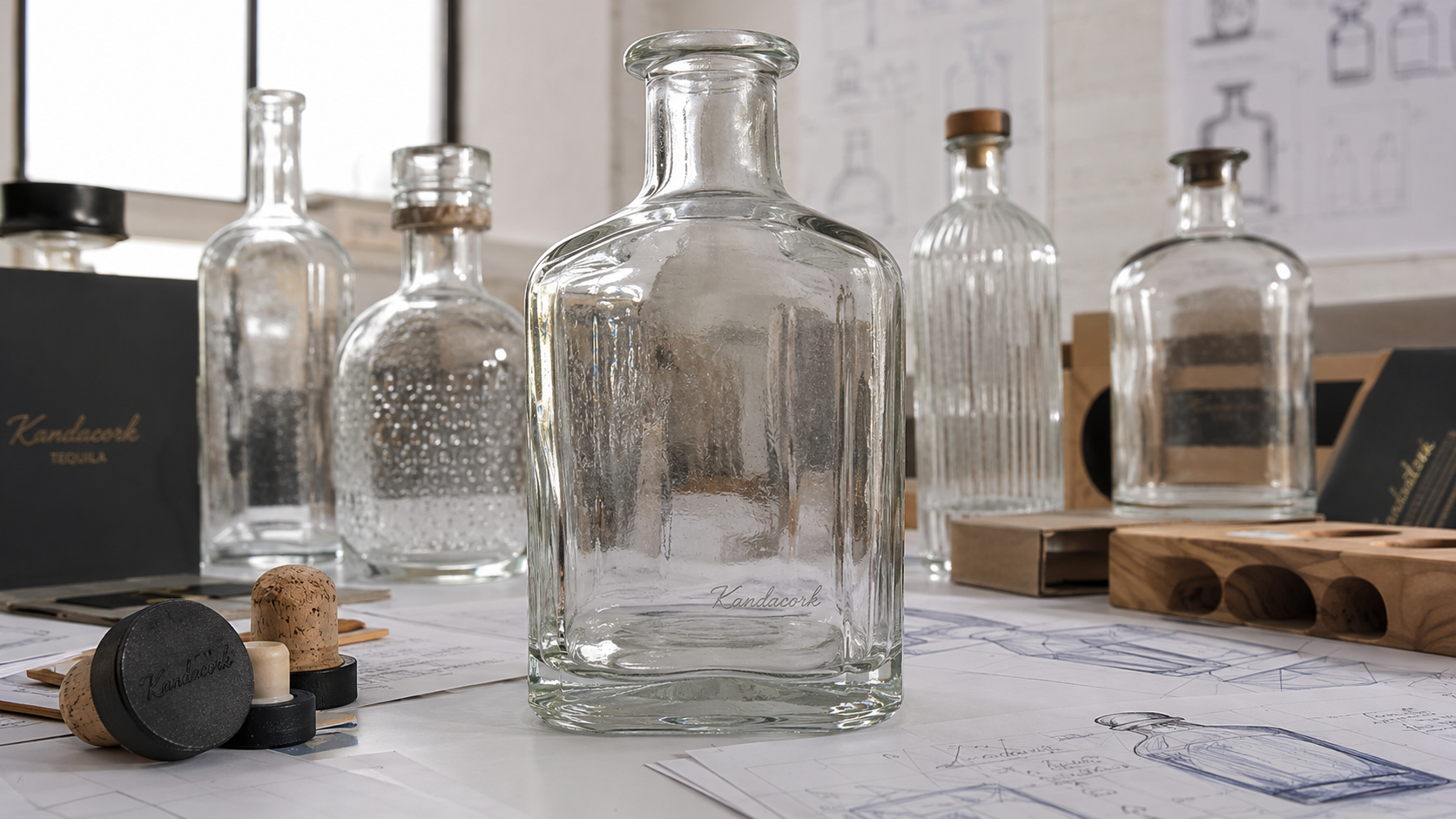
Brands developing complete packaging programs often coordinate bottle structure, closure design, and decoration across multiple specialist areas. For example, a project may combine spirits bottle sourcing from Kandacork Spirits with closure selection, neck finishing, and carton compatibility testing to build a more coherent final package.
Main Types of Premium Bottle Neck Decoration
Capsules
Capsules cover the upper neck and closure area. They create a clean, continuous finish from the cap or stopper down toward the shoulder of the bottle.
Capsules are often used for premium spirits, wine-inspired packaging, liqueurs, brandy, and gift-ready bottles. They can support custom colors, metallic effects, matte finishes, printed logos, embossed details, and top-disc decoration.
A capsule is a good option when the brand wants a traditional, elegant, or high-end appearance. It can also help protect the closure area from dust and handling marks.
The key production check is fit. The capsule length, diameter, and application method must match the bottle neck and closure height. If the capsule is too long, it may overlap the shoulder label. If it is too tight or poorly specified, it may wrinkle, tear, or affect the opening experience.
For brands that need neck finishing and tamper-evident presentation, capsules and shrink sleeves should be reviewed early in the packaging development process.
Shrink Sleeves
Shrink sleeves are heat-applied films that conform to the bottle neck or closure area. They are commonly used for tamper-evident packaging, clean finishing, and high-volume closure presentation.
For spirits brands using screw caps, ROPP closures, or other cap systems, neck shrink sleeves can provide both decoration and opening protection. They can show whether a bottle has been opened and can carry color, logo details, security messages, or batch information.
Shrink sleeves are suitable for efficient production when the filling facility has the right application equipment. The sleeve material, shrink ratio, perforation position, artwork distortion, layflat width, and heat tunnel settings should be reviewed before mass production.
A poor sleeve specification can create wrinkles, distortion, tearing problems, or inconsistent opening performance. A strong sleeve specification helps the bottle look finished while supporting production reliability.
Bottle Neck Tags and Neckers
Bottle neck tags, also called bottle neckers or hang tags, are printed cards placed around the bottle neck. They are one of the most flexible forms of premium bottle neck decoration.
A neck tag can communicate tasting notes, cocktail recipes, barrel aging, awards, batch stories, QR codes, promotional messages, or limited-edition details. This makes it useful for seasonal campaigns, retail launches, gift packs, product education, and private label upgrades.
Premium neck tags can use thick paperboard, textured stock, die-cut shapes, foil stamping, embossing, debossing, double-sided printing, ribbon attachment, or custom hole shapes.
The main production risk is movement. If the hole size, tag weight, paper thickness, or shape is not correct, the tag may rotate, droop, cover the label, or fall off during transport.
For projects where visual decoration is a major part of brand identity, specialist decoration support from Kandacork Decoration & Branding can help align neck tags, charms, logo processes, and bottle surface decoration.
Bottle Neck Charms
Bottle neck charms are decorative accessories attached around the neck with a chain, cord, ribbon, elastic band, or metal ring. They are commonly used for luxury spirits, gift sets, collector bottles, and limited editions.
Popular charm materials include zinc alloy, brass, stainless steel, wood, acrylic, enamel-finished metal, and leather-look materials. Common processes include engraving, embossing, debossing, plating, enamel filling, and screen printing.
A charm creates tactile value. It gives the customer something to touch and remember. It can represent a brand symbol, region, ingredient, edition number, award, or heritage story.
However, charms require careful testing. Heavy charms, sharp edges, or long hanging lengths can scratch coated bottles, damage labels, or move during shipping. The charm should be tested with the actual bottle, label, gift box, and carton.
Decorative Closures and Stoppers
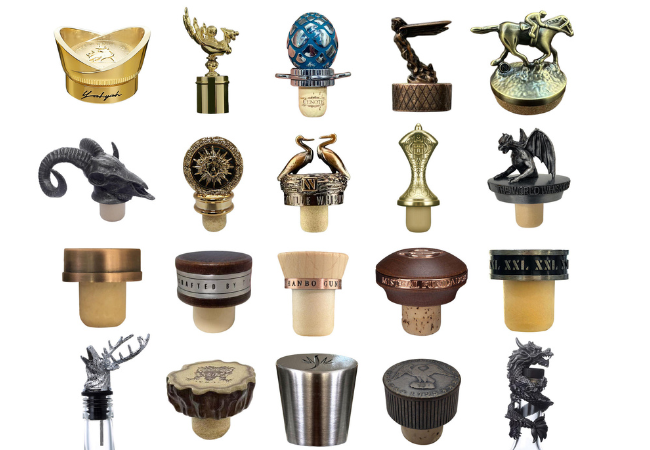
The closure itself can become the strongest form of bottle neck decoration. A branded bar-top stopper, wooden stopper, glass stopper, metalized cap, embossed screw cap, or custom ROPP closure can give the bottle a premium identity without adding extra accessories.
This is often the most integrated approach because the closure supports both function and appearance. The customer sees and touches the closure when opening the bottle, so material, weight, surface finish, logo detail, and extraction feel all influence perceived quality.
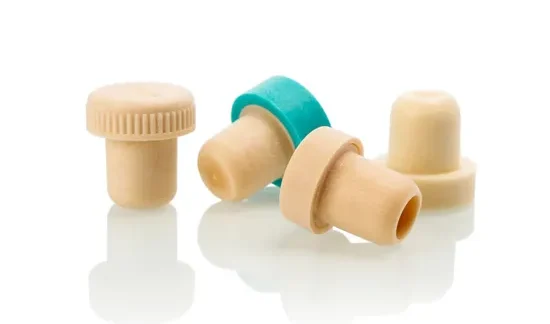
For high-end spirits, custom metal stoppers can add weight, shine, engraving detail, and a more premium opening experience. For commercial spirits and private label ranges, plastic bar-top stoppers can provide stable geometry, brand color matching, and cost-efficient customization.
Premium Bottle Neck Decoration Comparison
| Decoration Type | Best For | Main Benefit | Key Production Check |
|---|---|---|---|
| Capsule | Classic premium bottles, gift packaging, whisky, brandy, and liqueur | Creates a clean, elegant neck finish | Capsule length, diameter, and application method |
| Shrink sleeve | Tamper-evident packaging, screw caps, and ROPP closures | Supports security and consistent finishing | Shrink ratio, perforation, and heat application |
| Neck tag or necker | Promotions, QR codes, tasting notes, and limited editions | Adds flexible storytelling without changing the main label | Hole size, tag weight, paper thickness, and label clearance |
| Metal charm | Luxury spirits, collector bottles, and gift sets | Adds tactile premium value | Scratch risk, charm weight, edge finish, and carton fit |
| Decorative stopper | High-end spirits and private label upgrades | Combines closure function with premium appearance | Stopper fit, material choice, and sealing performance |
| Branded screw cap | Vodka, gin, rum, RTD spirits, and high-volume projects | Provides efficient decoration and closure control | Torque, liner, pilfer band, and printing quality |
Which Bottle Neck Decoration Should You Choose?
Choose capsules when the bottle needs a clean, classic, and premium neck finish. Capsules are suitable for spirits brands that want a refined transition between closure and label.
Choose shrink sleeves when tamper evidence, production consistency, and high-volume application are priorities. Shrink sleeves are especially useful for screw caps and ROPP closures.
Choose neck tags when the brand needs flexible storytelling. Neck tags are strong for QR codes, tasting notes, cocktail recipes, awards, seasonal messages, and limited-edition campaigns.
Choose metal charms when the bottle needs luxury appeal, gift value, and collectible detail. Charms are best for premium spirits, limited editions, and retail displays where tactile value matters.
Choose decorative stoppers when the closure itself should become a brand signature. Custom stoppers are ideal for spirits brands that want the opening experience to feel more premium.
Choose branded screw caps or ROPP closures when efficiency, sealing control, tamper evidence, and repeatable production are important. These are strong options for high-volume spirits, private label programs, mini bottles, RTD spirits, and export orders.
Best Finishes for Premium Bottle Neck Decoration
Foil Stamping
Foil stamping adds metallic detail to neck tags, capsules, seals, and paper bands. Gold, silver, copper, and rose gold are common choices for premium spirits.
This finish works well for logos, awards, monograms, vintage seals, and limited-edition messages. It should be used carefully. A small foil detail can look elegant, while excessive foil may make the bottle look crowded.
Embossing and Debossing
Embossing raises a design above the surface. Debossing presses the design into the material. Both processes add tactile quality and visual depth.
These finishes are useful for heritage whisky, aged rum, cognac, brandy, and premium gift packaging. They work especially well on capsules, paper neck tags, closure tops, and metal charms.
Laser Engraving
Laser engraving creates a precise and durable mark on wood, metal, glass, and some closure materials. It is suitable for logos, batch numbers, limited-edition markings, and custom stopper heads.
Engraving is a strong choice when the brand wants the decoration to feel permanent, crafted, and authentic.
Matte, Gloss, and Soft-Touch Coatings
Surface finish affects how packaging feels in the hand. Matte coatings create a modern and understated look. Gloss finishes make color more vivid. Soft-touch coatings create a smooth tactile effect that can support luxury positioning.
A vodka bottle may benefit from clean matte silver or frosted effects. A rum or whisky bottle may look stronger with dark metal, warm foil, wood texture, or antique finishes.
Metallic, Brushed, and Antique Effects
Metallic effects are common in premium bottle neck decoration because they communicate durability and value. Brushed silver, antique bronze, aged copper, and gunmetal finishes can work well for whisky, rum, tequila, cognac, and collector editions.
These finishes are especially effective on charms, medallions, caps, and closure tops.
How to Match Neck Decoration With the Bottle
Start With the Closure Type
The closure determines what kind of decoration will work. A bar-top stopper may pair well with a capsule, neck tag, charm, or decorative seal. A screw cap may work better with a shrink sleeve, printed cap, or tamper-evident band. A ROPP closure requires careful review of cap height, pilfer band, liner compression, torque, and sleeve clearance.
The decoration should never block opening performance, sealing function, or tamper evidence. If a decoration looks attractive but interferes with the way the bottle opens, it should be redesigned.
Match the Bottle Shape
Long neck bottles provide more space for capsules, sleeves, and vertical decoration. Short neck bottles may require compact tags or closure-focused decoration. Heavy base bottles often support luxury positioning and can pair well with metal charms, engraved stoppers, and thicker neck tags.
Square bottles need special attention because hanging tags and charms may not sit the same way as they do on round bottles. Mini bottles need lightweight decoration because oversized elements can make the product look unbalanced.
For projects where the bottle shape is still being developed, an integrated packaging partner such as Kandacork Glass can help align glass structure, closure proportion, decoration space, and packing requirements from the beginning.
Match the Spirit Category
Whisky packaging often works well with wood, metal, embossing, dark colors, antique finishes, and strong stopper details.
Vodka packaging usually benefits from clean shrink sleeves, silver caps, frosted effects, transparent materials, and minimalist decoration.
Gin packaging can use botanical neck tags, colored capsule accents, illustrated neckers, and QR codes for cocktail recipes or botanical sourcing stories.
Rum packaging often pairs well with wood tags, warm tones, dark metal, textured paper, and aged finishes.
Tequila and mezcal packaging can use textured tags, metal charms, natural cork, cultural patterns, and earthy materials.
Cognac and brandy packaging often benefits from gold foil, embossed capsules, premium stopper heads, and gift-box-ready neck presentation.
Buyer Pathways for Different Packaging Goals
| Buyer Goal | Recommended Starting Point | Best Decoration Options |
|---|---|---|
| New spirits brand | Build a professional package without complex tooling | Branded closure, neck tag, and simple capsule |
| Premium brand upgrade | Improve shelf appeal and gift value | Embossed capsule, foil necker, and decorative stopper |
| Luxury limited edition | Create collector value and tactile appeal | Metal charm, engraved stopper, numbered tag, and premium gift box |
| High-volume retail order | Keep production efficient and consistent | Branded screw cap, ROPP closure, and machine-applied shrink sleeve |
| Private label project | Upgrade a standard bottle quickly | Custom cap color, capsule, neck tag, and logo decoration |
| Export-focused spirits | Balance appearance, labeling, and packing safety | Secure closure, compliant tag layout, and carton-tested decoration |
Technical Specifications to Confirm Before Production
Premium bottle neck decoration should be approved only after technical fit is confirmed. The most important specifications include bottle neck diameter, closure height, capsule length, sleeve layflat width, shrink ratio, perforation location, neck tag hole diameter, paper thickness, charm weight, charm edge finish, cap torque, liner compatibility, pilfer band function, gift box insert clearance, and export carton protection.
These details help prevent common production problems such as loose tags, wrinkled sleeves, blocked tamper bands, scratched bottles, carton pressure marks, poor opening performance, and inconsistent presentation across bulk orders.
Functional Checks Before Production
Neck Fit and Clearance
The bottle neck diameter, closure height, shoulder angle, label position, and available decoration space must be checked before confirming artwork.
A capsule that is too long may cover the shoulder label. A charm that hangs too low may block the brand name. A neck tag with the wrong hole size may rotate or fall off. Accurate measurements reduce these risks.
Sealing and Tamper Evidence
Premium bottle neck decoration should support the closure system, not interfere with it. For screw caps and ROPP closures, the tamper band must remain visible and functional. For shrink sleeves, the tear line should be easy to identify and open.
For U.S. spirits packaging, the Alcohol and Tobacco Tax and Trade Bureau explains distilled spirits labeling requirements through its distilled spirits labeling guidance. Decorative elements should not obscure mandatory information, mislead consumers, or create confusion about product identity.
Filling Line Compatibility
Some decoration can be applied by machine, while other decoration requires manual work. Capsules, shrink sleeves, tags, and charms all have different application requirements.
A complex charm may create strong shelf impact but slow down packing. A shrink sleeve may require a heat tunnel. A paper necker may need manual placement. These factors affect cost, lead time, quality consistency, and production planning.
Scratch and Damage Risk
Metal charms, chains, and heavy accessories should be tested with the real bottle surface. Coated glass, painted bottles, frosted bottles, and delicate labels can be damaged by movement during shipping.
To reduce risk, brands can use softer attachment materials, shorter hanging lengths, rounded charm edges, protective packing, or revised charm placement.
Gift Box and Carton Fit
If the bottle will be packed in a gift box, rigid box, or export carton, the decoration must fit inside the insert. A charm can catch on a tray. A large neck tag can bend. A tall capsule can contact the box lid.
A full sample packing test should be completed before mass production. The goal is not only to make the bottle look premium on the table, but also to make sure it arrives safely after handling, warehousing, and transport.
Material Selection for Premium Bottle Neck Decoration
Paperboard
Paperboard is practical for neck tags, bottle neckers, hang tags, and promotional cards. It supports printing, die-cutting, foil stamping, embossing, debossing, and QR codes.
It is ideal for tasting notes, seasonal campaigns, batch stories, limited-edition messages, and product education.
Metal
Metal is suitable for premium charms, medallions, badges, cap tops, and decorative closure accents. It feels durable and valuable.
Metal decoration is especially effective for whisky, rum, cognac, tequila, and collector-style spirits packaging.
Wood
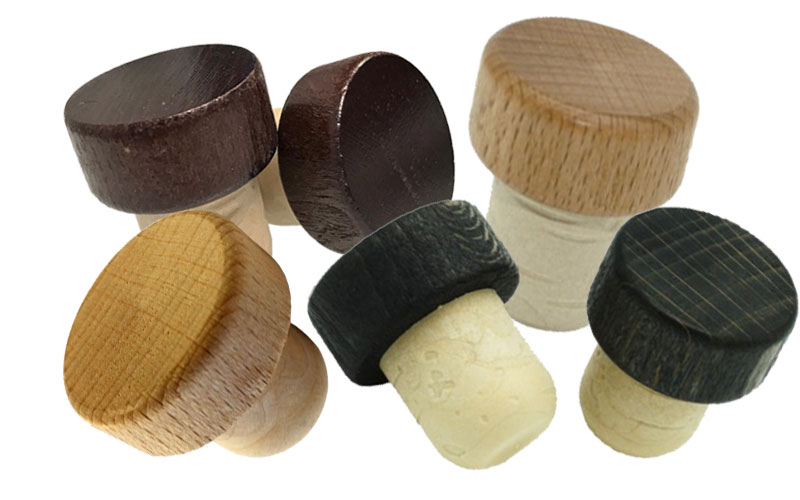
Wood supports natural, craft, barrel-aged, and heritage positioning. It is commonly used for stopper heads, tags, and small decorative elements.
Wood should be checked for logo clarity, color consistency, moisture stability, odor risk, and compatibility with the final closure structure.
Acrylic
Acrylic can create transparent, colorful, or modern decorative effects. It is suitable for contemporary spirits brands that want a clean but distinctive look.
Shrink Sleeve Materials
PVC, PETG, and OPS are common shrink sleeve material categories. The correct choice depends on shrink ratio, bottle shape, application method, artwork distortion, market expectations, and sustainability goals.
Brands should review shrink sleeve materials with the supplier before confirming artwork because film behavior affects the final visual result.
Aluminum
Aluminum is widely used for screw caps, ROPP closures, and capsule-style decoration. It can support printing, embossing, color matching, and tamper-evident functions.
For spirits brands, aluminum closures provide a clean and efficient way to combine decoration with reliable closure performance.
Sustainability and Export Market Considerations
Sustainability is becoming more important in spirits packaging. Premium bottle neck decoration should add value without creating unnecessary waste, excessive material complexity, or avoidable recycling problems.
The European Commission’s Packaging and Packaging Waste Regulation reflects a broader market direction toward packaging that is easier to recycle and sort. ISO also provides packaging-related frameworks, including ISO 18604, which addresses requirements for packaging recoverable through material recycling.
Practical steps include choosing removable accessories, avoiding unnecessary mixed-material structures, using recyclable paperboard where suitable, reducing oversized tags, and checking whether shrink sleeves or capsules affect local recycling systems.
For brands that want to align bottle sourcing with more sustainability-focused glass packaging, Kandacork Eco Glass can support packaging discussions where recycled material, weight, decoration, and closure compatibility need to be considered together.
A premium bottle should look valuable, but it should also be designed with end-of-life handling in mind.
Smart Packaging and QR Codes
Neck tags and bottle neckers are effective locations for QR codes because they are visible, flexible, and easy to update between campaigns.
A QR code can lead customers to batch information, cocktail recipes, product authentication pages, sustainability details, brand videos, tasting notes, awards, or registration pages.
The GS1 Digital Link standard is relevant for brands that want to connect physical packaging with standardized digital product information. It can help a scannable code connect the bottle with web-based product identity, batch, or consumer information.
For best results, QR codes should be placed on a stable area, printed at a scannable size, and tested under retail lighting. Avoid placing small codes on highly curved, reflective, or textured surfaces.
Compliance and Labeling Notes for Spirits Brands
Premium bottle neck decoration should improve presentation without covering required label information or confusing the customer. Decorative tags, capsules, sleeves, and charms should be reviewed against the main label, back label, closure area, and retail display angle before final approval.
For spirits sold in regulated markets, brands should check whether decoration affects mandatory information, alcohol content visibility, origin statements, class or type descriptions, health warnings, tamper-evident features, or local recycling instructions. In the United States, the official 27 CFR Part 5 rules provide the regulatory foundation for distilled spirits labeling and advertising requirements.
Export brands should also confirm destination-market packaging expectations before approving final artwork. This is especially important when using removable neck tags, shrink sleeves, security bands, promotional claims, sustainability messages, or QR-code content.
How Kandacork Closures Helps Buyers Choose Neck Decoration
Kandacork Closures supports buyers by reviewing premium bottle neck decoration as part of the complete closure and packaging system.
This process can include bottle neck size review, closure compatibility, stopper selection, screw cap matching, ROPP closure evaluation, capsule specification, shrink sleeve planning, decorative finish selection, logo process review, sample fitting, packing review, and export carton checks.
For distilleries, private label brands, importers, and beverage packaging buyers, this integrated review helps reduce risk before production. The goal is to create packaging that looks premium, seals correctly, fits the bottle, works with the filling line, and arrives safely after transport.
Send your bottle drawing, closure type, decoration goal, and target quantity through the Kandacork Closures custom closure quote page for a sample-fit recommendation.
What Buyers Should Prepare Before Requesting a Quote
Buyers can receive more accurate recommendations by preparing bottle photos, technical drawings, neck dimensions, closure type, cap or stopper dimensions, spirit category, target market, reference images, logo artwork, brand colors, order quantity, packing method, gift box structure, and launch schedule.
This information helps the supplier recommend a decoration structure that is attractive, practical, and production-ready. It also reduces the risk of revising samples repeatedly because the closure, bottle, and decoration were not reviewed together from the start.
Common Mistakes to Avoid
Choosing decoration only by appearance is one of the most common mistakes. A premium design must still fit the bottle and support the closure system.
Ignoring closure compatibility can create sealing, torque, tamper evidence, or opening problems.
Using oversized tags can cause rotation, label coverage, or bending during packing.
Adding heavy charms without transport testing can lead to scratches or damaged labels.
Approving artwork before confirming material behavior can cause issues with shrink distortion, foil stamping, embossing, or capsule application.
Forgetting gift box clearance can create problems when the decorated bottle is placed inside the final box or carton.
Treating neck decoration as a separate accessory can also create mismatch between the closure, label, glass shape, and retail presentation. The strongest packaging result usually comes from planning all visible neck components together.
FAQ
What is premium bottle neck decoration?
Premium bottle neck decoration is the use of capsules, shrink sleeves, neck tags, charms, decorative stoppers, screw caps, ROPP closures, and closure finishes to improve a bottle’s appearance, brand story, tamper evidence, and retail presentation.
What is the best bottle neck decoration for premium spirits?
The best option depends on the bottle, closure, production method, and brand position. Embossed capsules, branded stoppers, metal charms, and thick paper neck tags are strong choices for premium spirits because they improve shelf appeal, gift value, and perceived quality.
Is a neck tag better than a capsule?
A neck tag and a capsule serve different purposes. A capsule creates a clean closure finish and can support tamper evidence. A neck tag is better for storytelling, QR codes, promotions, recipes, and tasting notes. Many premium spirits bottles use both.
Can QR codes be printed on bottle neck tags?
Yes. QR codes can be printed on bottle neck tags, neckers, or some shrink sleeves. The code should be large enough to scan, placed on a stable surface, and tested before production.
Does bottle neck decoration affect filling line speed?
Yes. Capsules, shrink sleeves, tags, and charms may require different application methods. Some can be machine-applied, while others require manual work. Buyers should confirm application requirements before mass production.
How can bottle neck decoration support tamper evidence?
Shrink sleeves, capsule systems, security bands, and ROPP closures can help show whether a bottle has been opened. The decoration should be designed so the tear line, pilfer band, or opening feature remains clear and functional.
How can a spirits brand make bottle neck decoration more sustainable?
A brand can use removable accessories, recyclable paperboard, right-sized tags, fewer mixed materials, and decoration structures that do not interfere with local recycling systems. Export brands should also check destination-market packaging expectations.
What information should I send for a premium bottle neck decoration quote?
Send bottle photos or drawings, neck dimensions, closure type, cap or stopper size, spirit category, target market, decoration reference images, logo artwork, order quantity, packing method, and launch schedule.
Conclusion: Build the Bottle Neck as a Complete Packaging System
Premium bottle neck decoration should not be treated as a last-minute accessory. It is part of a complete packaging system that connects closure performance, shelf appeal, brand storytelling, tamper evidence, sustainability, and customer experience.
A successful design starts with practical questions. What closure will the bottle use? What neck dimensions are available? Will the decoration fit the filling line? Does it support the brand story? Can it survive packing and shipping? Does it comply with the target market?
When the closure, capsule, sleeve, tag, charm, label, and gift box are developed together, the bottle looks more premium and performs more reliably.
For spirits brands preparing a packaging project, Kandacork Closures can help review bottle neck fit, closure type, decoration options, sample requirements, and export packing before production. Share your bottle drawing, closure type, decoration goal, and target quantity to receive a practical recommendation for premium bottle neck decoration.