Brandy and cognac closures often need a more refined balance of weight, texture, fit and brand detail. This guide explains how buyers can specify stopper tops, shanks, caps, finishes, logo methods and testing requirements for premium brandy and cognac packaging.
Key Takeaways
Brandy bottle closures should be selected based on bottle neck compatibility, sealing performance, brand positioning, production method, and destination market requirements.
Bar-top cork stoppers are ideal for premium brandy, cognac-style packaging, gift bottles, and limited-edition spirits because they create a luxury appearance and reusable opening experience.
ROPP caps are suitable for tamper-evident, export-ready, mini bottle, and high-volume brandy packaging where cost control and production efficiency matter.
Before placing a bulk order, buyers should confirm bottle drawings, bore size, closure dimensions, cork shank diameter, liner material, sample testing, MOQ, lead time, and packing method.
A professional brandy bottle closure supplier should help buyers reduce sourcing risk by reviewing technical specifications before mass production.
Why Brandy Bottle Closures Matter for Premium Spirits
A brandy bottle closure must protect the liquid, fit the bottle correctly, and support the product’s market positioning. Brandy, cognac, and aged spirits are often sold as premium, giftable, or heritage-driven products, so the closure should feel intentional rather than generic.
The closure affects how consumers judge the bottle before tasting the product. A wooden bar-top cork can suggest craftsmanship and tradition. A metal or zamak top can create a heavier luxury impression. A ROPP cap can support tamper evidence, filling-line efficiency, and high-volume production.
For commercial buyers, appearance is only one part of the decision. The closure must also match the bottle neck finish, perform well on the filling line, resist leakage during shipping, and remain consistent across repeat orders. This is especially important for export-ready brandy, private-label spirits, and premium packaging programs.
In the United States, distilled spirits packaging may require tamper-evident closure considerations, and buyers can review the TTB guidance on distilled spirits bottle closures when planning U.S.-market packaging. For international programs, brands should also consider local alcohol packaging rules, importer requirements, and distributor expectations.
Main Types of Brandy Bottle Closures
Bar-Top Cork Stoppers
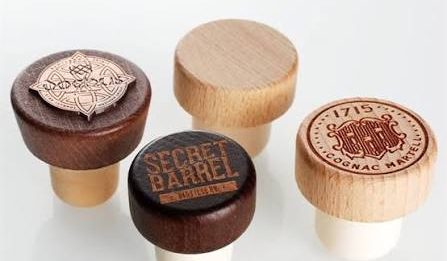
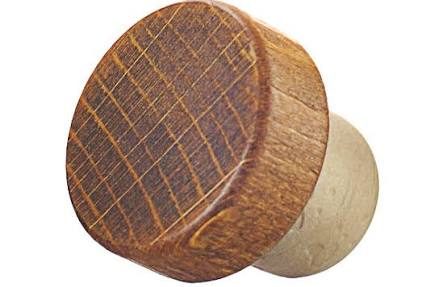
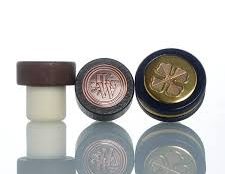
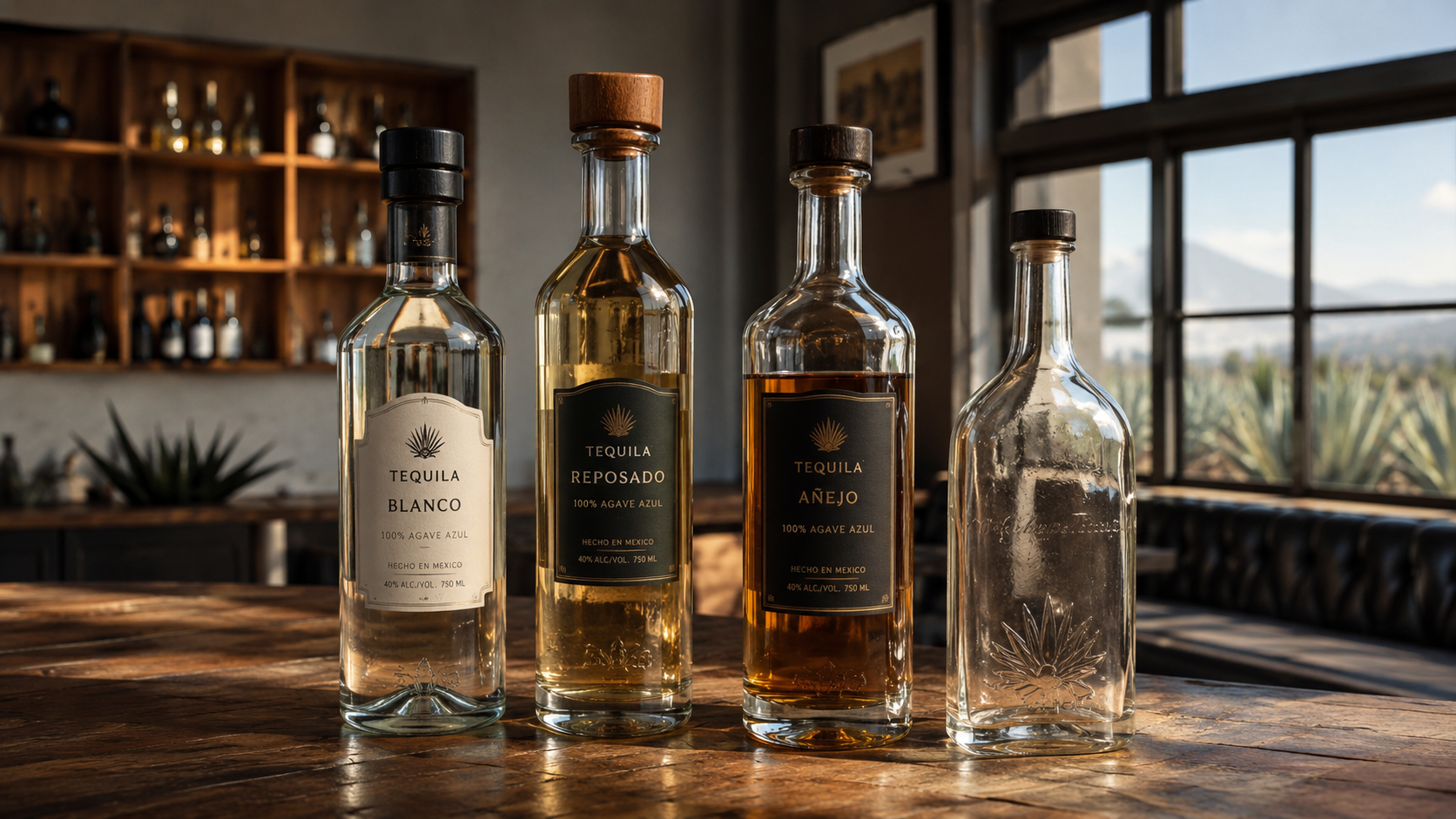
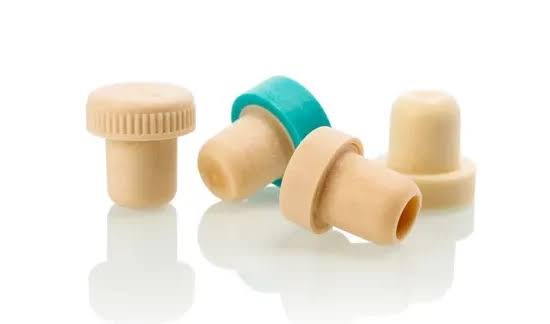
Bar-top cork stoppers are widely used for premium brandy, cognac, whisky, rum, tequila, and luxury spirits. A bar-top closure normally combines a decorative top with a cork, synthetic cork, or micro-agglomerated cork shank.
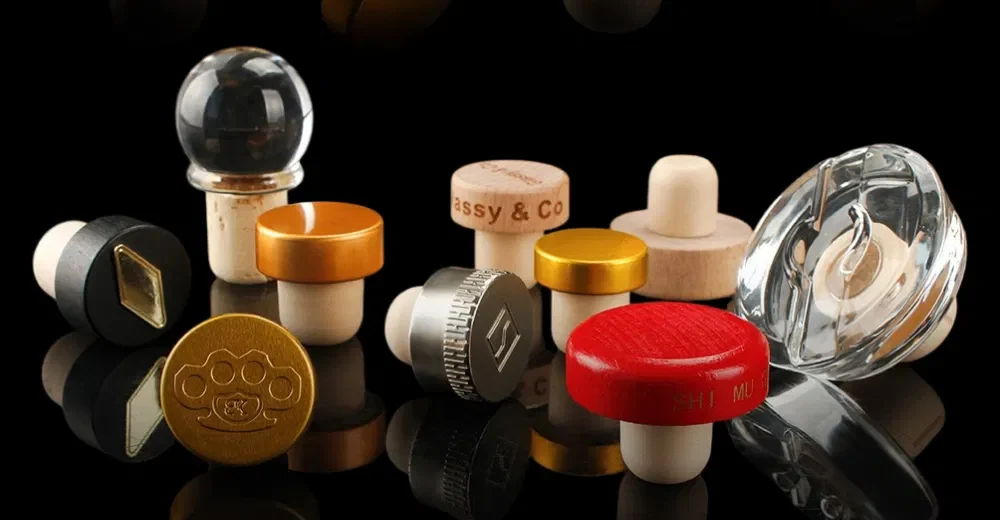
Common top materials include wood, plastic, aluminum, zamak metal, glass, and crystal-style decorative materials. For premium brandy and XO-style packaging, wooden bar-top stoppers are especially popular because they create a warm, traditional, and high-value appearance.
Bar-top corks are suitable for VSOP-style brandy, XO brandy, craft spirits, gift bottles, limited-edition bottles, and custom decanter packaging. They provide a satisfying opening experience and allow consumers to reseal the bottle after each use.
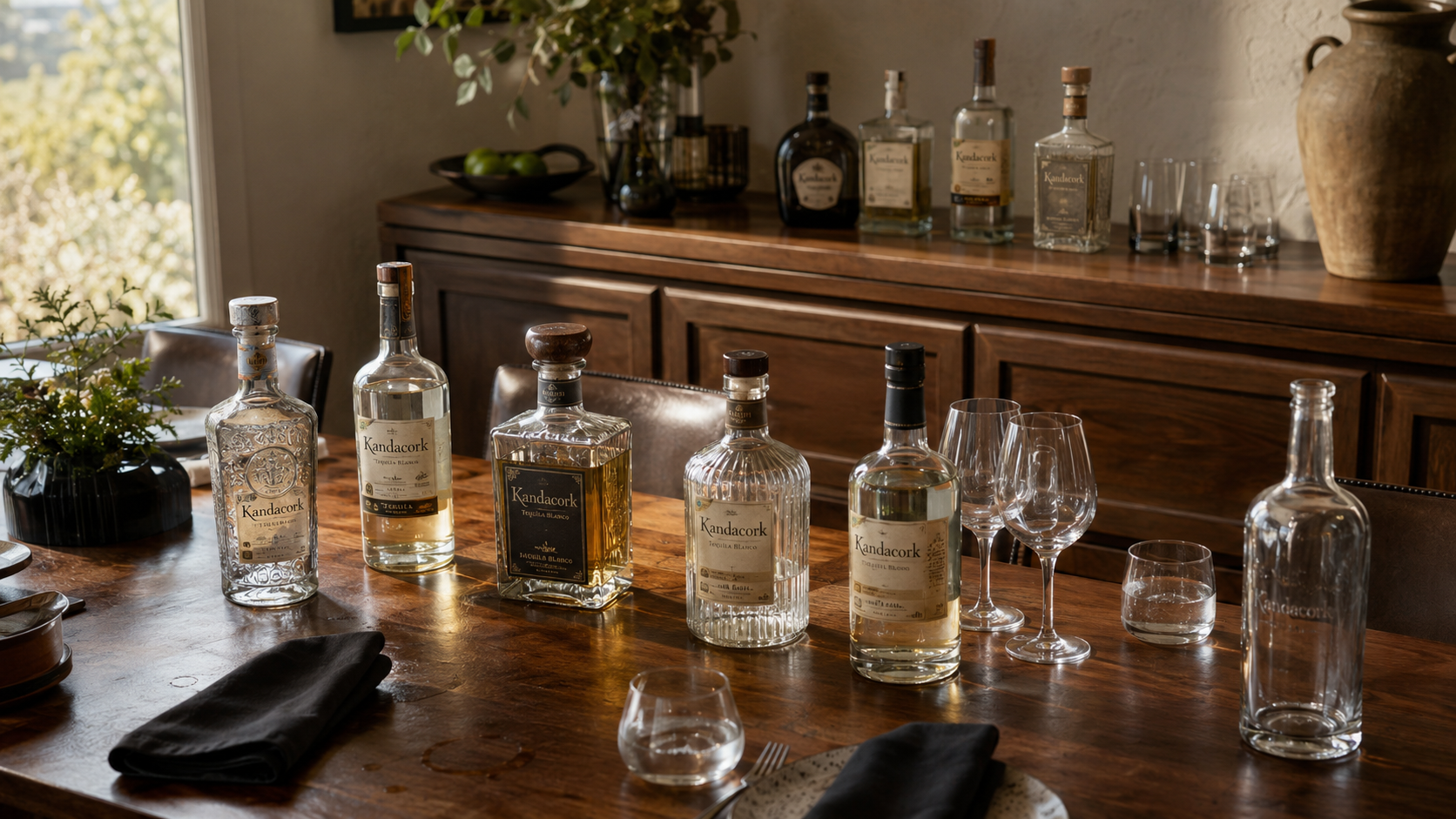
Kandacork can develop custom bar-top cork stoppers based on bottle neck dimensions, bottle design, brand positioning, logo artwork, and target order quantity. This is important because even a beautiful stopper can fail if the cork diameter or insertion depth does not match the bottle.
Natural Cork Stoppers
Natural cork is often associated with heritage, authenticity, and premium beverage packaging. It has a recognizable texture and a traditional appearance that can support brandy and cognac brands with a classic or craft identity.
Natural cork is suitable for brands that want a more organic and premium material story. However, buyers should understand that natural cork is a natural material, so color and texture variation are normal. For large-volume production, careful grading and inspection are important.
When natural cork is used for brandy closures, buyers should pay attention to cork diameter, length, surface condition, elasticity, moisture condition, odor control, and extraction performance. The international cork industry uses dimensional and physical test methods such as ISO 9727-1 dimensional testing for cork stoppers, which reinforces why measurement control matters in closure development.
Synthetic Cork Stoppers
Synthetic cork is commonly used in spirits closures because it offers strong dimensional consistency and stable sealing performance. It is a practical choice for private-label brandy, large-volume spirits programs, and export orders that require repeatable production quality.
Synthetic cork can be paired with wooden tops, plastic tops, metal tops, or custom decorative tops. It is often selected when buyers want the appearance of a bar-top stopper but need more uniform dimensions than natural cork.
For commercial brandy packaging, synthetic cork stoppers are useful when the same closure must be applied across thousands or millions of bottles. They can reduce the risk of cork breakage, crumbling, or inconsistent pull-out force.
Micro-Agglomerated Cork Stoppers
Micro-agglomerated cork is made from processed cork granules bonded into a controlled stopper structure. It offers a balance between natural cork appearance and engineered consistency.
This material is suitable for mid-range and premium brandy brands that want a cork-based story without relying fully on natural cork variation. It can support stable production while maintaining a more traditional cork identity than fully synthetic options.
Research on cork as a renewable technical material also highlights its lightweight structure, insulation value, and environmental importance; buyers evaluating cork-based packaging can review this study on cork as a strategic material for broader material context.
ROPP Caps for Brandy Bottles
ROPP means roll-on pilfer-proof. ROPP caps are commonly used for spirits, wine, olive oil, pharmaceuticals, and other bottled products that require secure sealing and tamper evidence.
For brandy bottles, custom ROPP closures are often used for value-range products, mini bottles, private-label spirits, export programs, and high-volume filling lines. They are usually made from aluminum and applied with capping equipment that forms the thread and tamper-evident band around the bottle neck.
ROPP caps can be customized with color coating, logo printing, embossing, top decoration, side printing, and liner options. They may not create the same luxury impression as a wooden bar-top cork, but they offer strong functional advantages for efficiency, cost control, and tamper-evident packaging.
Screw Caps and Aluminum Caps
Screw caps and aluminum closures are practical choices for certain brandy and liquor packaging formats. They are commonly used for miniature bottles, travel retail products, value-range spirits, modern bottle designs, and convenience-focused packaging.
These closures are easy for consumers to open and reseal. They can also be decorated with printing, embossing, metallic colors, matte finishes, and brand-specific designs.
For brands targeting younger consumers, casual drinking occasions, or compact bottle formats, a well-designed screw cap can support a clean and modern packaging identity.
Non-Refillable Closures
Non-refillable closures are designed to reduce the risk of refilling, tampering, and counterfeiting. They are often used for premium spirits, duty-free channels, export markets, and regions where brand protection is a key concern.
For brandy and cognac brands, non-refillable systems can help protect product integrity and strengthen consumer trust. They are especially useful for high-value bottles, controlled distribution, and international markets where counterfeit spirits are a concern.
Bar-Top Cork vs ROPP Cap vs Screw Cap: Which Is Better for Brandy?
The best closure depends on the product’s price level, bottle design, filling line, and brand image. A luxury cognac-style bottle may need a custom bar-top stopper, while a high-volume private-label brandy may be better suited to a ROPP cap.
| Closure type | Best for | Main advantage | Possible limitation |
|---|---|---|---|
| Bar-top cork | Premium brandy, cognac, gift bottles | Luxury appearance and resealable experience | Higher unit cost than basic caps |
| Natural cork stopper | Heritage and craft-style brandy | Traditional cork texture and premium feel | Natural variation requires grading |
| Synthetic cork stopper | Private-label and large-volume spirits | Consistent dimensions and stable fit | Less natural material story |
| Micro-agglomerated cork | Mid-to-premium brandy | Cork-based appearance with better consistency | May cost more than basic synthetic cork |
| ROPP cap | Export, mini bottles, value brandy | Tamper-evident and production-efficient | Less premium than decorative stoppers |
| Screw cap | Convenience-focused spirits | Easy opening and resealing | May look less traditional |
| Non-refillable closure | Premium export spirits | Anti-counterfeit and security support | More complex structure and sourcing |
For most B2B buyers, closure selection should begin with the bottle drawing. The neck finish, bore diameter, filling process, and capping equipment determine which closure types are technically suitable. After that, buyers can compare materials, appearance, cost, MOQ, decoration options, and lead time.
How to Choose the Right Closure for Brandy and Cognac Bottles
A closure should be selected according to both functional and branding needs. Premium brandy packaging often requires a closure with strong visual impact, while high-volume brandy packaging may prioritize speed, tamper evidence, and cost control.
| Brandy product type | Recommended closure | Best material options | Main advantage |
|---|---|---|---|
| Economy brandy | ROPP cap or screw cap | Aluminum, plastic | Cost control and tamper evidence |
| Mid-range brandy | Synthetic bar-top cork | Synthetic cork with wood or plastic top | Consistent fit and premium appearance |
| VSOP-style brandy | Wooden bar-top cork | Wood with micro-agglomerated cork | Traditional look and reliable performance |
| XO cognac-style bottle | Metal, glass, or custom wood stopper | Zamak, glass, wood, synthetic cork | High-end shelf impact |
| Mini brandy bottle | ROPP cap or small screw cap | Aluminum, plastic | Fast production and easy opening |
| Export private-label brandy | Tamper-evident or non-refillable closure | Aluminum, plastic, security components | Compliance and brand protection |
The best approach is to confirm bottle compatibility first, then refine the appearance. A closure that looks attractive but does not fit correctly can create leakage, unstable pull-out force, capping issues, or poor consumer experience.
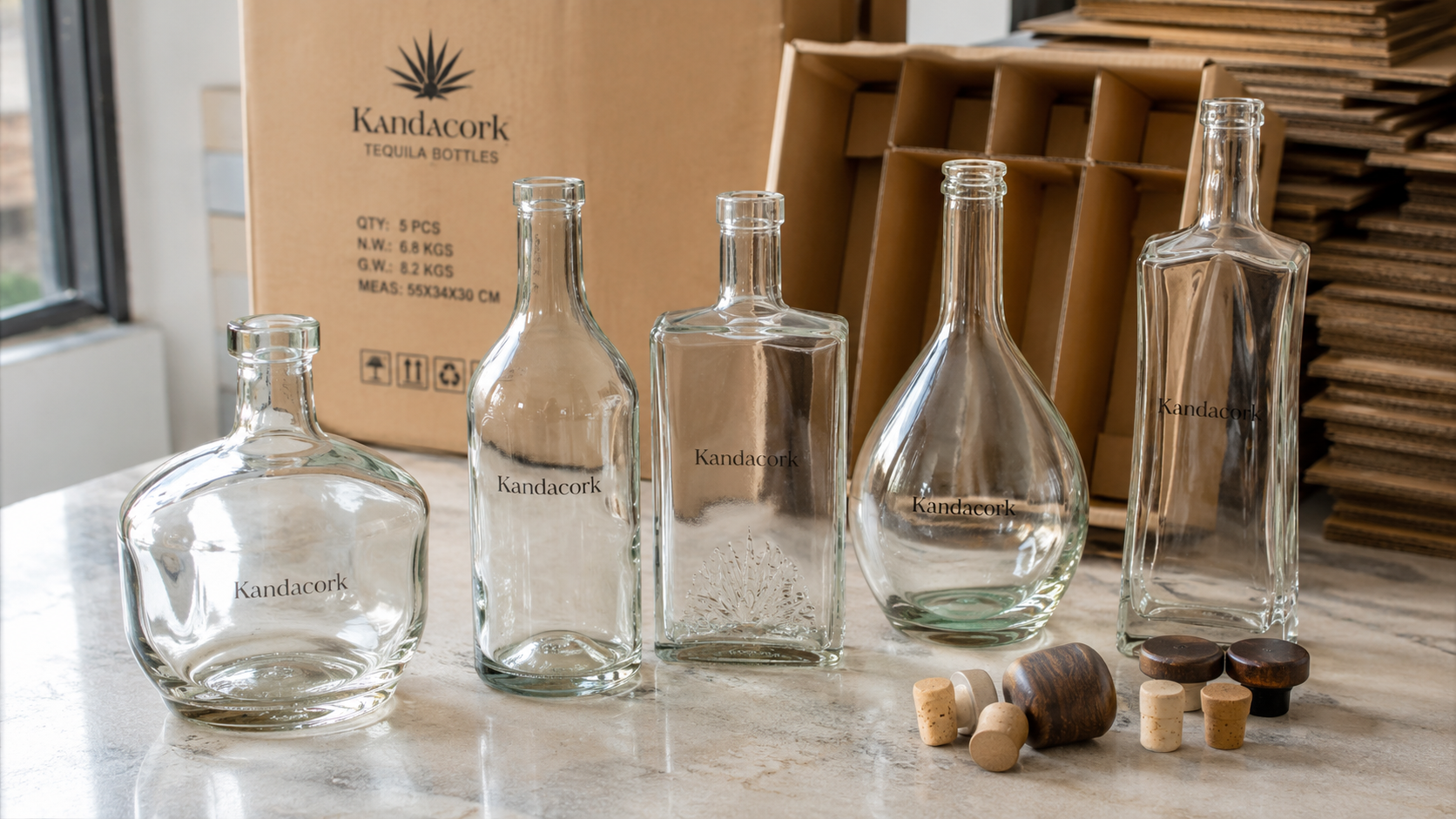
For buyers developing a full spirits bottle program, closure selection should be coordinated with bottle shape, glass weight, neck finish, decoration area, carton format, and filling-line method. Projects that start from spirits bottle development can align the bottle, stopper, label, secondary packaging, and export logistics earlier in the process.
Technical Specifications Buyers Should Confirm
Technical confirmation is one of the most important parts of closure sourcing. Buyers should not rely only on photos, samples, or general product descriptions. A closure must be matched to the actual bottle.
| Specification item | What to confirm | Why it matters |
|---|---|---|
| Bottle neck inner diameter | Bore size and tolerance | Determines cork shank fit |
| Bottle neck outer diameter | Neck finish and cap compatibility | Important for ROPP caps and screw caps |
| Cork shank diameter | Compression and sealing fit | Affects leakage and pull-out force |
| Cork shank length | Insertion depth | Affects sealing stability and appearance |
| Pull-out force | Opening resistance | Impacts consumer experience |
| Liner material | Contact surface and seal | Important for alcohol compatibility |
| Closure top diameter | Visual proportion | Affects bottle appearance |
| Capping method | Manual or automatic application | Affects production efficiency |
| Decoration tolerance | Logo position and finish quality | Supports brand consistency |
| Packing method | Carton and pallet design | Reduces transport damage |
For closures, liners, inserts, coatings, and other components that may contact the product or bottle mouth, buyers should consider food-contact suitability. In the U.S., the FDA food-contact substance guidance explains that packaging components and substances that contact food are part of food-contact evaluation. For European distribution, the European Commission food-contact materials framework provides general principles for food-contact material safety and inertness.
Information Buyers Should Provide Before Quotation
A clear quotation request helps the supplier recommend the right closure faster. It also reduces the risk of incorrect sampling, wrong sizing, or unexpected tooling costs.
| Buyer information | Recommended file or detail | Purpose |
|---|---|---|
| Bottle drawing | PDF, CAD file, or technical drawing | Confirms neck finish and closure dimensions |
| Bottle sample | Physical bottle if available | Supports fit testing and appearance review |
| Neck finish | GPI, custom neck finish, or measured dimensions | Helps match cork, cap, or stopper structure |
| Closure type | Bar-top cork, ROPP cap, screw cap, non-refillable closure | Defines production method and cost range |
| Material preference | Wood, cork, synthetic cork, aluminum, zamak, plastic, glass | Supports appearance and performance selection |
| Logo artwork | AI, PDF, SVG, or high-resolution file | Confirms decoration method |
| Quantity | Trial order, bulk order, or annual forecast | Helps estimate MOQ and unit cost |
| Destination market | Domestic, export, duty-free, or private label | Helps evaluate packaging and compliance needs |
| Packing requirement | Carton, divider, pallet, or export packaging | Reduces transport damage |
| Delivery schedule | Target sample date and bulk delivery date | Helps plan production and logistics |
For custom closures, the supplier may also need information about product positioning, bottle price level, filling method, capping equipment, and whether the product requires tamper evidence or anti-refill protection.
A complete request allows Kandacork to recommend suitable materials, confirm MOQ, estimate lead time, prepare samples, and evaluate whether custom tooling or decoration setup is needed.
Custom Branding Options for Brandy Bottle Closures
A closure is a small component, but it can become one of the most recognizable parts of a premium spirits package. When consumers pick up a bottle, the closure is often the first surface they touch.
Common customization options include logo engraving, embossing, debossing, hot stamping, screen printing, pad printing, laser marking, color coating, matte finishing, glossy finishing, metallic plating, wood staining, and custom top shapes.
For brandy and cognac packaging, popular visual styles include dark wood, walnut tone, black matte, gold metal, bronze metal, silver aluminum, transparent crystal style, and natural cork texture. The closure should match the bottle shape, label, glass color, capsule, gift box, and target retail environment.
Different decoration methods have different limits. Fine logo lines may not reproduce clearly on rough wood surfaces. Metallic finishes may require scratch-resistance review. Embossing depth depends on material and top diameter. For complex decoration systems, buyers can coordinate closure decoration with specialist decoration and branding support so the stopper, label, bottle printing, and gift-box identity stay visually consistent.
Closure Materials for Brandy Packaging
Different materials create different visual, functional, and cost effects.
| Material | Appearance | Best use case |
|---|---|---|
| Natural cork | Traditional, textured, authentic | Heritage brandy and premium craft spirits |
| Micro-agglomerated cork | Cork-based but more uniform | Mid-to-premium brandy with stable production needs |
| Synthetic cork | Clean and consistent | Private-label and large-volume brandy |
| Wood | Warm, premium, craft-oriented | Bar-top corks and luxury stoppers |
| Aluminum | Lightweight and efficient | ROPP caps, screw caps, tamper-evident closures |
| Zamak metal | Heavy and luxurious | High-end brandy and limited-edition spirits |
| Glass or crystal style | Decorative and premium | Gift bottles and luxury decanters |
| Plastic | Flexible and cost-effective | High-volume or molded custom closures |
The right material depends on product price, market positioning, order volume, packaging budget, and brand identity. A luxury XO-style brandy may justify a heavier decorative top, while a private-label supermarket brand may need a consistent synthetic cork or aluminum cap.
Neck Finish and Closure Compatibility
Closure compatibility is one of the most common problems in spirits packaging. A closure may look suitable in a photo but still fail during filling, capping, shipping, or consumer use.
For bar-top cork stoppers, the cork shank must match the bottle bore. For ROPP caps, the cap size and liner must match the bottle neck finish and capping equipment. For screw caps, thread compatibility and sealing surface are essential.
Buyers should confirm bottle neck inner diameter, outer diameter, neck height, bore tolerance, closure insertion depth, cap height, liner type, and capping method. If the bottle is already in production, sending physical bottle samples can help reduce sourcing risk.
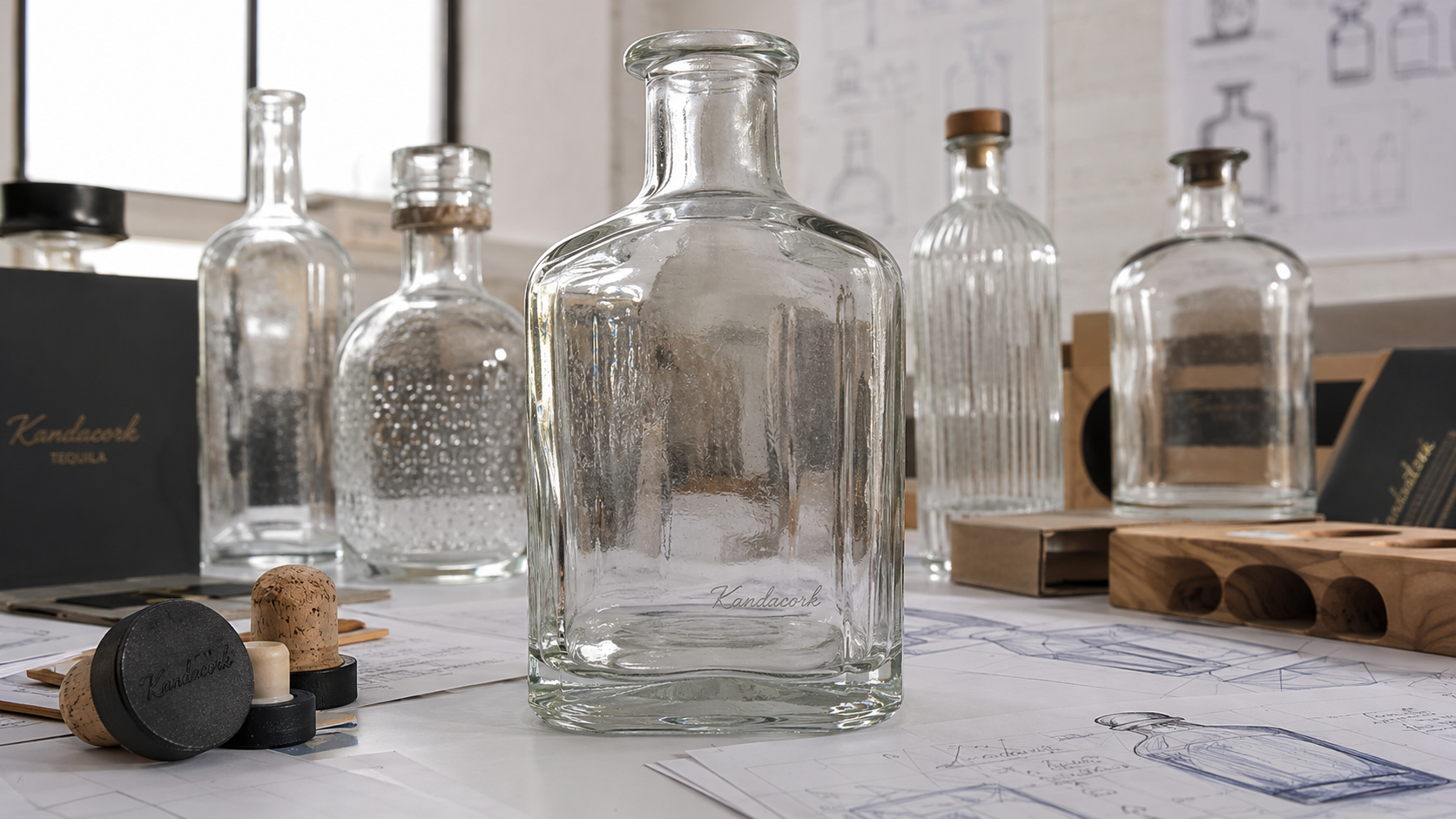
When the bottle itself is still being developed, working through an integrated spirits packaging approach can help align glass design, neck finish, decoration, closure choice, and carton planning before tooling or bulk production begins.
Common Mistakes When Sourcing Brandy Bottle Closures
Many closure problems happen because buyers focus on appearance before confirming technical fit. A closure can look premium in a photo but still perform poorly if the dimensions, liner, or cork shank are wrong.
Common sourcing mistakes include choosing closures only by appearance, ignoring bottle neck tolerance, ordering bulk closures before sample testing, using the wrong cork shank diameter, forgetting liner compatibility for ROPP caps, and not checking logo decoration limits.
Other risks include underestimating MOQ for custom molds, ignoring lead time for special finishes, choosing heavy decorative tops without checking transport protection, and failing to test packing stability for export shipments.
To avoid these problems, buyers should provide bottle drawings, request physical samples, confirm fit with real bottles, test opening force, review decoration samples, and approve pre-production samples before bulk manufacturing.
Quality Control and Testing for Brandy Bottle Closures
Quality control is essential for bulk closure orders. Even small dimensional variation can create problems during bottling or distribution.
A practical QC process may include dimensional inspection, visual inspection, material verification, logo position checking, color comparison, fit testing, pull-out force review, sealing performance checks, odor evaluation, carton inspection, and pre-shipment sampling.
For cork-based closures, inspection should focus on diameter, length, surface condition, elasticity, moisture, and appearance grade. For synthetic cork, consistency and dimensional stability are important. For ROPP and aluminum caps, liner condition, thread forming, tamper-band function, coating quality, and printing accuracy should be reviewed.
For export packaging, closures should also be packed to prevent abrasion, deformation, moisture exposure, and decoration damage. Heavy decorative tops may require dividers, inner bags, trays, or reinforced cartons depending on the finish and shipping method.
Kandacork Closures Capabilities
Kandacork supports custom closure development for brandy, cognac-style bottles, whisky, rum, tequila, vodka, liqueurs, and other premium bottled products. The company focuses on B2B buyers that need stable quality, custom branding, export support, and bulk order planning.
Available closure options include wooden bar-top corks, natural cork stoppers, synthetic cork stoppers, micro-agglomerated cork stoppers, aluminum ROPP caps, screw caps, metal decorative tops, plastic molded tops, glass-style stoppers, and non-refillable closure solutions. Buyers can also explore the broader bottle stoppers and closures range when comparing multiple closure structures for a product line.
Customization options include logo engraving, hot stamping, embossing, debossing, pad printing, screen printing, laser marking, color matching, matte finishing, glossy finishing, wood staining, metallic coating, and custom top shape development.
Kandacork can support bottle drawing review, physical sample matching, closure-to-neck compatibility checks, material selection, decoration sampling, carton packing, export pallet planning, and repeat-order consistency control.
For private-label spirits brands and packaging distributors, these capabilities help reduce sourcing risk and make the closure development process more efficient.
MOQ, Samples, Lead Time and Bulk Supply
MOQ depends on closure type, material, decoration method, mold requirement, and total order quantity. A standard wooden bar-top cork may have a lower MOQ than a fully custom zamak top or molded decorative stopper. Printed ROPP caps may require MOQ based on color, artwork, and production setup.
Samples are strongly recommended before bulk production. For new bottle projects, buyers should test both appearance and fit. For existing bottles, it is useful to send bottle samples or detailed technical drawings.
Lead time depends on project complexity. Standard closures may be faster, while custom molds, special colors, logo engraving, plating, and complex decoration require more time. For export orders, buyers should also consider carton packing, pallet loading, shipping schedule, and customs documentation.
For buyers sourcing bottles, closures, and accessories together, glass packaging coordination can help simplify project management by aligning bottle specifications, closure compatibility, decoration-ready surfaces, and shipment planning.
Why Choose Kandacork Closures
Kandacork Closures focuses on custom spirits closures for brandy, cognac-style packaging, whisky, rum, tequila, vodka, liqueurs, and other premium bottled products. The company supports buyers who need closure development, brand customization, sample confirmation, and export-ready bulk supply.
Key capabilities include custom bar-top cork stoppers, natural cork, micro-agglomerated cork, synthetic cork, wooden tops, metal tops, plastic tops, aluminum caps, ROPP caps, screw caps, tamper-evident closures, and non-refillable closure solutions.
Kandacork also supports logo engraving, printing, hot stamping, embossing, custom colors, bottle drawing review, closure-to-neck matching, export carton packing, and bulk order planning.
For buyers searching for a dependable brandy bottle closure supplier, the best partner is one that understands both design and function. The closure should look premium, fit correctly, seal reliably, and support the brand’s long-term packaging strategy.
FAQ
What is the best closure for premium brandy bottles?
The best closure for premium brandy bottles is usually a bar-top cork stopper. Wooden bar-top corks, metal-top stoppers, and custom decorative closures are popular because they create a premium opening experience and support resealing after use.
Are ROPP caps suitable for brandy bottles?
Yes. ROPP caps are suitable for brandy bottles when tamper evidence, cost control, and automated production are important. They are commonly used for value-range brandy, mini bottles, export programs, and private-label spirits.
Can I customize the logo on brandy bottle closures?
Yes. Logo customization can include engraving, embossing, debossing, hot stamping, screen printing, pad printing, laser marking, and custom color finishing. The best method depends on the closure material and logo design.
What information is needed for a brandy bottle closure quotation?
A supplier usually needs the bottle drawing, neck finish, bottle sample if available, closure type, material preference, top shape, logo artwork, target quantity, destination market, packing requirement, and delivery schedule.
How do I know if a stopper will fit my brandy bottle?
The stopper must be matched to the bottle neck dimensions and bore size. Buyers should confirm cork shank diameter, insertion depth, pull-out force, and leak resistance before bulk production. Sample testing is strongly recommended.
Can Kandacork Closures supply closures for private-label brandy?
Yes. Kandacork Closures can support private-label brandy projects with custom cork stoppers, ROPP caps, screw caps, decorative tops, logo branding, sample development, and bulk export supply.
What is the difference between natural cork and synthetic cork for brandy?
Natural cork offers a traditional appearance and premium material story, while synthetic cork provides more uniform dimensions and consistent performance. Micro-agglomerated cork can offer a balance between cork identity and engineered consistency.
When should I choose a non-refillable closure?
A non-refillable closure is suitable when brand protection, anti-counterfeit packaging, and export-market security are important. It is often used for premium spirits, duty-free products, and controlled distribution channels.
Conclusion
The right brandy bottle closure can improve sealing performance, strengthen shelf appeal, support brand protection, and create a better consumer experience. Whether the project requires a wooden bar-top cork for premium cognac-style packaging, a ROPP cap for export-ready brandy, or a custom decorative stopper for a luxury spirits launch, closure selection should be based on both design and technical fit.
Kandacork Closures supplies custom brandy bottle closures for B2B buyers that need reliable development, branding flexibility, sample support, and bulk supply.
Send Kandacork Closures your bottle drawing, neck size, closure concept, logo artwork, and estimated order quantity to request a closure quotation for your brandy bottle project.