ROPP closure performance depends on accurate cap size, liner selection, neck finish compatibility and capping control. This guide explains the main technical details spirits buyers should review before sampling or bulk production.
What Are ROPP Closures for Spirits Bottles?
ROPP means Roll-On Pilfer-Proof. A ROPP closure is usually made from aluminum or aluminum alloy and applied to a compatible glass bottle neck with roll-on capping equipment. During application, the cap shell is formed around the bottle finish, creating the thread profile and setting the pilfer band.
The pilfer band is designed to separate when the consumer opens the bottle for the first time. This makes the first opening visible and helps retailers, distributors, and end users identify whether a bottle may have been opened before sale.
For spirits packaging, a ROPP closure performs four main jobs: it seals the bottle, provides tamper evidence, allows reclosure, and carries visible branding. This combination makes it especially useful for commercial liquor packaging, private-label spirits, mini bottles, export programs, and high-volume bottling lines.
In the United States, the TTB states that distilled spirits plants and importers are required to securely affix a tamper-evident closure or similar device to bottles or other distilled spirits containers. This makes tamper-evident closure planning an important part of packaging development for brands selling into regulated markets through retail, wholesale, duty-free, or distributor channels.
Why Spirits Brands Choose Aluminum ROPP Caps
Spirits brands choose aluminum ROPP caps because they balance security, efficiency, cost control, and visual consistency. Unlike a purely decorative component, the closure must perform reliably from filling line to final consumer.
ROPP closures are especially useful when a brand needs:
| Buyer need | How a ROPP closure helps |
|---|---|
| Tamper evidence | The pilfer band separates after first opening |
| Automated capping | The cap can run on compatible semi-automatic or automatic equipment |
| Reclosure | Consumers can close the bottle again after opening |
| Brand consistency | Aluminum surfaces support color coating, printing, and embossing |
| Export readiness | The closure can be tested for leakage, torque, and transport conditions |
| Multi-SKU flexibility | Similar structures can be adapted across vodka, gin, rum, whisky, tequila, and liqueur lines |
For buyers comparing complete bottle and closure options, Kandacork’s complete spirits closure systems can help evaluate ROPP caps alongside bar-top stoppers, screw caps, capsules, shrink sleeves, and non-refillable systems.
Common Spirits Applications
Vodka and Gin Bottles
Vodka and gin brands often use clear glass, clean labels, and minimalist presentation. In these projects, the closure needs to look precise and controlled. A poor color match, rough sidewall, weak top print, or uneven cap height can reduce the premium impression of an otherwise strong bottle design.
Common choices include silver aluminum, matte black, white, metallic blue, frosted-tone finishes, and color-matched caps. The liner should be reviewed for alcohol compatibility, and the closure height should match the bottle neck, shoulder shape, label position, and desired shelf profile.
Rum and Whisky Bottles
Rum and whisky bottles often use heavier glass, amber tones, deeper shoulders, textured labels, or heritage cues. Bar-top stoppers are common for premium whisky and rum, but ROPP closures remain useful for commercial lines, mini bottles, liqueur-based products, private-label programs, and export spirits that require efficient capping and visible tamper evidence.
Long-skirt ROPP closures can give the neck a stronger premium profile. Gold, bronze, copper, brushed metal, black, and embossed effects can also help the closure support a mature brand identity.
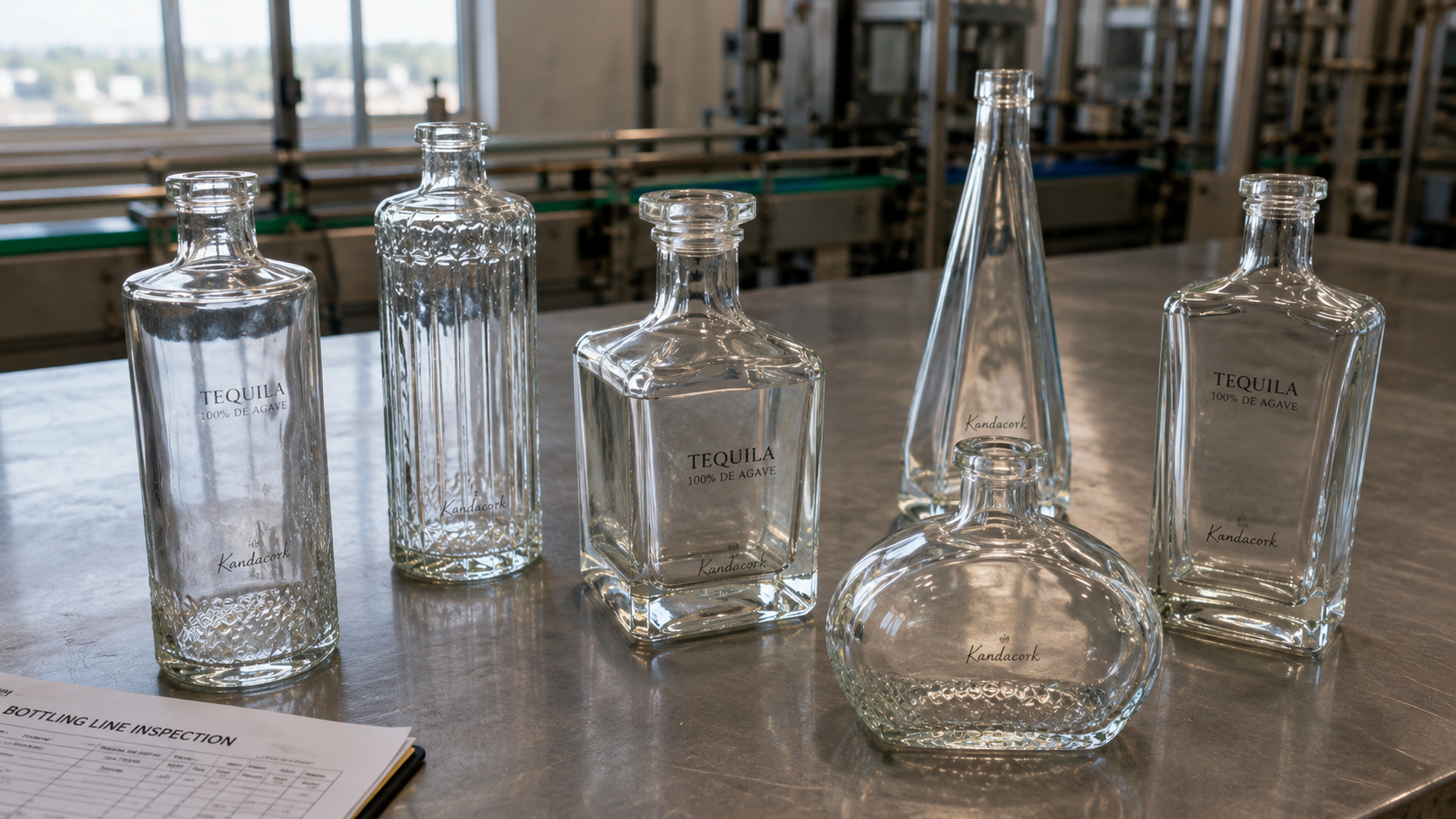
Tequila, Mezcal, and Brandy Bottles
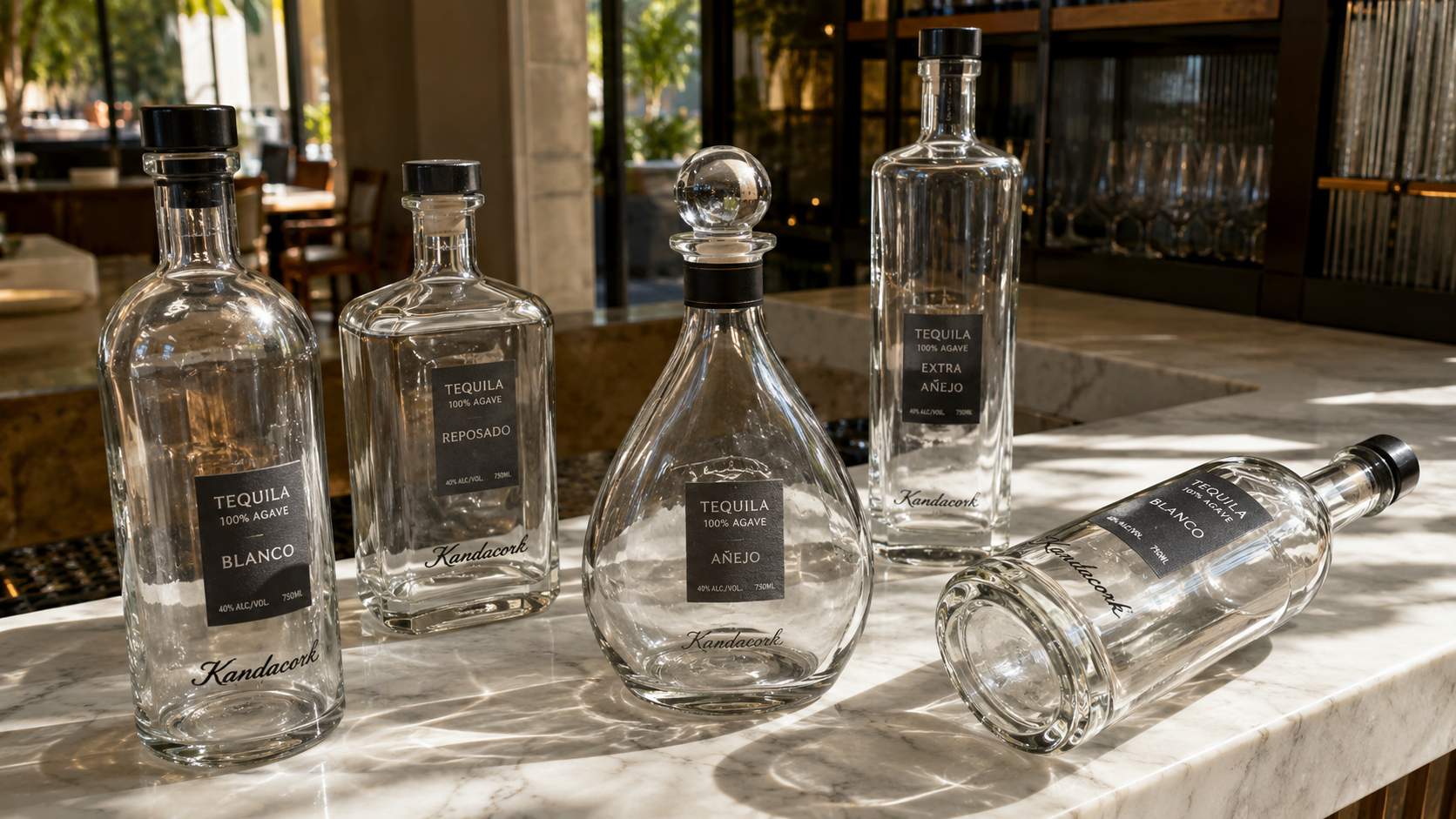
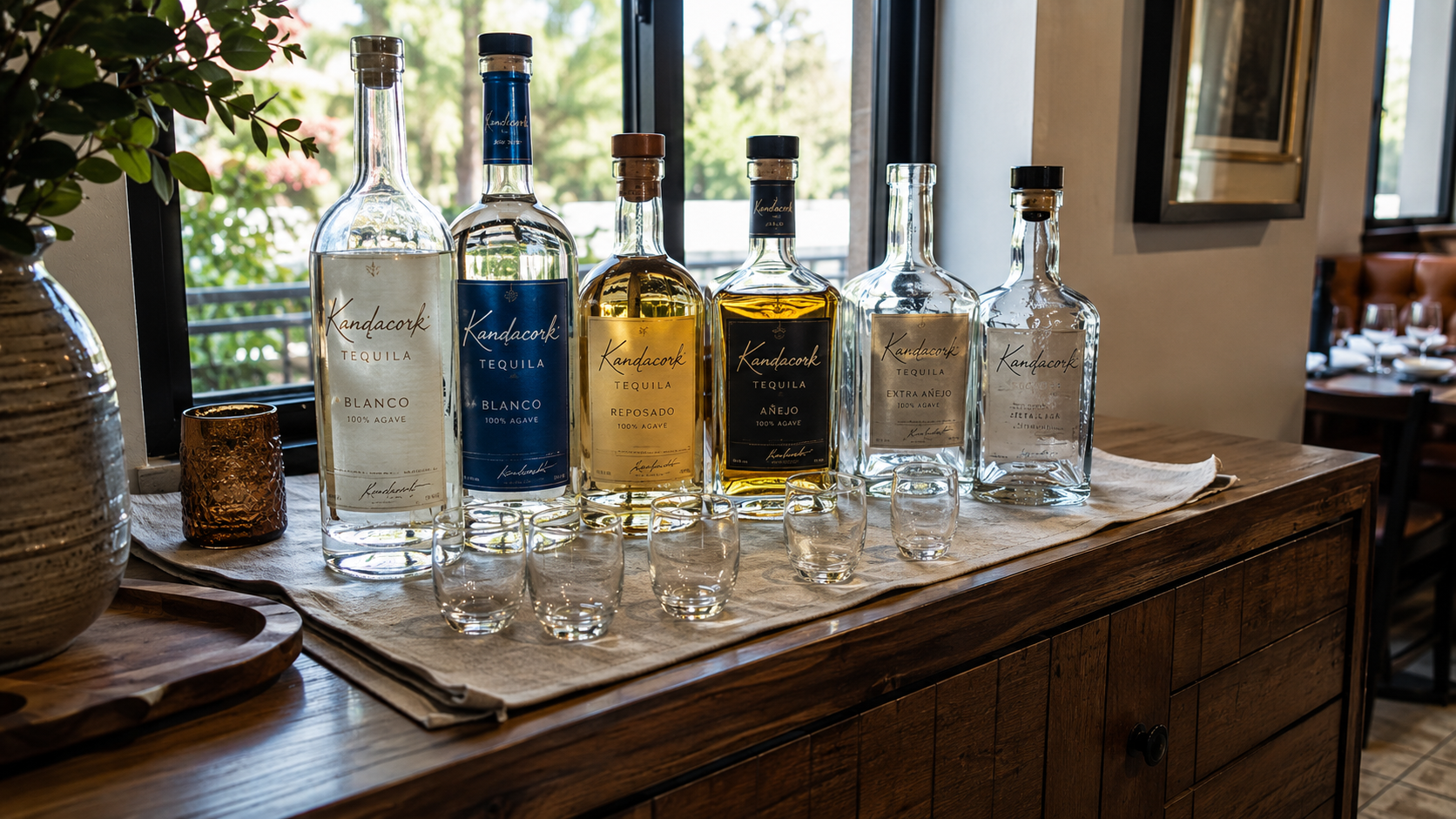
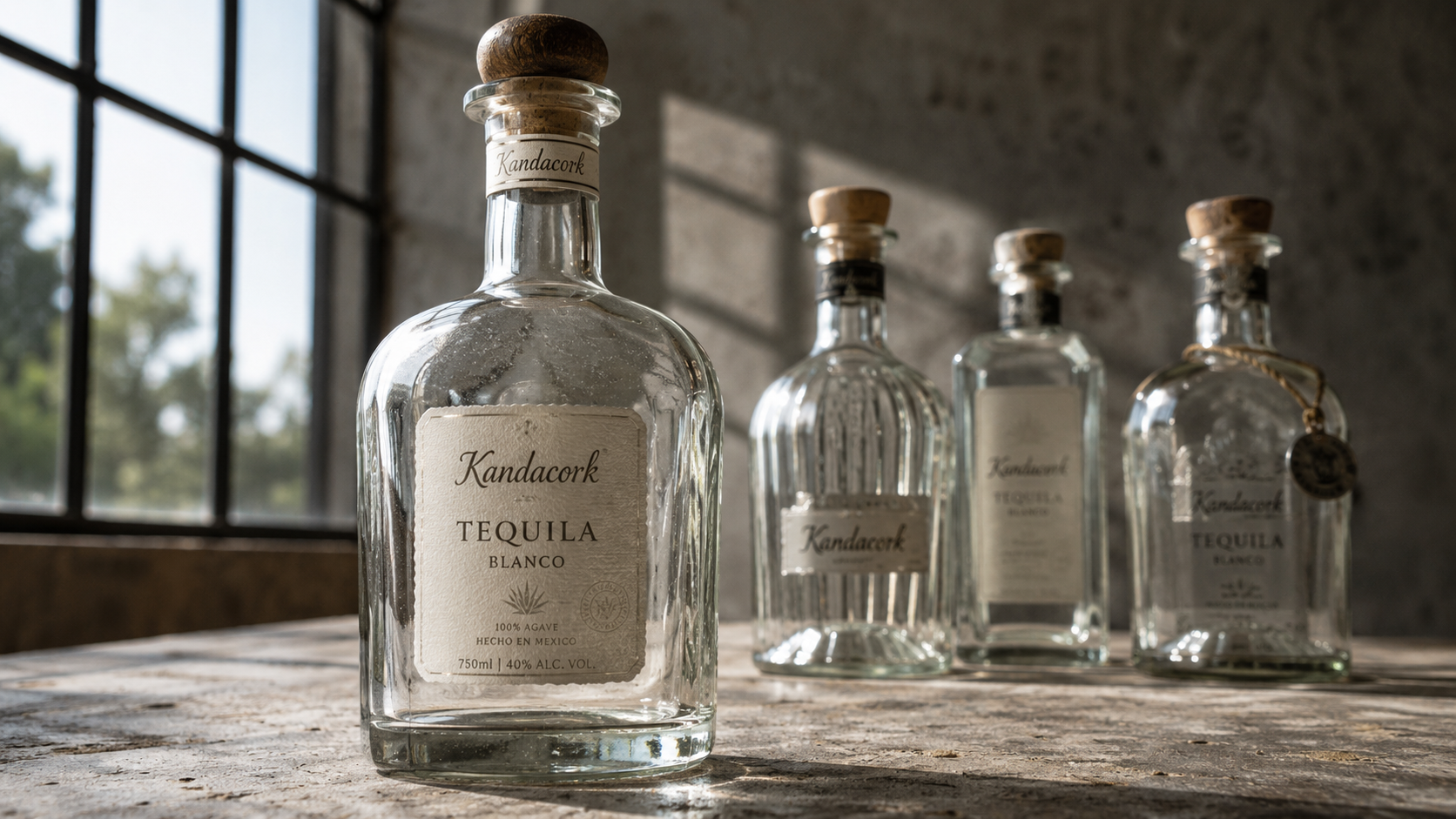
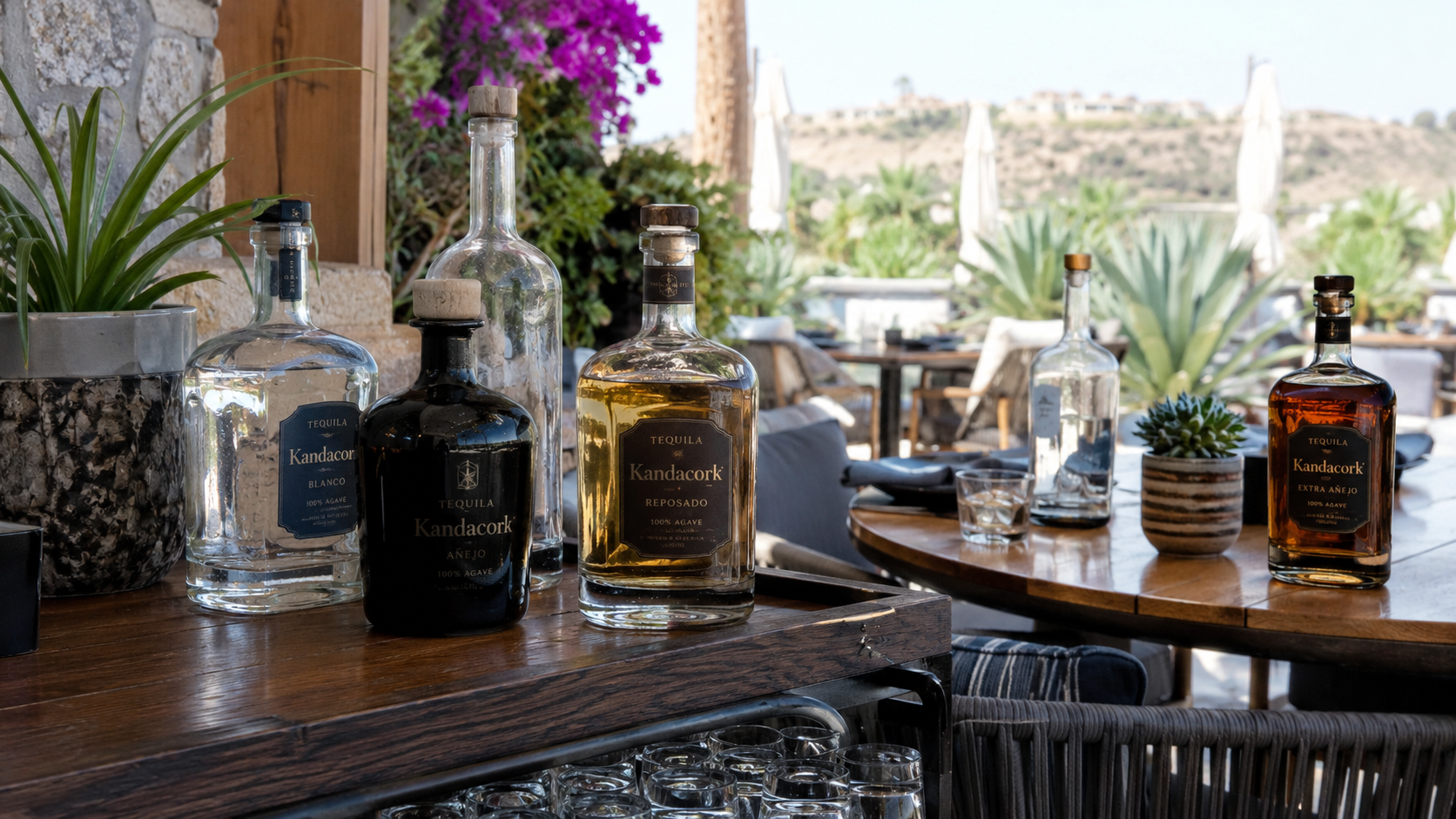
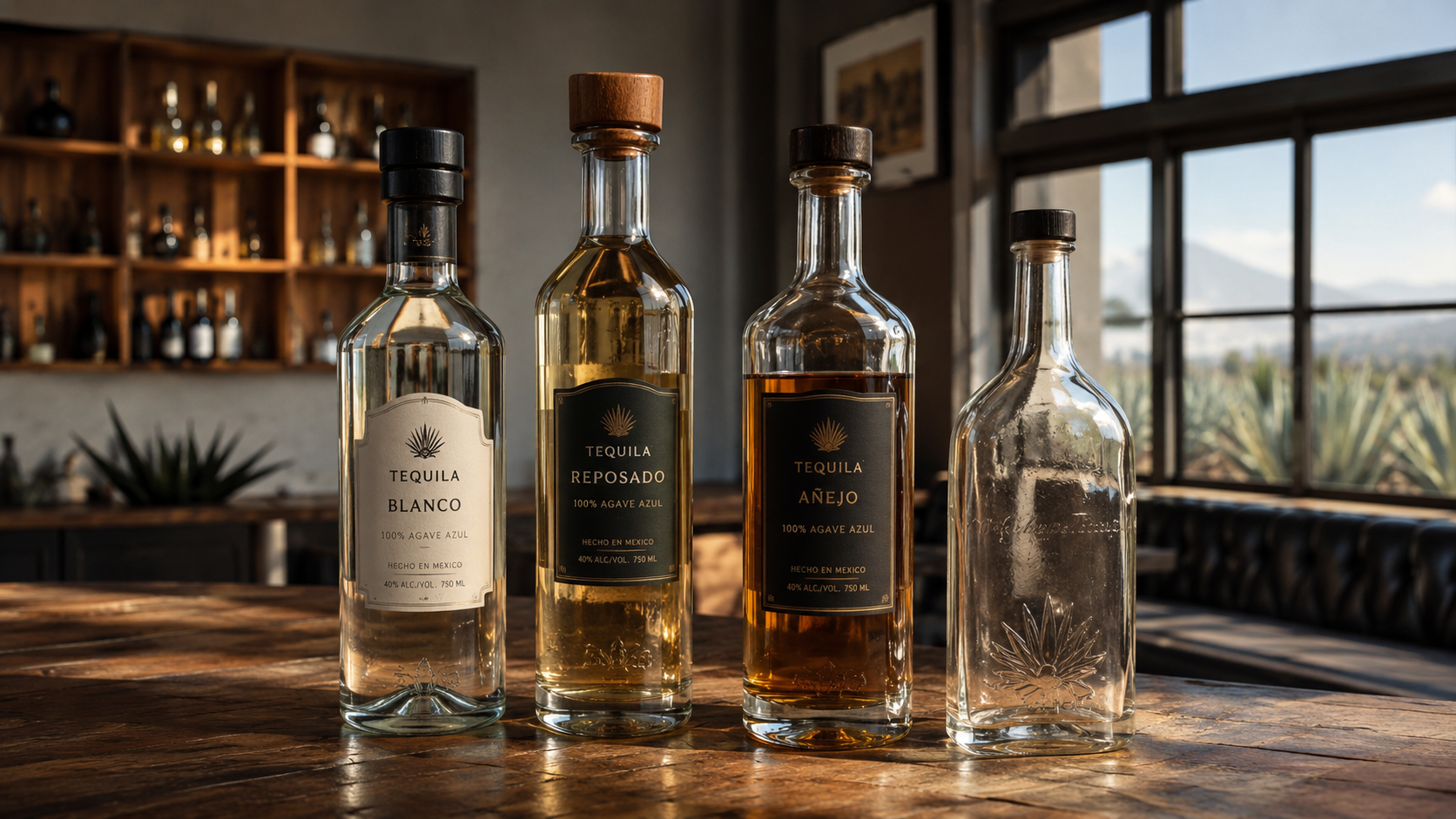
Tequila, mezcal, and brandy brands often rely on distinctive bottle forms, strong shelf identity, and recognizable closure details. ROPP caps can be selected when the project needs efficient bottling, tamper-evident performance, and controlled reclosure without the higher complexity of certain stopper systems.
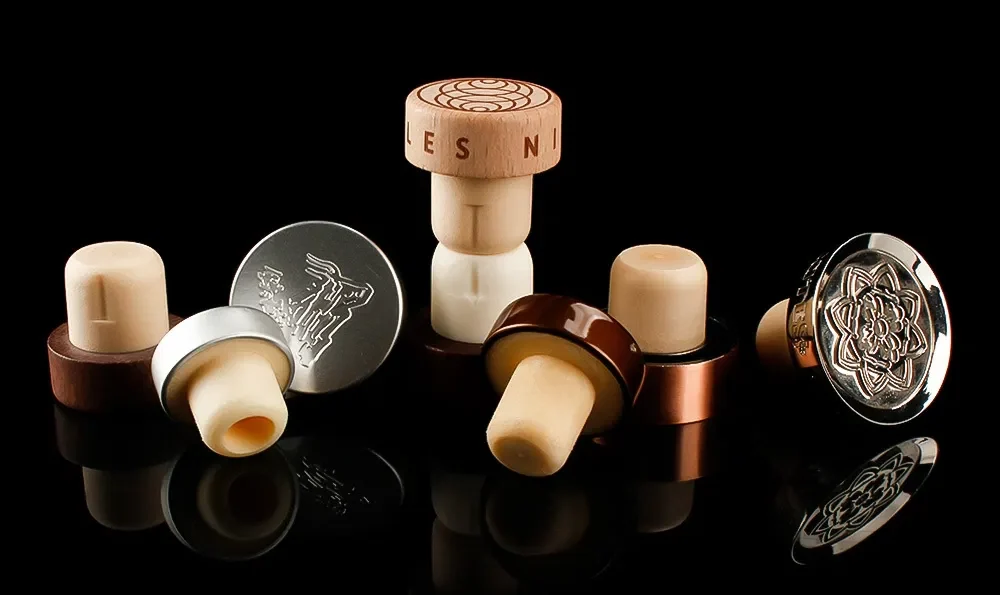
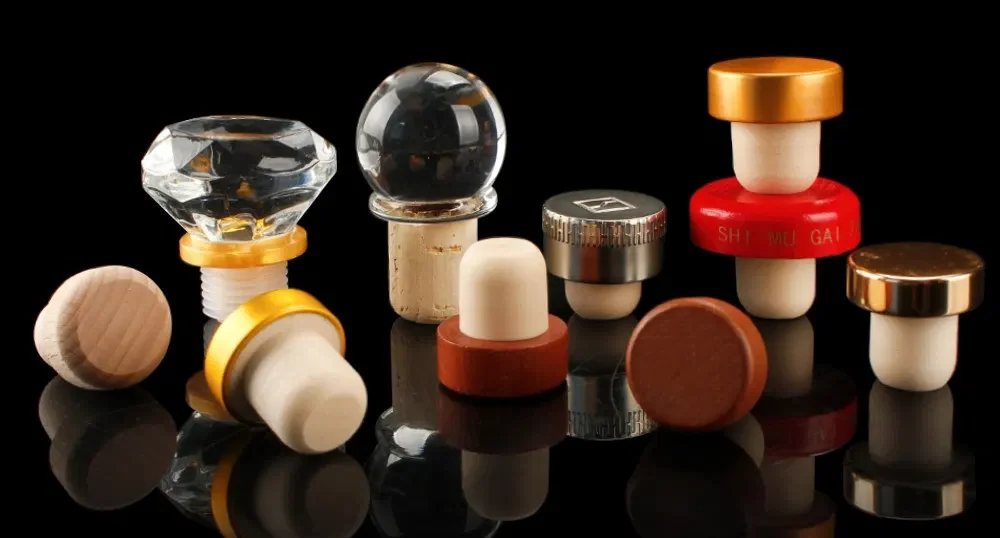
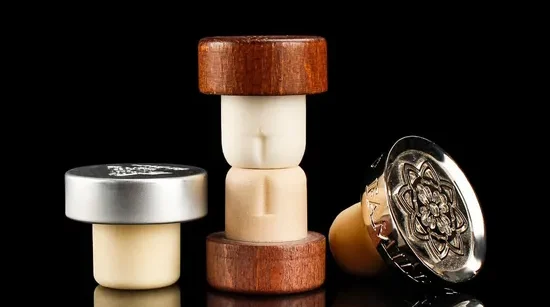
For a more premium or ceremonial opening experience, some brands may compare aluminum ROPP caps with plastic, wood, or metal bar-top stoppers. The better option depends on bottle design, retail channel, opening ritual, anti-tamper requirements, target cost, and line compatibility.
Liqueurs, RTD Cocktails, and Mini Bottles
Liqueurs and RTD cocktails can be more technically demanding than straight spirits because the formula may include sugar, acids, colorants, flavor compounds, or botanicals. These ingredients can influence liner choice and long-term sealing performance.
Mini spirits bottles and sample bottles usually use smaller ROPP formats. Because the cap is compact, small changes in neck finish, liner thickness, capper setting, or thread formation can create leakage or weak pilfer-band separation. For these applications, physical samples and filled-product tests are especially important.
ROPP Closure Sizes and Technical Specifications
The correct ROPP closure size depends on the bottle neck finish, cap diameter, closure height, skirt length, liner structure, thread profile, pilfer-band position, shell hardness, and capping equipment. Buyers should not approve a closure only from a catalog image or nominal size.
| Common format | Typical use | Buyer consideration |
|---|---|---|
| 18 mm small-format caps | Mini spirits, samples, promotional bottles | Requires careful leakage and torque testing |
| 28 mm caps | RTD spirits, beverage-style liquor, selected spirits bottles | Confirm line speed and capper setup |
| 30×35 mm caps | Standard spirits bottles | Common option for liquor packaging |
| 30×44 mm caps | Taller cap presentation | Useful for stronger neck visibility |
| 30×60 mm long-skirt caps | Premium rum, whisky, tequila, decorative neck designs | Good for full-height branding |
| 31.5×24 mm caps | Specialty bottles and selected pourer systems | Requires fitment and liner review |
| 31.5×44 mm caps | Taller specialty closures | Useful for custom spirits packaging |
Glass neck finish is one of the most important variables. CETIE publishes technical references such as glass finish data sheets, including standard ROPP finish information, which shows why closure development should be based on dimensional compatibility rather than appearance alone.
Liners, Materials, and Pourer Fitments
Most ROPP closures for spirits bottles use aluminum because it supports roll-on forming, lightweight handling, and strong decoration options. The outer surface may include lacquer, color coating, metallic finish, matte finish, gloss coating, printed artwork, or embossed details.
The liner is just as important as the shell. Common liner directions include PE foam, EPE, Saranex-type structures, and project-specific sealing materials. The liner must create stable contact with the bottle sealing surface while remaining suitable for the liquid, storage environment, and distribution conditions.
High-ABV spirits require careful material review. Alcohol percentage, sugar content, acidity, essential oils, botanical extracts, flavor compounds, storage temperature, and shipping route can all affect closure performance. A closure that works for water or juice may not automatically be suitable for whisky, vodka, rum, gin, tequila, or liqueur.
Some ROPP systems may include pourer inserts, flow-control fitments, or internal components. These can improve pouring behavior and consumer experience, but they also add technical complexity. Pourer fitments affect sealing, cap assembly, opening torque, capping performance, and first-use behavior.
ROPP Closures vs Other Spirits Bottle Closures
ROPP closures are best when a spirits brand needs tamper evidence, machine capping, reclosure, and custom aluminum branding. Other closure types may be better when the project prioritizes luxury ritual, anti-refill protection, or decorative neck finishing.
| Closure type | Best for | Main advantage | Main limitation |
|---|---|---|---|
| ROPP closures | Vodka, gin, rum, whisky, tequila, RTD cocktails, mini bottles | Tamper-evident, machine-friendly, brandable | Requires compatible glass finish and capper setup |
| Bar-top stoppers | Premium whisky, rum, tequila, craft spirits | Strong opening ritual and luxury feel | May need extra tamper-evident packaging |
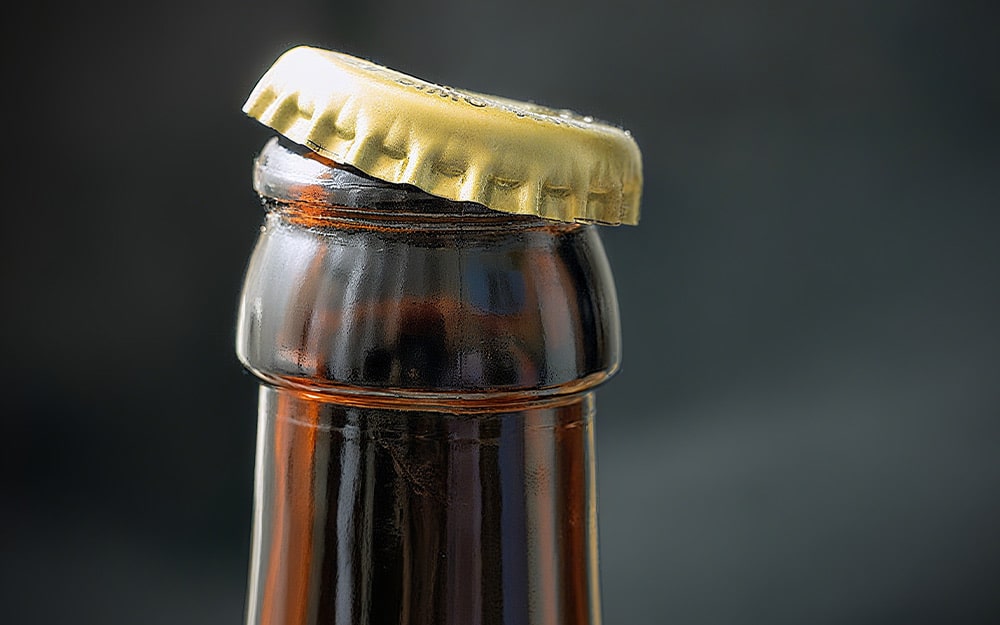
| Screw caps | Simple reclosable spirits and beverage packaging | Familiar consumer opening | May offer weaker premium presence |
| Non-refillable closures | High-risk or high-value export markets | Helps reduce refilling risk | More complex structure and higher cost |
| Capsules and shrink sleeves | Neck decoration and visual tamper layer | Strong shelf presentation | Does not replace the sealing closure |
For higher-risk markets, non-refillable closures may be worth comparing with ROPP caps. These systems can include anti-refill inserts, controlled-pour structures, tamper-evident bands, or multi-part security components. For decorative neck finishing, capsules and shrink sleeves can add visual protection and shelf impact, but they still need to work with the main sealing closure.
Buyer Decision Guide
A good closure decision starts with the product, bottle, filling method, brand position, and distribution route. The table below gives procurement teams a practical starting point.
| Buyer situation | Recommended closure direction |
|---|---|
| High-volume vodka or gin line | Standard aluminum ROPP closure with tested liner |
| Premium rum or whisky line | Long-skirt ROPP closure with matte, metallic, or embossed decoration |
| Mini spirits bottle | Small-format ROPP cap with leakage and torque testing |
| RTD cocktail or liqueur | Review liner compatibility with sugar, acid, flavor compounds, and alcohol level |
| High-risk export market | Compare ROPP and non-refillable closure systems |
| Private-label spirits project | Use a standardized cap size with custom color and logo printing |
| Contract bottling project | Confirm capper compatibility before bulk order approval |
| Brand refresh project | Upgrade from plain cap to printed, embossed, or full-height decorated ROPP closure |
If the brand is developing bottles, closures, labels, and cartons together, coordinated sourcing can reduce mismatch risk. Kandacork’s custom spirits packaging support helps buyers evaluate the bottle, cap, decoration, and supply requirements as one connected packaging system.
Testing Checklist Before Bulk Production
A ROPP cap should be tested with the actual bottle, liner, liquid, and capping setup before bulk approval. Appearance approval alone is not enough. Functional testing protects the brand from leakage, unstable opening experience, line disruption, and distributor complaints.
| Test item | Purpose | Why it matters |
|---|---|---|
| Bottle neck-fit review | Confirms cap and glass compatibility | Prevents thread mismatch and cap spinning |
| Sample capping trial | Checks real application performance | Confirms capper setup before bulk supply |
| Leakage test | Evaluates liquid security | Reduces shipping and storage risk |
| Opening torque test | Measures consumer opening force | Avoids caps that are too tight or too loose |
| Application torque review | Confirms capping pressure | Supports stable thread formation |
| Pilfer-band break test | Checks first-opening evidence | Improves consumer trust |
| Liner compression check | Confirms sealing contact | Helps prevent slow leakage |
| Alcohol compatibility review | Evaluates liner and liquid interaction | Important for high-ABV spirits |
| Print adhesion review | Checks decoration durability | Protects brand appearance |
| Transport packaging review | Confirms carton and pallet protection | Reduces export damage risk |
CETIE also provides a removal torque test method for ROPP closures, which reinforces why torque should be treated as a measurable packaging performance factor, not just a subjective opening feel.
Common ROPP Closure Problems and How to Avoid Them
Cap Leakage
A ROPP cap may leak if the liner does not compress correctly, the bottle lip is uneven, the cap shell does not fit the neck finish, the capping head is misadjusted, or the liquid is not compatible with the liner.
To reduce leakage risk, test the closure with the actual product formula and filled bottle. Review liner material, application torque, bottle lip quality, storage conditions, carton protection, and temperature exposure before approving bulk production.
Cap Spinning
Cap spinning can happen when the thread is not formed properly, the shell material is unsuitable, the capping head is not set correctly, or the bottle finish does not match the cap structure.
To avoid this issue, confirm the capping trial with production-like equipment and verify that the applied closure forms stable threads around the glass finish.
Weak Pilfer-Band Break
A weak or inconsistent pilfer-band break may be caused by poor bridge design, incorrect band positioning, unsuitable application settings, or neck-finish mismatch.
To improve first-opening performance, test the pilfer band after capping, after storage simulation, and after transport-style handling. The band should break visibly without creating a frustrating opening experience.
Opening Torque Too High or Too Low
Opening torque depends on liner compression, thread formation, shell material, application settings, and storage conditions. A cap that is too tight can frustrate consumers. A cap that is too loose can increase leakage risk.
To manage this, define a target torque range before bulk production and test filled samples under realistic conditions.
Custom Branding and Decoration Options
A spirits closure is one of the first parts of the package a consumer touches. It should support the bottle’s visual language, price position, and brand story.
Common customization options include top printing, sidewall printing, embossing, debossing, matte coating, gloss coating, satin finish, metallic finish, brushed aluminum effect, knurled sidewalls, ribbed textures, and full-height decoration for long-skirt caps.
For premium spirits, the closure should be reviewed with the glass bottle, label, carton, and retail display environment. A luxury bottle with a weak cap finish can feel unfinished. A simple bottle with a well-matched cap can look more premium without excessive decoration.
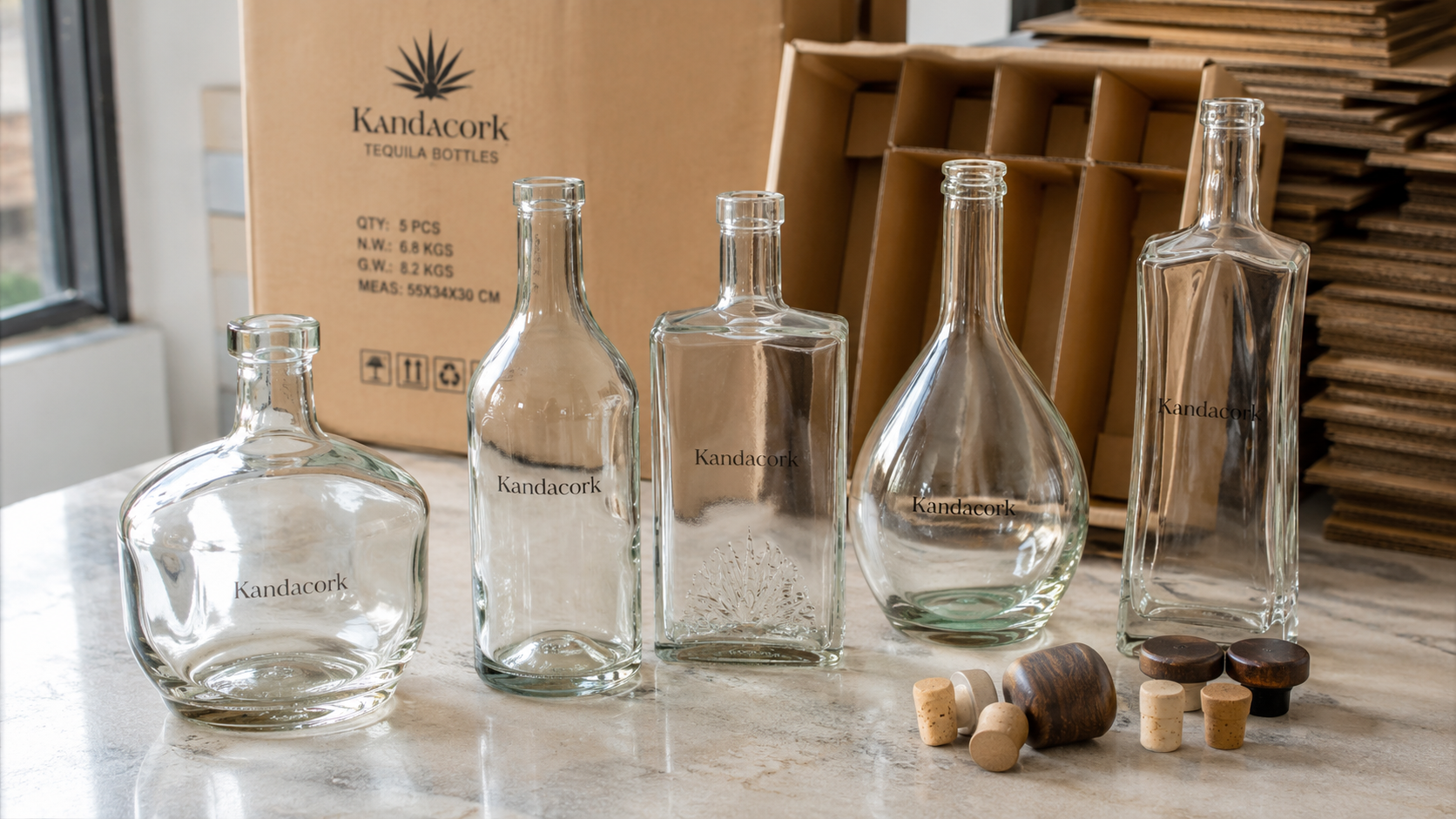
Brands that need coordinated cap appearance can use Kandacork’s custom colors and finishes to align closure color, surface texture, metallic tone, logo placement, and bottle decoration direction. For bottle shape, glass color, and closure coordination, sibling resources such as Kandacork Spirits and Kandacork Decor can support broader spirits bottle and decoration planning.
Glass, Aluminum, and Sustainability Considerations
Spirits brands are paying more attention to packaging sustainability across glass bottles, aluminum closures, labels, cartons, and secondary packaging. Aluminum is widely recognized for its recyclability, and The Aluminum Association explains the energy-saving value of aluminum recycling. Glass is also strongly associated with premium beverage packaging, and the Glass Packaging Institute notes that glass can be recycled repeatedly without loss in quality or purity.
Sustainability should still be discussed honestly. A finished closure may include aluminum, liners, inks, coatings, and plastic fitments. These components can affect recyclability depending on the final structure and local recovery systems. A practical sustainability review should consider the whole pack, including bottle weight, closure structure, carton design, decoration method, shipping route, and market recycling infrastructure.
For bottle development, Kandacork Glass can support glass packaging direction, while Kandacork Eco Glass can help brands think more broadly about glass packaging and circular material goals.
What Information Is Needed for a ROPP Closure Quote?
A complete quote request helps reduce delays and prevents specification mistakes. If the buyer only provides “30 mm aluminum cap,” the supplier may still need several technical details before recommending a safe closure direction.
Prepare the following information before requesting samples or bulk pricing:
| Information needed | Why it matters |
|---|---|
| Bottle drawing | Confirms neck finish and dimensional requirements |
| Neck finish drawing | Helps match cap diameter, height, thread profile, and pilfer band |
| Bottle sample photos | Supports visual review before sampling |
| Current closure sample | Useful for replacement or upgrade projects |
| Product type and ABV | Helps evaluate liner and material compatibility |
| Filling method | Affects sealing behavior and capper setup |
| Capping machine type | Confirms production compatibility |
| Liner requirement | Supports leakage control and product protection |
| Pourer or fitment requirement | Determines internal component structure |
| Color standard and artwork | Supports accurate brand decoration |
| Estimated order quantity | Affects production planning and pricing |
| Destination market | Helps review packaging expectations and logistics |
| Sampling timeline | Supports project scheduling |
| Bulk delivery target | Helps plan manufacturing and export packing |
If the buyer is unsure about the closure size, the best starting point is the bottle drawing and neck finish details. From there, the supplier can review whether a standard ROPP closure may fit or whether a custom structure is needed.
Why Choose Kandacork Closures?
Kandacork Closures helps spirits brands and packaging buyers source ROPP closures with a system-based approach. Instead of treating the cap as a separate item, the team reviews the bottle neck, liquid type, liner, capping method, decoration requirement, order quantity, and export packaging needs together.
This support is valuable for distilleries launching new products, private-label spirits brands developing bottle lines, importers sourcing custom liquor closures, glass bottle suppliers supporting customers, packaging distributors building bottle-and-cap programs, and contract bottlers managing repeat production.
A successful ROPP closure project should feel simple to the buyer but technically controlled behind the scenes. The cap should fit the bottle, run on the line, protect the product, look consistent on the shelf, and support the brand’s price position.
FAQ
What does ROPP mean?
ROPP means Roll-On Pilfer-Proof. It describes a closure that is rolled onto a compatible bottle neck during capping and includes a tamper-evident pilfer band.
Are ROPP closures suitable for spirits bottles?
Yes. ROPP closures are suitable for many spirits bottles when the bottle neck finish, liner, cap size, alcohol formula, and capping process are correctly matched. They are commonly used for vodka, gin, rum, whisky, tequila, liqueurs, RTD cocktails, and mini liquor bottles.
Are ROPP caps tamper-evident?
Yes. ROPP caps are designed with a pilfer band that breaks when the bottle is opened for the first time. This gives consumers visible evidence that the bottle has already been opened.
Can ROPP closures be customized?
Yes. ROPP closures can be customized with color coating, top printing, side printing, embossing, debossing, metallic finishes, matte finishes, textured sidewalls, and long-skirt designs.
What size ROPP closure do I need?
The correct size depends on the bottle neck finish, closure height, liner system, capping machine, and visual design requirement. Buyers should provide a bottle drawing or sample before confirming the closure specification.
Can ROPP closures be used with pourers?
Yes. Some ROPP closure systems can include pourer inserts or flow-control fitments. These should be tested with the bottle, liquid, and capping process before bulk production.
How should ROPP closures be tested?
ROPP closures should be tested with the actual bottle and filling conditions. Recommended checks include leakage testing, opening torque testing, pilfer-band break testing, liner compression review, alcohol compatibility review, and transport packaging review.
Are aluminum ROPP caps recyclable?
Aluminum is widely recognized as a recyclable material, but final recyclability depends on the closure structure, liner, coatings, fitments, and local recycling systems. Buyers should evaluate the full closure design, not only the aluminum shell.
Conclusion
ROPP closures for spirits bottles are a practical choice for brands that need tamper evidence, secure sealing, efficient bottling, and custom brand presentation. They are especially useful for vodka, gin, rum, whisky, tequila, liqueurs, RTD cocktails, mini bottles, and private-label spirits programs.
The key to success is not choosing a cap from a catalog. The key is matching the cap to the bottle neck, liquid formula, liner system, capping equipment, visual design, and destination market.
Kandacork Closures helps spirits packaging buyers review these details before sampling and bulk production. Send your bottle drawing, neck finish, artwork, closure target, liquid type, ABV, and order quantity to receive a project-based ROPP closure recommendation for secure, branded, and export-ready spirits packaging.