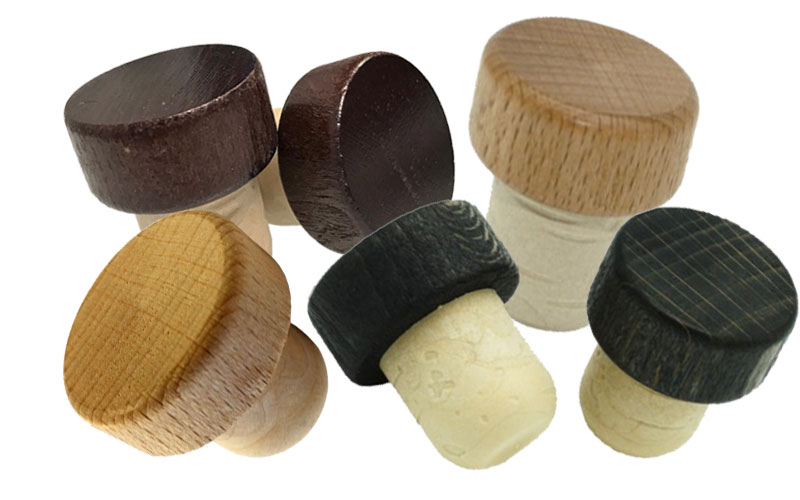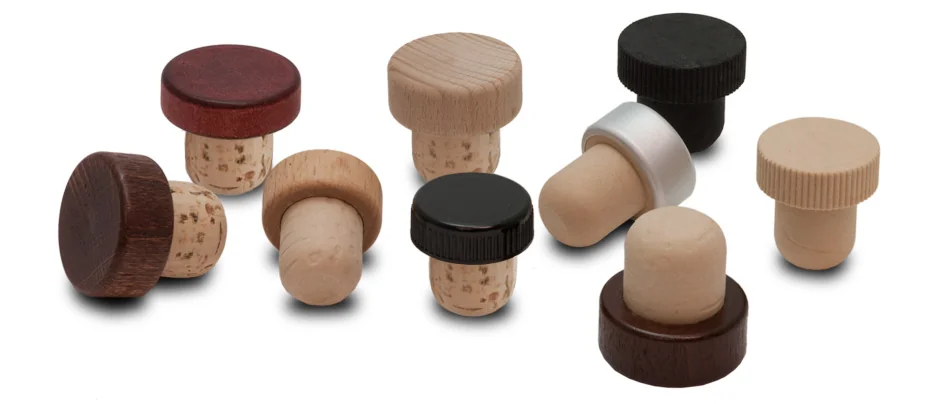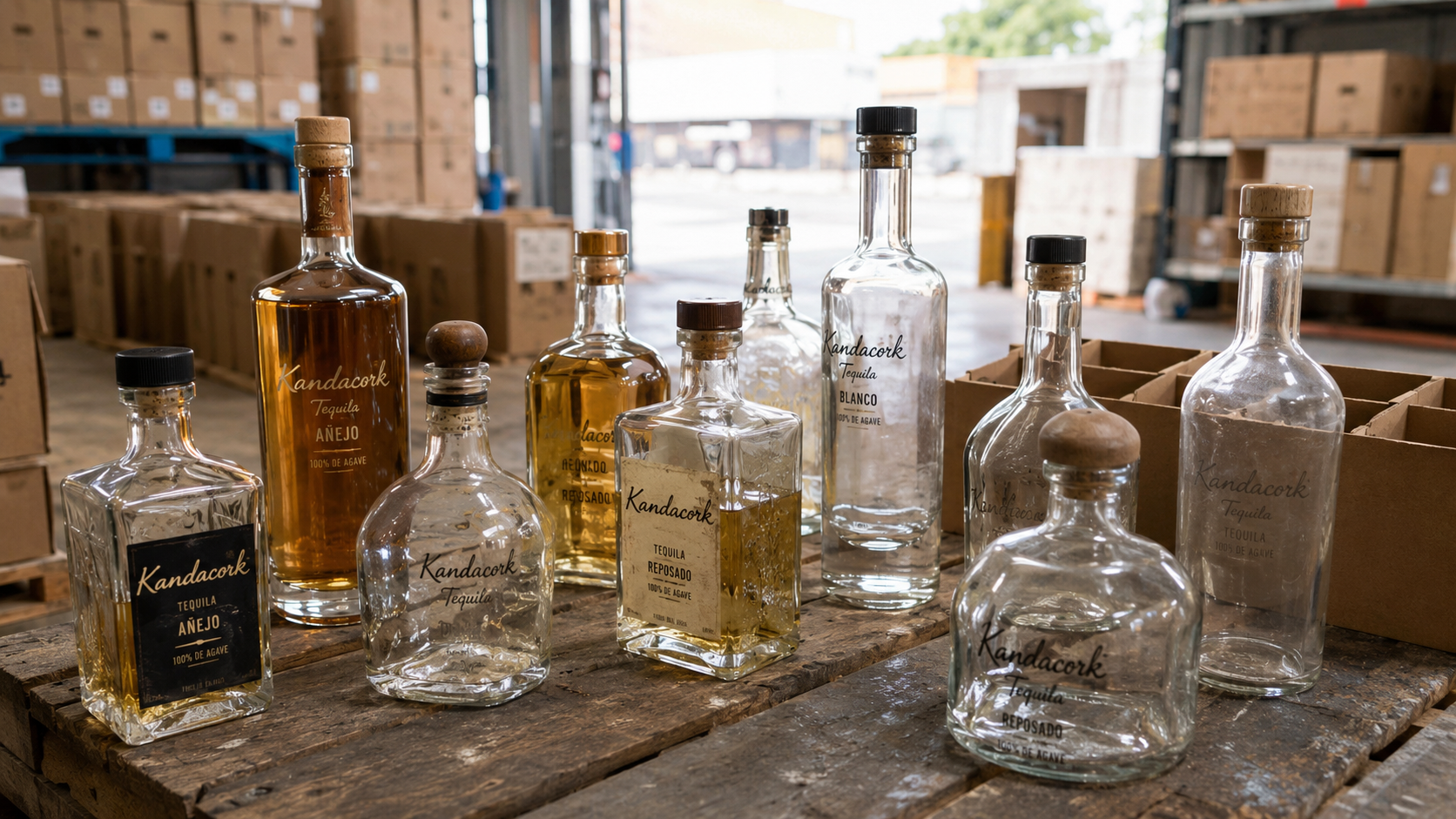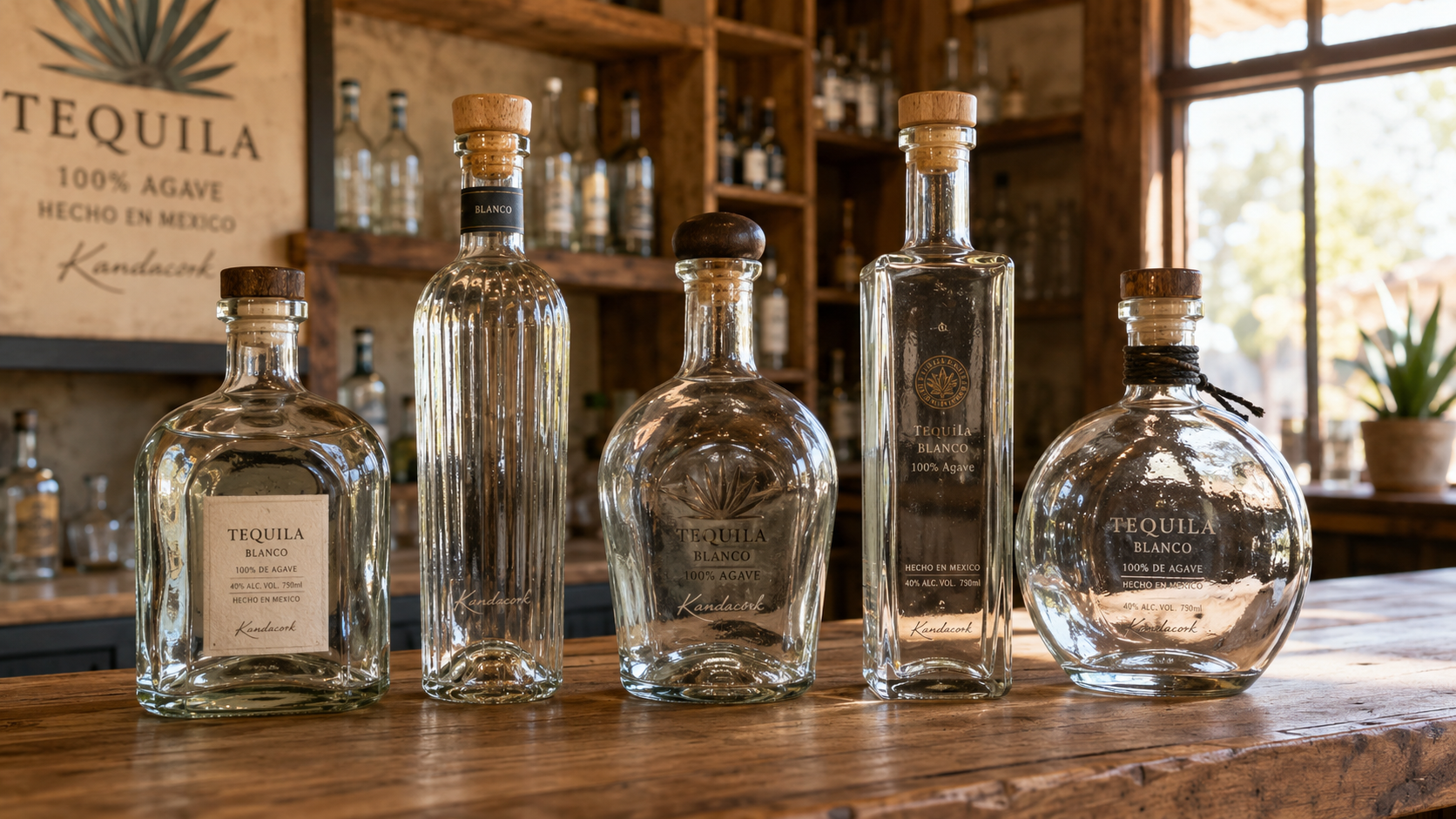
Introduction
If you already have a spirits bottle sample, choosing the right closure is not just a size-matching task. The closure must fit the neck finish, seal correctly, support the filling line, protect the spirit, and match the brand’s shelf position.
This guide is written for spirits brands, distilleries, private label buyers, importers, distributors, bottlers, and packaging sourcing teams that need to move from a physical bottle sample to a reliable closure solution. Buyers comparing cork stoppers, screw caps, ROPP caps, non-refillable systems, capsules, and decorative stoppers can start with the full Kandacork Closures bottle stoppers and closures range before narrowing the fit by bottle sample.
Kandacork Closures helps buyers review bottle samples, neck drawings, stopper options, ROPP caps, screw caps, liners, inserts, decoration requirements, and production feasibility before sample approval or quotation.
Quick Answer: How Do You Match a Closure to an Existing Spirits Bottle Sample?
To match a closure to an existing spirits bottle sample, first identify the bottle neck finish. Then measure the bore diameter, outer finish diameter, finish height, thread or bead profile, sealing land, and closure seating area. After that, choose the right closure family—bar-top cork stopper, screw cap, ROPP closure, non-refillable insert, pourer, capsule, or custom stopper—and test physical samples for leakage, pull force, opening torque, capping-line performance, and visual fit.
The best starting point is to send 3–5 bottle samples, bottle neck drawings if available, existing closure references, spirit type, ABV, filling method, target market, decoration requirements, MOQ, and launch timeline to your closure supplier.
Table of Contents
- Existing Bottle Sample Closure Matching Process
- Closure Matching Decision Tree
- Key Bottle Neck Measurements
- Identify the Bottle Neck Finish
- Choose the Right Closure Type
- Cork Stopper Fit Rule of Thumb
- ROPP Closure Approval Checklist
- Closure Materials and Components
- Closure Sample Approval Checklist
- What to Send for a Closure Matching Quote
- FAQ
Existing Bottle Sample Closure Matching Process
| Stage | Buyer Action | Supplier Check | Output |
|---|---|---|---|
| Sample review | Send bottle samples, photos, or drawings | Identify neck finish and visible fit risks | Closure family shortlist |
| Measurement | Provide multiple bottle samples if possible | Measure bore, finish diameter, finish height, thread, and sealing land | Technical fit assessment |
| Material selection | Confirm spirit type, ABV, and brand position | Review cork, synthetic, aluminum, plastic, liner, and insert options | Material recommendation |
| Application review | Share filling and capping method | Check corking, screwing, ROPP rolling, torque, or insert application | Production feasibility |
| Sample testing | Test closure samples on real bottles | Leakage, pull force, opening torque, sitting height, and visual fit | Sample approval |
| Quotation | Confirm MOQ, decoration, packaging, and timeline | Finalize specification and QC requirements | Bulk production quotation |
This process turns an uncertain bottle sample into a clear closure specification. For buyers who need supplier-side review before sampling, a dedicated spirits bottle closure matching service can help reduce the risk of ordering closures that look suitable but fail during production, storage, or export shipping.
Closure Matching Decision Tree for Existing Bottle Samples
Use the bottle neck structure as the first decision point. A supplier should confirm the final specification, but this decision tree helps buyers understand the likely closure direction before requesting samples.
| Bottle Sample Condition | Recommended Closure Direction | Next Check |
|---|---|---|
| Smooth bore, no thread | Bar-top cork stopper or pourer insert | Bore ID, shank compression, pull force |
| Threaded neck | Screw cap or ROPP closure | T dimension, thread profile, liner, torque |
| Pilfer bead or tamper band area | ROPP or tamper-evident closure | Cap height, pilfer band, capping head setup |
| Internal insert seat | Pourer or non-refillable closure | Bore retention, pour flow, leakage |
| Long neck requiring decoration | Capsule, shrink sleeve, or long-skirt closure | Neck coverage, visual balance, tamper communication |
| Unknown neck finish | Supplier measurement required | Send 3–5 bottle samples and photos |
This decision tree is a practical starting point. Final approval should always be based on measurement, fit testing, filled-bottle testing, and production review.
Why Closure Fit Matters for Spirits Packaging
Spirits packaging often uses premium glass bottles, custom silhouettes, heavy bases, long necks, colored glass, decorative tops, and tamper-evident systems. The closure is part of that brand experience.
Poor closure fit can cause leakage, loose cork feel, excessive pull force, cap spinning, ROPP pilfer band failure, weak liner compression, inconsistent opening torque, insert movement, capping-line delays, or visual mismatch.
For premium whisky, rum, gin, vodka, tequila, brandy, liqueur, and craft spirits, closure failure is not only a technical issue. It can damage labels, cartons, export shipments, retail trust, and the consumer’s first opening experience.
Key Bottle Neck Measurements for Closure Fit Review
Accurate measurement is the foundation of closure selection. Bottle capacity alone is not enough. A 700 ml or 750 ml spirits bottle may use different neck finishes, different bore sizes, and different closure systems. For a broader technical reference on bottle-mouth and neck-fit evaluation, buyers can also review this glass bottle neck closure matching guide.
| Measurement | What It Means | Why It Matters |
|---|---|---|
| Bore ID / I Dimension | Inner opening diameter of the bottle neck | Determines cork shank, pourer insert, and non-refillable insert fit |
| T Dimension | Outer diameter across thread or finish | Critical for screw cap and ROPP cap compatibility |
| E Dimension | Neck diameter excluding thread | Affects cap clearance and closure body fit |
| H Dimension | Finish height | Determines cap height, skirt length, stopper seating, and capsule coverage |
| S Dimension | Distance from top of finish to thread start | Affects thread engagement and cap application |
| Sealing Land | Top sealing surface of the bottle | Controls liner compression and leakage resistance |
| Thread Profile | Shape and pitch of the thread | Determines screw cap and ROPP compatibility |
| Bead / Pilfer Area | Tamper band engagement area | Important for ROPP and tamper-evident closures |
| Stopper Seating Height | Final visible height after insertion | Affects appearance, opening feel, and premium positioning |
Technical references from entities such as the Glass Packaging Institute, ASTM International, ISTA, ISO, and the U.S. Alcohol and Tobacco Tax and Trade Bureau can help buyers think more systematically about glass packaging, testing, distribution risk, environmental claims, and distilled spirits compliance. However, final approval should always be based on supplier review and physical testing with the actual bottle sample.
Identify the Bottle Neck Finish
The bottle neck finish is the upper part of the bottle designed to receive a closure. It includes the opening, sealing area, thread or bore structure, height, bead, and other features that determine compatibility.
Bar-Top or Cork Finish
A bar-top finish is designed for a stopper with a shank that enters the bottle bore and a decorative top that remains above the neck. This closure style is common for whisky, rum, tequila, brandy, gin, and premium liqueurs.
Important checks include bore diameter, bore depth, neck lip quality, stopper shank diameter, stopper shank length, compression behavior, pull force, and final sitting height.
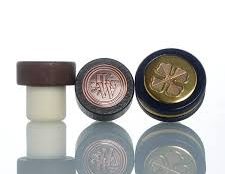
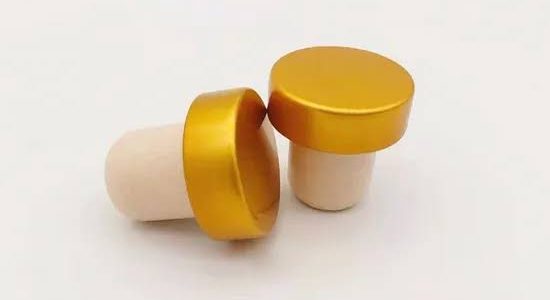
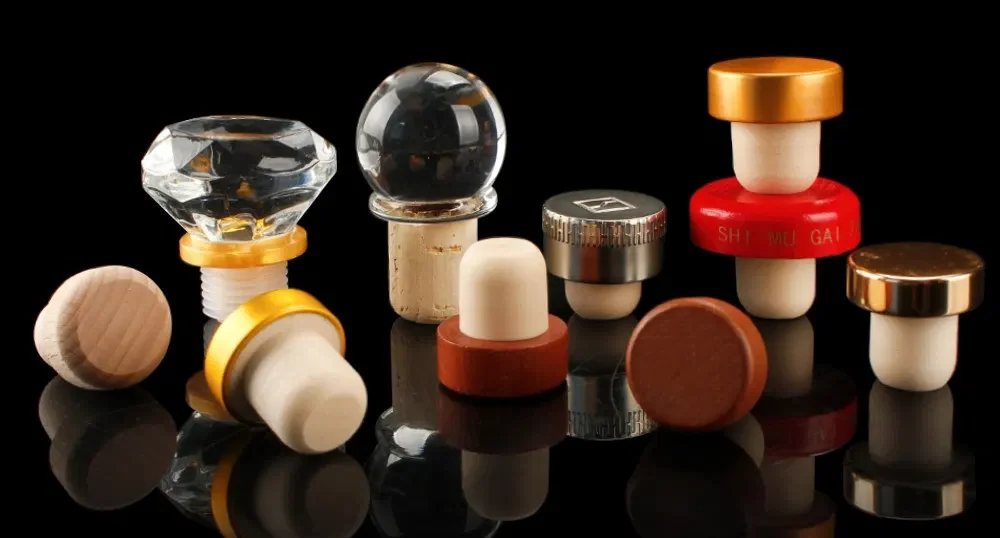
Bar-top closures may use natural cork, micro-agglomerated cork, synthetic cork, technical cork, or composite sealing shanks. The top may be wood, aluminum, plastic, glass-look material, ceramic, or a custom decorative structure.
Continuous Thread or Screw Cap Finish
A screw cap finish uses threads to hold the closure. It is common for vodka, gin, liqueurs, mini spirits, RTD spirits, private label products, and high-volume commercial lines.
A screw cap must match more than the neck diameter. The supplier should review thread profile, cap height, liner type, sealing land, application torque, removal torque, and tamper-evident band design.
A cap that screws on by hand may still leak if the liner does not compress correctly. For threaded projects, the screw cap thread finish matching guide can help buyers understand why nominal diameter, thread profile, liner contact, and cap height must be reviewed together.
ROPP Finish
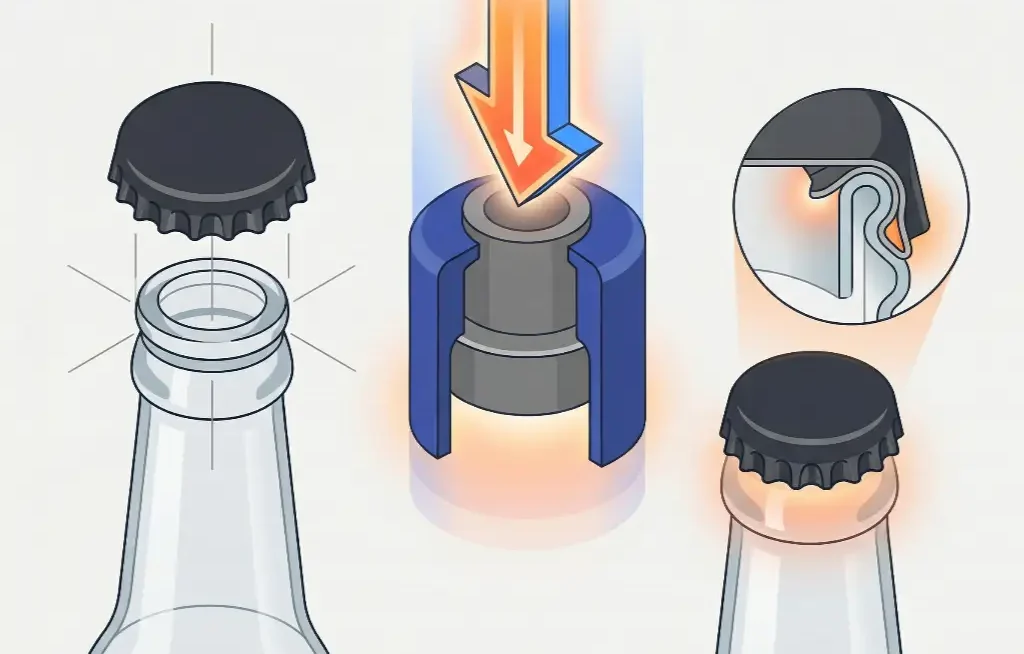
ROPP means roll-on pilfer-proof. A ROPP closure is usually an aluminum cap applied by a capping machine. Rollers form the cap around the bottle finish to create threads and a tamper-evident pilfer band.
ROPP closures are popular in spirits because they provide tamper evidence, a clean metal appearance, strong production efficiency, and broad decoration options.
Common mistake: A 30 mm ROPP cap does not automatically fit every 30 mm spirits bottle. Buyers must confirm cap height, liner type, pilfer band position, thread profile, finish height, and capping head setup before sample approval.
Non-Refillable and Pourer-Compatible Finishes
Some spirits bottles need non-refillable inserts, pourer inserts, flow restrictors, or anti-counterfeit closure systems. These are especially relevant for premium spirits, export markets, duty-free channels, hospitality supply, and products with higher counterfeit risk.
For these systems, the bottle’s internal bore geometry is critical. The insert must retain securely, pour consistently, seal correctly, and resist movement during shipping.
Choose the Right Closure Type
After measuring the bottle sample, the next decision is closure family. The best choice depends on technical fit, brand positioning, filling method, target cost, market requirements, and consumer experience.
Bar-Top Cork Stoppers
Bar-top cork stoppers are suitable for premium and craft spirits that need a traditional opening ritual. They are widely used for whisky, rum, tequila, brandy, gin, and liqueur bottles.
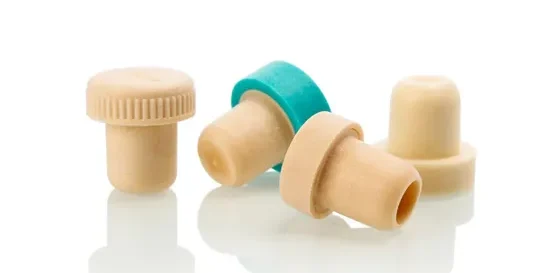
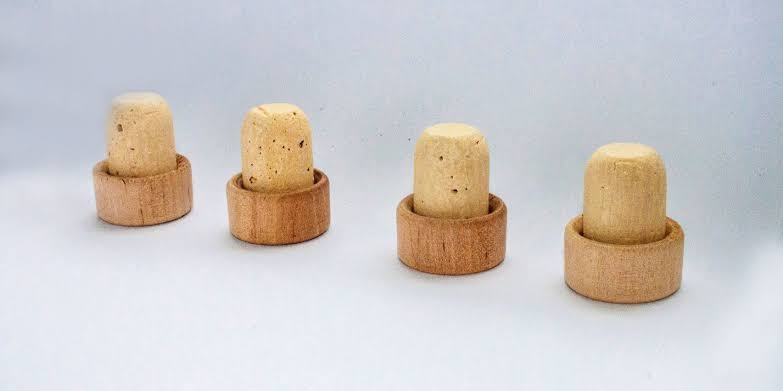
A bar-top stopper includes two key parts: the top and the shank. The top creates visual identity and handling experience. The shank creates the seal.
A good stopper should insert smoothly, hold securely, open comfortably, and sit at the correct visual height. For premium bottles, the top diameter and height should be evaluated together with the bottle shoulder, neck length, label area, and shelf-facing design.
Screw Caps
Screw caps work well for efficient production, controlled cost, repeatable opening, and mass-market spirits. They can be used for vodka, gin, liqueurs, mini bottles, RTD spirits, private label programs, and travel retail formats.
Key checks include thread compatibility, cap diameter, cap height, liner selection, application torque, removal torque, tamper-evident band, material thickness, decoration method, and capping machine compatibility.
The liner is especially important. A liner that works for water or low-alcohol beverages may not be suitable for higher-ABV spirits, flavored liqueurs, or export storage conditions.
ROPP Closures
ROPP closures are often chosen when buyers need tamper evidence, machine-applied consistency, and a clean metallic appearance.
A ROPP closure can be plain, printed, embossed, debossed, color-coated, or combined with an insert. Long-skirt ROPP caps can improve premium appearance and provide more space for decoration.
ROPP caps should always be tested with the intended capping process. Hand fitting is not enough because the closure is formed during machine application.
Non-Refillable Closures and Pourer Inserts
Non-refillable closures support anti-refill protection, controlled pouring, anti-counterfeit functions, and market-specific security requirements.
They are often used for premium spirits, export products, duty-sensitive markets, and hospitality channels.
A non-refillable insert must match the bottle’s inner bore, neck depth, and retention structure. Testing should confirm insert retention, pour flow, leakage resistance, and consumer usability.
Capsules and Decorative Neck Finishes
Capsules, shrink sleeves, and decorative neck covers can improve tamper perception and premium presentation. They are often used over cork stoppers or around the neck to create a more finished look.
However, capsules should not be treated as the primary sealing solution. The closure must seal first. The capsule supports appearance, tamper communication, and neck decoration.
Cork Stopper Fit Rule of Thumb
For many bar-top spirits bottles, the cork shank is slightly larger than the bottle bore to create compression. This helps the stopper hold securely and reduce leakage risk.
However, this rule is only a starting point. Final cork fit depends on bore tolerance, shank material, cork recovery, shank length, storage conditions, filling environment, and target pull force.
A natural cork shank, micro-agglomerated cork shank, and synthetic shank may behave differently even when the nominal diameter is similar. For projects using T-top cork structures, this bar-top stopper neck fit guide explains why shank compression, insertion feel, and bottle bore variation should be checked with real samples before approving bulk production.
ROPP Closure Approval Checklist
Before approving a ROPP closure for an existing bottle sample, confirm the following:
| ROPP Check | Why It Matters |
|---|---|
| Cap diameter | Must match the bottle finish, not only the nominal size |
| Cap height | Affects skirt coverage, appearance, and pilfer band position |
| Liner material | Controls sealing, leakage resistance, and alcohol compatibility |
| Pilfer band position | Determines tamper-evident performance |
| Bottle finish height | Affects thread formation and cap seating |
| Bead profile | Supports tamper band engagement |
| Capping head setup | Controls rolling, threading, and band break behavior |
| Application torque | Affects leakage, cap deformation, and line efficiency |
| Opening torque | Affects consumer usability |
| Filled bottle leakage test | Confirms performance before bulk order |
A ROPP sample should not be approved only by visual fit. It should be tested on the actual or equivalent capping equipment whenever possible.
Closure Materials and Components Comparison
A spirits closure is both a functional component and a brand asset. Material selection should reflect product category, price position, consumer expectation, and production needs.
| Material / Component | Best For | Matching Check |
|---|---|---|
| Natural cork / technical cork | Premium whisky, rum, tequila, craft spirits | Bore diameter, pull force, odor neutrality, cork consistency |
| Synthetic cork | Consistent fit and larger production runs | Shank recovery, alcohol compatibility, dimensional stability |
| Aluminum | ROPP caps, metal tops, modern premium appearance | Shell thickness, liner, torque, printing, embossing |
| Wood | Premium stopper tops and craft positioning | Grain, varnish, engraving, moisture behavior, assembly strength |
| Plastic / composite | Private label, mini bottles, cost-controlled projects | Dimensional consistency, color, MOQ, tooling cost |
| Liner / gasket | Screw caps and ROPP closures | Compression, alcohol resistance, leakage control, opening torque |
| Pourer / insert | Controlled pouring and anti-refill protection | Bore fit, retention, pour flow, leakage resistance |
The liner or gasket is often the hidden part that determines sealing performance. For spirits packaging, liner selection should consider alcohol resistance, aroma protection, leakage resistance, opening torque, storage conditions, and export transport risk.
Closure Matching Priorities by Buyer Type
Different buyers evaluate closure fitment from different angles. A strong supplier should understand these commercial differences.
| Buyer Type | Main Concern | Kandacork Closures Support |
|---|---|---|
| Distillery | Fit, opening feel, premium presentation | Cork, ROPP, screw cap, and stopper sample testing |
| Private label buyer | MOQ, cost, speed, decoration | Fast closure shortlist, sample review, and quotation support |
| Importer | Leakage, tamper evidence, compliance | Export packaging and closure performance review |
| Distributor | SKU consistency and reorder stability | Batch consistency, QC support, and closure specification control |
| Bottler | Filling-line efficiency | Torque, pull force, capping trial, and application guidance |
| Brand owner | Shelf impact and consumer experience | Custom top material, decoration, color, and finish planning |
This buyer-based structure connects closure selection to real sourcing, production, and commercial requirements.
Test the Closure Before Bulk Production
A closure should be approved through physical testing, not only drawing review. Drawings are useful, but real bottle samples reveal manufacturing tolerance, surface quality, glass variation, and visual balance.
Dry Fit Test
The dry fit test checks whether the closure can be applied and removed correctly on an empty bottle.
For stoppers, check insertion feel, sitting height, looseness, and pull force. For screw caps and ROPP caps, check thread engagement, cap height, band position, and visible alignment.
Filled Sample Test
A filled sample test is more realistic than an empty-bottle test. The closure should be tested with the actual spirit or a representative test liquid.
Alcohol content, flavor compounds, sugar content, storage orientation, and temperature change may affect closure behavior.
Leakage and Inversion Test
Leakage testing should include upright storage, inverted storage, side storage, vibration exposure, and temperature variation when relevant.
For export projects, leakage risk is especially important because bottles may experience long shipping routes, container movement, warehouse handling, and retail distribution.
Pull Force and Opening Torque
For cork stoppers, pull force affects the consumer’s opening experience. A closure that is too loose feels unsafe. A closure that is too tight can frustrate consumers or damage the premium opening ritual.
For screw caps and ROPP closures, application torque and removal torque must be controlled. Too little torque can cause leakage. Too much torque can damage threads, liners, pilfer bands, or consumer usability.
Capping-Line Trial
If the project uses semi-automatic or automatic filling equipment, the closure must be tested with the actual or equivalent capping line.
This is especially important for ROPP caps, screw caps, tamper-evident closures, and insert-based systems. A closure that works in a manual sample test may fail at production speed.
Closure Sample Approval Checklist
Before approving a closure sample for quotation or bulk production, use a pass/fail review. The goal is to confirm both technical performance and brand presentation.
| Test Item | Pass Condition | Warning Sign |
|---|---|---|
| Dry fit | Closure sits straight and stable | Tilting, wobbling, uneven seating |
| Cork pull force | Opens firmly but comfortably | Too loose or difficult to remove |
| Screw cap torque | Applies and opens consistently | Over-tight, under-tight, thread slip |
| ROPP band | Breaks cleanly and stays aligned | Spinning, tearing, poor pilfer break |
| Leakage test | No leakage after storage or inversion | Drips, seepage, liner wetting |
| Insert retention | Insert stays fixed during use | Movement, loose fit, poor pour control |
| Visual fit | Closure matches bottle proportion | Too tall, too short, cheap appearance |
| Capping trial | Runs smoothly on line | Jamming, deformation, inconsistent torque |
A closure should move to bulk quotation only when the core fit, sealing, application, and appearance checks are acceptable.
Common Closure Fit Problems and Solutions
The Cork Looks Correct but Feels Too Loose
This often happens when the stopper shank diameter is too small for the bottle bore, when the bore tolerance is wider than expected, or when the shank material does not provide enough recovery.
Solution: Measure several bottle samples, not only one. Test different shank diameters and materials before approval.
The Stopper Is Too Tight
A tight stopper may seem secure, but it can create poor consumer experience. It may require excessive pull force or create stress at the bottle neck.
Solution: Adjust shank diameter, shank material, shank length, or compression target. Confirm pull force across multiple samples.
The Screw Cap Fits by Hand but Leaks Later
Hand fit is not enough. Leakage may come from poor liner compression, wrong torque, thread mismatch, damaged sealing land, or cap height mismatch.
Solution: Test application torque, removal torque, liner type, filled samples, and storage orientation.
The ROPP Cap Spins or Breaks Poorly
ROPP failure may result from incorrect cap specification, poor pilfer band engagement, unsuitable bottle finish, or incorrect capping head setup.
Solution: Review the bottle finish, cap skirt, liner, pilfer band, and capping machine settings together.
The Closure Works Technically but Looks Wrong
Sometimes the closure seals correctly but weakens the brand. It may look too small, too tall, too generic, or visually disconnected from the bottle.
Solution: Evaluate top diameter, cap height, color, material, decoration, logo placement, and shelf presentation during sample approval.
Common Mistakes When Matching Closures to Bottle Samples
Avoid these common sourcing mistakes before requesting bulk production:
- Choosing a closure by bottle capacity only
- Assuming all 30 mm ROPP caps fit all 30 mm bottle necks
- Testing only one bottle sample
- Approving closure appearance without leakage testing
- Ignoring liner compatibility with high-ABV spirits
- Forgetting to test the actual capping line
- Treating capsules as the primary seal
- Requesting a final quotation before confirming neck finish
- Using photos alone when a physical bottle sample is available
- Ignoring bottle tolerance variation between production batches
These mistakes often create delays during sample approval, quotation, filling trials, or export shipping.
Closure Direction by Spirits Category
| Spirits Category | Common Closure Direction | Key Matching Risk |
|---|---|---|
| Whisky / Bourbon | Bar-top cork, wood top, premium stopper | Pull force and visual balance |
| Rum | Cork, ROPP, screw cap | Export leakage and premium finish |
| Gin | Screw cap, ROPP, decorative stopper | Cap alignment and brand appearance |
| Vodka | ROPP, screw cap, non-refillable closure | Tamper evidence and torque |
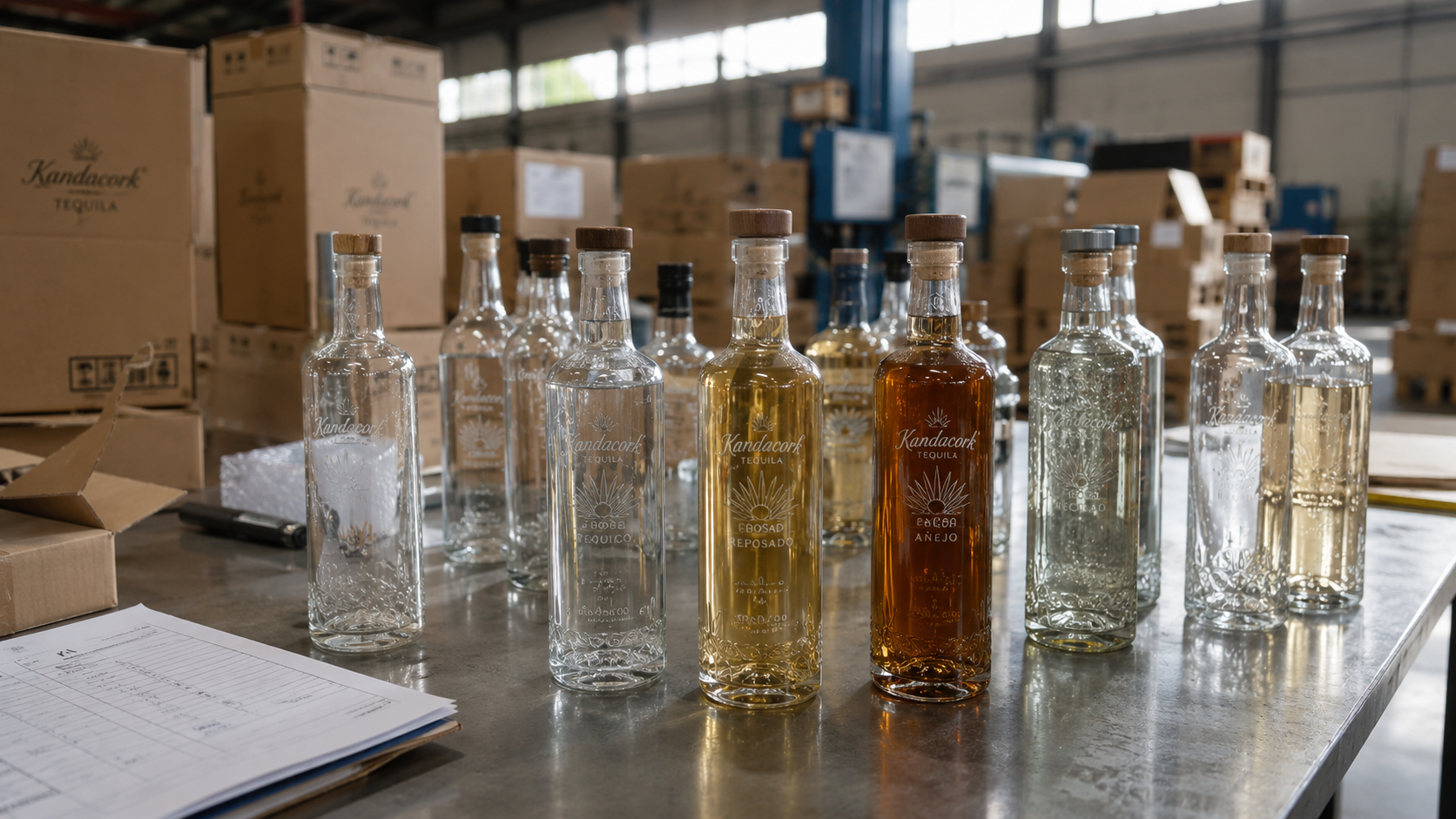
| Tequila / Mezcal | Premium stopper, natural material top | Bore fit and export durability |
| Liqueur | Screw cap, cork, pourer insert | Liner compatibility and sugar or flavor residue |
This table is a starting point only. The final decision should always be based on the actual bottle neck finish, real bottle samples, closure material, filling method, and target market.
What to Send for a Closure Matching Quote
To receive a practical closure recommendation, prepare a clear project package before requesting a quotation.
Send Kandacork Closures:
- Physical bottle samples, ideally 3–5 pieces
- Bottle technical drawing, if available
- Photos of the bottle neck from multiple angles
- Existing closure sample, if available
- Spirit type and ABV
- Bottle capacity
- Filling temperature
- Filling and capping method
- Target closure type
- Target market or export destination
- Required tamper-evident features
- Branding files or logo
- Color reference or Pantone code
- Decoration preference
- MOQ target
- Launch timeline
- Packaging and shipping requirements
If you do not have a bottle drawing, a physical sample is still useful. A closure supplier can measure the sample, identify the likely neck finish, and recommend closure samples for testing.
For projects where the bottle, closure, decoration, and export packaging need to be coordinated together, buyers can also review Kandacork Glass Group’s broader integrated spirits packaging support to understand how bottle structure, closure fit, decoration, and shipment planning connect in a complete packaging program.
How Kandacork Closures Reviews Existing Bottle Samples
After receiving a bottle sample, Kandacork Closures can review the project from both technical and commercial angles.
The review may include:
- Neck finish identification
- Bore and outer diameter measurement
- Closure family recommendation
- Cork shank or cap size comparison
- Liner or insert review
- Material recommendation
- Decoration feasibility
- Sample fit testing
- Leakage-risk discussion
- Capping or corking method review
- MOQ and lead time planning
- Bulk quotation preparation
This process helps buyers avoid guessing and reduces the risk of ordering closures that are visually similar but technically unsuitable.
Standards and Compliance Notes
Closure selection should consider both functional performance and market requirements. For distilled spirits sold in the United States, the Alcohol and Tobacco Tax and Trade Bureau notes that distilled spirits plants and importers must securely affix a tamper-evident closure or similar device to bottles or other containers of distilled spirits.
Testing frameworks from ASTM International and ISTA can help guide leakage, vibration, distribution, and transport-risk evaluation. Glass packaging terminology and neck-finish references from industry bodies such as the Glass Packaging Institute can also help buyers communicate more clearly with suppliers.
These references do not replace supplier-specific testing. They provide a more structured way to think about performance, documentation, and product readiness.
Request a Closure Matching Quote
Send your existing spirits bottle sample, neck drawing, closure reference, spirit type, ABV, target market, and order quantity through the Kandacork Closures custom closure quote page.
Our team can review cork stoppers, ROPP caps, screw caps, liners, inserts, capsules, decoration options, and sample testing requirements before quotation or bulk production.
FAQ
Can I match a closure if I only have a physical bottle sample?
Yes. A physical bottle sample is often enough to begin closure selection. The supplier can measure the neck finish, bore diameter, sealing surface, thread profile, and closure seating area, then recommend suitable closure samples for testing.
How many bottle samples should I send for closure review?
Send 3–5 bottle samples when possible. Multiple samples help the supplier check glass tolerance variation, bore consistency, thread consistency, sealing land quality, and visual fit before recommending closures.
Is bottle capacity enough to choose a closure?
No. Bottle capacity does not define closure compatibility. A 700 ml or 750 ml spirits bottle can use different neck finishes, bore sizes, thread profiles, and sealing systems.
What is the difference between cork fit and screw cap fit?
Cork fit depends mainly on bore diameter, shank compression, shank material, and pull force. Screw cap fit depends on thread profile, cap diameter, liner compression, sealing land, and torque.
Can a 30 mm ROPP cap fit every 30 mm bottle?
No. Diameter alone is not enough. ROPP compatibility depends on cap height, liner, pilfer band, thread profile, finish height, and capping equipment.
Why does my closure fit one bottle but not another from the same batch?
Small glass manufacturing tolerances, bore variation, thread variation, sealing surface differences, or finish height variation can affect closure performance. This is why multiple bottle samples should be tested.
Should I test closures before bulk production?
Yes. Closure samples should be tested with the real bottle, actual or representative liquid, intended capping method, storage conditions, and shipping requirements before bulk production.
What should I send for a closure matching quotation?
Send physical bottle samples, drawings if available, existing closure samples, photos, spirit type, ABV, filling method, target market, branding requirements, MOQ, and launch timeline.