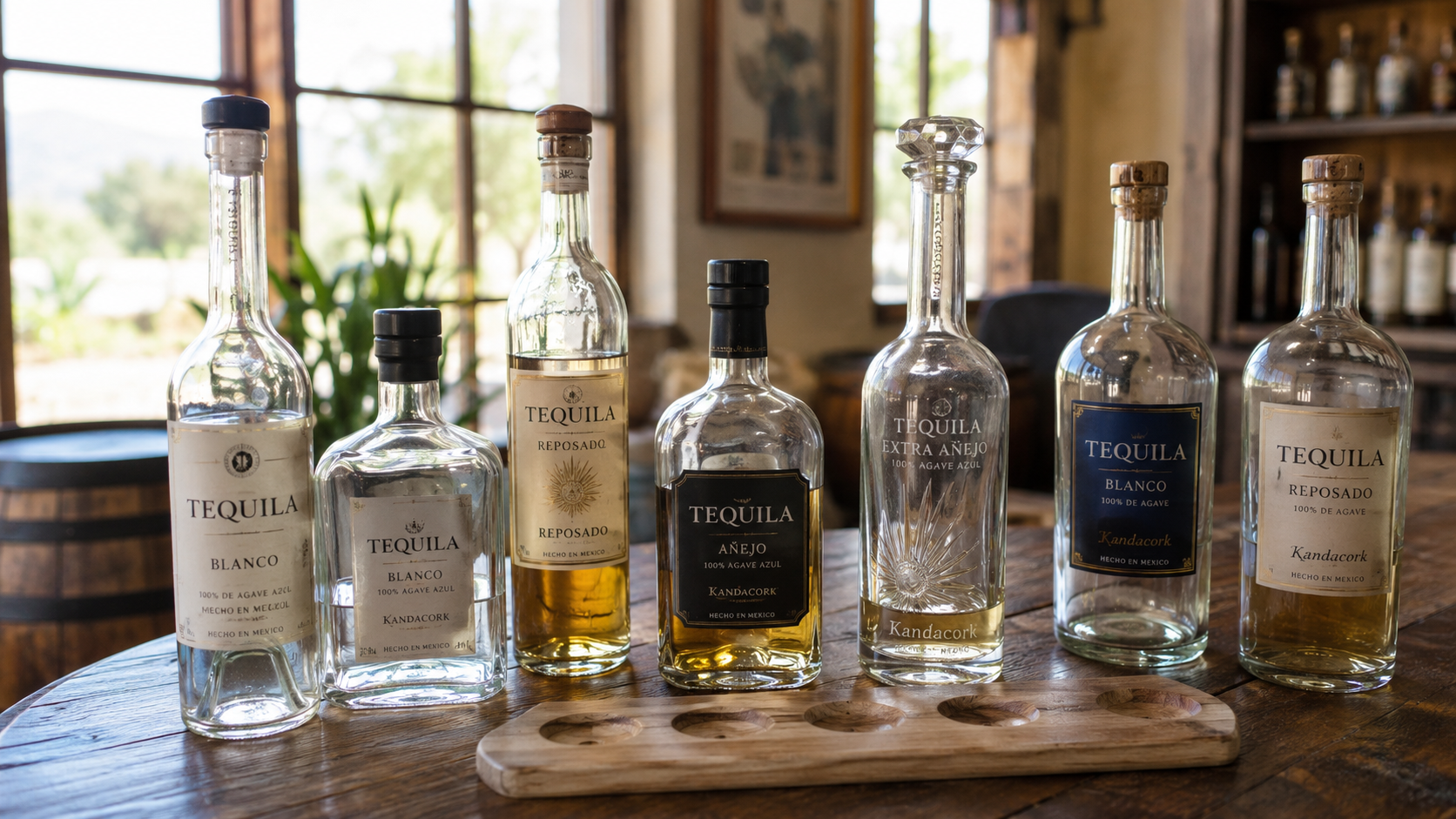
Glass bottle neck closure matching means selecting a cap, cork, stopper, or ROPP closure that fits the bottle’s neck finish, opening diameter, thread profile, sealing surface, liner system, and application method. For bulk buyers, this is not a small packaging detail. It affects leakage prevention, filling-line efficiency, tamper evidence, export safety, retail appearance, and the way customers experience the product when they open the bottle.
A closure that looks correct in a catalog may still fail if the thread series, inner neck diameter, cap depth, liner compression, or stopper shank is not compatible with the actual glass bottle. This is why buyers should confirm fit before placing bulk orders, especially for spirits, beverages, oils, fragrances, extracts, and premium packaged liquids.
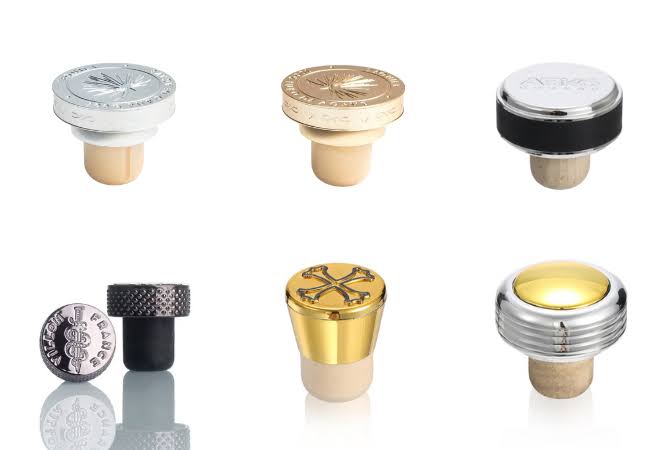
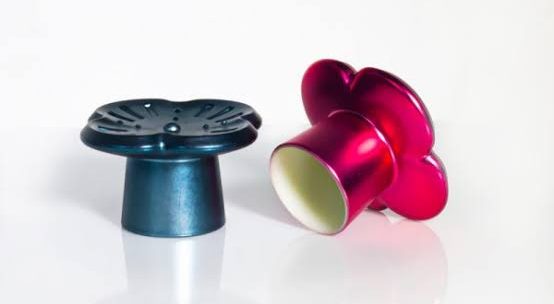
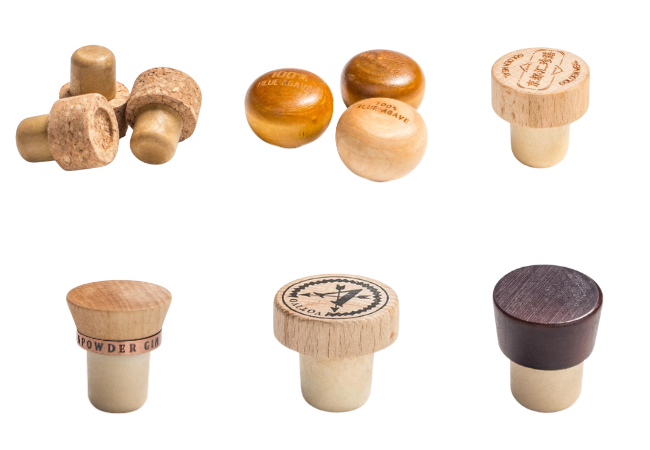
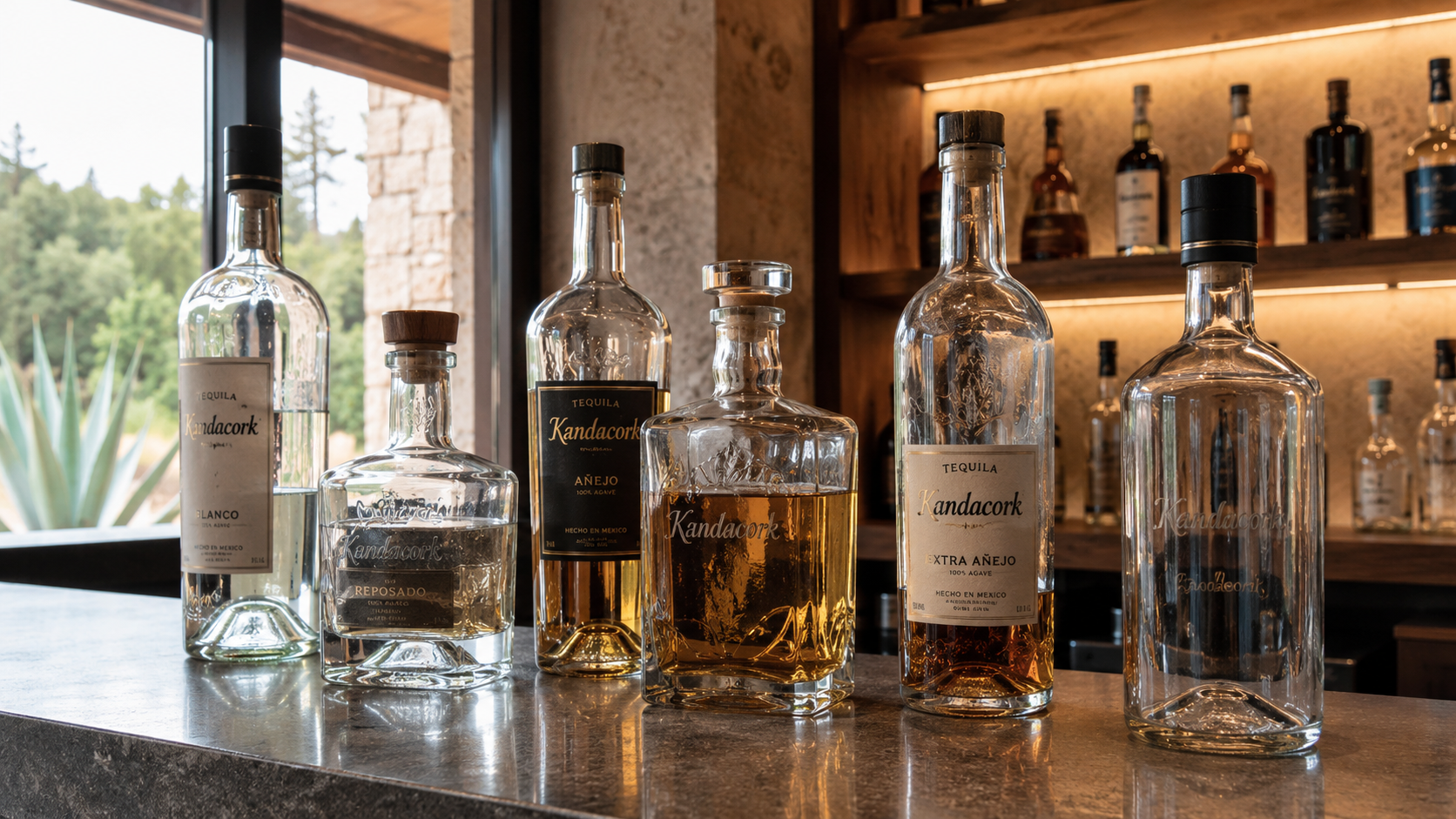
Kandacork Closures supports packaging teams with bottle-matched closure and stopper solutions for custom glass bottle projects, including bar-top stoppers, cork stoppers, synthetic stoppers, screw caps, ROPP closures, capsules, shrink sleeves, and decorated closure systems. For bottle-specific projects, buyers can also request a closure matching review before bulk ordering.
Quick Summary
To match a closure to a glass bottle neck, confirm the bottle neck finish, measure the outer diameter and inner opening diameter, choose the correct closure type, review the liner or stopper material, request samples, and test the closure with the actual bottle and product before approving production.
For threaded caps, diameter and thread style must match together. For corks, synthetic shanks, and bar-top stoppers, the inner neck diameter, insertion depth, compression, pull force, and sealing feel are usually more important than the outer thread diameter.
Why Closure Matching Matters Before Bulk Orders
Poor closure matching can create expensive problems after production begins. A cap may appear to fit but still leak during transport. A stopper may seal well during hand testing but become too tight or too loose after temperature changes. A closure may apply smoothly by hand but fail on a semi-automatic or automatic capping line.
For B2B buyers, glass bottle neck closure matching is a risk-control process. It helps confirm that the closure works with the bottle, the liquid, the filling equipment, the brand design, and the shipping environment. This is especially important when a brand is ordering custom closures, custom bottles, decorated tops, or export-ready packaging.
A reliable matching process can help buyers reduce leakage, avoid line stoppages, protect labels and cartons, improve tamper-evident performance, reduce sample revisions, and deliver a more premium opening experience.
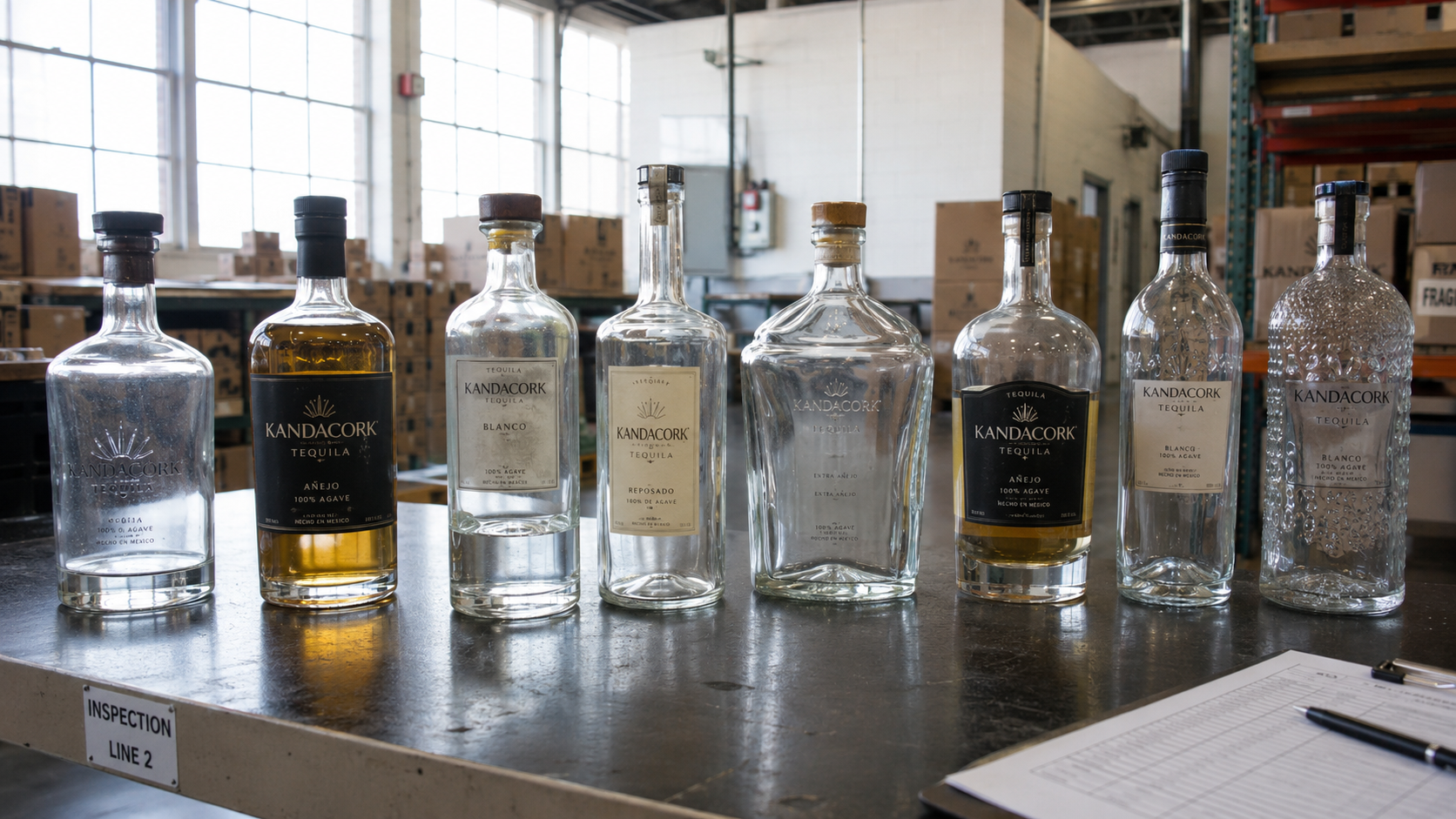
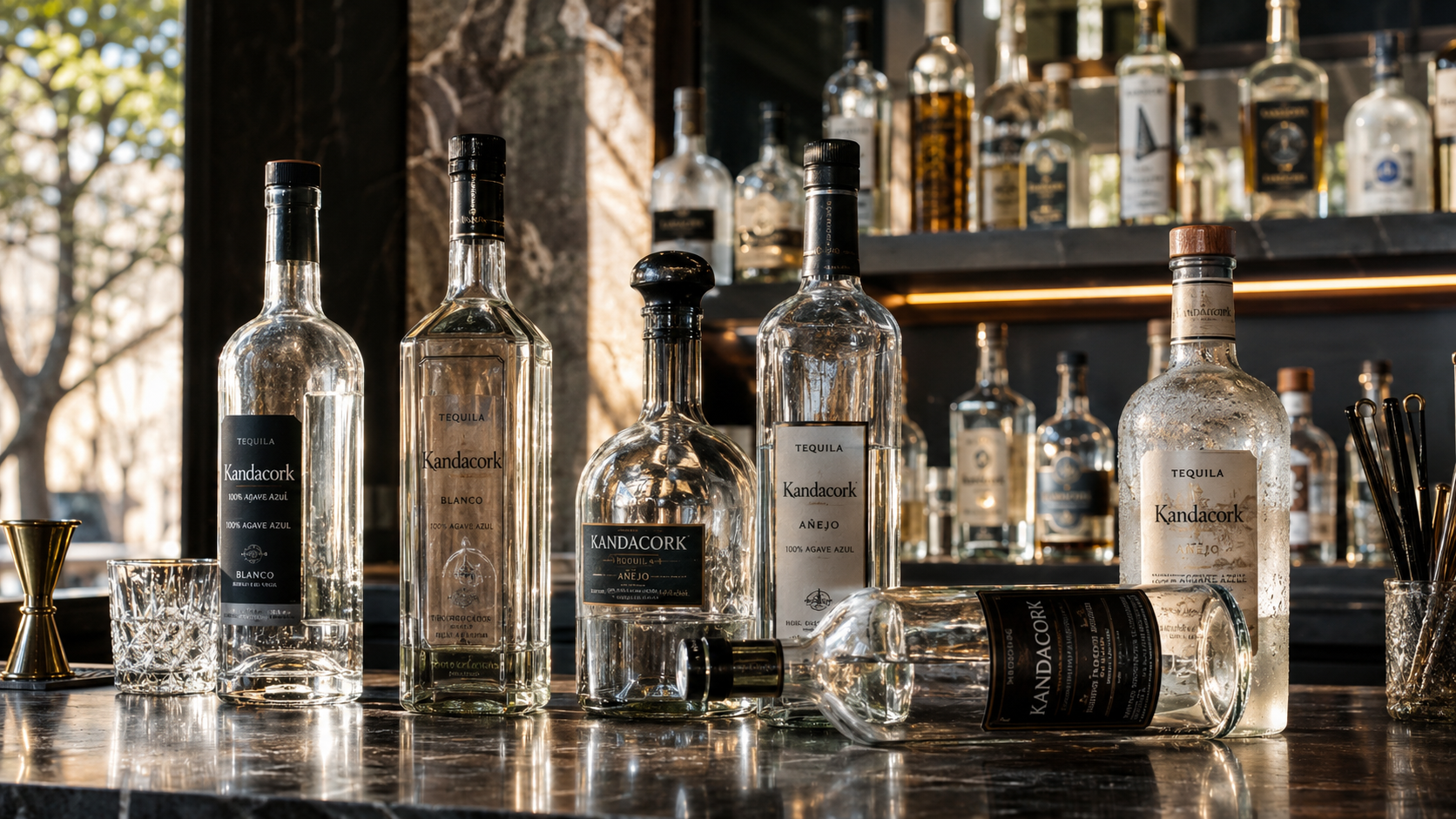
For brands developing a full bottle system, closure selection should also be coordinated with bottle structure. A spirits brand working with custom spirits bottle development should review neck finish, pouring comfort, closure fit, label position, and decoration area together instead of treating the closure as a last-minute accessory.
What Is Glass Bottle Neck Closure Matching?
Glass bottle neck closure matching is the process of selecting a closure that fits the exact structure of the bottle neck and performs correctly during filling, sealing, storage, transport, retail handling, and consumer use.
A proper match usually reviews:
- Bottle neck finish
- Outer thread diameter
- Inner opening diameter
- Finish height
- Thread style
- Sealing surface
- Liner material
- Stopper shank diameter
- Closure depth
- Application torque
- Opening torque
- Pull force
- Product compatibility
- Decoration requirements
The goal is simple: the closure must fit securely, seal consistently, apply smoothly, look appropriate for the bottle design, and support the brand’s commercial positioning.
For example, a whisky bottle with a wooden bar-top stopper requires more than a decorative top. The cork or synthetic shank must compress correctly inside the neck, the top must feel balanced when removed, and the closure must protect the spirit during export transport. A vodka bottle with an aluminum ROPP cap requires a different matching process that includes bottle neck finish, pilfer band structure, liner selection, roll-on capping head, and opening torque.
How Bottle Neck Finish Codes Work
Most glass bottles use a neck finish code to describe the bottle opening and thread style. Codes such as 24-410, 28-400, 28-410, and 38-400 are common in many packaging categories.
The first number usually refers to the nominal neck diameter in millimeters. For example, a 28-410 bottle has a 28 mm neck size. The second number describes the finish series or thread style. A 400 finish, 410 finish, and 415 finish may have different thread height, thread turns, closure depth, or liner compression requirements.
This is why diameter alone is not enough. A 28 mm closure is not automatically suitable for every 28 mm bottle. The closure must match the complete neck finish, including thread profile, finish height, cap depth, sealing surface, and liner behavior.
The Glass Packaging Institute provides industry context for glass packaging, while ISBT Threadspecs are useful references for beverage-focused finish and thread discussions. These resources can help buyers understand why standardized terminology matters, but final closure approval still depends on the actual bottle, closure, liner, product, and filling conditions.
Key Neck Dimensions Buyers Should Know
Professional packaging drawings often use T, E, I, S, and H dimensions. These measurements help suppliers evaluate bottle closure compatibility before sampling or production.
| Dimension | What It Means | Why It Matters |
|---|---|---|
| T dimension | Outside diameter across the thread | Helps determine nominal cap size |
| E dimension | Outside diameter of the neck without thread | Affects closure skirt clearance |
| I dimension | Inner diameter of the bottle opening | Critical for corks, stoppers, pourers, and inserts |
| S dimension | Distance from top sealing surface to thread start | Affects thread engagement and cap position |
| H dimension | Height of the neck finish | Affects cap depth, tamper band position, and stopper insertion |
The I dimension is especially important for spirits stoppers because the shank seals inside the neck. A small difference in inner diameter can change insertion force, pull force, and leakage performance. For screw caps and ROPP closures, the T dimension, thread profile, finish height, and sealing surface are usually more important.
Which Closure Should You Choose?
The best closure depends on the bottle neck, product category, filling process, price position, branding goal, and sealing requirement. A luxury spirits bottle may need a custom bar-top stopper, while a high-volume mini bottle may need a machine-friendly screw cap or ROPP cap.
| Buyer Need | Recommended Closure Direction |
|---|---|
| Premium whisky, tequila, rum, or brandy | Wooden, metal, glass, or custom bar-top stopper |
| Clean tamper-evident spirits packaging | Aluminum ROPP closure |
| High-volume mini bottle filling | Screw cap or small ROPP cap |
| Traditional craft appearance | Cork stopper or synthetic cork stopper |
| Premium neck decoration | Capsule or shrink sleeve |
| Strong machine-capping consistency | Threaded screw cap or ROPP closure |
| Complete branded packaging system | Coordinated bottle, closure, label, and decoration |
Buyers planning premium decoration should involve the closure supplier early. Closure color, logo method, top finish, capsule shade, and bottle decoration should work as one visual system. For projects requiring coordinated embossing, color matching, hot stamping, or surface effects, packaging decoration and branding planning can help maintain consistency across bottle, closure, label, and outer packaging.
Matching Requirements by Closure Type
Bar-Top Stoppers
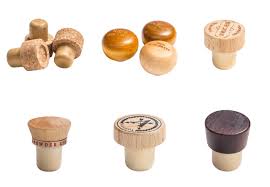
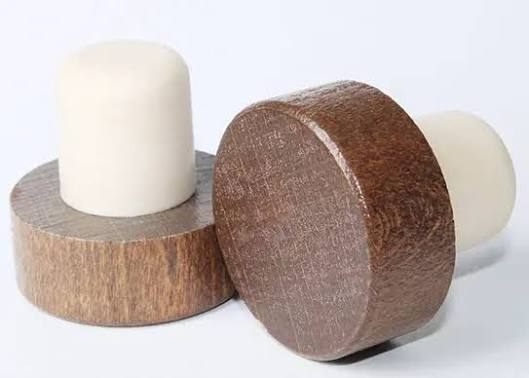
Bar-top stoppers are widely used for whisky, tequila, rum, brandy, gin, liqueur, and premium spirits. They combine a visible decorative top with a cork, synthetic cork, micro-agglomerated cork, or polymer shank that seals inside the bottle neck.
Key matching points include inner neck diameter, shank diameter, shank length, compression, pull force, top weight, top balance, alcohol compatibility, and long-term sealing behavior. A stopper that is too loose may leak or fall out during shipping. A stopper that is too tight may be difficult to insert, remove, or run consistently in production.
For premium projects, custom bar-top stoppers should be reviewed as both functional components and brand-touch components. The top shape, material, finish, logo position, and hand feel all affect perceived value.
Screw Caps
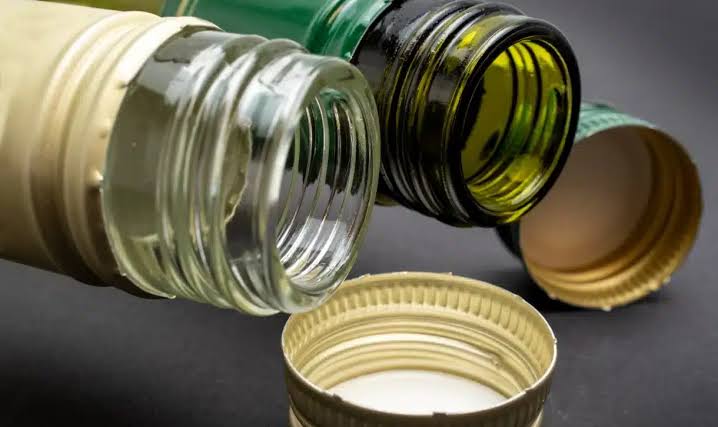
Screw caps are practical for spirits, liqueurs, mini bottles, food, oils, and other glass packaging projects that require convenient opening and resealing. Matching a screw cap requires more than confirming the nominal diameter. Buyers should verify the thread finish, cap height, liner material, sealing surface, application torque, and opening torque.
A screw cap may feel acceptable when applied manually but fail during machine capping. Under-torque can cause leakage, while over-torque can damage threads, deform liners, or create difficult opening. For projects that need stable resealing and efficient filling-line performance, custom screw caps should be tested with the actual bottle finish and capping equipment.
ROPP Closures
ROPP means roll-on pilfer-proof. These closures are common for spirits, wine, olive oil, and premium beverages because they can combine sealing, tamper evidence, and clean shelf presentation. An ROPP cap is applied by equipment that forms the aluminum shell around the bottle neck thread.
Matching requirements include bottle neck finish, cap diameter, cap height, aluminum shell structure, liner material, pilfer band design, capping head compatibility, thread formation, and opening torque. Because ROPP caps depend on line setup, samples should be tested on the intended equipment before production approval.
For spirits and export beverage projects, ROPP closures are often chosen when buyers need scalable production, reclosable use, tamper-evident performance, and a clean metal finish.
Capsules and Shrink Sleeves
Capsules and shrink sleeves may not be the primary seal, but they improve neck appearance, tamper evidence, and retail presentation. Buyers should confirm closure height, neck diameter, heat-shrink behavior, material thickness, color consistency, and compatibility with the main cap or stopper.
A capsule can enhance a premium spirits bottle, but it cannot correct a poor closure fit. The primary closure must already seal properly before decorative neck components are approved.
Why Poor Closure Matching Causes Business Problems
Closure failure can affect product quality, customer trust, logistics, retail presentation, and production cost.
| Problem | Likely Cause | Business Impact | Practical Solution |
|---|---|---|---|
| Leakage | Wrong finish, poor liner compression, loose stopper | Damaged cartons, complaints, product loss | Test closure with real bottle and product |
| Loose cap | Incorrect torque or thread mismatch | Weak seal and poor shelf quality | Confirm finish code and torque range |
| Hard opening | Over-torque or stopper too tight | Poor consumer experience | Test opening torque or pull force |
| Capping delays | Closure does not run smoothly on equipment | Production downtime | Test on actual filling line |
| Poor appearance | Closure height or color does not match design | Lower perceived brand value | Approve decorated samples |
| Transport failure | Closure not tested under shipping stress | Leakage during export | Use transport and vibration testing principles |
For shipping performance, packaging teams often refer to ASTM D4169, which provides a recognized framework for evaluating shipping units under distribution hazards. For glass bottles and closures, transport testing is important because vibration, compression, temperature change, and handling can expose weaknesses that short bench tests may miss.
Material, Liner, and Product Compatibility
The closure material must match both the product and the packaging position. A spirits closure may use wood, aluminum, glass, metal, plastic, natural cork, synthetic cork, or a multilayer liner. Each material has different behavior during production, storage, and consumer use.
For consumable products, closure components that contact the product should be reviewed with food-contact expectations in mind. The FDA’s information on packaging and food contact substances is a useful regulatory reference for U.S. food and beverage packaging discussions.
Product compatibility testing is especially important for alcohol, oils, extracts, flavors, fragrances, and acidic liquids. Water testing may identify basic leakage, but it does not always predict performance with the final product. Alcohol percentage, aroma compounds, oil content, acidity, colorants, coatings, adhesives, and liner materials can all affect long-term performance.
For sustainable packaging decisions, buyers should also consider material separation, recyclability, decoration choices, and closure components. ISO 18604 provides an international standard related to packaging recoverable by material recycling, which can help teams frame sustainability discussions during packaging development.
How Kandacork Closures Helps Match Glass Bottle Necks and Closures
Kandacork Closures helps buyers move from uncertain bottle-neck information to a clearer closure specification for sampling and bulk production. The process is designed to support technical fit, sealing performance, decoration feasibility, and commercial production.
The review usually begins with the bottle drawing. The drawing helps identify the neck finish, outer diameter, inner diameter, finish height, tolerance range, capacity, and decoration area. If bottle samples are available, they can reveal real-world neck variation, thread details, sealing surface condition, and fit issues that may not be obvious from drawings.
Based on the bottle type, product category, target market, and brand positioning, Kandacork Closures can recommend suitable closure directions. A premium whisky project may need a wooden bar-top stopper, while a vodka, gin, or mini spirits project may require a screw cap or ROPP closure with stronger filling-line efficiency.
For projects requiring structural bottle coordination, buyers may also work with Kandacork Glass on bottle design and packaging development, while the closure team focuses on stopper fit, cap compatibility, liner selection, decoration, and production readiness.
Correct Process for Glass Bottle Neck Closure Matching
Start with the bottle technical drawing. The drawing should show the neck finish, dimensions, tolerances, capacity, weight, and decoration area. If a drawing is unavailable, send physical samples to the supplier. Photos are useful for early communication, but they cannot replace measurement and sample testing.
Next, measure the outer thread diameter and inner opening diameter. For threaded bottles, confirm the complete finish code. For stopper bottles, measure the inner diameter at the sealing zone. Small differences in the I dimension can change stopper compression, pull force, and leakage risk.
After measurements are confirmed, choose the closure type. The closure should match the product function and market position. A craft rum bottle may need a wood-top stopper, a vodka bottle may use an aluminum ROPP closure, and a miniature liquor bottle may require a small screw cap designed for high-volume filling.
Then review the sealing system. For caps, the liner is critical. Buyers should consider compression recovery, chemical resistance, vapor barrier needs, and product-contact suitability. For stoppers, review shank material, diameter, density, surface finish, and compression behavior.
Finally, request samples and test them with the real bottle and product. Sample review should include hand fit, application torque, opening torque, pull force, leakage, inversion resistance, temperature change, transport vibration, shelf appearance, and consumer opening feel.
Quote-Ready Information to Send a Closure Supplier
A complete inquiry helps the supplier recommend a closure faster and more accurately. Instead of asking only, “Do you have a cap for this bottle?” buyers should prepare the following information.
| Information to Provide | Why It Matters |
|---|---|
| Bottle drawing | Confirms finish, dimensions, and tolerances |
| Bottle sample | Allows real fit and seal testing |
| Neck finish code | Identifies thread or closure series |
| Outer neck diameter | Helps confirm closure size |
| Inner neck diameter | Critical for stoppers and inserts |
| Product type | Affects liner and material selection |
| Alcohol percentage or formula | Helps review compatibility |
| Closure style preference | Guides cap, cork, stopper, or ROPP selection |
| Branding artwork | Supports decoration planning |
| Filling method | Confirms application process |
| Capping equipment | Helps test torque and machine compatibility |
| Order quantity | Determines production method and cost feasibility |
| Target market | May affect tamper evidence and compliance needs |
| Testing timeline | Helps schedule sampling and approval |
For multi-category packaging programs that include bottles, jars, closures, and accessories, Kandacork Glass Packaging can support broader glass packaging coordination while the closure specification remains focused on neck fit, sealing, and application performance.
Real-World Buyer Scenarios
Whisky Bar-Top Stopper Project
A whisky brand selects a heavy glass bottle with a premium shoulder shape and wants a wooden bar-top stopper with a synthetic shank. The supplier should review the inner neck diameter, shank compression, pull force, top weight, wood finish, logo decoration, and leakage performance. The result should feel premium in the hand while remaining secure during transport.
Vodka ROPP Closure Project
A vodka brand wants a clean aluminum closure with tamper evidence. The bottle uses a threaded finish suitable for ROPP application. The matching process should confirm bottle neck finish, aluminum cap dimensions, liner material, pilfer band structure, capping head compatibility, and opening torque. Samples should be tested on the actual filling line before bulk approval.
Mini Spirits Bottle Project
A mini spirits bottle project requires high-volume filling and consistent closure application. Small dimensional differences can create major problems because mini bottles have less tolerance space. The closure must feed smoothly, apply consistently, pass leakage checks, and maintain a clean retail appearance after packing.
Common Closure Matching Mistakes to Avoid
Do not choose a closure only by photo. Photos cannot confirm thread engagement, liner compression, stopper fit, or capping behavior.
Do not select a closure by diameter alone. The finish series, thread profile, cap height, liner, and sealing surface also matter.
Do not assume bottles with the same capacity use the same closure. Bottle volume and neck finish are separate specifications.
Do not skip physical samples. Real samples reveal fit, feel, and appearance issues that drawings cannot always show.
Do not ignore the filling line. A closure must perform on the equipment that will apply it.
Do not test only with water if the final product is alcohol, oil, fragrance, extract, or acidic formula.
Do not approve decoration before fit. A beautiful custom top is not useful if the shank or cap does not seal.
Do not forget shipping conditions. Export cartons may face vibration, compression, heat, cold, and handling stress.
Quick Buyer Checklist Before Ordering
| Checklist Item | Confirmed |
|---|---|
| Bottle drawing is available | |
| Bottle sample has been sent | |
| Neck finish code is confirmed | |
| Inner and outer diameters are measured | |
| Closure type is selected | |
| Liner or stopper material is reviewed | |
| Product compatibility is checked | |
| Torque or pull force is tested | |
| Leakage testing is completed | |
| Filling-line compatibility is reviewed | |
| Decoration sample is approved | |
| Export packaging is confirmed |
FAQ
How do I know what closure fits my glass bottle?
You need to confirm the bottle neck finish, outer diameter, inner opening diameter, thread style, sealing surface, closure type, liner or stopper material, and application method. For bulk orders, physical samples should be tested before production approval.
Is a 28 mm cap enough information to order a closure?
No. A 28 mm measurement is only part of the specification. You also need the thread style, finish height, liner type, sealing surface, and application requirements. A 28-400 and 28-410 finish are not automatically interchangeable.
Can one closure fit different glass bottle necks?
Sometimes, but only when the neck finish, tolerance range, sealing method, and closure design are compatible. A supplier should confirm compatibility through drawings or sample testing.
Can I use the same closure for bottles from different factories?
Sometimes, but only if the neck finish, tolerances, sealing surface, and dimensions are compatible. Even bottles with the same nominal finish should be sample-tested before bulk approval because manufacturing tolerances can vary between glass bottle suppliers.
How do I choose the right liner for an alcohol bottle?
The liner should be selected based on alcohol percentage, sealing requirement, closure type, storage condition, filling method, and product-contact needs. For spirits and other alcohol products, product compatibility testing is recommended before mass production.
What should I test before approving bulk closure production?
Test fit, leakage, torque, opening torque, pull force, liner compression, stopper compression, product compatibility, filling-line performance, decoration quality, carton packing, and transport resistance.
What causes a glass bottle closure to leak?
Common causes include incorrect thread finish, poor liner compression, uneven sealing surface, loose stopper fit, wrong torque, incompatible material, or closure deformation during transport.
Should I send a bottle sample before ordering closures?
Yes. A physical bottle sample is strongly recommended before bulk production. It allows the supplier to test actual fit, seal, pull force, torque, and appearance.
What is the difference between a screw cap and an ROPP closure?
A screw cap is usually pre-threaded and twists onto a matching neck finish. An ROPP closure is roll-formed onto the bottle neck by capping equipment and often includes a pilfer-proof tamper-evident band.
What information does a closure supplier need for a quote?
A closure supplier usually needs the bottle drawing, bottle sample, neck finish code, inner diameter, outer diameter, product type, closure style, liner or stopper requirement, branding artwork, filling method, capping equipment, order quantity, and target market.
Conclusion
Successful glass bottle neck closure matching requires more than finding a cap that looks close. The bottle neck finish, closure structure, liner or stopper material, application method, sealing performance, and branding details must work together.
For bulk buyers, the best approach is to prepare drawings, samples, dimensions, product details, filling-line information, and branding requirements before requesting a quote. This reduces development time and helps the supplier recommend a closure that fits the bottle, protects the product, and supports the brand’s commercial goals.
Kandacork Closures helps buyers move from bottle neck review to custom closure sampling and bulk supply. Whether the project needs wooden bar-top stoppers, cork shanks, synthetic stoppers, aluminum screw caps, ROPP closures, capsules, or decorated closures, a structured matching process can turn packaging risk into a reliable premium brand detail. Buyers can submit project details through the custom closure quote page when they are ready to confirm fit, samples, and production requirements.