Plastic bar-top stoppers can be designed for different shapes, colors and brand styles, but tooling and fit must be confirmed early. This guide explains design, mold, shank fit, logo method and quality control considerations.
Why Plastic Bar-Top Stoppers Matter in Spirits Packaging
The stopper is a small component, but it influences the full bottle experience. It affects opening feel, sealing confidence, shelf appearance, capsule compatibility, line handling, and consumer perception. A closure that looks attractive but fits poorly can create leakage, unstable pull-out force, or inconsistent packaging performance.
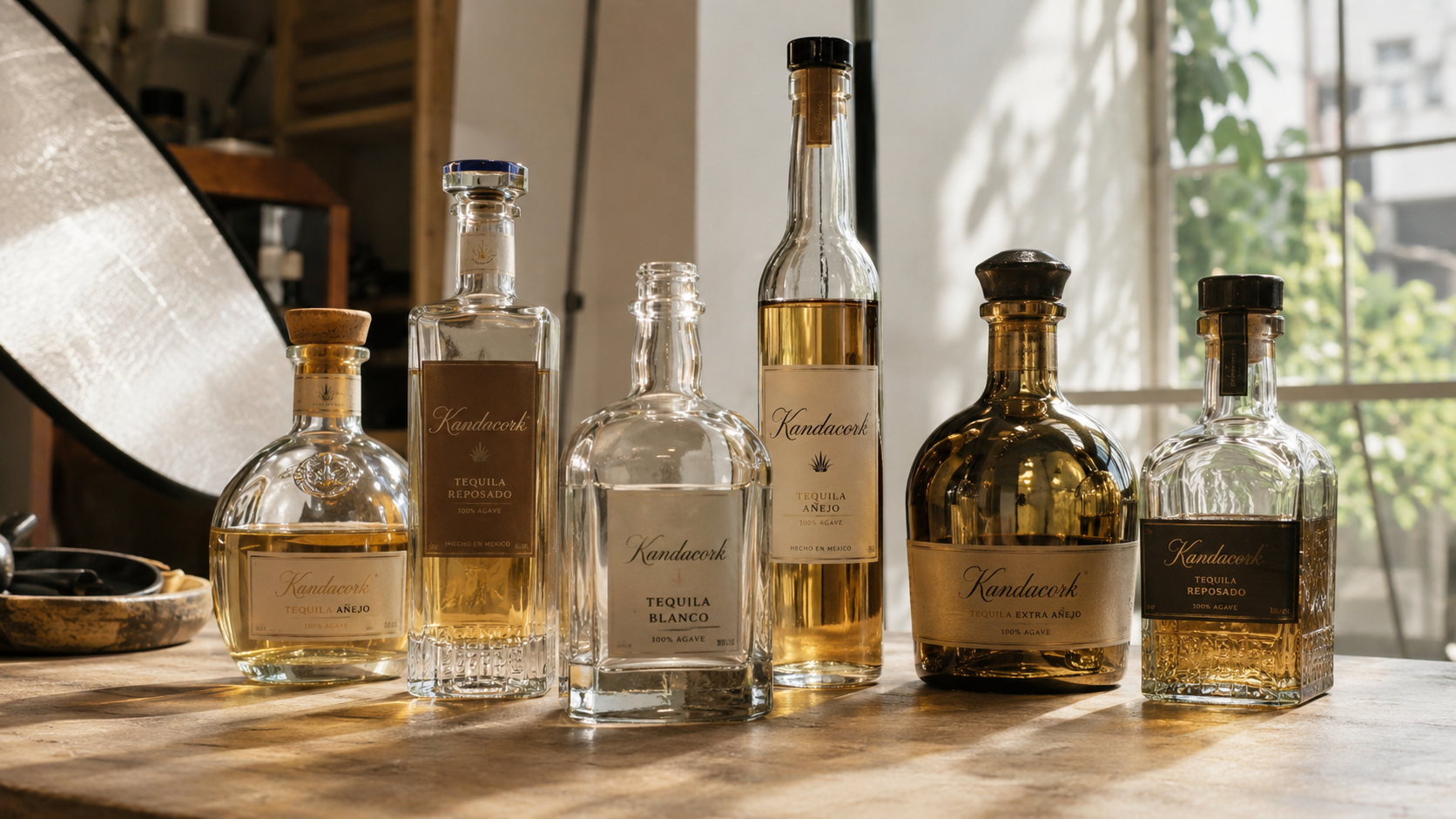
Plastic bar-top stoppers are especially useful when a brand needs repeatable production across multiple SKUs. A distillery can keep one bottle family and use different stopper colors, surface finishes, or logo treatments to separate vodka, gin, rum, liqueur, and limited-edition products. This helps maintain brand consistency while keeping each product easy to identify.
They also work well for commercial spirits programs where cost control matters. Plastic can be molded into many shapes, matched to brand colors, finished in matte or gloss, and produced in large batches with consistent geometry. When the correct shank is selected and tested, plastic top corks can deliver dependable resealable performance for both mainstream and premium spirits.
Quick Buying Checklist
Before requesting samples or a quotation, buyers should define the stopper as part of a complete packaging system, not as an isolated accessory.
| Specification item | What to confirm |
|---|---|
| Bottle neck opening | Inner diameter, finish, and glass tolerance |
| Shank material | Synthetic, natural cork, agglomerated cork, or engineered polymer |
| Plastic head style | Flat, dome, ribbed, smooth, mushroom, wide-disc, or custom molded |
| Decoration | Color matching, top logo, side printing, embossing, or debossing |
| Performance checks | Fit, leakage, pull-out force, insertion force, and repeated use |
| Packaging system | Capsule, shrink sleeve, label, carton, and filling-line compatibility |
| Market requirements | Food-contact expectations, tamper-evident rules, and documentation needs |
This type of early specification helps avoid wrong stopper sizing, decoration mismatch, unstable fit, and late-stage packaging changes.
Main Components of a Plastic Bar-Top Stopper
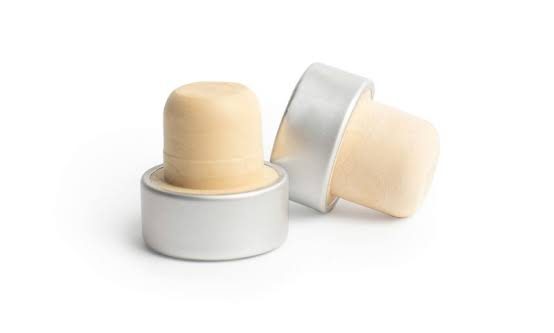
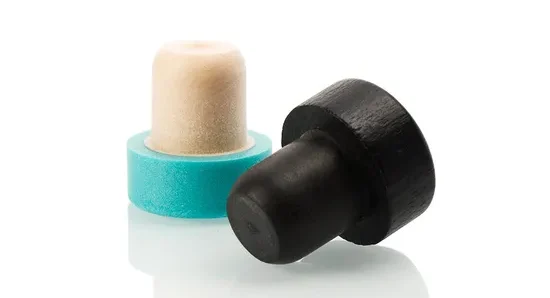
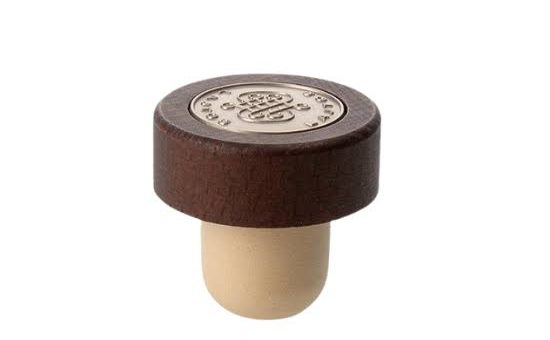
A plastic bar-top stopper has two main parts: the head and the shank.
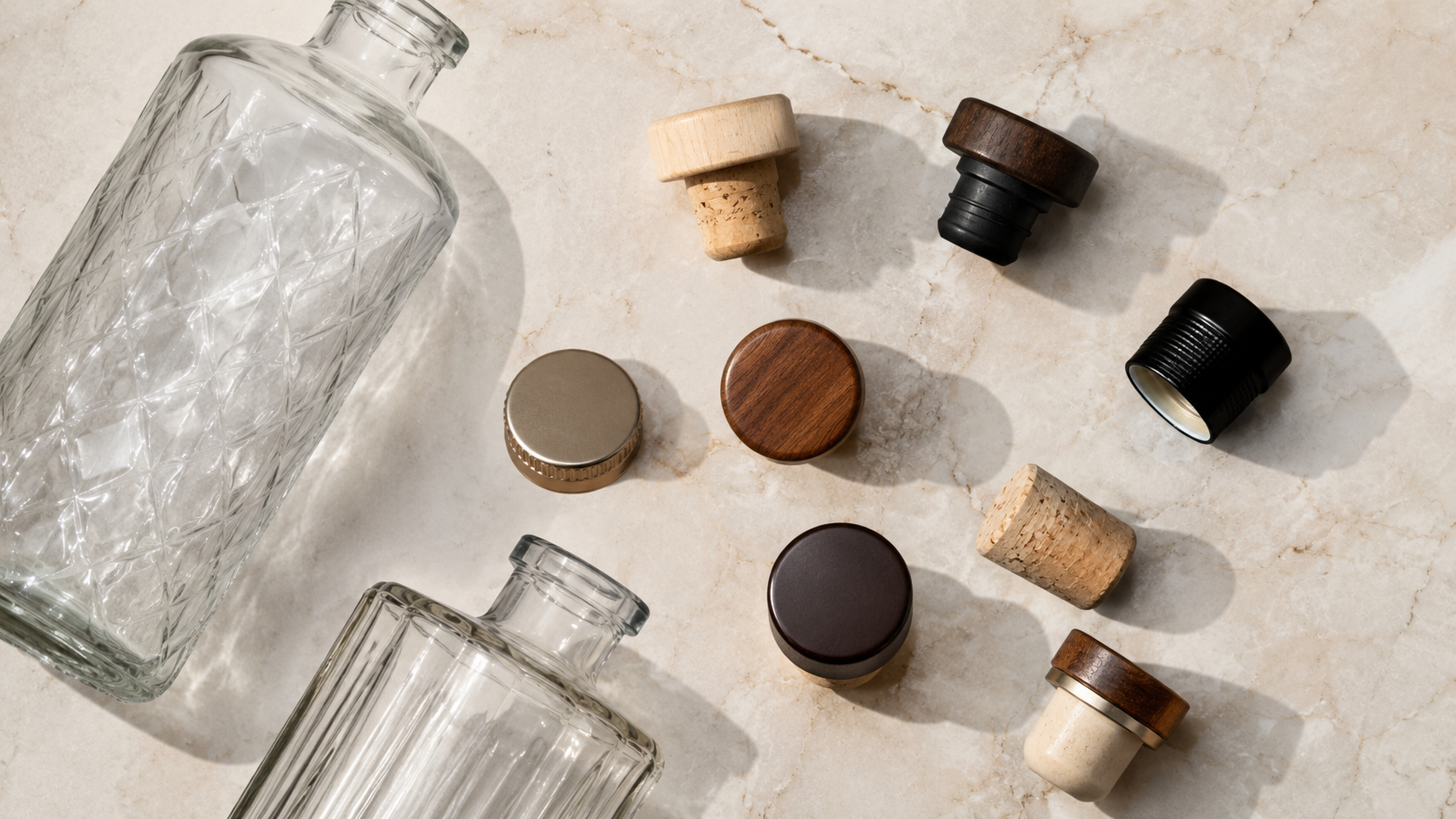
The head is the visible top section. It provides grip, shelf presence, and branding space. Common head styles include flat-top, dome-top, mushroom-top, ribbed-side, smooth-side, wide-disc, cylindrical, and custom molded shapes. The finish may be matte, glossy, translucent, metallic-look, soft-touch, or textured.
The shank is the part that enters the bottle neck. It creates the compression fit that helps seal the bottle. Shank options may include synthetic materials, natural cork, agglomerated cork, or engineered polymer compounds. For buyers who need controlled compression, dimensional consistency, and clean repeatability, synthetic bottle stoppers can be considered alongside plastic head designs.
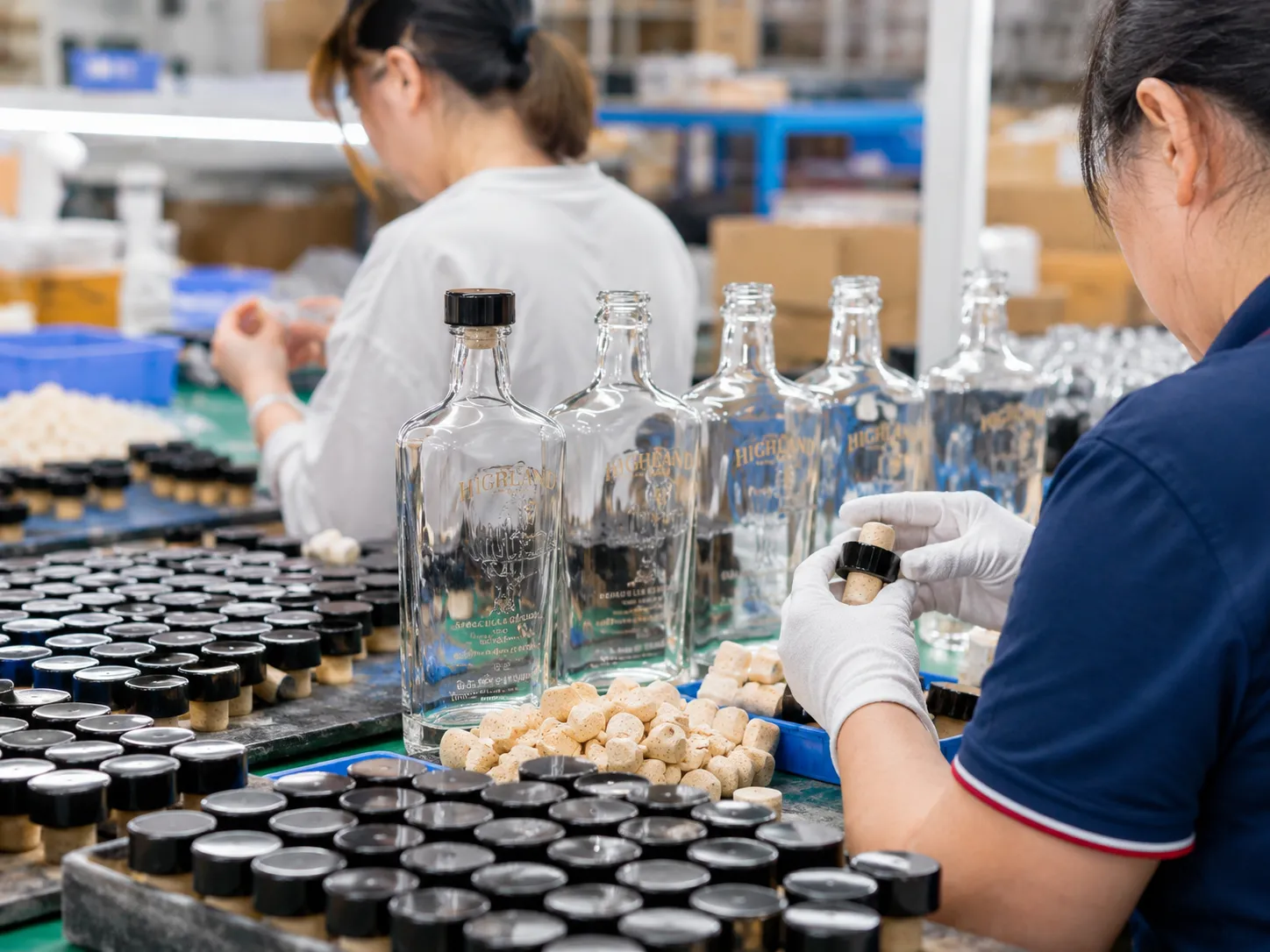
The bond between the head and shank must also be reliable. During filling, shipping, opening, and repeated consumer use, the stopper should remain stable and comfortable to handle. Buyers should evaluate head-to-shank bonding, odor neutrality, alcohol compatibility, and batch consistency before approving production.
How to Choose the Right Stopper Size
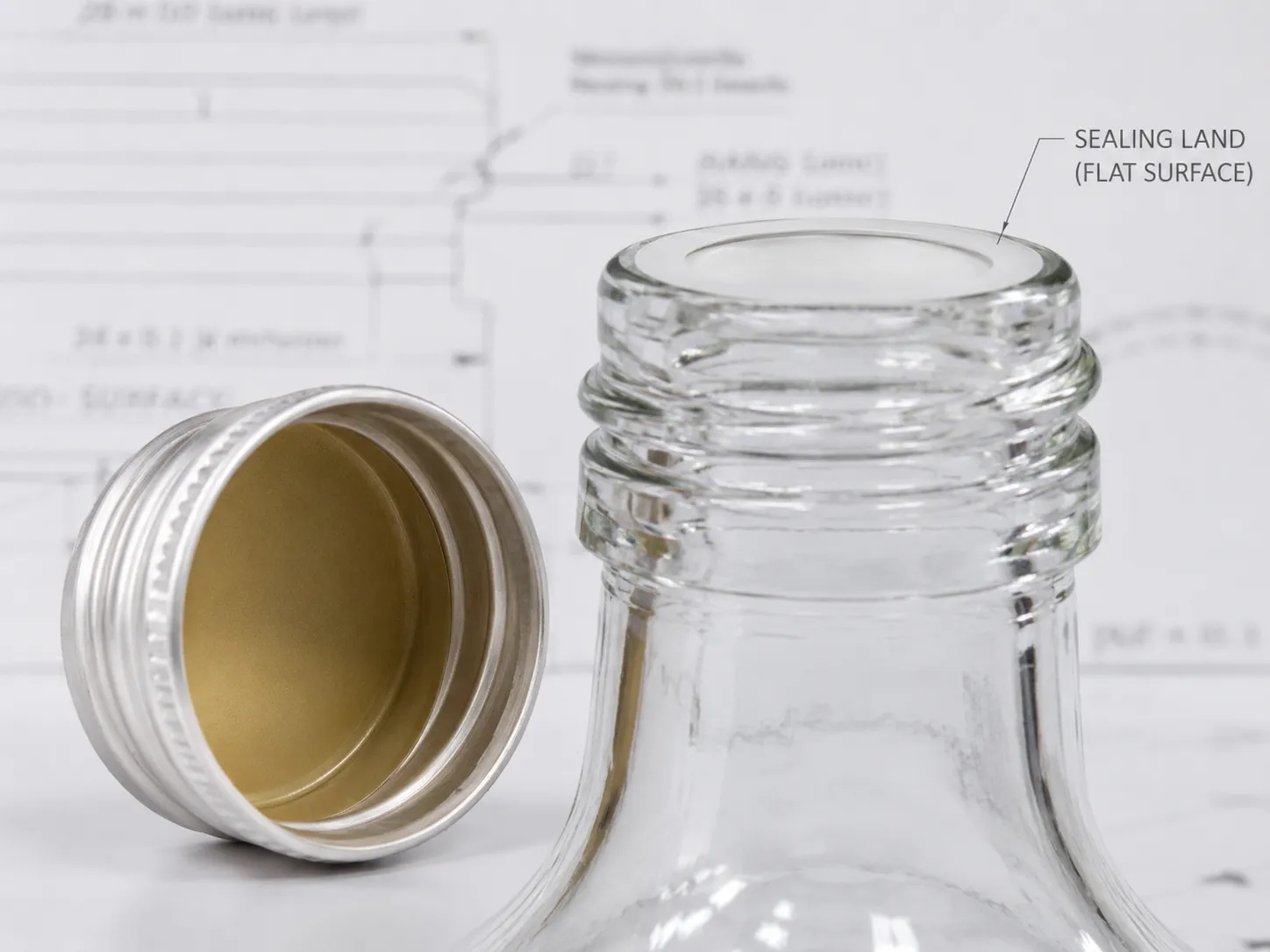
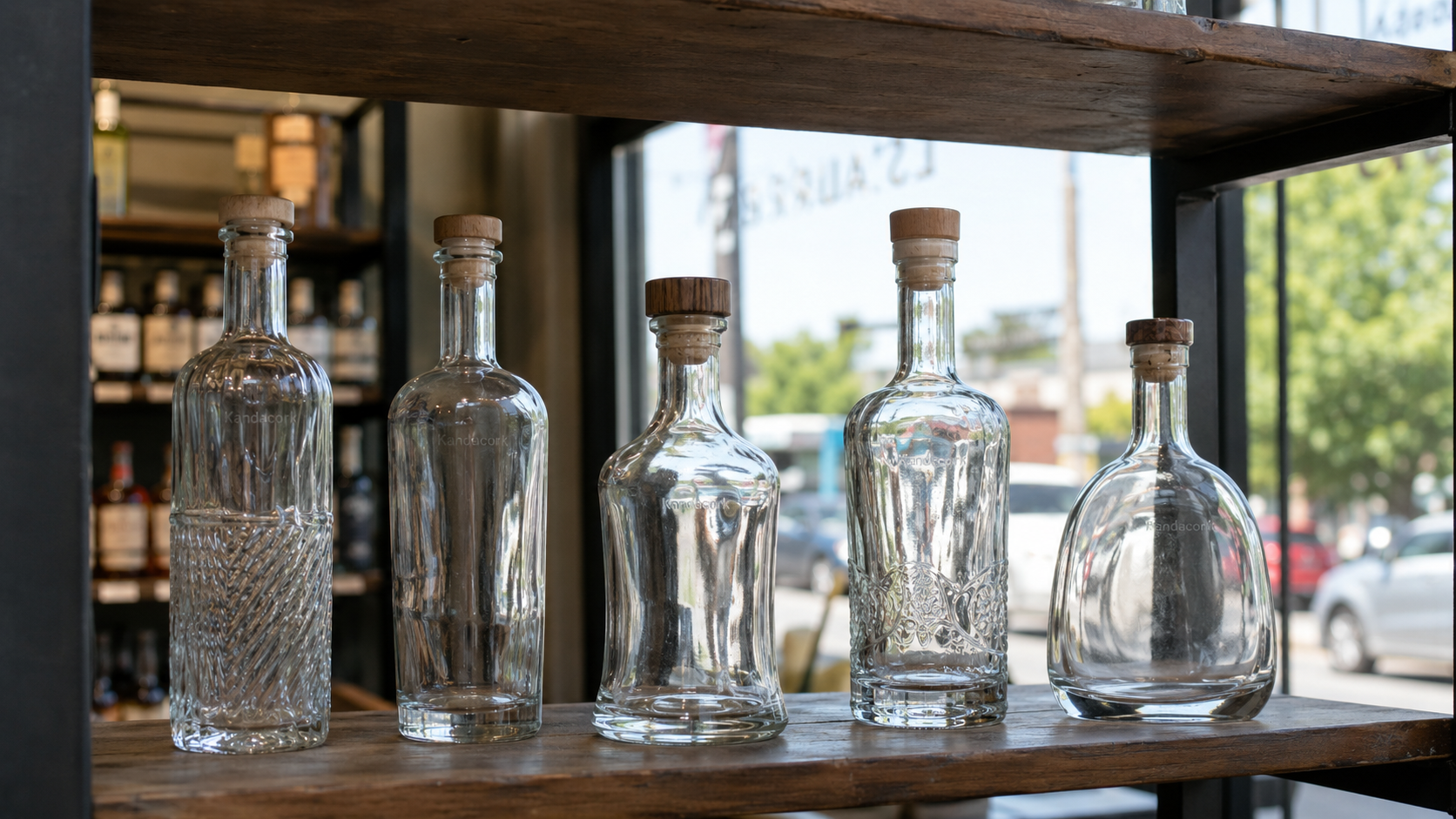
The correct stopper size starts with the bottle neck opening. Buyers should not choose plastic bar-top stoppers by appearance alone. The inner neck diameter, glass tolerance, shank material, and target compression all affect the final fit.
A common mistake is assuming that one stopper size will work for every similar-looking bottle. Even small glass variations can change insertion force, pull-out force, and leakage resistance. The best approach is to test real bottle samples before ordering bulk production.
| Bottle neck condition | Possible stopper direction | Testing required |
|---|---|---|
| Around 18.5 mm opening | 19.5 mm-style stopper may be considered | Fit, insertion force, pull-out force, leakage check |
| Around 21.5 mm opening | 22.5 mm-style stopper may be considered | Fit, capsule clearance, leakage check, removal feel |
| Custom bottle neck | Custom shank diameter may be required | Drawing review, sample fitting, approved reference sample |
| Wide glass tolerance | Flexible synthetic shank may help | Multi-bottle testing across production samples |
| Premium shelf presentation | Custom head shape and finish may be selected | Visual approval, branding check, full packaging test |
Fit testing should include upright storage, tilted storage, short inversion checks, manual opening, reinsertion, and compatibility with capsules or shrink sleeves. If the closure will be applied on a filling line, insertion behavior should also be tested under realistic production conditions.
Plastic vs Wood, Aluminum, and Glass Stoppers
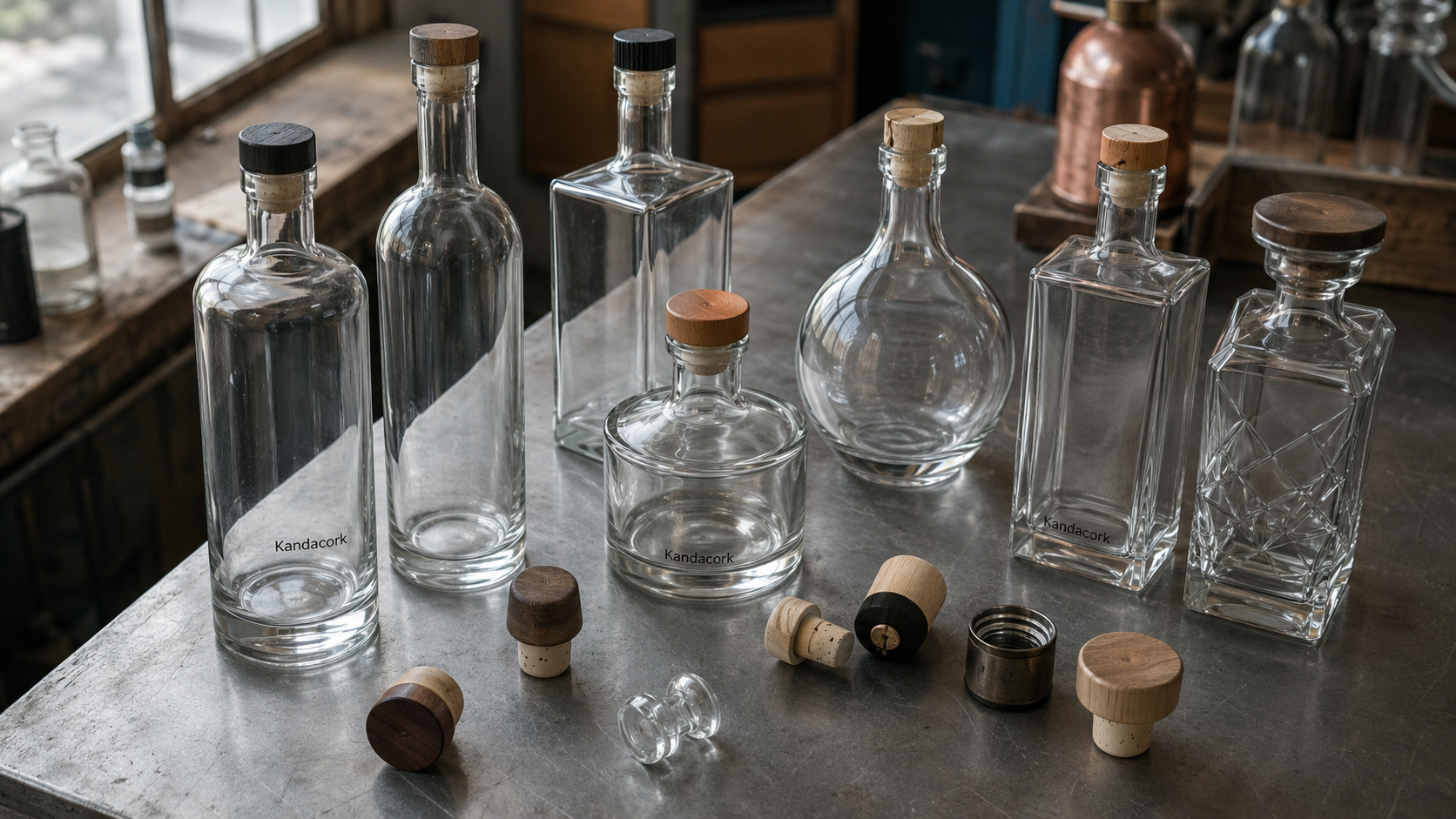
Plastic is not the only option for spirits closures. Wood, aluminum, glass, and composite stopper designs each communicate a different brand message.
| Stopper material | Best use case | Main strength | Possible limitation |
|---|---|---|---|
| Plastic | Multi-SKU spirits, private label, color systems, bulk programs | Cost control, molded shape flexibility, color matching | Less natural premium cue than wood |
| Wood | Craft whisky, rum, heritage spirits, natural brand stories | Warm tactile appearance and premium feel | Grain and color can vary between batches |
| Aluminum | Premium vodka, gin, tequila, modern packaging | Metallic finish and strong shelf impact | Usually higher cost than basic plastic |
| Glass | Luxury spirits, gift packaging, collectible bottles | Decorative and refined visual effect | Heavier and often more expensive |
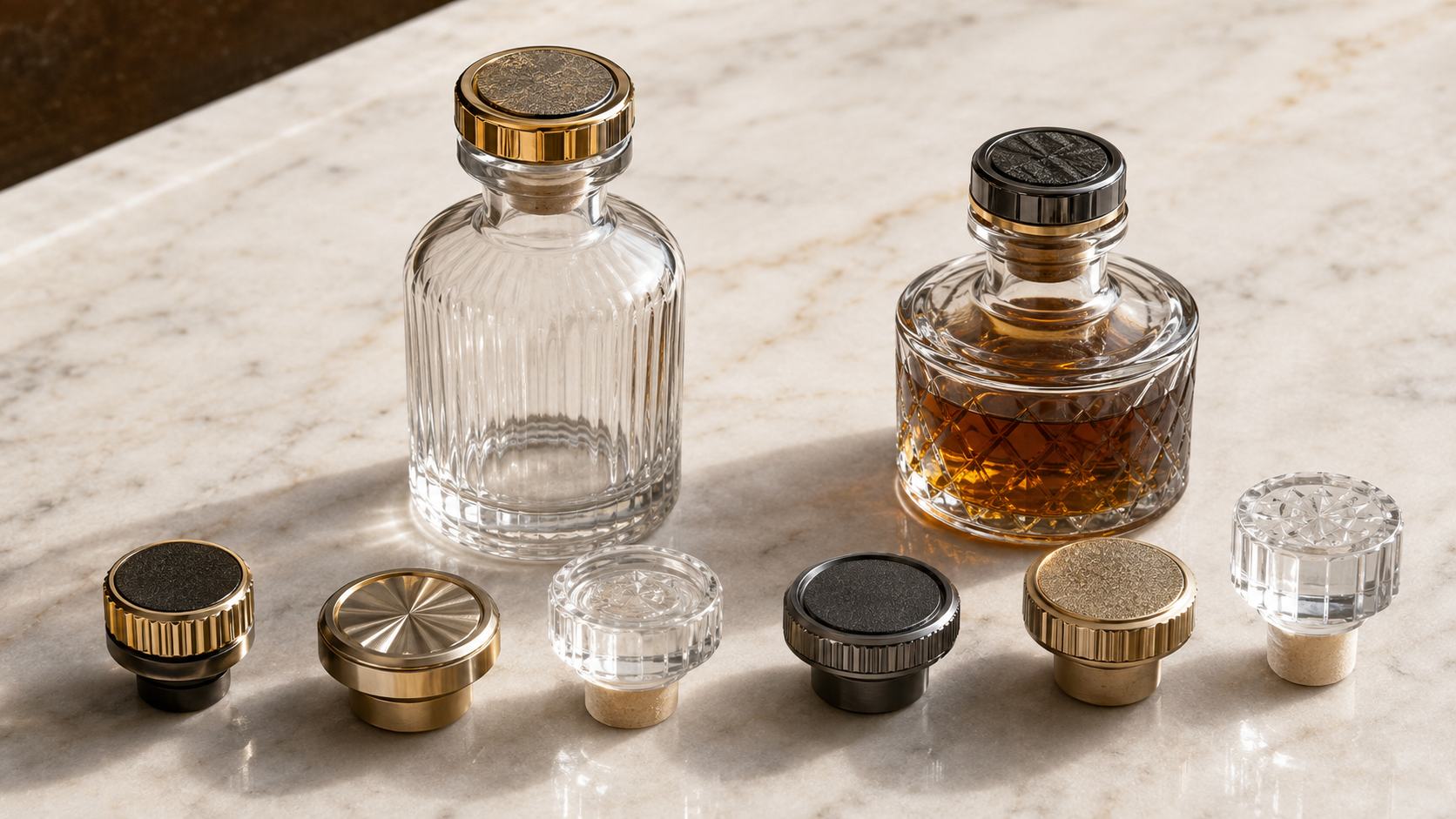
A brand may choose wooden bar-top stoppers for a warm craft expression, or aluminium bar-top stoppers for a clean metallic finish. Plastic remains the most flexible choice when the project needs color families, molded shapes, lightweight logistics, and predictable cost.
For brands developing the bottle and closure together, coordinating with a dedicated spirits bottle packaging partner can help align neck finish, glass weight, decoration area, stopper size, capsule clearance, and carton design before production.
Customization Options for Plastic Bar-Top Stoppers
Customization is one of the strongest advantages of plastic bar-top stoppers. The closure head can become a compact branding surface that reinforces the bottle’s identity each time the consumer opens the product.
Common options include custom color matching, top logo printing, sidewall printing, embossed logos, debossed logos, molded textures, ribbed grip sides, matte finishes, gloss finishes, translucent effects, metallic-look decoration, and custom molded profiles.
For multi-SKU spirits ranges, the same stopper shape can be produced in different colors. Vodka may use white, silver, clear, or frosted effects. Gin may use green, blue, botanical, copper, or transparent tones. Rum may use amber, black, gold, brown, or deep red. Liqueurs can use brighter color systems to separate flavors.
Decoration should be planned around how the bottle is displayed. A top logo can be effective in gift boxes or bar-service environments. Side printing may be more visible on retail shelves. Embossing and debossing can add tactile value without relying only on ink coverage. For broader packaging identity, coordinated closure decoration and branding can connect the stopper with the bottle label, capsule, carton, and secondary packaging.
Food-Contact Materials and Spirits Compatibility
Plastic bar-top stoppers used for beverage packaging should be evaluated as food-contact components. Spirits require special attention because alcohol can interact with materials differently from water or low-alcohol beverages.
Buyers should ask about material suitability, colorant compliance, odor control, alcohol compatibility, and market-specific documentation. In the United States, the U.S. Food and Drug Administration provides resources on packaging and food contact substances. For the European Union, the European Commission explains the framework for food contact materials, including plastic, glass, paper, and metal articles intended to contact food or beverages.
A stopper for high-ABV spirits should not transfer unwanted odor, taste, color, or contaminants into the product. This is especially important for clear spirits such as vodka, gin, blanco tequila, and white rum, where aroma and clarity are closely judged.
For export projects, the safest approach is to define use conditions early: alcohol percentage, filling temperature, storage period, closure contact area, transport route, and destination market. This helps the supplier recommend a material and documentation path that fits the buyer’s packaging risk profile.
Documentation Buyers Should Request
Professional buyers should evaluate plastic bar-top stoppers through both visual and technical documentation. The exact file set depends on product type, buyer policy, and destination market, but the following items are commonly useful.
| Project stage | Documentation or check | Why it matters |
|---|---|---|
| Before sampling | Bottle drawing, neck opening, shank preference, and liquid type | Helps confirm the correct stopper direction |
| Before decoration approval | Color reference, logo artwork, finish sample, and decoration method | Reduces color and branding mismatch |
| Before bulk production | Approved reference sample, dimensional QC, and fit testing record | Supports repeat-order consistency |
| For food-contact review | Material declaration, colorant confirmation, and odor evaluation | Helps assess beverage packaging suitability |
| For complete packaging systems | Capsule, shrink sleeve, and tamper-evident compatibility check | Helps avoid closure interference after filling |
Documentation should be practical and matched to the project. A local craft launch may need a simpler approval path, while a multi-country private-label program may require more formal review.
Leak Prevention and Quality Testing
Leak prevention is one of the most important performance requirements for plastic bar-top stoppers. Leakage can happen when the shank is too small, the bottle neck is inconsistent, the closure is inserted incorrectly, or the material does not recover well after compression.
A reliable testing plan should include both controlled checks and realistic handling checks. Filled samples should be tested upright, tilted, and briefly inverted. Buyers should also consider transport vibration, temperature changes, repeated opening and closing, and compatibility with tamper-evident sleeves.
Distribution testing can be planned with reference to recognized methods such as ASTM D4169, which provides a framework for evaluating shipping units under distribution hazards. For sustainability and packaging-system thinking, buyers may also consider the ISO family of packaging and environment standards, including ISO 18601, when setting broader packaging objectives.
Key quality checks include shank diameter, head and shank bonding strength, insertion force, pull-out force, visual inspection, color consistency, odor neutrality, leakage after filling, fit after repeated use, and capsule compatibility.
For repeat orders, the approved reference sample is critical. It should define the accepted head shape, color, finish, shank size, material, logo position, and fit. This helps keep future production aligned with the approved packaging system.
Tamper-Evident Packaging Considerations
Plastic bar-top stoppers are usually part of a complete closure system. Depending on the product and market, a spirits bottle may also require a capsule, shrink sleeve, tear strip, band, seal, or similar tamper-evident device.
In the U.S. market, the Alcohol and Tobacco Tax and Trade Bureau states in its guidance on closures for bottles of distilled spirits that distilled spirits plants and importers are required to securely affix a tamper-evident closure or similar device to bottles or containers of distilled spirits.
This means the stopper should not be evaluated alone. Closure height, head diameter, neck finish, capsule length, shrink behavior, and label position should be reviewed together. If the head is too wide or too tall, it may interfere with capsule application. If the sleeve does not shrink cleanly around the neck and closure, the final package may look uneven.
Before mass production, the stopper, bottle, capsule, label, carton, and filling method should be tested as one packaging system.
Applications by Spirits Category
Plastic bar-top stoppers can be adapted to many spirits categories.
For whisky and bourbon, black, brown, metallic-look, or wood-effect plastic heads can support a strong shelf presence. A wider top can create a more substantial hand feel.
For vodka, clear, white, silver, frosted, or minimalist plastic tops often match clean bottle design. Odor neutrality and visual consistency are especially important for clear spirits.
For gin, colored tops can express botanical, citrus, floral, or craft positioning. Green, blue, white, copper, and transparent effects are common design directions.
For rum, warm tones such as black, amber, gold, brown, and deep red can support aged, spiced, or tropical brand stories.
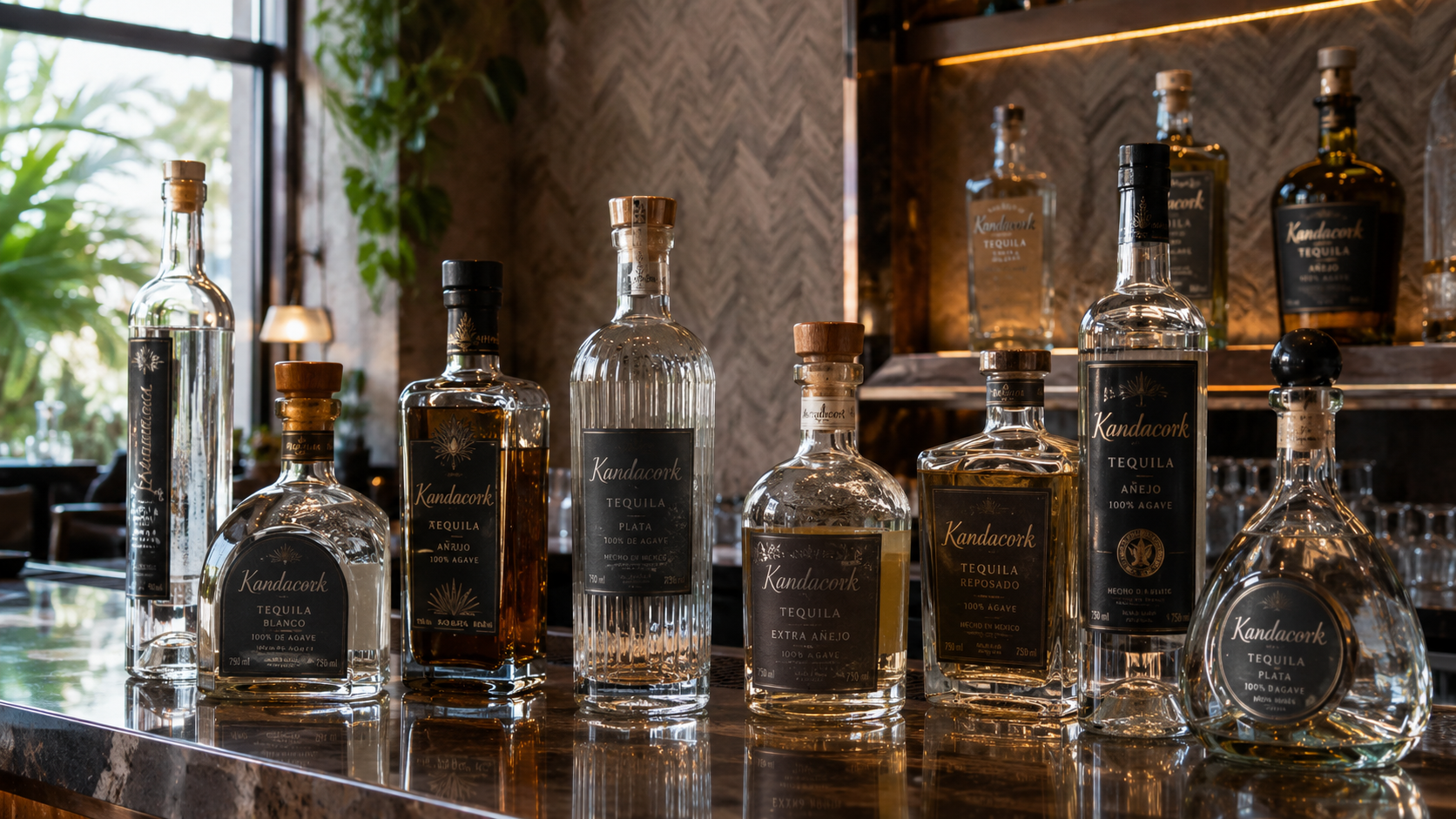
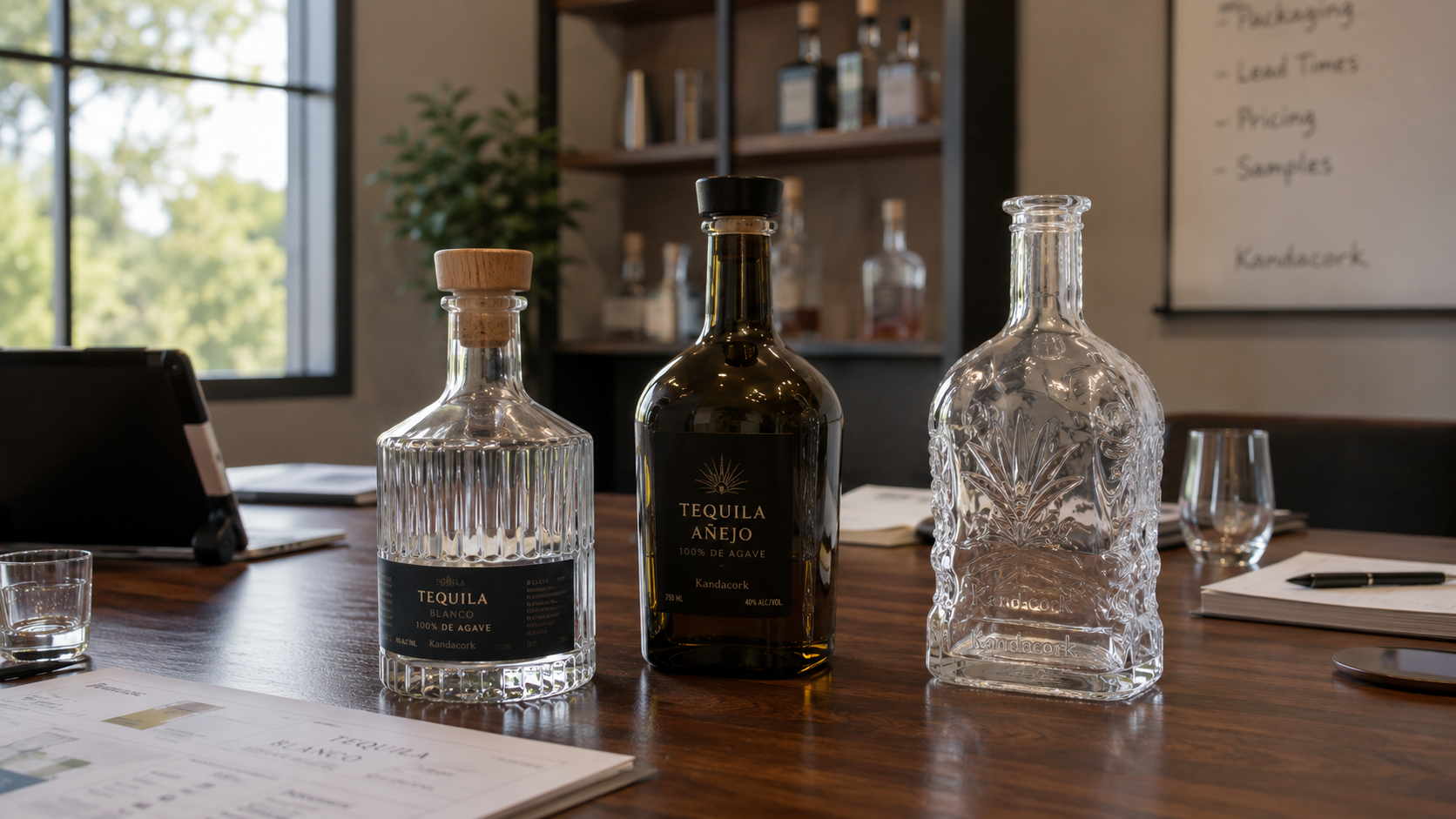
For tequila and mezcal, plastic bar-top stoppers may use textured shapes, earthy colors, or bold logo decoration. For liqueurs and flavored spirits, brighter custom colors can help organize flavor families and improve retail recognition.
For mini bottles and promotional packs, plastic top stoppers are useful because they are lightweight, cost-effective, and suitable for branded color systems. When these formats are part of a larger bottle range, an integrated glass spirits packaging supplier can help coordinate bottle size, closure fit, decoration, and export packaging.
How Kandacork Closures Supports Custom Projects
Kandacork Closures supports projects that require custom closure design, stable manufacturing, and practical fit guidance. The goal is not only to supply plastic bar-top stoppers, but to help buyers avoid common packaging problems such as loose fit, leakage, color inconsistency, decoration mismatch, and capsule interference.
The wider bottle stoppers and closures range includes bar-top stoppers, screw caps, ROPP closures, non-refillable systems, capsules, sleeves, and related closure components for spirits and specialty bottle projects.
For plastic stopper projects, Kandacork Closures can support custom stopper sizing, molded plastic head development, synthetic and cork shank options, color matching, logo printing, embossing, debossing, sample approval, reference sample management, and bulk production. For buyers building a broader packaging program, custom glass packaging can also help coordinate bottles, jars, closures, and accessories across related product lines.
How to Request a Quote
To receive an accurate quote, buyers should provide both technical and commercial details. A clear request helps the supplier recommend the right stopper construction and avoids delays during sampling.
Useful RFQ information includes the bottle drawing or physical bottle sample, neck opening diameter, neck finish specification, spirit type, alcohol percentage, target sales market, expected order quantity, annual repeat-order estimate, preferred head shape, shank material, color reference, logo artwork, surface finish, capsule or sleeve requirements, filling method, and packaging timeline.
If the buyer does not know the exact stopper size, Kandacork Closures can review the bottle information and suggest suitable directions. For custom projects, the process may include drawing review, sample development, fit testing, decoration approval, pilot order, and bulk production.
To begin a project, share your bottle drawing, neck size, spirit type, artwork, target quantity, and market requirements through the Kandacork Closures quote page.
FAQ
What are plastic bar-top stoppers used for?
Plastic bar-top stoppers are used to seal and reseal spirits bottles, specialty beverage bottles, and some food-grade liquid packaging such as olive oil or vinegar. In spirits packaging, they combine sealing function with visible brand presentation.
Are plastic bar-top stoppers suitable for spirits bottles?
Yes. Plastic bar-top stoppers are suitable for many spirits bottles when the shank material, size, and food-contact properties are selected correctly. They are commonly used for whisky, vodka, gin, rum, tequila, liqueurs, and mini spirits bottles.
What is the difference between a bar-top stopper and a T-top stopper?
A bar-top stopper and a T-top stopper usually refer to the same closure style. Both describe a stopper with a wider top head and an inserted shank. The “T” shape comes from the head sitting above the bottle neck.
What size plastic bar-top stopper do I need?
The correct size depends on the bottle neck opening, neck tolerance, and required compression. Buyers should measure the inner neck diameter and test physical samples before confirming bulk production. A bottle drawing or sample helps the supplier recommend the right stopper size.
How do I test whether a plastic bar-top stopper fits my bottle?
Test the stopper with actual bottle samples. Check insertion force, pull-out force, leakage, repeated opening and closing, capsule clearance, and filled-bottle handling. If the bottle has glass tolerance variation, test multiple bottles from the production batch.
Can plastic bar-top stoppers be customized with a logo?
Yes. Plastic bar-top stoppers can be customized with printed logos, embossed marks, debossed marks, molded shapes, custom colors, ribbed sides, matte finishes, gloss finishes, and other decorative effects. The best method depends on the brand design and production quantity.
Are plastic bar-top stoppers leak-proof?
Plastic bar-top stoppers can provide strong leak resistance when properly matched to the bottle neck and tested before production. However, no closure should be assumed leak-proof without fit testing, insertion checks, pull-out checks, and filled-bottle handling tests.
Can plastic bar-top stoppers work with tamper-evident capsules?
Yes. Plastic bar-top stoppers can work with tamper-evident capsules, shrink sleeves, or security bands when the dimensions are coordinated correctly. The stopper head, bottle neck, and capsule must be tested together to confirm appearance and application performance.
What information does Kandacork Closures need before sampling?
Kandacork Closures needs the bottle drawing or sample, neck opening size, spirit type, alcohol percentage, target market, order quantity, color reference, logo artwork, shank preference, capsule requirements, and packaging timeline.
What should I send to get a quote?
Send the bottle drawing or sample, neck opening size, spirit type, alcohol percentage, order quantity, color reference, logo artwork, shank preference, target market, and packaging timeline. If available, also send capsule or sleeve requirements so the full closure system can be checked.
Conclusion
Plastic bar-top stoppers are a flexible closure solution for spirits brands that need reliable fit, custom appearance, resealable function, and repeatable bulk supply. The best result comes from matching the stopper to the bottle neck, liquid type, filling process, brand identity, and market requirements.
For packaging buyers, the most important decision is not simply choosing a plastic head style. It is choosing a complete closure system that performs during filling, shipping, retail display, and consumer use.
Kandacork Closures helps buyers move from concept to sample approval and then to scalable production. With the right technical brief, approved reference sample, and full packaging-system testing, plastic bar-top stoppers can support a spirits bottle that looks professional, seals confidently, and stays consistent across future orders.