Quick Answer: How Should Bar-Top Stoppers Be Packed for International Shipping?
Bar-top stoppers for international shipping should be packed by SKU, size, cap material, shank material, surface finish, and production batch. Each carton should use clean inner bags, trays, dividers, or soft interleaving to prevent dust, cap scratches, cork shank compression, and batch mixing. Export cartons should include clear labels, carton numbers, quantity records, inspection photos, and matching packing documents.
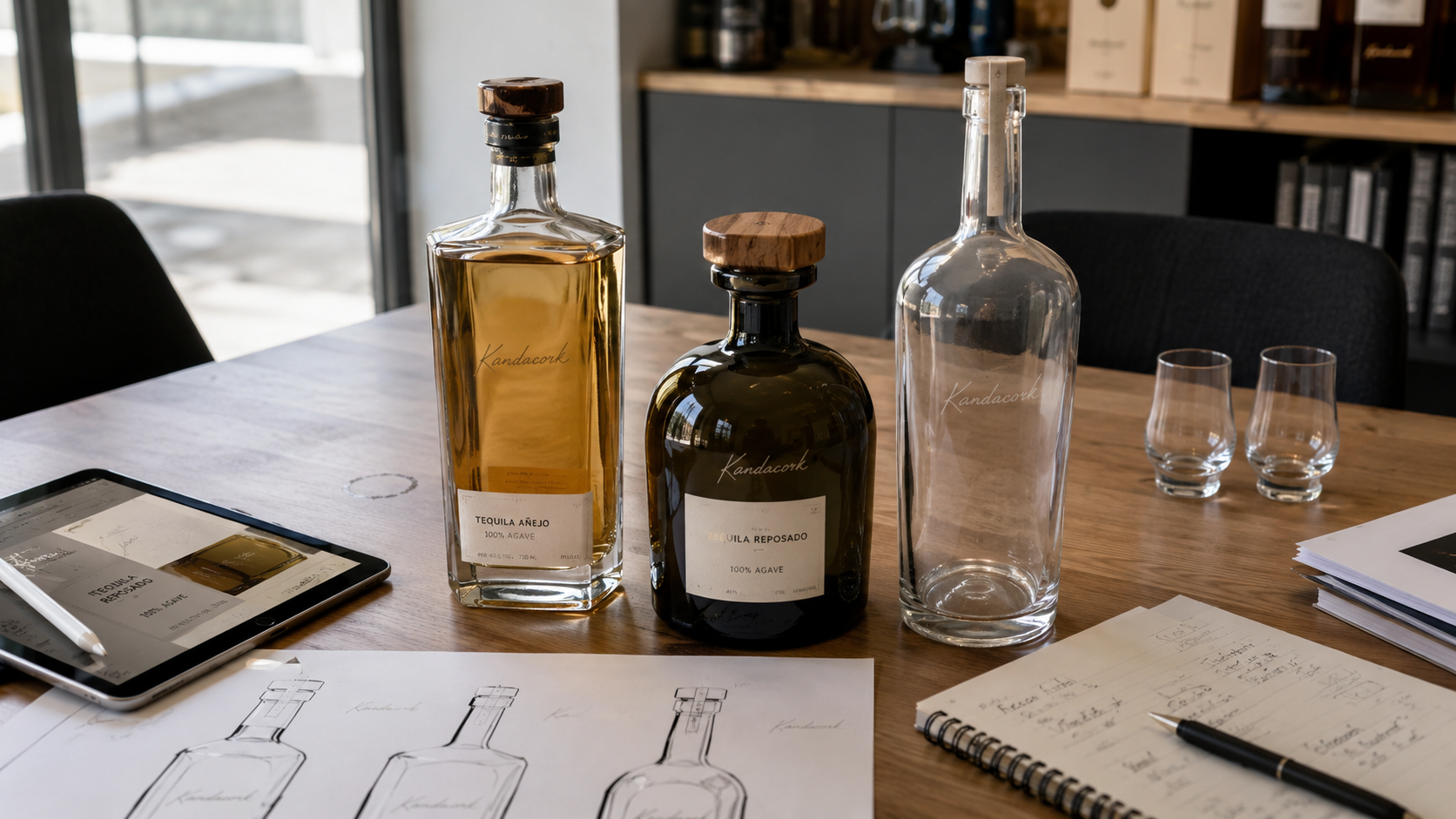
For spirits brands, distilleries, private label buyers, importers, distributors, bottlers, and packaging procurement teams, this bar-top stopper packing guide explains how to protect closures before shipment and how to evaluate whether a supplier is ready for bulk export orders. Buyers comparing closure structures can start with custom bar-top stoppers for spirits bottles to understand material options, shank types, neck-fit review, and bulk supply requirements.
Buyer Summary: What Procurement Teams Should Confirm First
For bulk closure orders, buyers should confirm three things before shipment: stopper fit, packing protection, and traceability.
A qualified closure supplier should provide approved samples, material-specific packing, clear carton labels, pre-shipment inspection photos, and matching export documents before dispatch. These details help reduce receiving delays, cap damage, cork deformation, mixed batches, and bottling-line problems.
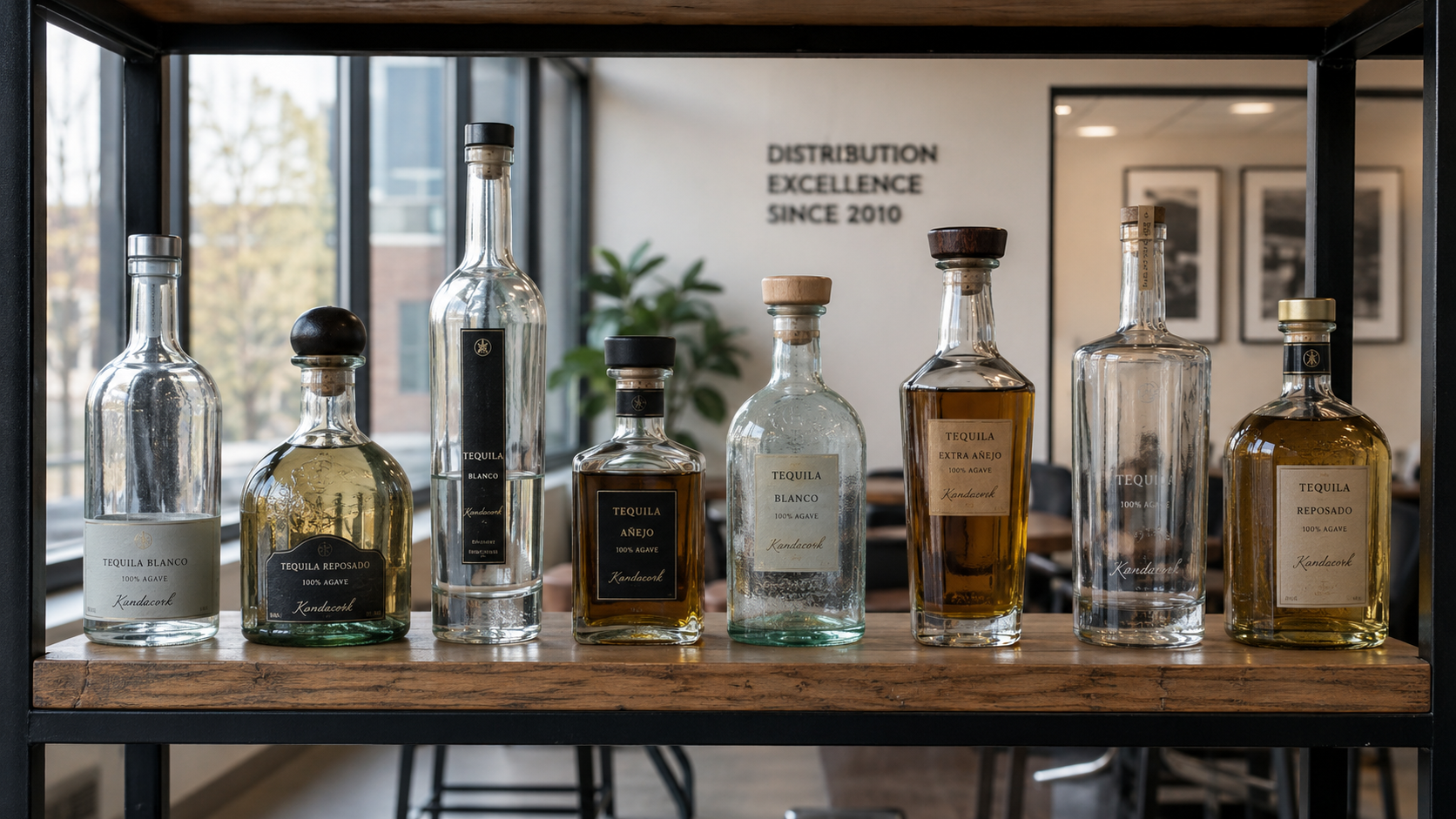
If the stopper is custom-made for a spirits bottle, packing should not be treated as a final warehouse step. It should be confirmed during sample approval, quotation review, and pre-shipment inspection. For full packaging projects where bottles, closures, decoration, and export cartons must be planned together, buyers may also review an integrated spirits packaging partner such as Kandacork Glass before finalizing the complete supply plan.
Why Bar-Top Stopper Packing Is Different from Bottle Packing
Shipping empty bottles or filled spirits bottles is mainly about preventing glass breakage, leakage, and impact damage. Bar-top stopper packing has a different risk profile.
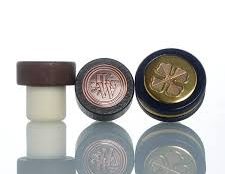
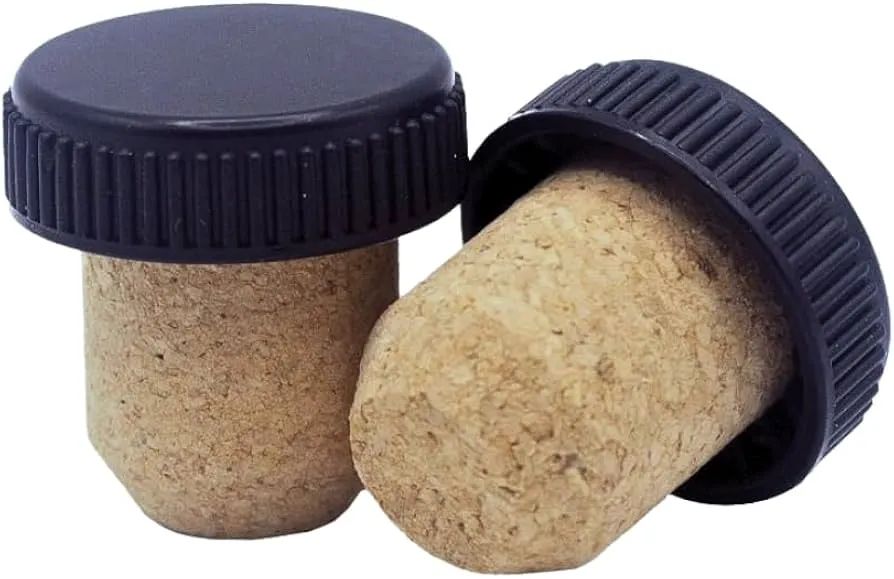
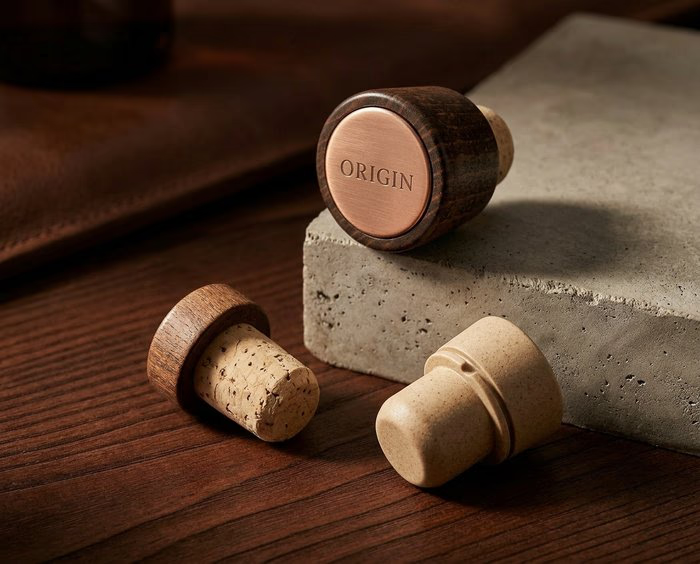
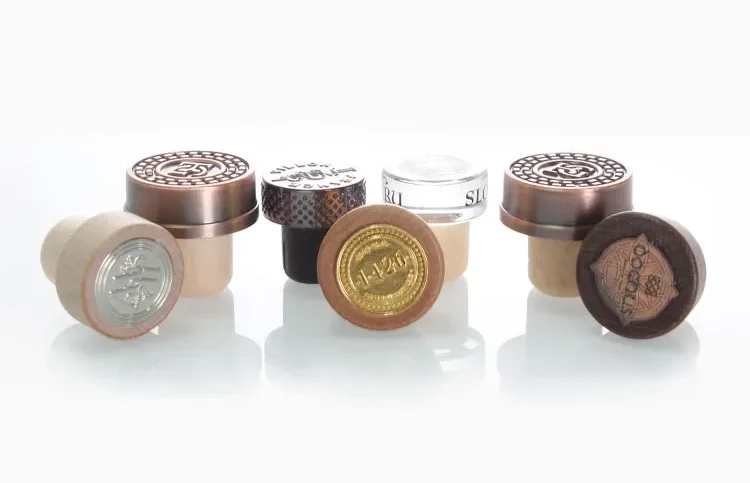
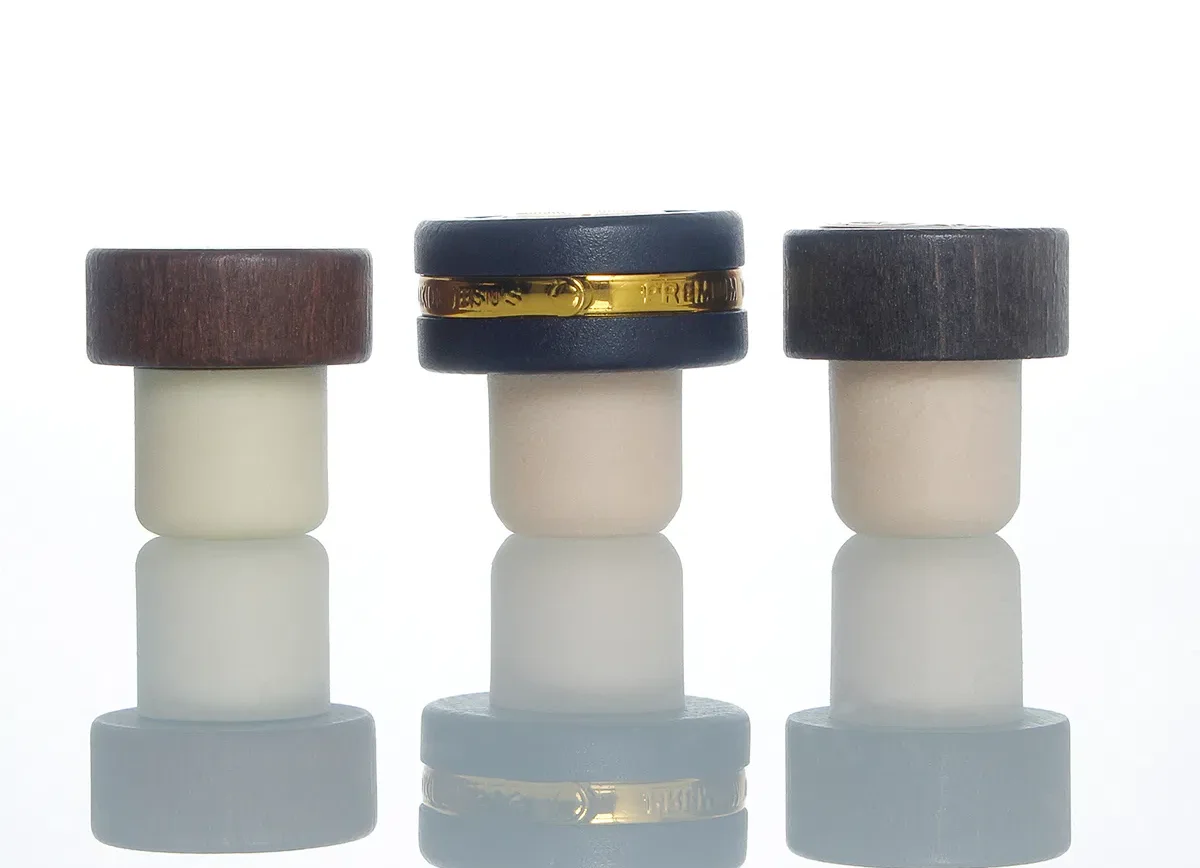
A bar-top stopper normally includes a decorative cap and a functional shank. The cap may be wood, plastic, aluminum, metal, glass, ceramic, or another custom material. The shank may be natural cork, agglomerated cork, synthetic cork, or a technical polymer. Both parts must remain clean, stable, and visually acceptable during international transport.
The main export risks include cap scratches, cork shank compression, dust contamination, humidity exposure, mixed SKUs, poor carton labeling, and stopper mismatch with the bottle neck finish.
A stopper may look correct in a sample box but fail in a bulk shipment if the export packing method is not suitable for long-distance handling. For premium spirits packaging, the closure is part of the brand presentation. A scratched metal top, stained wood cap, compressed cork shank, or mislabeled carton can affect visual quality, production planning, and final brand perception.
Fit Confirmation Before Export Packing
Export packing should begin only after the stopper fit is confirmed. Packing can protect a good stopper, but it cannot correct a wrong stopper size.
Before approving bulk production, buyers should check the bottle neck inner diameter, shank diameter, cap diameter, top clearance, insertion feel, pull-out feel, and resealing performance with actual bottle samples. Bottle drawings are useful, but actual bottle testing is still important because glass bottle tolerance, neck finish variation, cork recovery, and cap alignment can affect final performance.
For procurement approval, the supplier should confirm the tested bottle sample, stopper drawing, tolerance range, and approved reference sample before mass packing. Buyers that need a more detailed fit review can use a glass bottle neck closure matching guide to prepare neck data, bottle samples, and stopper requirements before requesting production samples.
For custom spirits packaging, the supplier should review the bottle drawing or physical bottle sample before confirming the final stopper size, material combination, and packing method.
What Most Bar-Top Stopper Guides Miss About Export Shipping
Many online guides explain how to choose a bar-top cork, compare closure materials, or measure bottle neck compatibility. These topics are useful, but they do not fully answer the needs of international buyers.
Most guides do not explain how bar-top stoppers should be packed for bulk export orders. They rarely cover cap abrasion prevention, cork compression control, carton-level traceability, mixed-SKU separation, pallet planning, pre-shipment photos, or receiving inspection standards.
This creates a gap for procurement teams. Buyers need to know not only whether a stopper fits the bottle, but also whether the supplier can protect the stopper during international shipping.
Kandacork Closures treats packing as part of the complete closure supply process. A reliable supplier should support stopper selection, fit review, sample approval, packing method planning, inspection control, and export documentation. For buyers still comparing material, sizing, logo, MOQ, and bulk supply factors, a custom bar-top closure project checklist can help connect stopper selection with export planning.
Material-Specific Packing Guide
Different stopper materials need different levels of protection. A standard plastic-top stopper may be suitable for clean bulk packing, while a polished metal-top or glass-top stopper may need tray separation or soft interleaving.
| Stopper Type | Main Shipping Risk | Recommended Packing Method | Buyer Checkpoint |
|---|---|---|---|
| Wooden bar-top stopper | Finish rubbing, humidity, color variation | Clean inner bag, layer separation, tray packing for premium finishes | Check stain, varnish, logo, grain, and moisture marks |
| Metal or aluminum-top stopper | Scratches, dents, plating damage | Soft interleaving, tray packing, lower carton quantity | Check surface, edges, logo position, and coating consistency |
| Plastic-top stopper | Deformation, color inconsistency, mixed batches | Clean bulk bags or controlled layered packing | Check molding quality, color, quantity, and carton labels |
| Natural cork shank | Dust, odor, compression | Clean PE bags, batch separation, controlled carton weight | Check cork recovery, odor, fit, and dust level |
| Synthetic cork shank | Compression, size tolerance, deformation | Avoid overpacking, separate by diameter and batch | Check insertion feel and pull-out feel |
| Glass or decorative top | Impact damage, chips, cracks | Divider tray, foam protection, lower carton weight | Check cracks, chips, surface marks, and cap alignment |
Wooden bar-top stoppers should be protected from rubbing, humidity changes, and finish damage. Stained, varnished, printed, or lacquered tops are better packed with layer separation or trays.
Metal and aluminum-top stoppers require stronger scratch prevention. Loose bulk packing is not ideal for polished, plated, or high-gloss caps, so tray packing, soft interleaving, protective sleeves, or lower carton quantities may be needed.
Plastic-top stoppers are usually more tolerant of bulk packing, but buyers should still check color consistency, molding marks, deformation, logo position, and carton cleanliness.
Natural cork and agglomerated cork shanks require clean, odor-controlled, and compression-conscious packing. Synthetic cork shanks offer strong dimensional consistency, but they should still be separated by size and batch to support receiving inspection and bottling-line control.
Glass, ceramic, or heavy decorative tops need stronger impact protection and may require lower quantities per carton.
Recommended Inner Packing Methods
The inner packing method should match the stopper material, cap finish, order size, and shipping route.
PE inner bags are suitable for many standard bulk orders. They help keep closures clean, separated, and easier to count. Each bag should contain one SKU, one size, one finish, and one batch whenever possible.
Layered packing works for standard plastic-top or synthetic-top stoppers when the cap surface is not highly sensitive. The supplier should avoid excessive pressure and control carton weight.
Divider trays are recommended for premium decorative tops, metal tops, glass tops, ceramic tops, or high-gloss caps. They reduce cap-to-cap contact and protect surface appearance.
Soft interleaving using tissue, foam, protective film, or soft sheets can reduce scratches on delicate surfaces. The material should not leave fibers, residue, or odor.
Carton liners help protect against dust and moisture. For long ocean freight or humid destinations, liners and desiccants may be considered based on the product, route, and storage conditions.
Master Carton and Pallet Requirements
The master carton is the main protection system for export stopper shipments. It should be strong enough for international handling but not so large or heavy that closures inside are compressed.
A proper carton label should include:
- Item code
- Stopper name
- Cap material
- Shank material
- Cap diameter
- Shank diameter
- Quantity per carton
- Batch number
- Carton number
- Net weight and gross weight
- Destination or project code
- Handling marks when needed
For closure-only shipments, carton planning should protect cap surfaces, cork dimensions, and batch traceability. Kandacork Closures can support closure assembly and export packing when buyers need help coordinating inner packing, carton layout, labeling, and export-ready preparation for bulk orders.
For larger orders, palletized shipping is usually safer than loose carton loading. Pallets reduce manual handling and help protect cartons during warehouse transfer.
A good pallet plan should include stable carton stacking, reasonable pallet height, corner protection, stretch wrapping, visible pallet labels, mixed-SKU pallet maps, and moisture protection when needed.
For ocean freight, buyers should confirm whether cartons need liners, pallet covers, or desiccants. For air freight, carton dimensions and gross weight should be confirmed before freight booking. If closures are shipped together with alcoholic products or other regulated goods, the freight forwarder should confirm route-specific documentation or compliance requirements, including air transport rules where applicable.
Pre-Shipment Inspection Checklist
Pre-shipment inspection helps buyers approve goods before they leave the factory. It also reduces disputes after delivery.
Before shipment, the supplier should check:
- Cap diameter
- Shank diameter
- Overall height
- Stopper material
- Cap color and finish
- Logo accuracy
- Cap alignment
- Bonding strength
- Surface scratches
- Edge dents
- Cork dust
- Odor or contamination
- Quantity per inner bag
- Quantity per carton
- Carton label accuracy
- Batch number
- Inner packing photos
- Carton photos
- Pallet photos
- Comparison with approved sample
For high-value or sensitive packaging programs, buyers may request more formal transport validation based on packaged-product testing references such as ISTA test procedures. These references are useful when the buyer needs additional confidence in carton strength, handling resistance, vibration performance, or palletized shipping stability.
Receiving Inspection: Accept, Hold, or Reject?
Receiving inspection should be simple, clear, and connected to the approved sample. The following table helps importers, distributors, and bottlers decide whether to accept goods, hold cartons for review, or raise a quality concern.
| Inspection Item | Accept | Hold for Review | Reject Risk |
|---|---|---|---|
| Carton condition | Clean, dry, not crushed | Minor corner dent | Wet, broken, heavily crushed |
| Cap surface | No visible scratches under normal inspection | Minor marks on non-visible area | Scratches, dents, coating loss |
| Cork shank | Normal shape and recovery | Slight compression requiring fit test | Permanent deformation |
| Labeling | SKU, batch, and quantity match documents | Minor label inconsistency | Wrong SKU or mixed batches |
| Odor and dust | Clean and neutral | Slight dust on outer bag | Odor, contamination, loose debris |
| Quantity | Matches packing list | Small counting difference requiring confirmation | Major shortage or carton mismatch |
If cartons are damaged, buyers should photograph the outer carton, inner packing, carton label, and affected stoppers before moving or repacking the goods. This helps the buyer communicate clearly with the supplier, forwarder, warehouse, or insurance partner.
Documents Buyers Should Request Before Shipping
For international stopper orders, documentation is part of quality control. A clear packing list helps the buyer match cartons to purchase orders, warehouse records, and production schedules.
Buyers should request:
- Commercial invoice
- Packing list
- Product specification sheet
- Carton dimension and weight list
- Batch inspection report
- Approved sample reference
- Material declaration if needed
- Carton marking photos
- Inner packing photos
- Pallet loading photos
- Shipping schedule
- Bill of lading or air waybill after shipment
If the shipment is complex, buyers may also request test reports, destination-specific declarations, or packaging validation records.
Bar-Top Stopper Supplier Capability Checklist
A buyer should not evaluate a closure supplier only by unit price. Packing control, inspection discipline, export experience, and technical communication all affect the final result.
| Supplier Capability | Why It Matters |
|---|---|
| Bottle-fit review | Reduces mismatch between stopper shank and bottle neck finish |
| Material selection support | Helps balance cost, appearance, sealing feel, and export risk |
| Custom packing options | Protects premium caps during international transit |
| Batch-level labeling | Improves receiving inspection and traceability |
| Pre-shipment photos | Allows buyers to approve packing before dispatch |
| Inspection report | Reduces disputes after delivery |
| Export document support | Helps importers and distributors prepare customs and receiving |
| Sample-to-bulk consistency | Ensures approved samples match production shipments |
| Multi-SKU order management | Reduces carton mixing and production errors |
| Packing method planning | Matches protection level to material, finish, and route |
This checklist is especially useful for spirits brands, private label buyers, importers, and bottlers comparing multiple closure suppliers.
For custom bar-top stopper projects, buyers should confirm the bottle drawing, stopper material, destination market, and required packing method before requesting samples. This allows the supplier to recommend a suitable protection level and prepare a more accurate quotation.
What to Send When Requesting Samples or a Quotation
To receive accurate samples or a quotation, buyers should provide complete project information. This helps the supplier confirm the right stopper size, cap material, shank material, decoration method, packing method, and export cost.
Send the supplier:
- Bottle drawing or bottle sample
- Neck inner diameter
- Neck finish information
- Target stopper style
- Cap material preference
- Shank material preference
- Cap diameter
- Logo or decoration requirements
- Color reference
- Order quantity
- Destination country
- Preferred shipping method
- Required packing method
- Inspection or testing requirements
- Expected production timeline
For custom spirits packaging, clear information reduces sampling delays and helps the supplier recommend a practical export packing solution.
FAQ
How should bar-top stoppers be packed for export?
Bar-top stoppers should be separated by SKU, size, material, finish, and batch. They should be packed in clean inner bags, trays, dividers, or soft protective layers, then placed in strong master cartons with clear labels. Premium decorative tops may need extra separation to prevent scratches and dents.
Do wooden or metal bar-top stoppers need special packing?
Yes. Wooden stoppers should be protected from rubbing, humidity, and finish damage. Metal stoppers should be protected from scratches, dents, and coating marks. Tray packing, soft interleaving, protective sleeves, or lower carton quantities are recommended for premium decorative tops.
Can cork shanks deform during long-distance shipping?
Yes. Cork or synthetic shanks can deform if cartons are overfilled, compressed, or stacked under heavy loads. Proper carton weight control, inner separation, and pallet planning help reduce this risk. Buyers should check shank recovery and bottle fit after receiving the shipment.
What should buyers check before approving shipment?
Buyers should check stopper dimensions, cap finish, logo accuracy, bonding strength, surface condition, odor, dust, quantity, batch labels, carton marks, inner packing, pallet photos, and comparison with the approved sample. Bottle-fit testing should also be completed before production use.
What information is needed for samples or quotation?
Buyers should send the bottle drawing or sample, neck finish, target stopper style, cap material, shank material, decoration requirements, order quantity, destination country, preferred shipping method, and any inspection or packing requirements. Complete project details help the supplier quote more accurately.
Why Choose Kandacork Closures for Export-Ready Bar-Top Stoppers?
Kandacork Closures supports spirits brands, distilleries, private label buyers, importers, distributors, bottlers, and packaging procurement teams with custom bar-top stopper development and export-ready closure supply.
A reliable closure project is not only about choosing wood, plastic, metal, natural cork, or synthetic cork. It is also about confirming bottle fit, protecting the cap finish, controlling batch separation, preparing export cartons, documenting inspection results, and making sure the bulk shipment arrives ready for production.
To request samples or a quotation, share your bottle drawing, neck finish, target stopper style, cap material, shank material, decoration requirement, order quantity, destination market, and preferred shipping method. Kandacork Closures can help confirm a practical bar-top stopper packing guide for your international spirits shipping project through a custom closure quote request.