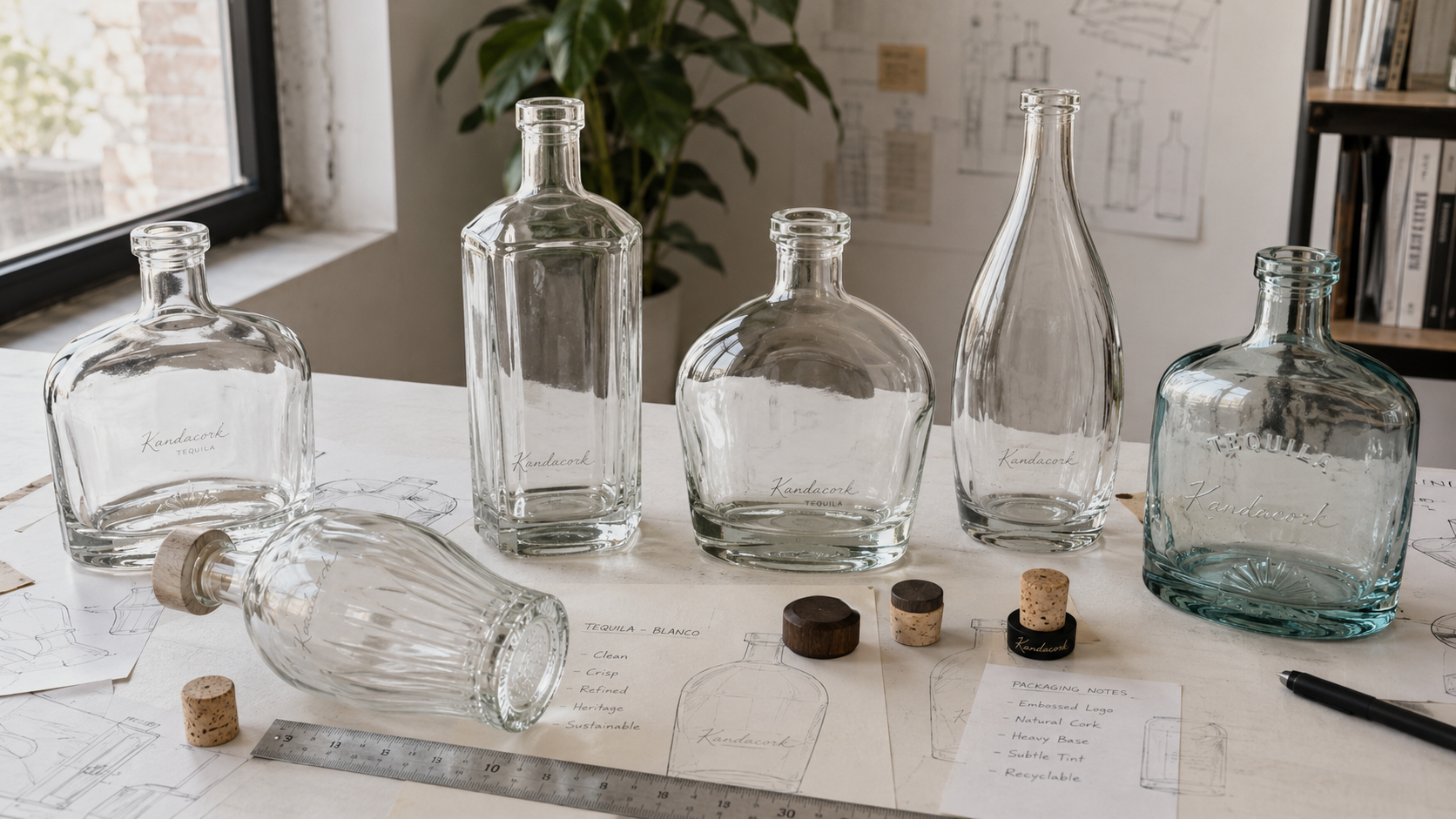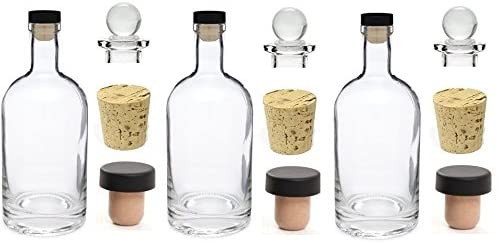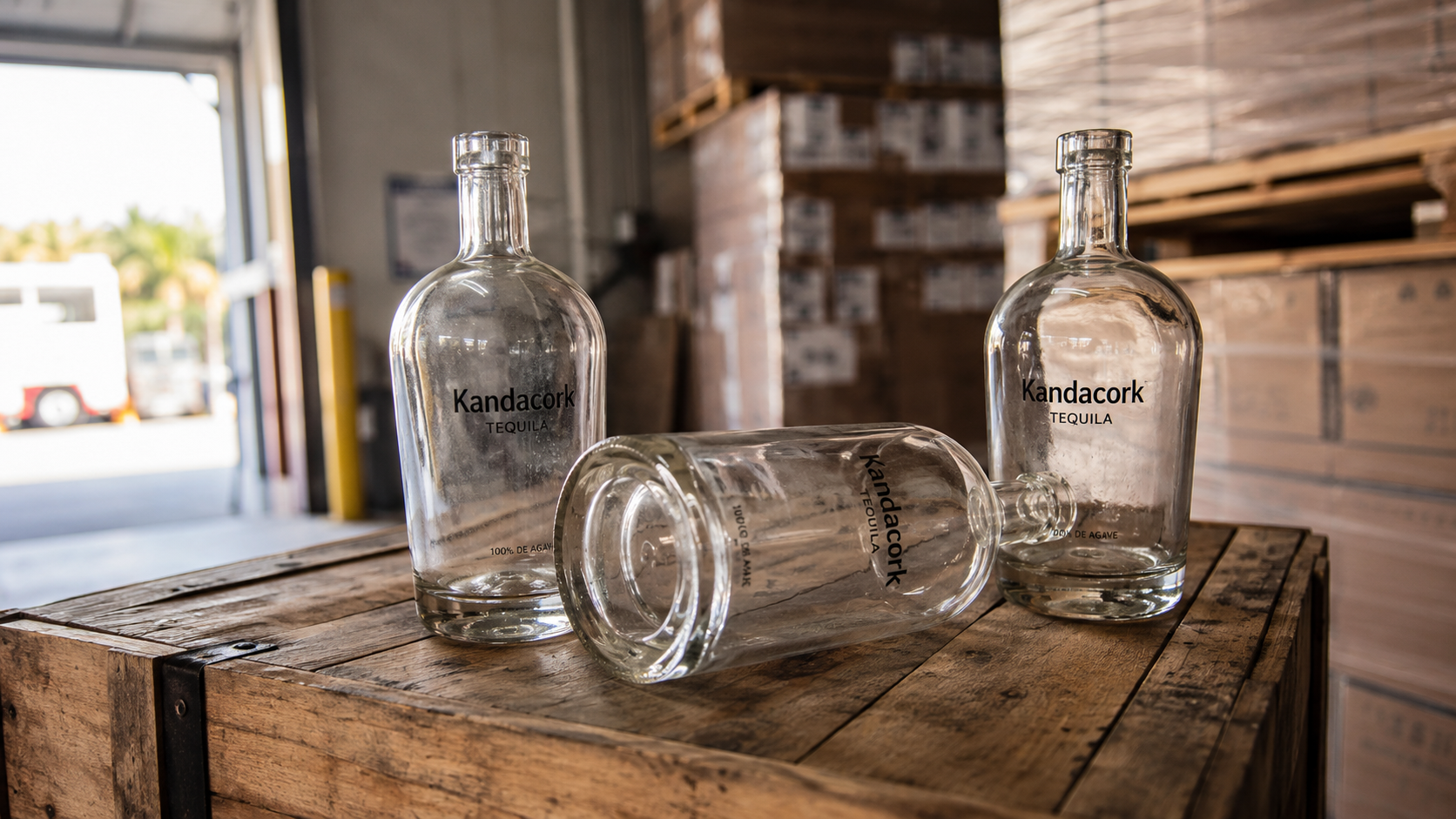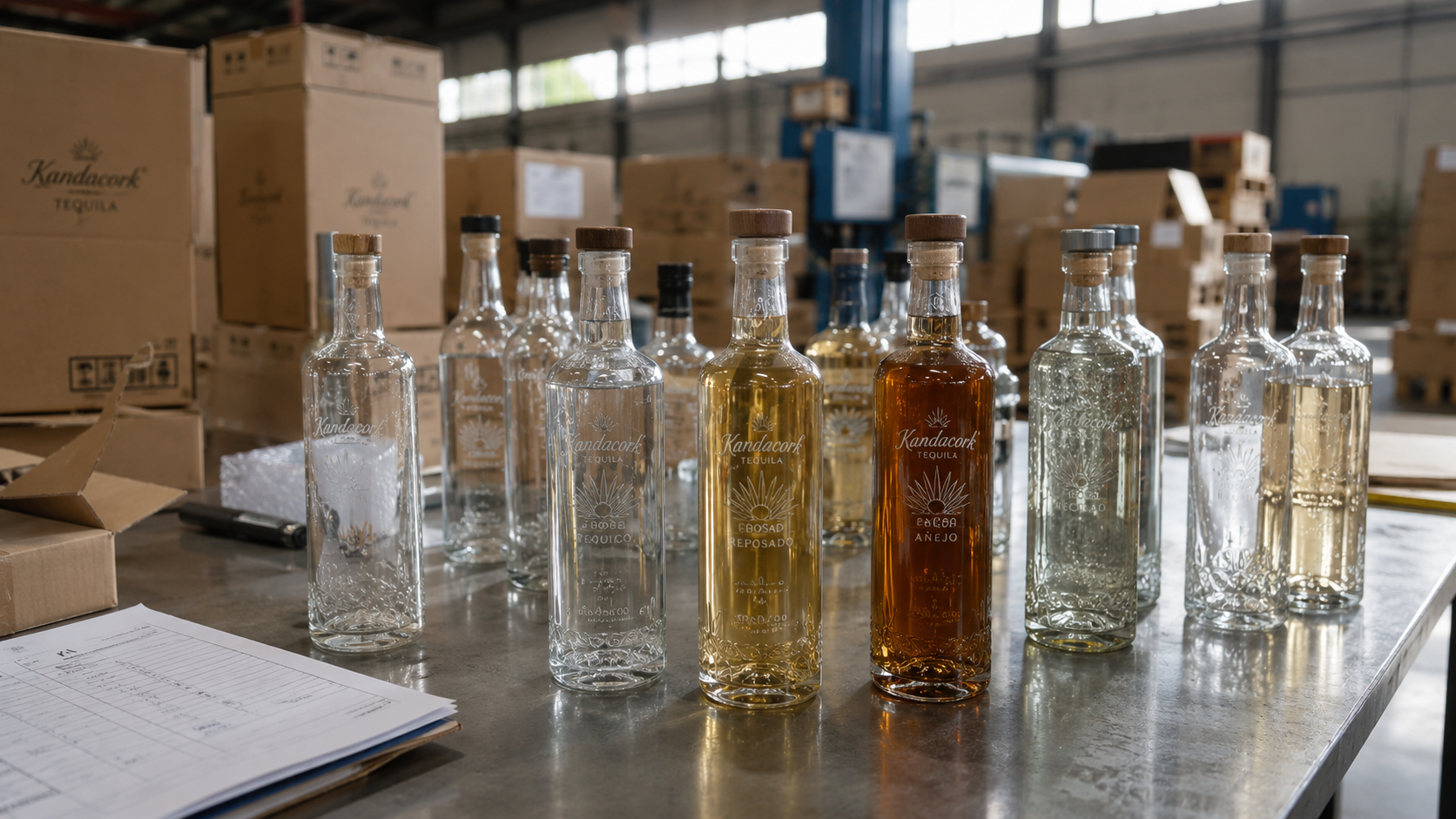
Synthetic stopper bulk supply requires consistency in appearance, dimensions, compression and packaging quality. This guide helps spirits brands and importers review material look, shank size, fit testing and bulk inspection requirements before ordering.
Quick Buyer Summary
| Buyer Question | Practical Answer |
|---|---|
| What are synthetic cork stoppers used for? | Resealable spirits bottles, including whisky, gin, rum, tequila, vodka, brandy, liqueur, mezcal, and private-label liquor. |
| What is the main advantage? | Consistent dimensions, controlled sealing feel, custom branding, and repeatable bulk supply. |
| What matters most for fit? | Bottle neck inner diameter, shank diameter, compression, shank length, and seating depth. |
| What should be checked before bulk orders? | Bottle drawing, physical sample, stopper fit, line trial, leak testing, capsule compatibility, and visual finish. |
| Who should use them? | Distilleries, bottlers, importers, packaging buyers, design agencies, and private-label spirits brands. |
| What can be customized? | Top material, shank specification, color, finish, logo, sidewall texture, shape, and packaging coordination. |
What Are Synthetic Cork Stoppers for Spirits?
Synthetic cork stoppers for spirits are closures designed for liquor bottles that require a resealable, premium-looking finish. They are commonly called bar-top stoppers, T-top stoppers, T-corks, synthetic cork closures, bartop closures, or synthetic cork shank stoppers.
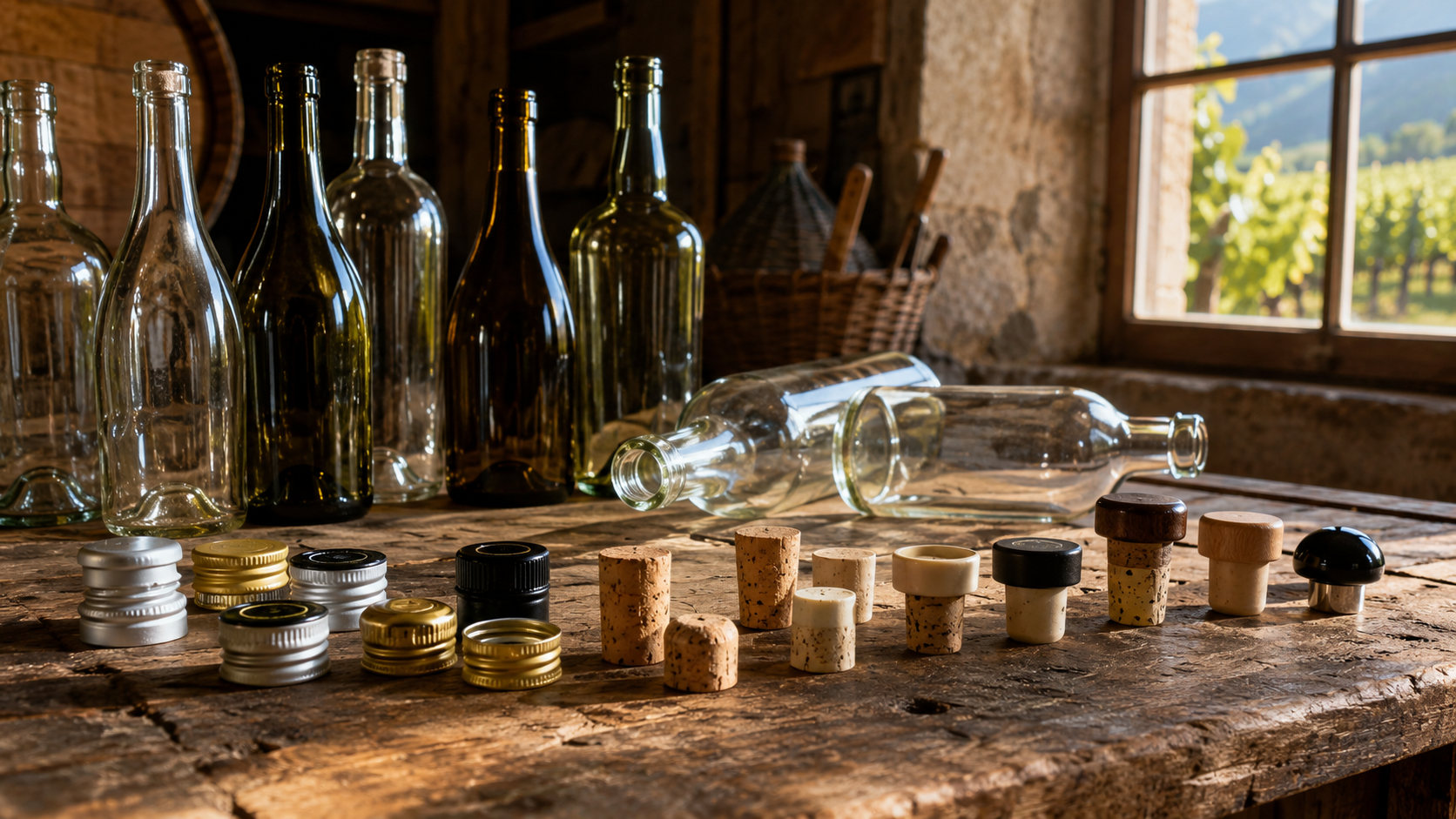
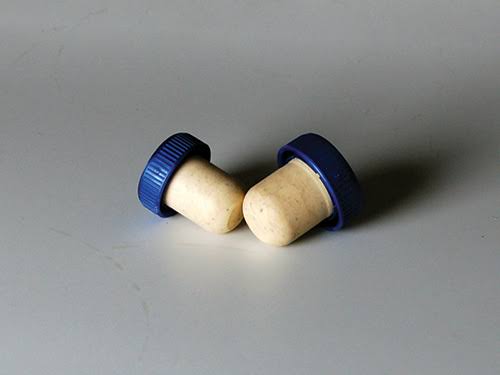
A typical bar-top stopper has two main parts. The visible top is the part the consumer touches when opening the bottle. It may be made from wood, plastic, aluminum, zinc alloy, glass-look material, ceramic, or engineered synthetic material. The shank is the inserted part that fits into the bottle neck and creates the seal.
This two-part structure gives spirits brands both function and design flexibility. The shank can be engineered for fit and sealing performance, while the top can be customized for visual identity, hand feel, and shelf impact.
Why Spirits Brands Choose Synthetic Cork Stoppers
Spirits brands choose synthetic cork stoppers because they support consistency. Compared with fully natural cork, synthetic cork-style shanks can offer more controlled dimensions, more predictable compression, and more repeatable visual appearance across large production runs.
This matters in real production. If the shank is too loose, the bottle may leak or feel poorly sealed. If the shank is too tight, insertion can become difficult, the stopper may be hard to remove, or the bottling line may experience higher reject rates. A consistent stopper helps protect both production efficiency and consumer experience.
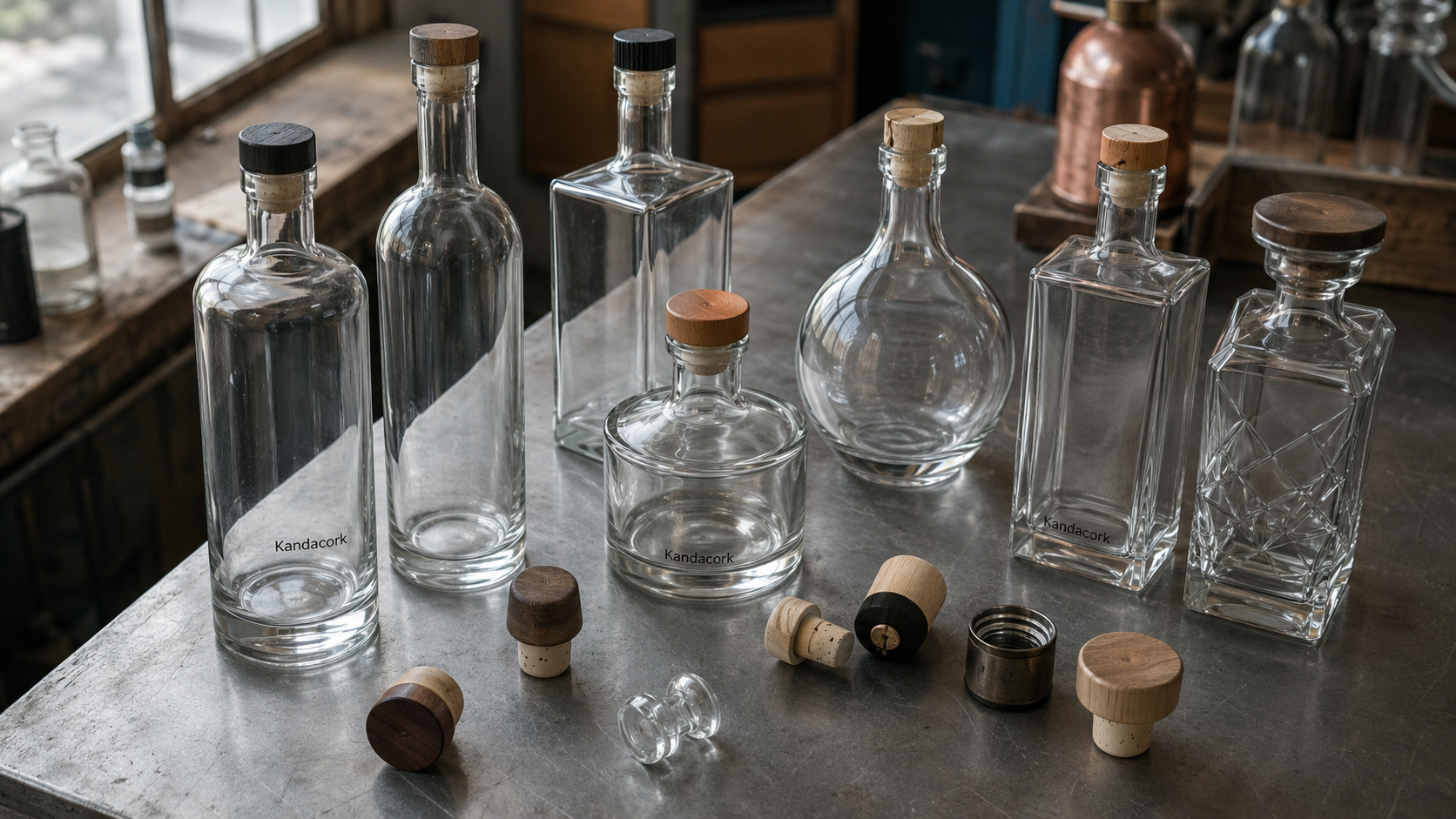
For brand owners, synthetic cork stoppers also provide strong design flexibility. A whisky bottle may use a warm wood top. A vodka brand may prefer a clean matte black or white closure. A tequila or mezcal bottle may use a heavier metallic top for a premium hand feel. A gin or liqueur range may use color-matched tops to distinguish flavors or SKUs.
Synthetic cork stoppers are especially useful for brands that need a cork-style experience but also require stable repeat ordering, controlled colors, custom decoration, and scalable bulk supply.
Synthetic Cork, Natural Cork, and Micro-Agglomerated Cork Compared
The best stopper material depends on product positioning, production volume, budget, bottle neck design, and consumer expectation. Synthetic cork is not automatically better than natural cork; it solves different packaging problems.
| Closure Material | Best Use | Main Advantages | Buyer Considerations |
|---|---|---|---|
| Synthetic cork stopper | Bulk spirits, private-label programs, modern packaging, repeat production | Controlled dimensions, stable appearance, flexible decoration, scalable supply | Must be tested with the exact bottle neck and filling process |
| Natural cork stopper | Heritage spirits, traditional craft positioning, classic premium bottles | Natural texture, traditional cork identity, strong heritage appeal | More natural variation in appearance and mechanical behavior |
| Micro-agglomerated cork | Premium brands wanting cork identity with improved consistency | Cork-based appearance with more uniformity than natural cork | Requires supplier validation and fit testing |
| Plastic bar-top stopper | Cost-sensitive, color-controlled, or multi-SKU programs | Lightweight, flexible color options, strong repeatability | May need premium finishing to avoid a basic appearance |
| Metal or weighted stopper | Luxury whisky, tequila, brandy, gift packs, travel retail | Strong shelf impact, heavier hand feel, premium perception | Higher cost and heavier finished packaging |
For brands comparing wider bottle stoppers and closures, synthetic cork is often the practical choice when the goal is to balance fit, branding, scalability, and cost control.
How to Choose the Right Stopper Size
The right stopper size is determined by the bottle neck, not by appearance alone. A stopper can look perfect in a rendering and still fail if the shank diameter, compression, or seating depth is wrong.
Key sizing factors include bottle neck inner diameter, bore tolerance, shank diameter, shank length, insertion depth, top diameter, total stopper height, and compatibility with capsules, shrink sleeves, cartons, or gift boxes.
| Sizing Factor | Why It Matters |
|---|---|
| Bottle neck inner diameter | Determines the starting point for shank selection |
| Neck tolerance | Helps predict fit variation across bottle batches |
| Shank diameter | Controls compression, sealing force, and pull-out feel |
| Shank length | Supports stability and seating depth |
| Top diameter | Affects grip comfort, proportion, and shelf appearance |
| Total height | Must work with cartons, closures, capsules, and retail display |
| Stoppering method | Manual and automatic application may require different tolerances |
| Tamper-evident plan | Capsules or sleeves must not interfere with stopper seating |
Before ordering bulk synthetic cork stoppers for spirits, buyers should provide a bottle drawing or physical sample. The supplier should review the neck dimensions and recommend a stopper sample for testing. The goal is to create a seal that feels secure without making the bottle difficult to open.
Bottle Neck Fit and Sealing Performance
Bottle neck fit is the foundation of closure performance. A premium-looking stopper cannot compensate for a poor mechanical match. The shank must compress correctly inside the bottle neck and remain stable through filling, packing, shipping, retail handling, and repeated consumer use.
Useful tests include insertion force, extraction force, stopper seating, tilt testing, leak checks, temperature exposure, and repeated resealing. For export shipments, vibration and distribution stress should also be considered because bottles may experience long transit times, changing temperatures, and multiple handling points.
For larger programs, packaging validation may refer to recognized transport testing practices such as ASTM D4169, which is used to evaluate shipping units under distribution conditions. Spirits buyers do not always need a full laboratory program for every project, but the principle is important: closures should be tested in conditions that reflect real logistics.
Kandacork Closures can review bottle drawings and physical samples before bulk production, helping buyers reduce the risk of leakage, loose fit, over-tight insertion, or poor opening feel.
Sealing Feel and Consumer Experience
A stopper creates a small but memorable consumer moment. When the bottle opens, the pull should feel controlled and confident. When the stopper is reinserted, it should reseal smoothly and sit straight on the neck.
For premium whisky, rum, and brandy, consumers often expect a traditional, secure opening feel. For vodka and gin, the closure may need a cleaner, more modern experience. For tequila and mezcal, tactile weight, texture, or decorative character may support category expectations.
The ideal synthetic cork stopper should feel secure during transport, smooth during opening, and reliable during repeated resealing. It should also look proportional to the bottle. A top that is too small can make the package feel unfinished, while a top that is too large can look unbalanced or interfere with cartons and gift boxes.
Compatibility With Bottling Lines
A spirits closure must work in production, not only in a sample room. Manual stoppering, semi-automatic equipment, and fully automatic lines may require different tolerances, top shapes, and feeding characteristics.
For automated or high-volume filling, consistent stopper dimensions are especially important. Variations in shank diameter, total height, top alignment, or surface finish can slow down production, increase rejects, or cause machine stoppages.
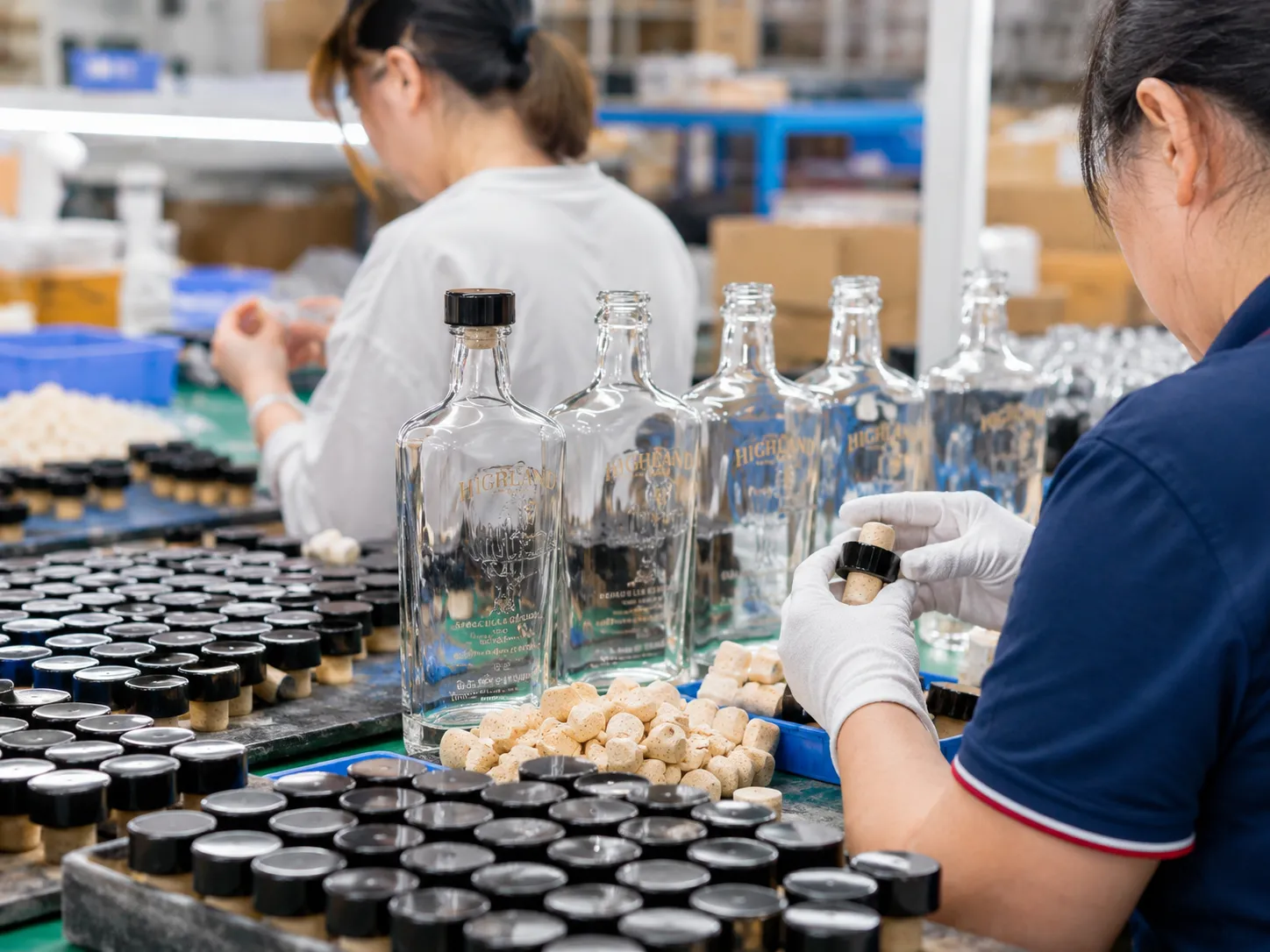
Before bulk production, buyers should run sample trials when possible. A practical line trial should check feeding behavior, insertion stability, top alignment, finished-bottle appearance, capsule fit, carton fit, and operator handling.
If the bottle is still being designed, closure planning should begin early. Early coordination helps prevent mismatched neck finishes, unsuitable shank sizes, and stopper designs that look good visually but fail on the line.
Quality Checks Before Bulk Production
Quality control is essential because synthetic cork stoppers affect sealing, appearance, consumer trust, and production efficiency. Buyers should not approve mass production based only on renderings or photos.
Recommended quality checks include dimensional inspection, insertion force testing, extraction force testing, leak testing, tilt testing, visual finish inspection, logo durability review, capsule compatibility checks, carton fit checks, and repeated opening and resealing tests.
For buyers that require formal process control, supplier quality systems aligned with ISO 9001 can provide a useful reference point for repeatability, documentation, corrective action, and continuous improvement. This is especially relevant for export programs, multi-SKU spirits ranges, and private-label projects where consistent replenishment is important.
Custom Synthetic Cork Stoppers Manufacturer for Spirits Brands
A custom synthetic cork stoppers manufacturer should do more than supply a standard closure. For spirits brands, the manufacturer should help connect bottle engineering, closure structure, decoration, quality control, and commercial delivery.
Kandacork Closures supports custom T-top stoppers for liquor bottles, wholesale synthetic cork closures, bar-top closures for spirits bottles, and custom bar-top corks for spirits brands. This support is useful for premium spirits, private-label programs, craft launches, and multi-market export projects.
A complete development process may include bottle neck review, shank size recommendation, top material selection, shape development, finish matching, logo testing, physical sampling, line-trial support, bulk production planning, and export packaging coordination.
Custom Branding and Closure Appearance
A stopper is one of the most visible touchpoints in spirits packaging. It frames the top of the bottle, reinforces the brand’s material language, and shapes the first physical interaction after purchase.
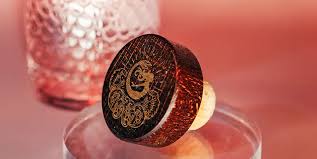
Common customization options include wood, plastic, aluminum, metal alloy, glass-look, ceramic, or synthetic tops. Shape options may include flat, domed, rounded, cylindrical, tapered, ribbed, or fully custom profiles. Finish options may include matte, satin, gloss, metallic, stained wood, natural texture, black, white, transparent-look, or Pantone-matched colors.
For a warm craft image, many buyers consider wooden bar-top stoppers paired with cork or synthetic shanks. For a cleaner premium look, aluminum bar-top stoppers can provide metallic consistency, color control, and a more modern shelf impression.
Decoration methods may include top printing, side printing, embossing, debossing, hot foil stamping, laser engraving, molded logos, and inserted emblems. Brands with multi-SKU ranges should also check color consistency, logo position, and finish matching across different bottle formats.
For advanced decoration, bottle and closure identity can be coordinated with dedicated decoration and branding support so the stopper, label, capsule, and glass surface feel like one complete package.
Real-World Packaging Examples
A craft whisky brand may choose a wood top with a synthetic cork shank to combine heritage styling with more controlled fit. The stopper can be paired with a heavy-base bottle, textured label, and premium gift box.
A botanical gin brand may use a color-matched synthetic top to distinguish classic dry gin, citrus gin, floral gin, and seasonal editions. This improves shelf navigation and creates a more coherent product family.
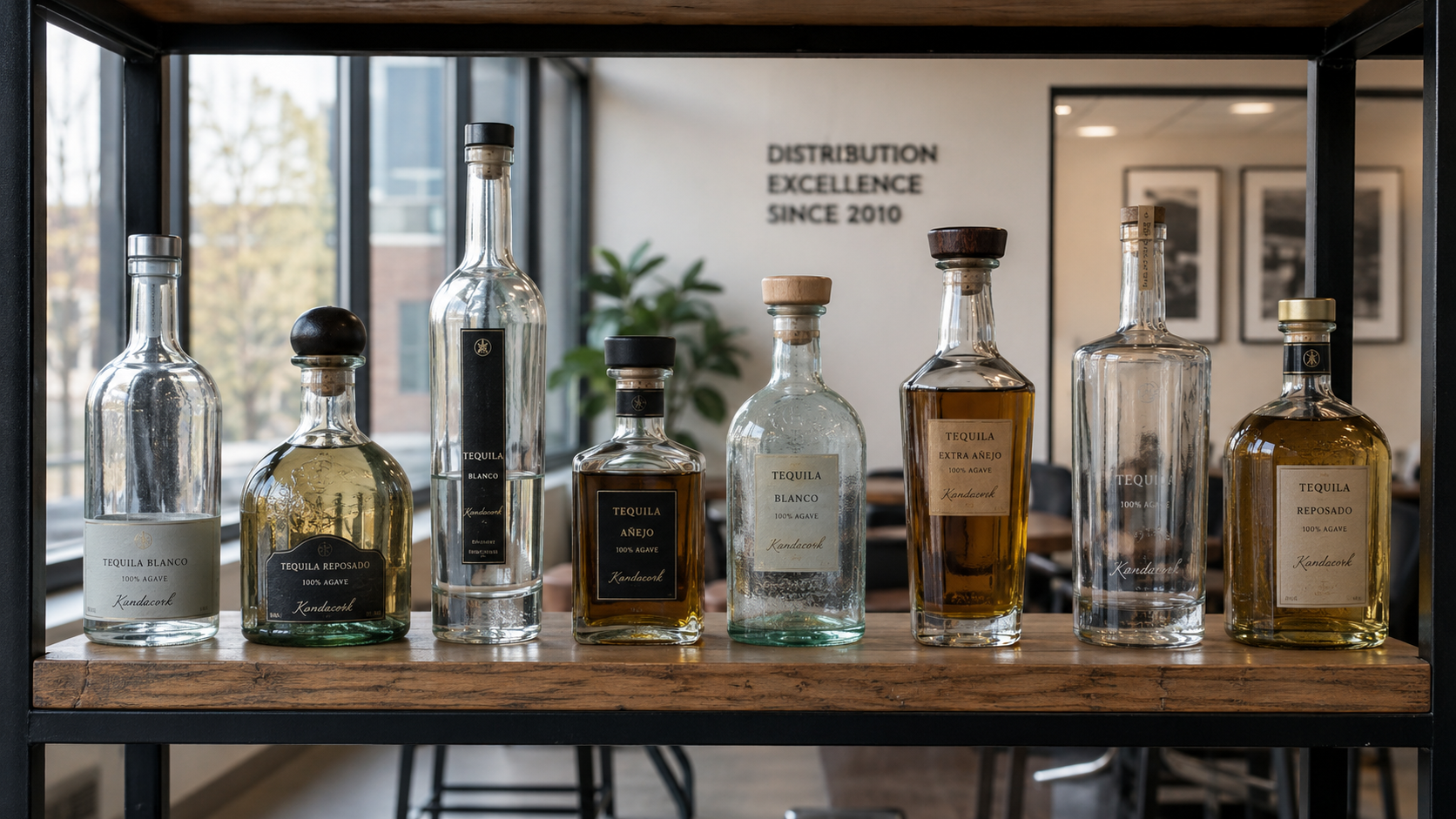
A tequila or mezcal brand may choose a metallic or weighted top to reinforce premium pricing. If the bottle has a bold shoulder or sculptural silhouette, the stopper should be proportionally strong enough to complete the profile.
A private-label vodka brand may choose a simple matte black or white top with clean logo printing. This keeps the closure scalable while still giving the bottle a polished retail presentation.
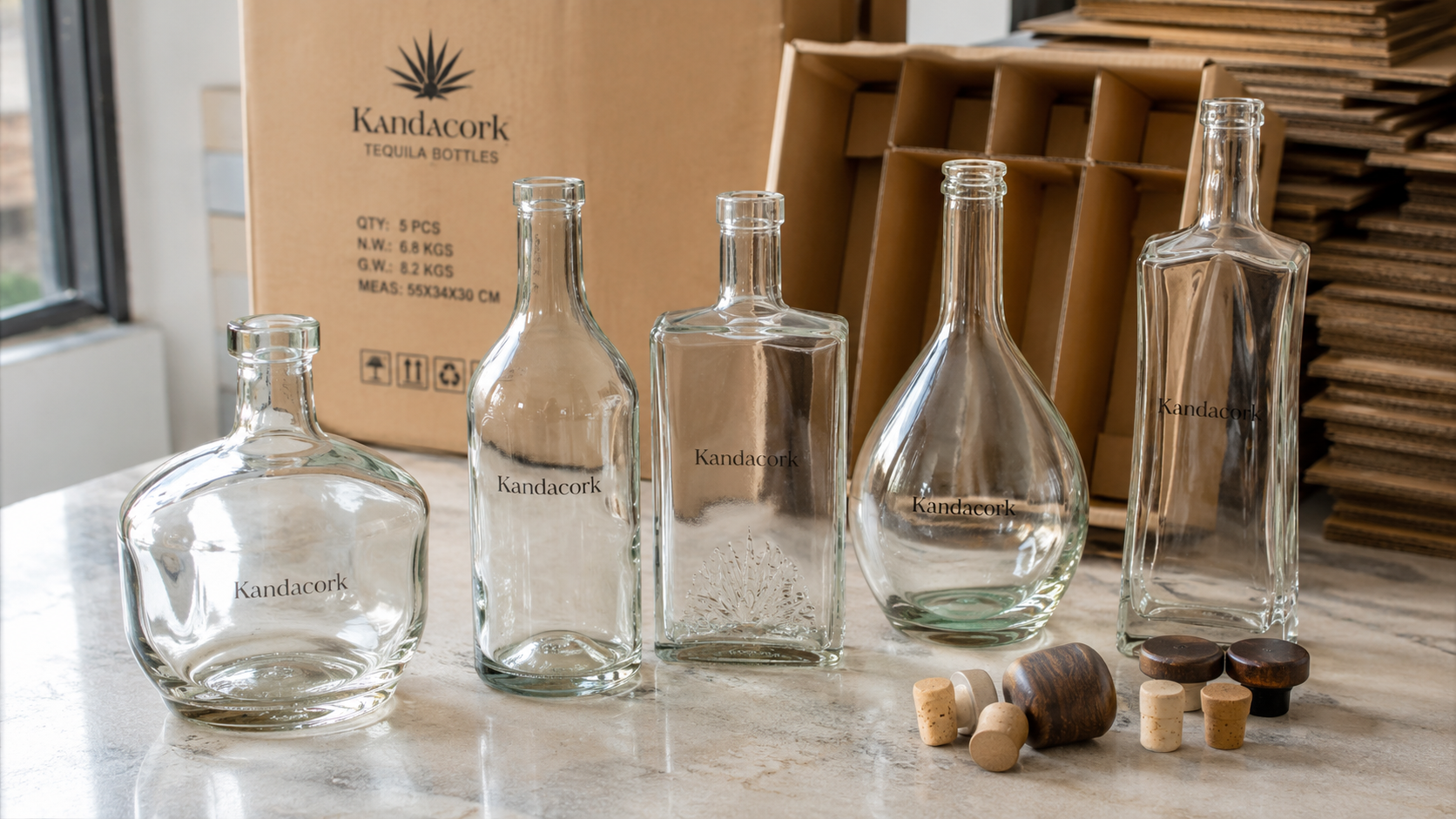
When closure development is planned together with custom spirits bottle packaging, brands can improve visual consistency across glass, stopper, label, capsule, and secondary packaging.
Food-Contact, Export, and Tamper-Evident Considerations
Spirits closures should be reviewed as part of the full beverage packaging system. The shank material, top material, adhesives, coatings, inks, decorations, and any component near the bottle mouth should be suitable for the intended application.
For U.S. projects, packaging buyers may need to consider FDA food-contact substance guidance when evaluating materials that may contact food or beverages. For European market projects, the European Commission food contact materials framework provides important context for safety and inertness expectations.
For distilled spirits sold in the United States, the TTB tamper-evident closure requirements are also relevant. Tamper evidence does not always come from the stopper itself. It may be achieved through capsules, shrink sleeves, pilfer-proof systems, overcaps, seals, or other devices depending on the bottle and market.
That is why stopper selection should be coordinated with capsules and shrink sleeves. A synthetic cork stopper must seat correctly, but the full neck finish should also support security, compliance, and finished-bottle presentation.
Sustainability and Packaging Context
Many spirits brands now evaluate closures as part of broader packaging sustainability goals. A stopper is only one component, but material selection, weight, durability, recyclability, transport efficiency, and refill or reuse expectations can all influence packaging decisions.
Glass remains central to premium spirits packaging because it protects product quality, supports luxury presentation, and provides strong compatibility with decoration and closures. The Glass Packaging Institute promotes glass container recycling and packaging education, making it a useful reference point for brands considering glass-based spirits packaging systems.
Buyers developing sustainability-minded packaging should look beyond a single material claim. A responsible decision considers stopper performance, bottle weight, transport protection, breakage reduction, packaging waste, and the ability to maintain consistent quality through the supply chain.
For brands developing broader bottle programs, integrated glass packaging support can help align bottle structure, stopper fit, decoration, and export readiness. For multi-category projects or brands expanding beyond spirits, custom glass packaging development can also support coordinated packaging systems.
How to Choose a Synthetic Cork Stopper Supplier
A reliable synthetic cork stopper supplier should provide more than a catalog item. The supplier should help evaluate the bottle neck, stopper shank, top material, decoration method, production process, compliance needs, and export packaging requirements.
Useful supplier capabilities include bottle drawing review, physical sample testing, shank size recommendation, custom top material selection, stopper shape development, color and finish control, logo decoration support, sample approval, dimensional inspection, documentation support, and bulk order planning.
Buying only by unit price can create hidden costs. A low-cost stopper that causes leakage, line delays, poor logo quality, inconsistent color, or weak resealing may become more expensive than a better-engineered closure.
Kandacork Closures helps spirits packaging buyers develop synthetic cork stoppers that fit the bottle, support the brand image, and work for scalable supply.
RFQ Checklist for Bulk Synthetic Cork Stoppers
A clear RFQ helps shorten sourcing time and improve quotation accuracy. Before requesting bulk synthetic cork stoppers for spirits, buyers should prepare key technical and branding information.
Useful RFQ details include bottle drawing, neck dimensions, physical bottle sample, spirit category, alcohol strength, target market, annual volume, first-order quantity, preferred stopper style, top material, shank material, logo file, brand color reference, surface finish, decoration method, stoppering method, tamper-evident plan, documentation requirements, sample deadline, and delivery schedule.
If the bottle is still under development, involve the closure supplier as early as possible. Early coordination can prevent incorrect neck selection, poor stopper proportions, decoration conflicts, and production delays.
To start a project, send Kandacork Closures your bottle drawing, neck dimensions, target quantity, logo artwork, preferred stopper style, and delivery timeline through the custom closure quote page.
FAQ
Are synthetic cork stoppers suitable for premium spirits?
Yes. Synthetic cork stoppers can be suitable for premium spirits when the shank fit, top material, finish, logo decoration, and bottle proportion are properly matched. Premium results depend on engineering, appearance, and packaging coordination, not only on the material name.
What size synthetic cork stopper do I need?
The correct size depends on bottle neck inner diameter, shank diameter, compression target, seating depth, and stoppering method. Buyers should provide a bottle drawing or physical sample before confirming bulk production.
Can synthetic cork stoppers be customized?
Yes. Synthetic cork stoppers for spirits can be customized by head material, top shape, shank structure, color, finish, logo method, and packaging style. Common decoration methods include printing, embossing, debossing, hot foil stamping, laser engraving, and molded logos.
Are synthetic cork stoppers reusable?
Many bar-top synthetic cork stoppers are designed for resealing after opening. This makes them suitable for spirits bottles used at home, in bars, restaurants, tasting rooms, retail stores, and gift packaging.
Are synthetic cork stoppers better than natural cork?
Synthetic cork stoppers are not always better; they serve a different purpose. They are often preferred for controlled dimensions, consistent appearance, and scalable production. Natural cork may be preferred for heritage positioning, traditional texture, or natural material storytelling.
How do I avoid leakage when choosing a synthetic cork stopper?
Leakage risk can be reduced by checking bottle neck dimensions, selecting the correct shank diameter, testing insertion and extraction force, performing tilt tests, reviewing temperature exposure, and confirming compatibility with the full packaging system.
When should I involve the closure supplier?
The closure supplier should be involved as early as possible, especially if the bottle is still being selected or designed. Early review helps prevent neck mismatch, poor stopper proportions, decoration issues, and production delays.
Conclusion
Synthetic cork stoppers for spirits are a practical choice for brands that need reliable fit, controlled appearance, custom branding, and scalable bulk supply. The best stopper is not selected by material alone. It must be matched to the bottle neck, spirit category, opening feel, filling method, tamper-evident plan, compliance needs, decoration, and packaging design.
For distilleries, bottlers, importers, and private-label spirits brands, Kandacork Closures can help develop custom synthetic cork stoppers that support both technical performance and premium shelf presentation. By reviewing the bottle, stopper, decoration, and packaging system together, buyers can reduce sourcing risk and create a more consistent consumer experience.