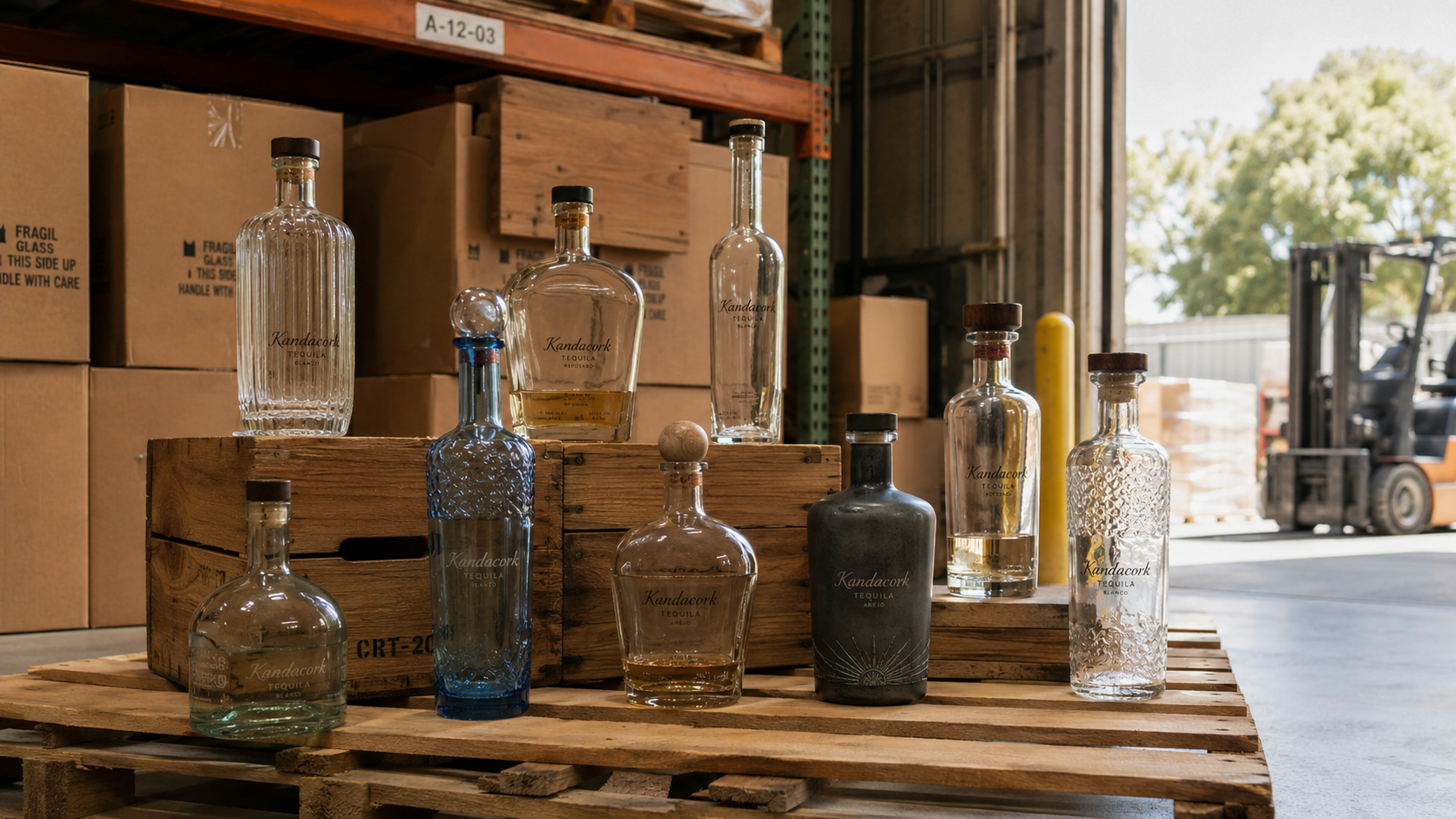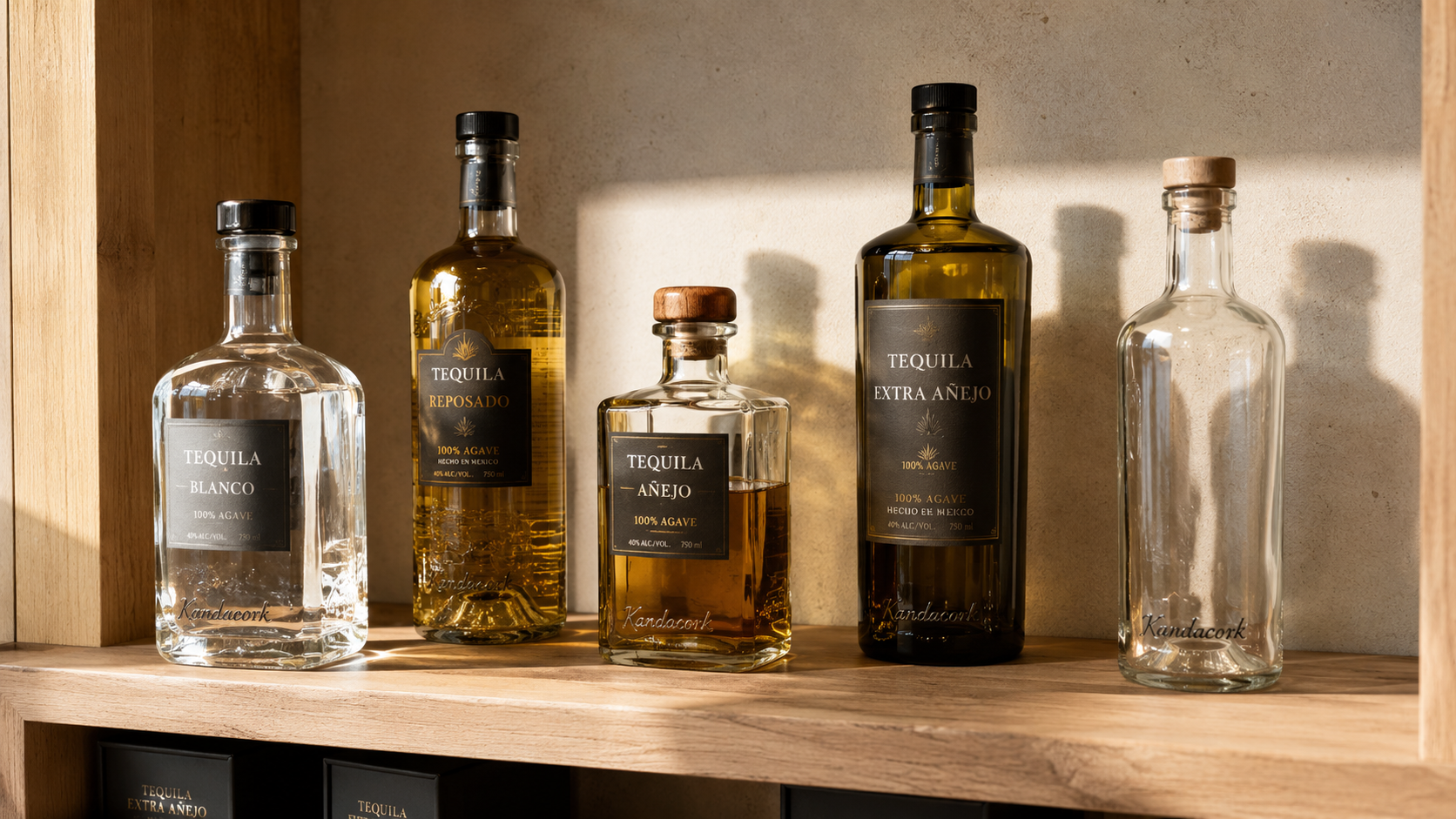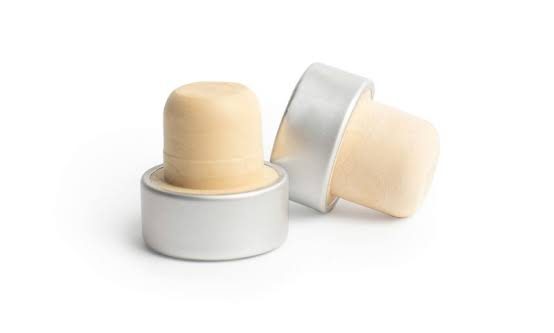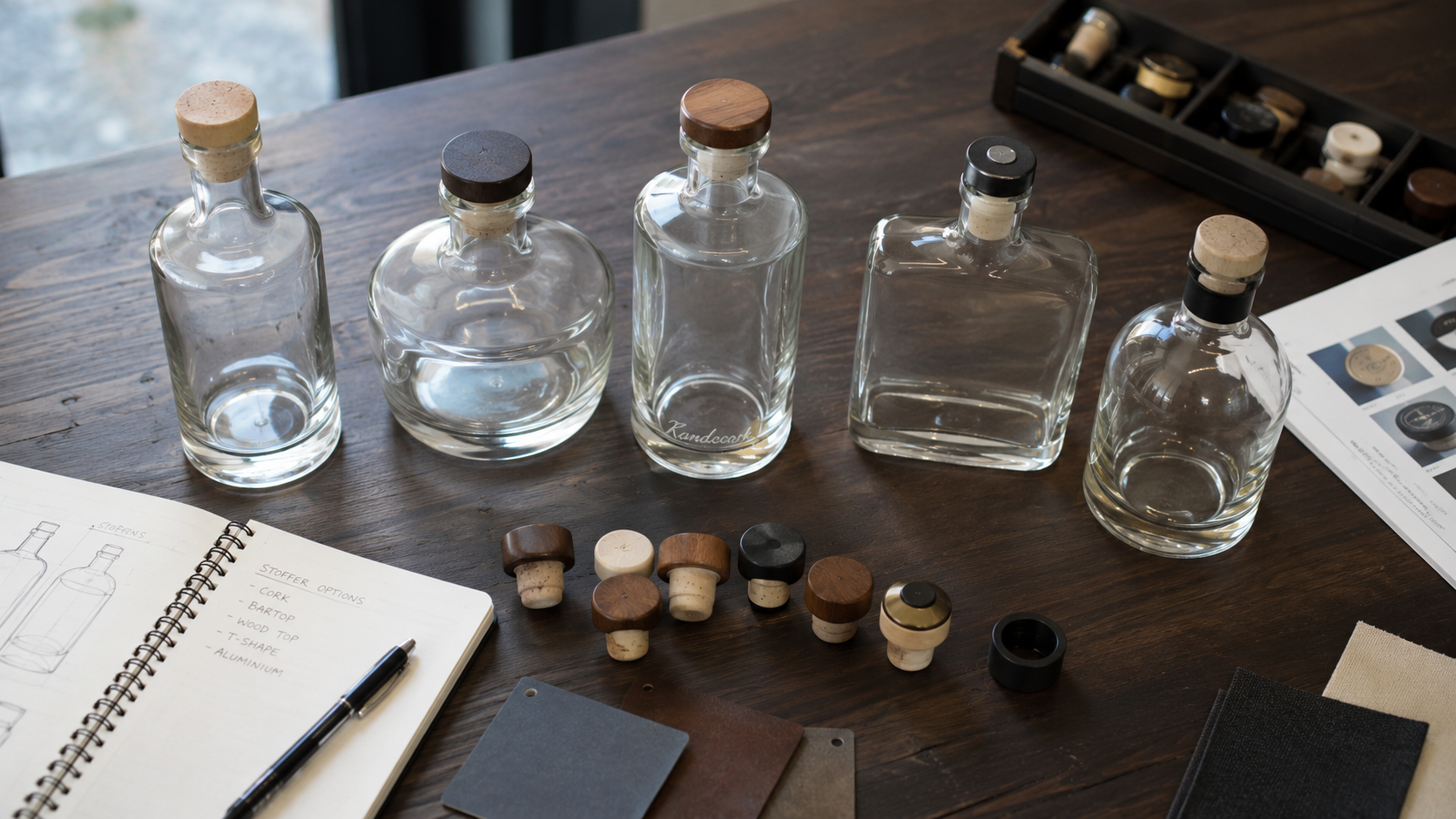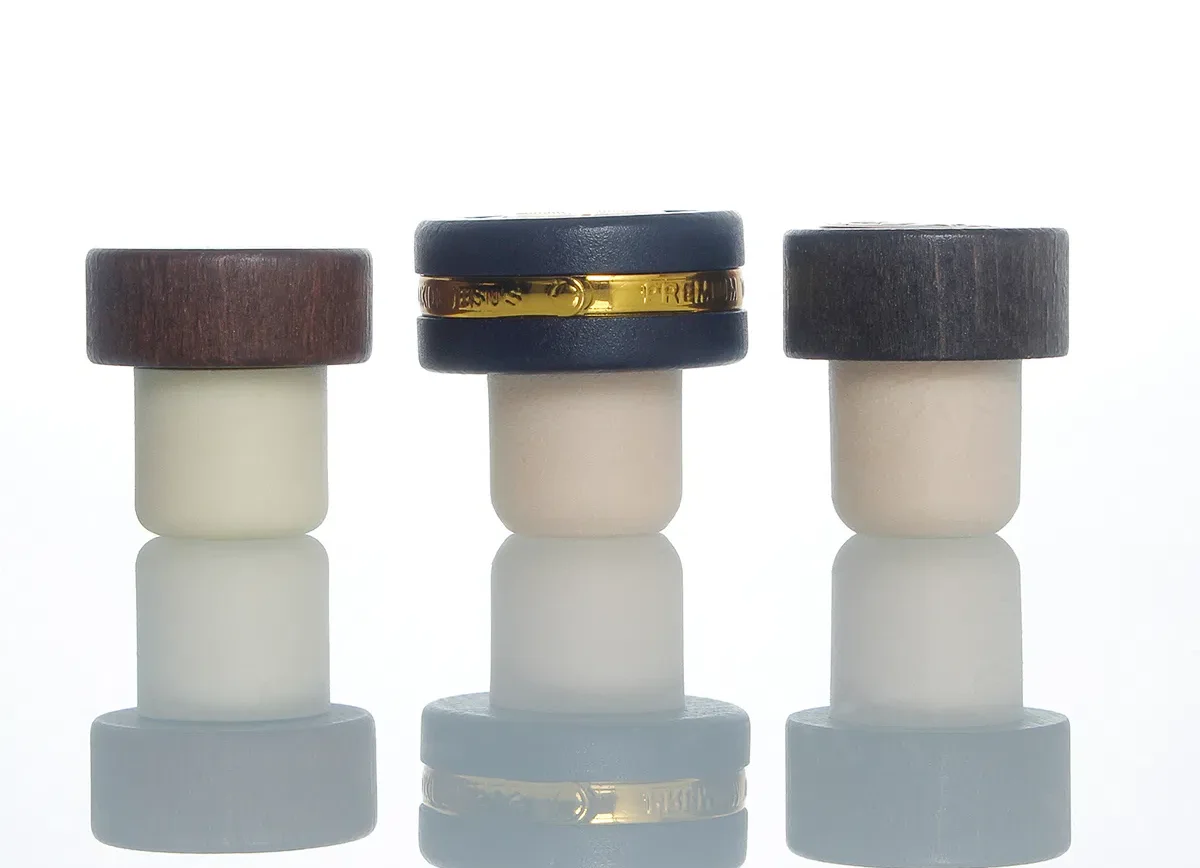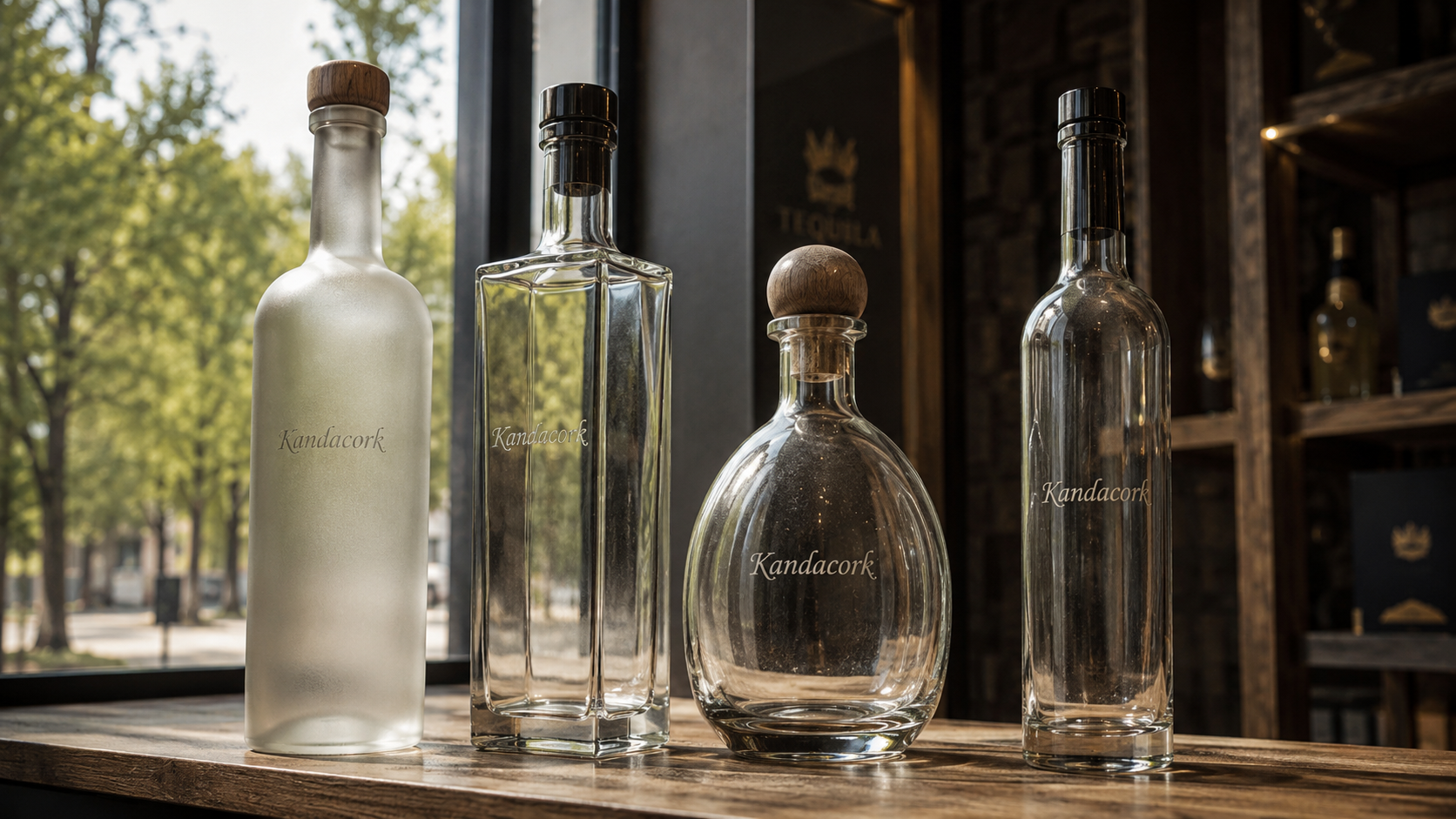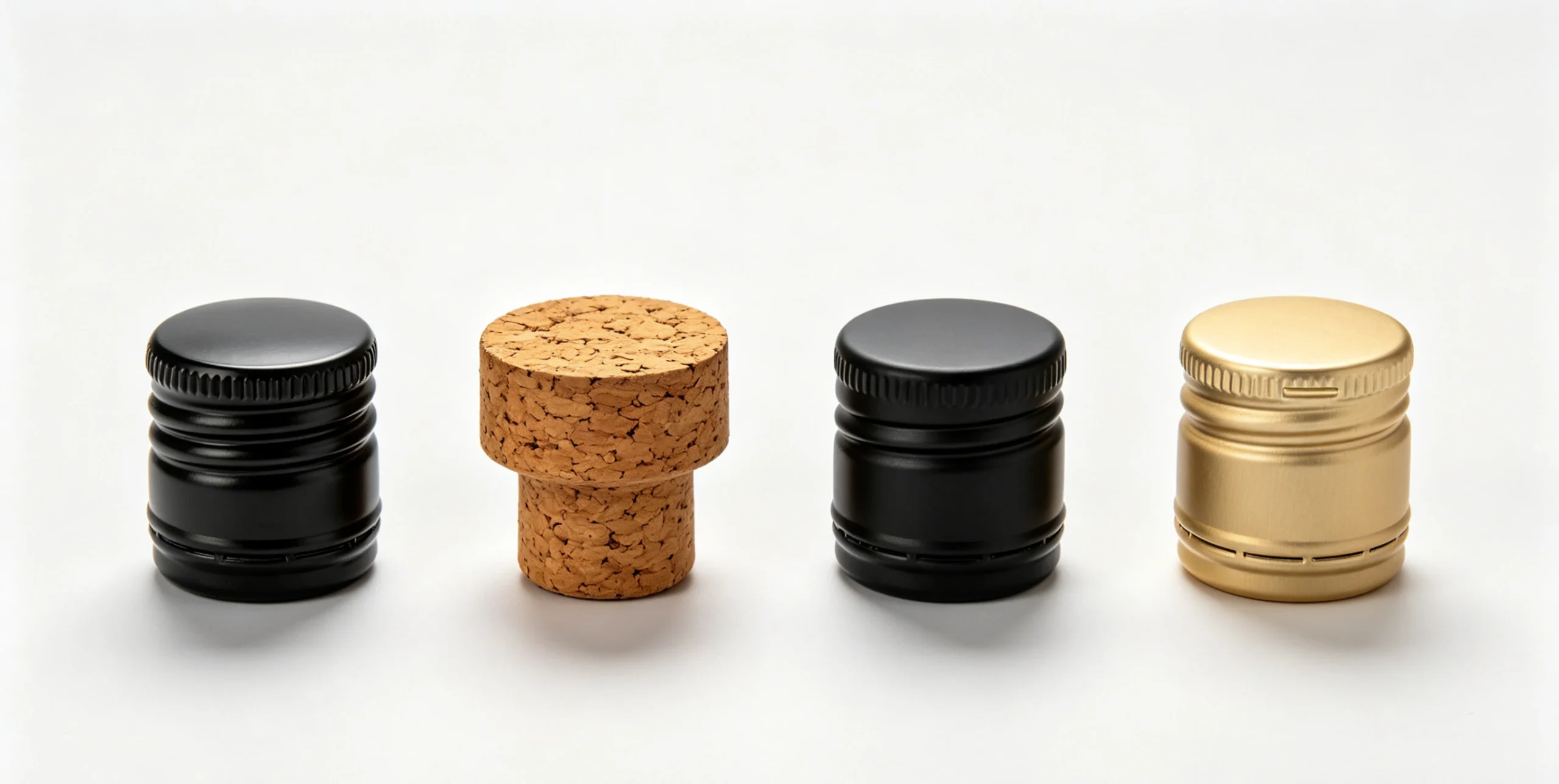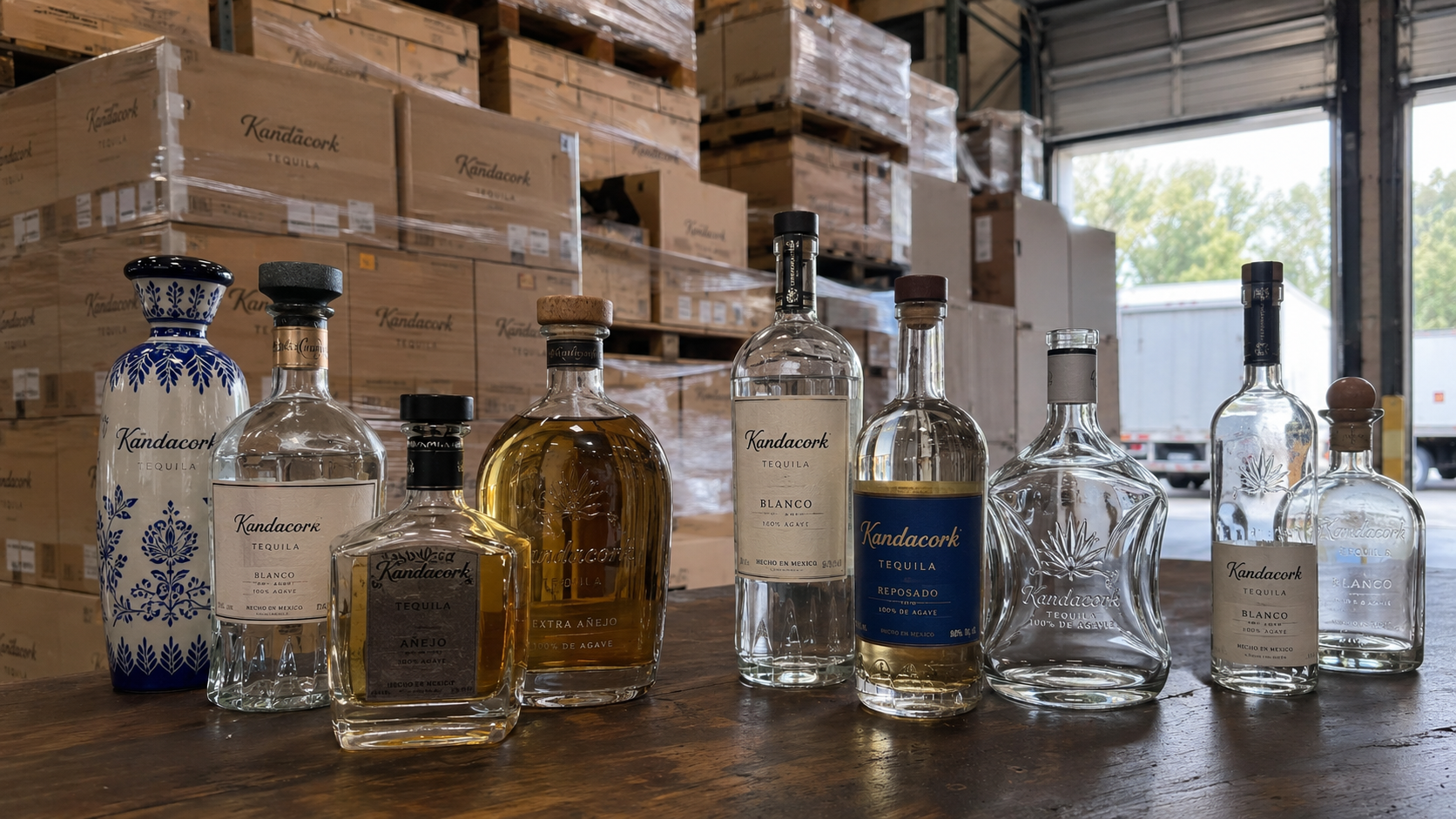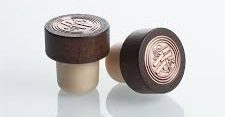
Bar-top stopper mold development is the process of designing, tooling, sampling, and validating a custom spirits bottle stopper based on bottle neck size, stopper material, shank fit, branding details, and production volume. It helps spirits brands create closures that fit correctly, look premium, and remain stable in bulk production.
Most bar-top closure guides explain how to choose a stock stopper size. This guide focuses on the custom mold development process: how to match stopper design with bottle neck fit, material behavior, tooling decisions, T1 samples, documentation, and repeat production.
For spirits brands, distilleries, private label buyers, importers, distributors, bottlers, and packaging teams, the stopper is not only a closure. It is part of the bottle’s shelf identity, opening experience, production performance, and long-term brand consistency. Buyers comparing molded heads, cork shanks, color finishes, and bottle-fit options often begin with proven custom plastic bar-top stoppers before deciding whether a fully custom mold is necessary.
Before tooling begins, a well-developed bar-top stopper should answer four practical questions:
Will the stopper fit the actual bottle neck, not only the drawing?
Can the selected material support the intended shape, logo, finish, and hand feel?
Can the mold produce stable parts at the required quantity?
Can the supplier support samples, testing, documentation, and repeat orders?
Kandacork Closures helps spirits packaging buyers evaluate these questions before moving into custom bar-top stopper mold development, sample approval, and quotation.
Why Bar-Top Stopper Mold Development Matters
A bar-top stopper is one of the first packaging components consumers touch. It influences the perceived value of whisky, gin, rum, vodka, tequila, brandy, mezcal, liqueur, and other spirits.
For premium products, the closure can communicate craft, heritage, modernity, luxury, sustainability, or private label value. A whisky brand may prefer a wood stopper with a debossed logo. A gin brand may choose a colored plastic stopper with a soft matte finish. A tequila or rum brand may use a sculpted stopper head with a metal-look coating or embossed emblem.
However, appearance alone is not enough. A custom stopper must also work technically. If the stopper is too tight, bottling and consumer opening become difficult. If it is too loose, leakage or rising stoppers may occur. If the logo is too fine for the mold, decoration may lose clarity. If the head is too large for the bottle, the package may look unbalanced.
For brands developing a full bottle, closure, and decoration system, stopper development should also be coordinated with the wider integrated spirits packaging plan so the bottle neck, closure, label, capsule, and export packing work together.
That is why custom bar-top stopper mold development should be treated as both a branding project and an engineering project.
Bar-Top Stopper Anatomy: Head, Shank, and Bottle Neck Fit
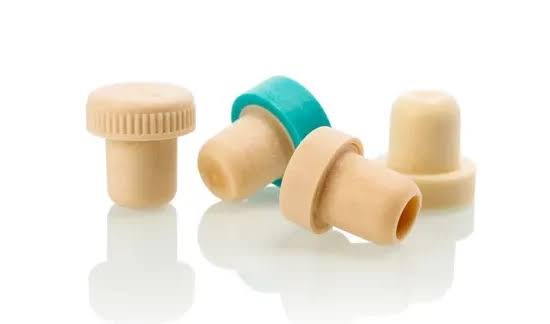
A bar-top stopper usually includes a decorative head and a lower shank. The head provides brand appearance and hand feel. The shank enters the bottle neck and creates the functional seal.
Stopper Head
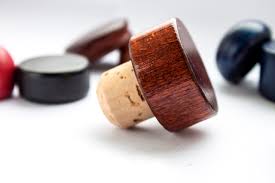
The stopper head may be made from plastic, wood, aluminum, zamak, glass, crystal, ceramic, or hybrid materials. Its shape, weight, surface finish, logo area, and grip design affect both visual identity and user experience.
A simple round head may be suitable for fast private label projects. A sculpted or weighted head may be better for premium spirits that need stronger shelf differentiation.
Stopper Shank
The shank may be natural cork, micro-agglomerated cork, synthetic cork, polymer, or an engineered closure material. Important shank factors include diameter, insertion depth, taper, hardness, compression recovery, surface friction, and compatibility with spirits packaging conditions.
The shank should hold securely without making the bottle difficult to open. The best fit depends on the real bottle neck profile, not only the nominal neck size.
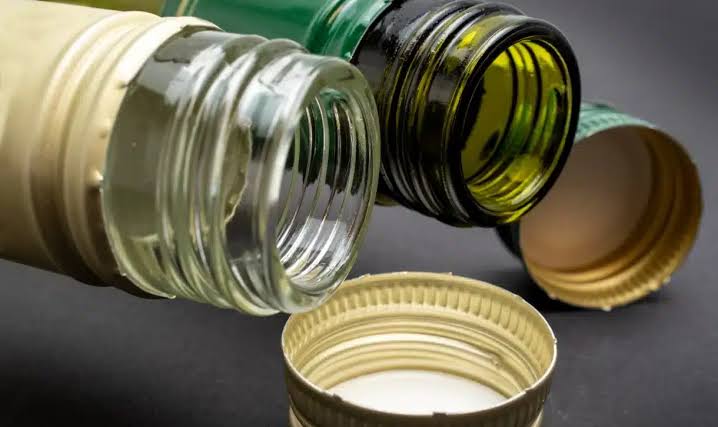
Bottle Neck Fit
Bottle neck fit is one of the most important factors in stopper development. Real glass bottles may vary because of internal taper, ovality, pinch points, mold tolerance, or batch differences.
A common starting point is to make the shank slightly larger than the internal neck bore, but this rule is not enough for custom spirits packaging. A supplier should measure real bottle samples, review the internal neck profile, and test insertion and removal feel before confirming the final stopper structure.
Standard Stopper vs Semi-Custom Stopper vs Custom Mold
Not every project needs a fully custom mold. The right option depends on launch timing, brand positioning, MOQ, budget, and long-term reorder plans.
| Option | Best For | Tooling Cost | Lead Time | MOQ Pressure | Brand Exclusivity |
|---|---|---|---|---|---|
| Standard stopper | Fast launches, low budgets, early market tests | Low | Short | Low | Low |
| Semi-custom stopper | Logo, color, finish, or shank customization | Medium | Medium | Medium | Medium |
| Single-cavity custom mold | Premium trials, new shapes, lower-volume custom projects | Medium to high | Medium to longer | Medium | High |
| Multi-cavity production mold | Repeat orders, large annual volume, long-term unit cost control | High | Longer | Higher | High |
| Premium sculpted mold | Luxury spirits, collector editions, exclusive brand assets | High | Longer | Higher | Very high |
A standard stopper is practical when timing is urgent. A semi-custom stopper is useful when the brand needs differentiation without full mold investment. Custom bar-top stopper mold development is most valuable when the closure must become a recognizable part of the brand identity.
When Do Spirits Brands Need a New Stopper Mold?
A new mold is usually needed when the required stopper shape, logo, structure, or bottle fit cannot be achieved with existing tooling.
Exclusive Brand Shape
A unique stopper shape can help a spirits bottle stand apart on retail shelves, bar displays, and e-commerce product photos. This is especially useful for premium whisky, rum, tequila, gin, cognac, mezcal, and limited-edition packaging.
Molded Logo or Texture
If the brand needs an embossed logo, debossed emblem, side texture, custom grip pattern, crest, or medallion seat, the detail may need to be built directly into the mold.
Molded branding can create a more permanent and premium brand impression than printed decoration alone.
Non-Standard Bottle Neck
Heavy glass bottles, short-neck bottles, wide-shoulder bottles, decanter bottles, and customized bottle shapes often need a stopper designed around the actual neck profile.
A catalog stopper may fit the opening but still look visually wrong or perform poorly during shipping.
Multi-SKU Packaging System
If a brand plans several bottle sizes or product expressions, one stopper mold strategy may support the full packaging family. This requires early review of bottle drawings, neck dimensions, bottle proportions, and quantity forecasts.
Long-Term Repeat Production
For repeat orders, custom tooling can improve consistency, protect brand exclusivity, and reduce dependence on generic closure shapes.
Step-by-Step Custom Stopper Mold Development Process
A reliable mold development process reduces risk before mass production. Kandacork Closures uses a practical workflow that connects design, bottle fit, tooling, sampling, and production planning.
Project Review
The process starts with bottle drawings, physical bottle samples, brand positioning, target market, material preference, stopper concept, quantity forecast, launch date, and budget direction.
At this stage, the goal is to decide whether the project should use a standard stopper, semi-custom option, or full custom mold.
Structure Proposal
The supplier recommends stopper head size, material, shank type, insertion depth, decoration method, mold path, and sample process.
For example, a premium rum bottle may need a weighted stopper with a synthetic shank. A craft gin bottle may need a colored plastic head with matte coating. A whisky brand may prefer wood with a debossed logo and micro-agglomerated cork.
The structure proposal should balance appearance, fit, cost, MOQ, and production stability.
3D Design and Engineering Review
For custom bar-top stopper mold development, 3D design allows the buyer to review shape, proportion, logo placement, side texture, top curvature, and relationship to the bottle.
Engineering review checks wall thickness, parting line position, mold release, logo depth, insert structure, assembly strength, and decoration feasibility. When the project requires brand-matched colors, metallic looks, soft-touch effects, or special surface treatments, early review of custom colors and finishes helps prevent decoration issues after tooling.
This stage helps prevent problems that are expensive to correct after tooling.
Mold Design and Tooling
After design approval, the mold is developed. Tooling decisions may include mold steel, cavity count, runner system, polishing level, texture method, engraving detail, and expected mold life.
Plastic stopper molds require attention to shrinkage, surface defects, color stability, and cycle efficiency. Metal-look or zamak closures require review of casting, polishing, plating, and assembly. Wood and hybrid stoppers require dimensional control and finish consistency.
T1 Sample Production
T1 samples are the first trial parts from the mold. They are used to check dimensions, surface quality, logo clarity, head weight, color, assembly structure, and bottle fit.
T1 samples should not be treated as final production approval. They are a technical checkpoint. Buyers should test them with real bottles, capsules, labels, cartons, and filling-line conditions where possible.
Mold Adjustment
After T1 review, the mold may require adjustment. Common changes include improving logo definition, adjusting head diameter, refining texture, reducing parting line visibility, modifying shank connection, or improving insertion feel.
Clear feedback and measurable approval standards help reduce unnecessary sample rounds.
Pre-Production Sample Approval
Before bulk production, the buyer should approve a final pre-production sample. This sample should represent the confirmed material, color, finish, decoration, shank specification, packing method, and fit standard.
For spirits packaging, approval should include both visual and functional checks.
Need help checking stopper fit? Send bottle drawings and real bottle samples to Kandacork Closures for a closure fit review before tooling.
Bottle Neck Fit and Technical Testing
Fit testing is one of the most important parts of bar-top stopper mold development. A stopper that looks excellent but fails on real bottles is not ready for production.
| Test Item | Recommended Check | Why It Matters |
|---|---|---|
| Bottle samples | Test multiple real bottles from the intended production batch | Identifies neck variation and batch differences |
| Internal neck profile | Measure several points inside the neck | Finds taper, ovality, pinch points, and restriction areas |
| Shank diameter trial | Compare small shank diameter differences | Improves insertion feel, pull-out force, and sealing stability |
| Filled bottle check | Test with product, capsule, and packing method | Confirms real packaging performance |
| Transport review | Check vibration, temperature exposure, and carton protection | Reduces leakage, rising stopper, and surface damage risk |
Neck Bore Measurement
Measure the internal bottle neck bore, not only the outside finish. The internal profile may include taper, ovality, or restriction points lower inside the neck.
For custom projects, multiple real bottle samples should be tested instead of relying on a single sample.
Insertion and Pull-Out Feel
The stopper should insert smoothly and hold securely. If insertion force is too high, bottling becomes difficult. If pull-out force is too low, the stopper may rise, loosen, or leak during distribution.
The correct feel depends on bottle neck design, shank material, stopper head size, closure weight, and product category.
Leakage and Inversion Testing
Before bulk approval, buyers should conduct practical leakage checks. These may include inversion tests, filled-bottle storage, vibration review, carton transport simulation, and temperature exposure review.
Export spirits packaging may face long-distance shipping, climate changes, and pressure variation. Testing should reflect the real distribution environment.
Rising Stopper Prevention
Rising stoppers may result from trapped pressure, incorrect shank diameter, excessive material recovery, internal neck taper, filling temperature, storage conditions, or insufficient insertion depth.
A well-developed stopper should be tested with the bottle, product, capsule, and packing method as a complete packaging system.
Decoration Durability
Custom stopper decoration should survive packing, shipping, retail display, and consumer handling.
Check coating adhesion, hot stamping stability, laser engraving clarity, printing durability, plating resistance, and scratch performance. Glossy, metallic, and soft-touch finishes may need extra packing protection.
Material Options for Custom Bar-Top Stopper Heads
Material choice affects mold cost, appearance, weight, decoration options, production method, and consumer perception.
Plastic
Plastic stopper heads are suitable for color matching, flexible shapes, controlled cost, and repeatable production. They can support matte, glossy, soft-touch, textured, metallic-coated, or printed finishes.
Wood
Wood creates a natural, craft, and heritage feel. It is common in whisky, rum, brandy, gin, and artisanal spirits packaging. Buyers should consider grain variation, color difference, coating absorption, and dimensional tolerance.
Aluminum
Aluminum offers a modern metallic appearance with relatively light weight. It works well for vodka, gin, tequila, and contemporary premium spirits. Surface finishing, printing, and logo treatment should be reviewed before production.
Zamak
Zamak is often selected for luxury spirits closures because it provides weight, sculpted detail, and premium metallic finishing. It is suitable for embossed crests, collector-style closures, and high-end packaging.
Glass or Crystal
Glass and crystal stopper heads are used for decanter-style bottles, gift packaging, and luxury spirits collections. They create strong shelf impact, but projects must consider weight, fragility, packing, and fit stability.
Key Mold Cost Factors
Custom stopper mold cost is influenced by design, material, tooling structure, and sampling requirements.
Geometry Complexity
Simple round heads are easier to mold than sculpted, faceted, textured, or asymmetrical designs. Complex shapes may require more engineering review and sample adjustment.
Cavity Count
A single-cavity mold is useful for early samples or lower-volume premium projects. A multi-cavity mold improves efficiency for repeat production but increases upfront tooling investment.
Material and Finish
Plastic, wood, aluminum, zamak, glass, and hybrid structures each have different tooling and finishing requirements. Polishing, plating, coating, soft-touch effects, texture, and inserts can all affect cost.
Logo Detail
Fine lettering, small crests, thin lines, and deep relief may not reproduce cleanly without design adjustment. Logo artwork should be reviewed for the selected material and molding process.
Sample Rounds
T1 samples, revised samples, decoration samples, and pre-production samples may affect the total development timeline and cost. Buyers comparing tooling options can review the main factors behind plastic stopper mold cost before choosing between existing, semi-custom, and fully custom molds.
Kandacork Closures can help buyers compare standard, semi-custom, and custom mold options based on MOQ, launch schedule, material choice, and packaging goals.
Compliance and Documentation for Spirits Closures
For spirits packaging, technical performance should be supported by appropriate documentation where relevant. Documentation requirements depend on material, destination market, product type, contact condition, importer expectations, and brand quality policy.
Food-Contact Material Support
Buyers may need food-contact material support, material composition information, coating information, ink or adhesive support, and market-specific documentation for components that may contact the product or packaging environment.
Plastic heads, synthetic shanks, coatings, colorants, adhesives, and decorative finishes should be reviewed before bulk production when they are part of the closure system. Projects using synthetic or engineered shanks should also review plastic stoppers with synthetic shanks early so sealing behavior, pull-out feel, and material compatibility can be considered together.
Tamper-Evident Closure Planning
For distilled spirits packaging, the stopper may need to work with capsules, shrink bands, tear strips, sleeves, or other tamper-evident devices depending on market requirements and brand policy.
This should be discussed during stopper development because capsule fit, stopper head diameter, neck finish, and decoration height may affect the final tamper-evident closure planning.
Quality Control and Batch Consistency
A custom stopper is only valuable if it can be repeated consistently. Buyers should review inspection standards, batch records, mold maintenance, color control, surface inspection, assembly checks, and packing specifications.
Quality systems such as ISO 9001 can support process control, supplier consistency, and repeat order stability.
Common Mistakes to Avoid Before Ordering a Custom Mold
Many stopper problems begin before tooling. Avoiding these mistakes can save time, cost, and sample rounds.
Sending Only a Photo Instead of Bottle Drawings
Photos help with visual discussion, but they are not enough for technical development. Bottle drawings and real samples are needed to review neck bore, insertion depth, and closure proportion.
Testing Only One Bottle Sample
One bottle may not represent actual production tolerance. Test multiple bottles to identify neck variation, ovality, taper, or inconsistent fit.
Approving Appearance Before Fit
A stopper should not move to mass production only because it looks good. Fit, sealing behavior, pull-out feel, and packing performance must be tested.
Ignoring Shank Material
Different shank materials behave differently under compression. Natural cork, micro-agglomerated cork, synthetic cork, and polymer shanks may have different recovery, friction, and fit behavior.
Making the Logo Too Fine
Very small text or thin logo lines may lose detail during molding, coating, polishing, or plating. Artwork should be adapted for the selected process.
Comparing Mold Price Without Checking Cavity Count
A lower mold price may reflect lower capacity, shorter mold life, or limited adjustment support. Buyers should compare cavity count, mold material, sample terms, and production plan.
How to Evaluate a Bar-Top Stopper Mold Supplier
A good supplier should provide more than a unit price. The supplier should help reduce design, fit, compliance, and production risk.
| Supplier Capability | What Buyers Should Check |
|---|---|
| CAD and mold review | Can the supplier review 3D structure before tooling? |
| Bottle fit testing | Does the supplier ask for real bottle samples and neck data? |
| T1 sample support | Does the supplier explain trial samples and adjustment steps? |
| Material guidance | Can the supplier compare plastic, wood, aluminum, zamak, glass, and shank options? |
| Documentation support | Can the supplier support food-contact and market documentation needs? |
| Batch consistency | Are QC standards, color control, and reorder requirements defined? |
| Packaging coordination | Can the supplier consider bottle, stopper, capsule, label, carton, and shipping together? |
Look for CAD support, mold feasibility review, material recommendations, neck fit analysis, shank selection, decoration guidance, T1 sample support, material documentation, mold maintenance, color control, surface inspection, batch consistency, and packing protection.
A capable supplier asks detailed questions before quoting. This is a positive sign because custom stopper development requires technical clarification, not only price comparison.
RFQ Checklist Before Requesting a Quote
To receive a practical mold development plan and accurate quotation, prepare the following information before contacting a supplier.
| RFQ Item | Why It Matters |
|---|---|
| Bottle technical drawing | Confirms neck bore, neck height, finish, and tolerance |
| Physical bottle samples | Validates real fit and production variation |
| Internal neck bore size | Helps define shank diameter and insertion depth |
| Target stopper shape | Guides mold structure and feasibility review |
| Preferred material | Affects tooling, finish, unit cost, and lead time |
| Shank material preference | Influences sealing, pull-out feel, and compatibility |
| Logo artwork | Checks molding, engraving, printing, or decoration feasibility |
| Color and finish reference | Supports accurate sample approval and bulk consistency |
| Target MOQ and annual forecast | Determines standard, semi-custom, or custom mold path |
| Launch timeline | Helps plan sampling, tooling, adjustment, and production |
| Destination market | Confirms documentation and compliance needs |
| Packing requirements | Protects surface finish during shipping and storage |
Prepare these details before requesting a sample plan or quotation to reduce development time and avoid unclear mold pricing.
Practical Decision Guide for Buyers
Choose a standard stopper when timing is urgent, budget is limited, the brand is testing the market, or closure exclusivity is not critical.
Choose a semi-custom stopper when the brand needs custom color, logo, coating, finish, or shank adjustment without full custom tooling.
Choose custom bar-top stopper mold development when the closure must become a core brand asset, match a special bottle shape, support repeat production, or create a premium consumer opening experience.
For many spirits brands, the best approach is staged development. Start with existing or semi-custom samples to confirm direction, then move into custom mold development after the bottle, brand design, quantity, and launch plan are clear.
FAQ
Is a custom bar-top stopper mold necessary for every spirits brand?
No. Standard or semi-custom stoppers are often better for urgent launches, small test orders, or early private label projects. A custom mold is more suitable when the brand needs exclusive shape, molded branding, special bottle fit, or long-term repeat production.
What information is required before a custom stopper mold quote?
A supplier usually needs bottle drawings, physical bottle samples, inner neck bore size, logo artwork, preferred material, finish reference, target MOQ, launch timeline, and destination market.
How long does bar-top stopper mold development take?
The timeline depends on material, mold complexity, artwork readiness, sample rounds, finish requirements, and buyer approval speed. A simple plastic stopper mold may move faster than a sculpted metal, crystal, or multi-component closure.
What affects custom stopper mold cost most?
The main cost factors are geometry complexity, cavity count, material, logo detail, finishing method, sample rounds, and production volume.
How many bottle samples should be tested?
Testing multiple real bottles is recommended because internal neck dimensions can vary between production batches. One bottle sample is rarely enough for reliable custom closure approval.
What is the biggest risk in custom stopper mold development?
The biggest risk is approving appearance before testing real bottle fit, sealing behavior, insertion force, pull-out feel, and bulk production consistency.
Conclusion: Build the Stopper Around the Bottle, Brand, and Production Plan
Successful bar-top stopper mold development requires more than attractive design. It requires the right match between bottle neck, shank material, stopper head, mold structure, decoration process, compliance documentation, quality control, and commercial volume.
For spirits brands and packaging buyers, the safest approach is to treat the stopper as an engineered brand component. Start with accurate bottle information, validate fit with real samples, review mold feasibility before tooling, and confirm both appearance and performance before bulk production.
Kandacork Closures helps spirits brands, distilleries, importers, distributors, bottlers, and private label buyers develop custom bar-top stoppers for premium spirits packaging. Share your bottle drawings, bottle samples, logo artwork, material preference, target MOQ, and launch schedule to request a custom closure quotation.