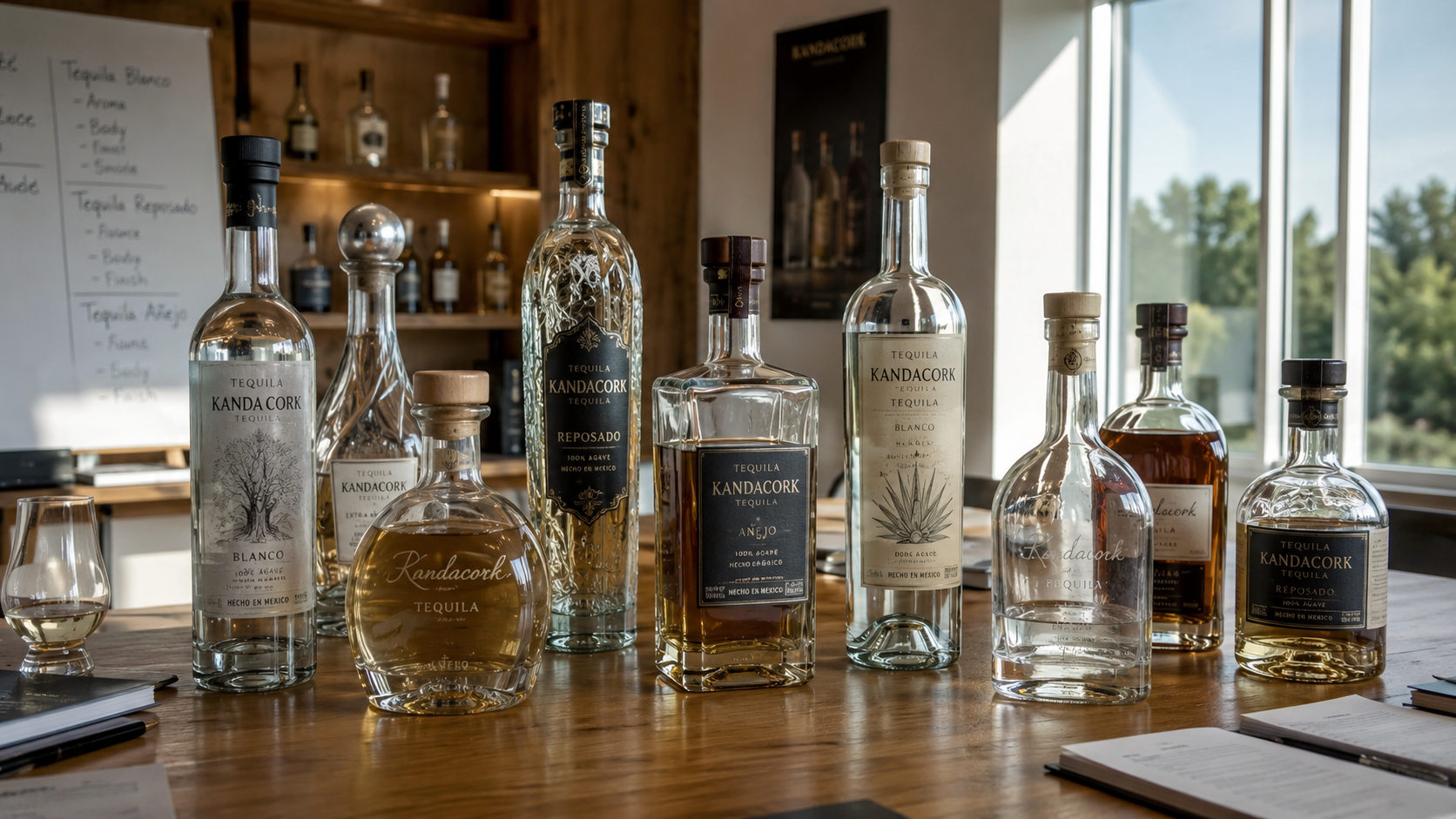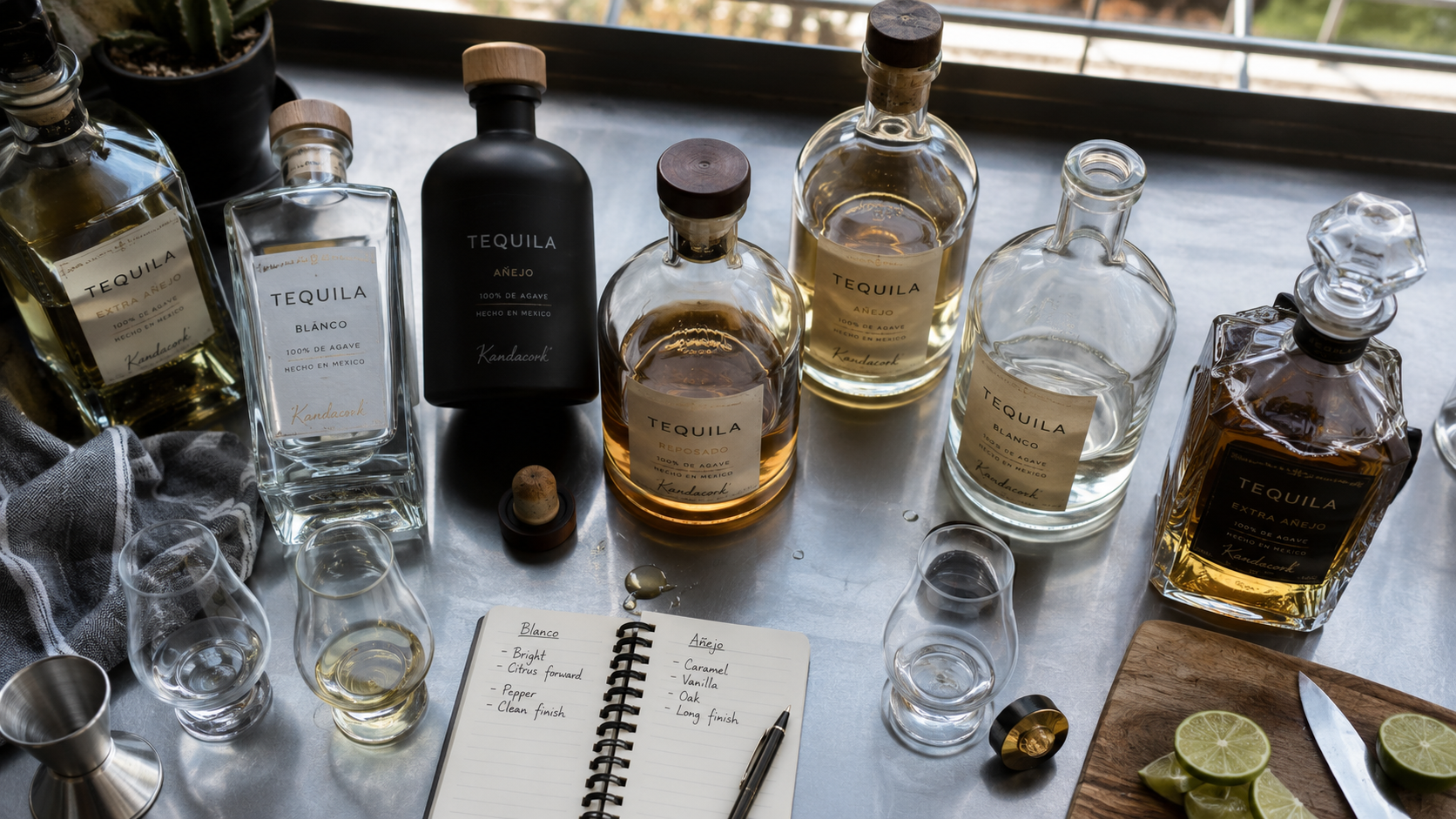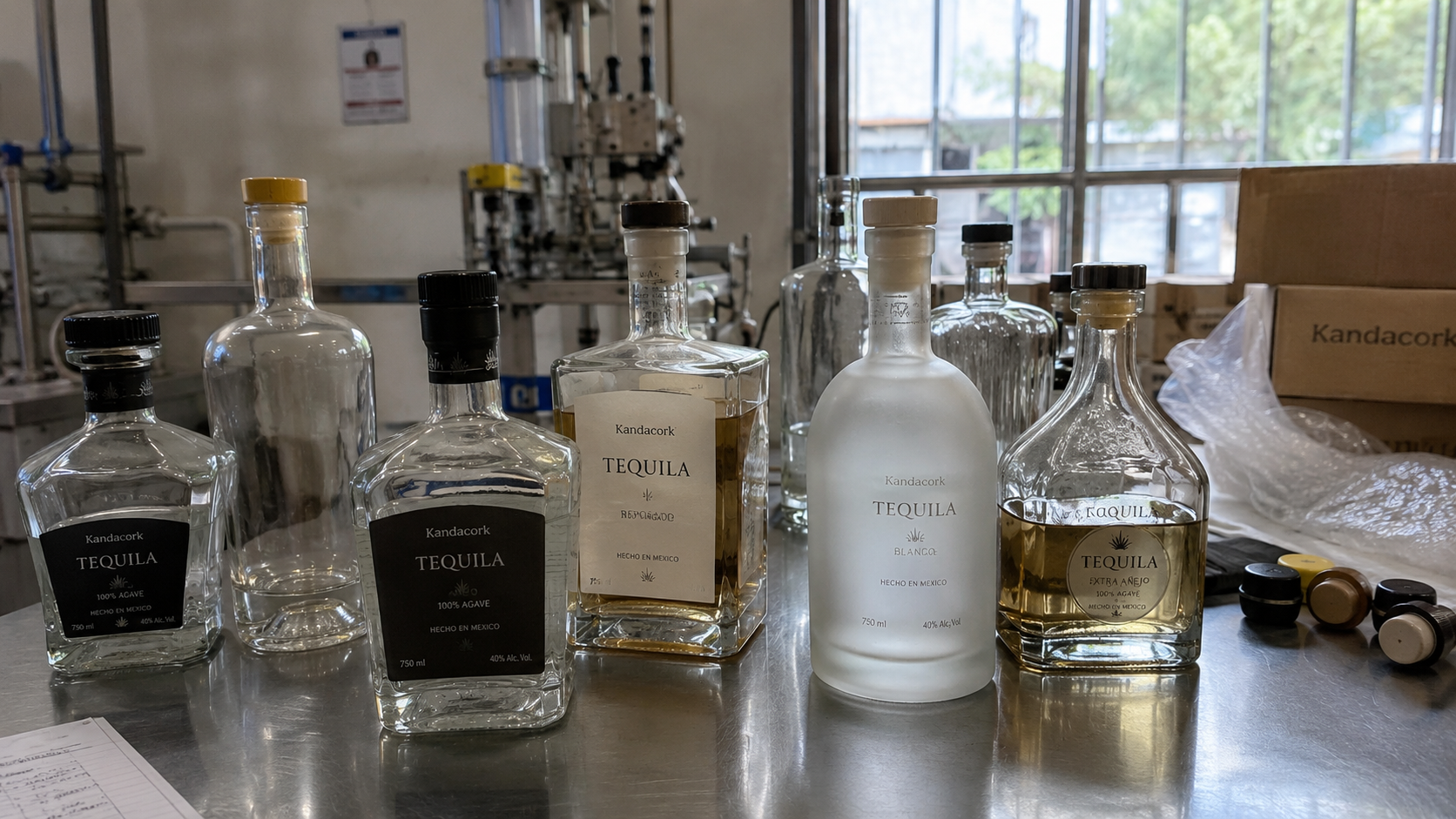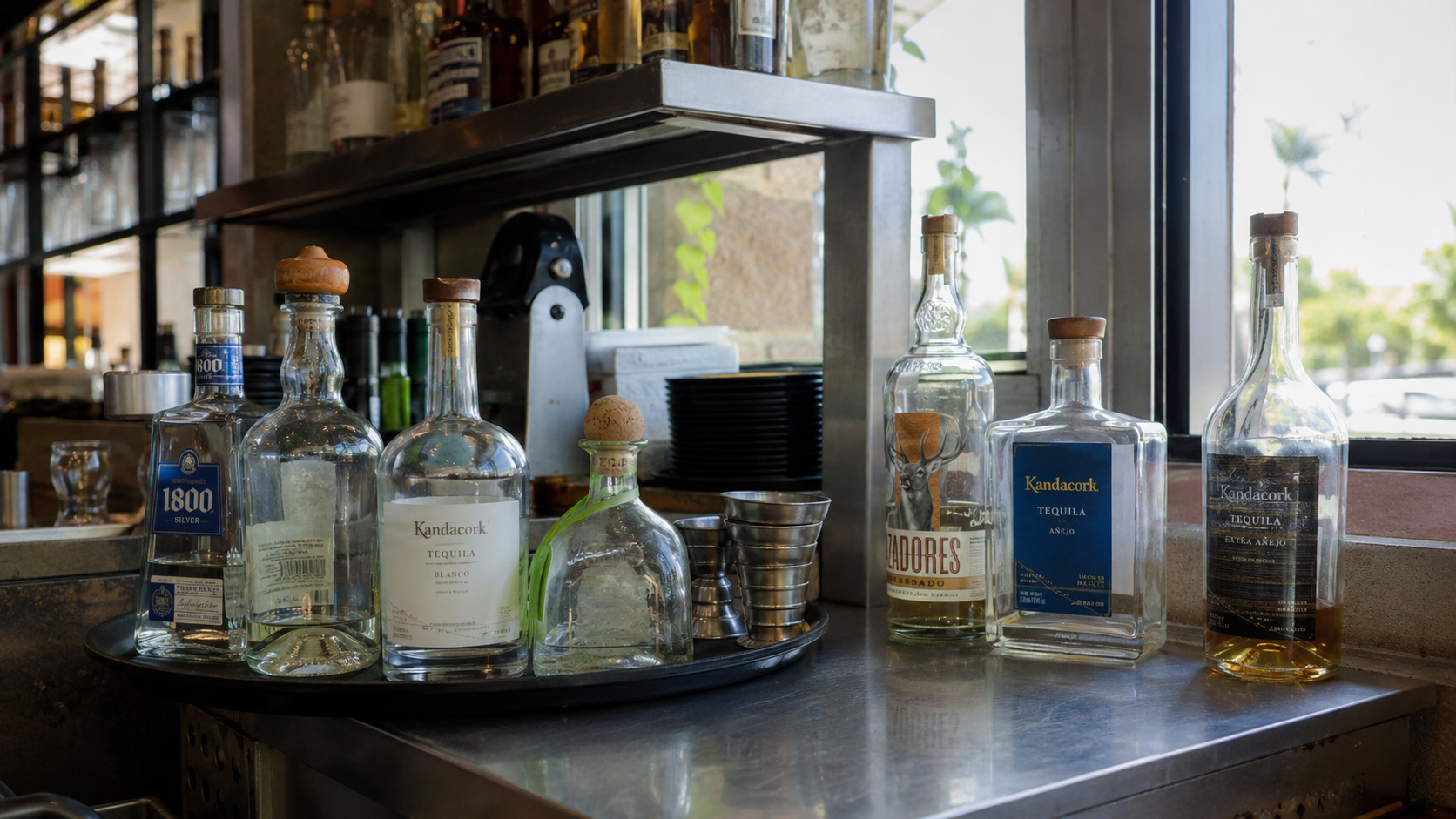
Cork-look synthetic stopper options can help spirits brands balance traditional closure appearance with predictable production performance. This guide explains how buyers should compare surface look, shank fit, branding methods, compression and batch consistency.
What Are Synthetic Cork Stoppers for Spirits Bottles?
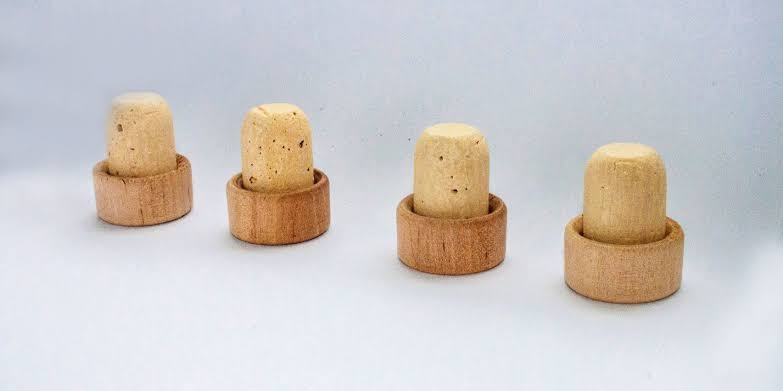
Synthetic cork stoppers are closures made with engineered polymer or synthetic cork-like materials that imitate the function and opening experience of cork while offering more controlled manufacturing consistency. In spirits packaging, they are often used as the inserted shank of a T-top closure, also called a bar-top stopper.
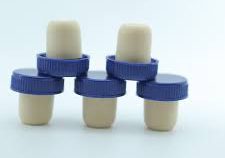
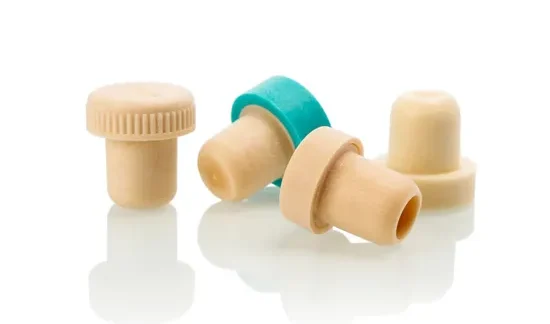
A typical spirits stopper has two main parts. The head is the visible top section and may be made from plastic, wood, metal, composite material, or another decorative material. The shank is the part inserted into the bottle neck. When the shank is made from synthetic cork, it compresses inside the bottle opening to create friction, support sealing, and hold the closure in place.
Synthetic cork stoppers for spirits brands are commonly selected when buyers want a cork-style opening ritual without relying on the natural variation of traditional cork. They are especially useful for repeat production, custom decoration, and bottle lines that require consistent closure dimensions across multiple production batches.
Related buyer terms include synthetic cork closures, synthetic T-top closures, bar-top stoppers for spirits bottles, synthetic cork shanks, liquor bottle stoppers, premium bottle closures, and bulk synthetic cork stoppers for distilleries.
Why Spirits Brands Use Synthetic Cork Stoppers
Spirits brands use synthetic cork stoppers because they offer a strong balance of premium presentation, predictable fit, and scalable sourcing. For commercial bottle programs, closure consistency matters. A stopper that varies too much can create issues with corking equipment, leakage, opening feel, shelf appearance, and customer satisfaction.
Compared with natural cork, synthetic cork can be manufactured with tighter dimensional control. This helps packaging teams manage shank diameter, compression, insertion feel, pull-out force, and batch-to-batch repeatability. For whisky, vodka, gin, rum, tequila, brandy, and liqueur brands, this can reduce risk during filling, warehousing, distribution, and retail display.
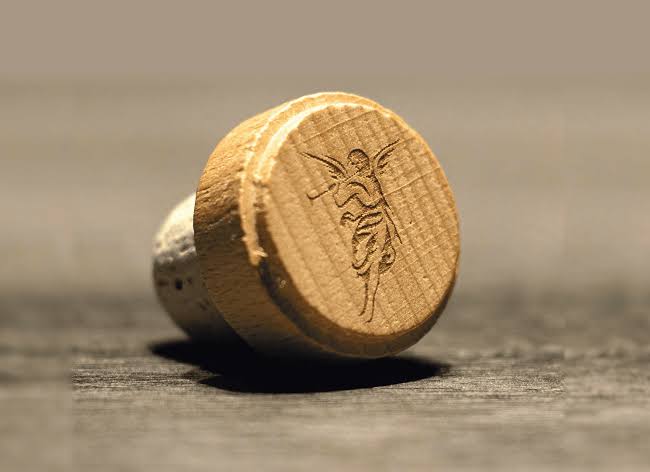
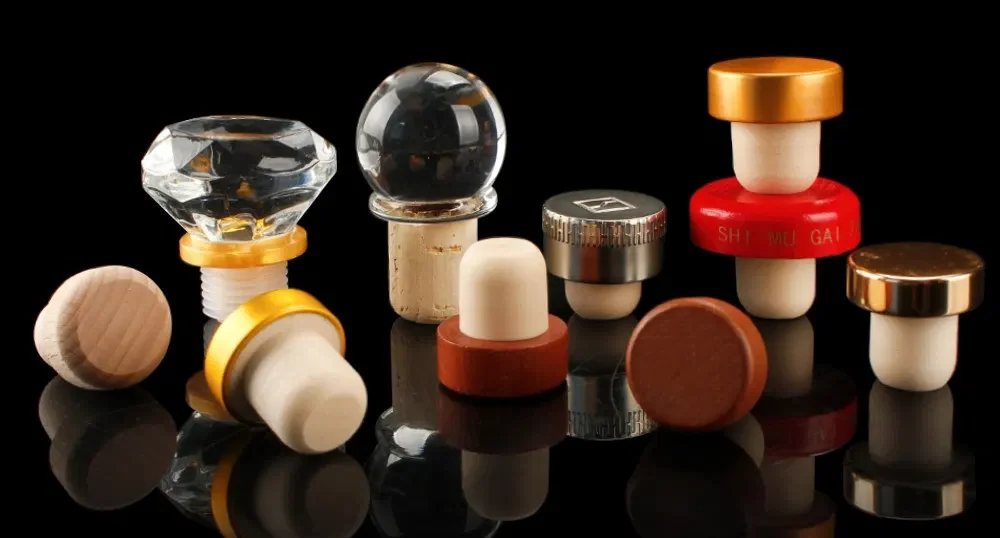
Synthetic cork stoppers for spirits brands also support stronger visual control. The head can be customized by shape, color, texture, material, logo treatment, hot stamping, embossing, debossing, or laser marking. This gives brand owners more ways to align the closure with bottle shape, glass color, label design, capsule finish, gift-box packaging, and target price tier.
For a new product launch, a custom synthetic cork stopper can improve perceived value without requiring a fully custom bottle mold. For established brands, it can support packaging consistency across markets, SKU families, and future reorders.
Synthetic Cork vs Natural Cork vs Plastic Stoppers
The best closure depends on the spirit, brand position, production volume, distribution environment, and target consumer experience. Synthetic cork, natural cork, plastic stoppers, metal-top stoppers, and screw caps can all work for spirits, but each option serves a different purpose.
| Closure Type | Best For | Main Strengths | Main Limitations |
|---|---|---|---|
| Synthetic cork stopper | Scalable spirits brands and private-label programs | Consistent fit, cork-style pull, custom branding, stable sourcing | Requires sample testing before bulk orders |
| Natural cork stopper | Heritage, craft, and natural-material positioning | Traditional appearance, natural story, premium association | More variation in appearance and physical behavior |
| Plastic T-top stopper | Cost-sensitive or modern spirits packaging | Flexible color options, efficient molding, repeatable production | May need stronger decoration to feel premium |
| Metal-top stopper | Premium spirits, gift packs, travel retail | Added weight, durable finish, luxury perception | Higher cost and design validation needs |
| Screw cap or ROPP closure | Convenience-focused spirits or automated lines | Efficient sealing, recloseability, tamper-evident compatibility | Different consumer ritual than cork-style stoppers |
Synthetic cork stoppers are often the best fit when a brand wants the familiar pull of cork but also needs predictable dimensions, controlled appearance, and efficient supply planning.
How to Choose Synthetic Cork Stoppers for Spirits Bottles
Choosing synthetic cork stoppers for spirits brands should begin with the bottle, not the stopper. The closure must match the bottle neck finish, inner diameter, filling process, product strength, logistics route, and brand positioning.
The most important factors include shank diameter, compression recovery, insertion force, pull-out force, leak resistance, alcohol compatibility, head material, decoration method, production tolerance, and carton-level transport performance. Kandacork’s broader closure and stopper range helps buyers compare stopper formats before locking the final specification.
A good stopper should feel secure when inserted, remain stable during shipment, protect the product during storage, and open with the resistance expected for the brand’s price tier. A premium whisky may need a heavier and more confident pull, while a modern gin or vodka brand may prefer a cleaner, smoother opening feel.
Bottle Neck Fit and Shank Diameter
Bottle neck fit is the first technical checkpoint. The stopper shank must match the inner diameter and finish of the bottle neck. If the shank is too small, the closure may feel loose or increase leakage risk. If it is too large, insertion can become difficult, pull-out force may be too high, or the neck may experience unnecessary stress.
Common spirits stopper shank sizes may include dimensions around 18.5 mm, 19.5 mm, 21.5 mm, or 22.5 mm, depending on the bottle design. However, buyers should not assume that a common size will automatically fit every bottle. Glass manufacturing tolerances, neck finish details, and the elastic behavior of the shank all influence final performance.
Brands should prepare bottle drawings, neck finish specifications, or physical bottle samples before approving a closure. The same general bottle shape may have different internal neck dimensions from one glass plant to another, so real sample testing is essential.
For buyers working with synthetic T-cork formats, Kandacork’s synthetic bar-top stoppers can be evaluated by shank size, cap style, closure feel, and intended spirits category before bulk production.
Compression, Insertion Feel, and Pull-Out Force
Compression describes how the synthetic cork shank responds when inserted into the bottle neck. Insertion feel describes how smoothly the closure enters the neck during bottling. Pull-out force describes how much effort is needed to remove the stopper.
All three affect performance and consumer perception. If the closure pulls out too easily, the bottle can feel insecure or low quality. If it is too tight, consumers may struggle to open it, and bar staff may find it inconvenient during service. The ideal result is a controlled, confident opening feel that supports the product’s market position.
Premium rum, whisky, brandy, and tequila may benefit from a firmer pull and a more substantial stopper head. Vodka, gin, and liqueur brands may prefer a cleaner, lighter opening experience that suits modern packaging. Pull-out force should be tested with real filled or simulated bottles, not judged from a drawing or product photo.
Leak Resistance and Transport Stability
Leak resistance is critical for spirits packaging. Bottles may face vibration, temperature changes, pressure variation, pallet stacking, ecommerce handling, warehouse storage, and export shipping. A closure that performs well during a tabletop review may behave differently after weeks in transit.
Synthetic cork stoppers for spirits brands should be tested as part of the complete packaging system. This includes the bottle, stopper, capsule or tamper-evident device, label, gift box, carton, divider, pallet pattern, and shipping route.
Useful validation checks may include inversion testing, temperature cycling, vibration exposure, pull-out force measurement, and carton-level transport simulation. For distribution and transit performance, many packaging teams refer to the International Safe Transit Association when thinking about package testing, damage reduction, and transport conditions.
Leakage can damage labels, cartons, gift boxes, and retail relationships. It can also create unnecessary product loss and customer complaints. Sample testing before production is one of the most valuable steps in closure sourcing.
Alcohol Compatibility and Product Protection
Spirits usually contain higher alcohol levels than wine, beer, or soft drinks. Many whisky, vodka, gin, rum, tequila, and brandy products are around 40% ABV, while overproof spirits can be significantly stronger.
Because of this, closure materials should be reviewed for alcohol compatibility. Buyers should evaluate the synthetic cork shank, cap material, adhesives if used, decorative coatings, inks, and any surface that may contact the bottle mouth or product.
Food-contact documentation should be part of supplier qualification. In the United States, the FDA provides guidance and regulatory resources for packaging and food-contact substances, which is relevant when reviewing materials used in beverage packaging components.
For international spirits programs, buyers may also need to consider the European Commission food-contact materials framework and other market-specific requirements. Packaging teams should confirm expectations with compliance specialists before launch, especially for export sales.
For distilled spirits sold in the United States, the Alcohol and Tobacco Tax and Trade Bureau is also relevant because distilled spirits containers generally require tamper-evident closures or similar devices. A synthetic cork stopper may therefore be one part of a larger closure system that includes a capsule, shrink sleeve, band, or other tamper-evident feature.
How Stopper Design Affects Spirits Brand Shelf Appeal
A stopper can make a bottle feel modern, traditional, bold, minimal, handcrafted, or luxury. This is why synthetic cork stoppers for spirits brands should be selected with the full packaging system in mind.
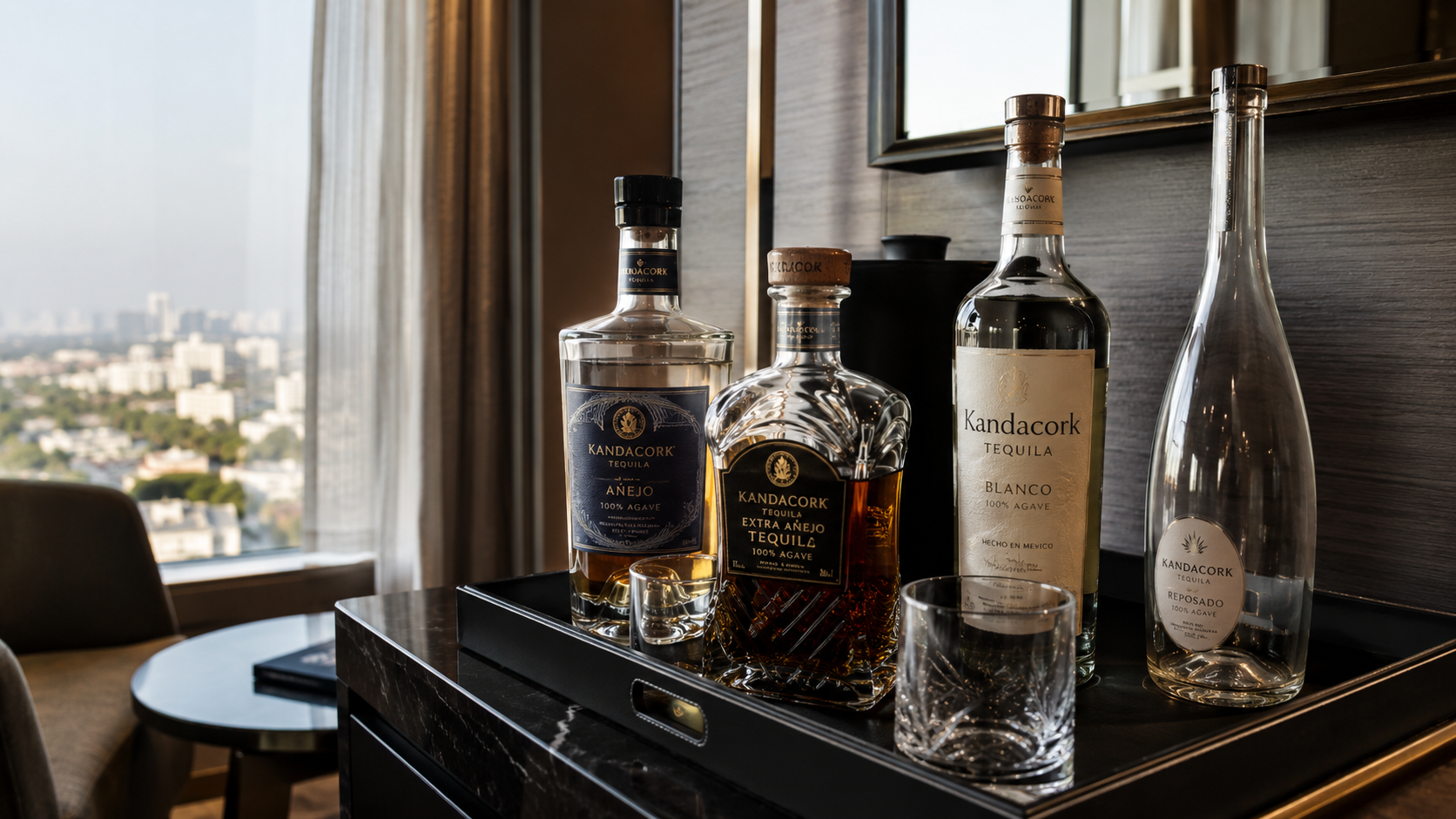
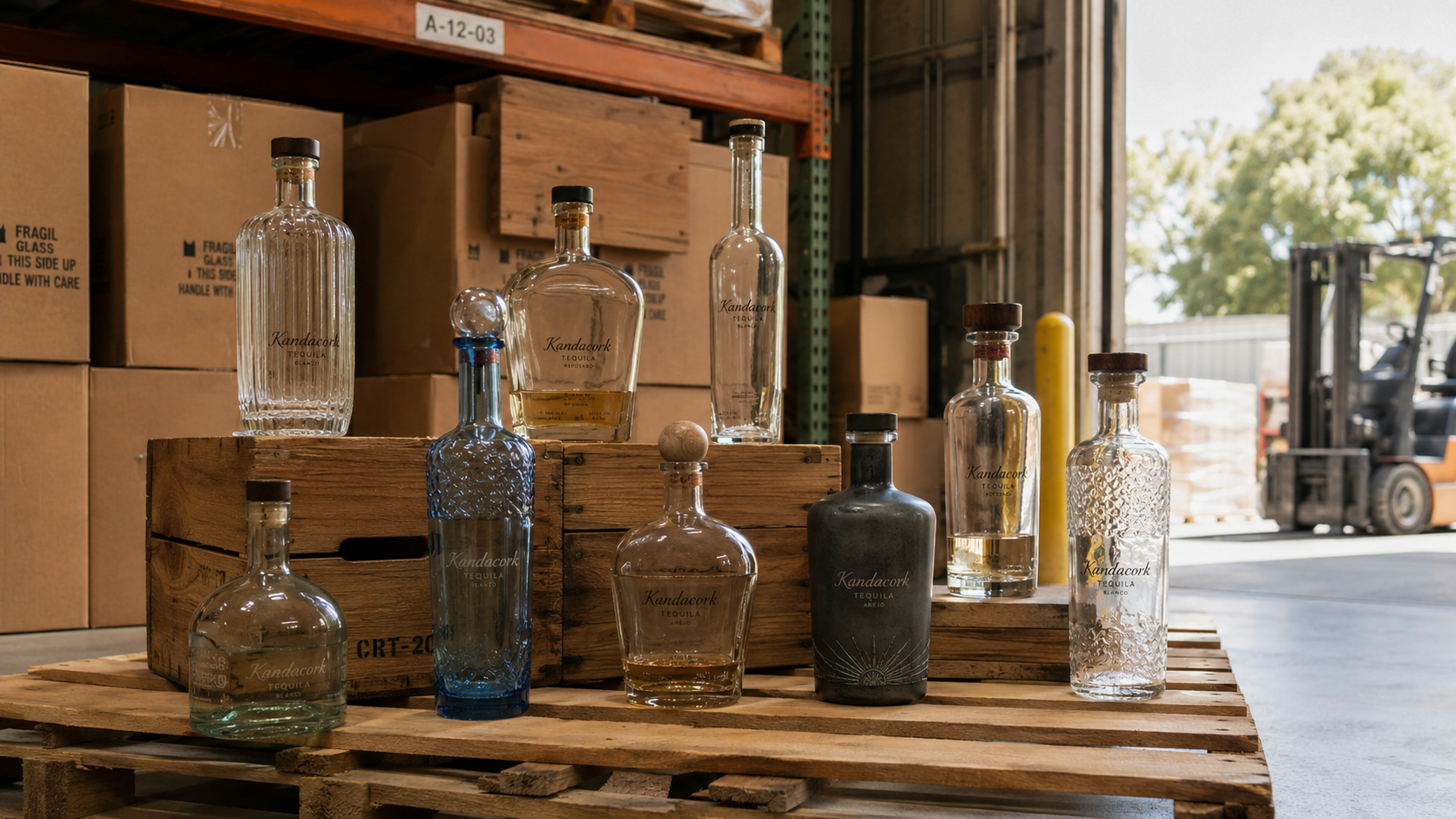
A matte black stopper can support a clean vodka or gin bottle. A wood-top synthetic cork stopper can create warmth for rum, whisky, or craft spirits. A metallic cap can help a premium tequila, brandy, or limited-edition spirit feel more valuable. A color-matched cap can help private-label brands separate flavors, markets, or seasonal SKUs.
Decoration is especially important when the closure is visible from the top shelf, in bar service, or in gift packaging. A stopper head can carry a logo, monogram, batch symbol, crest, pattern, or color system. When the closure, label, glass color, and secondary packaging are designed together, the bottle feels more complete and easier to recognize.
For projects that need stronger visual identity, bottle decoration and branding can help align closure color, surface finish, label decoration, screen printing, coating, and gift-pack presentation.
Material and Head Options for Custom Spirits Stoppers
Synthetic cork stoppers can be paired with different head materials depending on budget, brand position, production volume, and tactile expectations.
Plastic heads are useful for cost-efficient programs, color-matched SKUs, and high-volume private-label production. They can be molded into clean shapes and finished in matte, glossy, textured, or custom-colored surfaces. Kandacork’s plastic T-top stoppers are suitable for buyers who need flexible branding, repeatable dimensions, and practical production economics.
Metal heads are useful when the product needs added weight, durability, and a stronger premium cue. A metal-top closure can support luxury whisky, tequila, brandy, rum, or travel-retail packaging where the stopper needs to feel substantial in the hand. For heavier premium formats, metal stoppers can be considered alongside synthetic cork shanks and decorated bottle systems.
Wood-effect, composite, glass-look, and specialty decorative heads can also be considered depending on the brand story. The best option is the one that supports the bottle’s positioning while still meeting sealing, handling, and production requirements.
Best Use Cases by Spirits Category
Different spirits categories need different stopper design choices. A closure that works for a minimalist vodka bottle may not be ideal for a heritage rum or luxury tequila program.
| Spirits Brand Type | Recommended Stopper Direction |
|---|---|
| Premium whisky or bourbon | Firm pull, wood or weighted cap, darker finish, strong shelf presence |
| Modern gin | Matte black, white, metallic, or color-matched cap with clean geometry |
| Craft rum | Wood-top stopper, warm texture, expressive cap design, strong visual character |
| Private-label vodka | Clean cap shape, SKU color matching, repeatable bulk supply |
| Export tequila | Strong leak testing, durable cap material, tamper-evident compatibility |
| Liqueur or specialty spirits | Decorative finish, color-coded SKUs, gift-friendly presentation |
A craft gin brand may use matte black synthetic cork stoppers to create a sharp contrast with clear glass and botanical label artwork. A premium rum brand may select a wood-top stopper to communicate warmth, barrel aging, and heritage. A private-label vodka program may use color-matched stoppers to separate citrus, berry, and classic SKUs while keeping the bottle mold unchanged.
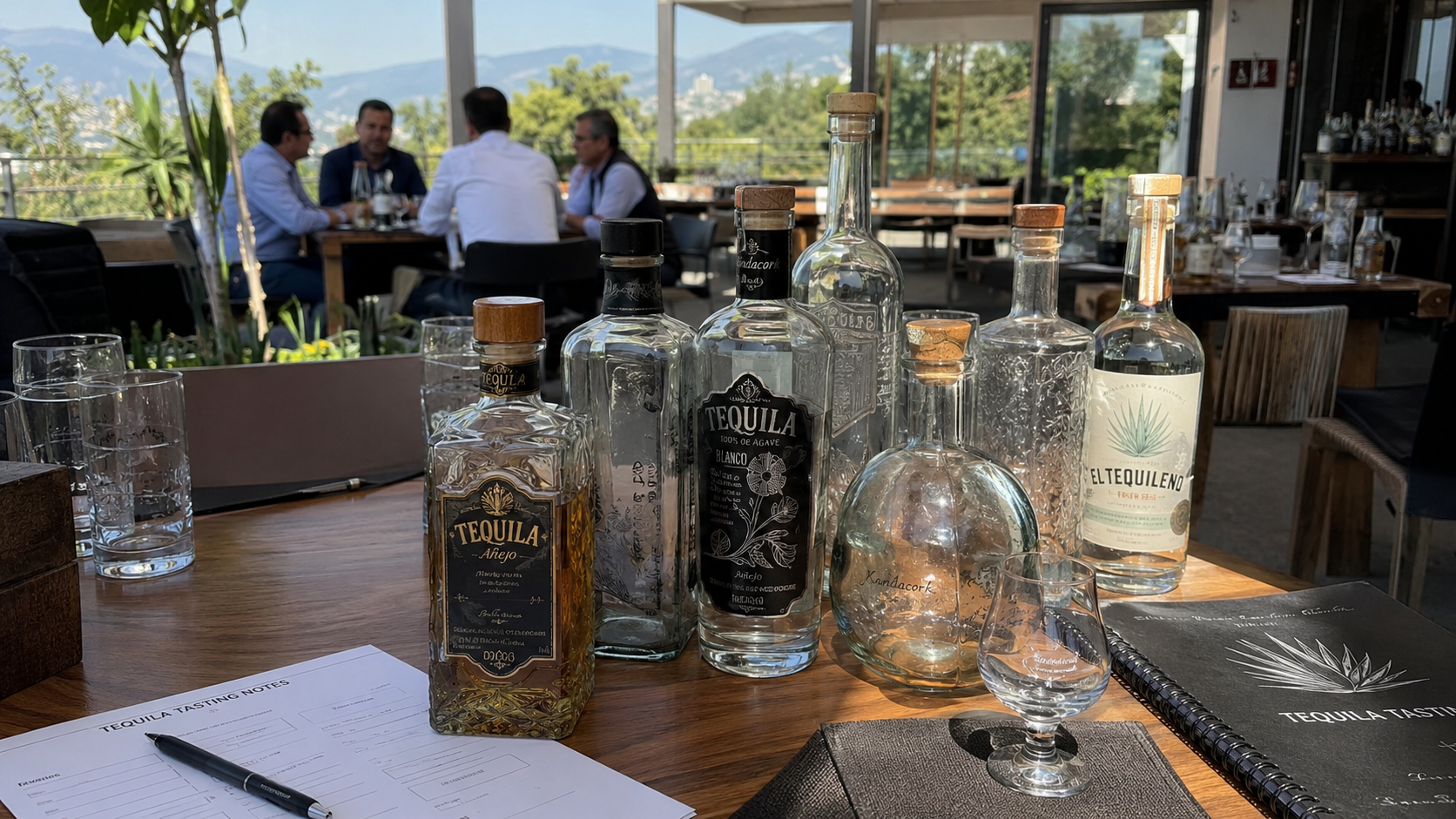
A tequila exporter may prioritize technical testing before decoration during early development. For export shipping, pull-out force, leak resistance, cap durability, and tamper-evident compatibility can be more important than the first visual concept.
Synthetic Cork Stopper Buyer Checklist
Before ordering synthetic cork stoppers in bulk, buyers should confirm the essential technical and commercial details.
The bottle neck inner diameter should be checked against the intended shank diameter. The neck finish drawing or physical bottle sample should be available. The product category, ABV, filling process, and target market should be reviewed before sample approval.
Buyers should also test insertion feel, pull-out force, leakage, cap alignment, surface finish, and carton compatibility. Logo decoration, color matching, cap material, and packaging method should be approved before mass production.
Commercial details matter as much as technical details. Confirm MOQ, lead time, packing method, reorder standards, artwork files, shipping terms, and production tolerance before approving a bulk order. A clear specification reduces delays, avoids inconsistent reorders, and helps the supplier maintain repeatable quality.
Matching Stoppers With Bottle and Glass Packaging
A stopper performs best when it is planned with the bottle. Bottle weight, neck height, glass color, shoulder shape, label panel, base thickness, and carton design all influence the final packaging experience.
A heavy-base whisky bottle may need a stopper with a firmer pull and a more substantial head. A slim gin bottle may need a cleaner stopper profile that does not overpower the label. A premium tequila bottle may benefit from a cap material and finish that matches embossing, coating, or metalized decoration.
For brands developing a full bottle system, Kandacork Glass can support bottle platform planning alongside closure selection. For broader packaging formats and matched glass solutions, custom glass packaging can help buyers coordinate glass structure, decoration-ready surfaces, and compatible accessories.
When Synthetic Cork May Not Be the Best Choice
Synthetic cork may not be ideal for every spirits brand. If the product requires a fully natural-material story, natural cork may better support the brand message. If convenience is the main selling point, a screw cap or ROPP closure may be more appropriate. If the project is focused on the lowest possible unit cost, a simple plastic stopper may be considered.
Synthetic cork may also require additional review when a brand has strict recyclability goals tied to a specific market or material stream. Multi-material closures can be harder to classify for end-of-life claims depending on local recycling infrastructure and separation behavior.
This does not mean synthetic cork is a poor choice. It means packaging teams should compare closure options against the real product brief, brand story, compliance needs, distribution route, sustainability goals, and consumer experience before approving a final specification.
Sustainability and Material Claims
Sustainability claims should be specific, accurate, and supportable. Broad phrases such as “eco-friendly” or “green” are not enough for serious spirits buyers. Packaging teams should ask about material composition, recycled-content options, bio-based material availability, weight reduction, supplier traceability, and end-of-life limitations.
Recyclability depends on material combinations, collection systems, separation behavior, and regional recycling infrastructure. A closure that contains multiple materials may need a more careful explanation than a single-material component. For packaging recoverability by material recycling, ISO 18604 is a useful reference point for how packaging sustainability discussions can be structured.
A responsible packaging strategy should also consider product protection. A closure that helps prevent leakage, label damage, breakage, shipment loss, or product waste can support sustainability by reducing avoidable loss across the supply chain.
How to Buy Synthetic Cork Stoppers in Bulk for Spirits Brands
The best sourcing process starts with a clear project brief. Confirm the bottle neck finish and inner diameter, then define the spirits category, ABV, filling process, target market, annual volume, and distribution route.
Next, choose the stopper format, shank size, head material, cap color, finish, and decoration method. After that, request samples and test them with real bottles. Do not approve a closure based only on photos, drawings, or online product listings.
Testing should include insertion feel, pull-out force, leakage, cap alignment, color match, surface finish, and carton compatibility. For export programs, the closure should be reviewed under realistic transport and storage conditions.
After samples are approved, confirm artwork files, MOQ, lead time, carton packing, shipping method, labeling, and reorder specifications. Keep approved reference samples so future batches can be checked against the original standard.
To begin a custom synthetic cork stopper project, buyers can request a custom closure quote with bottle drawings, physical samples, target spirits category, decoration requirements, preferred cap material, and estimated order quantity.
Common Mistakes to Avoid
One common mistake is choosing synthetic cork stoppers only by appearance. A closure that looks premium can still fail if the shank does not match the bottle neck.
Another mistake is assuming all spirits bottles have similar neck dimensions. Even bottles with the same general shape can have different inner diameters, finish details, and tolerance ranges.
Some brands skip pull-out force testing. This can lead to closures that feel loose, overly tight, or inconsistent across batches.
Another risk is ignoring distribution conditions. A bottle that performs well in a sample room may behave differently during container shipping, ecommerce delivery, or warehouse storage.
Unsupported sustainability language is also a common problem. Claims should be based on real material data, market-specific recycling conditions, and supplier documentation.
The safest approach is to test, document, approve, and keep reference samples before placing a bulk order.
Why Work With Kandacork Closures?
Kandacork Closures helps spirits brands develop custom stopper solutions that support packaging performance, shelf appeal, and scalable sourcing. For buyers, the goal is not only to find a closure that fits. The goal is to find a closure that fits the bottle, protects the product, supports the brand story, and can be produced reliably.
Kandacork Closures can support synthetic cork stoppers for spirits brands across whisky, vodka, gin, rum, tequila, brandy, liqueurs, and private-label spirits. Development considerations may include shank size, cap material, color matching, logo decoration, surface finish, sample review, and bulk production planning.
For growing brands, closure consistency becomes more important as production volume increases. A stopper approved for a pilot run should also be evaluated for larger production, export packaging, and long-term reorder consistency.
FAQ
Are synthetic cork stoppers suitable for premium spirits?
Yes. Synthetic cork stoppers are suitable for premium spirits when they provide consistent fit, controlled pull-out force, alcohol-compatible materials, and a cap design that matches the bottle’s price tier.
For premium whisky, rum, tequila, brandy, gin, and vodka, the stopper should feel secure, look refined, and support the brand’s shelf presence.
What size synthetic cork stopper do I need?
The correct size depends on the bottle neck inner diameter, neck finish, shank design, and required compression. Buyers should test physical samples with real bottles before ordering in bulk.
A common shank size may not fit every bottle because glass tolerances and neck designs can vary between manufacturers.
Are synthetic cork stoppers better than natural cork?
Synthetic cork stoppers are often better for dimensional consistency, controlled fit, and repeatable sourcing. Natural cork may be better when a brand wants a traditional natural-material story.
The better choice depends on brand positioning, production volume, performance requirements, sustainability goals, and target consumer experience.
Can synthetic cork stoppers be customized?
Yes. Synthetic cork stoppers can be customized by cap shape, cap color, head material, logo printing, embossing, debossing, hot stamping, laser marking, and surface finish.
Custom branding helps spirits brands create stronger shelf recognition and a more premium bottle experience.
Should spirits brands test stoppers before bulk ordering?
Yes. Spirits brands should test stopper fit, leakage, pull-out force, alcohol compatibility, and transport performance before approving full production.
Testing reduces the risk of loose closures, difficult opening, leakage, label damage, and inconsistent consumer experience.
Do synthetic cork stoppers work for high-ABV spirits?
They can work for high-ABV spirits, but material suitability must be confirmed. Buyers should request food-contact information and test the closure with the actual product or an appropriate alcohol simulation.
This is especially important for overproof spirits, export packaging, and long storage periods.
What is the difference between a synthetic cork stopper and a bar-top closure?
A synthetic cork stopper usually refers to the inserted shank material. A bar-top closure or T-top stopper refers to the full closure format, including both the decorative head and the inserted shank.
Many spirits bottles use a bar-top closure with a synthetic cork shank.
How can I start a custom synthetic cork stopper project?
Start by preparing the bottle neck drawing, physical bottle sample, target spirits category, ABV, decoration requirements, preferred cap material, and estimated order quantity.
With these details, Kandacork Closures can help review stopper fit, sample development, branding options, and bulk production planning.
Conclusion
Synthetic cork stoppers for spirits brands offer a practical combination of premium presentation, controlled fit, customization, and scalable sourcing. They are especially useful for brands that want a cork-style opening experience with more predictable production consistency than traditional natural cork.
The best results come from matching the stopper to the bottle, product, filling process, market, distribution route, and brand position. Buyers should review technical drawings, request samples, test real bottles, and confirm compliance documentation before bulk ordering.
For whisky, vodka, gin, rum, tequila, brandy, liqueurs, and private-label spirits, Kandacork Closures can help develop custom synthetic cork stopper solutions that support packaging performance, shelf appeal, and long-term sourcing reliability.