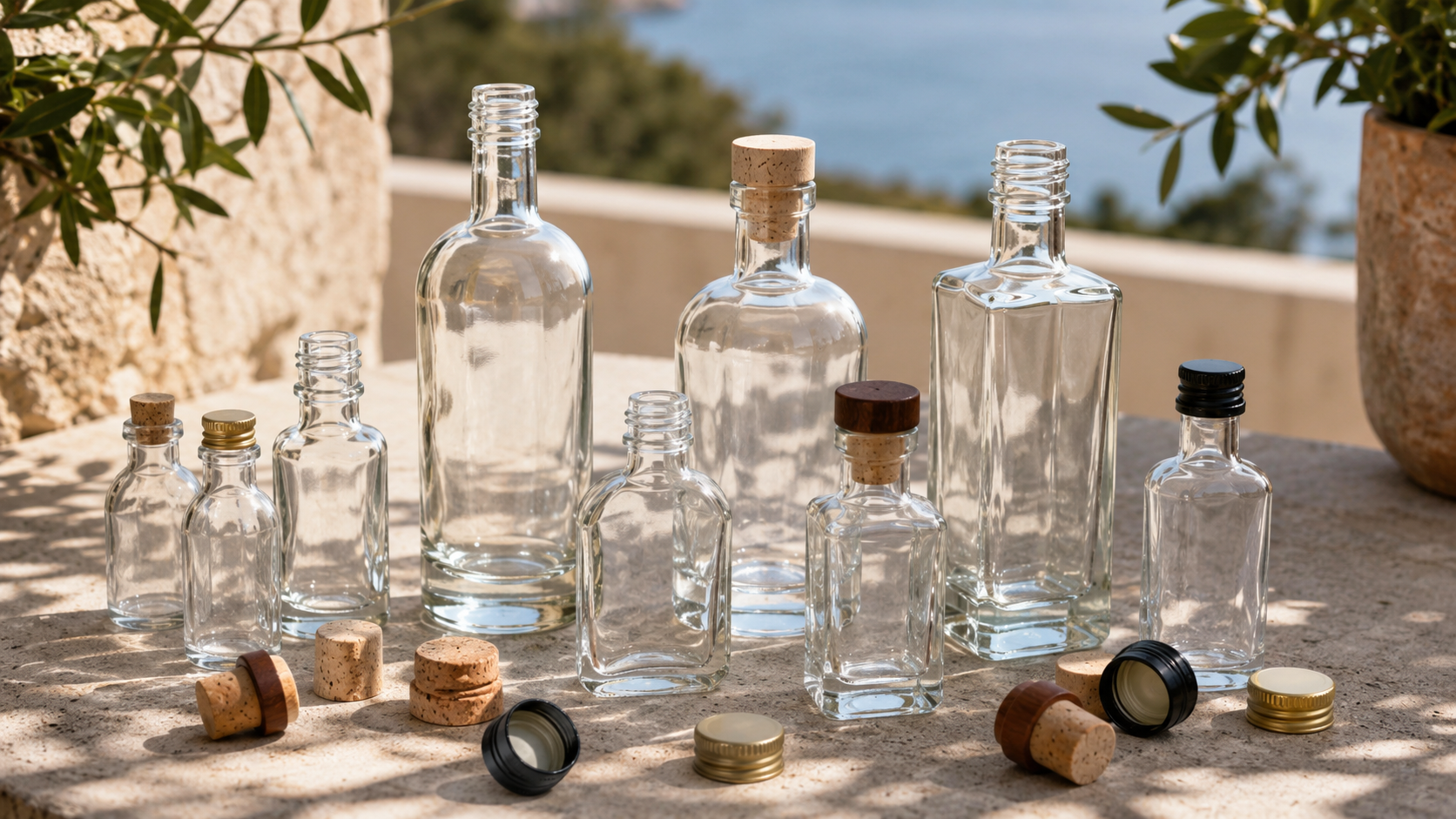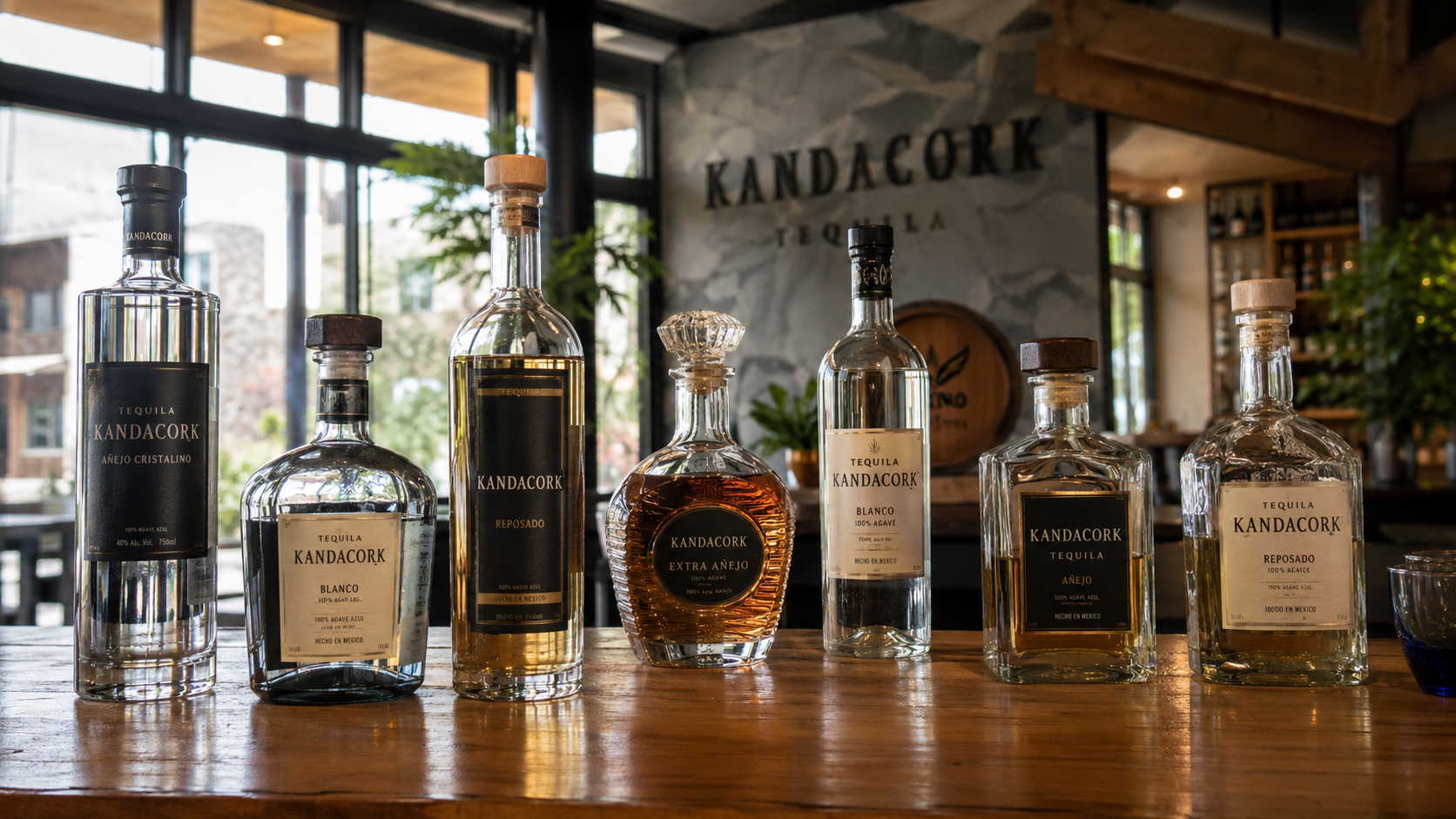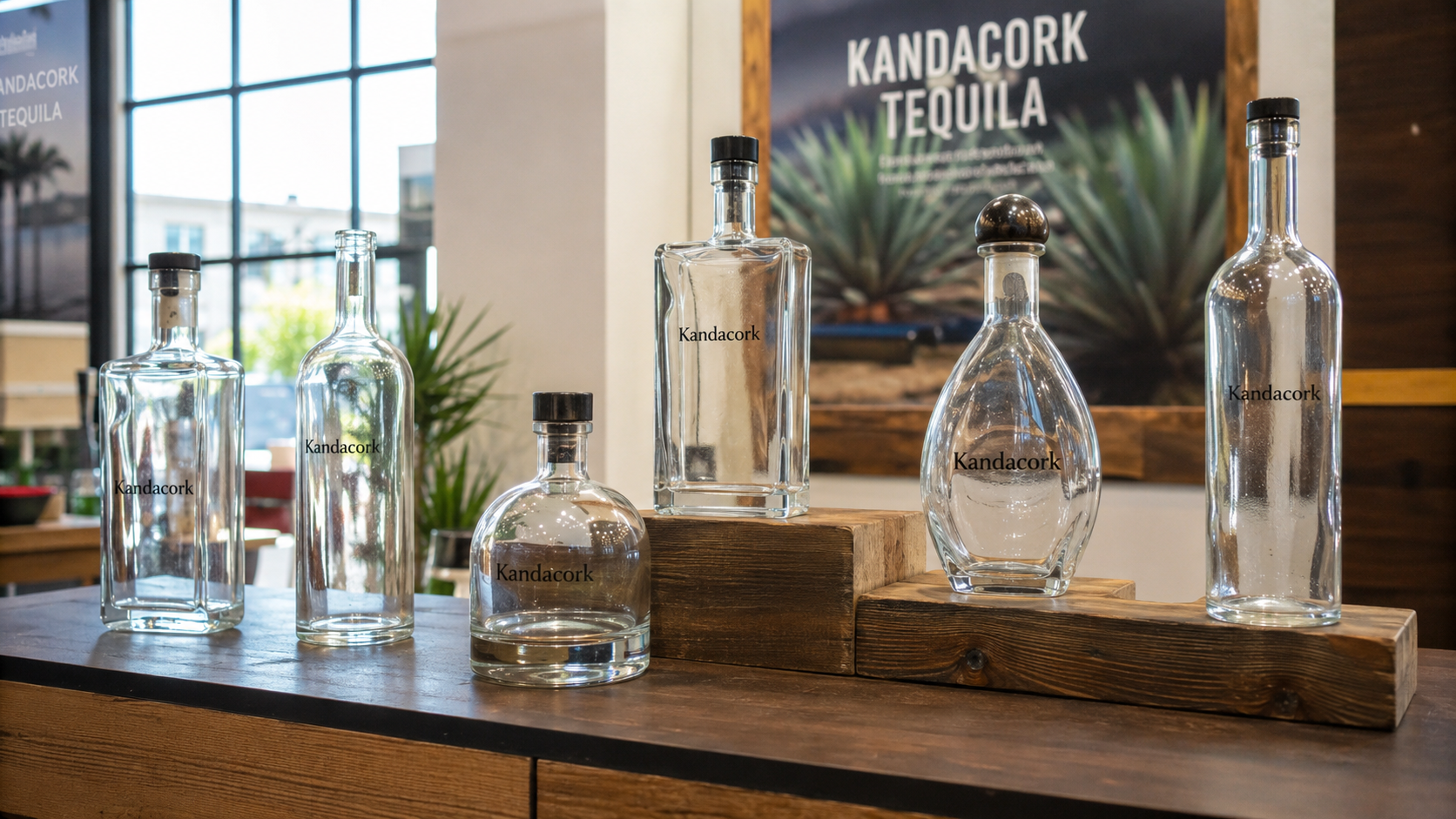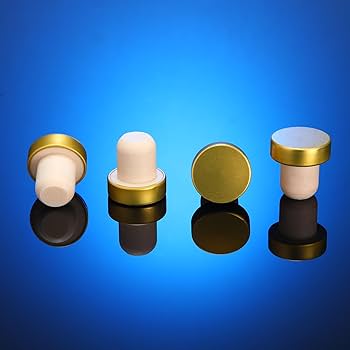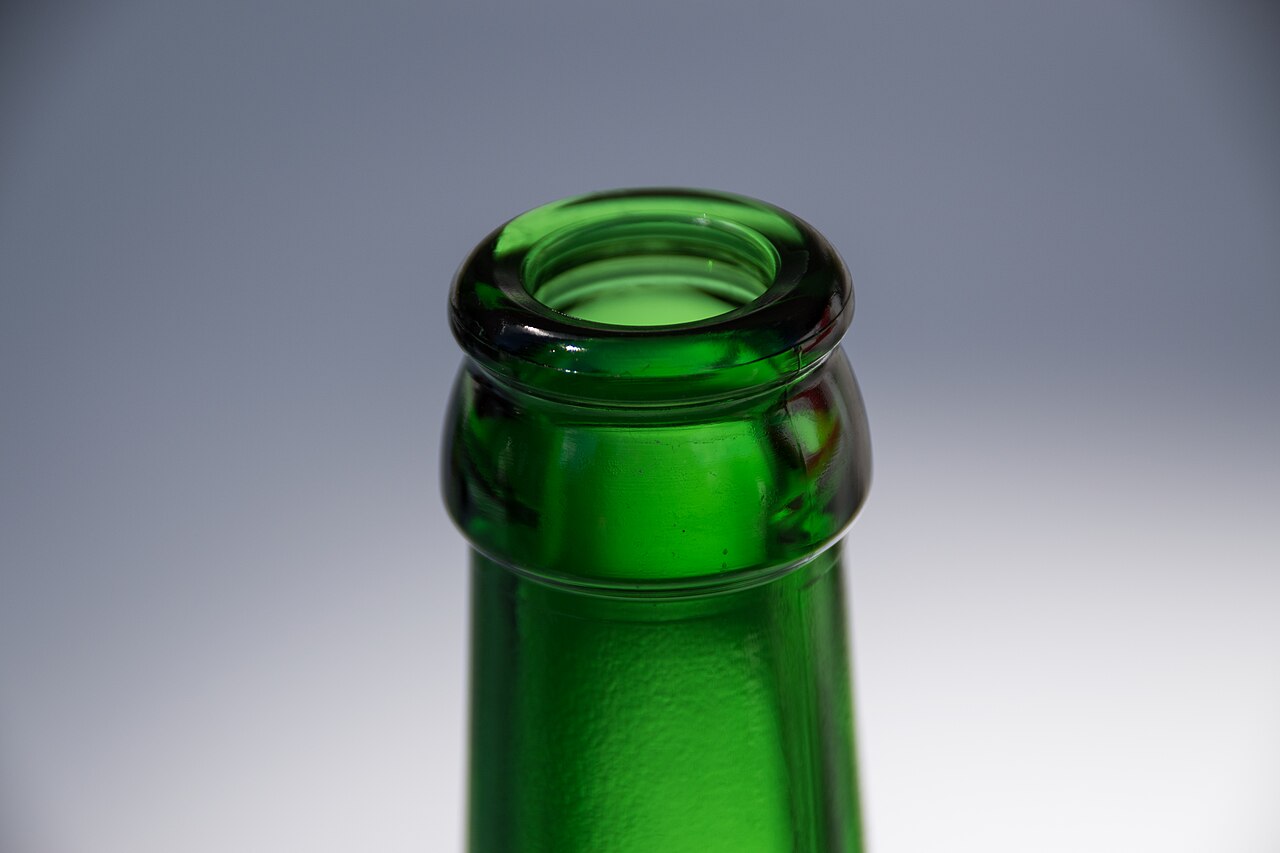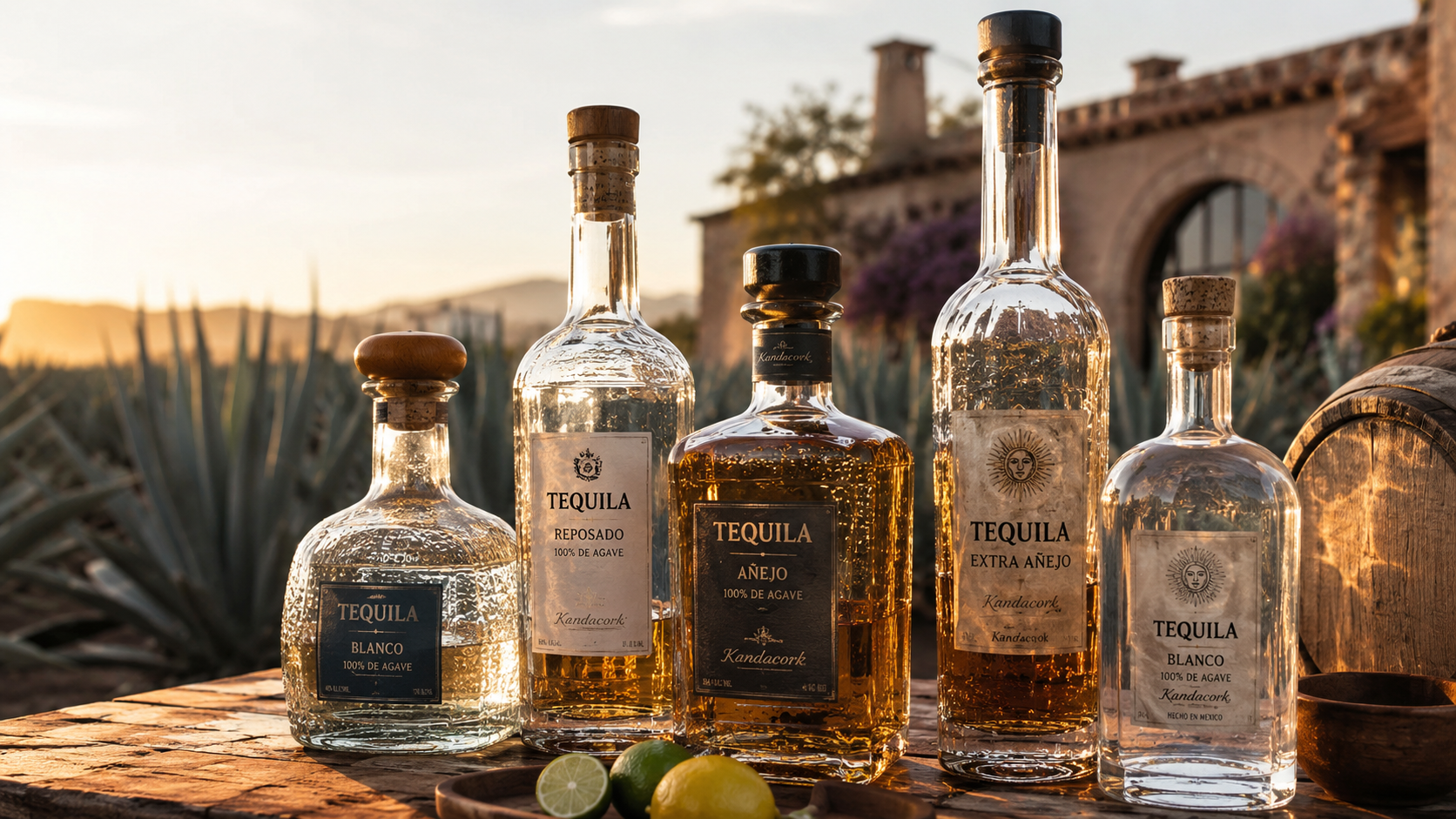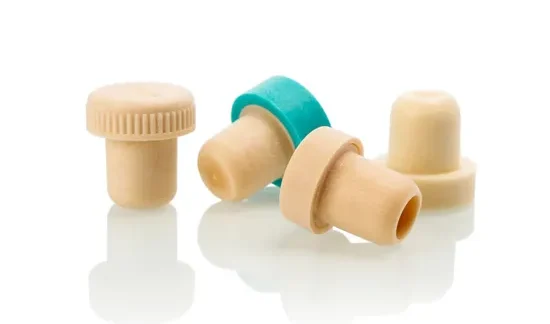
Gin packaging often uses closure details to reinforce a clean, botanical or premium brand style. This guide explains how closure fit, top material, logo method, cap finish and bottle neck compatibility affect custom gin bottle projects.
Custom Bottle Closures for Gin Explained
Custom bottle closures for gin are specially selected or developed caps, stoppers, corks, capsules, or anti-refill systems designed to match a gin bottle’s neck finish, brand identity, and production requirements.
The most common options include T-top stoppers, ROPP closures, screw caps, non-refillable closures, capsules, and decorative neck sleeves. Each closure type serves a different purpose. Some are chosen for premium appearance, some for high-speed bottling, some for anti-refill protection, and others for cost-effective private-label supply.
For B2B buyers, the most important question is not only whether the closure looks good. The closure must fit the bottle correctly, seal reliably, support filling-line requirements, meet the intended market’s packaging expectations, and remain consistent across repeat orders.
Quick Buyer Answer
The best custom bottle closures for gin include T-top stoppers for premium and craft gin, ROPP caps for high-volume production, non-refillable closures for export markets, and decorative capsules for tamper evidence and shelf appeal.
The right choice depends on bottle neck finish, closure material, filling-line method, MOQ, target price, and brand position. A botanical craft gin may use a wooden T-top stopper, while a modern premium gin may use an aluminum stopper. A luxury limited-edition gin may require a zinc alloy or glass closure, while a high-volume retail gin may perform better with a ROPP closure or screw cap.
Why Custom Bottle Closures Matter for Gin Brands
Gin is a highly visual spirits category. Many gin brands compete through bottle shape, botanical story, label texture, glass color, embossing, cap design, and premium shelf presentation. The closure must support this identity.
A standard closure may be enough for basic bottling, but it often fails to create a strong brand impression. A custom closure gives the bottle a more finished, intentional, and premium appearance.
Custom bottle closures for gin help brands solve practical and commercial problems:
- Improve bottle sealing and reduce leakage risk
- Match the closure with the bottle neck finish
- Create stronger retail shelf impact
- Support brand recognition through logo and color customization
- Improve the customer’s opening experience
- Strengthen premium, craft, or luxury positioning
- Support distributor and export packaging requirements
- Create a repeatable closure system for long-term supply
For gin brands, the closure is part of the product experience. When the customer touches the cap or stopper, they are interacting directly with the brand.
Quick Selection Guide for Gin Bottle Closures
| Gin Project Type | Recommended Closure | Main Benefit |
|---|---|---|
| Craft gin | Wooden T-top stopper | Natural appearance and warm hand feel |
| Botanical gin | Wood or natural-look stopper | Supports botanical and artisan positioning |
| Premium gin | Aluminum T-top stopper | Clean, modern, high-end presentation |
| Luxury gin | Zinc alloy or glass stopper | Heavy feel and strong shelf impact |
| Private-label gin | Plastic T-top stopper or ROPP cap | Cost control and flexible customization |
| High-volume retail gin | Screw cap or ROPP closure | Efficient bottling and stable sealing |
| Export gin | Non-refillable or tamper-evident closure | Brand protection and market compliance support |
| Gift-pack gin | Metal, glass, or decorative stopper | Premium display value |
This selection guide gives buyers a fast starting point. Final closure selection should always be confirmed through bottle drawing review, physical sample testing, and packaging trials.
T-Top Stoppers for Premium Gin Bottle Closures
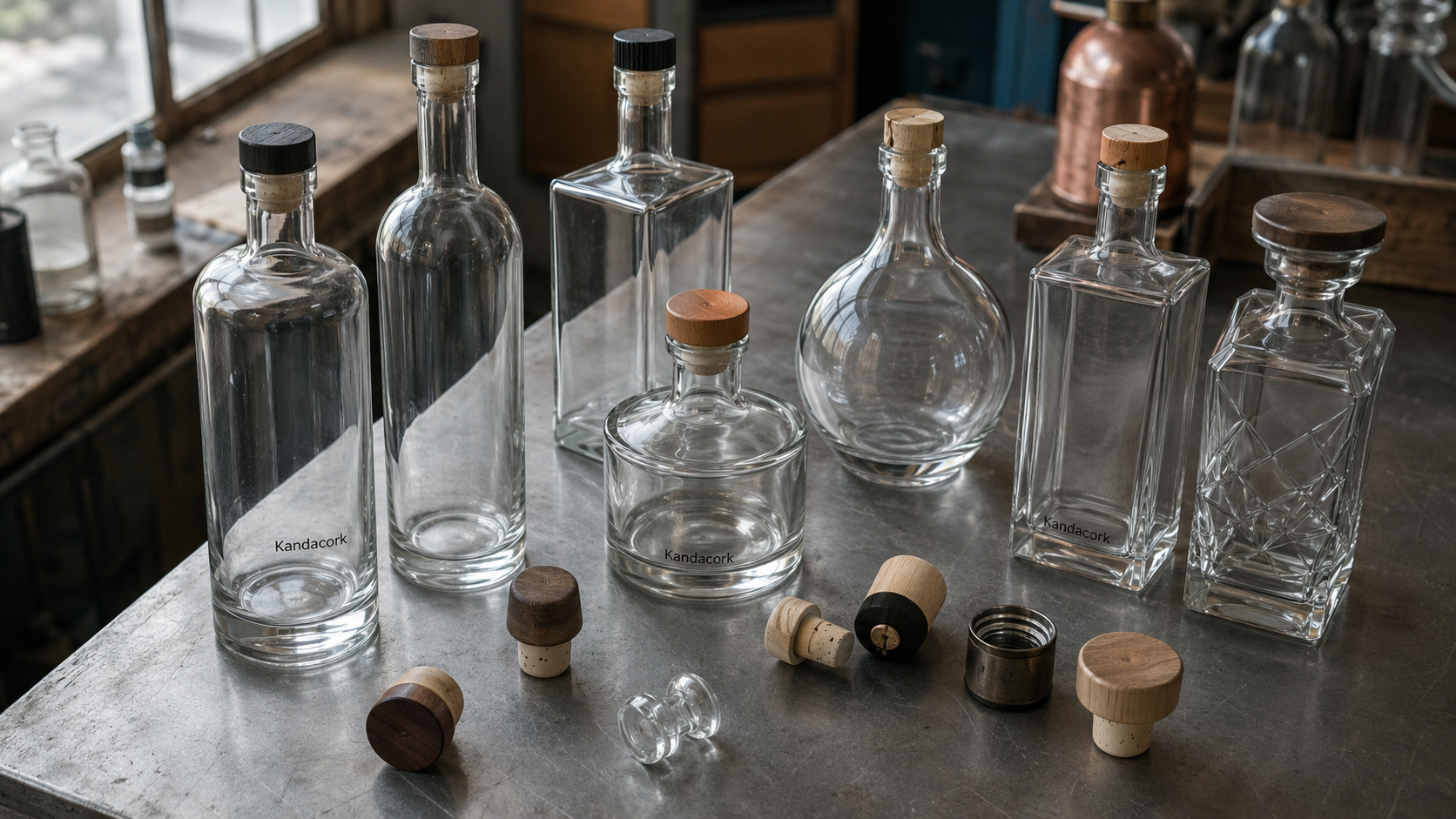
T-top stoppers are one of the most popular choices for premium gin packaging. They combine a decorative top with a cork, synthetic cork, or micro-agglomerated cork shank.
The top can be produced from wood, aluminum, zinc alloy, plastic, glass, ceramic, or other custom materials. The shank is inserted into the bottle neck to create the seal and hold the stopper in place.
T-top stoppers are suitable for:
- Craft gin
- Botanical gin
- Premium gin
- Limited-edition gin
- Gift-pack spirits
- Private-label premium spirits
- High-end bar and retail channels
The main advantage is the opening experience. A well-designed T-top stopper feels more premium than a basic screw cap and gives the bottle a stronger visual identity.
For custom bottle closures for gin, T-top stoppers are often selected when the brand wants a distinctive, reusable, and decorative closure.
Screw Caps and ROPP Gin Bottle Closures
Screw caps and ROPP closures are practical choices for high-volume production, retail gin, mini bottles, private-label spirits, and cost-sensitive projects. For brands that need aluminum caps with pilfer bands, liners, and full-height graphics, custom ROPP closures for spirits bottles are a practical option when matched to the correct glass finish and capping line.
ROPP stands for roll-on pilfer-proof. These closures are commonly used in spirits packaging because they offer efficient application, tamper-evident functionality, and reliable sealing performance when matched with the correct bottle finish.
Screw caps and ROPP closures can be customized with:
- Printed logos
- Embossed or debossed details
- Matte or glossy finishes
- Metallic effects
- Color matching
- Top printing
- Side printing
- Tamper-evident bands
These closures are useful when a gin brand needs stable production speed, consistent supply, and competitive unit cost. They are also suitable for export projects where tamper evidence and retail security are important.
Non-Refillable Gin Closures for Export and Brand Protection
Non-refillable closures are used when a brand needs additional protection against refilling or product tampering. They are common in spirits packaging for markets where counterfeit risk, refill risk, or distributor control is a concern.
For higher-risk markets, non-refillable closures for spirits bottles can combine brandable outer shells, tamper-evident features, sealing interfaces, and anti-refill inserts into one closure system.
Non-refillable closures are suitable for:
- Export gin brands
- Duty-free gin
- Premium retail gin
- Distributor-controlled markets
- Brand-protection projects
- Spirits sold in markets with higher refill risk
These closures can help protect brand integrity and consumer trust. For premium gin brands entering international markets, a non-refillable closure can be a practical part of the packaging strategy.
Capsules and Neck Sleeves for Gin Bottle Packaging
Capsules and shrink sleeves are often used together with stoppers or caps. They cover the bottle neck, provide a tamper-evident layer, and create a more complete shelf appearance.
Common options include:
- PVC capsules
- Polylaminate capsules
- Printed shrink sleeves
- Decorative neck sleeves
- Custom color neck finishes
- Branded tamper-evident sleeves
For premium custom bottle closures for gin, the closure and capsule should be designed as one visual system. The color, material, logo position, and neck coverage should work together with the label and bottle shape.
Material Options for Custom Gin Bottle Closures
Closure material affects appearance, cost, weight, sustainability positioning, customer experience, and production feasibility. Buyers should compare materials before sample development or custom mold production.
Wooden Gin Bottle Closures
Wooden closures are ideal for craft gin, botanical gin, organic-style gin, and natural packaging concepts. Wood gives the bottle warmth, texture, and a handcrafted feeling.
Wooden closures work well with clear glass bottles, embossed glass, paper labels, natural textures, and botanical brand stories. They can be paired with synthetic cork, natural cork, or micro-agglomerated cork shanks.
Common customization options include:
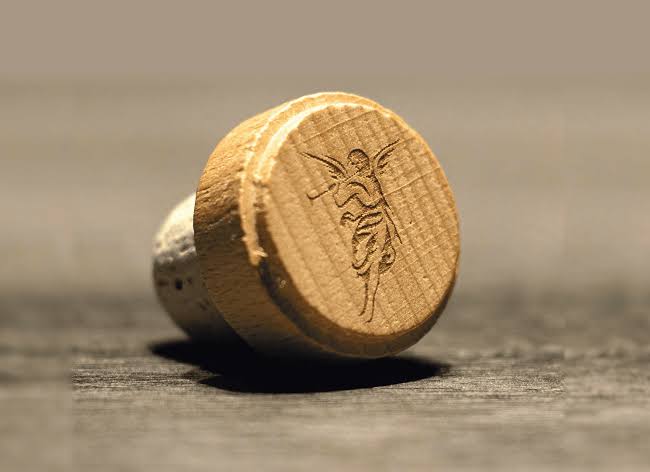
- Laser engraving
- Pad printing
- Wood staining
- Natural grain finish
- Matte coating
- Painted finish
- Logo branding on the top or side
Wooden closures are a strong choice for brands that want a natural, premium, and approachable look.
Aluminum Gin Bottle Closures
Aluminum closures provide a clean, modern, and lightweight finish. They are suitable for premium gin brands that want a sleek and contemporary appearance.
Aluminum can be customized through anodizing, printing, embossing, debossing, brushing, polishing, matte finishing, or glossy finishing. It is often used for modern spirits packaging where precision and color consistency matter.
Aluminum closures are suitable for:
- Minimalist gin packaging
- Premium retail gin
- Contemporary spirits brands
- Private-label premium gin
- Color-matched packaging systems
For custom bottle closures for gin with a clean and modern identity, aluminum is one of the most versatile options.
Zinc Alloy and Metal Gin Bottle Closures
Zinc alloy closures provide weight, durability, and a luxury hand feel. They are often used for flagship gin products, collector editions, limited releases, and gift-box packaging.
Zinc alloy tops can be custom molded into unique shapes and finished with metallic effects, antique textures, gold, silver, bronze, black, or custom colors. They can also include raised logos, recessed logos, textured surfaces, or three-dimensional brand elements.
Metal closures are suitable for:
- Luxury gin
- Limited-edition spirits
- Premium gift sets
- Duty-free packaging
- High-end bar and hotel channels
- Collector bottles
The main benefit is perceived value. A heavier closure can make the bottle feel more premium in the customer’s hand.
Plastic Gin Bottle Closures
Plastic closures are cost-effective, flexible, and suitable for large-volume production. They are often used for private-label gin, promotional spirits, standard retail gin, and projects that need strong color customization at controlled cost.
Plastic tops can be produced in custom colors and decorated with printing, texture, logo placement, matte finish, or glossy finish.
Plastic closures are suitable for:
- Private-label gin
- Standard retail gin
- Promotional spirits
- Large-volume supply
- Budget-sensitive packaging
- Fast-moving product lines
Plastic is practical when the buyer needs customization flexibility without the cost of metal or glass.
Glass and Crystal-Style Gin Bottle Closures
Glass and crystal-style closures create a decorative and elegant appearance. They are often used for premium gin, collector bottles, display bottles, and gift packaging.
These closures can make the bottle look more refined, especially when paired with clear glass, embossed branding, or luxury labels. For bottle development, closure matching, and spirits packaging coordination beyond the closure itself, Kandacork Spirits can support bottle structure, neck finish, closure fit, and full spirits bottle development.
Glass closures are suitable for:
- High-end gin
- Luxury gift packaging
- Decorative bottles
- Limited-edition releases
- Display-focused spirits packaging
Glass-style closures require careful fit testing and packaging protection because appearance and breakage resistance are important for premium retail presentation.
Natural Cork, Synthetic Cork, and Micro-Agglomerated Cork Shanks
For T-top gin bottle stoppers, the shank material is as important as the decorative top. The shank controls fit, sealing stability, insertion feel, and extraction experience.
| Shank Type | Best For | Advantages | Considerations |
|---|---|---|---|
| Natural cork | Premium and natural-style gin | Traditional appearance, natural material, strong heritage feel | Natural variation may affect appearance and consistency |
| Synthetic cork | Consistent bulk production | Stable dimensions, controlled fit, lower variation | Less natural appearance than real cork |
| Micro-agglomerated cork | Premium consistency | Balanced natural look and technical control | Cost varies by grade and specification |
Natural cork is suitable when the brand wants a traditional or natural look. Synthetic cork is useful when the buyer needs stable dimensions and repeatable performance across bulk orders. Micro-agglomerated cork can provide a balance between visual appeal and technical consistency.
For custom bottle closures for gin, the shank should be selected based on the bottle neck, target price, production volume, spirit strength, export conditions, and brand positioning.
Technical Fit: Neck Finish, Shank Size, and Pull-Out Force
A closure must be selected through technical review, not appearance alone. A beautiful closure that does not fit the bottle correctly can cause leakage, poor extraction, loose fit, or transport problems.
Before producing custom bottle closures for gin, the supplier should review the bottle neck drawing or physical bottle sample.
| Technical Item | Why It Matters |
|---|---|
| Inner neck diameter | Determines shank fit and leakage risk |
| Outer neck diameter | Helps confirm cap or stopper compatibility |
| Neck height | Affects closure seating and visual alignment |
| Insertion depth | Influences stability and opening experience |
| Shank diameter | Controls tightness, sealing, and extraction |
| Shank length | Supports correct fit inside the bottle neck |
| Pull-out force | Helps ensure the stopper is not too loose or too tight |
| Logo alignment | Keeps branding consistent across batches |
| Color matching | Maintains brand identity across repeat orders |
| Leak testing | Reduces risk during storage and transport |
| Packaging protection | Prevents scratching, deformation, and transit damage |
For T-top stoppers, shank fit is especially important. If the shank is too loose, the closure may wobble or leak. If it is too tight, the customer may struggle to open the bottle.
Common Problems in Gin Bottle Closure Projects
Custom closure projects can run into delays or performance issues when drawings, samples, materials, or decoration requirements are not confirmed early enough.
Common problems include:
- Loose stopper fit caused by inaccurate inner neck diameter
- Leakage caused by incorrect shank size or poor compression
- Difficult opening caused by excessive insertion tightness
- Color variation between approval sample and bulk production
- Logo misalignment on small, curved, or textured closure surfaces
- Scratches on metal closures during packing or transport
- Poor compatibility between capsule height and closure profile
- Delays caused by incomplete artwork or missing bottle drawings
- Surface defects such as dents, bubbles, uneven coating, or rough edges
- Packaging damage caused by insufficient separation between closures
These issues can usually be reduced through accurate bottle measurements, clear artwork files, prototype approval, sample testing, and proper export packaging.
Production and Filling-Line Considerations
The closure should work with the buyer’s actual production process. Filling-line speed, capping method, stoppering pressure, bottle handling, carton packing, and export shipping conditions can all affect closure performance.
Buyers should test:
- Bottle fit
- Insertion force
- Pull-out force
- Leakage resistance
- Logo position
- Cap alignment
- Color consistency
- Filling-line compatibility
- Transport vibration resistance
- Carton and pallet protection
Sample testing before mass production helps reduce risk and prevents expensive packaging problems after launch.
Custom Branding Options for Gin Bottle Closures
Branding is one of the strongest reasons to develop custom bottle closures for gin. The closure can carry the brand logo, color system, texture, material story, and premium identity.
Closure color and surface finish should be treated as technical packaging decisions, not only visual choices. Kandacork Closures supports custom colors and finishes for spirits closures across bar-top stoppers, screw caps, ROPP closures, capsules, and related components.
Common customization methods include:
- Laser engraving
- Embossed logo
- Debossed logo
- Hot foil stamping
- Pad printing
- Silk screen printing
- UV printing
- Pantone color matching
- Matte surface finish
- Glossy surface finish
- Metallic coating
- Antique gold, silver, bronze, or black finish
- Custom mold development
- Custom top shape
- Coordinated capsule and neck sleeve design
Sidewall texture is also important for both appearance and usability. Functional sidewall design for spirits closures can improve grip, torque control, and opening comfort while still supporting a premium visual finish.
For bottle-level branding, labels, coatings, foils, decals, frosting, metallization, badges, and print-area planning should be coordinated with the closure. Kandacork Bottle Decor supports decoration and branding programs for spirits bottles when brands need the bottle surface and closure system to work together.
Gin Bottle Closure Comparison by Material and Use
| Closure Type | Best For | Advantages | Customization Level |
|---|---|---|---|
| Wooden T-top stopper | Craft and botanical gin | Natural feel, premium appearance, strong brand warmth | High |
| Aluminum T-top stopper | Modern premium gin | Clean design, lightweight, strong logo surface | High |
| Zinc alloy stopper | Luxury gin and limited editions | Heavy feel, custom shape, high shelf impact | Very high |
| Plastic T-top stopper | Private-label and standard gin | Cost-effective, flexible, stable supply | Medium to high |
| Glass stopper | Gift and display bottles | Elegant, decorative, premium appearance | High |
| ROPP closure | High-volume gin | Efficient, tamper-evident, cost-effective | Medium |
| Non-refillable closure | Export and protected markets | Anti-refill function and brand protection | Medium to high |
| Capsule or shrink sleeve | Neck decoration and tamper evidence | Finished look and additional branding area | Medium |
There is no single best closure for every gin brand. The right choice depends on bottle design, neck finish, target cost, brand positioning, production line, and destination market.
Bottle, Closure, and Decoration as One Packaging System
A strong gin package is not created by the closure alone. The bottle shape, neck finish, label area, decoration process, capsule height, and closure profile must work together.
For new product launches, buyers should confirm whether the bottle is a standard mold, semi-custom mold, or fully custom mold. They should also check whether the closure height affects label balance, whether the capsule covers the correct neck area, and whether the bottle shoulder and closure top create the intended shelf silhouette.
For brands that need a broader glass packaging partner, Kandacork Glass supports integrated spirits glass packaging coordination, including bottles, closures, decoration, and bulk production planning. For projects where sustainability, refill concepts, or multi-category glass packaging are important, Kandacork Glass Packaging can help align glass structure, closure systems, accessories, and export-ready packaging.
This coordinated approach helps reduce mismatch between bottle engineering, closure fit, decoration limits, and carton protection.
MOQ, Sampling, and Lead Time for Custom Gin Bottle Closures
MOQ depends on material, decoration method, mold requirement, and production complexity. Standard closure models usually have lower MOQ, while custom molds, custom colors, and special metal parts may require higher starting quantities.
A typical project workflow includes:
- Buyer sends bottle drawing, bottle sample, or closure reference
- Kandacork Closures reviews neck finish and brand requirements
- Closure type, material, and decoration method are recommended
- Artwork, logo, color, and surface finish are confirmed
- Sample or prototype is developed
- Buyer tests fit, appearance, and opening experience
- Bulk production starts after approval
- Finished closures are packed for domestic delivery or export shipment
To reduce development time, buyers should provide complete information at the beginning of the project.
RFQ Checklist for Custom Gin Bottle Closures
Before requesting a quote, prepare:
- Bottle neck drawing
- Physical bottle sample if available
- Closure reference photo
- Logo file in AI, PDF, SVG, or high-resolution format
- Target closure material
- Target surface finish
- Target order quantity
- Annual forecast
- Destination market
- Preferred packaging method
- Required compliance documents
- Expected launch schedule
- Special transport or storage requirements
Accurate information helps the supplier recommend the right custom bottle closures for gin and avoid unnecessary sample revisions.
Kandacork Closures can review your bottle drawing or physical bottle sample and recommend suitable closure options based on neck finish, target material, order quantity, decoration method, and brand positioning.
Quality Control for Custom Gin Bottle Closures
Quality control is essential for spirits packaging. Small differences in dimension, color, material, or logo position can affect the final bottle presentation.
Important QC checkpoints include:
- Dimensional inspection
- Shank diameter control
- Insertion fit testing
- Pull-out force testing
- Leakage testing
- Color consistency check
- Surface finish inspection
- Logo position inspection
- Printing durability review
- Packaging protection check
- Batch traceability
- Carton labeling review
Quality programs should be built around repeatable process control. ISO 9001 quality management principles are widely used as a reference for documented quality systems, corrective action, process consistency, and customer-focused improvement.
For regulated markets, buyers should request material declarations, food-contact statements, test reports, or market-specific compliance documents where applicable. The U.S. FDA provides guidance on packaging and food contact substances, while the European Commission explains food-contact material requirements under EU food contact materials legislation.
For spirits sold in the United States, bottle labels and net contents are also subject to Alcohol and Tobacco Tax and Trade Bureau requirements, including guidance for distilled spirits net contents labeling. For carton, case, and product data exchange, the GS1 Package and Product Measurement Standard provides a consistent method for communicating package measurements across trade partners.
Packaging and Export Protection
A premium closure can lose value if it arrives scratched, dented, mixed, or poorly separated. Export packaging should protect the surface finish, printed logo, metal coating, glass top, cork shank, and capsule components during handling, loading, vibration, and warehouse storage.
Common packaging considerations include:
- Individual separation for scratch-sensitive metal or glass closures
- Inner bags or trays to reduce surface abrasion
- Carton strength suitable for export handling
- Clear carton labeling by SKU, color, finish, and batch
- Moisture-resistant packing for long-distance shipments
- Palletization plans for mixed closure and bottle programs
- Pre-shipment inspection for appearance and quantity
For premium gin brands, packaging protection is part of quality control. The buyer is not only purchasing closure pieces; they are purchasing a consistent branded component that must arrive ready for filling, assembly, and retail presentation.
Sustainability Considerations for Gin Closures
Sustainability requirements vary by brand, market, and packaging format. Some buyers prioritize recycled aluminum, FSC-style wood sourcing, lightweight closure design, refillable bottle concepts, mono-material thinking, or easier component separation.
A closure should be evaluated by both performance and end-of-life practicality. A lightweight cap may reduce transport weight, while a durable stopper may support reuse. A multi-material luxury closure can look premium, but the buyer should consider how easily components can be separated in the destination market.
For sustainability-focused projects, brands should discuss material origin, surface coating, recycled content options, weight reduction, durability, and compatibility with local recovery systems during the early design stage. The Sustainable Packaging Coalition provides industry resources that can help brands think more systematically about packaging design, material choices, and sustainability trade-offs.
Why Work with Kandacork Closures
Kandacork Closures focuses on B2B closure solutions for spirits, wine, and premium bottle packaging. For gin brands, the goal is not only to supply a cap or stopper, but to help create a closure system that supports the bottle design, brand story, sealing performance, and production requirements.
Kandacork Closures can support:
- Custom bottle closures for gin brands and distilleries
- Wooden, aluminum, plastic, zinc alloy, glass, and cork-based closures
- Natural cork, synthetic cork, and micro-agglomerated cork shank options
- T-top stoppers, screw caps, ROPP closures, capsules, and non-refillable systems
- Custom logo, color, finish, and mold development
- Closure matching with bottle neck drawings or samples
- B2B bulk supply for distributors, importers, and private-label brands
- Sampling, production, inspection, and export packaging support
For buyers developing a new gin product, the right closure can improve bottle value, reduce packaging risk, and create a more memorable brand experience.
FAQ
What is the most popular closure for premium gin?
T-top stoppers are very popular for premium gin because they provide strong visual impact, better hand feel, and a more memorable opening experience. Wooden, aluminum, zinc alloy, and glass tops are common options for premium gin packaging.
Are screw caps suitable for gin?
Yes. Screw caps and ROPP closures are suitable for many gin projects, especially high-volume retail gin, mini bottles, private-label gin, and cost-sensitive packaging. They provide efficient sealing and can include tamper-evident functions.
Can I customize the logo on gin bottle closures?
Yes. Logo customization can be done through laser engraving, embossing, debossing, printing, hot foil stamping, UV printing, or custom mold development. The best method depends on the closure material, logo design, order quantity, and desired finish.
What information is needed for a quotation?
A supplier usually needs the bottle neck drawing, bottle sample if available, target material, logo file, order quantity, destination market, and required compliance documents. For custom bottle closures for gin, accurate neck measurements are especially important.
Can Kandacork Closures develop closures for private-label gin?
Yes. Kandacork Closures can support private-label gin projects with standard or customized closures, including T-top stoppers, screw caps, ROPP closures, non-refillable closures, capsules, and decorative packaging components.
How can leakage problems be avoided?
Leakage risk can be reduced by confirming the bottle neck finish, selecting the correct shank size, testing insertion and pull-out force, checking dimensional tolerance, and conducting sample tests before mass production.
Which closure is best for export gin?
For export gin, brands often consider tamper-evident, non-refillable, or high-consistency closures. The best option depends on the destination market, bottle type, distribution channel, and brand-protection requirements.
What is the best closure material for craft gin?
Wood is often a strong choice for craft gin because it gives the bottle a natural, warm, and artisan appearance. Aluminum can also work well for modern craft gin brands that want a cleaner and more contemporary look.
Should I choose natural cork or synthetic cork for gin stoppers?
Natural cork is suitable for brands that want a traditional or natural appearance, while synthetic cork is useful for consistent bulk production and stable sizing. Micro-agglomerated cork can be a balanced option when the buyer wants both visual appeal and better technical control.
How long does custom closure development take?
Development time depends on material, artwork, sample complexity, mold requirements, and order quantity. Standard closure customization is usually faster than a new custom mold. Providing complete drawings, samples, and logo files helps shorten the development process.
Request a Quote for Custom Bottle Closures for Gin
If you are developing a craft gin, premium gin, private-label gin, or export spirits project, Kandacork Closures can help you choose the right stopper, cap, or closure system.
Send your bottle drawing, bottle sample, logo file, target quantity, and market requirements. Kandacork Closures will review the technical fit, recommend suitable materials, provide customization options, and support your project from sample development to bulk production.
Contact Kandacork Closures through the custom closure quote page to develop custom bottle closures for gin that match your brand identity, bottle design, and commercial packaging goals.