Why Metal Stoppers Matter for Gin Bottle Packaging
Gin brands often use closure finish to support a modern, botanical or premium identity. This guide compares common metal stopper finishes and explains how surface treatment, logo method, color consistency and bottle fit affect custom gin packaging.
Quick Answer: What Is the Best Metal Stopper for Gin Bottles?
The best metal stopper for gin bottles depends on the bottle shape, neck inner diameter, brand position, target sales channel, and production requirements.
Aluminium stoppers are suitable for modern gin brands that want a clean, lightweight, and cost-efficient premium closure. Zamak or zinc alloy stoppers are better for luxury craft gin, gift packaging, and limited editions because they offer a heavier hand feel and more decorative shaping options. Stainless steel stoppers work well for minimalist premium gin bottles that need a refined and durable appearance.
Before bulk ordering, buyers should test bottle neck fit, shank compression, insertion force, extraction force, leakage performance, surface finish quality, logo appearance, carton clearance, and repeated opening performance.
Metal Stopper Material Comparison
| Stopper Material | Best For | Main Advantages | Key Considerations |
|---|---|---|---|
| Aluminium | Modern gin, lightweight packaging, contemporary retail bottles | Clean finish, lower weight, flexible colors, efficient production | Less heavy than Zamak and may feel less luxurious for high-end gift packs |
| Zamak / Zinc Alloy | Luxury gin, craft gin, limited editions, gift packaging | Heavy hand feel, detailed shaping, premium plating, strong shelf impact | Higher weight and cost; needs carton and shipping validation |
| Stainless Steel | Minimalist premium gin, durable bar display bottles | Clean appearance, strong material perception, good durability | Higher cost and less flexible for complex decorative shapes |
| Mixed Material Stopper | Custom gin packaging and special brand stories | Combines metal with cork, synthetic, wood, glass, or inserts | Requires careful design coordination and sample approval |
A useful rule is simple: choose aluminium for lightweight modern gin, Zamak for luxury gift packaging, and stainless steel for clean premium positioning.
How the Stopper Supports Gin Brand Positioning
A gin bottle closure should support the brand story. A botanical gin may use a copper or antique metal stopper to reinforce natural ingredients and craft cues. A modern dry gin may use matte black aluminium to match a minimalist label. A premium gift gin may use a heavier Zamak stopper with an embossed crest, medallion, or polished metallic finish.
The closure also influences how buyers perceive the product in retail. A heavy stopper can create a sense of value, but it must not make the bottle top-heavy. A lighter stopper can look premium when the finish, logo, and proportions are well designed. A custom stopper should feel intentional, not excessive.
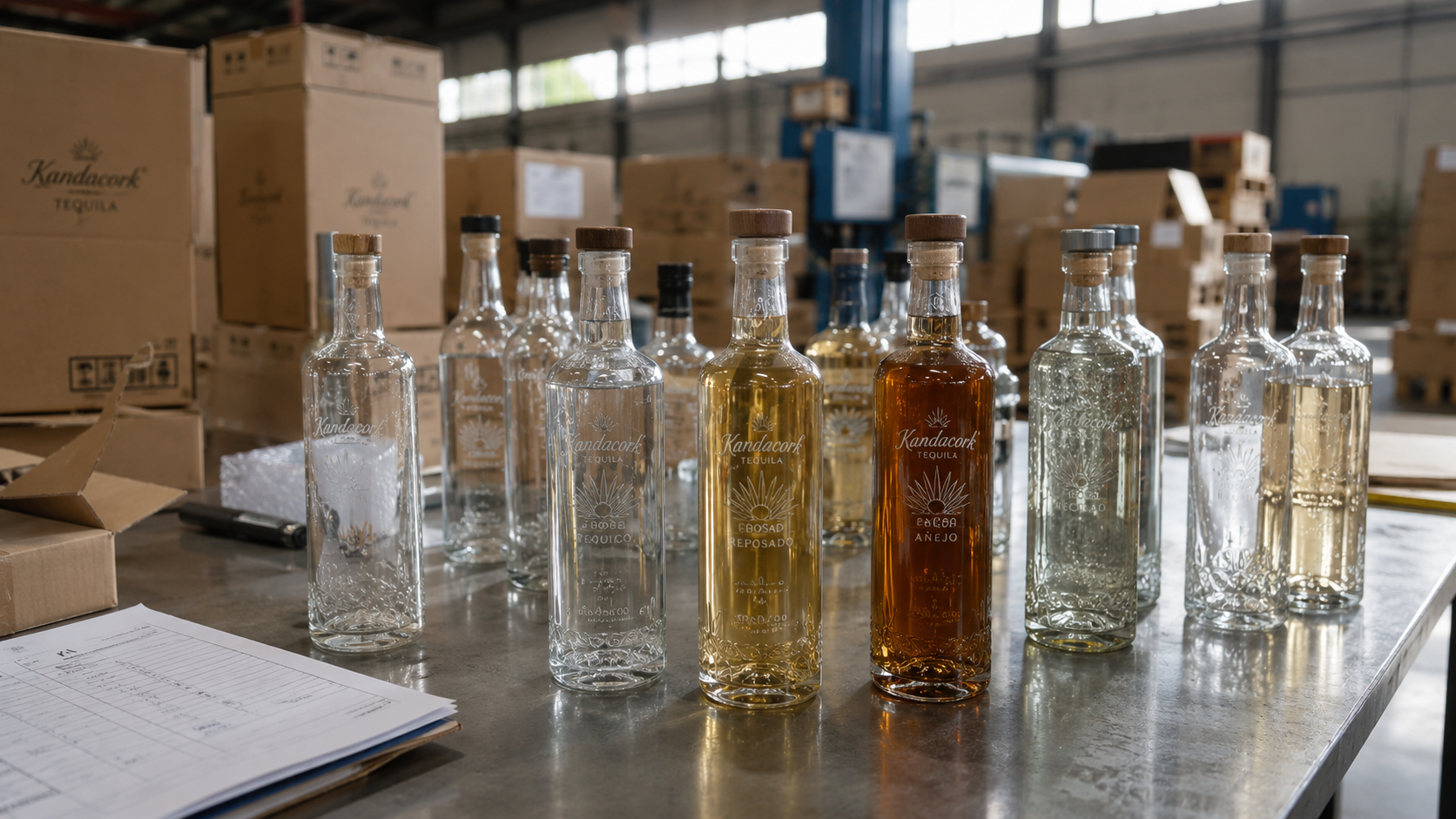
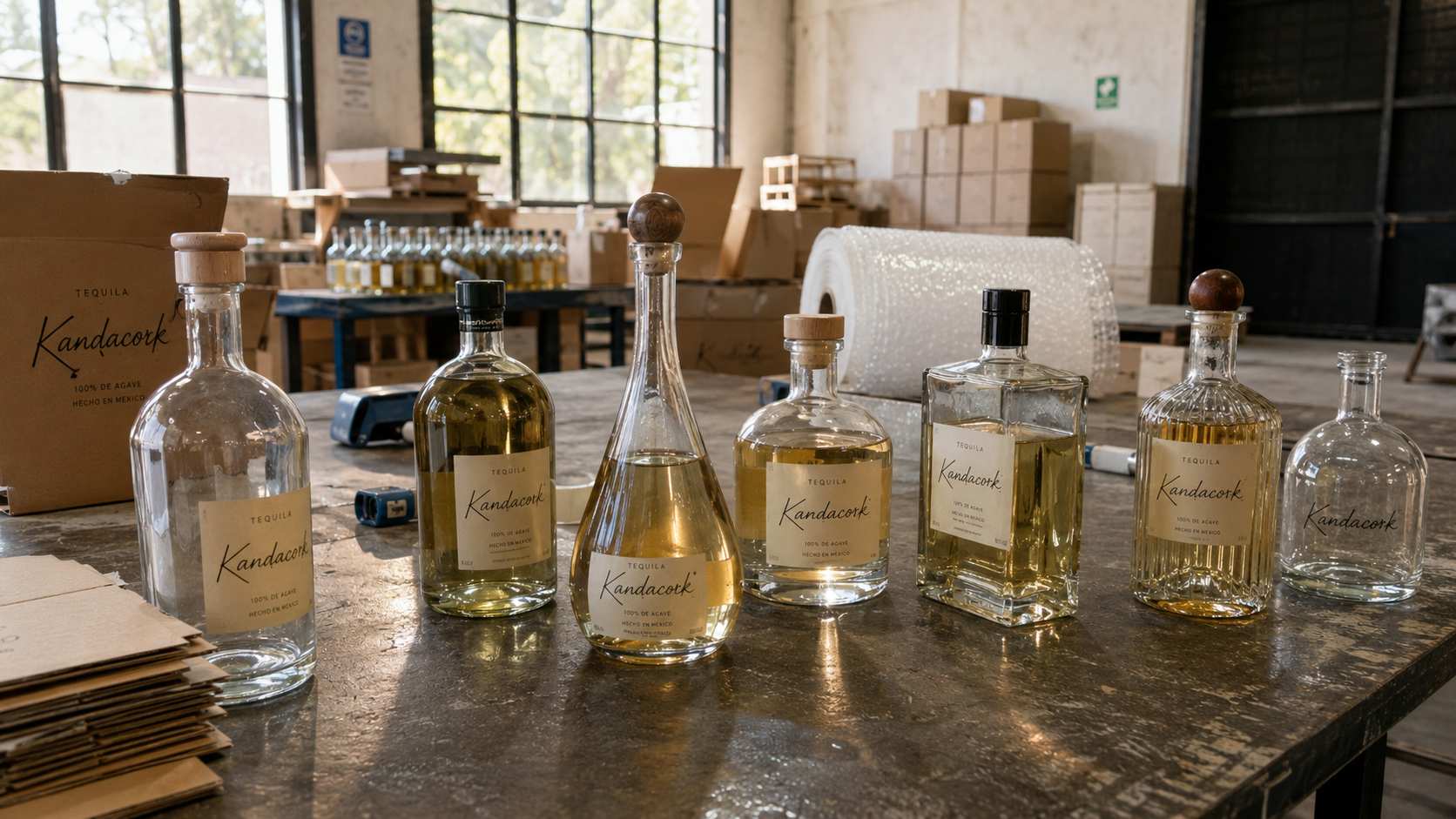
For new gin bottle projects, it is best to consider the bottle, closure, label, decoration, carton, and export packing as one packaging system. Brands that need coordinated glass and closure development can also work with Kandacork Spirits bottle programs when the bottle structure and closure choice must be planned together.
Common Custom Options for Gin Bottle Metal Stoppers
| Custom Option | Common Choices |
|---|---|
| Head Material | Aluminium, Zamak, zinc alloy, stainless steel |
| Shank Type | Natural cork, micro-agglomerated cork, synthetic cork |
| Surface Finish | Matte black, brushed silver, satin gold, copper, gunmetal, antique metal, custom color coating |
| Branding Method | Embossing, debossing, laser engraving, pad printing, silk screen printing, medallion, molded logo |
| Shape Style | Flat top, rounded top, cylindrical head, sculpted head, low-profile head, heavy luxury head |
| Testing Items | Fit test, leakage test, insertion force, extraction force, repeated opening test, carton fit test |
| Packaging Use | Standard retail gin, craft gin, premium gin, gift pack, private label, duty-free packaging |
This table gives buyers a clear starting point when discussing specifications with a closure supplier. It also reduces miscommunication during sampling because material, size, finish, decoration, and performance requirements can be reviewed together.
Aluminium Metal Stoppers for Modern Gin Packaging
Aluminium metal stoppers are widely used for gin brands that want a modern premium look without making the closure too heavy. They are practical for clear glass bottles, frosted bottles, minimalist labels, cocktail-focused brands, and retail lines where cost, consistency, and design flexibility matter.
Popular aluminium finishes include brushed silver, matte black, satin gold, anodized color, and custom coating. Aluminium can also support laser engraving, printing, embossing, debossing, or top-surface decoration depending on the design.
A 700 ml botanical gin bottle may use a brushed aluminium stopper with a synthetic cork shank for a clean and balanced appearance. A square modern dry gin bottle may use matte black aluminium to match a monochrome label system.
Aluminium is often the right choice when a brand wants a premium look, controlled closure weight, and flexible color options.
Zamak Stoppers for Luxury Gin Bottles
Zamak stoppers are selected when packaging teams want weight, detail, and a stronger luxury signal. Zamak is a zinc alloy that can be molded into detailed stopper heads, making it suitable for sculpted shapes, raised logos, decorative crests, medallions, and custom brand icons.
For luxury gin packaging, Zamak works well with gold, copper, gunmetal, antique silver, black nickel, and polished chrome-look finishes. It is often used for limited editions, collectible bottles, gift packs, premium craft gin, and high-value retail displays.
The key issue is balance. A heavy stopper may improve perceived value, but it must match the bottle neck, shoulder structure, insert tray, carton height, and export packing method. A luxury closure should be tested as part of the complete package, not only as a standalone component.
Stainless Steel Stoppers for Minimalist Premium Gin
Stainless steel stoppers are suitable for gin brands that want a clean, durable, and understated premium appearance. They can communicate precision, purity, and high-end material quality without relying on heavy decoration.
This style works well with clear glass bottles, frosted bottles, white labels, black labels, and modern cocktail-bar positioning. Stainless steel is especially effective when the brand identity is simple and architectural.
The main consideration is cost and design flexibility. Stainless steel may be more expensive than some aluminium or plastic alternatives, and it is less suitable for highly sculpted decorative shapes. It is best for brands that value material perception, durability, and a refined tactile experience.
Matching a Metal Stopper to the Bottle Neck
Bottle neck fit is one of the most important technical factors when sourcing metal stoppers for gin bottles. A beautiful stopper will fail if it feels loose, causes leakage, is too difficult to remove, or performs inconsistently across production batches.
The shank must match the bottle neck inner diameter. Buyers should provide a bottle drawing, neck finish specification, or physical bottle sample before sample development. Common bar-top closure sizing may include 19.5 mm, 22.5 mm, or other shank sizes, but the correct choice depends on the actual bottle tolerance.
A proper sample test should review insertion force, extraction force, seal stability, repeated opening, and carton fit. If the stopper is too tight, it can create filling-line problems or poor consumer experience. If it is too loose, it can create leakage risk and weaken the premium impression.
Kandacork Closures offers a broader closure and stopper range for buyers comparing bar-top stoppers, screw caps, ROPP closures, capsules, and specialty closure systems for different spirits packaging projects.
Choosing the Right Shank Material
The metal head creates the appearance, but the shank creates the seal. For custom metal stoppers for gin bottles, shank material should be selected based on bottle fit, resealing performance, cost, consistency, and brand positioning.
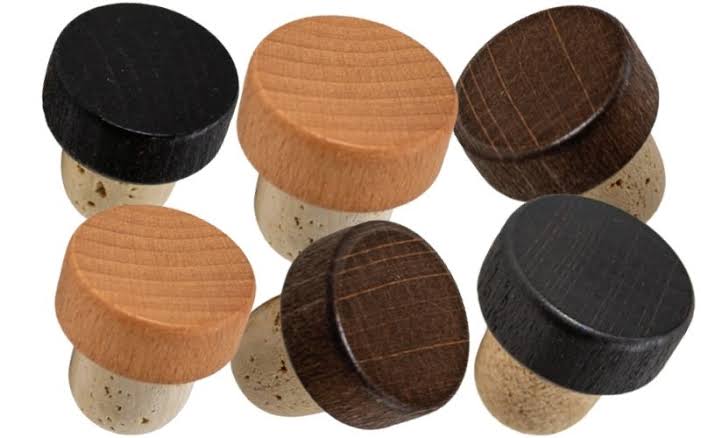
Natural cork provides a classic spirits look and is often associated with premium packaging. It can be suitable for heritage-style gin, craft releases, and brands that want a traditional tactile feel. However, natural cork may have more variation than engineered alternatives, so dimensional tolerance and bottle compatibility should be reviewed carefully.
Micro-agglomerated cork offers a more uniform cork-based structure. It can be a good middle ground when buyers want a cork appearance with more predictable performance.
Synthetic cork shanks provide dimensional consistency and controlled compression. They are often selected for export-focused packaging, larger production runs, and projects where repeatable fit is a priority. Buyers comparing synthetic options can review synthetic bar-top stoppers as part of their closure development process.
Surface Finishes and Logo Branding
Surface finish is one of the strongest visual signals on a metal stopper. It should match the bottle color, label material, glass decoration, carton, and brand tone.
Popular finishes for metal stoppers for gin bottles include brushed silver, matte black, polished chrome-look, gunmetal, champagne gold, copper, antique metal, satin nickel, and custom color coating. For botanical gin, copper or antique tones may support a warmer craft identity. For modern gin, matte black or brushed silver can create a clean premium effect. For luxury gift gin, gold, gunmetal, or sculpted Zamak can add stronger shelf impact.
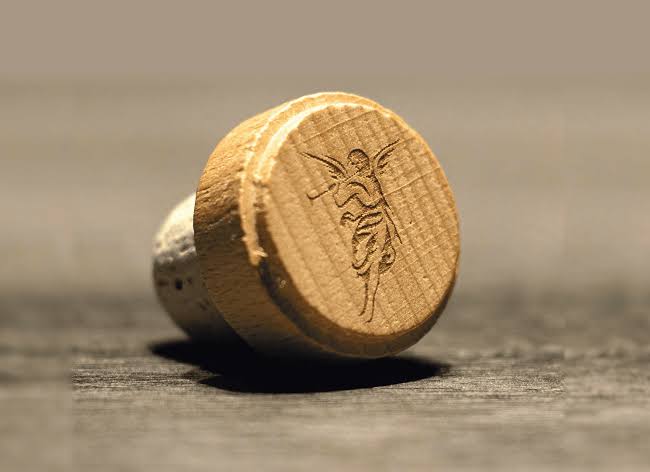
Branding methods include embossing, debossing, laser engraving, pad printing, silk screen printing, metal inserts, medallions, and custom molded stopper heads. For premium gin, subtle engraving or embossing often looks more refined than an overcrowded printed logo. If the bottle itself also uses coating, foil, screen printing, or badges, Kandacork Decor branding can help coordinate the closure with the full bottle presentation.
For sidewall details such as grooves, knurling, logo bands, print zones, and grip texture, packaging teams can review sidewall design options to make the closure more functional and visually coherent.
Metal Stopper, Screw Cap, or Wooden Stopper?
Metal stoppers are not the only closure option for gin. Buyers should compare them with screw caps, ROPP closures, wooden stoppers, plastic stoppers, and synthetic bar-top stoppers before confirming the final specification.
A metal bar-top stopper is best when the brand needs premium presentation, resealing experience, custom decoration, and a more tactile opening moment. It is a strong option for craft gin, gift bottles, boutique retail, duty-free packs, and limited editions.
A screw cap or ROPP closure may be better when tamper evidence, high-volume filling, torque control, or export retail requirements are the top priority. Kandacork Closures supplies custom ROPP closures for spirits brands that need reclosable, tamper-evident aluminium closure systems.
A wooden stopper can create a natural or heritage look, but it may not deliver the same metallic shelf impact as aluminium, stainless steel, or Zamak. The right choice depends on the product price point, sales channel, production volume, and brand identity.
Quality Control Before Bulk Production
A closure should never be approved from a digital render alone. Physical samples are necessary because fit, finish, weight, logo clarity, and opening feel cannot be fully judged on screen.
Before mass production, buyers should confirm:
- Bottle drawing and neck inner diameter
- Stopper head diameter and height
- Shank diameter and material
- Insertion force and extraction force
- Leakage performance
- Repeated opening and closing performance
- Surface finish sample
- Logo proof
- Color consistency
- Carton and gift box clearance
- Export packing method
- Pre-production sample approval
For U.S. projects, buyers should review applicable food-contact expectations for materials that may contact the product, using official FDA food-contact information as a regulatory reference. For EU projects, the European Commission explains that food-contact materials legislation sets general principles for safety and inertness.
Quality systems also matter. ISO describes ISO 9001 quality management as a framework for consistent products, process control, and continual improvement. For export packaging, buyers may also consider recognized distribution-testing resources such as ISTA test procedures and ASTM packaging standards when validating cartons, inserts, and shipping protection.
Image Guidance for Better Buyer Understanding
Strong images can help buyers understand material, proportion, finish, and stopper fit before requesting samples. Use original product photography where possible rather than generic renderings.
Recommended image placements include:
| Placement | Suggested Image Content | Suggested Alt Text |
|---|---|---|
| Near the introduction | Aluminium, Zamak, and stainless steel stopper samples | custom metal stoppers for gin bottles in aluminium Zamak and stainless steel |
| Material comparison section | Side-by-side stopper material display | metal stopper material options for premium gin bottle closures |
| Aluminium section | Matte black or brushed aluminium stopper on gin bottle | matte black aluminium stopper for modern gin bottle packaging |
| Zamak section | Heavy gold or gunmetal stopper with logo | gold Zamak stopper with engraved logo for luxury gin bottle |
| Quality control section | Stopper fit test with bottle neck sample | metal bar-top stopper fit test for spirits bottle neck |
File names should be descriptive, such as custom-metal-stoppers-gin-bottles.jpg, zamak-gin-bottle-stopper-logo.jpg, or aluminium-gin-bottle-stopper-sample.jpg.
Sourcing a Custom Metal Stopper
A good custom stopper brief should include the bottle drawing, neck inner diameter, bottle sample if available, target stopper material, desired finish, logo file, order quantity, target market, shank preference, packing method, launch timeline, and any gift box or carton requirements.
For buyers managing multiple components, integrated packaging development through Kandacork Glass can help coordinate bottle structure, closure matching, decoration, quality, and export packaging. For broader glass packaging applications beyond spirits, Kandacork Glass Packaging supports custom bottles and jars with matched closures and decoration-ready surfaces.
Need help matching a stopper to your gin bottle? Contact Kandacork Closures with your bottle drawing, neck specification, preferred metal, finish target, logo file, and estimated order quantity. The team can recommend aluminium, Zamak, stainless steel, or custom metal bar-top stopper options based on your bottle and packaging goals.
FAQ
Are metal stoppers suitable for gin bottles?
Yes. Metal stoppers are suitable for gin bottles when the shank matches the bottle neck and the closure passes fit, leakage, and resealing tests. They are especially useful for premium gin, craft gin, gift bottles, and custom spirits packaging.
Which metal is best for gin bottle stoppers?
Aluminium is best for modern lightweight gin bottles, Zamak is best for luxury or gift gin packaging, and stainless steel is best for minimalist premium designs. The right choice depends on stopper weight, neck fit, finish, logo method, and target retail positioning.
Can metal stoppers be customized with a logo?
Yes. Metal stoppers can be customized with embossed logos, debossed logos, laser engraving, pad printing, silk screen printing, custom color finishes, medallions, or molded shapes.
How do I know if a stopper fits my gin bottle?
Check the bottle neck inner diameter, shank diameter, insertion force, extraction force, and leakage performance. The safest method is to test physical samples with the actual gin bottle before bulk production.
Are metal stoppers better than screw caps for gin?
Metal stoppers are usually better for premium presentation and resealing experience. Screw caps may be better for tamper evidence, high-volume production, and cost control. The right choice depends on the gin brand’s price point, sales channel, and packaging goal.
What information is needed for a custom metal stopper quote?
A supplier usually needs the bottle drawing, neck inner diameter, target stopper material, finish, logo file, shank preference, order quantity, target market, and packaging requirements.
What MOQ is typical for custom metal stoppers for gin bottles?
MOQ depends on material, finish, logo method, and mold requirements. Standard aluminium designs may support lower quantities, while custom Zamak shapes, special plating, and molded logos usually require higher production volumes.
How long does custom metal stopper sampling take?
Sampling time depends on design complexity, material, surface finish, logo method, and whether a new mold is required. Buyers should confirm sampling time before planning bottle filling, retail launch, or export shipment schedules.
Conclusion: Choose a Stopper That Fits the Bottle and the Brand
Metal stoppers for gin bottles can improve shelf appeal, customer experience, and brand recognition. The best stopper is not simply the heaviest or most decorative option. It is the one that fits the bottle neck, seals reliably, matches the brand identity, and performs well in production.
For modern gin, aluminium or stainless steel may be the right choice. For luxury craft gin, Zamak can provide a stronger premium feel. For botanical gin, custom finishes and engraved details can help communicate the brand story.
Kandacork Closures helps gin brands and packaging buyers develop custom metal stoppers that balance design, function, sourcing efficiency, and commercial value. If you are developing a new gin bottle or upgrading an existing package, start with the bottle drawing and closure concept, test physical samples, approve the finish, and confirm performance before moving to bulk production.