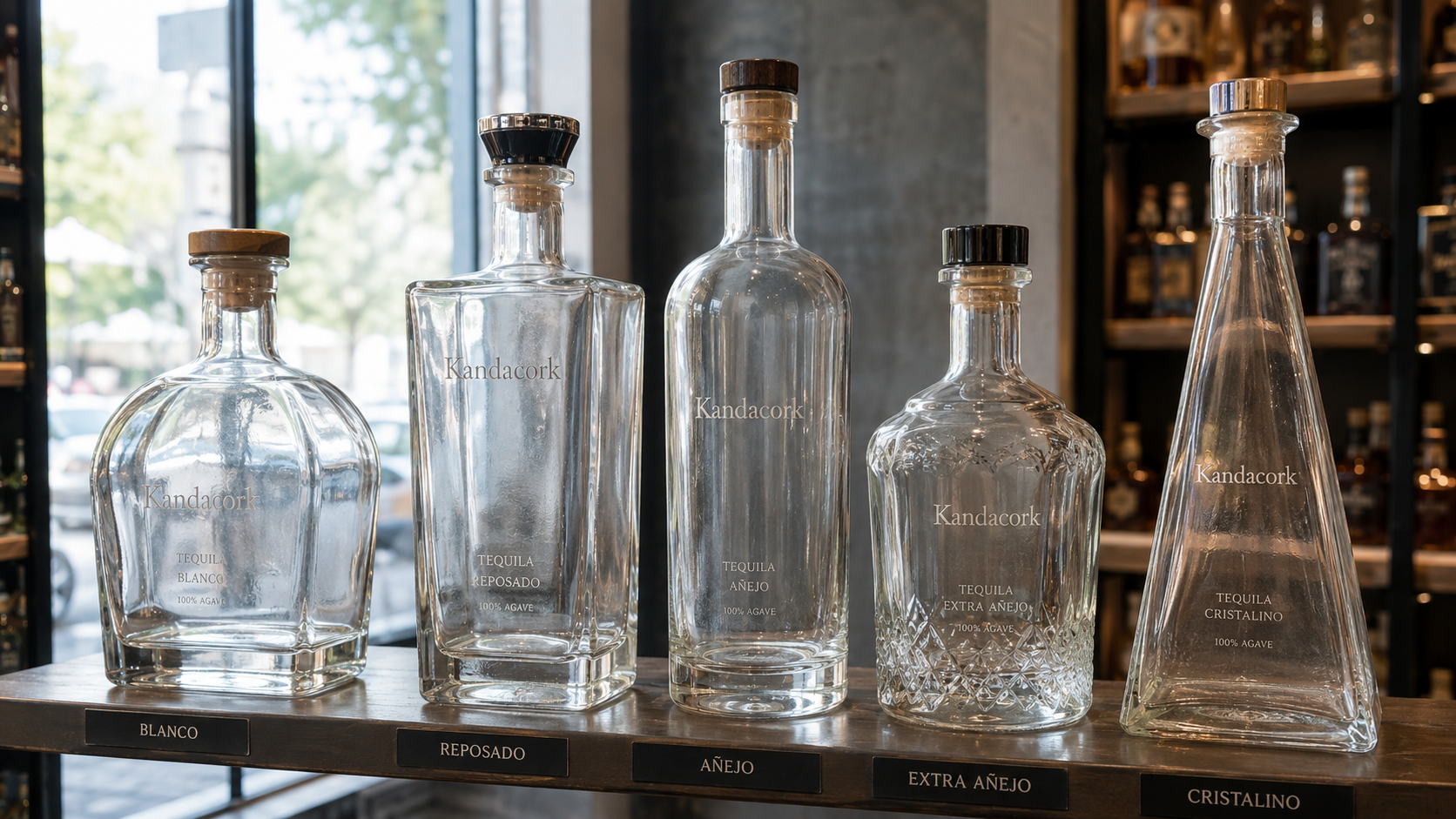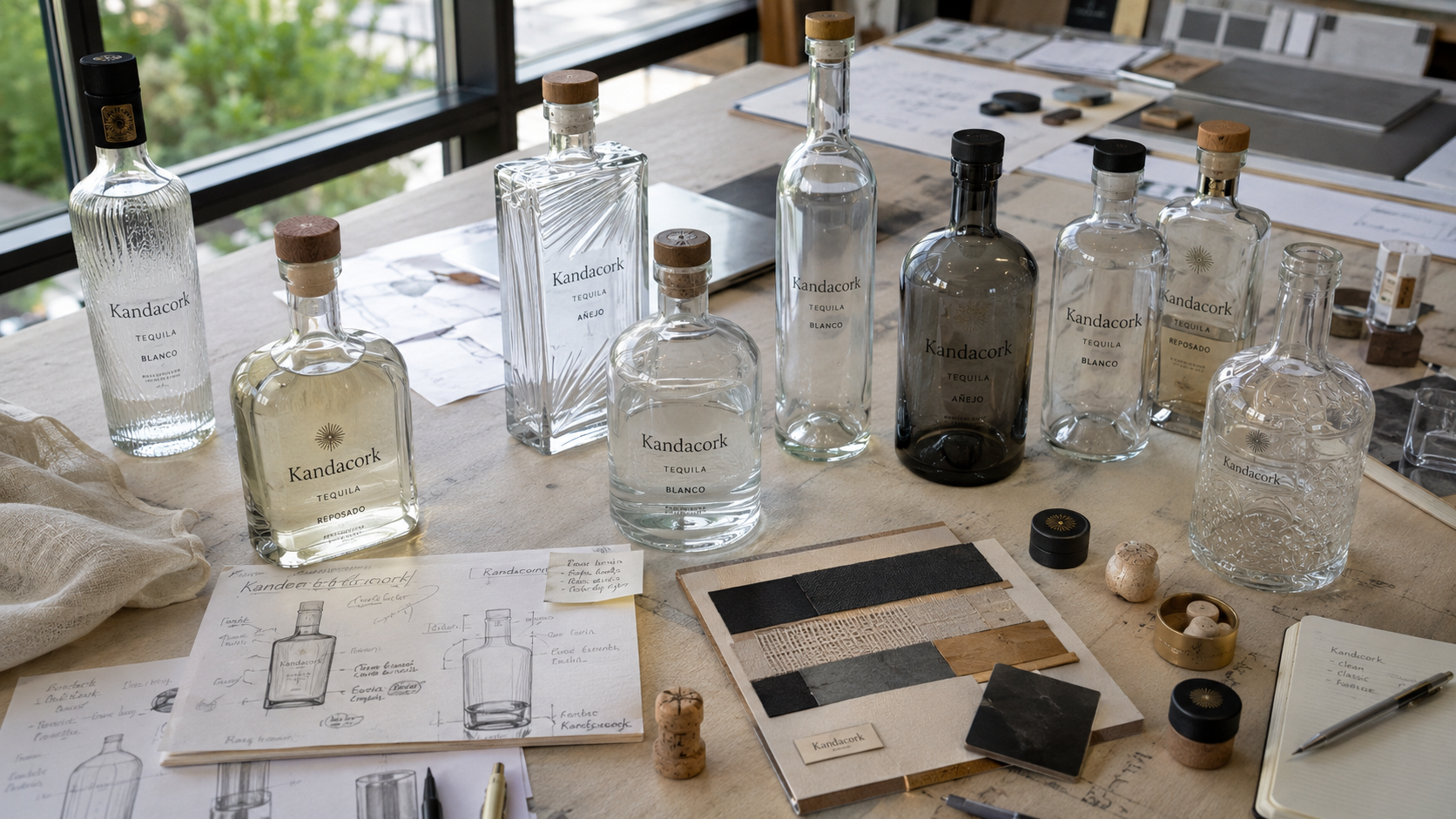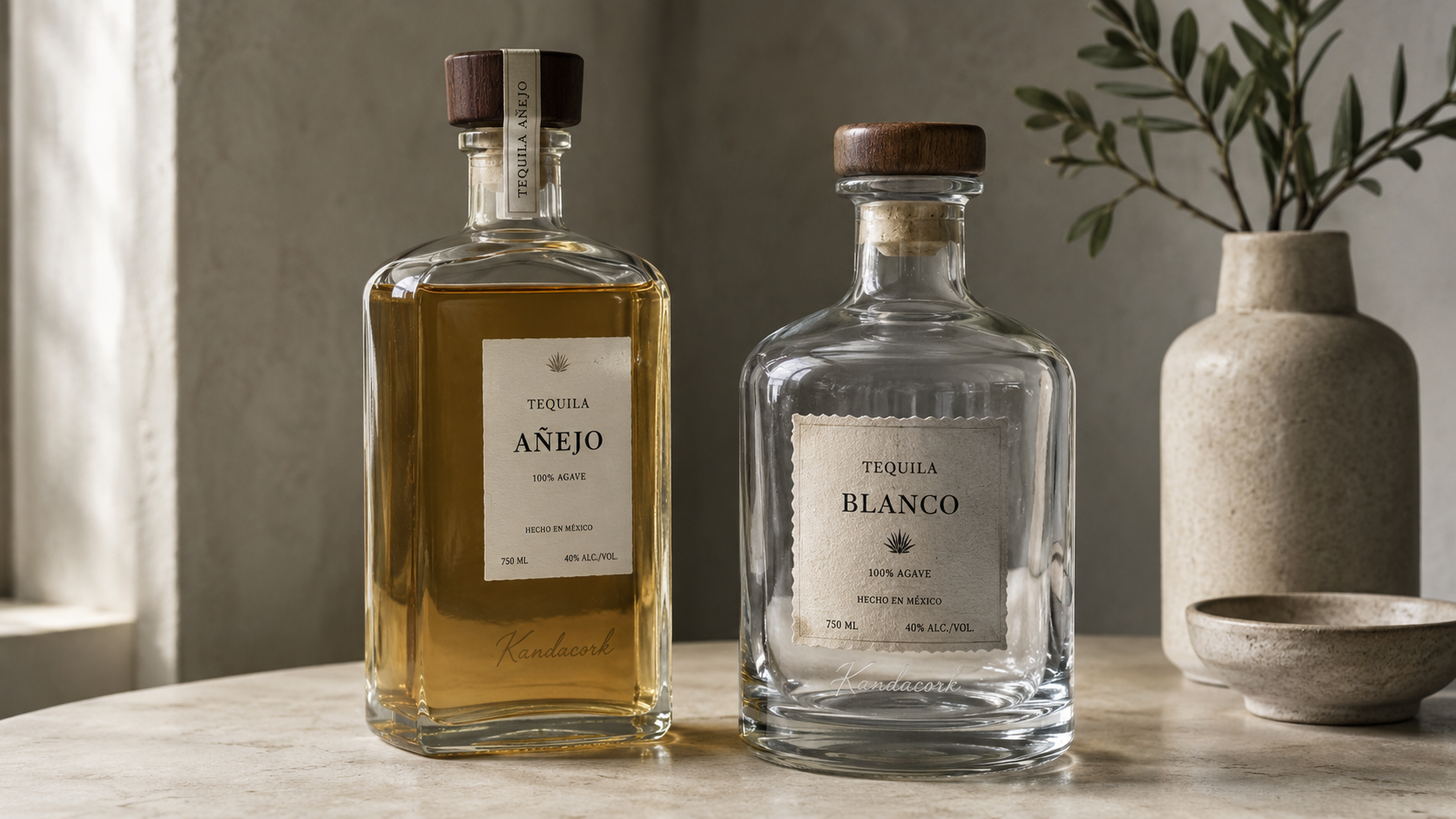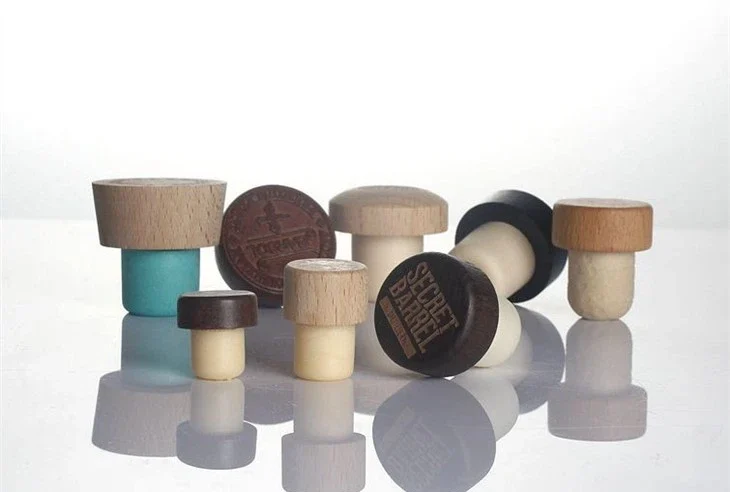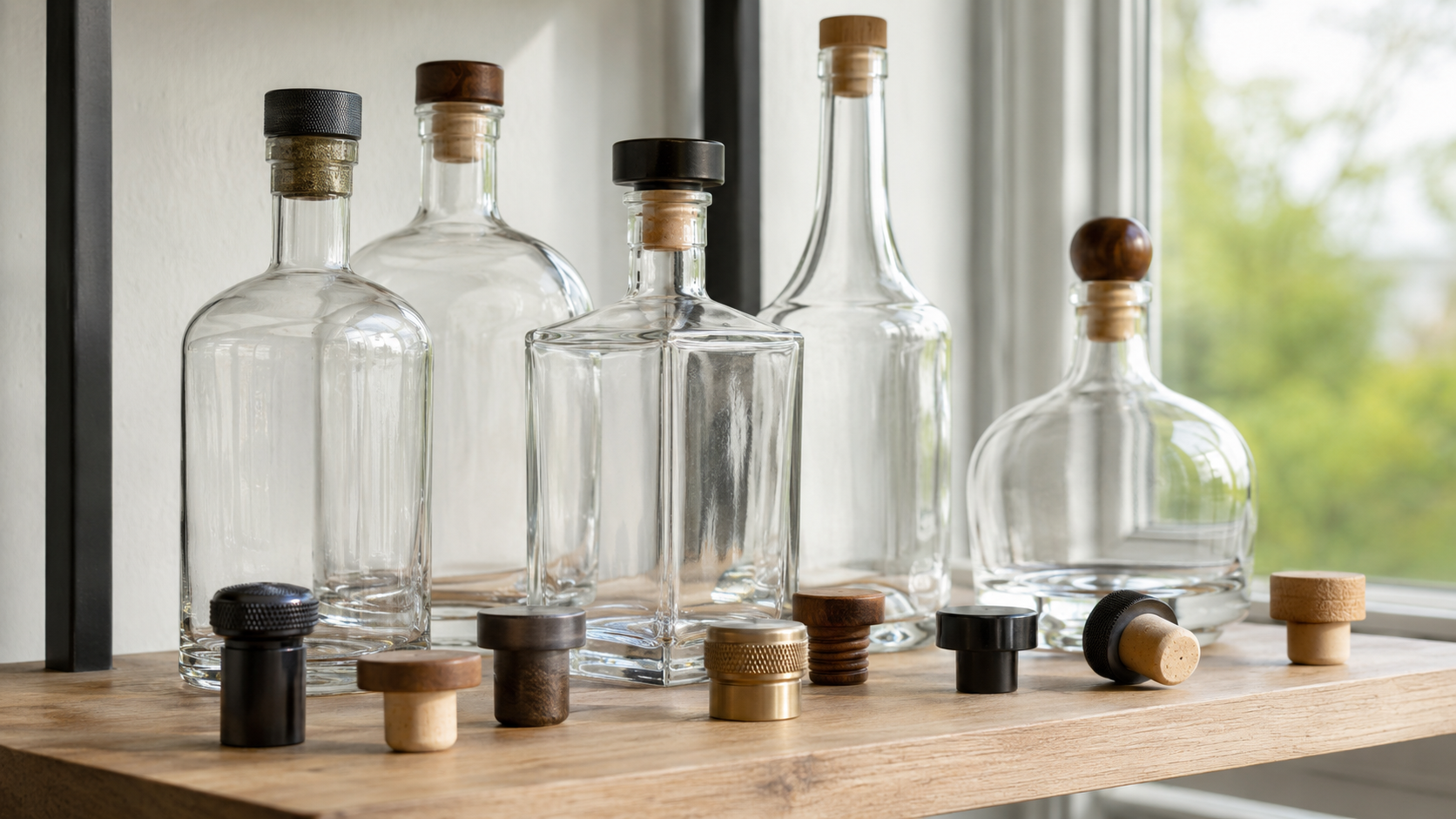
Metal stopper performance depends on more than the top material. Buyers should review the stopper weight, plating quality, surface protection, assembly method and shank fit before approving samples or bulk orders for premium spirits packaging.
Quick Answer: What Are Custom Metal Bottle Stoppers?
Custom metal bottle stoppers are premium bar-top closures made with a metal head and a cork, micro-agglomerated cork, synthetic cork, or engineered synthetic shank. They are used for spirits bottles to improve brand identity, bottle fit, sealing feel, shelf presentation, and consumer opening experience.
Unlike decorative wine accessory stoppers, commercial spirits closures must match bottle neck dimensions, filling-line conditions, packing requirements, and brand positioning. A good stopper should look premium, feel secure, open smoothly, and remain consistent across bulk production.
Brands often choose custom metal bar-top stoppers when they want a closure that adds weight, logo recognition, and a more premium opening ritual to the bottle.
Why Metal Stoppers Matter in Premium Spirits Packaging
Premium spirits shelves are crowded. Many bottles use similar capacities, glass colors, label positions, shoulder profiles, and carton formats. A customized metal stopper gives the brand another design surface and another tactile cue.
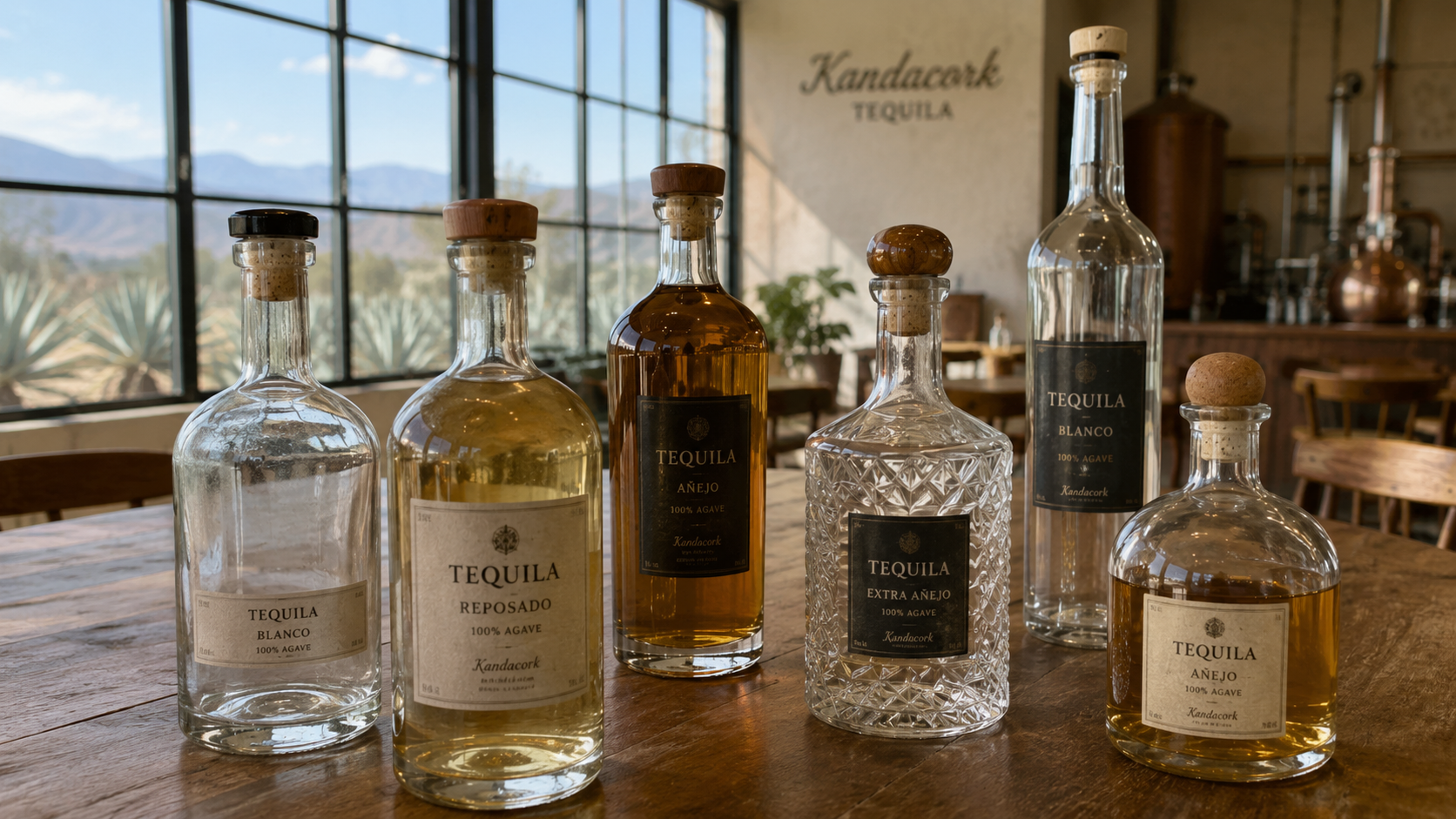
A heavy zinc alloy stopper can support the mature feel of whisky or bourbon. A brushed aluminum or stainless steel top can create a clean, modern look for vodka and gin. A sculpted metal head with an antique finish can reinforce the craft, origin, or gifting appeal of rum, tequila, and mezcal.
The value is also practical. A well-developed metal closure can reduce bottle mismatch risk, support consistent packing, improve perceived value, and help the product feel more complete without changing the entire glass bottle.
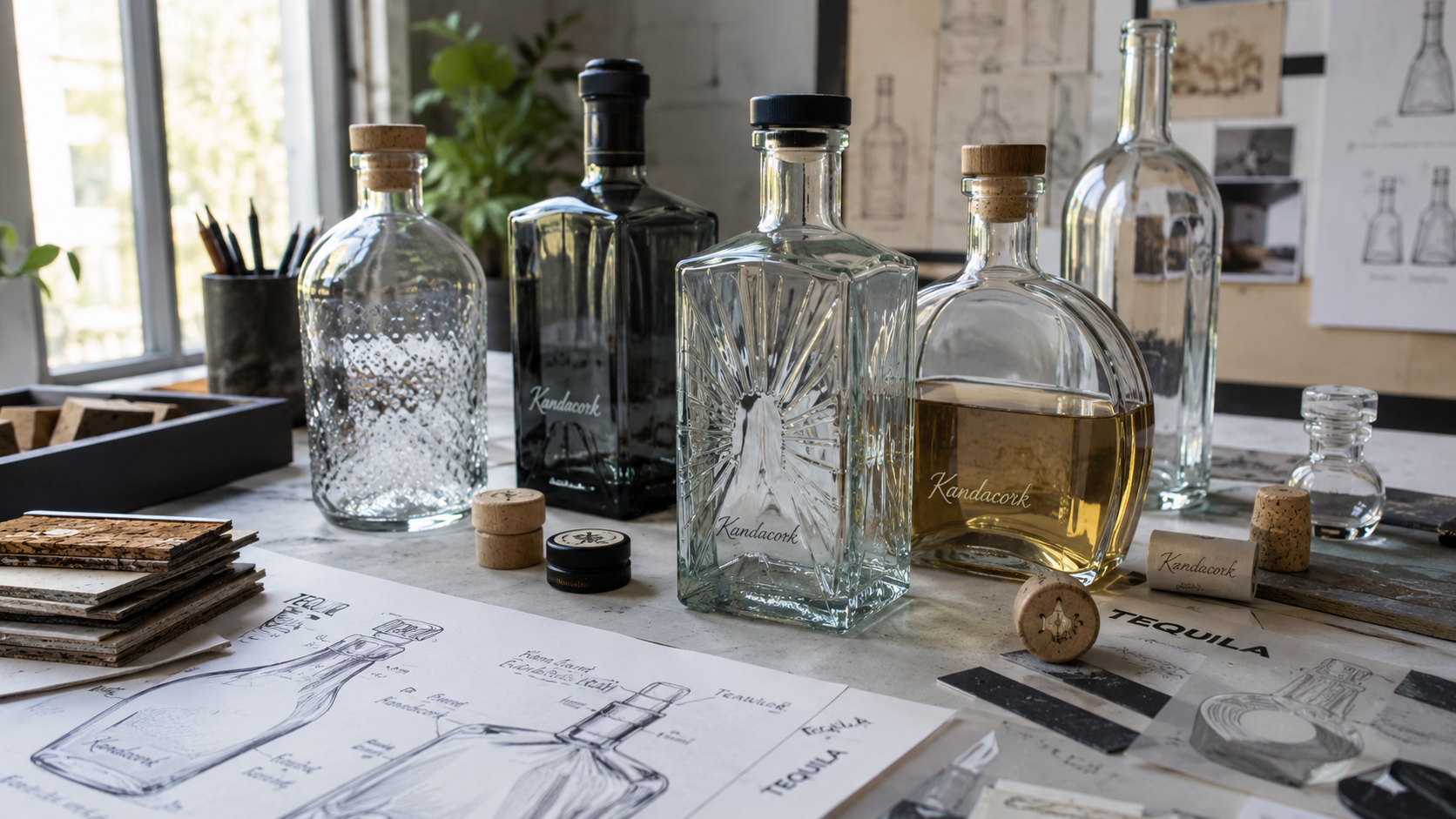
When brands are developing a full bottle system, it is useful to align stopper selection with glass structure, decoration, carton design, and logistics. For spirits bottle development beyond the closure itself, Kandacork Spirits can support bottle concepts that coordinate with stopper and decoration choices.
Custom Metal Bottle Stoppers vs Standard Bottle Closures
Standard closures are useful when cost, speed, and simplicity are the main priorities. However, they may not provide enough brand distinction for premium, gift, craft, or limited-edition spirits.
Custom metal bottle stoppers offer greater flexibility in head shape, material, finish, logo application, shank type, and user experience. A buyer can adjust the top diameter, head height, weight, plating color, engraved detail, embossed crest, or shank structure to match the bottle and brand story.
| Factor | Standard Closure | Custom Metal Bottle Stopper |
|---|---|---|
| Brand identity | Limited design flexibility | Strong shape, finish, and logo customization |
| Material choice | Basic closure materials | Zinc alloy, aluminum, stainless steel, plated metal |
| Logo options | Limited printing or embossing | Engraving, embossing, debossing, laser marking, medallion, insert |
| Bottle fit | Generic fit | Developed around bottle neck dimensions |
| Premium feel | Moderate | Strong visual and tactile impact |
| Best use | Mass-market packaging | Premium, craft, gift, private label, and limited-edition spirits |
For premium brands, the stopper should not feel like an afterthought. It should look intentional, match the bottle proportions, and support the story customers expect from the liquid inside.
Main Components of a Custom Metal Bottle Stopper
A commercial metal stopper usually includes three main parts: the metal head, the shank, and the assembly structure.
The metal head creates the visual and tactile identity. It controls the weight, color, surface finish, logo presentation, and premium feel.
The shank is inserted into the bottle neck. It affects sealing behavior, insertion force, extraction force, and compatibility with the bottle finish.
The assembly structure connects the metal head and shank. It must remain stable during filling, packing, transportation, retail handling, and repeated consumer use.
A premium-looking stopper can still fail if the shank is poorly matched to the bottle. For this reason, stopper development should consider appearance and technical fit together from the beginning.
Best Materials for Custom Metal Bottle Stopper Heads
Material selection affects cost, weight, finish quality, tooling complexity, durability, and brand perception. The right choice depends on the spirits category, bottle size, target price level, launch schedule, and desired consumer experience.
Zinc Alloy or Zamak
Zinc alloy, often referred to as Zamak in packaging applications, is widely used for premium metal stopper heads because it provides a solid hand feel and supports decorative shapes. It is suitable for sculpted tops, embossed logos, crests, antique finishes, and plated surfaces.
Zinc alloy is often selected for whisky, rum, tequila, brandy, cognac, and limited-edition spirits where the stopper must feel substantial. It can support a more luxurious opening experience, especially when paired with heavy glass and gift-box packaging.
Aluminum
Aluminum is lighter than zinc alloy and works well for clean, modern packaging. It can be brushed, polished, anodized, matte-finished, or color matched. The International Aluminium Institute notes that aluminum can be recycled repeatedly without loss of quality, which is one reason packaging teams often consider it when balancing appearance, weight, and sustainability goals.
Aluminum stoppers are often used for vodka, gin, RTD spirits, modern whisky, and minimalist private label packaging. They are suitable when the brand wants a premium metallic look without the heavier feel of zinc alloy.
Stainless Steel
Stainless steel offers a refined metallic appearance, durability, and a clean premium style. It is often selected for minimalist vodka, gin, and high-end barware-inspired bottle concepts.
Stainless steel can work especially well when the design language is simple and precise. Instead of relying on a heavy decorative shape, the closure communicates quality through surface finish, proportion, and clean detailing.
Material Selection by Brand Goal
| Brand Goal | Recommended Stopper Direction |
|---|---|
| Heavy luxury whisky | Zinc alloy top with antique plating or embossed crest |
| Modern gin | Brushed aluminum or stainless steel with precise logo detail |
| Premium tequila | Sculpted zinc alloy head with decorative top and heritage finish |
| Minimal vodka | Polished or matte aluminum with clean logo marking |
| Limited-edition rum | Decorative metal top with antique finish or colored insert |
| Premium liqueur | Smooth metal head with medallion or polished finish |
| Private label spirits | Aluminum or zinc alloy with scalable logo customization |
The best choice is not always the most expensive material. It is the material that matches the bottle, price point, brand story, filling process, and expected consumer experience.
Practical Specification Examples
Every project should be confirmed with actual bottle samples or technical drawings, but these examples show how different spirits brands may approach stopper development.
| Spirits Project | Possible Stopper Direction | Why It Works |
|---|---|---|
| Premium whisky in a 700 ml heavy glass bottle | Zinc alloy top, antique bronze finish, micro-agglomerated cork shank | Supports a heavy hand feel, classic premium image, and consistent fit testing |
| Modern botanical gin | Brushed aluminum top, laser-marked logo, synthetic cork shank | Creates a clean appearance and crisp logo detail |
| Luxury tequila or mezcal | Sculpted zinc alloy head, embossed crest, antique gold or gunmetal finish | Reinforces heritage, craft identity, and gift-box appeal |
| Minimalist vodka | Stainless steel or matte aluminum top, simple logo marking, synthetic shank | Supports purity, modernity, and clean shelf presentation |
| Limited-edition rum | Decorative metal top, colored insert, micro-agglomerated cork shank | Adds collectible value and visual richness for gifting |
| Premium liqueur | Polished metal head, medallion detail, smooth stopper profile | Creates an elegant and refined opening experience |
These directions are starting points. Final decisions should consider bottle neck inner diameter, stopper proportion, shank type, finish process, production quantity, and target retail positioning.
Shank Options for Metal Bar-Top Closures
The shank is the part of the stopper inserted into the bottle neck. It plays a major role in sealing, insertion feel, extraction force, and long-term compatibility.
A beautiful metal top cannot solve a poor fit. If the shank is too loose, the closure may feel unstable. If it is too tight, the consumer may struggle to open the bottle. If the shank diameter does not match the neck tolerance, production problems can occur during bottling, packing, or shipping.
Natural cork shanks provide a traditional and premium feel. They are often selected for spirits brands that want authenticity, craft value, and a classic opening experience. Because cork is a natural material, buyers should consider visual variation, density range, and dimensional tolerance.
Micro-agglomerated cork offers a more consistent structure than traditional natural cork. It can provide a practical balance between cork appearance and production consistency.
Synthetic cork shanks are used when visual consistency, controlled performance, and moisture resistance are priorities. For buyers comparing engineered closure options, synthetic bar-top stoppers can be useful for larger production runs where predictable insertion and extraction behavior are important.
How to Match Metal Stoppers with Bottle Neck Finish
Bottle compatibility is one of the most important parts of stopper development. A closure should not be selected by appearance alone. It must be tested against the actual bottle or an accurate technical drawing.
Key bottle neck factors include inner neck diameter, neck height, mouth opening tolerance, neck taper, glass thickness, stopper insertion depth, target extraction force, capsule compatibility, filling-line requirements, and packing conditions.
A small difference in neck diameter can change the stopper experience. A shank that feels secure in one bottle may feel loose in another bottle with a slightly wider opening. A stopper that fits a hand sample may also perform differently when used with bottles from another mold cavity or production batch.
For glass bottle programs, the closure should be considered alongside bottle structure and finish design. Kandacork Glass supports integrated spirits packaging projects where glass bottle development, closure fit, and brand presentation need to work together.
Technical Specification Checklist for Buyers
| Specification | Buyer Should Confirm |
|---|---|
| Metal head material | Zinc alloy, aluminum, stainless steel, or another suitable material |
| Head diameter | Based on bottle proportion, hand feel, and brand style |
| Head height | Must match visual balance, carton space, and bottle design |
| Head weight | Should support premium feel without creating handling issues |
| Shank material | Natural cork, micro-agglomerated cork, synthetic cork, or synthetic shank |
| Neck inner diameter | Required for fit recommendation and shank selection |
| Insertion force | Should feel secure but not too tight |
| Extraction force | Should allow smooth consumer opening |
| Logo method | Engraving, embossing, debossing, laser marking, insert, or medallion |
| Surface finish | Brushed, polished, matte, plated, antique, gunmetal, gold, silver, copper |
| Packing method | Bulk carton, tray, divider, export carton, or filling-line-ready packing |
This checklist improves communication between the brand owner, packaging buyer, bottle supplier, filling partner, and closure manufacturer.
Logo and Decoration Options
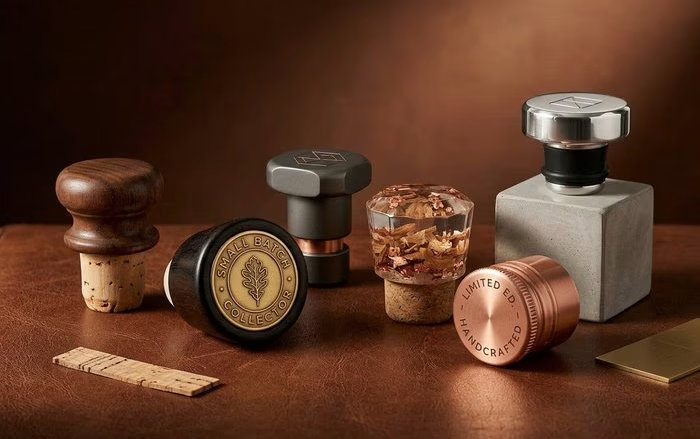
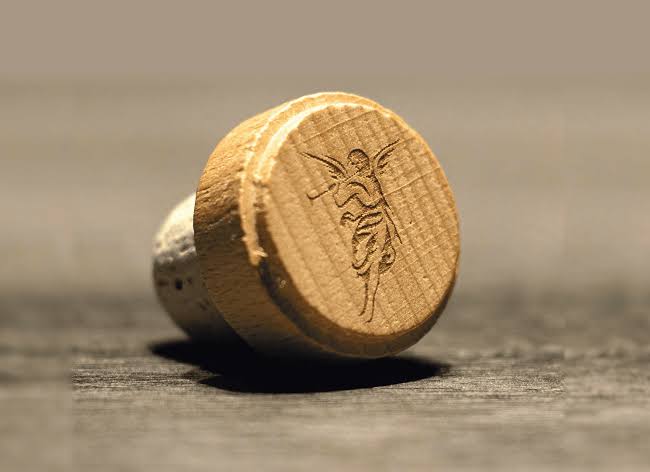
A metal stopper can become a small but powerful branding surface. The top can carry a logo, crest, icon, initials, pattern, texture, limited-edition detail, or collectible design.
Common logo methods include engraving, embossing, debossing, laser marking, pad printing, printed inserts, metal medallions, enamel-effect details, and epoxy dome details.
The best method depends on material, finish, artwork complexity, order quantity, tooling budget, and desired tactile effect. An embossed crest on a zinc alloy stopper can create a heritage feeling for whisky or brandy. Laser marking on brushed aluminum can support a clean vodka or gin identity. A decorative medallion can work well for rum, tequila, mezcal, and limited-edition packaging.
If the bottle also needs screen printing, coating, frosting, hot stamping, label coordination, or secondary decoration, Kandacork Decor can support a more unified bottle-and-closure presentation.
Surface Finish Options for Premium Spirits
Surface finish strongly influences perceived value. The same stopper shape can feel traditional, modern, luxury, industrial, or collectible depending on the finish.
Popular finishes include polished silver, brushed silver, matte black, satin gold, rose gold, copper, gunmetal, antique bronze, antique brass, chrome, two-tone effects, and textured surfaces.
A luxury whisky brand may choose antique bronze or gunmetal to communicate depth and age. A modern vodka brand may prefer polished silver or brushed aluminum. A gin brand may choose matte black, satin gold, or clean metallic finishing to match botanical label design. A tequila or mezcal brand may use decorative metalwork, embossed details, or heritage-inspired finishing.
The finish should be selected together with bottle color, label material, capsule, gift box, and retail lighting conditions.
Custom Metal Bottle Stoppers for Different Spirits Categories
Whisky and Bourbon
Whisky and bourbon packaging often benefits from weight, heritage, and tactile confidence. Heavy zinc alloy stoppers, embossed logos, antique metal finishes, and deep metallic tones can support premium positioning.
For aged spirits, the stopper should feel solid without overpowering the bottle. The weight of the metal head must also be balanced with the shank structure to avoid instability.
Vodka and Gin
Vodka and gin brands often prefer clean geometry, minimal design, and precise branding. Aluminum and stainless steel are strong options because they support modern finishes and crisp logo detail.
For gin, the stopper can reference botanicals, glass color, label illustration, or premium barware aesthetics. For vodka, the design may focus on purity, clarity, and a refined metallic appearance.
Rum, Tequila, and Mezcal
Rum, tequila, and mezcal brands often use packaging to express origin, craft, culture, and celebration. Branded metal closures can include embossed icons, decorative shapes, antique finishes, colored details, or sculpted tops.
For tequila and mezcal, stopper design may need to coordinate with tall bottles, thick glass, ceramic-style labels, wooden boxes, or gift cartons. For rum, aged-metal finishes and crest-style designs can reinforce premium storytelling.
Brandy, Cognac, and Liqueur
Brandy, cognac, and liqueur packaging often relies on elegance, gifting value, and a refined consumer ritual. Metal stoppers with polished finishes, medallions, smooth contours, and premium shank fit can improve the perceived value of the entire bottle.
When to Consider Other Stopper Materials
Metal is excellent for many premium spirits projects, but it is not the only option. Some brands choose wood, plastic, synthetic, or glass depending on price target, aesthetic direction, filling-line needs, and sustainability priorities.
Natural or stained wood can support classic craft positioning, especially for whisky, rum, and brandy. Buyers comparing natural textures with metal finishes may also review wooden bar-top stoppers for a warmer, more organic look.
Plastic can be useful when a project needs lower weight, strong color control, efficient production, or cost-sensitive scaling. For value lines, RTD extensions, or high-volume private label programs, plastic bar-top stoppers may offer a practical alternative.
The best closure is the one that fits the bottle, protects the user experience, supports brand positioning, and matches commercial targets.
Development Process for Custom Metal Stoppers
A reliable development process helps brands move from concept to bulk order with fewer surprises.
The first step is to define the product category, sales channel, price position, brand personality, and packaging goal. A closure for a luxury whisky gift box should not be developed the same way as a closure for a minimalist vodka line or a private label gin project.
Next, the supplier should review the bottle sample or neck drawing. This allows the team to recommend shank diameter, shank length, insertion depth, stopper head proportion, and suitable sealing structure.
After that, the buyer selects material, finish, logo method, and packing approach. Vector logo files are preferred because thin lines, gradients, and small lettering may need adjustment for engraving, embossing, debossing, laser marking, or printing.
Sampling should be used to check appearance, weight, hand feel, bottle fit, logo clarity, finish consistency, insertion force, extraction force, and visual alignment. Once the sample is approved, the buyer can confirm quantity, carton protection, delivery schedule, documentation needs, and inspection criteria.
Quality Control and Food-Contact Considerations
Quality control should cover both visual and functional details. A stopper may look acceptable as an individual sample but still fail if bulk production lacks consistency.
Important inspection points include metal head dimensions, surface finish consistency, logo clarity, color matching, burrs, scratches, plating defects, shank diameter, shank alignment, assembly strength, insertion force, extraction force, fit with the bottle neck, and export carton protection.
For beverage packaging, compliance is not limited to the bottle itself. Buyers should consider the stopper head, shank, adhesive, coating, ink, insert, and any component positioned close to the bottle opening. In the United States, the FDA food-contact substance guidance is a useful reference for understanding packaging components that may contact food or beverages. For the European market, the European Commission food-contact materials framework sets general principles for materials and articles intended to come into contact with food.
Supplier qualification also matters. The ISO 9001 quality management standard is widely used to evaluate process control, customer requirements, corrective actions, and continual improvement. For B2B closure projects, buyers should define inspection criteria before bulk production so that both sides agree on acceptable finish variation, logo clarity, shank alignment, packing protection, and dimensional tolerance.
Sustainability and Packaging System Fit
Sustainability should be considered across the whole packaging system, not only the stopper head. Material weight, recyclability, shipping efficiency, separation of components, carton protection, and glass compatibility all influence the final environmental profile.
Glass remains central to premium spirits packaging because it provides clarity, weight, decoration potential, and strong shelf presence. The Glass Packaging Institute states that glass can be recycled endlessly without loss in quality or purity, which is one reason spirits brands continue to invest in glass-led packaging systems.
For brands developing multi-category or lower-impact packaging programs, Kandacork Eco Glass can support broader glass packaging discussions where bottle structure, decoration readiness, closure matching, and export packing must align.
A practical sustainability review should ask whether the stopper can be separated from the shank, whether the packing method reduces damage, whether bottle and closure weights are appropriate, and whether the supplier can support repeatable quality that reduces rejects and rework.
Buyer Checklist Before Requesting a Quote
To receive a practical quote, prepare the bottle sample or neck drawing, bottle neck inner diameter, spirits category, target market, preferred stopper material, stopper head shape, surface finish reference, logo file, logo method, shank type, target quantity, sampling requirement, packing method, delivery destination, launch date, compliance requirements, and filling-line conditions.
The more complete the brief, the easier it is to recommend a realistic design, cost, sampling plan, and production timeline.
Start Your Custom Metal Stopper Project
Send Kandacork Closures your bottle sample or neck drawing, logo file, target quantity, preferred material, finish reference, and shank requirement. The team can help recommend the stopper structure, metal head design, logo method, shank option, sampling direction, and packing solution for your spirits bottle line.
A successful custom stopper project starts with clear technical information and a defined brand goal. To discuss specifications, sampling, and quotation details, contact the Kandacork Closures project team.
FAQ
What are custom metal bottle stoppers used for?
Custom metal bottle stoppers are used as premium closures for spirits bottles, wine bottles, liqueur bottles, specialty beverage bottles, and gift packaging. In spirits packaging, they are especially common for whisky, vodka, gin, rum, tequila, brandy, cognac, mezcal, and limited-edition bottles.
Are custom metal bottle stoppers suitable for spirits bottles?
Yes. They are widely used for spirits packaging when the stopper is correctly matched to the bottle neck. The metal top provides premium branding, while the cork or synthetic shank supports fit and sealing performance.
Which material is best for a premium metal stopper?
Zinc alloy is often selected for heavy luxury stoppers. Aluminum is suitable for lightweight modern packaging. Stainless steel works well for clean, durable, minimalist designs. The best material depends on the bottle, brand positioning, target cost, and desired hand feel.
Can a logo be customized on a metal stopper?
Yes. Logo customization can include engraving, embossing, debossing, laser marking, printed inserts, medallions, and other decorative methods depending on the stopper design and production requirements.
How do I make sure the stopper fits my bottle?
Provide a bottle sample or technical neck drawing. The supplier should review inner neck diameter, neck height, opening tolerance, shank diameter, insertion depth, and target extraction force before confirming bulk production.
What information is needed for a custom metal bottle stopper quote?
A buyer should provide the bottle sample or neck drawing, logo file, target quantity, preferred material, surface finish, shank type, spirits category, packaging requirements, delivery schedule, and documentation needs.
What is the MOQ for custom metal bottle stoppers?
MOQ depends on the material, mold requirement, logo method, finish process, and packing method. Simple logo customization may have a different minimum order quantity than a fully custom sculpted metal head with special plating.
How long does sampling take?
Sampling time depends on stopper complexity, mold development, surface finish, logo process, and shank selection. A standard shape with logo customization is usually faster than a fully custom metal head requiring new tooling.
Can metal stoppers be used for limited-edition spirits?
Yes. They are ideal for limited-edition spirits because they can include special finishes, engraved numbers, decorative shapes, embossed crests, colored inserts, and gift-box-compatible designs.
Conclusion
Custom metal bottle stoppers help spirits brands combine visual identity, tactile value, and functional packaging performance. The right stopper can make a bottle feel more premium, improve shelf recognition, support gifting appeal, and create a stronger consumer experience.
For B2B buyers, the most important decision is not simply choosing a metal top. The stopper must be developed as part of the full packaging system, including bottle neck fit, shank material, logo process, surface finish, sampling, quality control, packing method, compliance considerations, and bulk production consistency.
Kandacork Closures supports spirits brands with branded metal closures designed for premium packaging, reliable fit, and strong brand presentation. For whisky, vodka, gin, rum, tequila, brandy, cognac, liqueur, and limited-edition spirits, a well-developed metal stopper can become one of the most memorable details of the bottle.