Brandy and cognac bottles often require metal stoppers with a refined weight, smooth finish and consistent fit. This guide explains how stopper weight, plating, logo method, shank selection and sample testing affect premium brandy packaging.
What Are Metal Stoppers for Brandy Bottles?
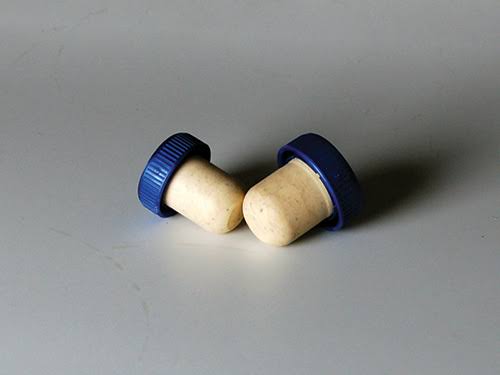
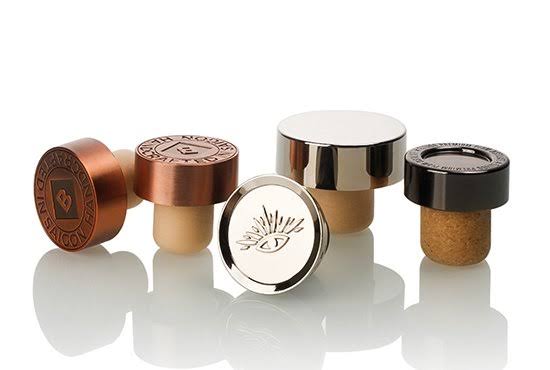
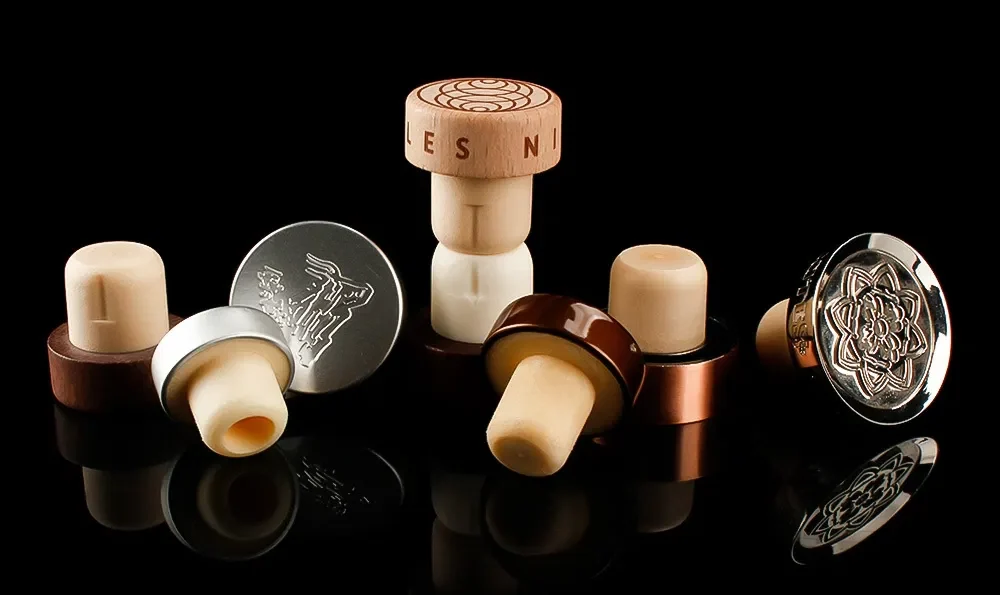
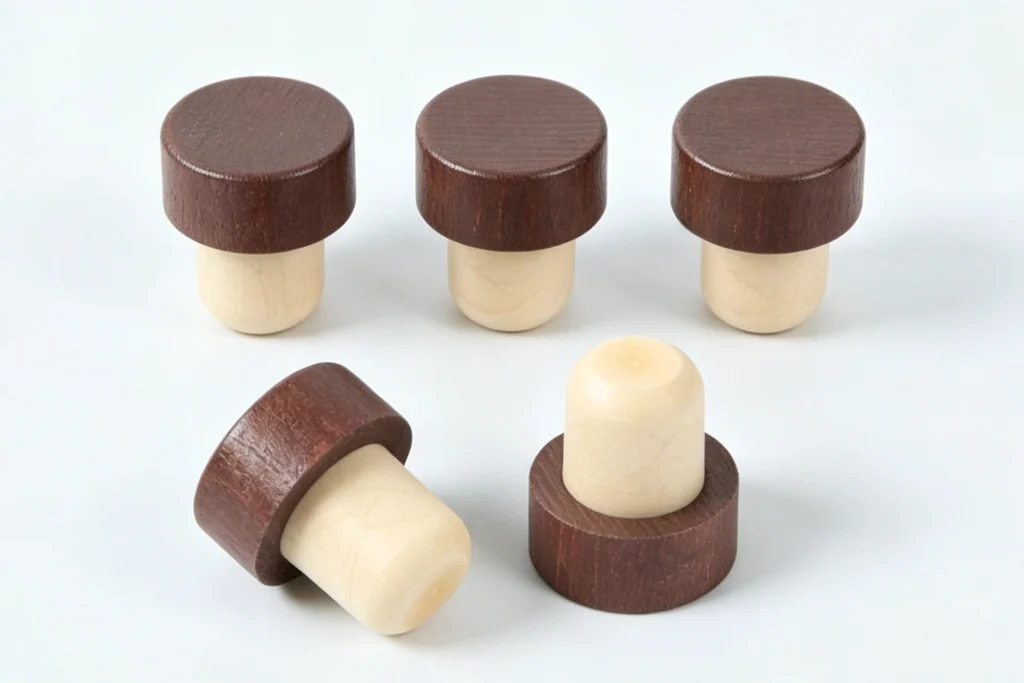
Metal stoppers for brandy bottles are bar-top or T-top closures made with a decorative metal head and a sealing shank. The visible top may be made from Zamak zinc alloy, aluminum, stainless steel, or a wood-metal hybrid. The shank may use natural cork, micro-agglomerated cork, synthetic cork, TPE, or another engineered insert.
These stoppers are especially suitable for premium brandy bottles because they combine practical resealing with a luxury opening feel. The metal head gives the package a more substantial touchpoint, while the shank provides the functional fit inside the bottle neck.
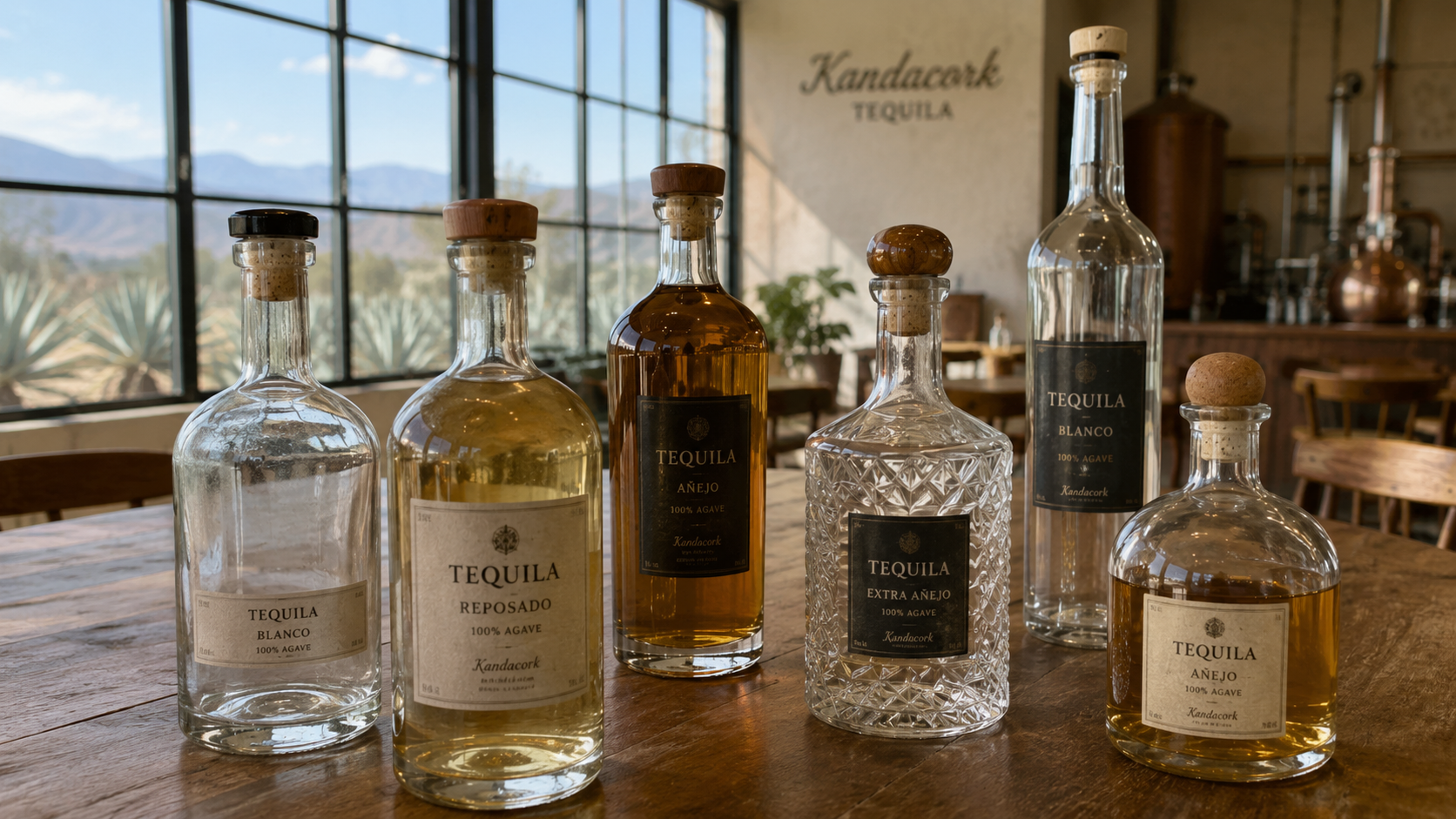
Kandacork Closures also supports wider brandy bottle closures such as cork stoppers, ROPP caps, bar-top closures, tamper-evident systems, and decorative premium stoppers for cognac-style packaging projects.
Why Brandy and Cognac Brands Choose Metal Bar-Top Stoppers
Brandy packaging often communicates maturity, warmth, craft, heritage, and gifting value. The closure should support that message from the first visual impression to the first opening experience.
A plastic-top stopper may be practical, but it may not create the same premium effect for an aged brandy or gift presentation. A wooden stopper may feel natural and traditional, but it may not offer the same metallic shine, plating effect, sculptural detail, or embossed logo impact. A metal stopper gives brand owners more control over weight, surface finish, custom shape, and top-of-bottle identity.
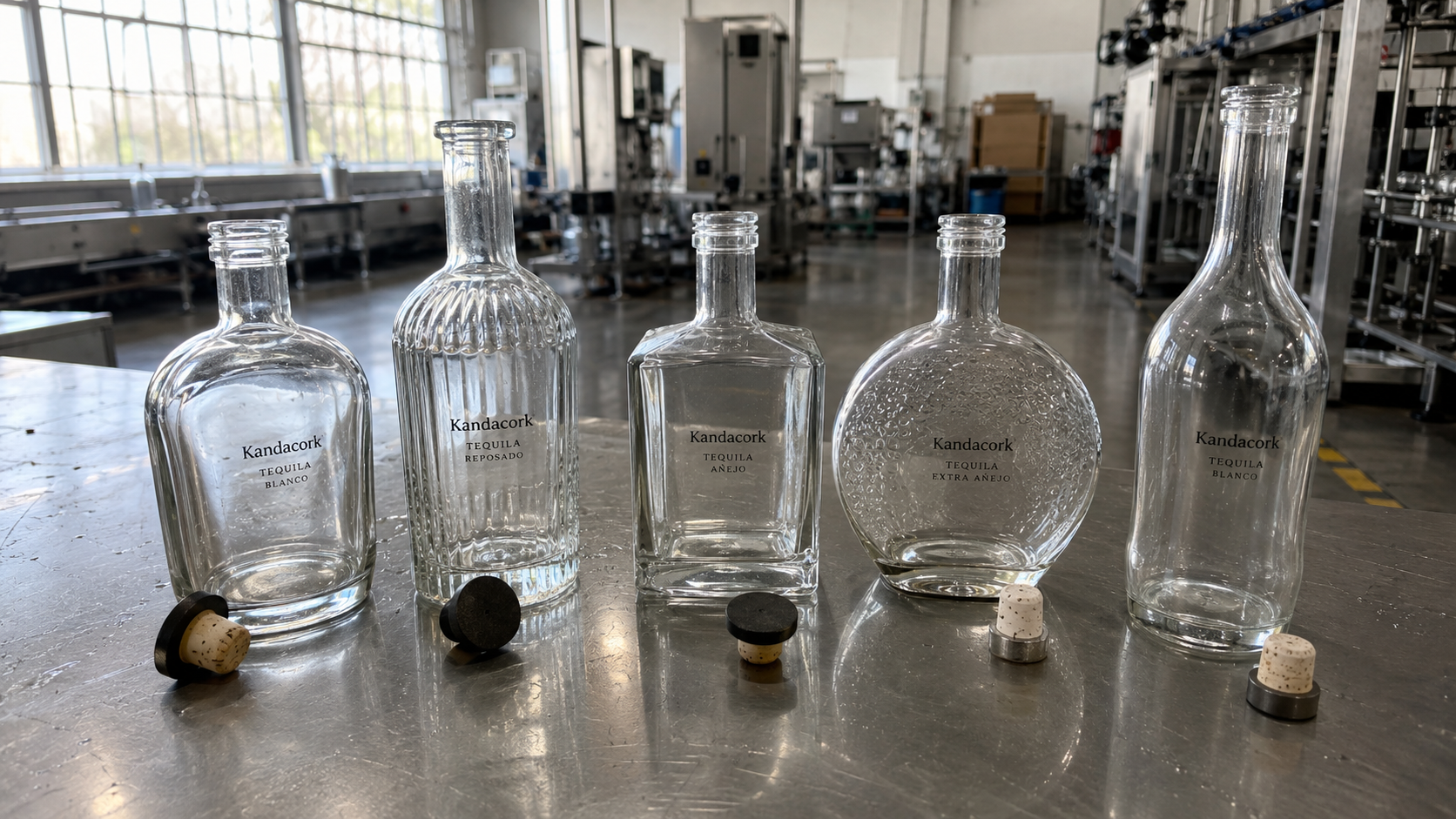
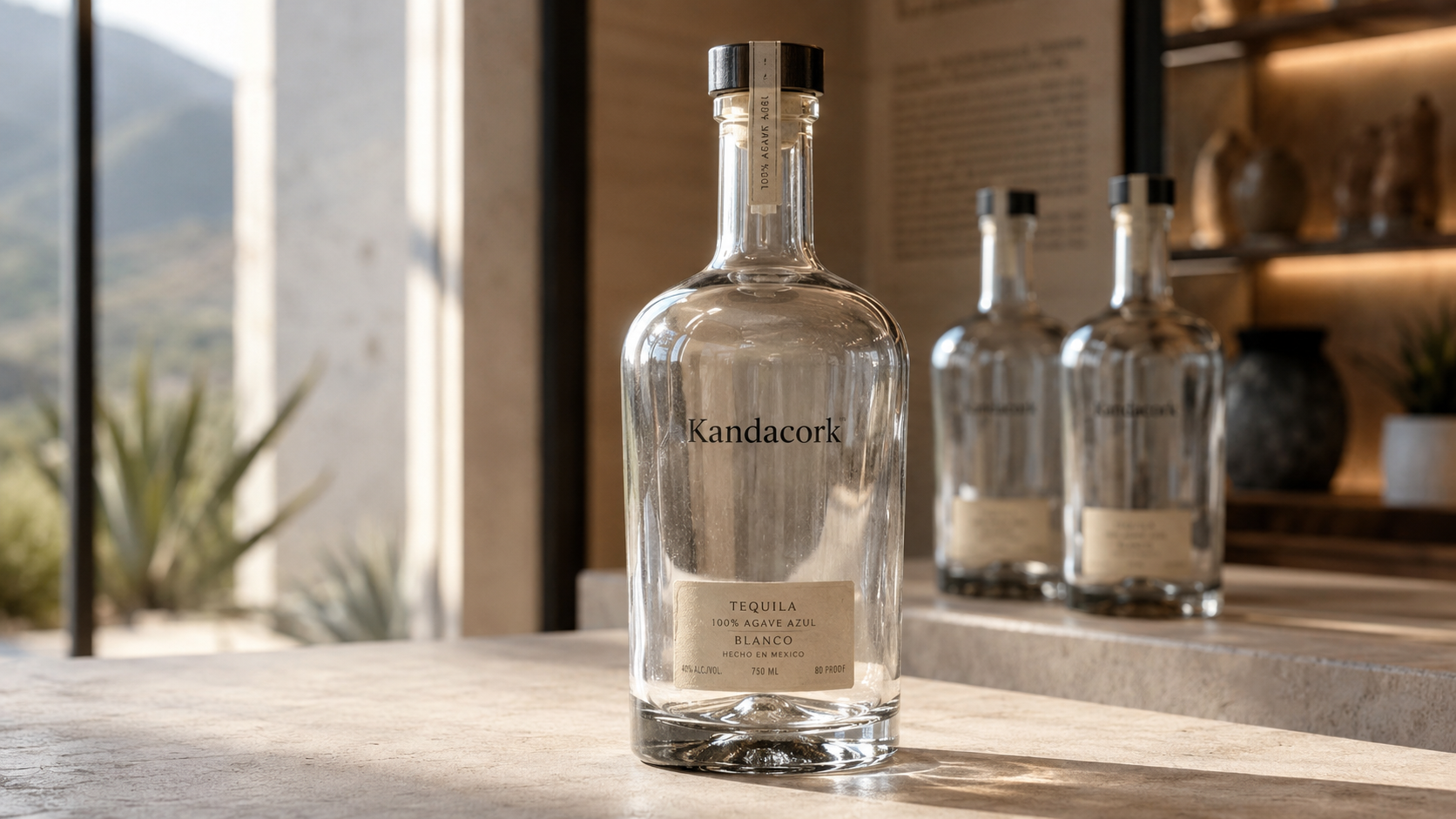
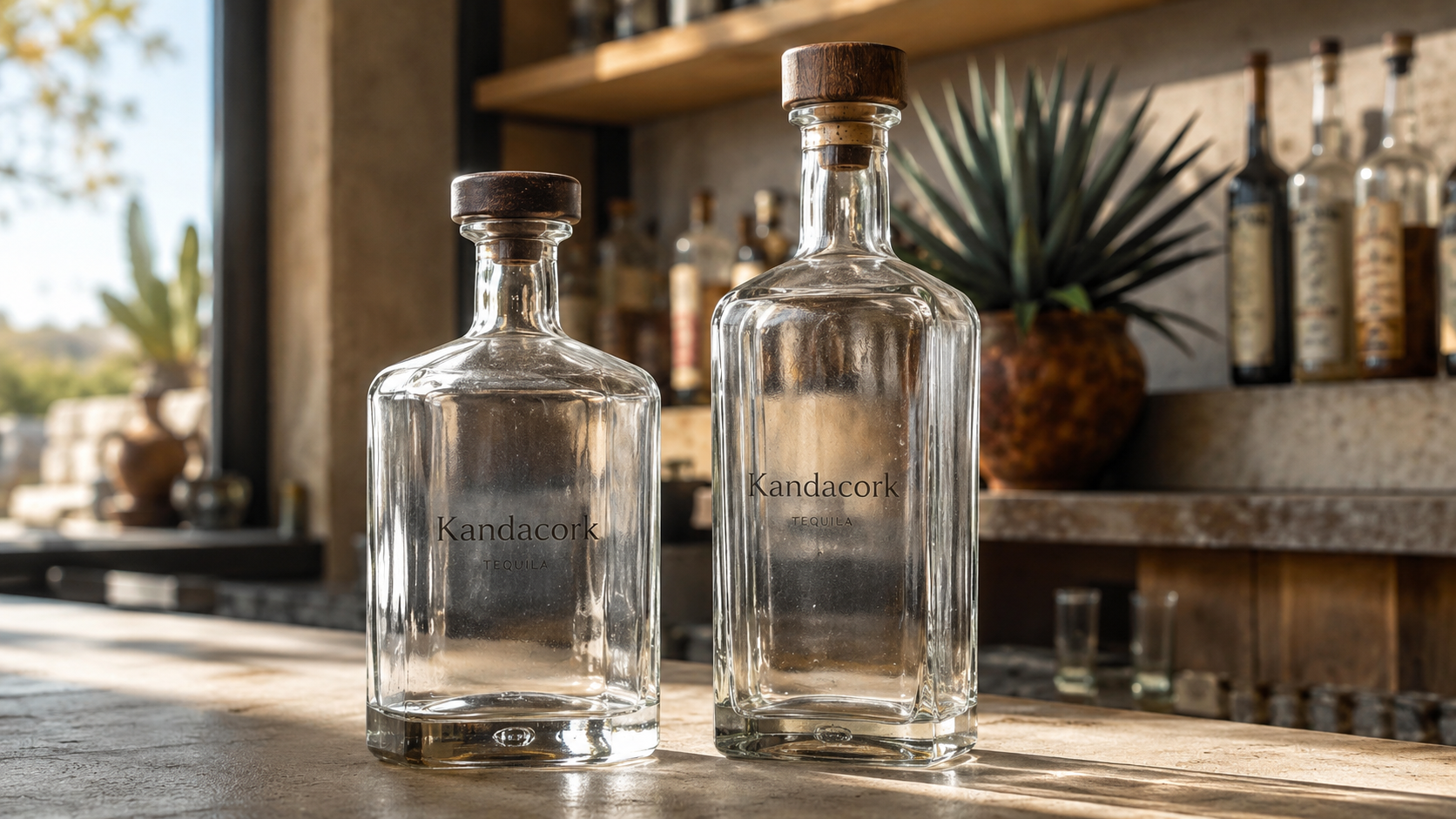
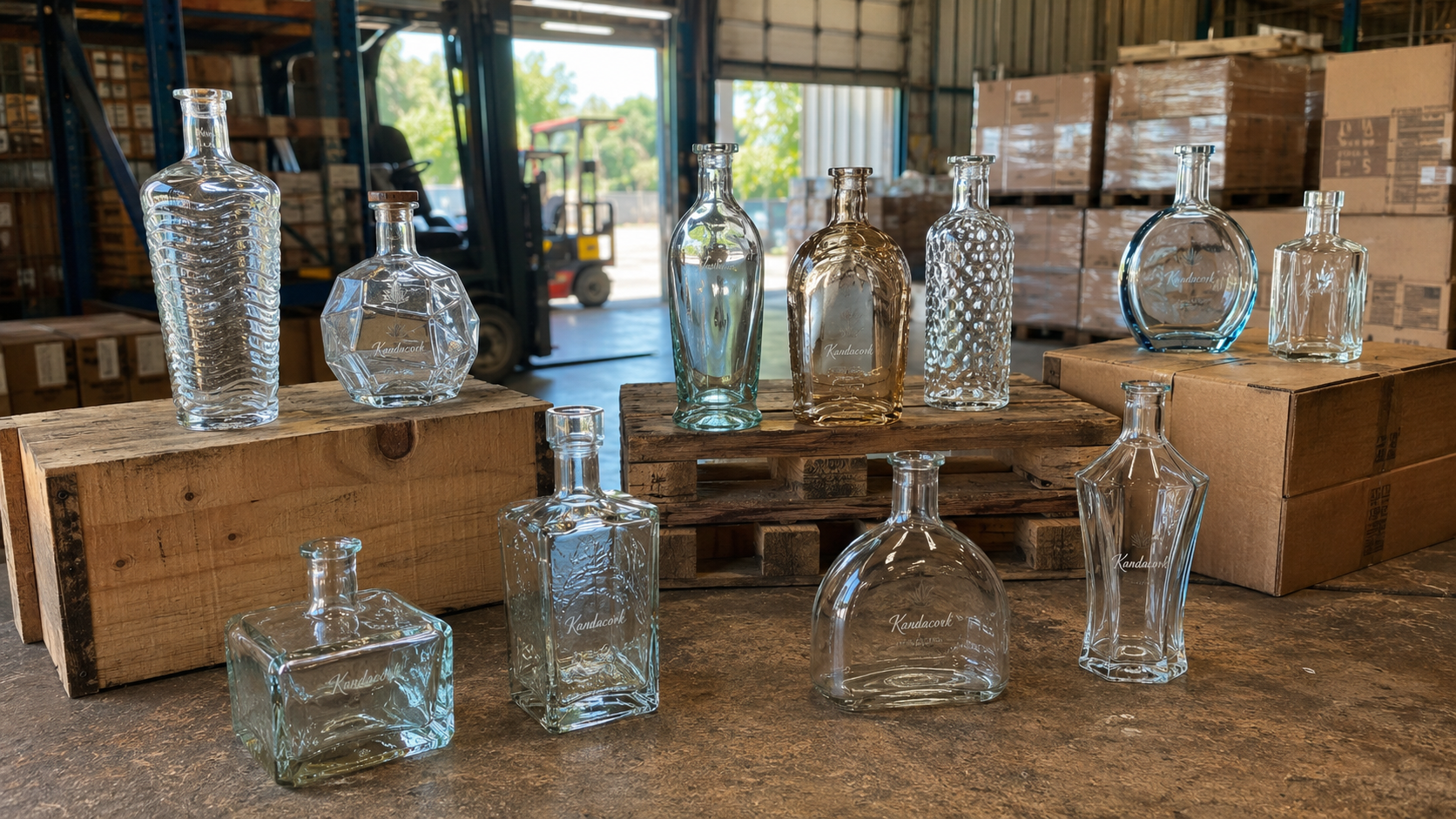
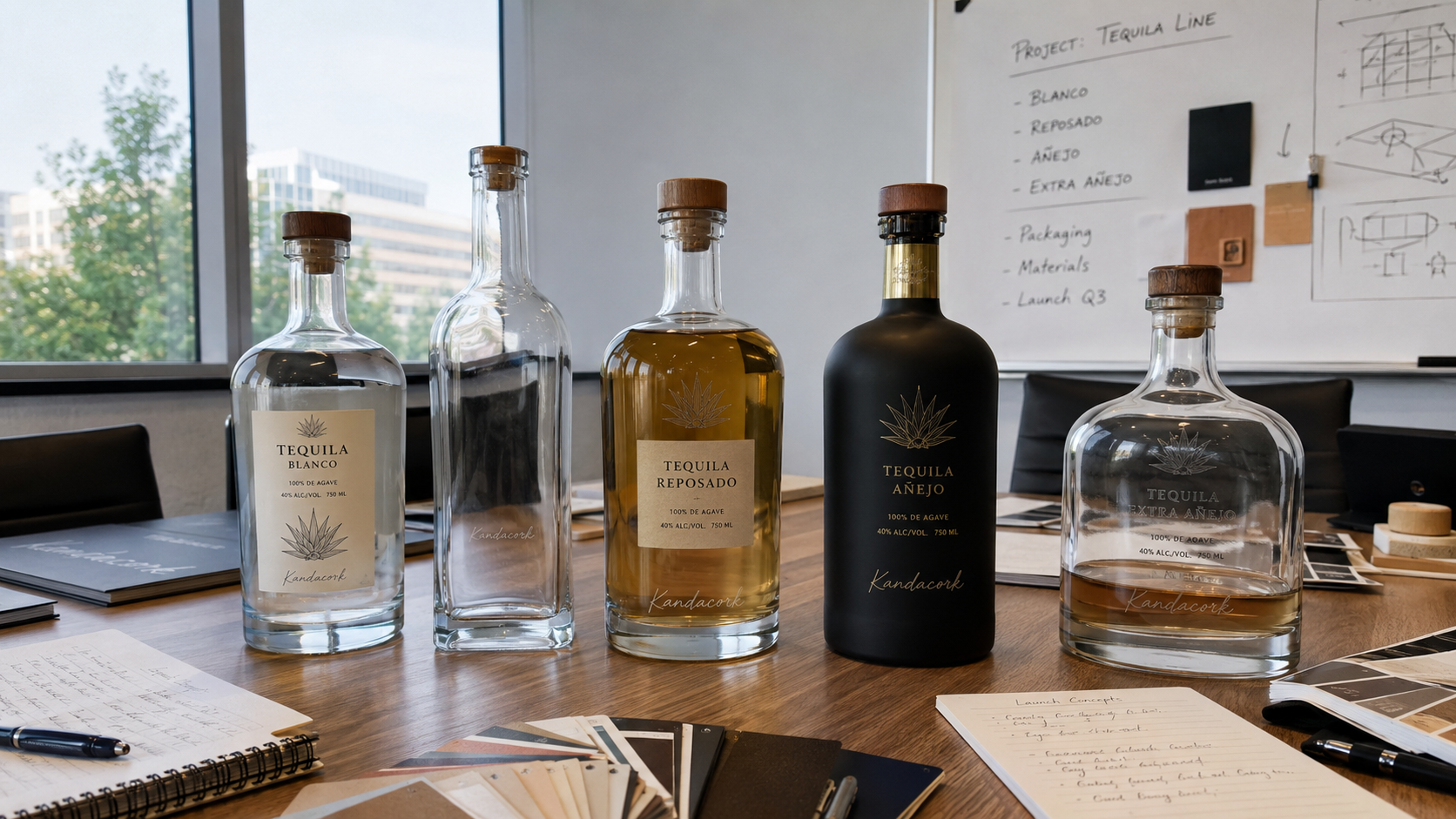
For projects that also require matching glass shape, weight, neck finish, and carton planning, packaging buyers often coordinate stoppers with custom spirits bottles early in the development process. This helps avoid mismatches between closure proportion, bottle shoulder shape, glass color, label area, capsule design, and gift-box height.
Quick Buyer Summary
| Buyer Need | Recommended Closure Direction | Why It Works |
|---|---|---|
| Luxury brandy or XO-style cognac | Zamak metal bar-top stopper | Heavy hand feel, premium plating, strong logo detail |
| Modern premium brandy | Aluminum metal stopper | Clean appearance, controlled weight, scalable production |
| Heritage or craft brandy | Wood-metal hybrid stopper | Warm natural cue with refined metal branding |
| Export private-label brandy | Synthetic or micro-agglomerated shank | More consistent fit and repeatable production |
| Gift-box or collector bottle | Custom molded metal top | Strong unboxing effect and higher perceived value |
| Bottle with capsule or shrink sleeve | Stopper tested with full neck decoration | Better fit, better seating height, fewer packing issues |
The key is to select the stopper as part of the full packaging system, not as a standalone accessory.
Material Options for Brandy Bottle Metal Stoppers
Different stopper materials create different visual, functional, and commercial results. The best option depends on brand position, target price, stopper weight, customization needs, order quantity, and production timeline.
| Material | Best For | Advantages | Buying Considerations |
|---|---|---|---|
| Zamak zinc alloy | Luxury brandy, limited editions, gift packaging | Heavy feel, custom shape, premium finish, strong embossing | Higher weight, tooling cost, protective packing |
| Aluminum | Modern premium brandy, export programs, private label | Lightweight, clean surface, good cost control, scalable supply | Less heavy than Zamak |
| Stainless steel | Minimalist premium packaging | Durable, clean, polished or brushed appearance | May offer less decorative flexibility |
| Wood-metal hybrid | Heritage brandy, barrel-aged story, craft spirits | Natural warmth plus metal detail | Needs careful color and material matching |
Zamak Zinc Alloy Stoppers
Zamak zinc alloy is often chosen for premium brandy and cognac-style bottles that need a heavier, more sculptural closure. It can support raised logos, debossed crests, antique finishes, gold plating, bronze tones, and custom molded shapes.
This material is suitable for gift boxes, limited editions, collector releases, and higher retail-price packaging. Buyers should consider tooling cost, stopper weight, freight impact, finish consistency, and anti-scratch packing before choosing Zamak.
Aluminum Metal Stoppers
Aluminum is a strong option when a brand wants a premium metal look with controlled weight and scalable production. It can be brushed, anodized, printed, engraved, embossed, or coated in custom colors.
For many brandy projects, aluminum offers a good balance between commercial value and visual quality. Kandacork Closures supports aluminum stopper development for brands that need modern finishes, stable shank options, logo decoration, and repeatable bulk supply.
Stainless Steel Stoppers
Stainless steel can create a clean and durable premium appearance. It works well for minimalist brandy packaging, modern spirits ranges, and brands that want a polished or technical look.
However, stainless steel is not always necessary. For many commercial brandy projects, Zamak or aluminum may provide better flexibility for custom shape, surface finish, logo process, and cost planning.
Wood-Metal Hybrid Stoppers
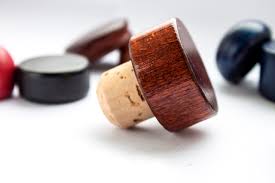
Wood-metal hybrid stoppers combine natural warmth with premium detail. They are useful when a brand wants to reference barrel aging, oak, craft production, or heritage without losing the refined look of metal.
A wooden top with a metal badge can feel classic. A metal top with a wood insert can feel more modern. The right structure depends on the bottle shape, label texture, glass color, carton material, and brand story.
Shank Options and Bottle-Neck Fit
The metal head creates visual value, but the shank controls fit, resealing feel, and leakage resistance. A beautiful metal top will not solve a poor bottle-neck match. Buyers should evaluate the stopper head and shank as one complete closure system.
| Shank Type | Best For | Advantages | Considerations |
|---|---|---|---|
| Natural cork | Traditional brandy and heritage packaging | Natural appearance, familiar premium cue | More natural variation |
| Micro-agglomerated cork | Repeat premium production | More controlled structure with cork-based appearance | Requires sample confirmation |
| Synthetic shank | Export and private-label programs | Stable dimensions, predictable compression | Less traditional visual cue |
| TPE or engineered insert | Technical fitment projects | Controlled sealing and repeatable performance | Must be matched to bottle and product needs |
Kandacork Closures’ wider closures and stoppers range allows buyers to compare metal, aluminum, wooden, glass, synthetic, ROPP, non-refillable, capsule, and shrink-sleeve options for different spirits packaging requirements.
How to Choose Metal Stoppers for Brandy Bottles
Choosing metal stoppers for brandy bottles should start with the bottle, not the catalog image. A stopper that looks attractive in a product photo may still sit too high, feel too loose, scratch during shipping, or interfere with a capsule or gift box.
Confirm the Bottle Neck Inner Diameter
The bottle neck inner diameter, often called the bore, is the first dimension to check. Bottle capacity alone is not enough. Two 750 ml brandy bottles can have different neck finishes and require different stopper shank sizes.
A bottle drawing is useful, but physical samples are better for final confirmation. Glass tolerance, mouth shape, insertion depth, and bore variation can all affect stopper performance.
Match Shank Diameter and Compression
The shank needs enough compression to hold securely, but not so much that insertion becomes difficult. A loose stopper may reduce buyer confidence and increase leakage risk. A tight stopper may create filling-line problems or make the bottle hard to open.
For premium brandy, the opening feel should be controlled and confident. The stopper should release smoothly, reseal firmly, and feel appropriate for the bottle weight.
Check Seating Height and Proportion
Seating height affects both function and shelf appearance. If the stopper sits too high, it may look unstable or unfinished. If it sits too low, the metal top may touch the glass mouth or conflict with a capsule, shrink sleeve, or gift box insert.
Stopper proportion should also match bottle geometry. A large heavy top may suit a wide-shouldered heavy-base bottle, but it may look oversized on a slim bottle or mini format.
Test the Full Packaging System
Fit testing should include the actual bottle, label, capsule, shrink sleeve, carton, and secondary packaging when available. A stopper that looks correct on a bare bottle may not work once decoration and gift-box components are added.
For export programs, buyers should also consider vibration, stacking pressure, abrasion, temperature changes, warehousing, and long-distance transport.
Common Sourcing Problems and How to Prevent Them
| Problem | Likely Cause | Practical Prevention |
|---|---|---|
| Stopper feels loose | Shank too small or bottle bore too wide | Test with physical bottles and adjust shank size |
| Stopper is hard to insert | Shank too large or too stiff | Review compression and material selection |
| Stopper sits too high | Incorrect shank length or insertion depth | Approve seating height during sampling |
| Metal top scratches easily | Weak surface protection or poor packing | Specify protective packing and finish checks |
| Logo lacks detail | Artwork and process mismatch | Choose suitable engraving, embossing, printing, or molding |
| Bottle looks top-heavy | Stopper too large or too heavy | Review full bottle mockup before tooling |
| Capsule does not fit | Closure and neck decoration planned separately | Test stopper with capsule or shrink sleeve together |
Many closure problems can be avoided when the supplier reviews bottle drawings, physical samples, branding files, filling-line information, and export packing requirements before production.
Finish and Decoration Options
Metal stoppers offer strong design flexibility. The same brandy bottle can look classic, modern, craft, luxury, or collectible depending on stopper finish and decoration method.
Popular finishes include gold, silver, copper, antique brass, black nickel, matte black, satin silver, brushed aluminum, polished metal, champagne, gunmetal, and textured plating. Gold and antique brass often work well for heritage brandy. Black nickel and matte black fit modern premium packaging. Copper can complement amber liquid and warm label tones.
Logo decoration options include embossing, debossing, laser engraving, pad printing, hot stamping, side marking, and custom molded emblems. For complex packaging systems, brands may coordinate closure finish with decoration and branding elements such as bottle printing, coating, frosting, label foil, carton color, and neck decoration.
Metal Stoppers vs Other Brandy Bottle Closures
Metal stoppers are not the only option for brandy bottles, but they are often the strongest choice when premium feel and brand identity matter.
| Closure Type | Best For | Strengths | Limitations |
|---|---|---|---|
| Metal bar-top stopper | Premium brandy, cognac-style packaging, gift bottles | Luxury feel, strong branding, custom finishes | Requires fit testing and careful packing |
| Wooden stopper | Craft spirits and heritage packaging | Natural warmth, traditional appearance | Less metallic premium impact |
| Glass stopper | Decanter-style bottles | Elegant, collectible, transparent | More fragile and complex |
| Plastic-top stopper | Value or promotional packaging | Cost-effective and flexible | Lower premium perception |
| ROPP cap | Tamper-evident and high-speed lines | Efficient, secure, scalable | Less luxury opening feel |
| Non-refillable closure | Brand protection and controlled pouring | Anti-refill function, tamper evidence | More technical structure |
A premium brandy may use a metal bar-top stopper for hand feel and branding. A high-volume spirits product may use ROPP closures for line speed and tamper evidence. Some projects may combine a bar-top stopper with a capsule, shrink band, or secondary security feature depending on the destination market.
Practical Supplier Notes for Brandy Stopper Projects
Metal stoppers should be reviewed as both decorative and functional packaging components. In real brandy packaging projects, small technical details can strongly affect the final buyer experience.
Heavy metal tops usually need better anti-scratch export packing. Polished, plated, brushed, and antique finishes can be damaged if the stoppers are not separated or protected during transport.
Seating height should be checked with the final label, capsule, gift box, and carton. A stopper that looks correct on an undecorated bottle may look too tall after a neck sleeve or too low inside a rigid gift box insert.
Switching from wood to metal can change bottle balance. A heavier closure can improve premium perception, but it should not make the bottle feel top-heavy or awkward to pour.
Plated finishes should be reviewed under realistic lighting. Gold, bronze, copper, and black nickel may look different under factory light, daylight, retail shelves, and bar display lighting.
If the bottle project is still in development, coordinating closures with Kandacork Glass can help buyers align bottle shape, neck finish, closure fit, decoration direction, and export packing from the beginning.
Compliance and Documentation Considerations
Closures used for spirits packaging should be treated as functional packaging components. The shank, insert, liner, coating, adhesive, or any component that may contact the bottle mouth or liquid should be reviewed carefully.
In the United States, the FDA explains that food-contact packaging and its components may include substances used in packaging surfaces, adhesives, coatings, and other materials that come into contact with food. Buyers can also review the FDA’s inventory of authorized food-contact substances in 21 CFR when planning material documentation.
For beverage alcohol sold in the U.S. marketplace, brand owners and importers should also consider TTB distilled spirits labeling requirements, including packaging and presentation expectations that may affect the complete bottle system.
For European or international projects, buyers may need to review EU food contact materials requirements and destination-market documentation. In broader food and beverage supply chains, an ISO 22000 food safety management system can also be relevant for organizations managing food-safety hazards and supplier controls.
Common B2B documentation requests may include material declarations, food-contact statements, sample approval records, finish references, packing specifications, and quality inspection criteria.
Sustainability and Packaging System Planning
For premium spirits, sustainability is not only about one component. It involves glass weight, recycled content, closure material, secondary packaging, transport efficiency, decoration choices, and end-of-life handling.
Metal stoppers can improve perceived value and reusability, but buyers should consider stopper weight, packing volume, plating process, carton protection, and freight impact. A heavier stopper may support luxury positioning, while a lighter aluminum stopper may reduce weight and improve commercial efficiency for export programs.
Brands that want to develop more responsible glass packaging can explore sustainable glass packaging directions alongside closure design, bottle decoration, and secondary packaging. The best result usually comes from planning the bottle, closure, decoration, and carton together instead of optimizing each part separately.
How to Start a Brandy Stopper Project with Kandacork Closures
A clear project brief helps reduce sampling delays and improves the accuracy of recommendations. Before requesting samples or a quote, prepare the key details that affect stopper fit, appearance, and production feasibility.
| Project Stage | Buyer Provides | Kandacork Reviews |
|---|---|---|
| Bottle review | Drawing, neck finish, physical sample | Bore size, mouth shape, stopper fit direction |
| Design planning | Logo file, finish reference, brand style | Top shape, decoration process, surface finish |
| Material selection | Budget, positioning, order quantity | Zamak, aluminum, stainless steel, wood-metal options |
| Shank selection | Bottle neck data and filling method | Cork, micro-agglomerated cork, synthetic shank |
| Sampling | Sample quantity and approval standard | Fit, seating height, pull-out force, appearance |
| Bulk production | Confirmed sample and packing needs | QC plan, finish consistency, export packing |
To request a review, buyers can share the bottle drawing, physical bottle sample, logo file, target quantity, stopper finish reference, shank preference, destination market, and expected timeline through Kandacork’s custom closure quote channel.
Quality Checks Before Bulk Production
A custom stopper should not move directly from concept to mass production. Sample approval protects the buyer, supplier, filling partner, and final consumer experience.
Important checks include visual match with the bottle and label, top diameter, seating height, shank diameter, compression, insertion force, pull-out force, leakage resistance, finish consistency, logo clarity, abrasion resistance, gift-box compatibility, and bulk packing protection.
For metal stoppers, surface protection is especially important. Polished, plated, brushed, and antique finishes should be packed to reduce contact scratches. Heavy stoppers may also need stronger inner cartons or separated packing methods for export shipments.
FAQ
Are metal stoppers suitable for brandy bottles?
Yes. Metal stoppers are suitable for premium brandy bottles when the shank is correctly matched to the bottle neck. They are especially useful for brands that want luxury hand feel, strong top-of-bottle branding, and higher shelf value.
What are the best metal stoppers for brandy bottles?
The best metal stoppers for brandy bottles depend on brand positioning and bottle design. Zamak is often best for heavy luxury stoppers, aluminum works well for scalable premium projects, stainless steel supports a clean modern look, and wood-metal hybrids suit heritage packaging.
What size stopper fits a brandy bottle?
The correct size depends on the bottle neck inner diameter, shank diameter, shank material, insertion depth, seating height, and target pull-out force. A bottle drawing or physical bottle sample should be checked before production.
Can metal stoppers be customized with a brand logo?
Yes. Metal stoppers can be customized with embossing, debossing, laser engraving, printing, hot stamping, plating, side marking, and custom molded shapes. The best method depends on logo detail, stopper material, surface finish, and budget.
Do metal stoppers prevent leakage?
A metal top alone does not prevent leakage. Leak resistance depends mainly on the shank material, bottle neck fit, compression, insertion depth, and sample testing. The stopper must be tested with the actual bottle before bulk production.
Are metal stoppers better than wooden stoppers?
Metal stoppers are better for brands that want premium weight, plated finishes, sculptural forms, and strong logo impact. Wooden stoppers are better for natural, rustic, or craft-style packaging. The best choice depends on the brand story and bottle design.
Should I choose a metal stopper or a ROPP cap for brandy?
Choose a metal stopper when premium opening feel, gift presentation, and reusable closure experience are priorities. Choose a ROPP cap when tamper evidence, high-speed production, and cost efficiency are more important.
When should I request samples for custom brandy bottle stoppers?
Request samples before bulk production, especially when using a new bottle, changing shank material, developing a custom metal top, launching an export product, adding a capsule, or creating gift-box packaging.
What should I send before requesting a quote?
Send the bottle drawing, physical bottle sample, logo file, target quantity, finish reference, preferred shank material, destination market, and packaging timeline. These details help the supplier recommend the right stopper structure and sample plan.
Conclusion
Metal stoppers for brandy bottles help premium spirits brands improve shelf appeal, hand feel, brand recognition, and consumer experience. The right stopper should not only look attractive; it must fit the bottle neck, reseal reliably, match the packaging design, and support the production plan.
For brandy, cognac-style spirits, limited editions, private-label programs, and gift packaging, a custom metal bar-top stopper can become a signature part of the bottle. Buyers should review bottle drawings, physical samples, logo artwork, finish references, target quantity, and destination-market requirements before approving bulk production.
Kandacork Closures supports custom metal stopper development for brandy bottles with material selection, bottle-neck matching, logo decoration, sample review, quality control, and export packing. With the right brief and sample process, brands can create a closure that looks premium, performs reliably, and strengthens the complete brandy packaging experience.