Choosing between glass stoppers vs metal stoppers is a strategic packaging decision for spirits brands. The stopper affects shelf appeal, sealing performance, hand feel, customization, durability, compliance review, and final consumer perception. For premium whisky, gin, vodka, tequila, rum, brandy, cognac, and liqueur bottles, the closure is more than a functional component. It is part of the brand experience.
For brands comparing custom glass stoppers with custom metal bar-top stoppers, the best answer depends on bottle design, stopper weight, sealing insert, decoration method, budget, order quantity, and target market. Glass often delivers refined luxury and collectability. Metal often delivers durability, bold customization, and strong logo impact.
Kandacork Closures supports spirits brands, bottlers, distilleries, private-label buyers, and packaging developers with stopper selection, bottle neck matching, sample review, and production-ready closure solutions. The goal is simple: choose a stopper that looks premium, fits correctly, seals reliably, and supports the brand’s commercial positioning.
Summary
Glass stoppers are best for refined luxury, transparent bottle design, collectible packaging, and premium gift presentation.
Metal stoppers are best for durability, bold logo branding, plated finishes, frequent handling, and modern spirits packaging.
For spirits brands, the best stopper depends on bottle neck fit, sealing insert, brand positioning, MOQ, surface finishing, and sample testing requirements.
Before choosing glass stoppers vs metal stoppers, buyers should review bottle neck dimensions, insert compression, pull force, leakage resistance, stopper weight, decoration quality, and food-contact suitability.
Quick Answer: Which Stopper Is Better?
Glass stoppers are usually better for luxury, transparent, collectible, and decanter-style spirits packaging. They are ideal when a brand wants a refined, elegant, crystal-like, or gift-ready presentation.
Metal stoppers are usually better for durability, bold branding, frequent handling, plated finishes, and modern premium packaging. They are ideal when a brand wants a strong logo surface, sculptural shape, or more impact-resistant closure.
The visible top material is only one part of the decision. Sealing performance depends mainly on the insert system, bottle neck tolerance, compression fit, pull force, and leakage resistance. A well-designed glass stopper and a well-designed metal stopper can both perform reliably when they are engineered for the actual bottle.
Glass Stoppers vs Metal Stoppers Comparison Table
| Factor | Glass Stoppers | Metal Stoppers | Better Choice |
|---|---|---|---|
| Luxury appearance | Elegant, clear, refined, collectible | Premium, bold, strong, decorative | Glass for refined luxury; metal for bold luxury |
| Durability | Good, but breakable under impact | Strong impact resistance | Metal |
| Logo customization | Engraving, molding, frosting, tinting | Engraving, embossing, plating, laser marking | Metal |
| Collectible value | Very strong for decanter-style bottles | Strong for limited-edition shaped tops | Glass |
| Frequent bar use | Suitable with care | Better for repeated handling | Metal |
| Visual clarity | Excellent | Not transparent | Glass |
| Surface finish options | Clear, frosted, colored, faceted | Gold, silver, copper, matte, brushed, anodized | Depends on brand style |
| Best applications | Premium whisky, vodka, gin, tequila, rum, cognac | Whisky, bourbon, tequila, mezcal, rum, vodka, gin | Depends on packaging concept |
| Technical priority | Chip control, insert fit, polish quality | Plating quality, corrosion resistance, insert fit | Depends on material and finish |
| Buyer focus | Elegance, purity, gift value | Strength, customization, logo impact | Depends on commercial goal |
What Are Glass Stoppers?
Glass stoppers are bottle closures with a glass or crystal-style top. They may use clear glass, colored glass, frosted glass, molded glass, faceted glass, or decorative glass components. In spirits packaging, the glass top is often combined with a natural cork, micro-agglomerated cork, synthetic cork, TPE plug, silicone ring, or technical polymer insert.
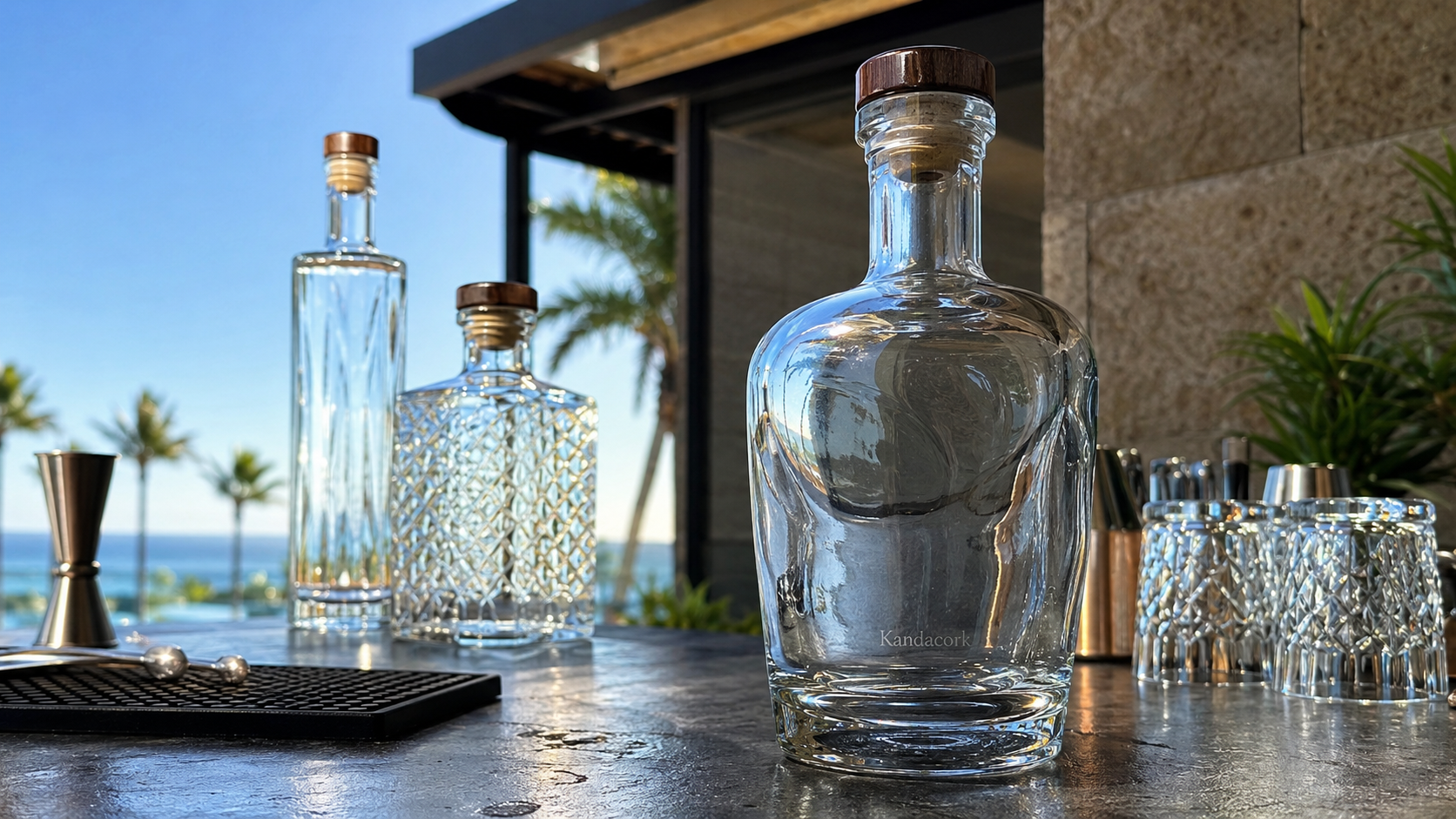
A glass stopper creates a strong premium signal because it reflects light, matches high-end bottle glass, and supports a sense of purity. It works especially well with thick-base bottles, clear spirits bottles, luxury decanters, gift packaging, and limited-edition packaging.
For vodka, gin, tequila blanco, premium rum, whisky, cognac, and liqueur brands, glass stoppers can help the closure feel like part of the bottle architecture. A faceted glass top can echo the bottle base. A frosted glass stopper can match a matte label. A colored glass stopper can reinforce brand identity without overpowering the bottle design.
Advantages of Glass Stoppers
Glass stoppers offer excellent shelf appeal. Their clarity, weight, and smooth finish create a refined look that buyers often associate with premium spirits packaging. For brands competing in luxury retail, duty-free, gifting, or high-end hospitality channels, this visual impression can improve perceived value.
Glass also supports strong design harmony. The stopper can be shaped to match the bottle shoulder, base geometry, embossing pattern, or label style. This helps the full package look intentional rather than assembled from unrelated parts.
Another advantage is collectability. Consumers may keep a distinctive glass stopper after finishing the bottle, especially when the product is a limited edition or premium gift. This gives the closure a longer brand life beyond the original purchase.
Glass is also widely recognized as a respected material in food and beverage packaging. The Glass Packaging Institute represents the North American glass container industry and promotes glass packaging, recycling, and industry education. For premium spirits brands, this association can support a clean, high-quality, and responsible packaging message.
Limitations of Glass Stoppers
Glass stoppers require careful engineering and handling. They can chip, crack, or break if dropped on a hard surface. This risk can be managed with proper glass thickness, smooth edge finishing, protective packaging, carton design, and transport testing.
Glass stoppers may also require higher tooling investment when the project involves custom molding, special colors, deep engraving, faceted designs, or decorative shaping. For brands with lower order volumes, this can affect budget and development time.
Fit accuracy is essential. A beautiful glass top will not solve leakage or looseness if the insert does not match the bottle neck. Packaging teams should check inner neck diameter, neck finish tolerance, insertion depth, seating height, stopper alignment, and pull-force consistency before approving mass production.
What Are Metal Stoppers?
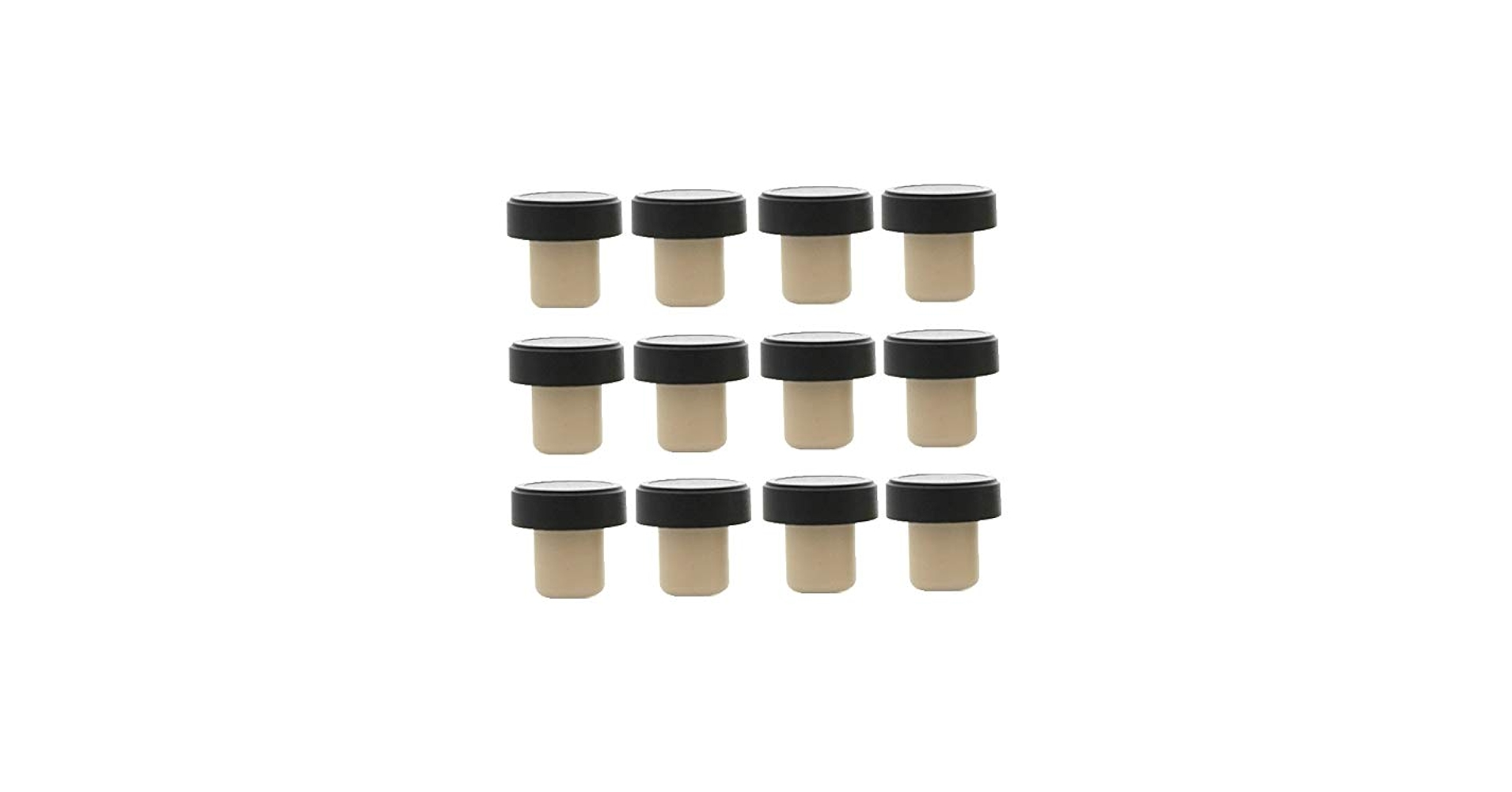
Metal stoppers are bottle closures with a metal top or metal decorative component. Common materials include aluminum, stainless steel, zinc alloy, zamac, brass-style alloy, or plated metal. The top is usually connected to a cork shank, synthetic cork, TPE plug, silicone insert, or technical sealing structure.
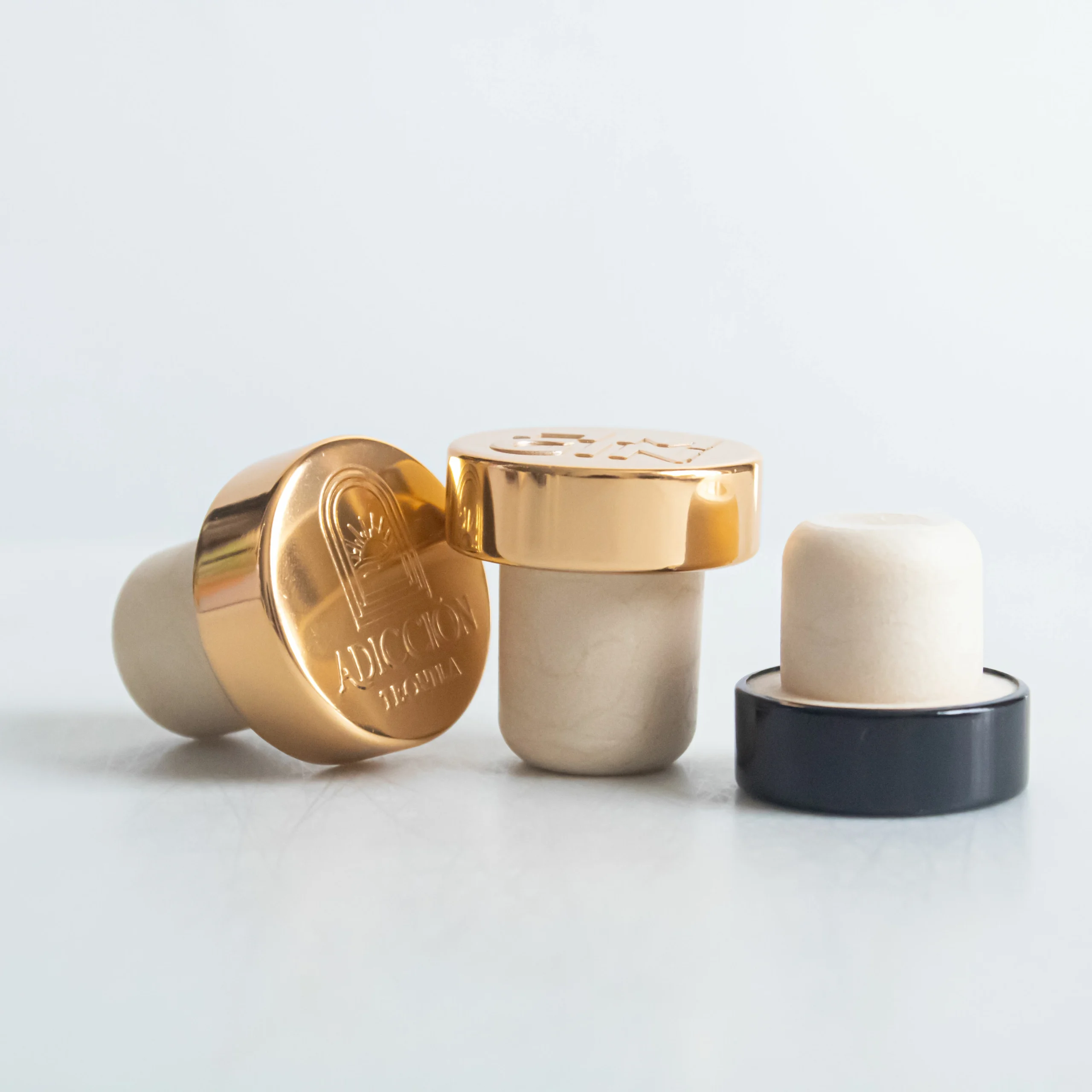
Metal closures are widely used in premium spirits packaging because they combine strength, decoration flexibility, and strong tactile value. A metal stopper can be polished, brushed, plated, anodized, engraved, embossed, debossed, laser-marked, color-coated, or molded into a custom shape.
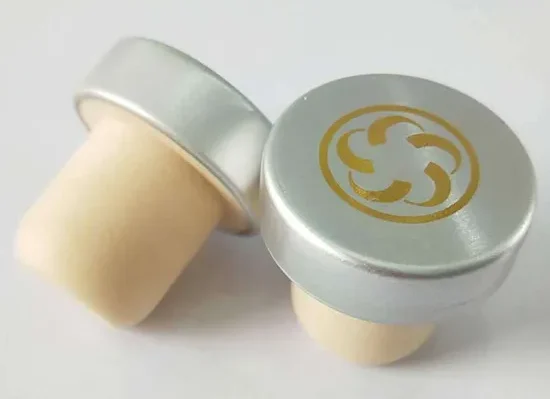
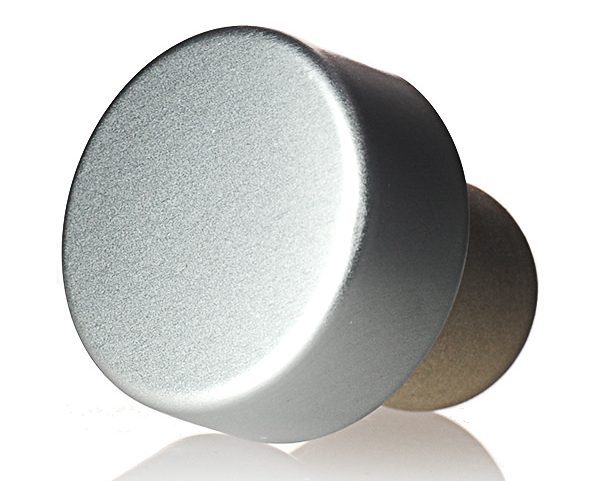
For projects that require a lighter metallic option, aluminum bar-top stoppers can provide a clean premium look, stable dimensions, and flexible surface finishing. For brands that want bolder weight or sculptural impact, zinc alloy or other metal structures may be more suitable.
Advantages of Metal Stoppers
Metal stoppers are highly durable. Compared with glass, metal generally performs better under repeated handling and impact. This makes it suitable for spirits bottles that are opened often or moved frequently in bars, restaurants, tasting rooms, hotels, and retail demonstrations.
Metal also offers excellent branding flexibility. A brand can use engraving, embossing, debossing, laser marking, plating, anodizing, or decorative medallions to create a memorable closure. Gold, silver, copper, gunmetal, matte black, brushed aluminum, and antique finishes can all help communicate different brand personalities.
Metal stoppers provide strong shape freedom. They can be round, square, flat, tall, dome-shaped, coin-shaped, sculptural, or fully custom. For tequila, mezcal, whisky, bourbon, rum, and limited-edition spirits, a custom metal top can become a recognizable brand asset.
A well-designed metal stopper also improves hand feel. The added weight can make the bottle opening experience feel more substantial, especially when the bottle itself has a heavy base or premium glass structure.
Limitations of Metal Stoppers
Metal stoppers require careful surface and compliance review. If any metal component is close to the beverage-contact area, the material, plating, coating, adhesive, and insert system should be evaluated for the intended market. The U.S. FDA explains that food-contact substances can include packaging components, adhesives, colorants, and other materials that may come into contact with food or beverage products in its guidance on food packaging and food-contact substances.
Surface quality is another important issue. Poor plating, uneven polishing, weak coating adhesion, scratches, discoloration, or inconsistent color can reduce the premium impression. Luxury spirits packaging requires tight visual inspection because small defects are highly visible on metallic surfaces.
Metal may not always communicate the same clarity or elegance as glass. For a transparent decanter-style bottle, a glass stopper may feel more natural. For a bold modern bottle, a metal stopper may feel stronger. The choice should support the brand’s visual language, not just the material trend.
Sealing Performance: The Insert Matters Most
Glass stoppers and metal stoppers can both seal well when the insert is correctly designed. The decorative top does not determine sealing performance by itself. The insert, neck fit, compression, and tolerance control are more important.
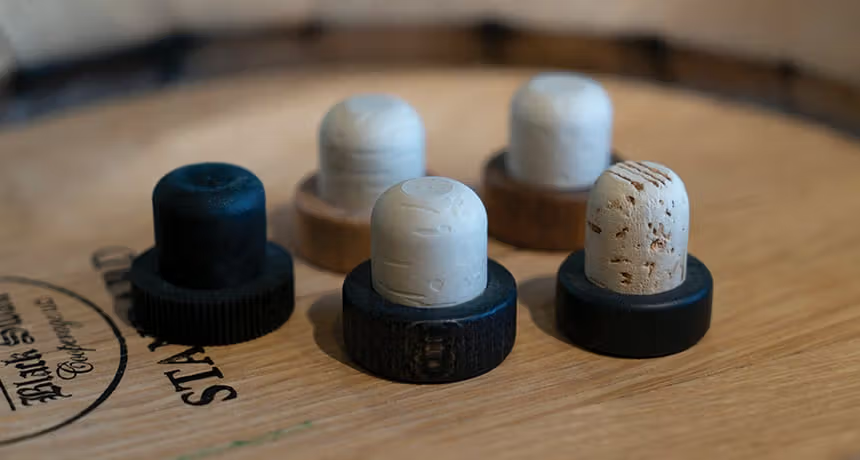
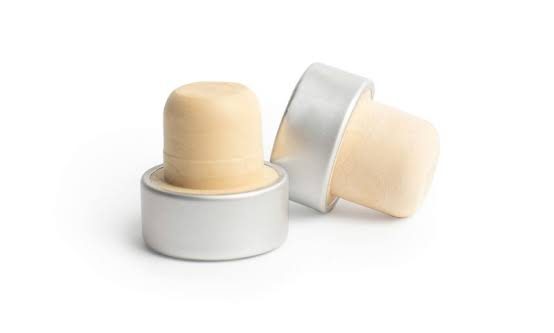
Common sealing systems include natural cork, micro-agglomerated cork, synthetic cork, TPE plugs, silicone rings, and technical polymer inserts. Synthetic bar-top stoppers are often selected when a project needs stable geometry, consistent appearance, controlled color, and repeatable production performance.
A spirits closure should be tested with the actual bottle, not only with drawings. Buyers should check whether the stopper seats evenly, opens smoothly, resists leakage, and remains stable during transport. Kandacork Closures can support stopper matching by reviewing bottle neck dimensions, sample bottles, insert options, and performance requirements before bulk production.
Bottle Neck Fit and Technical Matching
Bottle neck fit is one of the most important technical factors in stopper development. Even a premium glass or metal top can fail if the shank is too loose, too tight, too short, or poorly aligned with the bottle finish.
Buyers should confirm inner neck diameter, tolerance range, insertion depth, seating height, and stopper alignment. They should also consider the bottle’s filling process, closure application method, export route, and retail storage conditions.
For brands developing complete spirits bottle projects, stopper choice should be reviewed at the same time as bottle shape, glass weight, neck finish, label panel, capsule plan, and carton protection. A coordinated review helps avoid late-stage redesigns and improves the chance of smooth production.
Durability and Handling
Metal stoppers usually perform better in high-handling environments. Bars, restaurants, tasting rooms, duty-free displays, and hospitality venues often require closures that can withstand repeated opening and closing. In these cases, metal may be more practical.
Glass stoppers provide strong luxury value but need better protection. They are best suited for premium retail, gift packaging, collector bottles, and shelf-display products where the visual impression is a major selling point.
The best packaging decision balances beauty and risk. A luxury glass stopper may be perfect for a limited-edition tequila bottle. A plated metal stopper may be better for a bourbon bottle designed for frequent bar use.
Customization and Brand Identity
Glass stoppers and metal stoppers both offer custom branding options, but they communicate different messages.
Glass customization can include molding, frosting, tinting, engraving, embossing, polishing, faceting, and sculptural shaping. These methods create an elegant and refined brand impression. A glass stopper can feel like an extension of the bottle itself.
Metal customization can include die-casting, CNC shaping, engraving, embossing, debossing, plating, anodizing, brushing, polishing, laser marking, and color coating. These methods create a stronger logo surface and more visible brand mark.
For projects that require coating, frosting, printing, decals, embossing, or integrated bottle decoration, dedicated decoration and branding planning can help the stopper, bottle, label, capsule, and secondary packaging work together as one visual system.
Cost, MOQ, and Production Planning
The cost of glass stoppers vs metal stoppers depends on material, design complexity, tooling, finish, insert type, decoration method, packaging requirements, and order quantity.
A simple aluminum stopper may be cost-effective for larger-volume projects. A custom zinc alloy stopper with plating and engraving may require higher tooling and finishing costs. A standard glass stopper may be manageable, while a custom molded glass stopper with special color or faceted geometry may need more development time.
MOQ also varies by customization level. Standard shapes usually allow easier sourcing. Custom molds, custom colors, custom inserts, and special finishes usually require larger order quantities. Buyers should confirm sample fees, tooling cost, lead time, inspection criteria, and production tolerances before approving the final stopper.
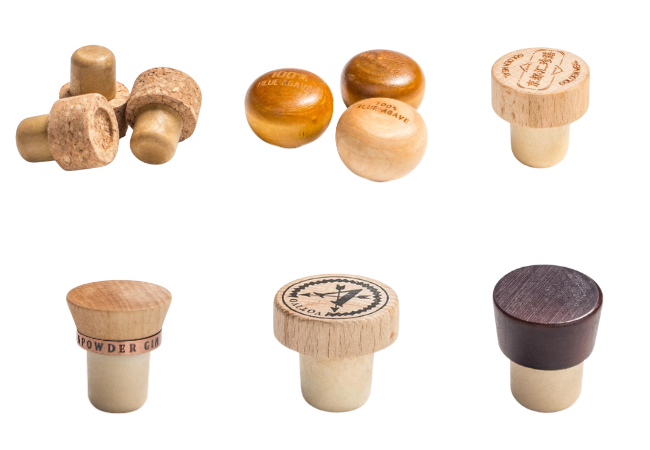
For brands comparing stopper categories beyond glass and metal, wooden bar-top stoppers can offer a warmer, classic, craft-oriented appearance for whisky, rum, tequila, and other premium spirits.
Sustainability and Material Responsibility
Glass and metal can both support sustainability goals, but brands should avoid vague claims. A finished stopper is often a mixed-material component that may include glass or metal plus cork, synthetic cork, TPE, silicone, adhesive, coating, or decorative plating.
Glass packaging is widely associated with recyclability in many markets. Aluminum and other metals may also support strong recycling potential when collected and processed properly. The Aluminum Association notes that recycling is a critical part of the aluminum value chain and highlights the energy-saving benefits of recycled aluminum.
Packaging teams should consider whether the stopper can be separated from the bottle, whether the insert material supports the sustainability story, and whether claims are accurate for the target market. For brands evaluating lower-impact glass packaging, Kandacork Eco Glass can support broader conversations around glass structure, weight, packaging efficiency, and export-ready bottle systems.
Food-Contact and Regulatory Considerations
Spirits packaging teams should review any material that may directly or indirectly contact the beverage. This may include the sealing insert, adhesive, coating, plating, liner, cork surface, or polymer component.
For the European market, Regulation (EC) No 1935/2004 sets the general framework for materials and articles intended to come into contact with food. The regulation is relevant when buyers assess whether closure components are suitable for food and beverage packaging applications.
Compliance should be considered early, not after the visual design is approved. A stopper may look attractive but still require material documentation, migration consideration, coating review, or supplier declarations before it is suitable for a target market.
Best Stopper Choice by Spirit Type
Whisky and Bourbon
For premium whisky and bourbon, glass stoppers are ideal for reserve editions, collectible decanters, and luxury gift bottles. They support a refined bar-cart appearance and pair well with heavy glass bases.
Metal stoppers are ideal for bourbon, rye, and whisky brands that want a stronger, more rugged, or heritage-inspired identity. Antique bronze, brushed silver, matte black, and embossed metal tops can reinforce craft, age, and strength.
Vodka and Gin
Vodka and gin often use clean design codes, transparent glass, botanical details, and refined labels. Glass stoppers can support purity, clarity, and elegance, especially for premium vodka and botanical gin.
Metal stoppers can work well for modern gin and vodka brands that want nightlife appeal, colored finishes, or sleek minimalist branding. A matte silver, black, or anodized closure can create a contemporary premium look.
Tequila and Mezcal
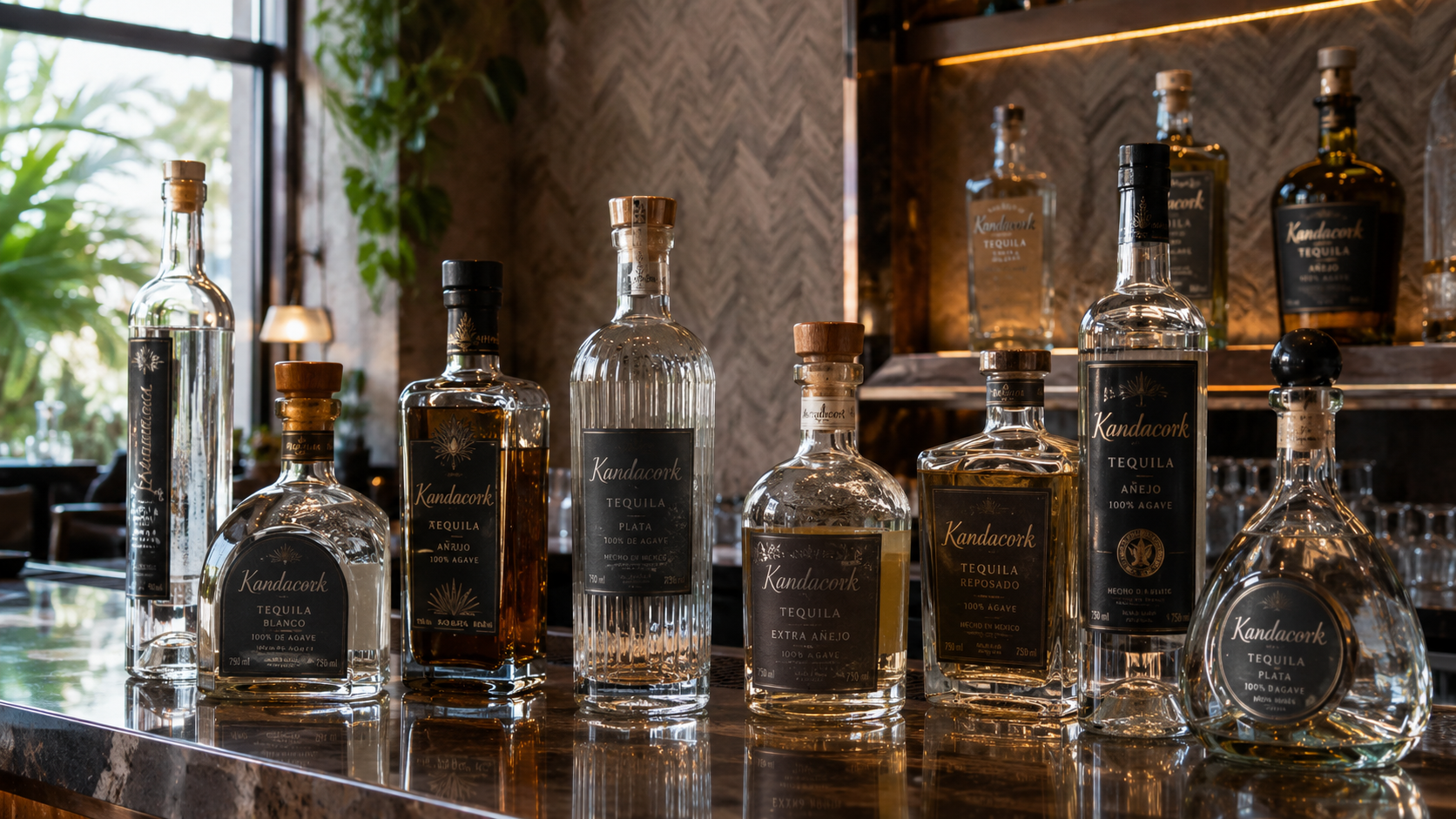
Tequila and mezcal brands often use closures as storytelling tools. Glass stoppers are suitable for cristalino tequila, extra añejo tequila, and luxury mezcal bottles that need a clean, collectible, high-value finish.
Metal stoppers are suitable for bold cultural motifs, sculptural shapes, antique finishes, and highly visible brand symbols. For tequila and mezcal, the stopper can become one of the most memorable packaging elements.
Rum, Brandy, and Cognac
Rum, brandy, and cognac often rely on warm color palettes, premium labels, and gift-ready packaging. Glass stoppers can support a classic luxury impression for aged spirits and limited editions.
Metal stoppers can create a decorative or vintage effect when paired with gold, copper, bronze, or dark plated finishes. For aged spirits, stopper weight and hand feel can strongly influence perceived value.
Technical Buying Checklist
Bottle Neck Fit
Confirm inner neck diameter, outer neck diameter, finish type, tolerance range, insertion depth, and seating height. A premium stopper should sit straight, feel stable, and open smoothly.
Insert Selection
Review natural cork, micro-agglomerated cork, synthetic cork, TPE, silicone, and polymer insert options. The insert should match the spirit category, bottle neck, visual style, and sealing expectations.
Pull-Force Testing
The stopper should not be too loose or too difficult to remove. Pull-force testing helps create a consistent consumer opening experience across production batches.
Leakage Testing
Test filled bottles under realistic conditions, including inversion, vibration, temperature change, carton movement, and storage. A stopper that passes visual approval may still fail leakage testing if the insert fit is poor.
Surface Inspection
For glass stoppers, inspect clarity, bubbles, scratches, chips, mold lines, polishing, frosting, and color consistency. For metal stoppers, inspect plating, coating adhesion, engraving depth, edge smoothness, corrosion resistance, and finish uniformity.
Packaging Performance
Transit packaging should protect both the bottle and the stopper through filling, packing, warehousing, export, and retail handling. Packaging teams can refer to the scope of ISO/TC 122 Packaging, which covers packaging terminology, characteristics, performance requirements, and tests, when building a broader quality and testing mindset.
When to Choose Glass Stoppers
Choose glass stoppers when the packaging goal is elegance, clarity, collectability, refined luxury, or premium gifting. They are especially effective for high-value spirits that need strong shelf appeal and a memorable unboxing experience.
Glass stoppers are a strong choice for premium whisky, vodka, gin, tequila, rum, brandy, cognac, and liqueur bottles. They work best when the bottle, label, stopper, and secondary packaging all support the same premium message.
A brand should choose glass when the stopper needs to feel like part of the bottle’s architecture. If the bottle uses thick glass, clear shoulders, faceted surfaces, or minimalist decoration, a glass stopper can complete the visual system.
When to Choose Metal Stoppers
Choose metal stoppers when the packaging goal is durability, bold customization, strong logo visibility, modern identity, or frequent handling performance. Metal is especially useful when a brand wants the stopper to act like a logo medallion or sculptural brand marker.
Metal stoppers are a strong choice for whisky, bourbon, tequila, mezcal, rum, vodka, gin, and limited-edition spirits. They work well when the brand wants weight, shine, texture, or a premium metallic finish.
A brand should choose metal when the closure must combine visual impact with practical strength. This is especially relevant for bar-use bottles, hospitality bottles, tasting-room products, and high-visibility retail packaging.
How Kandacork Closures Helps Spirits Brands Choose the Right Stopper
Kandacork Closures supports spirits brands through stopper selection, custom closure development, and bottle compatibility review. The process can begin with a bottle drawing, a physical bottle sample, or a packaging concept.
The team can help review bottle neck dimensions, stopper seating height, insert material, closure weight, logo placement, surface finish, and production feasibility. This helps buyers avoid common issues such as loose fit, hard opening, leakage, poor alignment, unstable hand feel, and inconsistent decoration.
For glass stopper projects, Kandacork Closures can support clear, frosted, colored, molded, faceted, engraved, and custom-shaped designs. For metal stopper projects, the team can support aluminum, stainless steel, zinc alloy, plated finishes, engraving, embossing, laser marking, and custom mold development.
Kandacork Closures can also help match the stopper with cork, synthetic cork, TPE, silicone, or polymer insert options. Sample approval before bulk production allows brands to check appearance, fit, pull force, sealing performance, and overall consumer experience.
For buyers who need complete bottle, stopper, and closure coordination, the broader Kandacork Closures range supports bar-top stoppers, screw caps, ROPP closures, non-refillable systems, capsules, and shrink sleeves for spirits and specialty bottle projects.
Common Mistakes to Avoid
A common mistake is choosing the stopper by appearance only. A closure may look premium in a rendering but fail if the insert does not fit the real bottle neck.
Another mistake is ignoring bottle tolerance. Glass bottles can have small dimensional variations, and the stopper must be designed to handle them. Real samples are essential before final approval.
Some brands also overlook stopper weight. A very heavy stopper on a light bottle may feel unbalanced. A very light stopper on a luxury bottle may reduce perceived value.
Surface finish is another risk. A metal stopper with poor plating or a glass stopper with chips and bubbles can weaken the premium impression. Inspection standards should be clear before production.
Compliance review should not be delayed. Inserts, coatings, adhesives, and plating should be reviewed early, especially for export markets.
Transport testing is also important. Spirits packaging must survive filling, capping, packing, warehousing, export, retail handling, and consumer use. A good stopper should perform through the full supply chain.
FAQ
Are glass stoppers more premium than metal stoppers?
Glass stoppers often create a more refined and collectible luxury impression, especially for decanter-style spirits bottles. Metal stoppers can also look premium when they use quality plating, engraving, sculptural design, and precise finishing.
Do glass stoppers seal better than metal stoppers?
No. Glass stoppers do not automatically seal better than metal stoppers. Sealing performance depends mainly on the insert material, bottle neck fit, compression, tolerance control, and leakage testing.
Are metal stoppers safe for spirits bottles?
Metal stoppers can be suitable for spirits bottles when the material, coating, insert, and construction are properly reviewed. Brands should evaluate food-contact requirements, plating quality, corrosion resistance, and whether any metal component is close to the beverage-contact area.
Are glass stoppers easy to break?
Glass stoppers can chip or break if dropped or struck against a hard surface. This risk can be reduced with proper glass thickness, edge finishing, protective packaging, and transport testing.
Which stopper is better for custom logo branding?
Metal stoppers usually provide more flexible logo decoration options, including engraving, embossing, debossing, laser marking, plating, and medallion placement. Glass stoppers can also support branding through molding, frosting, engraving, color, and shape design.
Which stopper is better for luxury spirits packaging?
Glass stoppers are often better for refined luxury, collectible bottles, and transparent decanter-style packaging. Metal stoppers are better when the brand wants a bold logo surface, strong tactile weight, or a modern premium finish.
Which is more durable, glass or metal stoppers?
Metal stoppers are generally more durable under impact and repeated handling. Glass stoppers can still perform well in premium packaging, but they require better protection during packing, transport, and consumer use.
Which is more sustainable, glass or metal stoppers?
Both materials can support sustainability goals, but the full closure structure matters. A stopper may include glass or metal plus cork, synthetic cork, TPE, silicone, adhesive, coating, or plating. Brands should consider recyclability, material separation, refill potential, and accurate environmental claims.
Can Kandacork Closures help match stoppers with bottles?
Yes. Kandacork Closures can help compare glass stoppers vs metal stoppers based on bottle neck fit, brand positioning, decoration goals, sealing performance, compliance needs, MOQ, and production requirements.
Conclusion
The decision between glass stoppers vs metal stoppers should be based on brand positioning, sealing performance, bottle neck fit, durability, decoration options, compliance review, sustainability goals, MOQ, and cost.
Glass stoppers are ideal for elegant, transparent, collectible, and luxury spirits packaging. Metal stoppers are ideal for durable, bold, modern, and highly customized closure designs.
For the best result, brands should test real bottle and stopper samples before production. They should evaluate insert material, pull force, leakage resistance, surface finish, transport stability, and consumer opening experience.
To compare glass stoppers vs metal stoppers for your spirits bottle, send Kandacork Closures your bottle drawing, neck dimensions, target spirit category, decoration goals, and order quantity. The team can recommend suitable glass, metal, cork, synthetic cork, TPE, and custom bar-top closure options before sample approval.
Kandacork Closures helps spirits brands develop closures that look premium, perform reliably, and support commercial growth. Whether your project needs a refined glass stopper, a durable metal stopper, or a fully custom spirits closure system, the right development process can turn a bottle stopper into a powerful brand asset.
For brands planning a full packaging system, Kandacork Glass can support custom spirits bottles, while Kandacork Glass Packaging provides broader glass packaging solutions for brands that need coordinated bottle, closure, and decoration support.