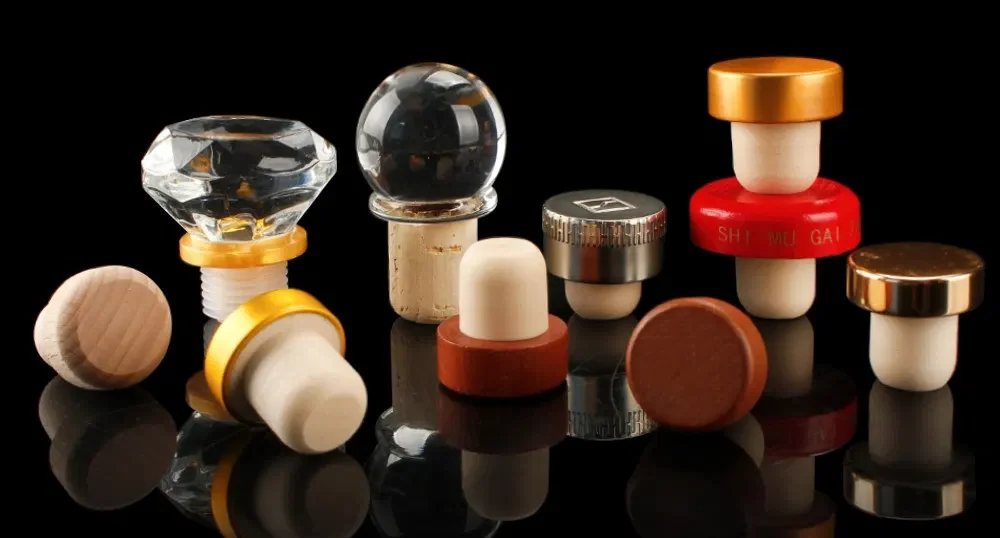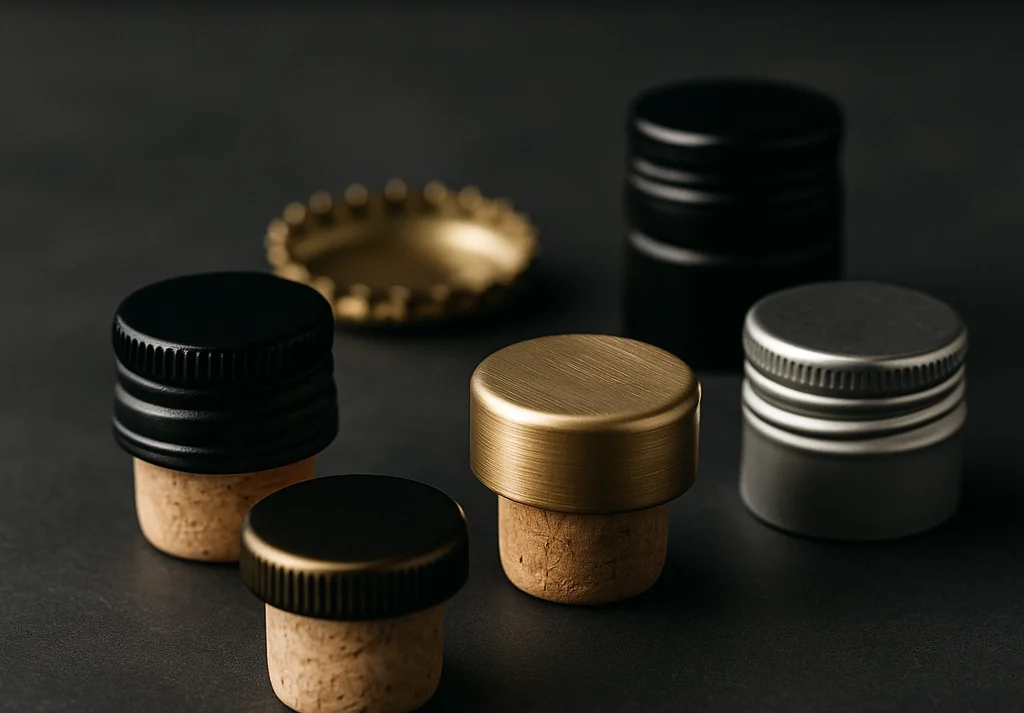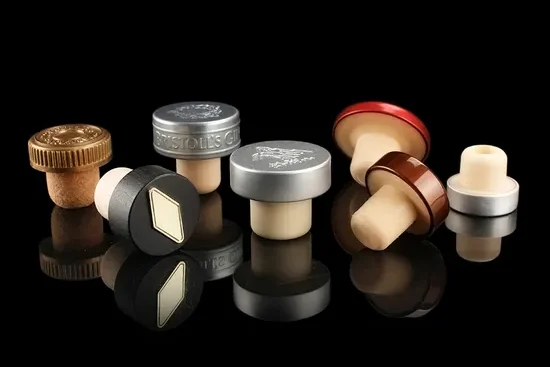
Introduction: Already Have the Bottle, Need the Right Closure?
Already selected a stock spirits bottle but not sure which cap, cork or stopper will fit? This guide explains how to check the bottle neck finish, mouth inner diameter, liner compression, torque, pull force and sample fit before requesting bulk closures.
Stock spirits bottles are practical for fast product launches, private-label programs and flexible packaging development. But the closure must be selected around the actual bottle, not only around the preferred cap design.
Closure fit for stock spirits bottles is not decided by diameter alone. A closure must match the bottle neck finish, bore size, thread profile, sealing land, liner, tamper-evident requirement, filling method and final brand presentation.
If the closure is wrong, the package may leak, the stopper may feel loose, the screw cap may open with unstable torque, the ROPP band may fail, or the filling line may stop during production.
Kandacork Closures & Stoppers helps spirits brands, distilleries, bottlers, importers, distributors and private-label buyers select the right closure solutions for existing stock bottles before bulk ordering.
Who This Guide Is For
This guide is designed for spirits brands, distilleries, private-label buyers, importers, distributors, bottlers and packaging buyers who already have stock bottles and need to confirm the right closure before sampling, quotation or mass production.
If your project also involves bottle sourcing rather than closures alone, reviewing stock and custom spirits bottle options early in the project can help align bottle specifications and closure compatibility from the beginning.
Already Have the Bottle? Check These 3 Things First
Before choosing a closure style, check what the bottle can actually accept.
| Question | What It Tells You |
|---|---|
| Is the neck smooth, threaded or ROPP-ready? | Determines whether the bottle can use a cork stopper, screw cap, ROPP cap or insert closure |
| What is the mouth ID or neck finish code? | Helps determine stopper shank size, cap size and liner contact |
| Will the closure be hand-applied or machine-applied? | Affects torque, insertion force, capping trial and filling-line setup |
This simple check prevents one of the most common packaging mistakes: choosing a closure by appearance before confirming the bottle neck system.
Quick Answer: How to Match a Closure to a Stock Spirits Bottle
To match a closure to a stock spirits bottle, start with the bottle neck, then confirm the closure through sample testing.
Follow this process:
- Identify the neck type.
- Measure the bottle finish.
- Choose the compatible closure family.
- Test the closure with real samples.
- Approve samples before mass production.
If you do not know the neck finish code, use a professional cap and neck compatibility testing service before placing a production order.
What Cap and Neck Compatibility Means
Cap and neck compatibility means the closure can seal, open, decorate and run on the filling line correctly.
Neck Finish
The neck finish is the engineered top section of the bottle. It may include threads, sealing land, bead, bore, tamper band area and finish height.
Mouth Inner Diameter
A small bore difference can change stopper compression, insertion force, pull-out force and leakage performance. Buyers comparing common stopper dimensions can also refer to this liquor bottle stopper sizing guide for additional background.
Thread Profile
Thread profile matters for screw caps, continuous-thread caps and BVS-style closures.
Liner Compression
Weak liner compression can cause leakage, while excessive compression may damage the closure or affect consumer opening experience.
Torque or Pull Force
For screw caps and ROPP closures, application torque and removal torque should be verified during development. ASTM D2063 is widely used as a reference for evaluating torque retention in continuous-thread closure systems.
Closure Options for Stock Spirits Bottles
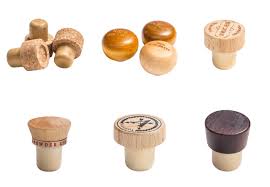
Bar-Top Corks and T-Top Stoppers
Can use when: the stock bottle has a suitable straight cork bore.
Cannot use when: the bottle is designed only for threaded screw caps or ROPP caps.
Must check: mouth ID, cork shank diameter, insertion depth, compression ratio and pull-out force.
The commonly used “1 mm rule” is only a starting point. Final approval should always be based on physical bottle testing.
Synthetic Cork Stoppers
Synthetic cork and TPE-based stoppers provide consistent dimensions and are suitable for export orders, private-label projects and high-volume production.
Screw Caps
Screw caps are suitable for threaded stock bottles used for vodka, gin, liqueurs and miniature spirits.
ROPP Aluminum Closures
ROPP closures require compatible bottle finishes and proper capping equipment. Buyers unfamiliar with ROPP systems can also review this ROPP closure fitment guide before final specification.
Capsules and Decorative Neck Seals
Decorative capsules, wax seals and shrink sleeves improve shelf presentation but should always be matched to the closure after functional testing.
For premium branding projects, coordinating bottle decoration with closure selection through custom spirits packaging decoration can create a more consistent visual identity.
Compatibility Matrix for Stock Spirits Bottles
| Existing Bottle Neck Type | Suitable Closure Direction | Best For |
|---|---|---|
| Straight cork bore | Bar-top cork, T-top stopper | Whisky, rum, tequila |
| CT / GPI threaded neck | Screw cap | Vodka, gin, liqueurs |
| ROPP neck finish | Aluminum ROPP closure | Export spirits |
| BVS-style finish | BVS closure | Premium packaging |
| Insert-ready neck | Non-refillable closure | Duty-free and anti-refill |
| Capsule-ready neck | Decorative capsule | Premium presentation |
Measurements to Send Before Requesting a Quote
Provide:
- Bottle drawing
- Bottle sample
- Mouth inner diameter
- Neck finish code (if available)
- Filling method
- Target closure type
Photos help identify bottle style, but physical samples remain the most reliable way to confirm fit.
Stock Bottle Closure Troubleshooting Guide
| Symptom | Likely Cause | Recommended Action |
|---|---|---|
| Loose stopper | Shank too small | Test a larger shank |
| Leakage | Incorrect liner compression | Verify liner and sealing land |
| Cross-threading | Wrong thread profile | Confirm neck finish |
| ROPP band failure | Incorrect finish or capping setup | Perform production trial |
| Capsule wrinkles | Wrong capsule dimensions | Adjust capsule specification |
How to Evaluate a Closure Supplier
Choose suppliers that can:
- Review bottle drawings
- Test physical bottle samples
- Offer multiple closure systems
- Perform torque and pull-force testing
- Support decoration and branding
- Supply pre-production samples
Food Contact and Regulatory Checks
When liners, cork materials or coatings may contact the spirit, verify food-contact suitability and destination-market requirements.
For U.S. projects, packaging teams should review current guidance from the Alcohol and Tobacco Tax and Trade Bureau (TTB) and relevant FDA food-contact packaging guidance where appropriate.
Kandacork Sample Testing Process
- Bottle sample inspection
- Closure selection
- Fit, leakage and appearance testing
- Torque or pull-force testing
- Filling-line trial and approval
RFQ Checklist
Prepare the following information before requesting a quotation:
- Bottle drawing
- Bottle sample
- Capacity
- Neck finish
- Closure type
- Decoration requirements
- Target quantity
- Destination market
FAQ
Can I use a bar-top cork on any stock spirits bottle?
No. The bottle must have a suitable cork bore, and the final fit should always be verified through sample testing.
Can I use a screw cap on a cork-finish bottle?
Usually not. Cork-finish bottles and threaded bottles use different neck systems.
What if I do not know the neck finish code?
Provide a bottle sample or drawing for compatibility review before ordering closures.
Is the 1 mm cork sizing rule always correct?
No. It is only an initial guideline and should always be validated with physical testing.
Should I test closures before bulk ordering?
Yes. Testing reduces the risk of leakage, torque problems and production delays.