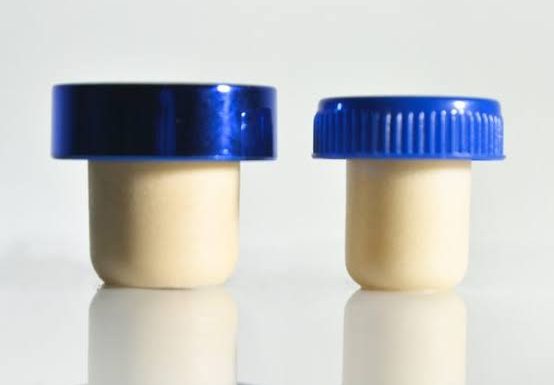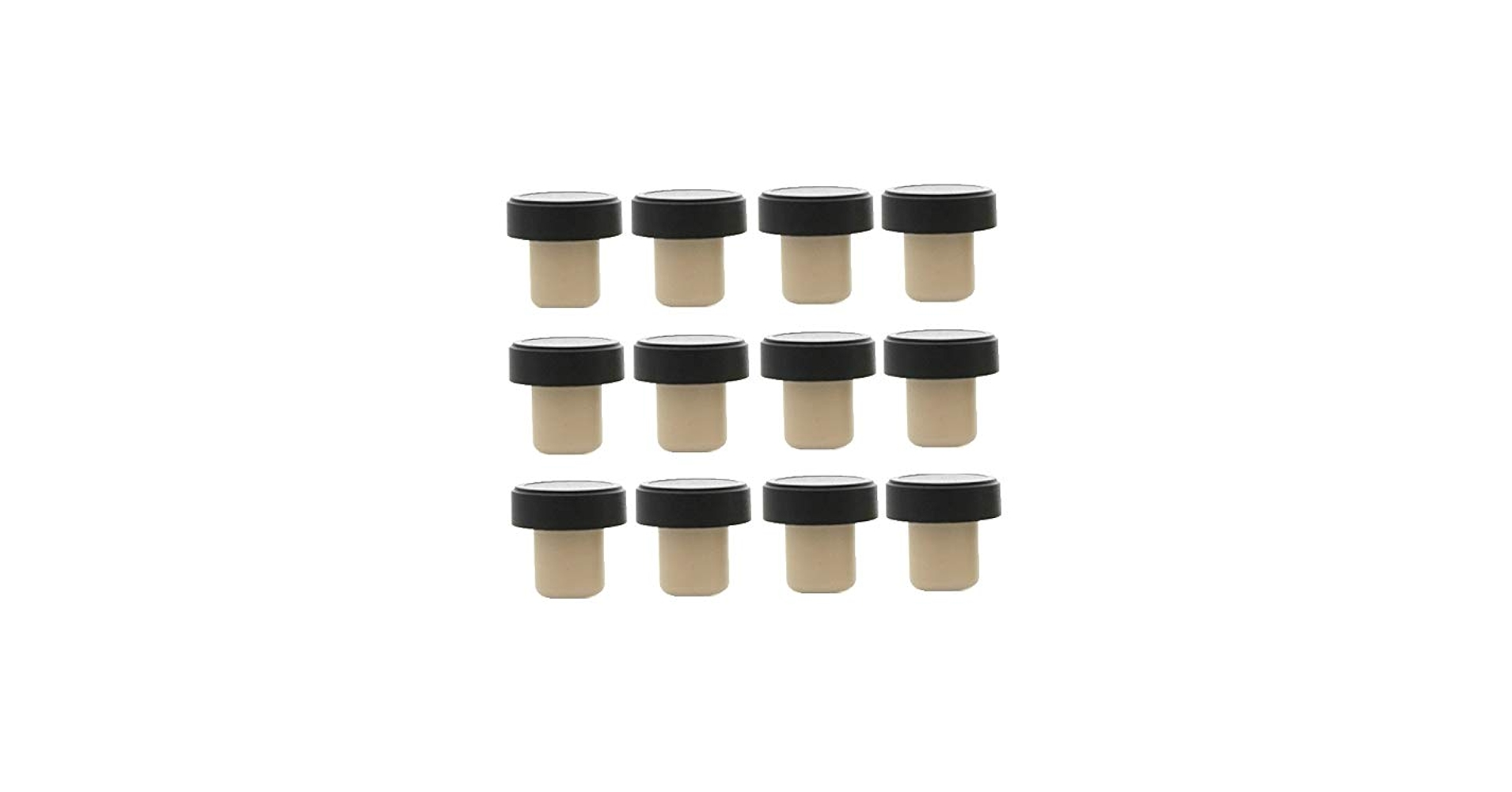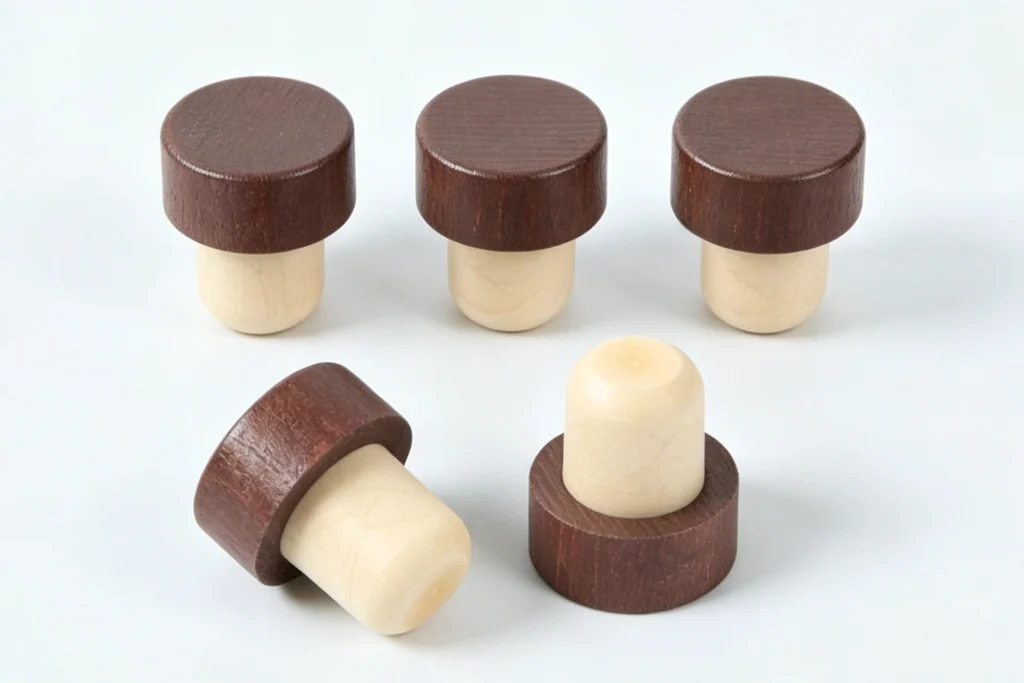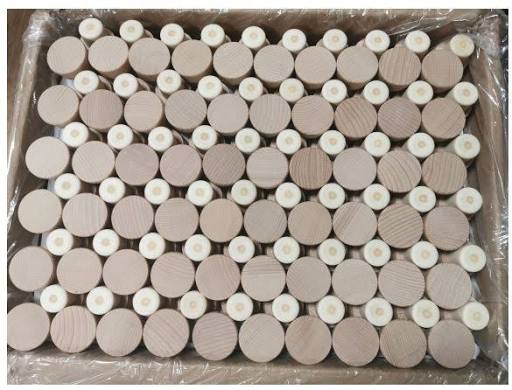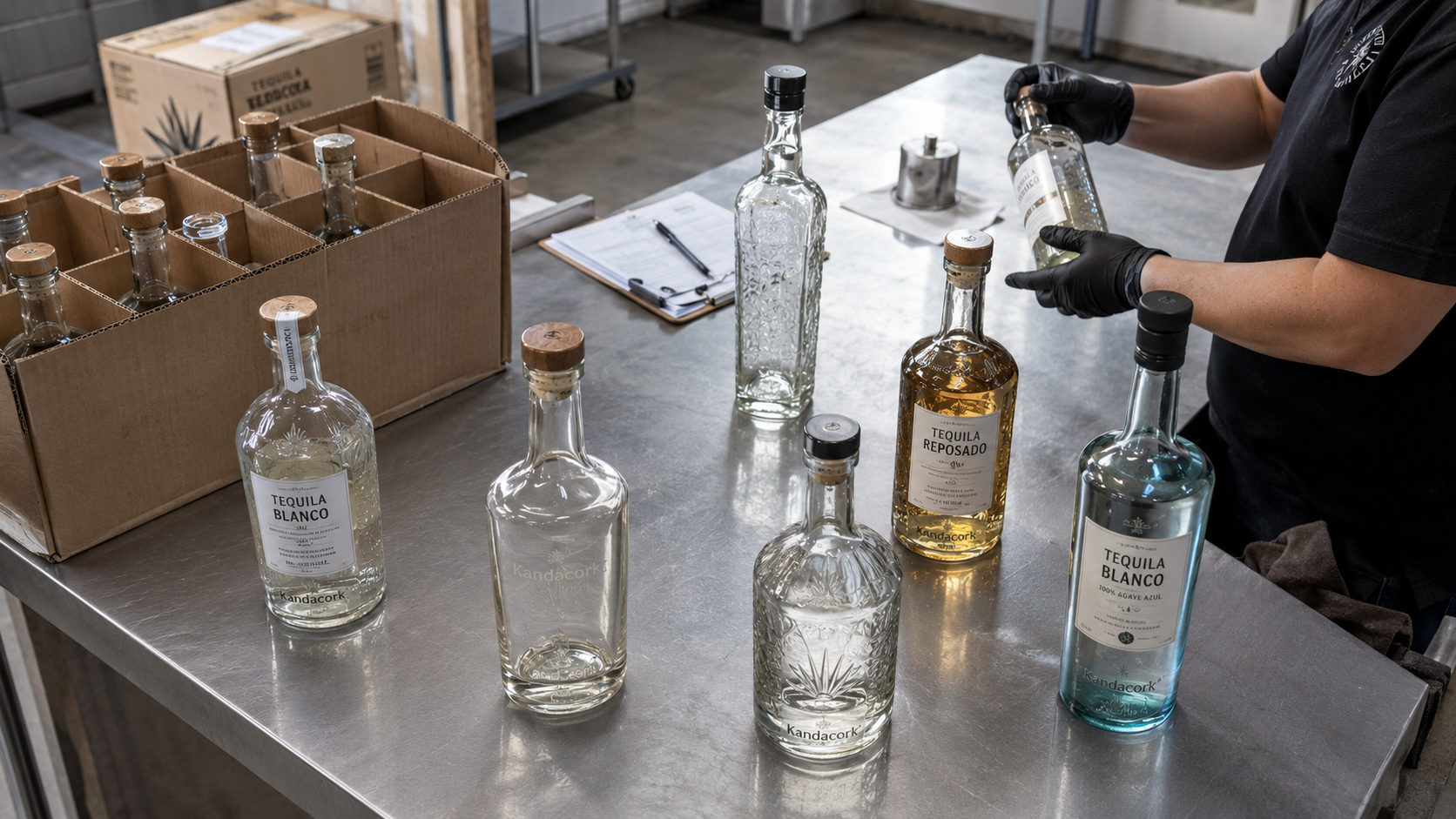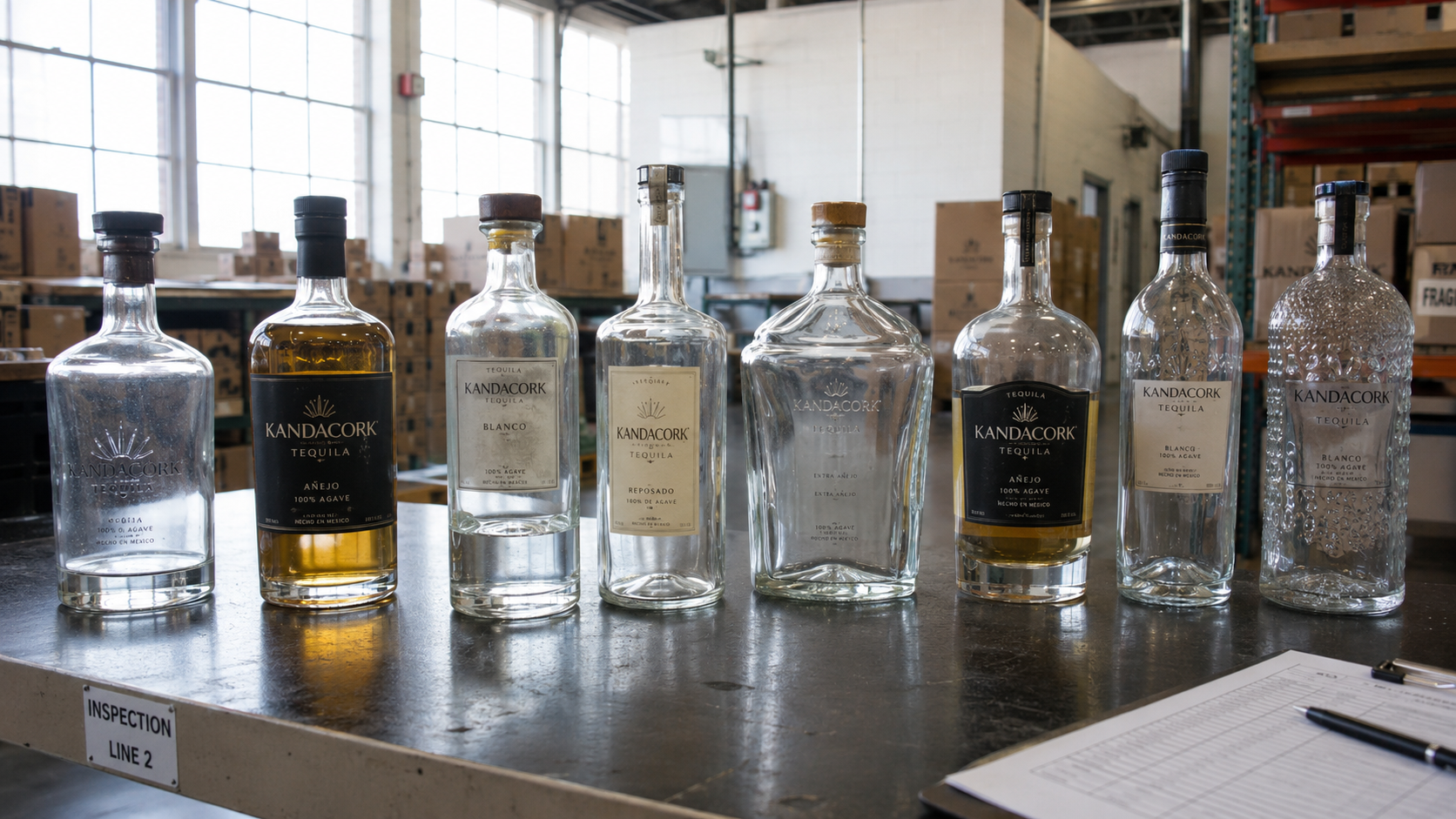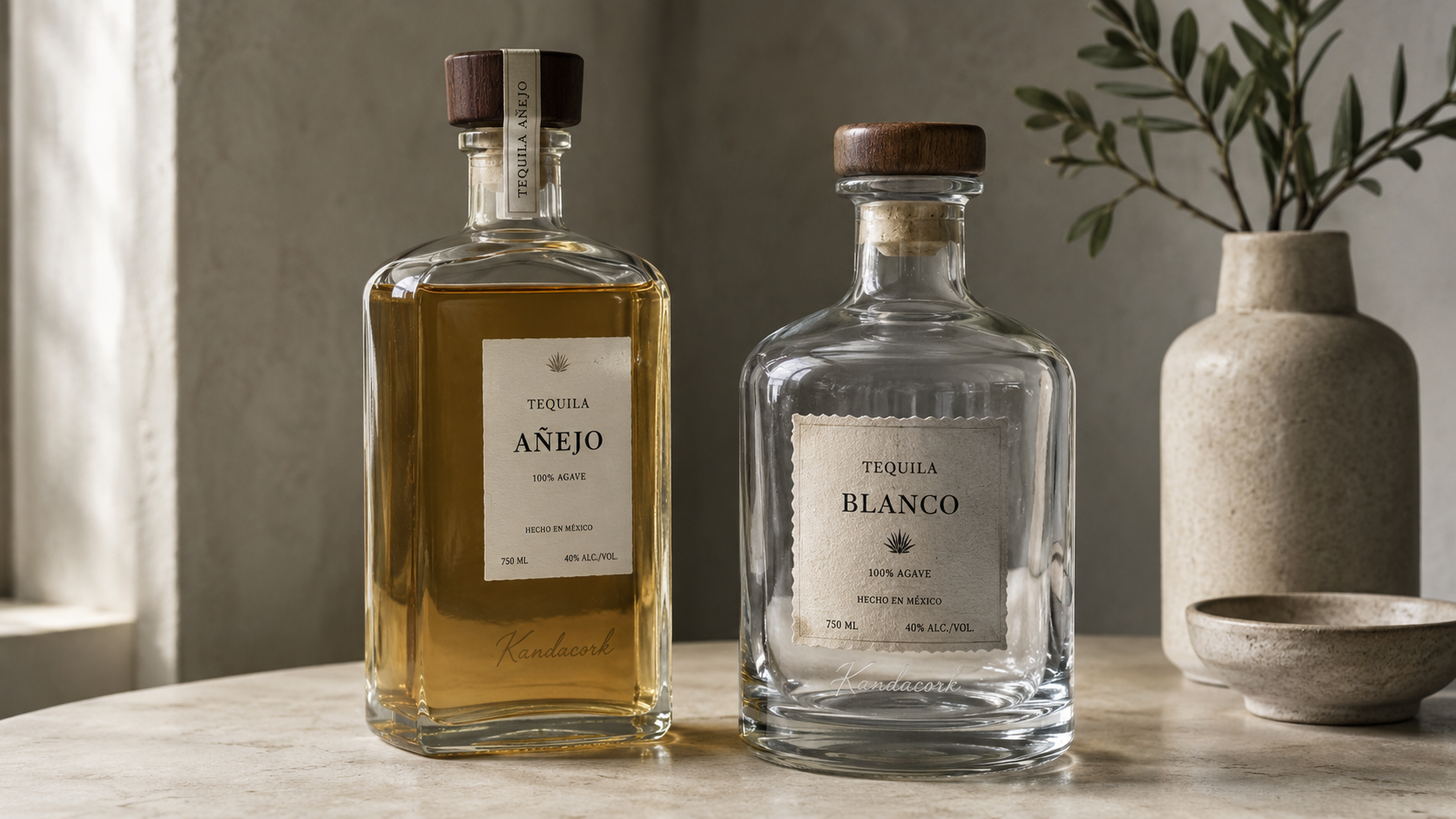
Olive oil closures need to control pouring, reduce leakage and support a clean bottle presentation. This guide explains how cap fit, pourer design, liner choice, anti-drip function and tamper-evident details affect olive oil bottle projects.
Why Closures Matter for Premium Olive Oil Bottles
A premium olive oil bottle must protect the product and communicate trust. Consumers often associate olive oil quality with origin, harvest timing, extra virgin grade, dark glass, freshness, and the credibility of the producer. Packaging cannot create product quality by itself, but poor packaging can damage a good product’s perceived value.
A closure affects several practical points: whether the bottle leaks during transport, whether the opening feels secure, whether the oil pours cleanly, whether the label stays free from oil residue, and whether the bottle looks complete on the shelf. For premium retail and hospitality channels, the closure also supports authenticity and brand protection.
Regulatory and quality context also matters. The European Commission olive oil guidance explains that olive oil marketing standards include rules and expectations related to categories, labelling, packaging, and storage. For B2B packaging buyers, that means closure selection should be reviewed as part of a full market-ready packaging system, not only as a decorative cap.
What Are Olive Oil Closures?
Olive oil closures are caps, pourer inserts, stoppers, liners, tamper-evident bands, and non-refillable systems used to close and dispense olive oil bottles. They may be made from aluminum, PP, PE, LDPE, composite polymers, wood, or mixed materials depending on the intended function and brand style.
For premium bottles, the closure should answer five questions:
Does it fit the bottle neck finish correctly?
Does it seal securely during storage, export, and retail handling?
Does it pour cleanly without glugging or excessive dripping?
Does it support tamper evidence, refill prevention, or controlled dispensing when needed?
Does it match the brand’s visual identity and price position?
A basic cap can close a bottle, but a premium closure improves the full consumer touchpoint from first opening to repeated use.
The Kandacork FIT Method for Closure Selection
Kandacork Closures recommends evaluating premium olive oil closures through the FIT Method: Fit, Integrity, and Touchpoint. This practical framework helps buyers avoid choosing only by cap diameter or appearance.
| FIT Factor | What It Means | What Buyers Should Review |
|---|---|---|
| Fit | The closure must match the bottle physically | Neck finish, thread profile, bore diameter, insert depth, closure height, tolerance range |
| Integrity | The closure must protect the product and brand | Seal performance, tamper evidence, refill prevention, oil-contact material suitability |
| Touchpoint | The closure must improve user experience | Pour rate, anti-drip function, opening feel, material, finish, logo, shelf presentation |
This method is especially useful when comparing retail olive oil caps, non-refillable restaurant pourers, gift-set T-caps, and private-label export closures.
Main Types of Olive Oil Closures for Premium Bottles
Standard Screw Caps
Standard screw caps are cost-effective and easy to apply. They are suitable for simple retail oil lines, high-volume private-label programs, and brands that need reliable resealing at a competitive price.
Their limitation is pour control. Without a suitable insert, oil may flow too quickly, drip down the neck, or stain the label. For premium olive oil, that can weaken the customer experience even if the bottle design is attractive.
ROPP Olive Oil Caps
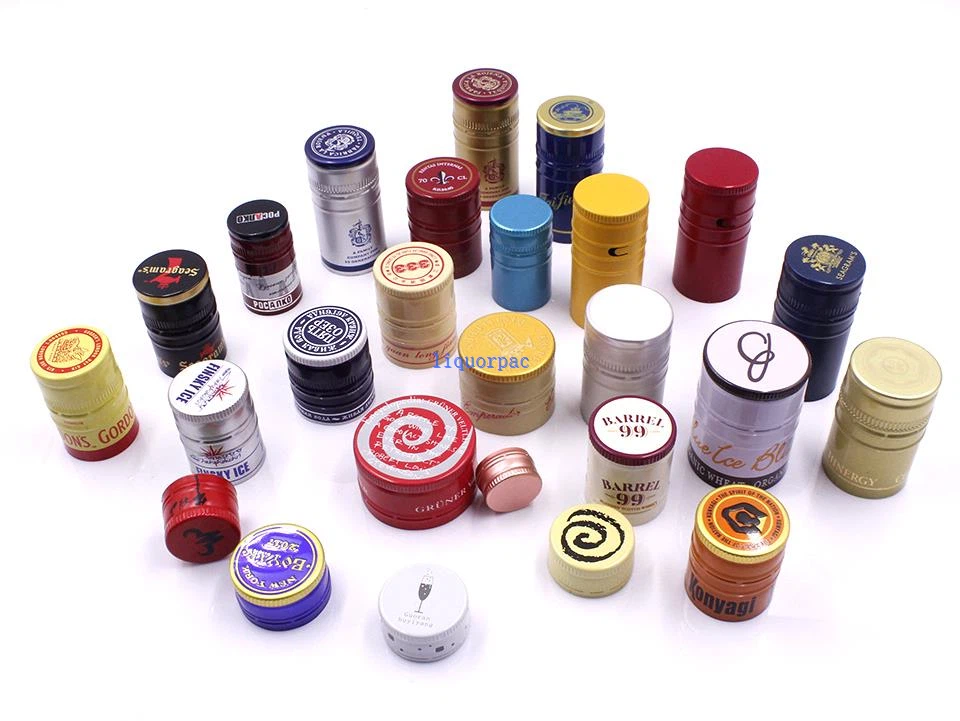
ROPP means roll-on pilfer-proof. These caps are formed onto the bottle neck during application and are widely used where secure sealing and tamper evidence are important. For premium retail olive oil, private-label export, and higher-volume bottling, ROPP closures can provide a clean, production-friendly solution when the bottle finish and capping setup are correctly matched.
ROPP selection should consider cap diameter, shell height, liner type, pilfer band structure, skirt profile, and application torque. A 31.5 mm cap may be common in olive oil packaging, but diameter alone does not confirm compatibility.
Integrated Pourer Caps
Integrated pourer caps combine a closure with a built-in dispensing insert. They are popular for olive oil, vinegar, dressing, and infused oil bottles because they improve flow control and reduce mess during repeated use.
A good integrated pourer should match the oil’s viscosity and the bottle’s neck structure. It should support stable air return, avoid glugging, and provide a controlled pour suitable for the product’s use case.
Anti-Drip Pourers
Anti-drip pourers are designed to reduce oil residue around the bottle neck. This is especially important for premium labels, gift cartons, tasting rooms, restaurant tables, and e-commerce packaging where visible staining can harm brand perception.
For gourmet olive oil, the difference between an ordinary pour and a clean controlled pour is part of the perceived quality. Buyers should test anti-drip performance with real oil rather than water because viscosity changes dispensing behavior.
DOP and Non-Refillable Closures
DOP-style and non-refillable systems help reduce unauthorized refilling and support product integrity after opening. They are relevant for hospitality, restaurant table service, export programs, tasting rooms, and premium extra virgin olive oil brands that need stronger protection in use.
Kandacork can support non-refillable closure systems for projects where controlled dispensing, authenticity, and refill prevention are commercial priorities.
T-Cap Pourers
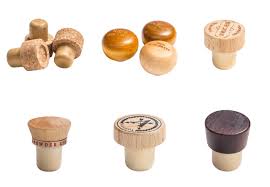
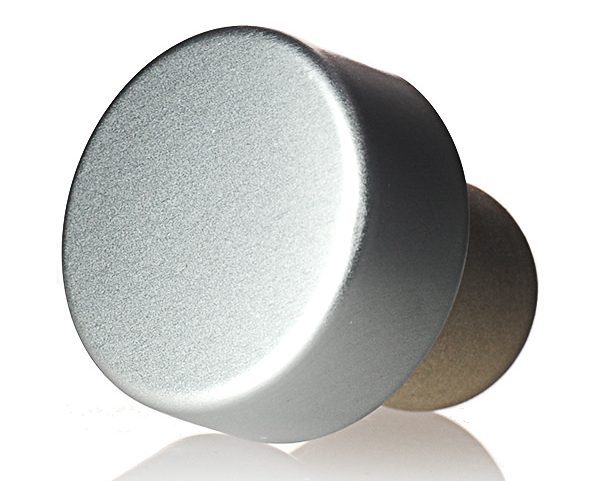
T-cap pourers create a stronger premium impression through material, weight, texture, and shape. They may use wood, aluminum, polymer, or mixed-material heads and can be paired with pourer or stopper structures depending on the bottle design.
T-caps work well for estate oils, limited editions, gourmet gift sets, infused oils, and boutique brands that want an opening experience closer to luxury spirits or high-end condiments.
Olive Oil Closure Comparison Guide
| Closure Type | Best For | Main Benefit | Buyer Caution |
|---|---|---|---|
| Standard screw cap | Cost-efficient retail lines | Simple sealing and resealing | Limited pour control |
| ROPP cap | Retail and export bottles | Tamper evidence and production efficiency | Requires correct neck finish and equipment setup |
| Integrated pourer cap | Premium retail and home use | Cleaner dispensing | Pour rate must be tested with real oil |
| Anti-drip pourer | Gift sets, tasting, table service | Reduces residue and label staining | Must match viscosity and bottle neck |
| Non-refillable closure | HoReCa and brand protection | Helps reduce refilling risk | Requires fit and function testing |
| T-cap pourer | Luxury and boutique packaging | Premium hand feel and brand expression | Custom materials may affect lead time |
Best Closure by Use Case
| Use Case | Recommended Closure | Why It Works |
|---|---|---|
| Premium supermarket EVOO | ROPP cap with integrated pourer | Balances tamper evidence, clean pouring, and line efficiency |
| Restaurant table service | Non-refillable anti-drip pourer | Supports brand integrity and cleaner repeated use |
| Gourmet gift set | Wood or aluminum T-cap pourer | Adds tactile value and visual distinction |
| Private-label export | Tamper-evident ROPP cap | Supports repeatable production and retail readiness |
| Infused olive oil | Integrated anti-drip pourer | Helps control smaller serving amounts |
| E-commerce olive oil | Leak-resistant cap with tested liner | Reduces carton staining and return risk |
How to Choose the Right Olive Oil Closure
Start With Bottle Neck Compatibility
A closure may look suitable in a catalogue but fail in production if the neck finish, thread profile, bore diameter, or insert depth is mismatched. Buyers should provide bottle drawings, physical samples, or complete neck specifications before confirming a closure.
Kandacork’s cap and neck compatibility support helps buyers review inner and outer diameter, thread or roll-on finish, sealing land, insert contact, liner position, application method, and sample fit before bulk production.
Confirm the Pouring Experience
Premium olive oil should pour in a way that matches the channel. A tasting-room bottle may need a slow and elegant pour. A home cooking bottle may need medium flow. A foodservice bottle may need faster dispensing with reduced glugging.
Testing should include real oil, not only water. Oil viscosity, bottle angle, air return, insert shape, and neck geometry can all change flow behavior.
Review Sealing and Transport Risk
Olive oil can expose small weaknesses in a closure because it migrates through gaps more easily than water and can stain secondary packaging. Premium programs should review inversion leakage, capping torque, pull-out force, vibration, storage temperature, and carton staining risk.
For projects with export, e-commerce, or gift-box distribution, sealing and leakage testing can help reduce the risk of damaged cartons, customer complaints, and inconsistent field performance.
Check Food-Contact Suitability
Closures may include liners, polymer inserts, coatings, adhesives, colorants, aluminum shells, wooden heads, and printed decoration. Any component that may contact the oil or the bottle mouth should be reviewed for food-contact suitability.
The FDA food-contact substance information explains that food-contact substances can include packaging components and materials applied to packaging surfaces. EFSA also describes food contact materials as materials intended to come into contact with food, with attention to possible chemical transfer based on migration and toxicological data.
For premium olive oil buyers, practical supplier questions should include food-contact declarations, oil resistance, odor impact, coating suitability, colorant suitability, migration considerations, and documentation for the destination market.
Packaging, Quality, and Brand Presentation
Olive oil quality is influenced by more than one packaging detail. Bottle color, oxygen exposure, storage temperature, light exposure, fill level, and closure performance all contribute to how the oil is experienced after purchase. The International Olive Council standards and methods are widely referenced in olive oil quality discussions, making it sensible for premium brands to treat closure selection as part of a broader quality-focused packaging system.
Glass remains a preferred format for premium olive oil because it offers strong shelf appeal, product visibility when desired, and compatibility with many closure formats. The Glass Packaging Institute describes its role in promoting glass packaging, recycling policy, and industry standards, which reflects why many premium food and beverage brands continue to use glass as a core packaging material.
For buyers developing bottle families, closure design should be coordinated with glass weight, shoulder shape, label area, carton structure, and decoration. Integrated projects can benefit from custom glass bottle development when the bottle and closure need to be reviewed as a complete packaging system.
Premium Design Options for Olive Oil Closures
Materials
Wood gives a natural, artisanal feeling and works well for estate oils, organic positioning, regional producers, and gift packaging. Aluminum creates a clean, modern, premium appearance and pairs well with dark glass, minimalist labels, and metallic accents. Polymer offers color flexibility, production stability, and cost control for larger programs.
Mixed-material closures can combine practical sealing or pourer structures with a more premium visible surface. This is useful when a brand needs technical performance without sacrificing visual appeal.
Finishes and Decoration
A closure can support the brand through matte color, satin metallic finish, brushed texture, natural wood grain, sidewall printing, top printing, embossing, debossing, hot stamping, and laser engraving. Subtle details often work better for premium olive oil than oversized decoration.
Brands that need coordinated packaging families can align closure color with label stock, carton artwork, bottle decoration, and shelf strategy. For deeper customization, bottle decoration and branding can help align cap finish, glass decoration, and visual identity across the whole package.
Kandacork Closures also supports branding and material development for projects requiring custom colors, logo application, material review, and sample development.
Technical Specifications to Confirm Before Ordering
| Specification | Why It Matters |
|---|---|
| Neck finish | Determines whether the cap or insert can fit and seal correctly |
| Thread profile | Affects screw engagement, ROPP forming, and opening feel |
| Bore diameter | Influences insert fit and pourer stability |
| Closure height | Affects grip, appearance, and compatibility |
| Insert depth | Determines stability of pourer or stopper components |
| Tamper-band position | Supports pilfer-proof performance |
| Application torque | Helps seal properly without damaging the cap or bottle |
| Pull-out force | Confirms insert or stopper stability |
| Pour rate | Controls dispensing accuracy and consumer experience |
| Drip performance | Reduces residue, label staining, and table mess |
| Liner material | Influences sealing quality and oil compatibility |
| Capping method | Determines whether manual, semi-automatic, or automatic application is suitable |
| Transport testing | Helps reduce leakage during export, e-commerce, and distribution |
Common Mistakes When Buying Olive Oil Closures
Choosing by Diameter Alone
A 31.5 mm olive oil cap may not fit every 31.5 mm bottle. Neck height, thread shape, bead position, liner contact, and insert depth can vary between bottle suppliers.
Ignoring the Real Pour Rate
A closure can seal well but pour poorly. If flow is too fast, the consumer may waste oil. If flow is too slow, the bottle may feel inconvenient. If air return is poor, the pour may glug or splash.
Treating Design and Function Separately
A beautiful closure that leaks or fails on the capping line will damage the brand. A functional closure that looks generic can reduce premium shelf value. The best result balances engineering, brand design, and production feasibility.
Skipping Sample and Line Trials
Manual, semi-automatic, and automatic capping methods create different application conditions. Line trials help verify torque, thread engagement, tamper-band break, insert stability, and visual consistency before mass production.
Forgetting the Bottle Family
If a brand uses multiple bottle sizes or SKUs, the closure should support a consistent packaging language. This may involve shared color, similar cap profile, coordinated decoration, or related materials across sizes. Buyers working on broader glass packaging coordination should review closure fit and visual consistency early in development.
What Buyers Should Prepare Before Requesting a Quote
A clear sourcing brief helps the supplier recommend the right structure faster. Buyers should prepare the bottle drawing, bottle sample if available, capacity, neck finish, product type, closure goal, filling method, capping method, sales channel, destination market, annual volume, and decoration requirements.
| Quote Detail | Example Information |
|---|---|
| Bottle format | Marasca, Dorica, round, square, custom glass bottle |
| Neck finish | 31.5 mm ROPP, custom thread, sample available |
| Product type | Extra virgin olive oil, infused oil, vinegar, dressing |
| Closure goal | Anti-drip pouring, tamper evidence, refill prevention, premium branding |
| Sales channel | Retail, HoReCa, gifting, export, e-commerce |
| Decoration | Logo printing, embossing, debossing, laser engraving, color matching |
| Production | Manual capping, semi-automatic line, automatic capping line |
| Order plan | Trial quantity, annual volume, launch schedule |
Brands that already manage premium beverage packaging may also benchmark closure hand feel and shelf cues from premium spirits bottle programs, where cap weight, texture, and opening experience are central to perceived value.
Why Choose Kandacork Closures for Premium Olive Oil Bottles?
Kandacork Closures helps brands develop olive oil packaging components that combine fit, function, and visual identity. Instead of treating the cap as an isolated part, the team reviews the bottle, neck finish, oil application, filling process, market channel, decoration goals, and commercial production plan.
Buyers can use Kandacork Closures for custom ROPP caps, integrated pourer caps, anti-drip pourers, non-refillable systems, T-cap pourers, branded closure heads, and packaging-ready sample support. This makes the sourcing process more efficient for premium retail, hospitality, export, private-label, and gift-packaging programs.
To start a project, send your bottle drawing, neck finish, closure preference, target market, expected quantity, and branding requirements through the contact Kandacork Closures page.
FAQ
What are the best olive oil closures for premium bottles?
The best olive oil closures for premium bottles include ROPP caps, integrated pourer caps, anti-drip pourers, non-refillable closures, and custom T-cap pourers. The best choice depends on the bottle neck finish, sales channel, pour rate, tamper-evidence requirement, and brand positioning.
Are non-refillable closures necessary for olive oil?
Non-refillable closures are not required for every olive oil product, but they are valuable for premium extra virgin olive oil, restaurant table service, export programs, and controlled distribution. They help reduce unauthorized refilling and support brand trust after opening.
What is a 31.5 mm olive oil cap?
A 31.5 mm olive oil cap usually refers to a closure designed for a common olive oil bottle neck format. Buyers should still confirm the full neck specification because diameter alone does not guarantee compatibility.
What is the difference between a screw cap and an integrated pourer cap?
A screw cap mainly seals and reseals the bottle. An integrated pourer cap includes a dispensing insert that helps control flow and reduce dripping. Premium olive oil brands often choose integrated pourer caps when clean dispensing and consumer experience are important.
Do premium olive oil bottles need anti-drip pourers?
Anti-drip pourers are strongly recommended for premium olive oil bottles because they help keep the bottle neck, label, carton, and table surface cleaner. They are especially useful for gift sets, restaurant service, tasting rooms, and high-end retail oils.
Can olive oil closures be customized with a logo?
Yes. Olive oil closures can be customized with top printing, side printing, embossing, debossing, laser engraving, hot stamping, custom colors, special textures, and custom head shapes. The best decoration method depends on closure material, brand style, and order quantity.
What materials are used for olive oil closures?
Common materials include aluminum, PP, PE, LDPE inserts, food-contact polymers, liners, wood heads, and mixed-material decorative components. Any component that may contact the oil or bottle mouth should be selected for food-contact suitability and oil resistance.
How can I test whether a closure fits my bottle?
Start with bottle and closure drawings, then test physical samples. Check application fit, torque, pull-out force, inversion leakage, pour rate, drip control, resealing performance, and capping-line behavior before mass production.
Conclusion
Olive oil closures for premium bottles should protect the product, improve dispensing, support tamper evidence, reduce leakage, strengthen brand identity, and fit the bottle correctly. The best closure is not simply the cap that matches a diameter. It is the closure that fits the bottle neck, oil type, sales channel, production process, and premium positioning.
For retail brands, ROPP caps and integrated pourer caps can provide strong sealing and user-friendly dispensing. For restaurants and hospitality channels, non-refillable pourers can support brand protection. For gift sets and boutique oils, custom T-cap pourers can create a more refined visual and tactile experience.
By reviewing fit, integrity, and touchpoint value together, premium olive oil brands can choose closures that make their packaging more reliable, more distinctive, and more competitive.