Glass Stoppers for Gift Packaging: Why They Matter
Gift box spirits packaging often uses glass stoppers to increase perceived value and shelf appeal. This guide explains how stopper shape, neck fit, surface finish, safety requirements and protective packing should be reviewed before production.
What Are Glass Stoppers for Gift Packaging?
Glass stoppers for gift packaging are decorative and functional closures designed to enhance a bottle’s appearance while helping protect the opening. A typical structure includes a glass top and a sealing component such as synthetic cork, natural cork, silicone, rubber, TPE, or another suitable insert.
Retail glass stoppers are often sold as wine accessories, wedding favors, or boxed gift items. Commercial glass stoppers are different. They must be reviewed for neck fit, sealing behavior, pull force, dimensional consistency, decoration durability, and packaging protection.
For business buyers, appearance is only the starting point. A successful stopper should fit the bottle accurately, feel comfortable to open, hold its position, resist damage during transit, and match the brand’s visual identity.
A luxury stopper may look simple from the outside, but the buying decision involves technical details: inner neck diameter, insertion depth, shank compression, gasket material, stopper height, box clearance, and carton protection.
Why Glass Stoppers Improve Gift Packaging Value
Gift packaging is built around emotion and confidence. Customers often judge a gift bottle before they know the product inside. A carefully selected stopper helps the package feel intentional, refined, and worth giving.
Glass stoppers improve gift value in several ways. They make the bottle more displayable. They create reusable keepsake value. They add weight and tactile appeal. They also provide a visible premium detail that can support higher-end positioning.
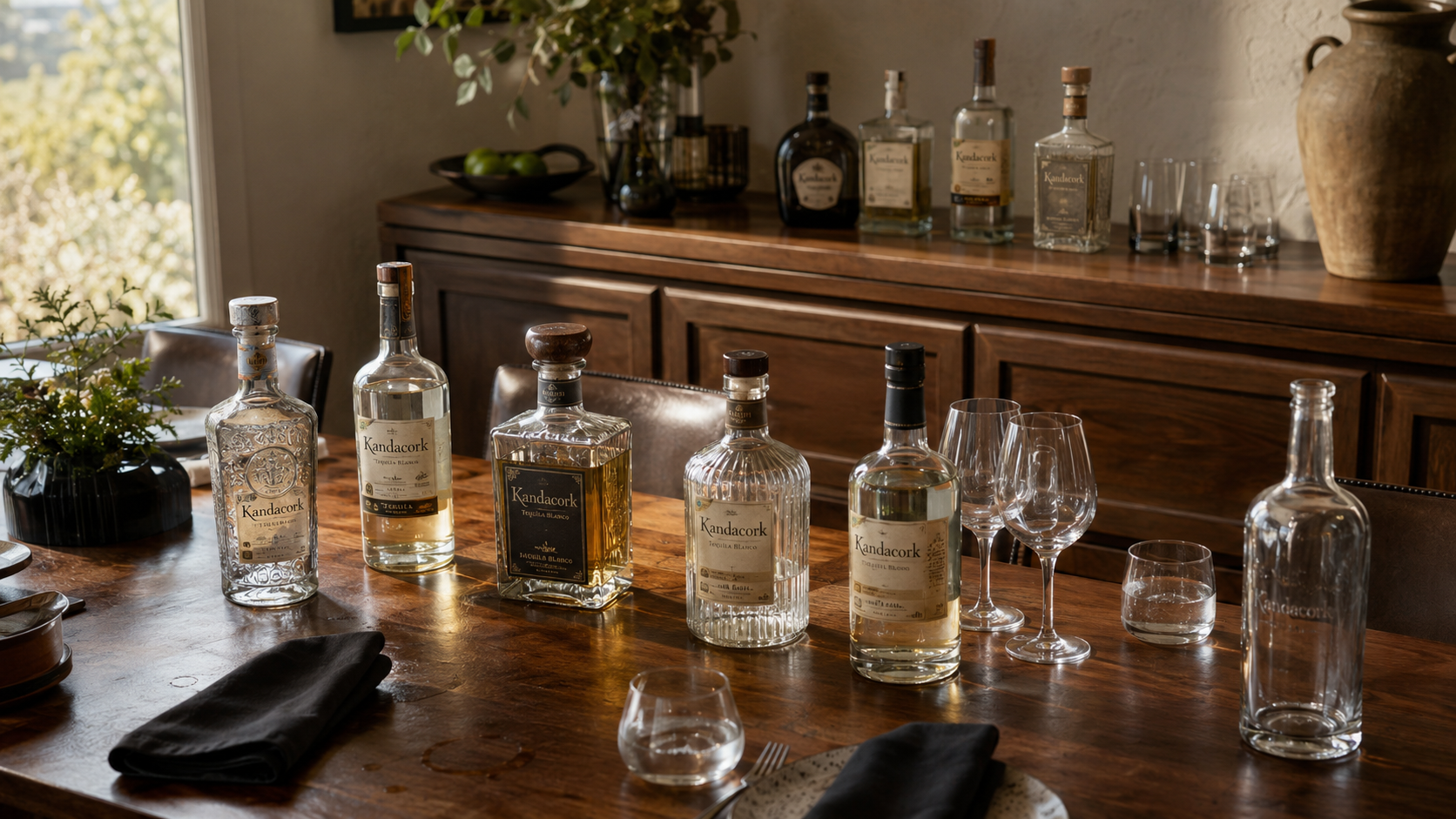
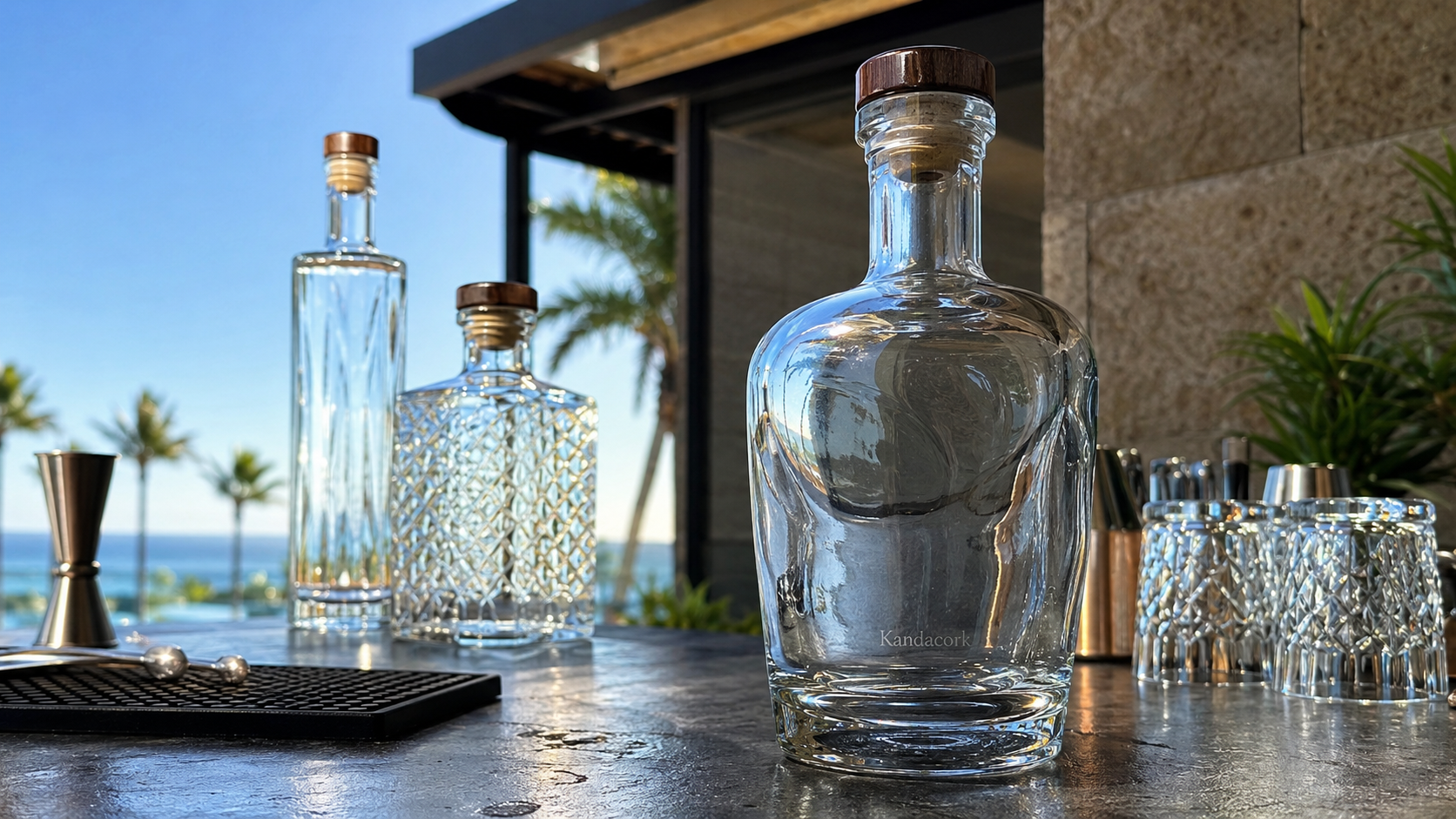
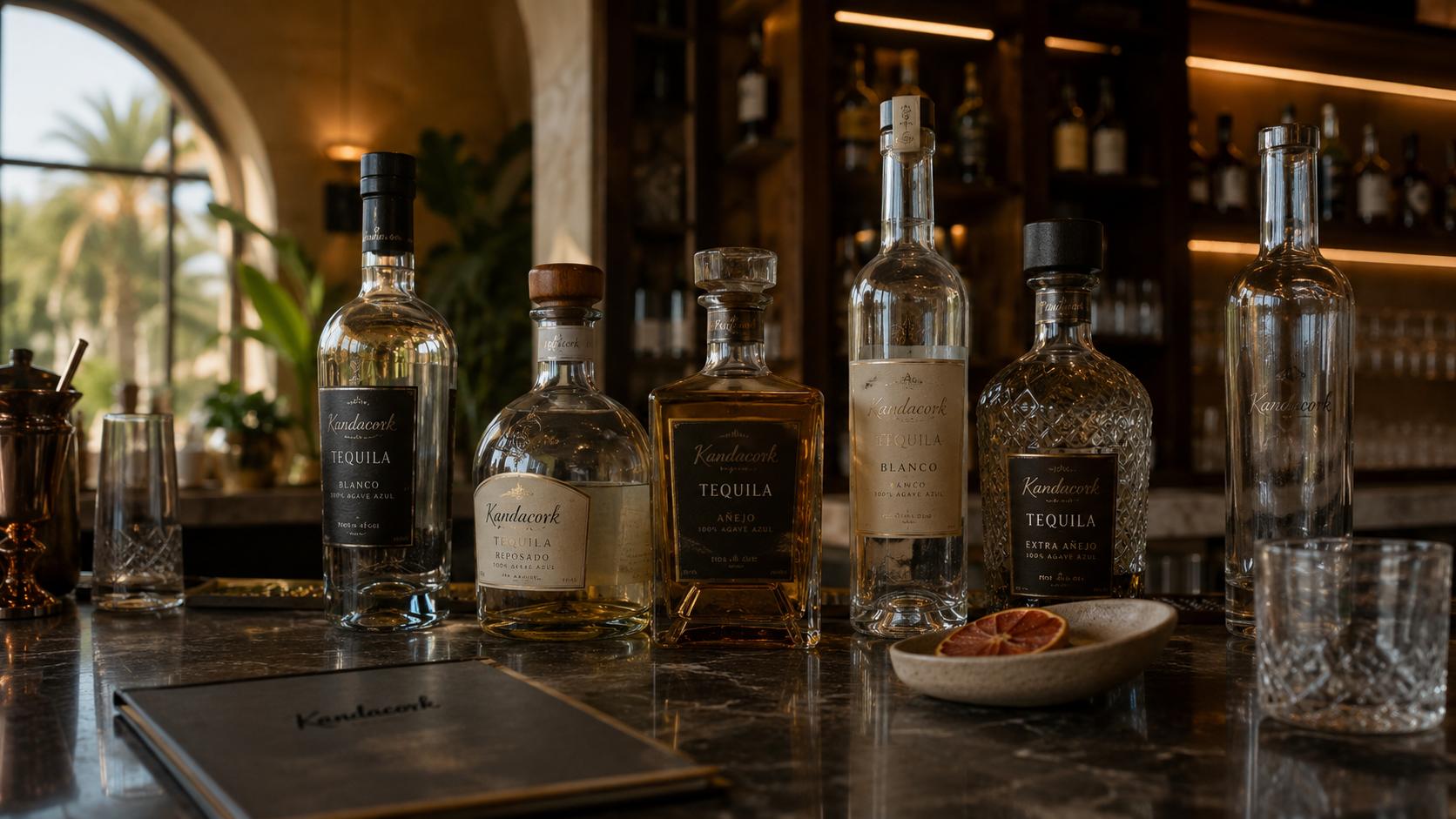
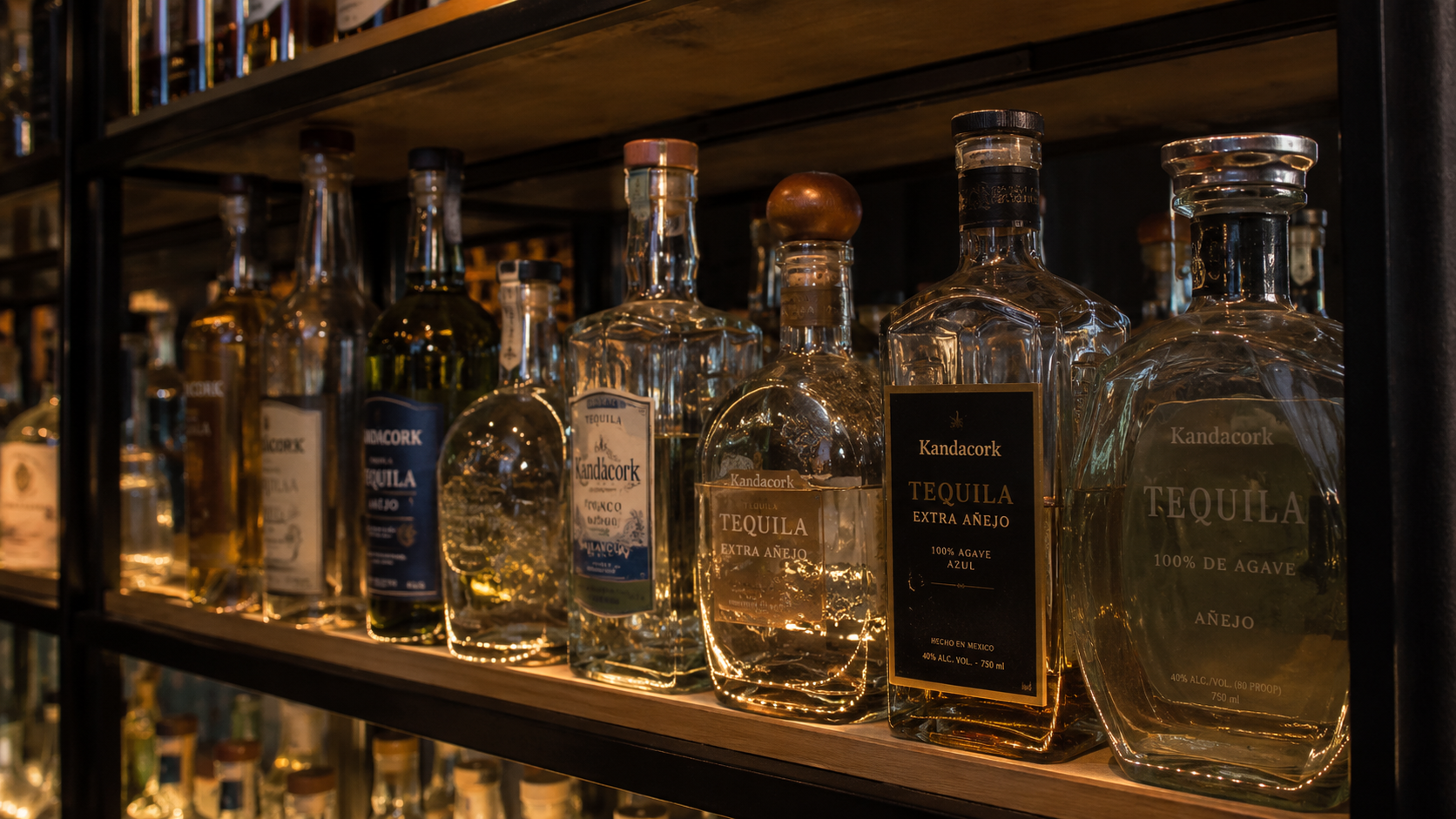
For spirits packaging, a glass bar-top stopper can make whisky, gin, rum, tequila, vodka, or brandy feel more collectible. For gourmet oil and vinegar, it can elevate kitchen gifting. For fragrance and diffuser bottles, it can create a more elegant dressing-table presence.
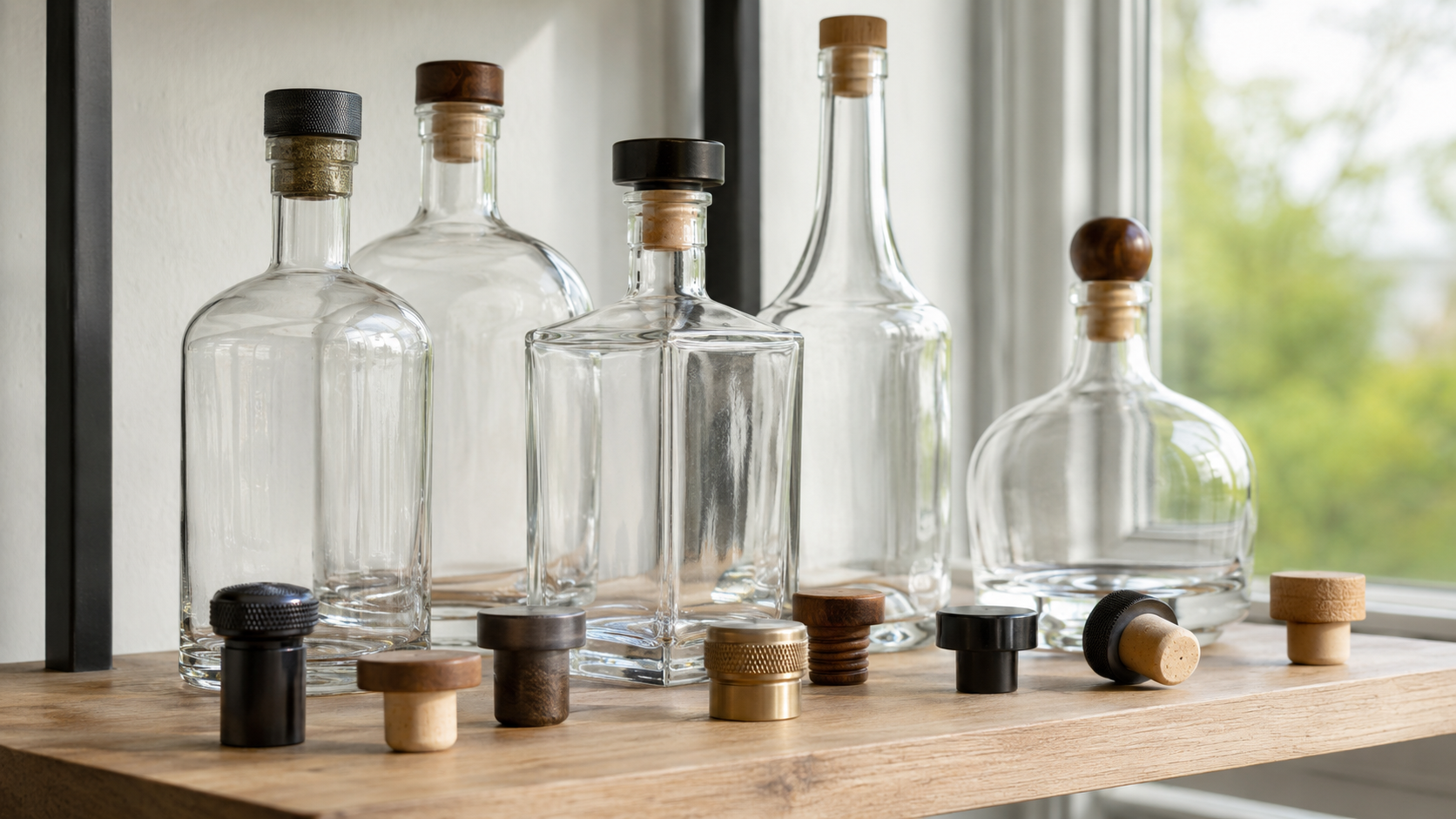
Brands developing complete bottle systems often coordinate the closure with bottle structure, decoration, and secondary packaging. For projects that require a wider closure range, Kandacork Closures also supplies custom bottle stoppers and closures for premium beverage and lifestyle packaging programs.
Best Use Cases for Glass Stopper Gift Packaging
| Product Type | Recommended Stopper Style | Packaging Note |
|---|---|---|
| Whisky gift set | Faceted or heavy glass bar-top stopper | Check pull force, box height, and transit protection |
| Botanical gin | Clear, frosted, or pale tinted stopper | Match stopper tone with label, botanicals, and bottle color |
| Rum or tequila | Decorative glass stopper with strong silhouette | Use a rigid box or molded insert for premium presentation |
| Olive oil or vinegar | Round glass stopper with suitable insert | Review food-contact suitability and oil exposure conditions |
| Corporate gift | Logo-engraved glass stopper | Coordinate stopper, card, outer box, and brand mark |
| Fragrance or diffuser | Frosted or sculptural glass stopper | Prioritize tactile feel, finish consistency, and display appeal |
The best glass stopper is not always the most decorative one. It is the stopper that matches the product category, brand story, bottle neck, packaging format, and customer handling expectations.
Popular Glass Stopper Styles for Gift Packaging
Clear crystal-style stoppers are widely used for luxury beverage gifts, wedding favors, and premium event packaging. Their transparency works well with clear, flint, amber, green, and tinted bottles.
Frosted glass stoppers create a softer and more modern impression. They are suitable for minimalist spirits packaging, wellness products, botanical beverages, perfume, and diffuser bottles.
Tinted glass stoppers can match a brand palette or campaign theme. Amber, green, blue, smoky grey, and black glass can help the closure feel integrated with the label and outer box.
Faceted stoppers create a gemstone-like effect. They are especially useful for limited-edition spirits, collector bottles, holiday sets, and luxury gift packaging that needs a strong visual focal point.
Round ball stoppers are simple and familiar. They are often used for wine accessories, olive oil bottles, vinegar bottles, and general gift packaging.
Logo-engraved glass stoppers are suitable for corporate gifts, anniversary bottles, private-label programs, and branded promotional packaging. Decoration methods may include engraving, sandblasting, printing, molding, tinting, or metal accent integration.
Glass Stoppers vs Cork, Wood, Metal, and Plastic Closures
Different closure materials create different brand signals. Glass is not always the lowest-cost option, but it is one of the strongest choices when gift value, display quality, and luxury presentation are priorities.
| Closure Type | Best For | Gift Value | Sealing Considerations | Customization Options |
|---|---|---|---|---|
| Glass stopper | Premium bottles, gift sets, limited editions | Very high | Requires neck-fit and insert testing | Engraving, tinting, frosting, faceting, molding |
| Cork stopper | Natural, heritage, and craft packaging | Medium to high | Cork grade, compression, and consistency matter | Printing, branding, top-cap combinations |
| Wood stopper | Rustic, organic, and artisanal brands | Medium to high | Moisture, finish, and dimensional control matter | Laser engraving, staining, shaped heads |
| Metal stopper | Modern luxury bottles and frequent handling | High | Insert compatibility and finish durability matter | Embossing, plating, anodizing, logo detailing |
| Plastic stopper | Cost-sensitive or lightweight packaging | Low to medium | Functional but less premium | Color molding, printing, simple branding |
Glass stoppers are ideal when the buyer wants elegance, collectibility, transparency, and a premium unboxing experience. Cork and wood support natural or craft positioning. Metal is strong for bold modern packaging. Plastic is practical for cost-sensitive projects but usually has lower perceived gift value.
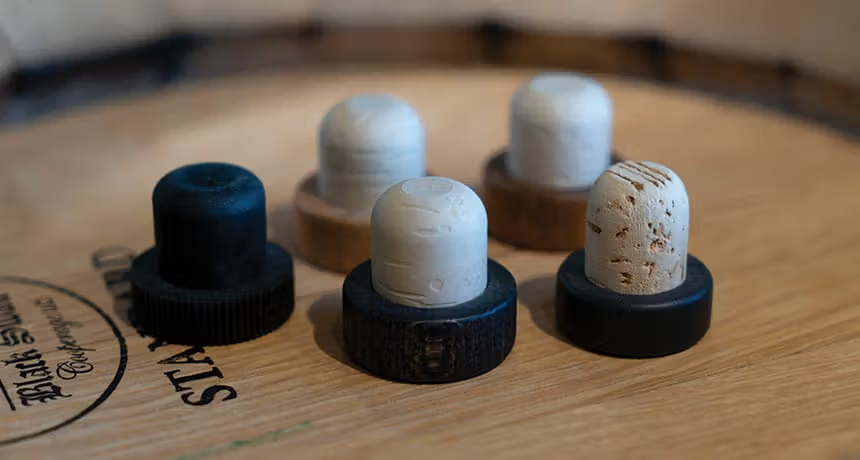
For brands comparing natural and tactile closure options, wooden bar-top stoppers can provide a warmer craft impression, while custom metal stoppers can support more durable, modern, and high-impact branding.
How to Choose the Right Glass Stopper
The most important step is bottle-neck matching. A stopper that looks beautiful but does not fit correctly can cause leakage, wobbling, difficult opening, poor shelf feel, or breakage during transport.
Buyers should confirm the bottle neck inner diameter, outer neck finish, neck depth, stopper seating position, and expected pull force. For new projects, a bottle drawing or physical bottle sample should be shared before final approval.
The sealing insert matters as much as the glass top. Depending on the product, the stopper may use synthetic cork, natural cork, silicone, rubber, TPE, or another technical sealing component. Each material affects compression, insertion feel, sealing behavior, cost, and regulatory review.
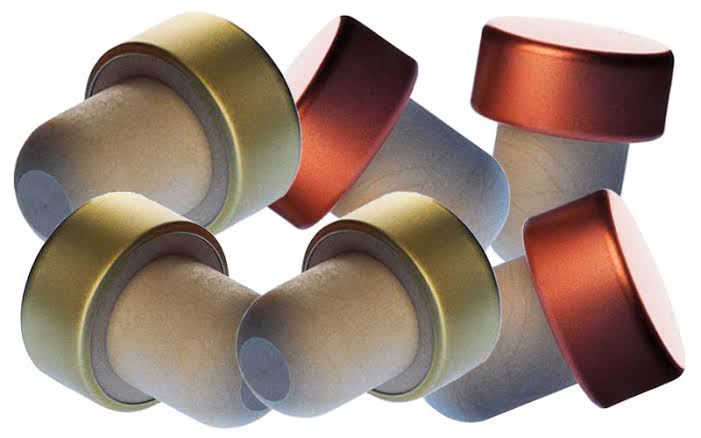
For projects that require controlled compression and repeatable fit, synthetic bottle stoppers can be useful for evaluating insert structure, shank consistency, and production stability.
Stopper height should also be checked with the gift box. A tall stopper may create a more impressive silhouette, but it can increase box size, shipping volume, and breakage risk. The closure must fit the inner tray, window box, foam insert, molded pulp support, or paperboard holder.
For filled products, leakage and handling tests should be performed under realistic storage and transit conditions. This includes carton orientation, vibration, temperature changes, warehouse handling, and final customer opening.
Gift Box Design Considerations
Glass stoppers for gift packaging should be developed together with the outer package. A stopper that looks perfect on the bottle may still fail if the gift box does not protect it correctly.
A clear window box allows the stopper to become part of the display. This works well for decorative, faceted, tinted, or logo-engraved stoppers.
A rigid paperboard box gives a stronger premium impression. It can include a custom insert that holds the bottle and stopper securely. This is a good option for spirits, wine, perfume, and corporate gift sets.
A magnetic gift box creates a more memorable unboxing experience. It is suitable for limited releases, anniversary editions, holiday packaging, and high-value promotional gifts.
A tube package can work for wine, spirits, and olive oil, but stopper height must be reviewed carefully. If the glass head is too tall or wide, the tube may need internal reinforcement or a deeper cap structure.
Insert material should be selected based on product weight, breakage risk, sustainability goals, and budget. EVA foam, molded pulp, paperboard trays, molded fiber, and cardboard supports can all be used depending on the positioning of the product.
If the package includes neck sleeves, capsules, or tamper-evident details, Kandacork Closures can also coordinate capsules and shrink sleeves with the stopper, bottle neck, and decoration plan.
Customization Options for Branded Glass Stoppers
Customization turns glass stoppers into brand assets. A plain stopper can improve presentation, but a well-customized stopper can become part of the brand identity.
Logo engraving gives a permanent, refined appearance. It works well for corporate gifts, spirits packaging, anniversary bottles, and limited-edition products.
Sandblasting creates a subtle matte effect. It suits minimalist packaging, fragrance bottles, botanical spirits, and premium gift sets that need understated branding.
Tinted glass can match the bottle, label, brand palette, or campaign theme. A smoky grey stopper may suit whisky or rum. A pale green stopper may support botanical gin or olive oil. A clear stopper may fit classic wine or fragrance packaging.
Faceting and custom glass shaping can make the stopper resemble jewelry. This is useful when the bottle needs to stand out in a gift box, on a shelf, or in a promotional display.
Metal accents can add structure and contrast. A collar, medallion, or decorative ring can connect the stopper with label foiling, bottle decoration, or gift-box hardware.
For brands that need coordinated surface decoration, private-label graphics, or premium finishing across bottles and closures, the sibling division Kandacork Decoration & Branding can support decoration-led packaging programs.
Food-Contact, Safety, and Market Compliance
For beverage, gourmet food, and fragrance-related gift packaging, buyers should review material suitability early. The glass head, sealing insert, adhesives, colorants, printing materials, and decorative components should match the intended contact conditions and target market.
In the United States, the FDA explains that food-contact substances include packaging and components that come into contact with food. Buyers can use the FDA’s guidance on food packaging and food-contact substances as a reference point when evaluating packaging materials for food or beverage projects.
For the European market, packaging materials intended to contact food, including glass and metal, must meet EU food-contact safety expectations. The European Commission’s page on food contact materials explains the regulatory purpose of protecting food safety, composition, taste, and odor.
Compliance should not be treated as a final paperwork step. It should guide material selection, sealing insert review, decoration method, and supplier documentation from the beginning of the project.
Reuse, Recycling, and Sustainability Considerations
Glass stoppers can support premium sustainability messaging when claims are accurate and specific. They are durable, reusable, and often kept by customers after the original gift has been opened.
For reusable packaging claims, buyers should understand that reuse is not only about a product being physically durable. ISO 18603 defines requirements for packaging to be classified as reusable and includes assessment procedures for reuse systems. The official ISO 18603 packaging reuse standard is a useful reference for teams evaluating reuse-related packaging claims.
For recycling communication, glass has a strong material story. The Glass Packaging Institute states that glass is 100% recyclable and can be recycled endlessly without loss in quality or purity. Its overview of glass recycling and material facts can help packaging teams understand the broader recyclability message.
However, sustainability claims should always reflect the actual package. A gift box with mixed materials, foam inserts, metallic decoration, plastic windows, or bonded components may require more careful claim wording. The stopper may be reusable, while the complete gift package may have different recycling or disposal considerations.
Brands that want to align bottle sourcing, recycled-content direction, and eco-positioned packaging can explore sibling-brand support through Kandacork Eco Glass.
Shipping and Breakage Control
Glass stoppers need careful protection during packing and transport. A small chip, scratch, loose insert, or pressure mark can damage the premium impression of the full gift set.
Transit risk is higher when the stopper is tall, heavy, faceted, or placed above the bottle shoulder. Risk also increases when gift boxes are shipped through long export routes, e-commerce fulfillment, or mixed pallet distribution.
Packaging teams should review carton strength, inner separation, insert compression, bottle movement, stopper contact points, and drop impact. For laboratory-style transport evaluation, ISTA describes test procedures that simulate damage-producing motions, forces, and transport conditions. Its official ISTA packaging test procedures can help teams understand why vibration, compression, and handling should be considered before bulk shipment.
For gift packaging, protection should not ruin presentation. The best insert should secure the bottle and stopper while still allowing the customer to remove the product easily and enjoy the unboxing experience.
Custom Glass Stopper Ordering Process
A clear ordering process helps reduce delays, misfit, and unnecessary sampling costs.
| Project Stage | Buyer Provides | Supplier Reviews |
|---|---|---|
| Initial consultation | Product category, bottle style, target market, gift packaging goal | Stopper type, material direction, project feasibility |
| Bottle-neck review | Bottle sample or technical drawing | Neck diameter, seating depth, insert compatibility |
| Design selection | Shape, color, finish, logo, brand direction | Decoration method, mold needs, cost impact |
| Sample development | Artwork, expected quantity, approval standard | Fit, appearance, pull force, seal behavior |
| Gift-box testing | Box drawing, insert sample, carton plan | Stopper height, protection, unboxing experience |
| Bulk confirmation | Approved sample and order details | Consistency, inspection criteria, packing method |
| Final delivery | Shipping requirements and destination market | Export packing, carton safety, documentation needs |
This process is more reliable than choosing a stopper from a product photo. It connects design, function, production, and logistics into one packaging plan.
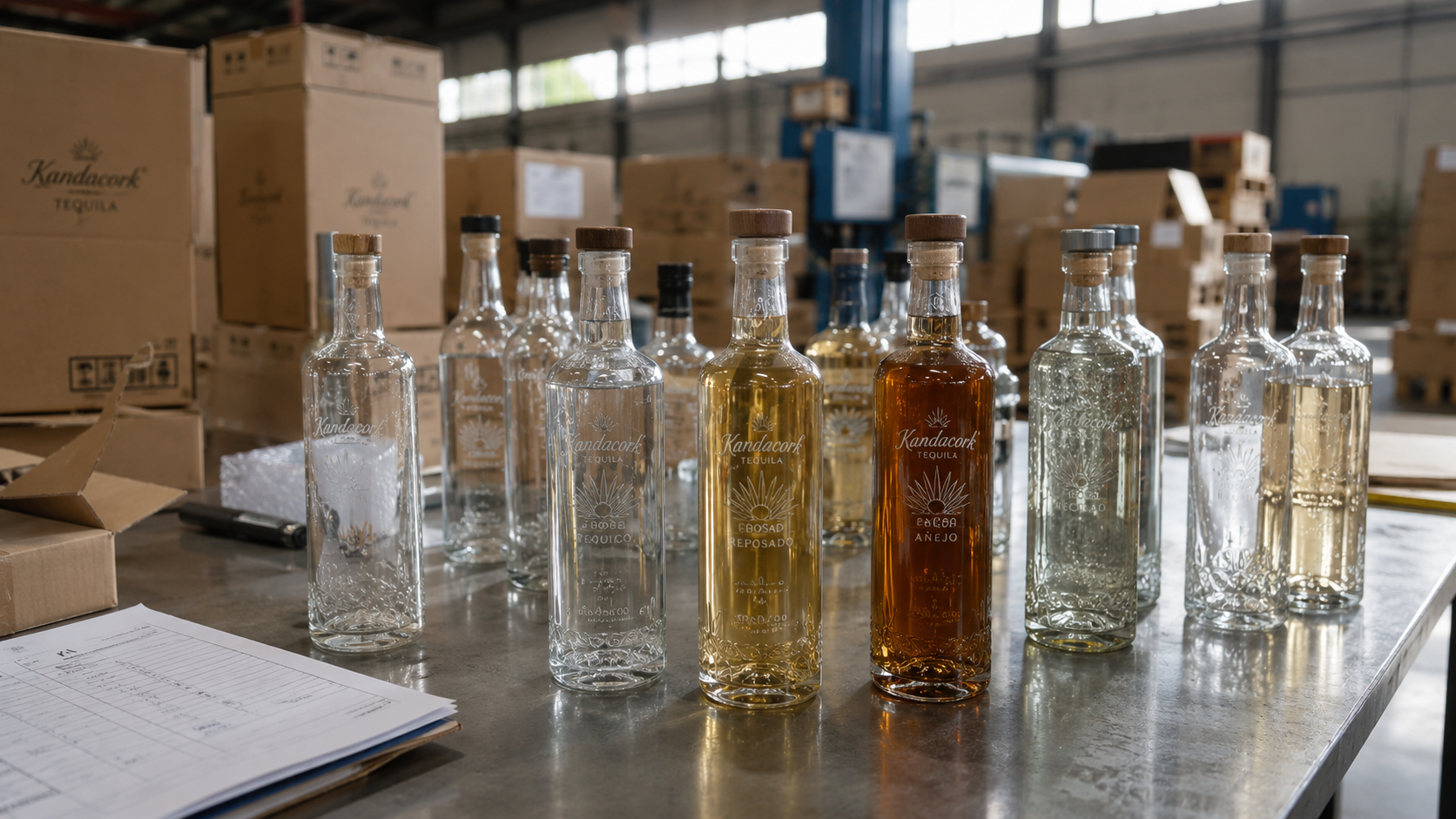
For brands developing spirits gift sets, private-label beverage packaging, or full bottle programs, Kandacork Spirits Bottle can support bottle-side packaging alignment, while Kandacork Closures focuses on closure fit, stopper structure, and production-ready details.
Quality Checklist for Business Buyers
Before approving bulk production, buyers should evaluate the stopper from both visual and functional perspectives.
Dimensional consistency is the first checkpoint. The stopper diameter, shank size, glass head shape, seating height, and insert compression should match the approved sample.
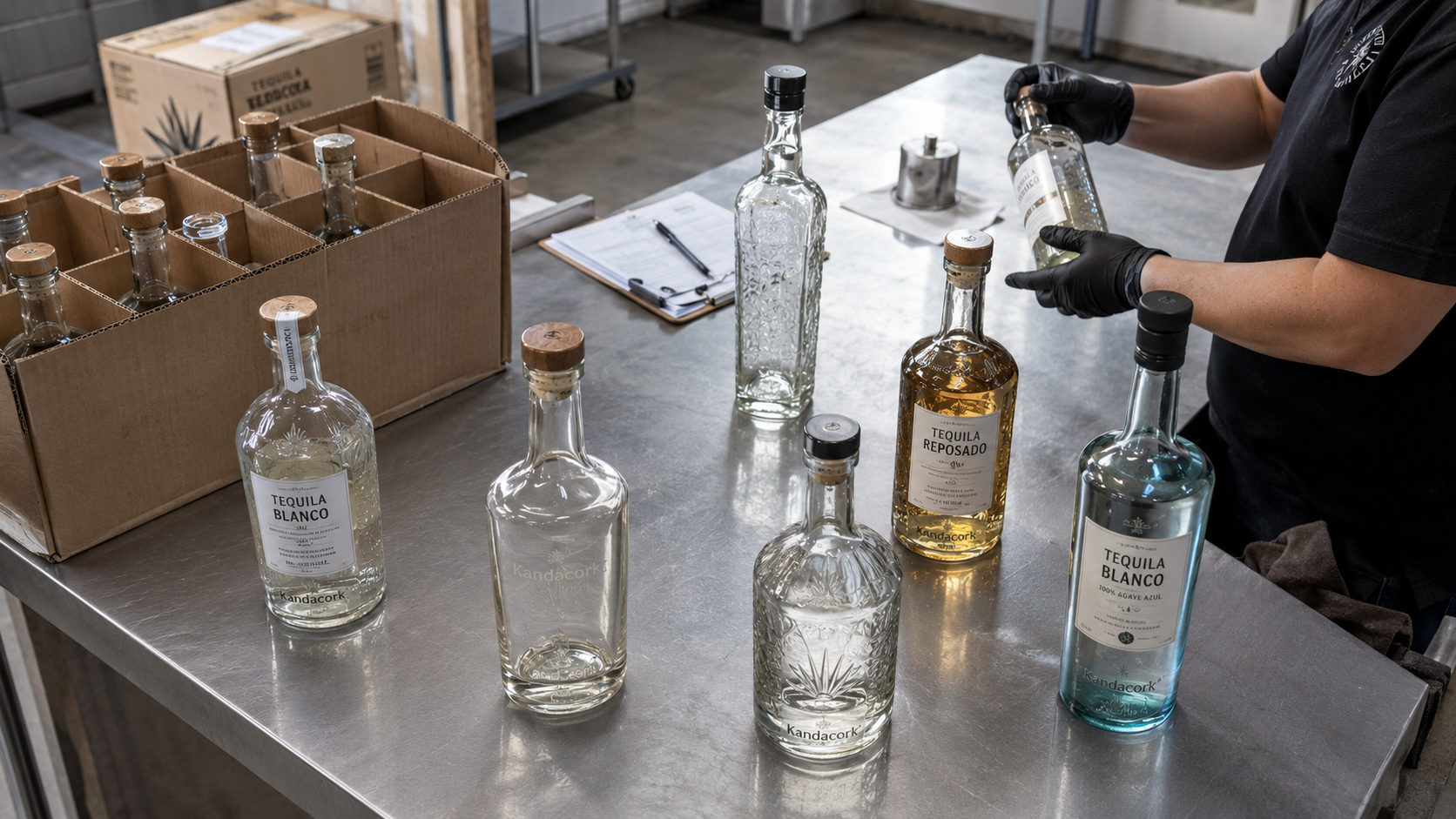
Visual quality is the second checkpoint. Buyers should define acceptable and unacceptable defects, including scratches, cracks, chips, bubbles, uneven tint, rough edges, or inconsistent decoration.
Sealing performance is the third checkpoint. The stopper should be tested with the actual bottle and intended product conditions. A gift stopper that seals well during sample review may behave differently under export handling or temperature changes.
Packaging protection is the fourth checkpoint. The stopper should not collide with the bottle, box lid, tray edge, or neighboring items. A strong gift box should protect the product while preserving the unboxing experience.
Brand consistency is the fifth checkpoint. Logo placement, color tone, glass finish, and decorative details should remain consistent across the approved production batch.
How Kandacork Closures Supports Custom Gift Packaging Projects
Kandacork Closures works with brands, distributors, packaging buyers, and product developers that need custom glass stoppers for gift packaging.
The process can begin with a bottle sample, technical drawing, product category, preferred packaging style, and target market. From there, the stopper can be matched to the bottle neck, box structure, sealing requirement, and brand identity.
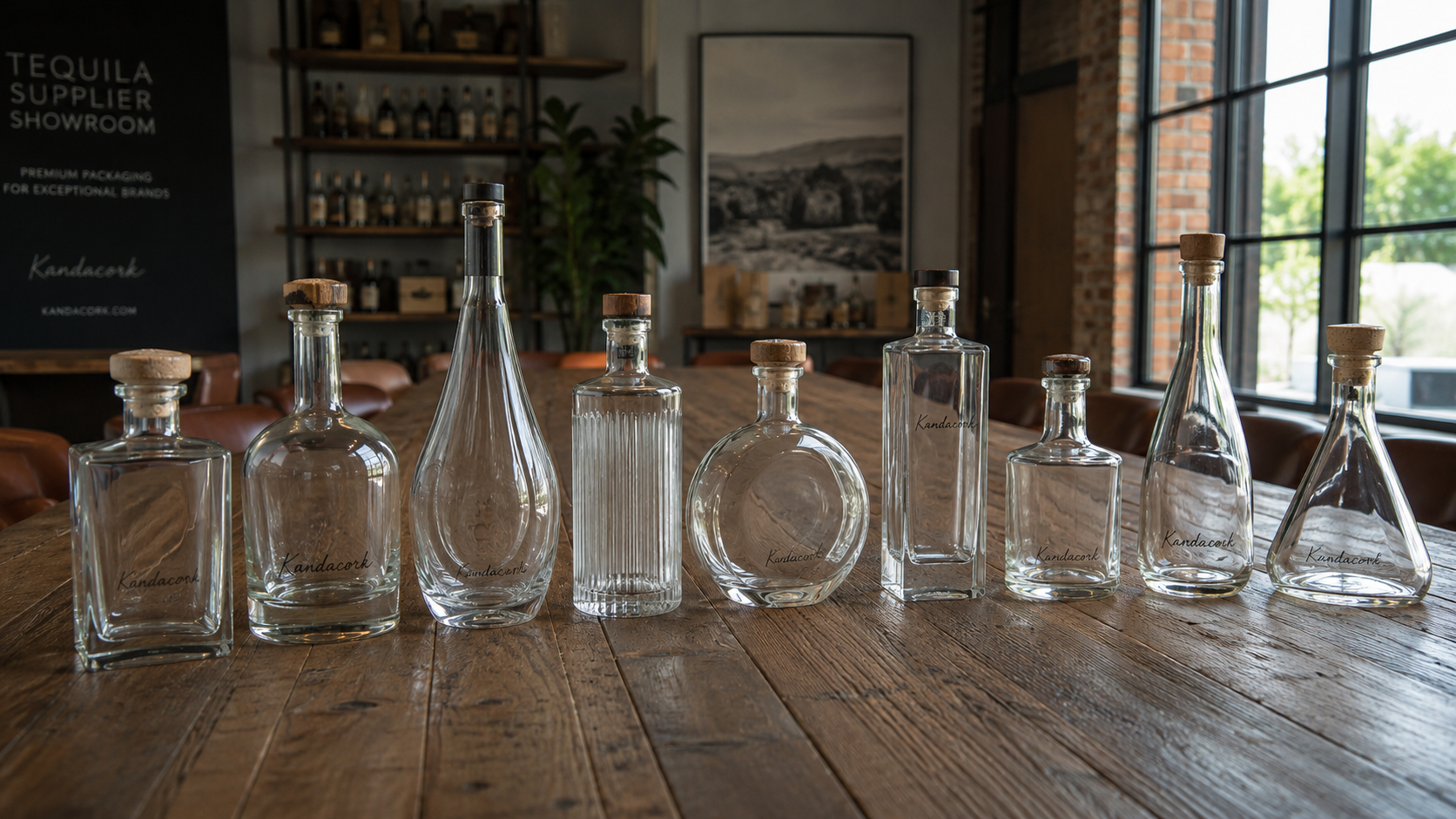
For premium spirits, Kandacork Closures can support glass bar-top stoppers, decorative glass heads, sealing insert selection, and finish coordination with bottle decoration.
For wine, gourmet oil, vinegar, fragrance, and corporate gifts, the focus may be on gift appeal, reusable value, tight fit, box compatibility, and safe transport.
For full packaging programs that require bottles, closures, and decoration to work together, Kandacork Glass can support integrated packaging coordination across related project needs.
The key advantage is system thinking. Instead of treating the stopper as a separate accessory, Kandacork Closures helps buyers evaluate the bottle, closure, seal, decoration, box, insert, carton, and user experience together.
FAQ
Are glass stoppers suitable for gift packaging?
Yes. Glass stoppers are suitable for gift packaging because they combine decorative value, reusable appeal, and functional closure performance when matched correctly with the bottle. They are especially useful for premium spirits, wine gifts, gourmet oil sets, fragrance bottles, corporate gifts, and limited-edition packaging.
What is the best glass stopper for a luxury gift bottle?
The best glass stopper depends on the bottle shape, product category, and brand style. Clear crystal-style stoppers work well for classic elegance, frosted stoppers suit minimalist packaging, and faceted stoppers create a more decorative collector effect.
How do I know if a glass stopper will fit my bottle?
A supplier should review the bottle neck inner diameter, neck depth, closure seating position, and insert material. For custom projects, buyers should provide a bottle sample or technical drawing and approve physical samples before bulk production.
Can glass stoppers be customized with a logo?
Yes. Glass stoppers can be customized with logos, symbols, anniversary marks, event names, or brand patterns. Common methods include engraving, sandblasting, printing, molding, tinting, and metal accent decoration.
Do glass stoppers create an airtight seal?
Glass stoppers can create a tight seal when the stopper size, sealing insert, and bottle neck are correctly matched. The sealing performance usually depends on the insert, gasket, cork shank, silicone sleeve, rubber ring, or TPE component rather than the glass head alone.
Can glass stoppers be used for spirits packaging?
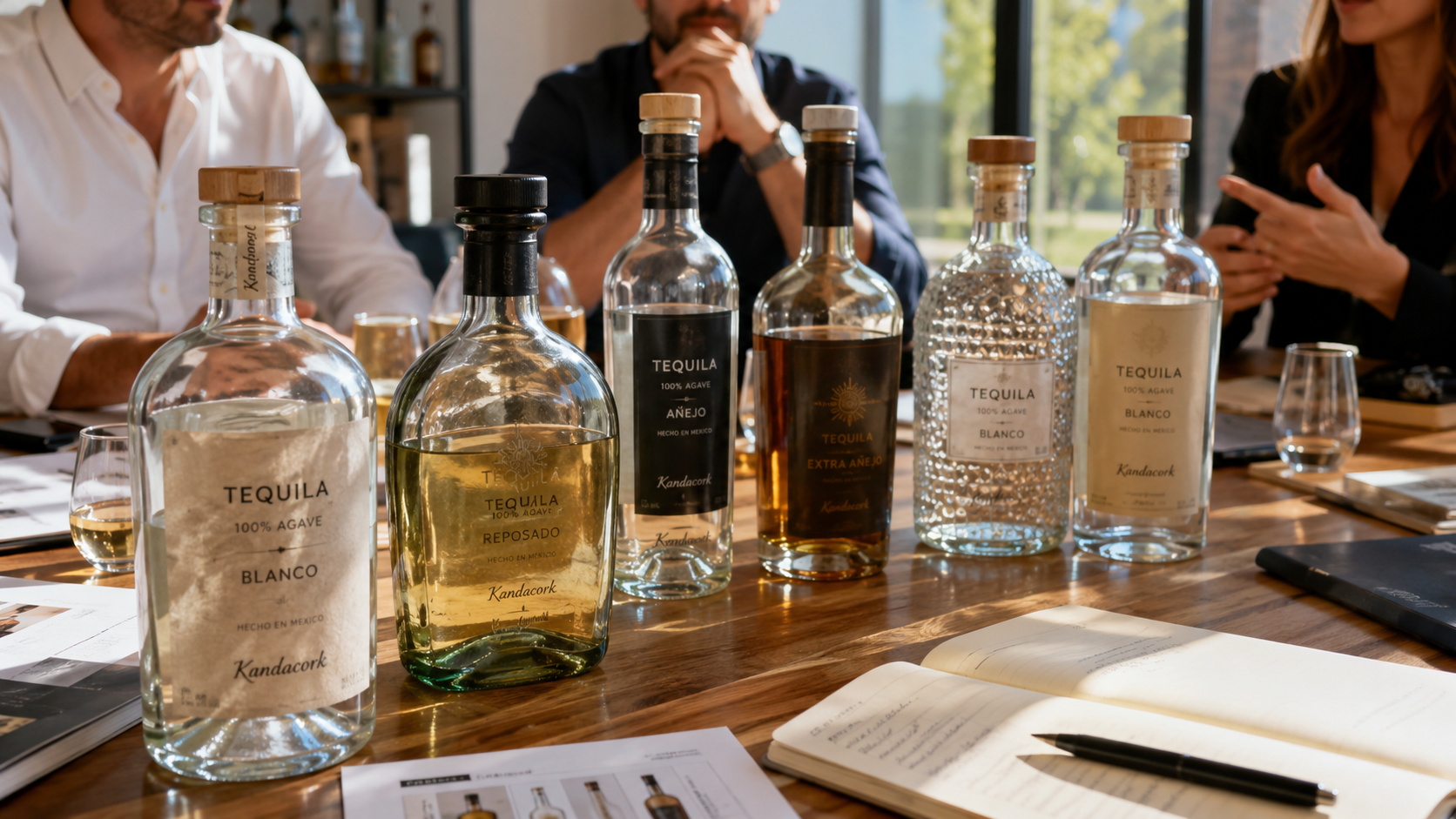
Yes. Glass stoppers are commonly used for premium spirits packaging, including whisky, vodka, gin, rum, tequila, brandy, and liqueur bottles. For commercial spirits packaging, the stopper should be tested for fit, pull force, leakage resistance, and box compatibility.
Are glass stoppers safe for food and beverage packaging?
Glass stoppers can be used for food and beverage packaging when the glass and sealing components are suitable for the intended contact conditions. Buyers should review the relevant food-contact requirements for their target market and confirm material specifications before production.
What gift box works best with glass stoppers?
Rigid paperboard boxes, magnetic gift boxes, clear window boxes, and molded insert boxes all work well with glass stoppers. The best choice depends on stopper height, bottle weight, display needs, shipping conditions, and target price point.
How should glass stoppers be packed for shipping?
Glass stoppers should be protected from impact, scratching, and pressure damage. Finished gift packaging may require a dedicated insert, foam support, molded pulp tray, or paperboard holder. Export cartons should be reviewed to reduce breakage risk.
What is the MOQ for custom glass stoppers?
MOQ depends on stopper design, decoration method, mold requirements, and production process. Existing shapes with simple logo decoration usually require lower quantities than fully custom molded glass stoppers. Buyers should confirm MOQ during the sample and quotation stage.
How long does custom glass stopper sampling take?
Sampling time depends on stopper shape, decoration method, mold requirements, and approval standards. Existing stopper models with simple decoration are usually faster than fully custom molded designs. Buyers should confirm sample timing, revision rounds, and bulk lead time before placing an order.
Conclusion: Build a Better Gift-Ready Bottle with the Right Glass Stopper
Glass stoppers for gift packaging are a practical way to improve product presentation, perceived value, and customer experience. They make bottles feel more refined, more collectible, and more suitable for premium gifting.
The best results require more than choosing a beautiful stopper. Buyers should consider bottle-neck fit, sealing insert material, pull force, gift-box design, transit protection, compliance requirements, brand customization, and production consistency.
Kandacork Closures helps businesses develop custom glass stoppers that support both luxury presentation and practical packaging performance. For spirits, wine, gourmet food, fragrance, corporate gifts, and limited-edition bottle sets, the right stopper can turn a simple bottle into a complete gift experience.