Quick Answer
Screw caps for olive oil bottles are food-grade threaded closures used to seal edible oil bottles, control pouring, reduce leakage, and provide tamper evidence. For B2B buyers, the right closure depends on bottle neck finish, cap size, material, pourer insert design, capping method, branding requirements, and target market.
Why the Right Olive Oil Screw Cap Matters
Choosing screw caps for olive oil bottles is not only a packaging decision. It affects freshness protection, leakage control, transport safety, retail presentation, user experience, and consumer trust.
For olive oil brands, private-label buyers, gourmet food companies, and packaging distributors, the cap must do more than close the bottle. It should match the bottle neck finish, seal reliably, support clean pouring, protect the product during shipping, and reinforce the brand’s quality positioning.
A poorly matched cap can loosen during transport, leak inside cartons, stain labels, or create an uncontrolled pour. A well-engineered closure helps the bottle feel more premium, gives the consumer a cleaner dispensing experience, and shows that the package has not been opened before purchase.
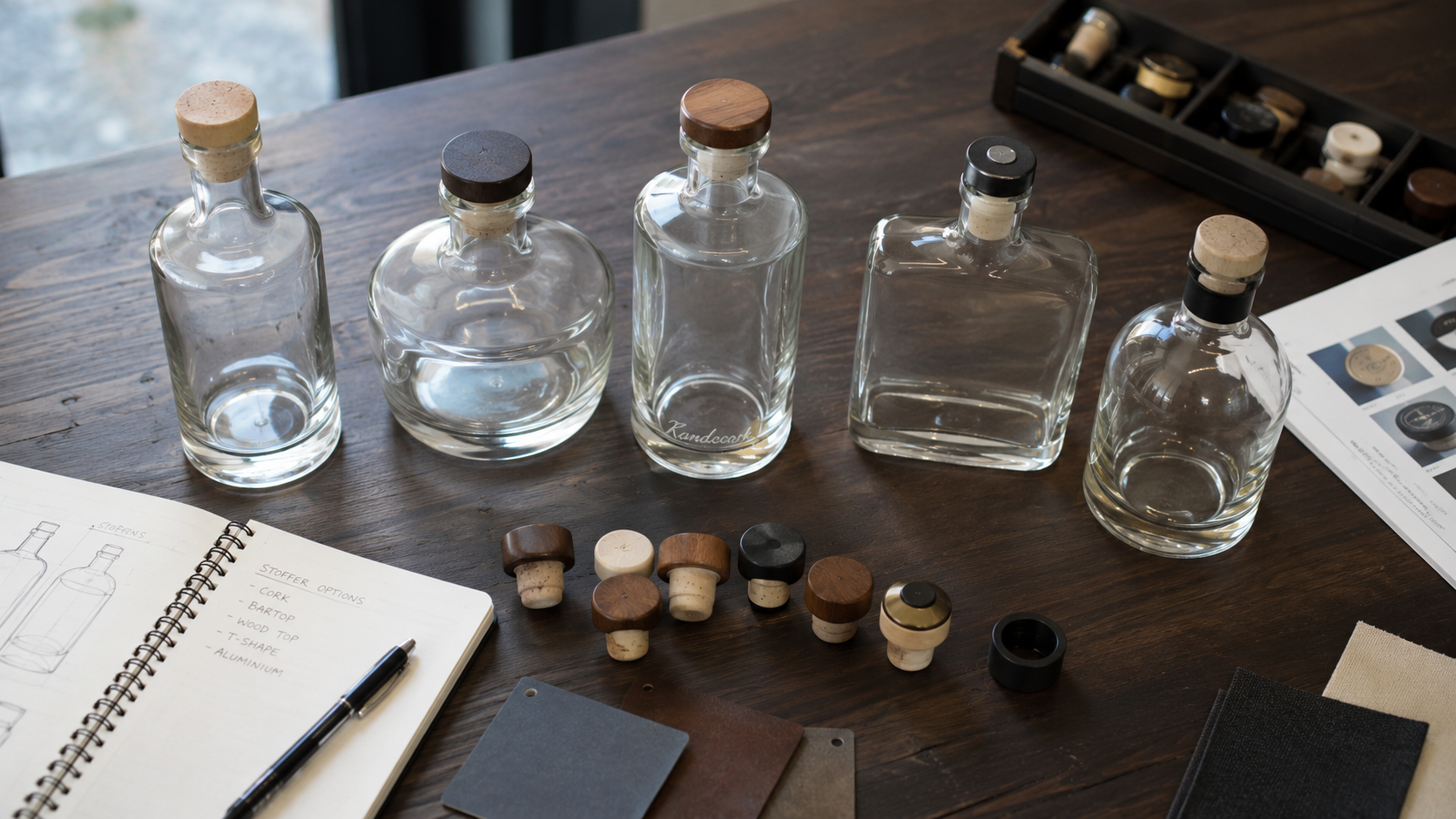
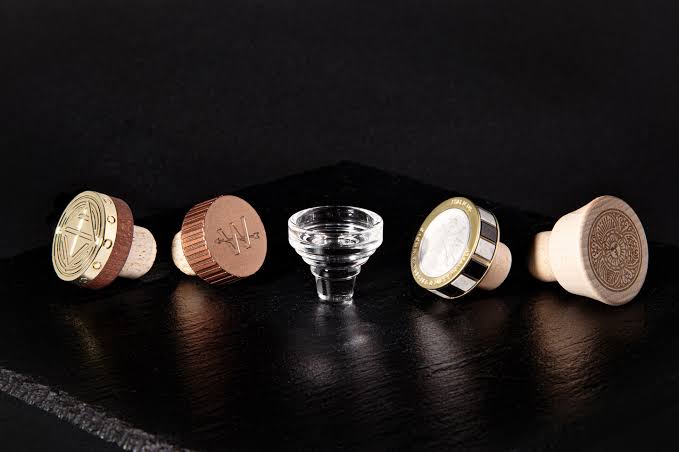
Kandacork Closures supports B2B buyers with custom screw caps, pourer caps, tamper-evident closures, ROPP systems, T-cap alternatives, and branded closure solutions for olive oil, vinegar, infused oils, dressings, and specialty food packaging.
What Are Screw Caps for Olive Oil Bottles?
Screw caps for olive oil bottles are threaded closures designed to match the external thread or neck finish of the bottle. They close the bottle after filling and allow the consumer to reseal it after each use.
In olive oil packaging, a screw cap may be a simple lined cap, a plastic cap with a tamper-evident band, an aluminum ROPP closure, or a cap with an integrated pourer insert. Each structure solves a different packaging need.
Common olive oil screw cap types include plastic screw caps, aluminum ROPP caps, tamper-evident caps, integrated pourer caps, non-refillable caps, and foam-lined caps. Some are designed mainly for sealing. Others focus on controlled pouring, anti-drip performance, retail security, or premium shelf appearance.
For commercial buyers, the goal is not simply to choose the cheapest cap. The right question is: which closure system fits the bottle, protects the oil, supports the brand, and runs smoothly on the filling line?
Common Sizes and Neck Finishes
A common size for olive oil bottle closures is 31.5 mm, especially for Marasca and Dorica-style glass bottles. However, buyers should not select screw caps for olive oil bottles by diameter alone.
The full neck finish matters. The cap must match the bottle’s thread profile, mouth diameter, tamper bead, cap height, and closure application method. A cap described as 31.5 mm may still fail if the bottle finish, thread depth, or band structure is different.
Before production, buyers should confirm the bottle drawing, neck finish, cap diameter, cap height, thread design, tamper-band requirement, pourer insert type, and capping method. If the closure will be applied by machine, torque range and line compatibility should also be reviewed.
For brands developing complete glass packaging programs, bottle choice and closure choice should be reviewed together. Integrated sourcing through Kandacork Glass can help align bottle shape, neck finish, cap style, decoration, carton design, and export requirements before tooling or bulk production begins.
Olive Oil Cap Specification Table
| Specification | Why It Matters |
|---|---|
| Cap diameter | Ensures basic bottle compatibility |
| Neck finish | Determines thread fit, sealing area, and tamper-band performance |
| Cap height | Affects grip, appearance, and capping stability |
| Thread profile | Controls opening, closing, and application behavior |
| Pourer insert | Determines flow control and anti-drip performance |
| Cap material | Impacts cost, appearance, weight, and production method |
| Tamper band | Supports retail security and consumer confidence |
| Liner or sealing component | Helps prevent leakage and maintain closure integrity |
| Capping method | Determines manual, semi-automatic, or automatic compatibility |
| Decoration method | Affects brand presentation and customization cost |
This table helps buyers compare screw caps for olive oil bottles more accurately and avoid compatibility problems before ordering samples.
Plastic vs Aluminum Screw Caps
Plastic and aluminum screw caps are both used in olive oil packaging, but they serve different commercial goals.
Plastic screw caps are often selected for small-batch olive oil, private-label programs, infused oils, dressings, and cost-sensitive product lines. They are lightweight, flexible in color, practical for manual or semi-automatic application, and can be paired with pourer inserts.
Aluminum ROPP caps are common for premium retail bottles and higher-volume filling lines. ROPP means roll-on pilfer-proof. During application, the aluminum shell is rolled onto the bottle finish to form threads and create tamper evidence. This gives the package a secure, professional, and retail-ready appearance.
Plastic caps can be ideal when the buyer wants simple application, color variety, and cost efficiency. Aluminum caps can be better when the brand needs metallic shelf appeal, strong tamper evidence, and machine application. For projects that require a formed aluminum closure with visible first-open protection, Kandacork can support custom ROPP closures matched to bottle drawings, capping conditions, and branding requirements.
For premium extra virgin olive oil, the best closure may combine several features: an aluminum shell, tamper-evident band, integrated pourer insert, and custom decoration.
How to Choose Screw Caps for Olive Oil Bottles
The right closure depends on the product, bottle, sales channel, and production method. A supermarket olive oil brand, an estate-grown premium EVOO producer, and a foodservice supplier may all need different closure systems.
| Buyer Need | Recommended Closure | Why It Works |
|---|---|---|
| Premium extra virgin olive oil | Aluminum ROPP cap with pourer insert | Strong shelf appeal, tamper evidence, and clean dispensing |
| Small-batch olive oil | Plastic screw cap with integrated pourer | Easy handling, flexible colors, and practical cost control |
| Foodservice bottle | Non-refillable pourer cap | Supports authenticity and frequent use |
| Infused oil or dressing | Controlled-flow screw cap | Helps manage viscosity and reduce messy pouring |
| Gift packaging | Custom printed or embossed cap | Improves premium presentation and brand recognition |
| Export program | Tamper-evident ROPP closure | Supports retail security and distributor confidence |
This selection process helps buyers avoid overpaying for unnecessary features while still choosing a closure that performs well in real commercial use.
Why Integrated Pourer Inserts Are Important
Olive oil is more viscous than water and many beverages. If the bottle opening is too wide, consumers may pour too much oil at once. If the closure is poorly designed, oil can drip down the neck, stain the label, or leave residue on the table.
A screw cap with an integrated pourer insert improves control. The insert shapes the oil stream, slows the flow when needed, and helps reduce dripping. Good pourer design also allows air to return into the bottle, creating a smoother pour and reducing glugging.
Important pourer design factors include spout geometry, internal channel size, air-return vent design, anti-drip lip shape, insert retention force, and compatibility with oil viscosity. These details are especially important for extra virgin olive oil, infused oils, vinegar blends, and salad dressings.
For premium brands, the pourer is part of the customer experience. A clean, steady pour makes the oil feel more refined. For foodservice, controlled pouring helps chefs and staff dose oil more consistently. Kandacork’s olive oil pourers and tamper-evident closures are developed around controlled dispensing, bottle compatibility, brandable tops, and practical filling-line use.
Tamper-Evident and Non-Refillable Features
Tamper evidence is one of the most important features in retail olive oil packaging. Consumers want to see that the bottle has not been opened, refilled, or altered before purchase.
Tamper-evident screw caps usually include a breakaway band. When the cap is opened for the first time, the band separates or shows visible damage. This helps retailers, distributors, and end users identify whether the package has been opened.
ROPP closures and pilfer-proof caps are widely used when the buyer needs visible security and a professional retail finish. These caps are especially useful for supermarket olive oil, premium EVOO, private-label projects, gift packaging, and export programs.
Non-refillable pouring caps provide an additional layer of protection. They are designed to make refilling more difficult after the original product is used. This feature can be valuable in foodservice, hospitality, restaurants, and markets where product substitution or authenticity protection is a concern.
How Screw Caps Help Protect Olive Oil Quality
Olive oil quality is affected by oxygen, light, heat, storage time, and packaging conditions. The bottle material plays a major role, but the closure also matters because it helps maintain a secure seal and reduce unnecessary oxygen exposure after filling and after each use.
Research on olive oil packaging and storage quality shows that packaging can influence product stability by helping protect oil from oxygen and light. For closure buyers, this means sealing performance, reclosure behavior, and dispensing cleanliness should be evaluated as part of the overall packaging system.
A poor cap can cause leakage, loose sealing, oil residue around the neck, label staining, and consumer complaints. It can also make a premium oil feel cheap or unreliable.
A suitable closure helps protect the product by keeping the bottle tightly closed, supporting safe transport, and reducing messy dispensing. For extra virgin olive oil, where aroma, flavor, and freshness perception are central to the purchase, cap performance becomes part of the overall quality experience.
Packaging teams should test screw caps for olive oil bottles under realistic conditions. This includes filled-bottle storage, inverted leakage checks, carton shipping simulations, opening and reclosing tests, and consumer-style pouring trials.
Food-Contact Materials and Compliance Considerations
Olive oil closures are used on food products, so materials must be suitable for food-contact applications in the target market. Buyers should review the cap shell, liner, pourer insert, colorant, coating, printing ink, and any internal sealing component.
For the United States, packaging teams often reference the FDA’s guidance on food-contact substances and packaging. For Europe, buyers may review the EU summary of olive oil marketing standards, which covers areas such as product presentation, labelling, and consumer protection.
International buyers may also consider International Olive Council standards and methods and the Codex Alimentarius standard for olive oils and olive-pomace oils when reviewing quality categories, naming conventions, and international trade expectations.
A professional closure supplier should be able to support documentation such as material specifications, food-contact declarations, technical drawings, sample approval records, and batch consistency information. Compliance should be discussed early in the sourcing process because it is easier to choose suitable materials before sampling than to correct documentation issues after production.
Custom Branding Options for Olive Oil Bottle Screw Caps
The closure is one of the most visible parts of an olive oil bottle. It sits at the top of the package, appears in product photography, and is touched every time the bottle is used. Custom screw caps for olive oil bottles can therefore improve both shelf impact and brand memory.
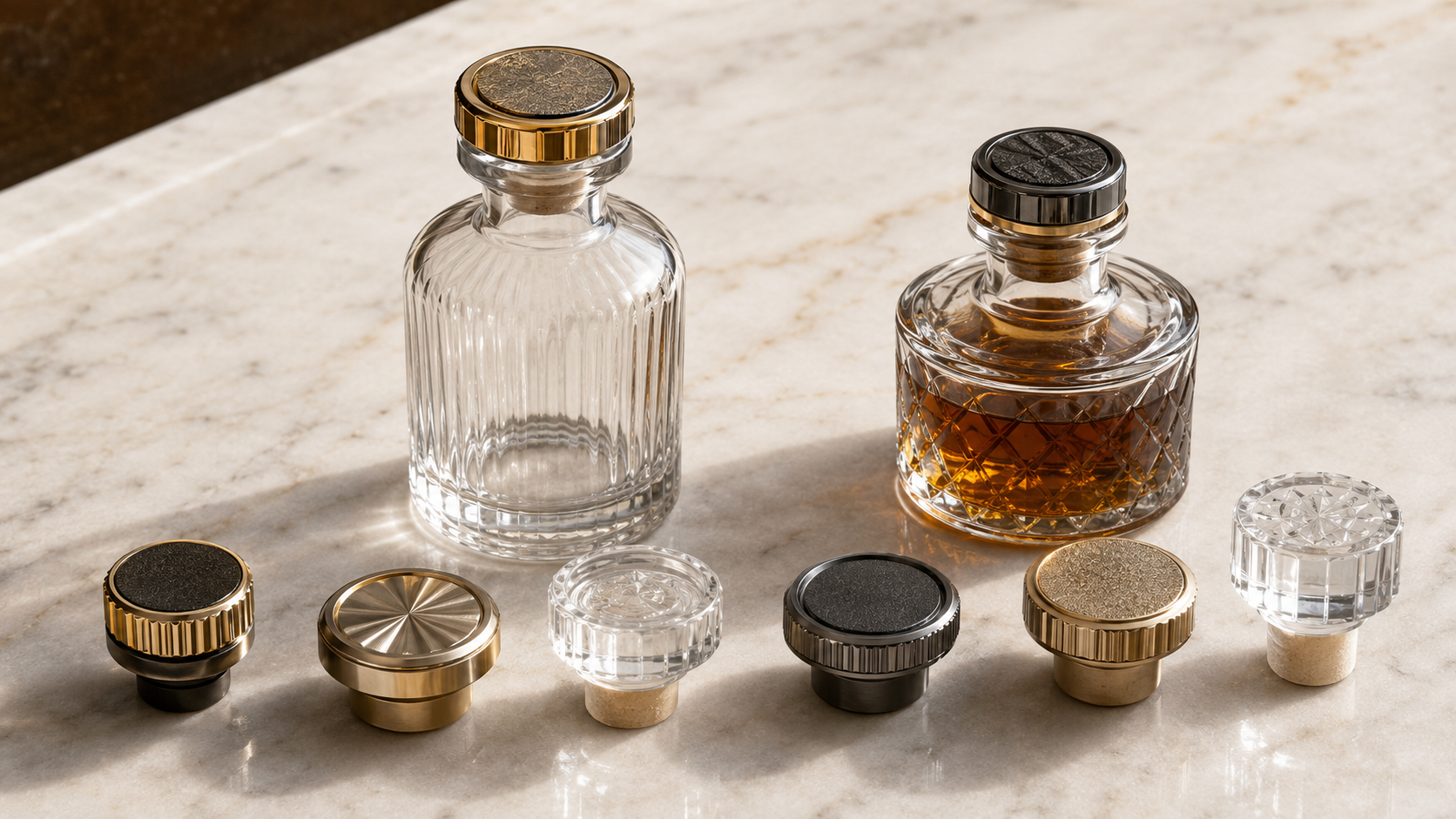
Common customization options include logo printing, sidewall printing, embossing, debossing, matte finishes, gloss finishes, metallic effects, Pantone-matched colors, ribbed sidewalls, smooth sidewalls, knurled textures, and decorative cap bands. For more advanced packaging programs, custom closure branding can be coordinated with label graphics, bottle coating, shrink sleeves, cartons, and retail displays.
For a gourmet olive oil brand, the cap should match the product story. A farm-style estate oil may use natural colors and a traditional closure appearance. A modern premium EVOO brand may prefer a minimalist aluminum cap with clean typography. A private-label supermarket range may prioritize color coding, cost efficiency, and consistent filling-line performance.
Decoration should also be tested in real handling conditions. Metallic finishes, matte coatings, and printed sidewalls can look excellent on sample boards, but they must also resist scratching, scuffing, carton abrasion, and filling-line contact.
Matching Caps With Bottles, Decoration, and Brand Positioning
A closure works best when it is planned together with the full bottle system. Bottle shape, glass color, cap height, label size, capsule choice, carton structure, and shelf display should feel intentional rather than assembled from unrelated parts.
For brands that need glass bottle sourcing alongside closure development, Kandacork Eco Glass can support broader bottle and packaging alignment for food, beverage, and specialty liquid projects. When decoration is central to the brand story, Kandacork Decoration & Branding can help align surface decoration, color effects, logo placement, and premium finishing with the closure design.
This matters for olive oil because the category is highly visual. A refined cap can make a mid-range bottle look more premium, while a generic closure can weaken the perceived value of a high-quality oil. For buyers who also manage spirits or premium beverage packaging portfolios, Kandacork Spirits Bottle offers additional context for bottle design, premium packaging presentation, and brand-led glass development.
Product Applications for Olive Oil Brands
Screw caps for olive oil bottles can be adapted for many commercial applications.
For supermarket olive oil, the cap should be cost-efficient, tamper-evident, consistent, and compatible with high-volume filling. For premium extra virgin olive oil, the closure should communicate quality and support a refined pouring experience.
For estate-grown olive oil, the cap can support authenticity through custom color, logo decoration, or embossed branding. For infused oils and dressings, the closure must manage viscosity and repeated use. For foodservice bottles, the cap should be durable, clean-pouring, and easy to handle in busy kitchens.
For gift sets, the closure should coordinate with the bottle, label, box, and accessories. A poor cap can weaken the perceived value of the full package, while a custom closure can make the set feel more complete.
For packaging teams developing multiple liquid categories, Kandacork Glass Packaging can also support integrated thinking across bottles, closures, and complete packaging systems.
How Kandacork Tests Olive Oil Bottle Caps Before Production
Kandacork Closures approaches olive oil caps as engineered packaging components, not generic accessories. Before mass production, the cap should be tested against the actual bottle and application process.
Key testing steps may include bottle-neck fit review, cap application test, torque or press-fit evaluation, leak-resistance check, inverted storage test, pour-flow test, tamper-band break test, repeated opening and closing trial, color approval, logo approval, and filling-line compatibility review.
For screw caps with pourer inserts, the pourer should be tested with the actual liquid or a liquid of similar viscosity. This helps confirm flow control, dripping behavior, insert stability, and consumer handling.
For customized caps, sampling is especially important. Small changes in material, sidewall texture, band design, or insert geometry can affect sealing, grip, opening force, and production speed. Kandacork’s closure expertise supports buyers who need technical review across cap fit, sealing behavior, closure appearance, and production readiness.
What to Prepare Before Requesting a Quote
A clear quote request helps the supplier recommend the right closure faster. It also reduces the risk of fit problems, cost changes, or production delays.
Before requesting a quote for screw caps for olive oil bottles, prepare the bottle drawing, bottle sample if available, neck finish specification, target cap size, material preference, pourer insert requirement, tamper-evident requirement, non-refillable requirement, logo artwork, color target, estimated order quantity, target market, filling method, and launch timeline.
If the project requires custom branding, provide artwork files, Pantone references, surface finish preferences, and packaging renderings if available. If the product will be exported, mention the destination market so compliance and documentation needs can be reviewed early.
For buyers who are still choosing a bottle, Kandacork Closures can help compare closure options before the final bottle decision is made. This can prevent compatibility problems later in development.
Need a Custom Olive Oil Bottle Cap?
Send Kandacork Closures your bottle drawing, neck finish, cap size, material preference, pourer insert requirement, logo artwork, and target order quantity. The team can help review bottle compatibility, recommend closure options, prepare samples, and support custom production.
This is especially useful for brands developing premium extra virgin olive oil, private-label olive oil, infused oil, vinegar, salad dressing, foodservice packaging, or export-ready retail products. To begin a closure review, buyers can request a custom closure quote with bottle details, artwork, and target quantity.
FAQ
What are the best screw caps for olive oil bottles?
The best screw caps for olive oil bottles are closures that match the bottle neck finish, seal reliably, provide the right pouring experience, and support tamper evidence. For many brands, a 31.5 mm tamper-evident cap with an integrated pourer is a practical choice, but the final selection should be based on the actual bottle drawing and filling method.
Are 31.5 mm caps standard for olive oil bottles?
31.5 mm caps are common for many Marasca and Dorica-style olive oil bottles. However, the diameter alone does not guarantee fit. Buyers should confirm the complete neck finish, thread profile, cap height, tamper-band structure, and pourer insert compatibility.
Are plastic screw caps or aluminum ROPP caps better?
Plastic screw caps are often better for cost flexibility, manual application, color options, and small-batch projects. Aluminum ROPP caps are often better for premium retail, automated production, tamper evidence, and metallic branding. The better option depends on the bottle, filling line, budget, and retail positioning.
Do olive oil bottles need tamper-evident caps?
Tamper-evident caps are strongly recommended for retail and export olive oil packaging. They help show whether the bottle has been opened and support consumer confidence. Premium olive oil, private-label products, and supermarket lines usually benefit from visible tamper evidence.
Why use a pourer insert in an olive oil cap?
A pourer insert controls the oil stream, reduces dripping, and improves the user experience. It is especially useful for extra virgin olive oil, infused oils, dressings, vinegars, and foodservice bottles where clean and repeatable pouring matters.
Can screw caps for olive oil bottles be customized?
Yes. Olive oil screw caps can be customized with logo printing, embossing, debossing, sidewall decoration, color matching, metallic finishes, matte coatings, and special textures. Customization helps the closure match the bottle, label, and overall brand identity.
What information is needed for a quotation?
To request a quotation, prepare your bottle drawing, neck finish, bottle sample if available, target cap type, material preference, logo artwork, color requirements, annual quantity, target market, filling method, and desired launch timeline.
What bottle types work with olive oil screw caps?
Olive oil screw caps are commonly used with Marasca, Dorica, round, square, and custom glass bottles. The final cap choice depends on the exact bottle neck finish, not just the bottle shape.
Can Kandacork Closures help test cap compatibility?
Yes. Kandacork Closures can help review bottle samples, check neck finish compatibility, evaluate cap fit, test pourer performance, review branding options, and support sampling before mass production.
Conclusion
Screw caps for olive oil bottles should be selected as a complete packaging system, not as a generic accessory. The right cap must fit the bottle, protect the oil, support clean pouring, show tamper evidence, match the brand, and run smoothly on the filling line.
For B2B olive oil brands, private-label buyers, packaging distributors, and gourmet food companies, the best results come from early collaboration with an experienced closure manufacturer. Kandacork Closures can support custom screw caps, pourer caps, tamper-evident closures, ROPP systems, and branded olive oil closure solutions from concept to production.
If your current cap leaks, pours poorly, looks too generic, or does not support your retail positioning, upgrading the closure may be one of the most practical ways to improve both product performance and brand value.