Quick Answer: Best Closures for Mini Spirits Bottles
The best closure for mini spirits bottles depends on neck finish, spirit ABV, filling method, tamper-evident needs, and brand positioning. For most 50ml mini spirits bottles, screw caps and ROPP caps are practical for high-volume filling. For premium tasting kits, whisky miniatures, gift sets, and collectible packaging, compact bar-top stoppers can provide a stronger brand experience.
A closure that looks right may still fail if the neck finish, liner, torque, tamper band, or filling-line setup is wrong. That is why mini spirits bottle closures should be matched through drawings, samples, technical testing, and supplier review before bulk production.
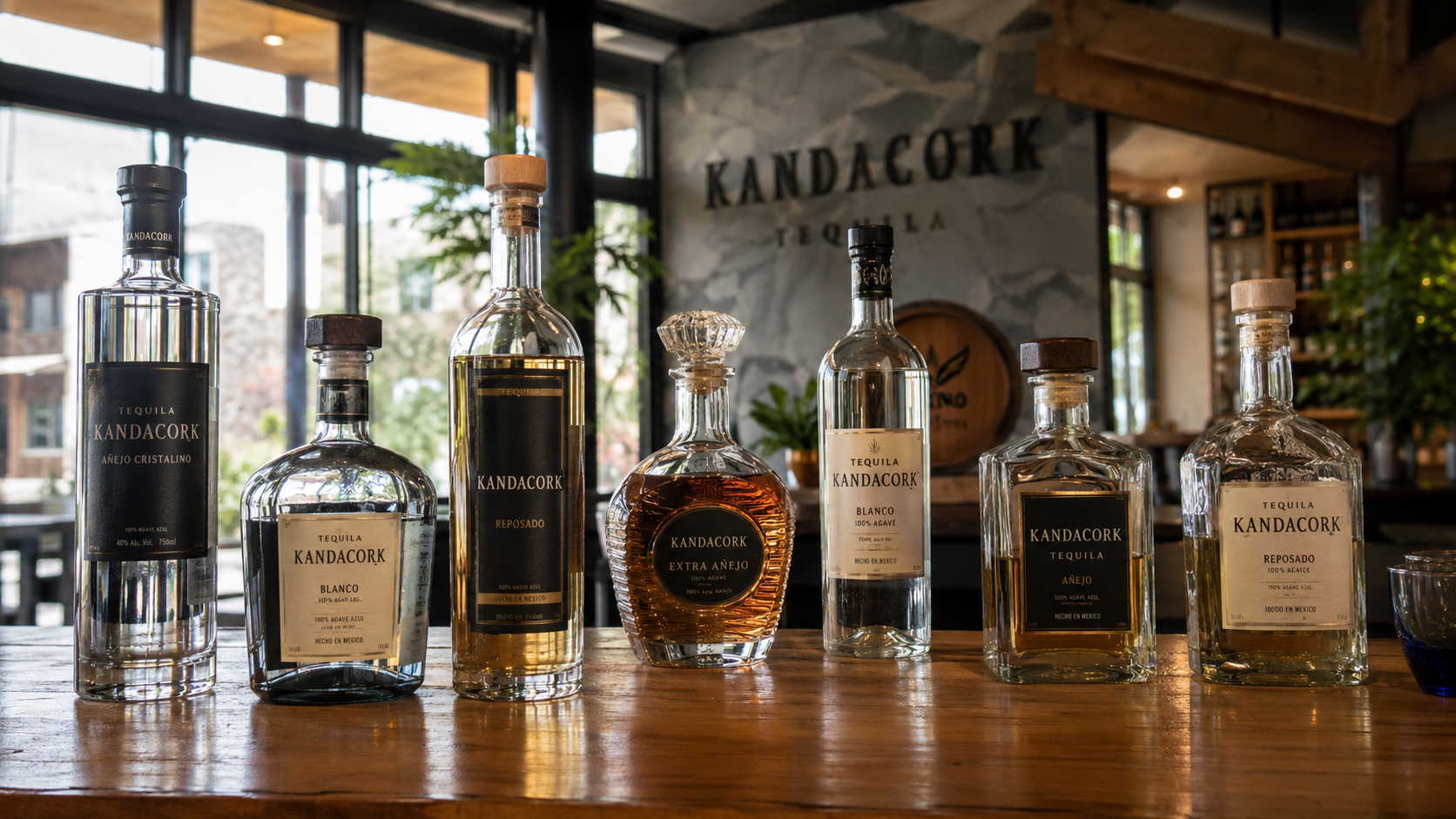
Kandacork Closures & Stoppers supports custom spirits bottle closures and stoppers, including screw caps, ROPP closures, bar-top stoppers, capsules, shrink sleeves, technical matching, sample development, logo branding, and export-ready bulk supply for spirits packaging projects.
Why Mini Bottle Closure Matching Is Different
Mini spirits bottles are less forgiving than standard 700ml or 750ml spirits bottles. A small mismatch in neck finish, liner, shank diameter, opening torque, or tamper-band height can cause leakage, difficult opening, poor shelf appearance, or production delays.
This is especially important for 50ml and 100ml bottles used in tasting samples, airline bottles, hotel minibar programs, retail trial packs, trade shows, gift sets, and private label spirits projects.
Mini bottles need more precise closure matching because they have:
- Less grip area for consumers when opening
- Smaller sealing surfaces
- Limited label and tamper-band space
- Higher risk of oversized closure proportions
- Tight carton packing, which increases scuffing and transport pressure
For U.S. distilled spirits, 50ml is listed as an authorized standard of fill under 27 CFR § 5.203. This makes the 50ml format commercially important for sampling, trial-size retail packs, travel-size spirits, and promotional packaging. Brands also need to consider labeling space, net contents declaration, and destination-market requirements when designing the full mini bottle package.
Start With the Neck Finish
The first step in matching closures with mini spirits bottles is confirming the bottle neck finish. Bottle capacity alone is not enough. Two 50ml mini liquor bottles may look similar but require completely different closures.
A mini spirits bottle may use:
- A threaded neck for screw caps
- A ROPP neck for roll-on pilfer-proof caps
- A corkmouth or straight bore for bar-top stoppers
- A custom neck finish for security closures or special packaging
Before requesting samples, prepare the bottle drawing, neck finish drawing, bore inner diameter, neck outer diameter, thread profile, sealing surface, neck height, label position, and filling method. These details help the supplier recommend a closure that fits both the bottle and the production process.
If the bottle neck specification is unclear, Kandacork’s closure matching service can help review drawings, photos, physical samples, neck dimensions, and closure references before sample development.
Technical Matching Checklist
The table below helps buyers compare screw caps, ROPP caps, and bar-top stoppers before requesting samples or quotations.
| Parameter | Screw Cap / ROPP Cap | Bar-Top Stopper | Why It Matters |
|---|---|---|---|
| Neck outer diameter | Yes | Sometimes | Determines cap fit and skirt size |
| Bore inner diameter | No | Yes | Determines stopper shank size |
| Thread profile | Yes | No | Affects cap engagement and sealing |
| Sealing surface | Yes | Yes | Controls leak prevention |
| Liner material | Yes | Sometimes | Affects alcohol and flavor compatibility |
| Opening torque | Yes | No | Affects sealing and consumer opening |
| Pull-out force | No | Yes | Affects stopper tightness and user experience |
| Tamper band height | Yes | No | Affects label clearance and first-open protection |
Closures and liners are part of the food-contact packaging system. FDA explains that food-contact substances can include packaging components, and the regulatory status of a food-contact material depends on substances that may reasonably migrate to food under intended use. For spirits packaging buyers, this means cap liners, stopper shanks, coatings, adhesives, and decoration systems should be reviewed for the intended product and target market. More information is available from the FDA’s guidance on food packaging and food-contact substances.
Main Closure Options for 50ml and 100ml Mini Spirits Bottles
Screw Caps
Screw caps are one of the most common choices for mini spirits bottle closures. They are compact, practical, resealable, and suitable for high-volume filling. They are often used for vodka, gin, rum, tequila, liqueurs, RTD spirits, and promotional mini bottles.
For screw caps, buyers should confirm cap diameter, thread finish, skirt height, liner material, opening torque, tamper-evident band design, and capping equipment compatibility.
Torque control is especially important for mini bottles. If the cap is too loose, leakage risk increases. If it is too tight, the consumer may struggle to open the bottle because the gripping area is small.
ROPP Caps
ROPP means roll-on pilfer-proof. A ROPP cap starts as an aluminum shell and is rolled onto the bottle neck during capping. The capping head forms the thread and tamper-evident band around the bottle neck.
ROPP caps are a strong option for mini spirits bottles used in retail, hospitality, export, airline, minibar, and distributor programs. They provide secure sealing, clean appearance, and visible first-opening protection.
However, ROPP caps require a compatible bottle neck and the right capping equipment. Buyers should confirm the ROPP neck drawing, liner structure, skirt height, bridge strength, torque target, and trial-run performance before placing a bulk order. For buyers comparing closure formats, Kandacork’s guide to bar-top stoppers, screw caps, and ROPP closures for spirits can help clarify the main differences.
Compact Bar-Top Stoppers
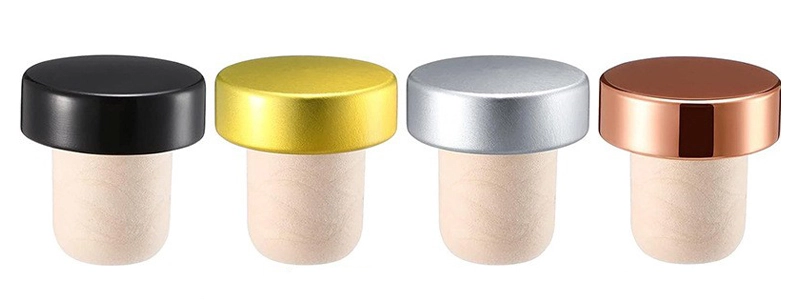
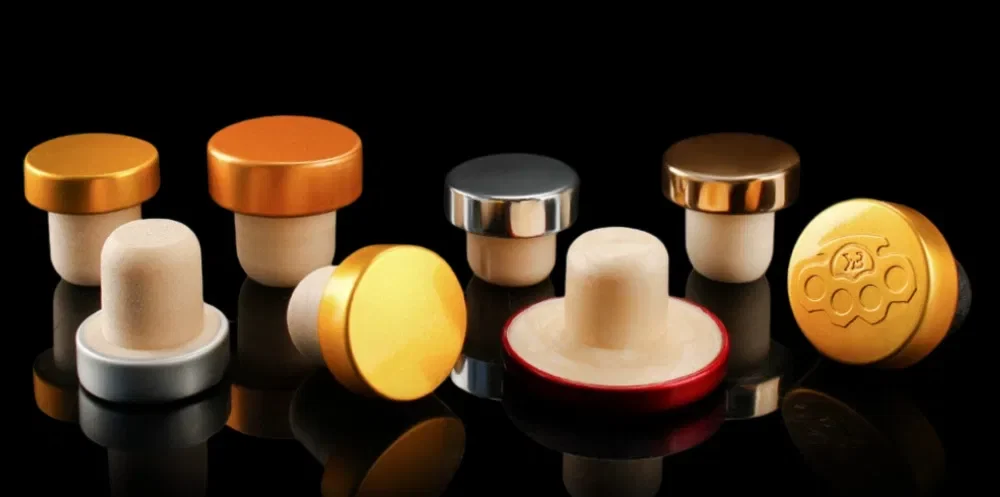
Compact bar-top stoppers are suitable for premium mini spirits bottles, especially whisky, brandy, rum, tequila, craft gin, liqueurs, tasting kits, and luxury gift sets.
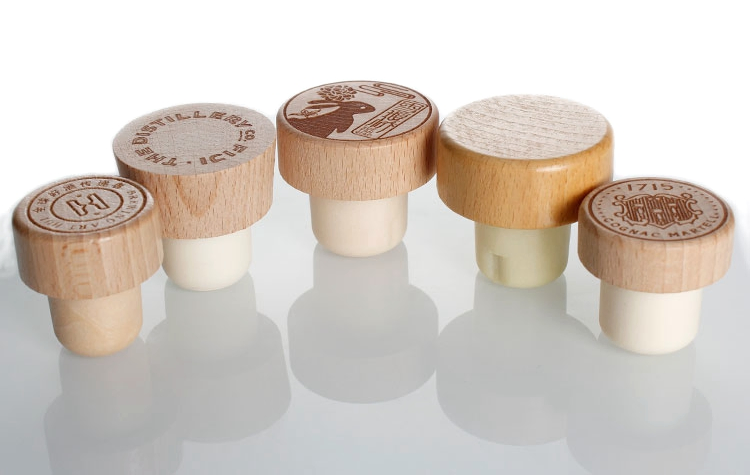
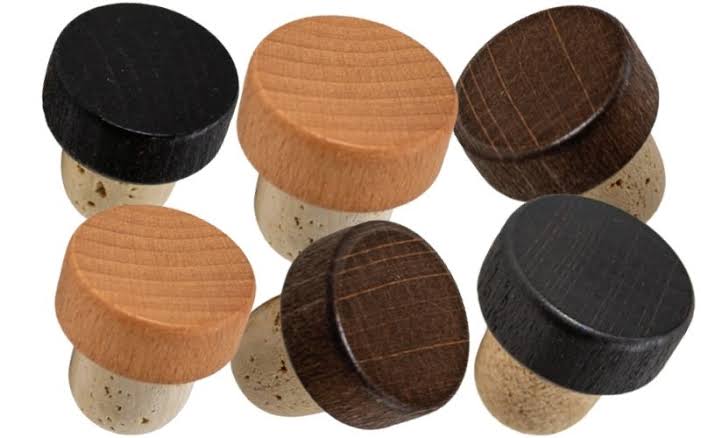
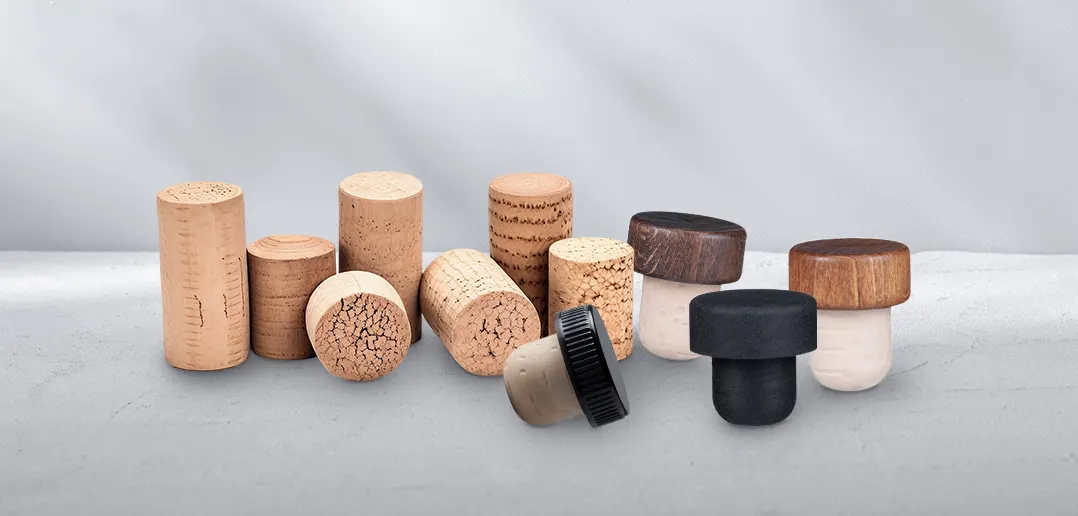
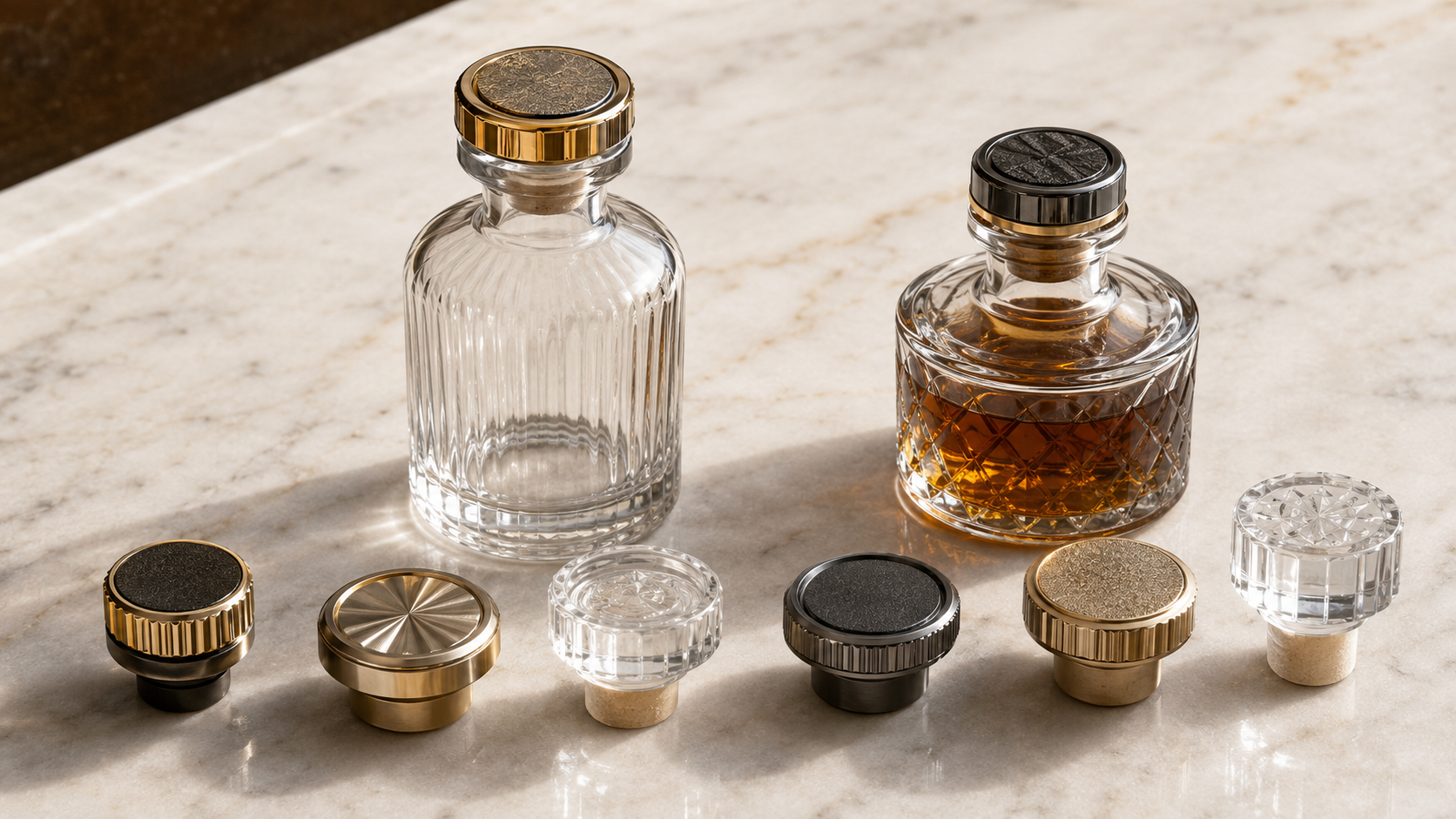
A bar-top stopper has two main parts: a visible top and an inserted shank. The top may use wood, plastic, aluminum, glass-effect material, metal, or other decorative materials. The shank may use natural cork, micro-agglomerated cork, synthetic cork, or technical material.
For mini bottles, proportion is critical. A stopper that looks premium on a full-size bottle may look oversized on a 50ml bottle. Buyers should test bore diameter, shank diameter, insertion depth, pull-out force, leakage performance, and visual balance. For more technical stopper guidance, see Kandacork’s resource on custom bar-top stoppers.
Plastic and Aluminum Caps
Plastic caps are useful for promotional runs, private label projects, budget-sensitive sampling, and large-volume mini bottle programs. They are lightweight, economical, and easy to color match.
Aluminum caps create a cleaner and more premium appearance. They can support printing, embossing, color coating, matte finishes, gloss finishes, and metallic effects. They are often used when the brand wants a modern retail look.
For both plastic and aluminum caps, the key checks are liner compatibility, alcohol resistance, torque consistency, decoration durability, and capping-line performance.
Non-Refillable and Security Closures
Non-refillable closures are used when brand protection, anti-refill control, and market security are important. They can be relevant for premium spirits, duty-free channels, export markets, and regions where refill risk is a concern.
These closures may require special bottle necks and more detailed testing. They are not necessary for every mini bottle project, but they can be valuable when product security is part of the packaging strategy.
Closure Selection by Mini Bottle Use Case
Different mini spirits bottle projects need different closure systems. A tasting sample does not always need the same closure as a premium whisky miniature or export retail bottle.
| Use Case | Recommended Closure | Buyer Priority | Why It Works |
|---|---|---|---|
| 50ml tasting sample | Screw cap or ROPP cap | Cost + speed | Compact and suitable for batch production |
| Airline or minibar bottle | Tamper-evident screw cap or ROPP cap | Security + leakage control | Clear first-open protection and better transport safety |
| Premium whisky miniature | Compact bar-top stopper | Premium image | Stronger shelf appeal and opening experience |
| Gift set or tasting kit | Custom stopper or aluminum cap | Brand presentation | Supports SKU differentiation and gift-pack value |
| Private label promotion | Plastic screw cap | Budget control | Lower cost and flexible color options |
| Export retail mini bottle | ROPP cap or security closure | Tamper evidence + consistency | Stronger seal and better retail confidence |
| Craft spirits launch | Custom cap or stopper | Brand identity | Helps match the mini bottle with the full-size product line |
This use-case approach helps buyers avoid choosing closures only by material or appearance. The better method is to match the closure with the bottle neck, filling method, distribution channel, cost target, and brand value.
If the project also requires matching miniature bottles, Kandacork Spirits offers related information on 50ml mini liquor bottles for spirits sampling, gifting, private label programs, and brand launches.
Practical Example: Why a 50ml Bottle Cap Can Fail After Sampling
A 50ml spirits bottle may pass a simple hand-fit check but fail after filling. One common issue is liner compression. If the sealing surface is narrow or uneven, the liner may not compress consistently, especially after the bottle is inverted or exposed to transport vibration.
Another common issue is opening torque. A cap that feels acceptable on a 750ml bottle may feel too tight on a 50ml bottle because the consumer has less grip area. For bar-top stoppers, a shank that feels secure during insertion may create excessive pull-out force after storage.
This is why real bottle samples, real closures, and the intended filling method should be tested together before bulk approval.
How to Test Closure Samples Before Bulk Production
A closure sample should be tested before mass production. The goal is not only to check whether the bottle can be closed. The goal is to confirm that the full package can survive filling, storage, shipping, retail display, and consumer opening.
Use this approval checklist:
- Review bottle and neck finish drawings.
- Confirm cap, stopper, liner, or shank specification.
- Test physical fit on real bottles.
- Run upright and inverted leakage checks.
- Measure opening torque or pull-out force.
- Check ABV, flavor, and liner compatibility.
- Test tamper band, decoration, and label clearance.
- Approve a final golden sample before bulk production.
For high-volume mini bottle programs, buyers should test enough samples to check consistency. A single prototype may look good, but bulk production requires repeatable fit, seal, torque, and decoration quality.
Branding and Decoration: Keep Mini Closure Artwork Simple
Mini spirits bottles often serve as the first physical contact between a consumer and the brand. The closure should communicate quality quickly, but the decoration area is small.
For mini closures, simple artwork usually performs better. A clear logo, initials, icon, color code, or metallic finish is easier to recognize than a complex crest or long slogan.
For tasting kits and multi-SKU spirits sets, closure color can help separate whisky, vodka, gin, rum, tequila, liqueur, and limited-edition products. For private label buyers, a consistent closure system can also make several products look like one coordinated collection.
Supplier Evaluation and RFQ Preparation
A strong closure supplier should do more than sell a standard cap. For mini spirits bottles, supplier capability affects quality, launch speed, and production risk.
Before choosing a supplier, ask:
- Can the supplier review bottle neck drawings?
- Can they provide physical closure samples?
- Can they compare screw caps, ROPP caps, and stoppers?
- Can they support custom branding and food-contact documents?
- Can they maintain consistency for repeat bulk orders?
To receive accurate samples and pricing, send the supplier:
- Bottle capacity
- Bottle drawing or physical bottle sample
- Neck finish drawing
- Bore diameter or thread profile
- Spirit type and ABV
- Filling and capping method
- Preferred closure style
- Tamper-evident requirement
- Logo artwork
- Estimated order quantity
- Destination market
- Launch timeline
If the buyer is not sure which closure is suitable, the best first step is to send the bottle information and project goal. Kandacork can compare closure options based on bottle neck finish, spirit type, filling method, branding requirement, and export market.
Common Mistakes When Matching Closures With Mini Spirits Bottles
Choosing by Appearance Only
A closure may look attractive but still fail technically. Always confirm fit, seal, torque, and compatibility before approving decoration.
Ignoring the Neck Finish
Bottle capacity does not determine closure size. A 50ml bottle may use different neck finishes depending on the manufacturer and filling method.
Forgetting Liner Compatibility
High-ABV spirits, flavored liqueurs, citrus oils, sugar, acidity, and botanical extracts may affect liner performance. The liner must be matched to the liquid.
Not Testing Torque or Pull-Out Force
Mini bottles are harder to grip. A torque setting that works on a full-size bottle may feel too tight on a miniature bottle. For stoppers, pull-out force must also be tested.
Skipping Physical Samples
A technical drawing is useful, but real samples reveal sealing, insertion feel, decoration quality, and production behavior.
FAQ
What is the best closure for 50ml mini spirits bottles?
For most 50ml mini spirits bottles, screw caps and ROPP caps are the most practical options because they are compact, efficient, and suitable for high-volume filling. For premium tasting kits or whisky miniatures, compact bar-top stoppers can create a more upscale brand experience.
Can mini liquor bottles use cork stoppers?
Yes. Mini liquor bottles can use cork or synthetic bar-top stoppers if the bottle has a suitable corkmouth or bar-top neck finish. Buyers should test bore diameter, shank compression, insertion depth, pull-out force, and leakage before bulk production.
Are ROPP caps better than screw caps for mini bottles?
ROPP caps are often better when tamper evidence, secure sealing, and automated retail packaging are priorities. Screw caps may be better for simpler projects, lower tooling complexity, or flexible production. The best option depends on the bottle neck finish and filling line.
What dimensions are needed to match a mini bottle closure?
Important dimensions include neck outer diameter, bore inner diameter, thread profile, neck height, sealing surface, cap diameter, skirt height, shank diameter, insertion depth, and tamper-band clearance.
Do mini spirits bottles need tamper-evident closures?
Many retail, hospitality, airline, minibar, travel retail, and export programs prefer tamper-evident closures. Requirements vary by market and distribution channel, so buyers should confirm local alcohol packaging and labeling rules before production.
What should I send to a closure supplier for a quotation?
Send the bottle drawing, physical sample if available, neck finish, spirit type, ABV, preferred closure style, artwork, order quantity, destination market, and launch timeline. This helps the supplier recommend the right cap, stopper, liner, and decoration process.