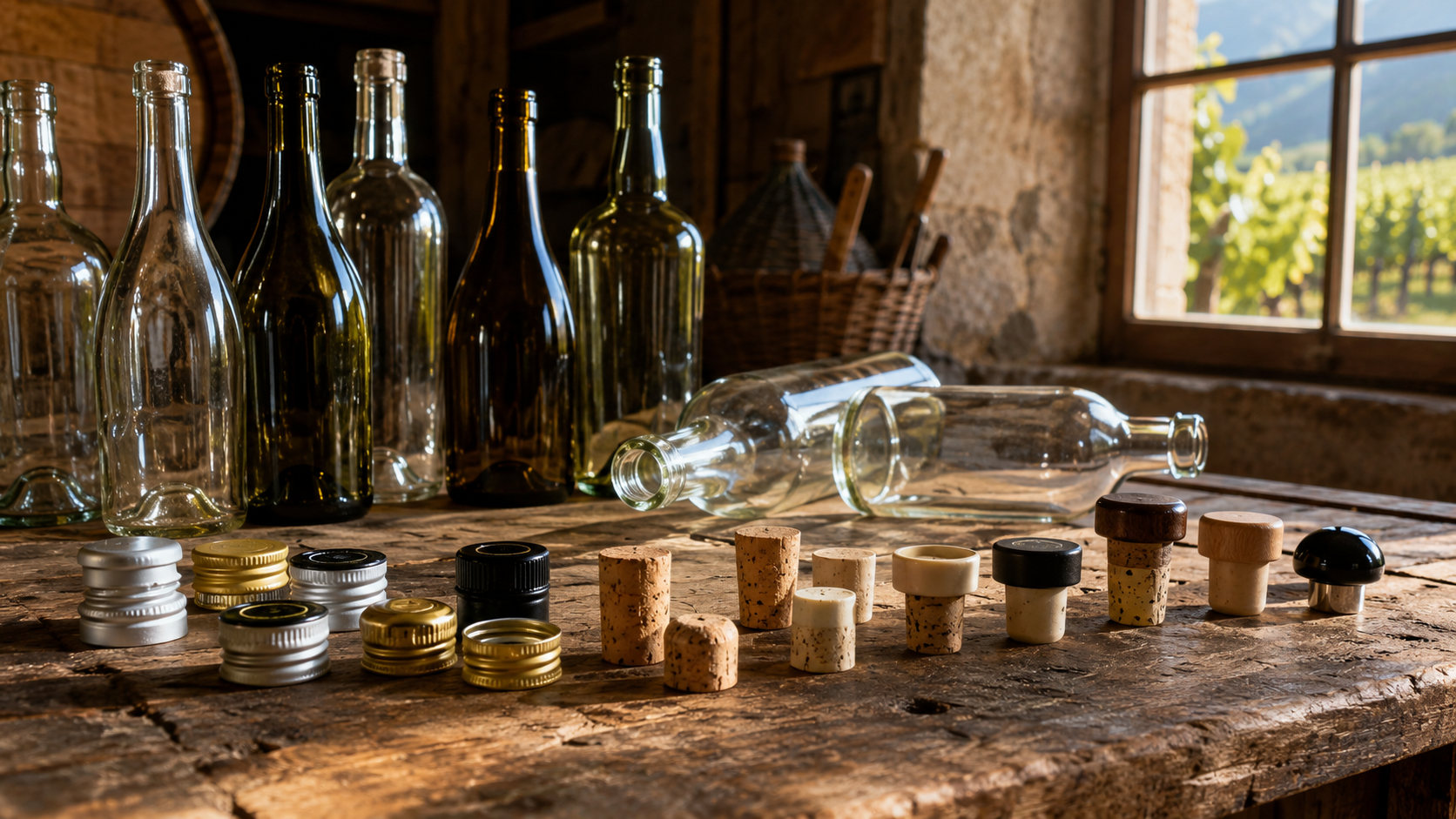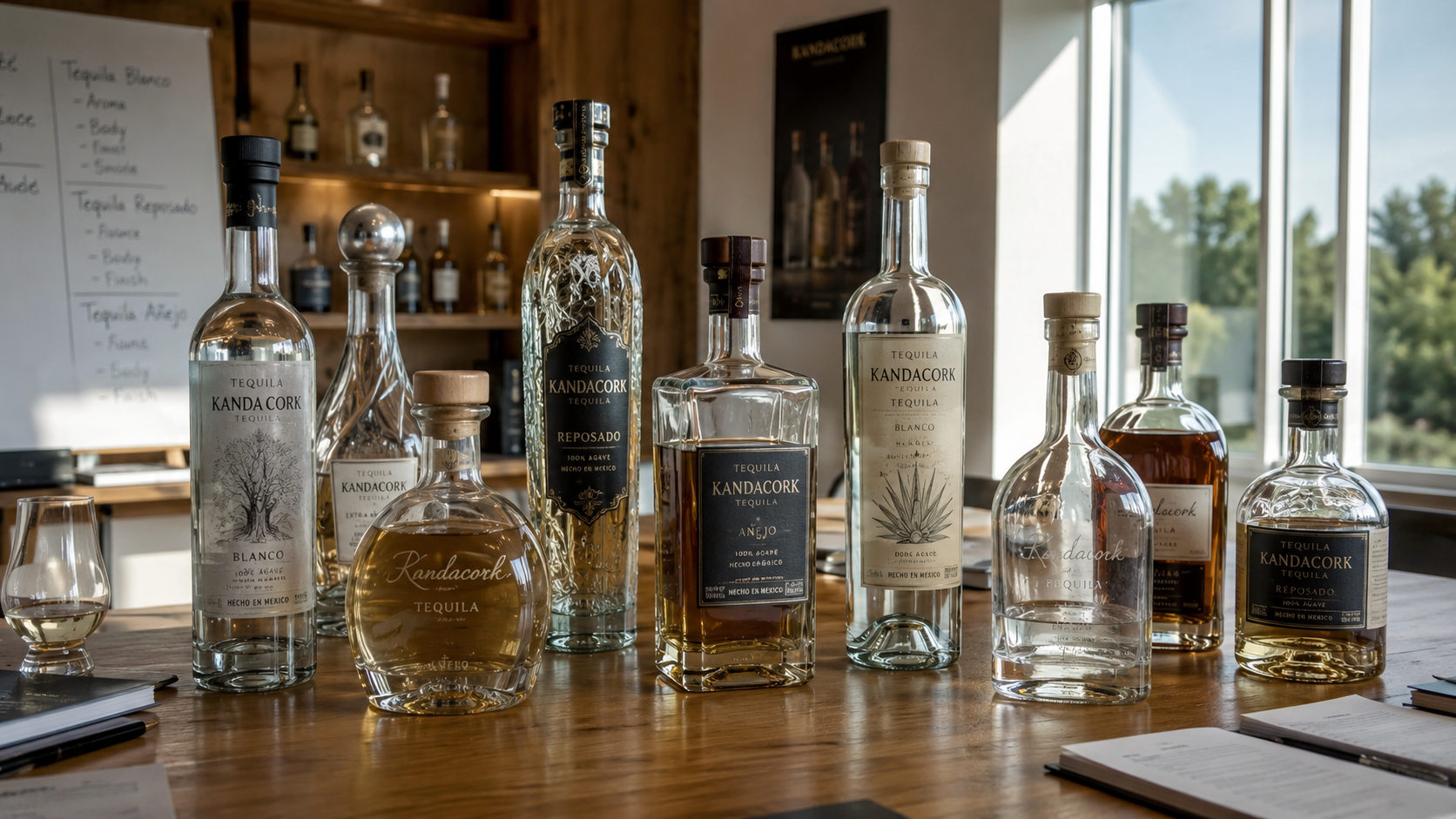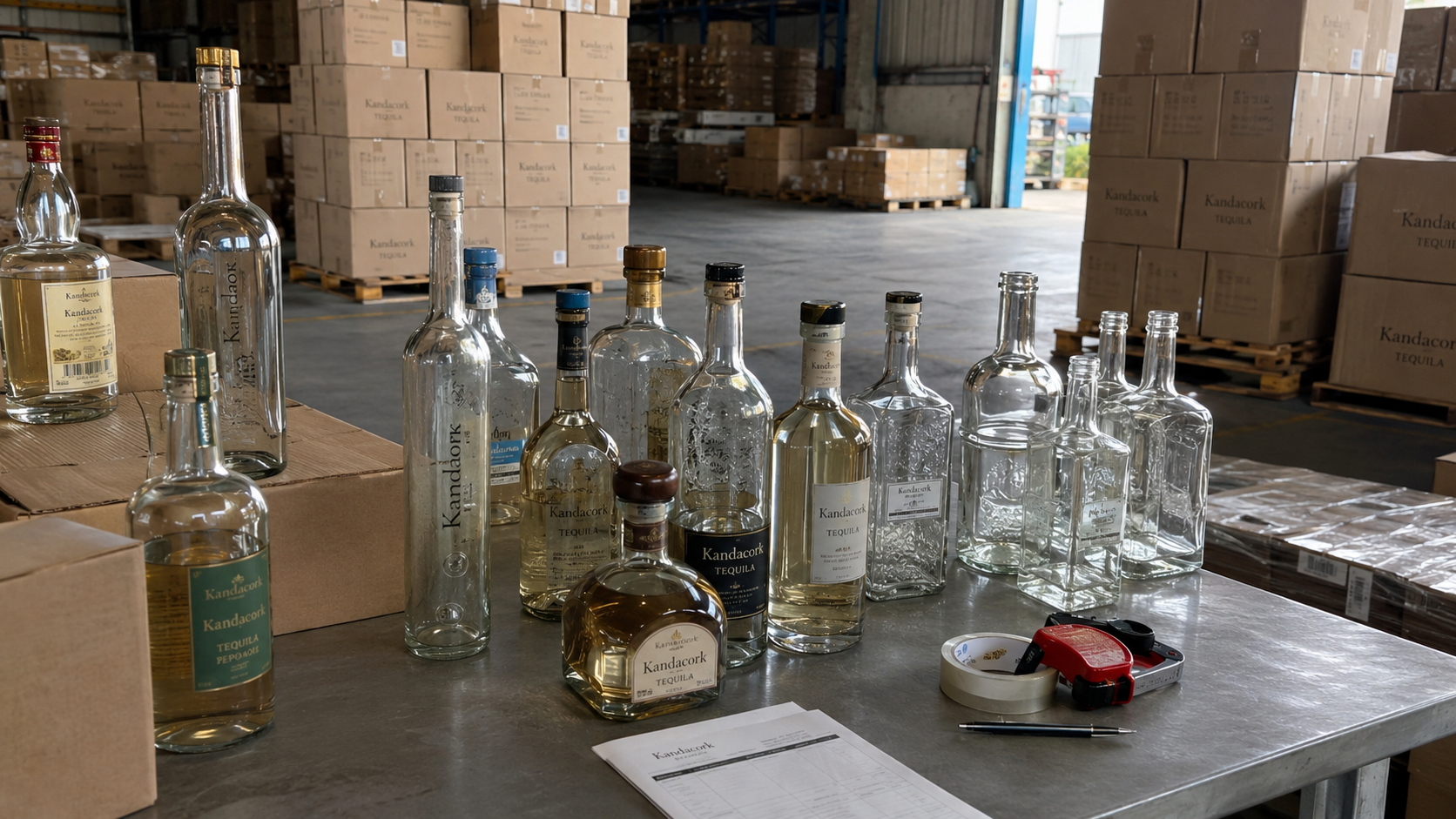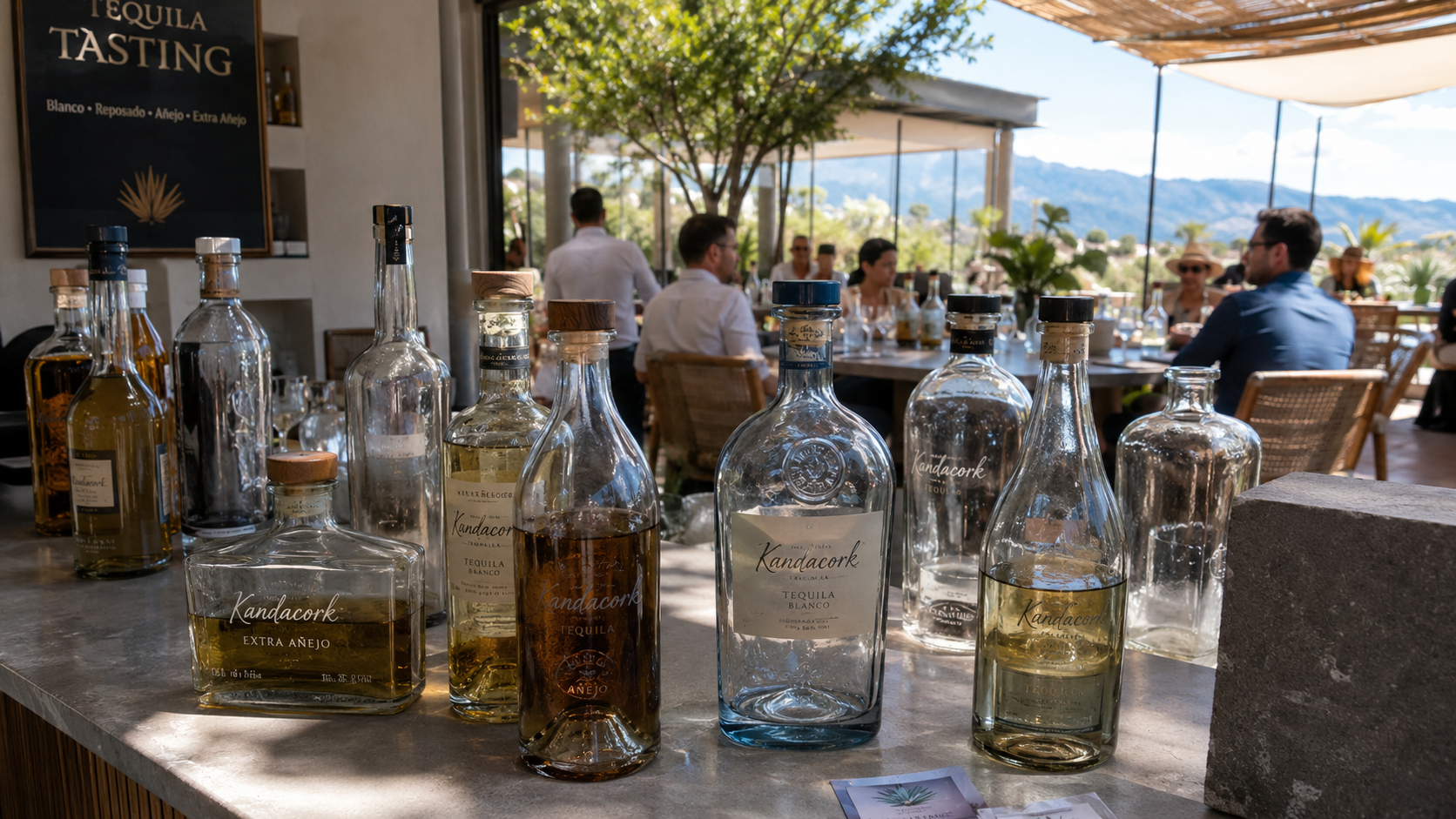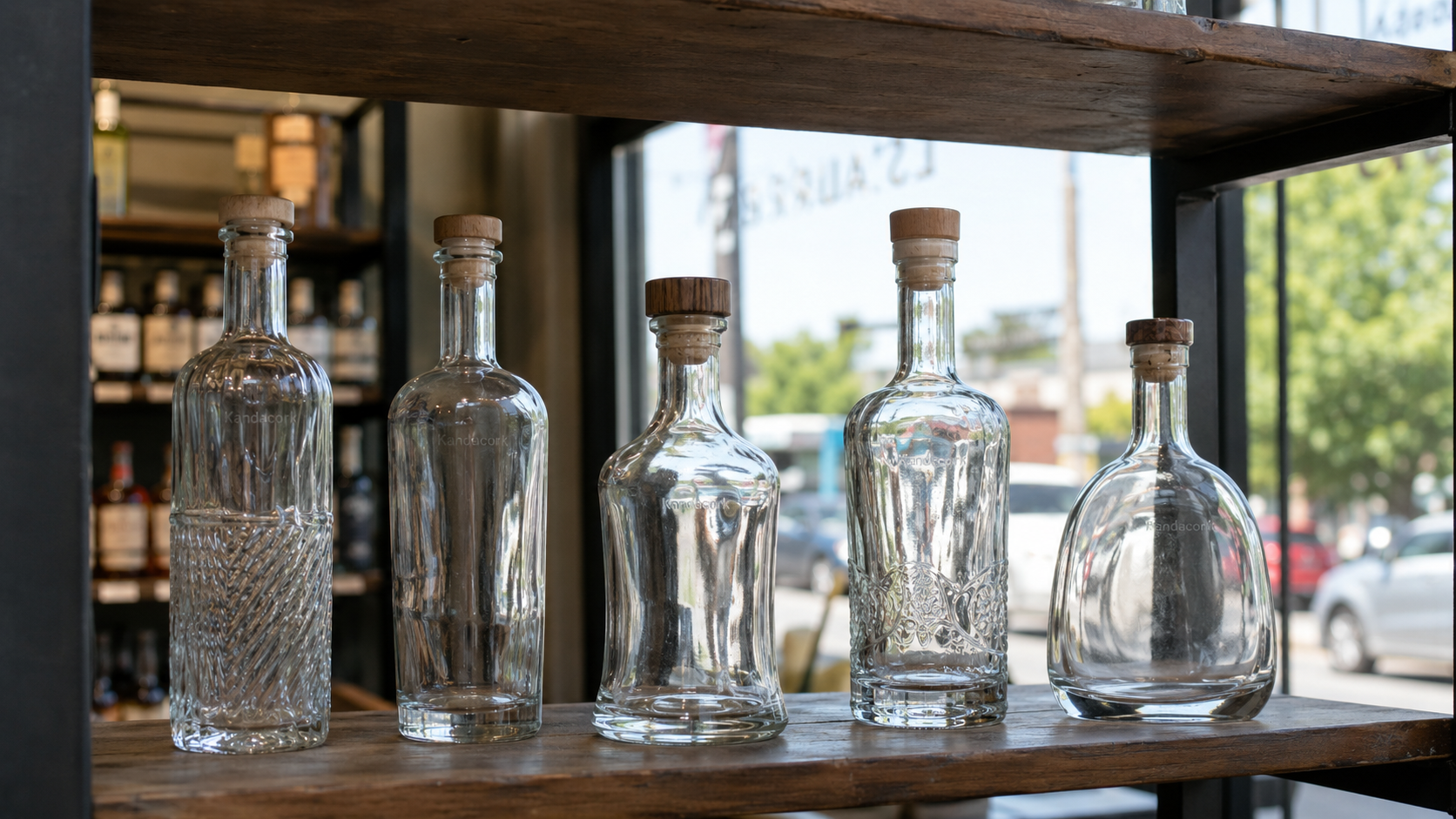
A reliable closure sourcing partner should help brands solve fit, material, branding and production questions before bulk manufacturing. This guide explains what spirits brands should review when comparing suppliers for custom stoppers, caps and closure systems.
Best Answer
A spirits closure sourcing partner helps liquor brands select, test, customize, and bulk supply bottle closures such as bar-top stoppers, screw caps, ROPP closures, non-refillable closures, capsules, and shrink sleeves. The partner should confirm bottle neck compatibility, sealing performance, decoration quality, and export packaging before production.
Quick Summary for Buyers
A reliable sourcing partner helps reduce risk before you approve bulk spirits closures. The right partner reviews bottle neck dimensions, recommends closure structures, provides samples, supports logo customization, checks sealing performance, and prepares packaging that can survive filling, warehousing, and export shipment.
| Buyer Type | Main Need | Sourcing Focus |
|---|---|---|
| Distillery | Premium appearance and opening experience | Bar-top stopper material, weight, finish, and brand story |
| Bottler | Stable production performance | Neck finish, torque, liner, insertion force, capping method |
| Importer | Export-ready supply | Carton strength, documentation, tamper evidence, market requirements |
| Private-label brand | Fast OEM or ODM development | Logo, color, material, sample approval, repeat order control |
| Packaging distributor | Reliable bulk supply | Multi-SKU coordination, batch consistency, lead-time planning |
What Is a Spirits Closure Sourcing Partner?
A spirits closure sourcing partner is a supplier that helps brands choose, develop, test, and supply closures for alcoholic beverage bottles. Instead of simply selling standard corks or caps, the partner checks whether the closure fits the bottle, matches the brand image, supports the filling process, and meets the expectations of the target market.
This role is especially important when a project involves multiple components. A whisky brand may need a weighted wooden T-top stopper with a synthetic cork shank. A vodka brand may prefer a clean aluminum screw cap. A tequila exporter may require an anti-refill system. A private-label spirits company may need one team to coordinate bottles, closures, capsules, decoration, gift boxes, and cartons.
A complete bottle stoppers and closures program usually includes closure type recommendation, bottle neck drawing review, material and liner selection, logo and color customization, sample development, fit checking, sealing review, export packing, and repeat order management.
This matters because closure failure can create real commercial losses. Leakage, poor fit, loose corks, high opening force, inconsistent decoration, or carton damage can delay launches and increase customer complaints. For buyers managing international SKUs, one small closure mismatch can affect the entire packaging schedule.
Why Spirits Closures Matter More Than Many Buyers Think
A closure is small, but it controls several important functions at once. It seals the bottle, protects the product, supports tamper evidence, communicates brand positioning, and contributes to the opening experience.
In premium spirits, the closure is part of the ritual. A heavy wood, metal, glass, or ceramic top can make a bottle feel more valuable before the consumer even tastes the product. In high-volume spirits, the closure must support speed, repeatability, torque control, and cost efficiency.
Regulatory and technical expectations also make closure selection important. For the United States, TTB tamper-evident closure guidance explains that distilled spirits plants and importers must securely affix a tamper-evident closure or similar device to distilled spirits containers. For the European Union, the European Commission’s food-contact materials framework sets general principles of safety and inertness for materials that may contact food or beverages. For bar-top stopper application, CETIE guidance on bar-top stoppers highlights good practices for closures that seal through contact between the stopper body and the internal surface of the bottle neck.
For B2B buyers, this means closure selection is not only about appearance. It is a technical, commercial, and compliance-related sourcing decision.
Main Types of Spirits Closures for Bottlers
Bar-Top Stoppers
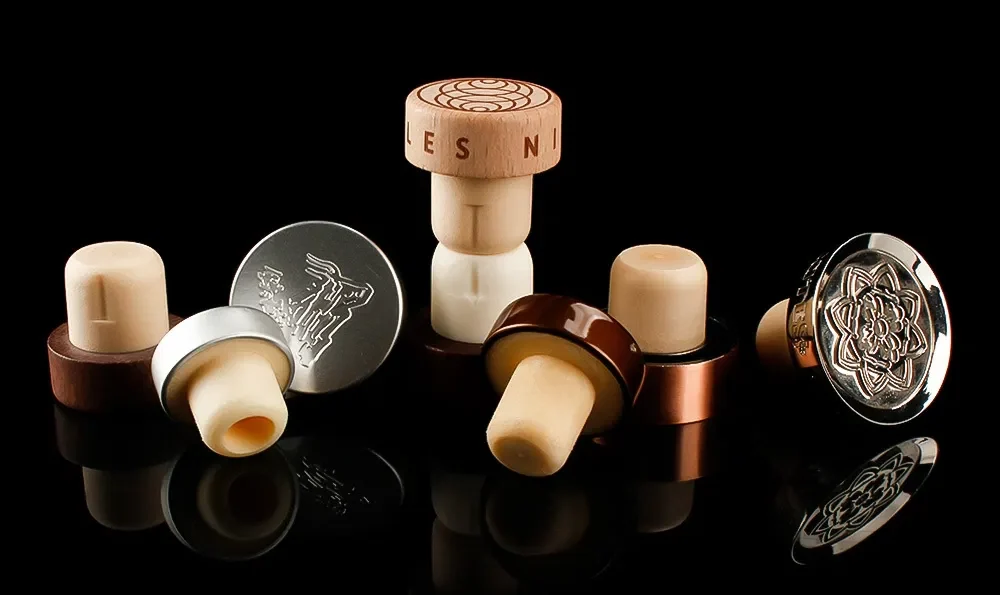
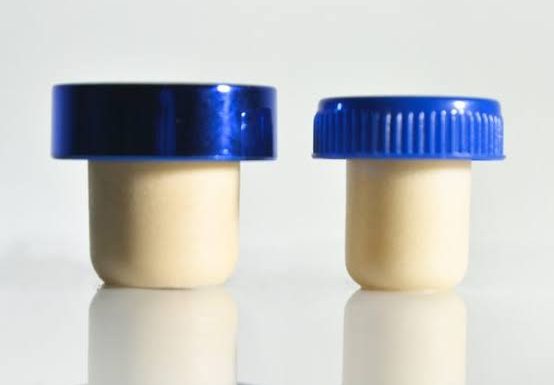
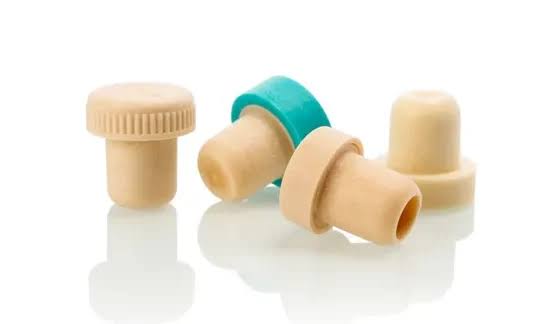
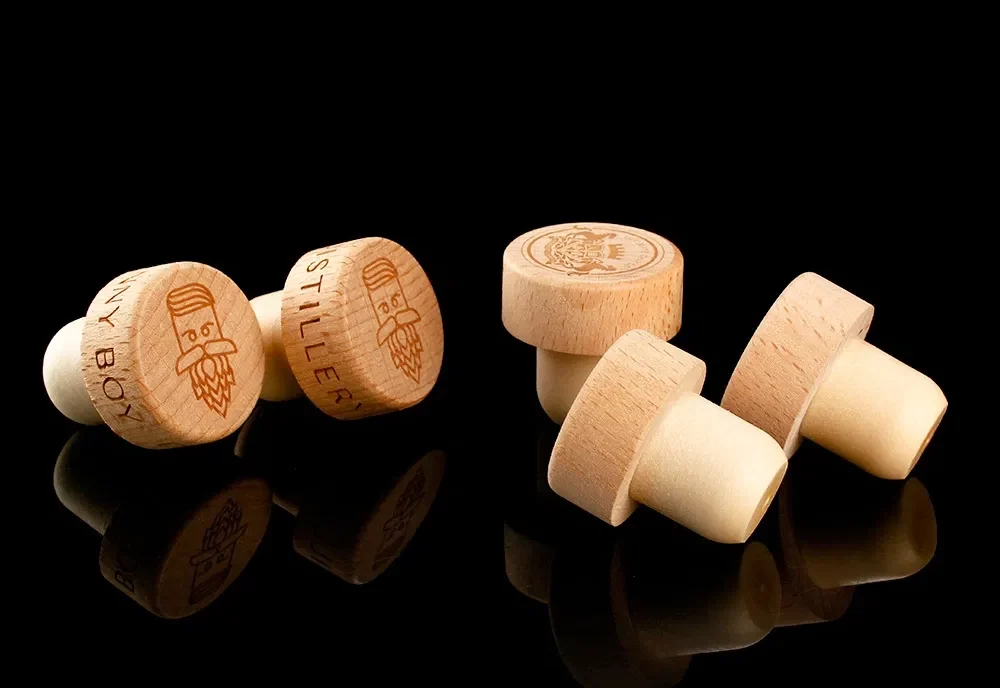
Bar-top stoppers, also called T-top closures or bartop corks, are widely used for whisky, brandy, rum, tequila, gin, liqueurs, and craft spirits. They usually combine a decorative top with a shank that seals inside the bottle neck.
Common top materials include wood, aluminum, zinc alloy, plastic, glass, ceramic, and composite materials. Common shank options include natural cork, micro-agglomerated cork, synthetic cork, and TPE-based materials. A good bar-top stopper must balance compression, pull-out force, appearance, odor neutrality, and repeatable fit.
Bar-top stoppers are ideal when the brand wants a premium feel, strong shelf presence, and a memorable opening experience.
Screw Caps
Screw caps are common for vodka, gin, liqueurs, RTD spirits, mini bottles, and high-volume retail packaging. They are efficient for automated filling lines and can include tamper-evident bands, liners, embossing, printing, and metallic finishes.
A screw cap project should confirm thread finish, cap diameter, liner material, application torque, removal torque, tamper band behavior, filling-line compatibility, and alcohol compatibility. Screw caps are often selected when speed, cost control, and consistent reclosure are priorities.
ROPP Closures
ROPP means roll-on pilfer-proof. These closures are usually made of aluminum and applied with capping equipment that forms the cap thread around the bottle finish. They are common in spirits, wine, olive oil, and other liquid packaging sectors.
For spirits bottlers, custom ROPP closures can provide a clean appearance, tamper evidence, and high-speed production compatibility. However, the closure, bottle finish, liner, and capping equipment must work together. If torque or thread formation is wrong, the brand may face leakage, difficult opening, or inconsistent consumer experience.
Non-Refillable Closures
Non-refillable closures are used when brands need anti-refill, anti-counterfeit, or channel-control protection. They are especially relevant for export markets, duty-free channels, and regions where product authenticity is a major concern.
These closures may include valve systems, pourer inserts, tamper-evident components, and multi-part cap structures. A spirits closure sourcing partner should help verify pour behavior, bottle compatibility, and market expectations before bulk production.
Capsules and Shrink Sleeves
Capsules and shrink sleeves help finish the bottle neck, add tamper evidence, and improve shelf presentation. They are often paired with bar-top stoppers, cork closures, and premium spirits bottles.
Options may include PVC shrink sleeves, PET shrink sleeves, aluminum capsules, polylaminate capsules, and custom printed neck sleeves. These components should be checked with the closure and bottle together, not separately.
Technical Compatibility Checklist for Spirits Closure Sourcing
Before placing a bulk order, buyers should confirm the technical details that affect sealing, filling, transport, and consumer use.
| Closure Type | Key Technical Check | Common Risk If Ignored |
|---|---|---|
| Bar-top stopper | Shank diameter, insertion depth, pull-out force, bottle bore tolerance | Loose fit, difficult opening, leakage, inconsistent feel |
| Screw cap | Thread finish, liner material, application torque, removal torque | Leakage, poor resealing, cap deformation, consumer complaints |
| ROPP closure | Bottle neck finish, capping head, liner compression, torque setting | Poor thread formation, difficult opening, weak tamper evidence |
| Non-refillable closure | Valve fit, pour control, tamper band, bottle compatibility | Poor pouring, product rejection, weak anti-refill performance |
| Capsule or shrink sleeve | Neck diameter, closure height, shrink ratio, heat tunnel setting | Wrinkling, poor appearance, loose sleeve, damaged decoration |
Bottle neck finish is especially important because it determines whether the closure can seal correctly. The neck finish includes the top portion of the bottle that interacts with the closure, such as threads, sealing surfaces, beads, lips, or internal bore dimensions.
For bar-top closures, the inner bore and shank diameter are critical. For screw caps and ROPP closures, thread finish, torque, liner compression, and application settings matter more. For premium heavy closures, carton strength and insert design must also be reviewed because shipping damage can occur even when the closure itself is correct.
Quality systems are also part of serious sourcing. The ISO 9001 quality management standard is widely recognized as a framework for consistent quality management, customer expectations, and continual improvement. For closure buyers, this reinforces the value of documented specifications, approved samples, inspection records, and repeatable production controls.
Need help confirming bottle and closure compatibility? Send your bottle drawing, target closure style, filling-line details, and estimated order quantity before ordering bulk spirits closures.
How to Match Closures to Different Spirits Categories
Whisky, Brandy, Rum, and Premium Dark Spirits
Whisky, brandy, rum, and other premium dark spirits often use bar-top stoppers with wood, metal, glass, or ceramic tops. These categories benefit from closures that feel substantial and support a premium opening ritual.
Recommended options include wooden bar-top stoppers, metal top stoppers, synthetic cork shank closures, natural cork shank closures, decorative capsules, and custom engraved tops. For these products, the closure should match the brand story. A craft whisky may prefer natural wood and engraved details. A luxury brandy may choose a heavier metal or glass top. A rum brand may use color-matched decoration to connect the closure with the label and carton.
Vodka, Gin, Tequila, and Modern Clear Spirits
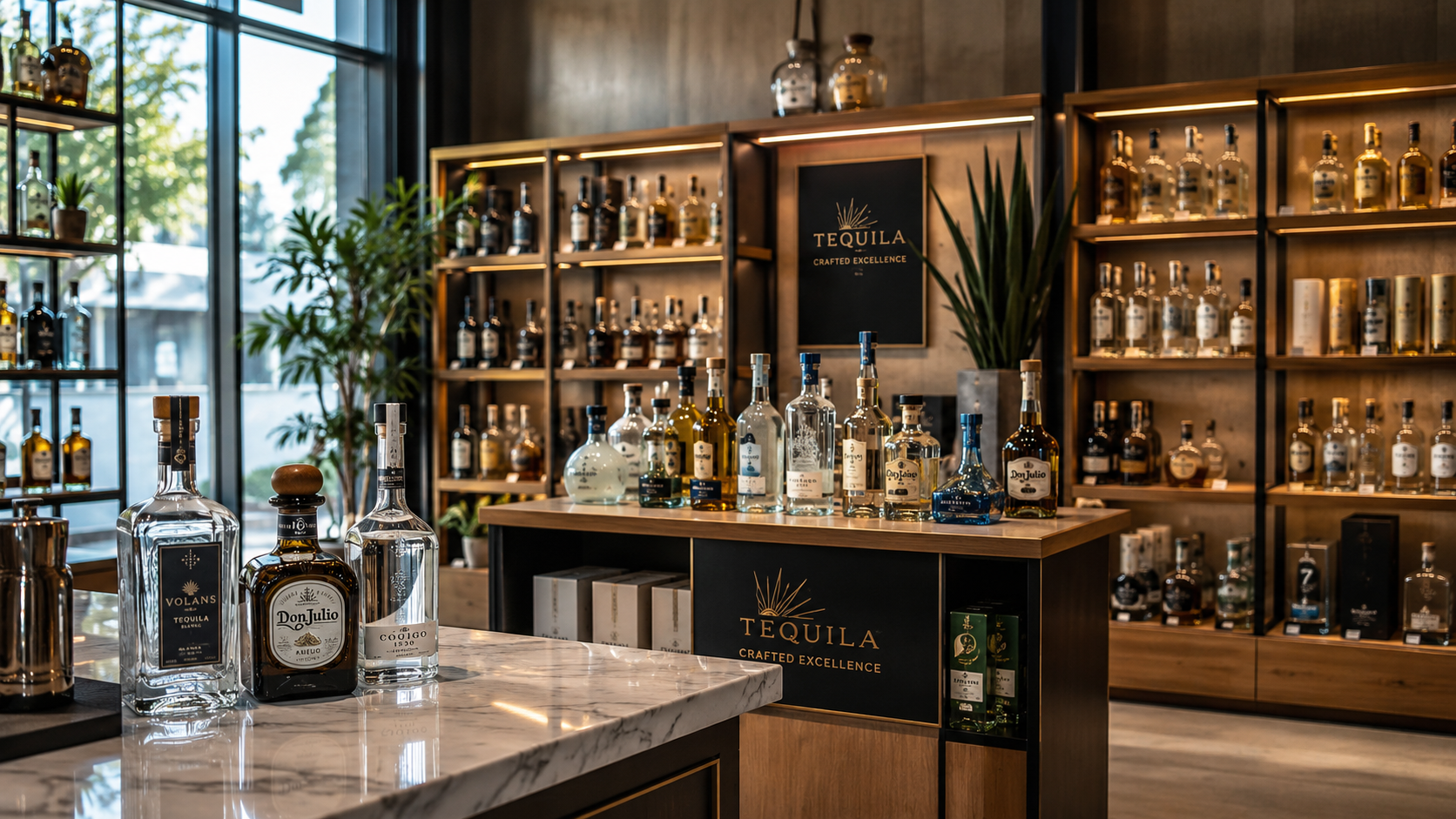
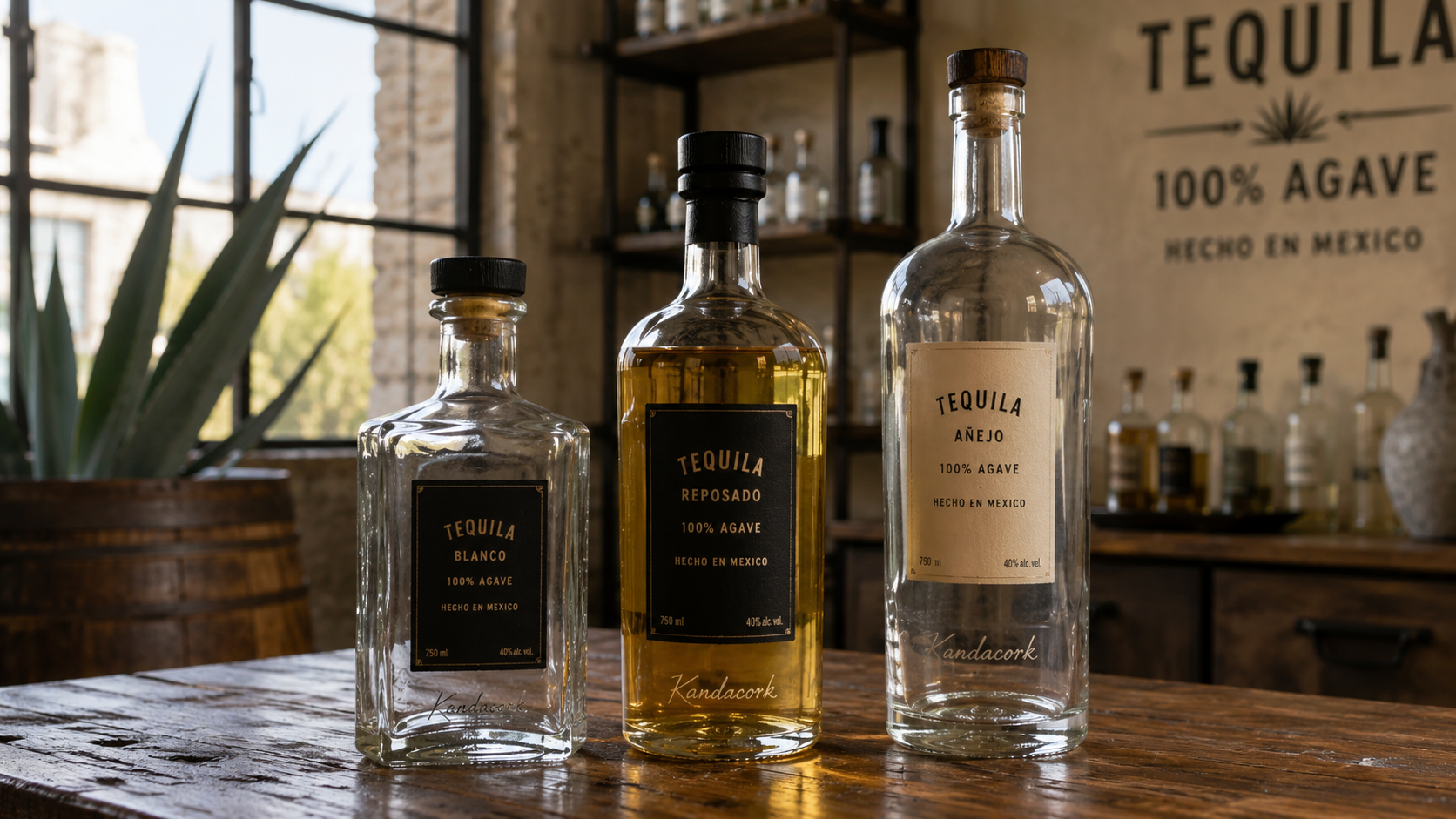
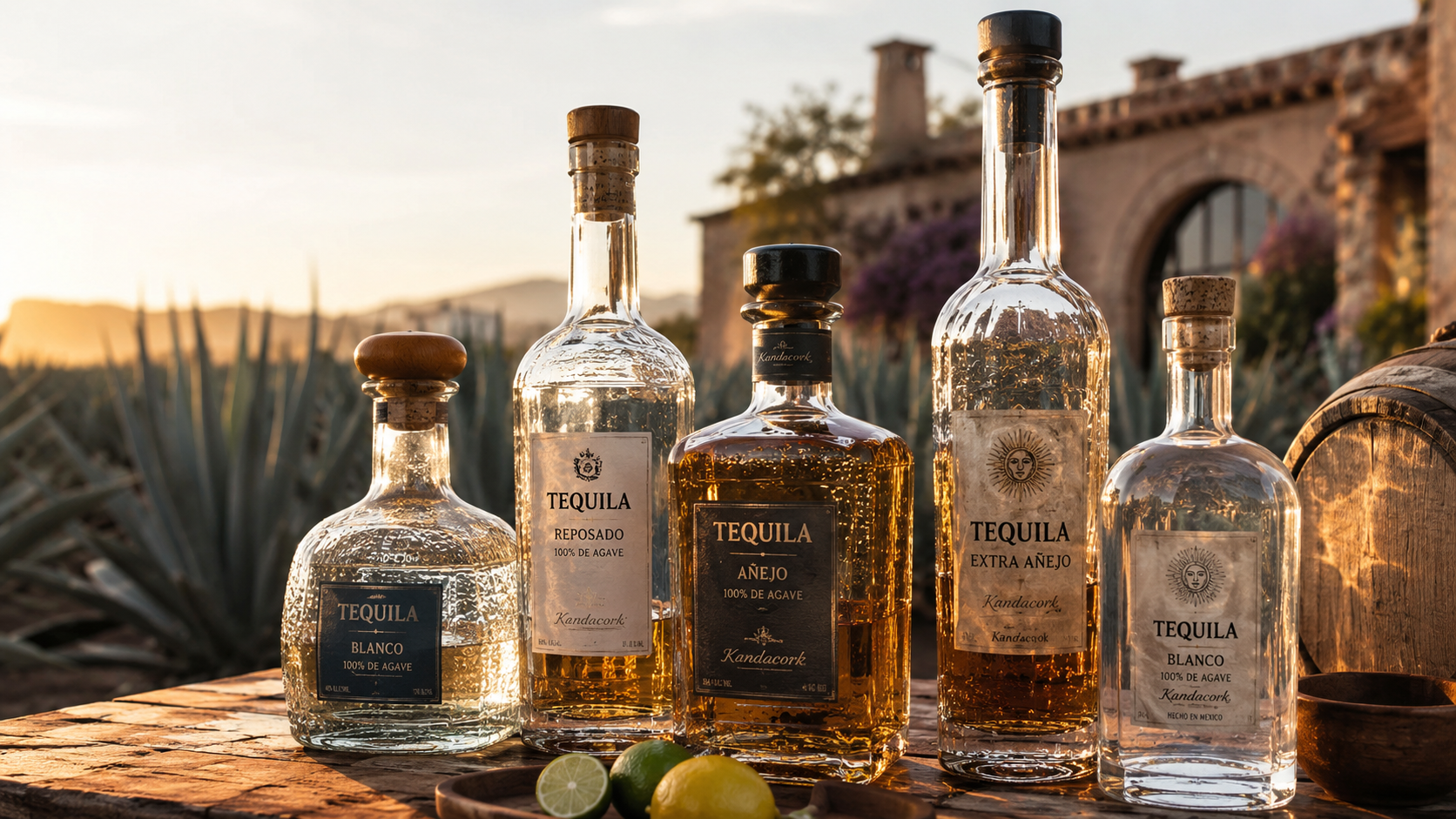
Vodka, gin, tequila, and modern clear spirits often use cleaner and more contemporary closure designs. Aluminum screw caps, ROPP closures, glass stoppers, and metal-top bar stoppers are common.
For modern clear spirits, consistency of finish is critical. A small color difference between cap, label foil, and carton can reduce perceived quality. A good sourcing partner should control Pantone matching, plating finish, logo position, and batch-to-batch appearance.
Liqueurs, RTDs, Mini Bottles, and High-Volume Spirits
Liqueurs, RTDs, mini bottles, and value-focused spirits often need efficient, repeatable, and cost-controlled closures. Screw caps, plastic caps, ROPP closures, and standard bar-top stoppers are common choices.
In these categories, the main sourcing concerns are line speed, closure cost, consistent fit, and stable supply. The closure must work reliably across large production runs.
Export, Duty-Free, and High-Risk Markets
Export and duty-free spirits packaging may require extra attention to tamper evidence, anti-refill protection, and carton strength. Non-refillable closures, shrink sleeves, tamper-evident caps, and secure secondary packaging can help reduce risk.
A sourcing partner should ask about the destination market before recommending the closure. Requirements and buyer expectations can vary across North America, the European Union, Latin America, the Middle East, Africa, and Asia-Pacific.
Common Problems a Sourcing Partner Helps Prevent
A strong spirits closure sourcing partner helps prevent avoidable problems before mass production.
| Sourcing Problem | Why It Happens | How to Reduce the Risk |
|---|---|---|
| Loose stopper fit | Wrong shank diameter or bottle bore tolerance | Test real bottle samples before bulk production |
| Leakage | Poor liner compatibility, wrong torque, or weak seal | Confirm liner, closure type, and application settings |
| Difficult opening | Excessive pull-out force or removal torque | Test consumer opening force during sampling |
| Decoration inconsistency | Poor color control or unstable printing process | Confirm samples, color references, and production standards |
| Poor capsule fit | Closure height and neck diameter not checked together | Test closure, bottle, and capsule as one system |
| Transport damage | Heavy closures or weak cartons | Upgrade dividers, cartons, pallets, and export packing |
| Delayed launch | Separate suppliers for bottle, cap, capsule, and carton | Use integrated packaging coordination when possible |
Many closure failures happen because the project starts with appearance only. A stopper may look perfect in a photo but feel too loose in the bottle. A screw cap may match the color target but fail torque testing. A heavy bar-top closure may pass fit testing but damage cartons during ocean freight.
These problems are easier to solve during sampling than after full production.
Custom Spirits Closure Options for Brand Differentiation
Customization is one of the main reasons buyers look for a spirits closure sourcing partner instead of buying generic closures. The closure is often the first part of the package a consumer touches, so it should support the brand’s price tier, visual identity, and opening experience.
Kandacork can support closure customization such as custom top shapes, wood staining, laser engraving, logo printing, embossing, debossing, hot foil stamping, metal plating, brushed aluminum finishes, polished metal finishes, Pantone color matching, synthetic cork texture, natural or synthetic shanks, and capsule coordination. For color-led projects, custom colors and finishes should be reviewed together with the label, bottle decoration, capsule, and carton artwork.
Decoration should never be treated as a separate afterthought. When closure branding needs to align with decorated glass, coating, screen printing, foiling, or badges, Kandacork Bottle Decor can support a coordinated decoration workflow so the bottle body, closure, and secondary packaging feel like one complete brand system.
Why Source Bottles and Closures Together?
Many packaging problems happen because bottles and closures are sourced separately. The bottle supplier may provide a neck finish that looks standard, while the closure supplier may produce based on another tolerance. The result can be leakage, unstable torque, poor pull-out force, or visual mismatch.
Sourcing bottles and closures together helps align bottle neck finish, closure size, cap or stopper proportion, capsule fit, label position, decoration style, carton protection, filling-line requirements, and export packing.
For spirits-specific bottle programs, Kandacork Spirits supports custom bottle development, standard mold selection, closure matching, and decoration-ready finishing. For broader liquor packaging programs, Kandacork Glass helps coordinate bottles, closures, decoration, and bulk production through one manufacturing-based supply solution. For projects that extend into multi-category glass packaging, Kandacork Glass Packaging can support custom bottles and jars with matched closures and export logistics.
Sustainability can also influence packaging choices. The Glass Packaging Institute notes that glass is recyclable and can be recycled repeatedly without loss in quality or purity. For spirits brands, this makes glass bottle design, closure material selection, decoration coverage, and component separation important parts of long-term packaging strategy.
Kandacork Project Workflow for OEM and ODM Spirits Closures
Kandacork works with B2B buyers that need standard or custom spirits packaging components. The process can begin with a bottle drawing, a physical sample, a reference image, or a brand concept.
A typical project workflow includes:
- Review the bottle drawing or sample
- Confirm the spirits category and target market
- Recommend closure type and material
- Check decoration feasibility
- Prepare sample or prototype
- Test fit, sealing, and visual appearance
- Confirm packaging and carton protection
- Approve pre-production sample
- Start bulk production
- Inspect and prepare export shipment
For new spirits projects, Kandacork recommends testing the closure with the actual glass bottle before bulk production. A drawing can confirm dimensions, but a physical sample helps verify real opening feel, shank compression, capsule fit, and carton protection.
This workflow is useful for distilleries, brand owners, bottlers, packaging distributors, and private-label spirits companies that need both customization and repeatable supply.
What Kandacork Checks During Sample Approval
Sample approval should not be based on appearance alone. A professional review should test the full bottle-top system before moving to bulk production.
| Checkpoint | What to Review | Why It Matters |
|---|---|---|
| Bottle fit | Neck finish, bore size, closure diameter, insertion depth | Prevents loose fit, leakage, and poor opening feel |
| Sealing performance | Compression, liner contact, torque, pull-out force | Helps confirm product protection and usability |
| Visual consistency | Logo position, color, surface finish, top shape | Protects brand presentation and shelf value |
| Decoration durability | Printing, engraving, hot stamping, plating, coating | Reduces risk of wear, scratches, or color variation |
| Capsule or sleeve match | Closure height, neck diameter, shrink behavior | Prevents wrinkling and poor neck appearance |
| Packing method | Carton size, divider strength, pallet plan | Reduces transport damage during export shipment |
For repeat orders, approved samples, color references, drawings, and production records help maintain consistency across future batches. This is especially important for multi-SKU spirits brands where different bottle sizes, colors, labels, and closures must still look like one family on the shelf.
Supplier Qualification Checklist
Before choosing a spirits closure sourcing partner, buyers should check whether the supplier can support both design and technical execution.
A capable supplier should be able to:
- Review bottle neck drawings before production
- Provide real samples for fit testing
- Support bar-top stoppers, screw caps, ROPP closures, non-refillable closures, capsules, and shrink sleeves
- Understand cork, synthetic, TPE, aluminum, plastic, wood, glass, ceramic, and metal closure materials
- Support logo engraving, printing, embossing, debossing, hot stamping, plating, and color matching
- Check sealing, torque, pull-out force, and visual consistency
- Coordinate closures with capsules, shrink sleeves, bottles, and cartons
- Provide batch traceability and repeat production support
- Prepare export packaging for long-distance shipment
- Support standard and custom closure solutions
For long-term spirits brands, repeat production consistency is often more important than one successful sample. A strong sourcing partner should help maintain color, fit, finish, and packaging standards across future orders.
RFQ Checklist for Faster Quotation
To receive an accurate quotation, buyers should prepare project details before contacting a custom closure manufacturer.
| Information Needed | Example Details to Provide |
|---|---|
| Bottle drawing or sample | Neck finish, inner diameter, outer diameter, height, bore size |
| Spirits category | Whisky, vodka, gin, rum, tequila, brandy, liqueur, RTD spirits |
| Closure style | Bar-top stopper, screw cap, ROPP closure, non-refillable closure, capsule |
| Material preference | Wood, cork, synthetic cork, aluminum, plastic, metal, glass, ceramic |
| Logo and decoration | Engraving, printing, embossing, hot stamping, color matching |
| Target market | Domestic, export, duty-free, retail, private label |
| Filling method | Manual filling, semi-automatic line, automatic capping line |
| Quantity | Trial order, first production order, annual demand |
| Packaging requirement | Bulk cartons, dividers, pallets, gift box coordination |
| Timeline | Sample deadline, production deadline, shipping schedule |
The more complete the information, the faster the supplier can recommend a practical closure solution. This also reduces the risk of wrong samples, slow revisions, and unclear pricing.
Frequently Asked Questions
What is a spirits closure sourcing partner?
A spirits closure sourcing partner helps liquor brands select, customize, test, and supply bottle closures. The partner should review bottle neck finish, recommend closure types, provide samples, support decoration, check sealing performance, and prepare export-ready packaging for bulk orders.
How do I choose a spirits closure sourcing partner?
Choose a partner that can review bottle drawings, provide real samples, test closure fit, support custom decoration, manage quality inspection, and supply repeat orders. The best partner should understand both brand design and technical compatibility.
What is the best closure for whisky bottles?
The best closure for whisky bottles is usually a bar-top stopper because it provides a premium opening experience, strong shelf presentation, and reliable resealing. Common options include wooden, metal, glass, or ceramic tops with natural cork, synthetic cork, or TPE shanks.
What is the best closure for vodka or gin bottles?
Vodka and gin brands often use aluminum screw caps, ROPP closures, glass stoppers, or metal-top bar stoppers. The best option depends on bottle neck finish, brand design, filling speed, target price, and tamper-evident requirements.
What is the difference between a bar-top stopper and a screw cap?
A bar-top stopper seals inside the bottle neck and is often used for premium whisky, brandy, rum, tequila, and craft spirits. A screw cap seals by threading onto the bottle neck and is often used for vodka, gin, liqueurs, RTD spirits, and high-volume bottling.
What causes spirits bottle closures to leak?
Common causes include incorrect neck finish, poor liner compatibility, wrong shank diameter, low closure tolerance, incorrect torque, alcohol incompatibility, or insufficient fit testing before mass production. Testing with real bottle samples helps reduce leakage risk.
Do spirits bottles need tamper-evident closures?
Many markets expect or require tamper-evident closure systems for distilled spirits. The exact requirement depends on the destination country and product type. Buyers should confirm local regulations and choose closures, bands, sleeves, or non-refillable systems accordingly.
Should I choose natural cork or synthetic cork for spirits?
Natural cork offers a traditional feel and premium association. Synthetic cork offers strong consistency, lower natural variation, and flexible sizing. The right choice depends on brand positioning, bottle design, alcohol contact expectations, cost target, and repeat production requirements.
Can Kandacork customize logos and colors?
Yes. Kandacork can support logo engraving, printing, embossing, debossing, hot stamping, metal finishes, wood staining, and color matching depending on the closure material, order quantity, and production requirements.
What information should I send for a closure quotation?
Send the bottle drawing or sample, spirits category, closure style, target market, logo artwork, color reference, order quantity, filling method, and delivery timeline. This helps the supplier recommend the correct custom spirits closure solution.
Why Choose Kandacork as Your Spirits Closure Sourcing Partner?
Kandacork supports spirits brands that need more than a standard cap or cork. As a spirits closure sourcing partner, the team helps buyers compare closure types, confirm bottle compatibility, develop custom decoration, prepare samples, and manage export-ready bulk supply.
Kandacork can support bar-top stoppers, cork stoppers, synthetic stoppers, aluminum screw caps, ROPP closures, non-refillable closures, capsules, shrink sleeves, and custom bottle-top systems.
For whisky, vodka, gin, rum, tequila, brandy, liqueur, RTD spirits, and private-label packaging projects, the right closure helps protect the product, strengthen the brand image, and reduce sourcing risk.
Request a Quote from a Spirits Closure Sourcing Partner
Looking for a spirits closure sourcing partner for your next liquor bottle project? Send your bottle drawing, closure reference, logo artwork, target market, and estimated quantity to request a closure quote.
The Kandacork team can help you compare custom stoppers, screw caps, ROPP closures, non-refillable systems, capsules, and shrink sleeves, then prepare an export-ready solution for your spirits packaging program.