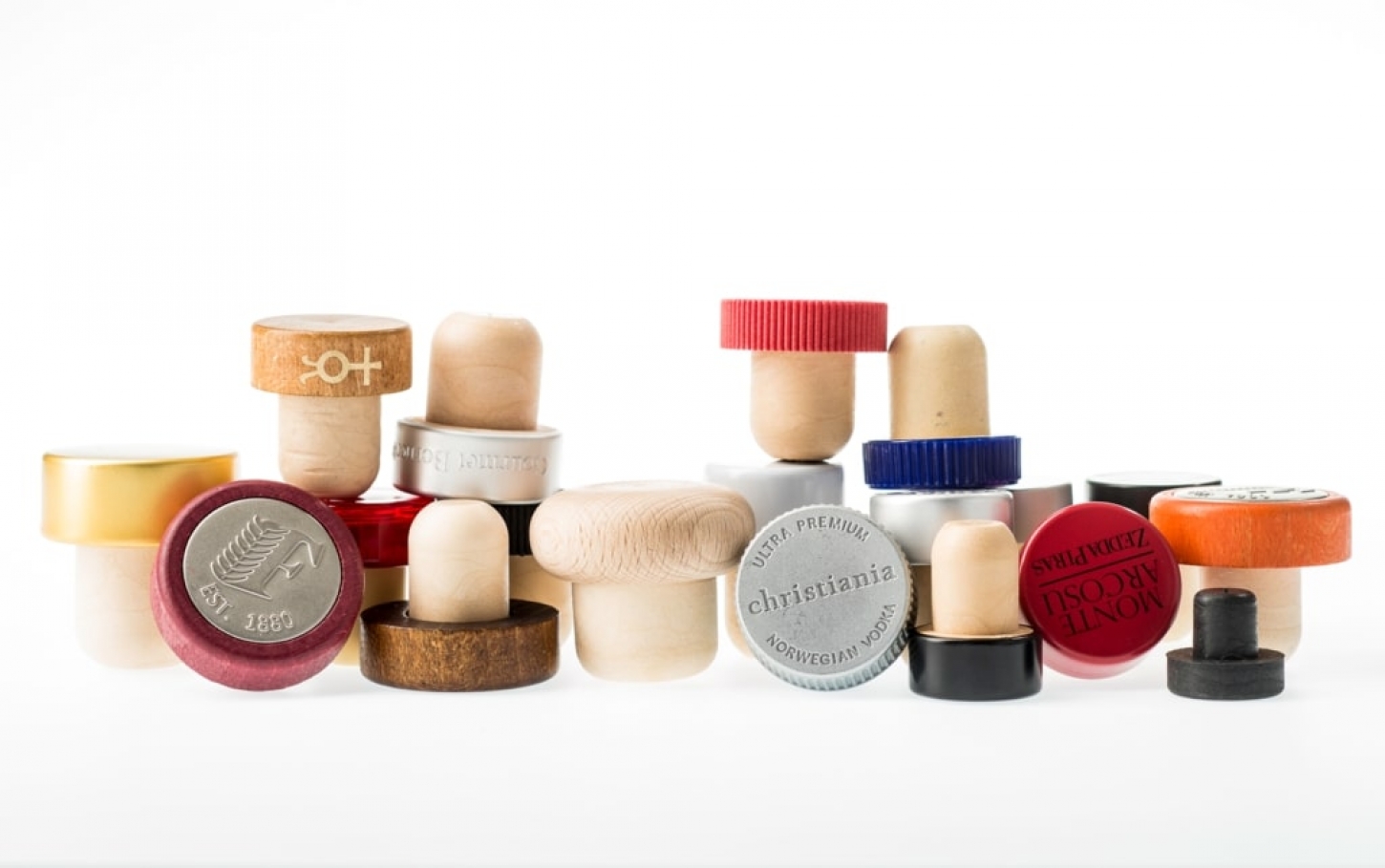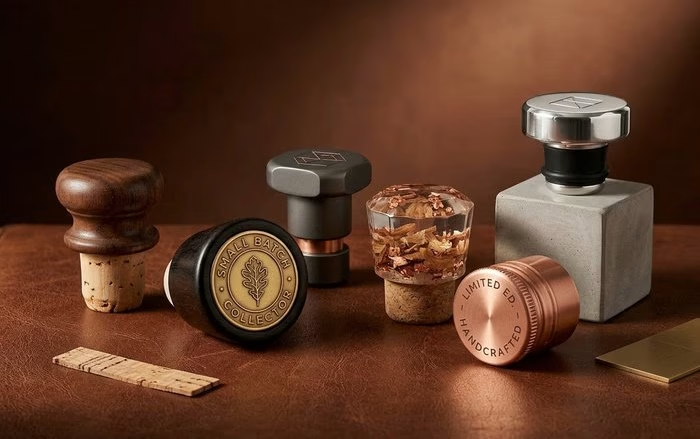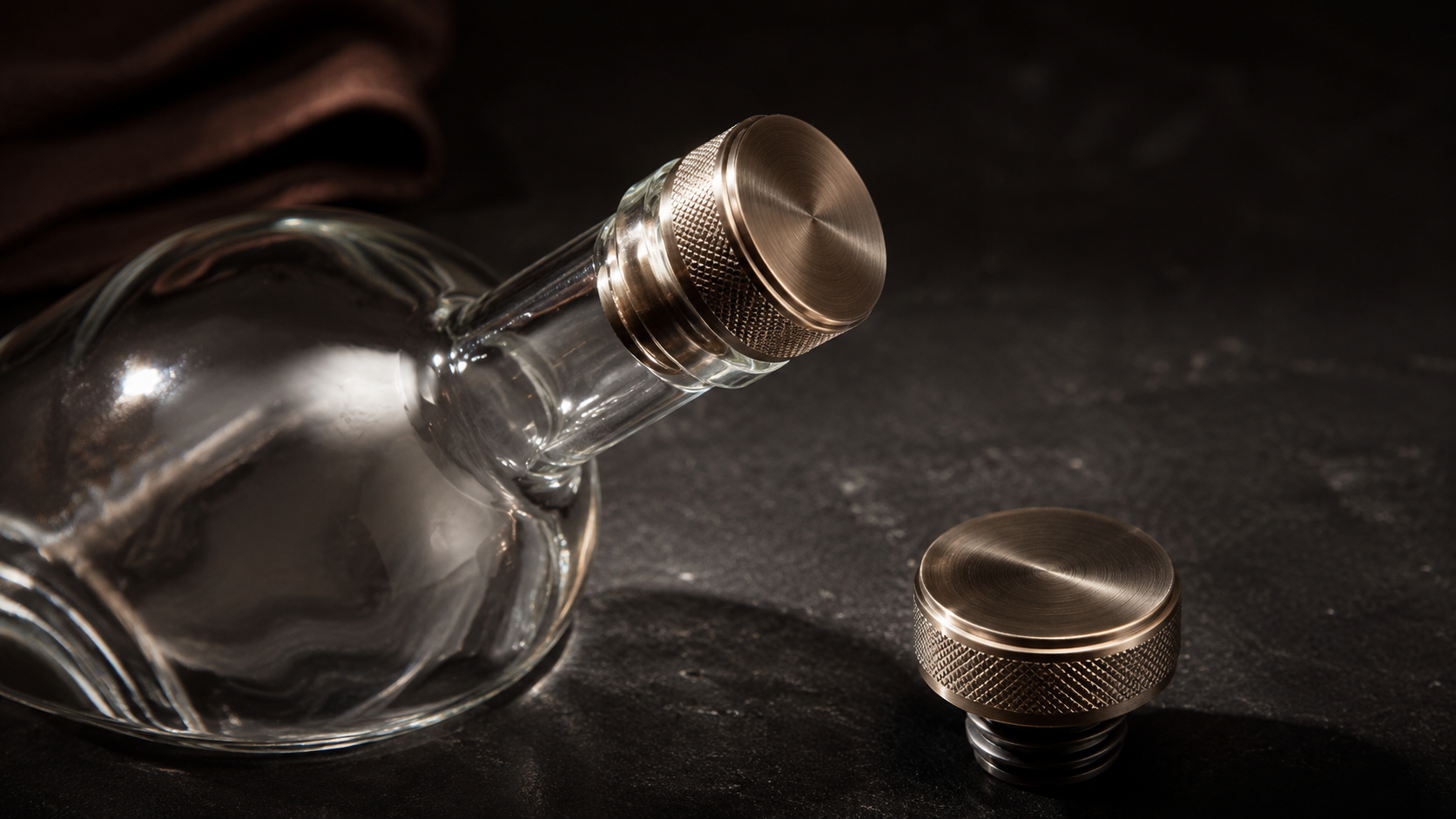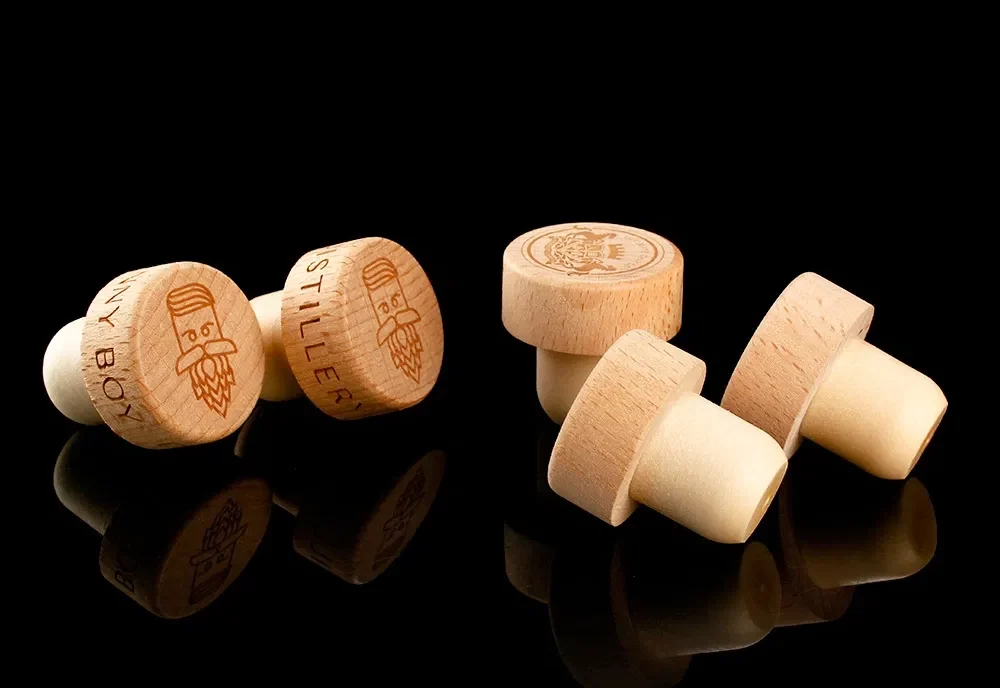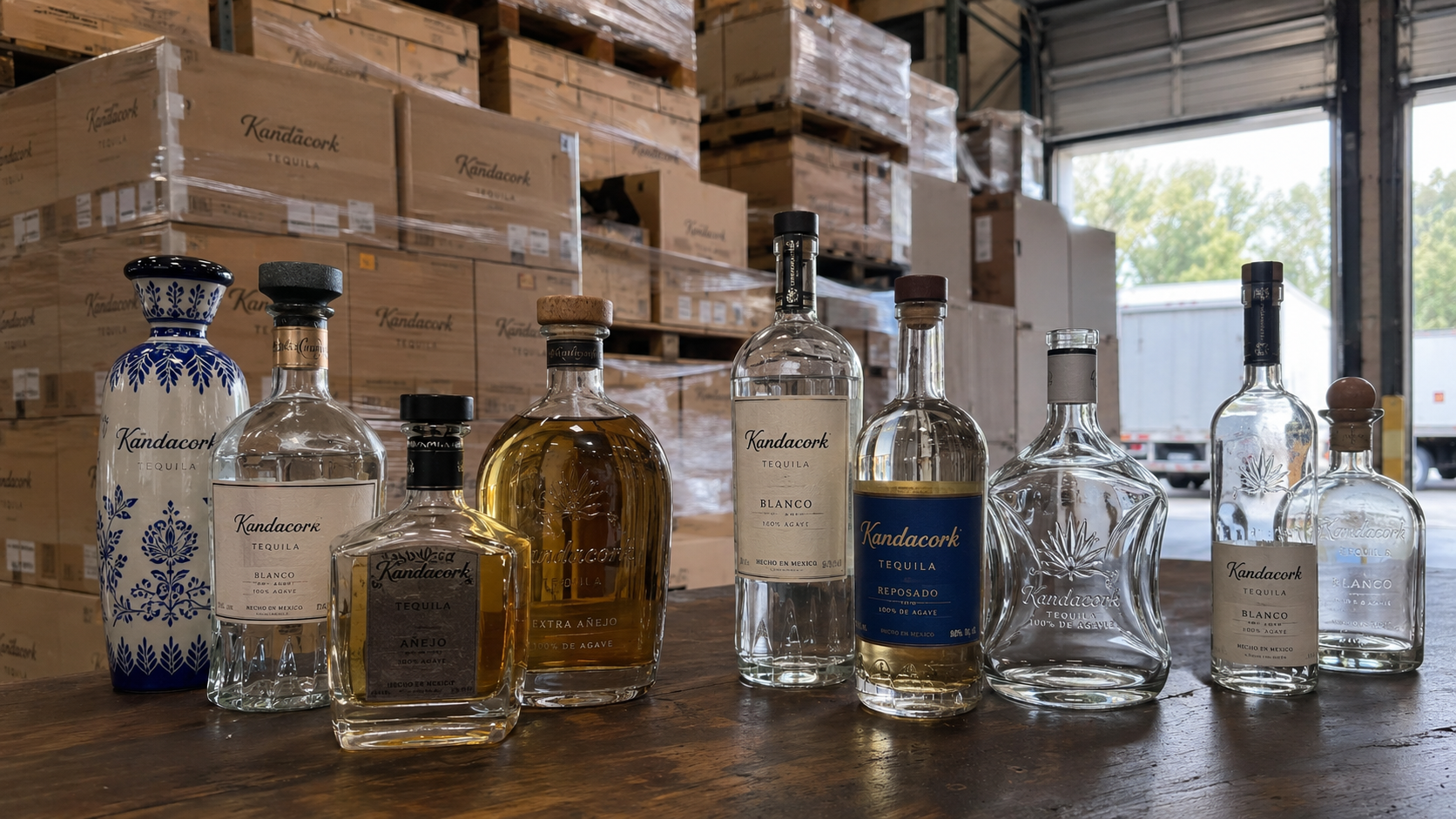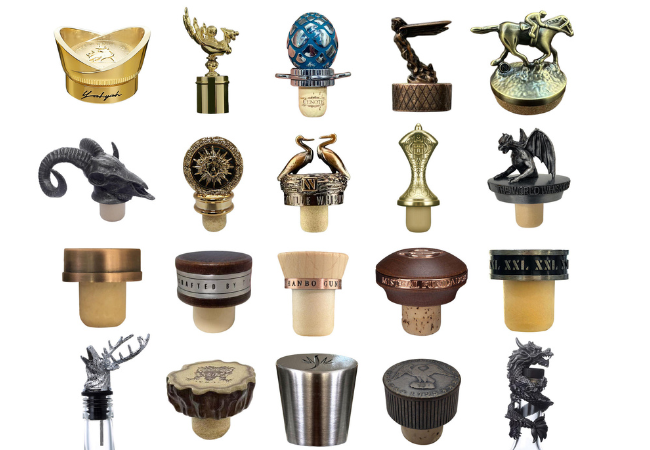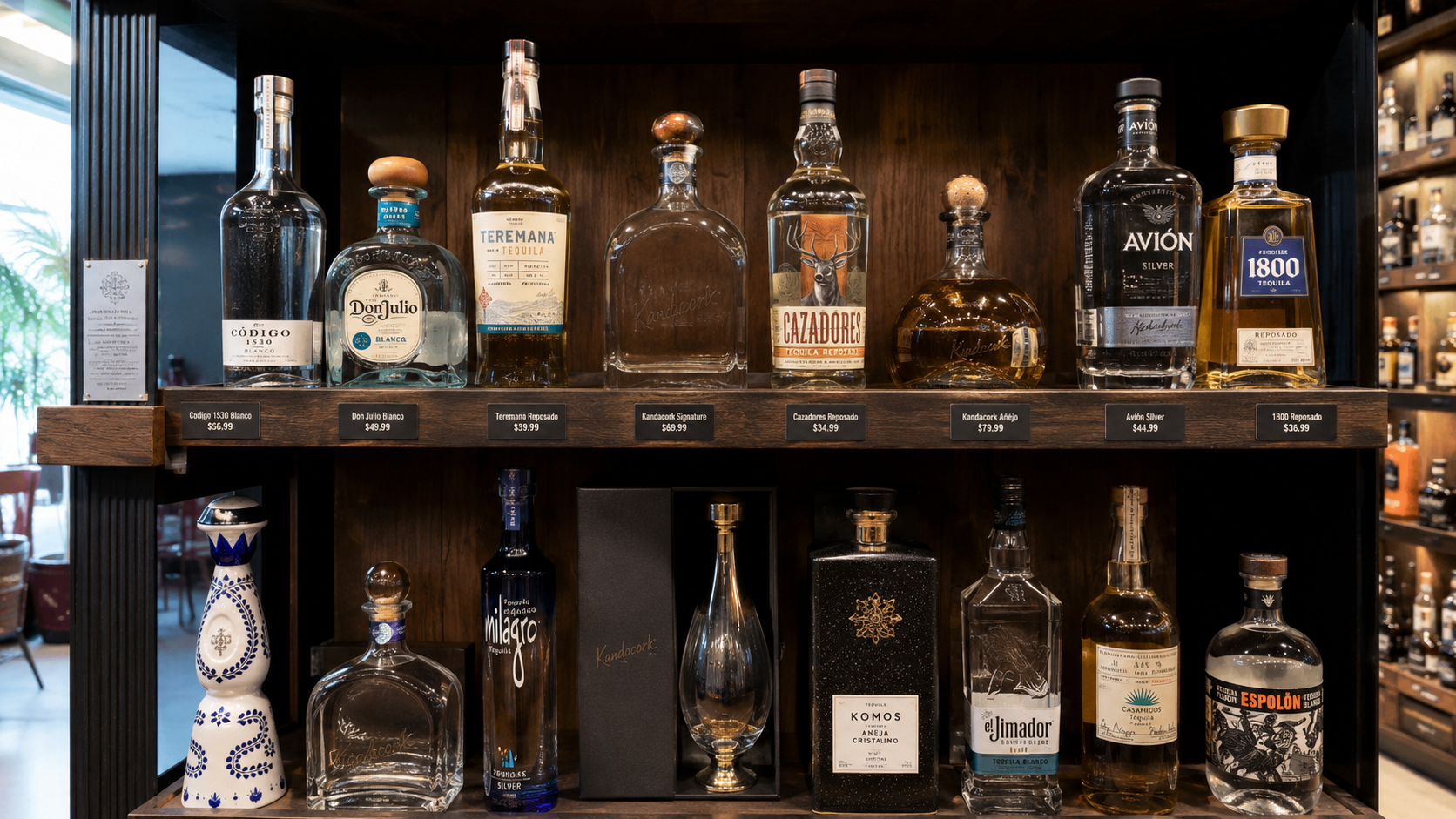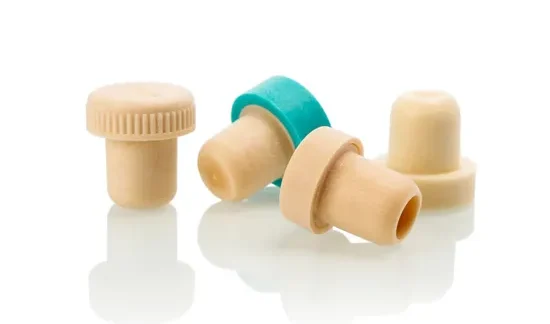
Metal stoppers can give vodka packaging a clean, premium and modern appearance, but the design must match bottle neck dimensions and production requirements. This guide explains weight, finish, logo method, shank choice and quality checks for vodka bottle projects.
Why Metal Stoppers Work Well for Vodka Packaging
Vodka packaging often communicates purity, clarity, coldness, precision, and modernity. Clear glass, frosted glass, white labels, silver decoration, black accents, and minimalist typography are common in the category. Metal stoppers fit this visual language naturally because they add a clean, controlled, and premium finish to the top of the bottle.
A brushed aluminum stopper can make a vodka bottle look sharp and contemporary. A matte black stopper can support a luxury, nightlife, or high-contrast brand identity. A polished chrome or gunmetal stopper can improve shelf visibility under retail lighting. A heavier Zamak or zinc alloy stopper can make a gift bottle feel more expensive in the hand.
Metal stoppers for vodka packaging also give B2B buyers more room for brand expression. The top surface can support laser engraving, embossing, debossing, pad printing, screen printing, color filling, anodizing, plating, and decorative medallions. This allows a brand to add identity at the top of the bottle without redesigning the entire glass container.
The key is balance. A vodka closure should look premium, feel comfortable to open, reseal securely, work with the filling line, and support the bottle’s positioning. Appearance matters, but technical fit matters more.
Best Metal Stopper Choices by Vodka Segment
| Vodka Segment | Recommended Stopper | Best Finish Options | Main Buyer Concern |
|---|---|---|---|
| Craft vodka | Aluminum bar-top stopper or wood-metal hybrid | Brushed silver, matte black, natural metallic | Brand differentiation and small-batch quality |
| Premium vodka | Aluminum, stainless steel, or light Zamak stopper | Brushed silver, chrome, gunmetal | Shelf impact, fit, and finish consistency |
| Luxury vodka | Heavy Zamak or sculpted metal stopper | Plated gold, chrome, gunmetal, medallion top | Weight, gift appeal, and premium hand feel |
| Private-label vodka | Aluminum or metal-look composite stopper | Custom color, printed logo, anodized finish | Cost, MOQ, repeatability, and fast development |
| Limited-edition vodka | Custom metal stopper with special decoration | Embossed, engraved, plated, color-filled | Brand story and collectible value |
This table gives buyers a practical starting point. However, every vodka packaging project still needs bottle-neck validation and physical sample testing before bulk production. Similar-looking bottles may have different inner bore dimensions, sealing surfaces, or neck tolerances.
Main Types of Metal Stoppers for Vodka Bottles
Aluminum Metal Stoppers
Aluminum is one of the most practical materials for modern vodka bottle closures. It is lightweight, clean, scalable, and suitable for brushed, polished, matte, anodized, or printed finishes. Aluminum metal stoppers for vodka packaging are especially useful when a brand wants a premium appearance without excessive closure weight.
Aluminum works well with clear glass, frosted bottles, silver labels, minimalist typography, and contemporary retail packaging. It is often a strong choice for craft vodka, premium vodka, private-label vodka, flavored vodka, and export-ready spirits brands that need a balance of appearance, cost, and production efficiency.
For projects that require lightweight premium tops, Kandacork Closures can support aluminum bar-top stoppers with surface finishing, logo decoration, shank matching, and sample validation.
Zamak or Zinc Alloy Metal Stoppers
Zamak is a zinc alloy used for heavier, more sculptural closure designs. It is suitable for molded logos, complex top shapes, plated finishes, luxury gift packaging, and special editions.
A Zamak stopper gives consumers a stronger sense of weight and value. This can be useful for luxury vodka, collector bottles, premium gifting, and limited releases. The tradeoff is that Zamak closures usually cost more, weigh more, and require more careful development than simple aluminum options.
For vodka brands that want a strong premium touch, Zamak can create one of the most memorable opening experiences. It is best used when the bottle, label, carton, and retail price can support the higher-end closure choice.
Stainless Steel Stoppers
Stainless steel supports a clean, durable, and precise image. It can work well for vodka brands positioned around purity, filtration, Nordic design, laboratory-style minimalism, or modern bar culture.
A stainless steel stopper is not always the lowest-cost option, but it can be effective for high-end vodka packaging where the brand wants a refined and controlled appearance. It pairs especially well with clear glass, frosted glass, white labeling, and technical brand stories.
Metal-Look Composite Stoppers
Some vodka projects need a metallic appearance but do not require a solid metal top. A metal-look composite stopper may help reduce cost, weight, and handling complexity.
This option can be suitable for private-label vodka, promotional vodka, regional brands, and price-sensitive premium projects. It allows the bottle to look more elevated while keeping the closure system efficient for bulk ordering.
What Actually Seals the Bottle?
The visible metal top creates the premium impression, but the seal comes from the shank, insert, liner, or cork system. This is why metal stoppers for vodka packaging should be engineered as complete closure systems rather than decorative caps alone.
A synthetic cork shank is often selected for consistency, repeatable fit, and clean appearance. It is suitable for many vodka projects because the category often values controlled production performance and precise bottle presentation. Kandacork Closures also supplies synthetic bar-top stoppers for spirits projects that require stable fit, consistent color, and scalable supply.
Natural cork can create a warmer and more traditional packaging feel. It may work for craft vodka, organic vodka, heritage vodka, or brands that want a more artisanal identity. Micro-agglomerated cork offers a balance between cork character and dimensional control. Polymer inserts may be useful when consistency, compression control, and high-volume repeatability are priorities.
Before confirming the shank, buyers should review the bottle drawing, measure the inner bore, test the stopper on physical bottle samples, and validate performance after filling. The right shank should feel secure, open smoothly, and maintain a stable seal during normal storage and transport.
How to Choose Metal Stoppers for Vodka Packaging
Choosing metal stoppers for vodka packaging requires both design judgment and technical validation. A closure that looks perfect in a rendering can fail if it does not fit the bottle neck correctly.
The first step is to measure the inner bore, which is the internal opening of the bottle neck. The stopper shank must compress properly inside this area. If the shank is too small, the bottle may leak or feel loose. If it is too large, insertion may be difficult and the consumer may struggle to open the bottle.
Insertion depth also matters. A stopper that sits too high may look unstable, while a stopper that sits too low may hide part of the decorative top or disrupt the intended bottle profile. The sealing surface inside the neck should also be reviewed because minor glass variations can affect closure performance.
Opening feel is another important detail. A premium vodka stopper should feel secure but not difficult. The consumer should sense quality when removing the stopper, but the closure should not feel stuck, rough, or inconsistent.
This is why physical sample testing is essential. Glass tolerances, shank compression, head weight, filling-line handling, and packaging protection can all change the final result.
Metal Vodka Stopper Testing Checklist
Before placing a bulk order, vodka brands should test the closure under practical conditions. A testing checklist helps prevent leakage, poor fit, finish damage, and production delays.
Recommended checks include:
- Inner bore measurement
- Shank diameter confirmation
- Shank compression review
- Insertion force test
- Extraction force test
- Upright leakage test
- Temperature-change test
- Vibration or shipping simulation
- Surface scratch-resistance check
- Logo alignment inspection
- Finish color consistency review
- Capsule or shrink-band compatibility test
- Carton packing protection check
- Bottling-line handling review
For shipping and distribution planning, packaging teams may also reference recognized transport-testing methods such as ASTM D4169, which provides a framework for evaluating how shipping units withstand distribution hazards. Even when a vodka brand does not run a full laboratory program, the principle is useful: test the filled bottle, stopper, label, tamper-evident element, inner packing, and carton as a complete system.
Finish Options for Vodka Metal Stoppers
The finish is one of the most important visual decisions in vodka packaging. Because many vodka bottles are clear or frosted, the closure color has a major influence on shelf impact.
Brushed silver is one of the safest choices for premium vodka. It looks clean, modern, and professional. It works well with clear glass, frosted glass, white labels, silver foil, and minimalist typography.
Matte black creates a stronger luxury or nightlife effect. It pairs well with black labels, dark gift boxes, metallic logos, and premium bar positioning.
Polished chrome gives high brightness and strong shelf visibility. It can help a vodka bottle stand out under retail lighting, but it should be used carefully to avoid an overly flashy appearance.
Gunmetal is a refined alternative to black or silver. It works well for premium vodka brands that want a masculine, technical, or modern industrial feel.
Gold and copper finishes can support limited editions, holiday packaging, and luxury gift sets. For vodka, these finishes usually work best when used with restraint.
Anodized aluminum can support consistent brand color systems. This is useful for flavored vodka, regional editions, private-label programs, and multi-SKU product families.
Logo and Decoration Methods
Custom metal stoppers for vodka packaging give brands several decoration options. The right method depends on the logo, stopper material, surface finish, order quantity, and budget.
Laser engraving is ideal for precise logos, small text, batch marks, and minimalist details. It is especially suitable for premium vodka brands that want a clean and subtle look.
Embossing and debossing create tactile value. These methods work well for top logos, crests, geometric patterns, and premium brand marks.
Pad printing and screen printing can add color, but they should be tested for durability, alignment, and handling resistance.
Top medallions can create a luxury effect for gift vodka, collector bottles, and limited releases. They also help brands create a recognizable closure system across different bottle sizes.
When a project needs coordinated bottle decoration, label effects, color systems, or premium finishing across the full package, brands may also coordinate the stopper with bottle decoration and branding so the top, label, glass, and secondary packaging feel like one design system.
Tamper Evidence for Vodka Bottles
Metal stoppers for vodka packaging may need to be paired with a tamper-evident system, depending on the target market and distribution channel. In the United States, the Alcohol and Tobacco Tax and Trade Bureau notes that distilled spirits plants and importers must securely affix a tamper-evident closure or similar device to distilled spirits bottles, including vodka, as explained in its TTB guidance on closures for distilled spirits bottles.
Common tamper-evident options include shrink bands, capsules, tear strips, tamper-evident sleeves, security labels, ROPP systems, and non-refillable closure systems. Kandacork Closures supplies ROPP closures for spirits projects where roll-on pilfer-proof functionality, liner selection, tamper-evident band design, and bottle neck-finish matching are required.
Tamper evidence should be planned early. Adding a capsule or shrink band after the stopper is already designed can affect the bottle’s proportions, label placement, neck decoration, packing method, and filling-line setup. A premium stopper should not be treated as separate from the security system. The bottle, closure, capsule, label, carton, and compliance plan should work together as one complete packaging solution.
Compliance and Documentation Considerations
A metal stopper can include several components: metal top, shank, insert, liner, adhesive, coating, plating layer, ink, and decorative element. Any component that may contact the bottle mouth, product, or consumer handling area should be reviewed carefully.
For vodka packaging buyers, documentation is part of risk control. The U.S. Food and Drug Administration provides resources for food packaging and food-contact substances, while the European Commission explains that food-contact materials placed on the EU market must support food safety requirements. For closure buyers, this means material selection should be handled with care, especially for shanks, liners, adhesives, inks, coatings, and surfaces near the bottle mouth.
Useful documentation may include food-contact material declarations, shank material specifications, coating or plating information, ink and decoration details, adhesive information where relevant, migration-related documents where applicable, tamper-evident packaging plans, bottle and closure measurement records, sample approval records, batch traceability records, inspection reports, and packing details.
This documentation-focused approach helps brands reduce risk when selling across multiple regions, working with private-label customers, or preparing export projects.
Bottle, Closure, and Measurement Coordination
Metal stoppers for vodka packaging perform best when the bottle and closure are planned together. A high-end stopper cannot solve problems created by an unsuitable neck finish, inconsistent bore, untested sleeve, or mismatched carton.
Packaging teams should confirm bottle capacity, neck dimensions, stopper height, head diameter, capsule allowance, carton clearance, closure weight, and case packing requirements before bulk production. The GS1 Package and Product Measurement Standard is a useful reference for consistent product and package measurement communication across retail and logistics environments.
For brands still selecting the bottle, coordination with spirits bottle packaging can help align glass shape, neck finish, stopper fit, label area, and shelf positioning before the closure design is finalized. For projects that need broader custom glass bottle development, early communication between the glass supplier, closure supplier, decorator, and filling partner can prevent expensive sampling delays.
Bottling-Line Compatibility
Metal stoppers for vodka packaging must work with the production line, not just with the bottle design.
For manual filling, the key issues are operator handling, insertion comfort, visible alignment, and packing protection. This is common for craft vodka, limited releases, and small-batch production.
For semi-automatic filling, the closure must insert consistently. Variation in shank diameter, top weight, or head shape can slow down operators and increase rejection rates.
For automated or higher-volume lines, buyers should check feed orientation, top diameter, stopper height, closure weight, shank tolerance, surface scratch resistance, and carton protection.
Scratch protection is especially important for premium finishes. Matte black, polished chrome, plated gold, and gunmetal surfaces can be damaged if closures are bulk-packed incorrectly. Premium closures should be packed to reduce rubbing, vibration, and transport damage.
Cost Factors in Custom Metal Vodka Stoppers
The cost of metal stoppers for vodka packaging depends on material, structure, decoration, production quantity, and quality requirements.
Important cost factors include:
- Metal material
- Top size and weight
- Shank material
- Mold or tooling cost
- Surface finish
- Logo method
- Plating or anodizing process
- MOQ
- Sample development
- Packing method
- Inspection requirements
- Freight weight
- Lead time
- Target market documentation
A heavy custom Zamak stopper with a sculpted logo and plated finish will cost more than a simple aluminum stopper with laser engraving. That does not automatically make one better than the other. The right choice depends on the vodka’s retail price, target customer, distribution channel, and expected reorder volume.
For private-label vodka, the best solution may be a balanced closure that looks premium but avoids unnecessary tooling complexity. For luxury vodka, a higher closure cost may be justified because it improves shelf impact, gifting value, and perceived quality.
Practical Example: Premium Vodka in a Frosted Glass Bottle
Imagine a premium vodka brand using a 700 ml frosted glass bottle with a minimalist white label, silver foil details, and a clean rectangular silhouette. The brand wants the packaging to feel cold, pure, and modern, but still premium enough for retail gifting.
A suitable closure could be a brushed aluminum bar-top stopper with a synthetic cork shank. The top surface could use laser engraving for a subtle brand mark, while the sidewall could remain clean to preserve the minimalist look. A transparent or silver shrink band could provide tamper evidence without disrupting the bottle’s premium appearance.
Before production, the buyer should test the stopper on real bottle samples. The test should confirm inner bore fit, insertion force, extraction force, upright leakage performance, finish scratch resistance, logo alignment, and compatibility with the shrink band.
This type of solution shows why metal stoppers for vodka packaging should be selected as part of a full packaging system. The stopper, bottle, label, tamper-evident element, carton, and filling process all need to work together.
Best Use Cases for Metal Stoppers in Vodka Packaging
Craft vodka benefits from a closure that communicates authenticity and quality. Aluminum, wood-metal hybrids, or simple custom metal bar-top stoppers can create a premium impression without overwhelming the bottle design.
Premium vodka is one of the strongest use cases for metal stoppers. Brushed aluminum, stainless steel, matte black, chrome, or gunmetal options can elevate the bottle while keeping the design clean.
Luxury vodka can justify heavier Zamak tops, sculpted designs, medallions, plated finishes, and coordinated gift-box packaging. The stopper should feel intentional and aligned with the brand story.
Private-label vodka needs a balance of customization, cost, MOQ, and repeatable fit. A flexible metal stopper system can help buyers create a premium appearance without building every component from scratch.
Limited-edition vodka packaging often benefits from engraved logos, special colors, medallions, metallic plating, or collector-style top designs. Metal stoppers can help make the bottle feel more exclusive.
How Kandacork Closures Supports Vodka Stopper Projects
Kandacork Closures supports vodka brands, distilleries, bottling companies, packaging distributors, and private-label buyers with custom closure development. For metal stoppers for vodka packaging, the company can help buyers move from concept to production with a more controlled process.
Support can include bottle-neck review, inner bore checking, stopper-shank matching, material selection, finish development, logo decoration, sample approval, quality inspection, packing protection, and bulk production planning. Buyers can also review the broader range of custom closure and stopper options when comparing metal stoppers with wooden stoppers, synthetic stoppers, glass stoppers, screw caps, capsules, shrink sleeves, or other spirits closure systems.
This is especially useful for B2B buyers who need more than a catalog product. A vodka packaging project may involve brand design, technical fit, compliance documentation, filling-line compatibility, cost control, and delivery scheduling. Kandacork Closures helps connect these requirements into one closure development workflow.
For projects that also need bottle sourcing, carton alignment, or broader glass packaging coordination, early planning helps prevent neck-fit mismatches, decoration conflicts, and unnecessary sampling rounds.
Procurement Checklist Before Ordering
Before requesting a quote for metal stoppers for vodka packaging, buyers should prepare the project details that affect design, fit, cost, and lead time.
Useful information includes:
- Bottle drawing
- Physical bottle sample
- Neck finish details
- Inner bore measurement
- Target stopper style
- Preferred metal material
- Shank material preference
- Logo artwork
- Decoration method
- Surface finish
- Target market
- Tamper-evident plan
- Filling method
- Annual quantity
- First order quantity
- Sample deadline
- Bulk delivery schedule
- Packaging requirements
Complete project information allows the supplier to recommend a more accurate closure structure. It also reduces the risk of repeated sampling, fit problems, and production delays.
Common Mistakes to Avoid
Choosing by appearance only is one of the most common mistakes. A beautiful stopper can still fail if the shank does not fit the bottle. Fit, sealing, and production compatibility should come before decoration.
Ignoring stopper weight can also create problems. Heavy tops feel premium, but they affect freight cost, bottle balance, packing, filling-line handling, and consumer experience.
Skipping sample testing is risky. Bulk production should not begin before physical samples are approved. Testing should include fit, insertion force, extraction force, leakage, finish durability, logo alignment, and packaging protection.
Forgetting tamper evidence can delay launch. A bar-top stopper may need a separate tamper-evident solution, and this should be planned during the design stage, not added at the end.
Using one stopper across different bottle necks should not be assumed. Similar vodka bottles can have different neck tolerances, so each bottle should be validated separately.
Request a Custom Metal Stopper Quote
To start a custom project, send Kandacork Closures your bottle drawing, bottle sample, logo artwork, preferred finish, target order quantity, filling method, and target sales market.
The team can review the bottle neck, recommend suitable materials, prepare sample options, and help you choose a closure that supports both the vodka bottle and the brand strategy. Buyers can submit project details through the custom closure quote page.
For premium spirits, the closure is not just the end of the bottle. It is the beginning of the consumer experience.
FAQ
Are metal stoppers suitable for vodka bottles?
Yes. Metal stoppers are suitable for vodka bottles when the brand wants a premium, modern, or luxury appearance. They are especially effective for craft vodka, premium vodka, gift bottles, limited editions, and private-label spirits.
Which metal stopper material is best for premium vodka?
Aluminum is usually the best option for scalable premium vodka packaging. Zamak or zinc alloy is better for luxury vodka that needs a heavier hand feel and sculpted detail. Stainless steel works well for minimalist high-end vodka brands.
Do metal vodka stoppers need tamper evidence?
In many regulated markets, distilled spirits bottles need a tamper-evident closure or similar security feature. Metal bar-top stoppers may be paired with capsules, shrink bands, tear strips, ROPP systems, or other tamper-evident packaging solutions.
What information is needed to quote custom metal stoppers?
A supplier usually needs the bottle drawing, bottle sample, neck finish, inner bore measurement, logo file, target material, preferred finish, order quantity, filling method, and target market.
Can metal stoppers be customized with logos?
Yes. Common decoration methods include laser engraving, embossing, debossing, pad printing, screen printing, color filling, plating, anodizing, and top medallions.
How do I choose the correct stopper size?
The correct stopper size depends on the bottle neck’s inner bore, insertion depth, sealing surface, and shank compression. Physical sample testing is recommended before confirming bulk production.
Are metal stoppers better than screw caps for vodka?
Not always. Screw caps and ROPP closures are often better for high-volume or economy vodka. Metal stoppers are better when the brand wants stronger premium positioning, custom decoration, and a more memorable opening experience.
Can one metal stopper fit different vodka bottles?
Sometimes, but it should not be assumed. Similar bottles can have different neck tolerances. Each bottle should be tested with the selected stopper before production.
What are the best finishes for vodka metal stoppers?
Brushed silver, matte black, polished chrome, gunmetal, and anodized colors are common choices. The best finish depends on the vodka’s bottle design, label style, brand positioning, and target price tier.
Why choose Kandacork Closures for metal stoppers for vodka packaging?
Kandacork Closures can support material selection, bottle-neck review, shank matching, finish development, logo decoration, sample testing, quality control, packing protection, and bulk production planning. This helps vodka brands create closures that look premium and perform reliably.